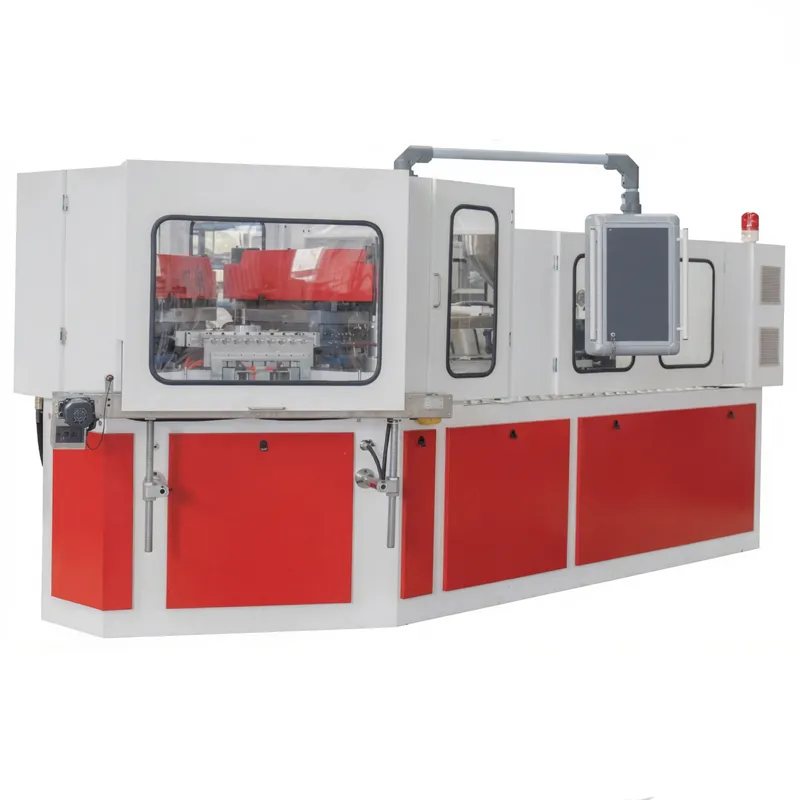
EP-ZQ60 Injection Blow Molding Machine Replacement of Jomar IBM65
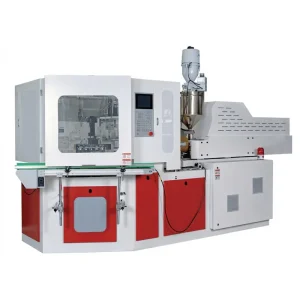
The EP-ZQ60 is a high-performance, European-style injection blow molding machine engineered as a direct replacement for the Jomar IBM65. It features a robust 600 KN injection clamping force, a 37 KW total power system, and a 4-second dry cycle time. This machine processes HDPE, PP, and PET resins to produce pharmaceutical, cosmetic, and food-grade containers ranging from 1 ml to 2,000 ml. Key advantages over the IBM65 include a 20–30% higher clamping force, a 10–20% reduction in energy consumption, and a wider injection weight capacity of up to 383 g.
European-Style Injection Blow Molding Machine
EP-ZQ60 Injection Blow Molding Machine
Replacement of Jomar IBM65
Full European-style structure · 600 KN Clamping Force · 37 KW Total Power · Bottle Capacity 1–2000 ml
Note: Brand names such as Jomar are referenced solely to assist customers in selecting compatible equipment. This page does not represent, sell, or imply any affiliation with those brands. Our EP-ZQ60 is an independently engineered injection blow molding machine designed as a direct performance-equivalent replacement option.
What Is This Injection Blow Molding Machine?
The EP-ZQ60 is a high-performance injection blow molding machine built on a full European-style platform, engineered for manufacturers seeking an efficient, reliable alternative to the Jomar IBM65. With a clamping force of 600 KN on the injection side and 100 KN on the blowing side, this machine delivers exceptional structural rigidity and dimensional accuracy across a broad range of container types. Whether you are producing pharmaceutical vials, cosmetic bottles, or food-grade containers up to 2,000 ml, the ZQ60 offers the precision and throughput consistency demanded by modern production environments in Colombia and throughout Latin America.
Unlike standard three-station IBM platforms, the ZQ60 features a uniquely pressurized clamping mechanism in which the booster cylinder operates independently of the mold open/close motion. This design innovation reduces total energy consumption by 10–20% compared to machines in the same category, while simultaneously cutting dry-cycle time to just 4 seconds. The servo-driven rotation system ensures repeatable, smooth indexing with minimal wear — a critical factor for operations running extended shifts.
The machine accepts molds up to 600 × 390 mm and handles a maximum bottle height of 220 mm and maximum diameter of 120 mm. With a screw diameter of 45/50 mm, an injection weight of 260/383 g, and a total installed power of only 37 KW, the ZQ60 stands among the most energy-efficient industrial injection blow molding machines available at this clamping tonnage class. It is an ideal choice for buyers currently operating or evaluating Jomar IBM65 equipment.
EP-ZQ60 Technical Specifications
| System / Item | Parâmetro | Unidade | ZQ60 Value |
|---|---|---|---|
| Injection System | |||
| Diâmetro do parafuso | mm | 45 / 50 | |
| Relação L/D da rosca | % | 22:1 | |
| Injection Weight | g | 260 / 383 | |
| Potência de aquecimento | KW | 14 | |
| Number of Barrel Zones | — | 3+N | |
| Injection Stroke | mm | 160 | |
| Clamping System | |||
| Clamping Force — Injection | KN | 600 | |
| Opening Stroke — Injection | mm | 140 | |
| Clamping Force — Blowing | KN | 100 | |
| Opening Stroke — Blowing | mm | 140 | |
| Lifting Height of Rotary Table | mm | 70 | |
| Mould | |||
| Max. Platen Size (L × W) | mm | 600 × 390 | |
| Mold Thickness | mm | 240 | |
| Max. Bottle Diameter | mm | 120 | |
| Max. Bottle Height | mm | 220 | |
| Suitable Bottle Volume | ml | 1 – 2000 | |
| Stripping Stroke | mm | 230 | |
| Hydraulic System | |||
| Hydraulic Pressure | MPa | 14 | |
| Potência do motor | KW | 18.5 / 22 | |
| Dry Cycle Time | s | 4 | |
| Total Power | KW | 37 | |
| Operating Power Efficiency | % | 52 – 70 | |
| Other Parameters | |||
| Min. Air Pressure (Compressed Air) | MPa | 0.7 – 1.2 | |
| Compressed Air Capacity | M³/min | 0.7 | |
| Cooling Water Flow | M³/h | 4 | |
| Pressão da água de refrigeração | MPa | 0.3 – 0.4 | |
| Dimensões da máquina (C × L × A) | M | 3.8 × 1.4 × 1.8 | |
| Net Weight | Ton | 5 | |
ZQ60 — Mold Cavitation Reference by Bottle Volume
| Approx. Volume | 10 ml | 30 ml | 60 ml | 100 ml | 250 ml | 500 ml | 1000 ml |
|---|---|---|---|---|---|---|---|
| Max. Cavities | 14 | 12 | 10 | 8 | 5 | 3 | 2 |
For reference only. Actual cavitation depends on mold design and container geometry.
EP-ZQ60 vs. Jomar IBM65 — Parameter Comparison
Brand reference for selection assistance only. No affiliation implied.
| Especificação | EP-ZQ60 | Jomar IBM65 (ref.) |
|---|---|---|
| Clamping Force (Injection) | 600 KN | 460 KN |
| Diâmetro do parafuso | 45 / 50 mm | 45 mm |
| Injection Weight | 260 / 383 g | 205 g |
| Max. Platen Size | 600 × 390 mm | 432 × 660 mm |
| Dimensões da máquina (C×L×A) | 3.8 × 1.4 × 1.8 M | 2.92 × 1.98 × 3.41 M |
| Clamping Force Category | 60 T | IBM65 class |
| Energy Saving vs. Peers | 10–20% lower | Standard |
| Tipo de estrutura | Full European | Standard IBM |
Five Key Advantages of the EP-ZQ60 Injection Blow Molding Machine
20–30% Higher Clamping Force
The full European-style structure delivers a clamping force 20–30% greater than competing machines in the same tonnage bracket. At 600 KN injection clamping and 100 KN blow clamping, the ZQ60 handles thicker-walled containers and wider mold formats without structural flex or flash defects — a direct advantage over the Jomar IBM65's 460 KN injection clamping rating.
10–20% Lower Energy Consumption
The patented booster cylinder design operates independently during mold open/close sequences, eliminating unnecessary hydraulic load. Combined with servo motor drive and a total installed power of 37 KW, the ZQ60 achieves an operating efficiency range of 52–70% — substantially lower running costs compared to conventional injection blow molding machines of equivalent output capacity.
Wider Injection Weight Range
With a screw diameter of 45/50 mm and an injection weight of 260/383 g — substantially above the Jomar IBM65's 205 g capacity — the ZQ60 processes a broader range of resins and preform weights. This flexibility is valuable for manufacturers producing diverse container portfolios across pharmaceutical, personal care, and food-grade categories in Latin American markets.
Larger Mold Platen — More Cavities Per Cycle
The ZQ60 accommodates molds up to 600 × 390 mm compared to the Jomar IBM65's 432 × 660 mm footprint. For horizontal multi-cavity layouts, this extra width supports up to 14 cavities at 10 ml and up to 8 cavities at 100 ml, making it one of the most productive small-format injection blow molding machines available for high-volume cosmetic and pharmaceutical container production.
Standard Servo Rotation — Precision at Speed
The servo-controlled rotary table achieves a 4-second dry cycle with highly repeatable indexing accuracy. The straightforward mechanical structure means less maintenance intervention and simpler operator training — a practical benefit for Colombian and regional manufacturers running lean production teams. Servo drive also enables real-time process monitoring and integration with factory automation systems.
Cenários de aplicação
The EP-ZQ60 injection blow molding machine serves a wide spectrum of industries requiring precise, seamless container production from a single machine stage.
💊 Pharmaceutical Packaging
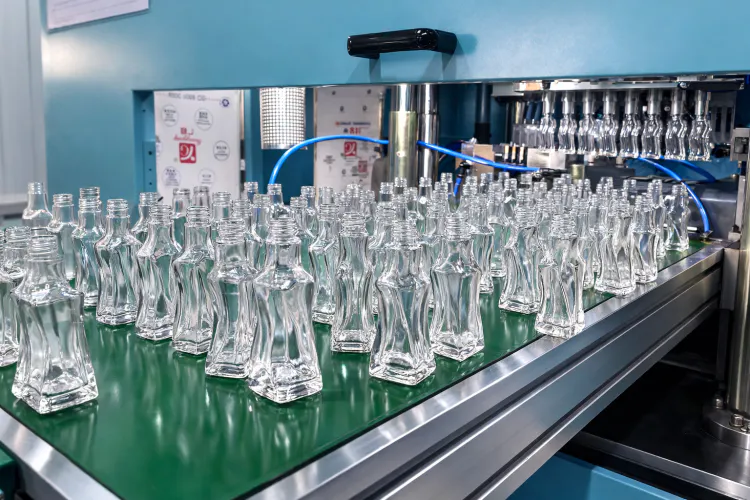
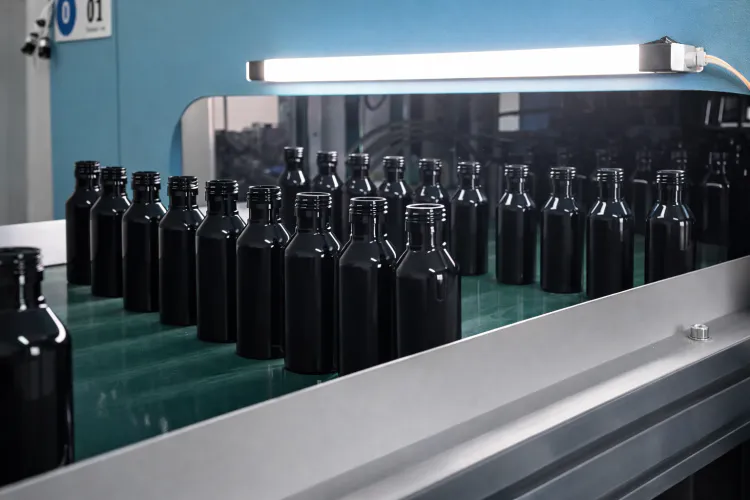
The injection blow molding process produces containers with consistent wall thickness and no parting-line flash — properties critical for tamper-evident pharmaceutical vials, syrup bottles, and eye-drop containers. The ZQ60's multi-zone heating barrel ensures uniform melt temperature, supporting HDPE, PP, and PET pharmaceutical-grade resins as required by health authorities across Latin America, including Colombia's INVIMA regulatory framework.
🧴 Personal Care & Cosmetics
Lotions, shampoos, perfume bases, and skincare serums all demand aesthetically precise containers with tight neck tolerances and high-gloss surface finish. The ZQ60's servo-controlled rotary table and high injection pressure ensure outstanding preform filling consistency, making it an ideal plastic injection blow molding machine for small-volume cosmetic containers from 1 ml to 250 ml in high-cavity configurations.
🥤 Food & Beverage Containers
From small yogurt cups and single-serve juice bottles to condiment containers and spice jars, the ZQ60 handles food-contact applications with ease. All contact surfaces are engineered to comply with FDA, EU 10/2011, and equivalent Colombian ICONTEC food-packaging material standards. The sealed IBM process prevents contamination risks that can arise with multi-stage blow molding alternatives.
🧪 Agrochemical & Industrial Containers
Herbicide, pesticide, and lubricant containers face stringent chemical-resistance requirements. The ZQ60 processes HDPE and multi-layer barrier resins with uniform wall distribution, producing containers that meet UN-certified packaging norms for hazardous materials. For the Colombian agricultural sector — where crop-protection chemicals represent a significant packaging volume — this industrial injection blow molding machine offers reliable, scalable output.
🏥 Medical Devices & Laboratory
Specimen collection tubes, reagent containers, and single-use medical bottles all benefit from the seamless, flash-free finish achievable only through the injection blow molding process. The ZQ60's independent booster clamping ensures zero-flash neck finish — a non-negotiable requirement in medical-grade container manufacturing. Compatibility with ISO 15223 and ISO 11607 medical device packaging frameworks makes this machine relevant for healthcare packaging suppliers across South America.
Regulatory Compliance: Injection Blow Molding Machines
The operation, importation, and use of injection blow molding machines and their output containers is governed by overlapping technical, environmental, and safety standards across different markets. Buyers and operators in Colombia and neighboring markets should be aware of the following frameworks:
🇨🇴 Colombia — INVIMA & NTC Standards
Plastic packaging produced by injection blow molding machines for food and pharmaceutical end-uses must comply with INVIMA (National Food and Drug Surveillance Institute) requirements and ICONTEC NTC technical standards. NTC 4728 and related standards govern food-contact plastics. Manufacturers must ensure resin traceability and perform migration testing for regulated packaging materials.
🇪🇺 European Union — EU 10/2011 & CE Directive
Plastic materials intended for food contact produced in European-origin machines (or on export-bound lines) must comply with EU Regulation 10/2011 on plastic materials and articles. Machine safety conforms to the EU Machinery Directive 2006/42/EC, requiring CE marking. The ZQ60 European-style platform is designed with these structural safety standards as a baseline design reference.
🇺🇸 USA — FDA 21 CFR & OSHA
For containers exported to or produced for the US market, FDA 21 CFR Parts 174–186 govern indirect food additives in food-contact plastics. Machine operators must also comply with OSHA 29 CFR 1910 general industry standards for machinery guarding, electrical safety, and press/injection equipment. The ZQ60's hydraulic safety interlocks meet these requirements structurally.
🌎 Latin America — Regional Trade & Environmental
Countries within the Andean Community (CAN) — Colombia, Peru, Ecuador, Bolivia — apply harmonized technical regulations for packaging under Decision 562. Environmental regulations such as Colombia's Law 1252 of 2008 on hazardous waste and Decree 1076 of 2015 on the environment govern plastic waste management, relevant for producers using injection blow molding machines to manufacture single-use containers.
🌏 ISO Standards for Machinery & Packaging
ISO 9001 quality management, ISO 14001 environmental management, and ISO 45001 occupational health standards apply to manufacturing facilities operating injection blow molding equipment globally. Container output for medical uses should reference ISO 15223 and ISO 11607. Resin-specific standards include ISO 1873 (polypropylene) and ISO 1622 (polystyrene), relevant to material selection for the ZQ60 injection system.
Machine Structure Highlights
Full European-Style Frame
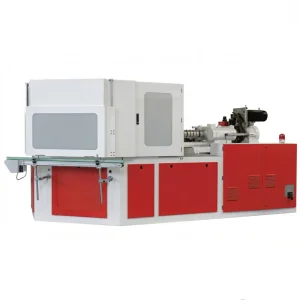
The EP-ZQ60's chassis follows a full European-style construction convention that prioritizes rigidity, symmetrical load distribution, and long-term dimensional stability. Unlike lightweight cast-frame designs, the European structure absorbs clamping loads across a wider platen area, extending both machine life and mold life. The result is tighter tolerances on neck finish and wall thickness across extended production runs — a critical advantage in high-cavitation pharmaceutical and cosmetic applications.
Independent Booster Cylinder Clamping
The most mechanically distinctive feature of the ZQ60 is its pressurized clamping system, where a dedicated booster cylinder provides final lock-up force independently from the mold travel cylinder. During open and close sequences, the booster remains in standby, eliminating the hydraulic load that standard machines carry throughout the full stroke. This architecture reduces heat generation, lowers hydraulic oil degradation rates, and measurably cuts energy draw during idle and partial-load cycles.
Servo Rotation Drive System
A standard servo motor drives the three-station rotary table, replacing the hydraulic rotation actuators found in older IBM designs. Servo drives provide programmable velocity profiles — the table can accelerate quickly, decelerate smoothly, and hold position with encoder-level precision. This consistency is especially valuable when running multi-cavity molds at higher speeds where rotational inertia and settling time directly affect cycle time and cavity balance.
Compatible Peripheral Equipment
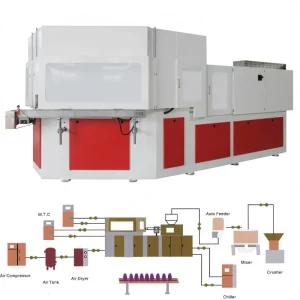
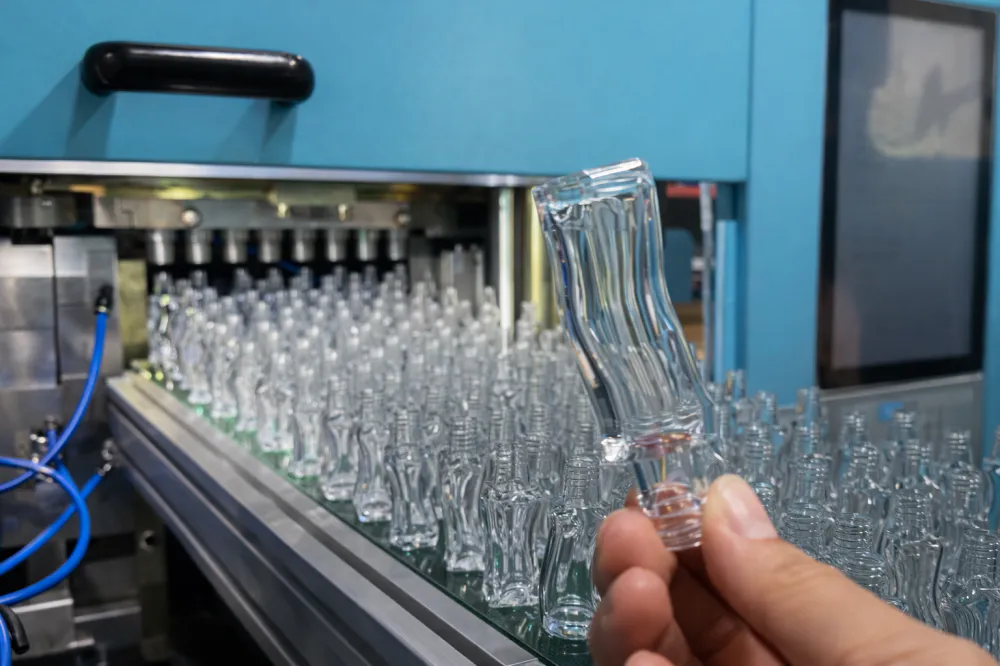
We supply a full range of accessories to support your injection blow molding machine operation — a genuine one-stop solution for complete line integration.
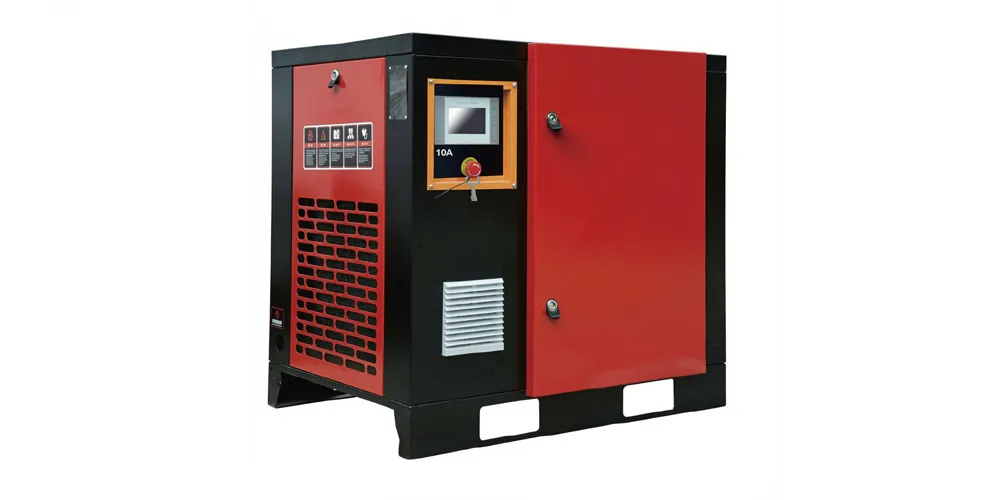
Oil-Free Air Compressor
High-quality, clean compressed air is essential for stable blowing performance in any injection blow molding machine. Our recommended oil-free air compressors deliver the 0.7–1.2 MPa pressure range required by the ZQ60 without introducing oil contamination into the blow-air stream — a non-negotiable requirement for pharmaceutical and food-grade container production. System compatibility is pre-verified, reducing integration lead time.
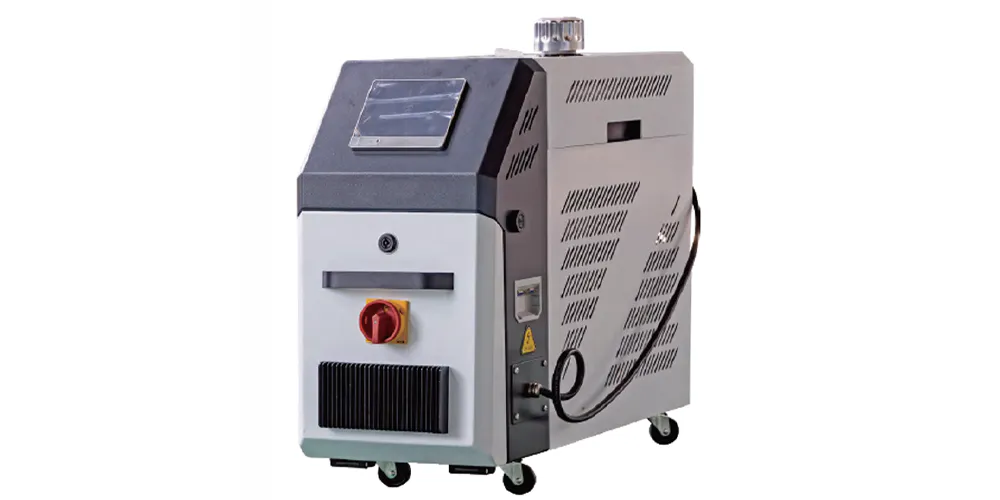
Controlador de temperatura do molde
Consistent mold temperature is directly linked to container quality, cycle time stability, and mold longevity. Our Mold Temperature Controllers integrate seamlessly with the ZQ60's hydraulic cooling circuit, maintaining water temperature within ±1°C of setpoint across all production conditions. Precise thermal management reduces sink marks, internal stresses, and surface defects — particularly important for transparent PET and high-clarity PP containers produced on this injection blow molding machine.
One-Stop Supply Philosophy
Sourcing your injection blow molding machine, air supply equipment, and temperature control systems from a single supplier eliminates the interface problems and compatibility uncertainties that arise from multi-vendor line builds. Our engineering team assists with complete line layout planning, utility sizing, and startup commissioning — whether you are installing a first injection blow molding machine in Bogotá or upgrading an existing production line in Medellín, Cali, or Barranquilla. Contact us for a full system quotation.
Sobre nós
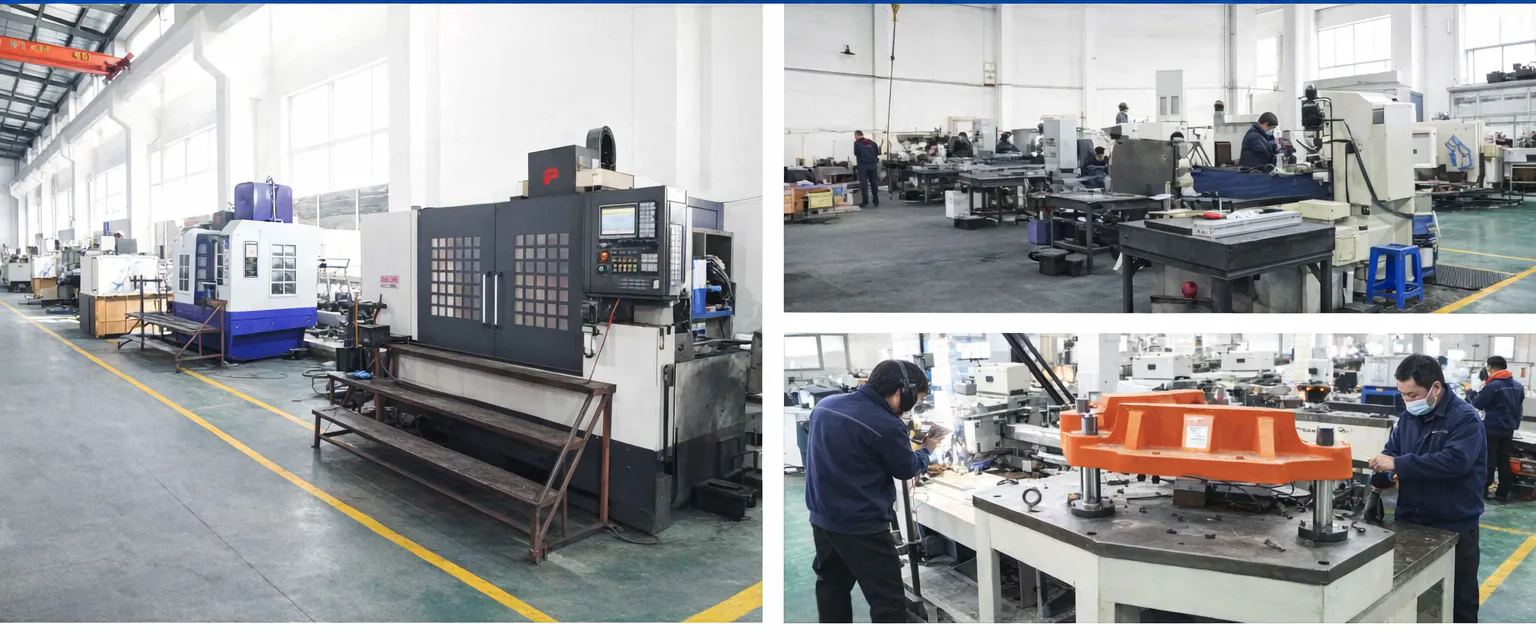
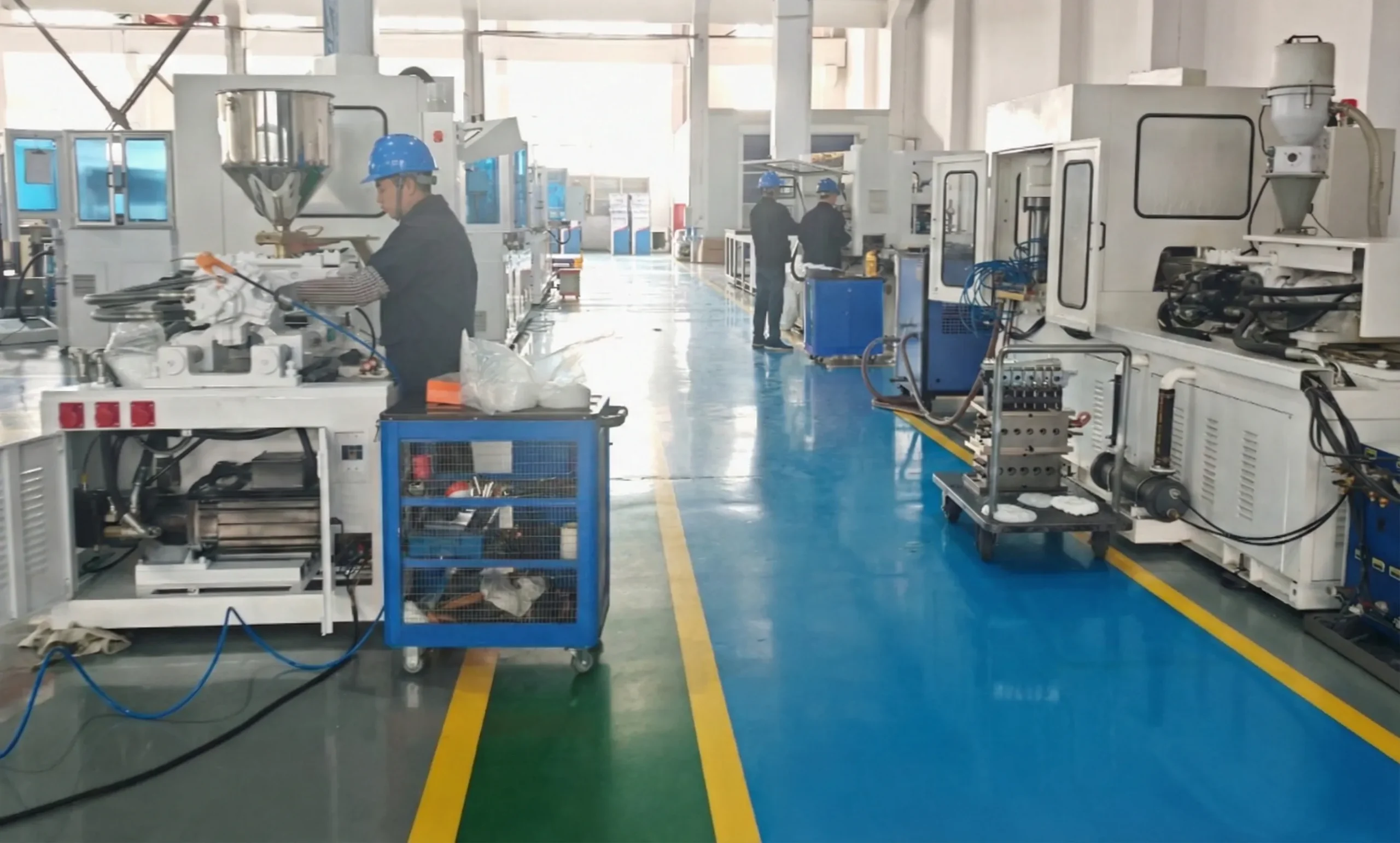
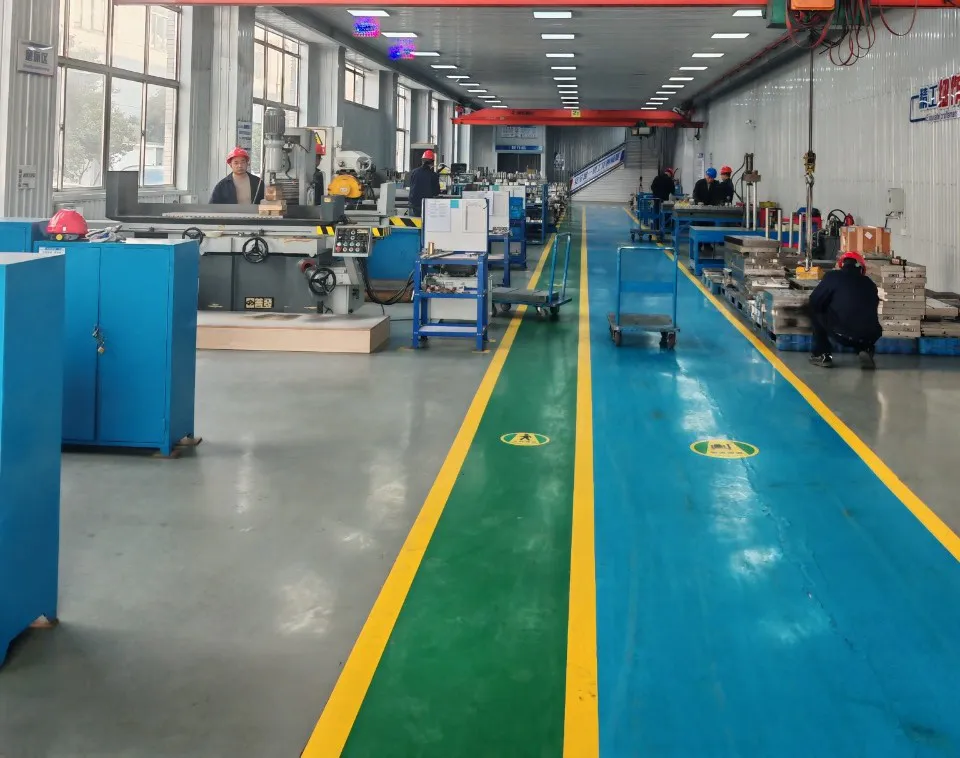
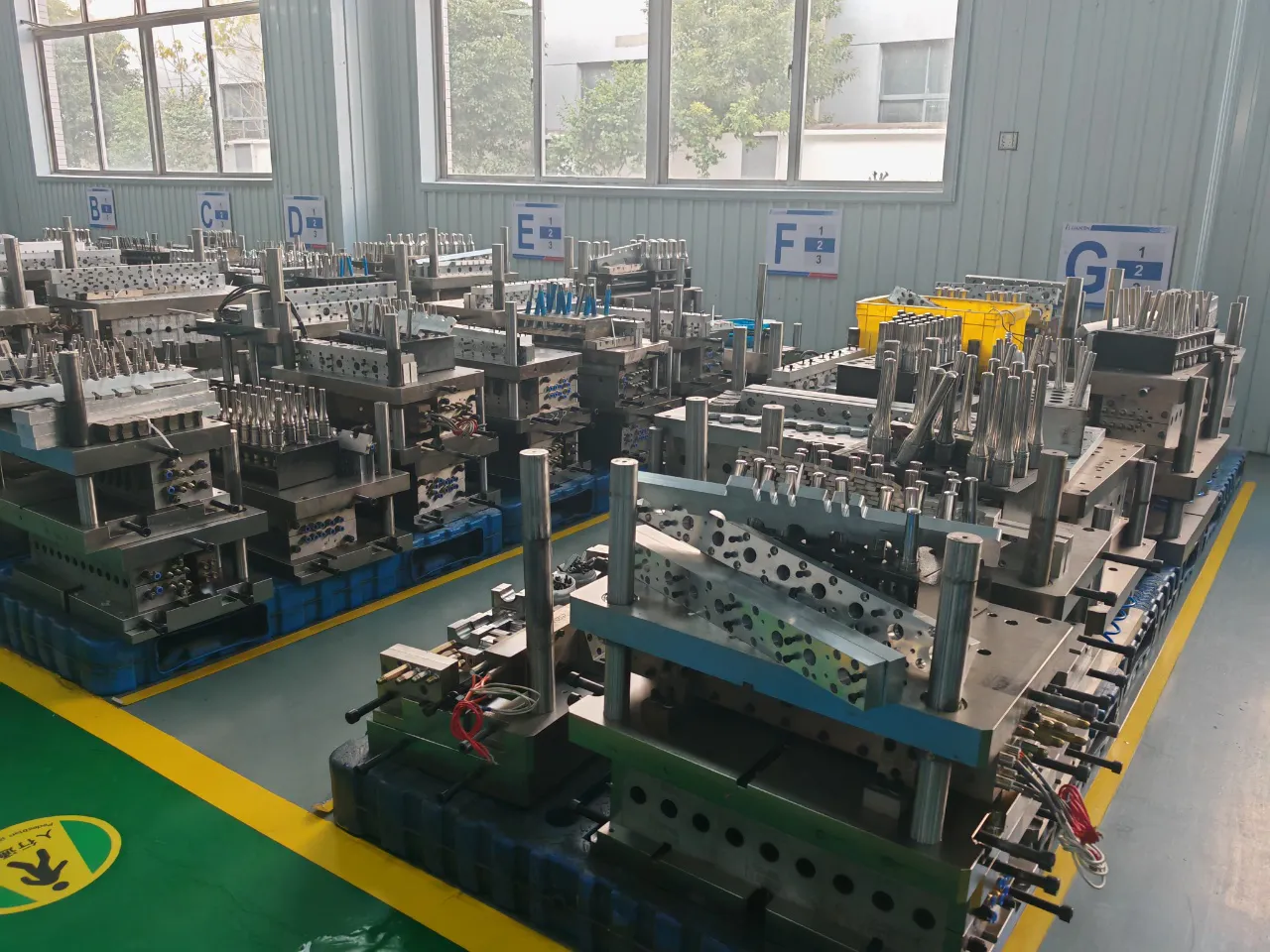
We are a dedicated manufacturer of injection blow molding machines and related blow molding equipment, with decades of engineering experience in the field of plastic container production machinery. Our product range spans small-format pharmaceutical injection blow molding machines through large-capacity injection stretch blow molding platforms, giving customers a genuine one-stop source for all container manufacturing needs.
We maintain long-term partnerships with customers across Colombia, Peru, Mexico, Brazil, and throughout Southeast Asia and Europe. Our after-sales engineering team provides remote diagnostics, on-site commissioning, and operator training to ensure every injection blow molding machine we ship reaches full productive capacity as quickly as possible. We understand that downtime in container manufacturing is a direct revenue loss, and our support structure is designed to minimize it.
Oficina
Perguntas frequentes
Editor: PXY