Cosmetics & Personal Care Packaging — Technology Application
How one-step ISBM technology delivers the glass-clear aesthetics, chemical compatibility, and sustainable material options that define premium beauty and personal care packaging today.
Why Premium Cosmetic Packaging Has Adopted ISBM Technology
Premium cosmetic and personal care packaging occupies a distinctive position in the plastics manufacturing landscape. Unlike food or pharmaceutical packaging — where functionality, regulatory compliance, and barrier performance are the primary engineering drivers — premium beauty packaging places an additional requirement at the top of the specification hierarchy: the package must be beautiful. In a sector where unboxing experience, shelf visibility, tactile quality, and visual luxury command price premiums that can multiply the underlying product value by a factor of ten or more, the optical clarity, surface quality, and design fidelity of the container are commercial performance requirements in their own right.
Он машина для литья под давлением с растяжением и выдувным формованием — particularly when processing PETG (polyethylene terephthalate glycol-modified) and TRITAN (Eastman’s BPA-free copolyester) — has emerged as the preferred production technology for premium cosmetic containers requiring glass-clear optical quality, intricate bottle shapes, chemically compatible contact surfaces for emulsions, serums, and fragrances, and increasingly, BPA-free and sustainable material credentials that the clean-beauty consumer movement demands. Understanding why these material-process combinations deliver what the cosmetics industry needs — and what the ISBM process specifically contributes — is the subject of this article.
This examination covers the ISBM process architecture most relevant to cosmetic and personal care applications, the material systems used (PETG, TRITAN, standard PET, PCTG, and specialty grades), the chemical compatibility considerations for cosmetic formulations, the regulatory and clean-beauty market frameworks that affect material selection, and the process parameters that determine the optical and aesthetic quality outcomes that luxury packaging brands require.
Why PETG and TRITAN Define the Premium Cosmetic ISBM Market
The Optical Clarity Imperative
Standard PET, when biaxially oriented through the ISBM process, achieves excellent optical clarity for thin-walled beverage bottles — but the clarity mechanism depends on the rapid quench of the oriented, mostly amorphous structure. For cosmetic bottles where wall sections are often heavier (0.8–2.0 mm), more geometrically complex (asymmetric, faceted, tapered profiles), and where the orientation level is inherently lower due to the smaller blowup ratios used in cosmetic bottle geometry, standard PET’s clarity can be compromised by stress whitening at sharp design features or slight crystallization haze in the heavy wall sections.
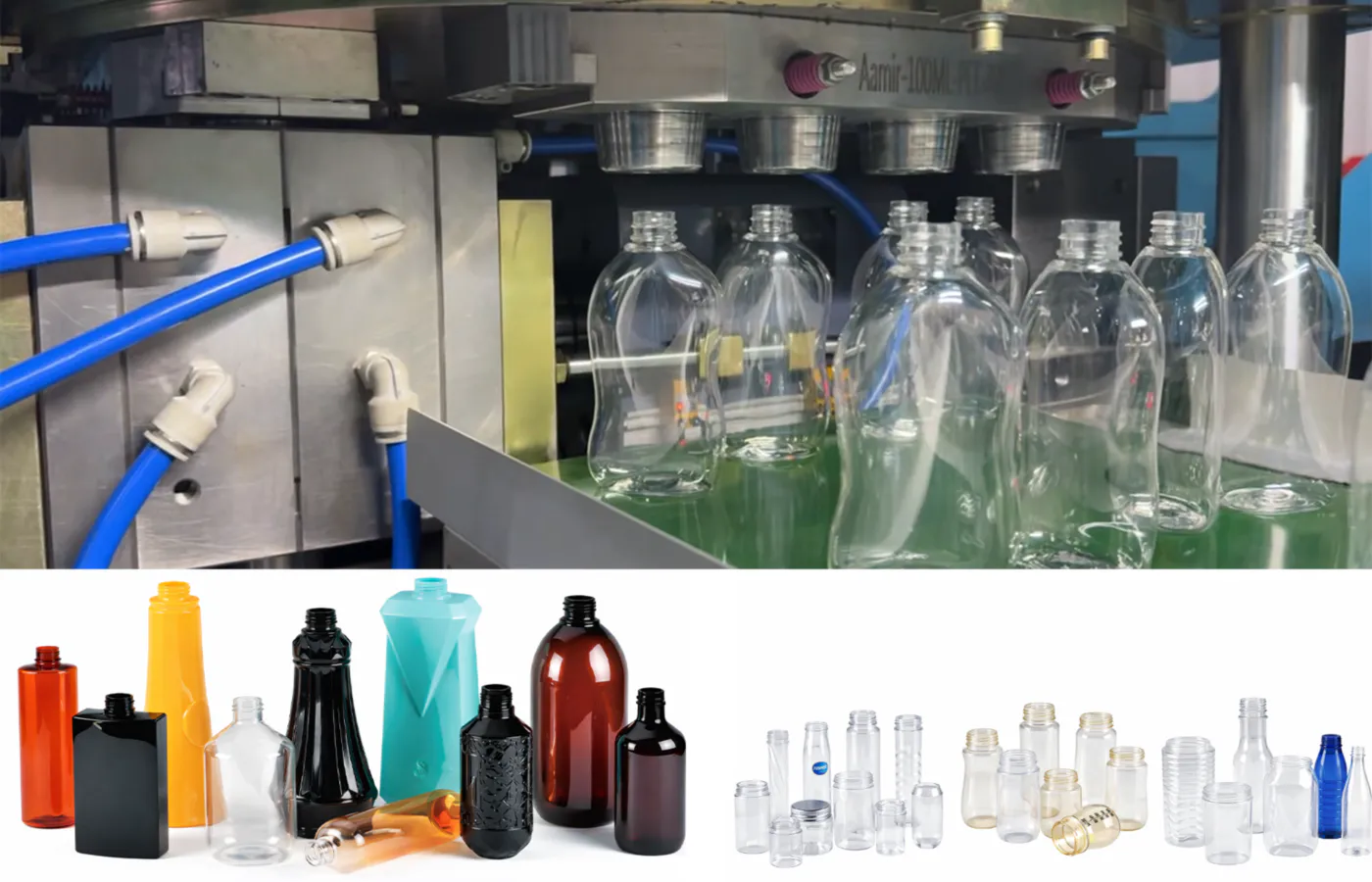
PETG and TRITAN resolve this by being inherently amorphous materials — they do not crystallize during normal ISBM processing regardless of the cooling rate or wall section thickness. This means a PETG or TRITAN cosmetic bottle with a 1.5 mm wall section in a faceted or ribbed design format achieves the same glass-clear transparency as a thin-walled PETG bottle without the PET engineer’s constant attention to cooling rate management and crystallization avoidance. For luxury cosmetic brands producing serum bottles in faceted oval profiles or foundation bottles with complex shoulder geometry, PETG and TRITAN’s inherent amorphous clarity is not just a convenience — it is the enabling property that makes the design commercially manufacturable at scale on ISBM equipment.
Chemical Compatibility with Cosmetic Formulations
Cosmetic and personal care formulations are chemically diverse: face serums with niacinamide, hyaluronic acid, vitamin C, and retinol; oil-based skin care with high concentrations of plant-derived fatty acids; alcohol-based toners and facial mists at 20–50% ethanol content; surfactant-rich shampoos and body washes; and silicone-based hair and skin formulations. Each formulation class interacts differently with the container wall material — through migration (active ingredients from the product absorbing into the polymer), sorption (components of the product absorbed by the polymer), and stress cracking (mechanical degradation of the polymer from chemical exposure). PETG and TRITAN both offer superior chemical resistance to ethanol-based formulations compared to standard PET, making them preferred for prestige skincare and fragrance packaging where alcohol content or aggressive active ingredients would cause standard PET to craze or soften over a 12–24 month shelf life.
Material Systems for Premium Cosmetic ISBM Packaging
The following materials are used in ISBM machines for premium cosmetic and personal care container production. Each offers a distinct balance of optical quality, chemical compatibility, regulatory status, and processing characteristics that makes it preferable for specific cosmetic application contexts.
| Материал | Clarity Level | EtOH Resistance | BPA-Free Status | Cosmetic Application | ISBM Processing Notes |
|---|---|---|---|---|---|
| ПЭТГ | Glass-clear | Good (up to ~30%) | Yes | Serums, lotions, toners, premium hair care, prestige fragrance | No orientation required for clarity — inherently amorphous. Lower processing temperature than standard PET (230–260°C). 3-station ISBM adequate for most cosmetic formats. Industry standard for premium cosmetic clarity. |
| ТРИТАН | Exceptional clarity | Excellent (up to ~50%+) | Yes (Eastman certified) | BPA-free luxury skincare, clean beauty brands, organic and natural cosmetics | Higher processing temperature than PETG (260–295°C). 4-station ISBM preferred for thick-wall formats. Superior chemical resistance to alcohol-rich actives. Premium cost position for brand owner BPA-free claims. |
| ПКТГ | Very high clarity | Good | Yes | Gourmet cosmetics, gift sets, premium body care | Combines PETG clarity with PC-like impact resistance. Lower cost than TRITAN. Suitable for heavy-wall cosmetic containers where drop resistance in a retail environment is a design requirement alongside clarity. |
| Standard PET | Good (orientation-dependent) | Moderate (up to ~20%) | Yes | Mass-market personal care, shampoo, body wash, conditioner | Lower cost than PETG/TRITAN. Clarity requires adequate biaxial orientation — challenging in complex geometry cosmetic bottles with low blowup ratios. 3-station ISBM or 2-step reheat blow for high-volume formats. |
| SAN | Very high clarity | Limited | Yes | Low-alcohol cosmetics, decorative accessories | Glass-clear aesthetics with a slightly higher refractive index than PETG — produces distinctive high-brightness appearance valued in some prestige cosmetic applications. Limited chemical resistance to alcohol limits application scope. |
| PMMA | Exceptional clarity | Limited | Yes | Luxury fragrance, decorative containers, display-grade cosmetic packaging | Highest refractive index among ISBM-processable materials — produces glass-like brilliance that no other plastic can match. Limited chemical resistance constrains cosmetic formulation compatibility. Boutique luxury and fragrance bottle applications at premium price point. |
ISBM Machine Architecture for Premium Cosmetic Bottles
3-Station vs. 4-Station for Cosmetic Applications
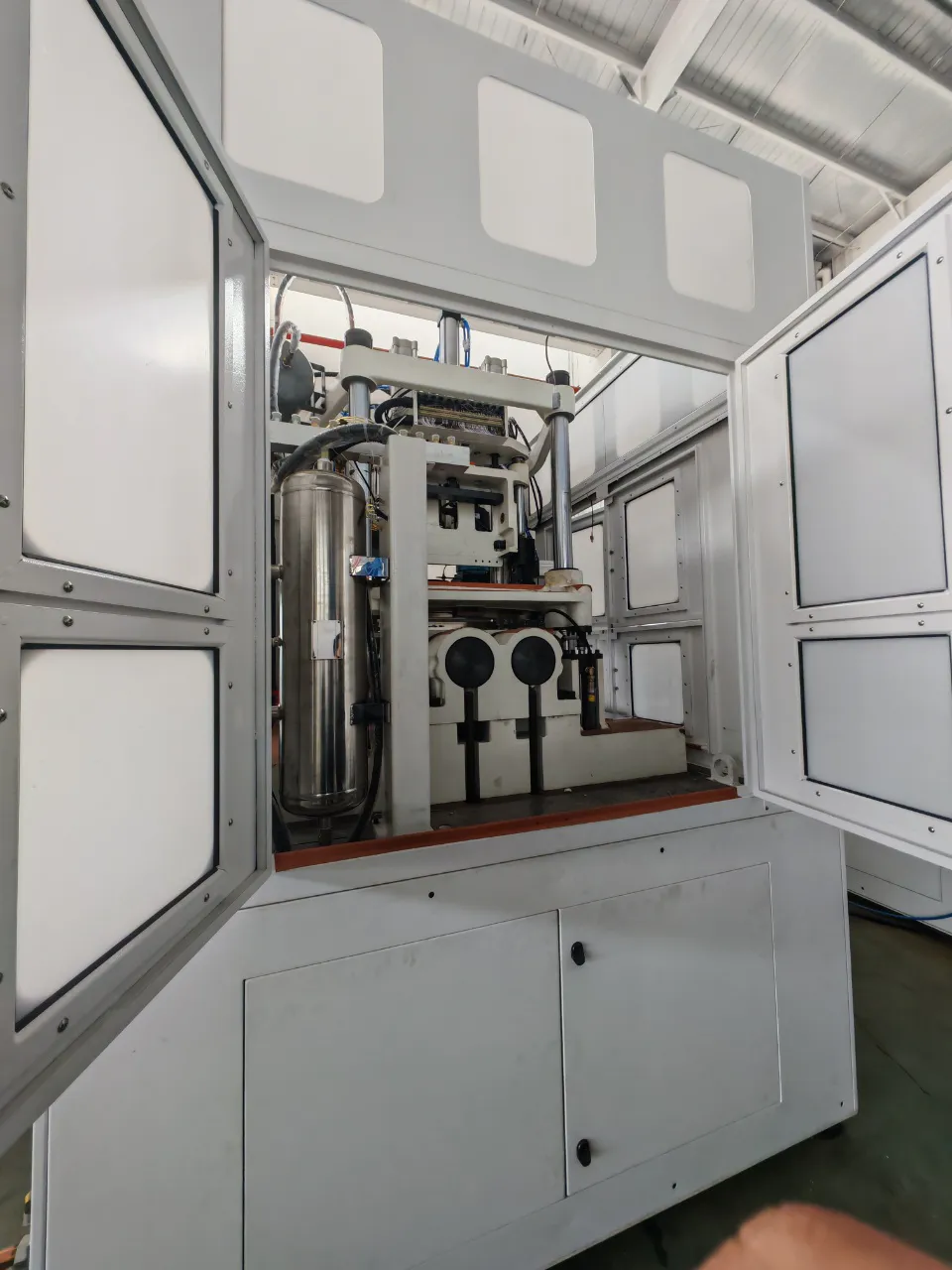
For PETG cosmetic bottle production in the 30–250 ml range — the most commercially active volume band for prestige serum, essence, lotion, and facial care containers — a 3-station ISBM machine is typically adequate because PETG’s inherently amorphous structure does not require high biaxial orientation for clarity, and the retained injection heat provides sufficient preform temperature for the lower blowup ratios characteristic of cosmetic bottle geometry. The 3-station platform’s lower capital cost and more compact footprint make it well-matched to the smaller batch sizes and more frequent product changeovers that characterize cosmetic contract manufacturing and prestige brand production environments.
The 4-station ISBM machine becomes the preferred (and in some cases necessary) platform for cosmetic packaging when the application involves thick-walled formats (body creams, foundation, premium hair mask containers at 0.8–2.5 mm wall), TRITAN processing at its higher temperature range, or designs with complex geometry — wide-mouth jars for face creams, asymmetric bottles with deep embossing, or thick-base containers where the temperature conditioning station is needed to produce uniform material distribution and consistent surface finish across all production cavities.
Surface Quality and Optical Finish in ISBM Cosmetic Bottles
Surface quality in ISBM cosmetic bottles is determined by three factors: blow mould surface finish (directly transferred to the outer bottle surface), blow pressure and duration (affecting how completely the blown bottle conforms to the mould surface), and material cleanliness (any contamination, gel particles, or degraded polymer in the PETG or TRITAN melt produces visible optical defects in clear luxury containers where zero visible defects is the commercial acceptance standard). Cosmetic ISBM moulds are polished to a higher standard than beverage bottle moulds — typically SPI A-1 or A-2 optical finishes (diamond polished, 0.05–0.1 μm Ra) on customer-facing bottle surfaces. Achieving and maintaining this finish in production requires oil-free blow air (preventing contamination of the mould surface), clean PETG/TRITAN resin feed (desiccant drying to below 50 ppm moisture), and regular mould cleaning protocols that preserve the polished surface without scratching.
Featured ISBM Machine for Premium Cosmetic Packaging
The EP-HGY50-V3-EV is a 3-station one-step injection stretch blow moulding machine well-suited to PETG, TRITAN, and PET cosmetic bottle production in the 30–500 ml premium packaging range.
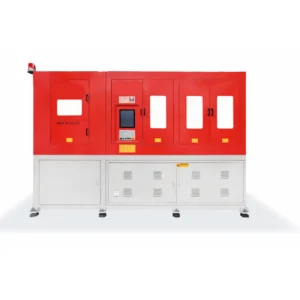
EP-HGY50-V3-EV One-Step Injection Stretch Blow Moulding Machine (3-Station)
The EP-HGY50-V3-EV integrates injection, stretch-blow, and ejection in a single closed cycle, processing PET, PETG, PCTG, PP, SAN, PMMA, PC, and TRITAN resins — the full material spectrum used in premium cosmetic and personal care packaging. Its one-step closed production sequence ensures a pristine inner bottle surface from resin to finished container, eliminating the preform handling and external contamination exposure associated with two-step blow moulding processes — a hygiene quality advantage particularly valued in prestige cosmetic production where zero particulate contamination in the bottle interior is a brand standard.
The machine’s 3-station architecture is well-matched to the 30–500 ml cosmetic bottle range where PETG and TRITAN’s inherent amorphous clarity does not require the temperature conditioning station to achieve the optical quality premium cosmetic brands specify. Servo-controlled stretch rod actuation and programmable blow profiles accommodate the variety of bottle geometries — from classic round serum bottles through oval and square-shouldered foundation packaging — that cosmetic brands require from a single ISBM platform. The HGY50-V3-EV’s compact footprint suits the space constraints of cosmetic contract manufacturing environments.
Regulatory and Clean-Beauty Frameworks Affecting Cosmetic ISBM Packaging
Cosmetic and personal care packaging sits at the intersection of food-contact material regulations, chemical substance restriction frameworks, and the rapidly growing clean-beauty market movement. The following frameworks most directly affect material selection and compliance documentation for ISBM cosmetic packaging production.
🇺🇸 United States — FDA Cosmetic Packaging & BPA Policy
Cosmetic packaging in the US is regulated under FDA’s authority in the Federal Food, Drug, and Cosmetic Act (FD&C Act), which does not require pre-market approval for cosmetic products but does require that cosmetics are safe and properly labeled. The Modernization of Cosmetics Regulation Act of 2022 (MoCRA) expanded FDA’s authority over cosmetic product safety and registration. For plastic cosmetic packaging materials, FDA does not maintain a specific positive list equivalent to 21 CFR 177 for food contact — instead, the Generally Recognized As Safe (GRAS) principle and manufacturer’s safety assessment govern. BPA: the FDA concluded in 2012 that BPA is safe at current exposure levels but supports industry transition to BPA-free alternatives — TRITAN and PETG are now the primary BPA-free alternatives in cosmetic packaging.
🇪🇺 European Union — EU Cosmetics Regulation & REACH
EU Regulation 1223/2009 on cosmetic products governs the safety of cosmetics placed on the EU market, requiring safety assessment of both the cosmetic product and its packaging materials where packaging components may come into contact with the product. Packaging migration into the cosmetic formulation must be assessed as part of the product safety report. EU REACH Regulation 1907/2006 restricts Substances of Very High Concern (SVHC) in articles including cosmetic packaging — bisphenol A (BPA) has been listed as an SVHC and was added to the REACH Candidate List in 2017, reinforcing the regulatory pressure for BPA-free cosmetic packaging materials. TRITAN’s BPA-free certification and PETG’s established EU safety record make both primary candidates for EU-market premium cosmetic ISBM packaging.
🇯🇵 Japan — METI Quasi-Drug & Cosmetics Packaging
Japan’s Pharmaceutical and Medical Device Act (PMD Act) and quasi-drug regulations governed by the Ministry of Health, Labour and Welfare (MHLW) apply strict packaging material requirements to cosmetic products classified as quasi-drugs (including certain skin whitening, hair growth, and medicated cosmetics). PETG and TRITAN are accepted materials for cosmetic packaging in the Japanese market when used in accordance with the JHF voluntary standards for food-contact polyesters, which serve as a proxy reference for cosmetic packaging material assessment. Japan’s sophisticated cosmetic consumer market places particularly high premium on packaging aesthetics and surface quality — PETG and TRITAN’s glass-like clarity is well-aligned with the Japanese cosmetic market’s visual quality expectations.
🌿 Clean Beauty Market — ISO 16128 & Brand Standards
The clean beauty movement — encompassing claims including “natural,” “organic,” “non-toxic,” “BPA-free,” “sustainable,” and “dermatologist-tested” — is not governed by a single regulatory authority but by a combination of voluntary standards (ISO 16128 on natural/organic cosmetic ingredients), retailer-imposed ingredient restriction lists (Sephora Clean, Ulta Beauty’s Conscious Beauty, Target Clean), and third-party certification programs (COSMOS Organic, NSF/ANSI 305, EWG Verified). Packaging material claims in the clean beauty context — particularly BPA-free and phthalate-free — directly affect material specification. TRITAN’s Eastman-certified BPA-free status is documented through independent testing, making it the preferred ISBM material for cosmetic brands making formal BPA-free packaging claims across these retailer programs.
♻️ Sustainability — Recyclability and Packaging EPR
PETG and TRITAN present a recyclability challenge relative to standard PET: they are not currently accepted in standard PET (PETE) mechanical recycling streams in most markets, and their presence in the recycling stream can degrade recycled PET quality. This creates a tension between premium optical performance (favoring PETG/TRITAN) and recyclability (favoring standard PET). The cosmetics packaging industry is addressing this through: monomaterial PET design where clarity allows it; development of chemical recycling pathways for PETG and TRITAN; and PCR (post-consumer recycled) PET incorporation for brands where standard PET clarity is adequate. Extended Producer Responsibility (EPR) regulations expanding across European markets are increasing the economic cost of using packaging materials that disrupt recycling streams, creating commercial pressure for recyclable cosmetic packaging design.
Chemical Compatibility Guide for Cosmetic ISBM Packaging Materials
Chemical compatibility between the cosmetic formulation and the ISBM packaging material is a critical qualification requirement for any new cosmetic packaging system. The following table provides a general compatibility reference for the most common cosmetic formulation categories and their compatibility with ISBM packaging materials. This table is illustrative — specific formulation-material compatibility must always be confirmed through formal compatibility testing under the actual storage conditions for the product.
| Cosmetic Formulation | ПЭТГ | ТРИТАН | Standard PET | ПКТГ | Примечания |
|---|---|---|---|---|---|
| Aqueous serums and essences (pH 4–8, alcohol-free) | ✓ Excellent | ✓ Excellent | ✓ Good | ✓ Excellent | Low risk formulation. All materials suitable. Confirm active ingredient migration (niacinamide, HA, vitamin C) through packaging migration test before commercial launch. |
| Toners and facial mists (10–40% ethanol) | ✓ Good | ✓ Excellent | △ Moderate | ✓ Good | Standard PET may show micro-crazing above 20% EtOH under sustained stress. PETG adequate to approximately 30% EtOH. TRITAN preferred above 30% EtOH or where higher active ingredient concentrations co-exist with alcohol. |
| Oil-based serums and face oils (carrier oils, essential oils) | ✓ Good | ✓ Excellent | △ Moderate | ✓ Good | Essential oil fractions (limonene, linalool) can cause environmental stress cracking in PET under mechanical load — avoid with thin-wall PET bottles. PETG and TRITAN show superior resistance. Test at elevated temperature (40°C) for accelerated stability assessment. |
| Water-in-oil emulsions (rich creams, face balms) | ✓ Excellent | ✓ Excellent | ✓ Good | ✓ Excellent | Emulsified products have low chemical aggression to all materials. Primary concern is perfume/fragrance components — confirm individual fragrance material compatibility, particularly if limonene, cinnamal, or high-concentration alcohol-soluble perfume materials are present. |
| Vitamin C serums (ascorbic acid, pH 2.5–3.5) | ✓ Good | ✓ Excellent | △ Test required | ✓ Good | Low pH in combination with ascorbic acid oxidation products (dehydroascorbic acid) increases migration testing requirements. TRITAN preferred for premium vitamin C serum packaging. Dark/amber colorant or UV-blocking coating may be needed regardless of material to protect vitamin C from light degradation. |
| Retinol and retinoid formulations | ✓ Excellent | ✓ Excellent | ✓ Good | ✓ Excellent | Retinol compatibility with packaging is principally a light stability issue — retinol degrades rapidly on UV exposure regardless of container material. Opaque or UV-blocking packaging (amber, opaque, or UV-absorbing additive in clear PETG/TRITAN) is the standard approach for retinol formulations. |
| Shampoo and conditioner (surfactant-rich) | ✓ Excellent | ✓ Excellent | ✓ Excellent | ✓ Excellent | All materials show excellent compatibility with surfactant systems. The high-volume nature of shampoo/conditioner production typically favors standard PET for cost. PETG and TRITAN used for premium professional hair care or salon-brand positioning where clarity and premium aesthetics justify material cost premium. |
Legend: ✓ = Suitable; △ = Caution — test required; ✗ = Not recommended. This table is for preliminary guidance only. Formal compatibility testing under actual storage conditions is required before commercial packaging launch.
ISBM Process Parameters for Premium Cosmetic Bottle Optical Quality
Achieving the optical quality and surface finish standards of premium cosmetic packaging on an ISBM machine requires precise control of the process parameters that govern melt quality, preform surface integrity, and blow moulding conformity. The following parameters are most directly linked to cosmetic bottle visual quality outcomes.
| Process Parameter | Visual/Optical Quality Effect | Range (PETG) | Cosmetic Application Notes |
|---|---|---|---|
| Barrel zone temperatures | Melt homogeneity → gel-free, clear preform | 230–260°C (PETG) | PETG requires lower processing temperature than PET. Overheating produces yellowing and increased haze from polymer degradation — unacceptable in clear luxury cosmetic bottles. Validate temperature by evaluating preform clarity against a visual reference standard at each barrel temperature setting. |
| Resin drying condition | Moisture removal → prevention of hydrolytic degradation haze | 65°C, 4–6 h, dew point below -30°C | Insufficient PETG drying produces visible bubbles and haze in the preform and blown bottle — cosmetically unacceptable at any level. Dedicated desiccant dryer with dew point monitoring is non-negotiable for premium cosmetic ISBM production. TRITAN requires 80–100°C drying temperature. |
| Injection speed profile | Flow front control → prevention of flow marks and weld lines | Multi-stage profile: slow fill → accelerate → slow near end | Flow marks from gate jetting or excessive fill speed are visible in clear PETG/TRITAN cosmetic bottles. A profiled injection speed (slow initial fill to prevent gate jetting, moderate main fill, deceleration near end-of-fill) produces better optical clarity in the injection-moulded preform than single-speed filling. |
| Blow mould surface finish | Directly transferred to outer bottle surface | SPI A-1 or A-2 optical polish (0.05–0.1 μm Ra) | Premium cosmetic brands specify mould surface finish in tooling procurement contracts. Diamond-polished mould surfaces produce a glass-bright finish on the blown PETG/TRITAN bottle. Any mould surface damage — scratch marks, corrosion, or polishing compound residue — transfers directly to the bottle and shows visually in the clear material. Mould maintenance schedule must include surface re-polish at defined intervals. |
| Blow pressure and duration | Surface conformance to mould → high-gloss surface quality | 1.8–3.0 MPa; 1.5–3.0 s | Inadequate blow pressure leaves the bottle surface partially unsupported against the mould wall — producing a dull, orange-peel surface texture rather than the mirror-bright conformance to the polished mould. Sufficient pressure and blow duration are essential for optical-grade cosmetic surface finish. |
| Blow air quality | Contamination prevention → zero visible contamination on inner surface | ISO 8573-1 Class 0 oil-free; dew point below -20°C | Any oil or moisture in the blow air deposits on the inner bottle surface — in a clear PETG or TRITAN cosmetic bottle, this contamination is visible and constitutes a rejection. Oil-free compressor supply with a point-of-use desiccant dryer for the blow air circuit is the standard configuration for premium cosmetic ISBM production. |
Cosmetic Bottle Design, Decoration, and Production Considerations
Bottle Geometry Design for ISBM Manufacturability
Premium cosmetic bottle designs often push against the edges of ISBM manufacturability: deep shoulder undercuts, very narrow neck profiles on large-body bottles, pronounced ribbing or embossing on the bottle body, and asymmetric designs where the preform-to-bottle geometry ratio varies significantly from front to back. The ISBM process engineer reviewing a new cosmetic bottle design for ISBM manufacturability evaluates: the minimum blowup ratio achievable at each point of the bottle geometry, the preform wall thickness profile needed to produce the target bottle wall thickness distribution, the stretch rod travel and speed profile required for the specific height-to-diameter ratio, and the blow mould venting requirements for air trapped in decorative recesses or embossed areas. Providing the ISBM machine and tooling supplier with the bottle 3D CAD file at the early design stage — before the bottle design is finalized — allows manufacturability optimization to be incorporated into the design before costly tooling investment is committed.
Decoration Compatibility with PETG and TRITAN Cosmetic Bottles
ISBM cosmetic bottles in PETG and TRITAN are decorated using a range of techniques that must be compatible with the chosen material’s surface chemistry. Screen printing with UV-curable inks adheres well to PETG and TRITAN surfaces after appropriate surface treatment (corona or flame) and is the most common decoration method for high-end cosmetic packaging requiring multi-color label graphics directly on the bottle. Hot stamping (foil transfer) of gold, silver, and colored metallic finishes is widely used for luxury cosmetic bottle decoration — PETG’s smooth, stable surface provides excellent hot stamp adhesion without the primer coats sometimes needed on PET. Sleeve labels (heat-shrink or stretch) are compatible with PETG and TRITAN bottles, with sleeve shrinkage temperature profiles verified to avoid heat distortion of the bottle at sleeve application temperatures.
Neck Finish and Closure System Compatibility
Cosmetic bottles use a wider range of closure systems than pharmaceutical or beverage containers: disc-top closures, lotion pumps, fine-mist sprayers, dropper assemblies, roll-ons, and twist-top caps are all common in prestige cosmetic packaging. Each closure type imposes specific dimensional requirements on the bottle neck finish — thread pitch, outside diameter (T dimension), thread height, and the closure seating plane geometry must be compatible with the specific closure component being specified. The ISBM machine’s injection station produces the neck finish to final dimensions at Station 1, providing the dimensional precision needed for consistent closure application on high-speed cosmetic filling lines. For pump and sprayer closures that engage the bottle neck through a press-fit or quarter-turn mechanism rather than a thread, the neck outside diameter (E dimension) tolerance is the critical specification, and ISBM consistently achieves E dimension tolerances within ±0.15 mm for PETG and TRITAN cosmetic neck finishes.
Discuss Your Premium Cosmetic Packaging ISBM Project
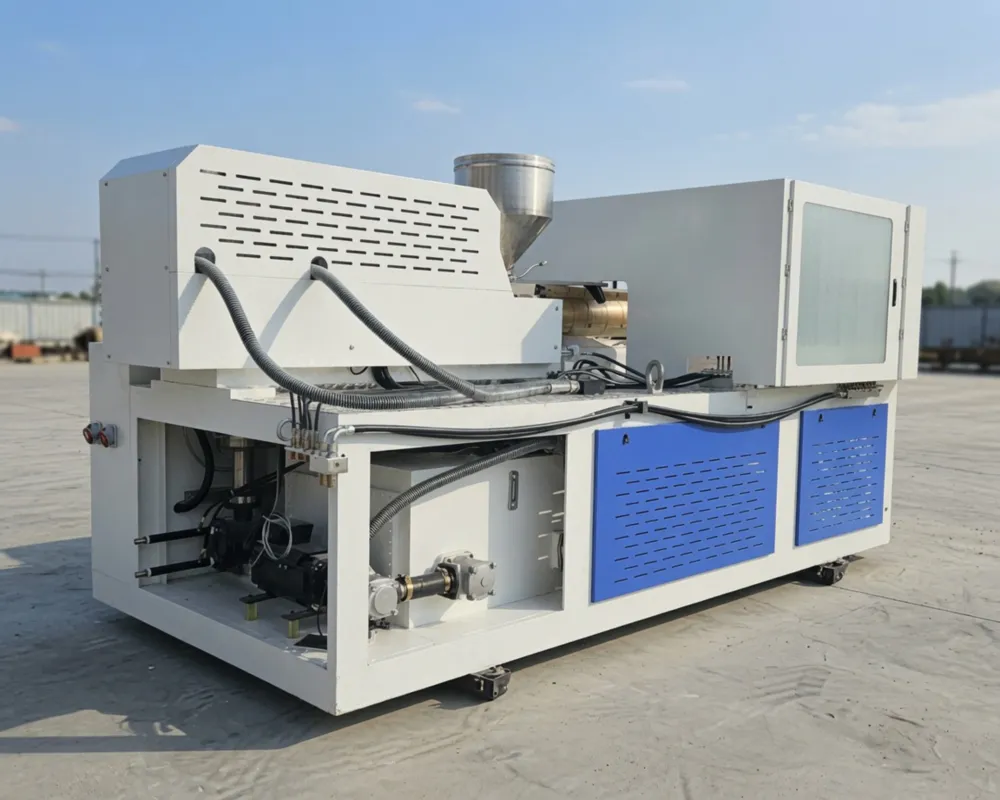
Whether you are developing a new prestige serum bottle in PETG, transitioning a clean beauty brand to TRITAN BPA-free packaging, or expanding a cosmetic contract manufacturing operation with new ISBM capability, our engineering team can provide specific guidance on machine and tooling selection.
Compatible Auxiliary Equipment for Cosmetic ISBM Production
Premium cosmetic ISBM production requires auxiliary equipment matched to the optical quality standards of luxury packaging — oil-free clean blow air, precise mold temperature control, and integrated system solutions.
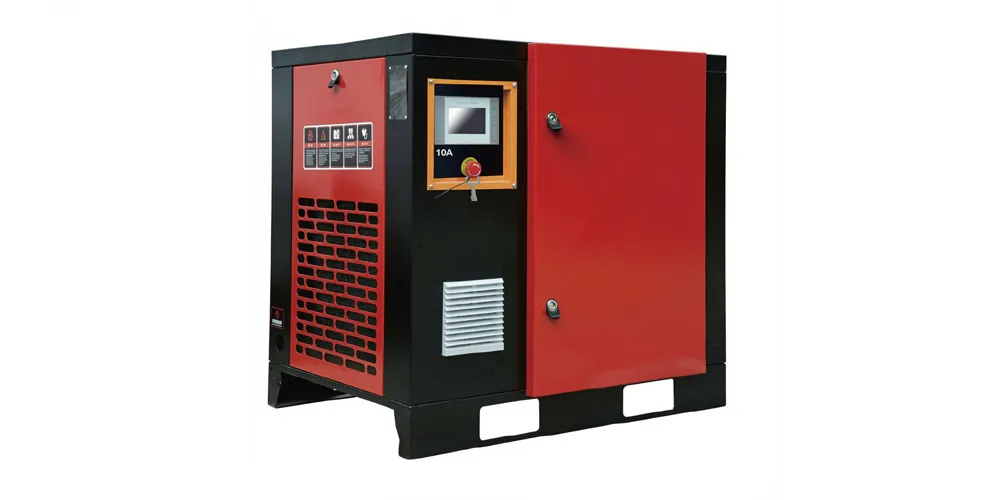
Oil-Free Air Compressor
In premium cosmetic ISBM production, the inner bottle surface must be pristine — oil contamination in blow air deposits visible residue inside a clear PETG or TRITAN luxury bottle, constituting a rejection that requires manual cleaning or scrapping of affected bottles. Our recommended oil-free air compressors deliver ISO 8573-1 Class 0 oil-free air with point-of-use desiccant drying to prevent moisture condensation on the inner bottle surface at the blow station. Stable blow pressure across the full shift maintains the mould conformance quality needed for the mirror-bright surface finish that luxury cosmetic packaging demands.
Регулятор температуры пресс-формы
PETG and TRITAN cosmetic bottle clarity depends on rapid, uniform quench of the blown bottle wall against the cold mould surface — which in turn depends on consistent mould temperature throughout the production shift. A Mold Temperature Controller maintaining blow mould coolant at ±1°C of setpoint prevents the gradual mould temperature rise that progressively reduces bottle clarity and surface gloss quality as the shift proceeds in an uncontrolled cooling system. For luxury cosmetic brands where a visual quality check on every finished bottle is a production standard, the MTC is the process control tool that makes consistent first-pass optical quality achievable rather than aspirational.

О нас
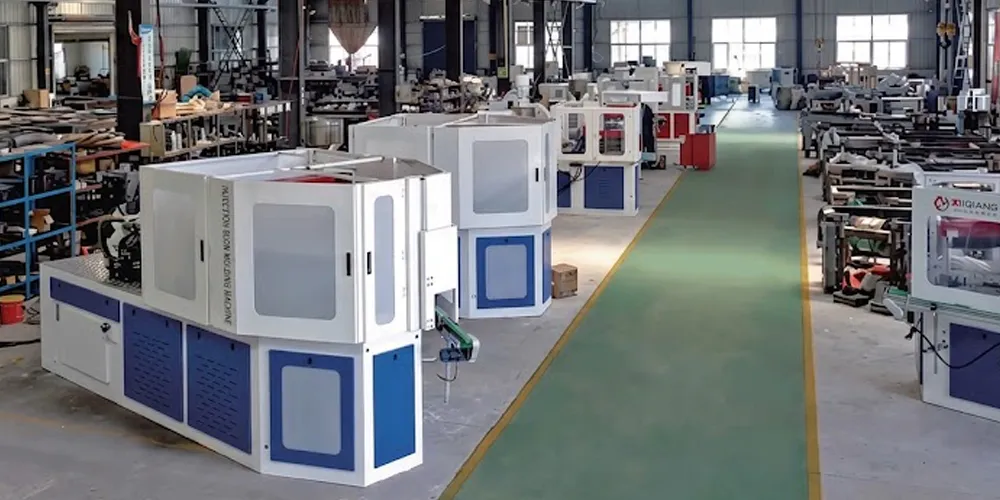
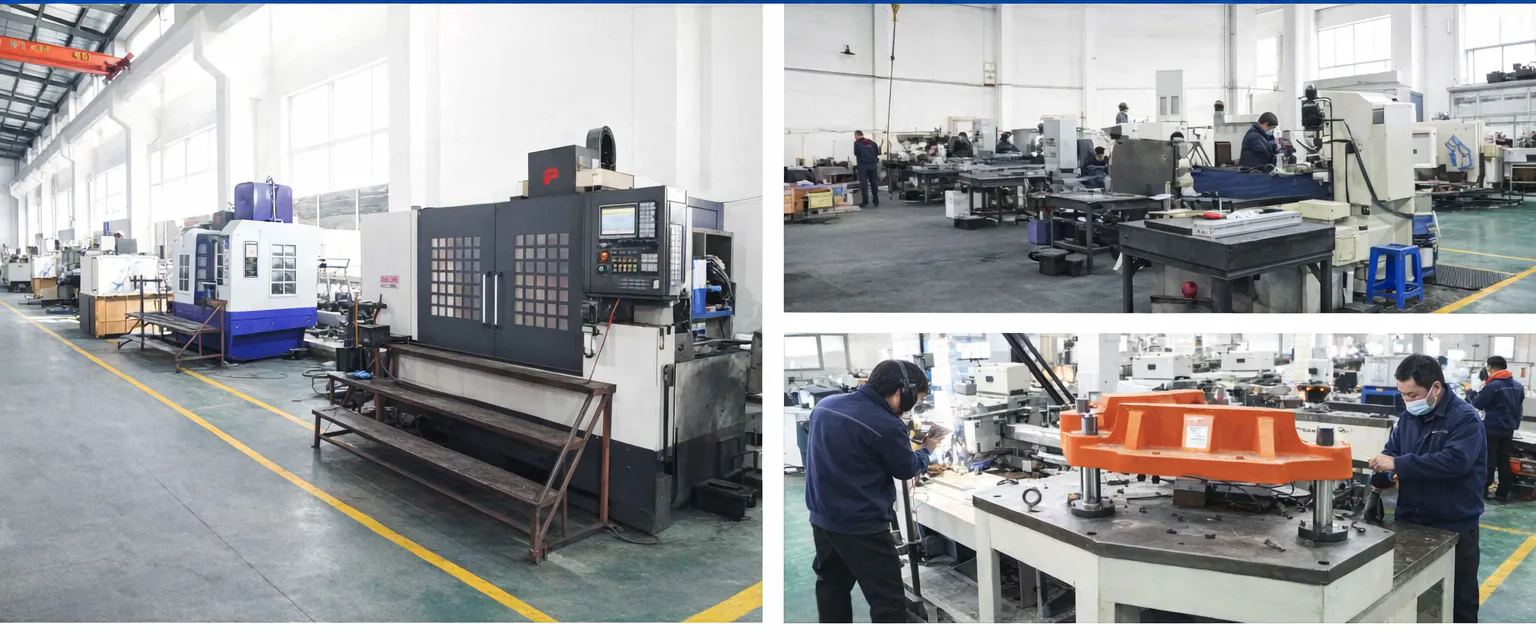
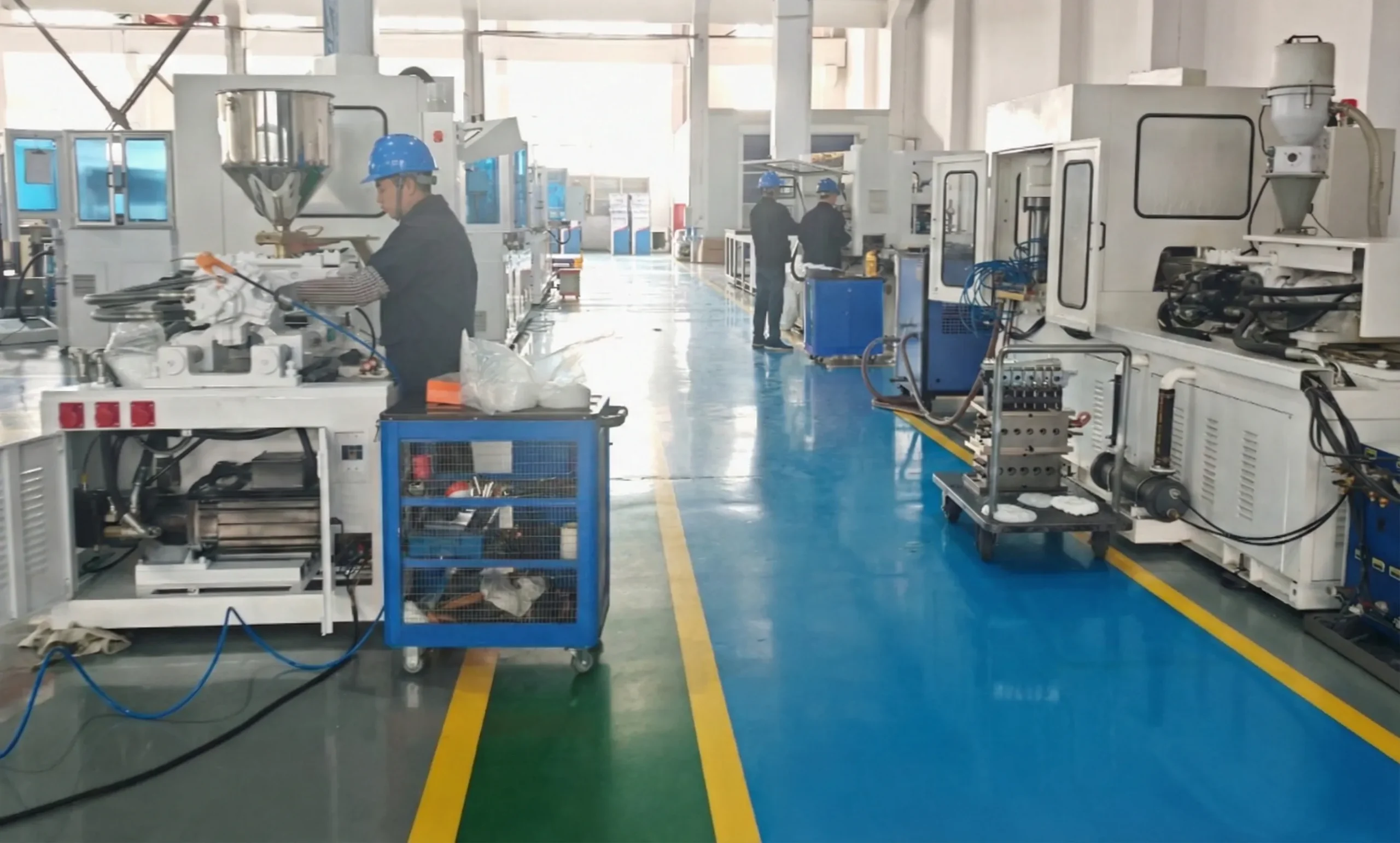
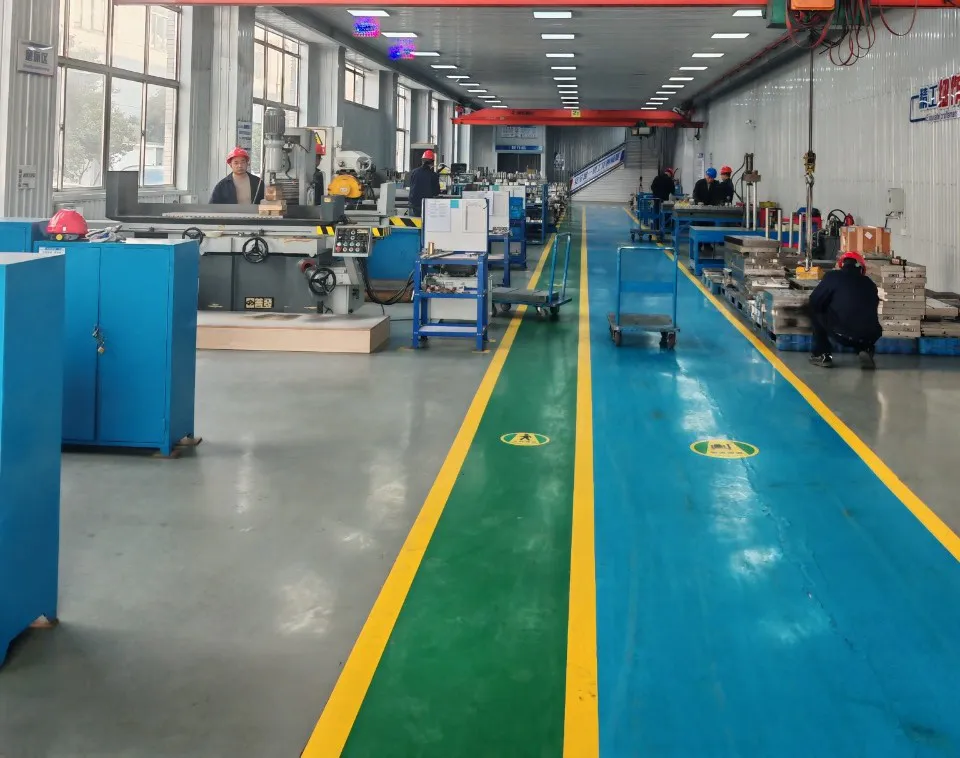
We design and manufacture one-step injection stretch blow moulding machines for cosmetic, pharmaceutical, food, beverage, and industrial packaging applications. Our ISBM product range processes PET, PETG, PCTG, PP, PC, TRITAN, SAN, PMMA, and PS — the complete material spectrum used in premium cosmetic and personal care packaging. We supply machines in 3-station and 4-station configurations covering bottle volumes from 5 ml through 5,000 ml and cavity counts suited to both prestige small-batch cosmetic production and high-volume personal care formats.
In the cosmetics sector, we serve prestige brand packaging departments, cosmetic contract manufacturers, private-label personal care producers, and packaging development companies across North America, Europe, South Korea, Japan, Southeast Asia, and the Middle East. Our technical team provides guidance on material selection for specific cosmetic formulation types, tooling design for complex cosmetic bottle geometries, and process parameter development for optical quality standards in PETG and TRITAN.
Мастер-класс
Часто задаваемые вопросы
Редактор: PXY