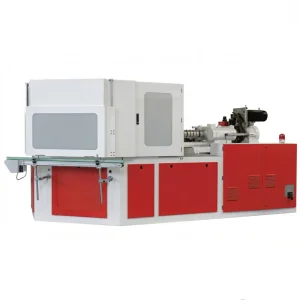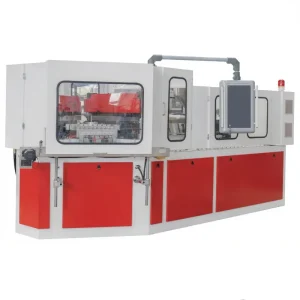
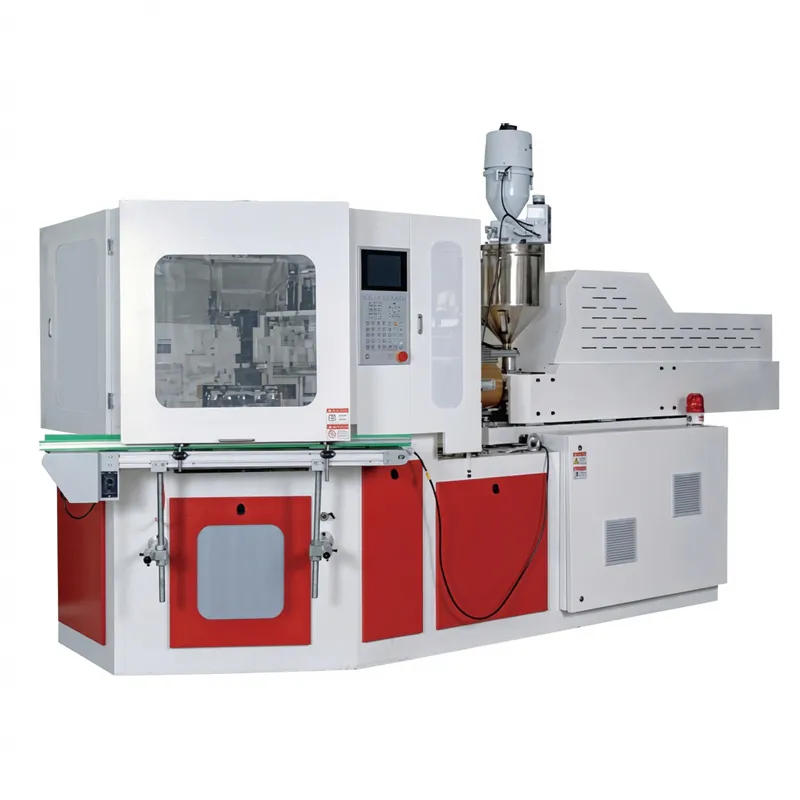
EP-Replacement of SUMA 40iB Injection Blow Molding Machine
The EP-ZQ40 is a European-style injection blow molding machine designed as a direct replacement for the SUMA 40iB. It features a 400 KN injection clamping force, surpassing the 386 KN of the SUMA 40iB. The machine offers a 40/45 mm dual-screw option with a maximum injection weight of 260 g and is equipped with a servo-driven rotary table. Measuring 3.5 x 1.3 x 1.7 meters, it boasts a more compact footprint than the SUMA 40iB. Suitable for producing containers ranging from 1 to 1500 ml, its unique boost clamping system reduces energy consumption by 10-20%.
Injection Blow Molding Machine — European Type
EP-Replacement of SUMA 40iB Injection Blow Molding Machine
A high-performance European-type injection blow molding machine purpose-built as a direct compatible alternative for customers currently operating or specifying the SUMA 40iB platform. The ZQ40 is referenced here solely to assist in product selection — this page does not represent, sell, or imply affiliation with the SUMA brand.
Brand Reference Disclaimer: The brand name SUMA and model designation 40iB are referenced on this page exclusively to help customers identify compatible replacement equipment. We do not manufacture, distribute, or represent SUMA products. All specifications listed refer to the EP ZQ40 injection blow molding machine series.
EP ZQ40 Injection Blow Molding Machine – Full Technical Specifications
| System | Przedmiot | Jednostka | ZQ40 |
|---|---|---|---|
| Injection System | Średnica śruby | mm | 40 / 45 |
| Screw L/D | % | 22:1 | |
| Injection Weight | g | 190 / 260 | |
| Moc grzewcza | KW | 7.5 | |
| Number of Barrel Zones | — | 3+N | |
| Injection Stroke | mm | 120 | |
| Clamping System | Clamping Force of Injection | KN | 400 |
| Opening Stroke for Injection | mm | 165 | |
| Clamping Force of Blowing | KN | 60 | |
| Opening Stroke for Blowing | mm | 140 | |
| Lifting Height of Rotary Table | mm | 70 | |
| Mould | Max. Platen Size (L×W) | mm | 480 × 340 |
| Mold Thickness | mm | 180 | |
| Max. Dia. of Bottle | mm | 120 | |
| Max. Bottle Height | mm | 220 | |
| Suitable Bottle Capacity | ml | 1 – 1500 | |
| Stripping Stroke | mm | 220 | |
| Hydraulic System | Hydraulic Pressure | MPa | 14 |
| Moc silnika | KW | 11 | |
| Dry Cycle | s | 3.5 | |
| Total Power | KW | 20 | |
| Operating Power Efficiency | % | 52 – 70 | |
| Others | Min. Air Pressure (Compressed Air) | MPa | 0.7 – 1.2 |
| Compressed Air Capacity | m³/min | 0.7 | |
| Water Flowage | m³/h | 3.5 | |
| Ciśnienie wody chłodzącej | MPa | 0.3 – 0.4 | |
| Machine Dimension (L×W×H) | M | 3.5 × 1.3 × 1.7 | |
| Net Weight | Ton | 3.8 |
ZQ40 Mold Cavity Reference (For Reference Only)
The following cavity count reference is provided to assist tooling planning and cycle time estimation. Actual cavities depend on bottle geometry, neck dimensions, and mold design details.
| Approx. Volume | 10 ml | 30 ml | 60 ml | 100 ml | 250 ml | 500 ml | 1000 ml |
|---|---|---|---|---|---|---|---|
| Max. Cavitation | 9 | 8 | 6 | 4 | 3 | 2 | 1 |
EP ZQ40 vs. SUMA 40iB — Key Parameter Comparison
The following comparison is intended to assist customers currently using the SUMA 40iB in evaluating the EP ZQ40 as a compatible replacement. All parameters listed for SUMA 40iB are derived from publicly available technical reference data for selection assistance only. SUMA brand products are not sold or represented here.
| Parametr | EP ZQ40 | SUMA 40iB (Ref.) |
|---|---|---|
| Clamping Force | 40 T | 40 T |
| Siła zacisku wtrysku | 400 kN | 386 KN |
| Średnica śruby | 40 / 45 mm | 40 mm |
| Injection Weight | 190 / 260 g | 169 g |
| Max. Platen Size (L×W) | 480 × 340 mm | 470 × 350 mm |
| Machine Dimension (L×W×H) | 3.8 × 1.3 × 1.7 M | 3.8 × 1.5 × 2.3 M |
| Bottle Capacity Range | 1 – 1500 ml | Reference data |
What Is the EP ZQ40 Injection Blow Molding Machine? A Complete Guide to This European IBM Platform
The EP ZQ40 is a full European-style injection blow molding machine — a mature industrial injection blow molding machine platform — designed for the production of hollow plastic containers across pharmaceutical, personal care, food, and industrial chemical applications. Built around a three-station rotary turntable architecture — injection, blowing, and stripping — the ZQ40 follows the same operational logic as other European-type IBM platforms, including the SUMA 40iB, making it a straightforward transition for production teams already familiar with that injection blow molding machine format.
What sets the ZQ40 apart structurally is its pressurized clamping system. The booster cylinder in the clamping mechanism does not participate in the mold opening and closing cycle — it engages only during the clamping phase — which reduces energy consumption by 10–20% compared with conventional clamping designs common in the industry. Combined with a clamping force that is 20–30% higher than most products in the same class, this architecture delivers both superior mold holding performance and measurable energy efficiency in production environments where machines operate across extended multi-shift schedules.
The machine is particularly relevant for packaging converters in Colombia and across Latin America who are evaluating upgrades to existing injection blow molding machine lines or establishing new production capacity for small-to-medium hollow container formats. European-type injection blow molding machines are well-regarded in these markets, and this injection blow molding machine for their reliability, part quality, and manageable maintenance profile — delivers those attributes with processing flexibility across PP, HDPE, PET, and other thermoplastic resins suited to the applications common in the region.
Core Structural Advantages of the ZQ40 Injection Blow Molding Machine
Full European Structure
The ZQ40 injection blow molding machine adopts a complete European-style frame and mechanism layout. Clamping force is 20–30% higher than comparable products in the same machine class, providing more stable mold closing under demanding production conditions with complex mold geometries.
Energy-Saving Clamping Design
The unique pressurized clamping structure uses a booster cylinder that engages only during the actual clamping phase — it does not participate in mold open/close movements. This design reduces total energy consumption by 10–20% versus conventional European injection blow molding machines in the same tonnage class.
Standard Servo Rotation
The ZQ40 injection blow molding machine rotary table uses standard servo motor rotation, delivering precise positioning and consistent cycle timing across all three stations. The simple, clean mechanism layout reduces operator learning time and makes routine maintenance straightforward for factory technicians without specialist European IBM experience.
High Injection Clamping Force
At 400 KN injection clamping force, the ZQ40 injection blow molding machine exceeds the SUMA 40iB's 386 KN specification, providing additional margin for multi-cavity molds and challenging preform geometries. The 40/45 mm dual screw diameter option supports a wider injection weight range (190g to 260g) than single-diameter configurations.
Compact Footprint
Machine overall dimensions of 3.5 × 1.3 × 1.7 M (L×W×H) make the ZQ40 injection blow molding machine one of the more space-efficient platforms in the 40-ton European IBM class. For production facilities in Colombia and Latin America where floor space efficiency is a priority, this compact envelope simplifies factory layout planning significantly.
Wide Bottle Size Range
Container capacity of the injection blow molding machine from 1 ml to 1,500 ml, bottle diameter up to 120 mm, and bottle height up to 220 mm cover the primary hollow container formats used across pharmaceutical, personal care, food packaging, and chemical liquid segments commonly produced by IBM operations throughout South and Central America.
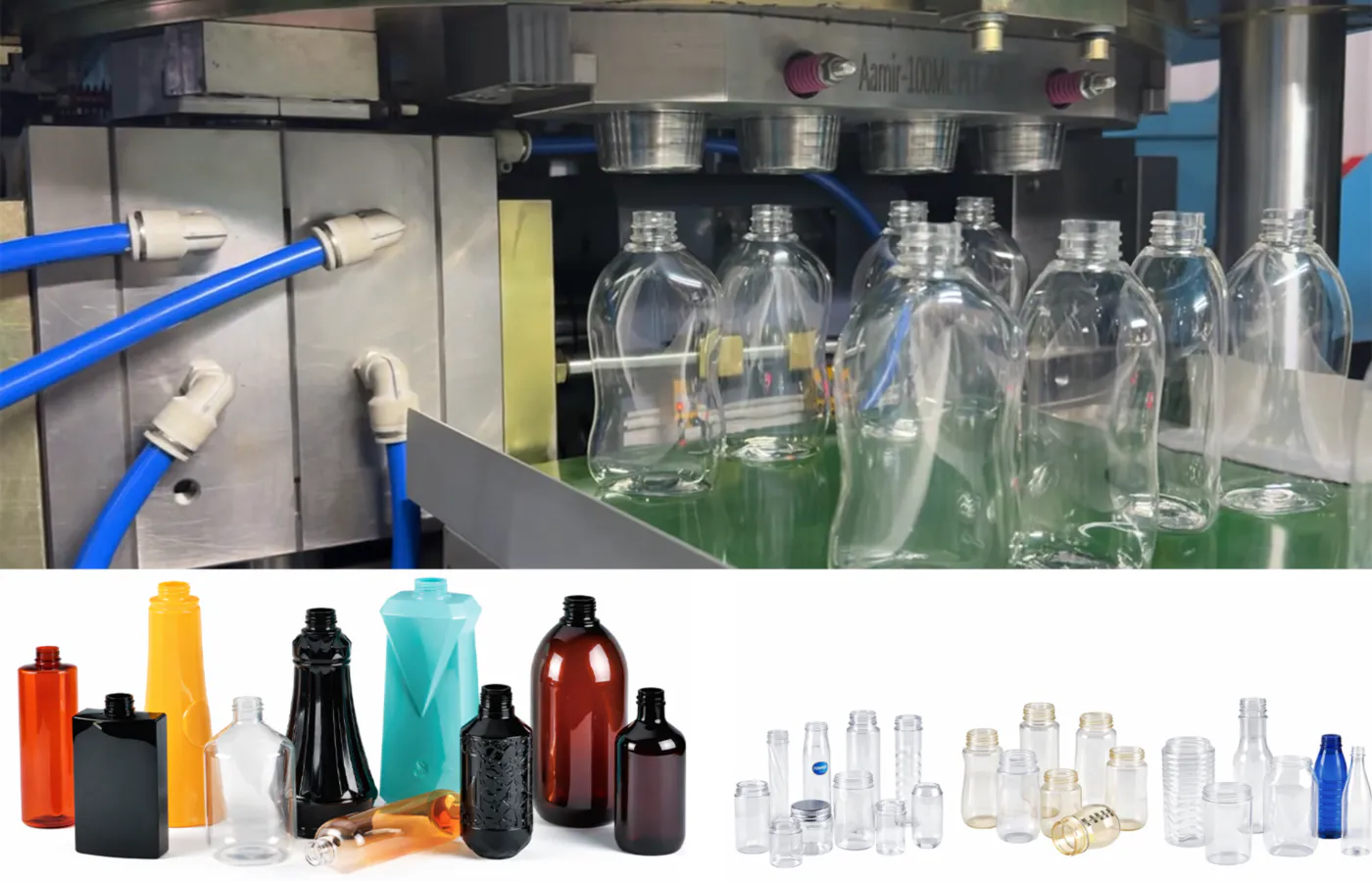
Application Scenarios for the EP ZQ40 Injection Blow Molding Machine
The ZQ40 injection blow molding machine is well-suited to a range of industries in Colombia, across Latin America, and globally. Below are the primary production categories for which this European-type IBM platform is recommended.
Opakowania farmaceutyczne
The ZQ40 injection blow molding machine's precise neck finish control and multi-cavity capability are well matched to pharmaceutical packaging requirements — syrup bottles, tablet containers, eye drop bottles, and dosing vials. Colombia's INVIMA-regulated pharmaceutical packaging sector requires containers with consistent neck finish tolerances for proper cap sealing and tamper evidence, both of which the injection blow molding machine process excels at.
Personal Care & Cosmetics
Shampoo, lotion, cream, and perfume containers represent a significant market in Colombia and across the Andean region. The ZQ40 injection blow molding machine supports the production of clear, opaque, and translucent HDPE and PP containers with smooth surface finish and tight dimensional control — key attributes for premium personal care brand packaging requiring high visual impact on retail shelves.
Pojemniki na żywność i napoje
The ZQ40 injection blow molding machine is suitable for food-contact container production including small sauce bottles, condiment containers, honey jars, and specialty food packaging in PP or PET. Container capacity from 10 ml to 1,500 ml covers a wide range of food packaging formats used across the Colombian and Latin American retail and foodservice supply chains where ISO 22000 food safety standards increasingly govern packaging specifications.
Agrochemical & Industrial Liquids
PP containers for herbicides, fungicides, cleaning concentrates, and agricultural adjuvants are a growing segment across Colombia's agricultural sector. The ZQ40 injection blow molding machine's 400 KN injection clamping force and 60 KN blowing clamping force deliver the structural container integrity required for UN-compatible dangerous goods containers, and the PP processing capability accommodates the chemical resistance requirements of most agricultural formulations.
Household Cleaning Products
Trigger-spray bottles, concentrate containers, and refill bottles for household cleaning products represent one of the largest volume categories for European-type injection blow molding machines in Latin America. The ZQ40 injection blow molding machine's surfactant-resistant PP processing capability and its consistent neck finish tolerances for trigger-pump fitment make it well-suited to this application across the Colombian household product market.
Automotive & Lubricant Packaging
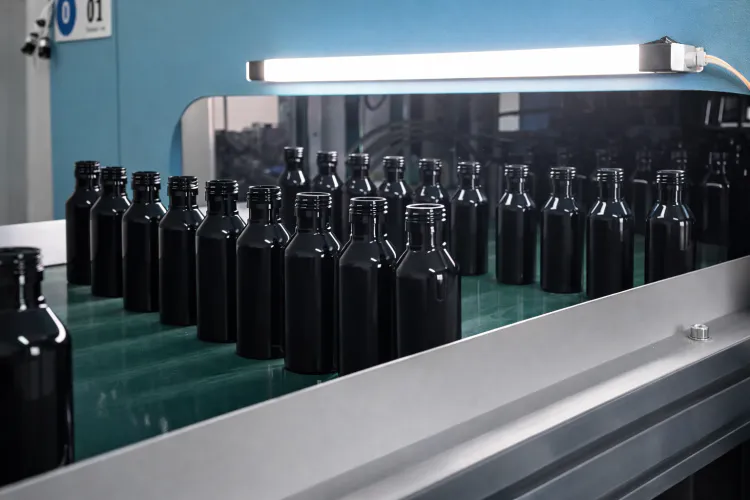
Automotive fluid containers — engine oil additives, brake fluid, windscreen wash, and coolant — are a consistent production category for European IBM machines. The ZQ40 injection blow molding machine handles PET and PP containers for these applications with the clarity and structural performance that automotive aftermarket brands operating across Colombia and the Andean market region require.
Global Regulatory Context for Injection Blow Molding Machine Operations and Plastic Container Compliance
Plastic container production using injection blow molding machines is subject to a layered set of regulations governing equipment safety governing equipment safety, product contact material compliance, and end-of-life container management. For operations in Colombia and across international export markets, understanding this regulatory landscape is part of responsible machine procurement and production planning.
| Market / Region | Key Regulation | Relevance to IBM Production |
|---|---|---|
| Colombia (INVIMA) | Resolución 683/2012 and INVIMA packaging regulations for food and pharmaceutical contact materials | PP, HDPE, and PET containers for pharmaceutical and food packaging must meet INVIMA material compatibility requirements; injection blow molded containers comply when produced from food-grade resin |
| Unia Europejska | EU Regulation 10/2011 (plastic food contact materials); EU PPWR 2024; REACH (EC) 1907/2006 | Food contact material compliance required for containers exported to EU markets; REACH governs additive substance restrictions; PPWR mandates recyclable container design for packaging placed on the EU market |
| United States (FDA) | 21 CFR 177.1520 (PP food contact); 21 CFR 177.1630 (PET food contact); CPSC 16 CFR 1700 (child-resistant packaging) | PP and PET containers from IBM machines must use FDA-compliant resin grades for US food and pharmaceutical market exports; child-resistant closures require precision neck finish that IBM process delivers |
| Brazil (ANVISA) | ANVISA RDC 498/2021 (food contact plastics) | Plastic containers for food and pharmaceutical contact in Brazil must comply with RDC 498; relevant for Colombian producers exporting to the Brazilian market or multinational brand owners |
| International — Transport | UN Model Regulations (Orange Book); ADR (European road transport) | IBM-produced containers for hazardous liquid transport must meet UN 3H1/3H2 design type testing requirements; the ZQ40's precise neck finish improves UN hydraulic pressure test pass rates |
| Germany | Verpackungsgesetz (VerpackG); BfR Recommendations for food contact plastics | German market requires BfR food contact documentation for PP in addition to EU Regulation 10/2011; VerpackG EPR levies apply to packaging placed on the German market |
How to Choose the Right Injection Blow Molding Machine
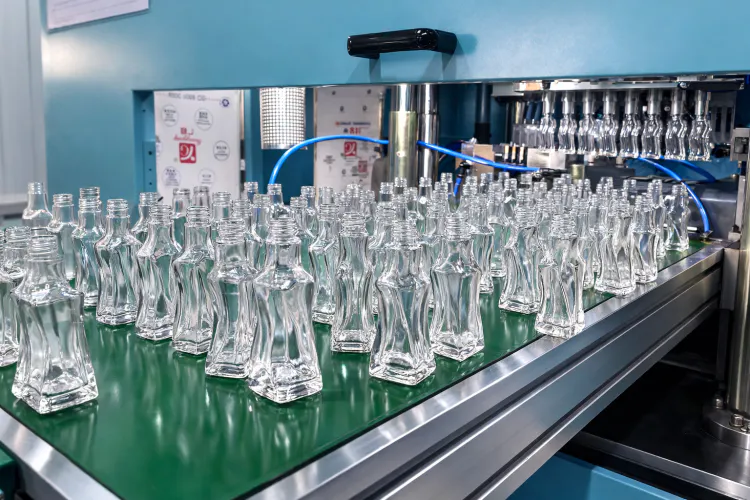
Selecting the correct injection blow molding machine involves more than matching tonnage class. Several interrelated parameters must be evaluated to ensure the machine delivers the right container quality, output rate, and operating cost profile for your specific production requirements. The following framework applies whether you are evaluating the ZQ40, comparing it with the SUMA 40iB, or considering other European-type injection blow molding machine options.
1. Container Volume and Geometry
Define your smallest and largest container formats. The ZQ40 injection blow molding machine covers 1 ml to 1,500 ml with bottle diameter up to 120 mm and height up to 220 mm. If your product mix falls within this envelope, a single ZQ40 can handle the full range without machine changes.
2. Resin Compatibility
Match the machine's plasticising system to your target resin. PP requires different screw geometry and temperature profiles than PET or HDPE. The ZQ40's 40/45 mm dual-diameter screw option and 3+N barrel zone configuration accommodate PP and HDPE across a wide injection weight range.
3. Cavity Count Requirement
Higher cavity counts increase output per cycle but require higher injection clamping force per cavity. At 400 KN injection clamping, the ZQ40 supports up to 9 cavities at 10 ml and up to 4 cavities at 100 ml — which typically covers the high-volume small-format production common in pharmaceutical and personal care applications.
4. Energy Budget and Operating Cost
Total power of 20 KW and operating efficiency of 52–70% make the ZQ40 one of the more energy-efficient machines in the 40-ton IBM class. For operations running two or three shifts in Colombia, where industrial electricity tariffs are a significant fixed cost, this efficiency differential has a measurable impact on container cost per unit over the machine's service life.
5. Closure and Neck Finish Specification
Child-resistant closures, tamper-evident bands, and pump fitments all require specific neck finish tolerances. The ZQ40 injection blow molding machine neck is formed under full dimensional control, ensuring consistent torque performance and seal integrity across production runs — a capability that is particularly important if your containers require INVIMA pharmaceutical or CPSC child-resistant certification.
6. Existing Tooling Compatibility
If you currently operate a SUMA 40iB, evaluate whether existing mold tooling can be adapted to the ZQ40's platen size (480×340 mm vs. SUMA's 470×350 mm) and mold thickness specification (180 mm). Mold adaptation is often feasible with modest modifications — our technical team can evaluate your existing toolset against ZQ40 specifications.
O nas
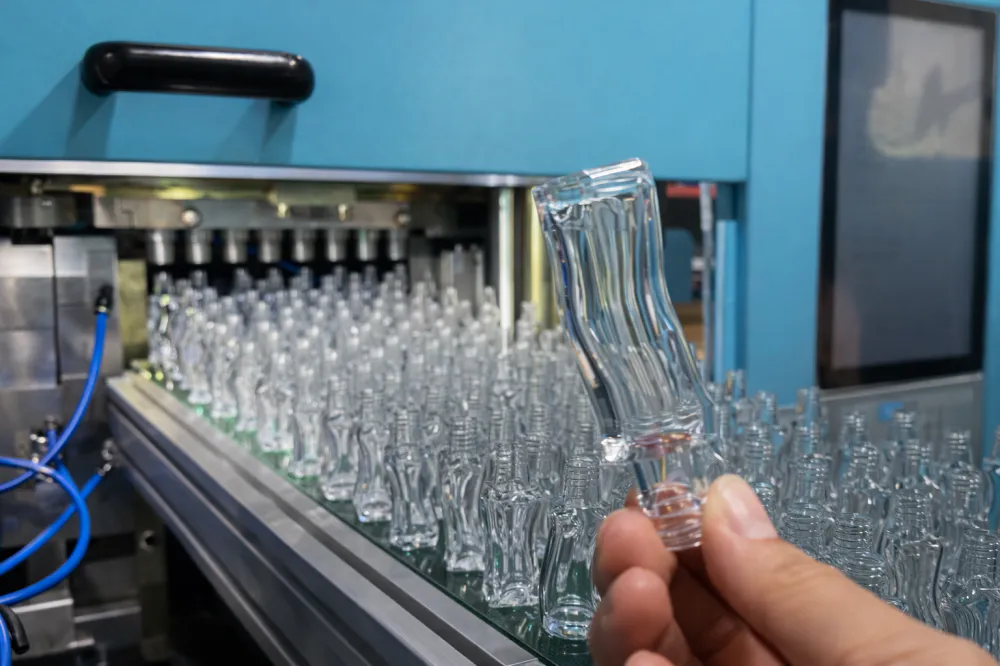
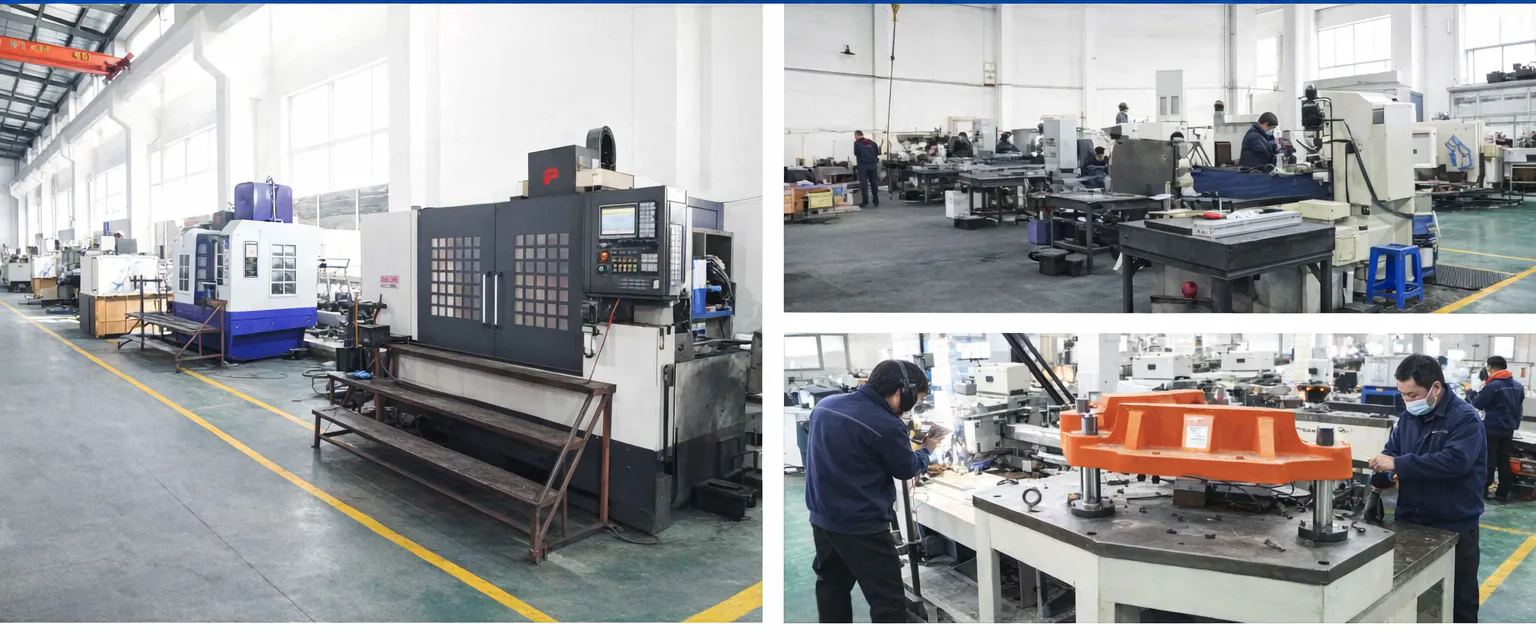
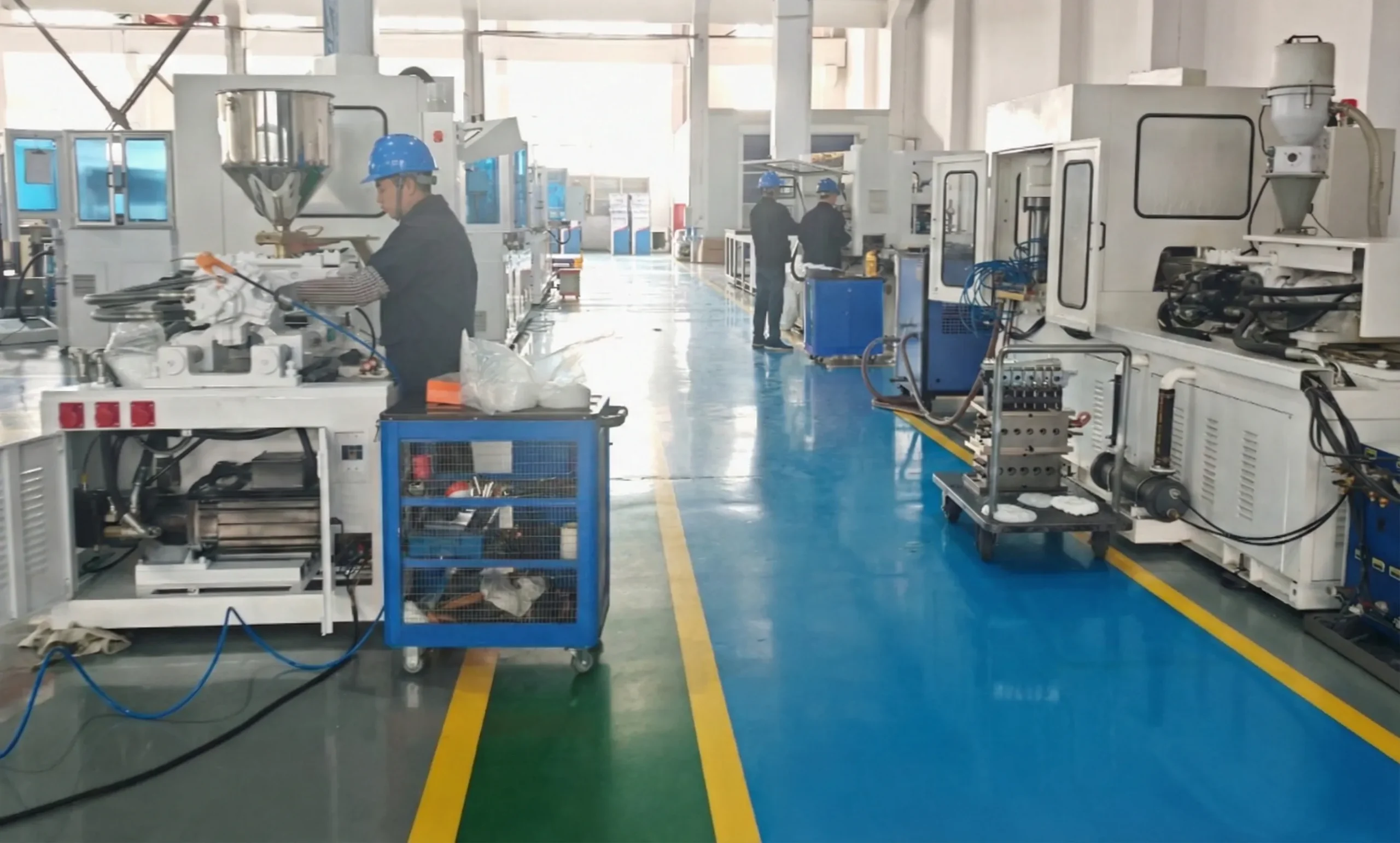
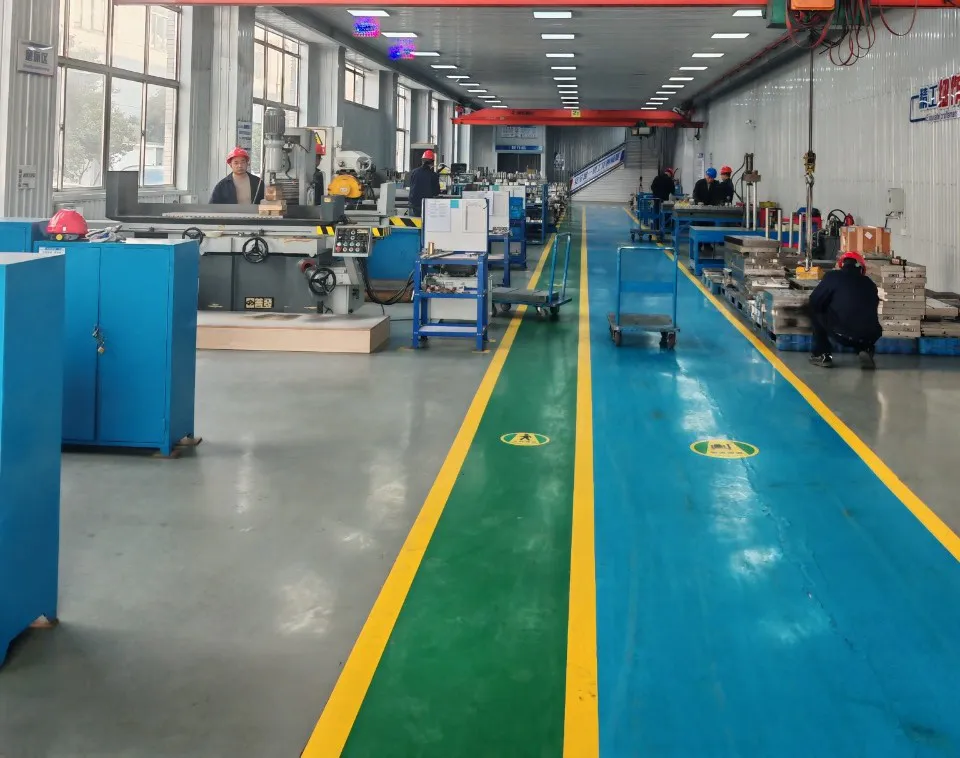
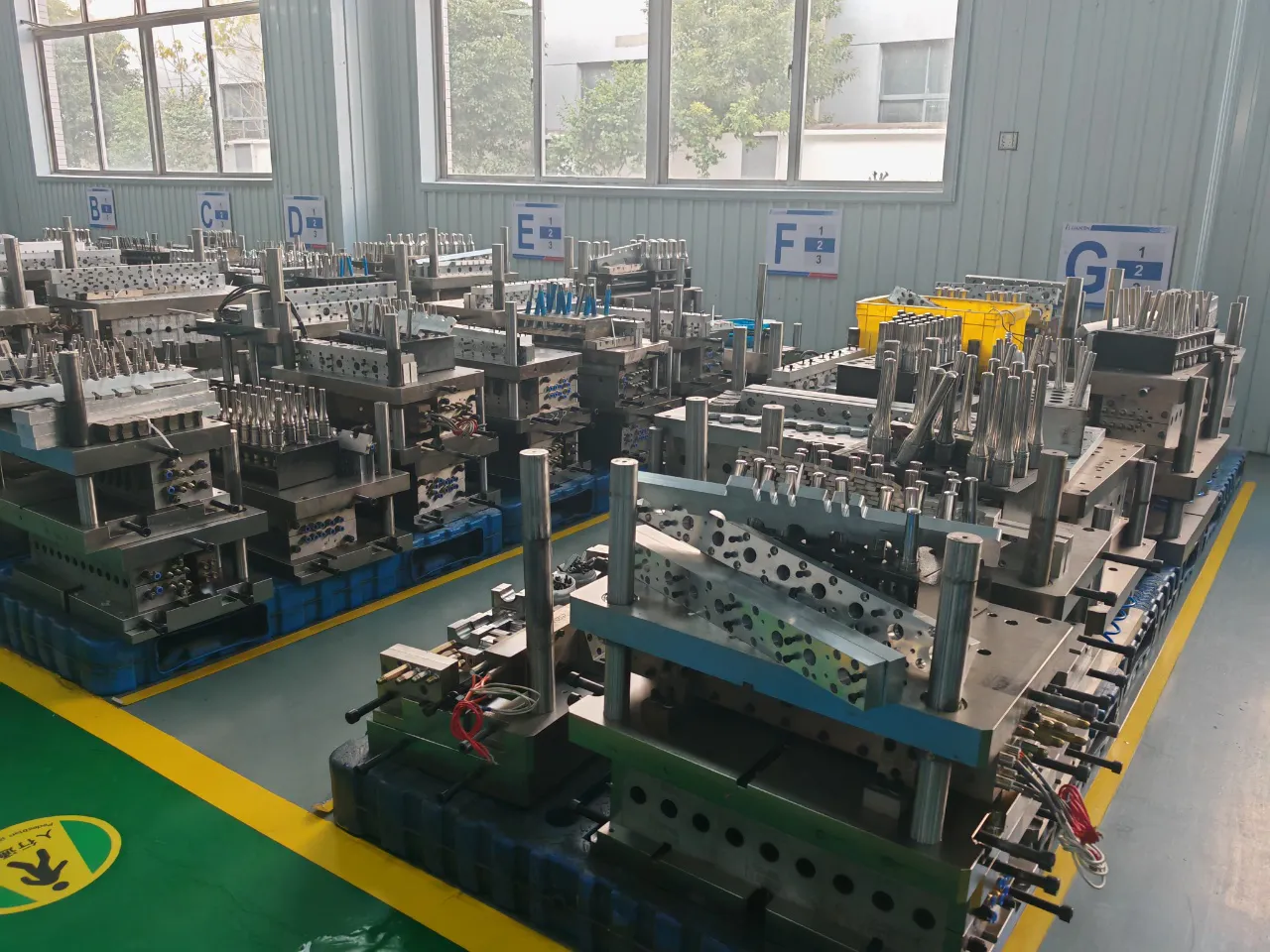
With more than two decades of dedicated development and manufacturing experience in the injection blow molding machine sector, our team has built a comprehensive product range spanning European-type injection blow molding machines, one-step injection stretch blow moulding machines, and a full portfolio of replacement models designed as compatible alternatives for customers operating equipment from established international brands. Our production base covers over 20,000 square metres and houses a fully integrated supply chain — from machine assembly and servo control systems through to mould tooling design, fabrication, and after-sales technical support.
We have supplied injection blow molding machines to packaging converters and brand owners and brand owners across Europe, Latin America, Southeast Asia, the Middle East, and South Asia. Our team understands the specific technical requirements of pharmaceutical, personal care, food, and industrial chemical container production — and we support customers through the full injection blow molding machine specification, tooling adaptation, and production commissioning process. Whether you are replacing an existing SUMA 40iB injection blow molding machine or establishing new IBM capacity in Colombia or across the Andean region, our technical team is available to provide production analysis, tooling compatibility evaluation, and full after-sales support.
Warsztat
Compatible Peripheral Equipment for Injection Blow Molding Machine Production Lines
Complete plastic container production lines require matched auxiliary equipment. We supply or recommend the following system-compatible components for one-stop procurement convenience:
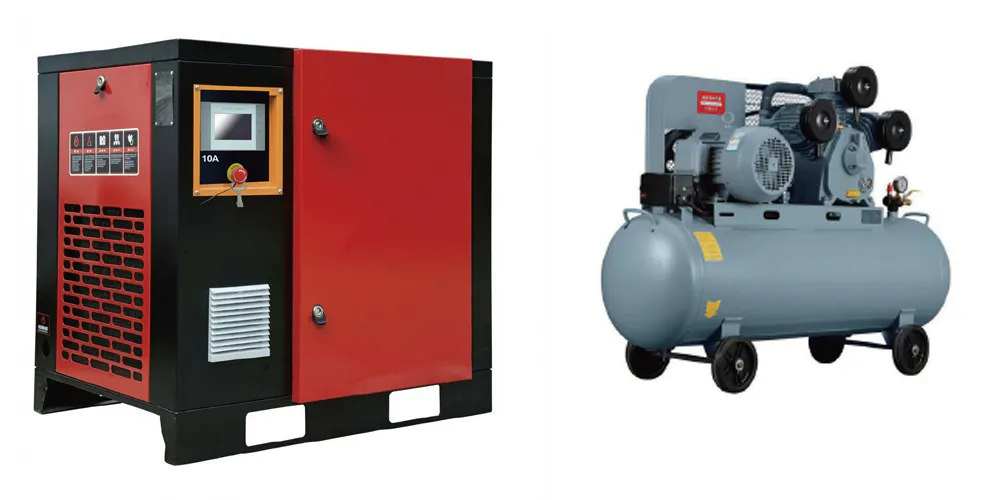
Oil-Free Air Compressor
The ZQ40 injection blow molding machine requires compressed air at 0.7–1.2 MPa for the blow moulding station. For pharmaceutical and food container production — the primary applications in Colombia's regulated packaging sector — oil-free compressor technology is essential. Hydrocarbon contamination from lubricated compressors is incompatible with INVIMA pharmaceutical packaging requirements and FDA 21 CFR food contact compliance. Our oil-free compressor range provides clean compressed air matched to the ZQ40's air volume demand (0.7 m³/min) and pressure specification, ensuring consistent bottle interior quality across multi-shift production runs.
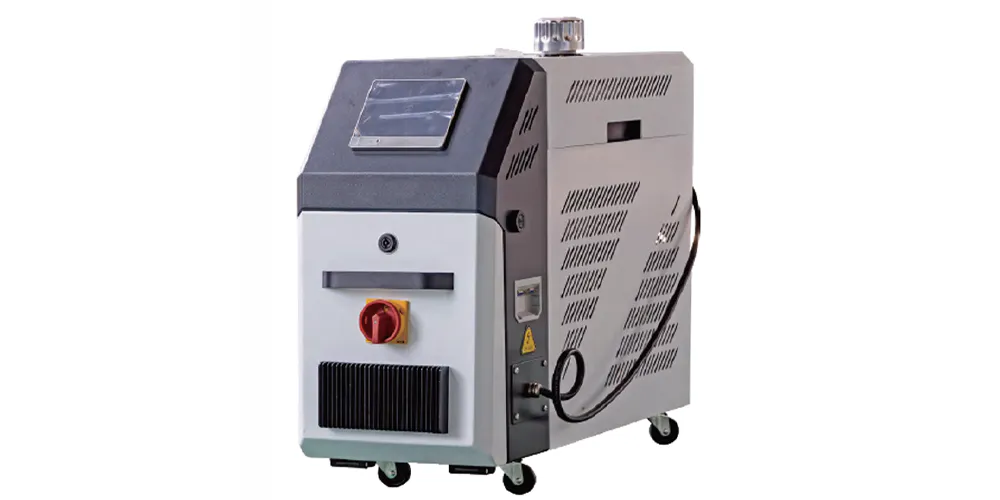
Kontroler temperatury formy
Consistent mold temperature directly affects wall thickness distribution and surface quality in injection blow molding machine-produced containers. For personal care and pharmaceutical bottles where surface clarity and dimensional consistency are brand-critical attributes, a matched mold temperature controller prevents cycle-to-cycle variation that causes visual and dimensional defects. Our controllers are compatible with the ZQ40's cooling water pressure specification (0.3–0.4 MPa) and cooling water flow rate (3.5 m³/h), providing stable mold face temperature management that supports high cavity count production with minimal adjustment between shifts.
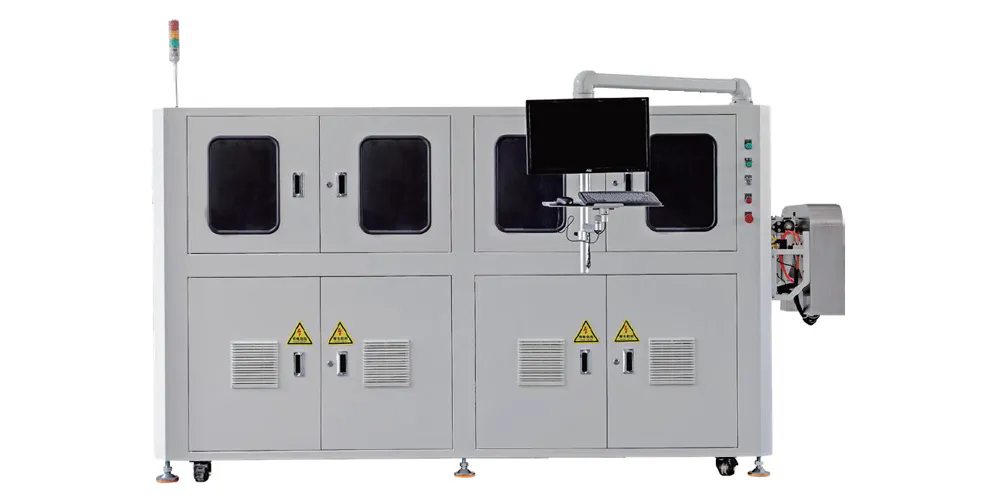
Bottle Visual Inspection Machine
Automated bottle visual inspection systems integrate directly downstream of the injection blow molding machine to detect dimensional non-conformances, surface defects, foreign matter, and wall thickness irregularities before containers reach the filling line. For pharmaceutical packaging operations in Colombia where INVIMA GMP compliance requires documented quality control records, automated inspection provides the batch-level traceability that manual sampling cannot. Our inspection systems are configured to handle the bottle diameter range (up to 120 mm) and height range (up to 220 mm) produced on the ZQ40 injection blow molding machine.
Ready to Replace Your SUMA 40iB Injection Blow Molding Machine with the EP ZQ40?
Contact our technical team to receive a full tooling compatibility assessment, production capacity analysis, and personalised quotation for the best injection blow molding machine for your facility in Colombia or internationally.
Często zadawane pytania
Q1. What is an injection blow molding machine and how does the European ZQ40 type differ from Asian IBM machine designs?
An injection blow molding machine — often abbreviated IBM — is a three-station plastic container forming machine that operates on a well-established injection blow molding machine process that injects a preform, transfers it to a blow station, then strips the finished container in a continuous rotary cycle. European-type injection blow molding machines, including the ZQ40, are characterised by a horizontal rotary table with vertical clamp travel with vertical clamp travel, typically delivering higher clamping force per machine ton than comparable Asian IBM designs. The ZQ40's full European structure achieves clamping force 20–30% higher than industry average for the same tonnage class, making it better suited to multi-cavity molds and demanding container geometries.
Q2. How does the EP ZQ40 injection blow molding machine compare to the SUMA 40iB in terms of injection capacity and clamping force?
The EP ZQ40 injection blow molding machine provides 400 KN injection clamping force versus the SUMA 40iB's reference specification of 386 KN — a measurable margin that improves mold closure stability under high-cavity-count production conditions. On injection capacity, the ZQ40 offers 190 g or 260 g injection weight options (depending on screw selection) versus the SUMA 40iB reference figure of 169 g, which broadens the range of container wall thicknesses and preform weights the machine can produce without tooling modifications. The dual screw diameter option (40/45 mm) adds further flexibility for different resin viscosity profiles.
Q3. Which plastic resins can the EP ZQ40 European injection blow molding machine process for pharmaceutical and personal care packaging in Colombia?
The ZQ40 injection blow molding machine processes PP (polypropylene) and HDPE (high-density polyethylene) as primary resins, which cover the vast majority of pharmaceutical and personal care container applications in Colombia and across Latin America. PP provides excellent chemical resistance and is the standard for pharmaceutical syrup bottles, dropper bottles, and cream jars. HDPE is preferred for shampoo, lotion, and household cleaning containers. The machine's barrel zone configuration (3+N) and 22:1 screw L/D ratio are appropriate for both resin families. PET processing is also available on specified barrel configurations for clear bottle applications.
Q4. How long does it take to install and commission the EP ZQ40 injection blow molding machine at a production facility in Colombia or Latin America?
Installation and commissioning of the ZQ40 injection blow molding machine at a production site in Colombia or Latin America typically takes 3–7 days for a prepared site with appropriate electrical supply (confirmed amperage), compressed air, and cooling water infrastructure in place. Our technical team provides remote pre-commissioning support, on-site installation supervision, and operator training as part of the machine supply package. Lead time for delivery from order confirmation to destination port in Colombia is typically 45–90 days depending on current production schedule and shipping route. Contact our sales team for a current delivery schedule and quote for your specific facility location.
Q5. Can existing SUMA 40iB mold tooling be adapted for use on the EP ZQ40 injection blow molding machine without full mold replacement?
Mold adaptation from the SUMA 40iB to the ZQ40 injection blow molding machine is often feasible given the similar platen size specifications (ZQ40: 480×340 mm; SUMA 40iB reference: 470×350 mm) and comparable mold thickness ranges. The primary adaptation evaluation points are: platen hole pattern (bolting layout), rotary table spindle dimensions, and injection core diameter compatibility. In many cases, the injection core and blow mold cavities can be retained while only the back plates and mounting hardware require modification. Our technical team can perform a formal tooling compatibility evaluation using your SUMA 40iB mold technical drawings — contact us with your mold documentation to initiate this assessment.
Q6. What is the typical energy consumption cost advantage of the EP ZQ40 European injection blow molding machine over conventional IBM machines operating at Colombian industrial electricity tariffs?
The ZQ40 injection blow molding machine's unique pressurized clamping system reduces energy consumption by 10–20% compared with conventional IBM machines in the same class. At Colombian industrial electricity tariffs, a production facility running the ZQ40 on a two-shift schedule producing small pharmaceutical containers can expect a measurable reduction in electricity cost per thousand units compared with older or less efficient IBM platforms. The total power specification of 20 KW and operating efficiency of 52–70% are competitive benchmarks for the 40-ton European IBM class. Actual savings depend on container format, cycle time, resin, and local tariff rate — contact our team for a production-specific energy cost analysis.
Q7. How does the injection blow molding machine process differ from injection stretch blow molding and which is better for small pharmaceutical bottles in Colombia?
The injection blow molding machine (IBM) process and injection stretch blow molding (ISBM) are both three-stage processes beginning with an injection-moulded preform, but they differ fundamentally in the blow stage: IBM blows the preform without mechanical stretching, while ISBM extends the preform axially with a stretch rod before blowing. The injection blow molding machine process is generally preferred for small pharmaceutical bottles (under 250 ml) in PP and HDPE where neck finish precision is critical and biaxial orientation is not required for barrier performance. ISBM is preferred for PET bottles where biaxial orientation improves oxygen barrier and mechanical properties. For the pharmaceutical and personal care container market in Colombia — which is dominated by PP and HDPE small-format containers — the injection blow molding machine process of the ZQ40 is the more appropriate technology for most applications.
Redaktor: PXY