1. Przygotowanie miejsca przed przybyciem (2 do 4 tygodni przed dostawą)
Obciążenie fundamentów i podłóg: Maszyna do formowania wtryskowego z rozciąganiem i rozdmuchiwaniem nakłada na podłogę fabryki zarówno statyczny ciężar własny, jak i dynamiczne obciążenie cykliczne. Czterostunkowa maszyna HGY200-V4 waży około trzynastu ton w stanie roboczym, podczas gdy platformy wielkoformatowe HGY650-V4 osiągają dwadzieścia osiem ton. Podłoga nośna musi przenosić to obciążenie z odpowiednim marginesem na osiadanie i rezonans. Zazwyczaj wymagane są stropy żelbetowe o minimalnej grubości stu pięćdziesięciu milimetrów i wytrzymałości na ściskanie dwudziestu pięciu megapaskali lub wyższej. Powierzchnia podłogi musi być płaska z dokładnością do trzech milimetrów na całej długości obrysu maszyny, aby zapewnić prawidłowe wypoziomowanie podczas instalacji. Kolumbijskie budynki przemysłowe wzniesione przed rokiem 2000 często wymagają wzmocnienia podłogi przed instalacją maszyny ISBM — należy zweryfikować rysunki konstrukcyjne lub zlecić inżynierowi konstrukcyjnemu ocenę obciążenia przed zaplanowaniem dostawy.
Dostarczanie usług komunalnych: Maszyna ISBM wymaga trójfazowego zasilania elektrycznego o napięciu od 380 do 400 V i napięciu pięćdziesięciu Hz, o wydajności prądowej dopasowanej do konkretnego modelu maszyny – od 80 amperów dla kompaktowych jednostek trzystanowiskowych do 200 amperów dla maszyn wielkoformatowych. Instalacja elektryczna musi obejmować odpowiednio dobrany wyłącznik, zabezpieczenie przeciwprzepięciowe i system uziemienia spełniający wymagania RETIE (Reglamento Técnico de Instalaciones Eléctricas) obowiązujące w kolumbijskich instalacjach przemysłowych. Zasilanie sprężonym powietrzem musi dostarczać bezolejowe, suche powietrze o ciśnieniu od 0,7 do 1,0 megapaskala dla obwodów ruchu maszyny niskociśnieniowej, a także oddzielny obwód wysokociśnieniowy o ciśnieniu od 2,5 do 4,0 megapaskala dla powietrza nadmuchowego. Zasilanie wodą chłodzącą wymaga temperatury wlotowej poniżej dwudziestu pięciu stopni Celsjusza, natężenia przepływu od osiemdziesięciu do dwustu litrów na minutę, w zależności od wielkości maszyny, oraz ciśnienia od zera przecinek cztery do zera przecinek sześć megapaskala.
Odbiór materiałów i narzędzi: Potwierdź odbiór całego wyposażenia pomocniczego określonego w zamówieniu maszyny: agregatu chłodniczego do chłodzenia formy, wieży chłodniczej do chłodzenia oleju hydraulicznego w wersjach hydraulicznych, regulatora temperatury kanałów gorących (jeśli nie jest zintegrowany), osuszacza do żywicy oraz systemu transportu materiału. Temperatura przechowywania PET, PETG, PC i innych materiałów wrażliwych na wilgoć powinna wynosić od dwudziestu trzech do dwudziestu pięciu stopni Celsjusza przy wilgotności względnej poniżej pięćdziesięciu procent — brak osuszenia tych materiałów przed przetwarzaniem powoduje degradację hydrolityczną, która prowadzi do kruchości pojemników i powstawania białych smug. Oprzyrządowanie formy dostarczone wraz z maszyną należy sprawdzić pod kątem uszkodzeń transportowych, ze szczególnym uwzględnieniem powierzchni gniazd, powierzchni uszczelniających oraz portów podłączenia wody chłodzącej przed montażem.
2. Pozycjonowanie maszyny, poziomowanie i podłączanie mediów
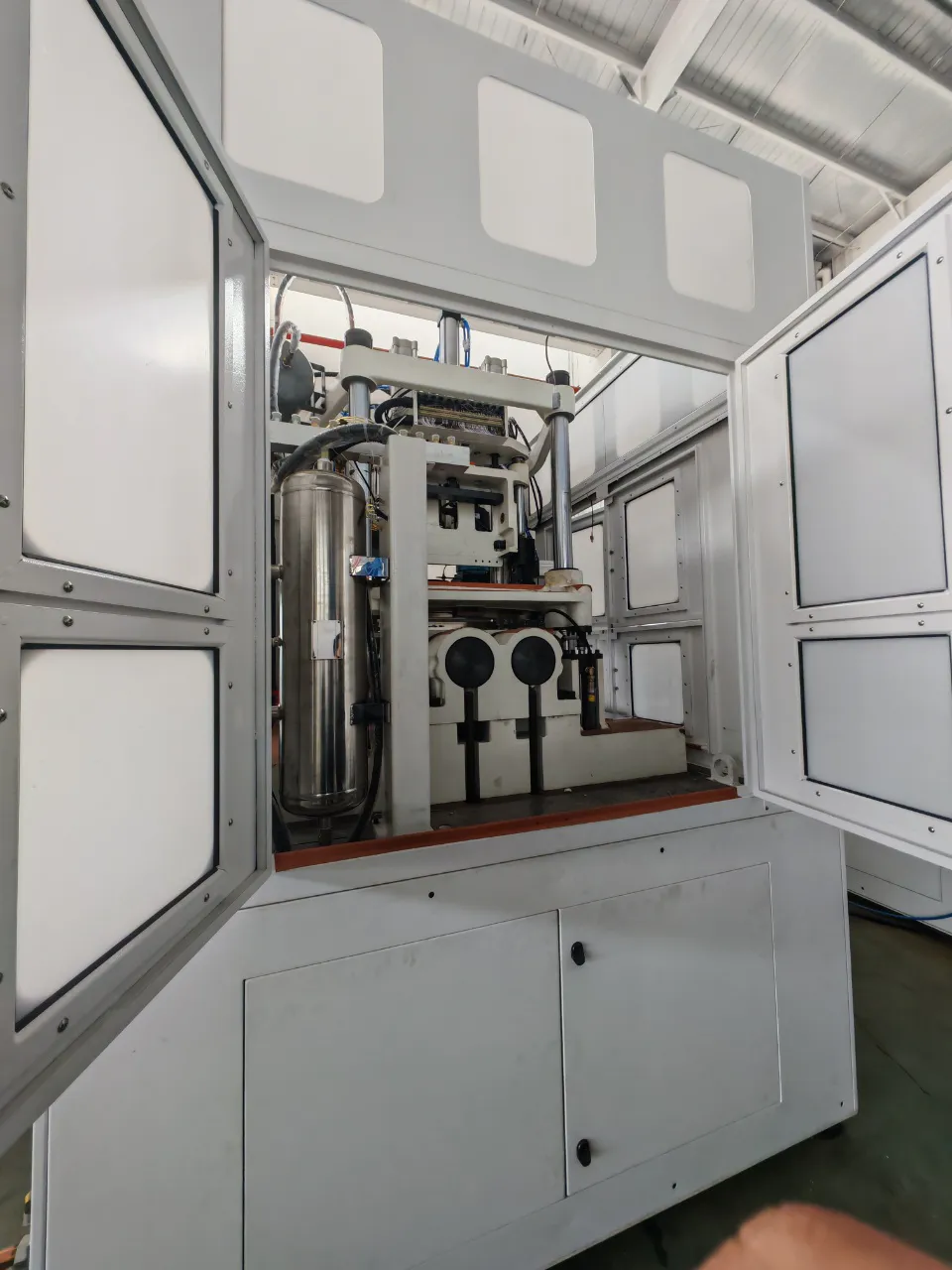
Pozycjonowanie maszyny: Maszyna ISBM przyjeżdża ciężarówką dostawczą i musi zostać przesunięta do miejsca docelowego za pomocą wózków widłowych o odpowiednim udźwigu — zazwyczaj wymagając piętnastotonowych lub większych jednostek dla maszyn średnich i trzydziestotonowego sprzętu dla platformy HGY650-V4. Należy używać punktów podnoszenia wskazanych przez producenta; podnoszenie w nieautoryzowanych punktach może uszkodzić ramę maszyny lub podzespoły hydrauliczne w sposób, który może nie być widoczny, dopóki produkcja nie wykaże wycieków lub problemów z wyrównaniem. Umieść maszynę z odpowiednim odstępem ze wszystkich stron — producenci zazwyczaj określają minimalne odstępy serwisowe wynoszące jeden metr po stronie operatora, osiemset milimetrów z tyłu i dwa metry po stronie zmiany formy, aby zapewnić dostęp do podnoszenia. Ograniczenia przestrzenne w kolumbijskich zakładach przemysłowych czasami kuszą operatorów do instalowania maszyn bliżej ścian lub innego sprzętu niż określono, ale ten kompromis stwarza ciągłe trudności serwisowe, które wydłużają czas konserwacji i przestoje w całym okresie eksploatacji maszyny.
Poziomowanie i kotwienie: Po ustawieniu maszyna jest podparta na regulowanych stopkach (izolatorach drgań lub solidnych stalowych stopkach, w zależności od modelu). Użyj precyzyjnej poziomicy, aby sprawdzić wypoziomowanie w obu osiach w wielu punktach pomiarowych na łożu maszyny — dokładność obrotowego stołu indeksującego zależy przede wszystkim od wypoziomowania maszyny z dokładnością do jednego milimetra na metr. Reguluj stopki iteracyjnie, aż do uzyskania poziomu we wszystkich punktach pomiarowych, a następnie dokręć nakrętki zabezpieczające stopki, aby zapobiec osiadaniu. Kotwienie do podłoża za pomocą śrub kotwiących jest wymagane w przypadku większych maszyn i zalecane dla wszystkich maszyn w kolumbijskich strefach sejsmicznych — Bogota i region Andów znajdują się w strefach sejsmicznych wymagających kotwienia sprzętu zgodnie z NSR-10 (Reglamento Colombiano de Construcción Sismo Resistente) dla maszyn przemysłowych o masie powyżej określonych progów.
Przyłącza użytkowe: Podłącz zasilanie elektryczne przez główny wyłącznik maszyny, sprawdzając, czy kolejność faz jest zgodna z wymaganiami dotyczącymi obrotów silnika — nieprawidłowa kolejność faz powoduje, że pompa hydrauliczna lub układ serwosterowania próbują pracować w odwrotnym kierunku, co może uszkodzić podzespoły w ciągu kilku sekund. Podłącz zasilanie sprężonym powietrzem przez zespół filtr-regulator-smarownica (FRL) ze wskaźnikiem punktu rosy i sprawdź zasilanie wysokociśnieniowym powietrzem przedmuchowym przez jego niezależny regulator. Podłącz przewody doprowadzające i odprowadzające wodę chłodzącą, zakładając tymczasowe manometry w celu sprawdzenia przepływu wody podczas początkowej pracy. Podłącz obwód chłodzenia agregatu chłodniczego do układu kontroli temperatury formy, jeśli jest on oddzielny. Każde połączenie należy poddać próbie ciśnieniowej pod ciśnieniem nieznacznie wyższym od roboczego przez trzydzieści minut, aby upewnić się, że nie ma wycieków przed uruchomieniem maszyny.
3. Wymagania dotyczące użyteczności witryny według modelu maszyny
Poniższa tabela podsumowuje wymagania dotyczące infrastruktury dla reprezentatywnych modeli maszyn ISBM. Wykorzystaj te dane, planując przygotowanie obiektu przed dostawą sprzętu.
| Specyfikacja | HGY50-V3-EV (3-stacje) | HGY150-V4 (4-stanowiskowy) | HGY200-V4 (4-stanowiskowy) | HGY250-V4 (4-stanowiskowy) | HGY650-V4 (duży) |
|---|---|---|---|---|---|
| Całkowita moc (kW) | 45.2 | 53.2 | 59.2 | 82.7 | 90.7 |
| Napięcie (V) | 370–400 | 370–400 | 370–400 | 370–400 | 370–400 |
| Ciśnienie powietrza dmuchanego (MPa) | 2,0–3,5 | 2,0–3,5 | 2,0–3,5 | 2,0–3,5 | 2,0–3,5 |
| Ciśnienie wody chłodzącej (MPa) | 0,4–0,6 | 0,4–0,6 | 0,4–0,6 | 0,4–0,6 | 0,4–0,6 |
| Ciśnienie wody w chłodnicy oleju (MPa) | N/A (elektryczny) | 0,3–0,4 | 0,3–0,4 | 0,3–0,4 | 0,3–0,4 |
| Temperatura chłodniejszej wody (°C) | Nie dotyczy | 20–25 | 20–25 | 20–25 | 20–25 |
| Moc grzewcza (kW) | 10.4 | 10 | 10 | 15 | 15 |
| Powierzchnia maszyny (dł. × szer.) (m) | 3,8×1,2 | 4,2×1,4 | 4,8×2,0 | 6,3×2,4 | 6,1×2,6 |
| Wysokość maszyny (m) | 2.5 | 2.9 | 3.2 | 3.7 | 4.2 |
| Masa operacyjna (T) | 3.5 | 6 | 13 | 16 | 28 |
| Zbiornik oleju hydraulicznego (L) | N/A (elektryczny) | 300 | 300 | 600 | 600 |
| Zalecane obciążenie podłogi (kPa) | 8 | 12 | 15 | 15 | 20 |
4. Weryfikacja podsystemu: tryb działania, typ strukturalny i architektura produkcyjna
Weryfikacja trybu działania — najpierw tryb ręczny: Wszystkie wstępne testy ruchu odbywają się w trybie ręcznym ze zmniejszonymi prędkościami i ciśnieniami, nigdy w trybie cyklu automatycznego. Przy włączonym zasilaniu elektrycznym i otwartych drzwiach bezpieczeństwa (lub z pominięciem zabezpieczenia dozwolonego tylko podczas rozruchu), przetestuj każdą oś osobno, używając sterowania w trybie ręcznym. Sprawdź, czy jednostka wtryskowa przesuwa się i cofa płynnie, bez zacięć, czy stół indeksujący obraca się płynnie między stanowiskami, czy górna i dolna połówka formy zamykają się i otwierają bez przesunięć oraz czy ruch rozciągania pręta rdzenia stacji rozdmuchowej odbywa się w pełnym zakresie. Każdy ruch należy obserwować pod kątem szarpnięć, nietypowego hałasu lub wibracji, które mogłyby wskazywać na problemy z ustawieniem, uwięzienie powietrza w układzie hydraulicznym lub niedopasowanie parametrów serwomotoru wymagające regulacji przed rozpoczęciem pracy automatycznej.
Typ konstrukcyjny — weryfikacja układu napędowego: W przypadku konfiguracji maszyn z serwonapędem, przed testowaniem ruchu z dużą prędkością należy sprawdzić kierunek obrotów każdego serwosilnika, integralność sygnału sprzężenia zwrotnego enkodera oraz kalibrację położenia zerowego. Systemy serwonapędów obejmują Inovance, Yaskawa lub podobne marki z zestawami parametrów skonfigurowanymi fabrycznie dla każdej osi — parametrów tych nie należy modyfikować podczas rozruchu, chyba że zgodnie z konkretnymi wskazówkami inżyniera ds. rozruchu producenta. W przypadku konfiguracji hydraulicznych, należy sprawdzić sekwencję uruchamiania pompy hydraulicznej, monitorowanie temperatury oleju, ustawienia zaworu bezpieczeństwa oraz działanie hydraulicznego zaworu sterującego YUKEN, zgodnie z sekwencją testową opisaną w instrukcji rozruchu producenta. W pełni elektryczne modele pojazdów elektrycznych (EV) wykorzystują serwosilniki, co eliminuje etapy rozruchu układu hydraulicznego, ale wymaga starannej weryfikacji wszystkich położeń zerowych i limitów ruchu serwonapędów.
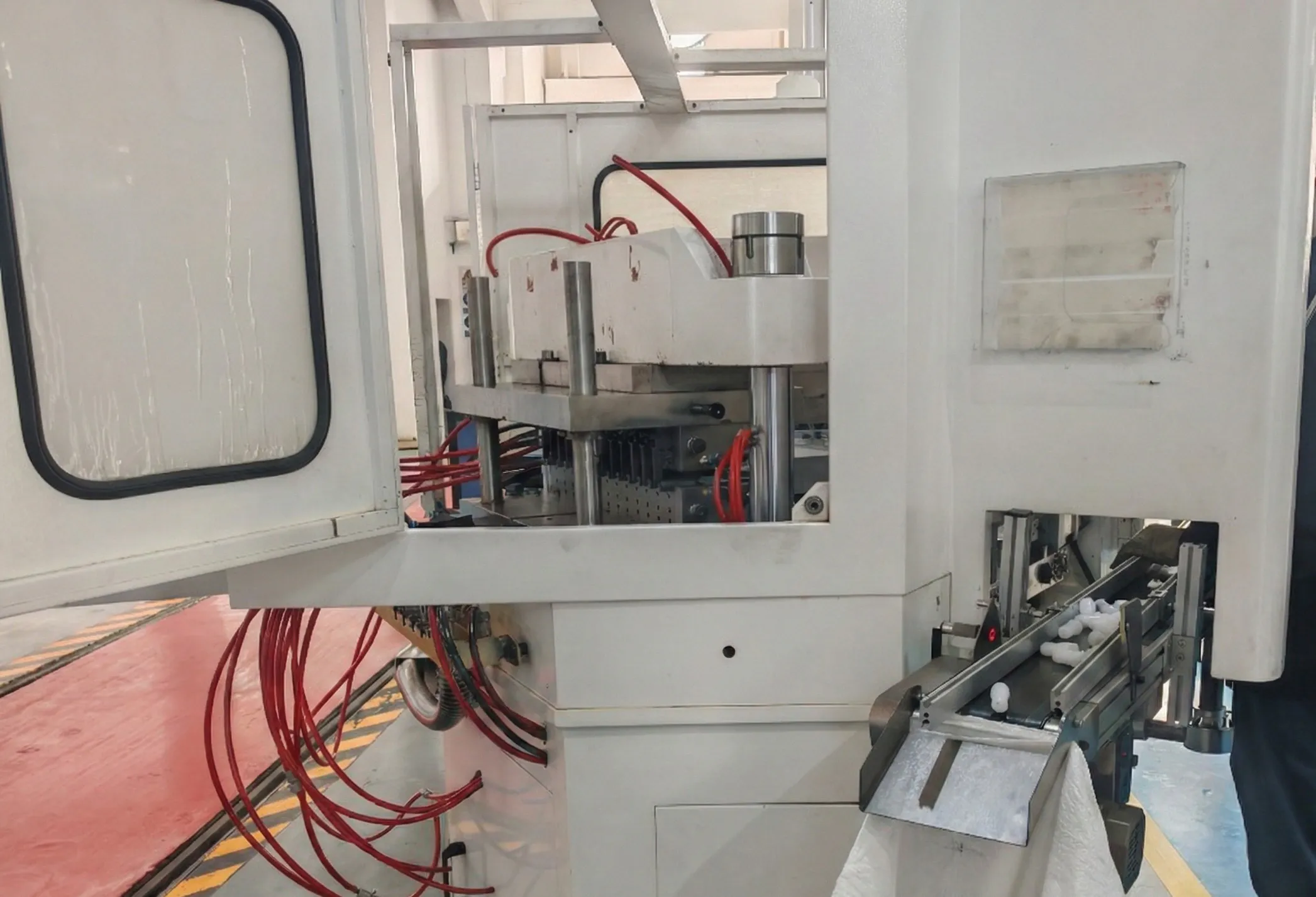
Architektura produkcyjna — sprawdzanie poszczególnych komponentów: Zweryfikuj kolejno każdy główny podsystem: jednostkę wtryskową, w tym kierunek obrotów ślimaka, kalibrację regulatora temperatury tworzywa i temperatury strefy gorących kanałów; jednostkę zamykania formy, w tym wyrównanie między płytami stałymi i ruchomymi, działanie wypychacza oraz przepływ wody chłodzącej formę; obrotowy stół indeksujący, w tym dokładność obrotów na każdej stacji i odstęp od otaczających komponentów; stację rozdmuchową, w tym kalibrację położenia rozciągania rdzenia, regulację ciśnienia powietrza rozdmuchowego i rozrząd zaworów wydechowych; oraz jednostkę odbierającą, w tym odstęp wyrzutu pojemnika i synchronizację przenośnika. Udokumentuj wyniki weryfikacji każdego podsystemu za pomocą szczegółowych pomiarów, podpisanych zarówno przez technika uruchomieniowego, jak i przedstawiciela klienta, do dokumentacji projektu.
5. Pięć kluczowych praktyk, które wyróżniają udane pierwsze uruchomienie ISBM
Udokumentuj każde ustawienie przed pierwszym cyklem produkcyjnym
Rejestruj każdy parametr sterownika, położenie zaworu, ustawienie regulatora i nastawę temperatury w dzienniku uruchomień przed pierwszym automatycznym cyklem produkcyjnym. Ta dokumentacja bazowa staje się punktem odniesienia, względem którego mierzone są wszystkie przyszłe zmiany w procesie. Gdy problem z jakością pojawi się po sześciu miesiącach eksploatacji, możliwość porównania bieżących ustawień z danymi bazowymi z uruchomienia często pozwala zidentyfikować przyczynę dryftu w ciągu minut, a nie dni. W przypadku operatorów z Kolumbii, gdzie inżynierowie wsparcia maszyn mogą pracować zdalnie, dokumentacja ta umożliwia również świadomy dialog z działem wsparcia technicznego bez konieczności fizycznego dostępu do maszyny.
Przed załadowaniem zasobnika sprawdź, czy materiał jest suchy
PET, PETG, PC, PPSU i PCTG są higroskopijne — absorbują wilgoć z atmosfery w tempie, które obniża jakość formowania wtryskowego w ciągu kilku godzin od wystawienia na działanie typowych poziomów wilgotności w kolumbijskich fabrykach. Przed załadowaniem materiału do leja zasypowego maszyny należy sprawdzić, czy suszarka osuszająca osiągnęła wymagany punkt rosy (zwykle od -40 do -50 stopni Celsjusza dla PET) i czy materiał był suszony w określonej temperaturze (od 160 do 180 stopni Celsjusza dla PET) przez minimalny czas przebywania (od czterech do sześciu godzin). Pominięcie tego kroku powoduje kruche pojemniki z białymi smugami, co zmusi zespoły uruchamiające po raz pierwszy do wielogodzinnego poszukiwania nieistniejących problemów z maszyną, zanim zorientują się, że ich rzeczywistą przyczyną jest wilgoć w polimerze.
Przed cyklami wypełnionymi materiałem należy wykonać cykle pracy na sucho
Cykl suchy – uruchamiający maszynę w sekwencji ruchu bez wtryskiwania materiału – weryfikuje wszystkie czasy ruchu, synchronizację między stanowiskami oraz działanie blokad bezpieczeństwa przed wprowadzeniem polimeru do systemu. Należy wykonać co najmniej pięćdziesiąt cykli suchych w trybie ciągłym automatycznym, monitorując wszelkie odchylenia czasowe, opóźnienia ruchu lub stany alarmowe. Dopiero po pięćdziesięciu bezproblemowych cyklach suchych operator powinien przejść do uruchomienia z wypełnieniem materiałem. Ta dyscyplina pozwala wykryć większość problemów mechanicznych i elektrycznych, które w przeciwnym razie objawiałyby się jako zużyte pojemniki i zanieczyszczone narzędzia formujące podczas początkowych prób produkcyjnych.
Kompleksowa inspekcja kontenerów First Article
Kiedy pierwsze pojemniki wypełnione materiałem opuszczają maszynę, należy je dokładnie sprawdzić pod kątem specyfikacji na rysunku: całkowitej wysokości, średnicy korpusu w kilku punktach, wymiarów szyjki, w tym profilu gwintu i średnicy wewnętrznej, geometrii podstawy, rozkładu grubości ścianek mierzonego w co najmniej ośmiu punktach, wagi oraz wyglądu pod kątem smug, zmętnienia lub pęcherzyków. Porównaj pierwszy artykuł z rysunkiem pod kątem każdego zmierzonego wymiaru, nie tylko tych oczywistych. Wyniki kontroli pierwszego artykułu wpływają na dostosowanie parametrów procesu, które przenoszą maszynę z fazy roboczej do fazy produkcyjnej — pominięcie tego etapu lub zaakceptowanie pojemników „wystarczająco zbliżonych” wydłuża okres rozruchu i grozi wysłaniem klientom produktu niezgodnego ze specyfikacją.
Przeprowadź kontrolę zdolności produkcyjnej przed przekazaniem
Ostatnim etapem uruchomienia jest sprawdzenie zdolności produkcyjnej — zazwyczaj osiem godzin ciągłej produkcji w zaplanowanym cyklu, z pobieraniem próbek co piętnaście do trzydziestu minut w celu weryfikacji stabilności wymiarowej i wagowej w całym cyklu. Dane te określają ilościowo wskaźnik zdolności produkcyjnej (Cpk) dla wymiarów krytycznych i stanowią podstawę statystyczną do bieżącego monitorowania jakości podczas normalnej produkcji. Dane dotyczące zdolności produkcyjnej stają się również niezbędnym dowodem w audytach klientów, szczególnie w zastosowaniach farmaceutycznych i w kontakcie z żywnością, gdzie dostawcy muszą wykazać udokumentowaną kontrolę procesu. Udokumentuj wyniki sprawdzenia zdolności produkcyjnej, zarchiwizuj powstałe pojemniki i przeprowadź formalne spotkanie przekazania dopiero po potwierdzeniu przez dane dotyczące zdolności produkcyjnej gotowości maszyny do produkcji.
6. System materiałowy i obróbka powierzchni podczas uruchomienia
System materiałowy: Proces formowania wtryskowego z rozciąganiem i rozdmuchiwaniem (WDM) obejmuje szeroką gamę materiałów termoplastycznych, ale uruchomienie powinno zazwyczaj rozpocząć się od PET, jako materiału o największej tolerancji na zmiany temperatury, co pozwala na wstępne zapoznanie się z procesem. PET toleruje większe wahania profilu temperaturowego, ciśnienia wtrysku i współczynnika rozciągliwości niż polimery konstrukcyjne, takie jak PPSU czy PC, co pozwala operatorowi rozwinąć intuicję procesową przed przystąpieniem do pracy z węższymi zakresami parametrów materiałów o wyższej wydajności. Po zakończeniu uruchomienia PET i osiągnięciu stabilnej produkcji, maszyna może przejść do PETG, PP, a na końcu do polimerów konstrukcyjnych, w zależności od wymagań aplikacji. Każda zmiana materiału wymaga kompletnego zestawu parametrów procesu, w tym temperatury cylindra, temperatury formy, profilu ciśnienia wtrysku i współczynnika rozciągliwości – receptury te powinny zostać zapisane w systemie pamięci receptur sterownika podczas uruchamiania każdego materiału.
Obróbka powierzchni — pielęgnacja powierzchni formy: Powierzchnie gniazda wtryskowego i formy rozdmuchowej wymagają ostrożnego obchodzenia się podczas rozruchu, aby zapobiec uszkodzeniom, które trwale wpłyną na jakość pojemnika. Przed montażem gniazda formy należy oczyścić środkami czyszczącymi zalecanymi przez producenta – nigdy środkami ściernymi, które rysują polerowaną powierzchnię. Po montażu formę należy stopniowo doprowadzać do temperatury roboczej, a nie poddawać szokowi termicznemu od temperatury otoczenia do pełnej nastawy. W początkowych cyklach produkcyjnych pojemniki powinny być sprawdzane pod kątem wad powierzchniowych pochodzących z formy – śladów ciągnięcia, osadzonych zanieczyszczeń lub śladów kondensacji – zanim osiągną poziom zagrażający produkcji komercyjnej. Procedury konserwacji zapobiegawczej formy powinny być dokumentowane podczas rozruchu, aby operatorzy produkcji mieli jasny punkt odniesienia w zakresie bieżącej konserwacji.
7. Rozważania dotyczące uruchomienia według scenariusza zastosowania
Linie pojemników na kosmetyki i artykuły do pielęgnacji osobistej
Uruchomienie aplikacji kosmetycznych koncentruje się przede wszystkim na wizualnej akceptacji jakości – przejrzystości powierzchni, braku zmętnień i smug oraz spójnym gwintowaniu szyjek pompek i zatyczek. Podczas uruchomienia należy przeznaczyć dodatkowy czas na wizualną optymalizację jakości, w tym iteracyjną regulację temperatury cylindra i profilu ciśnienia wtrysku w celu wyeliminowania widocznych niedoskonałości. Kolumbijscy producenci kosmetyków obsługujący rynki eksportowe, w tym Meksyk i Stany Zjednoczone, podlegają rygorystycznej kontroli na liniach napełniających, dlatego uruchomienie maszyny w celu zapewnienia spójnej produkcji opakowań zgodnie ze specyfikacją wizualną jest niezbędne przed rozpoczęciem produkcji komercyjnej.
Produkcja opakowań farmaceutycznych
Zastosowania farmaceutyczne wymagają, aby uruchomienie obejmowało formalną dokumentację kwalifikacji instalacyjnej (IQ), kwalifikacji operacyjnej (OQ) i kwalifikacji wydajności (PQ), aby spełnić wymagania GMP mające zastosowanie do operacji pakowania produktów farmaceutycznych zarejestrowanych w INVIMA. Harmonogram uruchomienia powinien uwzględniać odpowiedni bufor na fazę PQ — zazwyczaj trzy serie produkcyjne, trwające co najmniej jedną zmianę, wykazujące spójność pod względem wymiarów i składu materiału. Dokumentacja walidacji maszyny ISBM dostarczona przez kwalifikowanych dostawców powinna zostać sprawdzona i zatwierdzona przez zespół ds. jakości klienta przed pierwszą serią PQ, a nie po uruchomieniu maszyny w produkcji.
Produkcja pojemników na żywność i napoje
Uruchomienie pojemników przeznaczonych do kontaktu z żywnością musi potwierdzić, że środowisko produkcyjne i powierzchnie maszyn mające kontakt z roztopionym polimerem i gotowym pojemnikiem są zgodne z przepisami dotyczącymi bezpieczeństwa żywności. Uchwała INVIMA 683/2012 reguluje kwestie materiałów przeznaczonych do kontaktu z żywnością w Kolumbii, a dokumentacja uruchomieniowa powinna zawierać certyfikaty materiałowe dla przetwarzanego polimeru oraz potwierdzenie, że wszystkie powierzchnie maszyn mające kontakt z żywnością są dopuszczone do kontaktu z żywnością. W przypadku produkcji butelek PET na wodę, dodatkowe etapy uruchomienia obejmują testy barierowe gotowych pojemników w celu sprawdzenia, czy wskaźniki przenikania tlenu i wilgoci spełniają wymagania dotyczące okresu przydatności do spożycia dla konkretnego zastosowania w produkcji napojów.
Linie butelek dla niemowląt i produktów dla dzieci
Uruchomienie produkcji butelek dla niemowląt łączy w sobie rygor zastosowań farmaceutycznych z techniczną złożonością przetwarzania PPSU, Tritanu lub PC w wyższych temperaturach roboczych. Zespół uruchomieniowy powinien składać się z osób zaznajomionych z inżynierią przetwórstwa polimerów – materiały te są mniej odporne na wahania temperatury i ścinanie niż PET. Konfiguracje maszyn EV (w pełni elektryczne) są zazwyczaj przeznaczone do produkcji butelek dla niemowląt, a ich uruchomienie kładzie nacisk na weryfikację możliwości sterowania serwosterowaniem, co zapewnia stałą grubość ścianek od wtrysku do wtrysku, zgodnie z rygorystycznymi specyfikacjami, odpowiednimi dla trwałości cyklu sterylizacji.
Pojemniki na środki czystości i środki agrochemiczne
Wdrożenie opakowań do środków czystości i chemikaliów rolniczych kładzie nacisk na możliwość konsekwentnego spełniania wymagań dotyczących grubości ścianek na całej długości opakowania – co jest szczególnie ważne w przypadku opakowań zawierających agresywne surfaktanty lub rozpuszczalniki, których integralność ścianek bezpośrednio wpływa na okres przydatności produktu. Zespół wdrożeniowy powinien zweryfikować punkty pomiaru grubości ścianek rozmieszczone w strefie korpusu, barku i podstawy, a parametry procesu powinny być zoptymalizowane w celu utrzymania jednolitej grubości, a nie minimalnej masy pojemnika. Kolumbijskie opakowania agrochemiczne dla andyjskich sektorów produkcji kawy, bananów i oleju palmowego działają zgodnie z przepisami ICA (Instituto Colombiano Agropecuario) dotyczącymi specyfikacji pojemników.
8. Klasa środowiskowa, warunki pracy, typowe awarie podczas uruchomienia i zalecana konfiguracja
Klasa środowiskowa: Środowisko rozruchu maszyny do formowania wtryskowego z rozciąganiem i rozdmuchiwaniem powinno utrzymywać temperaturę otoczenia od piętnastu do trzydziestu pięciu stopni Celsjusza i wilgotność względną poniżej siedemdziesięciu pięciu procent – skrajne warunki poza tym zakresem wpływają zarówno na wydajność suszenia materiału, jak i stabilność elektroniczną maszyny podczas początkowego ustawiania parametrów. Kolumbijskie fabryki w regionach nadmorskich, takich jak Cartagena i Barranquilla, mogą wymagać dodatkowej wydajności osuszania, aby osiągnąć te warunki, szczególnie w porze deszczowej. Jakość dostarczanego sprężonego powietrza podczas rozruchu powinna spełniać normę ISO 8573-1 klasy 4 lub wyższej – zawartość cząstek poniżej pięciu mikrometrów, temperatura punktu rosy poniżej trzech stopni Celsjusza i zawartość oleju poniżej pięciu miligramów na metr sześcienny.
Warunki pracy podczas uruchomienia: Pierwsze cykle uruchomieniowe powinny przebiegać w wydłużonych cyklach – zazwyczaj o dwadzieścia do trzydziestu procent wolniejszych niż nominalny cykl produkcyjny – aby umożliwić operatorowi obserwację i interwencję w przypadku wystąpienia problemów. Skrócenie czasu cyklu w kierunku wydajności produkcyjnej następuje stopniowo w okresie uruchomienia, w miarę wzrostu pewności co do stabilności maszyny. Temperatury cylindra i kanałów gorących powinny być stopniowo podnoszone w ciągu trzydziestu do sześćdziesięciu minut, a nie bezpośrednio do wartości zadanej, co pozwala na osiągnięcie równowagi termicznej bez naprężeń termicznych na elementach grzejnych lub elementach formy. Pierwsze cykle produkcyjne po stabilizacji temperatury należy natychmiast sprawdzić w celu potwierdzenia jakości materiału przed kontynuacją.
Typowe tryby awarii podczas uruchamiania: Do najczęstszych problemów podczas uruchamiania należą: nieprawidłowa rotacja faz elektrycznych powodująca odwrotny obrót silnika; niedostateczne suszenie materiału powodujące kruchość lub smugi w pojemnikach; przesunięcie czujnika temperatury formy powodujące błędy odczytu temperatury; zanieczyszczenie powietrza pod wysokim ciśnieniem przez zanieczyszczenia z rur wlotowych; niewystarczająca wydajność sprężonego powietrza powodująca spadek ciśnienia podczas dużych przepływów; brak równowagi przepływu wody chłodzącej między strefami formy powodujący zmiany wymiarów; dryft parametrów układu serwomechanizmu wymagający ponownego dostrojenia przed osiągnięciem stabilnego cyklu; oraz nieprawidłowe wypoziomowanie maszyny powodujące błędy indeksowania stołu obrotowego. Każdy z tych problemów ma udokumentowaną sekwencję rozwiązywania problemów w instrukcji obsługi producenta, którą operatorzy powinni stosować, zamiast doraźnych regulacji.
Zalecana konfiguracja zespołu uruchomieniowego: Zespół ds. udanego uruchomienia ISBM po raz pierwszy składa się z inżyniera ds. uruchomienia dostawcy (zazwyczaj na miejscu przez jeden do dwóch tygodni), inżyniera procesu klienta, który będzie odpowiedzialny za maszynę po jej przekazaniu, technika ds. konserwacji elektrycznej, znającego przemysłowe sterowniki PLC i systemy serwonapędowe, technika ds. konserwacji mechanicznej, znającego układy hydrauliczne w konfiguracjach hydraulicznych, oraz inżyniera ds. jakości odpowiedzialnego za kontrolę pierwszego artykułu i dokumentację możliwości procesu. W przypadku klientów kolumbijskich z ograniczonym doświadczeniem wewnętrznym, uzupełnienie zespołu ds. uruchomienia o zewnętrznego konsultanta ds. formowania rozdmuchowego podczas pierwszego projektu uruchomienia zapewnia transfer wiedzy, który przynosi korzyści wszystkim kolejnym instalacjom sprzętu.
9. Zgodność z przepisami w trakcie i po uruchomieniu
Kolumbia: Montaż maszyn przemysłowych w Kolumbii musi być zgodny z normami bezpieczeństwa elektrycznego RETIE (Reglamento Técnico de Instalaciones Eléctricas), wymaganiami sejsmicznymi NSR-10 dotyczącymi kotwienia urządzeń w budownictwie oraz obowiązującymi przepisami Ministerstwa Pracy dotyczącymi bezpieczeństwa pracy w zakresie ochrony maszyn (Resolución 2400/1979 i jego aktualizacje). W przypadku produkcji opakowań do kontaktu z żywnością i opakowań farmaceutycznych, przed rozpoczęciem produkcji komercyjnej wymagana jest rejestracja zakładu produkcyjnego i konkretnych produkowanych opakowań w INVIMA. Dokumentacja uruchomienia musi potwierdzać zgodność z wymogami INVIMA, wykazując zdolność procesu, zgodność materiałów oraz wdrożenie systemu kontroli jakości.
Unia Europejska: Maszyny importowane do państw członkowskich UE lub instalowane w tych państwach muszą być zgodne z dyrektywą maszynową 2006/42/WE, która wymaga oznakowania CE i deklaracji zgodności producenta. Pojemniki przeznaczone do kontaktu z żywnością produkowane na tej maszynie muszą być zgodne z rozporządzeniem UE 10/2011 dotyczącym materiałów i wyrobów z tworzyw sztucznych. W przypadku zastosowań farmaceutycznych, załącznik 1 do unijnej Dobrej Praktyki Wytwarzania (GMP) obejmuje wytwarzanie sterylnych produktów leczniczych, w tym produkcję pojemników pierwotnych, co ma wpływ na klasyfikację środowiska uruchomieniowego i wymogi dotyczące dokumentacji.
Stany Zjednoczone: Maszyny ISBM instalowane w zakładach w USA muszą być zgodne z przepisami OSHA dotyczącymi bezpieczeństwa maszyn (29 CFR część 1910, w szczególności podczęść O dotycząca zabezpieczeń maszyn). Pojemniki przeznaczone do kontaktu z żywnością muszą być wykonane z materiałów zgodnych z FDA, zgodnie z 21 CFR część 177. Zakłady produkujące pojemniki farmaceutyczne muszą spełniać wymogi FDA 21 CFR część 211 cGMP, w tym dokumentację kwalifikacji instalacyjnej, kwalifikacji operacyjnej i kwalifikacji wydajności, sporządzoną podczas uruchomienia i zatwierdzoną przed dopuszczeniem do produkcji komercyjnej.
10. O naszych usługach wsparcia uruchomieniowego
Dzięki ponad dwudziestoletniemu doświadczeniu w projektowaniu i produkcji jednoetapowych maszyn do formowania wtryskowego z rozciąganiem i rozdmuchiwaniem, nasze usługi wsparcia uruchomieniowego towarzyszą każdej dostawie maszyny, aby zapewnić klientom stabilną produkcję w uzgodnionym terminie. Nasi inżynierowie uruchomieniowi – wybrani z zespołu ponad dwudziestu pięciu wykwalifikowanych inżynierów – podróżują do klientów na całym świecie, aby nadzorować instalację, dostrajać parametry, szkolić operatorów i weryfikować możliwości procesu.
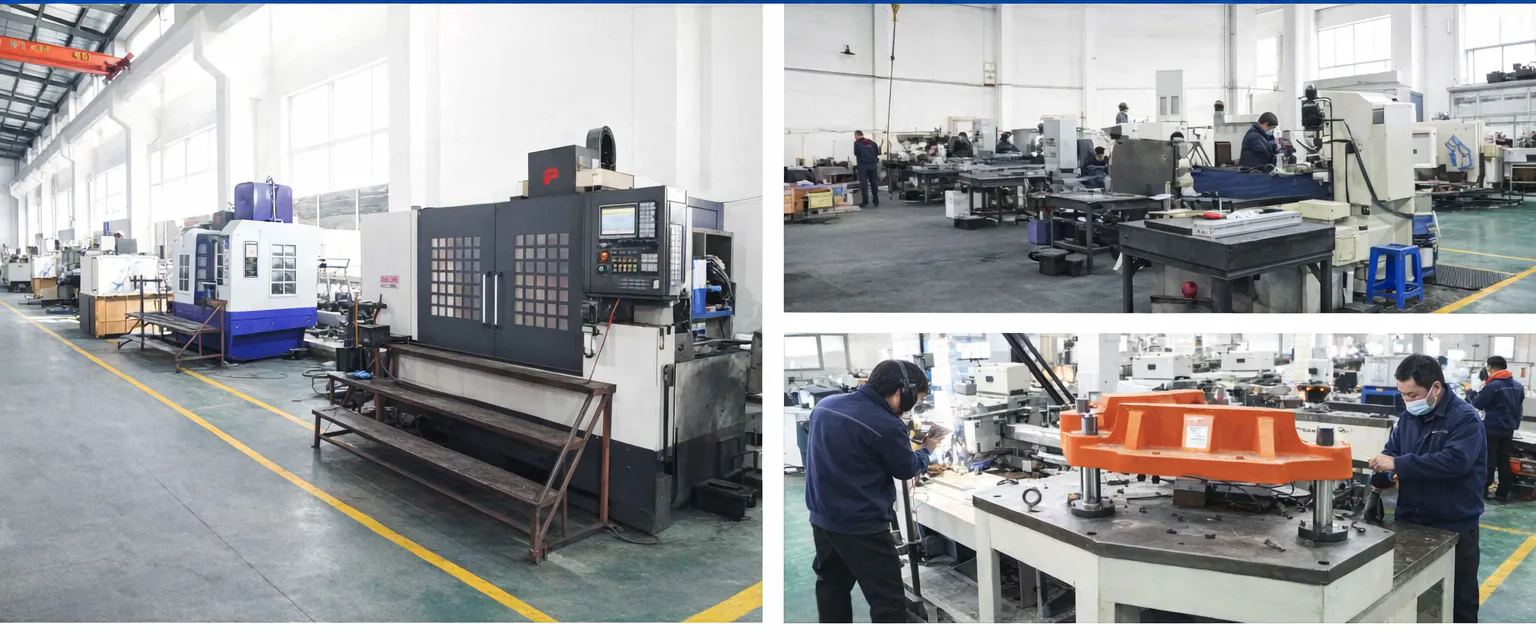
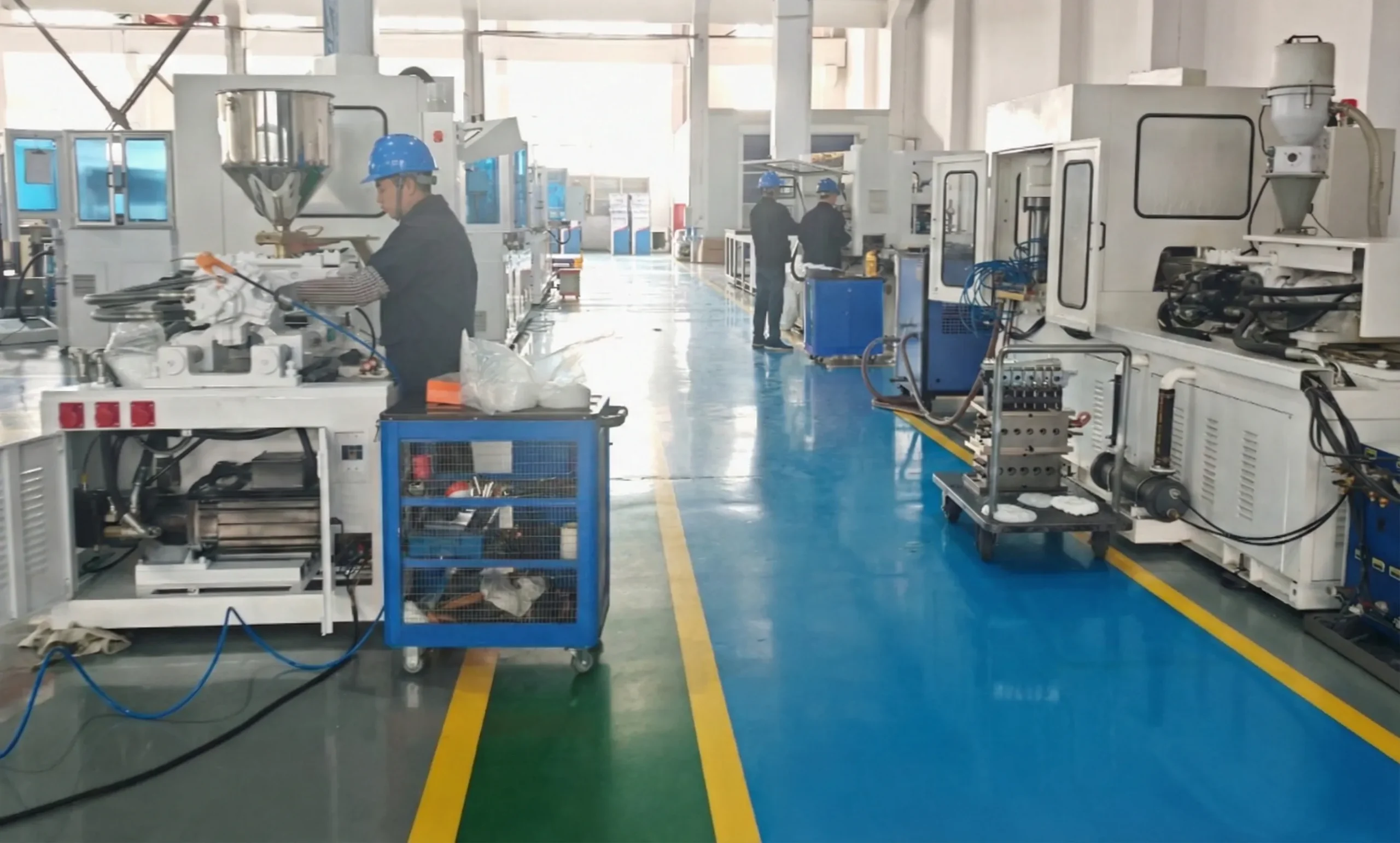
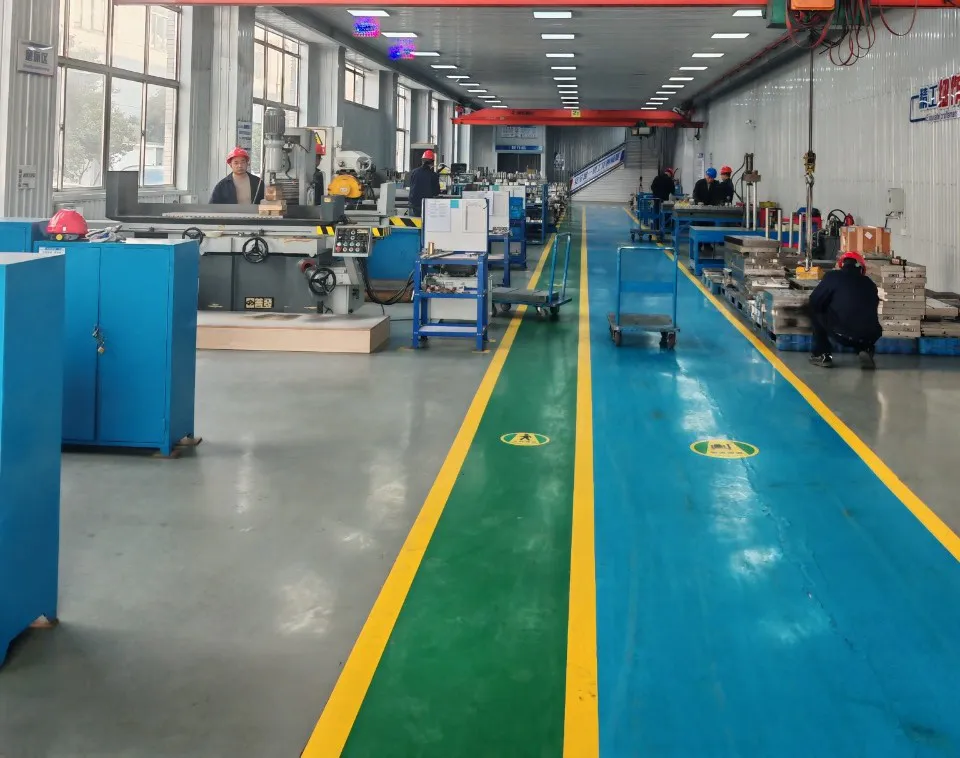
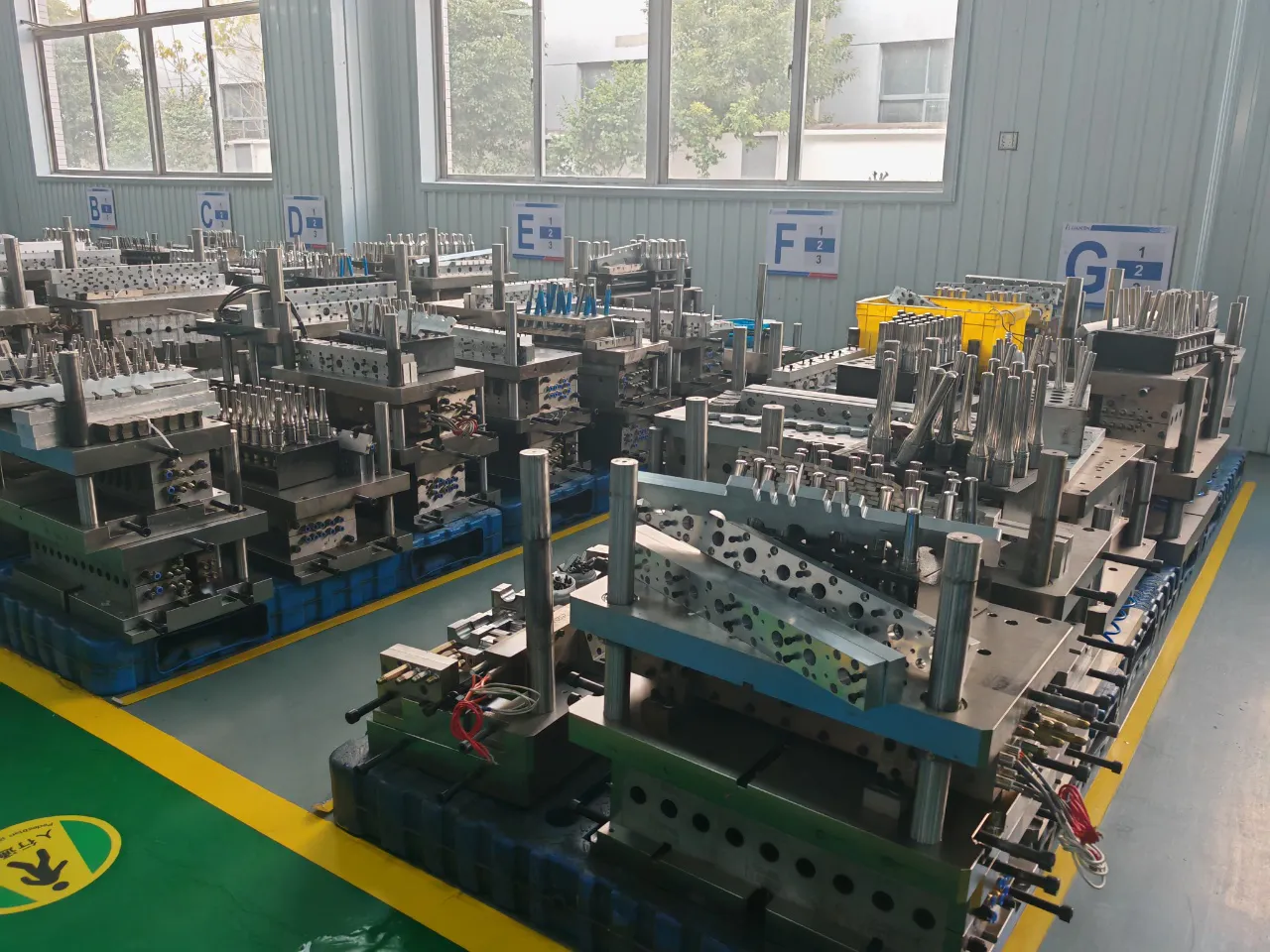
Warsztat
11. Produkty powiązane: Komponenty integracji systemów
Oprócz samej maszyny do formowania wtryskowego z rozciąganiem i rozdmuchiwaniem, uruchomienie kompletnej linii produkcyjnej obejmuje pomocnicze komponenty napędowe – sprzęgła łączące silniki z wałami napędowymi, przekładnie napędowe do transportu materiałów oraz systemy przenośników. Pozyskiwanie tych komponentów wraz z główną maszyną ISBM zapewnia korzyści w zakresie integracji systemu i kompleksowe wsparcie techniczne dla całego systemu produkcyjnego.
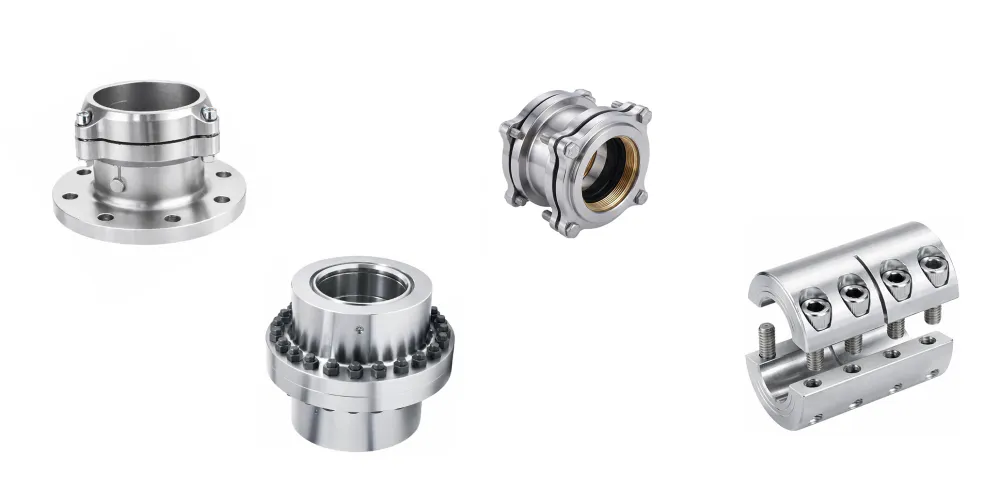
Sztywne sprzęgła do połączeń silnik-napęd
Precyzyjne, sztywne sprzęgła zapewniają prawidłowe osiowanie i przenoszenie momentu obrotowego między serwosilnikami a wałami napędowymi w całej maszynie ISBM oraz jej urządzeniach pomocniczych. Podczas rozruchu, weryfikacja osiowania sprzęgieł za pomocą czujników zegarowych lub laserowych narzędzi do osiowania jest jedną ze standardowych kontroli przed testami pracy przy dużych prędkościach. Nasza gama sztywnych sprzęgieł obejmuje średnice wałów i momenty obrotowe dopasowane do przemysłowych zastosowań napędowych, zapewniając stałą jakość we wszystkich instalacjach sprzęgieł.
Często zadawane pytania dotyczące pierwszego uruchomienia ISBM
Redaktor: PXY