A practical guide for packaging engineers, procurement managers, and production teams across Colombia and Latin America — covering resin selection, machine material systems, structural components, and regulatory requirements for the injection stretch blow molding industry.
When engineers and production managers talk about blow molding machines, the conversation almost always circles back to one fundamental question: what materials does the machine actually work with, and what is the machine itself made of? These are two distinct but equally important subjects. The first concerns the thermoplastic resins fed into the barrel — the raw inputs that become finished containers. The second concerns the mechanical and structural materials that make up the machine frame, the injection unit, the mold tooling, and every moving component in between.
For companies operating spuitgiet-rekblaasvormmachines in the Colombian plastic packaging sector — whether for personal care products in Bogotá, pharmaceutical containers in Medellín, or food-grade bottles destined for export through Barranquilla — a clear understanding of both material dimensions is essential to making informed procurement decisions, managing tooling costs, and satisfying domestic and international quality standards.
This article breaks down the full material picture systematically: the resin families compatible with the spuitrekblaasvormproces, the structural steel and alloy grades used inside the machine, the sealing and hydraulic materials required for long-term reliability, and the legal and regulatory framework that governs material use in Colombia and across trading partner markets. Whether you are evaluating an spuitrekblaasvormmachine for the first time or optimizing an existing production line, the sections below provide the context you need.
1. Resin Material System — What Goes Into the Machine
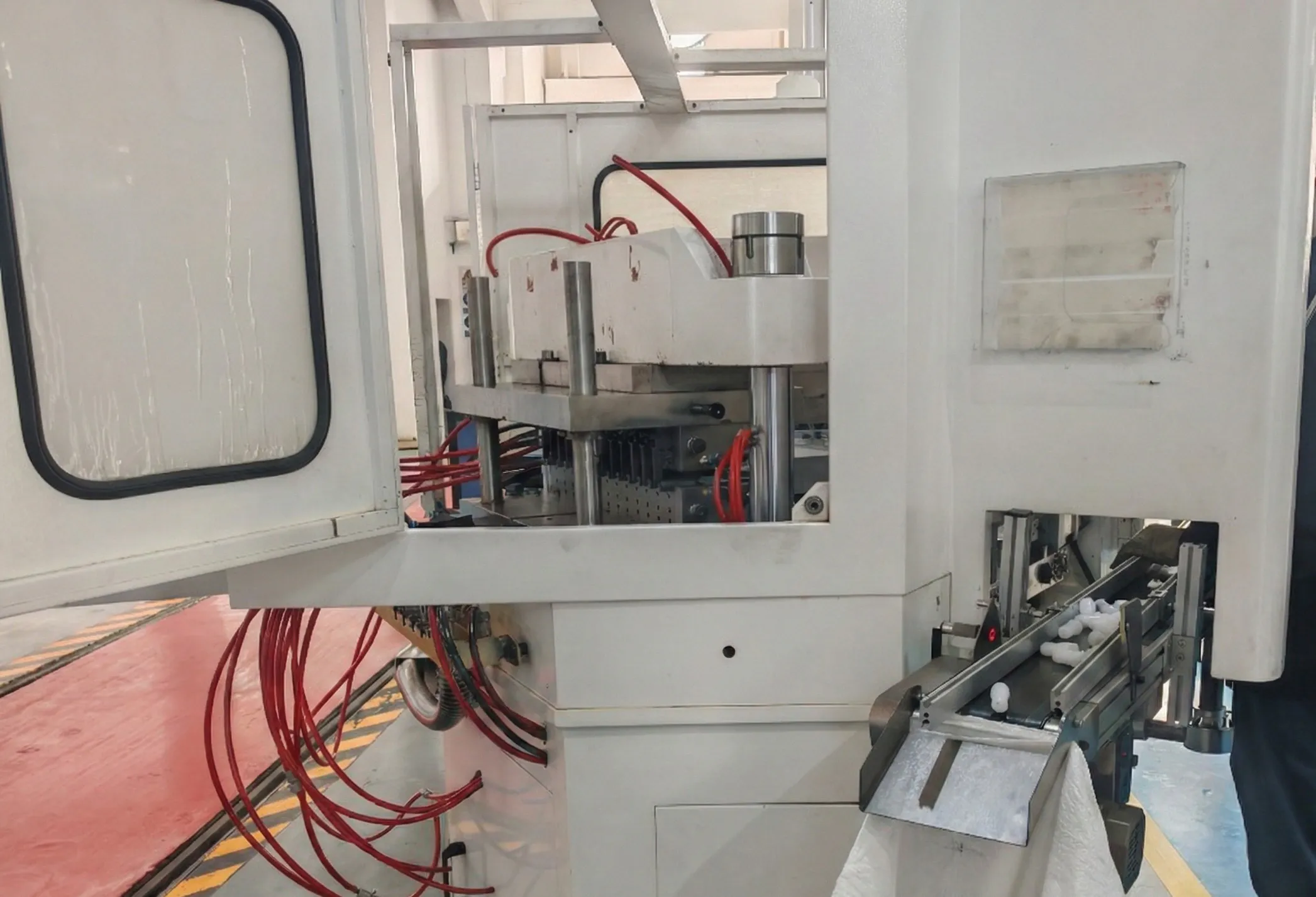
The defining characteristic of a modern spuitrekblaasvormmachine is its ability to process several distinct thermoplastic resin families within the same mechanical platform, simply by adjusting barrel temperatures, screw geometry, and blow pressure parameters. The machines covered on this site — from compact three-station units to large four-station and six-station configurations — are principally optimized for PET and PETG, but the broader material palette is considerably wider.
PET — Polyethylene Terephthalate
PET remains the dominant resin in global spuitrekblaasvormen because of its exceptional combination of clarity, impact resistance, and oxygen barrier performance. When processed through a one-step machine, the preform retains heat from injection, which means the biaxial orientation achieved during the stretch-blow phase is more uniform than in a two-step reheating process. This produces bottles with better wall thickness distribution, superior gas barrier properties, and a noticeably brighter surface gloss. PET is widely used for water, carbonated soft drinks, edible oils, pharmaceutical syrups, and cosmetic containers. In Colombia, PET packaging must comply with NTC (Norma Técnica Colombiana) standards, and for food-contact applications, INVIMA (Instituto Nacional de Vigilancia de Medicamentos y Alimentos) guidelines require that raw resins carry food-grade certification and be free of prohibited plasticizers or heavy-metal stabilizers.
PETG — Glycol-Modified PET
PETG shares many processing characteristics with standard PET but offers superior impact resistance at lower temperatures and improved compatibility with decorating processes such as pad printing and UV coating. It does not crystallize as readily as PET, which gives finished containers a water-clear appearance even without biaxial orientation. PETG is particularly popular in the Colombian personal care and cosmetics sector, where brand aesthetics demand flawless bottle clarity. Machines designed for PETG typically operate at slightly lower melt temperatures (approximately 220–240 °C compared to 260–280 °C for PET), and the screw design must account for the material’s lower shear sensitivity.
PP — Polypropylene
Polypropylene offers chemical resistance and high-temperature tolerance that PET cannot match, making it the preferred resin for packaging products such as hot-fill sauces, motor oil additives, and certain pharmaceutical containers requiring autoclave sterilization. PP processing in an spuitrekblaasvormmachine requires a narrower temperature window, a higher injection speed to prevent premature crystallization, and modified mold cooling circuits. Not all one-step machines are configured for PP out of the box, so it is important to confirm compatibility with the machine supplier before specifying PP applications.
PC — Polycarbonate
Polycarbonate delivers the highest impact strength of any optically transparent thermoplastic, which is why it is specified for reusable water bottles, laboratory containers, and heavy-duty packaging. PC processing requires very high melt temperatures (280–320 °C), rigorous pre-drying to eliminate moisture below 0.02%, and longer cycle times due to the material’s high viscosity. It is important to note that Bisphenol A (BPA)-based PC is now regulated or banned in food-contact applications across the European Union, parts of Latin America, and several other markets. Packaging producers exporting to the EU or to Canada must verify that their PC resin grade is BPA-free and compliant with applicable food-contact regulations.
Tritan™ — Copolyester
Tritan, a copolyester developed by Eastman Chemical, has grown in relevance as a BPA-free alternative to polycarbonate for reusable drinking vessels and high-clarity cosmetic jars. It combines PC-like toughness with PET-like processability and is certified free of estrogenic activity, a property increasingly demanded by retail buyers in Europe and North America. Tritan processing on an spuitrekblaasvormmachine generally falls within PET temperature ranges, making it one of the more accessible specialty resins for facilities that already run PET.
ABS and PS — Specialty Applications
Acrylonitrile Butadiene Styrene (ABS) and Polystyrene (PS) are occasionally specified for non-food decorative containers, dispenser components, and promotional items where rigidity and surface quality are prioritized over barrier performance. These resins are less common in dedicated spuitrekblaasvormmachines but are technically processable on machines with appropriate screw and barrel configurations. Barrier performance for oxygen-sensitive contents is generally inferior to PET, and recycling compatibility must be evaluated against the local waste management infrastructure.
| Resin | Processing Temp (°C) | Key Properties | Typical Applications | Food Contact Status (Colombia / EU) |
|---|---|---|---|---|
| HUISDIER | 260–280 | High clarity, O₂ barrier, recyclable | Water, CSD, pharma, cosmetics | Approved (INVIMA / EU Reg 10/2011) |
| PETG | 220–240 | Crystal clarity, impact resistance | Cosmetics, personal care | Approved (food-grade grades) |
| PP | 200–240 | Chemical resistance, hot-fill | Sauces, pharmaceuticals | Approved (specified grades) |
| pc | 280–320 | Highest impact strength, optical clarity | Reusable bottles, lab containers | BPA-free grades required (export) |
| Tritan | 245–270 | BPA-free, EA-free, dishwasher safe | Reusable drinkware, cosmetic jars | Approved |
| ABS / PS | 200–250 | Rigidity, surface quality | Decorative, promotional items | Limited / non-food typically |
2. Machine Manufacturing Structure — Materials Inside the Equipment
The long-term reliability and output quality of an spuitrekblaasvormmachine depends as much on the materials used to build the machine as on the resins processed inside it. High-end machines are assembled from a carefully selected combination of structural steel, precision-grade alloys, specialized polymers, and hydraulic-grade fluids — each chosen to perform reliably under the thermal, mechanical, and chemical stresses of continuous 24/7 production. Below is a systematic breakdown of the main material categories found inside a professional blow molding machine.
Machine Frame & Base Structure
The main chassis and base plate of a heavy-duty blow molding machine are fabricated from Q235 or Q345 structural steel — weld-grade carbon steels that offer excellent tensile strength (minimum 235 MPa and 345 MPa yield strength respectively) and machinability. Key stress points such as the platen mounting surfaces and tie-rod bores are precision-machined and often surface-hardened to resist wear. On larger units, such as the EP-HGY650-V4 with a machine weight of 28 tonnes, the structural integrity of the welded base is critical to maintaining mold alignment over years of operation. Gray cast iron (HT250 grade) is occasionally used for machine beds and platens where vibration damping is beneficial.
Injection Barrel & Screw
The injection barrel and plasticizing screw are subject to extreme abrasion and corrosion because molten thermoplastics at temperatures up to 320 °C are chemically aggressive to unprotected metal surfaces. Premium barrels are manufactured from 38CrMoAlA nitrided steel, a chromium-molybdenum-aluminum alloy that develops a surface hardness of 900–1000 HV after gas nitriding treatment. The screw is typically made from the same alloy or from 42CrMo, with a hard chromium plating applied to the flight surfaces. For highly corrosive resins such as PVC (not commonly run on stretch-blow machines) or for machines processing fluorinated materials, bimetallic barrel liners with nickel-iron-boron carbide alloys are used. Screw diameters across the product range span 40 mm to 60 mm, directly influencing the theoretical injection volume from 188 cm³ up to 680 cm³.
Mold Tooling Materials
The injection mold (preform mold), blow mold, and all associated tooling components represent the highest-precision material investment in the entire system. Preform cavity inserts are machined from P20 or 718H pre-hardened steel (hardness 28–34 HRC), which offers a balance of machinability, polishability, and fatigue resistance. For high-volume production applications requiring surface hardness above 50 HRC, H13 hot-work tool steel or S136 stainless tool steel (equivalent to AISI 420) is specified. S136 is particularly valued for medical and food-grade packaging because its high chromium content (13.6%) provides excellent corrosion resistance against moisture and cleaning agents. Blow mold bodies are often fabricated from 7075-T6 aluminum alloy for lightweight thermal cycling, while cavity inserts within the blow mold may be steel for durability.
Hydraulic System Materials
Machines with hydraulic clamping systems use oil tubes made from imported Italian materials — a specification that reflects the importance of pressure-cycle fatigue resistance in tubing that operates at up to 300 bar. Hydraulic control valves are sourced from YUKEN (Taiwan), and high-pressure valves from Parker (USA), both recognized globally for reliability in demanding industrial environments. Hydraulic cylinders are constructed from honed steel bore tubing with chrome-plated piston rods, and oil tanks range from 300 L on mid-range four-station machines to 600 L on the largest configurations. The hydraulic fluid itself must meet cleanliness standards of ISO 4406 Class 16/14/11 or better to protect servo valve clearances in the range of 5–10 µm.
Lead Screws & Linear Guides
On fully servo-driven machines — such as the all-electric HGYS150-V4-EV — the linear motion of key axes is controlled by ballscrews and linear guides rather than hydraulic cylinders. Ballscrews across all servo models are sourced from NSK Japan, a global benchmark for precision ground ballscrews with preloaded nut assemblies that eliminate axial backlash. NSK screws are manufactured from bearing steel (SUJ2 equivalent) with ground lead accuracy of ISO class C3 or better, ensuring that mold positioning repeatability falls within ±0.01 mm. Linear guide rails are hardened and ground steel (typically 58–62 HRC), and carriages use recirculating steel ball or roller elements selected for the specific load direction and speed profile of each axis.
Heating Elements & Thermal Components
Barrel heating is delivered by nano far-infrared energy-saving heating rings, a technology that heats the barrel wall from the outside in and reduces energy consumption compared to conventional mica band heaters. These rings are constructed from a ceramic-metallic composite that emits infrared radiation at wavelengths matched to the absorption spectrum of the steel barrel wall, improving thermal efficiency. Heating power across the product range runs from 10 kW on compact three-station machines to 15 kW on the larger four-station units. Temperature sensors are PT100 resistance thermometers or Type K thermocouples, housed in stainless steel sheaths, with accuracy typically within ±1 °C across the barrel heating zones.
3. Sealing, Pneumatic & Auxiliary Materials
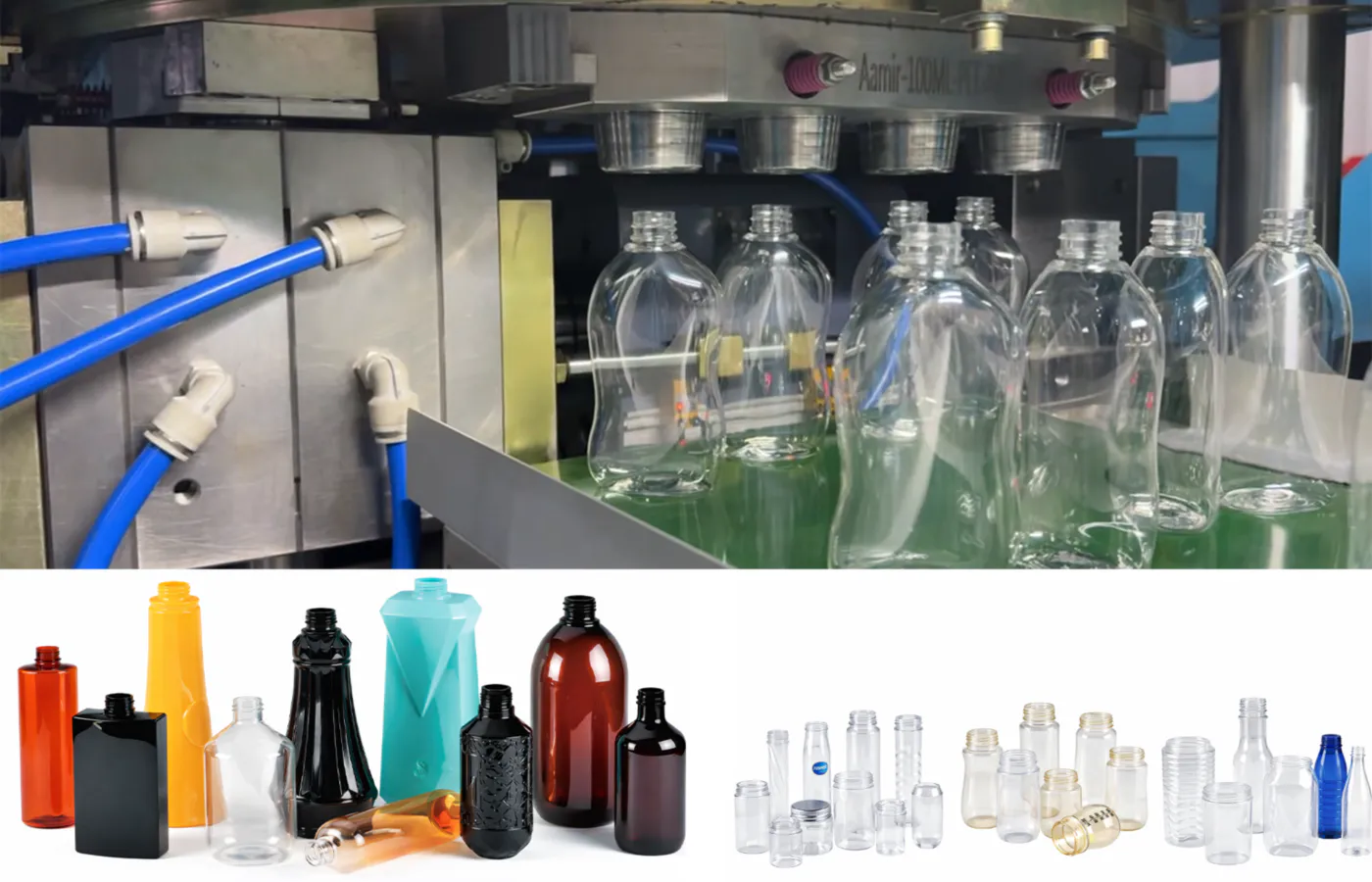
Beyond the structural and tooling materials, a blow molding machine contains dozens of sealing components, pneumatic actuators, and fluid transfer elements whose material specification directly affects machine uptime and output quality. Compressed air is the primary force medium during the blow phase, and air quality — specifically freedom from oil contamination and moisture — has a direct impact on both machine reliability and product quality. All machines in the product range use cylinders from Airtac, a reputable pneumatic component manufacturer, and the pneumatic circuit typically includes filters, regulators, and lubricators (FRL units) at the supply inlet. High-pressure blow air at 2.0–3.5 MPa must be free of compressor oil vapor, which is why pairing the machine with an oil-free air compressor is an integral part of the installation specification rather than an optional accessory.
Elastomeric seals in the hydraulic circuit are typically NBR (nitrile rubber) for standard hydraulic oil service, or FKM (Viton®) for high-temperature zones and applications where the hydraulic fluid has a higher aniline point. O-rings, lip seals, and shaft seals must be periodically inspected and replaced according to the maintenance schedule, as elastomer degradation is one of the primary sources of hydraulic leakage in mature machines. The temperature control system — responsible for maintaining stable water temperature through the mold cooling circuits — uses stainless steel water manifolds and PTFE-lined hoses to prevent corrosion and ion contamination that could cause deposits inside the mold cooling channels.
| Component Category | Material Specification | Supplier / Standard | Service Condition |
|---|---|---|---|
| Hydraulic tubing | Imported Italian seamless steel tube | EN10305-4 / SAE J526 | Up to 300 bar cyclic pressure |
| High-pressure valve | Stainless / alloy steel body | Parker (USA) | Blow air 2.0–3.5 MPa |
| Pneumatic cylinders | Aluminum / anodized bore | Airtac | 0.4–0.8 MPa service air |
| Hydraulic seals | NBR / FKM (Viton) | ISO 6194 / DIN 3760 | Oil resistance, -20 to +120 °C |
| Hydraulic control valve | Cast iron / spool steel | YUKEN (Taiwan) | Directional & proportional control |
| Cooling water circuit | 316L stainless manifold, PTFE hose | ISO 1127 / ASTM A312 | 0.4–0.6 MPa, 20–25 °C |
| Lead screw (servo axes) | Bearing steel SUJ2, ground C3 | NSK Japan | ±0.01 mm positional accuracy |
4. Why Material Selection in the One-Step Process Matters More Than in Two-Step Systems
De spuitrekblaasvormproces compresses three distinct manufacturing stages — injection molding of the preform, thermal conditioning, and blow stretching — into a single continuous cycle within one machine. This integration places specific demands on both the resin material and the machine materials that do not apply in the same way to a conventional two-step reheat blow molding line.
Consider resin crystallinity: PET is a semi-crystalline polymer, and the degree of crystallinity that develops during the injection phase directly determines how the material responds to the stretch-blow step. In a one-step machine, the preform moves directly to the blow station while still thermally conditioned from injection, which means the crystallinity remains low and the material is in a highly orientable state. This requires that the injection unit — its barrel, screw, and hot runner system — delivers a melt with a very consistent heat history. Variability in the barrel temperature caused by worn heating elements, degraded thermocouples, or erosion in the screw flights translates directly into variable preform wall thickness, which in turn produces bottles with inconsistent barrier properties and mechanical strength. The material choices made in the barrel and screw fabrication therefore have a direct lineage to end-product quality.
Similarly, the mold tooling material determines the thermal cycle. A P20 steel preform mold conducts heat differently from an S136 stainless mold, and the cooling circuit design must account for this. High-production injection stretch blow moulding machine manufacturers and suppliers specify their mold steel grades in relation to the target cycle time and the resin being processed, not as a generic default. Understanding this linkage helps procurement teams at Colombian packaging factories ask the right technical questions when sourcing both machines and replacement tooling.
If you are ready to explore which machine configuration is the right fit for your production targets, visit our full range of spuitgiet-rekblaasvormmachines of contact us directly for a technical consultation.
5. Legal & Regulatory Requirements for Blow Molding Materials
Material selection in blow molding is not purely a technical decision — it is a compliance decision. Regulatory frameworks governing plastic packaging materials are becoming stricter worldwide, and Colombian manufacturers who export or who supply multinational retail chains must navigate a complex, multi-jurisdictional landscape. The following summarizes the key regulatory requirements relevant to the materials commonly used in spuitgiet-rekblaasvormmachines.
Colombia — INVIMA & ICONTEC (NTC Standards)
In Colombia, food-contact plastic materials are regulated by INVIMA under Decree 3075/1997 (updated by Decree 539/2014) and Resolution 683/2012, which establish the requirements for food-contact materials. Resins must be registered with a technical file demonstrating compliance with permitted substance lists (positive lists), migration limits for specific and overall migration, and sensory neutrality requirements. NTC 4618 and related standards provide guidance on specific plastic types. Manufacturers of pharmaceutical packaging must additionally comply with INVIMA requirements under Decree 677/1995 and demonstrate that packaging materials do not interact with the drug product. The Instituto Colombiano de Normas Técnicas y Certificación (ICONTEC) regularly updates NTC standards, and packaging buyers should verify current editions before specifying materials.
European Union — Regulation (EU) No 10/2011 & REACH
EU Regulation 10/2011 on plastic food-contact materials establishes a positive list of authorized monomers, additives, and processing aids. PET, PETG, PP, and Tritan are all covered for food contact under specific conditions. BPA (used in certain PC grades) is banned from food-contact applications in the EU since 2018 under Commission Regulation (EU) 2016/1416. In addition, the EU REACH Regulation (EC) 1907/2006 restricts the use of substances of very high concern (SVHC) in articles placed on the EU market, which affects any packaging sold into Europe from Colombian producers. Under the EU Packaging and Packaging Waste Regulation (currently under revision as of 2025), recycled content requirements for PET packaging are being introduced with mandatory minimums of 30% recycled PET in beverage bottles by 2030.
United States — FDA 21 CFR Regulations
For Colombian manufacturers supplying the US market, materials must comply with FDA 21 CFR Parts 177 and 178, which list the substances authorized for use in plastic food-contact articles. Part 177.1630 covers PET specifically for single-use contact applications. The FDA also maintains guidance on recycled PET (rPET), including requirements for demonstrating equivalence to virgin material through challenge testing. BPA in food-contact applications has been the subject of multiple FDA assessments; while the FDA’s 2014 position was that BPA is safe at current exposure levels, many US buyers contractually require BPA-free packaging, effectively driving specifiers toward Tritan or BPA-free PC grades regardless of the regulatory baseline.
Brazil — ANVISA Resolution RDC 91/2001
Brazil is Colombia’s largest Latin American trading partner for packaged goods, and ANVISA (Agência Nacional de Vigilância Sanitária) regulates food-contact materials under Resolution RDC 91/2001 and subsequent technical regulations. Brazil maintains its own positive substance list that broadly aligns with EU standards but includes Brazil-specific migration limits and test conditions. Colombian exporters must ensure their resin certificates of compliance reference ANVISA-approved substance lists when packaging is intended for the Brazilian market, and testing must be performed at accredited INMETRO-recognized laboratories.
South Korea & Australia
South Korea’s Food Safety Law (enforced by the Ministry of Food and Drug Safety) requires notification and approval of food-contact packaging materials through the MiFoodSafety system. Australia and New Zealand follow the joint FSANZ (Food Standards Australia New Zealand) framework, which references international standards for packaging materials. Both markets require PET suppliers to provide material safety data sheets and certificate of conformance documentation, which is increasingly requested at the point of machine commissioning to validate that the entire production system — including the injection stretch blow moulding machine and its ancillary components — is compatible with food-grade production.
| Market | Regulatory Body | Key Regulation / Standard | Scope |
|---|---|---|---|
| Colombia | INVIMA / ICONTEC | Res. 683/2012, NTC 4618 | Food & pharma contact plastics |
| Europese Unie | EFSA / European Commission | EU 10/2011, REACH EC 1907/2006 | Food contact, SVHC restriction |
| United States | FDA | 21 CFR 177.1630, 177.1520 | PET, PP food-contact substances |
| Brazilië | ANVISA | RDC 91/2001 | Plastic food-contact materials |
| Australia / NZ | FSANZ | FSANZ Food Standards Code | Packaging material suitability |
| South Korea | MFDS | Korean Food Safety Law, Notification | Packaging approval & notification |
6. Featured Machine — EP-HGYS150-V4-EV: Full-Servo One-Step ISBM (4-Station)
To illustrate how machine material choices translate into real production performance, the EP-HGYS150-V4-EV fully servo-driven four-station injection stretch blow moulding machine is a strong reference point. This all-electric unit deploys ten servo motor control systems with a combined power output of 102.8 kW (Inovance / WEICHI), driving every axis — injection, mold clamping, turntable rotation, blow mold opening, and takeout — without hydraulic oil. The elimination of hydraulic oil circuits means that the auxiliary material systems (oil tubes, hydraulic seals, oil cooler circuits) are also eliminated, substantially reducing the number of consumable material components in the machine and lowering the maintenance material cost per year.
The screw is heated by a nano far-infrared energy-saving heating ring (10 kW), and the turntable is driven by a Japan Yaskawa servo motor paired with a Taiwan TSUNTIEN reducer — a combination that provides the angular positioning precision needed to maintain mold alignment across millions of cycles. Mold compatibility extends to Japanese ASB-12M tooling, which is relevant for producers who already operate ASB-format molds and are evaluating this machine as an asb spuitgietmachine equivalent or upgrade path. Machine footprint at 5200 × 1800 × 3300 mm and a weight of 7 tonnes makes it a mid-range unit in the product line, suitable for mid-volume specialty packaging production in sectors such as cosmetics and pharmaceuticals where the Colombian market has been growing steadily.
Over ons
Founded in 2003, our manufacturing operation has accumulated more than two decades of dedicated experience in the research, development, production, and sale of one-step injection stretch blow moulding machines. The engineering team has applied for multiple national patents and developed specialized machine configurations covering multi-material packaging — PET, PETG, PC, PCTG, and PP — for cosmetics, water, oil, beverages, wide-mouth food jars, pharmaceutical packaging, and baby products.
Key component sourcing reflects a commitment to proven global standards: servo systems from Inovance and WEICHI, turntable servo drives from Yaskawa Japan, high-pressure valves from Parker USA, ballscrews from NSK Japan, and hydraulic control valves from YUKEN Taiwan. This supply chain approach ensures that the materials inside every machine are traceable, verifiable, and backed by the global service networks of their respective manufacturers — a critical consideration for production facilities in Colombia and across Latin America where local component sourcing may be limited.
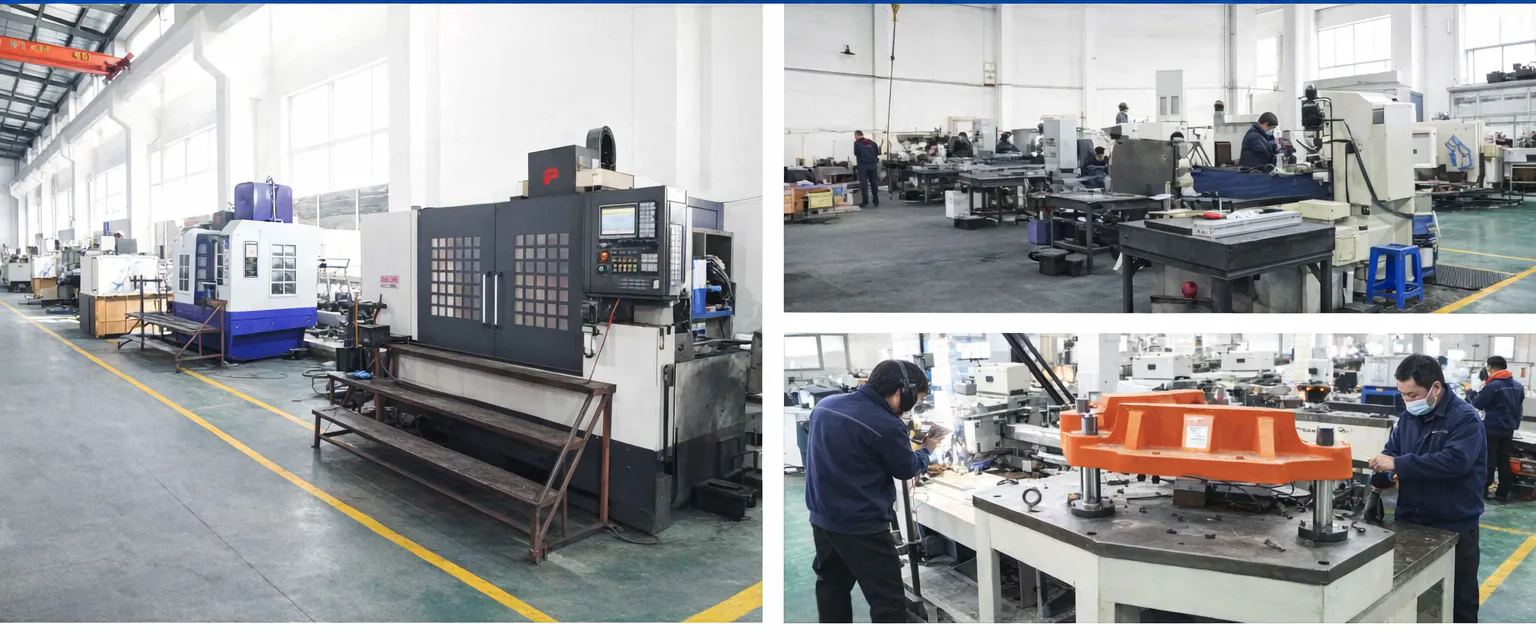
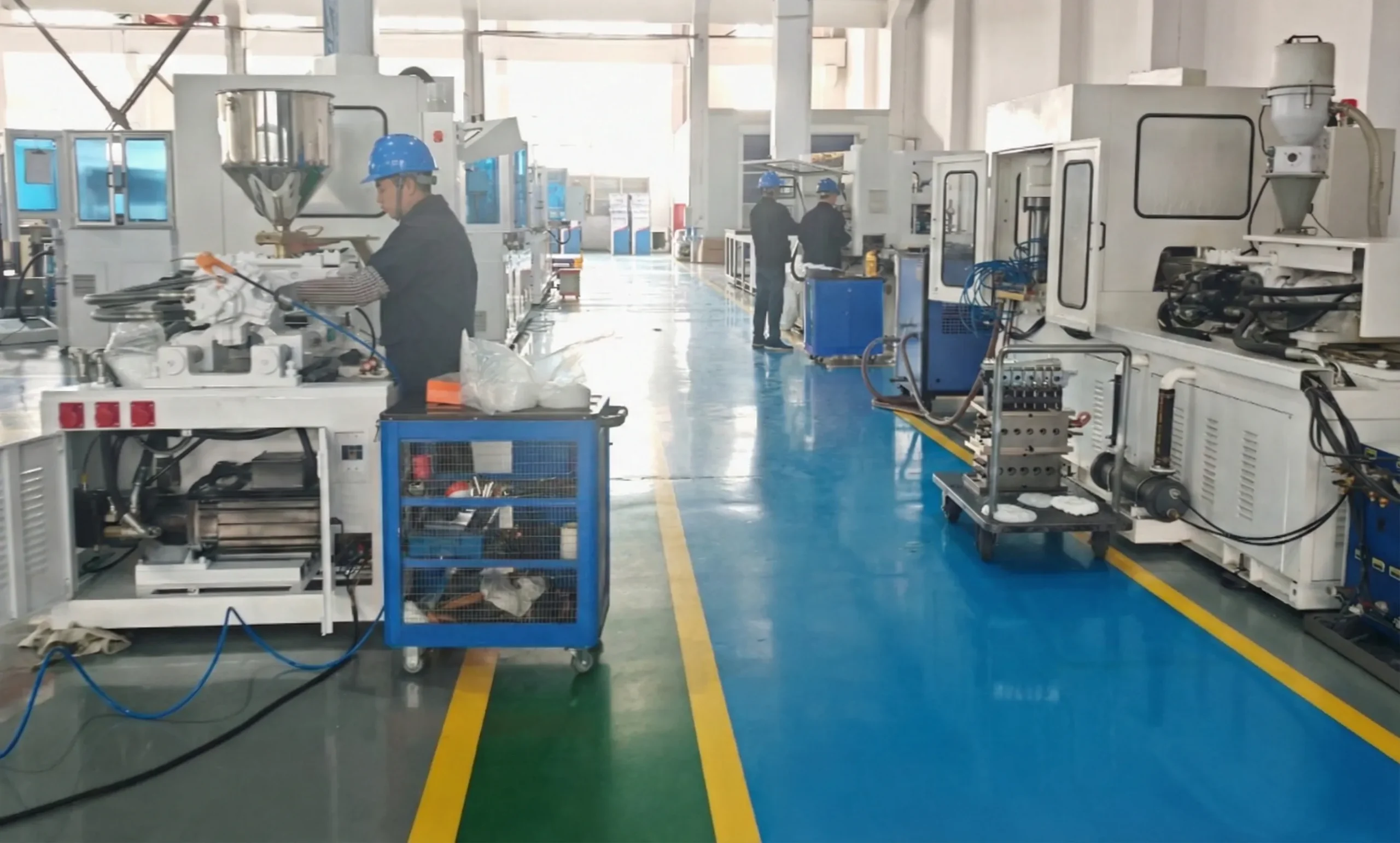
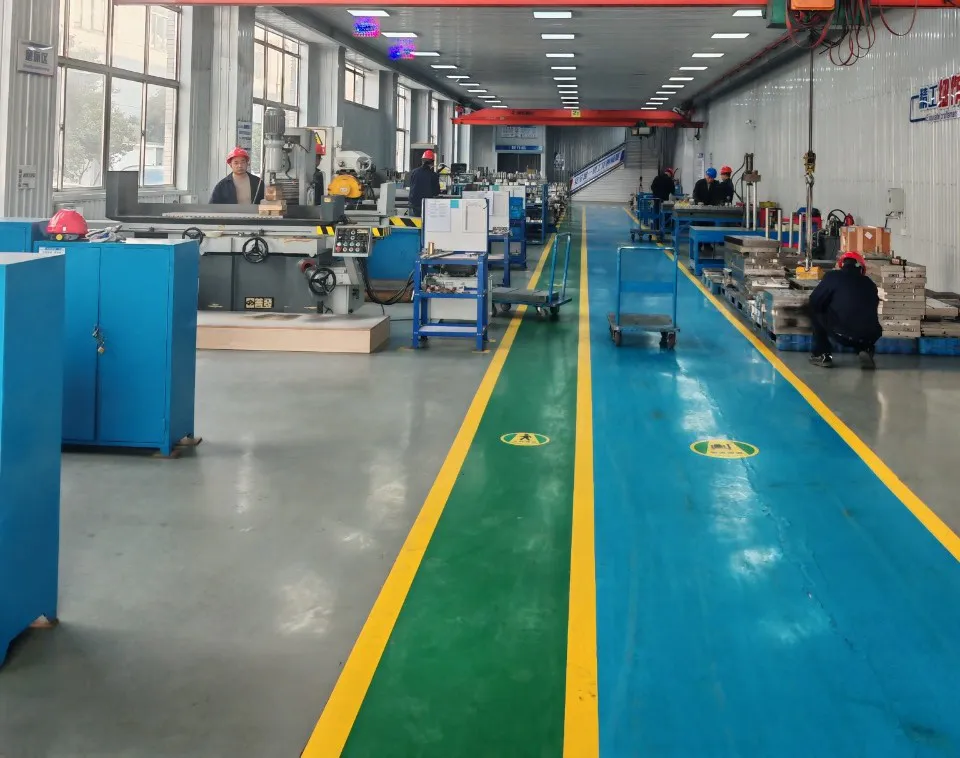
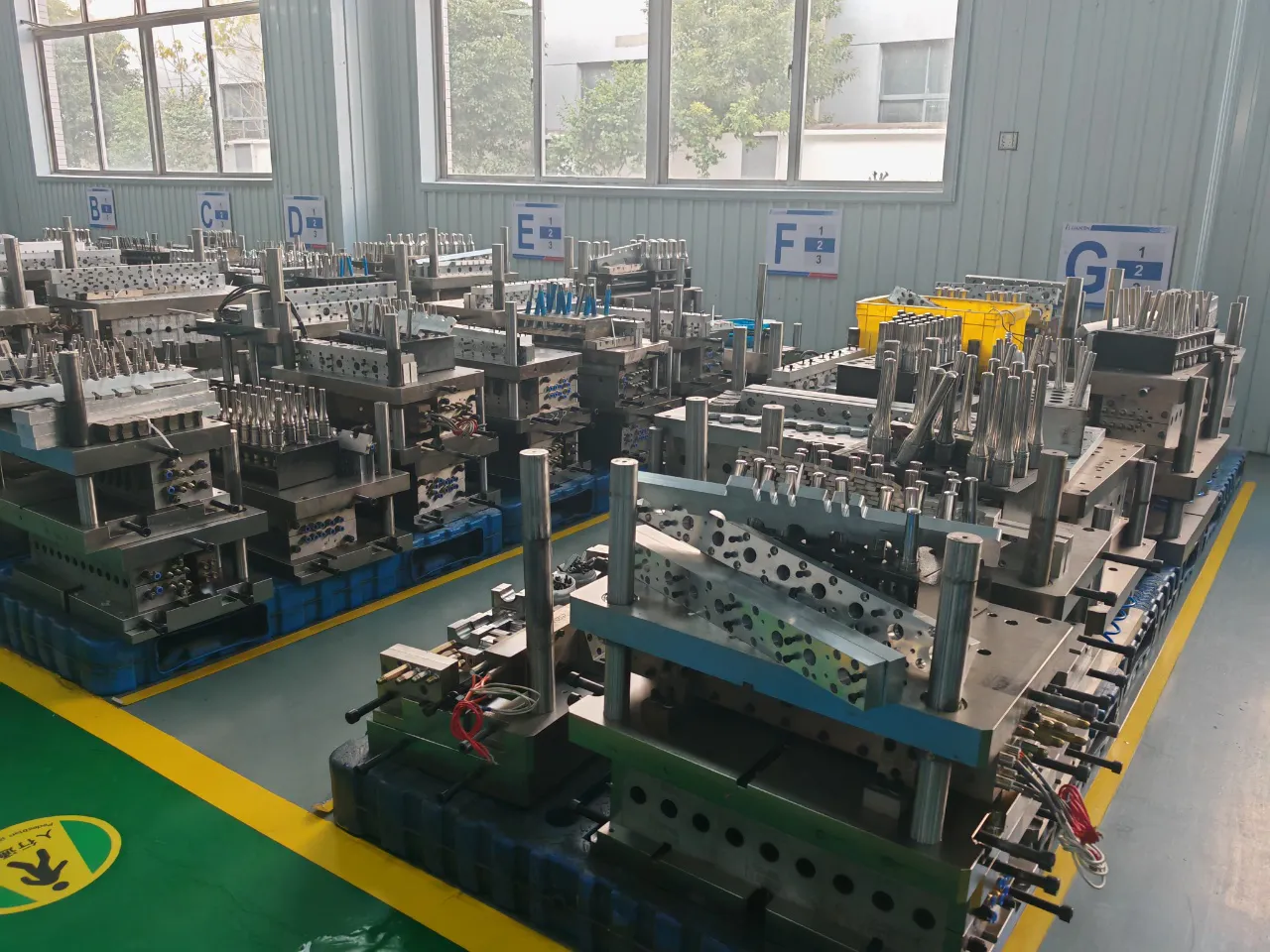
Workshop
Related Products & System Solutions
Een complete spuitrekblaasvormmachine installation is a system, not a standalone unit. The quality of the compressed air supply and the precision of the mold temperature control are just as influential on output quality as the machine itself. We supply and recommend these two critical auxiliary solutions as part of a full one-stop system package, ensuring compatibility from day one and reducing the risk of auxiliary equipment becoming the production bottleneck.
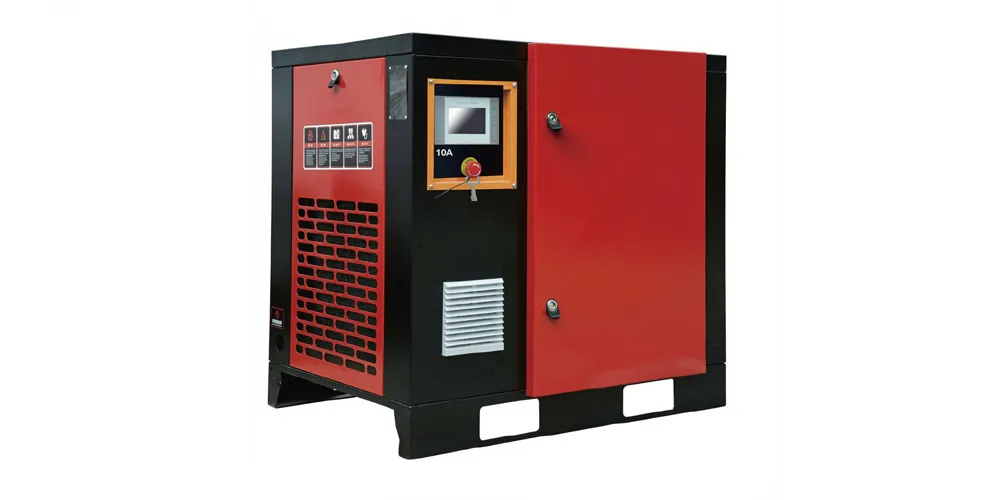
Oil-Free Air Compressor
Blow molding requires clean, dry compressed air at 2.0–3.5 MPa. Oil contamination in the blow circuit degrades solenoid valve performance and shortens high-pressure valve seat life. An oil-free compressor, matched to the cycle demand of your machine configuration, is the correct specification for any PET or PETG blow molding installation — whether you are running a compact three-station unit or a large six-station configuration.
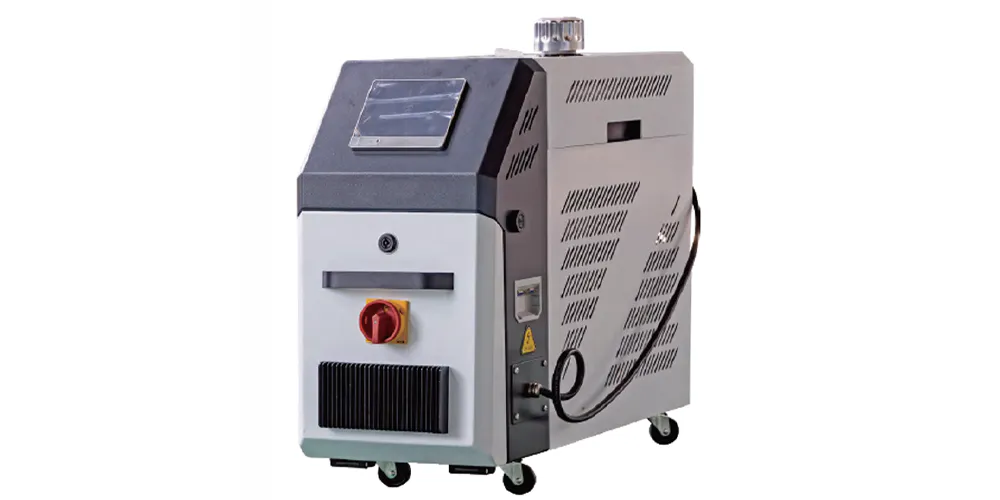
Temperatuurregelaar voor de matrijs
Stable mold temperature is a prerequisite for consistent wall thickness in injection stretch blow molding products. A mold temperature controller that delivers water at precisely 20–25 °C through the mold cooling circuits eliminates the dimensional variation caused by thermal expansion and contraction within the blow mold. Controllers with isolated electrical outputs also prevent temperature-related signal noise from introducing false alarms on the machine PLC. We offer matched mold temperature controllers suitable for all machine configurations in our product range.
Explore Our Full Range of Injection Stretch Blow Moulding Machines
From compact three-station machines for specialty cosmetic bottles to large six-station configurations for high-volume food and beverage containers — find the right system for your Colombian or Latin American production facility.
Veelgestelde vragen
Q1. What plastic resins work best with a one-step injection stretch blow moulding machine for food packaging in Colombia?
Q2. Which injection stretch blow molding machine suppliers in Colombia offer mold-compatible replacements for older ASB-model equipment?
Q3. How does the injection stretch blow molding process improve PET bottle clarity compared to extrusion blow molding?
Q4. What mold steel grade should I specify when requesting a new injection stretch blow mold for pharmaceutical packaging production?
Q5. Where can I find a reliable injection stretch blow moulding machine supplier that ships to Colombia with local technical support?
Q6. What is the recommended barrel screw material specification for processing PETG cosmetic bottles on an injection stretch blow moulding machine?
Q7. How does BPA regulation in the European Union affect my choice of blow molding resins when producing packaging for export from Medellín?
Q8. What quote information should I prepare before contacting injection stretch blow moulding machine manufacturers for a new cosmetic bottle production line in Bogotá?
Q9. Which injection stretch blow molding machine configuration is most suitable for producing wide-mouth PP jars for the Colombian food industry?
Q10. How often should the hydraulic seals and oil tubes on an injection stretch blow moulding machine be inspected and replaced to maintain production uptime?
Redacteur: PXY