Voedsel- en drankverpakkingen
A practical guide for beverage packaging engineers, plant managers, and procurement teams exploring how injection blow molding machine technology can significantly lower electricity consumption, material waste, and total cost of ownership across PET and PETG container production lines.
Energy is one of the largest variable costs in beverage bottle manufacturing, and it is also one of the most frequently underestimated. A packaging plant operating multiple blow moulding lines around the clock can easily spend six figures annually on electricity alone — before factoring in compressed air generation, chilled water for mould cooling, and the reheating energy consumed in two-step reheat stretch blow moulding (RSBM) operations. As energy prices remain volatile across Europe, North America, Southeast Asia, and other major beverage production markets, the business case for switching to a more energy-efficient forming technology has never been clearer.
One-step injection stretch blow moulding — where injection, thermal conditioning, stretch blowing, and bottle take-out are completed continuously in a single machine without intermediate cooling or reheating — holds a structural energy advantage over two-step processes. This is not a marginal improvement. Independent process analyses consistently show energy savings in the range of 35–45% per bottle produced when a comparable two-step RSBM line is replaced with an equivalent one-step injection stretch blow moulding machine. This article explains where those savings come from, how machine architecture enables them, what the regulatory context is for equipment efficiency claims, and which machine formats are best suited to beverage applications at different production scales.
Where Does Energy Actually Go in Bottle Manufacturing?
Before comparing technologies, it is worth mapping where electrical energy is consumed in a conventional two-step PET bottle production operation. Understanding the breakdown reveals exactly why the one-step approach is structurally more efficient rather than just marginally better-tuned.
| Energy Consumption Category | Two-Step RSBM (Approx. Share) | One-Step ISBM (Approx. Share) | Saving Driver |
|---|---|---|---|
| Preform reheating (IR lamp arrays) | 25–35% | 0% | Heat retained from injection; no secondary reheat stage |
| Injection unit (plasticising & screw drive) | 20–28% | 18–24% | Servo screw drive vs. hydraulic; nano far-infrared barrel heating |
| Compressed air generation (blow pressure) | 20–30% | 20–28% | Similar demand; recoverable via blow air recycling on larger lines |
| Hydraulic & clamping systems | 15–20% | 8–14% | Servo pump systems replace fixed-displacement hydraulics |
| Mould cooling (chilled water circuit) | 10–15% | 10–15% | Similar thermal load; mould temperature controllers improve efficiency |
| Ancillary conveyors, preform handling | 5–10% | 2–4% | Turntable-based indexing replaces long preform conveyors |
The single largest saving comes from eliminating the reheating stage entirely. In a conventional two-step operation, injection-moulded preforms are cooled to ambient temperature, warehoused, transported to the blow moulding line, and then passed through an array of near-infrared lamp banks that must raise the preform body back to stretch-blowing temperature (typically 90–110°C for PET). All the energy invested in melting and moulding the preform is deliberately discarded — and then re-spent. In a one-step injection stretch blow moulding machine, the preform travels directly from the injection station to the conditioning and blow station while retaining its thermal energy from the moulding process. This is the architectural reason for the 40% energy reduction figure, not an efficiency tweak.
Manufacturing Structure of the One-Step ISBM Process
The one-step injection stretch blow moulding process integrates four functional operations into a single continuous machine cycle, driven by a rotating turntable that indexes preforms through each station without external handling. This architecture is fundamentally different from both extrusion blow moulding and two-step RSBM, and the differences have direct consequences for energy consumption, material efficiency, and container quality.
Injection Moulding
Molten resin injected into precision preform cavity under controlled temperature and pressure
Thermal Conditioning
Preform temperature profiled for optimal biaxial orientation; no reheating required
Stretch Blow Moulding
Biaxial orientation via mechanical stretch rod and high-pressure blow air (2.0–3.5 MPa)
Bottle Take-Out
Finished container ejected; turntable indexes back to injection for the next cycle
Because the preform never leaves the thermal envelope of the machine between stations, the energy that went into melting and forming the resin is put directly to work in the blow moulding step rather than being wasted to the environment and expensively recreated. The servo-driven turntable positioning also means that machine movements consume energy proportional to actual load rather than running constant-pressure hydraulics throughout the cycle — a significant contributor to the lower energy per bottle figure compared to older hydraulic-dominant machine architectures.
From a footprint standpoint, the one-step injection stretch blow moulding machine is also more compact than an equivalent two-step operation with its separate injection moulding press, preform conveyor system, and blow moulding machine. Smaller footprint means lower lighting, HVAC, and facilities overhead — energy categories that rarely appear in equipment specification sheets but add up meaningfully across a production year.
Servo Drive Architecture: The Engine of Energy Efficiency
Full servo-motor control systems represent the most significant hardware advancement in injection stretch blow moulding machine design over the past decade, and their contribution to energy reduction in beverage bottle manufacturing goes well beyond marketing claims. Understanding how servo systems save energy — compared to constant-speed AC motors driving hydraulic pumps — helps explain why the savings are real and measurable rather than theoretical.
A conventional hydraulic injection blow moulding machine runs its motor at full speed continuously, maintaining system pressure even when no machine movement is occurring. This constant-on operation wastes energy during the portions of the cycle where the machine is stationary — which in a typical cycle represents 40–60% of elapsed time. Servo pump systems, by contrast, command the motor only when hydraulic flow is needed, and match pump output to demand rather than maintaining constant pressure. On full-servo machines where servo motors replace hydraulics for each individual axis of motion, the energy saving is even larger because each actuator operates only when moving, at exactly the force and speed required for that phase of the cycle.
Modern full-servo ISBM machines employ multiple servo motor systems — from 5 sets on compact 3-station machines up to 10 or more sets on full-servo 4-station platforms — covering turntable rotation, injection clamping, blow mould clamping, take-out, and preform conditioning. The practical result is that a full-servo injection stretch blow moulding machine with equivalent throughput to a hydraulic machine will typically consume 30–45% less electricity per production hour. Over a three-shift beverage production schedule running 300 days per year, that differential is substantial.
~40% Energy Reduction
By eliminating the preform reheat stage that accounts for 25–35% of total process energy in two-step RSBM lines
Servo-On-Demand Power
Servo drive systems consume energy proportional to actual mechanical load, eliminating constant-speed hydraulic losses during machine dwell phases
Nano Far-Infrared Barrel Heating
Energy-saving heating rings on the screw barrel improve thermal transfer efficiency and reduce heat loss compared to conventional ceramic heater bands
Compact Line Footprint
Smaller machine footprint means reduced HVAC, compressed air distribution losses, and lighting load compared to a two-machine two-step production cell
Material Systems for Beverage Bottle Production
The choice of resin processed on an injection stretch blow moulding machine in a food and beverage context is influenced not only by physical properties and forming characteristics but also by food contact compliance, recycling stream compatibility, and consumer preference. The one-step ISBM process is capable of processing a broader resin range than two-step reheat blow moulding, which is optimised almost exclusively for PET. This flexibility has become a meaningful commercial advantage as beverage brands seek to diversify into PETG, PP, and other polymers for specific product categories.
| Materiaal | Beverage Suitability | Energy Processing Note | Typical Beverage Applications |
|---|---|---|---|
| HUISDIER | Excellent — dominant beverage resin globally | Processed at 270–280°C melt; biaxial orientation reduces wall thickness requirement, lowering material use per bottle | Water, CSD, juice, tea, energy drinks |
| PETG | Good — enhanced clarity vs. PET; no acetaldehyde risk | Lower processing temperature than standard PET; reduced heating energy at injection stage | Premium water, functional beverages, children’s drinks |
| PP | Good — chemical resistance; hot-fill capability | Hot-fill PP bottles avoid the need for nitrogen flushing or vacuum panelling, simplifying downstream operations | Hot-fill juices, dairy drinks, sports nutrition |
| PC (BPA-free) | Niche — reusable/refillable beverage containers | High clarity and impact resistance; suitable for returnable beverage containers in European deposit return schemes | Reusable water bottles, returnable multipacks |
| Tritan Copolyester | Premium — BPA-free confirmed; dishwasher-safe | No hormonal activity concern; premium positioning for sports and functional drink brands | Premium sports drinks, infant nutrition, refillable bottles |
From a material efficiency standpoint, the biaxial orientation achieved during the stretch blow phase improves the mechanical properties of the container wall, which allows wall thickness to be reduced without compromising performance. Thinner walls mean less resin per bottle — and less energy spent melting, injecting, and conditioning that resin. For a high-volume water or CSD bottler producing hundreds of millions of bottles annually, even a 2–3% reduction in resin weight per bottle translates into significant raw material savings that compound directly onto the energy reduction benefit.
Global Regulatory Context for Energy Efficiency in Beverage Packaging Equipment
The energy performance of packaging machinery is increasingly addressed within national and regional policy frameworks covering industrial equipment efficiency, food contact material safety, and extended producer responsibility. Beverage packaging operations that supply into regulated markets need to understand how these frameworks interact with equipment selection decisions — not just to maintain compliance, but to anticipate procurement requirements that are tightening across multiple jurisdictions.
| Region | Regulation / Standard | Relevance to ISBM Energy & Compliance |
|---|---|---|
| Europese Unie | EU Ecodesign Regulation 2019/424 (industrial motors); EU Packaging and Packaging Waste Regulation (PPWR) 2024; EC 1935/2004 food contact | IE3/IE4 motor efficiency classes apply to servo drives used in ISBM machines; PPWR mandates recyclability requirements for PET beverage containers; EC 1935/2004 governs resin food contact compliance |
| United States | DOE Motor Efficiency Rules (EPACT/EISA); 21 CFR 177.1630 (PET food contact); EPA voluntary energy programmes | NEMA Premium motor standards apply to drive motors in injection blow moulding machines sold into the US market; FDA 21 CFR 177.1630 specifies resin purity requirements for food contact PET applications |
| United Kingdom | UK Energy Savings Opportunity Scheme (ESOS); UK Plastic Packaging Tax (PPT) 2022; UK Food Contact Materials Regulations | ESOS Phase 3 requires large UK enterprises to audit and report energy consumption including packaging machinery; PPT of £217.85/tonne on plastic packaging with less than 30% recycled content creates pressure to reduce virgin resin use; lower resin-per-bottle in ISBM supports PPT compliance |
| Germany | Verpackungsgesetz (VerpackG) 2019; DIN EN ISO 50001 Energy Management; German Deposit System (Pfandsystem) | ISO 50001 certification is increasingly required by German beverage producers for their supply chains; Pfandsystem mandates PET bottle collection and recycling, encouraging use of food-grade recyclable resins processable on ISBM machines |
| Japan | Act on the Rational Use of Energy (Top Runner Programme); Food Sanitation Act (Ministry of Health, Labour and Welfare) | Top Runner standards set minimum energy efficiency targets for industrial machinery sold in Japan; MHLW food contact standards govern resin additives used in PET/PP beverage containers |
| Australia | Australian Energy Efficiency Standards (AS/NZS 1359); National Packaging Covenant; FSANZ (Food Standards) | Energy efficiency for industrial motors governed under GEMS Act; Australian Packaging Covenant Organisation (APCO) targets require packaging recyclability; FSANZ Standards 1.4.1 cover materials in contact with food including PET beverage bottles |
| Brazilië | INMETRO Motor Efficiency Program; ANVISA RDC 498/2021; PNRS (Solid Waste National Policy) | INMETRO regulates minimum efficiency levels for electric motors in industrial equipment; PNRS mandates reverse logistics for plastic packaging; ANVISA governs food contact plastics for beverage containers |
| India | Bureau of Energy Efficiency (BEE) Standards; FSSAI Food Contact Material Guidelines; Plastic Waste Management Rules 2016 (amended 2022) | BEE Star Labelling for electric motors; FSSAI specifies food contact standards for PET beverage packaging; 2022 amendments ban single-use plastics but explicitly permit PET bottles above 75 microns, making ISBM-produced bottles compliant |
| Canada | Canada Energy Efficiency Act; Health Canada food packaging guidelines; Single-Use Plastics Prohibition Regulations 2022 | Natural Resources Canada sets motor efficiency standards for industrial equipment; Health Canada food contact assessment approach aligns with FDA; provincial deposit return programs support recycled PET use |
| Southeast Asia (ASEAN) | ASEAN Food Safety Policy Framework; individual national standards (SNI Indonesia, SIRIM Malaysia, TCVN Vietnam) | Rapidly expanding beverage packaging markets; energy efficiency is becoming an ESG procurement criterion for FMCG brand owners operating in the region; national food contact standards govern PET and PP use in beverage containers |
A recurring theme across these jurisdictions is the tightening connection between energy performance of production equipment and the environmental credentials of the packaging it produces. Beverage brands reporting under GHG Protocol Scope 3 frameworks are increasingly required to account for the manufacturing emissions associated with their packaging — which means the energy efficiency of the ISBM machine matters not just to the packaging producer’s utility bill, but to the brand owner’s sustainability disclosures. Choosing a lower-energy injection stretch blow moulding machine is therefore becoming a procurement decision that extends upstream into brand strategy.
Recommended Machine for Beverage Bottle Energy Efficiency
For medium-to-high-volume beverage bottle production where energy efficiency, product consistency, and validated process control are the primary criteria, the full-servo four-station injection stretch blow moulding machine platform in the HGYS150-V4 class offers a well-matched combination of throughput, resin versatility, and servo-driven energy management. This platform is also compatible with Japanese ASB-12M moulds, which extends tooling flexibility for producers migrating from earlier-generation equipment.
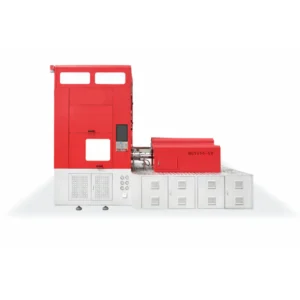
EP-HGYS150-V4 | 4-Station Full-Servo ISBM Machine
A servo-pump-driven four-station injection stretch blow moulding machine using three servo pump systems with Inovance/WEICHI servo motors. Compatible with Japanese ASB-12M mould systems and capable of producing up to 8 cavities per shot across the PET/PETG material range.
| Specificatie | Waarde |
|---|---|
| Machinemodel | HGYS150-V4 |
| Toepasselijke materialen | PET / PETG |
| Schroefdiameter (optioneel) | 40 / 50 / 55 / 60 mm |
| Theoretisch injectievolume | 188 / 310 / 380 / 480 cm³ |
| Injectieklemkracht | 150 KN |
| Blaasklemkracht | 200 KN (single side) |
| Motorvermogen | 43,2 kW |
| Totaal machinevermogen | 53.2 KW |
| Blaasluchtdruk | 2,0 – 3,5 MPa |
| Koelwaterdruk | 0,4 – 0,6 MPa |
| Machine Size (L×W×H) | 4200 × 1400 × 2900 mm |
| Machinegewicht | 6 T |
| Maximale flesinhoud | Tot 2500 ml |
| Spanning | 370 – 400 V |
| ASB Mould Compatibility | Compatibel met de Japanse ASB-12M mal. |
For compact beverage lines or where floor space is a constraint, the 3-station full-servo HGY50-V3-EV with five servo systems and total machine power of 45.2 KW offers an even smaller footprint (3800 × 1200 × 2500 mm, 3.5 T) while retaining the same thermal efficiency advantage of the one-step process. Both formats are suitable for water, juice, and functional drink bottle production in PET/PETG.
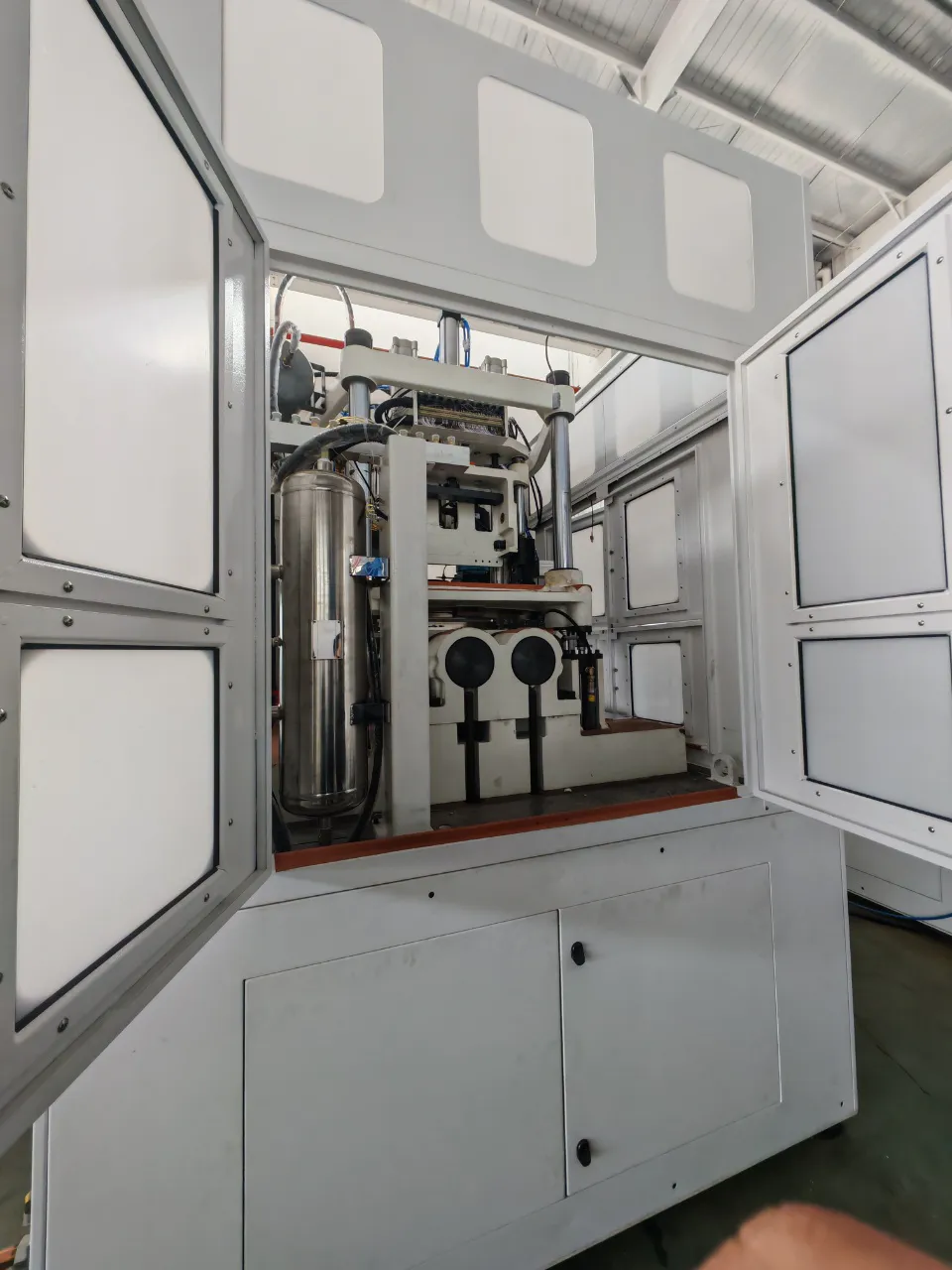
One-Step ISBM vs. Two-Step RSBM: A Practical Cost Comparison
The energy argument for one-step injection stretch blow moulding is compelling on its own, but the full cost comparison against two-step reheat stretch blow moulding (RSBM) also includes factors that plant managers and procurement teams sometimes overlook: labour, maintenance, waste, and changeover time. Together these factors reinforce the case for one-step technology in beverage applications where operational leanness is a competitive requirement.
| Cost Factor | Two-Step RSBM | Eénstaps ISBM |
|---|---|---|
| Energy per 1,000 bottles (indicative) | Higher — 2 separate machine energy loads + reheat lamps | Lower — single machine thermal cycle; ~40% energy reduction |
| Labour requirement | Two machines require separate operator oversight; preform logistics staffing | Single-machine operation; full process automation reduces manual intervention |
| Scrap rate | Contaminated or damaged preforms during handling and storage create additional scrap | No intermediate preform storage; lower contamination risk; less waste material |
| Changeover time | Tooling change required on two separate machines; preform spec must also match | Single mould system change; integrated injection and blow tooling |
| Product dimensional consistency | Preform variation and non-uniform reheating introduce greater cycle-to-cycle variability | Injection-moulded preform and immediate blowing ensures tighter wall thickness distribution |
| Floor space requirement | Injection press + conveyor + blow moulder + preform storage area | Single compact machine footprint; no intermediate storage requirement |
| Resin flexibility | Optimised for PET; PETG and PP difficult to reheat consistently | PET, PETG, PP, PC, Tritan — broader resin range processable |
For beverage brands or co-packers evaluating a line investment decision, the energy saving alone typically delivers payback within 18–36 months depending on local electricity tariffs and production volumes. When labour reduction, scrap reduction, and floor space savings are included in the total cost of ownership model, the case for one-step injection stretch blow moulding strengthens further. In markets with high industrial electricity costs — Germany, the UK, Japan, Australia — the energy component of the payback calculation is particularly powerful.
Sustainability Credentials and ESG Reporting Alignment
The beverage sector is under sustained pressure from retail buyers, investors, and regulators to demonstrate measurable progress on packaging sustainability. For packaging manufacturers supplying beverage brands, the ability to quantify energy savings from the ISBM process — and translate those into reduced Scope 1 and Scope 2 greenhouse gas emissions per unit of production — is increasingly a commercial differentiator, not just a good story. ISO 14064 greenhouse gas accounting and the GHG Protocol Corporate Standard both provide frameworks for calculating and disclosing these figures, and a well-documented ISBM energy performance can contribute directly to a brand’s Scope 3 supply chain disclosure.
Additionally, the lighter wall construction enabled by biaxial orientation in the ISBM process means less total plastic per beverage container. Reduced plastic weight per bottle directly reduces resin consumption, lowers transport emissions (lighter pallets), and in markets operating under extended producer responsibility (EPR) schemes — particularly in the EU under the PPWR and in the UK under the Plastic Packaging Tax — reduces the plastic tax and EPR levy liability per bottle produced. These are tangible financial benefits that make the sustainability case for injection stretch blow moulding concrete rather than theoretical.
The recyclability of PET and PETG containers produced on ISBM machines is well established and supported by recycling infrastructure globally. Unlike multi-layer barrier constructions (which may offer better oxygen barrier but are difficult to delaminate and recycle), mono-material PET bottles from ISBM processes are fully compatible with existing bottle-to-bottle recycling streams in Europe (under EFSA guidelines for food-grade recycled PET), North America (FDA letter of no objection framework), and Australia (APCO recyclability guidelines). This means ISBM-produced beverage bottles can incorporate post-consumer recycled (PCR) PET content — currently mandated at 25% in EU single-use plastics legislation — without compromising the energy efficiency of the forming process.
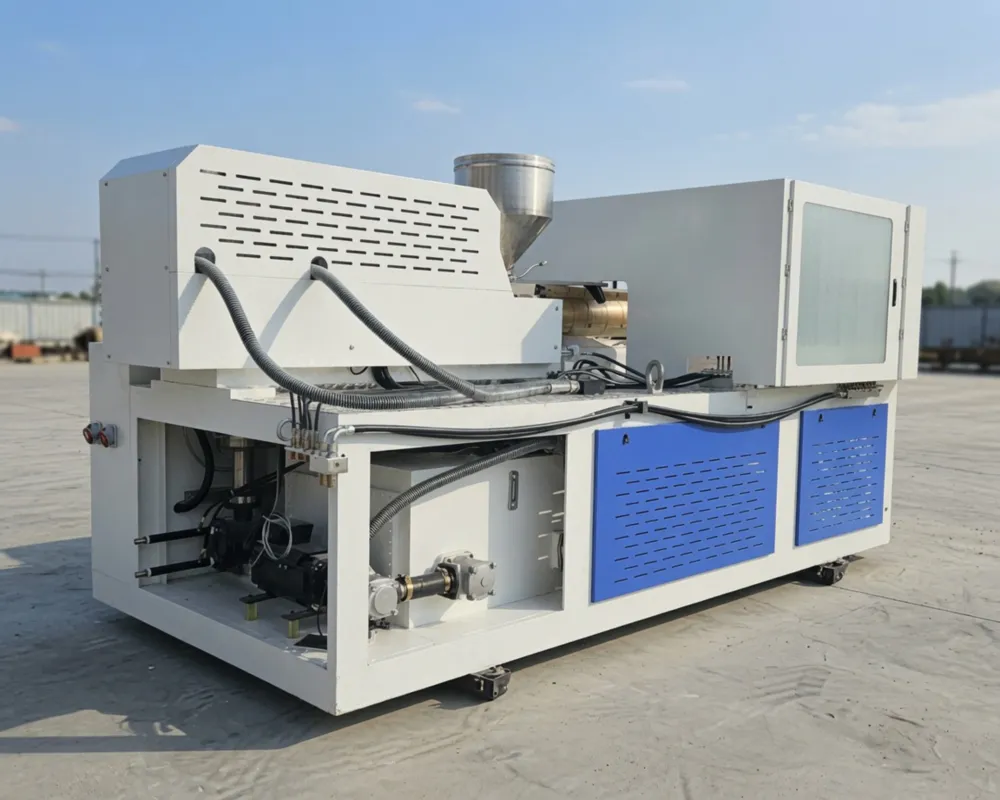
Beverage Container Formats Produced on One-Step ISBM Machines
The production range of one-step injection stretch blow moulding machines covers virtually the full spectrum of consumer beverage packaging formats, from small single-serve bottles to large multi-serve water containers. The turntable-based multi-cavity format of these machines allows a single production run to produce multiple bottle sizes simultaneously — or a rapid tooling change to switch between formats — which is advantageous for contract packers supplying multiple beverage brands or SKUs.
| Beverage Category | Typical Bottle Format | ISBM Machine Suitability |
|---|---|---|
| Still and sparkling water | 330 ml – 1500 ml PET | Highest-volume ISBM application; thin-wall lightweight designs achievable |
| Carbonated soft drinks (CSD) | 250 ml – 2000 ml PET | Biaxial orientation provides CO₂ barrier and pressure resistance without additional coating |
| Juices and nectars | 200 ml – 1000 ml PET/PP | PP option for hot-fill; PET for ambient-fill with pasteurisation upstream |
| Energy and sports drinks | 250 ml – 600 ml PET/PETG | Premium clarity; complex shoulder geometry achievable with ISBM precision injection |
| Ready-to-drink tea and coffee | 200 ml – 500 ml PET/PETG | UV barrier PET grades or Tritan for light-sensitive formulations |
| Water cooler bottles | 5L – 20L PC/PETG | Large-format capability on HGY650-V4 (up to 20L max bottle volume) |
| Functional and fortified drinks | 100 ml – 300 ml PETG/Tritan | Premium positioning; BPA-free resins; small-format multi-cavity production |
Over ons
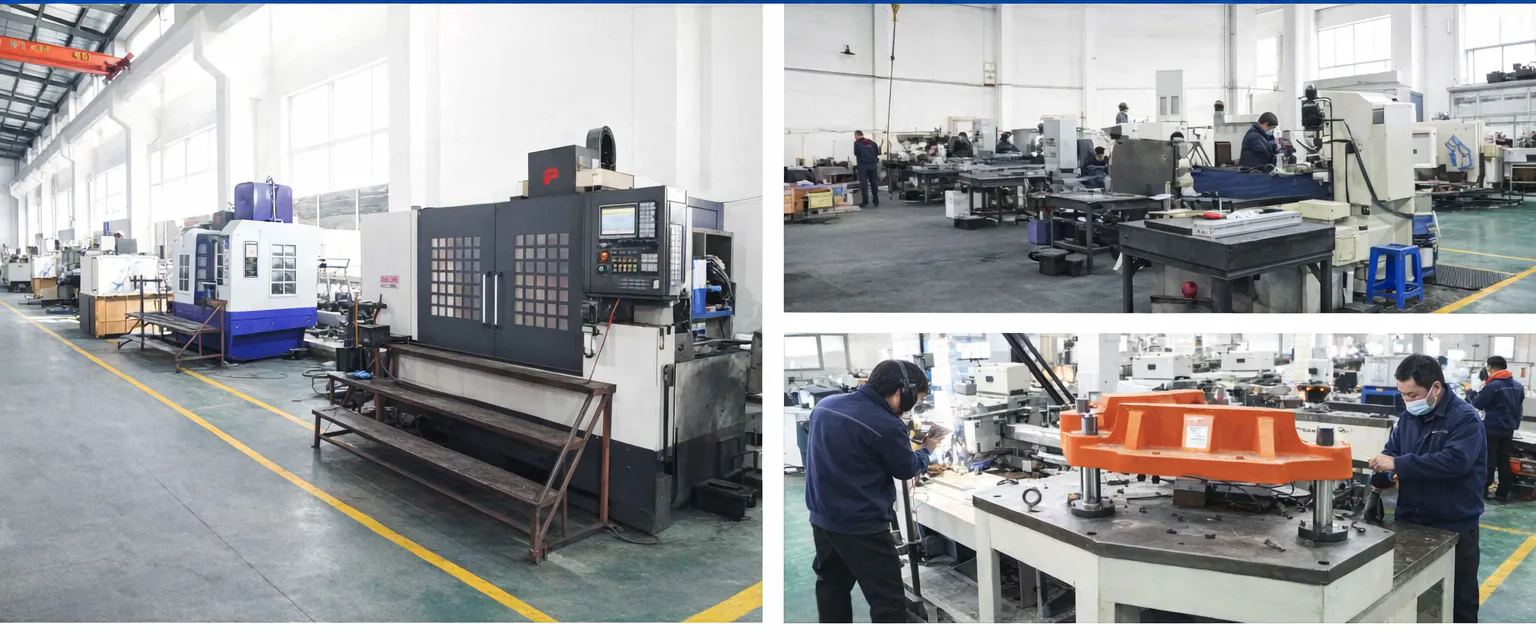
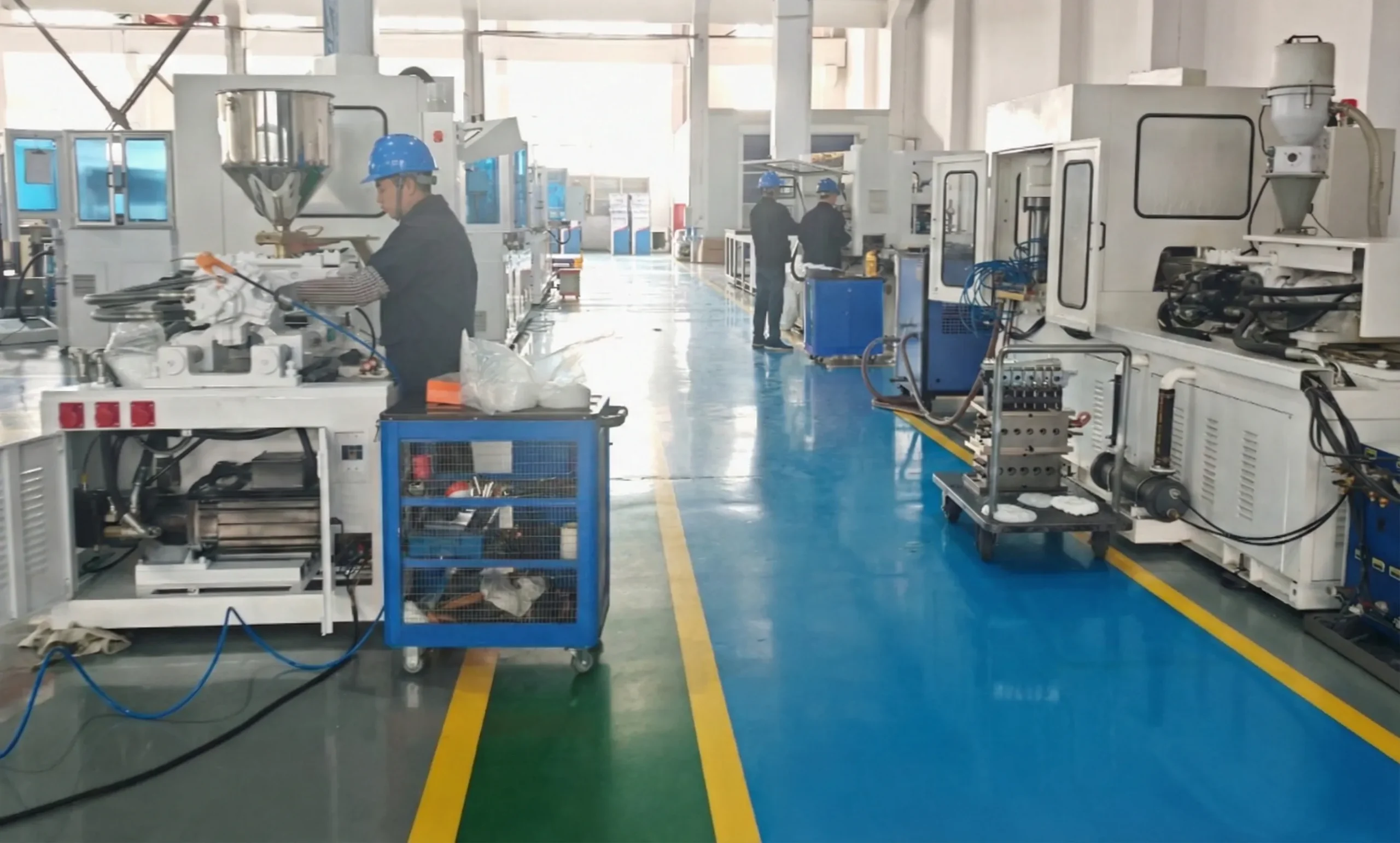
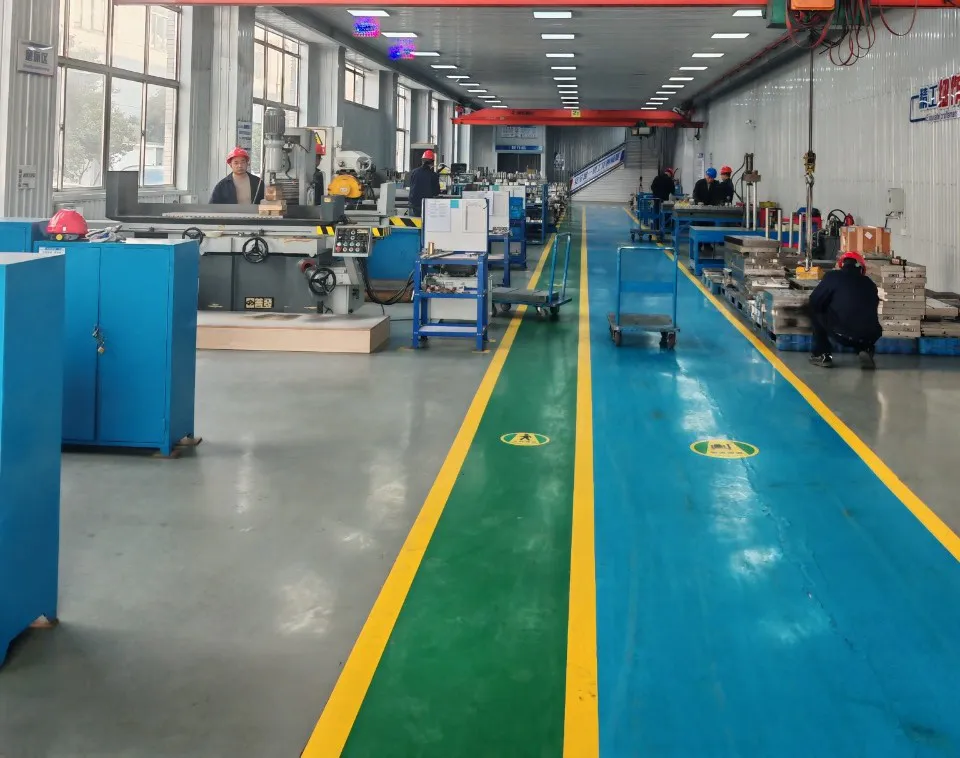
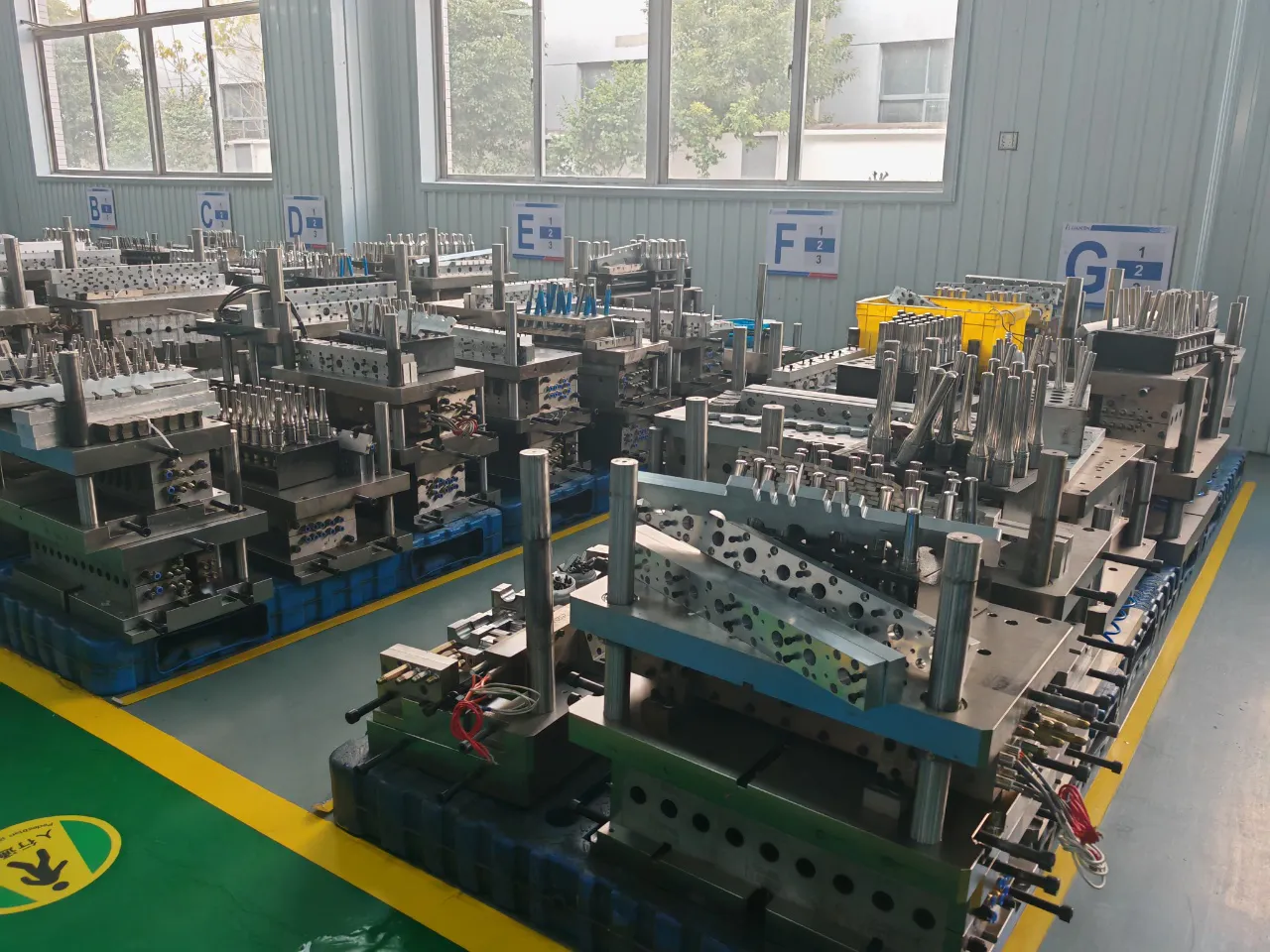
With more than twenty years of development, manufacturing, and application experience in injection stretch blow moulding equipment, we have built a comprehensive machine platform covering 3-station, 4-station, and 6-station configurations suitable for PET, PETG, PP, PC, Tritan, and other engineering polymer systems. Our production facility spans over 20,000 square metres, housing a fully integrated supply chain from machine assembly and mould engineering through to commissioning and after-sales technical support across global markets.
Our injection stretch blow moulding machines have been deployed across beverage, cosmetic, food, pharmaceutical, and chemical liquid packaging operations in Europe, Asia, the Americas, and the Middle East. The company holds multiple national patents and continuously develops servo control technology, energy-saving drive architecture, and process monitoring systems in response to the tightening energy and sustainability requirements of the global packaging industry. Our goal is to provide the most cost-effective, reliable, and technically supported blow moulding machine solutions available — backed by a specialist team that understands both the mechanical performance and commercial context of modern beverage packaging production.
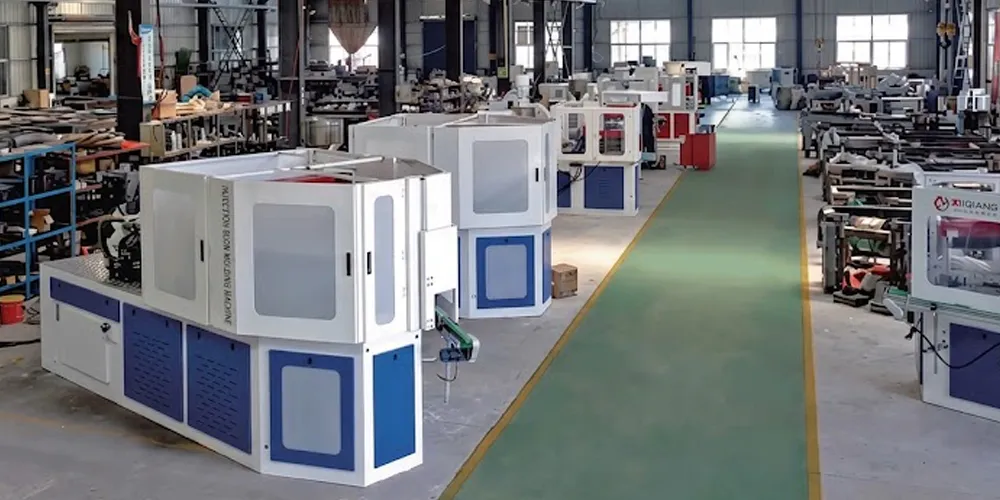
Workshop
Compatible Peripheral Equipment & One-Stop Supply
A complete beverage bottle production line requires more than the moulding machine. We supply or recommend the following peripheral equipment that is fully compatible with our injection blow moulding machine range, enabling one-stop procurement and verified system integration:
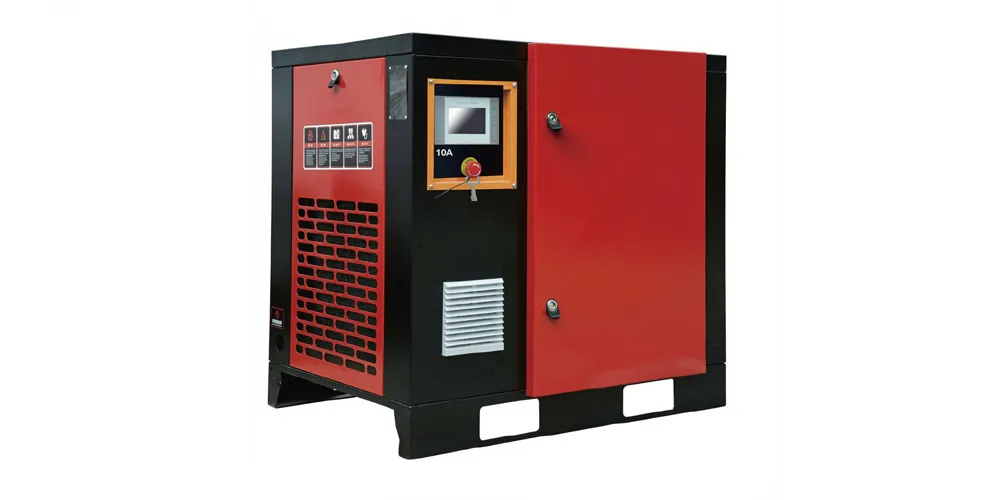
Oil-Free Air Compressor
The stretch blow moulding stage requires clean, high-pressure compressed air at 2.0–3.5 MPa. For food and beverage packaging production, oil-free compressor technology is mandatory — any hydrocarbon contamination in the blow air can transfer to the internal surface of the bottle and compromise food contact safety compliance under FDA 21 CFR, EU EC 1935/2004, and equivalent national food contact regulations. Our recommended oil-free air compressor range is engineered to match the blowing air pressure and volumetric flow requirements of the full ISBM machine range, and its energy-efficient drive architecture complements the overall energy reduction strategy of the one-step forming process.
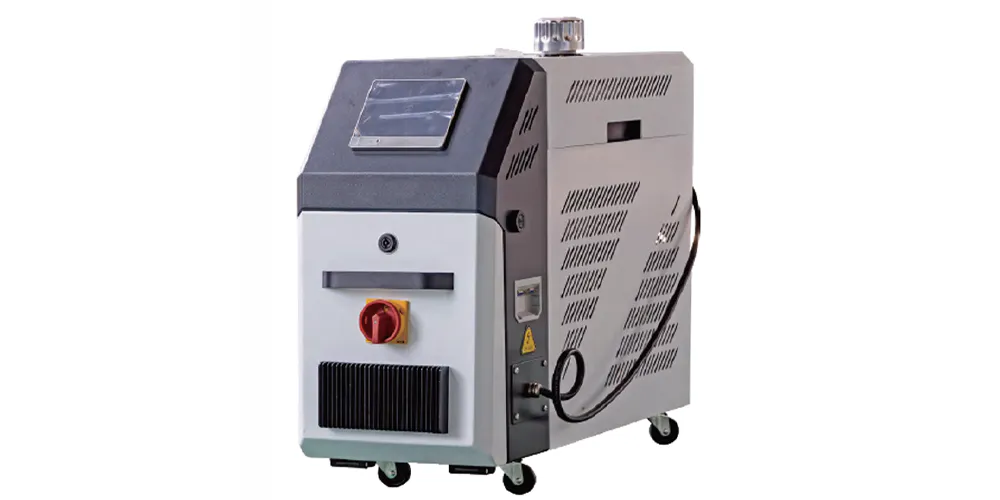
Temperatuurregelaar voor de matrijs
Stable, uniform mould temperature is one of the key variables determining wall thickness distribution, crystallinity, and cycle time in a PET or PETG beverage bottle production run. Mould temperature controllers operating within the cooling water pressure range of 0.4–0.6 MPa ensure that heat is extracted at a consistent rate across all cavities, reducing the cavity-to-cavity variation that drives scrap and compromises bottle performance on high-speed filling lines. Precise temperature control also enables tighter cycle times, which directly improves output per kWh consumed — amplifying the energy efficiency advantage of the one-step ISBM process.
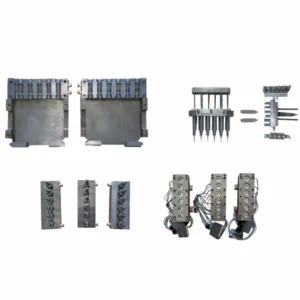
One-Step Injection Stretch Blowing Mould
Beverage bottle moulds designed for one-step injection stretch blow moulding are engineered as integrated tooling sets covering the injection preform cavity, conditioning insert, and blow cavity in a unified system. Custom mould design is available for all standard beverage bottle formats — from 250 ml water bottles to 2,500 ml large-format containers — with cavity steel selection and cooling channel geometry optimised for cycle time and wall thickness uniformity. Multi-cavity configurations are available to maximise bottles per hour per kWh on beverage production lines operating across extended production shifts.
Ready to Reduce Energy Costs on Your Beverage Bottle Line?
Whether you are evaluating a first ISBM investment or replacing existing two-step blow moulding equipment, our technical team can help you model the energy saving opportunity for your specific production volume, bottle format, and local electricity tariff.
Veelgestelde vragen
How much energy does a one-step injection blow molding machine save compared to two-step reheat stretch blow moulding equipment used in high-volume water bottle production?
The one-step ISBM process typically saves 35–45% energy per bottle produced compared to a two-step reheat line with equivalent throughput. The largest component of that saving is the elimination of the preform reheating stage, which alone accounts for 25–35% of total process energy in a conventional two-step operation. When combined with servo drive efficiency gains, the reduction is both measurable and verifiable against production energy meters.
What is the best injection stretch blow moulding machine for producing lightweight PET beverage bottles with reduced resin content for European sustainability targets?
For European beverage markets, a servo-driven 4-station ISBM machine in the HGYS150-V4 or HGYS200-V4 class offers the right combination of biaxial orientation control and process precision to achieve lightweight bottle designs. The biaxial orientation in the stretch blow stage allows wall thickness to be optimised without sacrificing burst pressure or drop resistance — which is essential for bottles at the lower end of the weight range. Compatibility with Japanese ASB-12M mould tooling on some models also provides tooling flexibility for producers migrating from earlier platforms.
Which injection blow moulding machine suppliers offer full-servo systems that comply with European IE3 motor efficiency standards for food and beverage packaging plants?
Full-servo injection stretch blow moulding machines using Inovance, Yaskawa, or equivalent servo motor brands typically operate with drive efficiency that meets or exceeds IE3 class requirements under EU Ecodesign Regulation 2019/424. When specifying equipment for European food and beverage plants, buyers should confirm the servo motor efficiency class with the manufacturer and request the motor data sheets to verify compliance ahead of CE marking documentation.
How does the one-step injection stretch blow moulding process help beverage manufacturers meet UK Plastic Packaging Tax requirements on recycled content in 2025 and beyond?
The UK Plastic Packaging Tax charges a levy on plastic packaging containing less than 30% post-consumer recycled material. Because ISBM-produced PET beverage bottles are manufactured from mono-material food-grade PET with no multi-layer barriers, they are fully compatible with the bottle-to-bottle recycled PET (rPET) supply chain. Incorporating rPET into ISBM-processed bottles allows producers to meet the 30% threshold and avoid the PPT liability. The ISBM process handles rPET content without the additional reheating variability issues that rPET can introduce in two-step RSBM lines.
Where can I get a quote for an industrial injection blow molding machine suitable for juice and CSD bottle production in Australia or Southeast Asia?
To receive an accurate equipment quotation for juice or CSD bottle production, it is helpful to have your target bottle volume range, annual production requirements, material preference (PET, PETG, or PP for hot-fill), and preferred number of cavities per shot. Our technical team reviews these parameters and recommends the appropriate ISBM machine platform — 3-station, 4-station, or 6-station — along with mould configuration and peripheral equipment. Contact us directly via the link on this page for a response within one business day.
What plastic resins can a one-step injection stretch blow molding machine process for food contact beverage bottles that meet FDA and EU food contact regulations?
One-step ISBM machines process PET, PETG, PP, PC (BPA-free), and Tritan copolyester. For beverage applications, PET and PETG are the primary resins for ambient-fill products; PP is preferred for hot-fill. All of these resins have established food contact compliance pathways: FDA 21 CFR 177.1630 for PET, 21 CFR 177.1580 for PC, and EU Regulation 10/2011 for plastic food contact materials. Buyers should confirm that the specific resin grade is supported by the appropriate regulatory documentation from the resin supplier before committing to a production specification.
What ISO 50001 energy management documentation does a beverage packaging plant need to support when installing a new injection blow molding machine in Germany?
ISO 50001 requires an energy baseline to be established before installing new equipment, followed by documented measurement and verification of the actual energy performance once the machine is in operation. For a new ISBM machine installation in a German beverage plant, this means recording pre-installation energy consumption per unit of production on the existing line, commissioning energy metering on the new machine, and documenting the verified energy improvement as part of the plant’s energy management system. The machine supplier should be asked for energy performance data under standard operating conditions to support the baseline modelling phase.
What is the typical payback period for replacing a two-step blow moulding line with a small injection blow molding machine in a mid-volume beverage plant in the United Kingdom?
Payback period depends on production volume, shift pattern, local electricity cost, and the configuration of the existing two-step line being replaced. For a mid-volume UK beverage plant running two shifts, the energy saving alone — typically 35–45% reduction in electricity consumption per bottle — combined with labour saving from single-machine operation and scrap reduction from eliminating preform handling, generally delivers payback in 18–36 months. In the UK, where industrial electricity tariffs are among the highest in Europe, the energy component of the payback tends to be at the shorter end of that range.
Redacteur: PXY