Food & Beverage Packaging — Carbonation Science
A technical examination of the molecular orientation mechanisms that make the injection stretch blow moulding process the definitive platform for carbonated soft drink and sparkling beverage bottle production.
Why CO₂ Barrier Performance Is the Central Engineering Challenge in CSD Bottle Design
Carbonated soft drink (CSD) bottles represent one of the most demanding mass-market packaging applications in the beverage industry. The internal CO₂ pressure at fill (typically 3–6 volumes of CO₂, corresponding to 3–6 bar absolute at 20°C in a standard 500 ml bottle) creates a sustained internal pressure environment that the container must withstand without deformation or failure across the entire distribution and shelf life period. But the bottle’s pressure containment function, while necessary, is only part of the engineering challenge. The CO₂ barrier function — the ability of the bottle wall to resist the diffusion of dissolved CO₂ molecules from the beverage through the plastic wall and into the atmosphere — is what determines the product’s carbonation shelf life, and it is a more subtle and ultimately more commercially limiting constraint than burst pressure in modern lightweight CSD bottle design.
A carbonated beverage with 4.0 volumes of CO₂ at fill loses approximately 15–25% of its initial carbonation within 4–6 months in a standard uncoated PET bottle at 20°C through simple diffusion-driven CO₂ loss through the bottle wall. Consumer taste perception of CSD products is highly sensitive to carbonation level — a reduction of 0.5 volumes from the initial fill specification is perceptible to trained panels in many beverage categories. This makes CO₂ barrier performance not merely a packaging engineering specification, but a direct determinant of consumer product quality over the bottle’s commercial shelf life.
Der Spritzstreckblasformmaschine process, through the mechanism of biaxial molecular orientation, is the technology that delivers the combination of CO₂ barrier, burst pressure resistance, and low material weight that makes commercial CSD PET bottle production viable. This article explains the physics of how biaxial orientation improves CO₂ barrier performance, the process parameters on ISBM machines that control the orientation level achieved, the material systems relevant to CSD bottle production, and the regulatory frameworks governing carbonated beverage packaging globally.
The Physics of CO₂ Barrier in Oriented PET — Why Biaxial Stretching Works
Gas Permeability in Amorphous vs. Oriented PET
The permeability of a polymer to a specific gas is determined by three factors: the solubility of the gas in the polymer matrix (how readily gas molecules dissolve into the plastic), the diffusivity of the gas through the polymer (how quickly dissolved molecules move through the material under a concentration gradient), and the material thickness. In unoriented, amorphous PET — as it exists in the injection-moulded preform — polymer chains are randomly coiled and the free volume between chains is relatively large. CO₂ molecules (molecular diameter approximately 3.3 Å) can dissolve into this free volume readily, and their diffusion through the disordered chain network is relatively unimpeded.
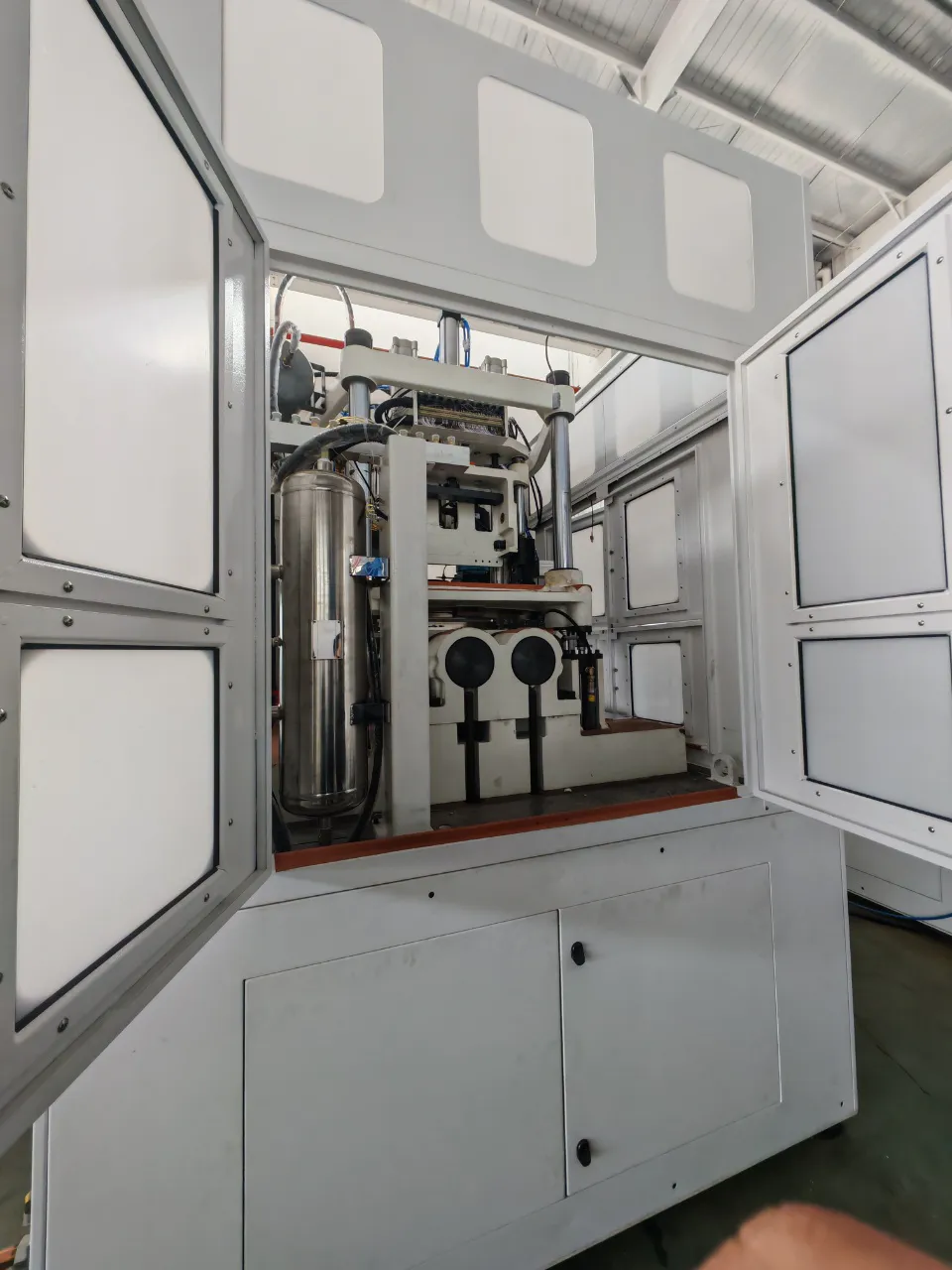
When a PET preform is biaxially stretched — as occurs in the stretch-blow station of an injection stretch blow moulding machine — the polymer chains are forced to extend and align in both the axial and hoop directions simultaneously. This chain alignment produces two beneficial effects on CO₂ barrier: first, the free volume between aligned chains is substantially reduced compared to the random coil arrangement, reducing CO₂ solubility in the oriented zone; second, the aligned chain network creates a more tortuous diffusion path for CO₂ molecules attempting to migrate through the wall — instead of diffusing through a random network of interconnected free volume spaces, a CO₂ molecule must navigate between closely packed oriented chains, significantly increasing its effective path length and thereby reducing effective diffusivity. These two effects combine to reduce CO₂ permeability of biaxially oriented PET by 3–5 times compared to unoriented PET of the same thickness.
The Role of Strain-Induced Crystallinity
Beyond the direct chain alignment effect, biaxial stretching at temperatures between the glass transition temperature (Tg, approximately 75–80°C for PET) and the cold crystallization temperature induces strain-crystallization in the PET wall. Small crystalline domains form within the oriented chain network, creating additional barrier elements — crystalline regions are essentially impermeable to CO₂, so the presence of strain-induced crystalline domains further reduces the effective permeability of the wall material. In a well-oriented PET CSD bottle, degree of crystallinity in the bottle wall typically reaches 25–35% (compared to less than 5% in the injection-moulded preform), and it is the combination of chain alignment and this moderate strain crystallinity that produces the superior CO₂ barrier performance of ISBM bottles over any alternative non-oriented PET or PP container at equivalent wall thickness.
Manufacturing Architecture: ISBM Process for CSD Bottle Production
3-Station vs. 4-Station ISBM for CSD Applications
Both 3-station and 4-station injection stretch blow moulding machines are used in CSD bottle production, but their applicability differs by bottle format and wall thickness. For standard CSD bottle formats (330–500 ml) in standard-IV PET (0.74–0.82 dL/g) with body wall targets of 0.20–0.35 mm, a 3-station machine produces adequate biaxial orientation from the retained injection heat alone. The preform temperature at the blow station in 3-station machines — typically 90–110°C for standard CSD bottle applications — is sufficient for the polymer chains to respond to the combined stretch rod and blow pressure forces with the biaxial alignment needed for the target CO₂ barrier performance.
For larger format CSD bottles (1,000–2,000 ml), heavier-wall preforms (required for the larger shot weight), or specialty CSD applications in high-IV PET for improved CO₂ barrier, a 4-station ISBM machine with a temperature conditioning station provides better control over the preform body temperature distribution before blowing. The conditioning station is particularly valuable for large CSD formats because the thicker preform wall at larger shot weights develops a more significant internal-to-external temperature gradient after injection — a gradient that produces non-uniform orientation across the bottle wall cross-section if not corrected by conditioning. Non-uniform through-wall orientation translates to non-uniform CO₂ barrier across the bottle wall, creating preferential permeation paths in the less-oriented zones.
Station 1 — Injektion
PET is injected at 265–285°C to form the CSD preform. The neck finish and petaloid or flat base design are injection-moulded to final dimensions. For CSD bottles, preform IV management is critical — high-shear injection conditions can degrade IV, reducing the barrier improvement achievable from orientation in the blow step. Low-shear injection profiles are recommended for CSD bottle preforms.
Station 2 — Conditioning (4-Station)
For large CSD formats, the conditioning station re-profiles the preform body temperature to a target distribution (typically 95–115°C for CSD PET) and reduces the wall cross-section temperature gradient before blowing. This produces more uniform through-wall biaxial orientation in the blown bottle — directly translating to more uniform CO₂ barrier throughout the bottle wall cross-section.
Station 3 — Stretch-Blow
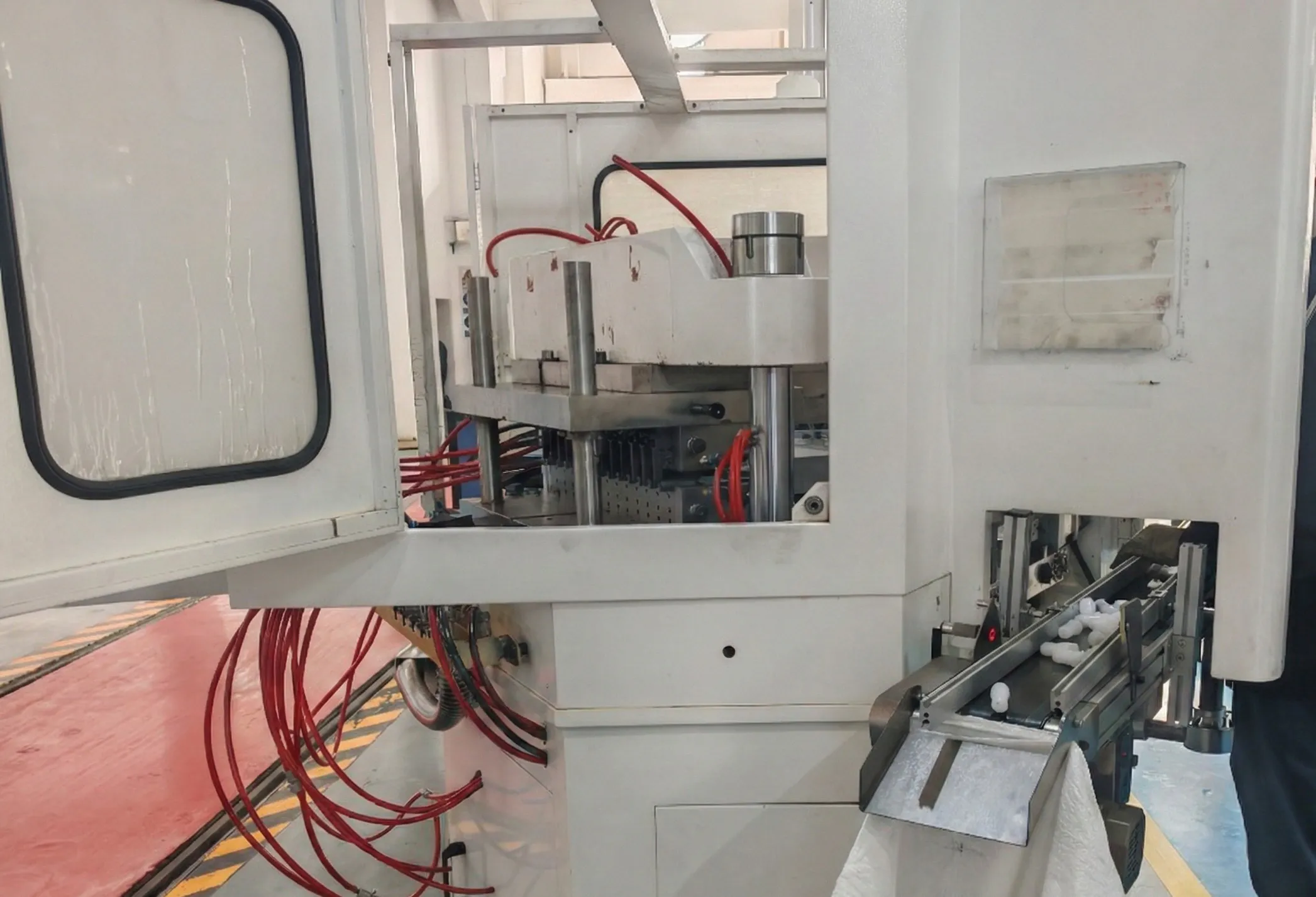
The servo-controlled stretch rod extends the preform axially (axial stretch ratio typically 2.8–3.5:1 for CSD bottles) while high-pressure air (3.0–4.0 MPa for CSD applications) expands it radially (hoop stretch ratio typically 2.5–3.5:1). The simultaneous biaxial orientation aligns PET chains, induces strain crystallinity, and reduces both CO₂ diffusivity and solubility in the bottle wall.
Station 4 — Ejection
For CSD bottles, the blow mould cooling step is critical — the bottle must cool sufficiently in the mould that the oriented chain structure and strain crystallinity are locked in before ejection. Insufficient cooling allows partial relaxation of the oriented chains, reducing both CO₂ barrier and burst pressure performance. Cold mould temperatures (8–15°C coolant) and adequate blow duration (1.5–3.0 s at pressure) ensure adequate lock-in of the oriented structure.
Material Systems for CSD Bottle CO₂ Barrier Performance
The material selection for CSD bottle production directly determines the baseline CO₂ barrier performance before accounting for the orientation enhancement from the ISBM process. PET is the dominant CSD bottle material globally, but different PET grades and specialty materials are used for specific CSD application requirements, particularly in ultra-lightweight design and extended shelf life applications.
| Material | Intrinsic IV (dL/g) | CO₂ Permeability | CSD Application | ISBM Process Notes for CSD |
|---|---|---|---|---|
| Standard CSD PET | 0.74–0.80 | Low after orientation | 330 ml–2 L CSD, sparkling water, beer | Industry standard for CSD bottles. Well-characterised ISBM process window. Bottle wall CO₂ permeability after orientation: approximately 4–8 cm³·mm/(m²·day·bar) at 23°C. Suitable for 3-station ISBM for formats below 1,000 ml. |
| High-IV CSD PET | 0.80–0.86 | Lower than standard | Lightweight CSD designs, extended shelf life carbonated beverages | Higher molecular weight enables thinner walls at equivalent burst pressure, improving bottle-to-beverage weight ratio. Higher IV also improves CO₂ barrier at equivalent wall thickness. Requires controlled melt temperature to avoid IV degradation during injection. 4-station recommended for formats above 1,000 ml. |
| Isophthalic acid (IPA) modified PET | 0.76–0.82 | Slightly higher than standard (reduced crystallinity) | Some hot-fill CSD variants | IPA modification reduces PET crystallization rate, preventing haze in certain processing windows. Trade-off: slightly reduced CO₂ barrier versus standard homopolymer PET at equivalent orientation levels. Not preferred for maximum CO₂ barrier applications. |
| rPET (recycled PET) | 0.72–0.78 (variable) | Comparable to virgin PET when IV-matched | EU-mandate rPET CSD bottles (25% by 2025, 30% by 2030) | IV variability between rPET lots requires tighter incoming quality control and process parameter adjustment to maintain consistent orientation and CO₂ barrier. ISBM machines must tolerate viscosity variation within the rPET lot-to-lot range while producing on-spec CSD bottles. Mechanical properties and CO₂ barrier are comparable to virgin PET when IV is within specification. |
| PET + active barrier | 0.74–0.80 | Very low (active absorption) | Carbonated beer and premium CSD with long shelf life | Active barrier additives (e.g., oxygen-scavenging compounds, nano-clay composite masterbatches) blended into PET during ISBM processing provide additional barrier beyond what orientation alone achieves. Relevant for beer bottles where both CO₂ retention and O₂ ingress protection are specified requirements. |
How Stretch Ratio on the ISBM Machine Controls CO₂ Barrier Level
The biaxial stretch ratio achieved during the stretch-blow step is the primary process-controlled variable determining CO₂ barrier performance in ISBM CSD bottles. Stretch ratio is defined in two components: the axial stretch ratio (the ratio of finished bottle length to preform gauge length, driven by the stretch rod travel) and the hoop stretch ratio (the ratio of finished bottle diameter to preform body diameter, driven by radial blow expansion). The natural stretch ratio (NSR) — the product of axial and hoop ratios — is the composite measure of total molecular orientation achieved in the bottle wall. The following table shows the relationship between stretch ratio and CO₂ barrier performance in standard CSD PET bottles.
| Axiales Dehnungsverhältnis | Hoop Stretch Ratio | Natural Stretch Ratio | Relative CO₂ Permeability | Application Context |
|---|---|---|---|---|
| 2.5:1 | 2.5:1 | 6.25:1 | 0.65 (vs. unoriented PET = 1.0) | Low blowup ratio. Modest barrier improvement. Wide-mouth jar; some 1.5–2 L CSD. |
| 3.0:1 | 3.0:1 | 9.0:1 | 0.35 | Typical CSD 500 ml bottle. Good CO₂ barrier. Standard industry ISBM setting for carbonated soft drinks. |
| 3.3:1 | 3.3:1 | 10.9:1 | 0.25 | Near-optimal for standard PET. 330 ml CSD, sparkling water. High orientation, excellent CO₂ barrier, excellent burst resistance. |
| 3.5:1 | 3.5:1 | 12.25:1 | 0.20 | Near the maximum practical stretch ratio for standard-IV PET without stress whitening or orientation-induced crystallization opacity. Carbonated beer; premium CSD with extended shelf life requirements. |
| Above 3.5:1 | Above 3.5:1 | Above 12.25:1 | Further reduction with diminishing returns | Risk of stress whitening increases above NSR ~12:1 in standard PET. High-IV PET (above 0.82 dL/g) can tolerate higher NSR before whitening onset, enabling further CO₂ barrier improvement in specialty applications. |
The relationship between stretch ratio and CO₂ barrier improvement follows a curve of diminishing returns above approximately NSR 10:1, which is why the practical CSD bottle industry standard stretch ratio target falls in the 3.0–3.5:1 range for both axial and hoop directions — this window provides the majority of achievable CO₂ barrier improvement from orientation while staying below the stretch level at which stress whitening or cavity-wall adhesion issues begin to emerge. ISBM machines with servo-controlled stretch rods and closed-loop blow pressure control are best suited to consistently achieving the precise stretch ratio targets that produce consistently specified CO₂ barrier performance across production.
Featured ISBM Machine for CSD Bottle Production
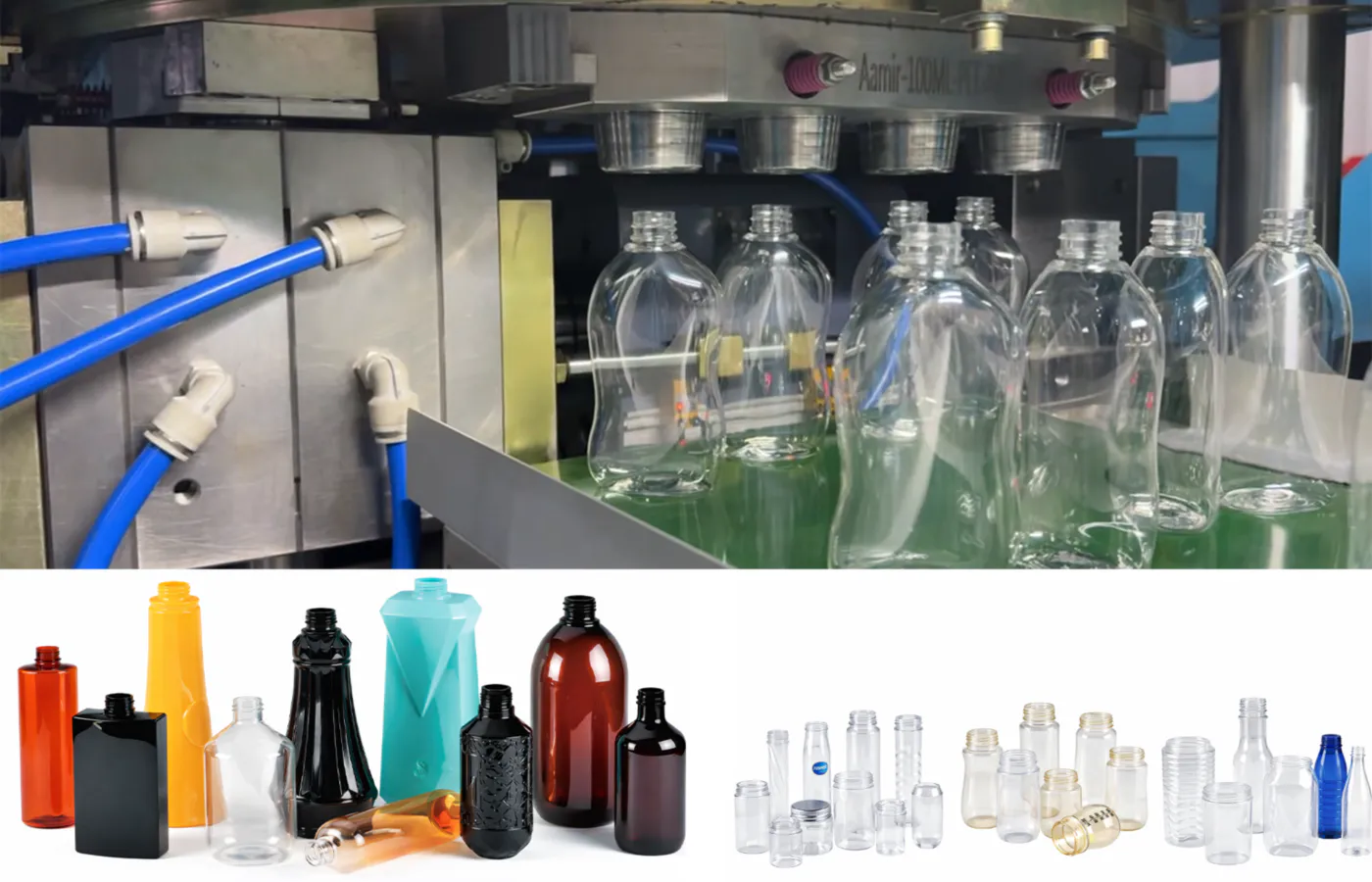
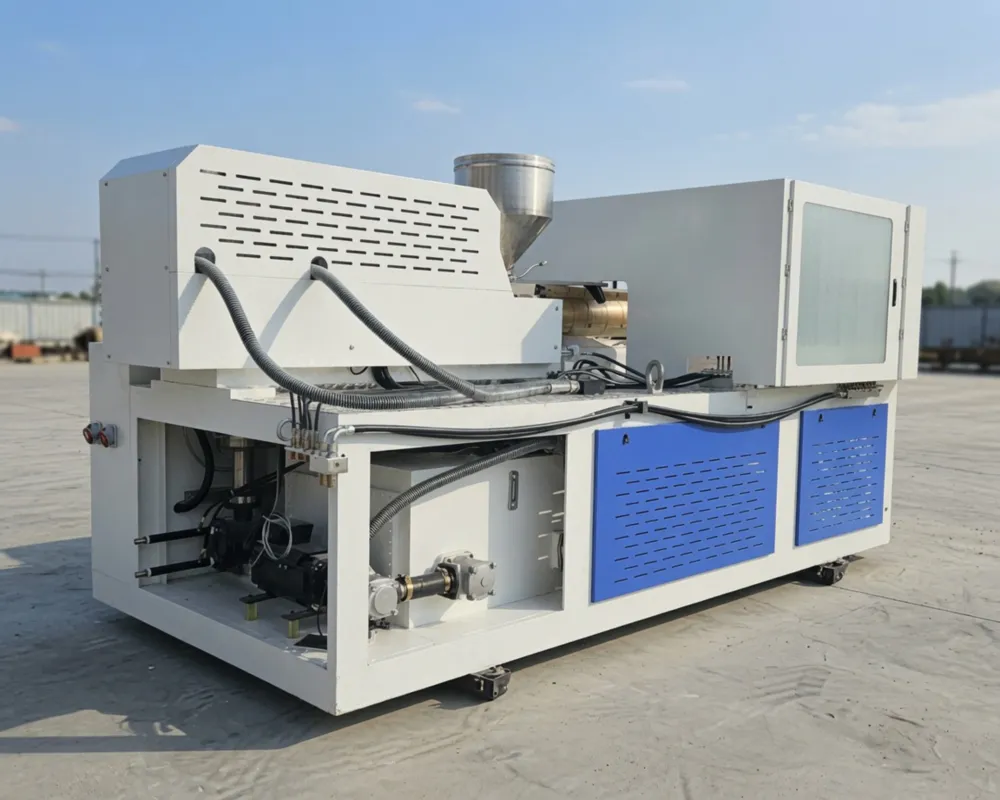
The EP-BPET-70-V4 is a 4-station ISBM machine in the BPET series specifically optimized for PET carbonated beverage bottle production, including CSD bottles and sparkling water.
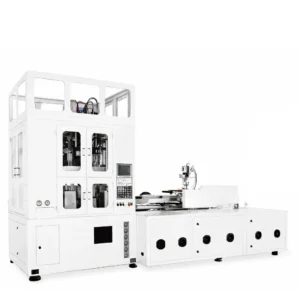
EP-BPET-70-V4 One-Step Injection Stretch Blow Moulding Machine (4-Station)
The EP-BPET-70-V4 is a 4-station one-step injection stretch blow moulding machine in the BPET series, purpose-designed for PET bottle production in CSD and carbonated beverage applications. The 4-station architecture — integrating injection, temperature conditioning, stretch-blow, and ejection — provides the preform temperature uniformity that larger CSD bottle formats and high-IV PET grades require for consistent through-wall biaxial orientation and the CO₂ barrier performance it delivers.
The BPET series name reflects the machine’s specific engineering optimizations for PET and its derivatives: injection barrel design, screw geometry, and blow station configuration are tuned for the viscosity characteristics of high-IV CSD bottle PET grades. Servo-controlled stretch rod actuation ensures consistent axial stretch ratio cycle-to-cycle — the primary driver of CO₂ barrier uniformity across production batches. The machine processes PET, PETG, and rPET blends as standard materials for the carbonated beverage application range.
Critical ISBM Process Parameters for CSD Bottle CO₂ Barrier
The following process parameters on an injection stretch blow moulding machine most directly determine the CO₂ barrier performance of the finished CSD bottle. Understanding these parameters and their interdependencies is essential for process engineers developing or optimizing CSD bottle ISBM production.
| Process Parameter | Effect on CO₂ Barrier | Typical Range | CSD-Specific Notes |
|---|---|---|---|
| PET resin IV at processing | Higher IV → higher molecular weight → better chain alignment under stretching → lower permeability | 0.74–0.86 dL/g | IV degrades during injection (typically 0.03–0.08 dL/g loss per pass). Minimize melt temperature and residence time to preserve IV. Higher starting IV justifies premium for CSD applications where CO₂ barrier specification is tight. |
| Preform temperature at blow station | Controls chain mobility during stretching — determines how effectively biaxial orientation is achieved | 95–115°C for CSD PET | Below 90°C → brittle stretch, stress whitening, non-uniform barrier. Above 120°C → over-conditioned preform, insufficient orientation level, reduced CO₂ barrier and burst resistance. Narrow control window — ±3°C specification typical in CSD validated processes. |
| Axial stretch ratio | Higher axial ratio → better axial chain alignment → reduced axial permeability → improved overall CO₂ barrier | 2.8–3.5:1 for CSD bottles | Servo stretch rod control ensures consistent ratio cycle-to-cycle. Under-stretch → reduced CO₂ barrier and burst pressure. Over-stretch → stress whitening, stretch rod bottom impact in base zone. Calibrate rod travel to bottle design at commissioning. |
| Main blow pressure | Higher pressure → better cavity contact → enhanced orientation in shoulder and base → more uniform barrier | 3.0–4.0 MPa for CSD | CSD bottles require higher blow pressure than still water bottles because they must contain internal pressure themselves — the bottle wall orientation level in the base and shoulder zone directly affects burst resistance in addition to CO₂ barrier. Petaloid base geometry requires adequate blow pressure for consistent base orientation. |
| Blow duration (contact time) | Longer contact → better cooling of oriented structure → prevents post-blow orientation relaxation → preserved barrier | 1.5–3.0 s at pressure | Critical for CO₂ barrier preservation: if the bottle is ejected before the oriented PET wall has cooled below Tg (75–80°C), some chain relaxation occurs that reduces the orientation level and degrades CO₂ barrier below the fully locked-in value. Mold temperature controller ensures consistent blow cooling rate. |
| Blow mould temperature | Lower mould temperature → faster quench → more amorphous orientation → better clarity; higher temp → heat-set crystallinity | 8–18°C for cold-fill CSD | Cold mould is standard for carbonated cold-fill CSD. Hot-fill variants (some pasteurized juice/CSD hybrids) require heat-set mould at 130–160°C to develop crystallinity for thermal dimensional stability. CO₂ barrier is broadly equivalent between cold-fill and heat-set bottles at equivalent orientation level. |
CSD Bottle Design Features That Enhance CO₂ Performance
Petaloid Base Design
The petaloid base — the distinctive multi-lobed base design used on virtually all carbonated beverage PET bottles — is the most visible consequence of CSD bottle pressure containment requirements. Unlike still water bottles, which can use a simple hemispherical or flat base (supported by a base cup in some designs), CSD bottles must support their own internal CO₂ pressure on the base wall without buckling or creep. The petaloid design distributes the internal pressure load across a series of oriented PET feet separated by the characteristic lobed profile, achieving the required burst and sustained pressure performance with a minimum of material. The petaloid geometry in the blow mould requires precise blow pressure calibration — too little blow pressure results in incomplete base formation and inadequate CO₂ barrier and burst strength in the base zone, which is typically the weakest area of the CSD bottle from a pressure perspective.
Lightweight Design and the CO₂ Barrier Trade-Off
The commercial pressure on CSD bottle producers to reduce material content per bottle — driven by material cost, sustainability targets, and regulatory lightweighting mandates in some markets — creates a direct tension with CO₂ barrier performance. A 500 ml CSD bottle that was 35 g in the 1980s has progressively lightened to 25 g, 22 g, 20 g, and even 18–19 g in some ultra-light designs currently in commercial use. Each gram reduction requires either thinner body walls (reducing CO₂ barrier per unit area), higher biaxial orientation (increasing the per-unit-thickness barrier value), or both. The practical limit of standard PET orientation (stress whitening onset above NSR ~12:1) means that further lightweighting below approximately 20 g for 500 ml CSD formats typically requires either a higher-IV PET grade, an active barrier additive, or a multi-layer structure incorporating a high-barrier polymer layer — all of which add complexity to the ISBM process but are achievable on modern injection stretch blow moulding machines with appropriate material and tooling specifications.
Neck Finish Design for CSD Closures
CSD bottles use PCO 1881 (28 mm) or BSPT 38 mm neck finishes as the primary global standards, with the PCO 1881 dominating the global CSD market. Unlike still water bottles where the primary closure function is simply liquid containment, CSD bottle closure systems must seal against internal CO₂ pressure across the product shelf life without allowing gas to escape through the closure-bottle neck interface. The ISBM process — by injection-moulding the neck finish to precise dimensions at Station 1 — ensures that the T dimension tolerance required for consistent closure engagement across a high-speed filling and capping line is achievable production-to-production. The same neck precision that makes ISBM superior to extrusion blow moulding for pharmaceutical CRC closures applies equally to CSD bottle carbonation seal performance.
Global Regulatory Frameworks for CSD Plastic Bottle Packaging
CSD bottle producers using ISBM machines must comply with a layered framework of food-contact material safety regulations and increasingly with sustainability packaging legislation across their global markets. The following frameworks are most directly relevant to CSD PET bottle production.
🇺🇸 United States — FDA 21 CFR & ASTM CSD Testing Standards
PET CSD bottles must comply with FDA 21 CFR 177.1630 for polyethylene phthalate polymer food-contact use. Acetaldehyde migration (21 CFR 177.1630(e)(4)) is a specific CSD compliance parameter — AA migrates into the carbonated beverage contents and is detectable at low ppb levels in cola and clear CSD products. ASTM F2228 (Standard Guide for Developing and Conducting Studies to Evaluate the Migration/Extraction of Chemical Species from Carbonated Soft Drink Packaging) provides the test methodology framework for CSD-specific migration assessment. For rPET content, FDA’s Non-Objection Letter (NOL) authorization process for the specific recycling technology used by the rPET supplier must be completed before the rPET material can be used in CSD bottle production for the US market.
🇪🇺 European Union — Regulation 10/2011 & SUP Directive Targets
EU Regulation 10/2011 governs PET CSD bottle food-contact compliance, with Overall Migration Limit (OML) and Specific Migration Limits (SML) for individual monomers including terephthalic acid, ethylene glycol, and permitted additives. The EU Single-Use Plastics Directive (2019/904) mandates 25% recycled content in PET beverage bottles by 2025 and 30% by 2030 — a direct driver of rPET adoption in EU CSD bottle production. The directive also requires that caps remain attached to the bottle body, affecting PCO 1881 closure design for EU market CSD bottles. EU Regulation 2022/1616 on recycled plastics specifically addresses the authorization requirements for rPET used in food-contact CSD bottle applications.
🇬🇧 United Kingdom — UK Plastic Packaging Tax & EPR
The UK Plastic Packaging Tax (PPT, effective April 2022) imposes a levy on plastic packaging (including CSD bottles) manufactured in or imported into the UK containing less than 30% recycled content by weight. Extended Producer Responsibility (EPR) for packaging, expanded from 2024 under the Environment Act 2021, requires beverage brand owners and packaging producers to fund the cost of household packaging collection and recycling — creating structural financial incentives for recyclable CSD bottle design and recycled content use. The FSA regulates PET food-contact compliance under retained legislation derived from EU 10/2011.
🌏 Asia-Pacific — Deposit Return Schemes & National Standards
Australia’s Container Deposit Scheme (CDS) covers CSD PET bottles in all Australian states and territories, creating a direct financial incentive for consumer bottle return that in turn drives bottle recyclability requirements in Australian CSD packaging design. Japan’s JHF standards for food-contact polyester apply to CSD bottles. South Korea’s EPR system for beverage packaging is among the most developed in Asia. India’s FSSAI regulations cover PET food-contact packaging under FSS (Packaging) Regulations 2018. Singapore, Malaysia, and Thailand are at various stages of developing deposit return scheme legislation for beverage packaging that will affect CSD bottle design requirements across Southeast Asian markets.
🌍 Sustainability Frameworks — Global Brand Owner Requirements
Major global CSD brand owners — including beverage multinationals — operate their own packaging sustainability programs that impose requirements on PET bottle design and recycled content beyond national regulatory mandates. The Global Commitment of the Ellen MacArthur Foundation’s New Plastics Economy, which these brand owners participate in, includes commitments to increasing recycled content percentages, designing for recyclability in existing PET mechanical recycling streams, and reducing packaging weight per litre of beverage. ISBM CSD bottle producers supplying major brand customers should review their specific packaging sustainability policy requirements, as these commercial requirements may exceed national regulatory minimums in some markets.
Measuring and Validating CO₂ Barrier Performance in Production
CO₂ Permeability Measurement Methods
CO₂ barrier performance in PET CSD bottles is measured at two levels: material permeability (measured on flat plaques or bottle wall coupons using standardized gas permeation equipment) and bottle-level carbonation shelf life (measured by filling bottles to a specified volume of CO₂ and monitoring carbonation loss over time at defined temperature and humidity conditions). The material-level test provides a fundamental characterization of the oriented PET barrier level and is used for quality control of ISBM process parameters during development. The bottle-level test provides the commercially relevant predictor of actual shelf life and is the data format that brand owners and retailers use to specify CSD bottle barrier requirements.
ASTM D1434 (Gas Transmission Rate of Plastic Film and Sheeting) and ISO 15105-2 (Plastics — Film and Sheeting — Determination of gas-transmission rate) are the primary standards for material-level CO₂ permeability measurement. For bottle-level shelf life prediction, ASTM F2922 (Standard Guide for Carbonation Retention Testing of Carbonated Soft Drink PET Bottles) and beverage industry association test protocols (e.g., ISBT — International Society of Beverage Technologists guidelines) provide standardized measurement approaches that enable comparison across production lots and between supplier bottles.
In-Line Process Monitoring for CO₂ Barrier Consistency
Because CO₂ barrier performance in ISBM PET CSD bottles is directly linked to biaxial orientation level — which is itself controlled by process parameters (preform temperature, stretch ratio, blow pressure, cooling time) — statistical process control (SPC) on the critical process parameters of the ISBM machine serves as the primary in-line quality control tool for CO₂ barrier consistency. Off-line bottle wall crystallinity measurement by density measurement or differential scanning calorimetry (DSC) can be used as a rapid surrogate for CO₂ barrier testing when a correlation between crystallinity and permeability has been established for the specific bottle design and material combination. Modern ISBM machines with servo-controlled axes and multi-zone temperature control generate the machine data needed to implement closed-loop SPC without additional measurement instrumentation.
Discuss Your CSD Bottle ISBM Requirements
Whether you are developing a new CSD bottle format, specifying an ISBM machine for a carbonated beverage production line, or evaluating CO₂ barrier improvement options for an existing bottle design, our engineering team can provide specific technical guidance.
Compatible Auxiliary Equipment for CSD Bottle Production
We supply the complete auxiliary equipment needed to operate ISBM machines efficiently in CSD bottle production environments — high-pressure oil-free compressed air, mold temperature control, and integrated line solutions.
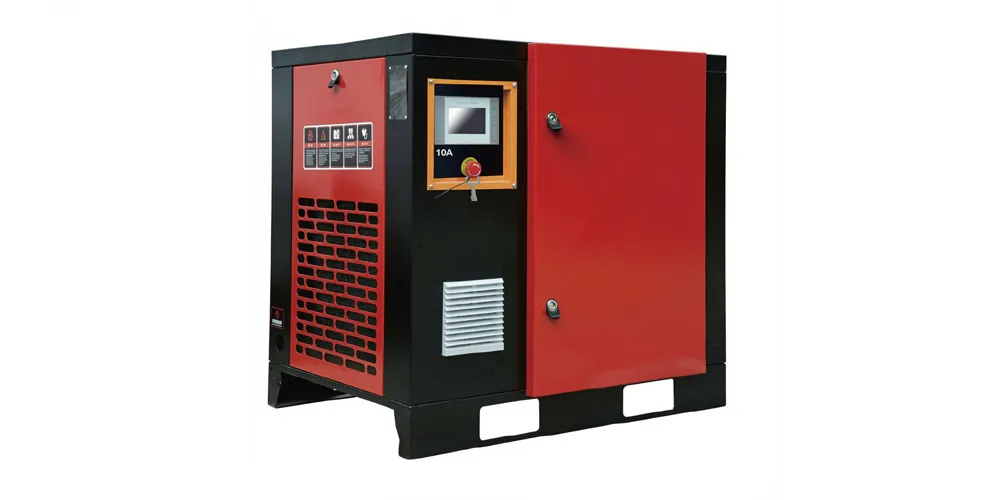
High-Pressure Oil-Free Air Compressor
CSD bottle production requires blow air at 3.0–4.0 MPa — the highest blow pressures in standard ISBM applications — to achieve the orientation levels necessary for adequate burst pressure and CO₂ barrier. The compressor must deliver this pressure stably across the full production shift, because blow pressure variation directly causes variation in stretch ratio and orientation level, which translates to lot-to-lot CO₂ barrier variability. For food-contact CSD bottle applications, blow air must be oil-free per ISO 8573-1 Class 0. Our recommended oil-free air compressors are rated for the high-pressure, continuous-duty demands of CSD bottle ISBM lines with validated oil-free air quality for direct food-contact applications.
Formtemperaturregler
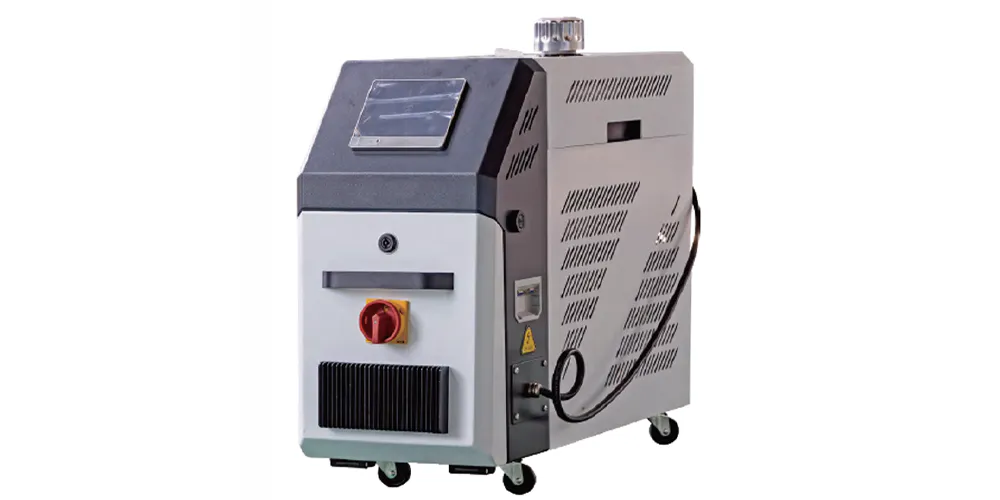
Blow mould temperature consistency is a direct determinant of CO₂ barrier consistency in ISBM CSD bottle production. If the blow mould temperature rises progressively during a production shift — which it will in an uncontrolled cooling system as the machine thermally stabilizes — the bottle wall is ejected at progressively higher temperatures, allowing more orientation relaxation before the PET cools below Tg. This relaxation reduces both CO₂ barrier and burst pressure relative to a bottle produced with the same process parameters on a mould held at the validated setpoint. Our Mold Temperature Controllers maintain the CSD bottle blow mould coolant at ±1°C of the validated setpoint throughout the full production shift, ensuring that CO₂ barrier performance is consistent from the first bottle to the last across every lot.
Über uns
We design and manufacture one-step injection stretch blow moulding machines for PET bottle production across carbonated beverage, still water, pharmaceutical, cosmetic, and food packaging applications. Our BPET-series machines are purpose-engineered for PET and rPET processing in CSD and sparkling beverage bottle production, with injection system design, screw geometry, and blow station configuration optimized for the material characteristics of high-IV CSD-grade PET resins and their rPET blends.
Our machines and tooling have been used in commercial CSD bottle production for carbonated soft drinks, sparkling water, carbonated fruit beverages, and carbonated beer across PET formats from 250 ml to 2,000 ml. We welcome discussions with packaging engineers and new line investment planners evaluating ISBM platforms for carbonated beverage applications at any production scale.
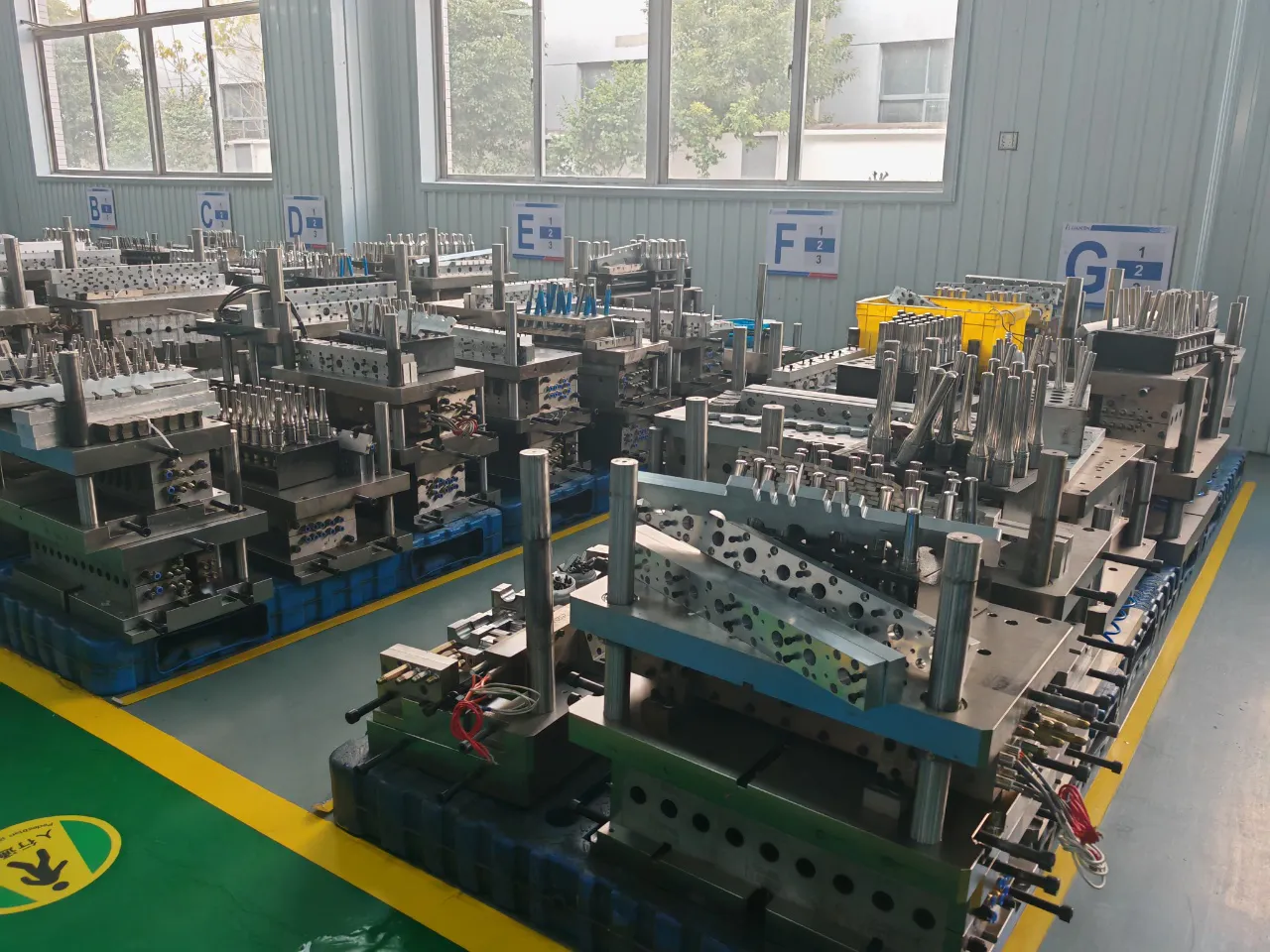
Werkstatt
Häufig gestellte Fragen
Herausgeber: PXY