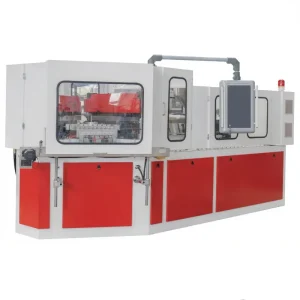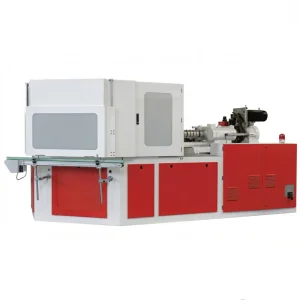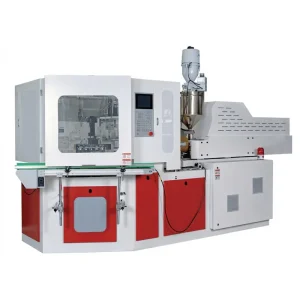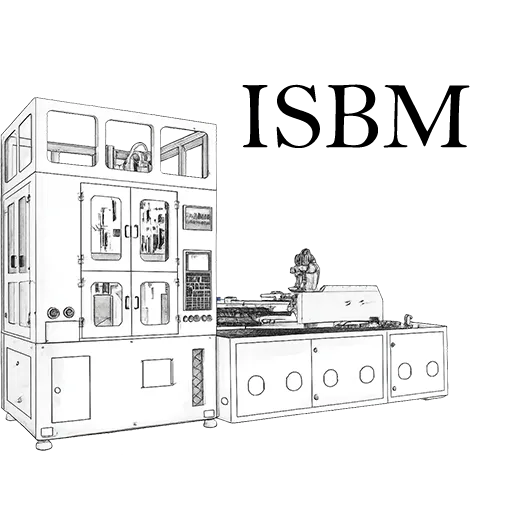
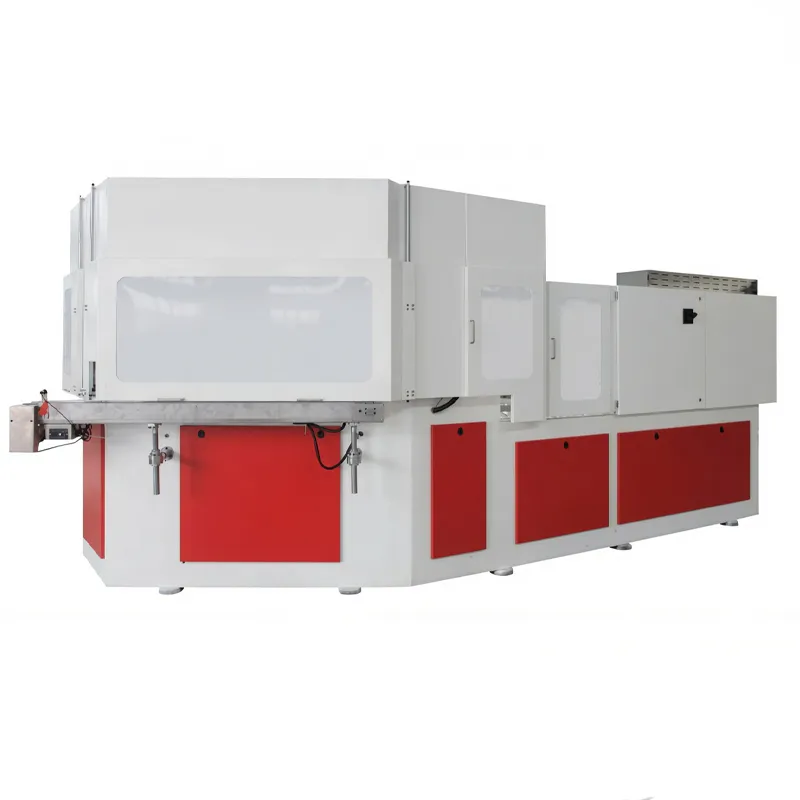
EP-European 5×1.8×2.2M Injection Blow Molding Machine
The EP-European platform represents the highest-output configuration in our IBM-EP110 series — a full European-style platform built to handle the most demanding continuous-production scenarios in plastic hollow container manufacturing. With an overall footprint of 5 m × 1.8 m × 2.2 m and a machine weight of 15 tonnes, this unit delivers the structural rigidity and clamping authority that high-cavity pharmaceutical and daily-chemical packaging lines require. The injection clamping force reaches 1,100 KN, which is 20–30% greater than comparable injection blow molding machines on the market, giving toolmakers the latitude to run large multi-cavity molds without platen deflection concerns.
The three-station rotary table mechanism at the heart of this platform operates all three actions — preform injection, blow molding, and product stripping — simultaneously in a single cycle. This overlapping action model is what makes this process fundamentally more efficient than sequential alternatives. With a dry cycle of just 4 seconds and an operating power range of 52–70% of rated total power (80 KW), the machine maintains high throughput while keeping energy cost competitive. For Colombian producers and Latin American FMCG operations, this translates into lower cost-per-bottle figures and shorter payback periods compared with imported European or American equipment of equivalent output.
European Injection Blow Molding Machine | IBM-EP110 Series
EP-European 5×1.8×2.2M Injection Blow Molding Machine
Full European-style structure, clamping force 20–30% above industry average — designed for pharmaceutical, cosmetic, food, and chemical packaging manufacturers in Colombia and across Latin America seeking a reliable, high-output plastic blow molding solution.
1. Technical Specifications — EP-European Injection Blow Molding Machine
All parameters listed below correspond to the IBM-EP110 European-style injection blow molding machine, model designation EP-European with overall dimensions of 5 m × 1.8 m × 2.2 m. Specifications are for reference; the manufacturer reserves the right to modify parameters in line with equipment improvements.
| Category | Parameter | Unit | Value |
|---|---|---|---|
| Injection System | |||
| Screw Diameter | mm | 65 | |
| Screw L/D Ratio | % | 22:1 | |
| Injection Weight | g | 540 | |
| Heating Power | KW | 20 | |
| Number of Barrel Zones | — | 5+N | |
| Injection Stroke | mm | 200 | |
| Clamping System | |||
| Clamping Force of Injection | KN | 1,100 | |
| Opening Stroke for Injection | mm | 140 | |
| Clamping Force of Blowing | KN | 150 | |
| Opening Stroke for Blowing | mm | 140 | |
| Lifting Height of Rotary Table | mm | 70 | |
| Mould | |||
| Max. Platen Size (L×W) | mm | 1,100×460 | |
| Mold Thickness | mm | 280 | |
| Max. Bottle Diameter | mm | 120 | |
| Max. Bottle Height | mm | 220 | |
| Suitable Bottle Volume | ml | 1–2,000 | |
| Stripping Stroke | mm | 260 | |
| Hydraulic System | |||
| Hydraulic Pressure | MPa | 14 | |
| Motor Power | KW | 22+22 | |
| Dry Cycle | s | 4 | |
| Total Power | KW | 80 | |
| Operating Power | % | 52–70 | |
| Others | |||
| Min. Compressed Air Pressure | MPa | 0.7–1.2 | |
| Compressed Air Capacity | m³/min | 0.7 | |
| Cooling Water Flow | m³/h | 4 | |
| Cooling Water Pressure | MPa | 0.3–0.4 | |
| Dimensions (L×W×H) | m | 5×1.8×2.2 | |
| Net Weight | Ton | 15 | |
Mold Cavitation Reference — Max. Cavities per Bottle Volume (For Reference)
| Approx. Volume | 10 ml | 30 ml | 60 ml | 100 ml | 250 ml | 500 ml | 1,000 ml |
|---|---|---|---|---|---|---|---|
| Max. Cavities | 24 | 22 | 18 | 14 | 10 | 8 | 6 |
Note: Cavitation data is for reference only. Actual figures depend on bottle geometry and mold design. Parameters subject to change with equipment improvement.
2. Five Key Product Advantages
01 — Industry-Leading Clamping Force
The injection clamping force of 1,100 KN and blow clamping force of 150 KN both exceed industry-average values by 20–30%. This superior clamping authority allows the machine to operate large multi-cavity molds without flash or part weight variation, giving packaging producers the ability to maximise cavitation and reduce per-unit production cost without sacrificing dimensional consistency.
02 — Unique Pressurised Clamping Structure
The proprietary boosted clamping system keeps the booster cylinder entirely out of the mold-open and mold-close sequence. Because the intensifier only applies force at the point of clamping, the hydraulic dual-system architecture reduces total energy consumption by 20–30% compared with conventional designs — a measurable saving at the operating power levels typical of continuous pharmaceutical or FMCG production shifts.
03 — High-Precision Angle Divider for Synchronised Rotation
The standard-fit high-precision angle divider achieves exact synchronisation between mold open/close movements and rotary table lifting. This mechanical accuracy is what maintains consistent preform-to-blow-station alignment cycle after cycle — a critical factor for uniform wall thickness distribution, particularly in narrow-neck pharmaceutical containers and small-volume eyedrop bottles where tolerances are tight.
04 — Zero-Waste Injection Blow Molding Process
Unlike extrusion blow molding, the injection blow molding process on this machine produces no pinch-off scrap, no edge trimmings, and no parison waste. Bottle weight variation is approximately 1%, walls are formed with uniform thickness, and the bottle base is correctly convex without the weakness that cut-off closures create in extrusion alternatives. This no-waste characteristic translates directly into raw-material cost savings across large production volumes.
05 — High-Cavitation Mold Capacity Up to 24 Cavities at 10 ml
The large platen size of 1,100 × 460 mm and mold thickness of 280 mm accommodate mold tooling for up to 24 cavities at 10 ml bottle volume, scaling down to 6 cavities for 1,000 ml containers. This cavitation flexibility allows the same machine frame to serve multiple production lines by changing the mold set — a significant capital advantage for Colombian packaging producers who need production flexibility across different bottle specifications within a single product portfolio.
3. Working Principle of the Injection Blow Molding Machine
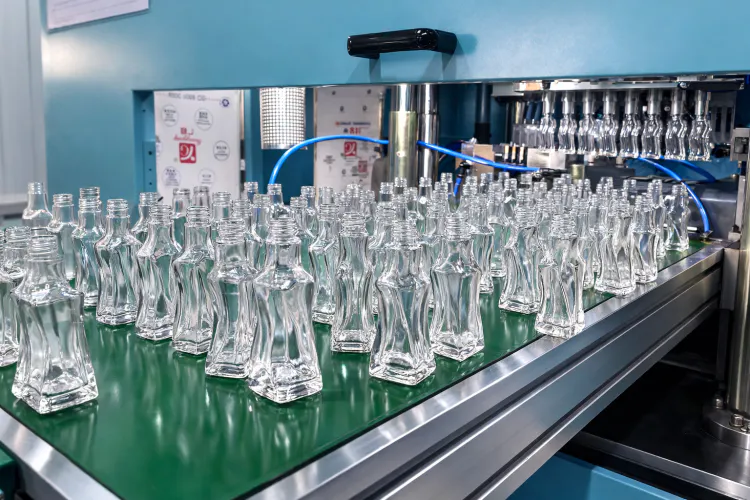
This three-station process is completed across simultaneous operations that operate simultaneously within each machine cycle, making efficient use of every second of cycle time. Understanding how each station works gives process engineers the foundation they need to optimise cycle time, wall thickness distribution, and dimensional consistency for any specific bottle design.
Station 1 — Preform Injection
Plastic melt is injected under controlled pressure through the hot runner system into the injection mold cavity. The bottle neck and thread geometry are formed precisely at this station because the injection mold controls every dimension of the preform. After the material cools, the injection mold opens and the preform transfers to the next station on the rotary table mandrel.
Station 2 — Blow Molding
The preform on the mandrel is enclosed by the blow mold cavity. Compressed air is introduced through the mandrel core rod, inflating the parison outward against the cooled mold surface. The blow mold cavity determines the final external shape of the bottle. After cooling, the blow mold opens and the mandrel with the finished bottle rotates to the stripping station.
Station 3 — Product Stripping
Finished bottles are stripped from the mandrel core rods at this station using the stripping mechanism (stripping stroke 260 mm). The ejected bottles exit the machine onto a conveyor or collection chute. Because injection, blowing, and stripping all occur simultaneously in each cycle, the machine output equals the number of cavities per cycle — with no dead time between functions.
Injection Blow Molding vs. Extrusion Blow Molding — Key Differences
| Factor | Injection Blow Molding | Extrusion Blow Molding |
|---|---|---|
| Weight variation | ~1% | ~3% |
| Wall thickness | Uniform | Varies 10–20% |
| Scrap material | None | 20–40% edge scrap |
| Bottle bottom | Excellent convexity | Cut-off mark, weaker base |
| Cavity count | High — up to 24 at 10 ml | Lower; uneven bottle neck |
| Mold life | Long — suited to sustained production | Short — suitable for short runs |
| System footprint | Compact | Larger; more auxiliaries |
4. Materials & Construction Quality
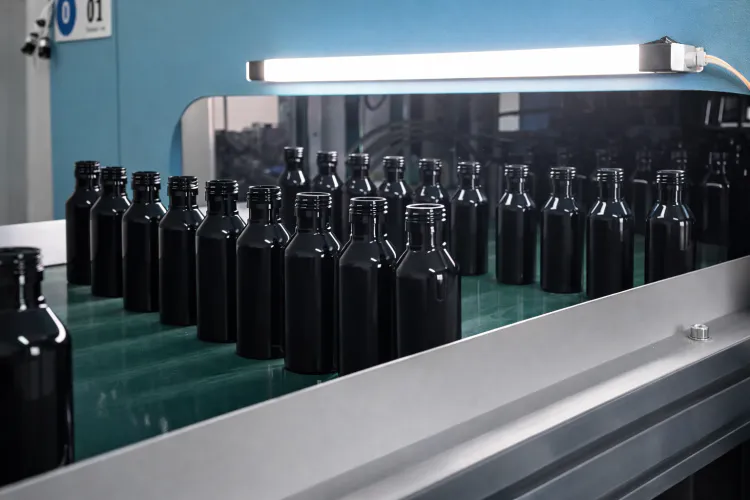
The injection blow mold tooling supplied for this injection blow molding machine is manufactured from premium-grade steels selected specifically for the thermal and mechanical demands of high-cycle injection blow mold service. Injection mold cavities and blow mold cavities use 4Cr13 stainless steel or imported high-strength S136 alloy steel, both of which deliver extended service life compared with standard P20 or H13 grades commonly found in lower-cost equipment. The higher steel grade directly translates to fewer tool changes, lower lifetime tooling cost, and sustained cavity dimensional accuracy over millions of cycles.
The cavity and neck-ring block assembly features active movable designs with dedicated oil and water channel routing to ensure preform tube size stability and consistent temperature control across all cavities simultaneously. Core rod mandrels are manufactured with a special internal structure that accelerates cycle time and maximises core cooling effect, contributing to the fast 4-second dry cycle that is standard on this platform. The blow mold body may optionally be supplied in magnesium-aluminium alloy, which provides superior cooling performance for applications where cycle time is the primary optimisation target.
The hot runner system and preform design are engineered to minimise gram-weight deviation and wall-thickness variation across cavities. Bottle mouth and thread dimensions are held to precise tolerances with 100% cap-seal integrity. No flash, burrs, or non-waste material appears on the bottle mouth or base — a characteristic directly attributable to this production process itself and the dimensional control embedded in the mold design. Product dimensions, weight, parting-line position, and wall thickness are consistent across cavities and across production runs.
5. Application Scenarios
This European platform is deployed across four primary packaging sectors, each with specific technical demands that this platform addresses through its combination of high clamping force, precision mold compatibility, and zero-waste production process.
Pharmaceutical Industry
Pharmaceutical bottle production demands the highest dimensional consistency, cleanliness, and traceability of any packaging sector. This equipment produces pharmaceutical bottles in HDPE, PP, and high-transparency PS that meet the visual and dimensional requirements of GMP-regulated tablet, capsule, syrup, and liquid pharmaceutical packaging. Eyedropper bottles with precise nozzle geometry and sealed tip accuracy are a specialty application where the clean-neck process excels. Colombian pharmaceutical manufacturers in Bogotá and Medellín seeking INVIMA-compliant container production will find this platform suitable for establishing in-house packaging operations.
Cosmetics Industry
Cosmetic bottles — lotion containers, serum vials, cream jars, and toner bottles — require aesthetic-grade surface quality, precise neck finish for pump and dropper fitment, and dimensional consistency across high cavity counts. The zero-flash process of this machine meets these requirements without secondary trimming operations. Materials including ABS, PCTG, and high-transparency PS are processable on this platform, covering the range of visual effects required from opaque white to crystal-clear packaging for premium cosmetic brands in the Colombian domestic and export markets.
Food Industry
Food-contact plastic container production using HDPE, LDPE, PP, and food-grade PS on this platform covers a broad output range from 30 ml yoghurt drink bottles up to 1,000 ml condiment containers. The no-waste production process is particularly relevant for food packaging applications where material cost directly affects product margin. Feeding bottle production using PP and PCTG with the wide-mouth jar mold configuration is another food-sector application where the precise thread and mouth dimensions of the injection blow molding process ensure cap compatibility and leak-proof closure.
Chemical & Daily-Chemical Industry
Daily-chemical products — shampoo, detergent, disinfectant, and household chemical packaging — represent the highest volume applications for this machine class. The 22+22 KW dual-motor hydraulic system and 80 KW total power rating are sized specifically for the sustained high-output operation typical of daily-chemical production, where the machine may run 20 or more hours per day across continuous shifts. Chemical industry HDPE containers for industrial cleaning agents, laboratory reagents, and agricultural chemical packaging are also produced on this platform with appropriate material selection from the compatible resin list.
6. Regulatory Compliance — Colombia, Latin America, and International Standards
This equipment and its outputs are subject to regulatory requirements at multiple levels: the machine safety certification, the packaging material approval, and the food or pharmaceutical contact compliance of the finished containers. Understanding these requirements is essential for Colombian buyers establishing or expanding plastic container manufacturing operations.
| Region | Standard / Regulation | Scope |
|---|---|---|
| Colombia | Resolución INVIMA 683 de 2012 / 834 de 2013 | Regulates materials intended for contact with food products in Colombia; plastic containers produced for food use must comply with permitted resin and additive lists. |
| Colombia | Decreto 1072 de 2015 (SG-SST) | Occupational safety management system; machine installation, commissioning, and operation must be covered by the the facility preventive maintenance and operator safety programme. |
| Colombia (Pharma) | INVIMA BPM / GMP Framework | Pharmaceutical packaging produced on injection blow molding machines in Colombia must meet GMP requirements for primary packaging materials — including resin grade, extractable/leachable testing, and batch traceability. |
| European Union | EU Machinery Directive 2006/42/EC (CE marking) | CE certification confirms conformity with EU machinery safety requirements; relevant for Colombian producers exporting packaging to Europe. |
| European Union | EU Regulation 10/2011 (Food Contact Plastics) | Specifies permitted monomers, additives, and migration limits for plastic materials in contact with food; containers produced for EU-market export must be compounded from compliant resins. |
| USA | FDA 21 CFR Parts 174–186 (Food Contact) | Governs plastic materials used in food packaging sold in the United States; relevant for Colombian packaging exporters supplying US food brands or private-label contract packaging for US-market goods. |
| International | ISO 9001:2015 | Machine manufacturer operates under ISO 9001 certified quality management; production records, dimensional inspection data, and test certificates available for customer vendor qualification. |
| Latin America | MERCOSUR GMC Res. 56/92 (Food Packaging) | Regional MERCOSUR standard for plastic materials in food contact across Brazil, Argentina, Uruguay, and Paraguay; applicable for Colombian producers with cross-border supply relationships in MERCOSUR markets. |
7. What Our Customers Say
"We replaced our previous extrusion blow molding line with this European platform for our pharmaceutical bottle production in Bogotá. The transition was the right call — scrap rates dropped to essentially zero and our bottle weight consistency went from being a daily headache to something we stopped thinking about. The mold cavitation at 14 cavities for our 100 ml format gives us the output we need without running two machines. Technical support during commissioning was responsive and knowledgeable."
Carlos M. — Production Manager, Pharmaceutical Packaging Plant, Bogotá
"We had been using an ASB machine for years and decided to evaluate this European-style platform as a replacement for our cosmetic bottle line in Medellín. The clamping force advantage is real — we can run our 18-cavity 60 ml lotion bottle mold at higher cycle rates than we managed previously without any flash on the parting line. Energy consumption is noticeably lower per shift. For the Colombian cosmetic packaging market, this machine gives us a genuine competitive edge."
Ana L. — Operations Director, Cosmetic Container Manufacturer, Medellín
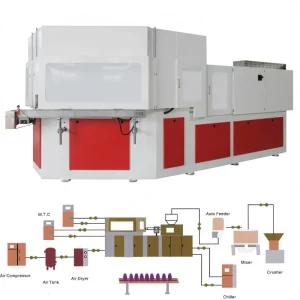
8. Related Products — European Injection Blow Molding Machine Parts
This machine operates as part of a complete production line. Sourcing the core machine and its key auxiliaries from a single system supplier eliminates specification mismatches and simplifies commissioning, training, and after-sales support.
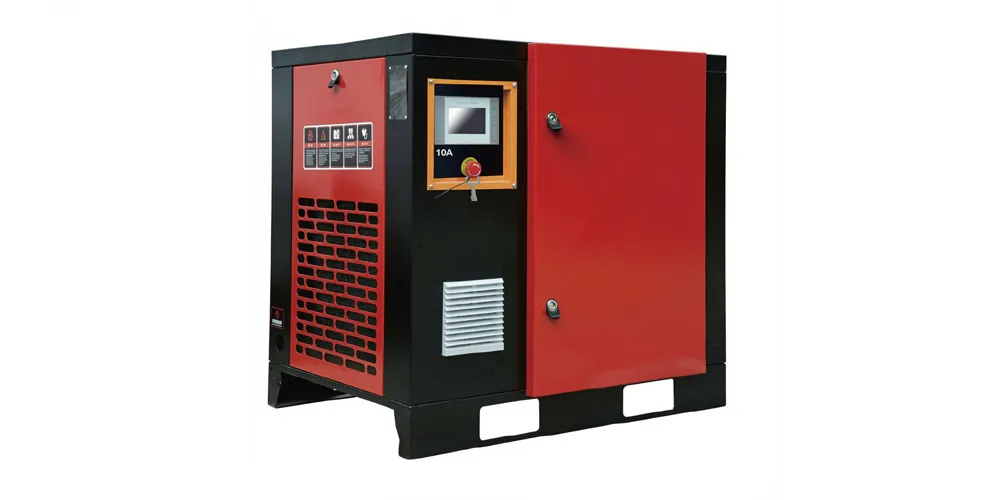
Air Compressor
This platform requires a compressed air supply of 0.7 MPa minimum, at a capacity of 0.7 m³/min for the blow molding stage. A correctly matched air compressor — preferably oil-free for pharmaceutical and food-contact applications — is essential for achieving the designed blow pressure, bottle clarity, and cycle time. Undersized or oil-contaminated air supply is a common root cause of blow mold defects and uneven wall distribution in injection blow molding operations. We can assist in specifying the correct compressor capacity and pressure rating for your production scenario.
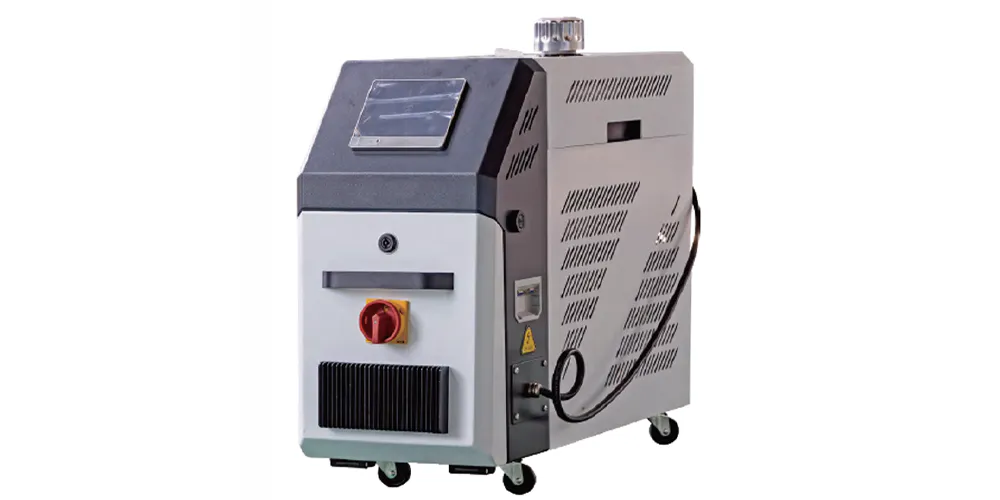
Mold Temperature Controller
Consistent mold temperature across all cavities is the most significant factor in achieving uniform wall thickness and correct preform geometry cycle after cycle. Our Mold Temperature Controller units are sized for the cooling water requirements of the EP-European platform (4 m³/h at 0.3–0.4 MPa) and provide precise zone-by-zone temperature control for both the injection mold and blow mold. For Colombian facilities processing HDPE, PP, or PCTG resins at the cycle rates achievable on this platform, stable mold temperature directly translates to higher output rates and lower reject percentages.
Complete Production Line
Beyond the core machine and direct auxiliaries, a complete bottle production line typically includes a screen printing or labelling system, a washing and drying module, a filling and capping line, and packaging equipment. Our engineering team can assist Colombian buyers in planning the complete downstream line configuration to match this unit with the capacity of downstream filling and packaging equipment, ensuring no bottleneck upstream or downstream of the blow molding station.
9. About Us
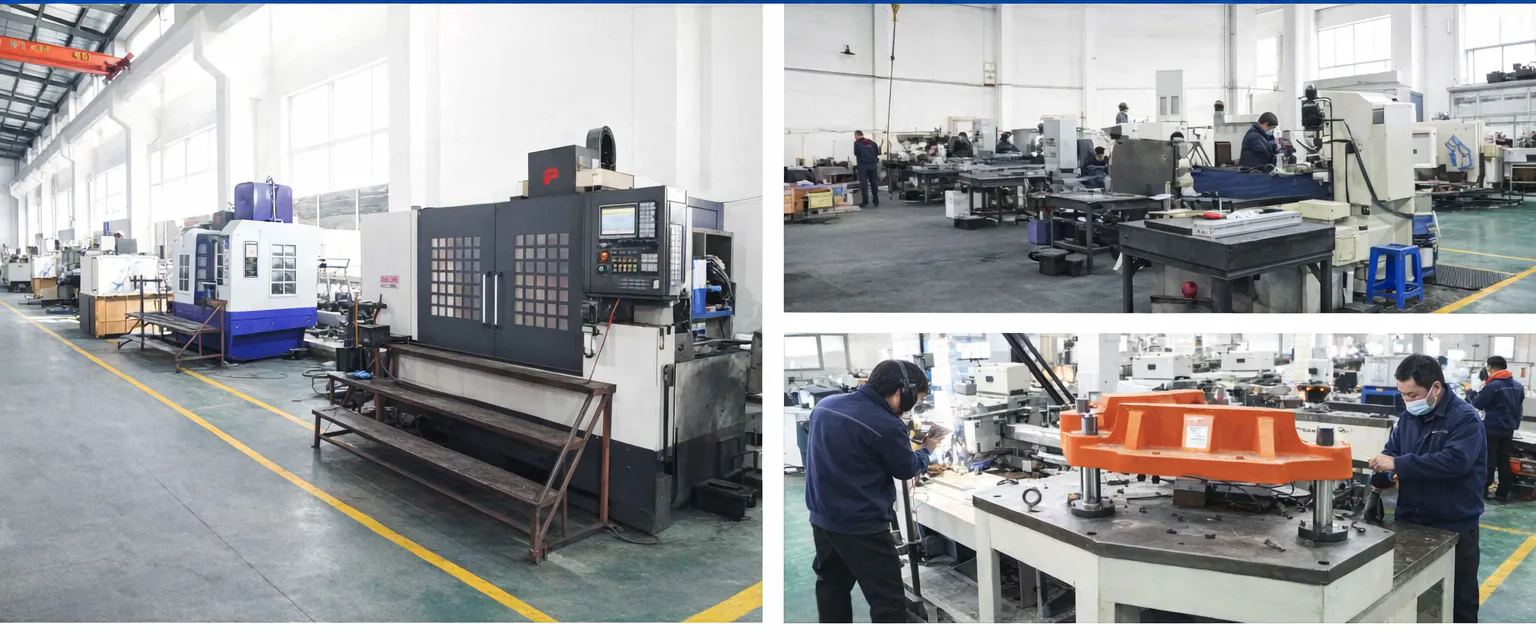
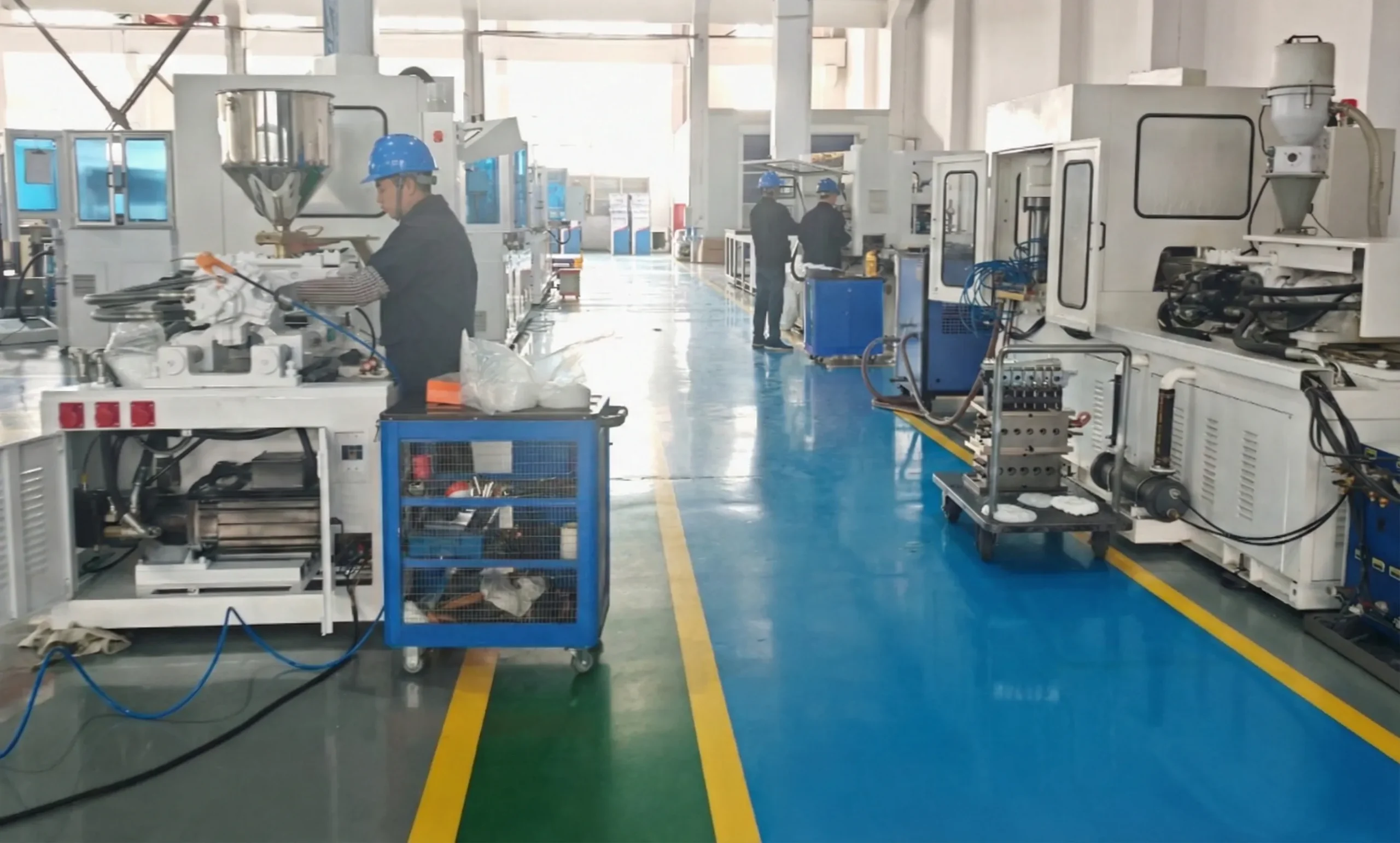
We are a professional manufacturer of automatic one-step injection blow molding machines and high-precision injection-blowing molds and auxiliary equipment. Our R&D team brings together engineers specialised in injection-blow machinery and mold tooling, with extensive hands-on experience in both theoretical process engineering and practical production environments. We supply customers across the pharmaceutical, cosmetic, food, and daily-chemical packaging industries in Colombia, Latin America, and global markets with comprehensive pre-sale consultation, on-site commissioning by experienced senior engineers, preventive maintenance programmes, 24x7 service hotlines, and fully stocked spare parts inventories. Our product applications span the production of 1 ml to 1,000 ml containers in HDPE, LDPE, PP, PS, ABS, PCTG, EVA, and bio-based corn-material resins. Every machine and mold set we supply is backed by our one-stop turnkey engineering programme — from line planning through to stable commercial production.
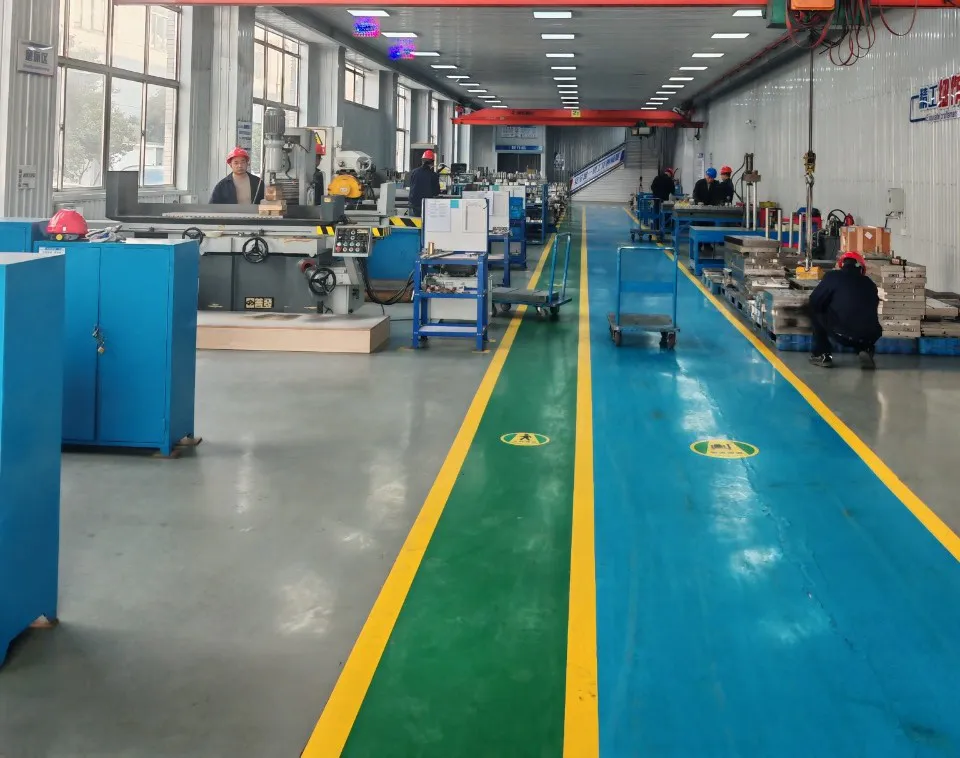
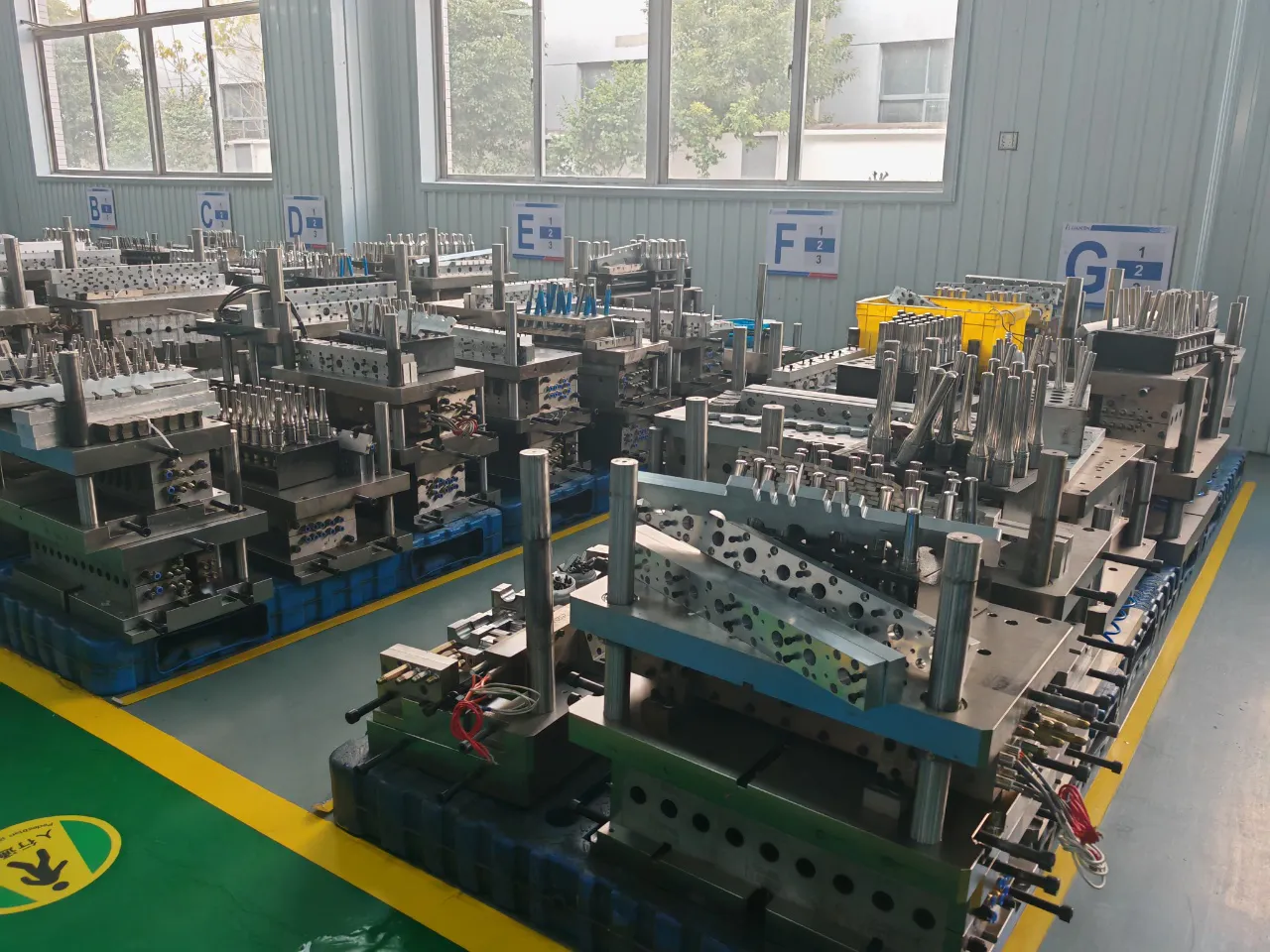
WorkShop
Frequently Asked Questions
Q1. What is an injection blow molding machine and how does it differ from extrusion blow molding equipment used in Colombian packaging factories?
This type of machine produces hollow plastic containers through a three-station process: preform injection, blow molding, and product stripping — all running simultaneously. Unlike extrusion blow molding, where a continuous parison is extruded and then pinched into the mold, injection blow molding forms the preform precisely inside an injection mold cavity, resulting in a fully sealed bottle neck with no flash, zero scrap, and tighter dimensional control. For Colombian pharmaceutical and cosmetic packaging operations where consistency and material efficiency are both priority concerns, this process offers a technically superior outcome.
Q2. What is the difference between injection molding and blow molding and which process should I choose for a new pharmaceutical bottle line in Bogota?
Standard injection molding produces solid plastic parts like caps and preforms. Blow molding converts a hollow preform or parison into a finished hollow container by inflating it inside a mold cavity. This machine combines both processes: injection molding creates the preform, and blow molding finishes the bottle in the same machine cycle. For a pharmaceutical bottle line in Bogotá, the injection blow molding process is typically the correct choice because it delivers the neck-thread accuracy, wall uniformity, and zero-contamination production environment that pharmaceutical packaging requires.
Q3. How many cavities can the EP-European injection blow molding machine run for a 100 ml pharmaceutical bottle, and what output rate should I expect per shift?
For a 100 ml bottle, the EP-European injection blow molding machine supports up to 14 cavities. With a dry cycle of 4 seconds and an actual production cycle of approximately 6–8 seconds depending on resin and cooling requirements, you can estimate 450–600 cycles per hour at full production speed. At 14 cavities, that equates to 6,300–8,400 bottles per hour — or 50,000–67,000 bottles per 8-hour shift. Actual rates depend on resin selection, mold design, and cooling water temperature. Contact our engineering team for a cycle time estimate specific to your bottle geometry and production target.
Q4. Which plastic resins are compatible with this European injection blow molding machine for cosmetic bottle production in Medellin?
The EP-European injection blow molding machine is compatible with HDPE, LDPE, PP, PS (including lactic acid bacteria-grade high-transparency PS), ABS, PCTG, EVA, and bio-based corn material PLA. For cosmetic bottle production in Medellín, HDPE and PCTG are the most common choices: HDPE for opaque lotion and shampoo containers, and PCTG for crystal-clear luxury packaging. The screw diameter of 65 mm and L/D ratio of 22:1 are well-suited to processing these resins at the melt temperatures and injection weights required for cosmetic container wall thicknesses.
Q5. Where can I find a reliable European injection blow molding machine supplier that offers installation support and spare parts in Colombia or Latin America?
When evaluating injection blow molding machine manufacturers for a Colombian facility, prioritise suppliers who can provide: CE-certified equipment, English-language technical documentation and manuals, resident or remote commissioning support by qualified engineers, an adequate spare parts inventory for the critical wear components (seals, heater bands, mandrel assemblies, sensors), and a service hotline with 24/7 availability. Our team provides all of these elements as standard for Colombian and Latin American customers, and our experienced senior engineers handle installation and commissioning directly at your facility until stable production is achieved.
Q6. How does this injection blow molding machine compare to ASB and Aoki machines for high-volume production in South American markets?
The EP-European platform is designed as a direct replacement for ASB and AOKI equipment for standard injection blow molding applications. The European-style full clamping structure provides 20–30% higher clamping force than equivalent ASB configurations at the same machine class, while the proprietary pressurised clamping system reduces energy consumption by 20–30%. The mold tooling footprint of 1,100×460 mm accommodates comparable cavitation to ASB mold sizes, and the machine accepts tooling designed to standard platen spacing and mounting configurations. For South American packaging producers seeking an alternative to Japanese or American platforms with similar capability but more competitive total cost of ownership, this machine represents a technically credible option.
Q7. What air compressor capacity and pressure are needed to run an injection blow molding machine at full production in a Colombian facility?
This platform requires a minimum compressed air pressure of 0.7 MPa (with a typical operating range up to 1.2 MPa) and a compressed air capacity of 0.7 m³/min for the blow molding cycle. An oil-free screw air compressor of 7.5–11 KW rated power is typically sufficient for a single machine at standard production conditions. For pharmaceutical and food-contact applications, an oil-free air compressor is strongly recommended to prevent hydrocarbon contamination of the blown air that contacts the container interior. We recommend confirming your specific utility supply capacity with our engineering team at the project specification stage.
Editor: PXY