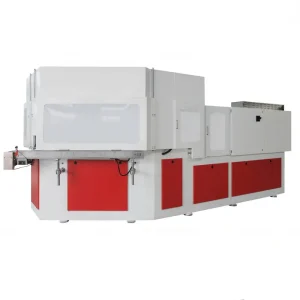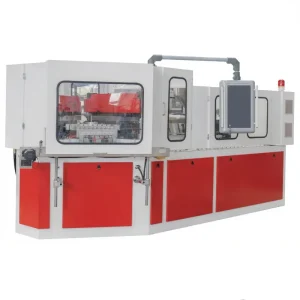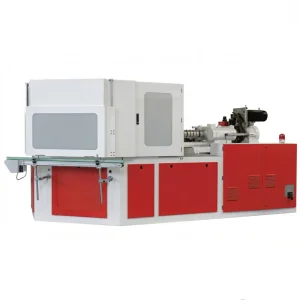
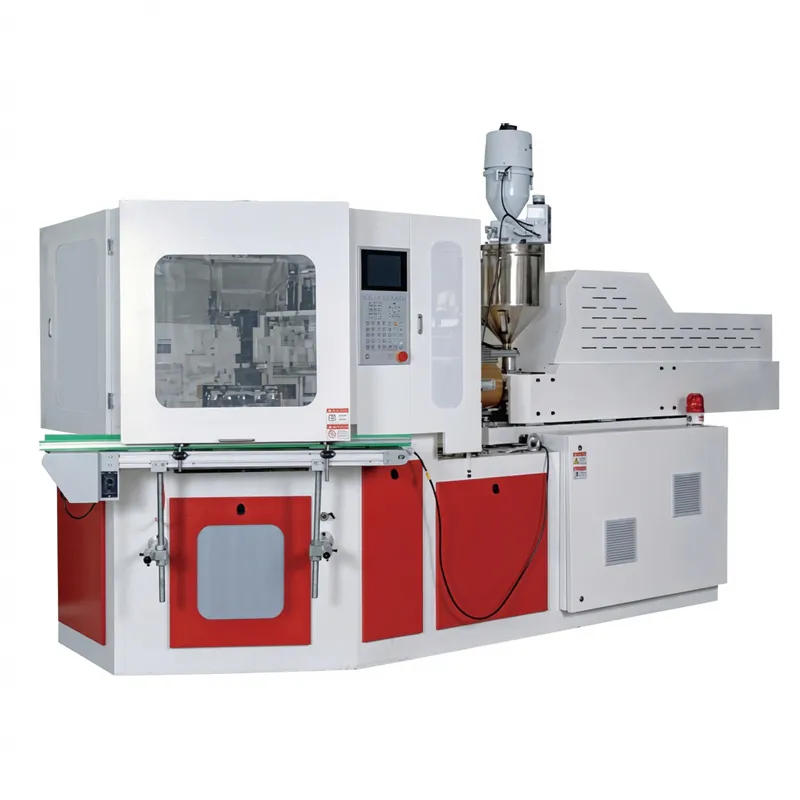
EP-European 3.8 Ton Injection Blow Molding Machine
The EP-ZQ40 is a high-efficiency injection-blow molding machine featuring a full European-style structure. Weighing 3.8 tons with compact dimensions of 3.5×1.3×1.7m, it delivers superior performance with a clamping force 20-30% higher than industry peers. The unique pressurized clamping design reduces energy consumption by 10-20%.
Key specifications include a 400KN injection clamping force, 60KN blowing force, and a maximum bottle height capacity of 220mm. Powered by an 11KW main motor (20KW total power) and operating at 14MPa hydraulic pressure, it achieves a fast dry cycle of 3.5 seconds. Equipped with a standard servo rotation system for simple operation, the ZQ40 is ideal for producing precision plastic bottles ranging from 10ml to 1000ml.
EP-European Series
EP-European 3.8 Ton Injection Blow Molding Machine
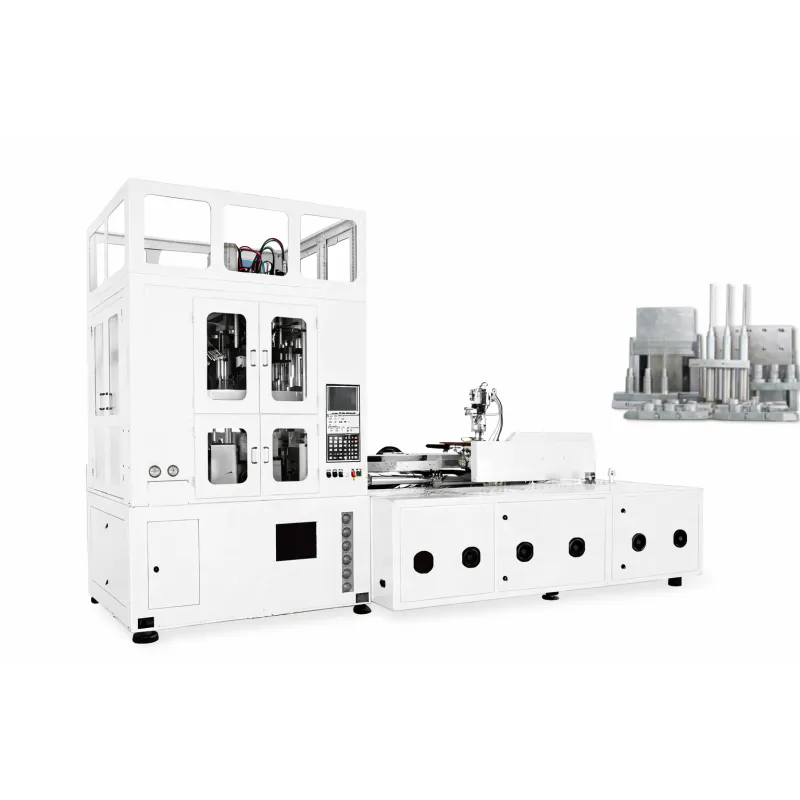
A compact, full European-structure injection blow molding machine engineered for pharmaceutical, cosmetic, and food-grade plastic container production across Colombia's growing packaging sector — combining a 3.8 ton clamping platform with energy-saving servo rotation and a pressurized clamping design.
1. EP-European 3.8 Ton Injection Blow Molding Machine — Technical Specifications
The table below summarizes the main technical parameters of the EP-European 3.8 Ton injection blow molding machine. Figures are presented for reference; due to ongoing equipment improvement, parameters are subject to revision.
| Item | Parameter | Unit | EP-3.8T |
|---|---|---|---|
| Injection System | |||
| Screw Diameter | 36 / 40 | mm | EP-3.8T |
| Screw L/D | 22:1 | % | 22:1 |
| Injection Weight | 150 / 200 | g | 150/200 |
| Heating Power | 6.5 | KW | 6.5 |
| Number of Barrel Zones | 3+N | zone | 3+N |
| Injection Stroke | 110 | mm | 110 |
| Clamping System | |||
| Clamping Force of Injection | 380 | KN | 380 |
| Opening Stroke for Injection | 150 | mm | 150 |
| Clamping Force of Blowing | 55 | KN | 55 |
| Opening Stroke for Blowing | 130 | mm | 130 |
| Lifting Height of Rotary Table | 65 | mm | 65 |
| Mould | |||
| Max Platen Size (L x W) | 450 x 320 | mm | 450x320 |
| Mold Thickness | 170 | mm | 170 |
| Diameter of Bottle | 110 | mm | 110 |
| Bottle Height | 200 | mm | 200 |
| Suitable Bottle Volume | 1-1200 | ml | 1-1200 |
| Stripping Stroke | 200 | mm | 200 |
| Hydraulic System | |||
| Hydraulic Pressure | 14 | Mpa | 14 |
| Motor Power | 9 | KW | 9 |
| Dry Cycle | 3.2 | S | 3.2 |
| Total Power | 17 | KW | 17 |
| Operating Power | 50-68 | % | 50-68 |
| Other Parameters | |||
| Min. Air Pressure of Compressed Air | 0.7-1.2 | MPa | 0.7-1.2 |
| Compressed Air Capacity | 0.6 | M3/min | 0.6 |
| Water Flowage | 3 | M3/h | 3 |
| Cooling Water Pressure | 0.3-0.4 | MPa | 0.3-0.4 |
| Dimension (L x W x H) | 3.2 x 1.2 x 1.6 | M | 3.2x1.2x1.6 |
| Net Weight | 3.8 | Ton | 3.8 |
Note: the above parameters are for reference only. Due to ongoing equipment improvement, the manufacturer reserves the right to modify them without prior notice.
2. Mold Cavitation Reference Table (For Reference)
The number of mold cavities achievable on the EP-European 3.8 Ton injection blow molding machine depends on the target bottle volume. Smaller containers allow more cavities per mold, increasing parts-per-cycle output, while larger containers require fewer cavities due to platen size constraints.
| Bottle Volume | 10ml | 30ml | 60ml | 100ml | 250ml | 500ml |
|---|---|---|---|---|---|---|
| Max Cavitation | 8 | 7 | 5 | 4 | 2 | 1 |
3. A Compact European-Structure Injection Blow Molding Machine for Colombian Packaging Producers
The EP-European 3.8 Ton Injection Blow Molding Machine is built for plastics converters who need precision, repeatability, and a compact footprint without compromising on clamping rigidity. As Colombia's pharmaceutical, food, and personal care packaging industries continue expanding from Bogota to Medellin and Cali, manufacturers increasingly look for an injection blow molding machine that delivers European-grade structural strength at a manageable installation size — and that is exactly the segment this 3.8 ton platform addresses.
This machine adopts the full European-style frame architecture used across the broader EP product family, where the clamping force is rated 20 to 30 percent higher than comparable machines in the same weight class. That additional clamping margin matters in real production: it reduces flash formation at the parting line, keeps neck-thread dimensions stable across long production runs, and extends mold life because the tooling experiences less repetitive shock loading. For Colombian converters supplying pharmaceutical packaging, cosmetic jars, eye-drop bottles, or daily chemical containers, this translates directly into fewer rejected parts and a more predictable production schedule.
Below you will find a complete technical breakdown of the EP-European 3.8 Ton machine, including its working principle, full specification table, material construction, application fields, and the auxiliary systems that complete a turnkey injection-blow production line. Whether you are evaluating your first injection blow molding machine or replacing aging equipment, this page gives you the engineering detail needed to make an informed sourcing decision.
4. Five Key Advantages of the EP-European 3.8 Ton Injection Blow Molding Machine
20-30% Higher Clamping Force
Full European structural design delivers clamping force 20 to 30 percent above comparable machines in its class, reducing flash and keeping bottle neck dimensions stable run after run.
Standard Servo Rotation
Servo-driven turret rotation comes as standard equipment, simplifying the mechanical structure compared to hydraulic rotary systems while making daily operation more intuitive for operators.
10-20% Lower Energy Use
A unique pressurized clamping structure keeps the booster cylinder disengaged from the open-close cycle, cutting energy consumption by 10 to 20 percent versus conventional same-class machines.
Compact 3.8 Ton Footprint
A space-efficient dimensional envelope makes this injection blow molding machine practical for converters with limited factory floor space in dense industrial parks across Colombia.
One-Stop Turnkey Line
Pairs with mold temperature controllers, chillers, air compressors, and auto loaders to deliver a complete injection-blow molding machine production line from a single supply source.
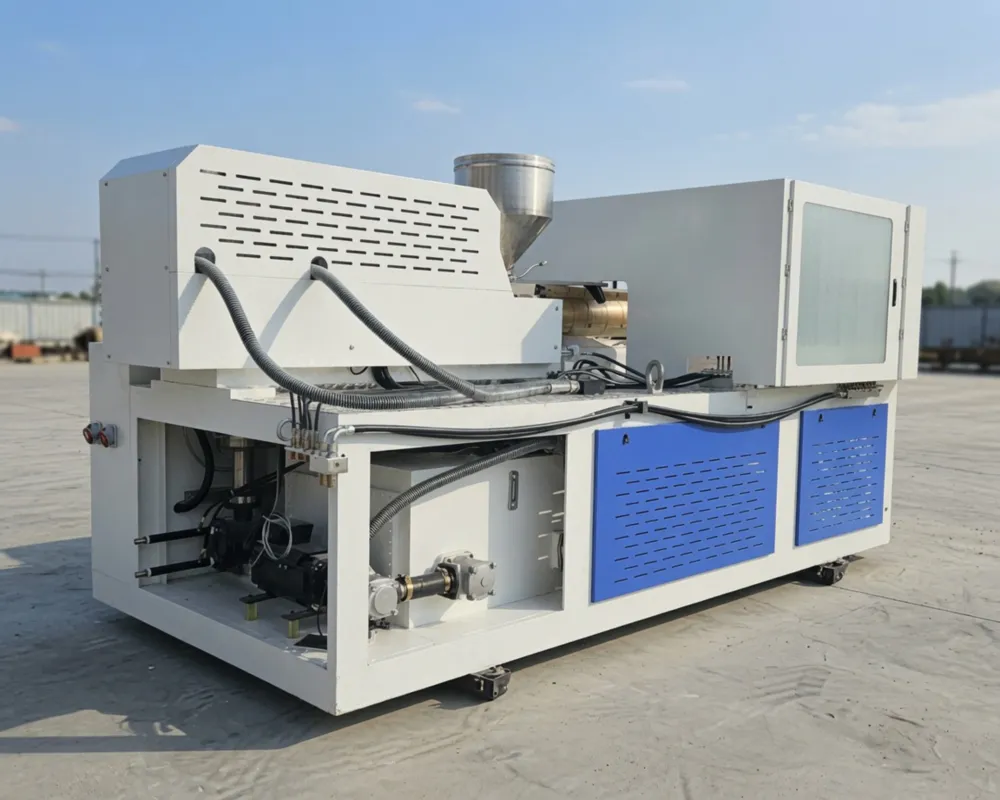
5. What Is an Injection Blow Molding Machine?
An injection blow molding machine is a piece of plastics processing equipment that combines two forming stages — injection molding of a preform and blow molding of that preform into a finished hollow container — within a single integrated machine cycle. Unlike a standalone injection molding machine, which only produces solid or open parts, or a standalone blow molding machine, which requires a pre-made parison or preform fed from elsewhere, the injection blow molding machine performs both operations in sequence on the same platform, transferring the preform internally via a rotating mandrel or turret system.
This is one of the most frequent search questions among converters new to the category — what is an injection blow molding machine, and how does it differ from extrusion blow molding. The short answer: injection blow molding produces a precisely formed neck and thread directly from the injection stage, with no cut-off scrap, tighter wall thickness tolerance, and bottle weight variation of roughly 1 percent. Extrusion blow molding, by contrast, generates a parison that requires trimming, typically produces 20 to 40 percent scrap material, and shows wall thickness variation in the range of 10 to 20 percent. For pharmaceutical, cosmetic, and food packaging applications where dimensional consistency and product purity matter, the injection blow molding machine process is generally the preferred route.
6. Working Principle of the EP-European Injection Blow Molding Machine
The EP-European 3.8 Ton machine operates on a three-station rotary principle that is standard across the one-step injection stretch blow moulding machine category, executing preform injection, blow molding, and stripping simultaneously on three separate mandrel positions every cycle. This parallel-station design is what gives an injection blow molding machine its efficiency advantage over sequential single-station systems — three operations complete at the same time rather than one after another, multiplying effective output without multiplying cycle time.
At station one, molten plastic resin is injected under controlled pressure into the preform cavity. The mandrel forms the bottle neck and thread with high dimensional accuracy at this stage, since the threaded finish is created directly by the injection mold rather than by a secondary trimming step. Once the preform has solidified sufficiently, the mold opens and the mandrel carrying the preform rotates to station two.
At station two, the preform is enclosed within the blow mold cavity, which determines the final container shape and external appearance. Compressed air is introduced through the mandrel, expanding the preform outward until it presses firmly against the cavity walls and takes on the mold's exact geometry. After a brief cooling period, the blow mold opens and the mandrel rotates again, carrying the finished container to station three.
At station three, the finished container is stripped from the mandrel and discharged via gravity or a conveyor for downstream packing or filling. Because injection, blowing, and stripping all proceed concurrently on different mandrels, the machine achieves continuous, energy-efficient output with minimal idle time — a working principle shared across virtually every modern injection stretch blow molding machine and one-step injection stretch blow moulding machine on the market today, refined here through the EP-European's pressurized clamping structure and servo rotation system.
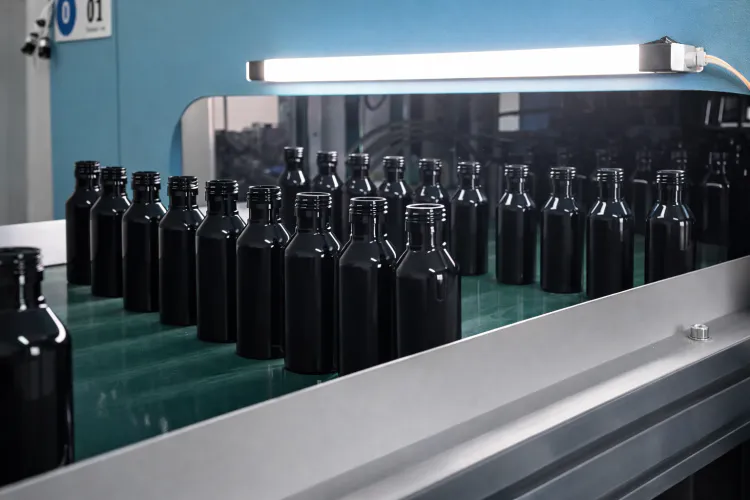
7. Material Construction: Mold Steel, Mandrel, and Frame Build
The mold body of the EP-European 3.8 Ton injection blow molding machine — both the injection mold and the blow mold — is manufactured from either 4Cr13 stainless tool steel or imported high-strength S136 alloy steel, depending on the application's corrosion resistance and cycle-life requirements. This steel selection extends tooling service life significantly compared to standard mild steel molds, which is particularly relevant for converters running multi-shift production schedules where mold downtime for repair directly affects delivery commitments. The blow mold body can also be supplied in magnesium-aluminum alloy where superior cooling performance is prioritized over raw mechanical hardness, since this material conducts heat away from the cavity wall faster, shortening the cooling phase of the cycle.
The mandrel — the core component responsible for forming the preform, transferring it between stations, and supporting the compressed-air blow phase — uses a special structural design that improves cooling efficiency around the neck and thread area. Faster mandrel cooling shortens overall cycle time and reduces the gram-weight deviation between individual bottles, which is one of the defining performance differences between a well-engineered injection blow molding machine and a lower-grade alternative. The optimized hot runner system feeding the injection mold cavity is calibrated specifically to minimize both weight deviation and wall thickness deviation across the full shot.
Structurally, the EP-European frame and platen assembly follow the same full European-style construction methodology used throughout the wider EP series, prioritizing rigidity at the tie-bar and platen interface to control deflection under clamping load. This is the structural foundation behind the 20 to 30 percent clamping-force advantage referenced earlier — a frame that resists flex under pressure transmits clamping force more efficiently to the mold faces, rather than losing it to elastic deformation in the machine body itself.
8. Regulatory Considerations for Plastic Packaging Machinery in Colombia and the Region
Importing and operating an injection blow molding machine in Colombia involves compliance with several regulatory frameworks that converters should plan for ahead of installation. The Instituto Nacional de Vigilancia de Medicamentos y Alimentos, known as INVIMA, governs the sanitary registration requirements for any plastic packaging used in pharmaceutical, food, or cosmetic contact applications. Machinery producing food-grade or pharmaceutical-grade containers should therefore use resin formulations and process conditions that are compatible with INVIMA's hygiene and migration-limit standards before commercial distribution of the molded containers begins.
Colombia's Ministerio de Trabajo enforces occupational safety requirements under Resolución 0312 of 2019, which sets minimum standards for machine guarding, emergency stop accessibility, and electrical safety documentation for industrial equipment including plastics processing machines. Converters installing an injection blow molding machine should request the manufacturer's CE-aligned safety documentation and verify that guarding around the clamping unit and mandrel rotation zone meets these local workplace safety expectations during commissioning.
On the environmental side, Colombia's Resolución 1407 of 2018 establishes extended producer responsibility obligations for packaging waste, which affects how plastic bottle manufacturers using injection blow molding machines plan their resin sourcing and recyclability strategy. Many regional packaging buyers now request recyclate content documentation or PCR-compatible resin compatibility as part of their supplier qualification process, so converters should confirm that their chosen injection blow molding machine can process PCR-blended HDPE or PP grades without modification. Beyond Colombia, neighboring markets such as Mexico, under NOM-050 labeling standards, and the broader Mercosur trade bloc apply their own packaging and machinery safety frameworks, meaning exporters supplying multiple Latin American markets from a single production line should confirm cross-border compliance early in the equipment selection process.
9. Application Fields for the EP-European 3.8 Ton Injection Blow Molding Machine
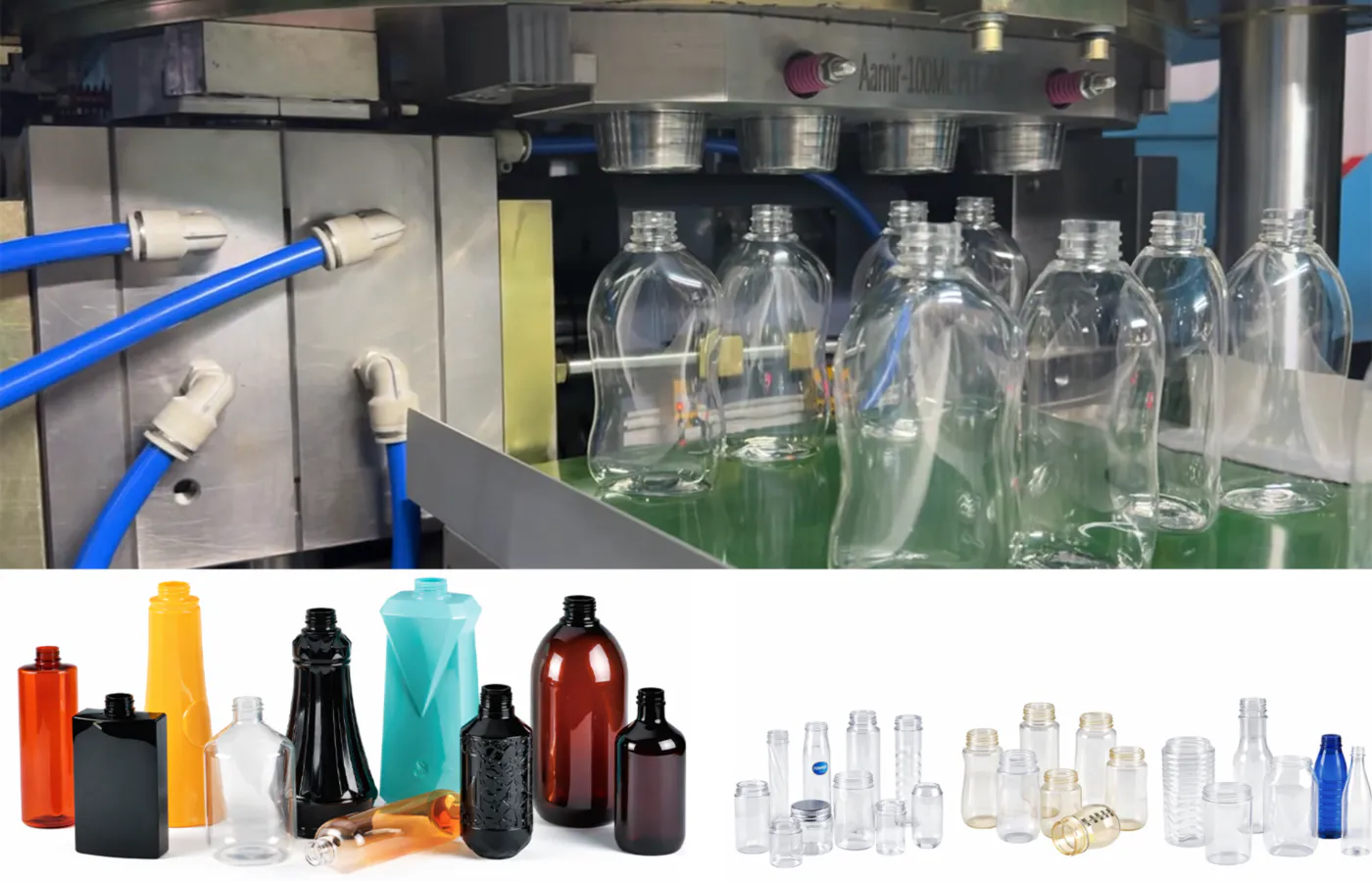
The compact clamping capacity and high dimensional precision of this injection blow molding machine make it well suited to several plastic packaging segments that demand tight tolerance control on small to mid-size containers.
Pharmaceutical Packaging
Precision-molded pill bottles, syrup containers, and eye-droppers benefit from the sealed neck finish and consistent wall thickness this injection blow molding machine produces, supporting INVIMA-compliant pharmaceutical packaging lines.
Cosmetic Packaging
Cream jars, lotion bottles, and small cosmetic containers require dimensionally accurate threads for cap sealing — a strength of the injection blow molding process versus extrusion blow alternatives.
Food Contact Packaging
Small food packaging containers, sauce bottles, and condiment jars produced on this machine achieve the burr-free bottom and consistent gram weight required for automated filling lines.
Daily Chemical Packaging
Household chemical bottles and personal care containers benefit from the machine's no-flash, no-scrap production process, reducing material costs across high-volume daily chemical production runs.
10. Injection Blow Molding Machine vs Extrusion Blow Molding: Why the Process Matters
Converters comparing an injection blow molding machine against extrusion blow molding equipment often ask what is the difference between injection molding and blow molding, and more specifically how an injection blow molding process compares to extrusion blow molding for their target container. The table below summarizes the practical production differences.
| Factor | Injection Blow Molding | Extrusion Blow Molding |
|---|---|---|
| Bottle Weight Variation | Approximately 1% | Approximately 3% |
| Wall Thickness Consistency | Uniform | Varies 10-20% |
| Scrap Material Generated | None | 20-40% scrap |
| Bottle Bottom Strength | No cut-off mark, strong convexity | Cut-off mark weakens bottom |
| Bottle Neck Finish | Flat, precise thread | Less even neck finish |
| Footprint and Auxiliary Equipment | Compact, fewer auxiliaries | More auxiliaries, larger footprint |
| Best Suited For | High cavity count, long production runs | Short runs, larger or oval containers |
11. Production Line Components: Building a Complete Turnkey System
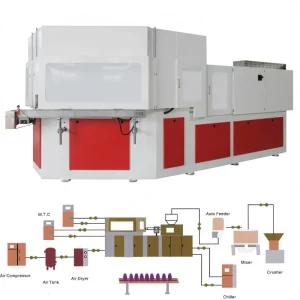
A fully equipped production line built around the EP-European 3.8 Ton injection blow molding machine typically includes several supporting systems working in coordination: an auto feeder delivering resin pellets into the barrel, a mold temperature controller maintaining precise thermal conditions at the injection and blow mold cavities, a chiller circulating cooled water through the mandrel and mold cooling channels, and an air compressor with air dryer supplying clean, dry compressed air for the blow-molding phase. Downstream, a conveyor belt transports finished bottles toward screen printing or labeling stations, followed by washing and drying, filling and capping, and final packing.
This complete line architecture is what allows converters to move from raw resin to a sealed, labeled, filled container without manual intervention between stages — a significant labor and quality-control advantage for Colombian manufacturers scaling production to meet growing regional demand for pharmaceutical and cosmetic packaging. Selecting auxiliary equipment correctly sized to the EP-European 3.8 Ton's output rate avoids bottlenecks downstream of the injection blow molding machine itself.
12. Compatible Systems: One-Stop Supply for Your Injection Blow Molding Machine
We also manufacture and supply complementary equipment designed to work alongside the injection blow molding machine, emphasizing system compatibility and the convenience of one-stop sourcing across compressors and the full gear transmission range.
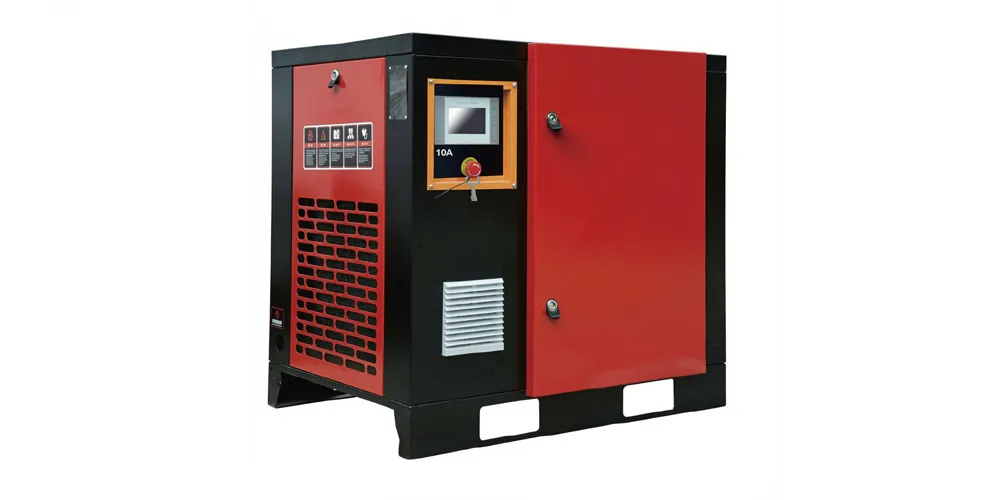
Air Compressor
A clean, stable compressed air supply is essential for the blow phase of every injection blow molding machine cycle. Our oil-free air compressor range is engineered for continuous-duty plastics processing environments, supplying contamination-free air that protects mold cavities and finished bottle quality.
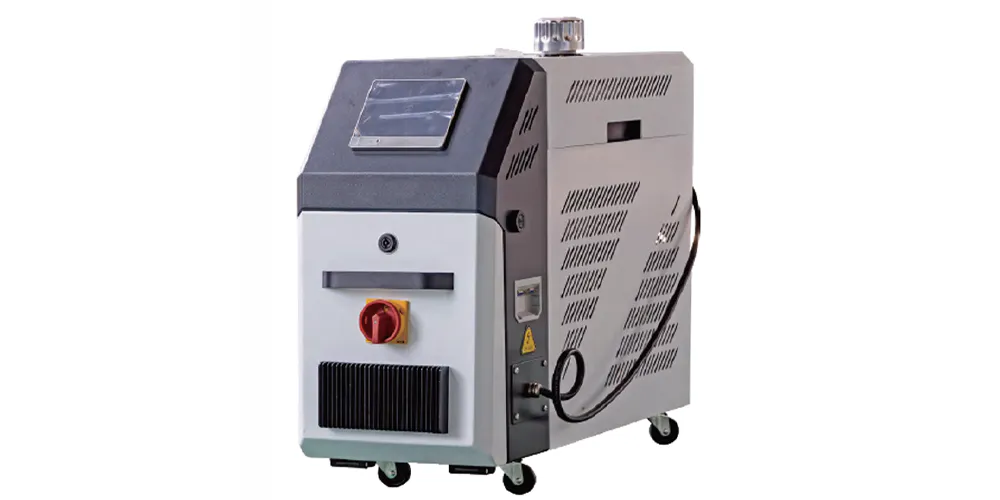
Mold Temperature Controller
Stable mold temperature directly affects bottle weight consistency and surface finish. A correctly matched mold temperature controller works alongside the EP-European 3.8 Ton injection blow molding machine to hold cavity temperature within tight tolerance across long production shifts.
13. What Customers Say
"We run small cosmetic jars on this machine almost every day and honestly the neck dimension barely changes batch to batch. Our cap supplier stopped complaining about fit issues once we switched from our old extrusion line. Setup took some patience the first week but the technician walked us through it on video calls until we got comfortable."
— Production Manager, packaging converter, Bogota
"What surprised me most was the power bill. We were told the pressurized clamping design would save energy and it actually did, noticeably, compared to the older equipment we had running in the same shop. The machine takes up less floor space than I expected too, which mattered a lot since our facility in Medellin isn't huge."
— Plant Owner, plastics packaging facility, Medellin
14. About Us
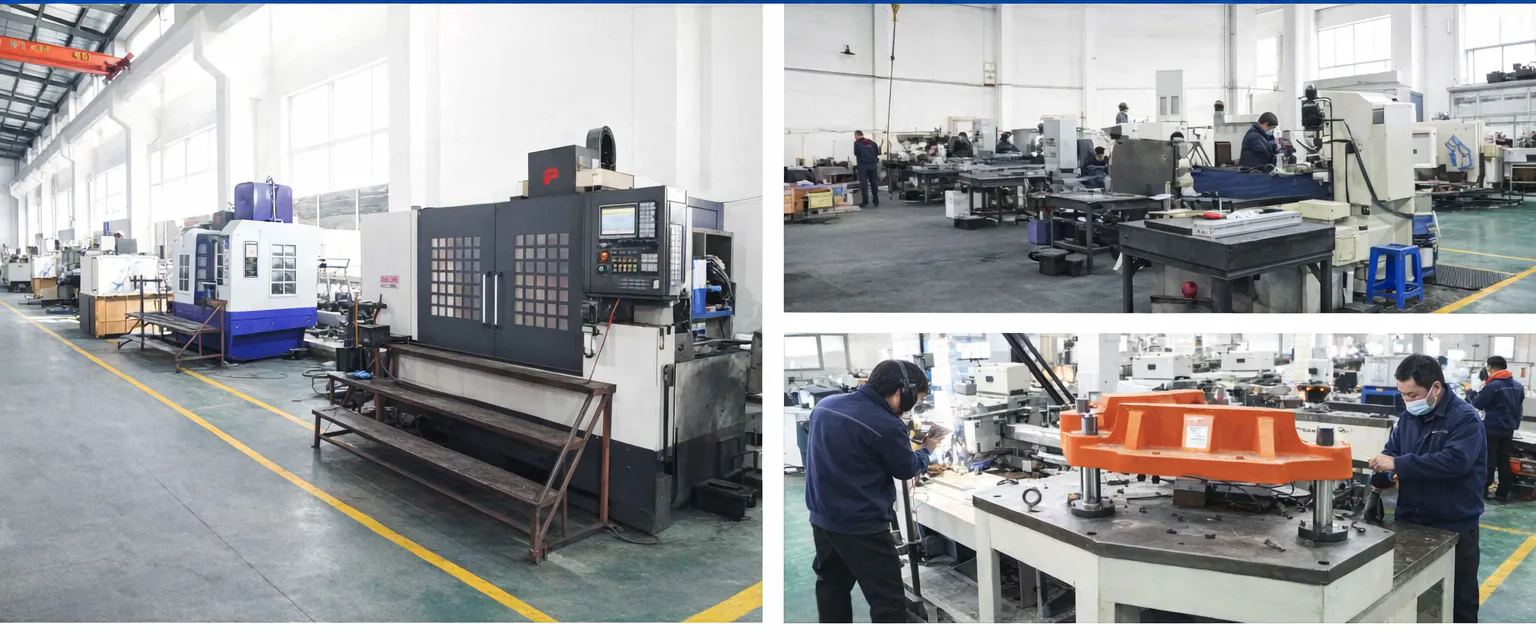
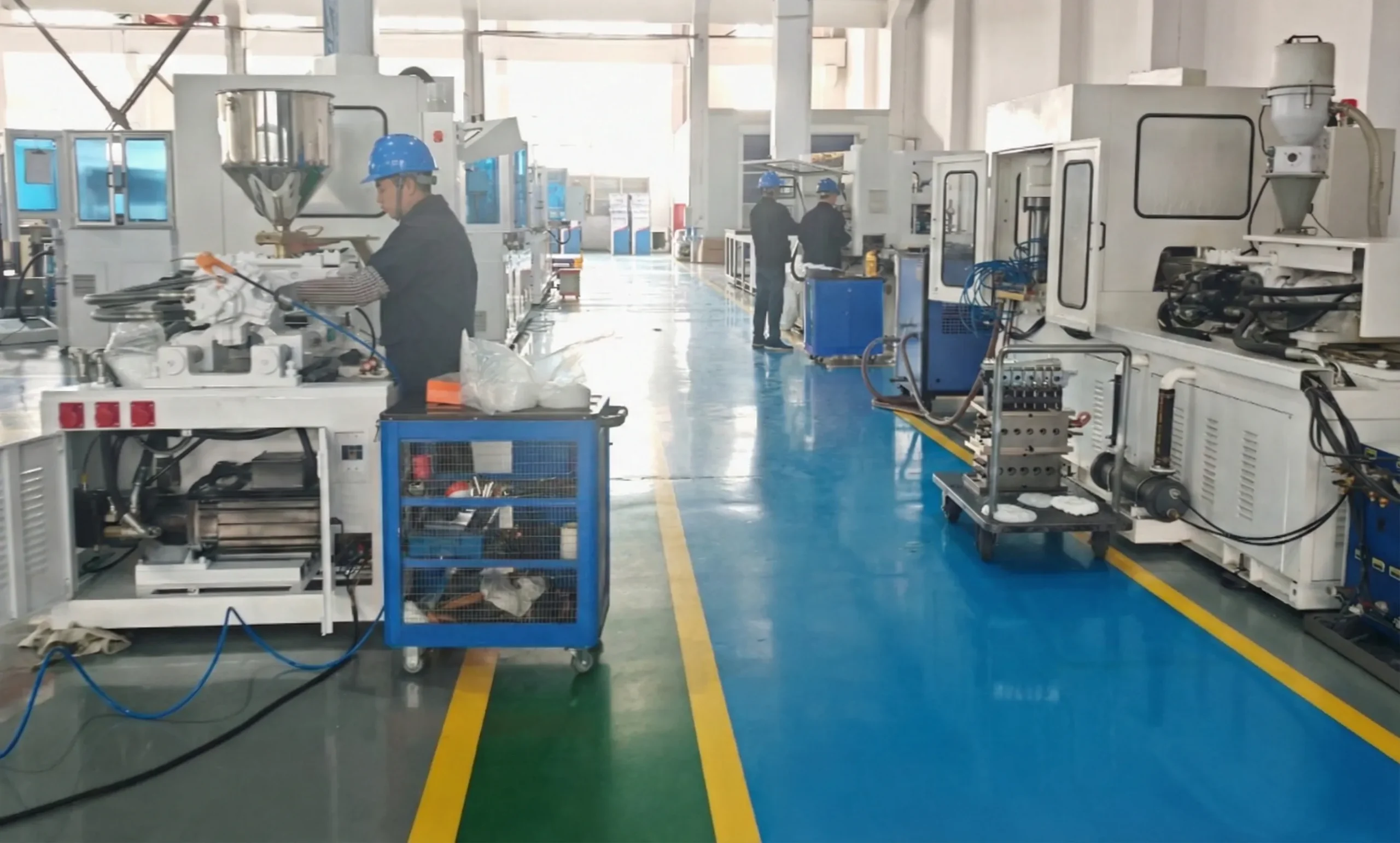
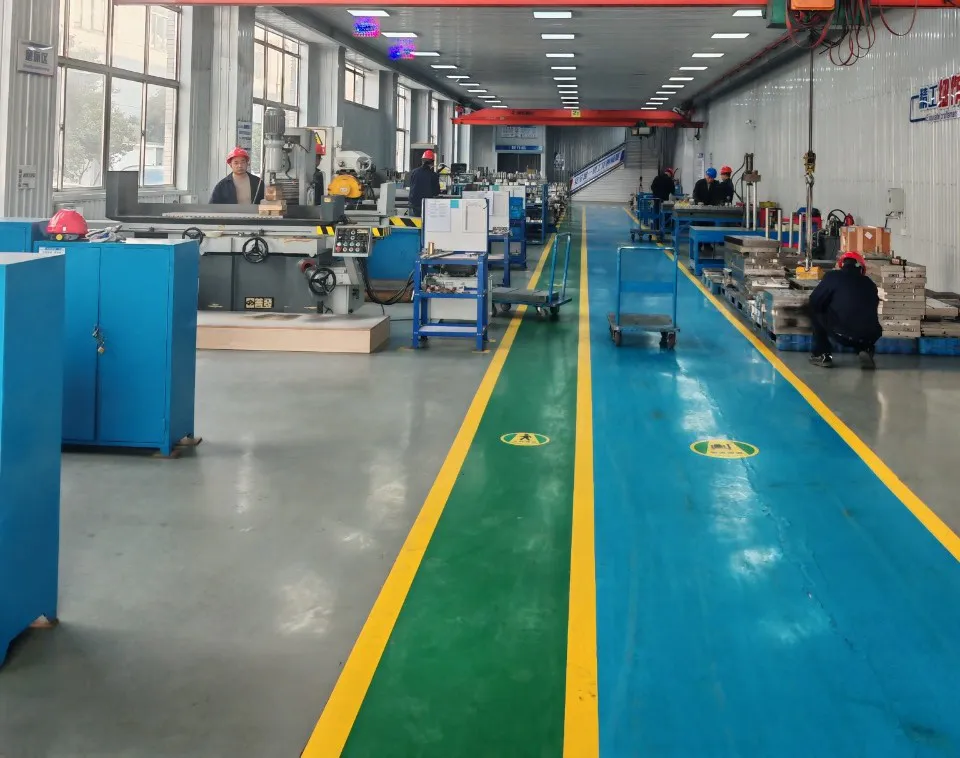
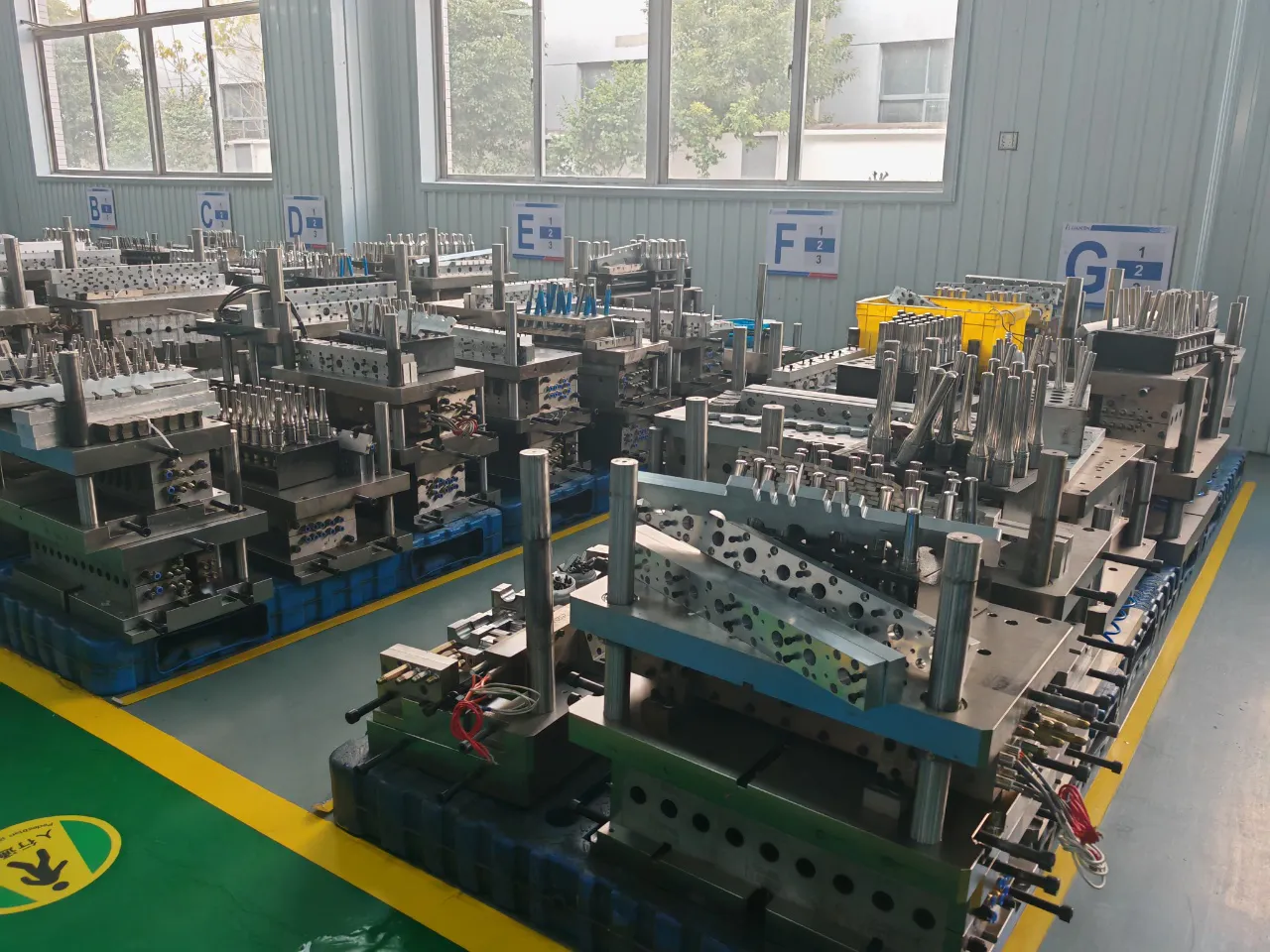
We are engaged in the research, development, production, sales, and trade of automatic one-step injection blow molding machines and supporting injection-blowing molds. Our company brings together an experienced engineering team specializing in injection-blow machinery and mold design, providing detailed pre-sale, in-sale, and after-sale support to converters worldwide. Our product applications span pharmaceutical packaging, food packaging, health product packaging, and cosmetic packaging, with the capability to process HDPE, LDPE, PP, PS including lactic acid bacteria grades, high-transparency PS, ABS, environmentally friendly corn-based material, EVA, and PCTG into plastic products ranging from 1ml to 1000ml.
Holding to a development philosophy built on self-reliance, integrity, pragmatism, innovation, and responsibility, we deliver a one-stop turnkey engineering approach, producing high-end injection-blowing products that satisfy users on quality and reliability. Contact us to discuss your specific bottle application and production volume requirements.
WorkShop
Frequently Asked Questions
Ready to Discuss the EP-European 3.8 Ton Injection Blow Molding Machine?
Our team can recommend mold cavity configuration, auxiliary equipment sizing, and full production line layout based on your target bottle size and output requirements in Colombia and across the wider Latin American market.
Editor: PXY