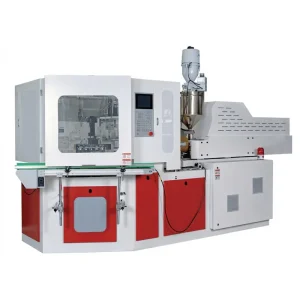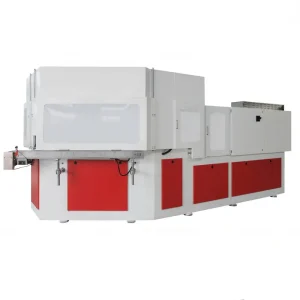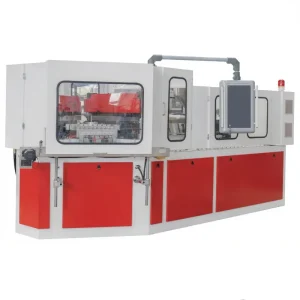
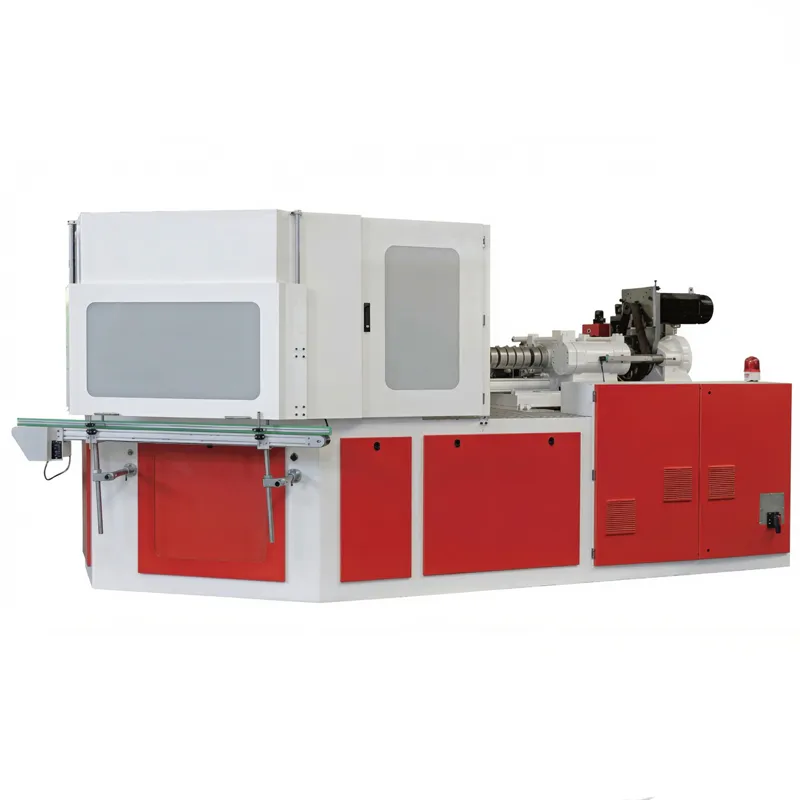
EP-European 4.5×1.6x2M Injection Blow Molding Machine
The EP-European injection blow molding machine represents the highest engineering standard in the full-automatic one-step IBM series. Built entirely to European structural specifications, this model features a full-European clamping architecture with injection clamping force of 800 KN and blow clamping force of 120 KN — both 20–30% higher than comparable machines in the same industry segment. Its footprint of 4.5 m × 1.6 m × 2 m makes it the most powerful compact configuration available in this class of plastic IBM platform.
The dual hydraulic system is standard, reducing energy consumption by 20–30% below the industry average. The machine is capable of producing plastic containers from 1 ml to 2000 ml in a single cycle, covering the full container volume range demanded by pharmaceutical, cosmetic, food processing, and chemical packaging operations.
European Series — Industrial Packaging Solutions
EP-European 4.5x1.6x2M Injection Blow Molding Machine
Full European-style structure with 20–30% higher clamping force than comparable industry models. The best injection blow molding machine choice for pharmaceutical, cosmetic, food, and chemical packaging operations in Colombia and across Latin America.
1. Main Technical Parameters — EP-European (EP80 Platform)
All specifications below correspond to the EP-European 4.5x1.6x2M model. Parameters are for reference; the manufacturer reserves the right to update specifications as engineering improvements are applied.
| Parameter | Item | Unit | Value |
|---|---|---|---|
| Injection System | |||
| Screw Diameter | mm | 55 | |
| Screw L/D | % | 22:1 | |
| Injection Weight | g | 466 | |
| Heating Power | KW | 18 | |
| Number of Barrel Zones | — | 4+N | |
| Injection Stroke | mm | 180 | |
| Clamping System | |||
| Clamping Force of Injection | KN | 800 | |
| Opening Stroke for Injection | mm | 140 | |
| Clamping Force of Blowing | KN | 120 | |
| Opening Stroke for Blowing | mm | 140 | |
| Lifting Height of Rotary Table | mm | 70 | |
| Mould | |||
| Max. Platen Size (L×W) | mm | 800×400 | |
| Mold Thickness | mm | 280 | |
| Max. Bottle Diameter | mm | 120 | |
| Max. Bottle Height | mm | 220 | |
| Suitable Bottle Volume | ml | 1–2000 | |
| Stripping Stroke | mm | 230 | |
| Hydraulic System | |||
| Hydraulic Pressure | MPa | 14 | |
| Motor Power | KW | 18.5+18.5 | |
| Dry Cycle | s | 4 | |
| Total Power | KW | 55 | |
| Operating Power Efficiency | % | 52–70 | |
| Others | |||
| Min. Compressed Air Pressure | MPa | 0.7–1.2 | |
| Compressed Air Capacity | M³/min | 0.7 | |
| Water Flowage | M³/h | 4 | |
| Cooling Water Pressure | MPa | 0.3–0.4 | |
| Dimension (L×W×H) | M | 4.5×1.6×2 | |
| Net Weight | Ton | 10 | |
Mold Cavitation per Volume — For Reference
| Approx. Volume | 10 ml | 30 ml | 60 ml | 100 ml | 250 ml | 500 ml | 1000 ml |
|---|---|---|---|---|---|---|---|
| Max. Cavitation | 20 | 18 | 14 | 12 | 8 | 5–6 | 3–4 |
Note: Cavitation values are for reference. Actual figures depend on mold design and product specifications.
2. Five Key Product Advantages
1. Full European-Style Clamping Structure
The all-European clamping architecture delivers injection clamping force 20–30% higher than standard industry products. The unique pressurized clamping system ensures the booster cylinder operates independently from the opening and closing action, which dramatically reduces mechanical wear on the clamping mechanism and keeps energy consumption 20–30% below the sector average. This structural advantage translates directly into longer mold life and a lower total cost of ownership for high-volume container production facilities.
2. High-Precision Angle Divider for Synchronized Operation
The standard high-precision angle divider achieves perfect synchronization between the mold opening and closing motion and the rotary turret lifting action. This synchronization eliminates the time gap between the two mechanical events that is present in conventional designs, shortening the dry cycle to 4 seconds and increasing output per operating hour. The synchronized operation also reduces mechanical shock on the rotary tower bearing assembly, contributing to the machine's long-term dimensional accuracy.
3. Dual Hydraulic System Standard
Unlike single hydraulic system machines where circuit sharing between injection and blow functions creates pressure interference, the EP-European model's dual hydraulic system provides fully independent pressure circuits for the injection station and the blow station. Each circuit is optimized for its specific pressure and flow requirements, which improves cycle consistency, allows finer control of the blow forming pressure (0.7–1.2 MPa), and enables the operating power efficiency of 52–70% — one of the most competitive operating power ratings available in the industrial injection blow molding machine segment.
4. Zero-Waste, No-Parting-Line Production
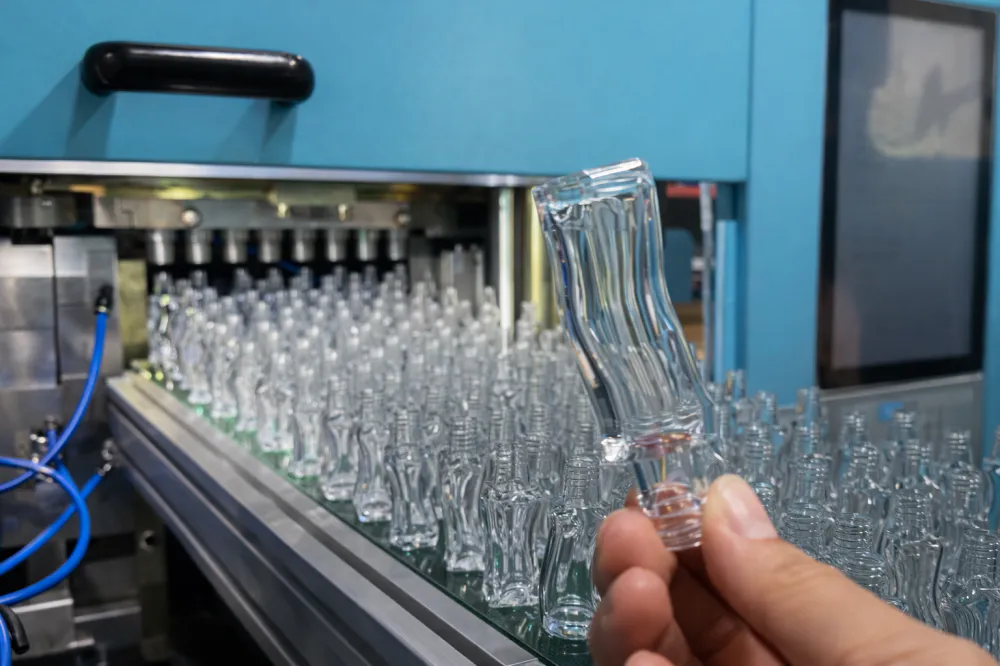
The injection blow molding process used in this machine produces finished containers without any parison cut-off point, meaning there is no bottom weld line and no post-production trimming waste. Wall thickness uniformity across every container is controlled by the injection mold cavity geometry and the mandrel, not by an extrusion head gap — resulting in weight variation under 1% and completely uniform sidewall thickness. For pharmaceutical and cosmetic packaging operations in Colombia where container weight consistency directly affects fill-line accuracy, this zero-waste, uniform-weight output is a regulatory and operational advantage.
5. Wide Material and Container Range Compatibility
The 55 mm screw with a 22:1 L/D ratio and 4+N barrel heating zones processes HDPE, LDPE, PP, PS (including lactic acid bacteria-grade transparent PS), ABS, EVA, PCTG, and corn-derived biodegradable resins within the same machine configuration, requiring only screw speed and temperature profile adjustments between material changes. The container volume range from 1 ml to 2000 ml and the maximum bottle diameter of 120 mm cover virtually every standard container format in the pharmaceutical, nutraceutical, cosmetic, and food sectors served by IBM manufacturers targeting the Latin American market.
3. Working Principle
The EP-European operates on the proven three-station rotary turret principle of the injection blow molding process. Understanding how each station works explains why this process produces superior container quality compared to extrusion blow molding alternatives, and why facilities evaluating injection molding machine vs blow molding machine options consistently choose IBM for high-precision container applications.
Station 1 — Preform Injection
Plastic resin is melted in the 55 mm screw barrel and injected under controlled pressure (injection clamping force 800 KN) into the injection mold cavity around the mandrel (core rod). The bottle neck thread, dimensional tolerances, and wall thickness distribution are all determined at this station. The injection mold uses a hot runner system to maintain melt temperature uniformity across all cavities simultaneously. After injection, the mold opens and the mandrel carries the preform to Station 2 while a new injection cycle begins.
Station 2 — Blow Molding
The preform arrives at the blow station while it is still warm and dimensionally stable on the mandrel. The blow mold (120 KN clamping force) closes around the preform and compressed air at 0.7–1.2 MPa is injected through the mandrel, inflating the preform against the blow mold cavity walls. The cavity shape determines the container's final external geometry. Cooling occurs in this station — the blow mold is water-cooled (cooling water flow 4 M³/h) to set the container's shape before the mold opens and the mandrel rotates to Station 3.
Station 3 — Stripping
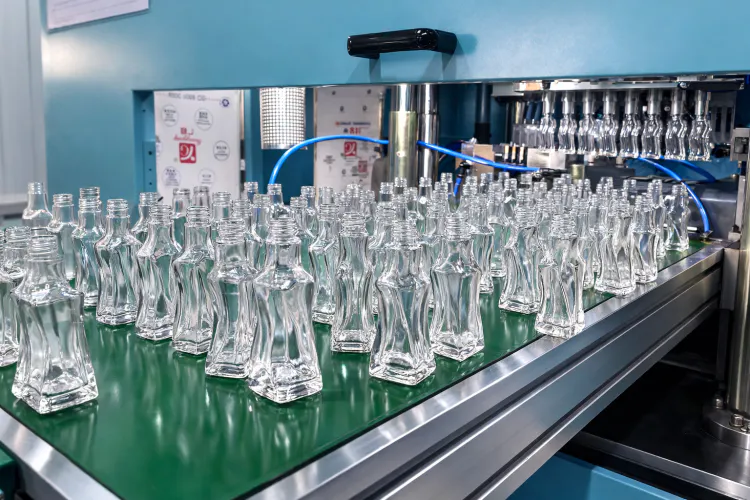
At the stripping station, the finished containers are automatically ejected from the mandrels and discharged to the conveyor belt — in the case of the EP-European, the stripping stroke is 230 mm, sufficient for the tallest containers in the 1–2000 ml product range. The three stations operate simultaneously — injection, blowing, and stripping happen at the same moment — which is why the machine achieves a dry cycle of only 4 seconds. This parallel three-action architecture is the source of the high output rate that characterizes the best IBM platforms.
Injection Blow vs Extrusion Blow — Key Comparison
| Parameter | Injection Blow Molding | Extrusion Blow Molding |
|---|---|---|
| Weight variation | ~1% | ~3% |
| Wall thickness | Uniform | Varies 10–20% |
| Parting line waste | None | 20–40% scrap |
| Bottle mouth accuracy | High cavity count, flat mouth | Fewer cavities, uneven neck |
| Mold life | Long — for sustained production | Shorter |
| Footprint | Compact system | More auxiliary space needed |
4. Material System — Mold and Machine Construction
The material quality of both the machine structural components and the injection-blow mold tooling directly determines the longevity, dimensional precision, and production yield of the entire system. The EP-European platform uses engineering-grade materials throughout, selected to meet or exceed the requirements of European IBM manufacturing standards.
Injection Mold Cavity Material
Injection mold bodies are manufactured from 4Cr13 stainless steel or imported high-strength S136 tool steel alloy. S136 offers superior hardness retention at elevated temperatures, excellent mirror polishability for transparent container applications, and corrosion resistance suitable for pharmaceutical environments. Mold activity-designed cavities and neck blocks allow tube billet dimensions to be adjusted without full mold replacement, reducing tooling cost per product changeover.
Blow Mold Material
Blow mold bodies can be supplied in either 4Cr13 stainless steel for chemical resistance applications or magnesium-aluminum alloy for applications requiring superior cooling efficiency and reduced mold weight. The magnesium-aluminum option reduces cycle time by improving heat extraction from the container wall during the blow station cooling step, which is particularly beneficial when running large-volume containers (500–2000 ml) where cooling time is the rate-limiting step in cycle optimization.
Mandrel (Core Rod) System
The mandrels use a specialized internal structure with dedicated cooling channels that maintain stable thermal conditions throughout the injection and blow molding cycle. Rapid cooling at the mandrel level reduces preform cycle time and improves dimensional stability of the preform before it enters the blow station. Mandrel sets are available in matched configurations for the full 1–2000 ml container range, with 100% sealing accuracy at the bottle mouth and thread interface verified against the cap specification before delivery.
Hot Runner System
The optimized hot runner system and preform design minimize gram weight deviation across all cavities and wall thickness variation between containers in a multi-cavity shot. The hot runner manifold is constructed from high-strength tool steel with precision-bored melt channels and individually controlled nozzle heater zones, allowing the temperature profile to be adjusted cavity-by-cavity when processing materials with narrow processing windows such as PCTG or high-transparency PS resins used in premium cosmetic packaging.
5. Application Scenarios
The injection blow molding machine process is the specification of choice wherever container quality, dimensional precision, and zero-waste production are more important than initial equipment cost. The following sectors represent the primary deployment contexts for the EP-European series across Colombia, Peru, Chile, Mexico, and the wider Latin American market.
Pharmaceutical Packaging
Tablet bottles, syrup bottles, eye drop containers, and oral solution vials are among the most demanding IBM applications. The pharmaceutical sector requires 100% thread sealing accuracy, weight consistency within 1%, and zero particulate contamination — all of which this machine architecture delivers inherently. Facilities in Bogotá and across Colombia's pharmaceutical cluster regularly specify IBM for GMP-compliant container production lines where HDPE, PP, and PCTG resins must be processed without cross-contamination. INVIMA compliance for pharmaceutical packaging in Colombia aligns naturally with the clean production characteristics of this machine type.
Cosmetic & Personal Care
Lotion bottles, shampoo containers, cream jars, and serum vials for the cosmetic sector benefit from the EP-European's wide-mouth jar capability (up to 120 mm bottle diameter) and its ability to process high-clarity resins including transparent PS and PCTG that create the glass-like visual appearance demanded by premium cosmetic brands in the Colombian, Peruvian, and Chilean markets. The European IBM architecture's consistency in producing oval and round containers with complex neck geometries makes it a preferred specification for cosmetic packaging OEMs across the Andean region.
Food & Beverage Packaging
Baby feeding bottles, condiment containers, spice jars, drinking water bottles, and health supplement containers produced from PP, HDPE, and biodegradable corn resin (PLA) are all within the EP-European's material and geometry range. Food safety regulations in Colombia (NTC standards and INVIMA oversight for food-contact materials) require FDA-grade or equivalent resin specifications and zero post-production contamination — both achieved by the closed one-step injection blow molding process which never exposes the internal container surface to ambient air between the injection and blow stages.
Chemical & Household Products
Cleaning product containers, agrochemical bottles, and industrial chemical packaging represent a high-volume segment for small IBM platforms. The EP-European's HDPE and LDPE processing capability, combined with its high cavitation count (up to 20 cavities at 10 ml), makes it competitive for high-output runs of standard cleaning product container formats. The machine's compact 4.5 m × 1.6 m footprint allows it to be installed in facilities where extrusion blow molding lines would require significantly more floor area and auxiliary equipment.
6. Regulatory Compliance — Colombia and Global Standards
Facilities deploying an injection blow molding machine for production of pharmaceutical, food, or cosmetic containers must navigate multiple layers of machinery safety and product quality regulation. The EP-European platform is engineered to meet the requirements of the following key frameworks applicable to Colombian, Latin American, and international buyers.
CE Marking — EU Machinery Directive 2006/42/EC
The EP-European series is CE-marked in accordance with the EU Machinery Directive 2006/42/EC, confirming conformity with essential health, safety, and environmental protection requirements for machinery placed on the European market. CE conformity documentation is available for buyers exporting finished containers to EU markets, and is a common specification requirement for european IBM manufacturers supplying to multinational buyers with European operations.
Colombia — ICONTEC, INVIMA, SG-SST
In Colombia, plastic container production facilities using this IBM platform for pharmaceutical and food applications must comply with INVIMA (Instituto Nacional de Vigilancia de Medicamentos y Alimentos) sanitary registration requirements, NTC (Norma Técnica Colombiana) food-contact material standards, and the workplace safety framework established by Resolution 0312 and the SG-SST system. CE-marked machinery facilitates the INVIMA technical review process for production equipment used in registered pharmaceutical establishments.
USA — FDA 21 CFR, OSHA
For Colombian facilities producing containers exported to the United States pharmaceutical or food market, FDA 21 CFR Part 177 governs the resin specifications permitted for food-contact use. HDPE, PP, and PS resins used in this machine's processing range include FDA-compliant grades widely available from resin suppliers in the Latin American market. OSHA 29 CFR 1910 machinery safety standards apply to the operating environment and guarding requirements for the machine installation.
ISO 9001 Quality Management
The machine is manufactured under ISO 9001 quality management system certification, providing documented process control for machining tolerances, component material verification, and functional testing at every production stage. ISO 9001 certification supports the technical documentation requirements expected by Colombian and international pharmaceutical buyers during supplier qualification audits and machinery procurement due diligence processes.
7. What Our Customers Say
"We replaced an aging ASB injection blow molding machine line with the EP-European model and saw immediate improvements in cycle consistency. The dual hydraulic system was the main factor — our operators noticed right away that the machine holds its rhythm even through material changeovers. Bottle weight deviation across a 12-cavity 100 ml run came in under 0.8%, which is better than anything we saw from the previous equipment. The technical support during commissioning was detailed and the machine was up to production specification within three days."
— Production Manager, Pharmaceutical Packaging Facility, Bogotá, Colombia
"We were producing cosmetic lotion bottles on an extrusion blow line and had constant issues with seam flash and variable neck finish. Switching to this IBM process eliminated both problems entirely — no trimming, no scrap, and the neck thread seals to the cap without leakage issues. The 800x400 mm platen gives us room for an 18-cavity tool for our 30 ml containers, which gives us the output volume we need. The footprint is much more manageable than we expected for a 10-tonne machine."
— Technical Director, Cosmetic Packaging Manufacturer, Medellín, Colombia
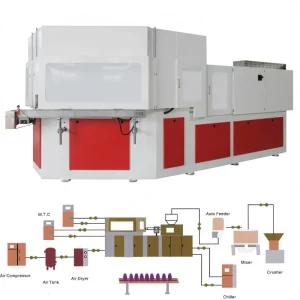
8. Compatible Auxiliary Equipment — One-Stop System Supply
The EP-European injection blow molding machine is the core of a complete production line. The following auxiliary systems are fully compatible with this machine platform, enabling one-stop turnkey procurement for complete container production installations across Colombia and Latin America.
Air Compressor
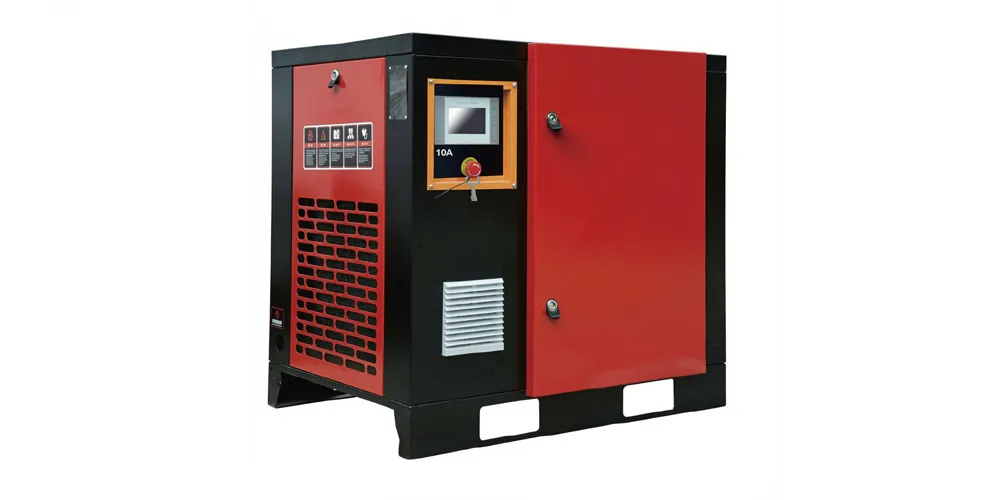
The EP-European requires a minimum compressed air supply of 0.7–1.2 MPa at 0.7 M³/min. Our compatible Air Compressor series includes both screw-type and piston-type models matched to this pressure and flow specification, available in oil-free configurations for pharmaceutical and food-grade container production where ISO 8573-1 air purity Class 1 is required. System integration with the machine's compressed air circuit is plug-and-play with no additional pressure regulation hardware required for the standard supply configuration.
Mold Temperature Controller
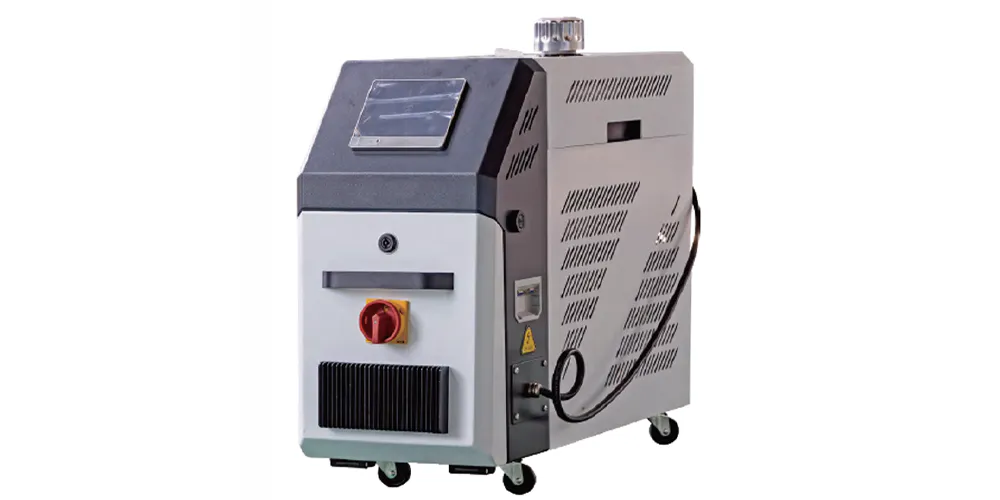
Precise mold temperature control is critical in injection blow molding for container applications requiring consistent wall thickness distribution and high optical clarity. Our Mold Temperature Controller series provides oil-type or water-type temperature control matched to the operating temperature ranges of PP (mold 20–40°C), HDPE (mold 15–35°C), and PCTG (mold 10–30°C) processing on this machine. Multiple controller outputs allow independent temperature zones for the injection mold and blow mold simultaneously, optimizing cycle time without compromising container quality.
Complete Production Line Components
A complete turnkey IBM production line typically includes: Auto Loader for resin feeding, Mold Temperature Controller, Air Compressor, Air Dryer, Air Tank, Conveyor Belt, Screen Printing/Labeling system, Washing-Drying station, Filling-Capping equipment, and Packing machine. We supply and co-integrate the full line configuration with the EP-European as the central forming unit, providing single-supplier responsibility for the complete installation — from site preparation documentation through operator training and commissioning sign-off.
9. About Us - Injection Stretch Blow Molding Machine Manufacturer
We are a professional manufacturer of fully automatic one-step injection blow molding machines and high-precision injection blow molds, serving pharmaceutical, cosmetic, food, and chemical packaging producers across Colombia, Latin America, and global markets. Our research and development team includes senior engineers with extensive experience in IBM machine design and IBM mold engineering, enabling us to provide detailed pre-sale technical consultation, on-site commissioning support, and comprehensive after-sale maintenance service.
Our product range covers the full IBM machine capacity spectrum from small IBM configurations (EP40 platform) through industrial IBM machine platforms (EP135 series) handling containers up to 2000 ml. Auxiliary equipment including molds, auto-loaders, air compressors, mold temperature controllers, and vision inspection systems are co-developed and tested to work as an integrated system with each machine model.
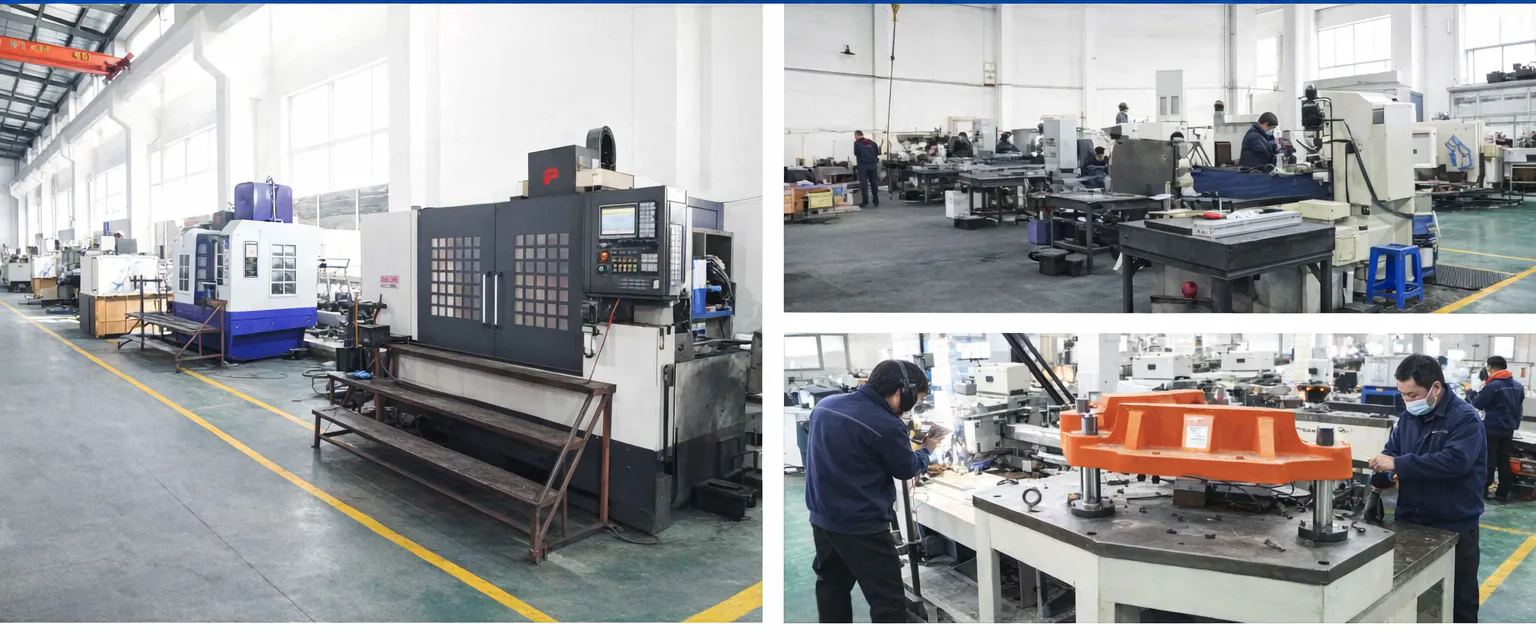
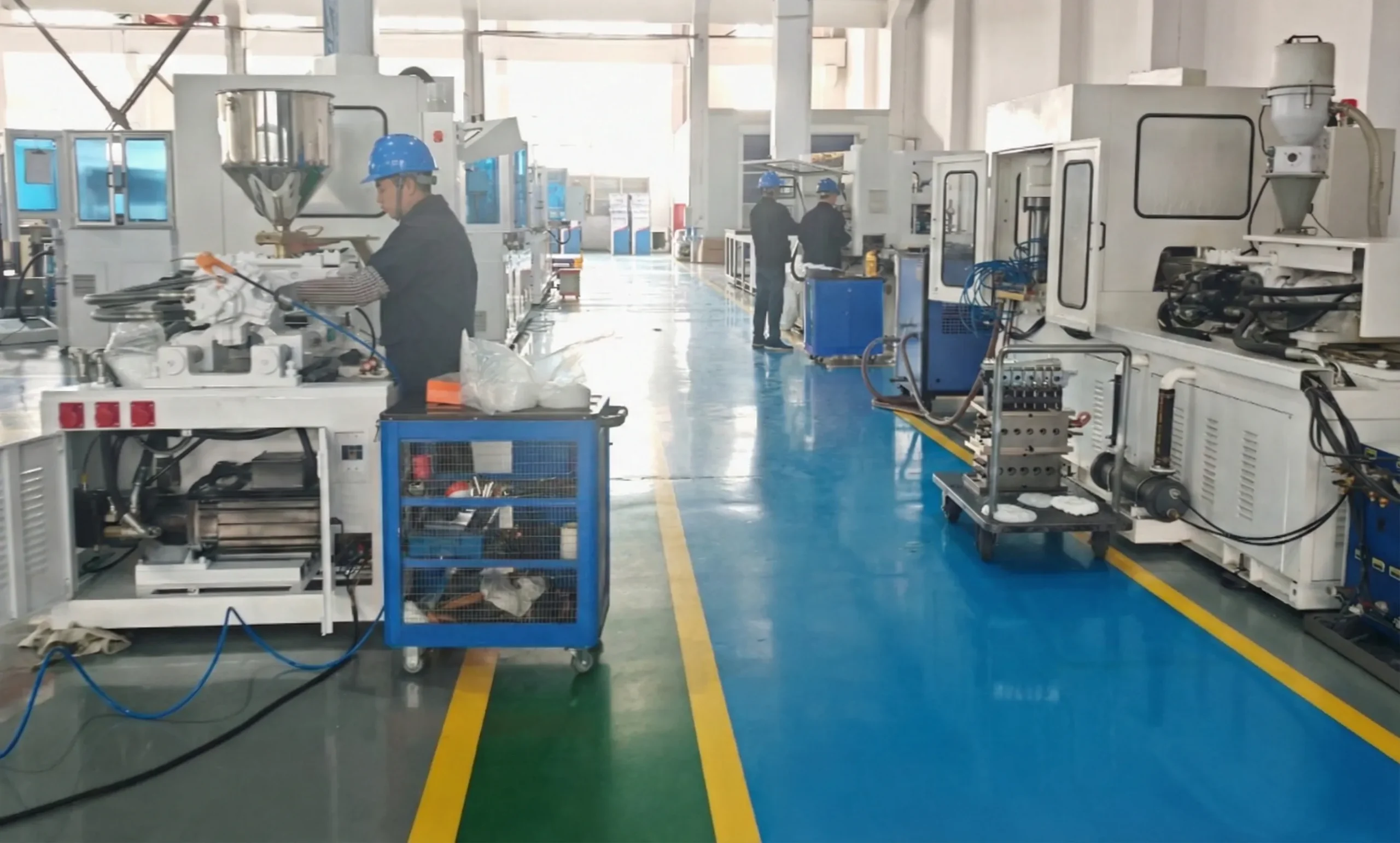
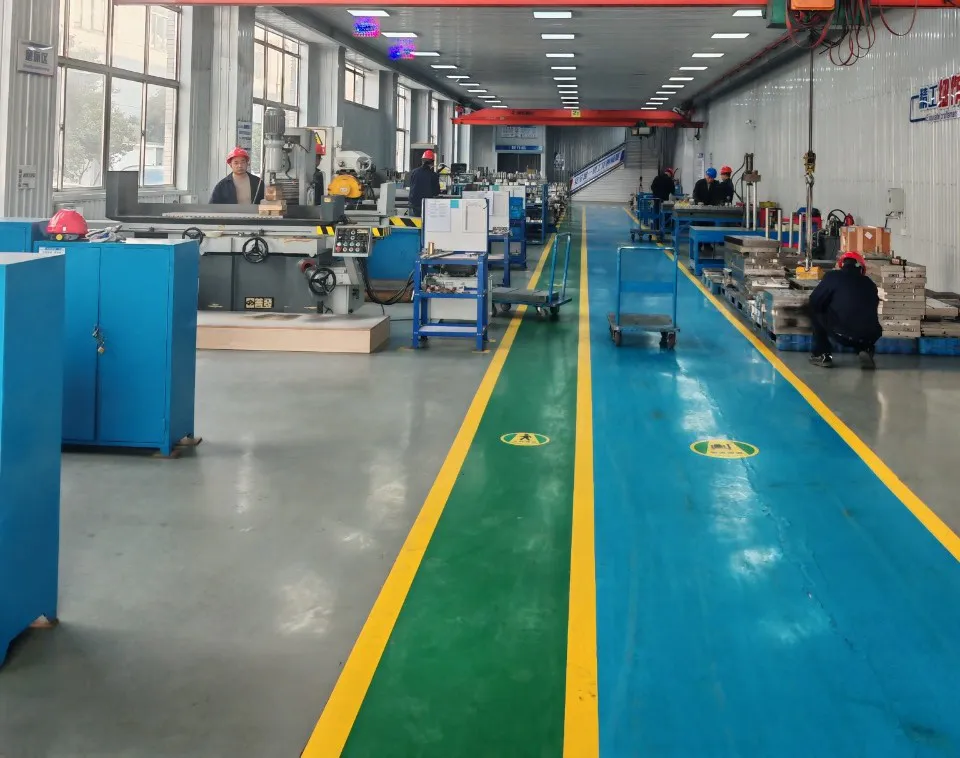
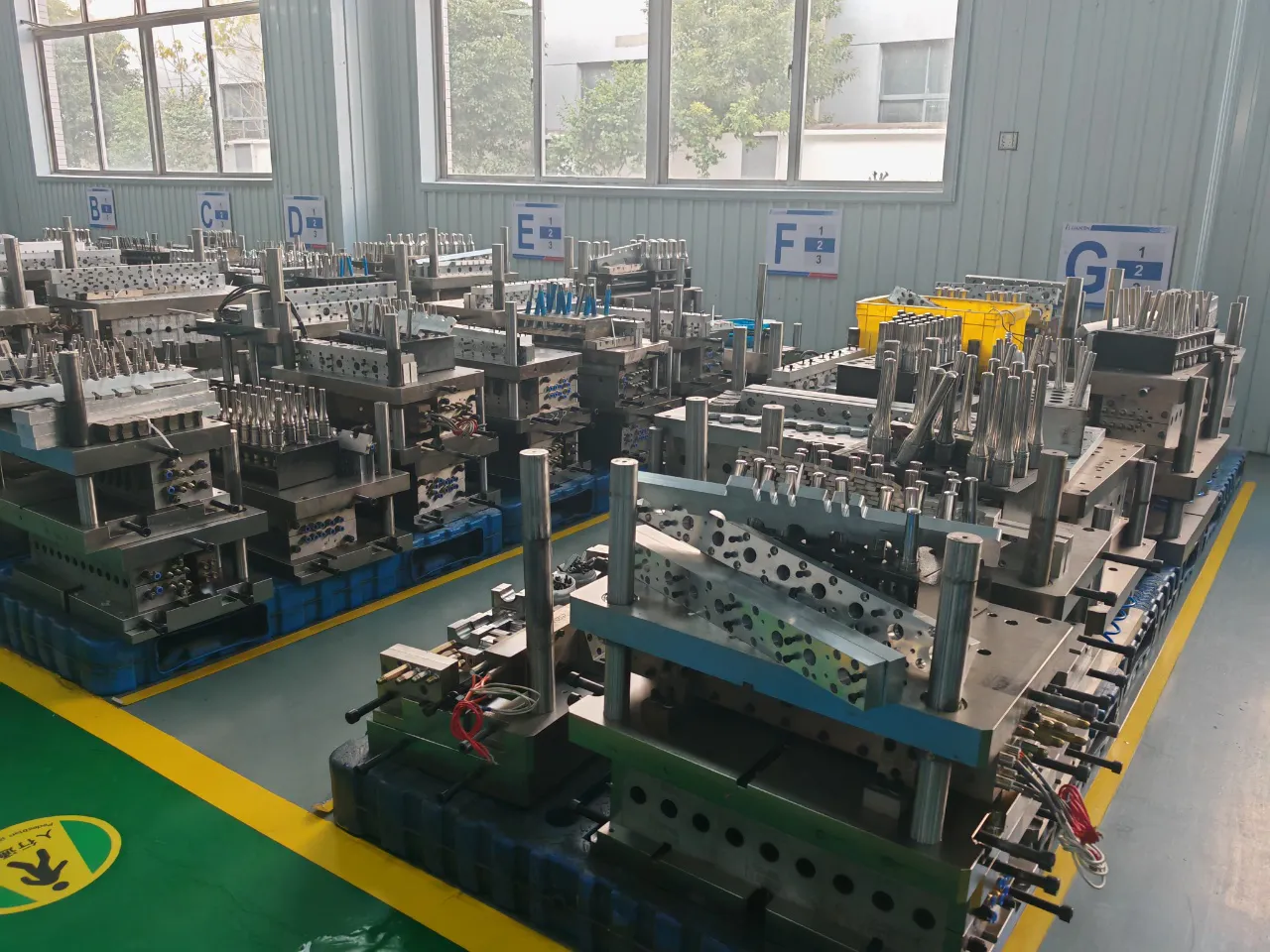
WorkShop
Frequently Asked Questions
Editor: PXY