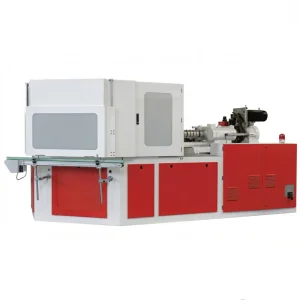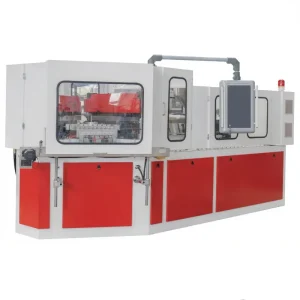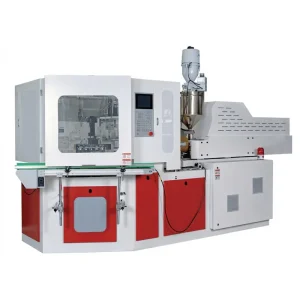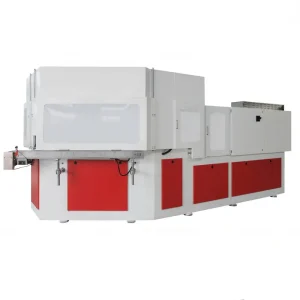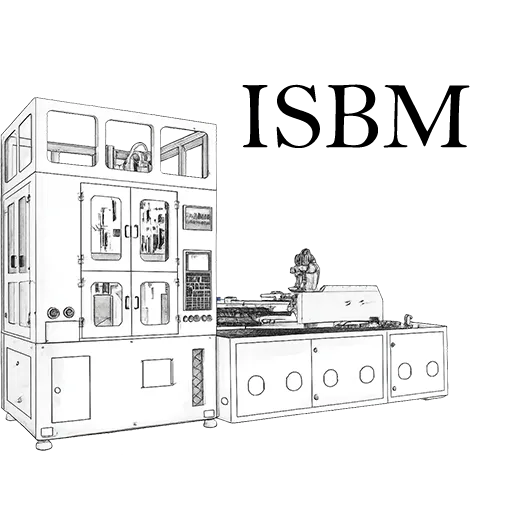
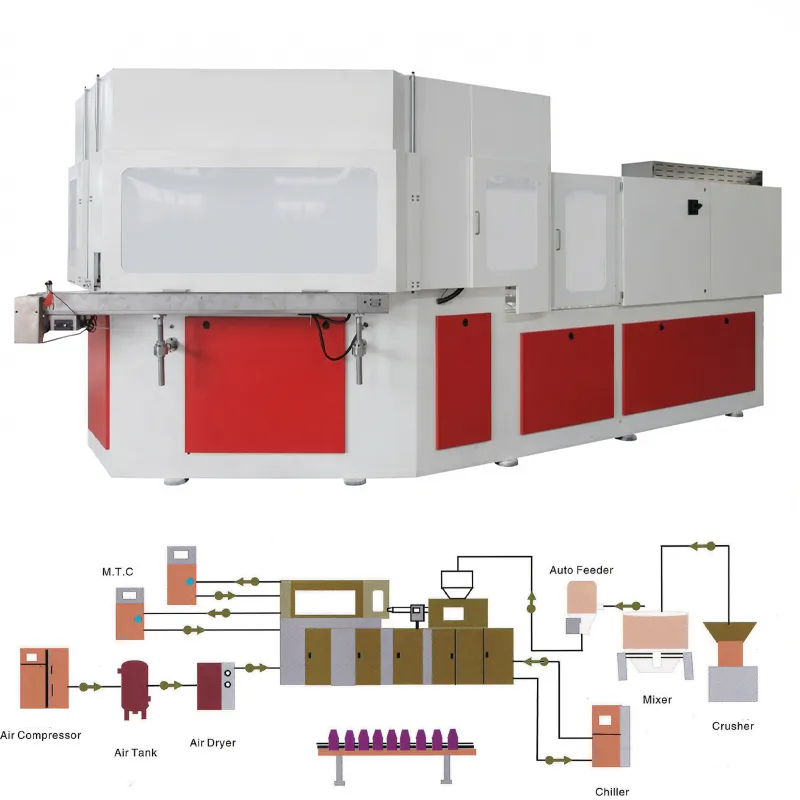
EP-European 5.5x2x2.4M Injection Blow Molding Machine
The EP-European Injection Blow Molding Machine (Model EP135) represents the flagship of the European-standard injection blow molding machine lineup. This machine uses the one-step injection blow moulding process, where plastic melting, parison injection, blow moulding, and bottle stripping all happen in a single continuous cycle on a rotating three-station turret. The result is zero trimming waste, uniform wall thickness, a highly convex bottle bottom, and a flat, precise bottle neck — qualities that separate injection blow moulding from extrusion blow moulding in demanding production environments.
With a screw diameter of 70 mm, a screw L/D ratio of 22:1, and an injection weight of 650 g, the EP135 handles demanding high-output runs with ease. It accommodates bottles and containers ranging from 1 ml up to 2,000 ml across a broad cavity configuration, making it a flexible solution for Colombian pharmaceutical producers, food and beverage packagers, and cosmetic bottle manufacturers seeking a reliable European injection blow molding machine with proven field performance.
European-Style Injection Blow Molding Machine
EP-European 5.5x2x2.4M Injection Blow Molding Machine
Model: EP135 | Full European-Style Structure | Dimensions: 5.5 x 2 x 2.4 M
The EP135 is a high-performance industrial injection blow molding machine designed for plastic bottle manufacturers who require large-scale, stable, and energy-efficient production. Built to full European structural standards, this machine delivers clamping forces 20–30% greater than comparable industry products, making it a reliable choice for pharmaceutical, cosmetic, food, and chemical packaging operations across Colombia and other Latin American markets.
Full European Structure · Clamping Force 20–30% Above Industry Average · Dual Hydraulic System Standard · Energy Consumption 20–30% Lower · High-Precision Angle Divider
1. Technical Specifications — EP135
All parameters are provided for reference. The manufacturer reserves the right to modify specifications as equipment improvements are made.
| Name | ITEM | Unit | ZQ135 |
|---|---|---|---|
| Injection System | |||
| Screw Diameter | Screw Diameter | mm | 70 |
| Screw L/D Ratio | Screw L/D | % | 22:1 |
| Injection Weight | Injection weight | g | 650 |
| Heating Power | Heating power | KW | 30 |
| Number of Barrel Zones | Number of barrel zone | — | 6+N |
| Injection Stroke | Injection stroke | mm | 200 |
| Clamping System | |||
| Injection Molding Clamping Force | Clamping force of injection | KN | 1350 |
| Injection Molding Opening Stroke | Opening stroke for injection | mm | 140 |
| Blow Molding Clamping Force | Clamping force of blowing | KN | 200 |
| Blow Molding Opening Stroke | Opening stroke for blowing | mm | 140 |
| Rotary Table Lifting Height | Lifting height of rotary table | mm | 70 |
| Mould | |||
| Max Platen Size (L×W) | Max.Platen size(L×W) | mm | 1300×500 |
| Mold Thickness | Mold thickness | mm | 280 |
| Max Bottle Diameter | Dia.of bottle | mm | 120 |
| Max Bottle Height | Bottle height | mm | 220 |
| Max Suitable Bottle Volume | Suitable bottle height | mm | 1–2000 |
| Stripping Stroke | Stripping stroke | mm | 280 |
| Hydraulic System | |||
| System Pressure | Hydraulic Pressure | Map | 14 |
| Main Motor Power | Motor power | KW | 37+37 |
| Dry Cycle Time | Dry cycle | S | 4 |
| Total Power | Total Power | KW | 95 |
| Operating Power Range | Operating power | % | 52–70 |
| Others | |||
| Min Compressed Air Pressure | Min.Air pressure of compressed air | MPa | 0.7–1.2 |
| Compressed Air Capacity | compressed air capacity | M³/min | 0.7 |
| Water Flow Rate | Water flowage | M³/h | 4 |
| Cooling Water Pressure | Cooling water pressure | MPa | 0.3–0.4 |
| Overall Dimension (L × W × H) | Dimension(L×W×H) | M | 5.5×2×2.4 |
| Net Weight | Net weight | Ton | 18 |
5×1.8×2.2M Injection Blow Molding Machine
Mold Cavity Reference — EP135 (For Reference Only)
| Volume | 10 ml | 30 ml | 60 ml | 100 ml | 250 ml | 500 ml | 1000 ml |
|---|---|---|---|---|---|---|---|
| Max. Cavities | 30 | 26 | 22 | 18 | 14 | 10 | 8 |
2. Five Key Advantages
Superior Clamping Force
With an injection clamping force of 1,350 kN and a blowing clamping force of 200 kN, the EP135 delivers 20–30% greater holding power than most comparable injection blow molding machines on the market. This structural advantage translates directly into tighter dimensional consistency in the finished bottle, particularly at the neck and base, where flash and deformation are most common in lower-spec equipment.
Energy-Efficient Dual Hydraulic System
The pressurized booster clamping structure is standard on the EP135. Crucially, the booster cylinder does not participate in mold opening and closing actions, which cuts unnecessary energy loss during the cycle. Combined with the dual hydraulic system, overall operating power consumption is 20–30% below that of comparable industrial injection blow molding machines, delivering measurable savings on electricity costs in high-volume production environments in Colombia and across the region.
High-Precision Angle Divider
The standard-configured high-precision angle divider ensures perfect synchronization between mold opening and closing and the rotation of the turret tower. This synchronized movement is essential for maintaining consistent bottle quality at high output speeds. The precision mechanism prevents timing drift between stations, reducing reject rates and tooling wear — a significant factor for injection blow moulding operations targeting long-term, continuous production schedules.
Zero-Waste One-Step Process
Unlike extrusion blow molding, the injection stretch blow molding process used in the EP135 produces no parison trimming waste. Bottle weight variation is approximately 1%, wall thickness is uniform throughout, and there is no cut-off seam at the base that weakens bottle integrity. This makes the EP135 particularly suited to pharmaceutical and food-grade applications where container quality and material consistency are regulatory requirements, not just performance preferences.
Wide Material and Volume Compatibility
The EP135 processes HDPE, LDPE, PP, PS (including lactic acid bacteria grade), high-transparency PS, ABS, EVA, PCTG, and environmentally friendly corn-based plastics. Container capacity ranges from 1 ml to 2,000 ml, and mold cavity counts reach up to 30 cavities per shot for 10 ml containers. This breadth of material and size compatibility makes the machine an ideal choice for best injection blow molding machine evaluations by multi-product packaging operations.
3. Working Principle
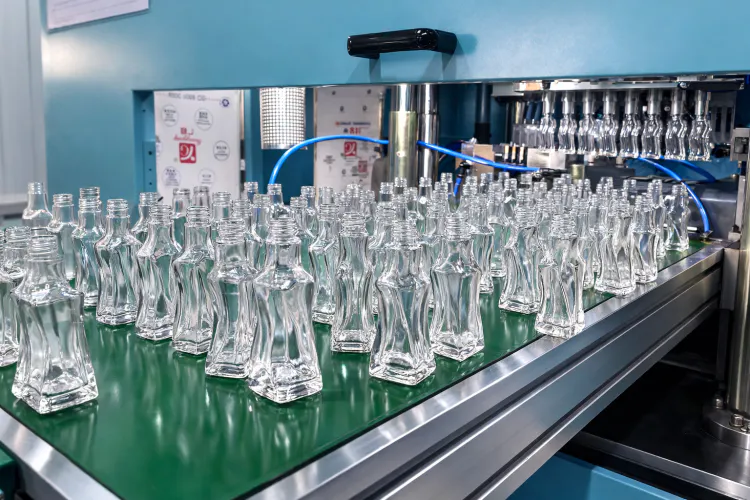
The EP135 European injection blow molding machine operates on the single-step, three-station rotary principle. All three production actions — parison injection, bottle blow moulding, and bottle stripping — occur simultaneously on separate stations during every cycle. This overlapping, concurrent action is the source of the machine high efficiency, since no station sits idle while another completes its task. The dry cycle time is just 4 seconds, enabling sustained high-output production across long shifts.
Station 1 — Preform Injection
Plastic raw material is fed into the barrel, melted under controlled temperature across up to 6 independently regulated heating zones (6+N configuration), and injected into the preform mold cavity at the prescribed injection pressure and stroke of 200 mm. The bottle neck is shaped to precise dimensions at this station, and the mandrel carrying the parison then rotates to the next station. The injection weight of 650 g ensures the machine can handle larger multi-cavity mold configurations with consistent fill.
Station 2 — Blow Moulding
At the blow moulding station, the hot parison on the mandrel is expanded by compressed air (minimum 0.7–1.2 MPa) into the blow mold cavity. The mold cavity defines the precise exterior shape and surface finish of the finished bottle. The blowing clamping force of 200 kN holds the mold firmly closed during air expansion, preventing flash formation. After the bottle is fully formed and cooled, the mold opens and the turret lifts 70 mm before rotating to the stripping station.
Station 3 — Stripping
At the stripping station, finished bottles are ejected from the mandrel with a stripping stroke of 280 mm. The bottles are automatically removed and transferred downstream for packaging or filling without manual intervention. Because all three stations operate simultaneously in each 4-second dry cycle, the injection blow moulding process on the EP135 achieves high throughput with no idle time between phases. The compact system footprint of 5.5 x 2 x 2.4 M allows installation in standard production bays.
4. Materials Processed
The EP-European injection blow molding machine is engineered to handle a wide spectrum of thermoplastic materials. Choosing the right injection blow molding machine for your resin type and bottle volume is the most important factor in achieving stable, high-output production. This compatibility makes it suitable for a broad range of plastic packaging applications across the pharmaceutical, food, cosmetic, and chemical industries that are particularly active in Colombia and throughout Latin America.
The injection mold body is manufactured from imported high-strength S136 alloy steel or 4Cr13 stainless steel. This material choice significantly extends mold service life compared to standard tool steels, and the blow mold bodies can also be produced in magnesium-aluminium alloy for improved cooling efficiency. The mandrel features a specialized structure that ensures rapid cycle completion and excellent cooling performance, which directly supports consistent bottle wall uniformity across high-cavity production runs.
5. Application Scenarios
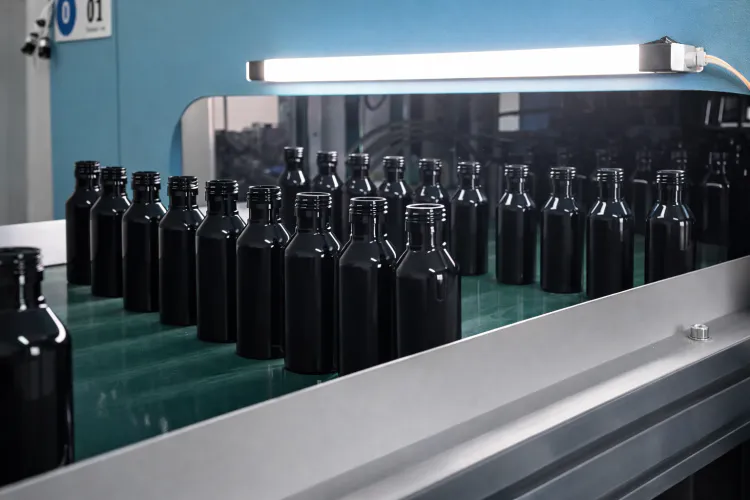
The EP135 injection blow moulding machine is applied across multiple packaging industries. Its ability to produce containers with zero waste, uniform wall thickness, and precisely formed necks makes it particularly well suited to sectors where container integrity, hygiene, and appearance are non-negotiable requirements. The following industries represent the primary markets for this injection blow molding machine in Colombia and globally. Matching the injection blow molding machine specification to the target bottle volume and material is the key step in any purchase decision.
Pharmaceutical Industry
Drug bottles, tablet containers, liquid medicine bottles, and eye drop bottles demand tight dimensional control and hygienic production. The injection blow molding machine process produces bottles with no cut-off seam, no flash at the mouth or base, and 100% sealed thread dimensions — meeting the strict pharmacopoeia packaging standards applicable in Colombia (INVIMA), the EU (EU 2023/2006), and internationally (ISO 15747).
Cosmetic Packaging
Lotion bottles, cream jars, shampoo containers, and perfume auxiliaries require an attractive surface finish and consistent wall thickness that injection blow moulding delivers reliably. The high-cavity capacity (up to 30 cavities at 10 ml) means cosmetic brands in Colombia can achieve competitive per-unit cost while maintaining premium visual quality with the small injection blow molding machine option as well as high-volume configurations.
Food and Beverage
Food-grade PP and HDPE bottles for condiments, sauces, yogurt drinks, and edible oils are produced in compliance with food contact materials regulations. In Colombia, the applicable standard is the Resolución 683 de 2012 (MSPS) for food contact plastics. The EP135 supports this with its zero-waste process, HDPE and PP material compatibility, and the ability to produce wide-mouth jars and feeding bottles with consistent neck finishes.
Chemical and Daily-Use Products
Cleaning products, disinfectants, agricultural chemicals, and personal care items stored in HDPE or LDPE bottles are a major volume segment for industrial this equipments in Colombia and across South America. The EP135 handles these applications with its wide-bore screw, high injection weight, and multi-zone temperature control that ensures proper melt homogeneity for chemically resistant packaging.
Healthcare and Baby Products
Baby feeding bottles, medical dropper bottles, and health supplement containers require materials like PCTG and ABS that combine clarity, toughness, and BPA-free credentials. The EP135 processes these specialty materials smoothly through its 6+N barrel zone configuration, producing containers that meet European EN 14350 standards for child care articles and equivalent Colombian regulations enforced by ICONTEC.
6. Regulatory Compliance — Colombia and International
Users of the EP-European the EP135 operating in Colombia and export markets should be aware of the following regulatory frameworks that govern plastic container manufacturing and machinery installation.
Colombia — INVIMA
The Instituto Nacional de Vigilancia de Medicamentos y Alimentos (INVIMA) regulates pharmaceutical and food packaging in Colombia. Plastic containers for drugs must comply with the Colombian Pharmacopoeia requirements on container integrity, extractables, and labelling. Food-contact plastics are governed by Resolución 683 de 2012. Manufacturers using the EP135 for pharmaceutical output should ensure their bottle specifications are registered and approved before commercial distribution.
European CE Marking
The EP135 is produced to European structural standards and carries CE certification relevant to machinery safety (EU Machinery Directive 2006/42/EC). This is significant for Colombian importers sourcing from european this machine manufacturers, as CE documentation simplifies customs compliance and demonstrates conformity with recognized safety engineering standards for industrial equipment.
ISO and International Standards
Globally, plastic container production is aligned with ISO 15747 (plastic containers for inhalation products), ISO 8317 (child-resistant packaging), and ASTM standards for material testing. European the unit parts and process parameters on the EP135 are designed to meet these widely referenced international quality benchmarks, supporting exporters targeting the US, EU, and regional Latin American markets simultaneously.
Environmental Regulations
Colombia Law 1672 of 2013 on Waste Electrical and Electronic Equipment and the broader CONPES 3874 circular economy policy encourage low-waste production. The zero-waste injection blow moulding process of the EP135 — eliminating the 20–40% flash waste inherent in extrusion blow molding — directly supports these environmental targets. Buyers sourcing this machine can position their operation as compliant with emerging plastic waste reduction mandates in Colombia and across Latin America.
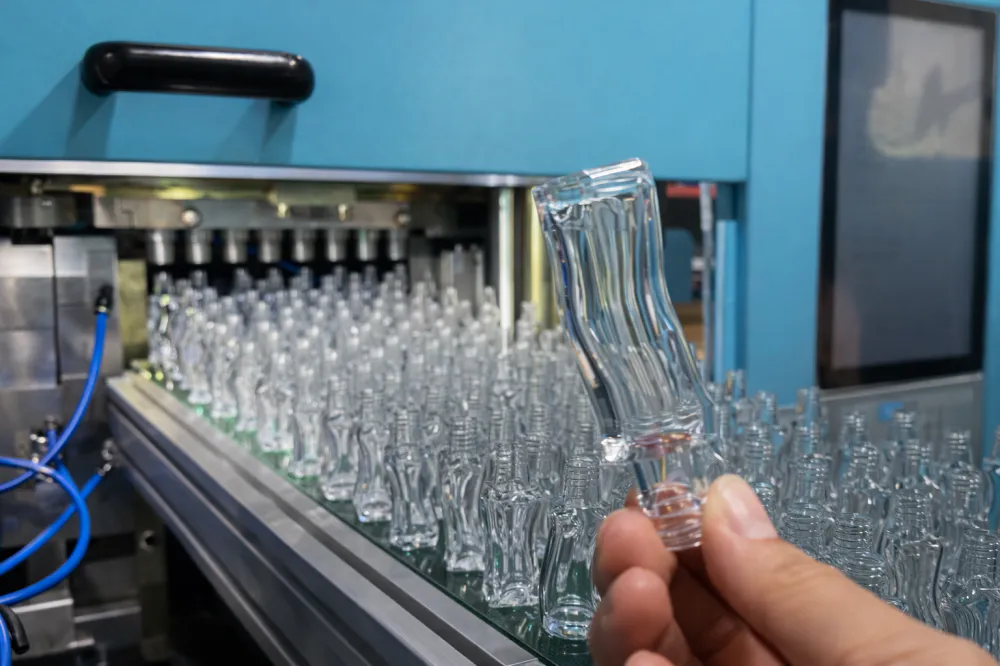
7. About Us - Injection Stretch Blow Molding Machine Manufacturer
Our product lines serve pharmaceutical packaging, food and beverage containers, health supplement bottles, cosmetic packaging, and general chemical bottle production. Compatible materials include HDPE, LDPE, PP, PS (including lactic acid bacteria grade), high-transparency PS, ABS, EVA, PCTG, and environmentally friendly corn-based plastic, covering container volumes from 1 ml to 1,000 ml. As an injection stretch blow molding machine manufacturer, we adhere to the enterprise values of self-reliance, integrity, pragmatism, innovation, and responsibility — building a one-stop turnkey EP135 solution that delivers user satisfaction and first-class product quality in every production run. Every injection stretch blow moulding machine we supply is backed by our full after-sales programme, and our team is committed to delivering machines that match the demanding standards expected by regulated industries worldwide.
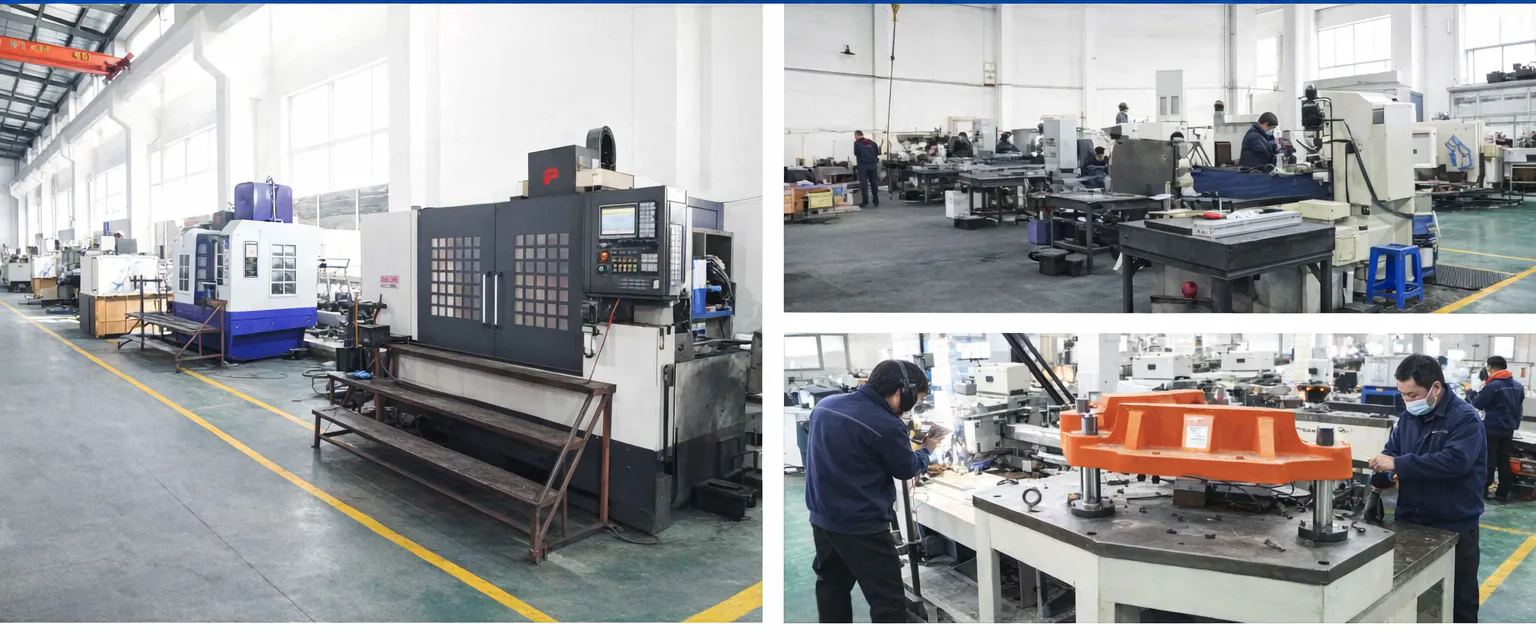
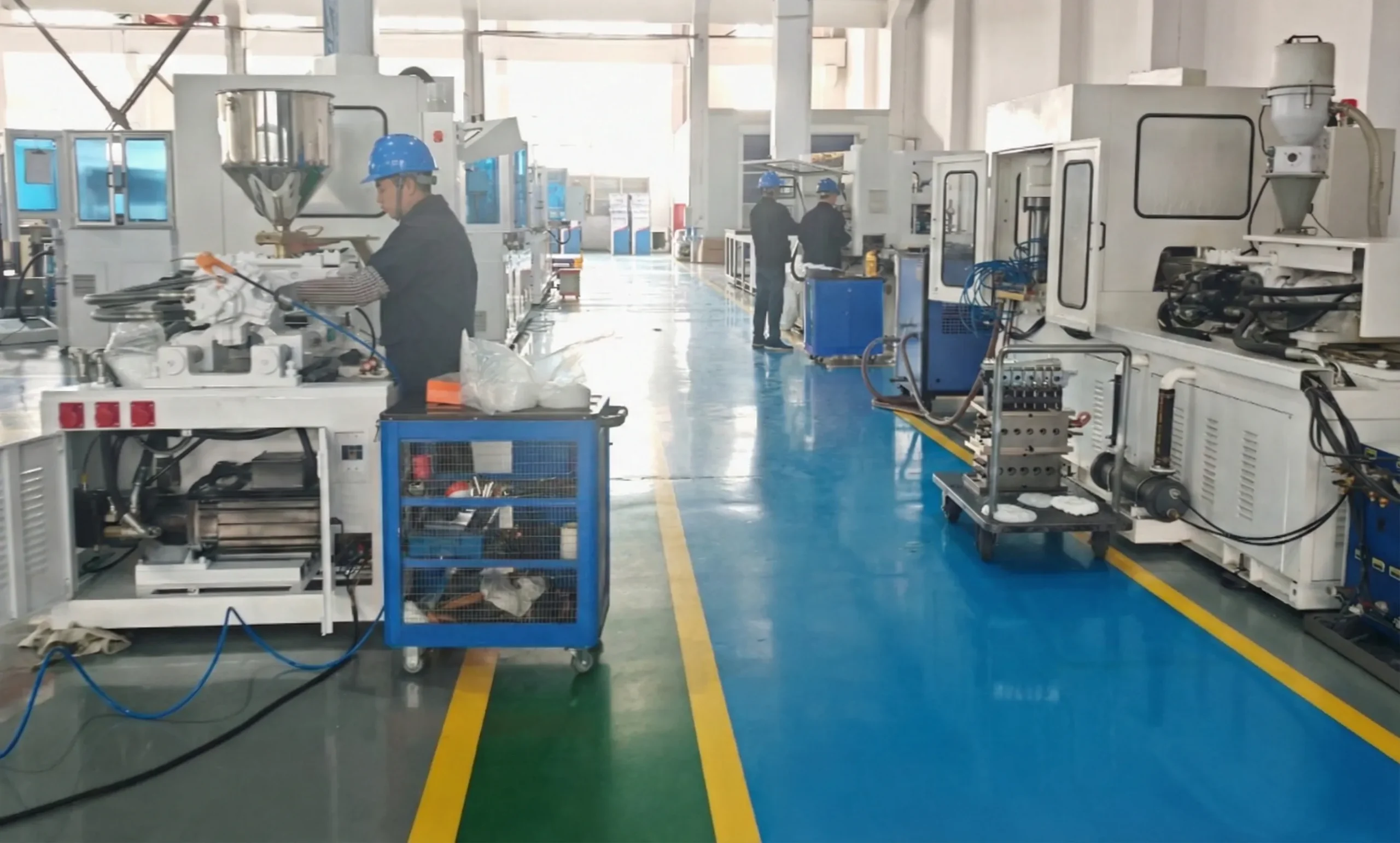
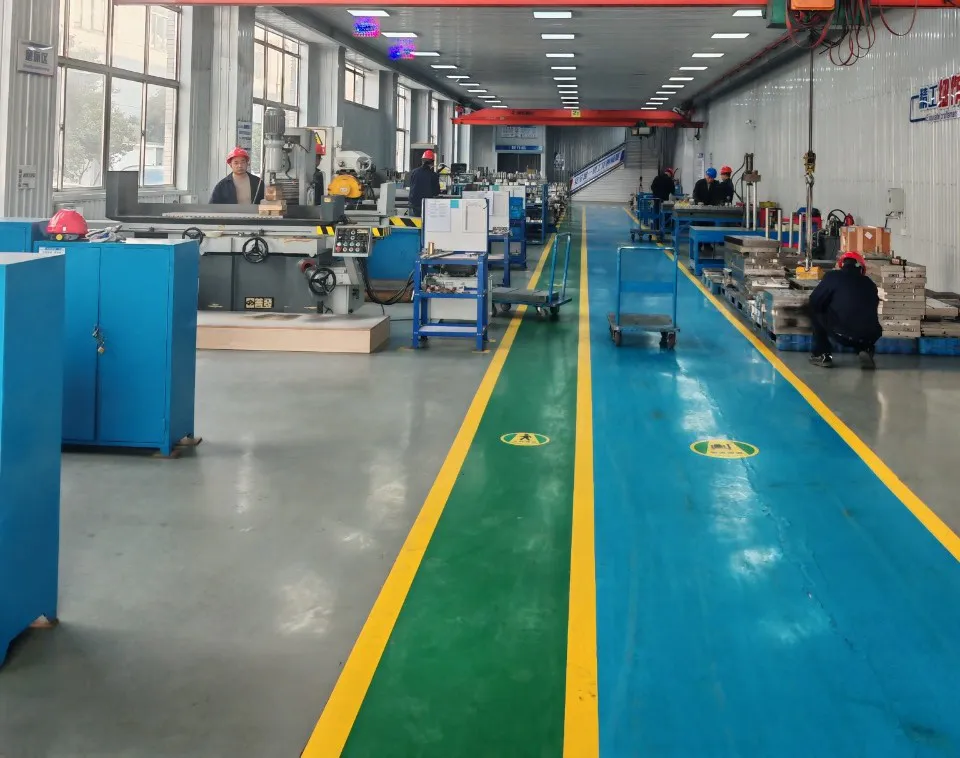
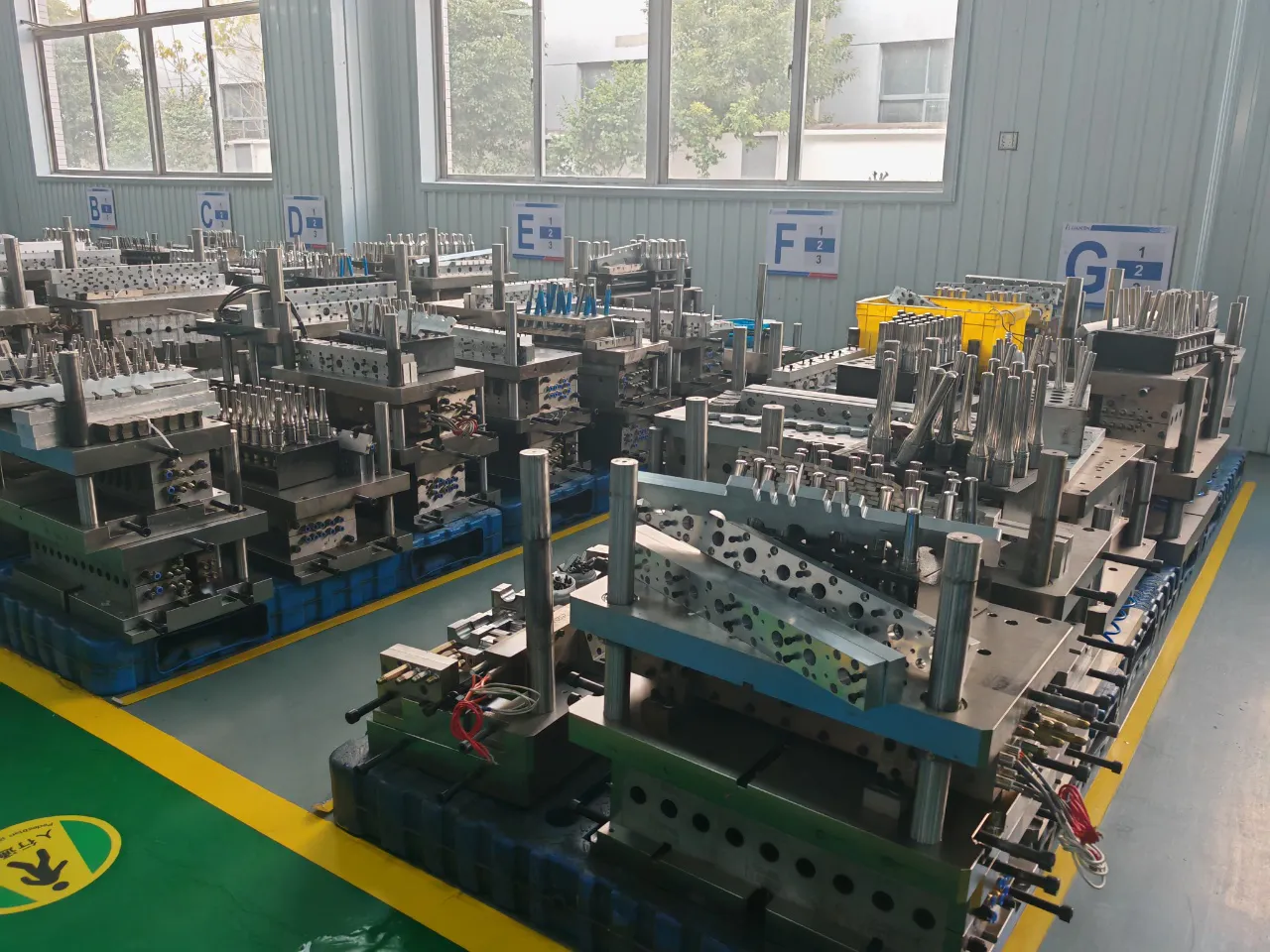
Workshop
8. After-Sales Service
Installation & Commissioning
Experienced senior engineers handle full installation, commissioning, acceptance testing, and operator training on-site for each injection blow molding machine until it reaches stable production status.
Preventive Maintenance
We provide regular follow-up visits and proactive maintenance reminders to minimize machine wear, avoid unplanned downtime, and reduce spare part replacement costs across the service life of the equipment.
24/7 Service Hotline
Our after-sales hotline operates around the clock. If your the EP135 system encounters an emergency, contact us immediately for remote diagnosis and guidance, minimizing production interruption.
Spare Parts Inventory
We maintain adequate stock of key European this production system parts to shorten customer downtime. Critical components are held ready for rapid dispatch, reducing production losses from delayed delivery.
9. Related Products & System Compatibility
A complete injection blow moulding production line is more than just the machine itself. The EP135 is designed for seamless integration with a range of auxiliary equipment, enabling a true one-stop turnkey solution. We supply compatible accessories from trusted sources to ensure full system compatibility and reduce commissioning time for customers in Colombia and across Latin America.
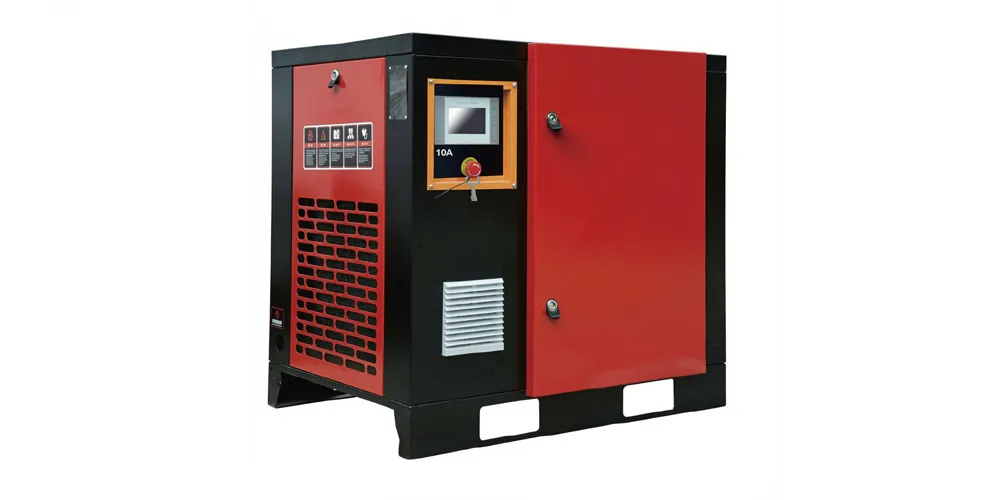
Air Compressor
The EP135 requires a stable compressed air supply of 0.7–1.2 MPa at 0.7 M³/min for the blow moulding station. A compatible oil-free air compressor is essential to protect mold surfaces and maintain product hygiene in pharmaceutical and food-grade applications. Pairing the this equipment with a properly sized air compressor ensures consistent blowing pressure and eliminates contamination risk.
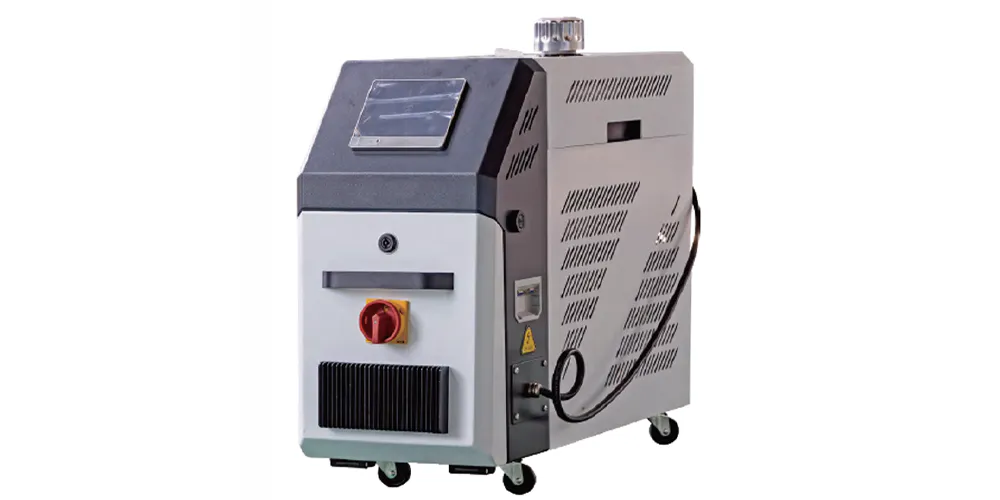
Mold Temperature Controller
A Mold Temperature Controller (mould temperature machine) maintains stable mold surface temperatures, which directly affects cycle time, bottle clarity, and dimensional consistency. Using a matched controller with the EP-European this machine reduces thermal variation between cavities, producing consistent gram weight and wall thickness across the full platen width of 1300×500 mm on every shot.
10. Customer Feedback
"We replaced our old ASB injection molding machine with the EP135 about fourteen months ago, and the difference in clamping stability has been very noticeable — especially on our 100 ml pharmaceutical bottles. Reject rates from neck flash dropped significantly in the first month. The dual hydraulic system also reduced our monthly electricity bill more than we expected, which matters a lot for a mid-size operation like ours. Installation support was professional and the team stayed until everything was running properly."
— Production Manager, Pharmaceutical Packaging Facility, Colombia
"We were looking for an this system supplier who could also advise on the full line, not just sell us the machine. The technical support we received before and after the order was genuinely useful — they helped us select the right mold cavity count for our 250 ml cosmetic bottles and recommended a compatible mold temperature controller that cut our cycle time by almost half a second. That adds up to a lot of extra output per shift. Solid equipment, honest advice."
— Operations Director, Cosmetic Bottle Manufacturer, Bogotá, Colombia
Frequently Asked Questions
Q1. What is an the EP135 unit and how does it differ from a standard blow molding machine?
An this blow molding system first injects molten plastic around a mandrel to form a precise preform, then blows that preform into a finished bottle inside a blow mould — all in one continuous process. Unlike extrusion blow molding, there is no trimming waste, the bottle neck is formed with precision in the injection station, and wall thickness is highly uniform. This makes the injection blow moulding process preferred for pharmaceutical, cosmetic, and food packaging where dimensional accuracy and material efficiency are priorities. Selecting the right injection blow molding machine for these sectors also depends on clamping force, cavity count, and energy efficiency.
Q2. Which industries in Colombia most commonly use this European the EP135 machine for their production lines?
In Colombia, the EP135 European this production equipment is used primarily by pharmaceutical packaging companies producing drug bottles and medical containers subject to INVIMA regulation, cosmetic manufacturers making lotion and shampoo bottles, food-grade container producers complying with Resolución 683 de 2012, and household chemical packagers. The zero-waste process and high cavity count make it economically competitive for all these sectors.
Q3. How do I get a quote for the EP-European the machine with the right mold cavity configuration for my bottle size?
To receive an accurate quote, provide the target bottle volume (in ml), the material you intend to process (e.g. PP, HDPE, PCTG), your required monthly or annual output, and any specific neck finish requirements. Our engineering team will calculate the appropriate mold cavity count using the EP135 cavity reference table and recommend the configuration that best balances your cycle time, output target, and tooling investment. Contact us directly through the product page for a tailored assessment.
Q4. What is the difference between the EP135 this blow moulding unit and ASB injection molding machines currently used in our factory?
The EP135 is a direct replacement of ASB and AOKI injection blow moulding platforms in terms of process compatibility — both use the one-step injection blow molding principle. The EP135 offers 20–30% higher clamping force than industry-average machines and 20–30% lower energy consumption through its unique booster clamping structure, where the booster cylinder is decoupled from the mold open/close motion. Mold interchangeability depends on platen dimensions and should be confirmed with our technical team before purchasing European the EP135 system parts separately.
Q5. What compressed air supply requirements does the EP135 this equipment need for stable high-output operation?
The EP135 requires a minimum compressed air pressure of 0.7–1.2 MPa and a compressed air capacity of 0.7 M³/min. An oil-free air compressor is strongly recommended for pharmaceutical and food applications to prevent contamination of the blow mould interior and the finished bottle. Pressure stability is critical — fluctuations during the blow moulding station cycle can cause incomplete bottle formation, flash, or dimensional variation. Proper sizing of the compressor and air tank is part of our pre-installation consultation service.
Q6. What plastic materials can this industrial the EP135 process and which are most popular in the Latin American market?
The EP135 processes HDPE, LDPE, PP, PS, high-transparency PS, ABS, EVA, PCTG, and biodegradable corn-based plastic. In Colombia and Latin America, HDPE and PP are the most widely used materials for pharmaceutical and chemical bottles due to their chemical resistance and regulatory acceptance. High-transparency PS is popular for cosmetic and food applications where visual product presentation is important. PCTG is growing in demand for baby bottle and medical container applications due to its BPA-free and high-clarity properties.
Q7. How does the injection stretch blow molding process on the EP135 compare to extrusion blow molding for pharmaceutical bottle production?
Injection blow moulding produces pharmaceutical bottles with no parison cut-off seam, uniform wall thickness, and a precisely formed neck that meets pharmacopoeia specifications — advantages that extrusion blow molding cannot match at equivalent output. In extrusion blow molding, the bottle weight varies by approximately 3% and wall thickness can vary by 10–20%, making it less suited to dosage accuracy requirements. Additionally, the zero-waste injection blow moulding process avoids the 20–40% edge scrap generated by extrusion blow molding, reducing raw material cost per bottle for long-run pharmaceutical programs.
Q8. When is the best time to schedule installation and operator training for the EP135 this machine after placing an order?
Installation scheduling should be coordinated with our team immediately after order confirmation. We recommend preparing the installation site — including utilities connections for 95 KW electrical supply, compressed air lines, and cooling water supply at 0.3–0.4 MPa — at least four weeks before the machine estimated arrival. Our engineers can review site preparation requirements remotely. Operator and maintenance training is conducted on-site during and after installation and typically requires three to five working days depending on the number of operators and the complexity of the mould set.
Editor: PXY