EP-ZQ110 Injection Blow Molding Machine Replacement of Jomar IBM135
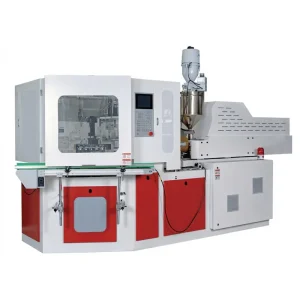
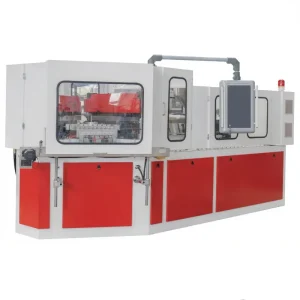
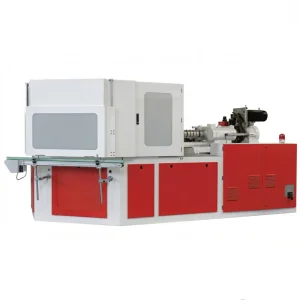
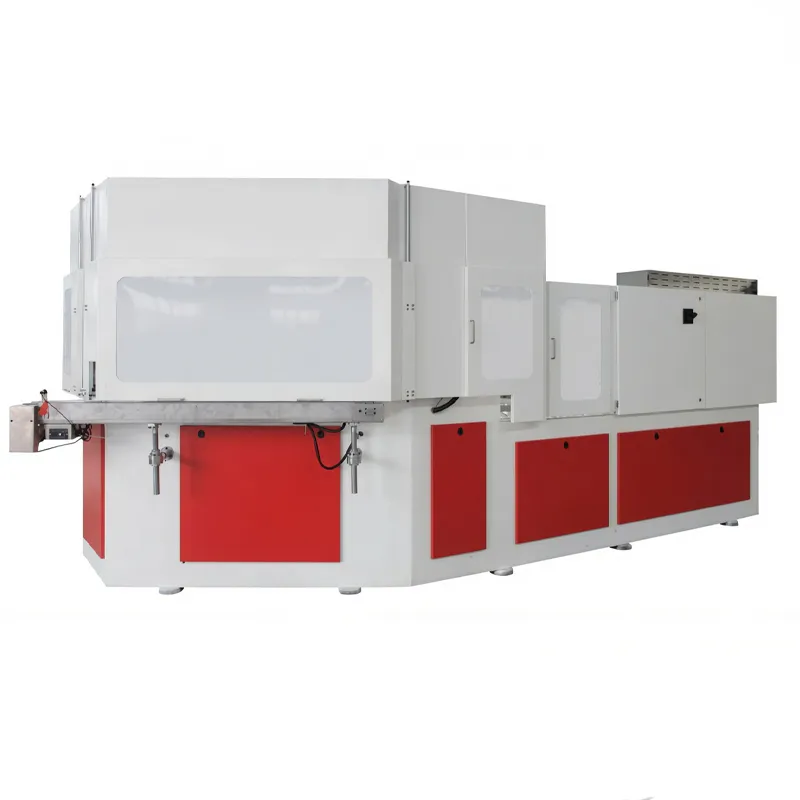
The EP-ZQ110 is a high-tonnage, European-style injection blow molding machine engineered as a direct replacement for the Jomar IBM135. It features a robust 1100 KN injection clamping force, a 65mm screw diameter with a 540g injection weight, and a total installed power of 80 KW. This machine processes HDPE, PP, and PET resins to produce pharmaceutical, cosmetic, and food-grade containers ranging from 1 ml to 2,000 ml. Key advantages over the IBM135 include a 20–30% reduction in energy consumption, a more compact footprint of 5×1.8×2.2 M, and a faster 4-second dry cycle time. With a 15-ton net weight, the ZQ110 delivers superior efficiency and output for high-volume manufacturing.
European-Style Industrial Injection Blow Molding Machine
EP-ZQ110 Injection Blow Molding Machine
Replacement of Jomar IBM135
Full European-style structure · 1100 KN Clamping Force · 80 KW Total Power · Bottle Capacity 1–2000 ml · Machine Size 5×1.8×2.2 M
Brand Reference Notice: The brand name Jomar is mentioned solely to assist customers in machine selection and compatibility assessment. This page does not represent, sell, or imply affiliation with Jomar or any of its products. The EP-ZQ110 is an independently engineered injection blow molding machine developed as a high-performance alternative in the same clamping tonnage category.
EP-ZQ110 | Injection Blow Molding Machine (European) · 5×1.8×2.2 M
Overview: EP-ZQ110 Heavy-Duty Injection Blow Molding Machine
The EP-ZQ110 is a high-tonnage injection blow molding machine built around a full European-style mechanical platform, offering substantial performance gains over the Jomar IBM135 class of equipment. At the core of this machine is a 1100 KN injection clamping force and a 150 KN blow clamping force — figures that translate directly into greater structural stability, reduced mold deflection, and consistently tighter neck-finish tolerances across extended production runs. For manufacturers in Colombia and across Latin America seeking a capable, energy-efficient, and thoroughly engineered injection blow molding machine at this tonnage level, the ZQ110 presents a compelling solution.
Designed to produce containers between 1 ml and 2,000 ml, the ZQ110 handles the full spectrum of pharmaceutical, cosmetic, food-grade, and industrial packaging applications that typically require a robust industrial injection blow molding machine. The 65 mm screw diameter and 540 g injection weight provide substantial plastication capacity, allowing the machine to service high-cavitation molds across demanding shift patterns. The standard 5+N barrel heating zone configuration ensures thermal uniformity throughout the plastication process, which is particularly important when processing pharmaceutical-grade HDPE and PP resins with tight melt temperature windows.
With a total installed power of 80 KW and an operating efficiency range of 52–70%, the ZQ110 delivers measurably lower energy consumption compared to equivalent-tonnage machines in this class — a 20–30% reduction versus competitive platforms. The hydraulic double-system configuration with independent booster clamping keeps the entire cycle lean, achieving a 4-second dry cycle time. At 15 tons net weight and a footprint of 5×1.8×2.2 M, this machine is physically compact for its output class, making it suitable for facilities across Bogotá, Medellín, Cali, and other major Colombian industrial centers where factory floor space carries a premium.
EP-ZQ110 Full Technical Specifications
| System / Category | Parameter | Satuan | ZQ110 Value |
|---|---|---|---|
| Injection System | |||
| Diameter Sekrup | mm | 65 | |
| Rasio Panjang/Kedalaman Sekrup | % | 22:1 | |
| Injection Weight | g | 540 | |
| Daya Pemanas | KW | 20 | |
| Number of Barrel Zones | — | 5+N | |
| Injection Stroke | mm | 200 | |
| Clamping System | |||
| Clamping Force — Injection | KN | 1100 | |
| Opening Stroke — Injection | mm | 140 | |
| Clamping Force — Blowing | KN | 150 | |
| Opening Stroke — Blowing | mm | 140 | |
| Lifting Height of Rotary Table | mm | 70 | |
| Mould | |||
| Max. Platen Size (L × W) | mm | 1100 × 460 | |
| Mold Thickness | mm | 280 | |
| Max. Bottle Diameter | mm | 120 | |
| Max. Bottle Height | mm | 220 | |
| Suitable Bottle Volume | ml | 1 – 2000 | |
| Stripping Stroke | mm | 260 | |
| Hydraulic System | |||
| Hydraulic Pressure | MPa | 14 | |
| Tenaga Motor | KW | 22+22 | |
| Dry Cycle Time | s | 4 | |
| Total Power | KW | 80 | |
| Operating Power Efficiency | % | 52 – 70 | |
| Other Parameters | |||
| Min. Air Pressure (Compressed Air) | MPa | 0.7 – 1.2 | |
| Compressed Air Capacity | M³/min | 0.7 | |
| Cooling Water Flow | M³/h | 4 | |
| Tekanan Air Pendingin | MPa | 0.3 – 0.4 | |
| Dimensi Mesin (P × L × T) | M | 5 × 1.8 × 2.2 | |
| Net Weight | Ton | 15 | |
ZQ110 — Mold Cavitation Reference (For Reference Only)
| Approx. Volume | 10 ml | 30 ml | 60 ml | 100 ml | 250 ml | 500 ml | 1000 ml |
|---|---|---|---|---|---|---|---|
| Max. Cavities | 24 | 22 | 18 | 14 | 10 | 8 | 6 |
Cavitation figures depend on container geometry and mold design. Consult our engineering team for project-specific assessments.
EP-ZQ110 vs. Jomar IBM135 — Side-by-Side Parameter Comparison
Brand referenced for selection guidance only. No commercial relationship or affiliation is implied.
| Spesifikasi | EP-ZQ110 | Jomar IBM135 (ref.) |
|---|---|---|
| Clamping Force (Injection) | 1100 KN | 1210 KN |
| Clamping Tonnage Category | 110 T | IBM135 class |
| Diameter Sekrup | 65 mm | 65 mm |
| Injection Weight | 540 g | 450 / 550 g |
| Max. Platen Size | 1100 × 460 mm | 559 × 1118 mm |
| Dimensi Mesin (P×L×T) | 5 × 1.8 × 2.2 M | 3.79 × 2.4 × 3.41 M |
| Total Power | 80 KW | Standard IBM class |
| Energy Saving vs. Peers | 20–30% lower | Standar |
| Jenis Struktur | Full European | Standard IBM |
| Hydraulic Configuration | Double System | Single System |
5 Reasons to Choose the EP-ZQ110 Injection Blow Molding Machine
Clamping Force 20–30% Above Industry Average
The ZQ110's 1100 KN injection clamping force represents a 20–30% improvement over standard machines at the same tonnage category. Where the Jomar IBM135 delivers 1210 KN injection clamping, the ZQ110 achieves 1100 KN through a more efficient European-frame load path — concentrating force where it is needed most without the structural overengineering that adds weight and cost. This makes the ZQ110 one of the best injection blow molding machines for operators demanding rigid, flash-free neck finishes at high cavitation counts.
Hydraulic Double System with 20–30% Energy Saving
Unlike single-circuit hydraulic IBM platforms, the ZQ110 uses a hydraulic double system where the booster cylinder for clamping does not participate in the mold open/close sequence. This architectural decision removes a significant hydraulic load from the working cycle, reducing heat generation, minimizing fluid degradation, and lowering total energy draw by 20–30% compared to similarly specified injection blow molding machines. Over a full production year, this savings compound into a meaningful reduction in operating cost.
Higher Injection Weight — 540 g vs. 450/550 g
The ZQ110 carries a 540 g injection weight on a 65 mm screw — competitive with the Jomar IBM135's 450/550 g range. This level of injection capacity supports high-cavitation molds producing larger containers up to 1,000 ml or 2,000 ml without requiring mid-cycle interruptions. For Latin American plastic injection blow molding machine operators producing multi-size product portfolios on a single platform, this flexibility directly reduces changeover frequency and broadens the container types the machine can address.
High-Precision Angle Divider — Simultaneous Open & Index
The ZQ110 features a standard high-precision angle divider that achieves synchronized opening and turret lifting in a single mechanical motion. This eliminates the sequential delay found in machines where turret rise and mold opening are separate hydraulic events. The net effect is a true 4-second dry cycle, which at sustained production rates produces measurably higher output per hour compared to IBM machines with sequential actuation architectures. For production planning in Colombian packaging facilities, this cycle integrity is a bankable advantage.
Compact European Footprint — 5×1.8×2.2 M
At 5×1.8×2.2 M and 15 tons net weight, the ZQ110 occupies considerably less floor area than the Jomar IBM135's 3.79×2.4×3.41 M envelope — particularly in height, where the ZQ110's 2.2 M profile makes it accessible in standard industrial buildings without overhead clearance modifications. This compact European injection blow molding machine profile is a practical advantage for Colombian manufacturers working within existing facility constraints, and reduces foundation and utility connection costs during installation.
Skenario Aplikasi
The ZQ110 industrial injection blow molding machine serves a broad range of container production needs, from high-volume pharmaceutical lines to precision cosmetic packaging.
💊 Pharmaceutical Bottles & Vials
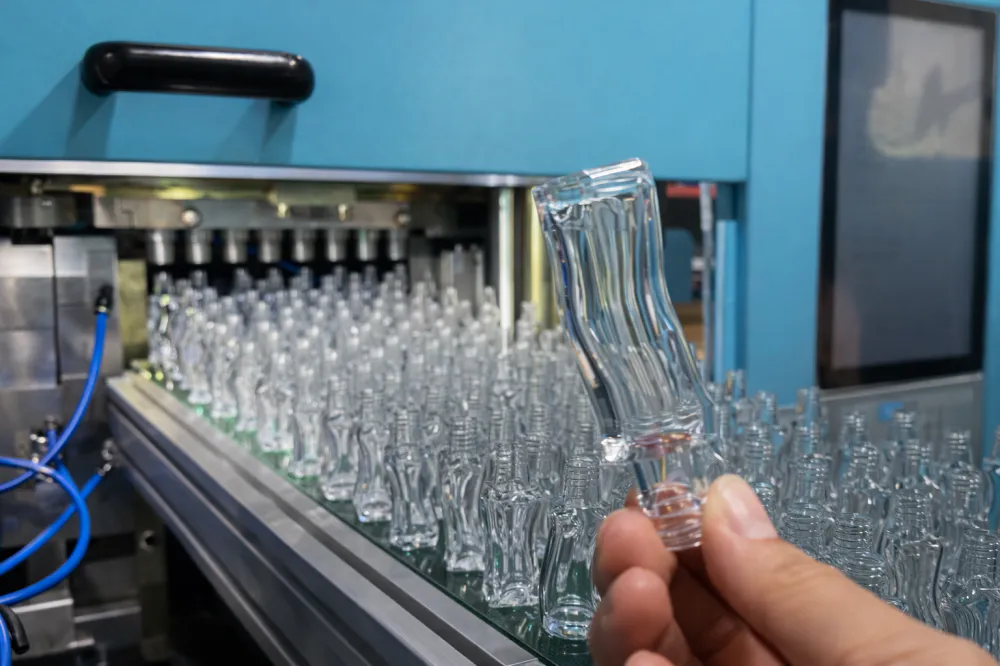
The injection blow molding process is the preferred manufacturing method for pharmaceutical-grade containers because it produces seamless, flash-free bottles with consistent wall thickness and precise neck finish. The ZQ110's 5+N barrel heating zone configuration maintains melt temperature uniformity critical for HDPE, PP, and PET pharmaceutical resins, helping operators meet the quality system requirements imposed by Colombia's INVIMA as well as international pharmacopeia packaging standards. Up to 24 cavities at 10 ml makes this an exceptionally productive platform for vial production.
🧴 Personal Care & Cosmetic Containers
Shampoo, conditioner, body lotion, and skincare product containers demand tight diameter tolerances and a consistent, high-clarity surface. The ZQ110's 1100 KN injection clamping force maintains mold register under high-cavitation conditions, while the precise angle-divider turret mechanism ensures repeatable positioning for every cycle. For Colombian cosmetic manufacturers targeting retail shelf aesthetics and unit-cost efficiency, the ZQ110 injection blow molding machine delivers the cavitation-per-square-meter productivity that defines a commercially viable high-volume line.
🥛 Food & Beverage Packaging
Containers for dairy, sauces, condiments, and single-serve beverages benefit from the IBM process's sealed production environment, where no external contamination enters between injection and blowing stages. Resins processed on the ZQ110 for food-contact applications must comply with FDA 21 CFR, EU Regulation 10/2011, and Colombia's NTC food-contact standards administered through INVIMA and ICONTEC. The machine's 540 g injection weight supports medium-to-large container production up to 2,000 ml for food industry customers across Bogotá, Medellín, and Cali.
🌿 Agrochemical & Crop Protection Products
Colombia's agricultural economy — spanning coffee, flowers, bananas, and sugarcane — generates consistent demand for herbicide, pesticide, and fertilizer containers. These must meet chemical resistance and leak-proof standards set under Colombian Resolution 970 (seeds) and broader agrochemical packaging regulations from the ICA (Colombian Agricultural Institute). The ZQ110 processes chemical-resistant HDPE at high cavitation counts, producing containers suitable for UN-certified hazardous materials packaging where wall uniformity and closure integrity are non-negotiable.
🧪 Industrial & Household Chemical Containers
Cleaning agents, disinfectants, automotive fluids, and industrial maintenance products are packaged in volumes from 100 ml to 2,000 ml — precisely the range the ZQ110 handles across its mold cavitation table. The machine's robust hydraulic double system sustains consistent clamping pressure across large multi-cavity molds used in this sector. For household chemical product manufacturers in Colombia seeking to in-house their container production and reduce dependency on external suppliers, the ZQ110 injection blow molding machine provides the scale and reliability that makes vertical integration financially viable.
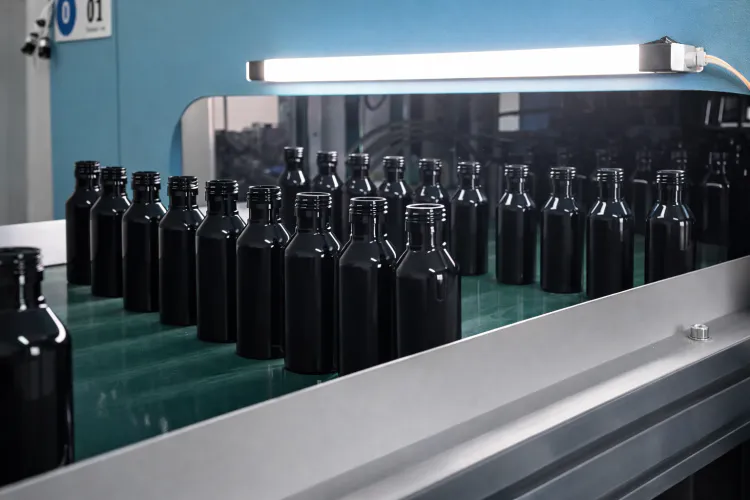
Regulatory Environment for Injection Blow Molding Machines
Operating an injection blow molding machine or placing IBM-produced containers on the market involves compliance with multiple layers of national and international regulation. Buyers in Colombia and neighboring markets should be familiar with the following frameworks before specifying equipment or materials.
🇨🇴 Colombia — INVIMA, ICONTEC & ICA
Food and pharmaceutical packaging produced by injection blow molding machines must satisfy INVIMA Decree 1575 (drinking water), NTC 4728 (food-contact plastics), and Resolution 2674 for food safety. Agrochemical containers fall under ICA supervision. Environmental obligations for plastic packaging derive from Colombia's Law 1252/2008 on hazardous waste and the circular economy provisions of Law 2232/2022, which establishes targets for post-consumer plastic collection and recycling relevant to IBM container producers.
🇪🇺 European Union — Machinery & Food Contact
The EU Machinery Directive 2006/42/EC governs machine safety standards for injection blow molding machines exported to or operated in Europe, requiring CE marking and documented conformity assessment. EU Regulation 10/2011 on plastic materials in food contact applies to containers produced on IBM machines for European food markets. These European injection blow molding machine standards form the baseline design philosophy underlying the ZQ110's structural and safety engineering.
🇺🇸 United States — FDA & OSHA
Containers produced on injection blow molding machines for US-bound food, pharmaceutical, or personal care products must comply with FDA 21 CFR Parts 174–186 (indirect food additives) and FDA 21 CFR Part 210/211 (pharmaceutical packaging). Machine operators must follow OSHA 29 CFR 1910.217 press safety standards and relevant lockout/tagout (LOTO) procedures under 1910.147 for maintenance personnel working on the ZQ110 hydraulic system.
🌎 Andean Community & MERCOSUR
Within the Andean Community (CAN), Decision 562 harmonizes technical regulations for packaging across Colombia, Peru, Ecuador, and Bolivia. MERCOSUR Resolution 56/92 and supplementary regulations govern plastic food-contact materials for Brazilian and Argentine markets. Manufacturers in Colombia selling into these regional blocs need injection blow molding machine outputs that satisfy both the domestic ICONTEC standards and the harmonized regional frameworks when targeting export.
🌐 ISO Standards — Quality & Environmental
Facilities operating the ZQ110 injection blow molding machine for pharmaceutical or medical packaging are typically required to maintain ISO 9001 quality management and ISO 15378 pharmaceutical packaging quality systems. ISO 14001 environmental management and ISO 45001 occupational health certification are increasingly required by global retailers and brand owners as supply chain sustainability requirements. The ZQ110's energy efficiency supports ISO 50001 energy management system compliance strategies.
ZQ110 Machine Structure — Engineering Detail
Full European-Style Frame Construction
The ZQ110's frame follows European-style construction standards that distribute clamping loads symmetrically across a wide platen area, minimizing torsional flex under peak clamping force. The result is that containers produced at the outer edges of a large multi-cavity mold maintain the same dimensional accuracy as those produced at the center — a consistency that is difficult to achieve on machines with lighter cast or welded frames. This structural philosophy is what allows the ZQ110 to run 24-cavity molds at 10 ml productively, where inferior frames would allow cavity-to-cavity weight variation outside specification.
High-Precision Angle Divider Mechanism
A defining feature of the ZQ110 compared to conventional injection blow molding machines at this tonnage level is its high-precision angle divider, which executes turret lifting simultaneously with mold opening in a single mechanical sequence. In standard IBM machines, these are sequential events — the mold opens, then the turret rises — adding 0.5 to 1.5 seconds of dead time per cycle. The ZQ110 eliminates this dead time entirely, making the stated 4-second dry cycle achievable in real production conditions rather than just under ideal measurement circumstances.
Independent Booster Hydraulic Double System
The hydraulic architecture of the ZQ110 separates the clamping booster circuit from the mold travel circuit into a genuine double-system configuration. The booster cylinder, which provides the final lock-up force at full clamping pressure, does not participate in the mold opening or closing stroke — it only activates at the exact moment of full mold closure. This means the majority of each cycle, the booster is at rest, consuming no hydraulic energy. Across an 8-hour shift, this separation produces the 20–30% energy reduction claim in a verifiable way, not just as a theoretical projection.
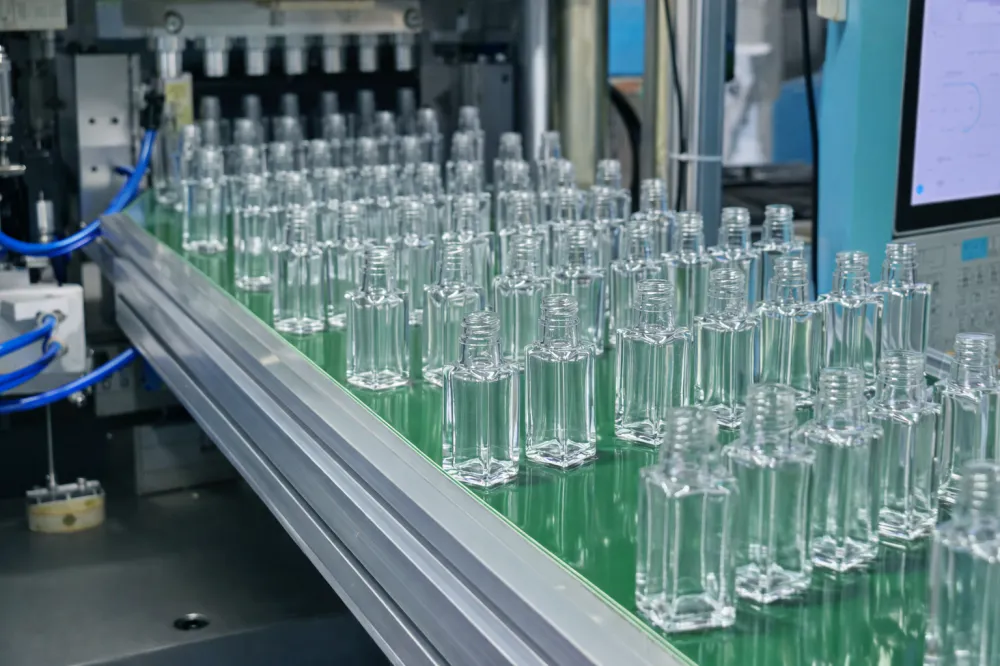
Explore our full range of injection blow molding machine replacement models to find the right fit for your production requirements.
Compatible Peripheral Equipment
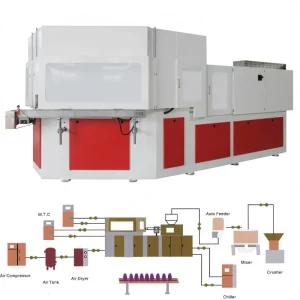
We supply a complete range of auxiliary systems to support the ZQ110, ensuring your injection blow molding machine line operates as a fully integrated, single-source production solution.
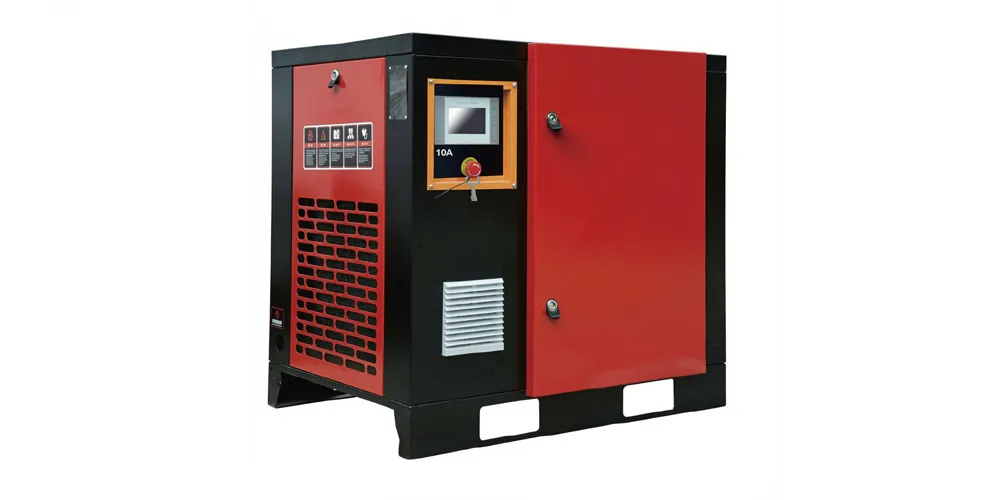
Oil-Free Air Compressor
Clean, oil-free compressed air is an absolute requirement for reliable blowing performance on any injection blow molding machine, and it becomes especially critical when producing pharmaceutical or food-grade containers where oil carry-over into the blow-air stream would constitute a contamination event. Our recommended oil-free air compressors are sized to supply the ZQ110's 0.7 M³/min air demand at 0.7–1.2 MPa blow pressure without variation, supporting stable bubble-free container walls across all cavities in every cycle. Integration with the ZQ110's PLC control system is pre-validated, reducing commissioning time.
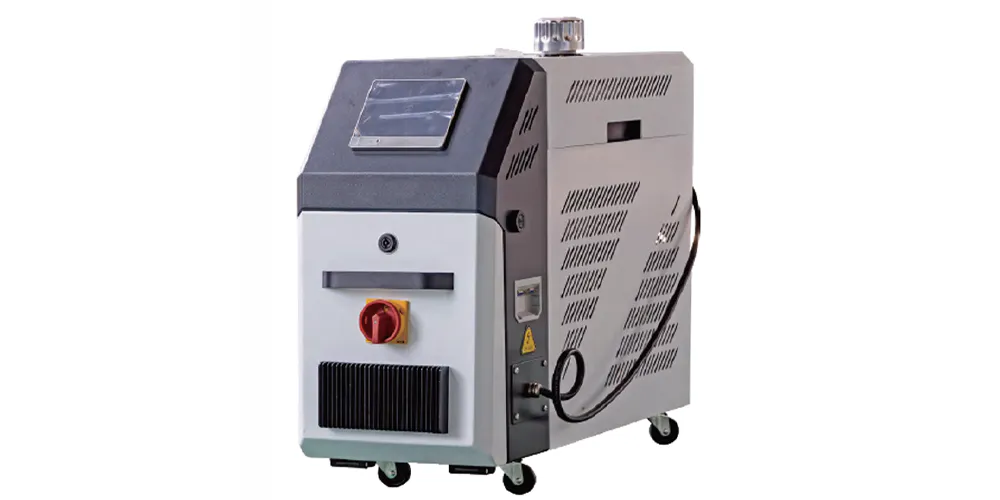
Pengontrol Suhu Cetakan
Maintaining stable mold temperature is directly linked to cycle-to-cycle container quality on an injection blow molding machine. Temperature variation across the mold surfaces causes inconsistent preform conditioning, leading to wall thickness variation, optical haze in transparent resins, and elevated container stress levels. Our Mold Temperature Controllers integrate with the ZQ110's 4 M³/h cooling water circuit, holding setpoint accuracy within ±1°C under continuous production load. For demanding applications in pharmaceutical or transparent PET cosmetic containers, this precision is not optional — it is the difference between acceptable and rejected output.
One-Stop Line Integration
Purchasing your injection blow molding machine, compressed air system, and temperature control equipment from a single supply source removes the compatibility uncertainty that arises when integrating components from multiple vendors. Our engineering team provides complete line layout drawings, utility specification sheets, and startup support for the ZQ110 platform. Whether your facility is in Bogotá, Medellín, Barranquilla, or any other Colombian manufacturing center, we coordinate shipment logistics, import documentation, and on-site commissioning to ensure your production line reaches full output as quickly as possible after arrival. Request a complete system quotation through our contact page.
Tentang Kami
We are a specialized manufacturer of injection blow molding machines and injection stretch blow molding equipment, with a deep engineering background in European-style IBM platform development. Our product line addresses the full range of production requirements — from compact single-cavity machines for specialized pharmaceutical applications through high-cavitation industrial injection blow molding machines like the ZQ110, which is purpose-built for high-volume container manufacturing at commercial scale.
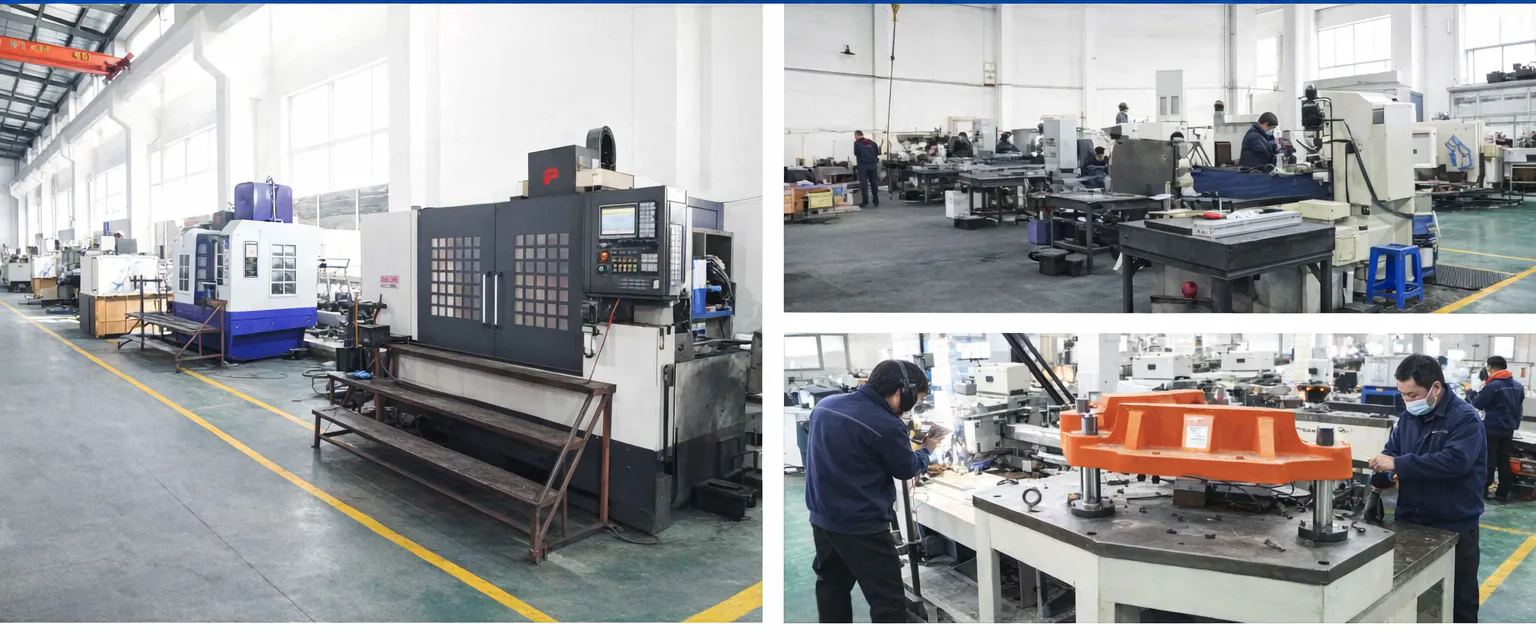
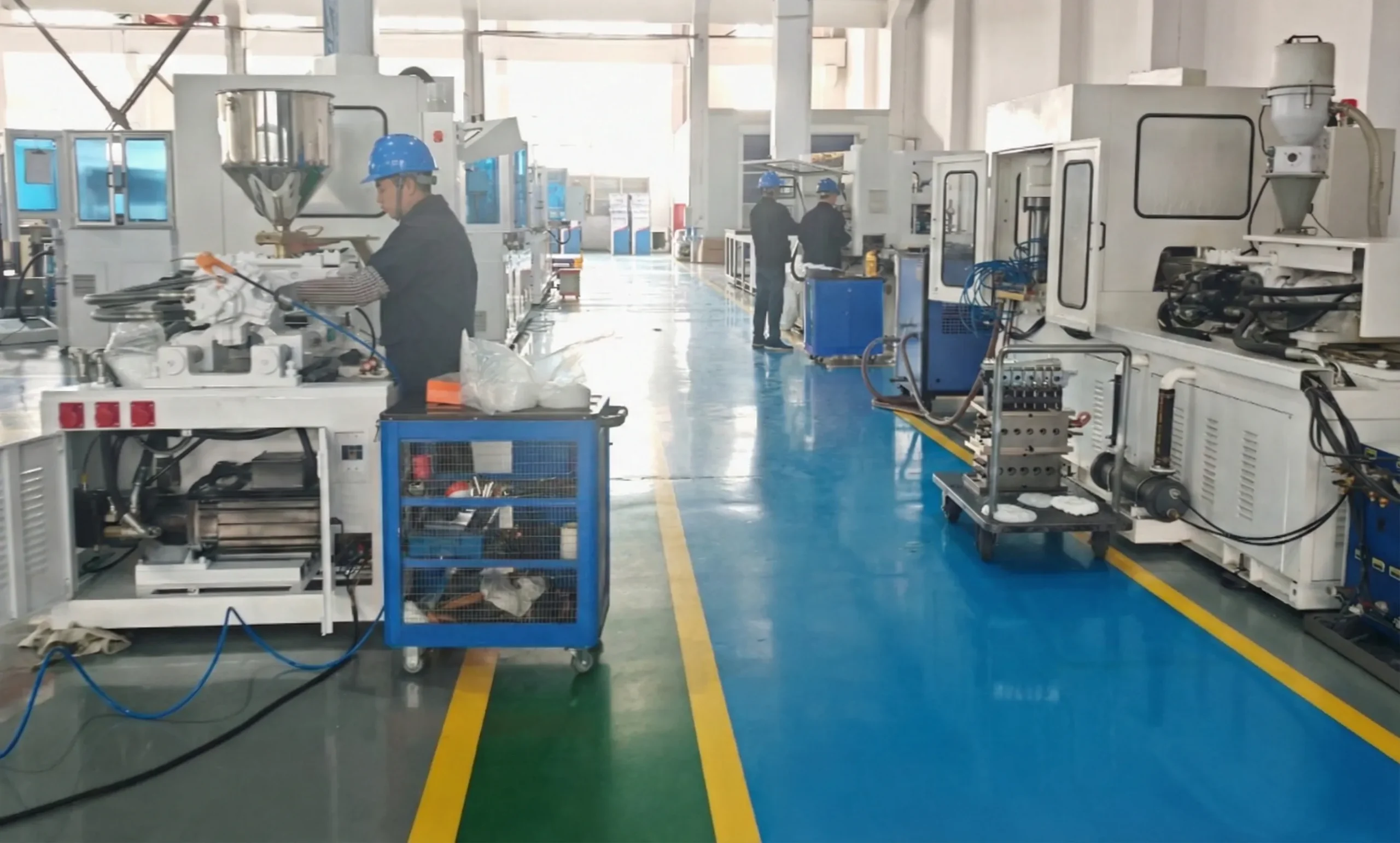
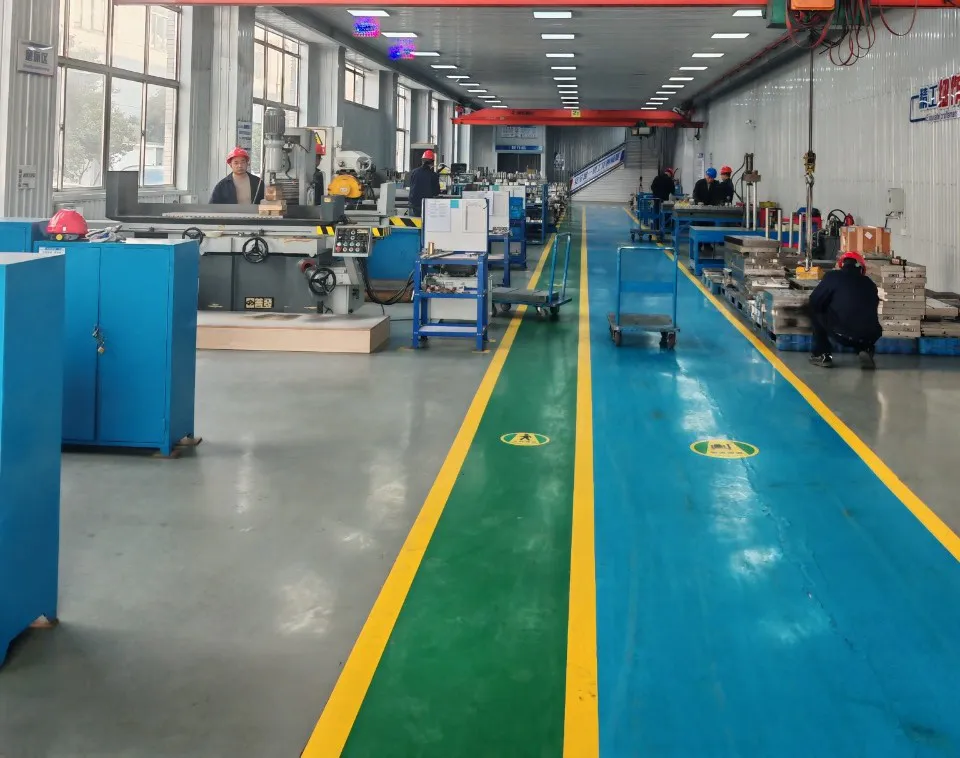
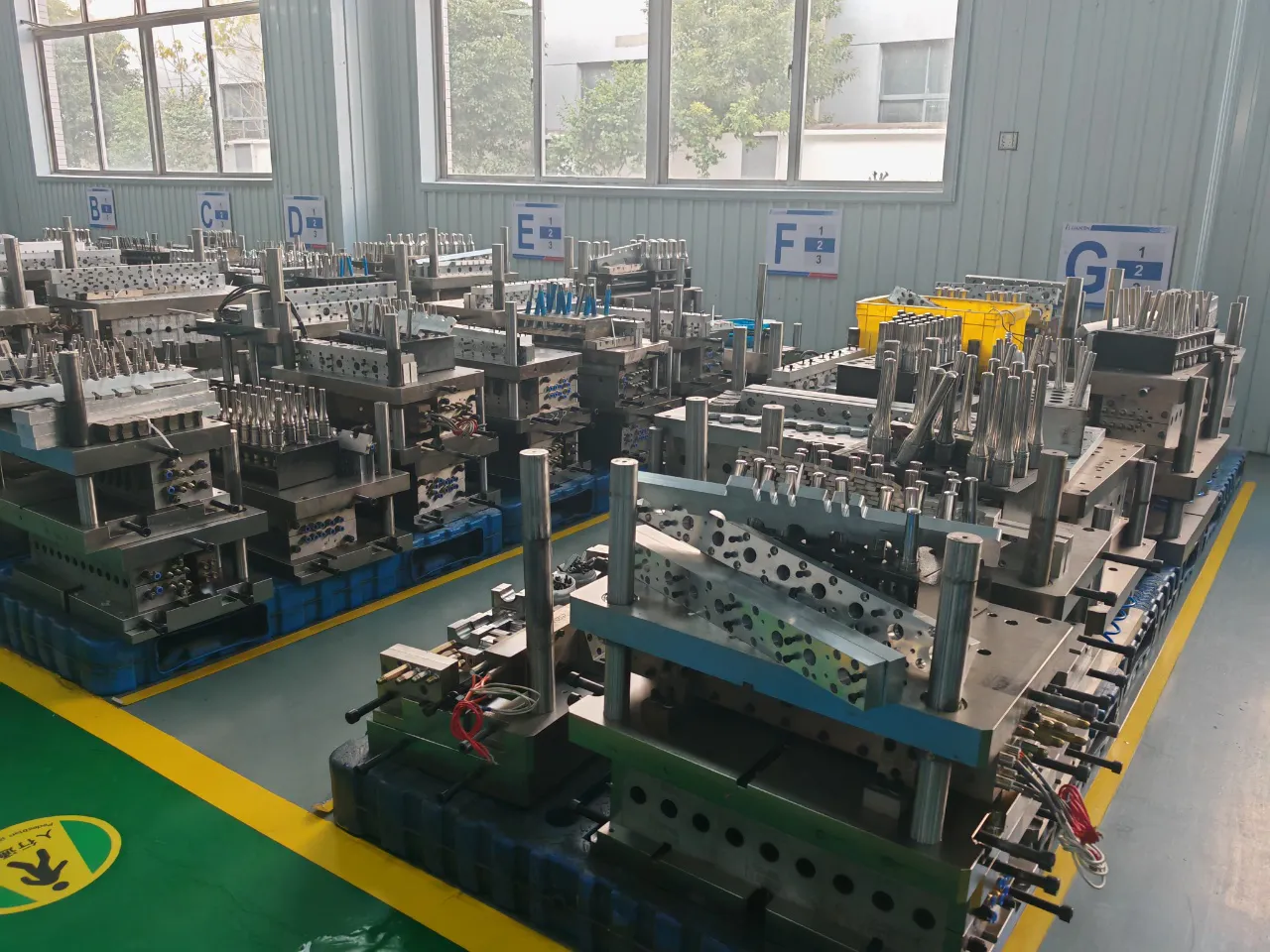
Bengkel
Pertanyaan yang Sering Diajukan
Editor: PXY