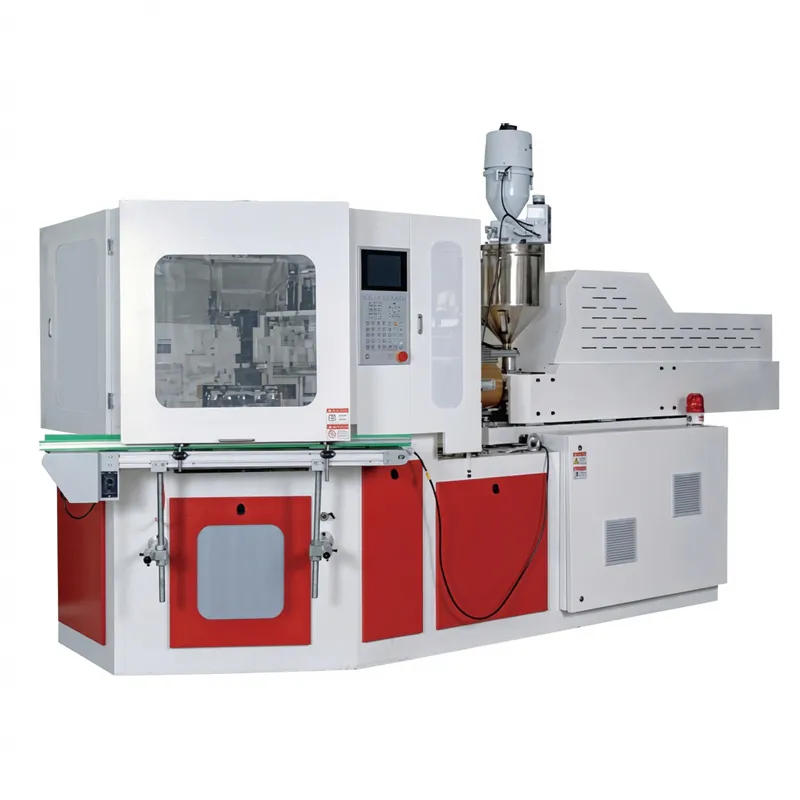
EP-Replacement of Jomar IBM40 IBM Machine – ZQ40
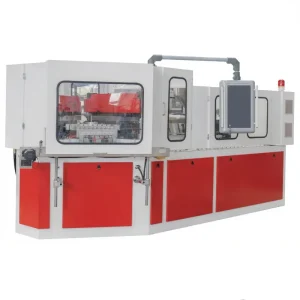
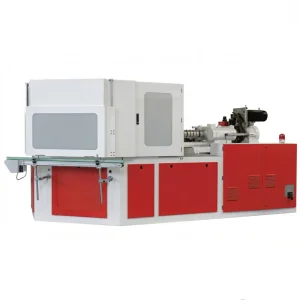
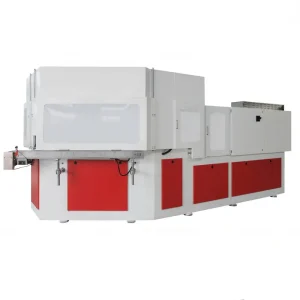
The ZQ40 is a European-structure injection blow molding machine engineered as a high-performance replacement for the Jomar IBM40 platform. It features a robust 400 KN injection clamping force, a streamlined servo drive system, and a full-European mechanical frame for reliable, precise production of pharmaceutical, cosmetic, and food-grade bottles. The machine processes HDPE, PP, PET, and PC resins to produce containers from 1 ml to 1,500 ml.
European-Style this equipment
EP-Replacement of Jomar IBM40 IBM Machine – ZQ40
The ZQ40 is an advanced European-structure this equipment engineered for manufacturers who demand precision, energy efficiency, and long-term reliability. Designed as a compatible replacement reference for the Jomar IBM40 platform, this machine delivers upgraded clamping force, a streamlined servo drive system, and a full-European mechanical frame — making it one of the most capable small IBM Machine options available for pharmaceutical, cosmetic, and food-grade bottle production.
Brand Reference Notice: The mention of "Jomar IBM40" on this page is solely to assist customers in equipment selection and compatibility comparison. We do not manufacture, distribute, or represent Jomar products. Our ZQ40 is an independently developed the ZQ40. All trademarks belong to their respective owners.
1. ZQ40 IBM Machine Technical Specifications
The following table lists the complete technical parameters for the ZQ40 European this equipment. All data has been extracted from the official product specification sheet.
| System | Parameter | Satuan | ZQ40 |
|---|---|---|---|
| Injection System | Diameter Sekrup | mm | 40 / 45 |
| Rasio Panjang/Kedalaman Sekrup | % | 22:1 | |
| Injection Weight | g | 190 / 260 | |
| Daya Pemanas | KW | 7.5 | |
| Number of Barrel Zones | — | 3+N | |
| Injection Stroke | mm | 120 | |
| Clamping System | Clamping Force of Injection | KN | 400 |
| Opening Stroke for Injection | mm | 165 | |
| Clamping Force of Blowing | KN | 60 | |
| Opening Stroke for Blowing | mm | 140 | |
| Rotary Table Lift Height | mm | 70 | |
| Mould | Max. Platen Size (L×W) | mm | 480 × 340 |
| Mold Thickness | mm | 180 | |
| Max. Bottle Diameter | mm | 120 | |
| Max. Bottle Height | mm | 220 | |
| Suitable Bottle Volume | ml | 1 – 1,500 | |
| Stripping Stroke | mm | 220 | |
| Hydraulic System | Hydraulic Pressure | MPa | 14 |
| Tenaga Motor | KW | 11 | |
| Dry Cycle | S | 3.5 | |
| Total Power | KW | 20 | |
| Operating Power Efficiency | % | 52 – 70 | |
| Others | Min. Air Pressure | MPa | 0.7 – 1.2 |
| Compressed Air Capacity | m³/min | 0.7 | |
| Cooling Water Flow | m³/h | 3.5 | |
| Machine Dimension (L×W×H) | M | 3.5 × 1.3 × 1.7 | |
| Net Weight | Ton | 3.8 |
Mold Cavitation Reference (For Reference Only)
| Volume | 10 ml | 30 ml | 60 ml | 100 ml | 250 ml | 500 ml | 1,000 ml |
|---|---|---|---|---|---|---|---|
| Max. Cavities | 9 | 8 | 6 | 4 | 3 | 2 | 1 |
2. ZQ40 vs Jomar IBM40 IBM Machine – Parameter Comparison
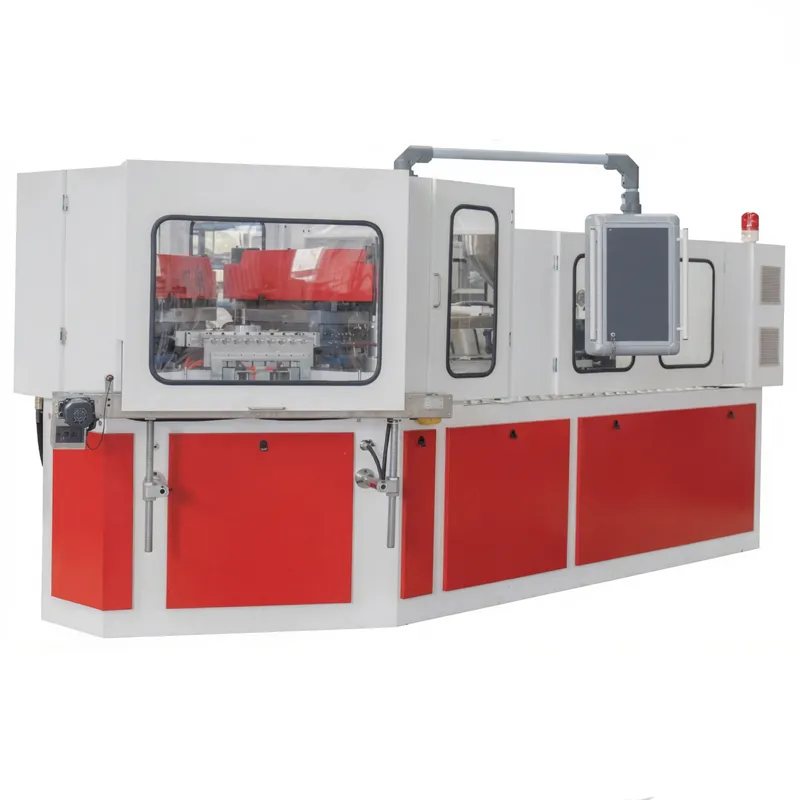
The table below provides a side-by-side technical comparison between the ZQ40 and the Jomar IBM40 this blow molding platform series. This is offered purely as a selection reference for engineers and procurement teams sourcing compatible replacement equipment. The data for the Jomar IBM40 column reflects publicly available specifications for that product class.
| Parameter | Jomar IBM40 (Reference) | EP ZQ40 IBM Machine |
|---|---|---|
| Clamping Force (Injection) | 340 KN | 400 KN |
| Diameter Sekrup | 35 / 40 mm | 40 / 45 mm |
| Injection Weight | 180 g | 190 / 260 g |
| Max. Platen Size (L×W) | 394 × 508 mm | 480 × 340 mm |
| Machine Dimension (L×W×H) | 2.72 × 1.9 × 2.75 M | 3.5 × 1.3 × 1.7 M |
| Berat Mesin | ~4.0 Ton (est.) | 3.8 Ton |
| Sistem Penggerak | Hydraulic | Servo + Hydraulic |
| Energy Saving vs Industry | Standar | 10–20% Lower |
| Dry Cycle | ~4–5 S (est.) | 3.5 S |
| Mechanical Frame Style | American | Full European |
Note: Jomar IBM40 reference data is sourced from publicly available product literature for buyer comparison purposes only.
3. What Is the ZQ40 IBM Machine?
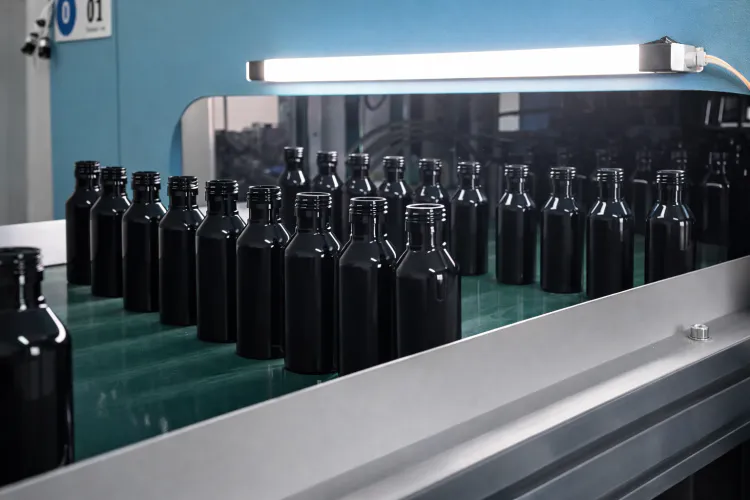
The ZQ40 is a full European-style IBM Machine built under a three-station rotary design: injection, blow, and ejection — all completed in one continuous cycle. As a high-performance alternative reference for the Jomar IBM40 series, it is specifically engineered for producing small to medium hollow plastic containers in pharmaceutical, personal care, and specialty packaging applications. The machine adopts a standard servo rotation mechanism, which simplifies operation while maintaining repeatable dimensional accuracy across high-volume production runs.
Unlike conventional the machines, the ZQ40 features a unique pressurized clamping structure where the booster cylinder is completely decoupled from the mold opening and closing motion. This results in energy consumption 10–20% lower than comparable machines in the same tonnage class. The clamping force is also 20–30% greater than the industry average for this size category, meaning more consistent wall thickness distribution, especially for wide-mouth and asymmetric bottle geometries. For manufacturers evaluating the best this molding equipment within the 40-ton clamping class, the ZQ40 stands out for its robust mechanical build, straightforward maintenance access, and broad material compatibility including HDPE, PP, PET, and PC resins.
Whether you are expanding production capacity, replacing aging equipment, or sourcing from this unit manufacturers for a new line, the ZQ40 delivers measurable advantages in cycle time, energy efficiency, and long-term tooling compatibility. The full European-style structure means all critical mechanical interfaces follow international dimensional standards, which makes integration with existing molds and downstream conveyors straightforward for facilities currently operating Jomar IBM40 or similar platforms.
4. Five Key Product Advantages of IBM Machine
Superior Clamping Force
The ZQ40 IBM Machine delivers 400 KN injection clamping force — 20–30% above the industry norm for machines in this class. This higher clamping pressure ensures tighter parting line control, reducing flash and reject rates across multi-cavity mold configurations for pharmaceutical and cosmetic containers.
10–20% Lower Energy Consumption
The booster cylinder does not participate in mold open/close operations, which significantly reduces hydraulic energy demand per cycle. Operating power efficiency reaches 52–70%, making the ZQ40 one of the most cost-effective industrial IBM Machine options in its tonnage range.
Standard Servo Rotation Drive
A servo-driven rotary table eliminates the variability of conventional hydraulic indexing. The result is a repeatable 3.5-second dry cycle, consistent station positioning across shifts, and reduced mechanical wear over the machine's lifetime — critical for pharmaceutical-grade ZQ40 IBM Machine process standards.
Full European-Style Mechanical Frame
Every structural interface on the ZQ40 follows European this system design conventions. This ensures mold interchangeability, standard spare parts sourcing, and ease of integration for facilities transitioning from Jomar IBM40 IBM Machine equipment. The robust frame supports a mold platen of 480 × 340 mm with up to 220 mm stripping stroke.
Wide Material & Bottle Range
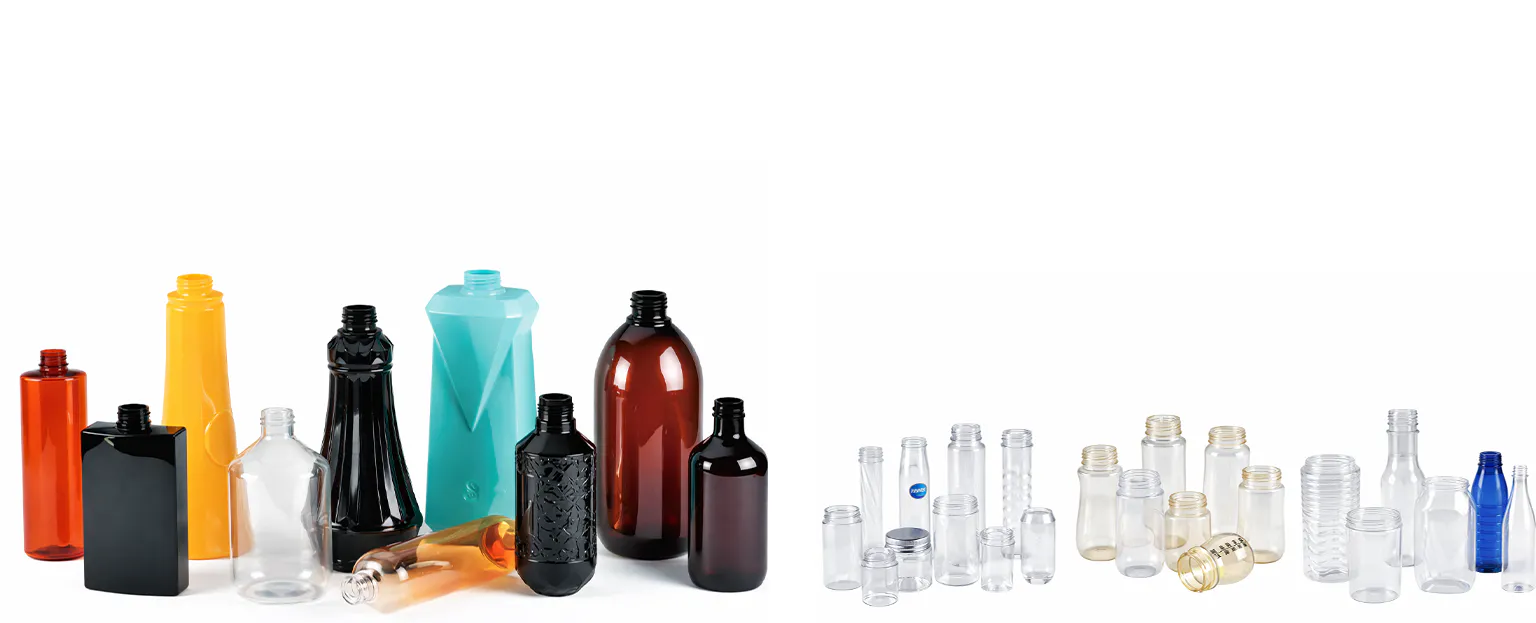
The ZQ40 IBM Machine processes HDPE, PP, PET, PVC, and PC resins, producing bottles from 1 ml to 1,500 ml with a maximum diameter of 120 mm and height of 220 mm. A mold cavitation reference table confirms output from 1 to 9 cavities depending on volume — making this plastic the machine suitable for both small-batch and continuous high-volume production.
5. Application Scenarios of IBM Machine
The ZQ40 IBM Machine is designed to serve a broad spectrum of hollow container production needs. Its combination of high clamping force, precision servo indexing, and wide volume range (1–1,500 ml) makes it relevant across several demanding industries.
💊 Pharmaceutical Packaging
The ZQ40 IBM Machine is widely used for producing HDPE and PP pharmaceutical bottles including tablet containers, syrup bottles, and dropper vials. The fully enclosed clamping structure ensures contamination-free production environments, meeting GMP requirements common across Colombia, the United States, and European pharmaceutical manufacturing standards. The machine's consistent shot weight (190–260 g) supports tight fill-volume tolerances across multi-shift production.
🧴 Personal Care & Cosmetics
From lotion pumps to shampoo bottles and perfume sprays, the ZQ40's blow mold platen of 480 × 340 mm supports a wide variety of cosmetic container geometries. Its short dry cycle of 3.5 seconds enables high output per shift, which is particularly important for cosmetic packaging lines serving the Colombian and Latin American retail markets where demand for attractive, consistent containers is growing rapidly across the personal care segment.
🥤 Food & Beverage Containers
The ZQ40 supports food-grade resins including HDPE, PP, and PET for producing sauce bottles, condiment containers, and specialty beverage bottles. Its multi-cavity capability — up to 9 cavities for 10 ml containers — enables efficient production of single-serve condiment packs. Food contact compliance with standards such as FDA 21 CFR and EU Regulation 10/2011 must be confirmed through resin selection and process validation, ensuring suitability for regulated food contact applications.
🧪 Chemical & Industrial Containers
For agrochemicals, lubricants, and cleaning products, the ZQ40's robust hydraulic system operating at up to 14 MPa provides the structural integrity needed for chemical-grade HDPE bottles. The machine's Screw L/D ratio of 22:1 allows effective processing of high-viscosity and filled resins. Industrial bottle production for agricultural chemicals in Colombia and other Andean markets requires high chemical resistance — a capability the ZQ40 IBM Machine handles through broad material compatibility and stable temperature control across 3+N barrel zones.
🏥 Medical Device & Laboratory Supply
The ZQ40 IBM Machine is suitable for producing sample collection tubes, reagent bottles, and medical supply containers using PC or PP resins. Its servo-driven rotary table provides the positioning accuracy critical in medical packaging, where dimensional tolerances directly affect seal integrity and cap fitment. Facilities serving the Colombian medical device market or exporting to regulated markets can leverage the ZQ40's European-style construction as a technical baseline for equipment qualification documentation.
6. Understanding the ZQ40 IBM Machine Process
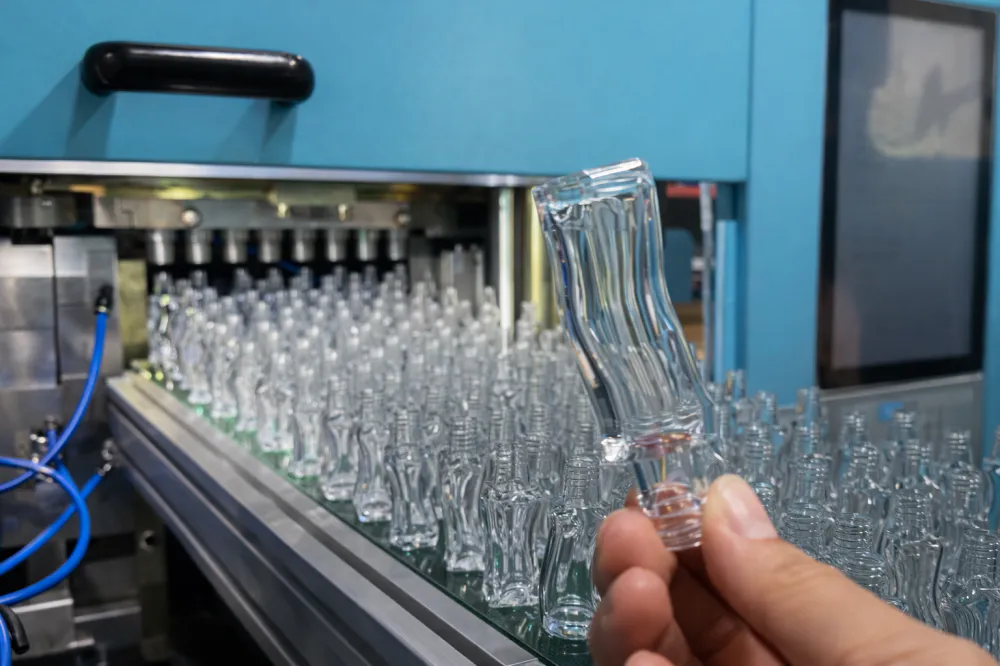
The ZQ40 process on the ZQ40 operates across three stations arranged on a rotating table. At Station 1, molten resin is injection-molded around a core pin, forming a preform with a precision-finished neck finish. The core pin with the hot preform then rotates to Station 2, where compressed air inflates the preform inside the blow cavity to its final bottle shape. At Station 3, the finished bottle is ejected while the next preform is simultaneously being injection-molded at Station 1. This overlap of operations is what makes the injection blow molding process inherently efficient compared to two-step extrusion blow molding.
Compared to injection stretch blow molding machines, the one-step injection blow molding process does not require a separate stretch rod — making it better suited for wide-mouth containers, pharmaceutical vials, and bottles where neck accuracy is paramount rather than biaxial orientation. The ZQ40 produces containers with precise neck geometry directly from the injection mold, resulting in consistent thread profiles suitable for standard closure systems without secondary trimming operations. For manufacturers already familiar with this IBM system process, the ZQ40's European mechanical architecture will feel intuitive, while its energy-saving hydraulic design represents a meaningful operational improvement over older American-style platforms.
7. Regulatory Considerations for the unit Operations
Operating an this equipment for commercial container production involves navigating a range of national and regional regulatory frameworks. Understanding these requirements is essential for procurement decisions, particularly for buyers in Colombia and Latin America targeting export markets.
🇨🇴 Colombia – INVIMA & ICONTEC
In Colombia, pharmaceutical and food-grade packaging produced on an this system must comply with INVIMA (Instituto Nacional de Vigilancia de Medicamentos y Alimentos) requirements. Primary packaging for pharmaceuticals requires INVIMA registration. Plastic materials must comply with NTC (Norma Técnica Colombiana) standards for food contact. Importers should also verify compliance with Resolución 3168 of 2015 for medical devices, which governs container suitability for sterile and non-sterile products.
🇪🇺 European Union – EU 10/2011
For plastic materials and articles intended to contact food produced by IBM Machine, EU Regulation No. 10/2011 on plastic food contact materials sets out permitted substances, migration limits, and testing procedures. Manufacturers in or exporting to EU markets must ensure material declarations of compliance accompany their containers. Additionally, REACH (EC 1907/2006) applies to chemical substances used in plastic resins and colorants.
🇺🇸 United States – FDA 21 CFR
The FDA regulates plastics used in food and pharmaceutical packaging under 21 CFR Parts 174–179. Resin suppliers should provide a letter of conformance confirming that the material meets FDA requirements for the intended food contact use. Pharmaceutical primary packaging additionally falls under 21 CFR Part 211 (cGMP for finished pharmaceuticals), which sets equipment qualification and process validation requirements relevant to this machine operations at pharmaceutical facilities.
🇧🇷 Brazil – ANVISA RDC 91/2001
Brazil's ANVISA regulates food contact plastics under RDC 91/2001 and related resolutions. Packaging produced by this blow molding unit for the Brazilian market must use approved substances listed in ANVISA's positive lists. Equipment used to produce pharmaceutical packaging is additionally subject to RDC 134/2001 and Resolução-RE 899/2003, which govern good manufacturing practices for medicinal products. Colombia-based exporters supplying Brazil should ensure their this platform supplier can provide relevant material traceability documentation.
🌍 ISO Standards for Machinery Safety
Regardless of market, IBM Machine equipment safety is governed by ISO 20430:2020 (Plastics and rubber machines — Injection moulding machines — Safety requirements). This standard covers machine guarding, hydraulic safety, electrical safety, and emergency stop functions. The ZQ40's European-structure design is aligned with ISO 20430 principles, making conformity assessment straightforward for buyers working with CE-marked downstream production environments.
8. Tentang Kami
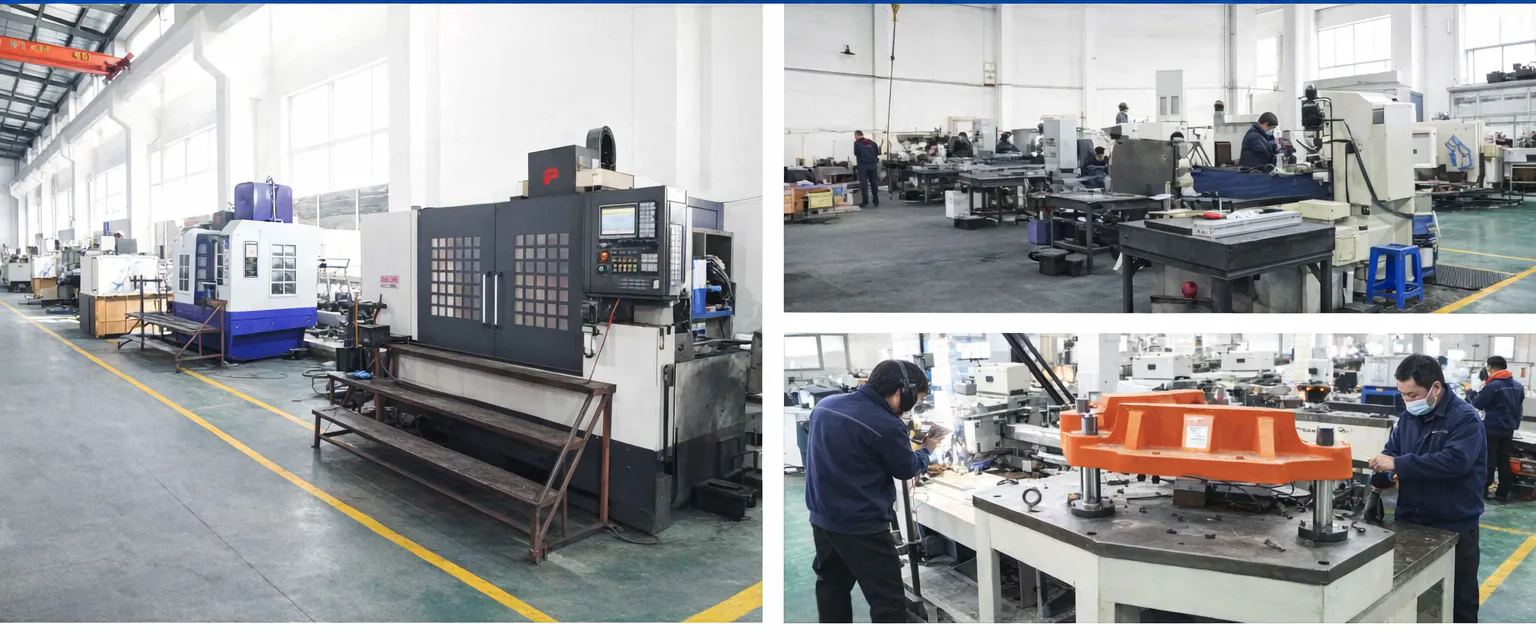
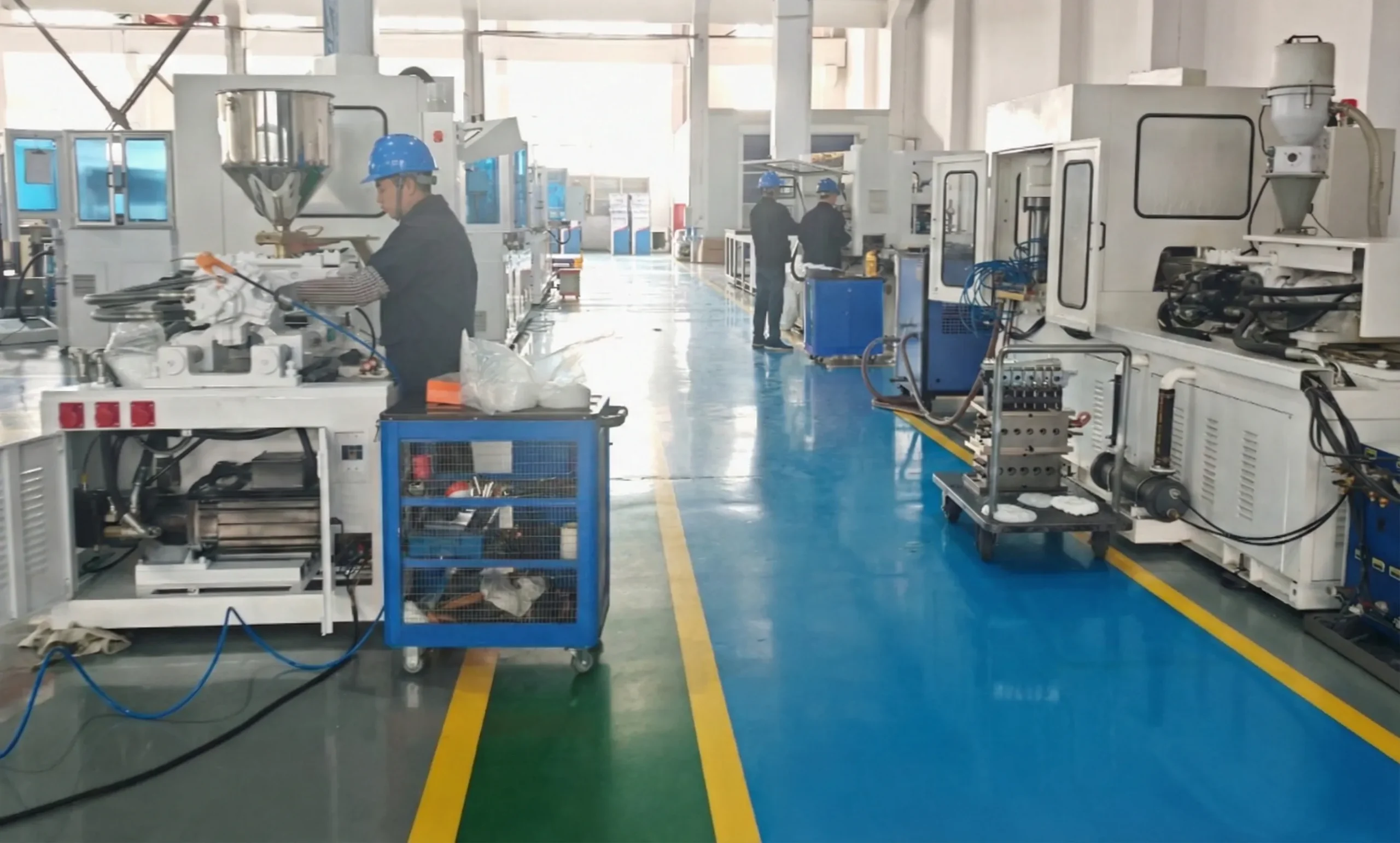
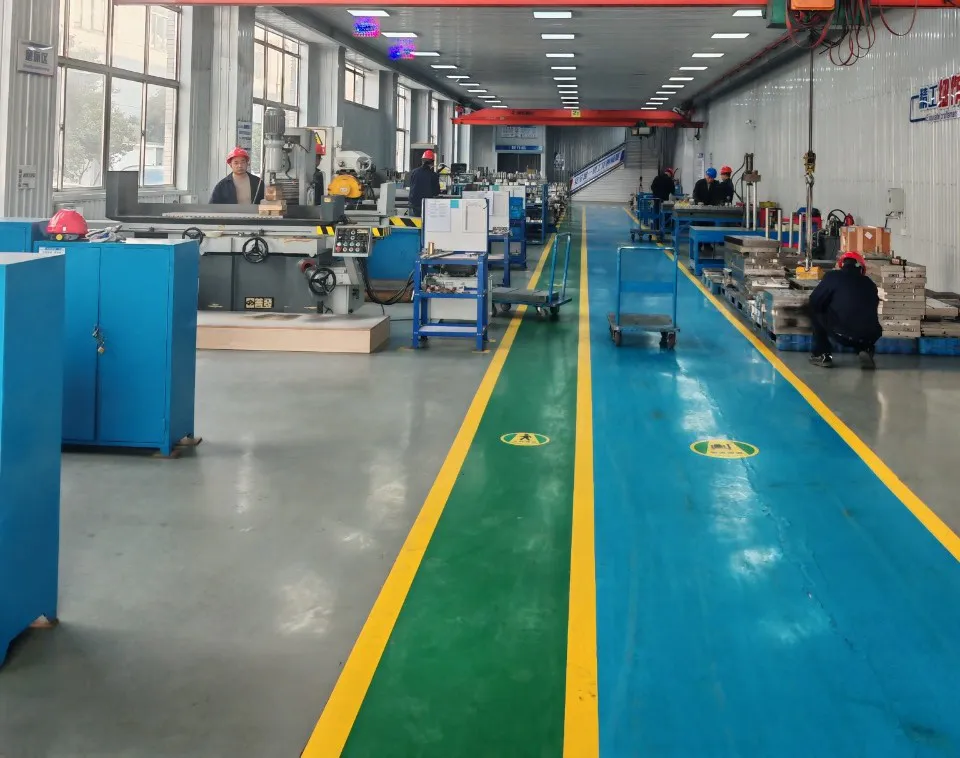
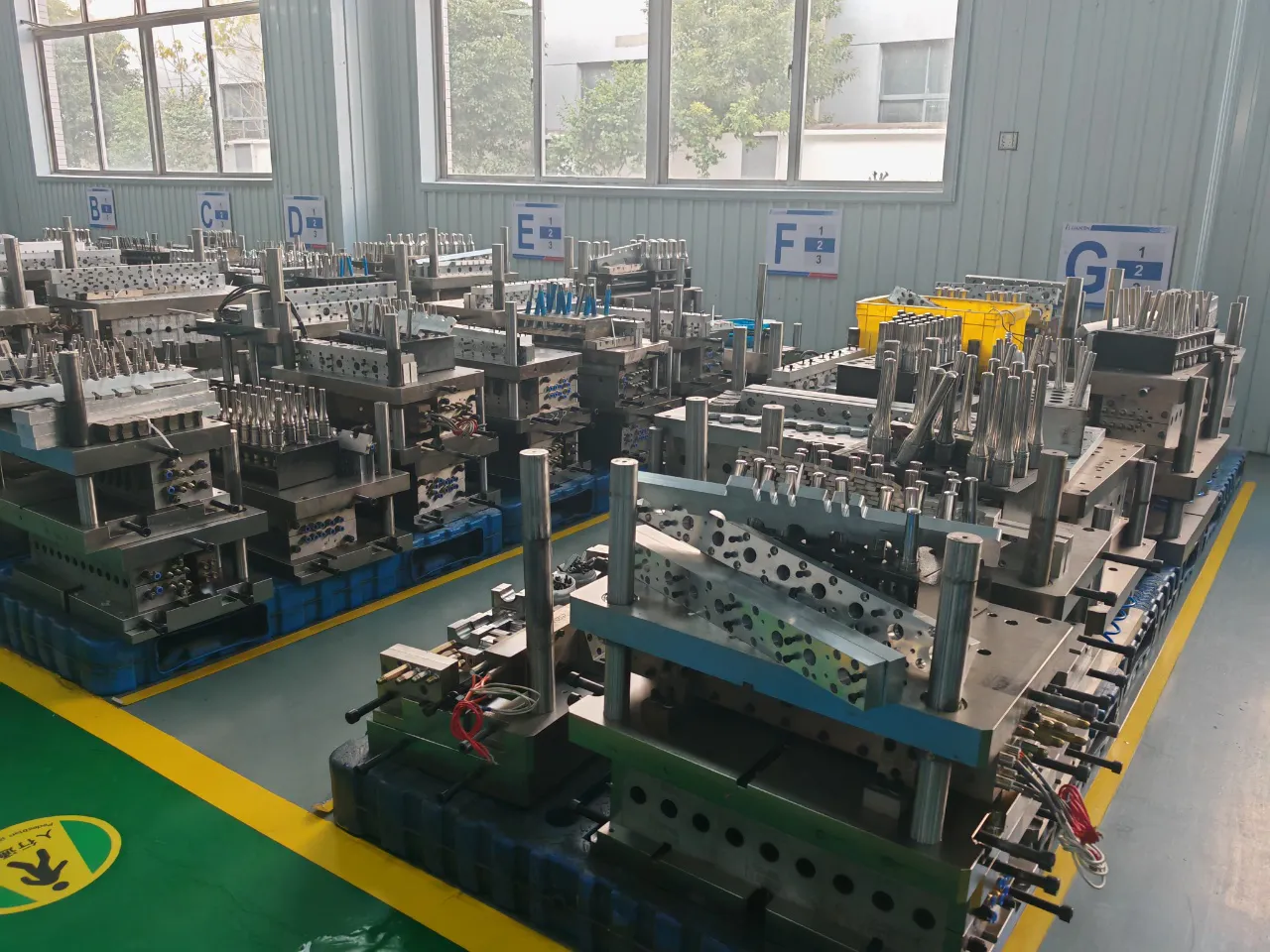
We are an established manufacturer of European-style the ZQ40s with a focus on precision engineering, energy efficiency, and global technical support. Our product lineup covers small this IBM machines for laboratory and niche pharmaceutical applications through to high-cavitation industrial the machines for large-scale consumer packaging production. Every machine in our range is designed for straightforward operation, long service intervals, and compatibility with internationally sourced tooling and spare parts.
As one of the dedicated injection blow molding machine manufacturers serving clients in Latin America, Southeast Asia, Europe, and beyond, we provide comprehensive pre-sales consultation, equipment commissioning support, operator training, and after-sales technical assistance. Our engineering team has extensive experience helping customers transition from legacy equipment platforms — including helping buyers who previously operated Jomar or similar IBM machines evaluate compatible European-structure replacements. We welcome requests for factory audits, video demonstrations, and sample production trials.
Bengkel
9. Produk dan Komponen Sistem Terkait
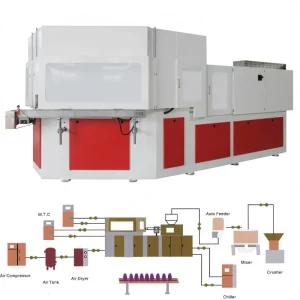
A complete this equipment production line requires more than just the core molding unit. We supply or work with verified system components to support one-stop procurement and ensure full production line compatibility. Our system integration approach covers air supply, temperature control, and mold support — simplifying commissioning and vendor management for production facilities in Colombia and internationally.
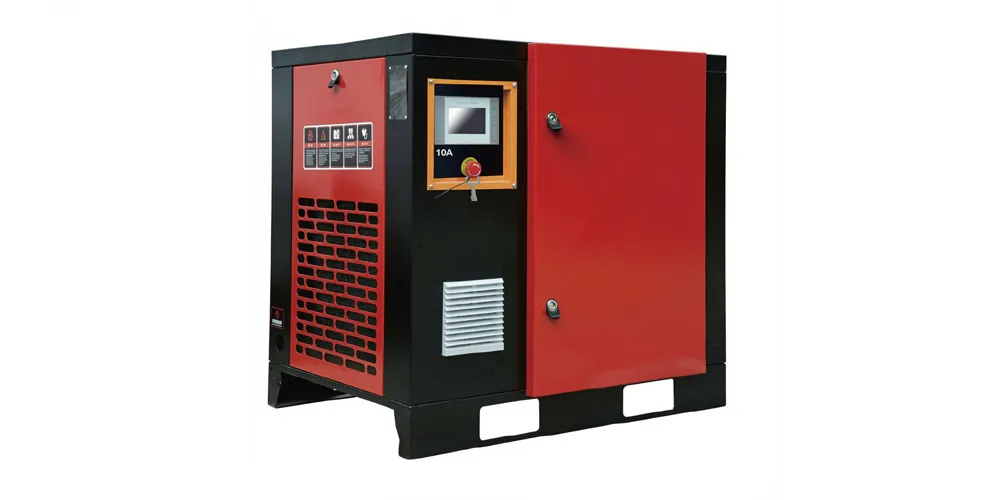
Oil-Free Air Compressor
An oil-free air compressor is essential for this unit operations where food-grade or pharmaceutical-grade air purity is required. The ZQ40 operates at 0.7–1.2 MPa compressed air pressure with a flow requirement of 0.7 m³/min. Oil-free compressors eliminate contamination risk from lubricant carry-over, which is critical for pharmaceutical and food contact bottle production.
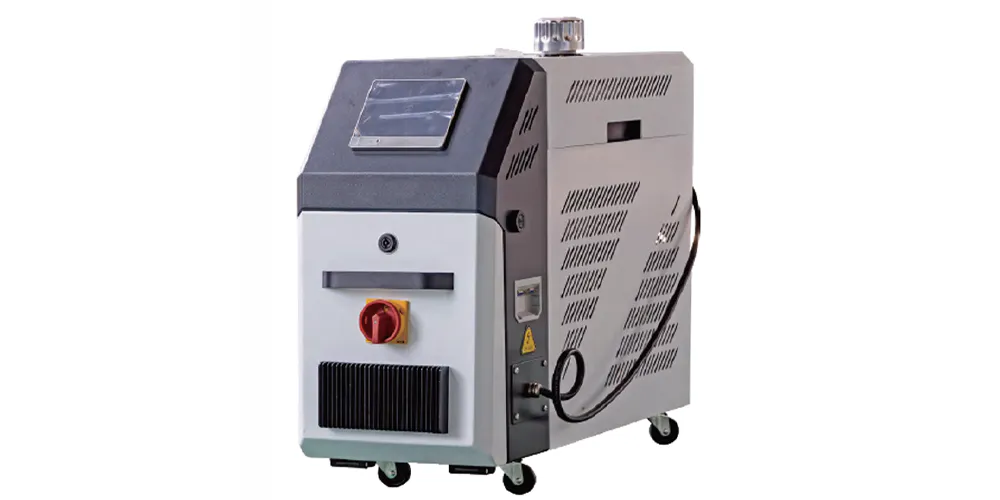
Pengontrol Suhu Cetakan
A Mold Temperature Controller maintains precise and stable mold surface temperatures throughout the injection blow molding process, reducing cycle-to-cycle variation in wall thickness and improving surface finish on the finished container. The ZQ40's cooling water system uses 3.5 m³/h at 0.3–0.4 MPa, and a properly specified mold temperature controller ensures this flow is delivered at consistent temperature regardless of ambient conditions or production speed changes.
Pertanyaan yang Sering Diajukan
Editor: PXY