A technical and commercial guide for cosmetic packaging designers, brand managers, and production engineers exploring the injection blow molding machine technologies behind today’s premium serum bottles.
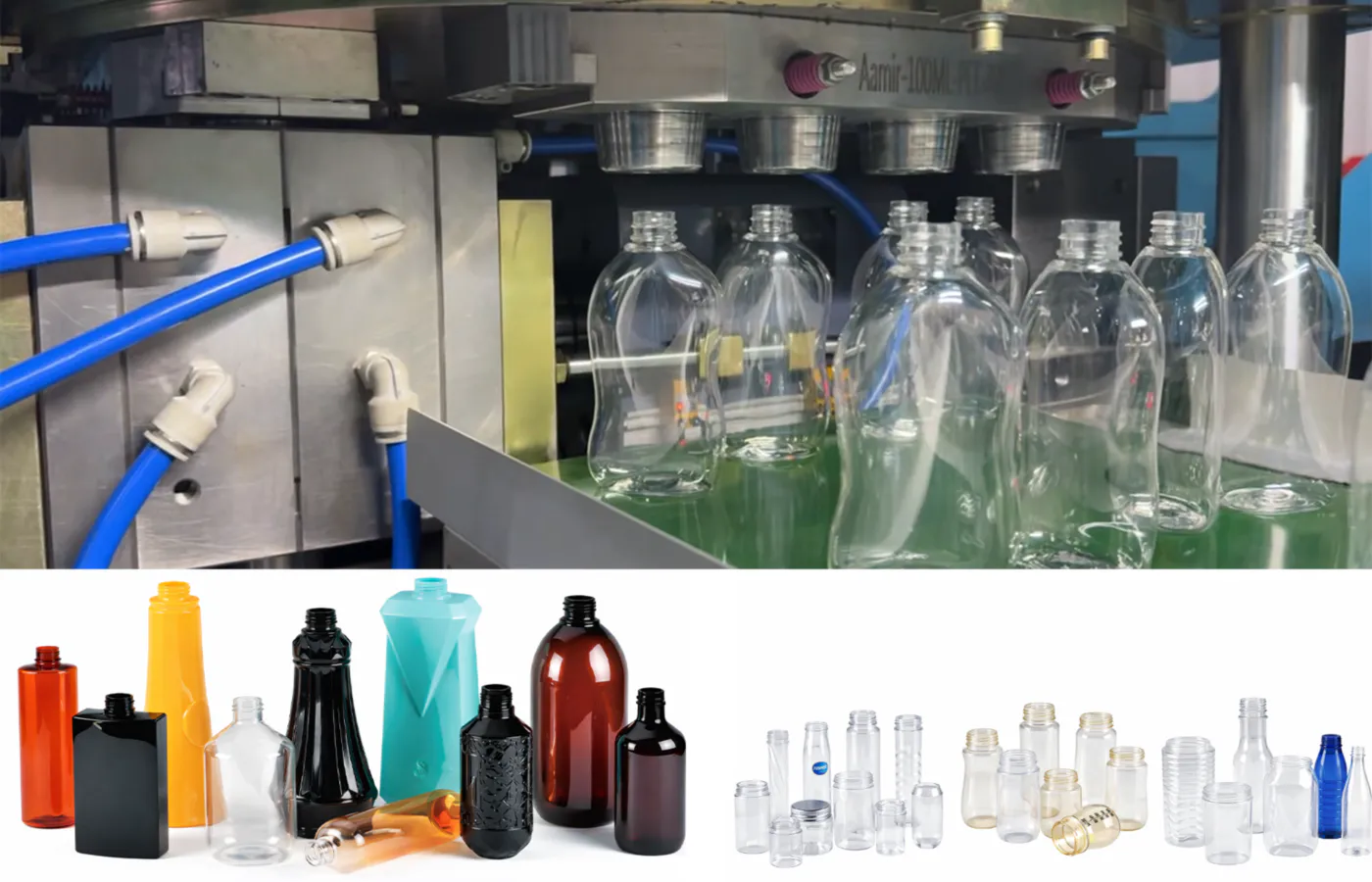
There is a precise moment when a consumer picks up a serum bottle in a department store or opens a delivery box and the bottle either justifies the price tag or quietly undermines it. That first impression is shaped almost entirely by the container: its weight in the hand, the quality of the glass-like clarity, the crispness of the neck thread, the way light moves through the walls. For decades, luxury skincare brands relied on actual glass to achieve this perception. What changed is that one-step injection stretch blow moulding — and specifically the application of PETG and PCTG on injection blow molding machine platforms engineered for cosmetic precision — now produces plastic containers that pass that hand test convincingly, at a fraction of the weight and at far lower breakage cost in transit.
This article explains the technical reasons behind that shift: the manufacturing structure of one-step ISBM, the material systems that make premium cosmetic containers achievable in plastic, the process disciplines required to hit luxury-grade quality standards consistently, and what the regulatory environment looks like for cosmetic packaging across the markets where luxury skincare brands operate. If you are specifying a new injection blow molding machine for serum bottle production, or evaluating whether ISBM is the right process for a container you are developing, this is the detailed context that technical data sheets rarely provide.
What Actually Makes a Serum Bottle Feel Luxury
Luxury packaging in skincare is not a vague concept — it is a measurable set of physical properties that the consumer registers without necessarily being able to articulate. Understanding these properties is the prerequisite for understanding why the injection blow molding machine process, and specifically the one-step ISBM variant, has become the preferred production method for premium cosmetic containers at the mid-to-high end of the market.
The first property is optical clarity. Luxury serum bottles — particularly those for vitamin C serums, retinol formulations, and hyaluronic acid products — are frequently designed to make the serum itself visible. A container that hazes, distorts, or yellows undermines the perception that the formulation inside is pure and potent. PETG produced via one-step ISBM typically achieves haze values below 2%, compared to the 5–15% range common in extrusion blow-moulded containers of equivalent wall thickness. The biaxial molecular orientation created during the simultaneous axial stretch and radial blow phase aligns the polymer chains in a way that directly reduces light scattering — the physical mechanism behind the haze reduction.
The second property is wall uniformity. Thin-wall serum bottles with complex geometry — faceted shoulders, tapered bodies, recessed label panels — require consistent wall thickness across every surface, or the bottle will feel fragile in precisely the spot the consumer is most likely to grip it. One-step ISBM delivers this consistency because the preform never passes through a separate cooling, storage, and reheating cycle. The thermal state of the preform at the blow station is tightly controlled within the same machine, which means the temperature distribution across the preform wall is more uniform than in any two-step process — and wall thickness distribution in the blown bottle reflects that upstream consistency.
The third property is neck-finish precision. Serum dispensers — droppers, pumps, airless mechanisms — are precision-engineered to specific closure dimensions. A neck thread that is even marginally out of specification produces a closure that either leaks (if too loose) or is difficult to operate (if too tight). The injection blow molding machine process sets the neck geometry during the injection phase, to tolerances of ±0.05 mm or better, using hardened steel neck core pins. That precision is maintained every cycle because the neck is not re-shaped during the blow phase — it was fixed at injection and remains dimensionally stable through the rest of the process.
Manufacturing Structure: How One-Step ISBM Differs from Alternatives
The structural distinction of one-step injection stretch blow moulding begins with what it eliminates. In a conventional two-step process, injection moulding produces preforms that are then cooled to ambient temperature, transported to a separate facility or storage area, and reheated before being stretched and blown. Each of those intermediate stages is a point where quality can degrade — through moisture absorption (relevant for PETG and PET), contamination, dimensional deformation during transport and storage, and thermal non-uniformity introduced by reheating equipment that cannot replicate the original injection temperature profile precisely.
The Four-Station Cycle for Serum Bottle Production
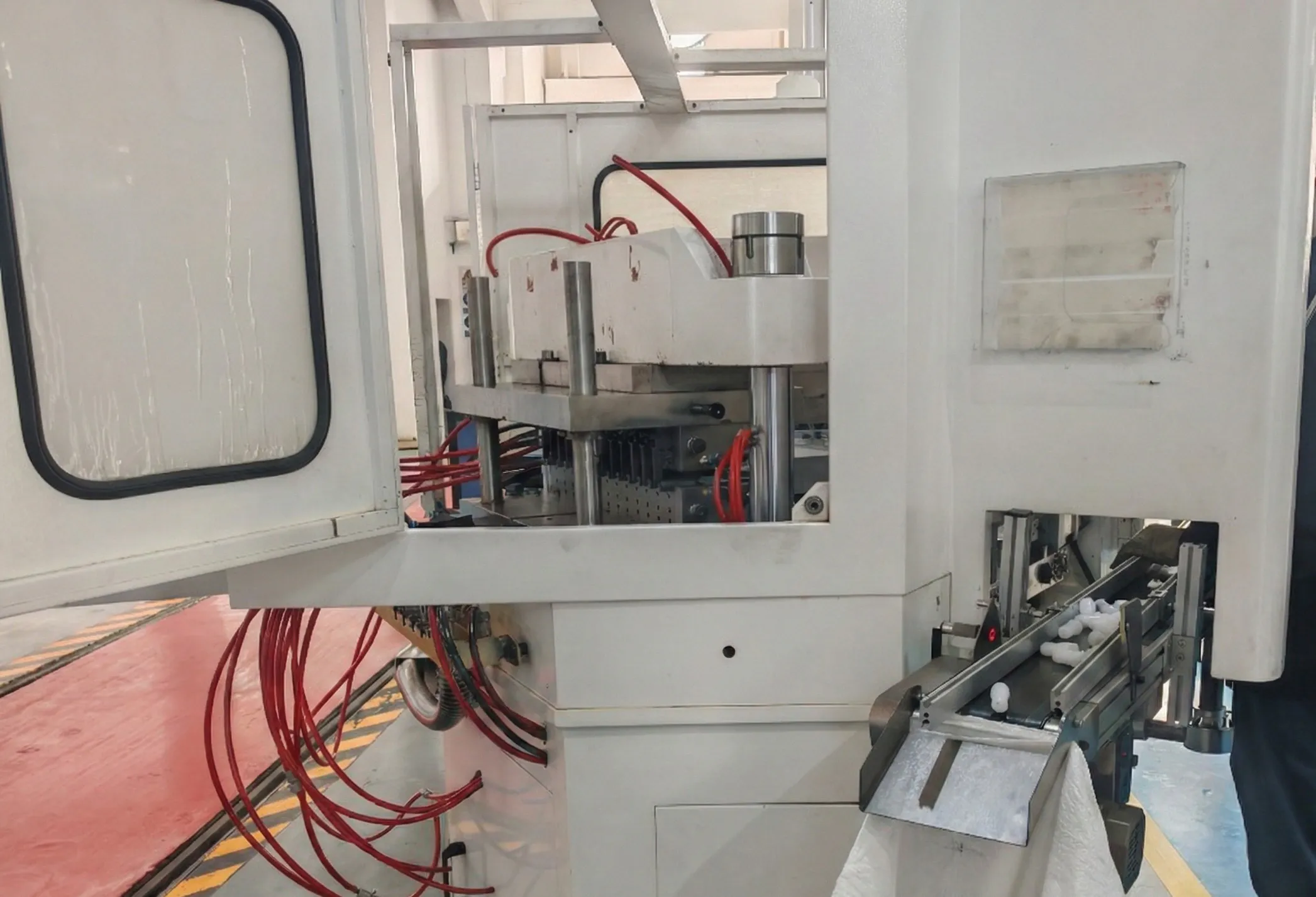
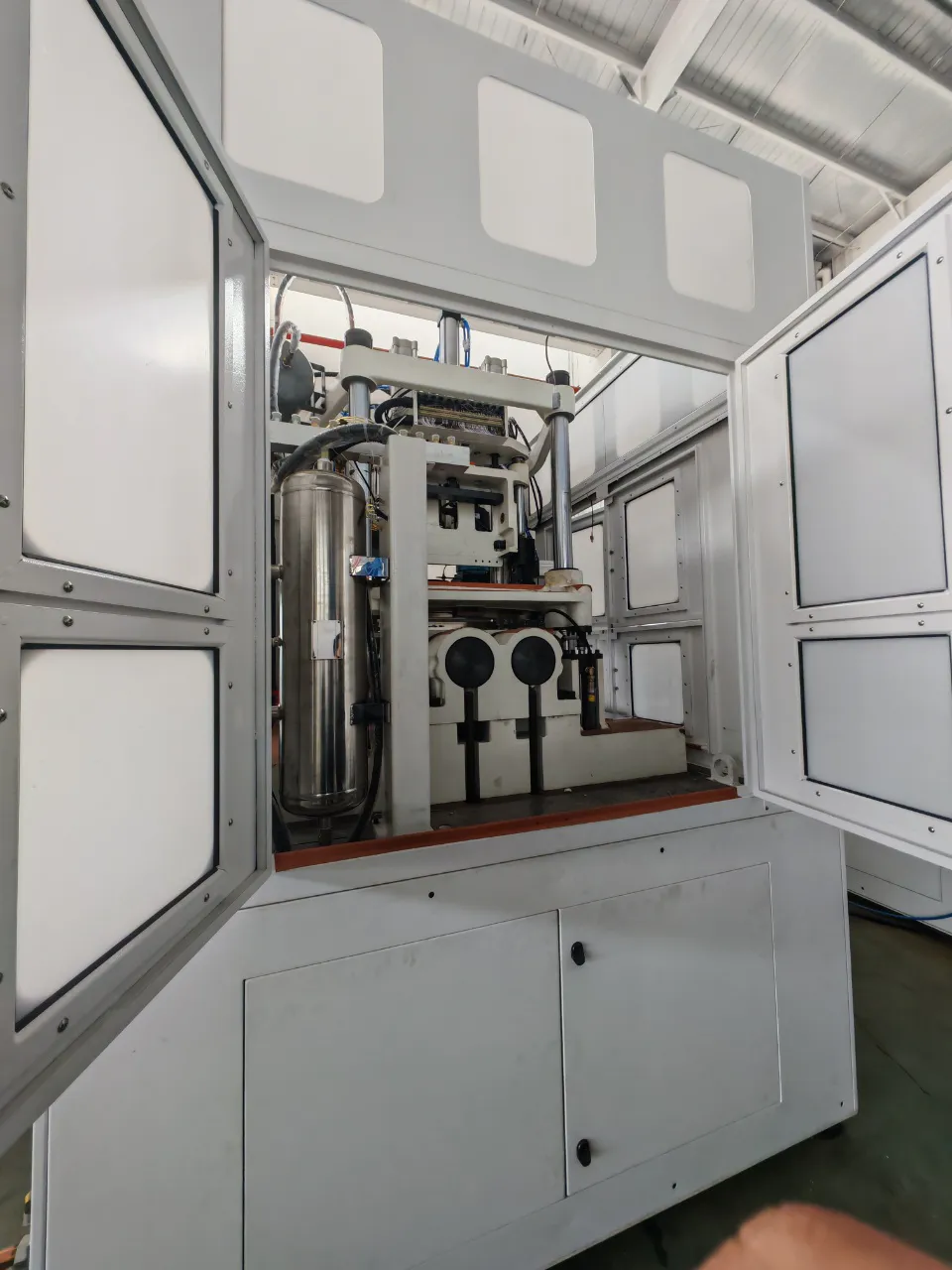
On a 4-station one-step injection blow molding machine, the production cycle runs continuously: the turntable indexes through four positions in sequence. Station 1 injects molten resin into the preform mould cavity and around the neck core pins, creating a thick-walled tube with the finished neck geometry already formed. Station 2 conditions the preform temperature — adjusting and equalising the thermal profile from the gate end to the neck shoulder using individually controllable heating and conditioning cores, which is the technically critical step that allows the 4-station process to handle thick-wall serum bottles, wide-neck cream jars, and engineering resins that a 3-station machine cannot condition precisely enough. Station 3 is the blow station: the conditioned preform is mechanically stretched axially by the stretch rod while high-pressure air simultaneously expands it radially against the blow mould cavity walls, creating the biaxial molecular orientation that delivers clarity, impact resistance, and barrier properties. Station 4 ejects the finished bottle automatically. The entire cycle — injection to finished bottle — occurs within a single sealed, controlled environment, without any human handling between stations.
Servo Drive Architecture and Its Relevance to Cosmetic Quality
Full servo-driven injection blow molding machines offer a specific advantage for cosmetic bottle production: cycle-to-cycle mechanical repeatability. The turntable index position, the injection clamping force, the stretch rod travel, and the blow mould clamping force are all servo-controlled to positions and forces that repeat with sub-millimetre accuracy from the first cycle to the millionth. Hydraulically actuated machines cannot match this position repeatability across temperature variations and extended running time, which is why servo-driven machines produce lower bottle-to-bottle dimensional variation — a quality characteristic that matters more in luxury cosmetics than in most other packaging applications, because the closures and dispensing mechanisms are precision-specified to tighter tolerances than standard caps.
Comparison: One-Step ISBM vs Alternative Processes for Serum Bottles
| Process | Haze Value | Neck Precision | Wall Uniformity | Preform Handling | Typical Application Fit |
|---|---|---|---|---|---|
| One-step ISBM (4-station) | <2% | ±0.05 mm | Excellent | None (integrated) | Luxury serum, thick-wall cosmetic jars, pharma |
| One-step ISBM (3-station) | <2% | ±0.05 mm | Very good | None (integrated) | Standard serum, thin-wall cosmetic bottles |
| Two-step SBM (reheat) | 2–5% | ±0.1–0.2 mm | Good | Preform transit required | High-volume beverage, mid-tier cosmetics |
| Extrusion blow moulding | 5–15% | ±0.3–0.5 mm | Moderate | None required | Household, industrial, mass-market personal care |
| Glass | <1% | ±0.1–0.3 mm | Very good | N/A | Ultra-luxury; heavy; fragile; high carbon footprint |
Material System: Choosing the Right Resin for Luxury Serum Bottles
The material selected for a serum bottle is not a commodity decision. It determines the bottle’s optical properties, its chemical compatibility with the formulation inside it, its tactile weight and wall feel, its behaviour when the consumer opens and closes it repeatedly, and its compliance with cosmetic packaging regulations in the target markets. The injection blow molding machine process supports a wider range of materials than extrusion blow moulding or two-step reheat processes, which is one reason it has become the preferred route for cosmetic packaging producers who are developing products for multiple markets with different material preferences and regulatory frameworks.
PETG — The Premium Default for Luxury Serums
Polyethylene Terephthalate Glycol (PETG) has become the dominant material choice for luxury serum bottles produced by injection blow molding machine processes. Its optical properties — glass-like clarity, high gloss surface, minimal haze even at wall thicknesses of 1.5–3 mm — are what the cosmetic design brief most commonly demands. PETG processes at lower temperatures than standard PET (approximately 70–90°C drying temperature, 230–260°C melt zone), which makes it gentler on heating components and allows the conditioning station to achieve the precise temperature profiles needed for complex container geometries. Chemical compatibility with most serum formulations — including those containing glycols, humectants, and light AHA concentrations — is generally good, though compatibility testing with the specific formulation and formulation pH is always recommended before final packaging specification.
PCTG — When Chemical Resistance Becomes the Priority
PCTG (Polycyclohexylenedimethylene Terephthalate Glycol) offers higher chemical resistance than PETG while retaining comparable optical clarity and a similar processing temperature window. For serums and treatments with higher alcohol content, concentrated vitamin C formulations, or retinoid concentrations that could stress PETG over extended shelf life, PCTG provides meaningful additional chemical resilience. The material processes well on the same injection blow molding machine platform as PETG with adjusted conditioning and blow parameters, making it a practical alternative for brands that need to accommodate formulations at the more aggressive end of the skincare chemistry spectrum without changing equipment.
PC and Tritan — For Refillable and High-Heat Applications
Polycarbonate (PC) and Tritan (Eastman’s BPA-free copolyester) are used in luxury cosmetic applications where refillability, autoclave sterilisation capability, or BPA-free marketing positioning are explicit requirements. PC’s optical clarity is excellent and its impact resistance and temperature tolerance make it suitable for refillable serum dispensers that consumers are expected to use and clean repeatedly. Tritan combines glass-like clarity with BPA-free status and a processing profile that works well on 4-station injection blow molding machine platforms with dedicated conditioning stations, which is the key technical requirement for producing thick-wall Tritan bottles without crystallisation defects. Both materials are significantly more expensive than PETG per kilogram, which means their use is typically justified by a specific brand or regulatory positioning rather than a general preference.
| Material | Clarity | Chem. Resistance | BPA-Free | Recyclability | Best Serum Bottle Use Case |
|---|---|---|---|---|---|
| PETG | Excellent | Good | Yes | Moderate (mixed stream) | Standard luxury serum, lotion, essence |
| PCTG | Excellent | Very good | Yes | Moderate | High-alcohol serums, concentrated actives |
| PET | Very good | Good | Yes | Excellent (mono-material) | Recyclability-positioned serums and tonics |
| PC | Excellent | Very good | No (unless specified) | Limited | Refillable systems, high-temp cleaning |
| Tritan | Excellent | Excellent | Yes | Limited | Premium refillable, clean beauty positioning |
Process Disciplines Required for Cosmetic-Grade Serum Bottle Quality
Specifying the right injection blow molding machine and the right material is a necessary condition for luxury serum bottle quality — but it is not sufficient on its own. The process disciplines applied at each stage of the ISBM cycle determine whether the machine and material combination actually delivers bottles that meet the quality standard the brand has specified. Understanding what those disciplines are — and why they matter specifically for cosmetic applications — helps production teams establish the right setup procedures, monitoring practices, and change management protocols from the outset.
Resin Drying and Moisture Control
PETG and PCTG are hygroscopic materials. They absorb moisture from ambient air during storage and handling, and that moisture causes hydrolytic degradation during the injection phase — breaking polymer chains, producing haze, and in extreme cases generating surface bubbles or streaks that are immediately visible in a transparent luxury bottle. For cosmetic-grade production, drying discipline is non-negotiable: PETG should be dried at 65–70°C for a minimum of 4–6 hours to achieve moisture content below 0.02%, verified by a dew-point or moisture analyser rather than estimated from elapsed drying time. Any batch of resin left in the hopper overnight or exposed to high-humidity ambient conditions should be re-dried before use. For high-gloss cosmetic bottles, even marginal moisture contamination that would pass unnoticed in a food bottle produces visible surface quality issues that trigger rejection.
Conditioning Station Temperature Management
The temperature conditioning station on a 4-station injection blow molding machine is what separates the process from a 3-station machine for thick-wall serum bottle production. Luxury serum bottles — particularly those with wall thicknesses of 1.5 mm or more — require precise temperature profiling across the preform wall cross-section to achieve biaxial orientation that is uniform from the base to the shoulder. A preform that arrives at the blow station with a thermal gradient of more than 3–5°C between the gate end and the shoulder will produce a blown bottle with visible wall-thickness variation, which translates into optical distortion — a defect that is magnified by the high-clarity material and immediately perceptible when the bottle is on-shelf. Individual conditioning core temperature control, with independent setpoints for each cavity row, is the feature on 4-station machines that makes luxury-grade PETG bottles consistently achievable in production rather than only in development.
Surface and Cosmetic Inspection Protocols
Cosmetic inspection standards for luxury serum bottles are categorically stricter than for pharmaceutical or food containers of equivalent size, because the consumer is purchasing the container as much as the formulation it contains. Inspection protocols for luxury cosmetic ISBM lines typically cover: optical clarity (assessed by transmitted light inspection under standardised illumination), surface gloss (measured by gloss meter at defined angles, typically 60° and 85°), dimensional compliance at neck, shoulder, and body (measured by coordinate measurement or go/no-go gauging), and cosmetic defects such as flow lines, gate marks, cold spots, and surface contamination. These inspection steps are typically defined in collaboration with the brand owner rather than determined unilaterally by the packaging producer — and the acceptable quality limits are often significantly tighter than for commodity packaging applications.
Featured Machine Platforms for Luxury Serum Bottle Production
Two machine platforms illustrate the range of injection blow molding machine options available for luxury cosmetic serum bottle production — from compact, entry-level full-servo units for smaller-batch specialty brands to higher-throughput 4-station platforms for mid-to-large cosmetic packaging producers.
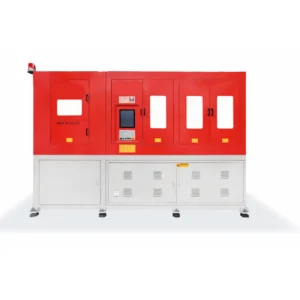
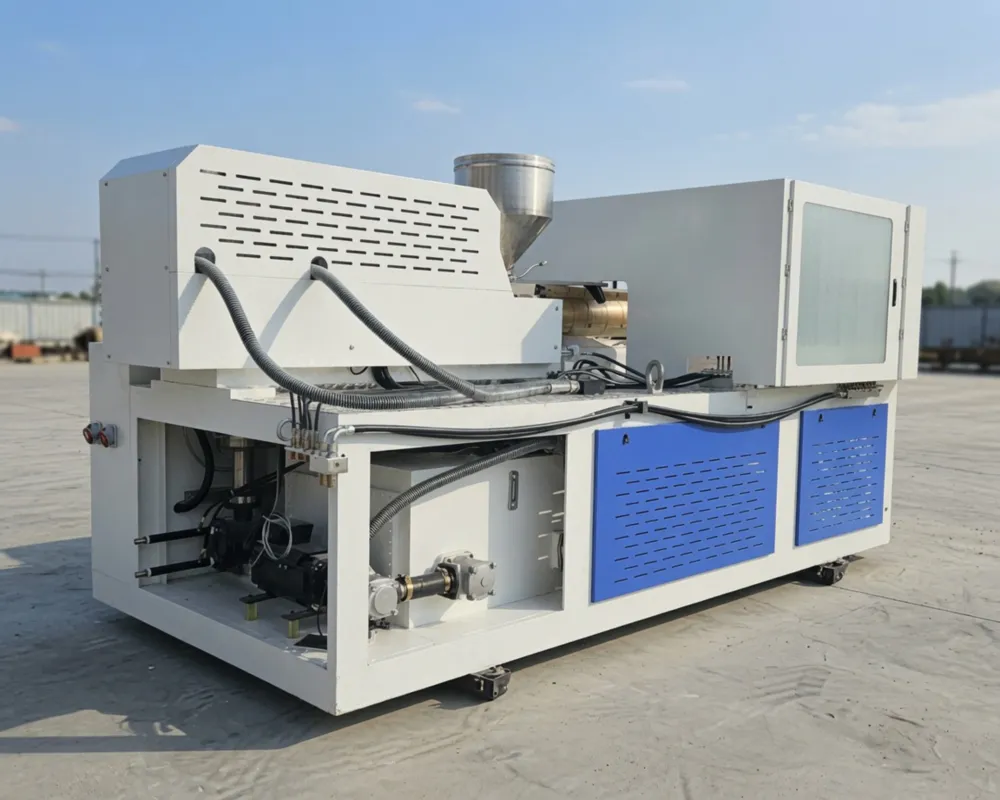
EP-HGY50-V3-EV — 3-Station Full Servo
A compact, full-servo 3-station injection stretch blow moulding machine designed for PET and PETG cosmetic bottles. 5 servo systems (Inovance / WEICHI). Motor power: 34.8 kW. Screw diameter: 40 mm (optional). Theoretical injection capacity: 239 cm³. Injection clamping force: 50 kN. Blow clamping force: 100 kN (single side). Machine dimensions: 3,800 × 1,200 × 2,500 mm. Weight: 3.5 tonnes. NSK lead screws; Parker high-pressure valves; Airtac cylinders; Inovance / MiRLE PLC. Total machine power: 45.2 kW. Product capacity per cycle: 1–6 cavities; max bottle diameter 100 mm (1-cavity), max bottle volume 2,500 ml. For a 50 ml luxury serum in PETG on 4-cavity tooling, this platform runs at approximately 14–18 seconds per cycle, producing 800–1,000 units per hour. The full-servo architecture delivers the cycle-to-cycle position repeatability that cosmetic-grade dimensional tolerances require.
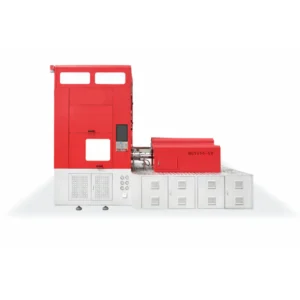
EP-HGYS150-V4 — 4-Station for Luxury Cosmetic
A 4-station injection stretch blow moulding machine with a dedicated temperature conditioning station — the configuration that most directly enables heavy-wall PETG and PCTG serum bottles with complex geometry. Motor power: 43.2 kW. Injection clamping force: 150 kN. Blow clamping force: 200 kN (single side). Screw diameter: 40–60 mm. Theoretical injection volume: 188–480 cm³. Machine dimensions: 4,200 × 1,400 × 2,900 mm. Weight: 6 tonnes. Compatible with Japanese ASB-12M moulds. Controls: Inovance / MiRLE PLC; Yaskawa / WEICHI servo turntable; Parker high-pressure valves; YUKEN hydraulic control valves; Airtac pneumatic cylinders; NSK lead screws; nano-far-infrared barrel heating (10 kW). Total machine power: 53.2 kW. For thick-wall PETG cosmetic jars and serum bottles, the HGYS150-V4 offers the conditioning station precision and servo actuation accuracy that luxury brand specifications demand.
Regulatory Compliance: What Luxury Serum Brands Need to Know by Market
Cosmetic packaging regulations vary significantly across the markets where luxury skincare brands operate. Understanding the applicable framework in each target market is not optional for a brand entering or expanding in that market — and the packaging manufacturer who supplies the bottles should be able to provide material conformance documentation that supports the brand’s compliance submissions. The injection blow molding machine process, and the single-material containers it produces, is generally well-aligned with the direction of cosmetic packaging regulation globally, which increasingly prioritises recyclability, material safety, and traceability.
European Union: Cosmetic Regulation (EC) No 1223/2009 and Packaging Sustainability
In the EU, cosmetic packaging is indirectly regulated under Regulation (EC) No 1223/2009 on cosmetic products, which requires that the packaging must not compromise the safety of the finished cosmetic product — establishing a base-level requirement for chemical compatibility between the container material and the formulation. More directly relevant to packaging producers is the EU Packaging and Packaging Waste Regulation (PPWR, 2024–2030 implementation), which mandates design-for-recyclability requirements and recycled content targets for plastic packaging placed on the EU market. Single-material PET or PETG containers produced by one-step ISBM are structurally well-positioned against these requirements: they are mono-material, they contain no adhesive lamination or multi-layer co-extrusion, and they are compatible with established PET mechanical recycling streams across major European markets (Germany, France, the Netherlands, Belgium). Brands positioning serum products in the EU market should confirm with their packaging supplier that the material specification supports recyclability declarations under the EU PPWR framework.
United Kingdom: Cosmetics Regulation and UKCA Requirements
Post-Brexit, the UK has retained the substantive requirements of EU Cosmetic Regulation (EC) No 1223/2009 under domestic legislation (Cosmetics Regulation SI 2013/1478 as amended). For packaging, the UK’s Plastic Packaging Tax — which applies at £217.21 per tonne to plastic packaging that contains less than 30% recycled content — creates a direct financial incentive for cosmetic brands to specify recycled-content or recycled-compatible PETG or PET packaging. Brands selling luxury serums in the UK market should verify that their packaging supplier can provide material origin documentation supporting recycled-content claims or recyclability assessments, and should note that UKCA marking requirements apply to any machinery-directive-covered equipment (including the injection blow molding machine itself) placed on the UK market.
United States: FDA, California Prop 65, and SB 54
In the US, cosmetic packaging is regulated at the federal level primarily through FDA regulations under the Federal Food, Drug, and Cosmetic Act (FD&C Act), which requires that containers do not adulterate or contaminate the cosmetic product they contain. California Proposition 65 (Safe Drinking Water and Toxic Enforcement Act) requires warning labels on products containing listed substances above specified thresholds — which affects plasticiser selection and material additive specifications for luxury cosmetic containers sold in California. California SB 54 (Plastic Pollution Prevention and Packaging Producer Responsibility Act), signed in 2022, mandates that all plastic packaging sold in California must be recyclable or compostable by 2032. Brands selling luxury serums in the US should ensure their PETG or PET packaging is compatible with California’s recyclability requirements and that their packaging supplier can support material compliance documentation for FDA submissions.
Japan: JFTA Standards and Pharmaceutical Affairs Law
Japan’s cosmetic packaging regulatory environment is overseen by the Ministry of Health, Labour and Welfare (MHLW) under the Pharmaceutical and Medical Device Act (Yakuji-ho). For cosmetic containers, the Japan Fragrance and Flavouring Trade Association (JFTA) and Japan Cosmetic Industry Association (JCIA) publish guidelines on plastic material safety and chemical migration limits that serve as the practical industry standard. Luxury skincare brands selling in Japan — one of the world’s most demanding markets for cosmetic packaging quality and safety — should expect their Japanese retail partners to request material conformity declarations for the specific plastic grades used in their packaging, along with migration testing data for the formulation-container combination. The high quality standards of Japanese retail channels effectively require that serum bottles meet or exceed the quality specifications achievable by one-step ISBM on calibrated machinery.
South Korea: Cosmetics Act and K-Beauty Sustainability Commitments
South Korea’s Cosmetics Act (enacted 2000, amended regularly) requires that cosmetic packaging does not transfer harmful substances to the product, and the Ministry of Food and Drug Safety (MFDS) publishes specific standards for plastic materials used in cosmetic containers. South Korea has additionally adopted ambitious voluntary sustainability commitments under the K-Beauty Sustainable Packaging Initiative, which encourages brands to move toward recyclable single-material packaging — a direction that aligns well with PETG and PET containers from ISBM processes. Brands exporting luxury serums to South Korea should confirm that their packaging material meets MFDS cosmetic packaging standards and consider whether recyclability documentation supports broader K-Beauty sustainability positioning.
Australia: NICNAS / AICIS and Responsible Packaging Code
In Australia, chemicals used in cosmetic products (including indirect contact materials such as plastic packaging) fall within the scope of the Australian Industrial Chemicals Introduction Scheme (AICIS, formerly NICNAS). Plastic additives, processing aids, and materials used in cosmetic containers must be assessed under AICIS before use if they are not already on the existing chemicals register. The Australian Packaging Covenant Organisation (APCO) Responsible Packaging Code sets sustainability expectations for packaging placed on the Australian market, including recyclability requirements that align with the broader global direction. Australian luxury skincare retailers (Myer, David Jones, and specialty beauty retailers) increasingly apply their own packaging sustainability criteria to supplier qualification processes — which luxury serum brands entering the Australian market should factor into their packaging specification decisions.
| Market | Key Regulatory Reference | Packaging Material Implication |
|---|---|---|
| European Union | Cosmetic Reg. (EC) 1223/2009; PPWR (2024–2030) | Design-for-recyclability; recycled content targets |
| United Kingdom | UK Cosmetics Regulation; Plastic Packaging Tax | 30% recycled content or tax liability; recyclability docs |
| United States | FD&C Act; CA Prop 65; CA SB 54 | Material safety; recyclability by 2032 for CA market |
| Japan | Yakuji-ho (MHLW); JCIA / JFTA guidelines | Migration testing; material conformity declaration |
| South Korea | Cosmetics Act; MFDS standards | Harmful substance migration limits; recyclability preferred |
| Australia | AICIS; APCO Responsible Packaging Code | Chemical assessment; recyclability; retailer criteria |
Sustainability Positioning: Where ISBM Plastic Serum Bottles Stand vs Glass
One of the questions that luxury skincare brands ask most consistently when considering a transition from glass to ISBM plastic serum bottles is how the shift affects their sustainability narrative. The honest answer requires acknowledging both advantages and limitations — and it begins with the observation that “glass is sustainable” is a much more conditional statement than it appears.
Glass serum bottles are heavier — typically 5–10 times the weight of an equivalent PETG bottle — which means each glass bottle generates more transport emissions per unit. Glass production is energy-intensive, requiring furnace temperatures exceeding 1,500°C. The breakage rate for glass in cosmetic supply chains — during transport, retail display, and consumer use — typically adds 3–8% to the effective production volume required, which is material waste with no offsetting benefit. Against these factors, PETG from ISBM produces a container that is significantly lighter, requires substantially less energy to produce per unit, generates no breakage waste in the supply chain, and — when produced as a single-material container — is compatible with existing plastic recycling infrastructure in most major markets. The sustainability case for ISBM PETG serum bottles relative to glass is genuinely strong for brands whose consumers are engaged with carbon footprint and supply chain transparency rather than the historical association of glass with luxury.
Where the sustainability comparison becomes more complex is end-of-life. Glass, in a functioning deposit-return or closed-loop system, can be recycled repeatedly with minimal quality loss. PETG recycling infrastructure, while improving rapidly, is still less uniformly available than PET infrastructure in most markets. Brands positioning serum bottles explicitly as “sustainable” in markets with advanced recycling sorting (Germany, Japan, South Korea) should confirm with their packaging supplier that the specific PETG grade used is accepted by local collection systems, and consider whether a PET formulation — which has broader established recycling infrastructure — may be a better fit for the explicit sustainability positioning they are pursuing.
Related Equipment: Completing the Cosmetic Production System
An injection blow molding machine for luxury cosmetic production does not operate independently. The quality of serum bottles produced depends significantly on the consistency and cleanliness of the auxiliary equipment that supports the machine — particularly compressed air supply and mold temperature control, both of which have direct effects on bottle clarity, dimensional stability, and contamination risk.
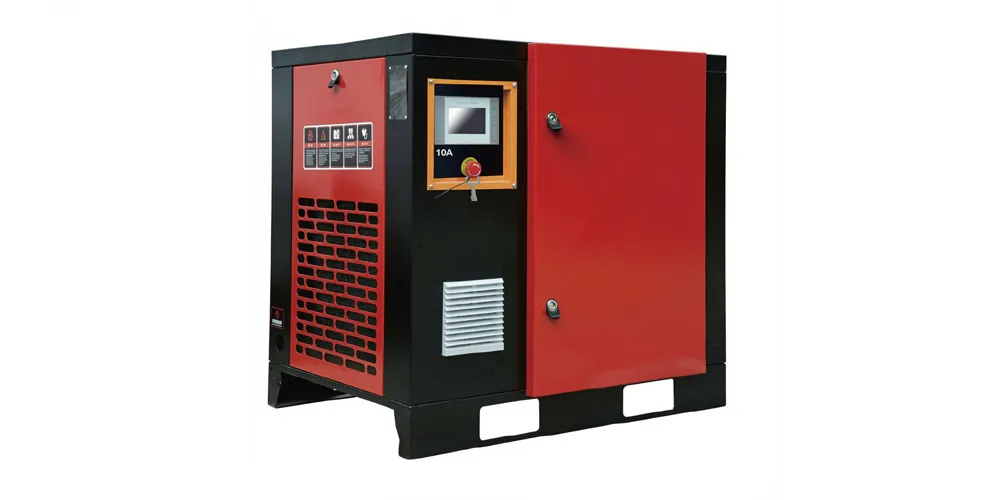
Oil-Free Air Compressor
For luxury cosmetic serum bottle production, the blow air that inflates the preform during the blow station passes through or near the interior surface of every bottle produced. Any oil contamination in the blow air — from a lubricated compressor without adequate downstream filtration — deposits hydrocarbon residues on the interior surface of the container. For a serum bottle that will hold a premium active-ingredient formulation, this contamination is both a product safety concern and a regulatory compliance issue in most markets. An oil-free air compressor eliminates this contamination risk entirely. Combined with proper cold-dry filtration and pressure regulation, oil-free compressed air is the baseline standard for food-contact, pharmaceutical, and cosmetic packaging applications on injection blow molding machine lines globally.
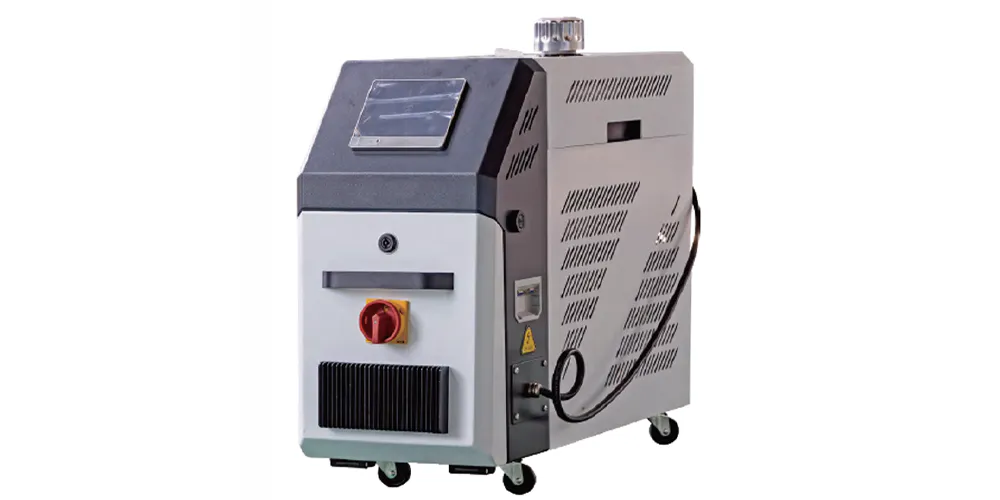
Mold Temperature Controller
For luxury PETG serum bottles, mold temperature stability across a production shift is a direct determinant of bottle-to-bottle gloss consistency and surface quality. When mold temperature varies — due to facility water supply temperature fluctuations, season changes, or varying production pace — the surface finish of the bottle changes accordingly, producing visible gloss variation that is unacceptable for luxury cosmetic applications where every bottle on the shelf must look identical. A dedicated mold temperature controller maintains a consistent coolant temperature at the mold face regardless of ambient conditions, ensuring that each PETG serum bottle released from the cavity has the same surface gloss, dimensional accuracy, and optical clarity as the first bottle of the shift. For premium cosmetic packaging production on any injection blow molding machine platform, a mold temperature controller is as fundamental as the machine itself.
About Us
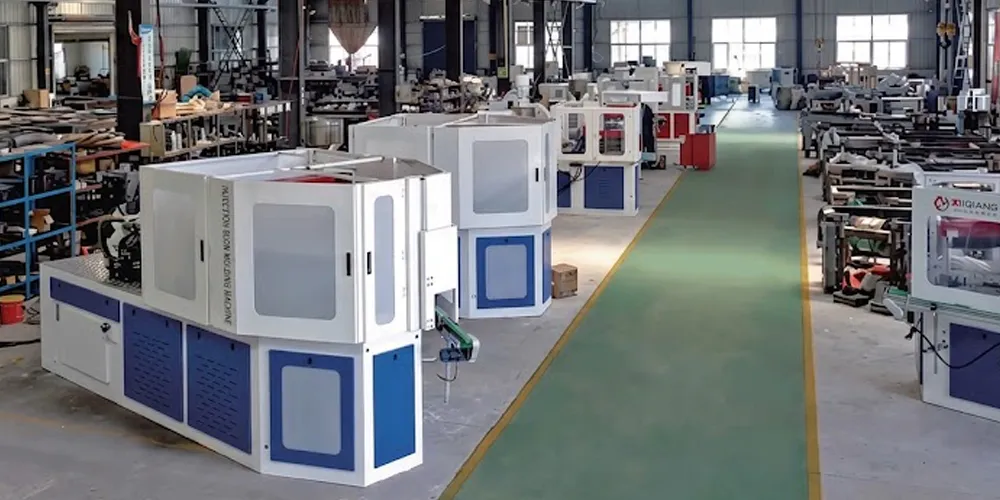
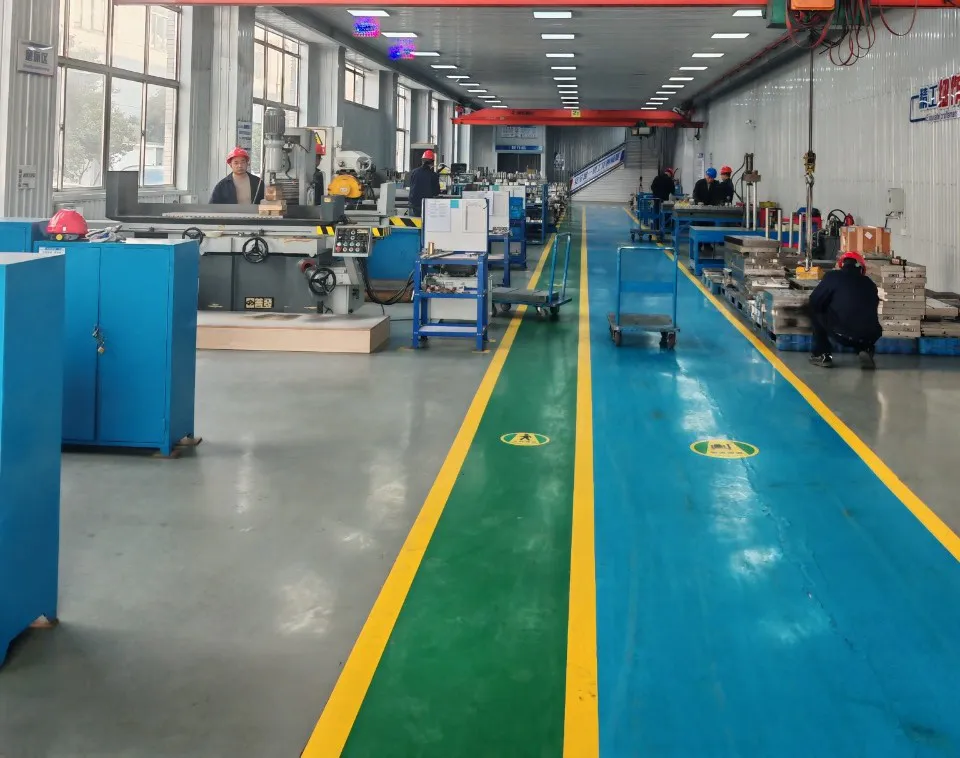
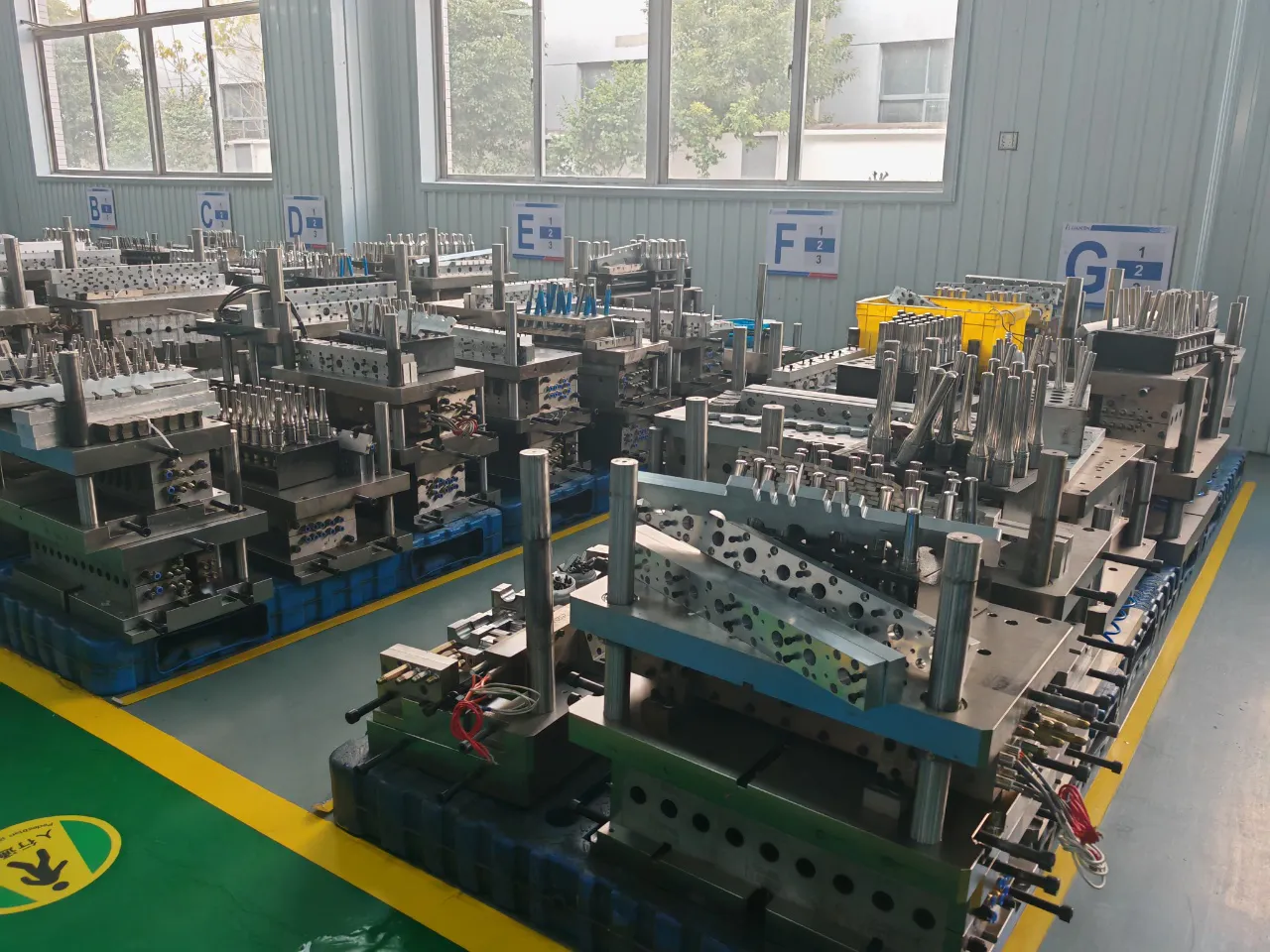
We are a professional manufacturer of one-step injection stretch blow moulding machines and mould tooling with over two decades of research, development, and manufacturing experience in the plastic container production industry. Our production base covers more than 20,000 square metres and operates as an integrated supply chain encompassing machine manufacture, mould tooling production, and comprehensive spare parts support. We have developed specialised injection blow molding machine platforms for cosmetics, pharmaceuticals, food, beverages, and industrial applications across materials including PET, PETG, PC, PCTG, PP, and Tritan. In the premium cosmetic and personal care segment — where container aesthetics, dimensional precision, and material compliance are non-negotiable — our machines have been adopted by packaging producers supplying leading global skincare brands. One-stop supply of machine, mould, and auxiliary equipment is a core element of how we support customers from initial enquiry through production commissioning and beyond.
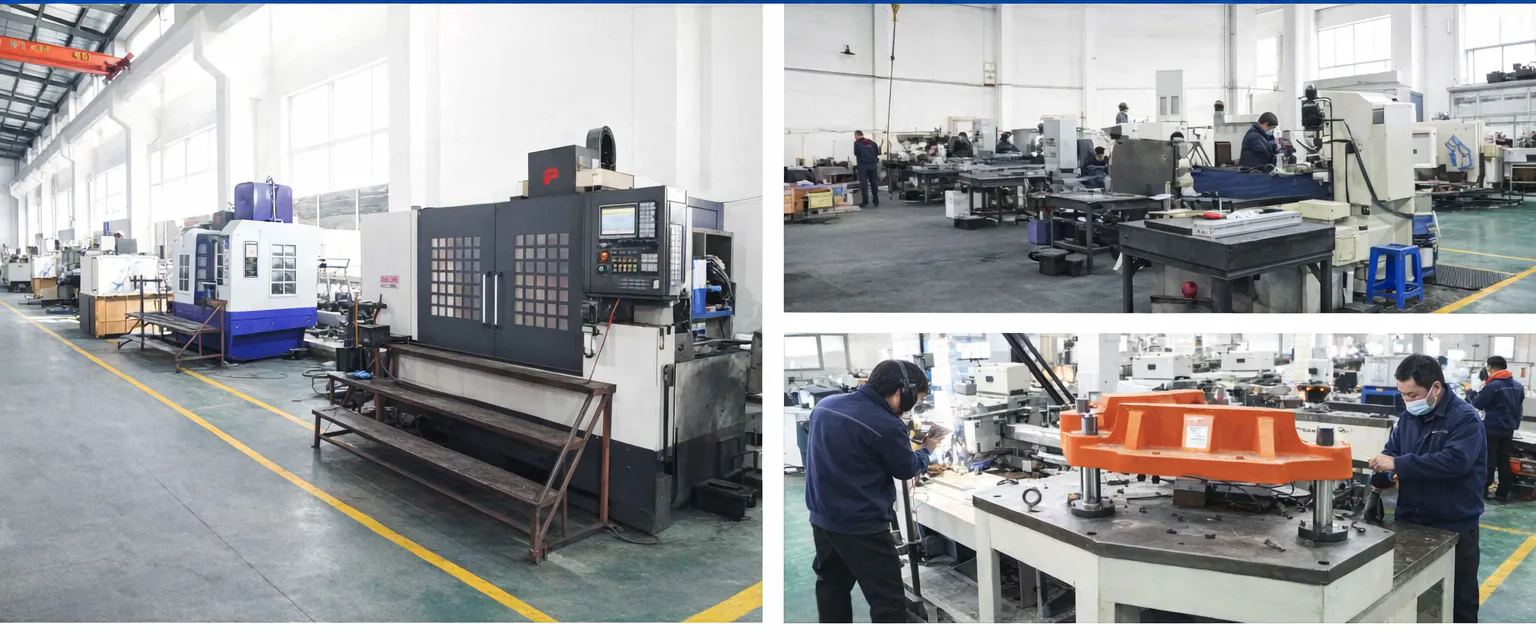
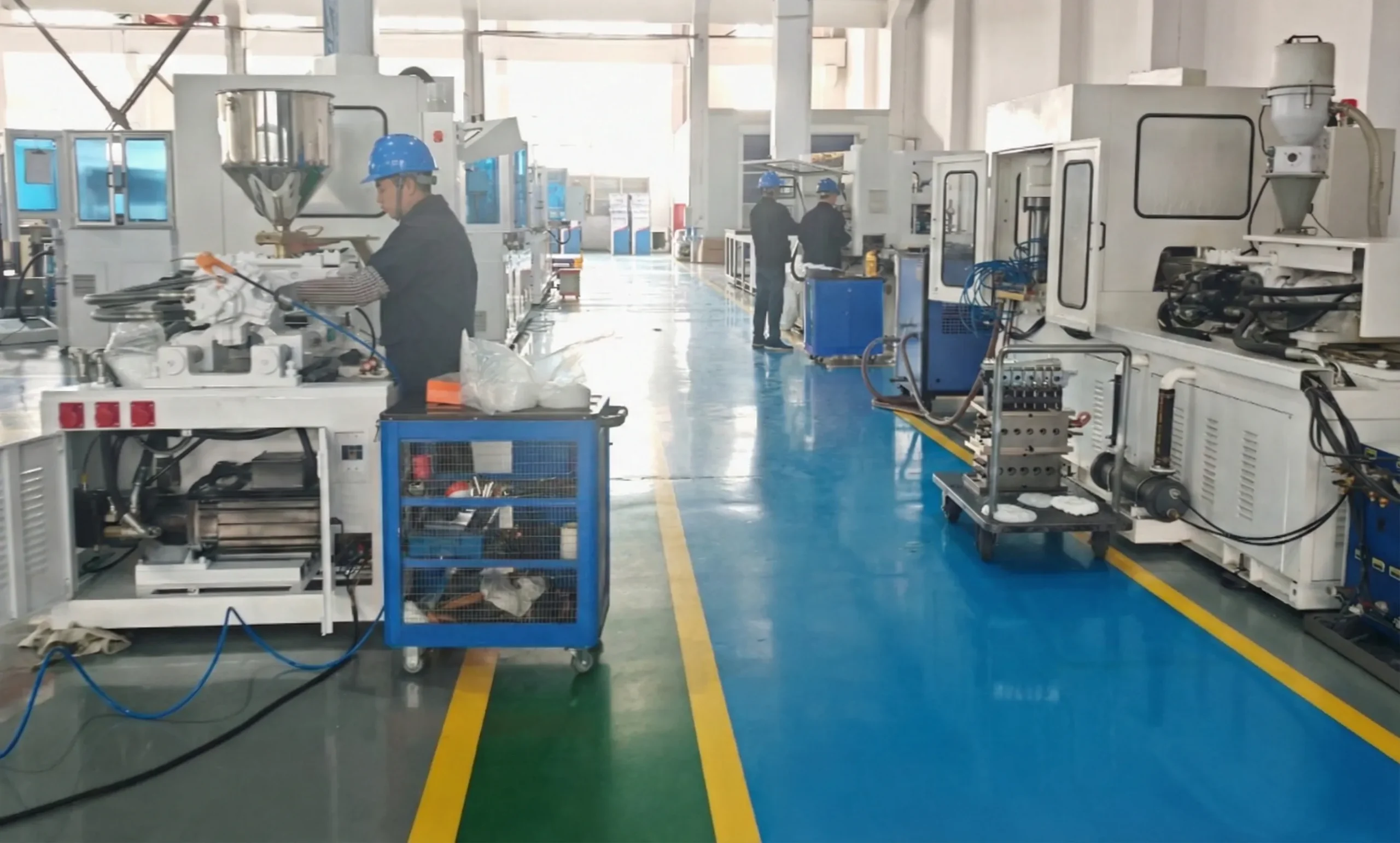
Workshop
Frequently Asked Questions
Develop Your Luxury Serum Bottle with the Right ISBM Platform
Our technical team works with cosmetic packaging designers, brand managers, and production engineers to specify the right injection blow molding machine, mould, and auxiliary equipment for premium serum bottle applications.
Editor: PXY