Cosmetics & Personal Care · Advanced Packaging Technology
A technical and commercial guide to how injection stretch blow moulding machine platforms enable multi-layer and barrier-enhanced cosmetic bottle production — covering material architecture, manufacturing structure, active-ingredient protection, global regulatory compliance, and machine selection for cosmetic producers worldwide.
Barrier performance has become one of the most commercially consequential technical requirements in cosmetic bottle design. As premium and mass-market brands alike incorporate higher concentrations of oxygen-sensitive actives — retinol, vitamin C, niacinamide, natural botanical extracts, and peptide complexes — into their formulations, the container must do more than hold the product. It must actively protect it from oxygen ingress, moisture vapour transmission, and UV photodegradation across a shelf life that may span 24 to 36 months from filling to consumer last use. A bottle that fails this protection requirement silently degrades the formulation inside, producing colour change, rancidity, oxidation, and loss of active-ingredient potency that consumers notice without necessarily connecting to the packaging.
The injection stretch blow moulding machine — and specifically the one-step ISBM process — offers a production route to multi-layer and barrier-enhanced cosmetic bottles that addresses these requirements with precision and repeatability that single-material single-stage processes cannot match. By controlling the preform’s material architecture at the injection stage and then developing that architecture through controlled biaxial stretching, the ISBM process produces bottles whose barrier properties are built into the polymer structure rather than applied as secondary coatings. This guide explains the technical basis for that capability, the material systems it draws on, the machines that deliver it, and the regulatory frameworks that govern multi-layer cosmetic packaging globally.
1. Why Barrier Performance Matters in Modern Cosmetic Packaging
The cosmetic industry’s formulation trend of the past decade has moved systematically toward higher active-ingredient concentrations and more chemically reactive components. A retinol serum at 0.5% concentration, a stabilised vitamin C (L-ascorbic acid) product at 15%, or a niacinamide formulation targeting pigmentation — each of these represents a product where a small quantity of the active compound drives the entire consumer benefit proposition. The problem is that these actives are specifically chosen for their chemical reactivity — and that same reactivity makes them vulnerable to oxidation, photolysis, and moisture-induced hydrolysis within the bottle during storage.
Standard single-layer PET, while optically excellent and mechanically sound, offers limited oxygen barrier performance. The oxygen transmission rate (OTR) of a standard 0.3 mm PET bottle wall is approximately 0.1–0.3 cm³/(m²·day·atm) — adequate for water and carbonated beverages where oxygen sensitivity is moderate, but insufficient for retinol-containing formulations where oxidation at concentrations below 1 ppm of dissolved oxygen is commercially significant. Multi-layer bottle constructions using oxygen-scavenging intermediate layers, barrier polymers such as EVOH (ethylene vinyl alcohol), or through materials engineered for enhanced biaxial barrier properties — such as the PETG and PCTG systems optimally processed on injection stretch blow moulding machines — address this gap structurally.
Oxygen Barrier
Retinol, vitamin C, and natural oils oxidise when exposed to dissolved or headspace oxygen. A lower OTR in the bottle wall extends active-ingredient stability and product shelf life.
Moisture Vapour Barrier
Aqueous serums and water-phase formulations lose efficacy as moisture permeates out. Anhydrous products (oils, balms) degrade when moisture enters. Barrier walls protect both.
UV Light Exclusion
UV-photosensitive actives (vitamin C, retinoids, certain peptides) photodegrade through clear containers on retail shelves. UV-absorbing additives in the bottle wall, or coloured PETG, extend photostability.
Chemical Compatibility
High-acid formulations (AHA serums at pH 3.0–4.0), alcohol-based toners, and silicone-based primers interact differently with packaging polymers. Barrier layers decouple the chemical compatibility requirement from the structural requirement.
Biaxial Orientation Enhancement
The stretch blowing stage in ISBM aligns polymer chains in both axial and radial directions. This molecular orientation reduces free volume in the polymer matrix, measurably improving barrier properties in the structural wall without additional layers.
Shelf Life Extension
For premium cosmetics where 24–36 month shelf life is standard, packaging-driven degradation that accelerates in the final 6 months of shelf life can cause visible quality failures before the stated expiry date — a brand liability with measurable commercial consequences.
2. How the Injection Stretch Blow Moulding Machine Produces Barrier Performance
The injection stretch blow moulding machine achieves barrier-enhanced cosmetic bottle production through two distinct mechanisms that can be used independently or in combination: material selection (choosing resins with inherently better barrier properties than commodity PET) and process-induced orientation (the biaxial stretch blowing stage that reduces polymer free volume and improves barrier properties in the oriented wall). Understanding how both mechanisms work — and how the ISBM process architecture enables them — is the foundation for specifying the right machine and material system for a barrier cosmetic bottle.
2.1 Biaxial Orientation: The Process-Inherent Barrier Enhancement
When a preform is axially stretched by the stretch rod and simultaneously expanded radially by blow air in the injection stretch blow moulding machine, the polymer chains in the wall align in both directions — a configuration called biaxial orientation. In PET and PETG, this orientation produces two measurable barrier improvements. First, it reduces the fractional free volume in the amorphous regions of the polymer, which is the mechanism by which gas molecules permeate through the wall. Second, it induces strain-induced crystallisation in PET (though not in PETG, which resists crystallisation by design) — and crystalline PET regions are essentially impermeable to oxygen and CO₂. The combined effect can reduce the oxygen transmission rate of an oriented PET wall by 30–50% compared to a non-oriented wall of the same thickness.
The ISBM process’s advantage over two-stage blow moulding here is that the stretch ratio and blow pressure profile can be precisely controlled in the one-step machine cycle. The 4-station injection stretch blow moulding machine’s temperature conditioning station is particularly significant for barrier performance: by managing the preform’s temperature profile before blowing, it enables the stretch blow station to develop optimal orientation throughout the wall — not just at the equator where the preform is hottest, but consistently from shoulder to base. This uniform orientation translates directly to uniform barrier performance across the bottle’s surface area, eliminating the localised high-OTR weak points that develop when orientation is uneven.
2.2 Material Selection for Barrier-Critical Cosmetic Applications
Beyond orientation, material selection is the other primary lever for barrier performance in ISBM cosmetic bottles. The injection stretch blow moulding process handles a range of materials whose inherent barrier properties differ substantially, and the right choice depends on which barrier threat — oxygen, moisture, UV, chemical compatibility — is the primary concern for the specific formulation.
3. Material System: Resin Selection for Multi-Layer Barrier Cosmetic Bottles
The material system for barrier cosmetic bottle production on an injection stretch blow moulding machine spans both the structural resins that the machine processes in standard configuration and the barrier architecture that the preform design incorporates. The following matrix covers the commercially relevant materials for cosmetic barrier packaging applications.
| Material | Oxygen Barrier | Moisture Barrier | UV Blocking | Chemical Resistance | Cosmetic Barrier Application |
|---|---|---|---|---|---|
| PET (oriented) | Good (improved by biaxial orientation) | Good | Poor (clear) | Good (aqueous) | Standard serums, moisturizers with moderate oxidation sensitivity |
| PETG (oriented) | Very good (amorphous clarity maintained) | Good | Poor (clear) / Good with UV additive | Excellent (alcohols, glycols, retinol) | Premium serums, retinol, vitamin C — both barrier and glass-clarity requirement |
| PCTG | Very good | Very good | Good with UV additive | Excellent (acids, actives, AHA/BHA) | AHA serums, peptide complexes, luxury barrier bottles needing PC aesthetics |
| PC | Moderate | Very good | Good with UV additive | Good (avoid strong alkalis) | Reusable premium bottles, thick-wall luxe flacons where impact resistance is paramount |
| PP (clarified) | Moderate | Excellent | Moderate with additives | Excellent (oils, esters, silicones) | Oil-based serums, balm bottles, anhydrous cosmetics where moisture barrier dominates |
| PET + UV additive | Good | Good | Excellent (blocks 95%+ UV) | Good | Vitamin C serums, retinoid formulas, botanical extracts with UV photodegradation risk |
The biaxial orientation enhancement that the injection stretch blow moulding process delivers applies to all of these materials. When PETG is processed through a 4-station injection stretch blow moulding machine with precise temperature conditioning, the controlled stretch ratio (typically 3.5–4.5× axial, 2.5–3.5× hoop for cosmetic bottle formats) produces molecular alignment that reduces oxygen transmission rate by an additional 25–40% compared to unoriented PETG of the same weight. This orientation-driven barrier improvement is additive to whatever intrinsic barrier properties the base resin possesses — meaning that a well-specified ISBM process on PETG approaches barrier performance that previously required multi-layer co-injection or post-production coating processes, at a fraction of the complexity and cost.
3.1 UV-Absorbing Additives: Single-Layer UV Barrier Architecture
For formulations where UV photodegradation is the primary shelf life threat — vitamin C serums, retinol products, natural extract formulations with chlorophyll or carotenoid actives — a single-layer bottle wall incorporating a UV-absorbing additive into the resin compound provides effective photostability without the complexity and cost of multi-layer co-extrusion. PET and PETG both accept UV absorber masterbatch compounds that can be specified to block specific wavelength ranges: typically 280–380 nm for UVB/UVA protection relevant to cosmetic active degradation. The injection stretch blow moulding machine’s barrel temperature and screw shear profile must be confirmed compatible with the specific UV additive compound to avoid thermal degradation of the absorber during processing, but established cosmetic-grade UV masterbatch products from suppliers including Clariant, Ampacet, and PolyOne are routinely processed on ISBM platforms without complication.
Coloured PETG — particularly amber and dark blue formulations — provides UV exclusion through pigment-based light attenuation rather than molecular absorption. Amber PETG (analogous to amber pharmaceutical glass) is particularly effective, blocking 95%+ of visible and near-UV light below 500 nm. The aesthetic of an amber PETG bottle also communicates clinical efficacy to prestige cosmetic consumers — a packaging semiotics advantage that brand teams actively leverage in therapeutic skincare positioning.
4. Manufacturing Structure: The Four-Station Injection Stretch Blow Moulding Machine for Barrier Bottles
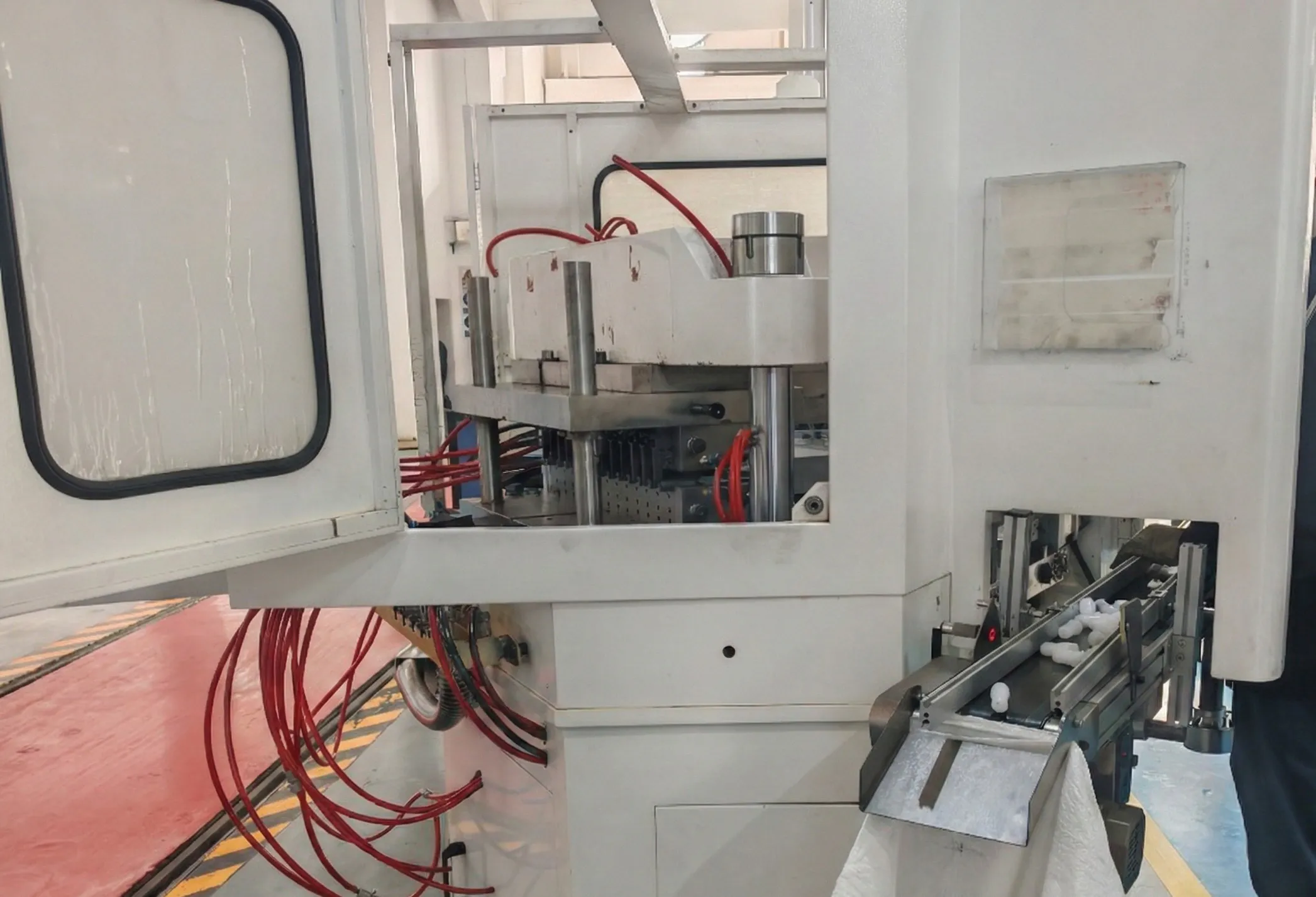
The 4-station injection stretch blow moulding machine is the preferred platform for barrier-optimised cosmetic bottle production because the temperature conditioning station — absent from 3-station configurations — is precisely the tool needed to develop optimal biaxial orientation in the stretch blow station. Understanding how each station contributes to barrier performance in the finished bottle clarifies why machine configuration choices matter beyond simple production capacity considerations.
Injection Station
Molten PETG, PET, or PP injected into the preform cavity. Resin compound (including UV additives or colour masterbatch) is uniformly distributed. Neck thread formed to injection tolerances. Shot weight consistency controlled by servo injection system.
Temperature Conditioning
Active thermal management of preform temperature profile. Critical for barrier optimisation: ensures uniform stretch ratio across the bottle wall by preventing the localised hot and cold zones that cause uneven orientation and patchy barrier performance.
Stretch Blow Moulding
Stretch rod extends preform axially while 2.0–3.5 MPa blow air expands it radially. Biaxial molecular orientation aligns polymer chains, reducing free volume and measurably improving oxygen and moisture barrier performance in the oriented wall.
Ejection
Finished barrier bottles automatically removed — no surface contact, no marks on the cosmetically critical exterior. Consistent ejection timing ensures that bottles do not over-cool in the mold, maintaining orientation integrity achieved at Station 3.
4.1 Key Machine Parameters for Barrier Performance
| Machine Parameter | Barrier Relevance | Specification Range (ISBM Machine Range) |
|---|---|---|
| Blow air pressure | Higher blow pressure improves wall contact with the blow mold, sharpening bottle geometry and improving orientation uniformity at the shoulder transition — an area prone to localised OTR weakness | 2.0–3.5 MPa across all models |
| Conditioning core stroke | Conditioning core contact time and contact temperature determine preform temperature uniformity before blowing — directly controls orientation uniformity and therefore barrier uniformity in the blown wall | 250–300 mm (4-station models) |
| Barrel heating precision | Melt temperature uniformity affects resin IV (intrinsic viscosity) consistency; IV degradation reduces barrier performance in PET and PETG by disrupting polymer chain length distribution | Nano far-infrared heating rings; integrated control box ±2°C zone stability |
| Injection clamping force | Adequate clamping force ensures the preform neck and body cavity fill completely and without flash — incomplete fill produces localised thin regions that are disproportionately high in OTR | 50 KN (3-station) to 400 KN (large-format models) |
| Servo repeatability | Cycle-to-cycle consistency in injection pressure and position directly determines preform weight consistency, which in turn determines wall thickness uniformity and OTR uniformity across production | 5 servo axes (full-servo models); position feedback closure |
5. Recommended Machine for Barrier Cosmetic Bottle Production
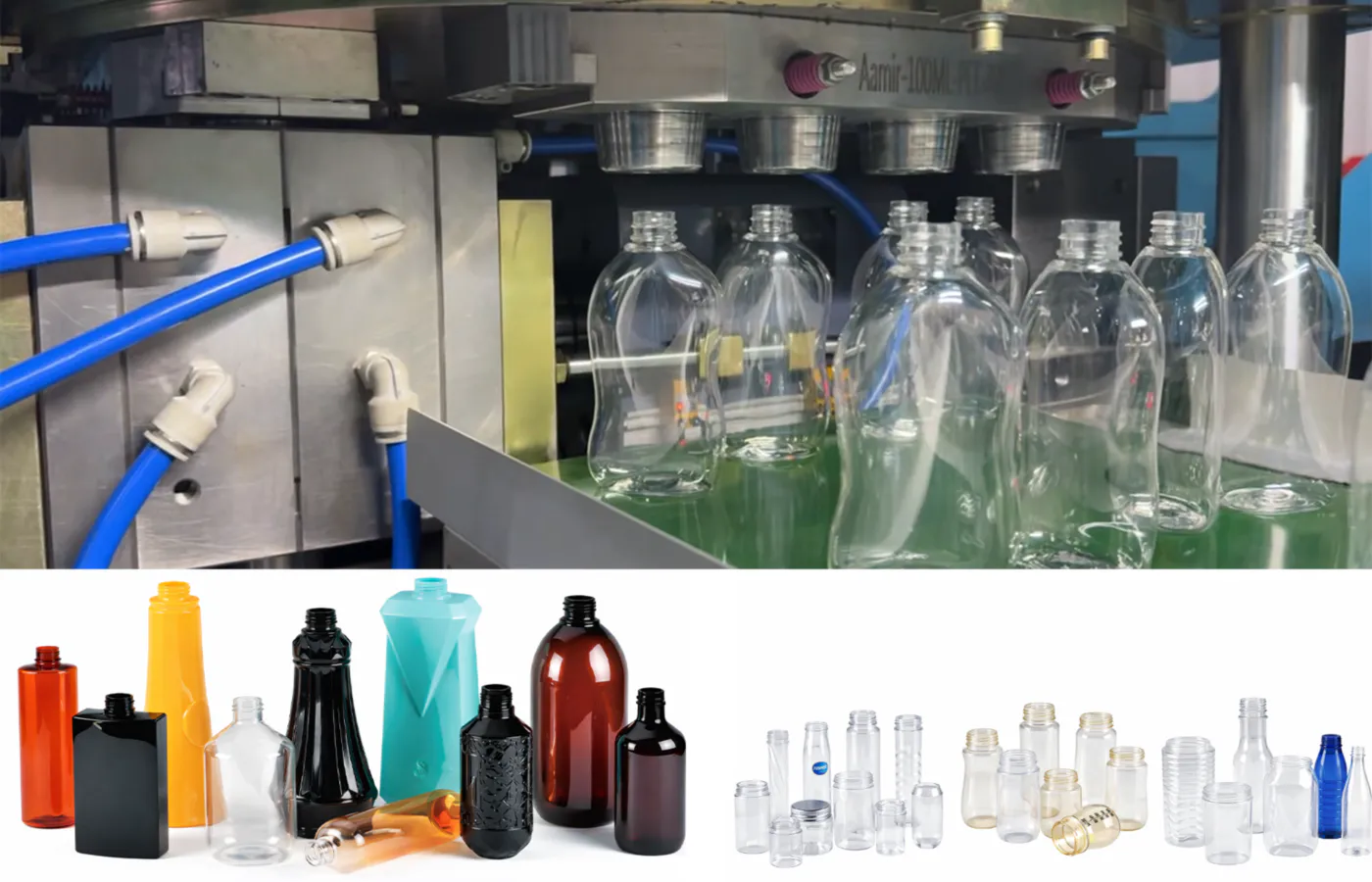
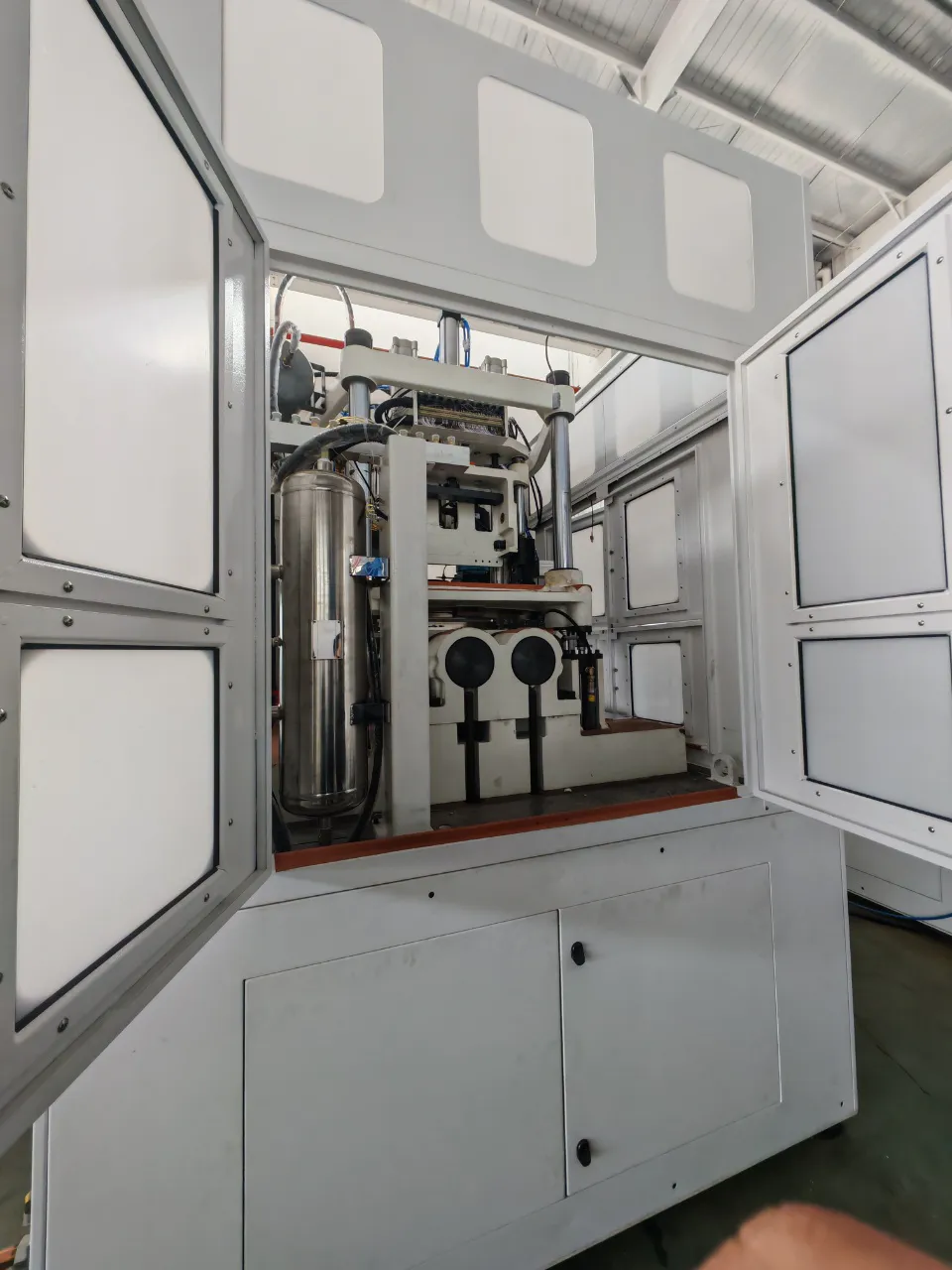
For barrier-optimised cosmetic bottle production in the 20–500 ml range — the core cosmetic SKU window for serums, moisturisers, facial oils, and treatment flacons — the HGYS150-V4 four-station platform brings together the temperature conditioning capability, servo precision, and cavity count flexibility that this application requires. Its compatibility with ASB-12M mold standards also allows producers transitioning from legacy ASB injection molding machine platforms to retain existing validated mold tooling, protecting the investment in existing container designs while gaining the barrier-enhanced production capability of the one-step ISBM process.
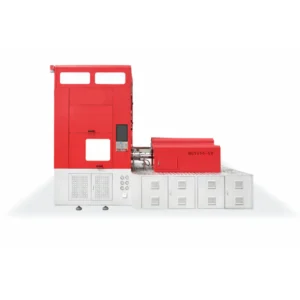
EP-HGYS150-V4 · 4-Station One-Step Injection Stretch Blow Moulding Machine
Applicable Material: PET / PETG (PC, PP with screw configuration)
Control System: 3 servo pump systems; Inovance / MIRLE PLC
Servo Motor Power: 43.2 KW (Inovance / WEICHI)
Injection Clamping Force: 150 KN
Blowing Clamping Force: 200 KN (single side)
Heating Power: 10 KW (nano far-infrared heating ring)
Blowing Air Pressure: 2.0–3.5 MPa
Screw Diameter Options: 40 / 50 / 55 / 60 mm
Conditioning Core Stroke: 250 mm
Upper Mold Stroke: 250 mm | Lower Mold Stroke: 205 mm
Blow Mold Stroke: 75+75 mm | Blow Core Stroke: 250 mm
Max Cavities: 8 | Max Bottle Volume: 2,500 ml
Machine Size (L×W×H): 4,200 × 1,400 × 2,900 mm
Machine Weight: 6 T | Total Power: 53.2 KW
Mold Compatibility: Compatible with ASB-12M molds
Oil Tank Volume: 300 L | Voltage: 370–400 V
Lead Screw: NSK Japan | High-Pressure Valve: Parker USA
6. Barrier Bottle Design Principles for Cosmetic Applications
Designing a barrier cosmetic bottle for production on an injection stretch blow moulding machine involves coordinating the preform design, material selection, and mold geometry to achieve the barrier performance specification within the machine’s production parameters. Several design principles apply specifically to barrier-optimised containers that differ from standard cosmetic bottle design practice.
6.1 Wall Thickness Distribution and Orientation Windows
The biaxial orientation that delivers barrier improvement in ISBM cosmetic bottles only occurs within a specific processing window: the preform wall must be at the correct temperature and the stretch ratio must fall within the orientation-inducing range for the specific resin. Below a minimum stretch ratio (approximately 2× axial for PET), little molecular orientation occurs and barrier improvement is minimal. Above a maximum stretch ratio (approximately 6× hoop for standard PET), the material may tear or form crystallisation-induced opacity. For barrier bottle design, the preform wall thickness must be calculated to produce a stretch ratio in the optimal window — typically 3.5–4.5× axial and 2.5–3.5× hoop — across the entire bottle body. The shoulder and base areas require special attention, as these transitions typically produce lower stretch ratios and correspondingly higher OTR values. Shoulder geometry design and blow mold draft angles can be optimised to improve stretch uniformity in these areas.
6.2 Neck Geometry for Barrier-Sensitive Formulations
The neck section of an ISBM cosmetic bottle is not stretched during the blow moulding phase — it retains the as-injected, non-oriented preform structure. For standard applications this is the source of the neck thread precision that makes ISBM the process of choice for precision dropper closure fitment. For barrier applications, however, it means that the neck wall — which is typically 1.5–3 mm thick — has the oxygen transmission rate of non-oriented polymer, which may be significantly higher than the oriented body wall. For formulations where total oxygen ingress over a 24-month shelf life must be minimised, the closure design matters: a closure that creates a hermetic seal against the sealing surface of the injection-formed neck finish prevents gas exchange through the neck even where the neck OTR is higher than the body OTR.
6.3 Container Size and Barrier Surface-to-Volume Ratio
Barrier performance in practice is a function of total oxygen ingress per unit volume of formulation — and smaller containers have a higher surface-to-volume ratio, meaning more container wall area (and therefore more potential oxygen transmission pathway) per ml of product. A 15 ml serum vial has a significantly worse inherent barrier performance per ml than a 200 ml body serum bottle of the same PET grade and wall thickness, simply because the ratio of wall area to contained volume is higher. This has practical implications for formulation-packaging compatibility testing: barrier material selection and wall thickness specifications appropriate for a 200 ml moisturiser bottle may be insufficient for a 15 ml eye serum in the same formulation, and accelerated shelf life testing should be conducted on the actual small-format container rather than extrapolated from the larger format.
| Container Format | Volume (ml) | Barrier Priority | Recommended Material | Machine Platform |
|---|---|---|---|---|
| Retinol serum dropper | 15–30 | O₂ + UV (primary), moisture (secondary) | PETG + UV absorber, amber coloured | HGY50-V3-EV (3-station) or HGYS150-V4 (4-station) |
| Vitamin C serum | 30–50 | O₂ (primary), UV (primary) | PETG or PCTG + UV absorber, dark coloured | HGYS150-V4 (4-station, 4–8 cavities) |
| AHA / BHA exfoliant | 50–100 | Chemical resistance (primary), O₂ (secondary) | PCTG (acid-resistant) | HGYS150-V4 or HGYS200-V4 |
| Natural / botanical serum | 30–100 | O₂ + UV (primary), rancidity prevention | PETG amber or dark blue + UV masterbatch | HGYS150-V4 (4-station) |
| Oil-based face serum / facial oil | 15–50 | Moisture (primary), chemical resistance (secondary) | PP (clarified) or PETG | HGY50-V3-EV or HGYS150-V4 |
| Premium moisturiser flacon | 30–200 | O₂ (secondary), aesthetics (primary) — requires glass-like clarity with improved barrier | PETG (heavy-wall, biaxially oriented) | HGYS150-V4 (4-station, conditioning station essential) |
7. Global Regulatory Context for Barrier Cosmetic Packaging
Multi-layer and barrier-enhanced cosmetic bottles face the same regulatory framework as standard cosmetic primary packaging in each market, but with additional compliance considerations around additive substances (UV absorbers, oxygen scavengers, colorants) that the barrier architecture introduces. Each market’s cosmetics and packaging regulation has its own substance approval or restriction mechanism, and barrier-additive compounds must be evaluated against these before a barrier bottle specification is finalised.
| Market | Packaging Material Regulation | Additive / Barrier Layer Compliance Notes | Machine Safety Requirement |
|---|---|---|---|
| European Union | EU Cosmetics Regulation (EC) 1223/2009; REACH (EC) 1907/2006; EU Packaging and Packaging Waste Regulation (PPWR) — mono-material recyclable packaging prioritised | UV absorber additives must comply with REACH; substances migrating to cosmetic products must not exceed migration limits; PPWR recyclability preference drives mono-material barrier solutions (orientation-based) over multi-layer co-injection in EU market | CE marking under Machinery Directive 2006/42/EC; ISPM 15 export crating |
| United Kingdom | UK Cosmetics Regulation (retained EU law); UK Plastic Packaging Tax — 30% recycled content threshold; UV absorber additives regulated under UK REACH | Barrier additives in cosmetic contact packaging must be substantiated under UK REACH; UV masterbatch compounds widely used in UK prestige serum packaging have established precedent; recyclability of UV-additive-containing mono-material PETG confirmed as acceptable under UK Framework | UKCA marking post-Brexit; Supply of Machinery (Safety) Regulations 2008 |
| United States | FDA FD&C Act; MoCRA (2022) cosmetic facility registration; packaging must not adulterate cosmetic product; FDA 21 CFR 178 for polymer additives in food-contact use (informative for cosmetics) | UV absorber additives in cosmetic packaging are not specifically regulated under FDA for cosmetics, but must not migrate into the product at levels that alter safety or composition; PETG and PET with approved additive systems have established FDA GRAS precedent for cosmetic packaging | OSHA 29 CFR 1910.212 machine guarding; NEC electrical compliance |
| Australia | ACCC product safety for cosmetics; TGA for therapeutic cosmetics; APCO recyclability targets 2025 — additive-containing PETG must still be declared recyclable under framework | UV absorber additives do not prevent recyclability classification under APCO for PETG if additive is present at low loading and not a contaminant in the recycling stream; APCO guidance recommends checking with relevant recycling stream operators for specific additive grades | AS/NZS 3000 for electrical connection; ISPM 15 strictly enforced; state WorkSafe machinery registration |
| South Korea | MFDS Cosmetics Act; K-REACH for restricted substances in packaging materials; EPR system for packaging recyclability | UV absorber additives in K-beauty serum packaging are subject to K-REACH substance evaluation; PETG with UV masterbatch is commercially established in South Korean premium serum packaging with appropriate K-REACH substance declarations; EPR fee structure favours recyclable mono-material formats | KC Mark for electrical components; MOEL industrial safety machinery registration |
| Japan | PMD Act for cosmetics and quasi-drugs; MHLW notification requirements; JIS packaging material standards | MHLW cosmetic notification for barrier formulations (retinol, vitamin C) should include container material declaration; UV absorber compounds must comply with Japanese industrial additive positive lists; PETG amber serum bottles widely accepted in Japanese prestige market | Industrial Safety and Health Act; CE equivalent documentation accepted at customs |
| Brazil | ANVISA RDC 752/2022 for cosmetics; RDC 88/2016 for packaging materials in contact with cosmetic products | Barrier additives in cosmetic packaging must be substantiated under ANVISA RDC 88 migration limits; UV absorber additives should be evaluated against the positive list in RDC 88 before inclusion in packaging specification; PNRS recyclability obligation favours mono-material PET/PETG construction | NR-12 machinery safety; INMETRO conformity; RETIE; ISPM 15 |
A consistent regulatory theme across all major cosmetic markets is the preference — and in some markets, regulatory push — toward mono-material recyclable packaging. This aligns well with the orientation-based barrier enhancement that the injection stretch blow moulding machine delivers: by improving barrier performance through biaxial molecular orientation of a single PETG or PET material rather than through multi-layer co-injection architectures that combine incompatible polymers, the ISBM approach produces barrier-enhanced bottles that remain recyclable as mono-material PETG or PET streams. This makes the orientation-based ISBM barrier solution particularly well-positioned for the sustainability-driven regulatory environment that is tightening across EU, UK, Australian, South Korean, and Brazilian markets.
8. Sustainability Credentials of ISBM Barrier Cosmetic Bottles
The sustainability case for injection stretch blow moulding technology in barrier cosmetic bottle production operates on two levels that are sometimes in tension in conventional barrier packaging approaches. The first is the recyclability of the finished container: a mono-material PETG or PET bottle, even with UV absorber additives at low loading levels, is mechanically recyclable in established post-consumer PET and PETG recycling streams in a way that multi-layer co-injection bottles are not. The second is the production efficiency of the ISBM process itself: by eliminating the preform reheating oven that two-stage blow moulding requires, the one-step injection stretch blow moulding machine reduces energy consumption by 20–40% per container produced — a measurable reduction in production-phase carbon footprint that contributes to Scope 1 and Scope 2 emission reduction targets for cosmetic manufacturers operating under corporate sustainability commitments.
The orientation-based barrier enhancement that the ISBM process delivers also supports material reduction — lightweighting — as a sustainability strategy. Because biaxially oriented PETG is structurally stronger than isotropic PETG of the same thickness, less material is required to achieve the same structural performance specification in an oriented bottle versus a non-oriented equivalent. For a cosmetic brand under Extended Producer Responsibility obligations — where EPR fees are calculated per kilogram of plastic placed on the market — a 15% reduction in bottle weight through material optimisation enabled by ISBM orientation directly reduces the EPR fee liability per unit, an operational saving that scales across high-volume production lines. The injection stretch blow moulding machine’s closed-loop servo control maintains this reduced wall thickness to ±5% consistency across production, ensuring that lightweighting targets achieved in container development are realised in every production cycle rather than only in the initial qualification sample set.
About Us
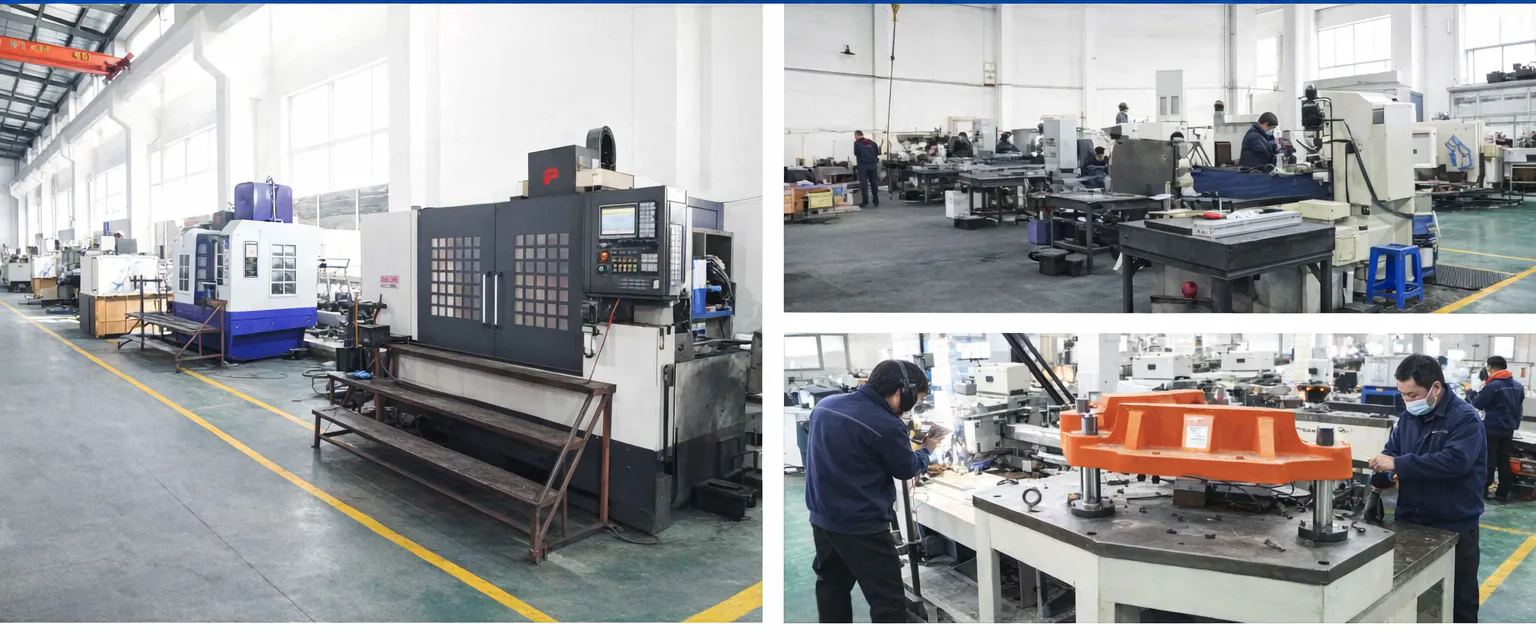
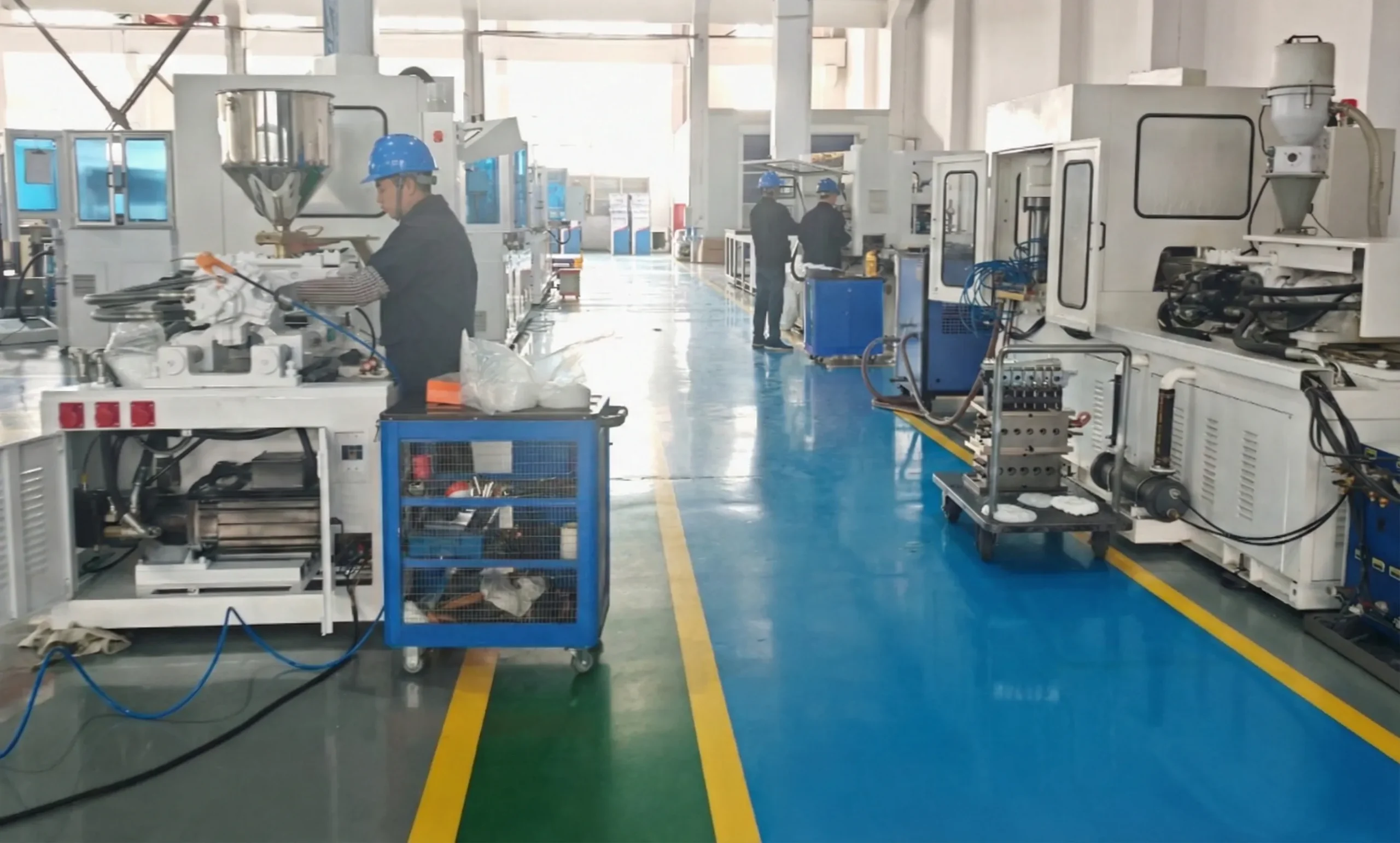
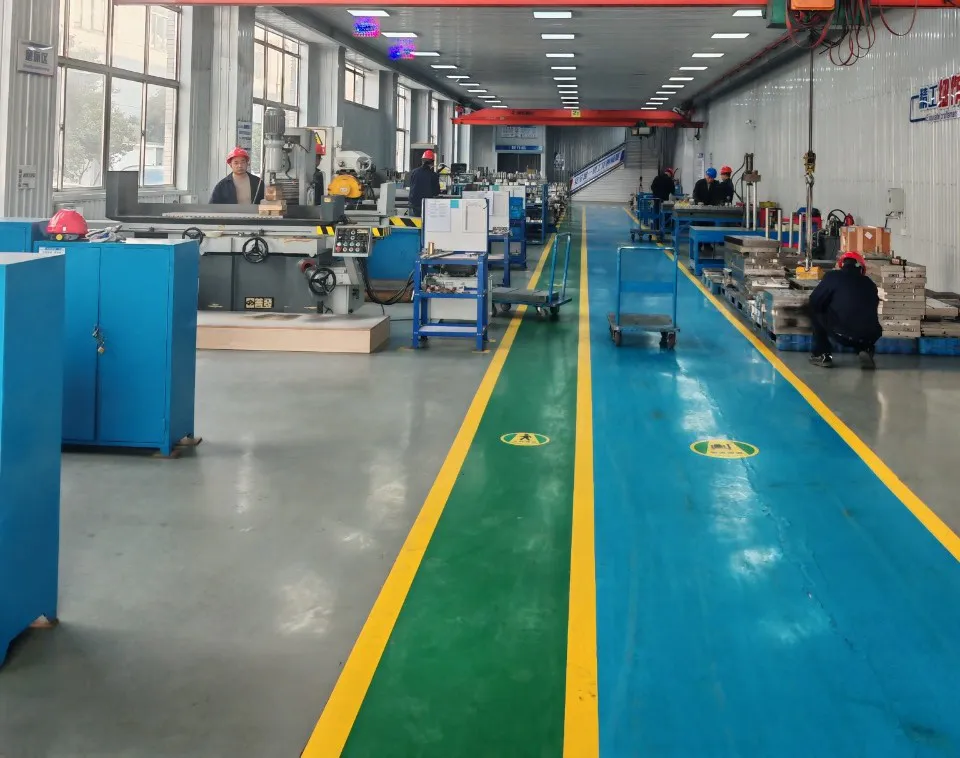
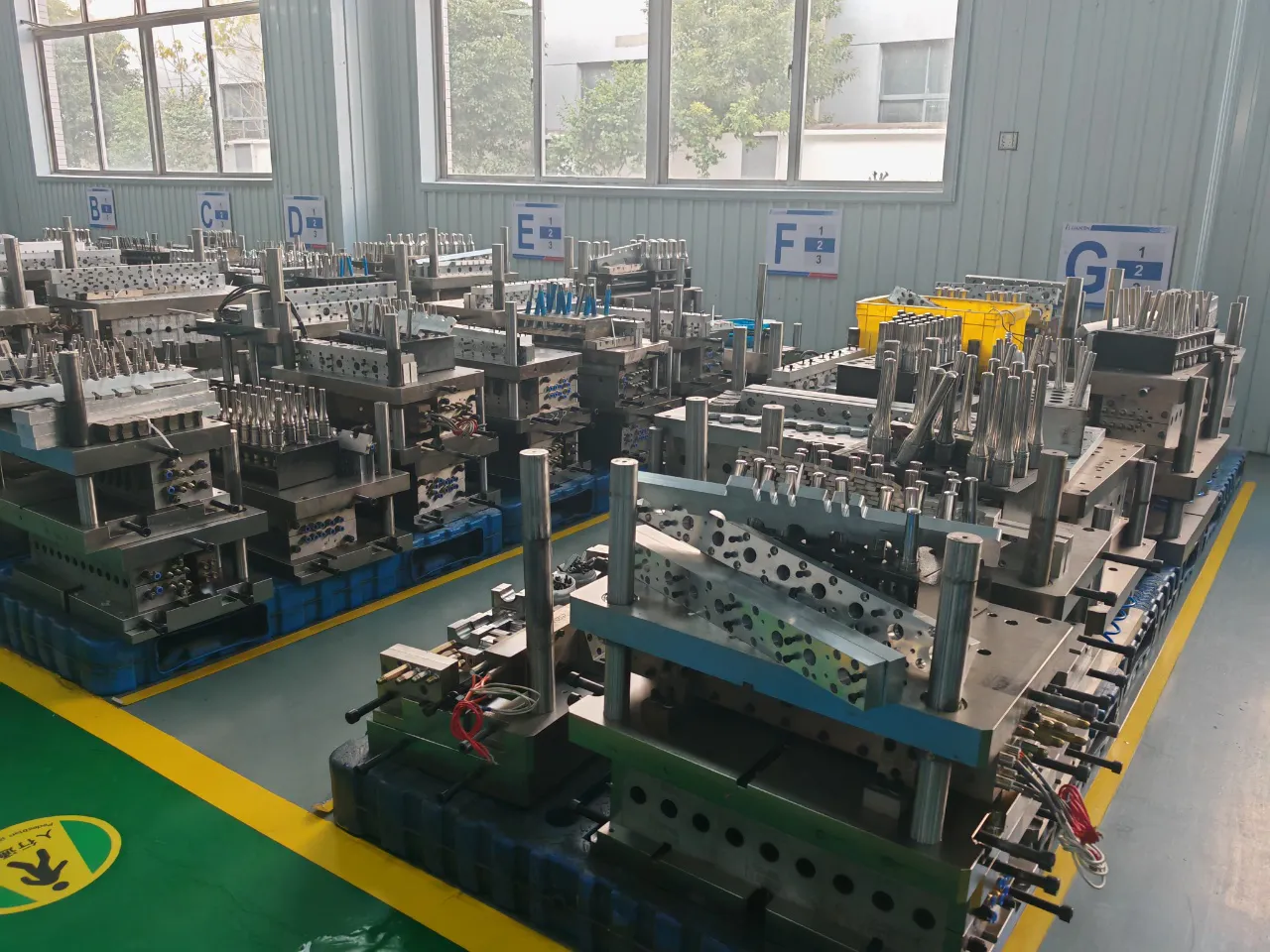
Over two decades of developing one-step injection stretch blow moulding machine platforms has given our engineering team particular depth of knowledge in the barrier cosmetic bottle applications where the process’s quality advantages are most commercially meaningful. Our production facility, spanning more than 20,000 square metres of precision machining and assembly capability, manufactures ISBM machines that have been deployed in cosmetic packaging plants serving premium skincare brands across Europe, Japan, South Korea, Australia, and South America. The engineering team has practical experience with UV-additive PETG processing, amber and coloured PETG formulation compatibility, and the barrier-optimisation of the temperature conditioning and stretch blow stations that makes the orientation-based barrier approach commercially viable.
Core machine components — Yaskawa and Inovance servo drives, Parker high-pressure valves, NSK Japan lead screws, Airtak air cylinders — are specified for the quality-critical cosmetic applications the machine range serves. Every machine leaves the factory with a completed Factory Acceptance Test report produced using the buyer’s actual resin grade where possible, confirming that the machine meets its dimensional accuracy, cycle time, and process consistency specifications before shipment. Machine documentation in the agreed language is standard, and the PLC data logging system provides the process record capability that ISO 22716 (Cosmetics GMP) and brand-owner quality management requirements commonly specify.
WorkShop
Related Equipment for Barrier Cosmetic Bottle Production Lines
Consistent barrier performance in cosmetic bottle production depends on the quality and specification of the auxiliary systems connected to the injection stretch blow moulding machine, as well as the machine itself. Two auxiliary systems have direct influence on barrier quality outcomes.
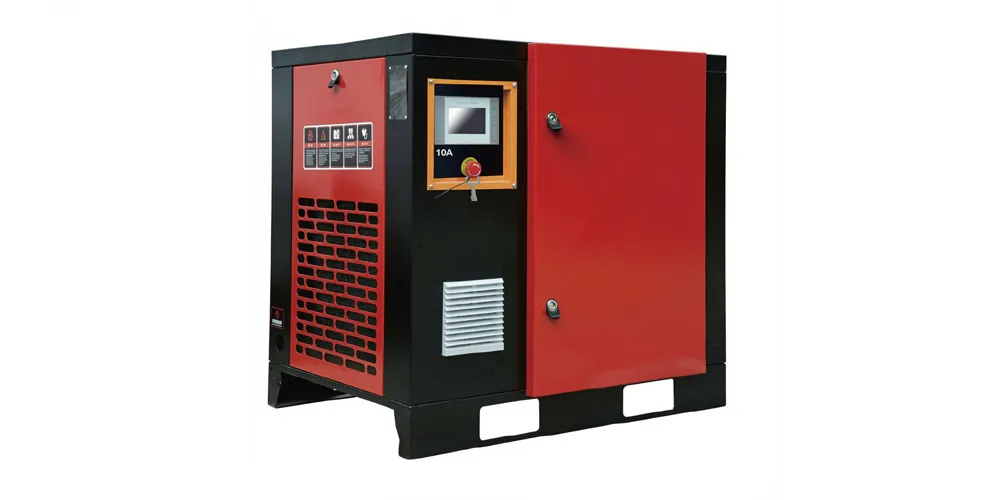
Oil-Free Air Compressor
In barrier cosmetic bottle production, blow air quality is doubly important: oil aerosol in the blow circuit deposits on the interior container surface (a contamination risk for barrier-sensitive formulations) and degrades the Parker high-pressure valves that control the blow pressure ramp profile. Inconsistent blow pressure directly affects the stretch ratio achieved during blowing — which is the primary process variable controlling biaxial orientation and therefore barrier performance. An oil-free high-pressure compressor delivering clean, dry air at 2.0–3.5 MPa maintains the stable blow pressure profile that barrier bottle production requires. For facilities processing UV-additive PETG, a cold-dry filter stage eliminates moisture that could interfere with the additive compound during barrel processing. Specifications at compressoroilfree.com.
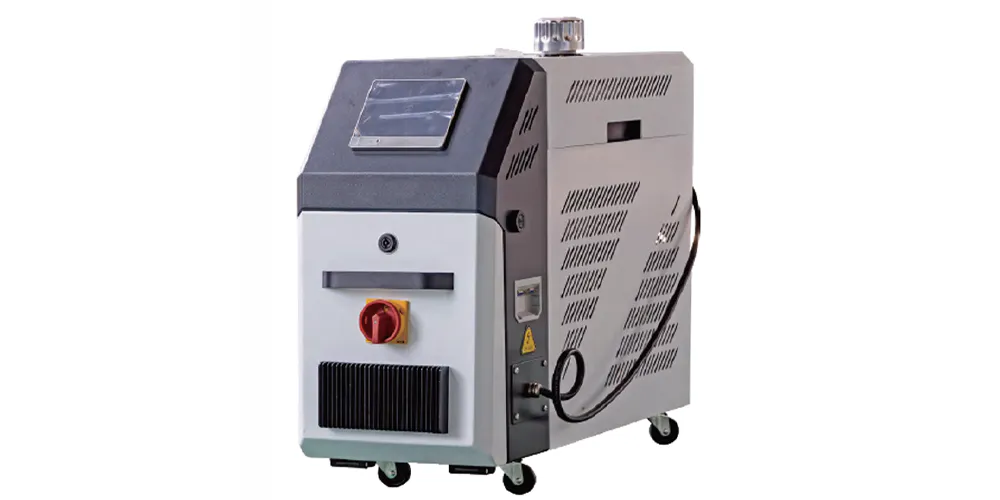
Mold Temperature Controller
Blow mould temperature directly affects the cooling rate of the blown barrier bottle — and cooling rate affects both the degree of strain-induced crystallinity (in PET) and the residual stress distribution in the oriented bottle wall. A mould temperature controller that maintains coolant temperature within ±1°C of setpoint ensures that the cooling phase is consistent from cycle to cycle, producing barrier performance that matches the design specification rather than varying with ambient coolant temperature across production shifts. For barrier-critical cosmetic formulations where product shelf life is a contractual commitment to the brand owner, this temperature consistency is an underappreciated but commercially significant quality variable. Include the mould temperature controller in the same procurement as the injection stretch blow moulding machine to ensure system compatibility from commissioning.
Discuss Your Barrier Cosmetic Bottle Production Requirements
Whether you are formulating a retinol serum, a vitamin C treatment, or a botanical extract product that requires enhanced packaging protection, our application engineering team can review your formulation’s barrier requirements and recommend the right injection stretch blow moulding machine configuration, material system, and container design approach.
Frequently Asked Questions
Editor: PXY