A practical decision guide for cosmetic packaging engineers, brand managers, and procurement teams worldwide — comparing PET and PETG across clarity, processability, regulatory compliance, and total production cost in one-step injection stretch blow moulding applications.
The resin decision comes early in every cosmetic bottle project, and it is rarely straightforward. PET and PETG are both processed on the same injection blow molding machine platforms, both produce clear containers, and both are widely used across the personal care and cosmetics industry globally. But they are meaningfully different materials with different optical profiles, processing behaviors, mechanical properties, and cost structures — and the right choice depends heavily on the specific application, the brand positioning, the production volume, and the regulatory requirements of the target market.
This guide works through the comparison systematically. It starts with the chemistry that explains why PET and PETG behave differently in an injection stretch blow moulding machine, moves through the processing parameters that differ between the two resins, and then applies those differences to specific cosmetic packaging applications — from high-volume toner and mist bottles to low-volume luxury jars and specialty serum containers. It also covers the regulatory picture, because what a brand can use in the EU may carry different documentation requirements than what is acceptable in South Korea, Brazil, or the United States. By the end, the decision framework should be clear enough to choose the right resin for a specific project — or to know when the answer genuinely depends on further testing.
All machine specifications referenced in this article come from real products in the injection stretch blow moulding machine range on this site, so the technical numbers are grounded rather than illustrative. Where processing parameters are given, they reflect actual production conditions rather than textbook approximations.
1. The Chemistry Behind the Difference — Why PET and PETG Behave Differently
PET — polyethylene terephthalate — is a semi-crystalline polymer. Its regular, linear chain structure allows polymer chains to pack together into ordered crystalline domains when given enough time and thermal energy to do so. The practical consequence for bottle production is that PET can become cloudy or hazy if the manufacturing process allows crystallinity to develop before and during the blow phase. The reason high-quality PET bottles are clear is that the injection stretch blow molding process works against this tendency — specifically, the biaxial orientation applied during the stretch-blow phase aligns the polymer chains in a way that produces ordered microstructure without the light-scattering spherulitic crystallinity that causes haze.
PETG — glycol-modified PET — is made by substituting a proportion of the ethylene glycol in the PET backbone with a bulkier co-monomer, typically 1,4-cyclohexanedimethanol (CHDM). This substitution disrupts the regularity of the polymer chain enough to make crystallisation essentially impossible under normal processing conditions. PETG is therefore an amorphous polymer — it cannot crystallise regardless of what happens during processing. This is the root cause of PETG’s outstanding water-clear appearance: the absence of crystalline domains means there is nothing to scatter light, and the resin is inherently transparent without requiring biaxial orientation to achieve it.
This difference in fundamental polymer architecture drives almost every practical distinction between the two resins in cosmetic injection blow moulding applications — processing temperature, cycle time, clarity level, barrier performance, chemical resistance, and recyclability. Understanding it makes the downstream production decisions much easier to reason about.
2. Processing Parameters — How Each Resin Behaves in the Injection Stretch Blow Moulding Machine
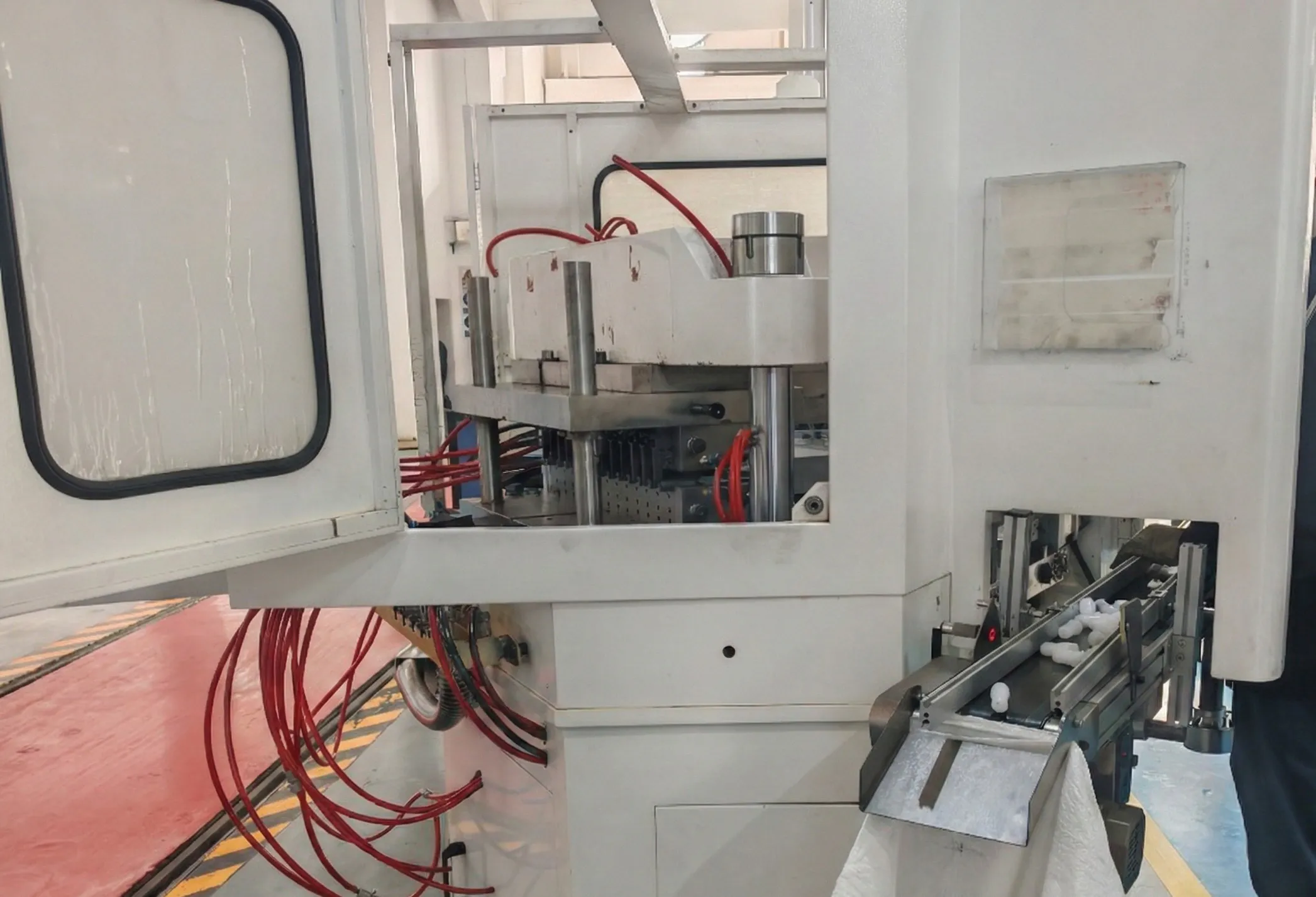
The injection stretch blow moulding machine processes both PET and PETG through the same basic sequence — injection moulding of the preform, thermal conditioning, stretch-blow moulding, and takeout — but the parameter settings that produce the best results differ meaningfully between the two resins. A machine set up optimally for PET will not automatically produce the best PETG bottles, and vice versa. The following covers the key processing differences that production engineers need to account for when running either resin.
Melt Temperature and Barrel Settings
PET requires a melt temperature in the range of 260–280 °C to achieve adequate fluidity for injection moulding. At these temperatures, the residence time in the barrel must be carefully managed: PET undergoes hydrolytic and thermal degradation at elevated temperatures, producing acetaldehyde as a by-product — which causes an off-taste in beverage bottles but also produces subtle yellowish tint in water-clear cosmetic containers. Pre-drying to below 0.005% moisture content is essential before processing. PETG melts and flows adequately at significantly lower temperatures — typically 220–240 °C — which means lower energy input per cycle, shorter thermal exposure time, and meaningfully reduced degradation risk. For cosmetic producers whose containers are clarity-critical, the lower melt temperature of PETG provides a practical safety margin against the yellowing and haze that can appear in PET when the thermal management is less than perfect.
Stretch Ratio and Orientation Requirements
PET benefits significantly from biaxial orientation — the mechanical stretching during the blow phase is what produces the crystal-suppressing molecular alignment that gives oriented PET its exceptional clarity, barrier performance, and impact resistance. The optimal stretch ratio for PET in the axial direction is typically 2.5:1 to 3.5:1, with a hoop stretch ratio of 3:1 to 5:1 depending on the container geometry. Getting these ratios right requires careful management of the preform temperature at the blow station — which is one of the things the temperature conditioning station in a four-station injection stretch blow moulding machine is specifically designed to control. PETG, being amorphous, does not need biaxial orientation for its clarity — it is already water-clear in the unoriented state. Some orientation still occurs during blow moulding of PETG and does provide modest improvements in impact resistance and stiffness, but the process is more forgiving of temperature variation than PET because clarity is not dependent on achieving a specific crystallographic outcome.
Cooling and Cycle Time
PET has a higher heat capacity and requires careful cooling to maintain the amorphous state in the finished bottle. Premature crystallisation during cooling produces whitening in the base or shoulder areas of clear bottles — visible as a frost-glass appearance that is a common quality reject in cosmetic production. Adequate cooling water flow through the blow mould at 0.4–0.6 MPa and 20–25 °C is critical. PETG is more forgiving in this regard — its inability to crystallise means that the cooling rate does not affect clarity, and cycle times can sometimes be shorter as a result. For producers running multi-SKU cosmetic ranges on the same machine, PETG’s wider processing window makes mold changeover and grade changeover less disruptive to production quality than PET.
| Parameter | PET | PETG | Practical Implication for Cosmetic Production |
|---|---|---|---|
| Melt temperature | 260–280 °C | 220–240 °C | PETG uses less energy; lower degradation risk |
| Pre-drying requirement | <0.005% moisture, 4–6 h at 160–180 °C | <0.04% moisture, 2–4 h at 65–80 °C | PETG drying is faster and less energy-intensive |
| Clarity mechanism | Biaxial orientation required | Inherently amorphous | PETG clarity is process-independent; PET needs precision |
| O₂ barrier performance | Good to excellent (oriented) | Moderate | PET preferred for oxidation-sensitive actives |
| Impact resistance | High (biaxially oriented) | Good (amorphous) | Both adequate for retail; PET better for transit stress |
| Chemical resistance to cosmetic solvents | Good (oriented) | Moderate; vulnerable to ketones, esters | Check compatibility for solvent-containing formulations |
| Processing window | Narrower — temperature-sensitive | Wider — more forgiving | PETG suits multi-SKU production with frequent changeovers |
| Recyclability | Fully recyclable (Stream 1 PET) | Recyclable but disrupts PET stream if mixed | PET better for sustainability commitments requiring rPET |
| Resin cost | Lower | Higher (typically 15–30% premium) | PET better for cost-driven high-volume cosmetic lines |
3. Clarity — The Most Important Quality Parameter in Cosmetic Packaging
Clarity is the single most discussed quality parameter when comparing PET and PETG for cosmetic packaging, and the conversation is not as simple as “PETG is clearer than PET.” The reality is more nuanced, and it matters because the wrong framing leads to purchasing decisions that either overspend on resin or underdeliver on product appearance.
PETG is inherently amorphous and therefore inherently clear. Under controlled production conditions on a well-maintained injection blow molding machine, PETG produces bottles with a water-clear, glass-like appearance that is consistent across the production run regardless of minor temperature variations, because there is no crystallisation mechanism to trigger haze. This consistency is a genuine advantage in cosmetic production where brand owners rely on the bottle appearing identical across multiple production batches for photography, retail planogram consistency, and consumer brand recognition.
Oriented PET, when produced on a precision injection stretch blow moulding machine with well-managed barrel temperatures, correct preform conditioning, and appropriate stretch ratios, achieves clarity that is comparable to PETG and, for many cosmetic applications, visually indistinguishable. The key phrase is “well-managed” — PET clarity is a process-dependent outcome. A machine with degraded heating elements, an aging temperature sensor, or a preform conditioning station that has drifted out of calibration will produce PET bottles with visible haze before a quality engineer identifies the root cause. PETG produces consistently clear bottles even when the machine is operating with less-than-optimal precision, because the clarity is in the chemistry rather than the process.
The practical conclusion for cosmetic packaging engineers is this: for a well-maintained, precision-controlled production line, oriented PET can match PETG clarity at a lower resin cost. For production environments with frequent grade or mold changeovers, variable operator skill levels, or machines that are approaching mid-life without recent maintenance investment, PETG’s process-independent clarity is worth its resin cost premium as a quality risk reduction measure.
4. Application-by-Application Guide — Which Resin for Which Product?
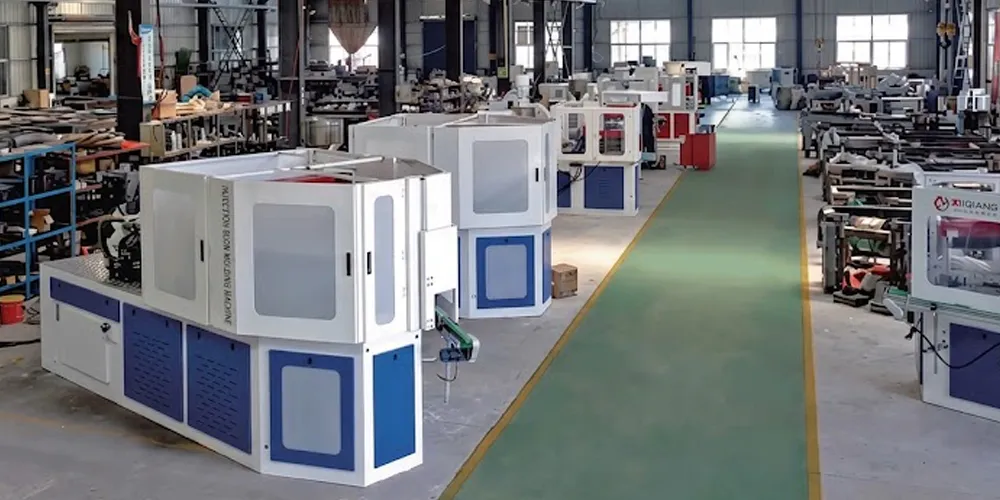
The correct resin choice for a cosmetic bottle is always application-specific. Below is a structured guide to PET vs PETG selection across the main cosmetic and personal care product categories, drawing on the material properties discussed above and the production realities of running an injection stretch blow moulding machine at commercial scale.
Facial Serums & Toners
Recommended: PETG — Small-volume, narrow-neck bottles in the 20–150 ml range where optical quality is the primary specification. K-Beauty brands in South Korea and prestige skincare brands in Europe have broadly adopted PETG for serum packaging because the consistent water-clear appearance aligns with premium brand identity and photographs better for e-commerce than PET with any trace of haze. If the formulation contains active botanical extracts with mild oxidation sensitivity, the barrier performance gap between PETG and oriented PET at these small volumes is rarely clinically significant. PETG is the defensible specification for serum and toner applications in the luxury segment globally.
Body Lotions & Oils
Recommended: PET — Mid-to-large volume bottles from 150 ml to 500 ml where the oxygen barrier performance of oriented PET provides meaningful protection for body oil formulations containing oxidation-sensitive fatty acids and botanical actives. The higher volumes mean that the resin cost differential between PET and PETG becomes economically significant at production scale. On a well-maintained injection stretch blow moulding machine with stable temperature conditioning, oriented PET produces bottles that are visually indistinguishable from PETG for body lotion and oil applications — the slightly wider wall section of these larger containers makes any residual haze invisible in retail lighting conditions.
Shampoo & Hair Care
Recommended: PET or PETG depending on segment — Mass-market and professional hair care brands running high volumes (200–750 ml) on cost-focused production lines: PET. Premium or salon brands positioning the bottle as part of an elevated product experience: PETG. The decision threshold is brand positioning more than technical requirement. One practical consideration: many shampoo formulations contain surfactants and pH adjusters that interact differently with PET vs PETG surface characteristics — compatibility testing with the actual formulation before committing to resin specification is always advisable. Both resins are suitable for the application from a regulatory standpoint across all major markets.
Luxury & Craft Packaging
Recommended: PETG — Custom-shaped bottles with complex geometry, faceted bodies, or non-standard shoulder profiles where the mold designer cannot guarantee optimal stretch ratios across every section of the container. In irregular bottle geometries, some areas will be under-stretched and some over-stretched relative to the target. In PET, under-stretched areas are prone to stress-whitening and haze; in PETG, they are clear regardless. For luxury cosmetic bottles where a single hazy panel would cause a product recall or brand damage, PETG’s geometry-independent clarity is a specification the brand should not compromise on to save resin cost. The cost differential is easily absorbed in a luxury margin structure.
Perfume & Fragrance Atomizers
Recommended: PETG — Fragrance formulations frequently contain alcohol concentrations of 70–90% ethanol, and both PET and PETG have acceptable ethanol resistance. However, some fragrance formulations also contain ketones and esters (from aroma compounds) where PETG’s somewhat lower solvent resistance relative to oriented PET becomes a practical concern. Compatibility testing is essential before finalising the resin for fragrance atomizer applications. Where compatibility is confirmed, PETG is preferred for the clarity and aesthetic reasons discussed above, as fragrance packaging is a prestige application where optical quality directly supports perceived product value.
Baby & Sensitive Skin Products
Recommended: PETG or Tritan — Baby and sensitive skin cosmetic products increasingly face brand-led requirements for BPA-free, phthalate-free packaging materials, which both PET and PETG satisfy. The differentiating factor in this segment is consumer communication: PETG’s inherent amorphous clarity and the simplicity of its “BPA-free, made without phthalate plasticisers” positioning resonates with the parental purchase decision in a way that oriented PET cannot easily match in marketing communication. For applications where reusability is also a positioning factor — reusable baby wash dispensers, for example — Tritan copolyester is worth considering for its dishwasher-safe and estrogenic activity-free profile.
5. Featured Machine — EP-HGYS150-V4: Four-Station ISBM for PET and PETG Cosmetic Bottle Production
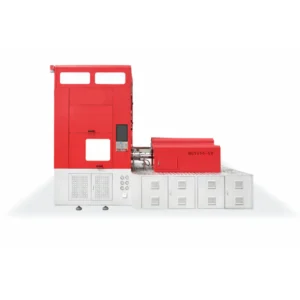
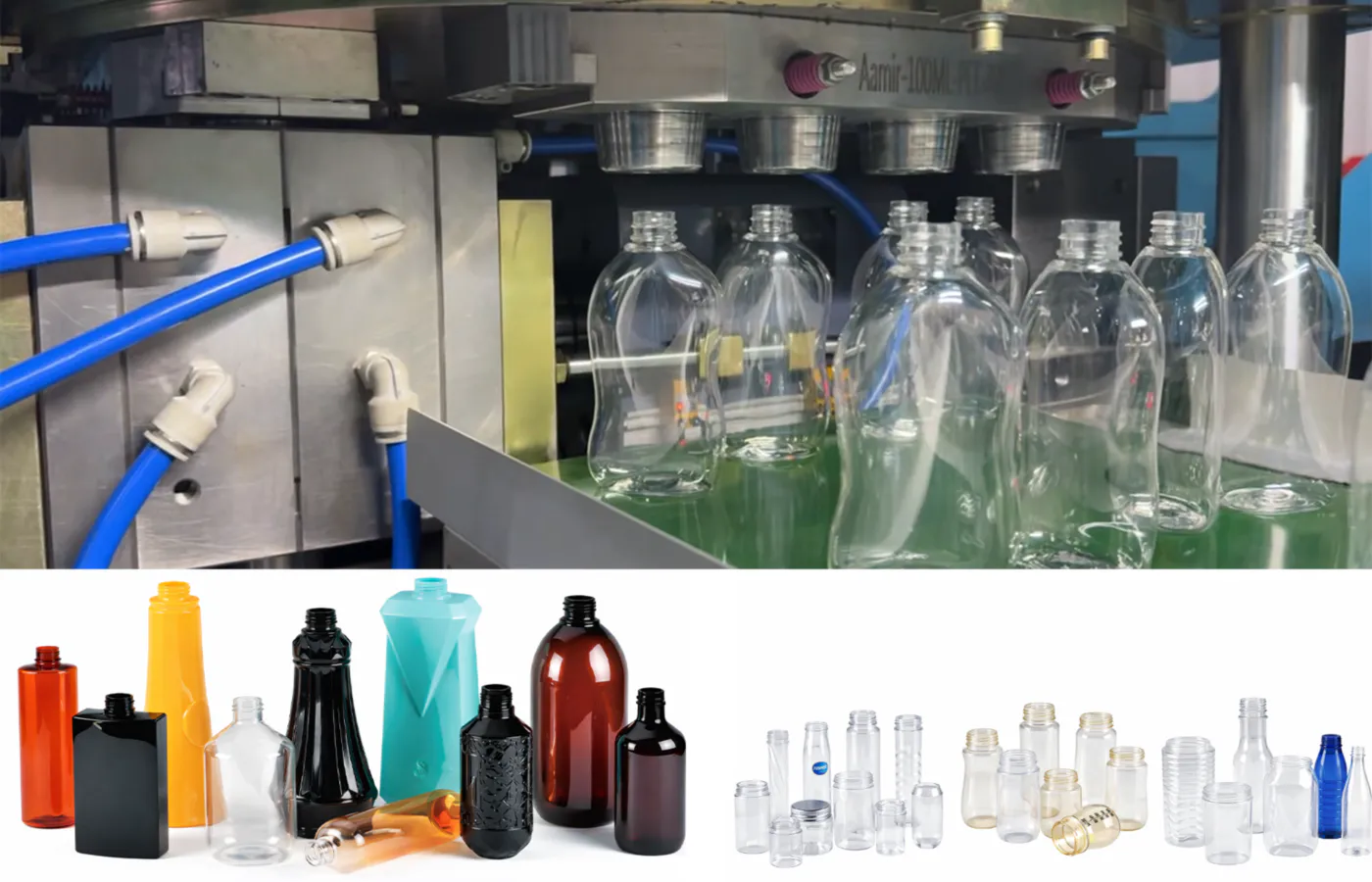
For cosmetic packaging producers who need to run both PET and PETG on the same machine across a range of cosmetic bottle formats, the EP-HGYS150-V4 four-station injection stretch blow moulding machine offers a capable mid-range platform. Its screw diameter options of 40, 50, 55, and 60 mm across theoretical injection volumes from 188 cm³ to 480 cm³ provide the flexibility to accommodate both PET high-volume production and PETG specialty bottle runs within the same machine generation, with parameter adjustments rather than equipment changes between grades.
The machine uses 3 servo pump systems (Inovance / WEICHI) with a combined motor power of 43.2 kW. The temperature control system uses an integrated control box described as highly accurate, stable, and easy to operate — a feature that is directly relevant to PET clarity production, where barrel temperature consistency is the primary driver of optical outcome. Parker USA high-pressure valves manage blow air at 2.0–3.5 MPa, and the hydraulic control valve system from YUKEN Taiwan provides reliable clamping force management across both resin types. The machine is compatible with Japanese ASB-12M mold tooling, making it a direct upgrade path for facilities currently operating older ASB equipment and wanting to continue running existing mold assets while accessing modern machine control and energy efficiency.
Product range covers bottle diameters from 28 mm to 118 mm across 1 to 8 cavities per cycle, with maximum container volumes from 20 ml to 2,500 ml — spanning the majority of cosmetic bottle formats from serum to body lotion without requiring a machine size change. The 4200 × 1400 × 2900 mm footprint and 6-tonne machine weight make it deployable in standard industrial facility floor plans without structural reinforcement.
| Parameter | Unit | Value |
|---|---|---|
| Model | — | EP-HGYS150-V4 (4-station, ASB-12M compatible) |
| Compatible Material | — | PET / PETG |
| Screw Diameter (optional) | MM | 40 / 50 / 55 / 60 |
| Theoretical Injection Volume | CM³ | 188 / 310 / 380 / 480 |
| Injection Clamping Force | KN | 150 |
| Blowing Clamping Force | KN | 200 (single side) |
| Motor Power | KW | 43.2 |
| Heating Power | KW | 10 |
| Blowing Air Pressure | MPa | 2.0–3.5 |
| Cooling Water Pressure | MPa | 0.4–0.6 |
| Voltage | V | 370–400 |
| Machine Size (L×W×H) | MM | 4200 × 1400 × 2900 |
| Machine Weight | T | 6 |
| Mold Compatibility | — | Japanese ASB-12M format |
6. Sustainability and Recyclability — An Increasingly Critical Specification Factor
The sustainability dimension of the PET vs PETG choice has become materially important for cosmetic brands with published sustainability commitments, particularly those operating in the EU, UK, or markets served by major retail chains with their own packaging sustainability policies. The two resins have notably different recyclability profiles, and the direction of regulatory travel in key markets is making this gap more consequential over time.
PET is one of the most successfully recycled plastic materials in the world. It has an established collection and reprocessing infrastructure in most developed markets, a clear material identification (resin code 1), and a robust market for recycled PET (rPET) in both bottle-to-bottle and bottle-to-fibre applications. The EU Packaging and Packaging Waste Regulation (currently under revision as of 2025) includes mandatory recycled content requirements for PET beverage packaging — a regulatory signal that is already influencing cosmetic brand procurement decisions as sustainability commitments tighten. A cosmetic brand that specifies PET for its bottle production is positioning itself to incorporate rPET content as regulatory requirements and consumer expectations evolve, and the injection stretch blow moulding machine process is compatible with rPET-containing resin blends provided appropriate quality controls are maintained on the rPET input material.
PETG has a more complicated recyclability profile. While PETG is technically recyclable, it is not compatible with the mainstream PET recycling stream: PETG has a lower melting point and different viscosity characteristics than PET, and PETG contamination in a PET recycling stream reduces the quality of the recycled output. Most recycling systems do not have dedicated PETG streams, and in practice, PETG bottles are often directed to mixed plastics or landfill in markets without specialist collection infrastructure. For cosmetic brands with public commitments to recyclability — particularly those signed up to schemes like the Ellen MacArthur Foundation New Plastics Economy or aligned with the EU’s Packaging Regulation recycled content targets — PETG specification requires either accepting this recyclability limitation or investing in take-back programmes that can segregate and reprocess PETG separately from general PET streams. Some brands in the luxury segment have adopted this position on the grounds that their volumes are low enough that the total tonnage impact is limited; mass-market brands with high volumes are more likely to be required to justify the PETG specification against their sustainability commitments.
7. Regulatory Frameworks — What Each Resin Requires Across Global Cosmetics Markets
Both PET and PETG are well-established in global cosmetic packaging, and both are approved for cosmetic and food-contact applications under the regulatory frameworks of all major markets. However, the documentation requirements, the specific substance restrictions, and the sustainability obligations that apply to each differ in ways that affect procurement decisions for producers supplying multiple markets simultaneously. The following covers the most relevant regulatory considerations by region.
European Union
EU Cosmetics Regulation (EC) No 1223/2009 requires a cosmetic product safety report that includes an assessment of the packaging material’s safety for the intended use. For PET and PETG, this typically involves confirming substance compliance under REACH Regulation (EC) 1907/2006 — specifically that no SVHC (Substances of Very High Concern) are present above 0.1% w/w in the packaging article. Both PET and PETG can be specified with REACH-compliant grades, and resin suppliers will provide substance declarations upon request. The EU Packaging and Packaging Waste Regulation (under revision) introduces recycled content obligations that are more easily met with PET than with PETG, as discussed above. German market requirements in particular — Germany has the EU’s most developed packaging recycling infrastructure and the LUCID packaging register under the Verpackungsgesetz — create practical differences in how PET and PETG packaging is managed at end-of-life.
United Kingdom Post-Brexit
Following the UK’s departure from the EU, cosmetic products placed on the UK market are regulated under the UK Cosmetics Regulation, which substantially mirrors EU Regulation 1223/2009 but is administered independently by the Office for Product Safety and Standards (OPSS) and the Medicines and Healthcare products Regulatory Agency (MHRA). UK REACH (a standalone UK version of the EU REACH chemical regulation) applies to substances in packaging placed on the UK market, with its own SVHC candidate list that is maintained separately from the EU list. For producers supplying both EU and UK markets from the same production run, confirm substance compliance under both EU REACH and UK REACH for the specific resin grade used. The UK Extended Producer Responsibility (EPR) scheme for packaging, fully implemented from 2025, requires packaging producers to report on the recyclability of their packaging materials — a factor that again favours PET over PETG in compliance ease.
South Korea
South Korea’s Ministry of Food and Drug Safety (MFDS) regulates cosmetic packaging under the Korean Cosmetic Act (화장품법). The MFDS maintains a list of prohibited substances for use in cosmetics packaging in direct contact with cosmetic products, and resin grade suppliers for the Korean market should be able to provide documentation confirming compliance. South Korea also operates a Recycling Priority Scheme under the Act on the Promotion of Saving and Recycling of Resources, under which packaging materials receive recyclability ratings. PET receives the highest recyclability classification in the Korean system; PETG receives a lower rating, which creates an eco-tax differential that some producers use to justify the switch from PETG to PET in Korean-market packaging despite the process advantages of PETG for clarity production. This is a notable example of where regulatory incentives directly influence the PET vs PETG specification decision.
United States
The FDA does not require pre-market approval for cosmetic products or their packaging in the United States (unlike drugs and food), but the FD&C Act requires that cosmetic packaging be safe for its intended use. California Proposition 65 creates additional substance disclosure obligations for products sold in California: certain UV stabilisers and antioxidants used in PET and PETG resin additive packages appear on the Prop 65 list, and packaging producers supplying California-sold products should confirm their resin additive package against the current Prop 65 list. The FTC Green Guides, maintained by the US Federal Trade Commission, govern environmental claims on packaging — including recyclability claims. Under the Green Guides, a recyclability claim on PETG packaging is difficult to substantiate in most US markets because the infrastructure for PETG collection and reprocessing is not sufficiently widespread, while PET recyclability claims are generally supportable with appropriate geographic qualification.
Brazil & Latin America
ANVISA (Agência Nacional de Vigilância Sanitária) in Brazil and INVIMA in Colombia both regulate cosmetic products and require that packaging materials do not transfer substances to the product at levels that would affect product safety. Resin grade documentation — typically a declaration of compliance from the resin manufacturer confirming food-grade or equivalent substance compliance — provides the baseline documentation required for cosmetic packaging in both markets. Brazil’s PNRS (Política Nacional de Resíduos Sólidos, the National Solid Waste Policy) places responsibility on packaging producers for end-of-life management, and its sectoral agreements for plastic packaging create an infrastructure context in which PET is more straightforwardly managed than PETG at end-of-life.
| Market | PET Regulatory Position | PETG Regulatory Position | Key Difference |
|---|---|---|---|
| EU | Compliant; rPET content requirements emerging | Compliant; recyclability limitations | PET better aligned with EU circular economy targets |
| UK | Compliant; EPR recyclability scoring favourable | Compliant; lower EPR recyclability score | PET lower EPR cost burden |
| South Korea | Highest recyclability rating; no eco-tax penalty | Lower recyclability rating; eco-tax differential | PET significantly preferred by Korean regulators |
| USA | Recyclability claim supportable; Prop 65 additive check required | Recyclability claim difficult; Prop 65 additive check required | PET supports green marketing more easily |
| Brazil / LATAM | Compliant; PNRS-aligned end-of-life management | Compliant; less developed end-of-life infrastructure | Both compliant; PET easier to manage under PNRS |
8. Decision Framework — Choosing Between PET and PETG in Seven Questions
After reviewing the material science, processing parameters, application suitability, and regulatory requirements, a practical decision framework for choosing between PET and PETG in an injection blow molding machine for cosmetic packaging can be distilled into seven diagnostic questions. Work through them in order — the first question that produces a clear answer typically governs the specification decision.
If yes → specify PETG. Irregular geometries produce uneven stretch ratios across the container, and PETG’s process-independent clarity eliminates the haze risk in under-stretched areas.
If yes → conduct compatibility testing before specifying PETG. PETG has lower solvent resistance to certain aromatic compounds than oriented PET.
If yes → specify PET. The biaxial orientation in one-step injection stretch blow moulding produces meaningfully better oxygen barrier performance than amorphous PETG.
If yes → strong preference for PET. Korean eco-tax differential and international recyclability commitments both favour PET over PETG in the current regulatory environment.
If yes → specify PETG, or PET on a well-maintained precision machine with dedicated process monitoring. The resin cost premium for PETG is easily absorbed in a luxury margin structure.
If yes → specify PET. The 15–30% resin cost premium of PETG is commercially significant at high volumes and is rarely justified by incremental performance differences in standard cylindrical bottle geometries.
If yes → PETG’s wider processing window and clarity consistency across changeover cycles reduces quality variation risk. The lower drying temperature and shorter drying time also reduce changeover time between PETG grades.
Explore Injection Stretch Blow Moulding Machines for PET and PETG Cosmetic Bottle Production
Whether you are running high-volume PET personal care lines or specialty PETG luxury cosmetic bottles, the right machine configuration makes the material performance achievable at production scale.
About Us
With over two decades of experience developing injection stretch blow moulding machines for the cosmetics, pharmaceutical, beverage, and personal care sectors, our production facility has built specialised machine configurations that serve both PET and PETG production requirements across a wide range of cosmetic packaging formats. The engineering team has filed multiple national patents in process control and machine design, and has developed machines used in the production lines of globally recognised cosmetic and personal care brands across Asia, Europe, Latin America, the Middle East, and beyond.
Component sourcing reflects the precision requirements of cosmetic packaging production: servo systems from Inovance and Yaskawa Japan for positioning accuracy, precision ballscrews from NSK Japan for cycle repeatability, high-pressure blow valves from Parker USA for consistent blow pressure delivery, and temperature control systems built for the stable 20–25 °C cooling water specifications that high-clarity PET and PETG production requires. Our machines serve both PET-optimised high-volume production runs and PETG specialty luxury cosmetic applications, with the same machine platform adaptable to both resins through parameter adjustment rather than equipment replacement.
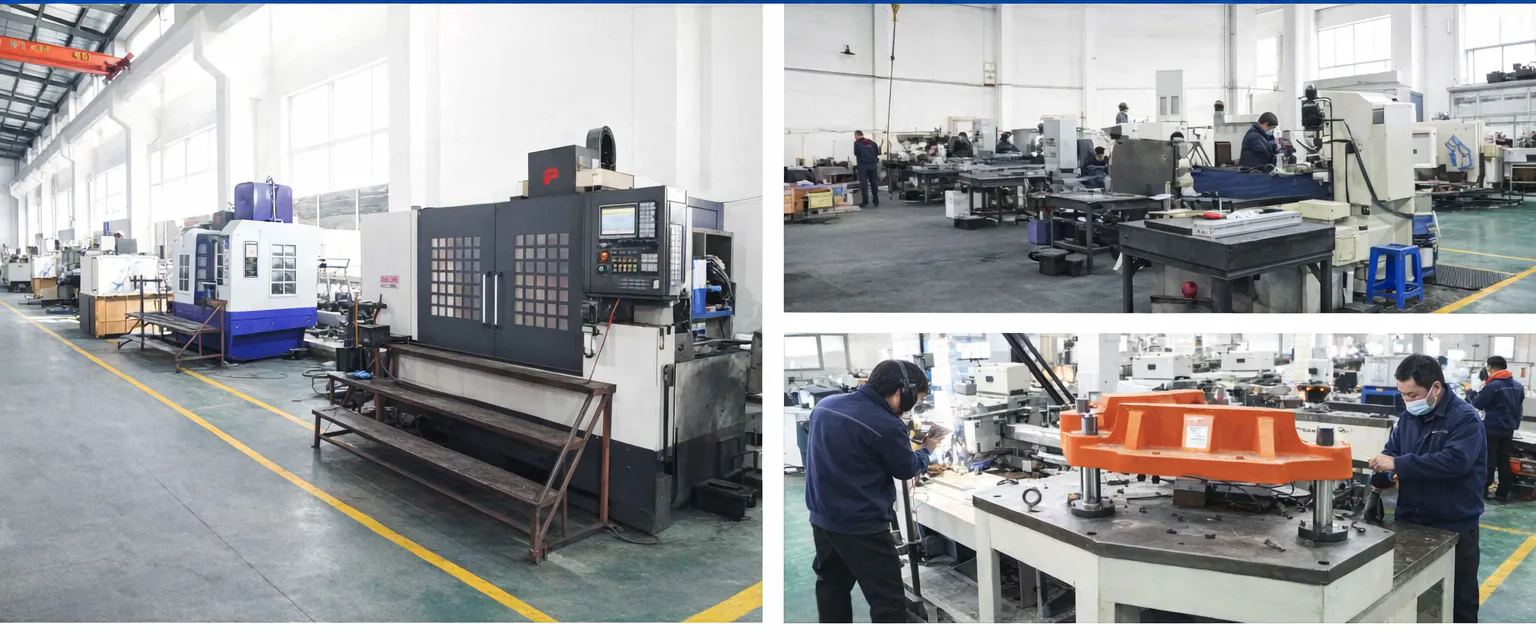
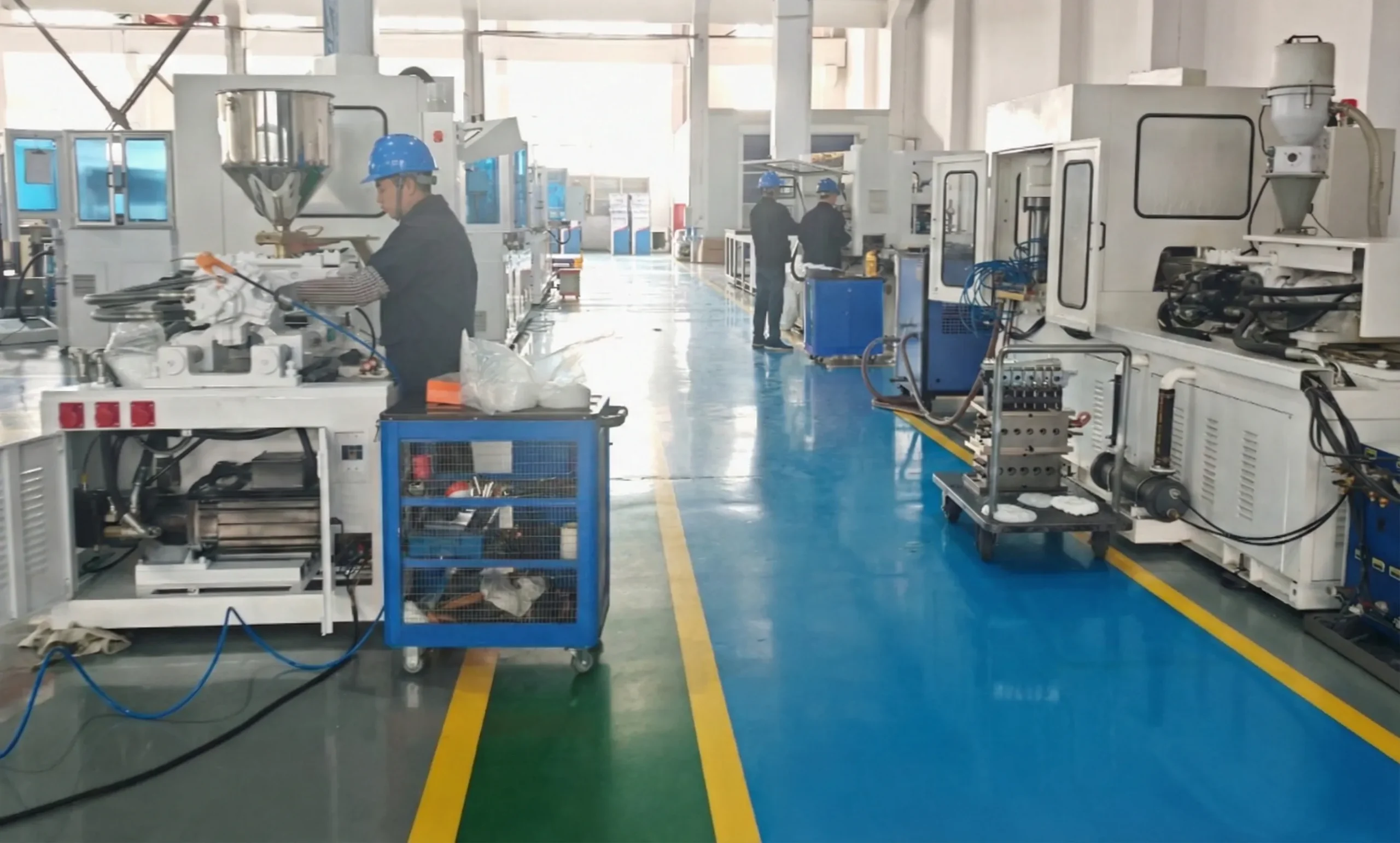
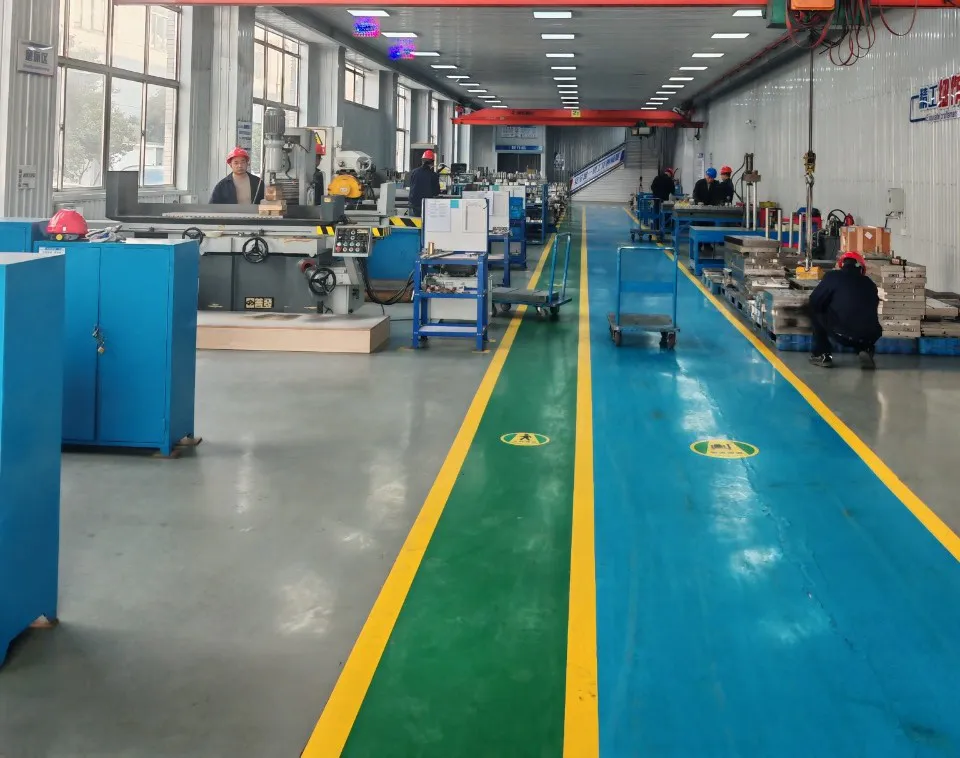
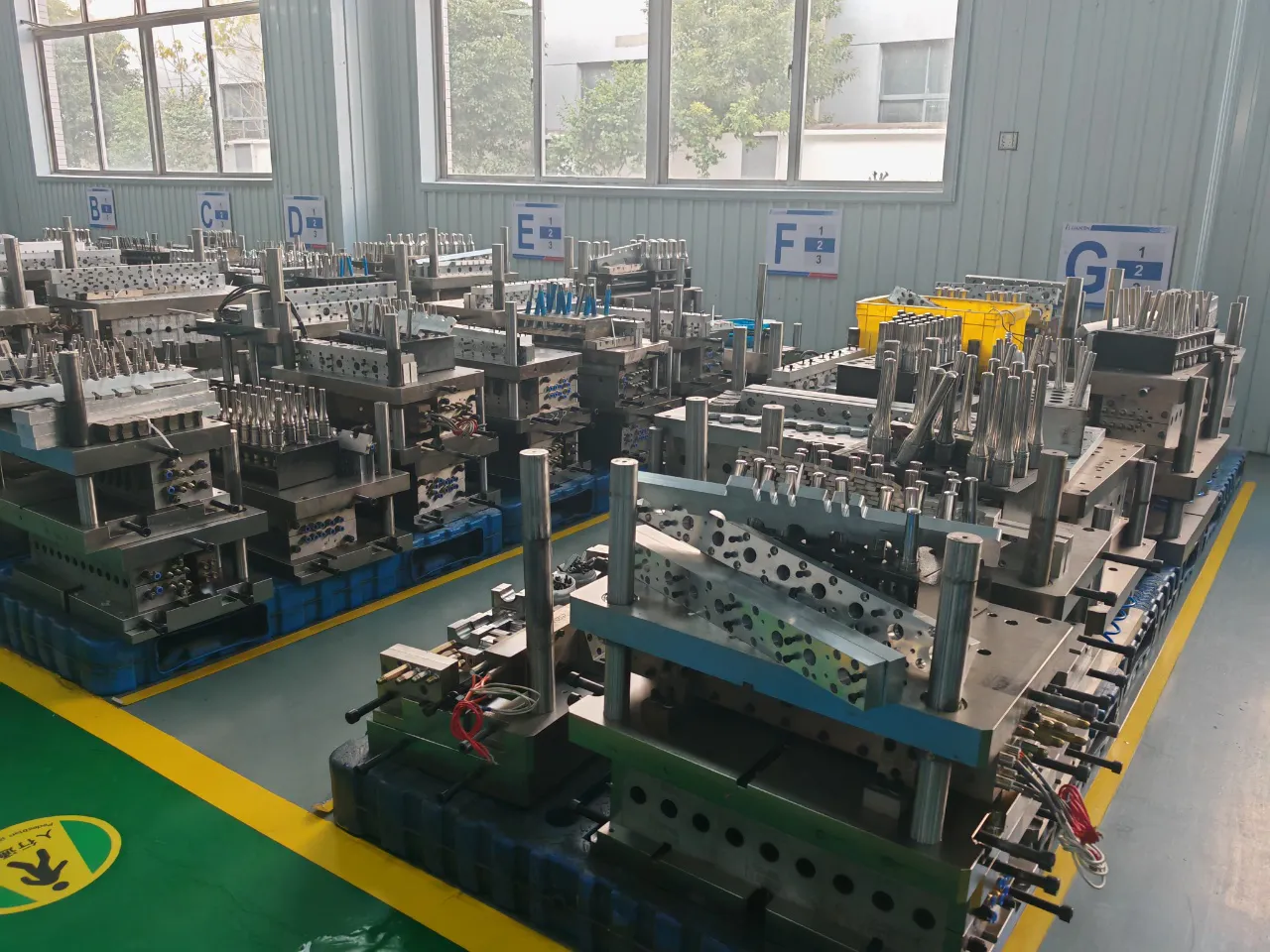
WorkShop
Related System Solutions
Achieving consistent optical quality in PET and PETG cosmetic bottle production requires the machine and its auxiliary systems to operate within well-controlled parameters. Two auxiliary components have a direct impact on the clarity outcomes discussed throughout this article — and specifying them as part of the same supply chain removes compatibility risk from day one.
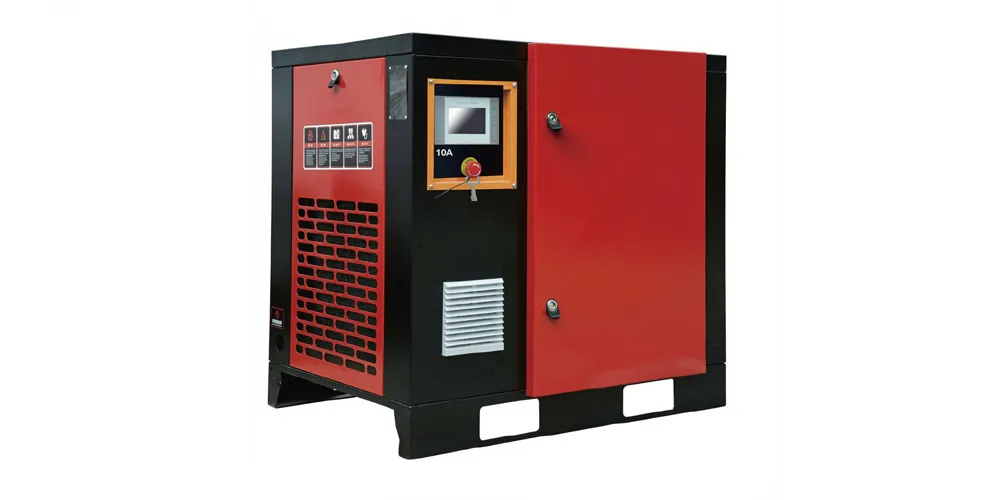
Oil-Free Air Compressor
Blow air at 2.0–3.5 MPa must be free of oil vapour to prevent contamination of the bottle interior during the blow phase. For cosmetic bottles that will be filled without additional rinsing — which covers the majority of prestige serum, toner, and lotion applications — oil-contaminated blow air is a direct product safety risk that cannot be managed downstream. Specifying an oil-free compressor matched to the machine’s cycle demand eliminates this risk at source and is the correct specification for any cosmetic bottle production environment, regardless of whether PET or PETG is being processed.
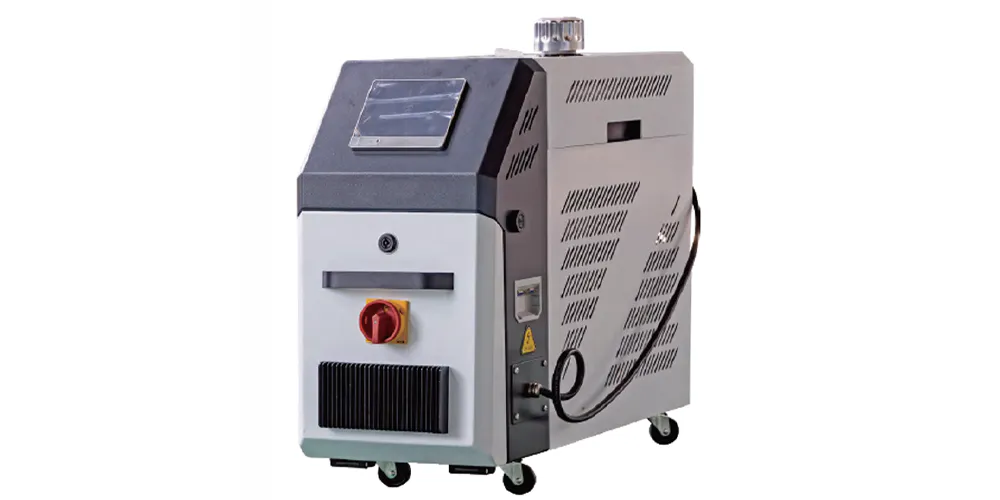
Mold Temperature Controller
Stable cooling water temperature at 20–25 °C through the blow mould cooling circuit is critical to dimensional consistency for both PET and PETG cosmetic bottles, but it is especially consequential for PET clarity production where thermal variation can trigger localised crystallisation. A dedicated mold temperature controller with stable, isolated output eliminates the temperature-induced dimensional variation and optical defects that are hard to diagnose from finished-product inspection alone because they appear intermittently rather than consistently. Matching the mold temperature controller to the machine specification ensures the system operates as designed from the first production run.
Frequently Asked Questions
Q1. Which resin is better for luxury serum bottle production on an injection blow molding machine — PET or PETG — when selling into the European prestige beauty market?
Q2. How does the recyclability difference between PET and PETG affect cosmetic packaging compliance under South Korean and EU sustainability regulations?
Q3. What injection stretch blow molding machine settings need to change when switching from PET to PETG production for cosmetic bottles on the same equipment?
Q4. Where can cosmetic packaging buyers in Brazil find injection blow molding machine suppliers who can support ANVISA documentation requirements for both PET and PETG resin specifications?
Q5. How does PETG’s lower solvent resistance compared to oriented PET affect cosmetic fragrance packaging produced on an injection stretch blow moulding machine?
Q6. What is the best injection blow molding machine configuration for a cosmetic manufacturer in Southeast Asia who needs to run both PET and PETG across a range of bottle sizes?
Q7. How does biaxial orientation in an injection stretch blow moulding machine improve PET oxygen barrier performance for cosmetic serums containing oxidation-sensitive plant actives?
Q8. Which injection stretch blow molding machine model offers the best value for a mid-size cosmetic contract manufacturer in the UK looking to quote on both PET and PETG bottle projects?
Editor: PXY