A technical and commercial guide for fragrance brand managers, mold designers, and packaging engineers worldwide — covering how the one-step injection stretch blow moulding process handles non-standard bottle geometry, which resins perform best for perfume applications, and what machine specifications matter most for custom fragrance packaging production.
Perfume bottles occupy a unique position in plastic packaging. Unlike a shampoo bottle or a water container where function dominates form, a fragrance bottle is frequently as much a design object as it is a functional container. The bottle communicates brand character before the scent is even detected — its geometry, surface clarity, weight in the hand, and light refraction all contribute to the consumer’s first impression and ongoing brand association. This is why the manufacturing process that produces the bottle matters so much: the process must be capable of reproducing the designer’s intent in plastic with the same fidelity that glass blowing achieves for luxury glass flacons.
The injection blow molding machine — specifically the one-step injection stretch blow moulding configuration — has become an increasingly important production method for custom-shaped plastic perfume bottles because it combines three capabilities that other plastic forming processes cannot simultaneously deliver: it produces precise, reproducible neck finishes for atomizer fitment; it achieves the water-clear optical quality in PET or PETG that luxury fragrance brands require; and it can handle the non-cylindrical geometries — faceted bodies, tapered shoulders, distinctive base profiles — that differentiate niche and prestige fragrance packaging from commodity bottles.
This article covers the technical and commercial dimensions of producing custom-shaped perfume bottles using the one-step injection stretch blow moulding machine process: how the process handles complex geometries, what material choices are appropriate for fragrance chemistry, how the mold tooling is structured for custom bottle design, which machine configurations are best suited to fragrance packaging volumes and SKU complexity, and what regulatory requirements apply across the global fragrance markets where production equipment is being specified or imported. Machine specifications are drawn from real products in the range available on this site.
1. Why Perfume Bottles Are Among the Most Demanding Plastic Packaging Applications
Of all the cosmetic and personal care containers produced on an injection stretch blow moulding machine, perfume bottles sit at the highest end of the quality and complexity spectrum. Several factors combine to make fragrance packaging more demanding than most other applications, and understanding them explains why machine selection and mold design are so consequential for this product category.
The first factor is geometric complexity. While a cylindrical body with a standard shoulder taper is the easiest form for any blow moulding process to reproduce accurately, perfume bottle design rarely stops there. Fragrance packaging in the prestige and niche segments regularly features faceted bodies with multiple flat panels meeting at sharp edges, waisted profiles that narrow significantly at the mid-body before flaring again, angled shoulder geometries that create asymmetric material distribution during the blow phase, and base designs with decorative ribbing or embossed branding elements that require the material to flow into fine relief features at the end of the blow cycle. Each of these design elements creates a different challenge in the blow mould — and the one-step process, with its precise temperature conditioning stage, handles them better than a reheated preform because the material arrives at the blow station in a controlled thermal state rather than one that varies with the efficiency of the secondary heater bank.
The second factor is neck finish precision. Perfume bottles almost universally use atomizer pumps with crimp or screw fitment, and the tolerances on both the neck outer diameter and the thread profile are tight because any fitment leak in a fragrance container is a catastrophic product quality failure — both for the product (ethanol evaporation, fragrance composition change) and for the consumer experience. The injection moulding stage of the one-step injection blow moulding machine process forms the neck finish first and maintains it unchanged through the remainder of the cycle, providing neck dimension repeatability that secondary blow moulding processes with separately formed preforms cannot always match, because the preform in a two-step system can develop minor dimensional variation during storage and reheating.
The third factor is chemical compatibility. Fragrance formulations are complex mixtures of ethanol, water, and aroma compounds — many of which include esters, ketones, and terpenes that can interact with plastic packaging materials over time. The resin choice and any surface treatments applied to the container must be validated against the specific fragrance formulation before production begins, and the manufacturing process must not introduce additional substances (from mold release agents, colorants, or thermal degradation by-products) that might affect the fragrance’s composition or stability.
2. How the One-Step Process Handles Non-Cylindrical Perfume Bottle Geometry
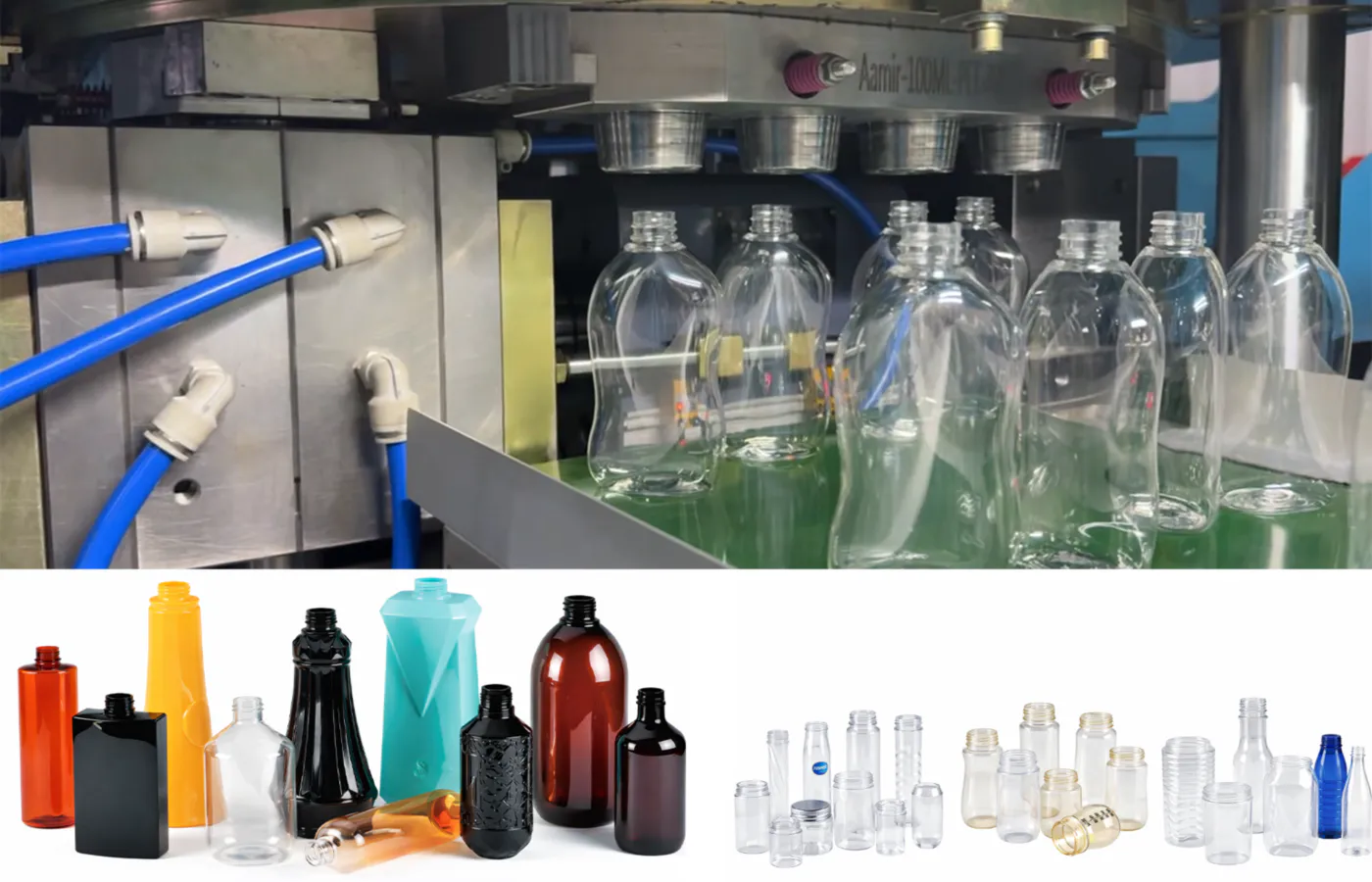
The central technical question in custom perfume bottle production is how the injection stretch blow moulding machine manages to produce accurate, consistent geometry in bottles whose cross-sections are not circular. Conventional blow moulding intuition — that the preform inflates symmetrically like a balloon — breaks down as soon as the target container departs from a round cross-section. Understanding the mechanisms involved clarifies why the one-step process is well suited to custom fragrance packaging and why mold and preform design are the critical engineering variables.
Preform Geometry as the Primary Design Variable
In the one-step injection blow molding machine process, the preform is injection moulded in the first station to a geometry chosen specifically to facilitate uniform material distribution in the target bottle. For a round bottle, a concentric tube preform works straightforwardly. For a faceted or oval bottle, the preform cross-section may be non-circular (oval or elliptical) to pre-distribute material toward the areas that will need to stretch more during blow moulding. The preform wall thickness is also distributed non-uniformly in some custom bottle designs — thicker where the bottle geometry requires more material and thinner where it requires less — to achieve a more uniform finished wall thickness across the asymmetric blown container. This preform engineering is done during the mold design phase and validated during the first article trial run, adjusting preform geometry iteratively until the blown bottle wall distribution meets specification.
Temperature Conditioning for Non-Uniform Stretch
The temperature conditioning station — unique to the four-station injection stretch blow moulding machine — plays a particularly important role in custom-shaped fragrance bottle production. For a non-cylindrical bottle, different sections of the preform need to be at different temperatures when the blow phase begins: areas that will be stretched more need to be at a higher temperature (more mobile, lower resistance to deformation) than areas that will stretch less. The conditioning station can apply differential thermal profiles along the preform length using zoned heating or cooling elements, setting up the preform with a temperature gradient that guides material flow toward the design intent during the blow phase. This capability is a significant advantage of the one-step process over two-step reheating, where achieving differential temperature profiles along a preform is mechanically more difficult and less precisely controlled.
Blow Mould Design for Custom Perfume Bottles
The blow mould for a custom-shaped fragrance bottle must reproduce all of the decorative and functional features of the bottle exterior — facets, panel lines, shoulder curves, base embossing, and the parting line geometry that must be positioned to minimize its visual impact on the finished bottle’s appearance. For prestige fragrance packaging, the parting line is typically positioned on the least visible face of the bottle (rear panel or under the shoulder) and the mold cavity surfaces in visible areas are polished to an optical finish of Ra ≤ 0.05 µm to ensure that the blown bottle surface has the gloss quality expected of premium packaging. The blow mould material — typically 7075-T6 aluminum for standard production or P20 / H13 steel for high-volume or abrasive applications — is selected based on the target production volume and the surface finish requirements of the specific design.
3. Material System — Resin Selection for Custom Perfume Bottle Production
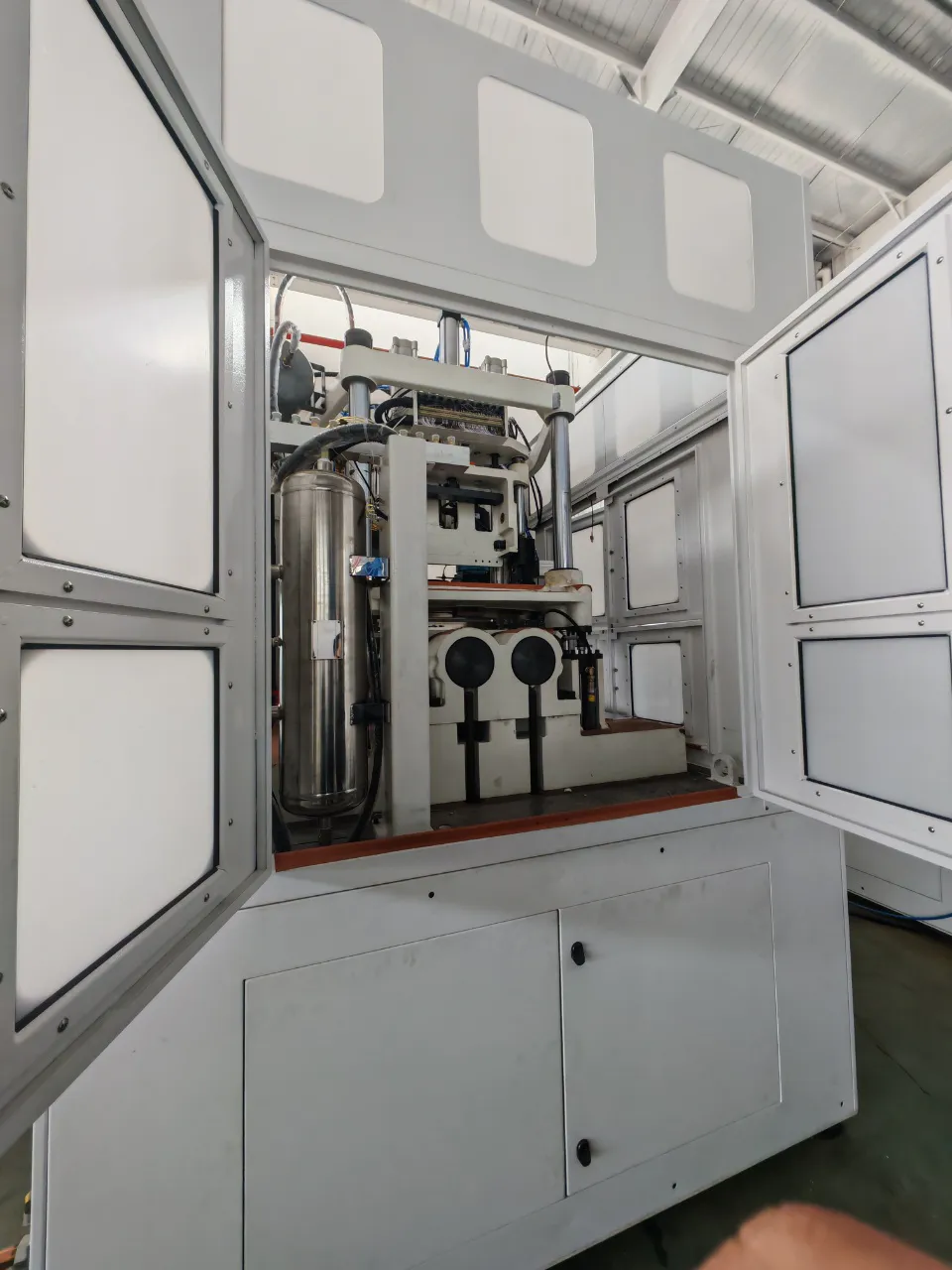
The resin decision for fragrance packaging is more constrained than for other cosmetic applications because fragrance formulations — with their ethanol base, aromatic compounds, and often complex aroma chemistry — place specific demands on the packaging material. The wrong resin choice results in fragrance contamination, bottle degradation, or consumer safety issues. The following covers the resins most appropriate for custom perfume bottles produced on an injection stretch blow moulding machine, with notes on both their performance characteristics and their interaction with typical fragrance chemistry.
PET — Standard Clarity Option
Biaxially oriented PET produced in a one-step injection stretch blow moulding machine delivers excellent clarity, good chemical resistance to ethanol concentrations below 70%, and modest oxygen barrier performance. The oxygen barrier matters for some fragrance formulations containing oxidation-sensitive aroma compounds. PET is the most cost-efficient resin for fragrance packaging at mid-to-high volumes and handles standard fragrance formulations well. For high-alcohol fragrances (Eau de Cologne, EDT concentrations), confirm compatibility with the specific formulation, particularly the aroma compound composition, before finalising PET specification.
PETG — Premium Clarity, Custom Shapes
PETG’s inherent amorphous clarity makes it the preferred resin for custom-shaped fragrance bottles with complex geometry, where the uneven stretch ratios across non-cylindrical surfaces would create haze risk in PET. For faceted flacons and multi-panel perfume bottles, PETG’s process-independent transparency eliminates the panel clarity variation that PET can develop in under-stretched areas. PETG is vulnerable to certain ketone and ester solvents at high concentrations — always validate compatibility with the fragrance formulation before specifying PETG for a complex fragrance chemistry. For standard ethanol-based fragrances, PETG compatibility is generally good.
Tritan — BPA-Free Premium Alternative
Eastman Tritan copolyester offers outstanding clarity comparable to PETG, with the addition of explicit estrogenic activity-free certification — a positioning advantage in the growing clean beauty and transparent ingredient labelling segments of the fragrance market. Tritan processes in a temperature range (245–270 °C) closer to standard PET than to PETG, making it accessible on machines already configured for PET without significant process infrastructure changes. For luxury and prestige fragrance brands positioning around clean formulation and sustainable materials, Tritan provides a differentiated material story alongside its optical performance.
PP — Opaque and Semi-Transparent Applications
Polypropylene is not typically specified for clear fragrance flacons, but it is relevant for perfume packaging in opaque or frosted formats — travel-size atomizer caps, protective outer shells for glass inserts, and secondary packaging components. PP’s chemical resistance to a wide range of solvents, including many aromatic compounds that challenge PET and PETG, makes it a safer specification for fragrance-contact components where clarity is not required. Processing PP on an injection blow moulding machine requires a narrower temperature window and different screw geometry than PET or PETG — confirm machine compatibility before specifying PP for fragrance packaging components.
| Resin | Clarity | Ethanol Resistance | Aroma Compound Compatibility | Custom Geometry Suitability | Best For |
|---|---|---|---|---|---|
| PET | Excellent (oriented) | Good (<70% EtOH) | Good — validate ketones/esters | Moderate — haze risk in complex geometry | High-volume round/oval flacons |
| PETG | Outstanding (amorphous) | Good (<80% EtOH) | Moderate — validate at high concentrations | Excellent — process-independent clarity | Faceted, custom-shaped luxury flacons |
| Tritan | Outstanding (EA-free) | Good | Good — broader solvent window than PETG | Excellent | Clean beauty / prestige fragrance |
| PP | Semi-transparent to opaque | Excellent | Excellent — broad resistance | Good (non-clarity applications) | Opaque flacons, caps, secondary components |
4. Machine Manufacturing Structure — What Makes a Machine Capable of Custom Perfume Bottle Production
Not every injection stretch blow moulding machine is equally suited to custom-shaped perfume bottle production. The structural features that matter most for this application are those related to positioning precision, temperature conditioning control, blow pressure management, and mold clamping force — because all of these parameters interact with the geometric complexity of non-standard fragrance bottle forms. The following identifies the structural elements that are directly relevant to custom perfume packaging production.
Full Servo Drive System — Precision for Every Station
For custom perfume bottle geometries where the preform must arrive at each station at a precise position and orientation, a fully servo-driven machine provides the repeatability that hydraulic systems cannot consistently deliver across multi-million-cycle production runs. Servo motors on all major axes — turntable rotation, injection unit travel, stretch rod descent, and blow mold opening and closing — ensure that the preform geometry, temperature profile, and blow timing are consistent from cycle to cycle. The turntable servo drive from Yaskawa Japan used in the fully servo configurations provides angular positioning accuracy that maintains mold alignment even at elevated production speeds. For custom fragrance bottles where a misaligned facet or inconsistent panel width across production batches is a quality rejection, this positional consistency is not a luxury feature — it is a production requirement.
Temperature Conditioning System — Differential Thermal Control
The conditioning station’s temperature control system is the primary mechanism for managing material distribution in non-cylindrical perfume bottle production. Integrated control box temperature management — described as highly accurate, stable, and easy to operate across the machine range — provides the repeatability needed to maintain consistent differential temperature profiles across preform geometry during multi-shift fragrance bottle production. For prestige fragrance packaging where panel consistency across thousands of units is a brand expectation, the precision of the temperature conditioning system is directly traceable to finished product quality. Parker USA high-pressure valves at 2.0–3.5 MPa blow air pressure, combined with precise stretch rod velocity control, complete the material distribution management system.
Injection Unit — Neck Finish Precision for Atomizer Fitment
The injection unit of the one-step injection blow molding machine forms the preform neck finish in the first station, and this is the critical dimension for atomizer fitment. Screw diameter options across the product range span 40 mm to 60 mm, with theoretical injection volumes from 188 cm³ to 480 cm³ per shot depending on the screw selected. For fragrance bottles in the 20–100 ml range — the most common retail fragrance formats — the smaller screw diameters and lower injection volumes provide the metering accuracy needed to produce consistent preform weights with tight tolerances on neck outer diameter and thread profile. The screw is heated by nano far-infrared energy-saving rings that deliver uniform heat distribution along the barrel, reducing the risk of localized melt temperature variation that could affect preform quality.
Mold Clamping Force — Managing Blow Pressure Against Complex Geometry
Custom fragrance bottle geometries with flat panel faces present a higher projected area against the internal blow pressure than cylindrical bottles of equivalent volume, which means that the blow clamping force required to prevent mold opening and flash formation is proportionally higher. For a standard cylindrical fragrance bottle, the blow clamping force of 100 kN single side available on the compact three-station machine is typically adequate. For larger-format custom flacons with multiple flat faces and significant projected area, moving up to a four-station machine with 200 kN single side blow clamping force provides the margin needed to run at full blow pressure without flash risk across the entire bottle surface. Specifying adequate blow clamping force for the specific bottle design — rather than defaulting to the smallest available machine — is a common source of quality problems in custom fragrance bottle production that is easily avoided with a proper force calculation at the mold design stage.
5. One-Step Injection Stretch Blowing Mould — Tooling Design for Custom Fragrance Packaging
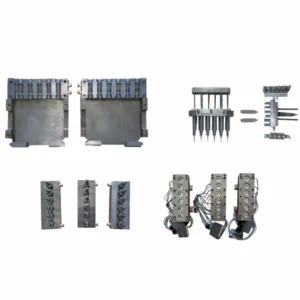
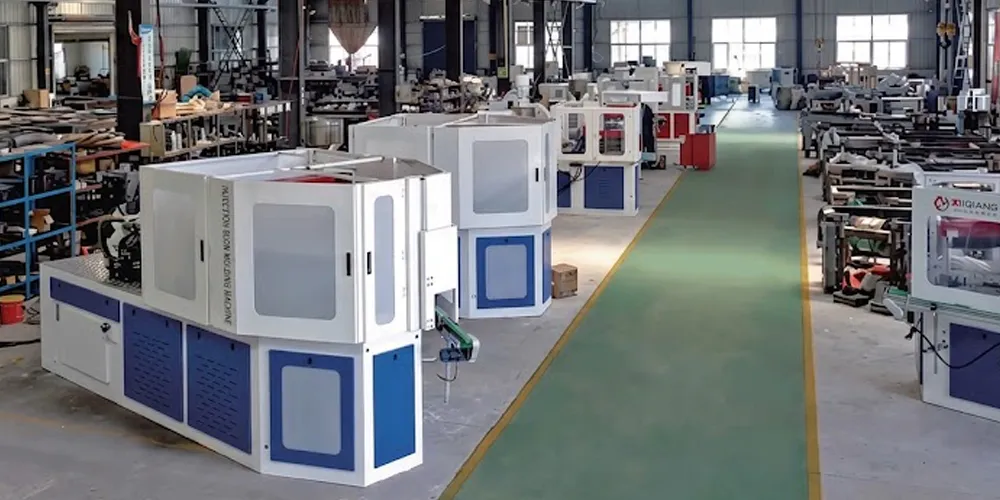
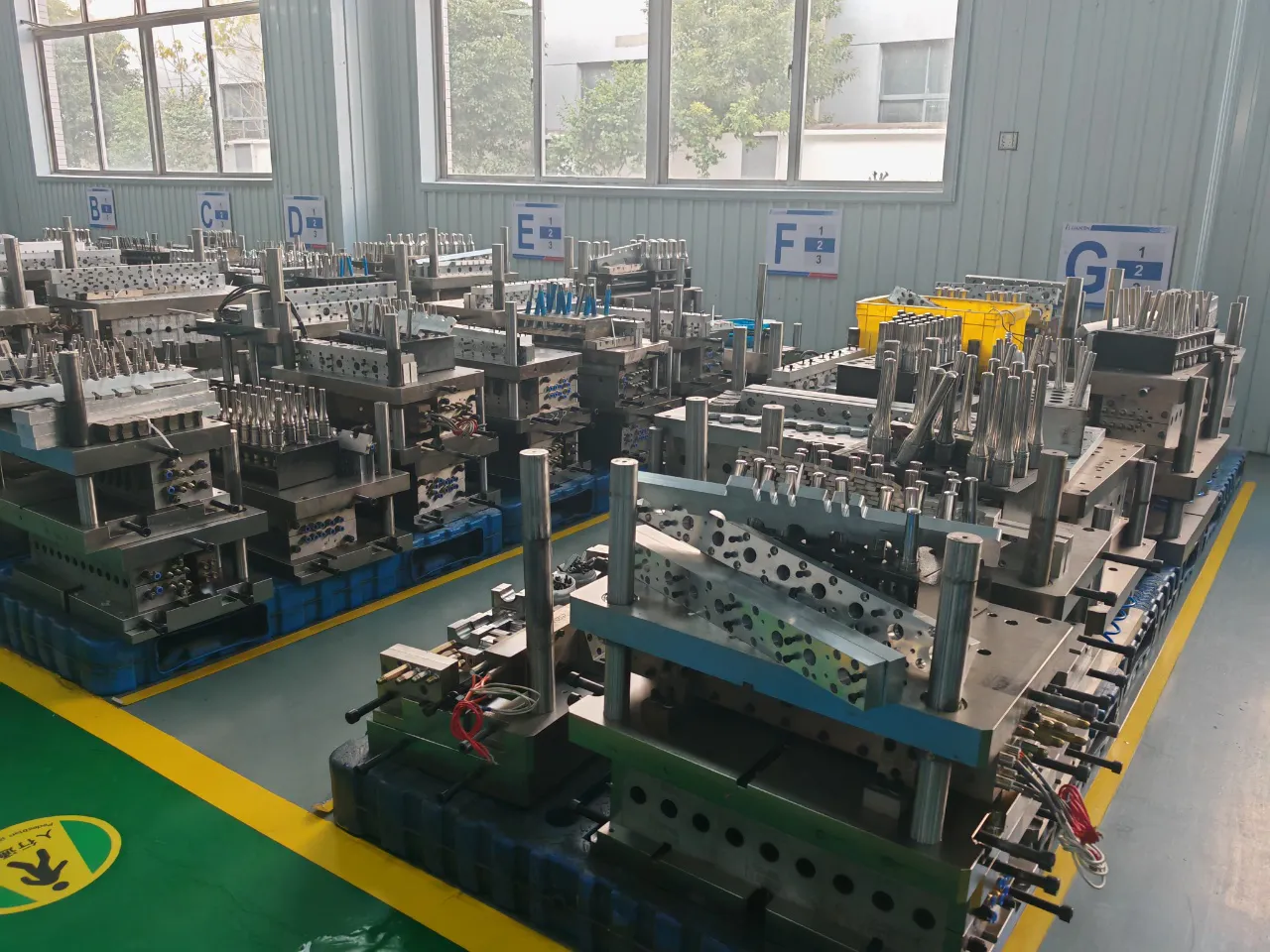
The One-step Injection Stretch Blowing Mould is the tooling component that defines the geometry of the finished fragrance bottle, and its design is the engineering work that translates a brand’s bottle concept into manufacturable production tooling. For custom perfume packaging, the mold design process involves substantially more complexity than a standard round bottle because the preform mold, conditioning tooling, and blow mold must all be engineered in relation to each other — the preform geometry is not a generic design but one specifically calculated for the custom blow mold it will be paired with.
Preform cavity inserts for fragrance packaging are typically machined from S136 stainless tool steel (equivalent to AISI 420, 13.6% chromium) and polished to a mirror finish that transfers directly to the preform inner surface. The blow mold cavity surfaces in visible areas of the finished bottle are polished to Ra ≤ 0.05 µm to achieve the optical surface quality that prestige fragrance packaging requires. For custom fragrance bottle designs that include embossed logos, decorative patterns, or text in the bottle body or base, these features are machined directly into the blow mold cavity and transfer to the blown bottle surface through the material pressure during the blow phase.
6. Featured Machine — EP-HGY50-V3-EV: Compact All-Servo ISBM for Custom Fragrance Bottle Production
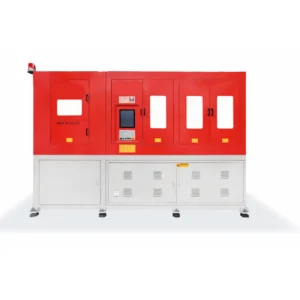
The EP-HGY50-V3-EV three-station fully servo-driven one-step injection stretch blow molding machine is well matched to custom fragrance bottle production at low-to-medium volumes — a production profile that characterises the niche and artisan fragrance sector globally, where run lengths of a few thousand bottles per SKU are standard and mold changeover frequency is high. The machine’s compact footprint (3800 × 1200 × 2500 mm) and light weight (3.5 tonnes) make it deployable in facilities without heavy industrial infrastructure, and the full servo drive system across all five servo systems (Inovance / WEICHI, 34.8 kW combined) provides the positioning precision that custom-shaped fragrance bottle production demands.
The Japan Yaskawa servo motor with Taiwan TSUNTIEN reducer on the turntable drive delivers angular positioning accuracy that maintains mold alignment across the production cycle — critical when the blow mold contains asymmetric cavity geometry or directionally oriented design features that must register precisely with the preform at every station. Parker USA high-pressure valves manage the blow air circuit at 2.0–3.5 MPa, and the NSK Japan ballscrews on precision axes ensure that stroke repeatability remains within specification across the machine’s operational lifetime. The machine processes PET and PETG resins, making it compatible with the two primary resin choices for custom clear fragrance packaging.
Product range covers bottle diameters from 28 mm to 100 mm across 1 to 6 cavities per cycle, with maximum bottle volumes from 100 ml to 2,500 ml. For fragrance packaging in the 20–200 ml range — covering atomizers, travel sizes, and standard retail flacons — this range accommodates the majority of custom fragrance bottle formats without requiring a machine size change between SKUs. The machine’s three-station configuration includes the temperature conditioning station needed for differential thermal management in non-cylindrical bottle geometries.
| Parameter | Unit | Value |
|---|---|---|
| Model | — | EP-HGY50-V3-EV (3-station, fully servo) |
| Compatible Material | — | PET / PETG |
| Screw Diameter (optional) | MM | 40 / 50 / 55 |
| Theoretical Injection Volume | CM³ | 239 / 315 / 442 |
| Injection Clamping Force | KN | 50 |
| Blowing Clamping Force | KN | 100 (single side) |
| Servo Motor Power | KW | 34.8 |
| Heating Power | KW | 10.4 |
| Blowing Air Pressure | MPa | 2.0–3.5 |
| Cooling Water Pressure | MPa | 0.4–0.6 |
| Voltage | V | 370–400 |
| Machine Size (L×W×H) | MM | 3800 × 1200 × 2500 |
| Machine Weight | T | 3.5 |
| Max. Bottle Volume Range | ML | 100 – 2,500 (cavity-dependent) |
| Servo Control Systems | Sets | 5 (Inovance / WEICHI) |
7. Regulatory Requirements for Fragrance Packaging and Blow Moulding Machines Across Global Markets
Producing custom perfume bottles on an injection stretch blow moulding machine for international markets involves navigating two parallel sets of regulatory requirements: the safety and compliance requirements for the fragrance packaging material itself, and the import and operational compliance requirements for the machine in the destination country. Both matter, and neglecting either can create costly delays or market access problems.
European Union — Cosmetics Regulation and CE Marking
In the EU, fragrance packaging in direct contact with cosmetic products falls under the EU Cosmetics Regulation (EC) No 1223/2009, which requires that the cosmetic product safety assessment include an evaluation of packaging material suitability. For PET, PETG, and Tritan perfume bottles, resin grades must comply with REACH Regulation (EC) 1907/2006 (no SVHC above 0.1% w/w) and in many cases are cross-referenced against the food-contact positive substance list in EU Regulation 10/2011 as a proxy for cosmetic suitability. The blow moulding machine itself must carry CE marking in conformity with the EU Machinery Directive 2006/42/EC (transitioning to the EU Machinery Regulation 2023/1230 from January 2027) before being placed on the EU market. German and French fragrance market requirements — the two largest prestige fragrance markets in the EU — additionally involve IFRA (International Fragrance Association) compliance for the fragrance formulation, which is separate from packaging compliance but may influence bottle specification indirectly through formulation composition requirements.
United States — FDA, IFRA, and State-Level Requirements
The US fragrance market is the world’s largest by value, and cosmetic products (including fragrances) placed on the US market are regulated under the Federal Food, Drug, and Cosmetic Act (FD&C Act). Fragrance packaging materials are not directly regulated by the FDA under a positive substance list, but California Proposition 65 creates disclosure obligations for a number of substances that appear in plastic packaging additive packages — making resin additive documentation an important compliance step for brands distributing through California retail. IFRA standards govern the use of fragrance ingredients in the formulation itself and are widely adopted across the US fragrance industry, but these are voluntary standards affecting the formulation rather than direct regulatory requirements affecting the packaging material. For machine import, OSHA 29 CFR 1910 general industry machinery standards and NFPA 79 electrical standards apply, and many US buyers require NRTL certification for electrical panels.
France — LVMH and Independent Luxury House Requirements
France deserves specific mention because it is the global centre of prestige fragrance production, and the major French fragrance houses — through LVMH and independent luxury group supply chains — impose packaging quality standards that go substantially beyond regulatory minimums. These include bottle-by-bottle optical inspection requirements, neck dimension tolerances of ±0.05 mm for atomizer fitment, and batch-to-batch bottle weight consistency specifications of ±0.5 g. Meeting these requirements on custom-shaped bottles requires precision injection stretch blow moulding machine control that is only achievable with servo-driven systems and well-calibrated temperature management. Any producer supplying custom fragrance bottles to French luxury houses should expect incoming quality audits at the packaging production facility as part of the supply chain approval process.
Middle East — GCC Halal and SASO Requirements
The Gulf Cooperation Council (GCC) fragrance market is one of the fastest-growing globally, with particularly strong demand for Oud-based and concentrated Attar fragrance formats. For packaging produced using an injection blow moulding machine for GCC markets, resin materials must be free of alcohol-derived substances in the packaging material itself (though the fragrance it contains may contain ethanol-free alcohol alternatives). GSO (Gulf Standardization Organisation) standards govern product and packaging compliance, and SASO (Saudi Standards, Metrology and Quality Organisation) in Saudi Arabia requires Saber product registration. Machine imports into GCC countries must comply with local electrical standards and may require conformity assessment documentation from approved certification bodies.
Brazil and Latin America
Brazil’s fragrance market has grown significantly in recent years, and Brazilian ANVISA regulations under Resolution RDC 07/2015 apply to cosmetic product packaging safety in the same way they apply to other cosmetic packaging categories. Resin suppliers for the Brazilian market must provide compliance documentation confirming that the resin grade is suitable for cosmetic packaging contact applications. For Colombian and Mexican markets, INVIMA and Cofepris regulatory frameworks apply respectively. All of these Latin American frameworks require that packaging materials do not transfer substances to the fragrance product at levels that affect product safety — a requirement that PET, PETG, and Tritan all satisfy when the appropriate food-grade or cosmetic-grade resin specification is selected and documented.
| Market | Packaging Compliance | Machine Compliance | Key Document Required |
|---|---|---|---|
| EU / France | EC 1223/2009, REACH, EU Reg 10/2011 | CE Machinery Directive 2006/42/EC | CE DoC, resin SVHC declaration |
| USA | FD&C Act, Prop 65 (California) | OSHA 1910, NFPA 79 | Prop 65 additive check, NRTL panel cert |
| GCC / Saudi Arabia | GSO standards, Halal material confirmation | SASO, local electrical standards | Saber registration, conformity cert |
| Brazil | ANVISA RDC 07/2015 | NR-12 machinery safety | Resin compliance declaration, NR-12 report |
| Colombia / Mexico | INVIMA / Cofepris framework | Country-specific machinery standards | Resin certification, import documentation |
Explore Our Injection Stretch Blow Moulding Machines for Custom Fragrance Bottle Production
From compact three-station machines for specialty fragrance flacons to four-station configurations handling a full personal care SKU portfolio — find the configuration that fits your custom perfume packaging requirements.
About Us
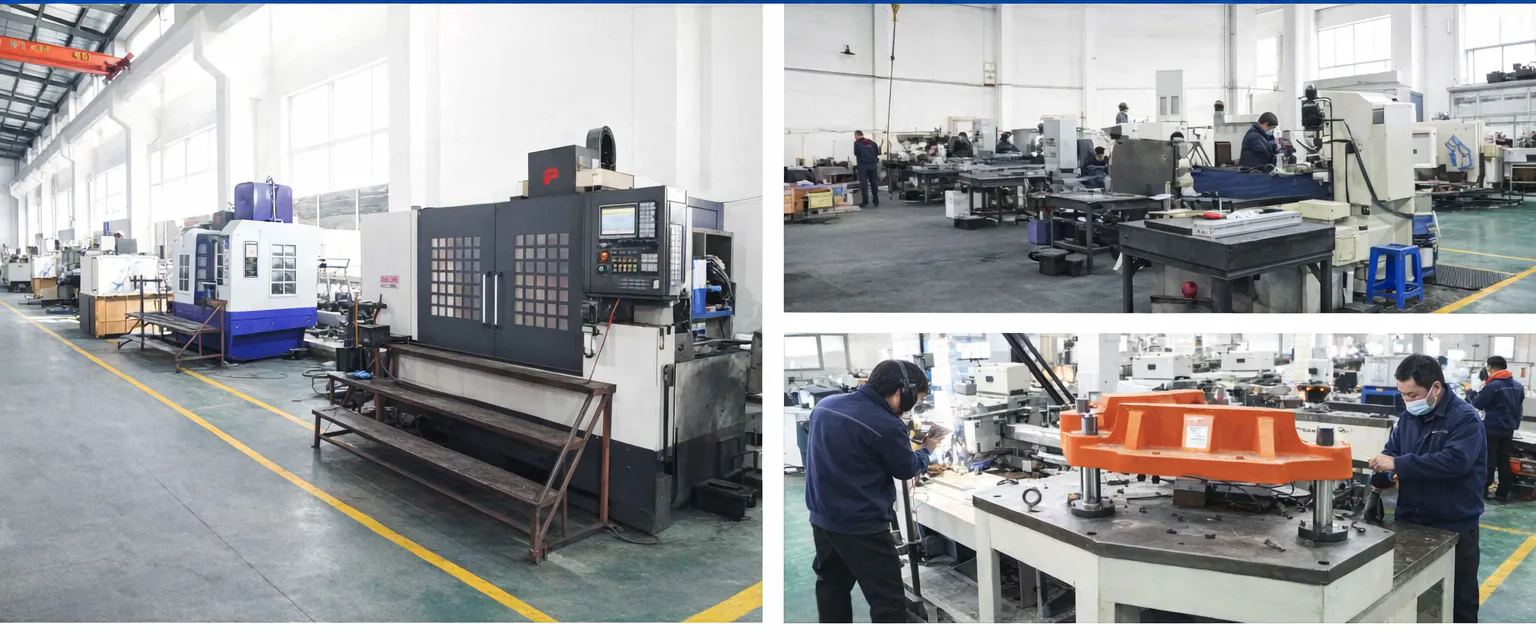
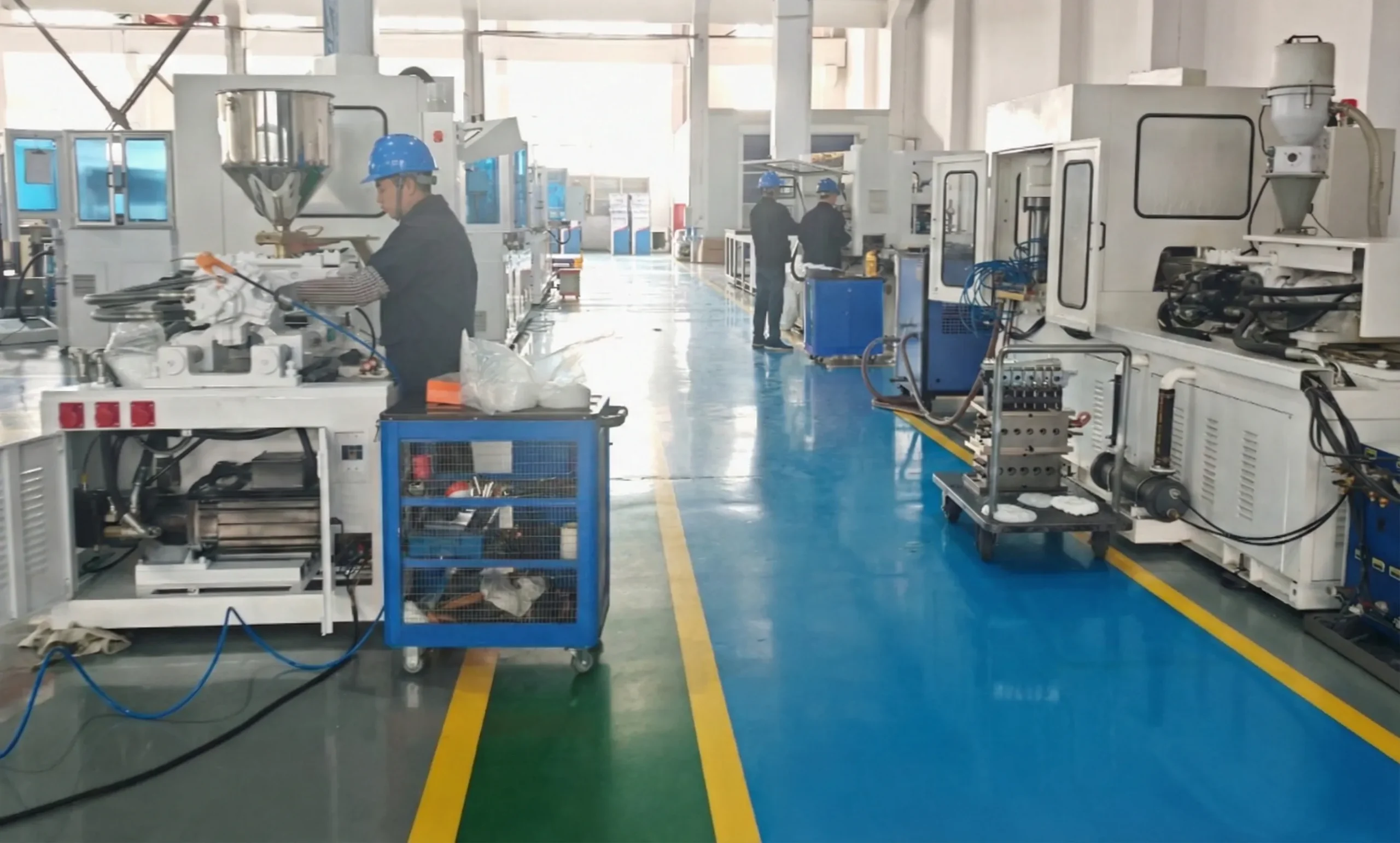
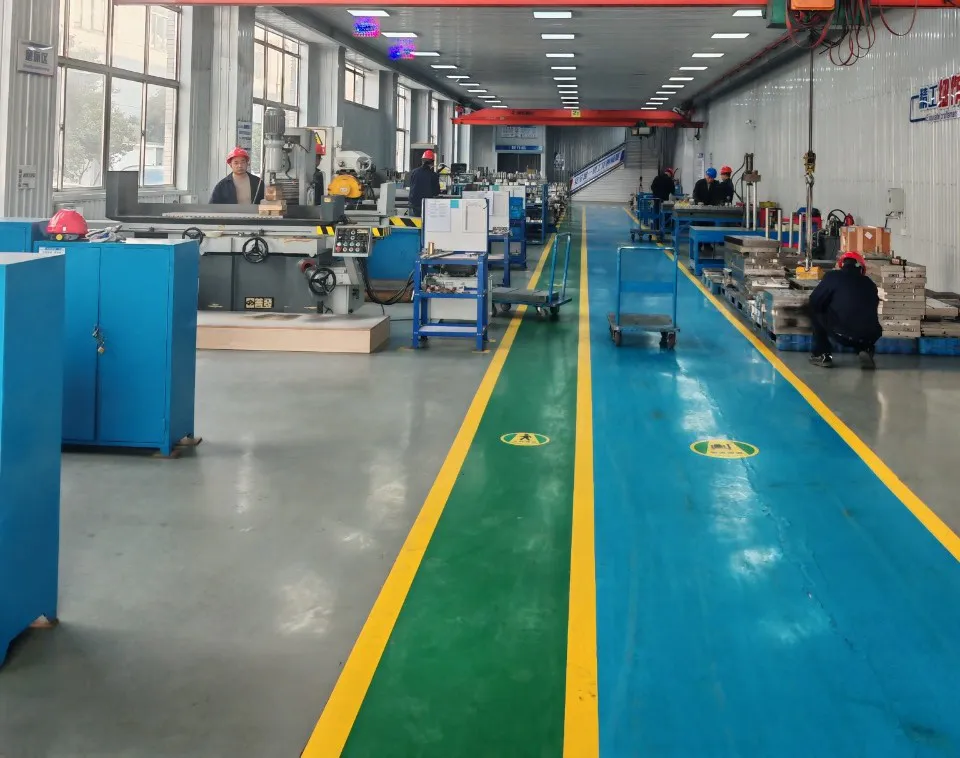
With more than two decades focused on the development and manufacture of one-step injection stretch blow moulding machines for cosmetics, fragrance, pharmaceutical, and food packaging, our production facility covers more than 20,000 square meters and operates a complete supply chain from machine design through precision machining, assembly, and quality testing. The engineering team has filed multiple national patents in machine design and process control, and has developed machine configurations that have been commissioned in fragrance and personal care packaging facilities across Asia, Europe, the Middle East, Latin America, and other regions.
Key components across the machine range are sourced to global quality standards: servo drive systems from Inovance and Yaskawa Japan, precision ballscrews from NSK Japan, high-pressure blow air valves from Parker USA, and hydraulic control valves from YUKEN Taiwan. For custom fragrance bottle applications where bottle-to-bottle consistency over millions of production cycles determines whether a brand’s signature flacon maintains the same appearance on shelf year after year, these component choices reflect the engineering values that long-term production reliability requires. The one-step injection stretch blowing mould tooling development team works alongside machine commissioning to ensure that custom perfume bottle geometry is fully optimised before handing over to the customer’s production team.
WorkShop
Related System Solutions
Custom perfume bottle production on an injection blow molding machine requires auxiliary systems that match the precision of the machine itself. Two components have a direct impact on bottle quality and production consistency for fragrance packaging — and are best specified alongside the machine rather than sourced independently after commissioning.
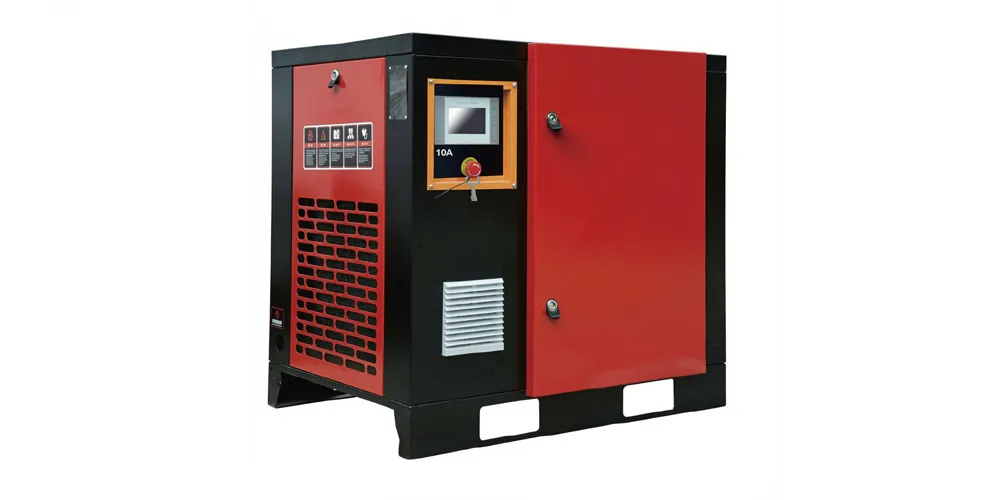
Oil-Free Air Compressor
High-pressure blow air at 2.0–3.5 MPa must be free of oil contamination for fragrance bottle production. Oil vapour from a conventional compressor entering the bottle interior during the blow phase would contaminate the fragrance fill with an extraneous odour component — a defect that would be undetectable by standard visual inspection but potentially disastrous for a fragrance product. An oil-free compressor is an absolute requirement for any fragrance packaging production line, not an optional specification upgrade. Sizing the compressor to match the blow air demand of the specific machine and cycle rate ensures that blow pressure consistency is maintained at full production speed.
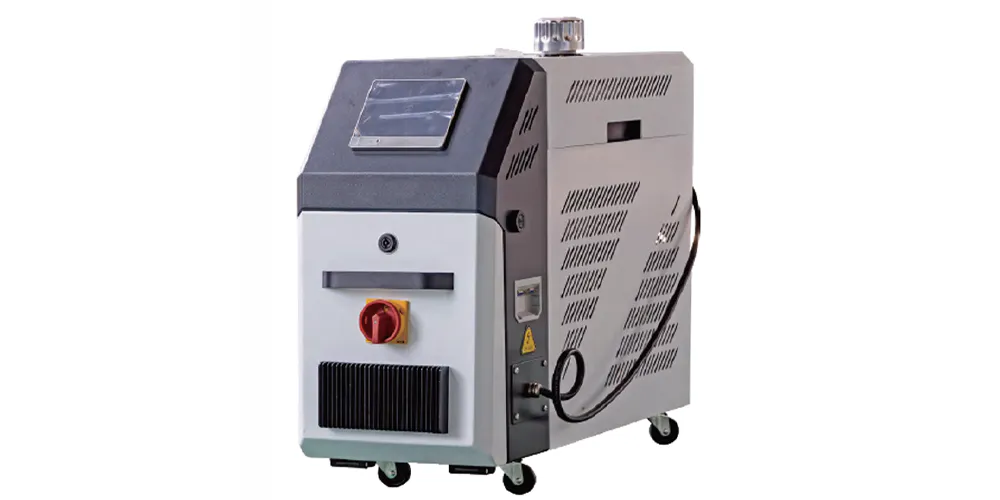
Mold Temperature Controller
For custom-shaped perfume bottles with non-cylindrical geometry, consistent mold temperature is even more critical than for standard round bottles — because temperature variation causes differential thermal expansion in the blow mold that shifts the parting line position and alters the dimensional relationship between adjacent facets or panels. A mold temperature controller maintaining cooling water at a stable 20–25 °C through the blow mold circuit eliminates this variation source and ensures that the bottle geometry produced at the start of a production run matches the geometry produced at the end of the same run. For fragrance packaging where the bottle geometry IS the brand identity, this consistency is non-negotiable.
Frequently Asked Questions
Q1. How does a one-step injection stretch blow moulding machine achieve consistent neck dimensions for perfume atomizer fitment in high-volume fragrance production?
Q2. Which injection stretch blow moulding machine is best suited for custom faceted perfume bottle production at low volumes for a niche fragrance brand in Europe?
Q3. What resin should I specify in my injection blow molding machine for a custom PET perfume bottle that needs to hold a high-alcohol Eau de Parfum formulation?
Q4. How long does it typically take to develop custom injection stretch blow moulding tooling for a new perfume bottle design and how should I plan the project timeline?
Q5. How does the one-step injection stretch blow molding process handle embossed logo and decorative pattern features on custom fragrance bottles sold in the Middle East?
Q6. What is the typical production run minimum for custom perfume bottle production on an injection stretch blow moulding machine to make the tooling investment worthwhile?
Q7. How does the blow clamping force specification of an injection blow molding machine affect the quality of custom faceted perfume bottles during production?
Q8. What makes Tritan a better resin choice than PETG for a prestige perfume bottle produced by injection stretch blow moulding for a clean beauty fragrance brand?
Q9. How should fragrance contract manufacturers in the UK prepare for CE-compliant injection blow moulding machine installation following post-Brexit regulatory changes?
Editor: PXY