A technical guide for pharmaceutical packaging engineers, procurement specialists, and GMP compliance teams worldwide — covering how one-step injection stretch blow moulding machines produce pharma-grade PET and PP bottles, what machine structure and material systems are required, and how production meets international regulatory standards from the EU to India to Brazil.
Pharmaceutical bottle manufacturing occupies a different category of difficulty from most plastic packaging applications. The consequences of a packaging failure in this sector — contaminated product reaching patients, incorrect dosing from a deformed or inconsistent closure, microbiological ingress through a neck finish that didn’t meet its specification — are not commercial problems alone. They are patient safety issues that can trigger product recalls, regulatory enforcement actions, and in the worst cases, direct harm to end users. This reality shapes every aspect of how pharmaceutical packaging equipment is specified, operated, and validated.
The injection blow molding machine — specifically the one-step injection stretch blow moulding configuration — has become a primary production technology for pharmaceutical plastic bottles across a wide range of dosage forms and delivery formats. Its ability to produce precise, reproducible neck finishes for child-resistant closures, tamper-evident seals, and dropper fitments, combined with the contamination-free closed-loop production cycle and the optical clarity that allows visual inspection of liquid fill contents, makes it technically well suited to pharmaceutical packaging requirements that other blow moulding processes address less completely.
This article covers the key dimensions of pharmaceutical bottle production on an injection stretch blow moulding machine: which pharmaceutical packaging formats benefit most from the process, what machine structural features are most relevant to GMP-compliant production, which resins are appropriate for different pharmaceutical applications, how the process supports equipment qualification documentation (IQ/OQ/PQ), and what regulatory requirements apply across the major pharmaceutical markets globally where these machines are being purchased, imported, and commissioned.
1. Pharmaceutical Packaging Formats Produced by Injection Stretch Blow Moulding
The range of pharmaceutical bottle formats produced on an injection stretch blow moulding machine is broader than many engineers outside the sector appreciate. The process handles formats from 5 ml ophthalmic dropper bottles to 500 ml oral liquid medicine containers, across resins including PET, PETG, PP, and PC — each chosen for the specific chemical and barrier requirements of the pharmaceutical product inside. Understanding which formats are most naturally served by the one-step process helps pharmaceutical packaging engineers identify where the technology offers its most compelling advantages.
Ophthalmic Drop Bottles
Eye drop bottles in the 5–20 ml range represent one of the most precision-demanding pharmaceutical packaging formats. The dropper tip orifice diameter must be consistent to deliver calibrated drop volumes — typically 25–50 µl per drop — and the neck finish must provide a secure fitment for the dropper insert or nozzle cap. The one-step injection blow molding machine process forms this neck finish by injection moulding and maintains it unchanged through the blow phase, providing neck dimension repeatability that is critical for dosing accuracy.
Oral Liquid Medicine Bottles
Syrup, suspension, and oral solution bottles in the 50–500 ml range are produced in high volumes on four-station injection stretch blow moulding machines. PET’s oxygen barrier performance protects oxidation-sensitive active ingredients, and the biaxial orientation achieved in the one-step process produces bottles with the impact resistance needed for transit and in-pharmacy handling. Child-resistant closure compatibility requires precise neck finish dimensions — typically tolerance of ±0.1 mm on thread profile — that the one-step injection process delivers consistently.
Tablet & Capsule Containers
Wide-mouth pill jars in 60–500 ml formats require wall rigidity sufficient to protect contents from compression damage during shipping, moisture barrier performance adequate for hygroscopic drug products, and push-and-turn child-resistant closure compatibility. PP-based containers produced on a suitably configured injection stretch blow moulding machine handle these requirements well, and the one-step process produces the consistent wide-mouth neck geometry that child-resistant closure systems depend on for reliable opening force performance.
Topical & Nasal Packaging
Nasal spray bottles, topical cream dispensers, and wound care bottles combine demanding neck finish precision for pump fitment with clarity requirements that allow visual inspection of the product volume remaining in the container. PETG is frequently specified in this format category for its superior gloss and clarity in small volumes, while the one-step process’s contamination-free production cycle supports the particulate cleanliness requirements associated with topical pharmaceutical products that will be applied to broken skin or mucous membranes.
2. Why the One-Step Process Suits GMP Pharmaceutical Bottle Production
Several structural characteristics of the one-step injection stretch blow moulding machine process align naturally with the demands of pharmaceutical manufacturing environments. These are not incidental advantages — they reflect fundamental features of how the process works that GMP production facilities can document and validate as part of their quality management systems.
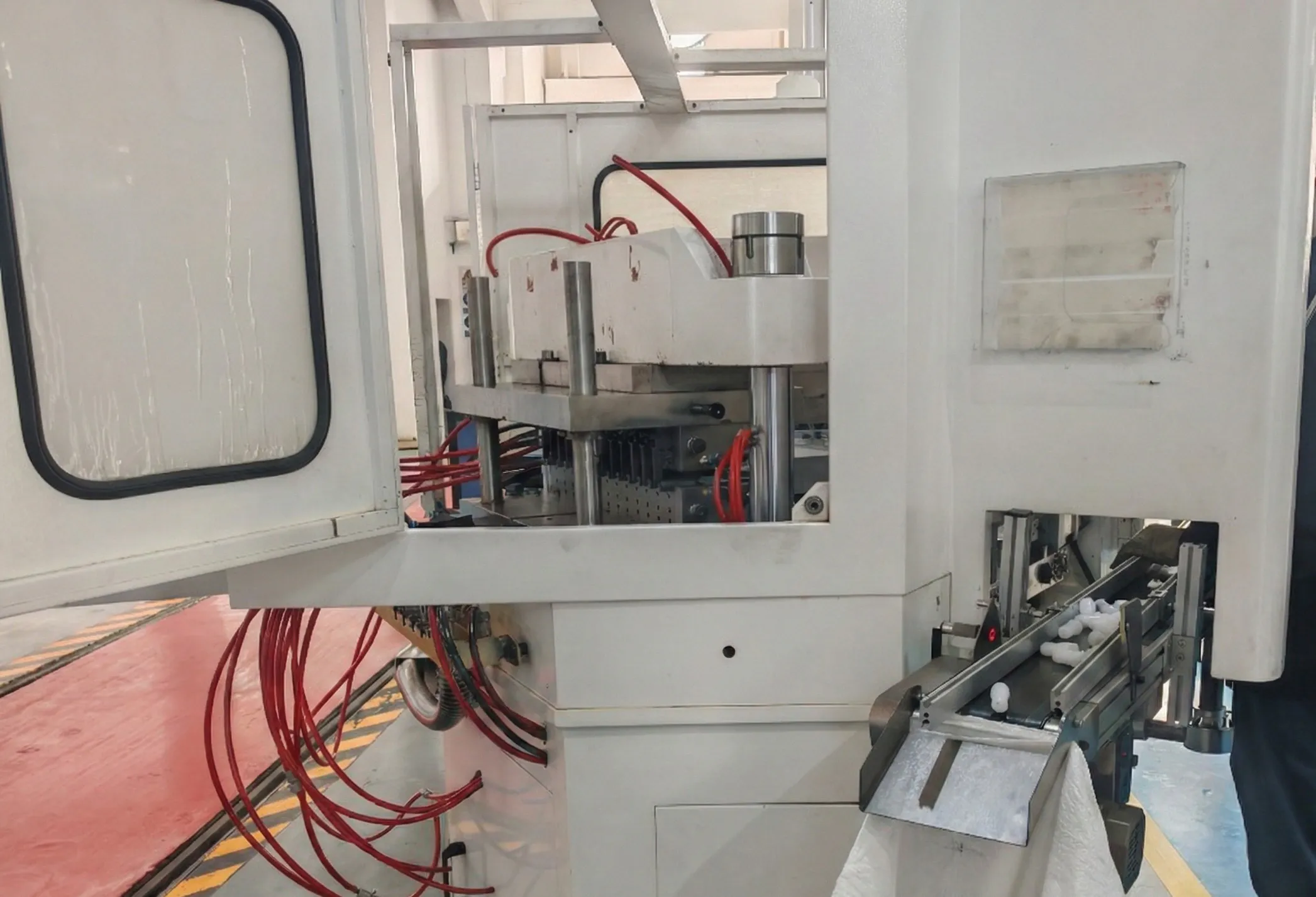
Closed-loop contamination control. In the one-step process, the plastic material enters the machine as granules, is melted and injection moulded in a sealed environment, moves through the conditioning and blow stations without external handling, and exits as a finished bottle through the automated takeout mechanism. At no point does the preform or the bottle body contact ambient air, operator hands, or any surface outside the controlled machine environment before the bottle exits through the takeout. This closed-loop sequence is directly relevant to pharmaceutical packaging particulate contamination requirements — particularly for bottles intended for injectable preparations, ophthalmic products, or other dosage forms where particulate limits are quantitatively specified. Two-step reheat systems, where preforms are stored, transported, and loaded manually before reheating, introduce contamination exposure windows that the one-step process eliminates.
Neck finish formed by injection, not by blowing. The neck of a pharmaceutical bottle carries the most critical functional dimensions in the entire package: the thread outer diameter and profile for the closure system, the sealing land geometry for liner-based seals, and the neck bore diameter for dropper inserts or valves. In the one-step process, these dimensions are formed by the injection mould in the first station and are not affected by the stretch-blow phase — which acts only on the bottle body below the support flange. This means that the neck finish dimensions of a pharmaceutical bottle produced on a one-step machine are as consistent as the injection mould itself, subject only to normal polymer shrinkage variation. The repeatability is substantially better than in extrusion blow moulding, where the neck is formed from an extruded parison and is more sensitive to extrusion rate and die head temperature variation.
Process traceability for equipment qualification. GMP-compliant pharmaceutical bottle production requires that the production equipment can be qualified through Installation Qualification (IQ), Operational Qualification (OQ), and Performance Qualification (PQ) protocols. The servo-driven machine architectures in this product range — with PLC-controlled process parameters, logged cycle data, and defined process limits — provide the documented process control foundation that IQ/OQ/PQ protocols require. Every servo position, temperature setpoint, blow pressure, and cycle time is defined in the machine control system and can be documented with traceability back to the validated process parameters established during OQ.
3. Machine Manufacturing Structure — Components That Matter for Pharmaceutical Applications
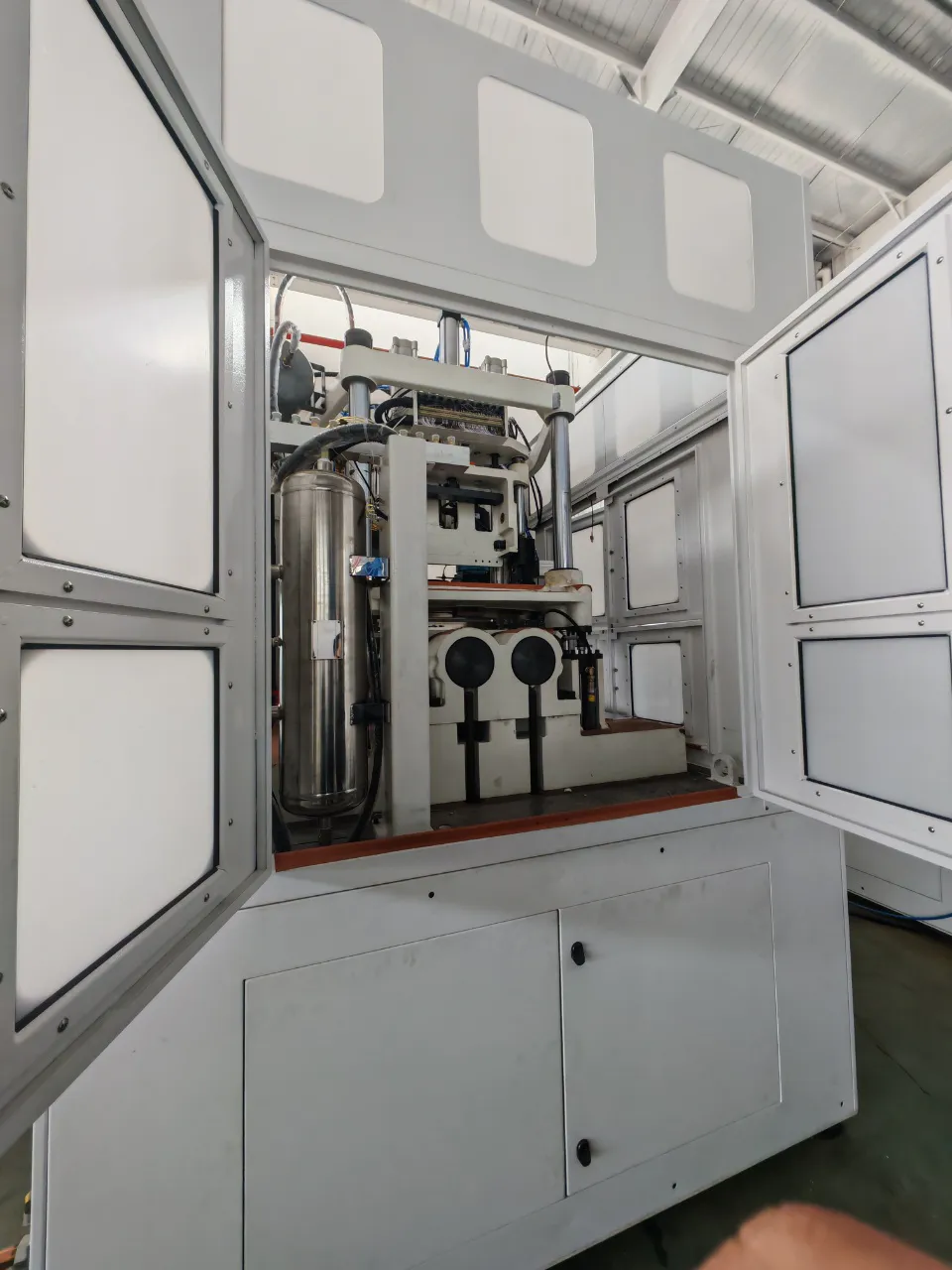
Selecting an injection stretch blow moulding machine for pharmaceutical bottle production requires evaluating structural features beyond those that matter in general packaging applications. The following covers the machine components most directly relevant to pharmaceutical quality and compliance requirements.
Servo Control Architecture and Process Repeatability
For pharmaceutical bottle production requiring documented process control, a servo-driven machine architecture provides the process repeatability and data availability that GMP validation requires. On fully servo-driven machines such as the EP-HGY50-V3-EV, every major axis — injection unit travel, turntable rotation, stretch rod descent, blow mold opening and closing, takeout — is controlled by a servo motor with positional feedback, giving the PLC the information it needs to confirm that each cycle executed within the validated process window. The turntable drive uses a Japan Yaskawa servo motor with a Taiwan TSUNTIEN reducer, providing angular positioning accuracy that maintains mold alignment across the production run — critical when neck finish concentricity is a pharmaceutical specification parameter. Servo motor power across the machine range spans from 34.8 kW on the three-station model to over 100 kW on larger four-station configurations, matching the drive capacity to the machine size and production rate.
Injection Unit — Barrel, Screw, and Melt Quality
The injection unit is where plastic quality begins in the one-step process. Barrels manufactured from 38CrMoAlA nitrided steel with a surface hardness of 900–1000 HV resist wear from glass-filled or mineral-filled pharmaceutical resin grades that would rapidly erode standard barrel metallurgy. Screws from the same alloy or 42CrMo with hard chrome plating on flight surfaces handle the abrasive and chemically active processing environments of pharmaceutical resin compounds. Nano far-infrared energy-saving heating rings heat the barrel with high efficiency and uniformity, reducing the melt temperature variation across barrel length that is one of the primary sources of shot-to-shot injection volume variability. For pharmaceutical applications where preform weight consistency directly affects bottle wall thickness — and therefore the mechanical performance of the container — melt quality consistency is a production quality parameter, not merely an energy efficiency feature. NSK Japan ballscrews on precision linear axes ensure that injection stroke positioning is repeatable within the validated tolerance band across millions of production cycles.
Temperature Conditioning System
The temperature conditioning station of the four-station machine is critical for pharmaceutical bottle production because it manages the thermal state of the preform between the injection and blow phases. For pharmaceutical containers produced in PP — which requires a narrower temperature window for adequate biaxial orientation than PET — precise temperature conditioning is especially important. The integrated control box temperature system provides high accuracy, stability, and ease of operation, with setpoint control across multiple heating and cooling zones. Cooling water pressure requirements of 0.4–0.6 MPa and temperature of 20–25 °C are maintained through the mold cooling circuit, and a matched mold temperature controller is the appropriate specification for pharmaceutical production facilities where temperature control documentation is part of the validated process record.
High-Pressure Pneumatic and Hydraulic Systems
Parker USA high-pressure valves manage blow air at 2.0–3.5 MPa — the range required to fully inflate PET and PP pharmaceutical bottles against the blow mold cavity surfaces. For pharmaceutical applications where contamination of the bottle interior by oil vapour from the compressed air supply would be a critical quality deviation, the specification of an oil-free air compressor is essential and should be treated as a machine system requirement rather than an optional facility consideration. Airtac pneumatic cylinders handle secondary actuation functions, and YUKEN Taiwan hydraulic control valves manage clamping and injection unit hydraulic functions on hybrid servo-hydraulic machine configurations. Oil tubes on hydraulic machines are made from imported Italian materials specified for cyclic pressure fatigue performance in continuous production environments.
| Component | Material / Specification | Pharmaceutical Relevance |
|---|---|---|
| Barrel | 38CrMoAlA nitrided steel, 900–1000 HV surface | Wear resistance for filled pharma resins; consistent melt quality |
| Screw | 42CrMo, hard chrome flight surfaces | Shot-to-shot preform weight consistency |
| Heating elements | Nano far-infrared energy-saving rings | Uniform barrel temperature; reduces thermal degradation risk |
| Lead screws (servo axes) | NSK Japan, ISO C3 grade, SUJ2 bearing steel | Injection stroke repeatability for process validation |
| Turntable drive | Yaskawa Japan servo + TSUNTIEN reducer | Neck finish concentricity across production run |
| High-pressure valve | Parker USA, 2.0–3.5 MPa | Consistent blow pressure for wall thickness uniformity |
| Hydraulic tubing | Imported Italian seamless steel tube | Pressure-cycle fatigue resistance for 24/7 pharma production |
| Preform mold inserts | S136 stainless tool steel, Ra ≤ 0.05 µm | Corrosion resistance, surface quality for pharma clarity |
4. Material System — Resin Selection for Pharmaceutical Bottle Applications
Pharmaceutical bottle resin selection is governed by a more structured set of requirements than cosmetic or food packaging — including regulatory positive substance lists, pharmacopoeial standards, drug-packaging compatibility testing protocols, and in many markets, specific national approval pathways for packaging materials used with medicinal products. The following covers the primary resins processed on injection stretch blow moulding machines for pharmaceutical applications, with notes on regulatory acceptance and key application suitability criteria.
| Resin | Key Properties | Primary Pharma Applications | Pharmacopoeial Reference | Key Limitation |
|---|---|---|---|---|
| PET | High clarity, O₂ barrier, impact resistance | Oral syrups, suspensions, liquid vitamins | USP <661>, EP 3.1.5, JP General Notices | Not autoclave-sterilisable; low max-use temperature |
| PETG | Outstanding clarity, amorphous, wide processing window | Topical preparations, nasal sprays, small-volume injectables (non-sterile) | USP <661> (as modified PET) | Lower barrier than oriented PET; solvent sensitivity |
| PP | Chemical resistance, steam-sterilisable, wide temp range | Ophthalmic drops, unit-dose ampoules, tablet jars | USP <661> Type III, EP 3.1.6, IP | Semi-transparent; requires specific ISBM machine configuration |
| PC (BPA-free) | High impact strength, optical clarity, autoclave-compatible | Reusable containers, hospital dispensing, lab packaging | USP <661>; BPA-free grade required for product contact | High processing temp; BPA documentation required for compliance |
| PCTG | PC-like clarity, improved chemical resistance vs PETG | Specialty pharma containers, sterile-fill packaging | Compliance per resin grade supplier; USP <661> applicable | Niche application; limited resin supplier network |
PP is the pharmaceutical industry’s most widely trusted resin for primary packaging in direct contact with solid and semi-solid dosage forms, and for ophthalmic applications where the low extractables profile of PP under relevant extraction conditions is a key regulatory advantage. Producing PP pharmaceutical bottles on an injection stretch blow molding machine requires machine configurations specifically adapted for PP’s higher melt viscosity and narrower biaxial orientation temperature window — not all machines in the general ISBM range are configured for PP, and this should be confirmed with the supplier before specifying PP applications on a new machine. PET is the most common resin for oral liquid pharmaceutical products, while PETG serves niche applications where the amorphous clarity advantage justifies its higher cost and slightly lower barrier performance.
5. Equipment Qualification — Supporting IQ, OQ, and PQ for GMP Pharmaceutical Production
Every piece of production equipment in a GMP pharmaceutical manufacturing facility must go through a formal qualification process before it is used to produce product for clinical or commercial release. For an injection stretch blow moulding machine used to produce pharmaceutical primary packaging, this means Installation Qualification (IQ), Operational Qualification (OQ), and Performance Qualification (PQ) — three sequential phases of documented testing that together demonstrate that the machine is installed correctly, operates within defined parameters, and consistently produces packaging that meets its specification.
Installation Qualification (IQ) documents that the machine has been delivered and installed according to the manufacturer’s specifications and the site’s engineering design intent. The IQ protocol for a blow moulding machine typically covers: verification of machine model and serial number against the purchase order; confirmation of utility connections (voltage at 370–400 V, compressed air supply capacity and oil-free status, cooling water pressure at 0.4–0.6 MPa and temperature); verification of safety systems including emergency stop circuits, guard interlock switches, and overload protection; and as-found documentation of all calibration certificates for temperature sensors, pressure gauges, and servo encoders. The machine supplier should provide a User Requirements Specification (URS) and a Functional Specification (FS) that serve as the baseline documents for the IQ protocol.
Operational Qualification (OQ) demonstrates that the machine operates as designed across the full range of process parameters. For a pharmaceutical blow moulding application, OQ testing typically includes: verification that all temperature setpoints can be achieved and maintained within ±2 °C; confirmation of blow pressure control within ±0.1 MPa of setpoint; verification of servo axis positioning repeatability within the machine specification; demonstration of alarm response for out-of-tolerance conditions; and validation of cycle time consistency across a defined number of consecutive cycles. The OQ establishes the validated process parameter ranges — the window within which the machine must operate to produce conforming product — that are then documented in the site’s Master Batch Record or process validation report.
Performance Qualification (PQ) confirms that the machine consistently produces pharmaceutical bottles that meet all specification requirements when operated within the OQ-validated process parameters. The PQ protocol for a pharmaceutical blow moulding application includes: preform weight consistency (typically ±0.5 g from target); bottle wall thickness distribution (measured at defined points around the bottle body); neck finish dimension verification (OD, neck height, thread profile); closure torque testing with the specified child-resistant or tamper-evident closure; particulate cleanliness testing per USP <788> or equivalent; and container closure integrity testing appropriate to the dosage form. A minimum of three consecutive PQ batches are normally required to demonstrate process consistency before the equipment is approved for commercial production use.
6. Featured Machine — EP-HGYS150-V4: Four-Station ISBM for Pharmaceutical Bottle Production
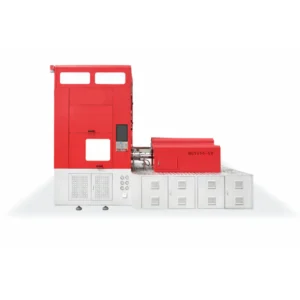
The EP-HGYS150-V4 four-station one-step injection stretch blow molding machine is suited to pharmaceutical bottle production across a range of oral liquid, tablet, and topical packaging formats. Its four-station configuration — injection, temperature conditioning, stretch-blow, and takeout — provides the temperature conditioning precision that pharmaceutical PET and PP production requires, and its ASB-12M mold compatibility means that pharmaceutical producers currently running older ASB-format equipment can transition to this machine while retaining existing validated mold tooling assets.
The machine runs 3 servo pump systems (Inovance / WEICHI) at 43.2 kW combined motor power, with integrated temperature control box management across all station zones. Screw diameter options of 40, 50, 55, and 60 mm cover the injection volume range from 188 cm³ to 480 cm³ per shot — serving pharmaceutical bottle formats from 30 ml ophthalmic packs to 500 ml oral liquid bottles within the same machine platform. Parker USA high-pressure valves at 2.0–3.5 MPa manage the blow air circuit, and the hydraulic system uses YUKEN Taiwan control valves with Italian-imported tubing for reliability in continuous multi-shift pharmaceutical production environments.
The machine processes PET and PETG resins at standard configuration. For pharmaceutical PP applications, confirm PP capability with the technical sales team at the quotation stage as specific screw geometry and temperature parameter adjustments may be required. The ASB-12M mold compatibility is a practically significant feature for pharmaceutical producers evaluating this as a replacement injection stretch blow moulding machine for existing ASB-equipped lines, as it allows validated mold tooling to transfer to the new machine and reduces the PQ scope from a full tooling validation to a machine-level process re-qualification.
| Parameter | Unit | Value |
|---|---|---|
| Model | — | EP-HGYS150-V4 (4-station, ASB-12M compatible) |
| Compatible Material | — | PET / PETG |
| Screw Diameter (optional) | MM | 40 / 50 / 55 / 60 |
| Theoretical Injection Volume | CM³ | 188 / 310 / 380 / 480 |
| Injection Clamping Force | KN | 150 |
| Blowing Clamping Force | KN | 200 (single side) |
| Motor Power | KW | 43.2 |
| Heating Power | KW | 10 |
| Blowing Air Pressure | MPa | 2.0–3.5 |
| Cooling Water Pressure | MPa | 0.4–0.6 |
| Voltage | V | 370–400 |
| Machine Size (L×W×H) | MM | 4200 × 1400 × 2900 |
| Machine Weight | T | 6 |
| Mold Compatibility | — | Japanese ASB-12M format |
| Max. Bottle Volume Range | ML | 20–2,500 (cavity-dependent) |
7. International Regulatory Requirements for Pharmaceutical Bottle Production and Machine Compliance
Pharmaceutical packaging is among the most heavily regulated material categories globally, and the regulatory requirements that apply to bottles produced on an injection stretch blow moulding machine differ significantly between markets in their specifics while sharing common underlying principles: the packaging must not harm the patient, must not contaminate the drug product, and must be consistently manufactured to a documented specification. The following covers the major regulatory frameworks governing pharmaceutical plastic packaging and machinery compliance in key global markets.
European Union — EU Pharmaceutical Packaging Regulation
In the EU, pharmaceutical packaging materials are regulated as components of the medicinal product under Directive 2001/83/EC (the Community code for human medicines) and Regulation (EC) 726/2004 for centrally authorised products. The European Pharmacopoeia (Ph. Eur.) Chapter 3.1 specifies requirements for plastic materials used in pharmaceutical containers, including 3.1.5 (polyethylene with additives), 3.1.6 (polypropylene), and relevant sections for other polymers. The blow moulding machine itself must carry CE marking in conformity with the EU Machinery Directive 2006/42/EC. GMP requirements under EU GMP Annex 11 (computerised systems) apply to PLC-controlled production equipment in GMP environments, requiring that the machine’s control system is validated and that electronic batch records maintain audit trail compliance. German market requirements additionally involve documentation under the German Medicinal Products Act (AMG, Arzneimittelgesetz) for packaging materials used with medicinal products licensed in Germany.
United States — FDA 21 CFR and cGMP
In the United States, pharmaceutical packaging materials for human drugs are regulated under the FDA’s cGMP regulations (21 CFR Parts 210 and 211 for finished drug products, and 21 CFR Part 4 for combination products). USP General Chapter <661> (Plastic Packaging Systems and their Materials of Construction) provides the primary material standard for plastic pharmaceutical containers, covering test requirements for extractables, physicochemical tests, and biological reactivity. USP <671> covers container performance requirements including light transmission. The FDA’s Container Closure Guidance (August 1999, Guidance for Industry: Container Closure Systems for Packaging Human Drugs and Biologics) outlines the submission requirements for packaging information in New Drug Applications (NDAs) and Abbreviated New Drug Applications (ANDAs). Machine import compliance requires OSHA 29 CFR 1910 general industry machinery standards and NFPA 79 electrical standards, with many pharmaceutical facilities additionally requiring NRTL certification for electrical panels before the machine can operate in the facility.
India — CDSCO, IP Standards, and Drugs and Cosmetics Act
India’s pharmaceutical packaging regulatory framework is administered by the Central Drugs Standard Control Organisation (CDSCO) under the Drugs and Cosmetics Act, 1940 (as amended). The Indian Pharmacopoeia (IP) General Chapter on Containers specifies requirements for plastic containers used with pharmaceutical preparations, with classifications (Type I–IV) aligned broadly with the USP/EP framework. Schedule M of the Drugs and Cosmetics Act establishes GMP requirements for pharmaceutical manufacturers, including specifications for packaging material testing and approved supplier qualification. India’s large and growing pharmaceutical manufacturing sector — making it one of the world’s largest producers of generic medicines — creates significant demand for injection blow molding machine pharmaceutical packaging capacity, and machine imports must comply with the Bureau of Indian Standards (BIS) requirements and applicable customs classifications under India’s Foreign Trade Policy.
Brazil — ANVISA Pharmaceutical Packaging Standards
ANVISA (Agência Nacional de Vigilância Sanitária) regulates pharmaceutical packaging in Brazil under Resolution RDC 185/2001 and subsequent resolutions covering plastic packaging materials for medicinal products. Brazilian GMP requirements under RDC 204/2017 align closely with WHO GMP guidelines and the EU GMP framework, requiring documented equipment qualification (validation) for production equipment including blow moulding machines. Packaging material suppliers must register with ANVISA and provide technical documentation demonstrating compliance with Farmacopeia Brasileira (FB) standards for plastic containers. Brazil’s NR-12 machinery safety standard applies to the blow moulding machine itself and requires documented risk assessment, safeguarding, and emergency stop compliance.
Japan — PMDA and JP Standards
Japan’s pharmaceutical packaging regulatory framework is administered by the Pharmaceuticals and Medical Devices Agency (PMDA) under the Act on Securing Quality, Efficacy, and Safety of Pharmaceuticals, Medical Devices, Quasi-Pharmaceutical Products, Cosmetics, Medical Devices, and Regenerative Medical Products (Pharmaceutical Affairs Act, 2014 revision). The Japanese Pharmacopoeia (JP) General Tests for plastic containers provide material standards, and plastic containers used in pharmaceutical applications must meet JP specifications for the applicable container type. Japan is a particularly important market for pharmaceutical ISBM machine production because the major Japanese pharmaceutical companies — operating under PMDA oversight — represent sophisticated buyers with detailed technical requirements for packaging equipment suppliers, and machines must typically be capable of producing pharmaceutical bottles compatible with Japanese child-resistant closure standards.
| Market | Regulatory Body | Packaging Material Standard | Machine Compliance Requirement | GMP Framework |
|---|---|---|---|---|
| EU | EMA / National authorities | Ph. Eur. 3.1.x series | CE Machinery Directive 2006/42/EC | EU GMP Annex 11 (computerised systems) |
| USA | FDA | USP <661>, <671>; 21 CFR 211 | OSHA 1910, NFPA 79, NRTL cert | 21 CFR Parts 210/211 cGMP |
| India | CDSCO | Indian Pharmacopoeia (IP) containers chapter | BIS, import customs classification | Schedule M, Drugs and Cosmetics Act |
| Brazil | ANVISA | Farmacopeia Brasileira (FB), RDC 185/2001 | NR-12 machinery safety | RDC 204/2017 (WHO-aligned GMP) |
| Japan | PMDA | Japanese Pharmacopoeia (JP) General Tests | Electrical safety JIS standards | Pharmaceutical Affairs Act (2014) |
Explore Injection Stretch Blow Moulding Machines for Pharmaceutical Packaging
From compact three-station machines for ophthalmic and small-volume pharmaceutical formats to high-output four-station configurations for oral liquid and tablet packaging lines — find the machine specification that matches your pharmaceutical production requirements.
About Us
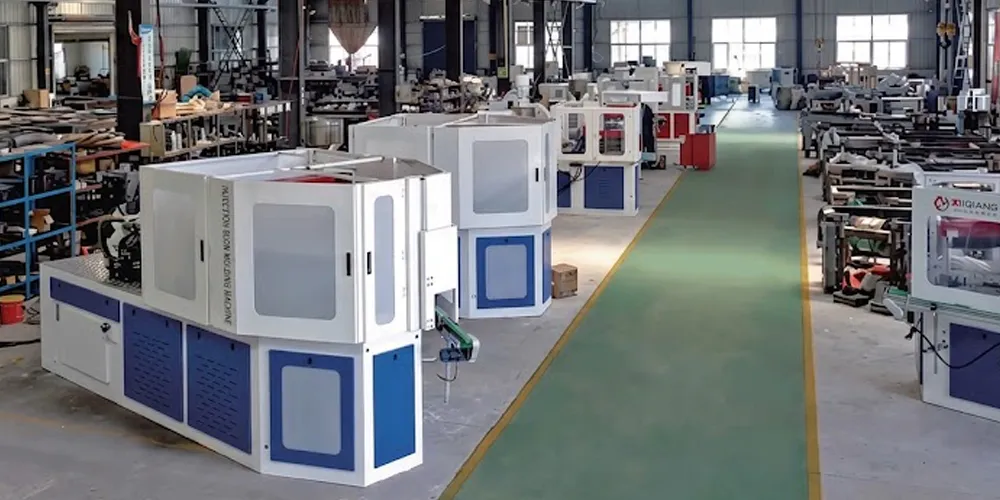
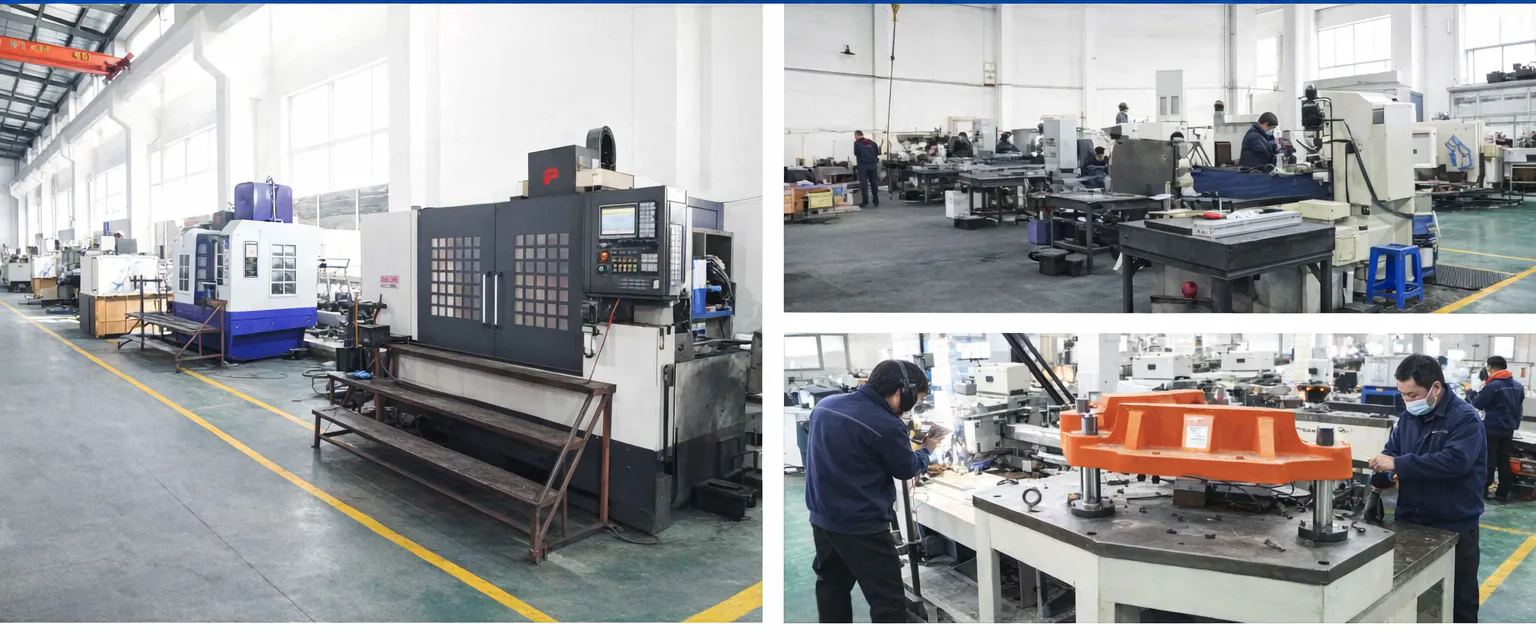
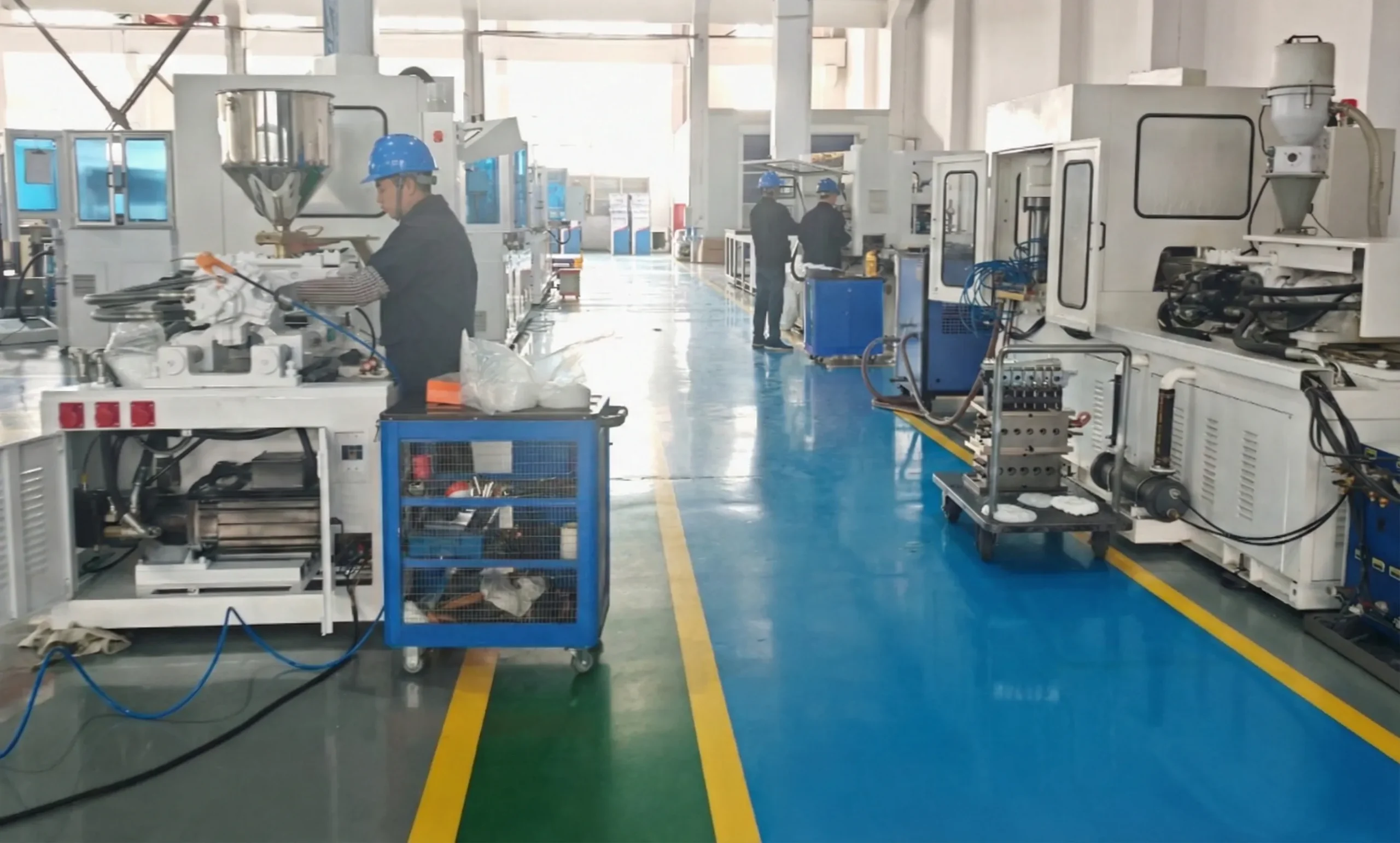
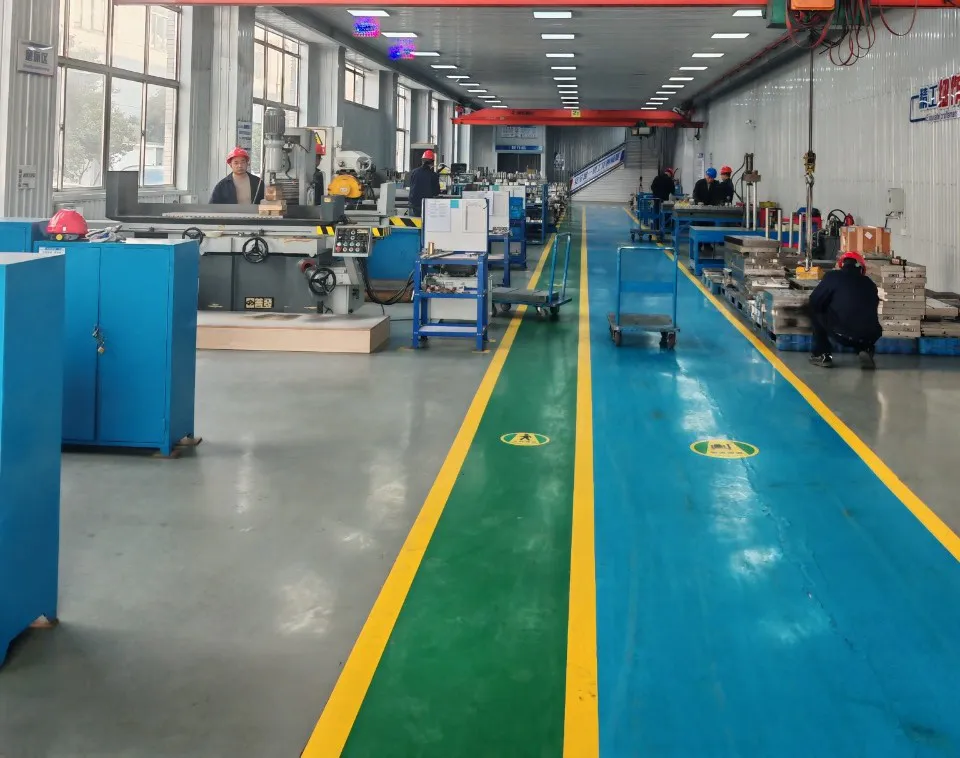
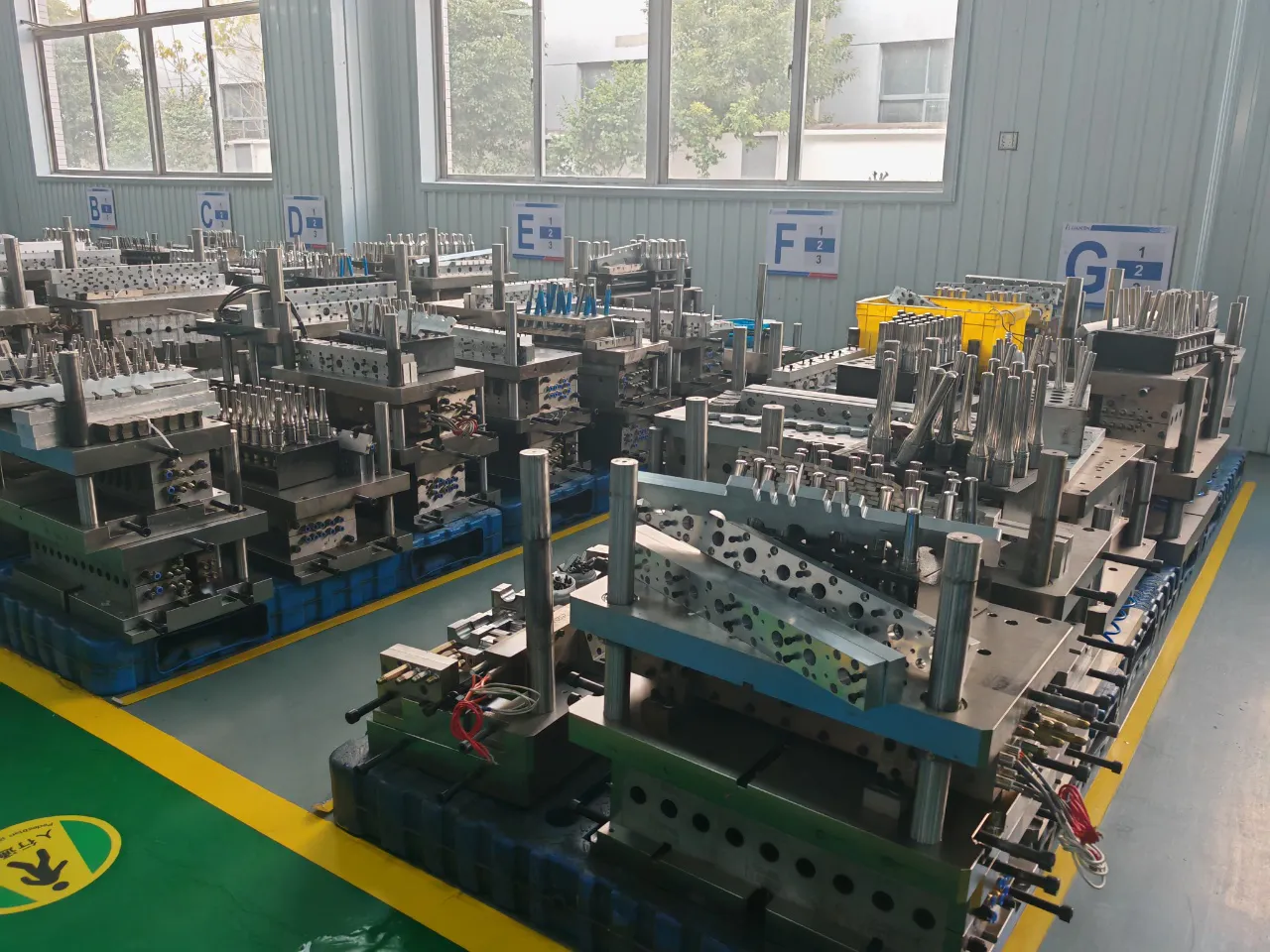
With over two decades of experience developing and manufacturing one-step injection stretch blow moulding machines for pharmaceutical, cosmetic, food, and beverage packaging, our production facility covers more than 20,000 square meters and operates a complete supply chain from machine design and precision machining through assembly, testing, and commissioning support. The engineering team has filed multiple national patents in machine design and process control, and has developed machine configurations used in pharmaceutical packaging facilities across Asia, Europe, India, Brazil, the Middle East, and other regulated markets.
Component sourcing reflects pharmaceutical production standards: servo drive systems from Inovance and Yaskawa Japan, NSK Japan ballscrews on precision axes, Parker USA high-pressure blow air valves, and YUKEN Taiwan hydraulic control systems. For pharmaceutical applications requiring equipment qualification documentation, the technical team can support the preparation of User Requirements Specifications, Functional Specifications, and instrument calibration records that form the baseline documentation for IQ/OQ protocols. Machines compatible with Japanese ASB mold formats (ASB-12M and ASB-70DPH) allow pharmaceutical producers to transfer validated mold tooling to new machine generations, reducing the scope and cost of re-qualification programs at existing sites.
WorkShop
Related System Solutions
Pharmaceutical bottle production demands auxiliary equipment that meets the same reliability and cleanliness standards as the main blow moulding machine. Two system components are critical — and their specification should be planned as part of the complete installation design rather than resolved post-commissioning.
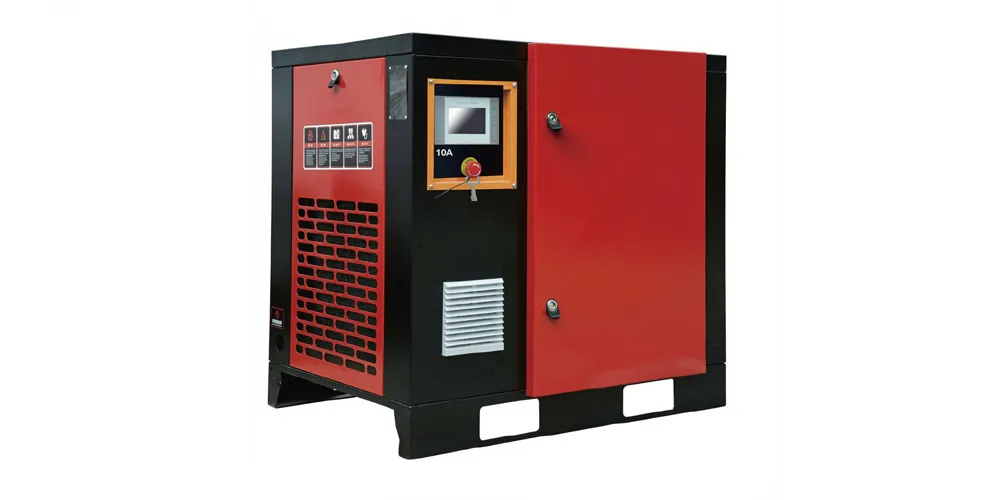
Oil-Free Air Compressor
In pharmaceutical bottle production, blow air at 2.0–3.5 MPa contacts the interior surface of the bottle during the blow phase and must be free of oil vapour, moisture, and particulates. An oil-contaminated blow air supply introduces hydrocarbon contamination into the bottle interior that cannot be removed by post-production rinsing in most pharmaceutical packaging workflows. For GMP compliance, the oil-free status of the blow air supply should be documented as part of the IQ protocol, with oil vapour concentration testing at the machine inlet per ISO 8573 air quality standards. An oil-free compressor sized to the machine’s blow air demand is the correct and only appropriate specification for pharmaceutical blow moulding applications.
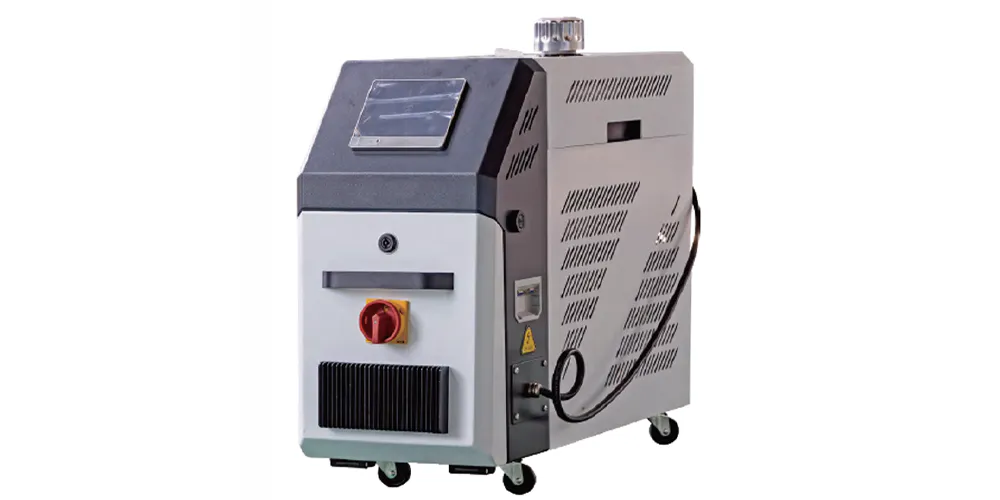
Mold Temperature Controller
Stable mold cooling water temperature at 20–25 °C is a validated process parameter in GMP pharmaceutical bottle production — it is part of the OQ and PQ record, not an informal operating condition. A mold temperature controller with calibrated temperature output and data logging capability allows the cooling water temperature to be included in the documented process parameters and monitored against the validated limits. For pharmaceutical facilities using electronic batch record systems, a mold temperature controller with data output connectivity supports integration into the site’s process monitoring infrastructure. Specifying a matched controller alongside the machine simplifies the OQ protocol validation scope and eliminates the cooling water temperature as a source of unexplained process variation during PQ.
Frequently Asked Questions
Q1. How does the one-step injection stretch blow moulding machine process help pharmaceutical manufacturers maintain GMP compliance in oral liquid bottle production?
Q2. Which injection stretch blow moulding machine model is best suited for pharmaceutical ophthalmic drop bottle production in a GMP facility in India?
Q3. What USP standards govern the plastic resin used in pharmaceutical bottles produced on an injection blow molding machine in the United States?
Q4. How should pharmaceutical manufacturers in Brazil obtain ANVISA-compliant documentation for plastic bottles produced by an injection blow moulding machine supplier?
Q5. What makes an injection stretch blow moulding machine suitable as a replacement for older ASB pharmaceutical packaging equipment while preserving existing validated mold tooling?
Q6. Which resin should pharmaceutical packaging engineers in Southeast Asia specify for child-resistant tablet containers produced on an injection stretch blow moulding machine?
Q7. How does particulate contamination testing under USP and Ph. Eur. standards affect the specification of an injection blow molding machine for sterile pharmaceutical packaging applications?
Q8. Where can pharmaceutical packaging manufacturers in the UK find injection blow molding machine suppliers who can support MHRA GMP compliance documentation post-Brexit?
Editor: PXY