A practical, engineering-grounded guide for plastic container manufacturers looking to reduce material loss, energy overhead, and reject rates across the injection stretch blow moulding machine production cycle.
Waste in plastic container manufacturing is rarely the result of one glaring mistake. It accumulates quietly — in the form of over-specified wall thicknesses, inconsistent preform temperatures, undiagnosed mould wear, compressed-air leaks, and machine settings that were copied from a previous job and never revisited. For plants running an injection stretch blow moulding machine, the integrated nature of the process is both an advantage and a responsibility: injection, conditioning, stretching, and blowing all happen within a single continuous cycle, which means that a miscalibration at one stage amplifies through every stage that follows. Getting waste under control on an ISBM line is fundamentally an exercise in understanding how each station interacts with the next — and then systematically closing every gap where material, energy, or time is being lost.
This guide addresses waste from multiple angles: machine structure, material selection and preparation, process parameter discipline, mould management, regulatory context, and the role of auxiliary equipment. Whether you are operating a compact 3-station machine for cosmetic bottles or a large-format 4-station unit for wide-mouth food containers, the principles apply consistently across the injection stretch blow molding process.
Why Waste Reduction Is Different on One-Step ISBM Lines
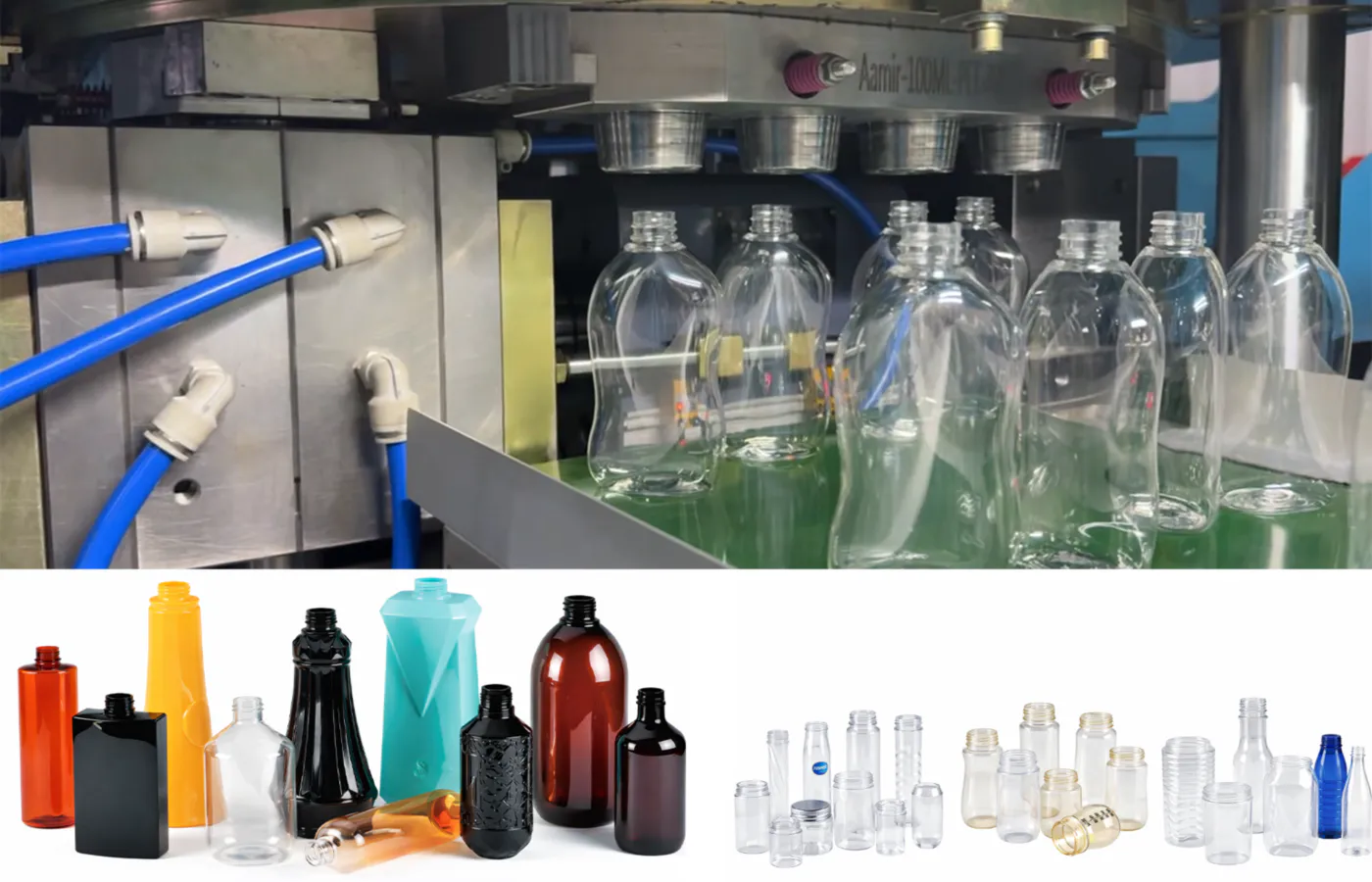
In a conventional two-step stretch blow process, preforms are manufactured separately, stored, and later reheated before blowing. Each transition introduces contamination risk, moisture uptake, and dimensional variation — and each also provides a natural inspection checkpoint. On a one-step injection stretch blow molding machine, there are no such checkpoints between the injection station and the blow station. The process runs as a single thermal continuum, which is precisely why it eliminates secondary heating energy and reduces surface contact contamination — but it also means that any upstream anomaly (a slightly under-filled preform, a temperature deviation in the barrel, a worn neck core pin) is carried directly into the blown bottle. Waste in one-step ISBM is often invisible until a bottle fails dimensional inspection or a cavity produces consistent sink marks.
Understanding this integration is the starting point for any meaningful waste reduction programme. The one-step injection stretch blow molding process consolidates what were previously separate quality-control opportunities into a shorter, faster cycle — which places the burden on upstream parameter control, material preparation, and equipment maintenance rather than downstream sorting.
Manufacturing Structure: Where Mechanical Design Affects Waste
The physical layout of an injection stretch blow moulding machine — station count, turntable indexing precision, clamping geometry, and servo versus hydraulic actuation — has a direct bearing on how much material is wasted per cycle. Machines with imprecise rotary indexing produce misaligned preforms at the blow station, leading to non-concentric wall distribution and elevated reject rates. Clamping systems that cannot maintain consistent force across the blow mold parting line allow flash to form, which must be trimmed — adding waste and labour.
Station Configuration and Waste Profile
3-station machines (injection → conditioning/tail-cut/pre-blow → blow → take-out) are efficient for thin-wall, narrow-neck containers where temperature uniformity across the preform wall is easier to achieve. The consolidation of conditioning and pre-blowing into a single station means that the process window is somewhat narrower — temperature deviations that would be caught and corrected in a dedicated conditioning station on a 4-station machine pass directly to the blow station. For higher-value, thick-walled containers, the additional temperature conditioning station on a 4-station machine provides meaningful insurance against rejects caused by uneven biaxial orientation in the blown wall.
Servo Drive Systems vs. Hydraulic Systems
Full servo-driven machines eliminate a significant category of energy waste — one that is easy to underestimate. Hydraulic systems maintain pump pressure continuously, even during dwell periods between cycles. Servo-electric drives, by contrast, consume energy only when motion is occurring. The energy difference over a full production shift is substantial, particularly on machines with multiple clamping axes. Beyond energy, servo systems offer position repeatability that hydraulic systems cannot match consistently, which translates directly into dimensional stability and lower reject rates. Machines equipped with dual servo-motor mold clamping systems and high-pressure compensation functions show particular improvements in mold close repeatability — a variable that directly influences flash generation and bottle neck-finish consistency.
Screw and Barrel Condition
The injection screw is the first point of contact between raw material and the machine. A worn or incorrectly specified screw produces inconsistent melt quality — unmelted pellet fragments, localized degradation hot spots, and variable shot weights. All of these defects propagate through every subsequent station. Nano-far-infrared heating rings on the screw and barrel (as featured on several current ISBM models) improve thermal efficiency and reduce the temperature gradient along the melt zone, contributing to a more homogeneous melt and fewer rejects attributed to poor plasticization. Barrel heat profiles should be reviewed whenever material lots change or ambient temperature shifts significantly between seasons.
Material System: Resin Selection, Preparation, and Waste
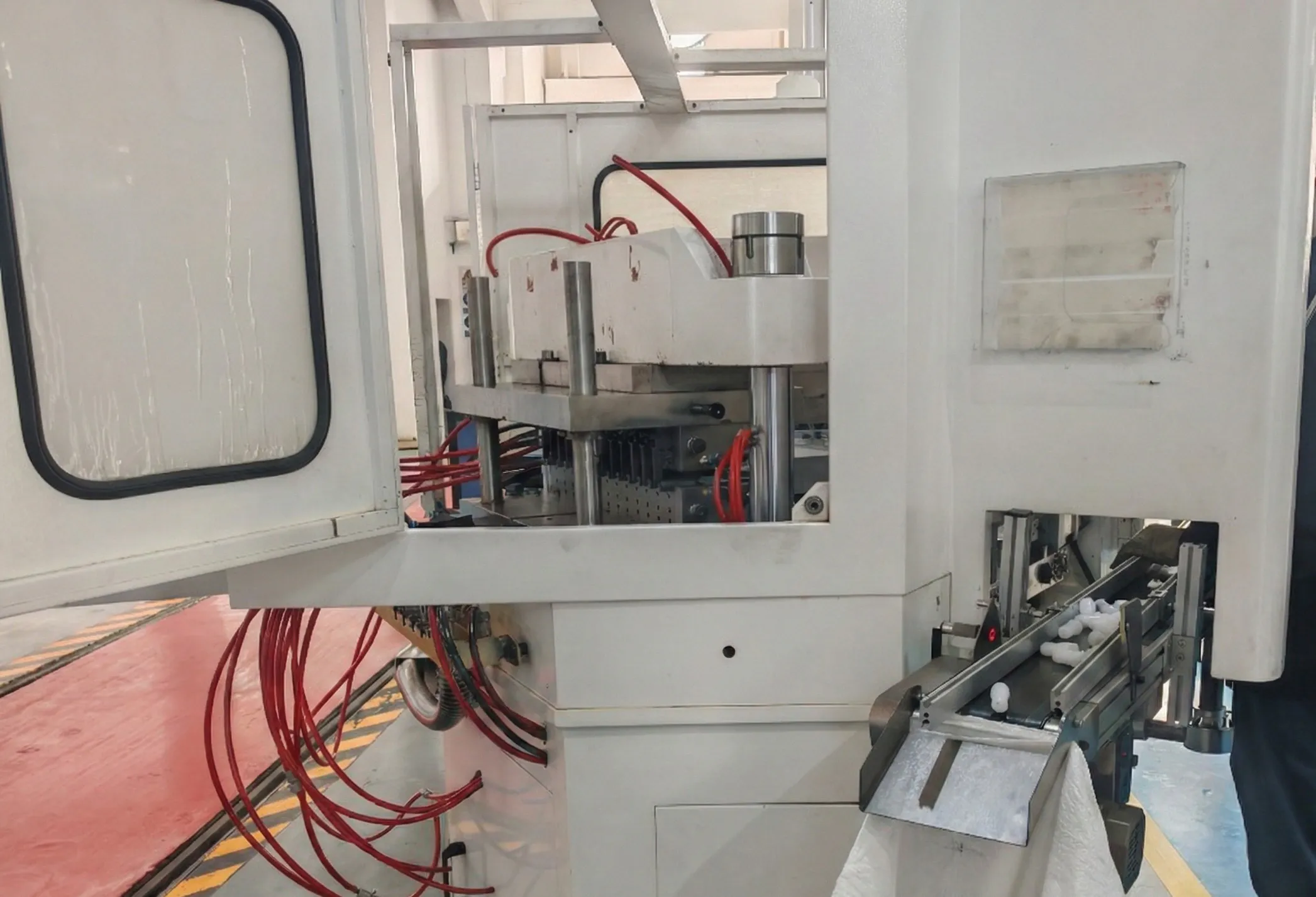
Material-related waste is one of the most frequently overlooked areas in ISBM production, in part because the connection between resin quality and reject rates is not always immediate or obvious. A resin lot with higher-than-specification moisture content does not produce obvious defects on the first shot — it degrades gradually over a shift, causing increasing haze, bubbles, and surface imperfections in blown bottles. By the time these are caught in inspection, a significant portion of the production run may have been compromised.
Moisture Control Before Processing
PET and PETG — the primary materials for most one-step ISBM applications — are hygroscopic. They absorb moisture from the ambient environment during storage and transport. Standard guidance for PET processing requires that moisture content be reduced below 50 ppm (parts per million) before injection, typically achieved through desiccant drying at 160–170°C for 4–6 hours. Failure to dry adequately results in hydrolytic degradation during plasticization: polymer chains are broken by water at processing temperatures, reducing molecular weight and producing acetaldehyde as a byproduct. The visible result is haze, discolouration, and brittle walls. Proper drying discipline is one of the highest-return, lowest-cost waste reduction interventions available on any ISBM line.
Regrind Policy and Blending Ratios
Gate vestige and tail-cut material from the conditioning station can, in principle, be reground and blended back into the virgin feed stream. However, reground PET has lower molecular weight (IV — intrinsic viscosity) than virgin resin, and blending above approximately 5–10% tends to produce bottles with measurably reduced wall strength and barrier performance. A disciplined regrind policy that tracks the number of processing cycles each material lot has undergone, maintains separate holding bins per cycle, and caps blending ratios is essential to keeping regrind use from creating a hidden quality problem. Some producers choose to divert all regrind to lower-specification applications rather than blending back into the primary stream.
Resin Compatibility with Machine Configuration
Different resins require different screw geometries, compression ratios, and barrel temperature profiles. Running PCTG or PC on a screw optimized for standard PET without adjusting parameters will consistently produce under-plasticized or degraded melt, generating waste and potentially damaging the screw surface. Current injection stretch blow moulding machine platforms support multiple materials — PET, PETG, PC, PP, Tritan, PCTG — but each requires validated process windows. Keeping a documented parameter set for each material-mould combination and enforcing its use at every changeover eliminates a common source of startup waste at the beginning of each production run.
| Material | Drying Temp. | Drying Time | Key Waste Risk | Typical Application |
|---|---|---|---|---|
| PET | 160–170°C | 4–6 hrs | Hydrolytic degradation, haze | Water bottles, beverages, pharma |
| PETG | 65–70°C | 4–6 hrs | Cloudiness, shrinkage variation | Cosmetics, luxury packaging |
| PC | 120–125°C | 4–8 hrs | Yellowing, degraded IV | Baby bottles, reusable containers |
| PP | 80–100°C | 2–4 hrs | Crystallisation, haze bands | Medical, food-grade containers |
| Tritan / PCTG | 65–80°C | 4–6 hrs | Stress whitening, brittle walls | BPA-free bottles, sports drinkware |
Process Parameter Control: Closing the Gap Between Set Point and Actual
The injection stretch blow molding process runs across a tightly connected sequence of temperatures, pressures, timings, and mechanical positions. When any one of these drifts from its validated set point — even marginally — the effect compounds through the remaining stations. Disciplined parameter management is not about running a machine at its rated specifications; it is about running every shot at the same conditions, cycle after cycle, and having the monitoring systems in place to detect when that consistency breaks down.
Injection Stage: Shot Weight Consistency
Variable shot weight is one of the primary sources of waste in ISBM production. If the injection volume is too low, the preform is under-filled — producing a bottle with thin walls that may pass visual inspection but fail pressure or drop tests later in the supply chain. If the shot weight is too high, excess material distributes unevenly during stretching and blowing, creating heavy spots in the wall that add gram weight without adding strength. Shot weight consistency is influenced by back pressure, screw recovery speed, melt temperature, check ring condition, and injection speed profile — all of which should be monitored at regular intervals and logged for trend analysis.
Conditioning Station: Temperature Uniformity Across the Preform
The conditioning station is the thermal foundation of the blown bottle’s wall quality. On 4-station machines, individual temperature conditioning cores allow the operator to profile the heat distribution from the gate end of the preform to the neck shoulder — compensating for any heat differential introduced during injection. A preform that arrives at the blow station with a 5°C temperature gradient across its wall cross-section will produce uneven biaxial orientation during stretching, resulting in non-uniform wall thickness in the blown bottle. Poorly conditioned preforms are a major source of bottles that pass visual inspection but fail vertical load, sidewall compression, or hot-fill performance requirements — and this type of waste is the most costly because it is found by the customer rather than the producer.
Blowing Stage: Air Pressure, Timing, and Stretch Rod Position
Pre-blow pressure, final blow pressure, blow timing, and stretch rod position all affect how the preform distributes during blowing. Common waste drivers at this stage include: insufficient pre-blow pressure leading to unbalanced wall distribution; final blow pressure too low to replicate the mold surface detail precisely; stretch rod travel that does not extend fully to the base before blowing initiates, producing thick bases and thin sidewalls; and blow mold temperature too high, causing the bottle to release from the cavity before the material has fully set. Each of these produces distinct defect signatures that, once understood, can be traced back to a single parameter adjustment.
| Defect | Most Likely Parameter Root Cause | Corrective Direction |
|---|---|---|
| Thick base / thin sidewall | Stretch rod delayed or under-extended | Advance stretch rod timing; verify travel position |
| Non-concentric walls | Preform temperature asymmetry; turntable misalignment | Check conditioning core temperature; verify index position |
| Haze / cloudiness | Moisture in resin; melt temperature too high or too low | Verify drying; recheck barrel temperature profile |
| Surface streaks | Contaminated resin or degraded material in barrel | Purge barrel; inspect hopper and drier filter |
| Neck-finish flash | Over-injection; worn neck core or mold parting | Reduce shot size; inspect neck tooling for wear |
| Pearlescence / whitening | Preform too cool at blow station | Increase conditioning temperature or dwell time |
Mould Management: Precision Tooling as a Waste Control Lever
The injection stretch blow mold is the most direct determinant of bottle geometry and wall consistency. A well-maintained mold set running on a correctly calibrated machine will produce bottles within specification for millions of cycles. A mold set with uneven cavity wear, blocked venting channels, degraded sealing surfaces, or inconsistent cooling circuits will generate defects that look like process problems — and often get treated as such, leading to unnecessary parameter changes that create instability rather than resolving the underlying tooling issue.
Cavity-to-Cavity Variation
On multi-cavity tooling, the most common source of chronic waste is cavity-to-cavity variation — where one or two cavities consistently produce bottles that are slightly under-weight, off-dimension, or less clear than the rest. This usually reflects uneven runner balancing, uneven cooling across the cavity block, or differential wear on individual neck core pins. Periodic cavity weight checks — weighing bottles from each cavity separately — are the most practical diagnostic tool. A cavity producing bottles consistently lighter than specification by more than 1–2% should be investigated before it produces commercially unacceptable bottles in volume.
Cooling Circuit Efficiency
Inadequate mold cooling extends cycle time and increases the probability of bottles releasing from the cavity before they have fully set — a condition that produces distorted bottles and contributes directly to rejects. Cooling water temperature, flow rate, and circuit condition (scaling, partial blockages) should be monitored routinely. A mold temperature controller (discussed further in the auxiliary equipment section) that maintains consistent coolant temperature at the mold face — rather than relying on facility chilled water supply which varies with season and load — is one of the most effective and underutilized tools for reducing thermally-caused waste in ISBM production.
Venting and Surface Maintenance
Blow molds require venting channels to allow the air displaced by the expanding preform to escape during blowing. Blocked or degraded venting produces surface defects — dimples, rough patches, and incomplete label panel reproduction — that are cosmetically unacceptable for branded consumer packaging. Mold vent cleaning should be part of every scheduled mold maintenance interval, alongside parting surface inspection, cavity surface polishing, and sealing ring replacement. Proactive mold maintenance eliminates the majority of cosmetically-driven rejects before they occur, rather than generating sorting costs and customer complaints after the fact.
For guidance on choosing a compatible injection stretch blow moulding machine platform to match your mold requirements, explore the full product range.
Energy Waste: Compressed Air, Heat, and Idle Consumption
Energy is a form of waste that often escapes scrutiny in ISBM operations because it does not appear on the scrap heap — it disappears as heat, noise, or unrecovered compressed air. Yet on a machine consuming 45–112 kW per shift, energy waste accumulates rapidly. The three largest energy waste streams on an ISBM line are compressed air losses, resistive heating inefficiency, and idle-power consumption during non-productive periods.
Compressed Air System Efficiency
ISBM machines typically operate blow air at 2.0–3.5 MPa for final blow pressure, with a separate low-pressure supply for general pneumatics. Compressed air is expensive to generate and notoriously subject to leakage losses — industry estimates suggest that 20–30% of compressed air generated in a typical industrial plant escapes through undetected leaks in distribution lines, fittings, and valve manifolds. A leak audit programme using ultrasonic detection equipment, combined with routine replacement of pneumatic cylinder seals and valve O-rings, typically recovers enough compressed air to reduce the compressor load meaningfully. Running the blow air pressure at the minimum level required to achieve full mold contact — rather than at a conservative over-pressure — also reduces compressor energy draw and cycle time.
Heating System Design
Conventional resistive heating bands on the barrel and runner system lose a significant portion of their energy to ambient radiation rather than to the material they are heating. Nano-far-infrared heating rings, which use infrared radiation to heat the barrel material from within rather than conductively from the surface, demonstrate meaningfully improved thermal efficiency — directing more energy into the melt and less into the surrounding machine structure. This translates into faster heat-up times, more stable barrel temperature profiles, and reduced energy consumption per kilogram of material processed.
Idle and Standby Reduction
A machine running at idle — with heaters on, screw turning periodically to prevent material hangup, and servo systems energised — consumes a substantial fraction of its full-load power draw. During planned downtime (shift breaks, colour changes, scheduled maintenance), a disciplined shutdown procedure that reduces barrel temperature to a safe hold level, shuts down non-essential systems, and — on servo machines — allows the servo drives to enter standby mode can reduce standby energy consumption by 30–50% compared to leaving the machine in a full-idle state. This is a straightforward operational practice that requires no capital investment.
Featured Equipment: Waste-Optimised ISBM Platforms
Selecting the right machine platform is foundational to waste reduction. Two models that reflect current best practice in waste minimisation design:
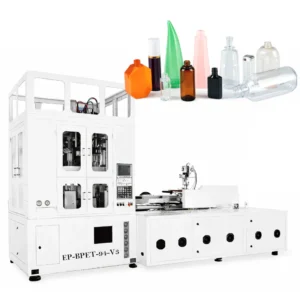
EP-BPET-94-V3 — 3-Station
A compact 3-station injection stretch blow moulding machine suited for thin-wall bottles up to 4,500 ml in PET, PETG, PCTG, and high-transparency PP. The 3-station layout consolidates conditioning and pre-blowing, minimising cycle time and thermal loss. Screw diameter: 60 mm. Injection clamping force: 785 kN. Blow clamping force: 298 kN. Machine dimensions: 4,800 × 2,050 × 3,000 mm. Total power: 65 kW. The reduced footprint and cycle consolidation make this model an efficient starting point for producers prioritising output-to-floorspace ratio and minimal startup waste during colour changes.
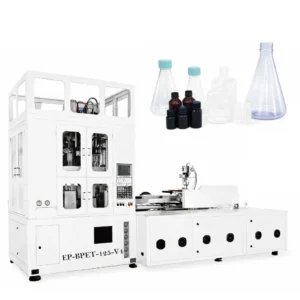
EP-BPET-125-V4 — 4-Station
A 4-station injection stretch blow molding machine delivering a dedicated temperature conditioning station between injection and blow — the configuration that most effectively eliminates thermally-driven rejects on thick-wall, wide-neck, or engineering-resin containers. Screw diameter: 60 mm. Theoretical injection volume: 480 cm³. Blow clamping force: 286 kN. Max cavity count: 12. Max container volume: 5,000 ml. Compatible with PET, PETG, PC, PCTG, PP, and Tritan. The separate conditioning station allows independent temperature profiling from gate to shoulder, which is the single most impactful structural feature for reducing wall-uniformity-related rejects on demanding applications including pharmaceutical, food, and premium cosmetic packaging.
Regulatory Context: Compliance as a Waste Reduction Framework
Environmental and packaging regulations across major markets increasingly impose direct or indirect obligations on ISBM producers that align well with waste reduction objectives. Understanding the applicable regulatory environment for your target markets is not simply a compliance exercise — it can serve as a structured framework for driving internal process improvements that reduce waste and strengthen competitive positioning simultaneously.
European Union — Packaging and Packaging Waste Regulation (PPWR)
The EU’s Packaging and Packaging Waste Regulation, which entered force in 2024 and is being phased in through 2030, establishes mandatory recycled content targets for plastic packaging placed on the EU market, along with design-for-recyclability requirements. ISBM producers supplying into the EU must ensure that the bottles they produce are compatible with established recycling streams — which practically means avoiding multi-material laminates, minimising non-PET components (labels, closures, barriers) that compromise recyclability, and maintaining consistent wall thickness to support efficient downstream sorting. The regulation’s emphasis on recyclability directly incentivises the kind of material efficiency and wall-uniformity discipline that also reduces production waste.
United Kingdom — Extended Producer Responsibility (EPR)
The UK’s plastic packaging Extended Producer Responsibility scheme, implemented under the Environment Act 2021, places financial obligations on producers and importers of plastic packaging that does not meet 30% recycled content thresholds. British importers purchasing ISBM-produced bottles will increasingly require documentation of recycled content, material specifications, and recyclability assessments from their suppliers. Producers using one-step ISBM technology — which produces single-material containers with no adhesive bonding or co-extrusion layers — are structurally better positioned to meet these requirements than producers using multi-layer or multi-material processes.
Australia — Australian Packaging Covenant (APCO)
Australia’s 2025 National Packaging Targets, administered through APCO, set requirements for 100% reusable, recyclable, or compostable packaging by 2025. While the implementation timeline has faced practical challenges, Australian buyers are actively requesting recyclability documentation and life-cycle data from their packaging suppliers. PET bottles produced via one-step ISBM are well aligned with these targets — PET is one of the most efficiently recycled plastics in Australia’s kerbside collection system.
Brazil — National Solid Waste Policy (PNRS)
Brazil’s Política Nacional de Resíduos Sólidos (Law 12,305/2010 and subsequent regulations) mandates reverse logistics systems for post-consumer packaging and places obligations on manufacturers operating in the Brazilian market. Practical compliance requires that ISBM producers supplying the Brazilian market demonstrate participation in approved take-back programmes and maintain material traceability documentation. Reducing production scrap reduces the volume of material subject to these obligations at the manufacturing stage.
South Korea — Resource Circulation Act
South Korea’s Act on the Promotion of Saving and Recycling of Resources (enacted 2018, periodically updated) requires extended producer responsibility for packaging, with specific labelling requirements for recyclability. Plastic containers are graded on recyclability, and lower-rated containers attract higher EPR fee obligations. Single-material PET containers produced via ISBM — particularly those without applied sleeves or multi-layer barriers — typically achieve the highest recyclability grade under Korean assessment criteria.
Colombia — Resolution 1407/2018 and Subsequent Plastics Commitments
Colombia’s Resolution 1407/2018 established a mandatory eco-design and packaging management obligation for producers and importers. The regulation requires measurable progress on post-consumer packaging recovery and recycling rates. As with the broader Latin American market, single-material, clearly labelled PET containers produced via one-step ISBM satisfy both the recyclability intent and the documentation requirements of this framework more straightforwardly than complex multi-material alternatives.
Netherlands — Plastic Pact NL
The Netherlands is a signatory to the European Plastics Pact and has implemented Plastic Pact NL, a voluntary multi-stakeholder commitment with ambitious recycled content and waste reduction targets for plastic packaging by 2025. Dutch packaging buyers operating under this commitment prioritise suppliers who can demonstrate material efficiency, low production scrap rates, and product recyclability — all characteristics that are inherently supported by the one-step ISBM process compared to multi-step alternatives.
| Region / Country | Key Regulation | Primary Obligation for ISBM Producers |
|---|---|---|
| European Union | PPWR (2024–2030) | Recycled content targets; design-for-recyclability |
| United Kingdom | EPR — Environment Act 2021 | 30% recycled content; fee obligations on non-compliant packaging |
| Australia | APCO 2025 National Packaging Targets | 100% recyclable/reusable/compostable packaging target |
| Brazil | PNRS (Law 12,305/2010) | Reverse logistics participation; material traceability |
| South Korea | Resource Circulation Act (2018+) | Recyclability grading; EPR fee structure |
| Colombia | Resolution 1407/2018 | Eco-design obligations; post-consumer recovery commitments |
| Netherlands | Plastic Pact NL | Recycled content; recyclability documentation preferred by buyers |
Maintenance Discipline: Preventing the Waste That Downtime Creates
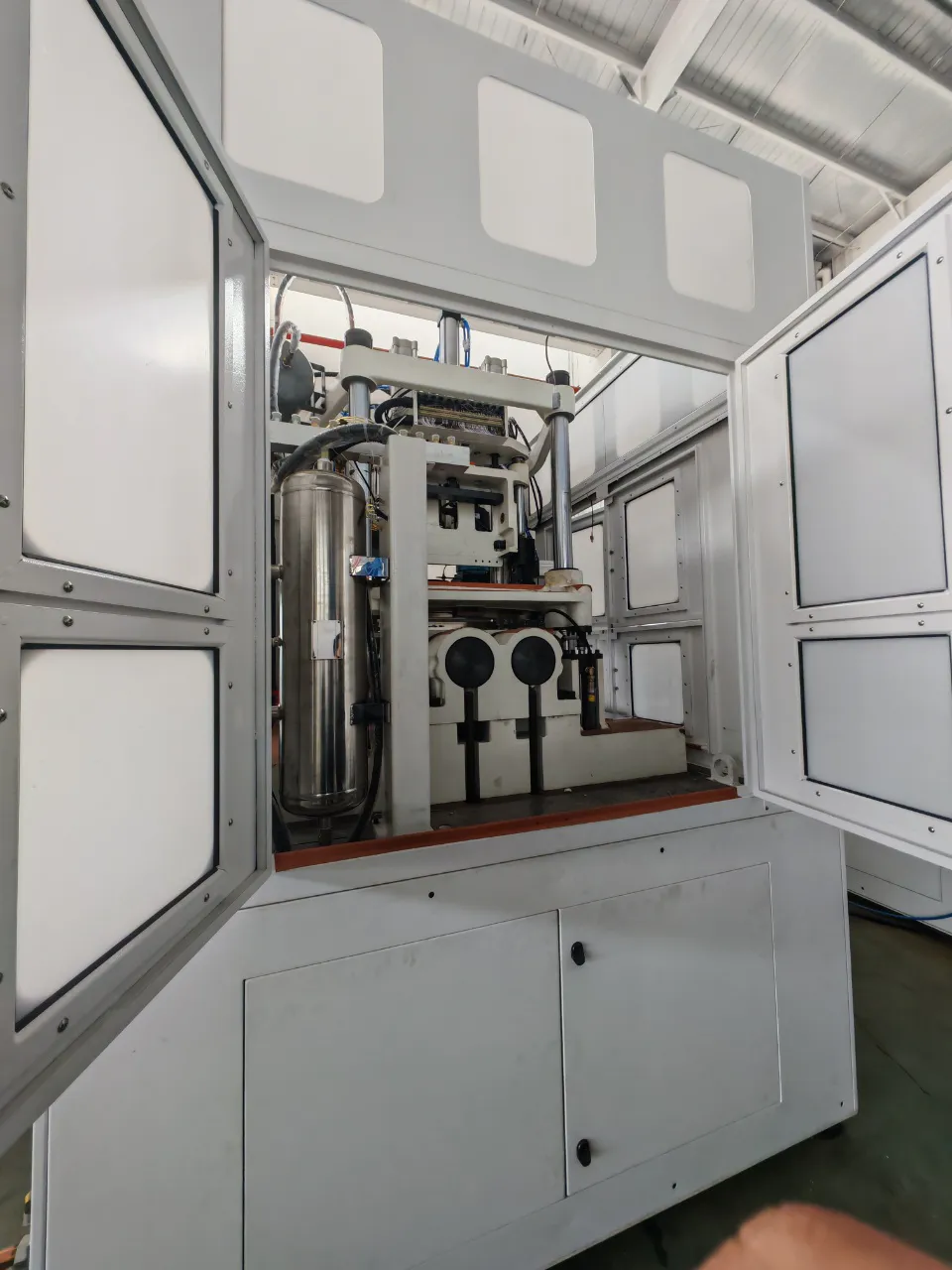
Unplanned downtime on an ISBM line creates a specific category of waste that is easy to undercount: the material in the barrel and runner system at the time of the stoppage. When a machine stops unexpectedly with a full shot of PET in the barrel and the barrel heaters cycling normally, the material degrades over time. If the stoppage extends beyond 20–30 minutes without a purge cycle or barrel cooling procedure, the first several shots after restart will typically need to be scrapped due to degraded melt quality — and in severe cases, the runner and hot tip system may require cleaning. A planned maintenance programme that prevents unplanned stoppages is not just an operational efficiency measure; it is a waste reduction measure of the first order.
Predictive Indicators Worth Tracking
Servo drive current draw, injection pressure for a fixed shot volume, cycle time variation, and mold temperature stability are all early warning indicators for developing mechanical problems. Tracking these parameters over time — even in a simple spreadsheet — allows maintenance staff to identify trends before they produce failures. A servo motor drawing progressively higher current to achieve the same turntable index position is signalling a mechanical problem (bearing wear, lubrication breakdown, guide rail degradation) before that problem produces downtime. Similarly, an injection pressure that is rising over time at a fixed shot size and screw speed is signalling screw or barrel wear that will eventually produce variable melt quality and increased rejects.
Related Products: Auxiliary Equipment for Complete Waste Control
An injection stretch blow moulding machine does not operate in isolation. The quality of the compressed air supply, the stability of mold temperature, and the condition of cooling water all directly influence production waste rates. The auxiliary equipment described below integrates with the ISBM machine to form a complete, waste-minimised production system.
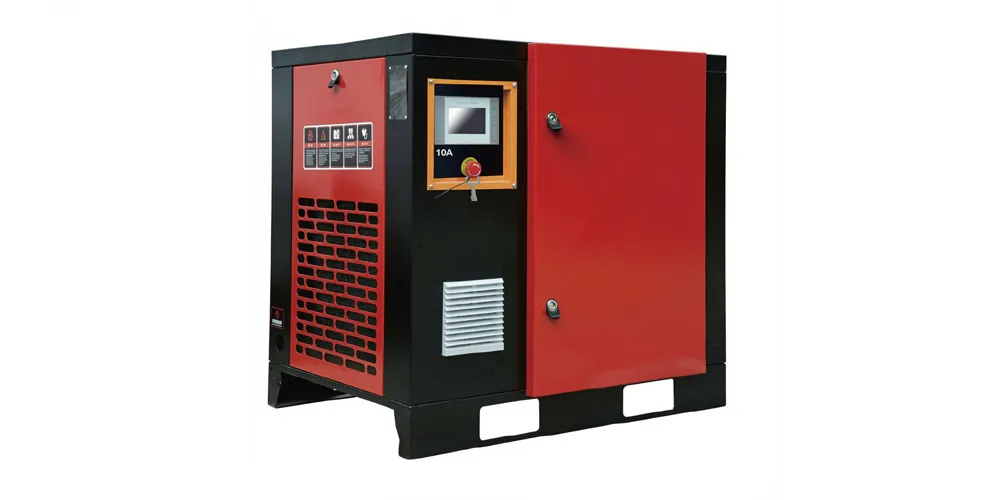
Oil-Free Air Compressor
Blow air quality directly affects bottle clarity, barrier integrity, and surface finish. Oil contamination in the blow air stream — from a lubricated compressor without adequate filtration — deposits hydrocarbon residues on the interior surface of every bottle produced, creating food safety and pharmaceutical compliance issues. An oil-free air compressor eliminates this contamination risk at source, removing the need for multi-stage downstream filtration and the waste generated by filter replacement cycles. For food, beverage, pharmaceutical, and cosmetic packaging applications, oil-free compressed air supply is a regulatory requirement in most markets, not an option. Matching compressor capacity precisely to machine demand also prevents energy waste from oversized or undersized supply systems.
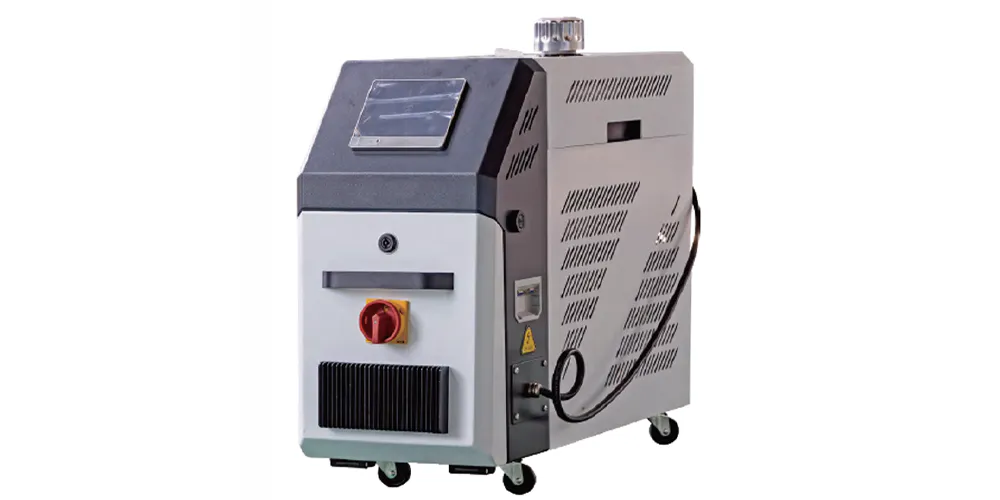
Mold Temperature Controller
Mold temperature variation across a shift — particularly in climates with significant ambient temperature swings — is a hidden but consistent source of dimensional variation and rejects. A dedicated mold temperature controller maintains a precise coolant temperature at the mold face regardless of facility water supply temperature or season, ensuring that each bottle releases from the mold at the same set point cycle after cycle. For thick-wall containers, cosmetic bottles with tight dimensional tolerances, and applications requiring consistent surface gloss, mold temperature stability is a critical quality variable. Pairing a mold temperature controller with a well-calibrated injection stretch blow molding machine creates the foundation for a reproducible, low-waste production process that holds its quality across extended production runs.
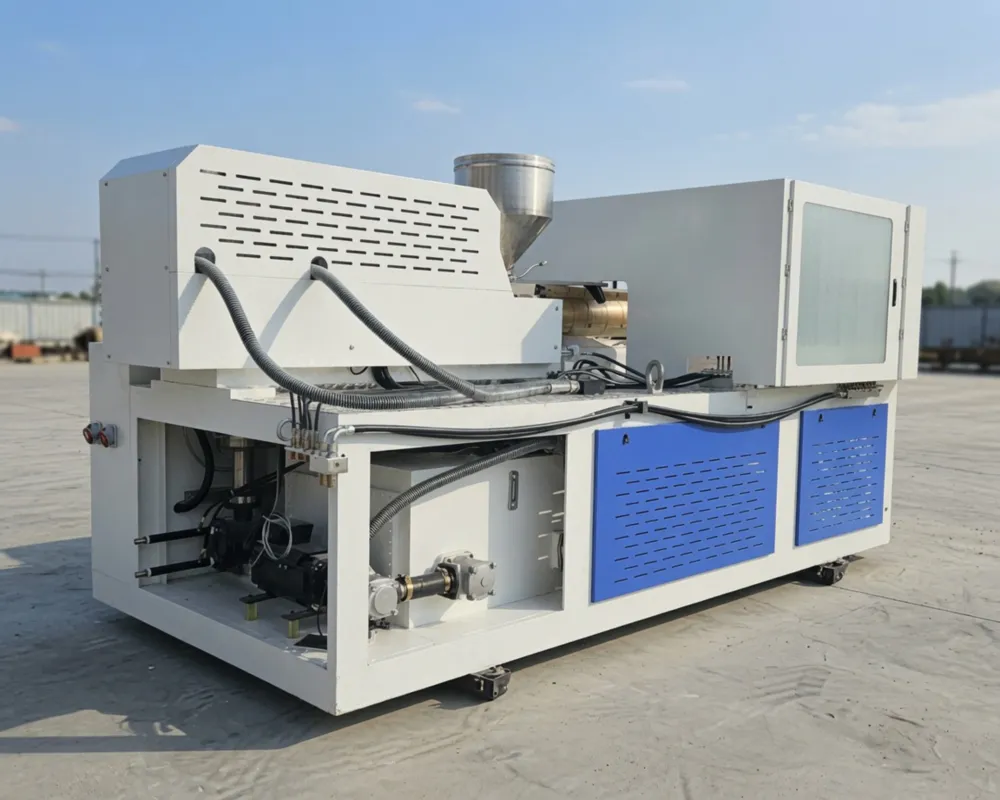
About Us
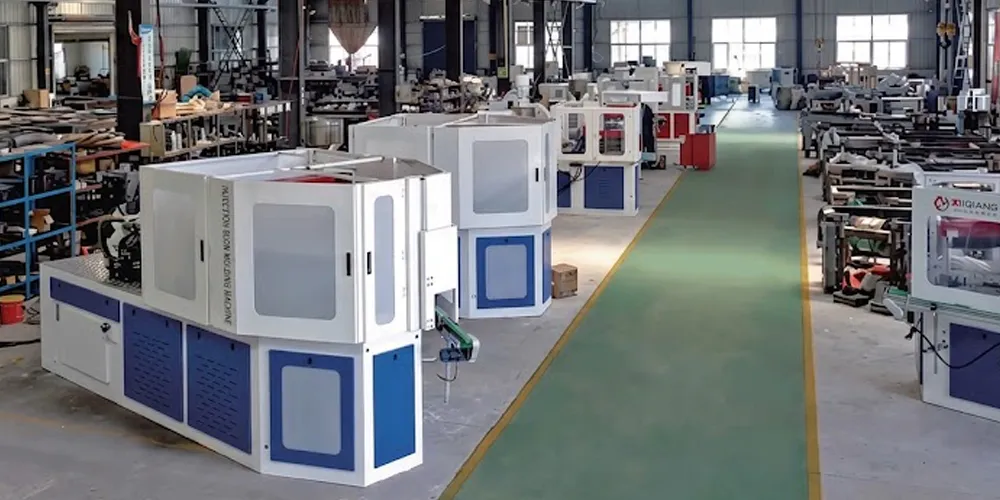
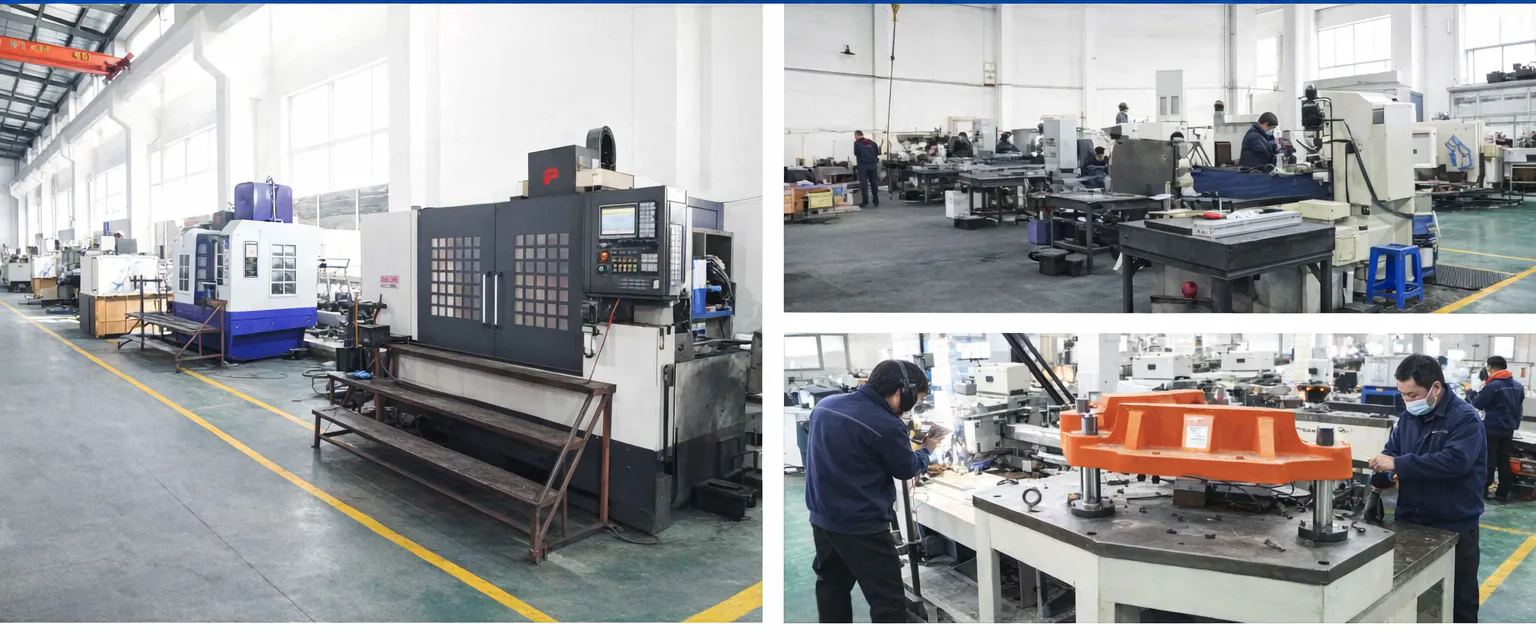
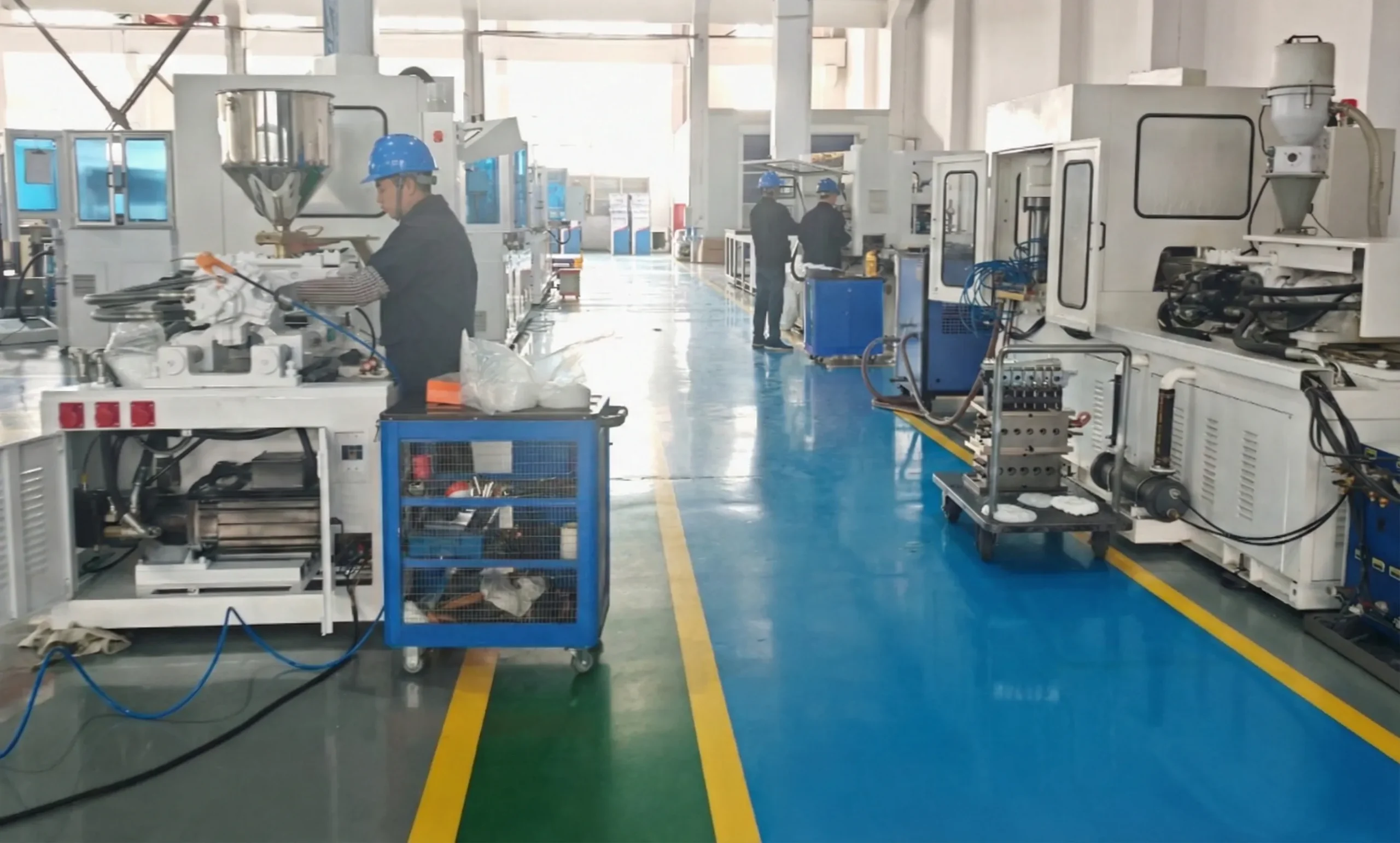
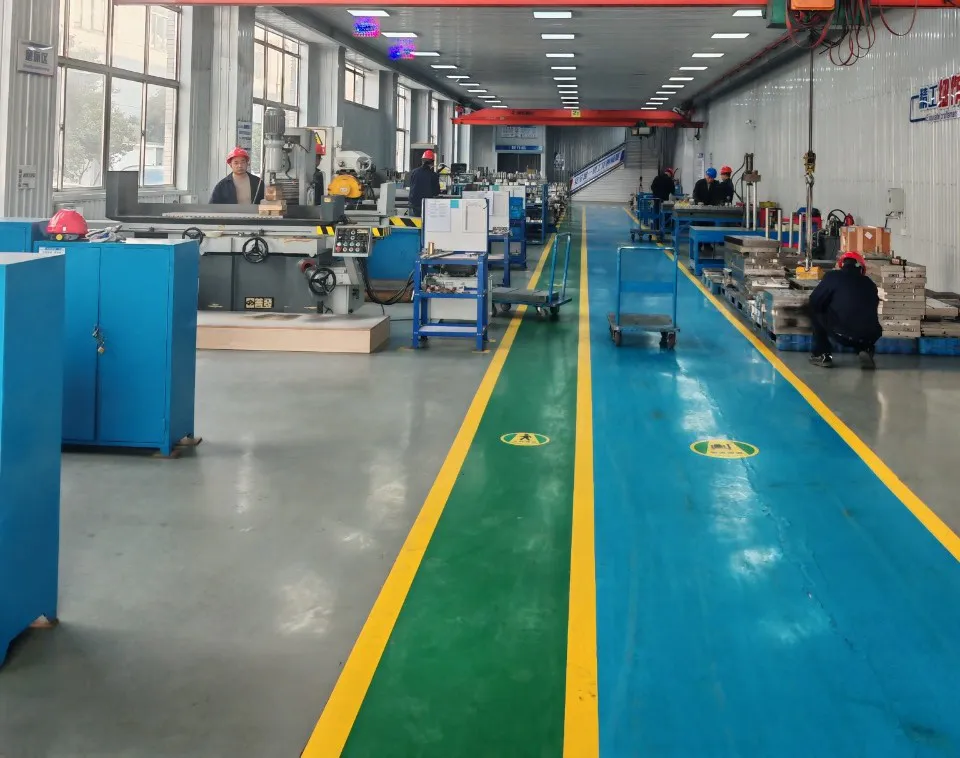
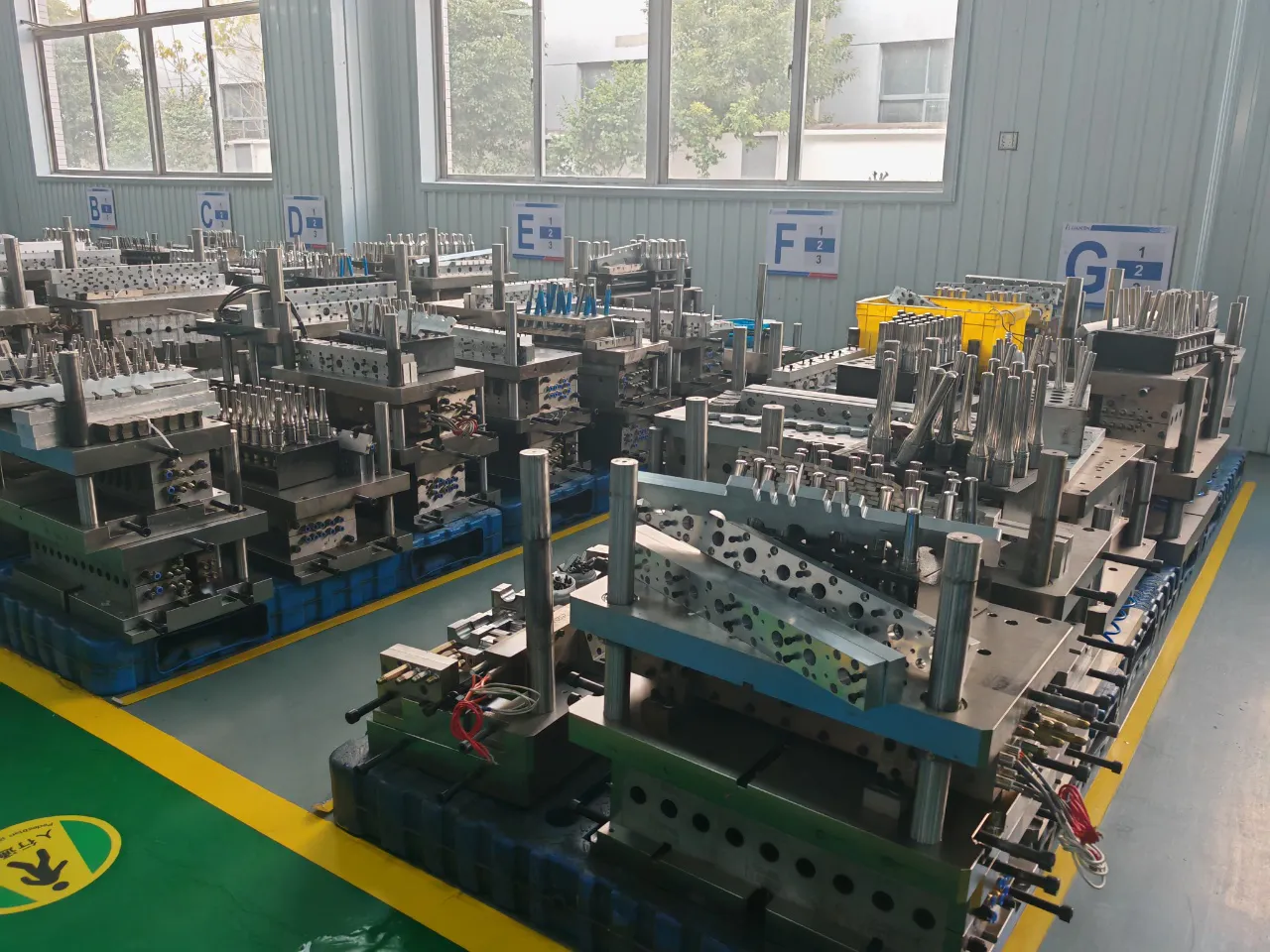
We are a professional manufacturer of one-step injection stretch blow moulding machines and moulds, with over two decades of dedicated research, development, manufacturing, and sales experience in the plastic container production industry. Our production base covers more than 20,000 square metres and operates as a complete, vertically integrated supply chain for ISBM equipment — from machine frame fabrication through servo system integration, mould manufacturing, and final assembly. We have applied for multiple national patents and developed specialised machine platforms for cosmetics, water, oil, beverages, food wide-mouth packaging, pharmaceuticals, and baby products across materials including PET, PETG, PC, PCTG, and PP. Our equipment has been adopted by leading global brands and we provide one-stop technical support, commissioning, and after-sales service to customers worldwide.
Workshop
Frequently Asked Questions
Ready to Reduce Waste on Your ISBM Line?
Our technical team can help you identify the right injection stretch blow moulding machine configuration, tooling, and auxiliary equipment for your specific production requirements and waste reduction goals.
Editor: PXY