A technical guide for cosmetic packaging engineers, procurement teams, and brand owners worldwide — covering the process, material systems, machine structure, and quality standards behind premium PET cosmetic bottle production.
Walk into any high-end cosmetic retailer and the bottles on the shelf share something the untrained eye might not register: a particular quality of clarity — not just transparent, but genuinely brilliant. The kind that makes a serum look precious or a body oil appear almost luminous. That optical quality does not come from the resin alone. It comes, in large part, from the manufacturing process that shaped it. The injection blow molding machine — specifically the one-step injection stretch blow moulding configuration — is the piece of equipment most directly responsible for delivering that result, and understanding how it does so matters enormously to anyone who specifies, purchases, or operates cosmetic packaging equipment.
The cosmetics and personal care industry is among the most demanding packaging markets in the world. Brands compete on shelf presence as much as on product performance, and the bottle is often the first point of contact between a product and a consumer. Surface clarity, wall uniformity, neck precision, and resistance to distortion under heat or transport stress are not optional — they are baseline expectations, particularly in premium and luxury segments. A plastic injection blow molding machine that produces bottles with haze, sink marks, or inconsistent wall thickness is not competitive in this market regardless of how inexpensive its output might be.
This article walks through the complete picture: how the one-step injection stretch blow molding process works from a material and mechanical standpoint, what structural features of the machine drive clarity performance, which resins are appropriate for different cosmetic applications, and what regulatory and quality requirements govern cosmetic packaging production across major global markets. Machine specifications are drawn from real products in this range, so the technical numbers are grounded rather than theoretical.
1. Why Optical Clarity Is the Central Quality Challenge in Cosmetic PET Bottle Production
PET — polyethylene terephthalate — is a semi-crystalline polymer. Left to its own devices during processing, it will develop crystalline domains that scatter light and produce a milky, opaque appearance. The reason high-quality cosmetic PET bottles are water-clear is that the manufacturing process actively prevents large crystalline structures from forming by controlling temperature and orientation throughout the production cycle with precision that conventional extrusion blow molding cannot reliably achieve.
In the one-step injection stretch blow molding process, the preform is created by injection molding, then moved to the blow station while still thermally conditioned from the injection phase — without being cooled to ambient temperature and reheated, as happens in two-step systems. This preserved heat history means the polymer arrives at the stretch-blow station in a low-crystallinity, highly orientable amorphous state. When the stretch rod extends axially and high-pressure blow air simultaneously forces the material outward in the hoop direction, the polymer chains undergo biaxial orientation. This molecular alignment has a direct optical consequence: it suppresses the nucleation and growth of large spherulitic crystals, tightening the amorphous phase into a more ordered structure that interacts with visible light more uniformly. The result is a bottle with an optical haze level that two-step reheat systems consistently struggle to match, because the preform has already passed through a crystallization-promoting temperature window during the secondary reheating phase.
For cosmetic packaging — where product photography, in-store shelf presence, and consumer tactile experience all depend on the bottle appearing optically premium — this process advantage is commercially meaningful, not merely technical. Brands that switch from reheat systems to one-step injection blow moulding consistently report a visible improvement in bottle clarity that translates to fewer re-shoots in product photography and more positive consumer responses in retail audits.
2. The One-Step Injection Stretch Blow Moulding Process — What Happens at Each Station
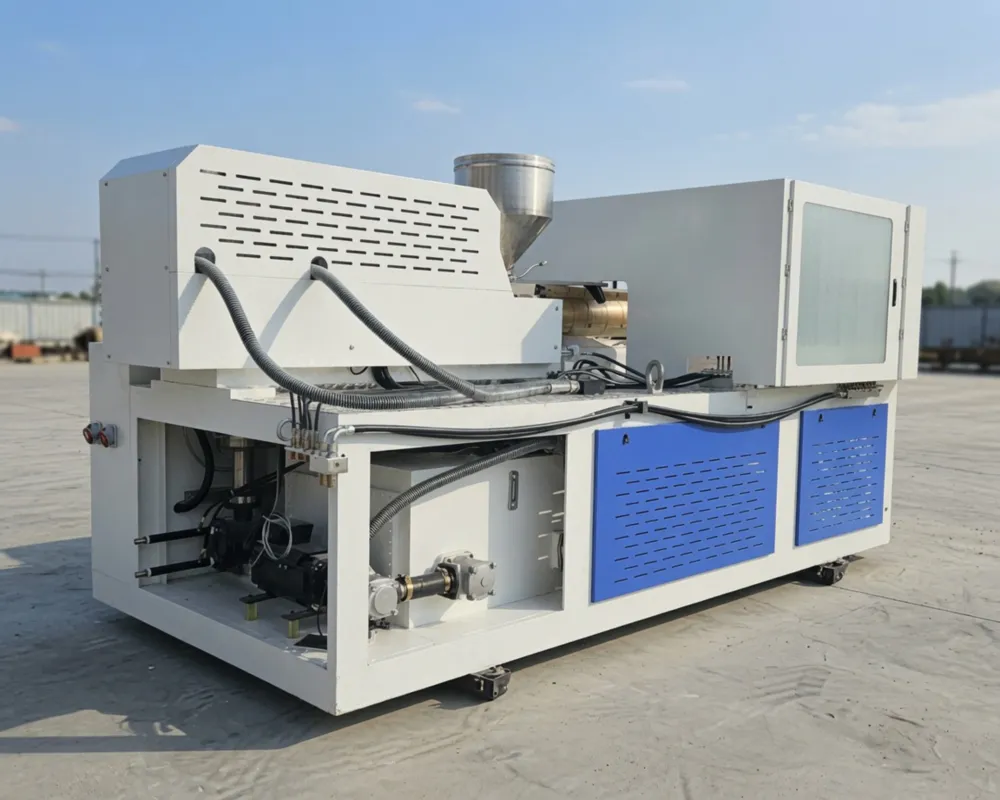
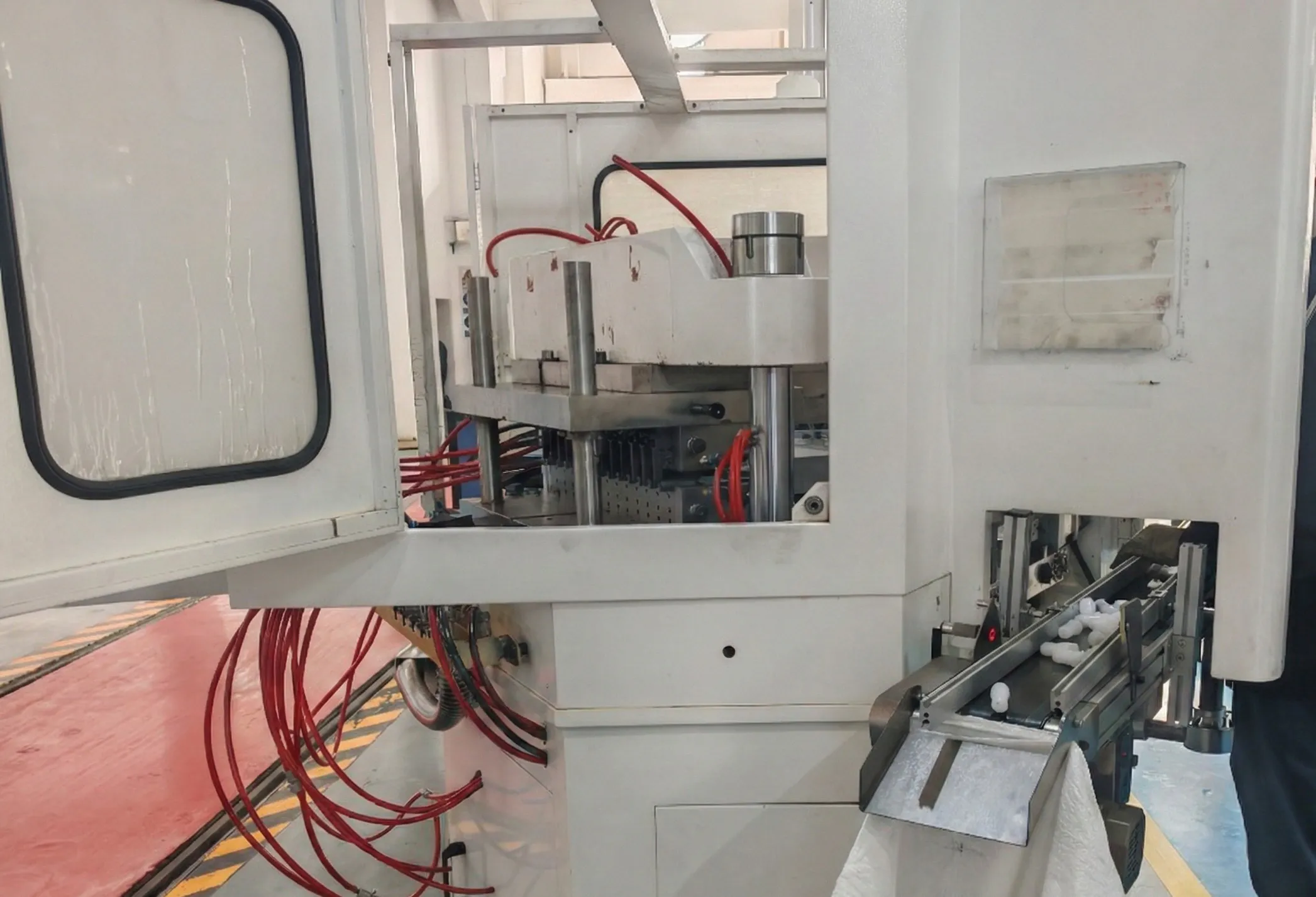
Understanding how an injection blow molding machine produces cosmetic bottles with superior optical properties requires walking through the production sequence station by station. The four-station configuration — the most common format for cosmetic packaging — divides the process into four distinct but continuously rotating phases, all occurring within a single machine cycle without manual intervention or intermediate cooling.
Station 1 — Injection
Molten PET or PETG resin is injected under high pressure into a precision-machined preform cavity. The neck finish — thread pitch, diameter, and ovality — is formed at this stage and remains unchanged through the remainder of the process. For cosmetic bottles, this is critical: the neck finish determines closure fit, and any inconsistency here causes leakage, cross-threading, or pump fitment failure in the finished product. The injection clamping force must be sufficient to hold the mold against the injection pressure without flash.
Station 2 — Temperature Conditioning
The preform is transferred to the conditioning station while still hot from injection. Here, a temperature-regulating core and barrel manage the thermal profile across the preform wall — ensuring the body temperature is within the optimal biaxial orientation window while the neck, which is already formed, is maintained below the heat deflection temperature to preserve its dimensional accuracy. This station is what makes the one-step process fundamentally different from reheating: the thermal management is additive and precise, not recovery from an ambient-temperature baseline.
Station 3 — Stretch Blow Moulding
The conditioned preform is clamped into the blow mold and the stretch rod descends axially while blow air at 2.0–3.5 MPa simultaneously expands the material radially. The biaxial orientation that results from this simultaneous axial and hoop stretching is responsible for the optical, mechanical, and barrier performance improvements that make PET the preferred cosmetic packaging resin. Wall thickness distribution across the bottle body is controlled by the stretch ratio and the temperature profile established at station two — which is why temperature conditioning precision directly governs wall thickness consistency.
Station 4 — Takeout
Finished bottles are ejected from the blow mold and conveyed out of the machine via the takeout mechanism. The closed-loop nature of the one-step process means that finished bottles have had no exposure to ambient contamination between the injection and blowout phases — a significant advantage for cosmetic and pharmaceutical filling lines that require packaging to meet particulate cleanliness standards. The fully automated cycle eliminates the manual handling steps that introduce surface scratches and contamination in semi-manual production environments.
3. Machine Manufacturing Structure — The Components That Drive Clarity Performance
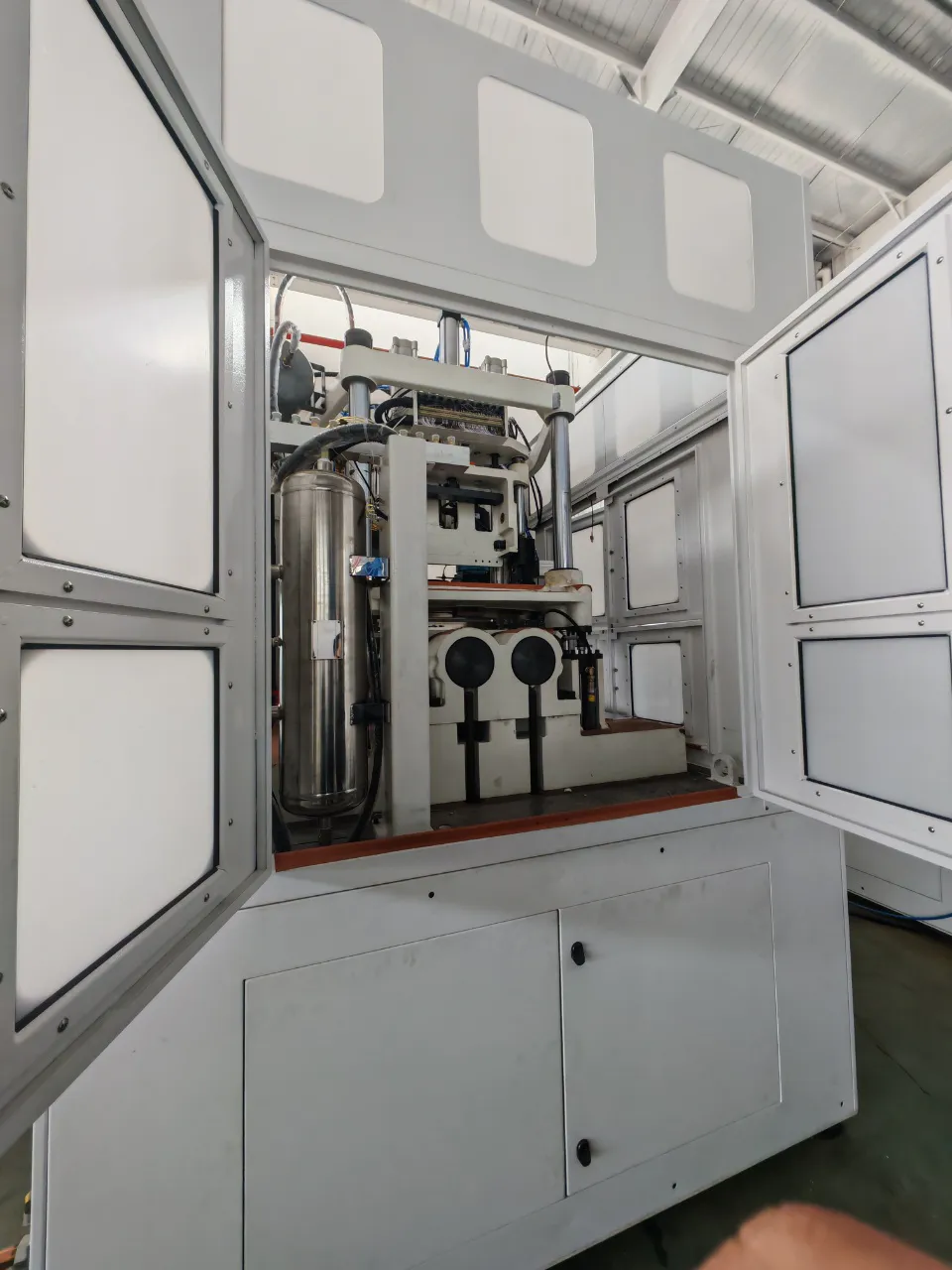
The optical outcome of the injection stretch blow molding process is not simply a function of the resin. It is equally determined by the precision and stability of the machine components that control temperature, pressure, and positioning throughout each cycle. The following structural elements are the most directly relevant to cosmetic bottle clarity quality.
Injection Unit — Screw, Barrel, and Heating System
Melt quality at the injection stage determines how the polymer arrives at the stretch-blow station. A screw manufactured from 38CrMoAlA nitrided steel with a surface hardness of 900–1000 HV and a barrel with matched metallurgy delivers a homogeneous, thermally consistent melt with minimal degradation. Degraded PET produces acetaldehyde and generates yellowish tint in the finished bottle — a visible defect in water-clear cosmetic containers. Nano far-infrared heating rings, fitted to the barrel assembly, heat from the outside in with improved energy coupling efficiency compared to conventional mica band heaters, producing a more even temperature distribution across the barrel length and reducing the risk of localized thermal degradation. Heating power on the machines in this range runs from 10 kW to 15 kW depending on the unit.
Servo Control System — Precision Across Every Axis
Servo motor control is not merely an energy efficiency feature — it is a precision feature. On fully servo-driven machines such as the EP-HGY50-V3-EV, every major axis — injection, turntable rotation, blow mold opening and closing, stretch rod travel, and takeout — is controlled by a servo motor with positional feedback. This means that the preform arrives at each station at a precisely controlled position and orientation, that the stretch rod descends at a controlled velocity and force, and that the blow mold closes with repeatable clamping force on every cycle. Variability in any of these parameters produces variability in wall thickness distribution, which shows up as inconsistent clarity across bottles within the same production batch. Turntable drive systems using Japan Yaskawa servo motors with Taiwan TSUNTIEN reducers provide the angular positioning accuracy needed to maintain mold alignment at production cycle speeds.
Mold Tooling — Steel Grade and Cavity Finish
The quality of the preform cavity surface finish transfers directly to the optical surface of the finished bottle. Preform cavities for high-clarity cosmetic applications are typically machined from S136 stainless tool steel (equivalent to AISI 420, 13.6% chromium) polished to a mirror finish of Ra ≤ 0.05 µm. This surface finish eliminates micro-roughness that would scatter light at the bottle surface and create the surface haze that distinguishes a premium bottle from an ordinary one. Blow mold cavities, often fabricated from 7075-T6 aerospace aluminum for thermal cycling performance, must similarly be polished to prevent surface texture transfer to the blown bottle body. Cavity cleanliness and surface condition during production are maintained by the closed-loop process environment.
Temperature Control Circuit — Cooling Water Precision
Mold temperature stability during production is a direct determinant of dimensional consistency. The machines in this range require cooling water at 0.4–0.6 MPa and a temperature between 20–25 °C maintained by an external mold temperature controller. Variation in the cooling water temperature causes the blow mold to expand and contract within and between cycles, altering the final bottle dimensions and, for clear bottles, producing localized stress birefringence patterns that appear as optical streaks or color bands when viewed under polarized light. For premium cosmetic packaging, a matched mold temperature controller with stable output is therefore not auxiliary equipment — it is part of the core production system.
4. Material System — Resin Selection for Cosmetic PET Bottle Applications
The choice of resin is the first major decision in cosmetic bottle specification, and it interacts directly with the machine configuration, processing parameters, and the regulatory requirements of the target market. The following covers the resins most commonly processed on injection stretch blow moulding machines for cosmetic applications, with notes on the specific production and quality implications of each.
| Resin | Processing Temp (°C) | Clarity Level | Key Cosmetic Applications | Regulatory Notes |
|---|---|---|---|---|
| PET | 260–280 | Excellent (biaxially oriented) | Toners, mists, body lotions, serums | EU Reg 10/2011; FDA 21 CFR 177.1630; INVIMA Res. 683/2012 |
| PETG | 220–240 | Outstanding (amorphous, no haze) | Luxury creams, premium shampoos, perfume bottles | Food-grade approved (cosmetic-grade standard applies) |
| PP | 200–240 | Good (semi-transparent) | Shampoo, conditioner, body wash | BPA-free inherently; EU REACH compliant grades available |
| PC (BPA-free) | 280–320 | Very high (optical grade) | Reusable dispensers, prestige packaging | BPA-containing grades banned in EU food contact (2016/1416) |
| Tritan | 245–270 | Outstanding (EA-free, water-clear) | Premium cosmetic jars, clean beauty packaging | No estrogenic activity certified; EU and FDA approved |
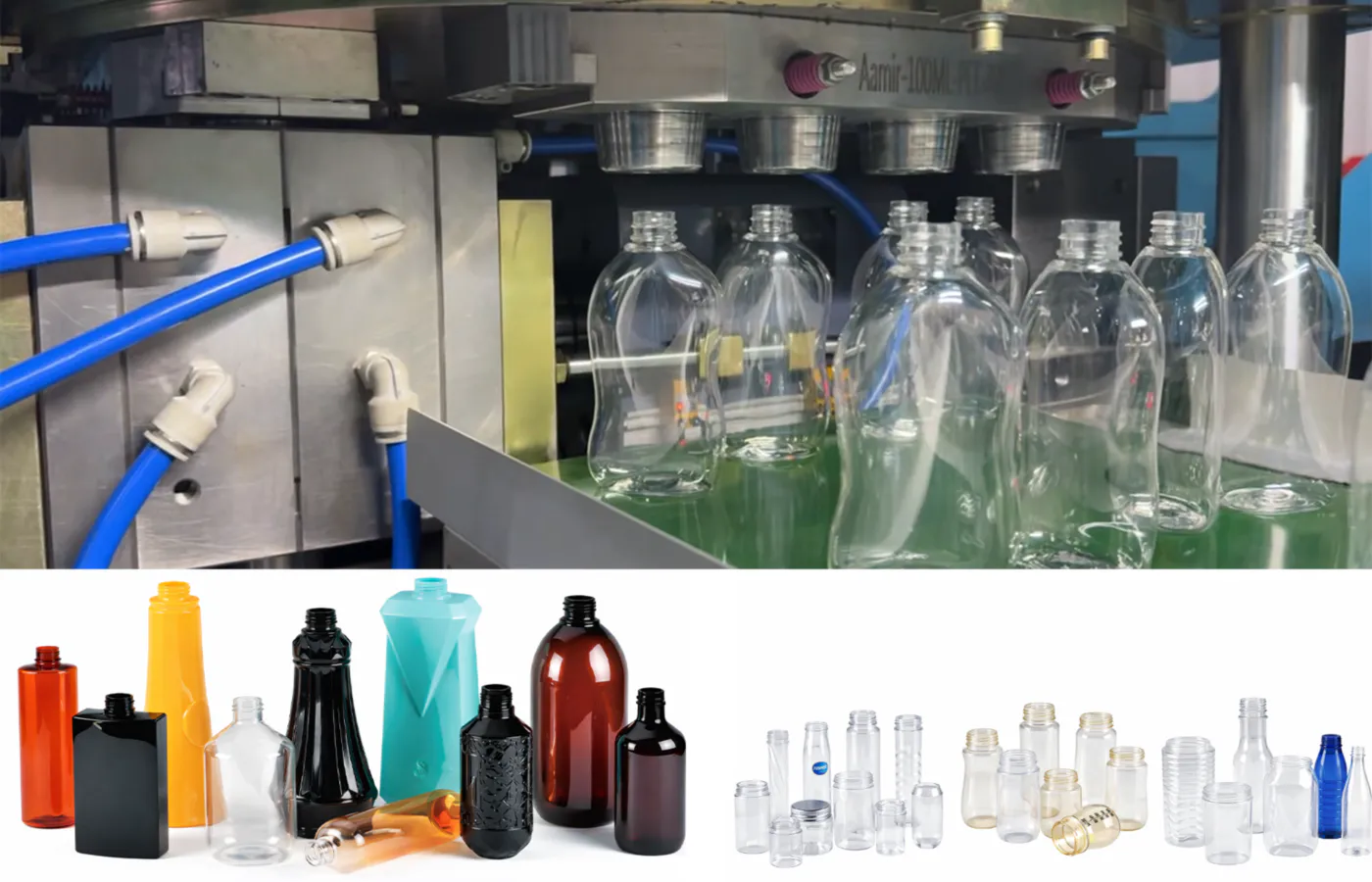
PET and PETG together account for the majority of injection stretch blow molding products in the cosmetic packaging segment globally. PET dominates in high-volume applications — toners, mists, body care ranges — where cost efficiency matters alongside quality. PETG has been gaining share in the luxury and clean beauty segments, driven by its water-clear, amorphous character that does not require biaxial orientation to achieve its clarity. PETG processes at a lower temperature than standard PET, which means lower energy input per cycle and reduced thermal degradation risk — both meaningful advantages in high-turnaround cosmetic production environments. The appropriate resin for a given application should always be confirmed with the machine supplier and validated under the regulatory requirements of each target market before production begins.
5. Featured Machine — EP-HGY50-V3-EV: The Compact All-Servo Solution for Specialty Cosmetic Bottles
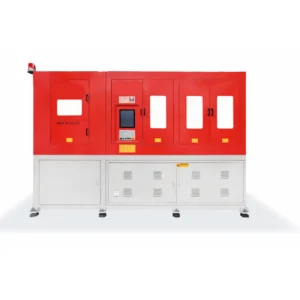
For cosmetic packaging producers working with specialty bottle geometries — compact serum bottles, narrow-neck perfume atomizers, or small-volume eye care containers — the EP-HGY50-V3-EV three-station fully servo-driven injection blow molding machine is a strong fit. The three-station configuration delivers the core one-step process advantages — preserved preform heat, closed-loop contamination control, biaxial orientation — within a compact machine footprint of 3800 × 1200 × 2500 mm and a machine weight of just 3.5 tonnes, making it deployable in facilities where floor space is constrained.
The machine deploys five servo control systems (Inovance / WEICHI) with a combined servo motor power of 34.8 kW. The turntable is driven by a Japan Yaskawa servo motor with a Taiwan TSUNTIEN reducer, ensuring the angular positioning precision that keeps mold alignment stable across multi-million cycle production runs. High-pressure blow air requirements are met by Parker USA valves at pressures from 2.0 to 3.5 MPa, and the entire temperature control circuit operates through an integrated control box that delivers accuracy sufficient for PETG clarity production. The screw is heated by nano far-infrared energy-saving rings at 10.4 kW, and the barrel accepts screw diameters of 40, 50, or 55 mm — covering the PET and PETG injection volume range from 239 cm³ to 442 cm³ per shot.
Product capability spans bottle diameters from 28 mm to 100 mm across cavity counts of 1 to 6 bottles per cycle, with maximum container volumes from 100 ml to 2,500 ml. For a cosmetic producer running multiple SKUs at low-to-medium volume — a common situation in prestige and niche fragrance brands — this range covers the majority of bottle portfolio requirements without requiring a separate large-format machine. The machine is compatible with PET and PETG resins and has been used in production of cosmetic toners, mist sprays, serum bottles, and specialty craft-shaped containers.
| Parameter | Unit | Value |
|---|---|---|
| Model | — | EP-HGY50-V3-EV (3-station, fully servo) |
| Compatible Material | — | PET / PETG |
| Screw Diameter (optional) | MM | 40 / 50 / 55 |
| Theoretical Injection Volume | CM³ | 239 / 315 / 442 |
| Injection Clamping Force | KN | 50 |
| Blowing Clamping Force | KN | 100 (single side) |
| Servo Motor Power | KW | 34.8 |
| Heating Power | KW | 10.4 |
| Blowing Air Pressure | MPa | 2.0–3.5 |
| Cooling Water Pressure | MPa | 0.4–0.6 |
| Voltage | V | 370–400 |
| Machine Size (L×W×H) | MM | 3800 × 1200 × 2500 |
| Machine Weight | T | 3.5 |
| Max. Bottle Volume | ML | 100–2,500 (cavity-dependent) |
6. Cosmetic Bottle Applications by Product Category
The cosmetics and personal care sector encompasses a wide range of bottle geometries, volumes, and performance requirements, and the injection stretch blow moulding machine is versatile enough to serve virtually all of them within a single machine platform, provided the appropriate mold tooling and resin selection are specified. The following covers the major cosmetic application categories where one-step injection stretch blow moulding delivers clear advantages over alternative bottle production methods.
Serums & Facial Toners
Small-volume, narrow-neck bottles from 20 ml to 150 ml with demanding neck finish precision for pump or dropper fitment. PET biaxial orientation provides the clarity needed to showcase high-value liquid color and texture. Wall thickness uniformity ensures consistent pump stroke volume, which affects dosing accuracy — a quality parameter increasingly scrutinized by cosmetic regulators.
Shampoo & Conditioner
Mid-volume bottles from 200 ml to 750 ml with smooth shoulder profiles and consistent neck threads for flip-cap or pump fitment. PETG offers outstanding gloss for premium hair care brands seeking to move away from opaque packaging. The one-step process produces the surface finish quality needed for in-mold labeling or direct printing, eliminating secondary labeling steps that add cost and lead time.
Body Lotion & Oil
Larger-format bottles from 150 ml to 500 ml where wall thickness consistency directly affects squeeze force and dispensing feel — a tactile quality metric that influences consumer premium perception. PET’s oxygen barrier performance is particularly valuable for body oil formulations containing oxidation-sensitive botanical actives. The stretch-blow orientation also significantly improves impact resistance against drop damage, reducing breakage rates in retail distribution.
Luxury & Prestige Packaging
Custom-shaped bottles with complex shoulder geometry, multi-faceted bodies, or decorative paneling where the precision of the injection mold and the uniformity of the stretch-blow cycle are both essential to reproducing the design intent. Tritan or optical-grade PETG resins are increasingly specified for luxury segments seeking BPA-free, water-clear alternatives to glass-aesthetic plastic at a fraction of the weight and shipping cost. Production of craft and special-shaped bottles in low-to-medium volumes is well-suited to the three-station machine format.
7. Global Regulatory Requirements for Cosmetic Plastic Packaging Production
Cosmetic packaging materials occupy an interesting regulatory position: they are not food-contact materials in the strictest sense, but they are in prolonged skin contact, and in some formats — such as lip care or toothpaste tubes — they may be incidentally ingested. Regulators across major markets apply frameworks that draw on food-contact material standards for many substance restriction requirements, while adding cosmetics-specific provisions around allergen disclosure, preservative systems, and labeling. The following summarizes the key regulatory considerations for producers using injection blow moulding machines to produce cosmetic plastic bottles for global distribution.
European Union — EU Cosmetics Regulation 1223/2009 & REACH
The EU Cosmetics Regulation (EC) No 1223/2009 governs the safety of cosmetic products placed on the European market, and Article 11 requires that the cosmetic product safety report include an assessment of packaging materials’ potential to migrate into the product and affect product safety. For PET and PETG bottles, this requires that the resin grade used carries a substance compliance declaration confirming that no SVHC (Substances of Very High Concern) under REACH Regulation (EC) 1907/2006 are present at concentrations above 0.1% w/w in the article. BPA-containing polycarbonate is effectively excluded from cosmetic packaging intended for the EU market under the precautionary frameworks applied by major retailers and brand compliance departments, even where direct regulatory prohibition does not yet apply. The EU Packaging and Packaging Waste Regulation (currently under revision) will also introduce mandatory recycled content targets for PET packaging from 2030.
United States — FDA 21 CFR & California Prop 65
The FDA regulates cosmetics under the Federal Food, Drug, and Cosmetic Act (FD&C Act). Cosmetic packaging materials are not directly regulated by the FDA under a positive substance list (unlike food-contact materials under 21 CFR 177), but indirect food additive regulations and GRAS (Generally Recognized as Safe) status are often used as proxies by brand compliance teams for cosmetic packaging approval. California Proposition 65 (Safe Drinking Water and Toxic Enforcement Act of 1986) requires that products sold in California carry a warning if they contain any substance on the Prop 65 list above specified threshold levels. BPA, phthalates used as plasticizers, and certain UV stabilizers are on the Prop 65 list — making resin additive package documentation a compliance requirement for brands distributing on the US West Coast.
South Korea — KCMA and K-Beauty Packaging Standards
South Korea’s K-Beauty industry is one of the most design-intensive cosmetic packaging markets globally, with extremely high standards for bottle clarity, surface quality, and dimensional precision. The Korean Cosmetic Act (화장품법) and associated enforcement regulations require cosmetic packaging to be safe for its intended use, with specific guidance on heavy metals and prohibited substances in packaging materials issued by the Ministry of Food and Drug Safety (MFDS). K-Beauty brand packaging specifications routinely exceed these regulatory minimums, which is why the biaxial orientation achievable with a high-precision injection stretch blow moulding machine is particularly valued by South Korean cosmetic producers and their packaging suppliers.
China — GB Standards and NMPA Cosmetic Packaging Requirements
China’s National Medical Products Administration (NMPA) regulates cosmetic products and their packaging under the Cosmetics Supervision and Administration Regulation (化妆品监督管理条例, 2021). Packaging materials in direct contact with cosmetics must comply with GB standards for packaging materials, and resin certifications must be provided to demonstrate food-grade or equivalent material safety. GB 9685 governs the additives permitted in food-contact plastic materials and is widely used as a reference for cosmetic packaging compliance in the Chinese market. PET and PETG are well established as compliant materials under Chinese regulatory requirements for cosmetic applications.
Brazil & Latin America — ANVISA Cosmetics Resolution
In Brazil, cosmetic products are regulated by ANVISA (Agência Nacional de Vigilância Sanitária) under Resolution RDC 07/2015 (cosmetics) and related resolutions covering packaging safety. Cosmetic packaging materials must not transfer substances to the product above levels that would render the product unsafe, and suppliers must maintain technical documentation demonstrating compliance. For Colombian, Mexican, and other Latin American markets that follow INVIMA or Cofepris-aligned frameworks, similar documentation requirements apply, and PET and PETG resins with food-grade certification provide a reliable compliance baseline for cosmetic packaging applications across the region.
| Market | Regulatory Body | Key Regulation | Key Requirement for Packaging |
|---|---|---|---|
| EU | European Commission / ECHA | EC 1223/2009, REACH 1907/2006 | SVHC-free, migration assessment, BPA restrictions |
| USA | FDA / California OEHHA | FD&C Act, Prop 65 | Additive compliance, Prop 65 listed substance documentation |
| South Korea | MFDS | Korean Cosmetic Act | Heavy metals, prohibited substance-free resin documentation |
| China | NMPA | 化妆品监督管理条例, GB 9685 | GB additive compliance, resin certification for NMPA filing |
| Brazil | ANVISA | RDC 07/2015 | Migration safety, technical supplier documentation |
| Colombia / LATAM | INVIMA / Cofepris | Res. 683/2012, regional equivalents | Food-grade resin certificate as compliance baseline |
Explore Injection Stretch Blow Moulding Machines for Your Cosmetic Packaging Line
From compact three-station units for specialty cosmetic bottles to high-volume four-station configurations for personal care ranges — find the machine specification that matches your production requirements.
About Us
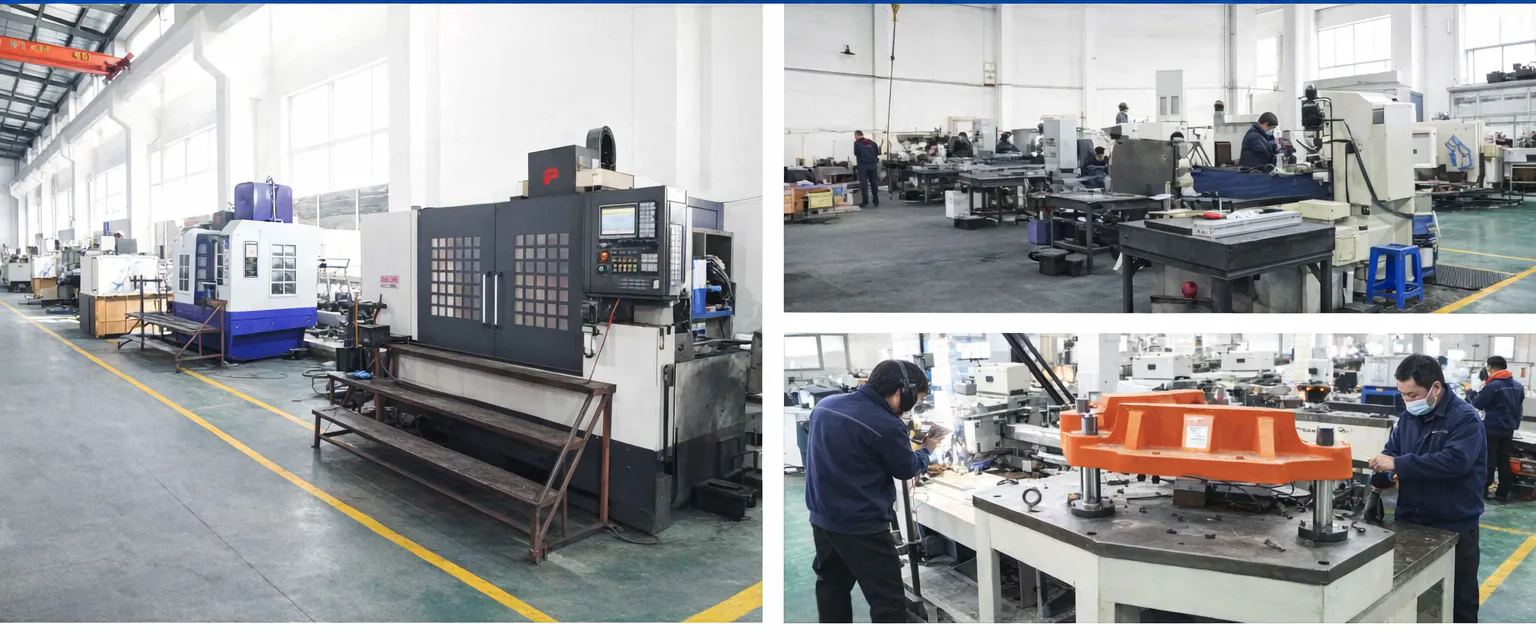
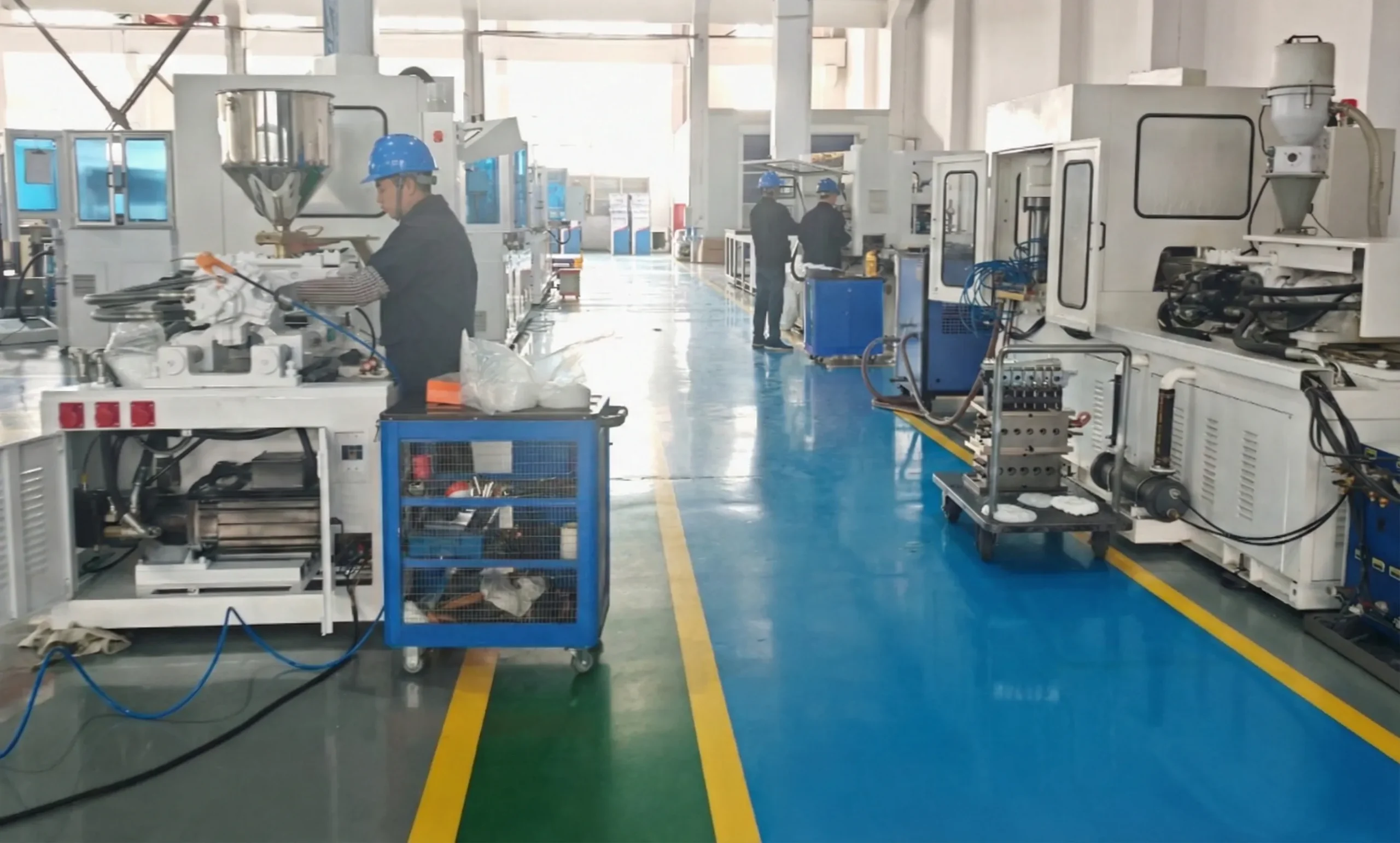
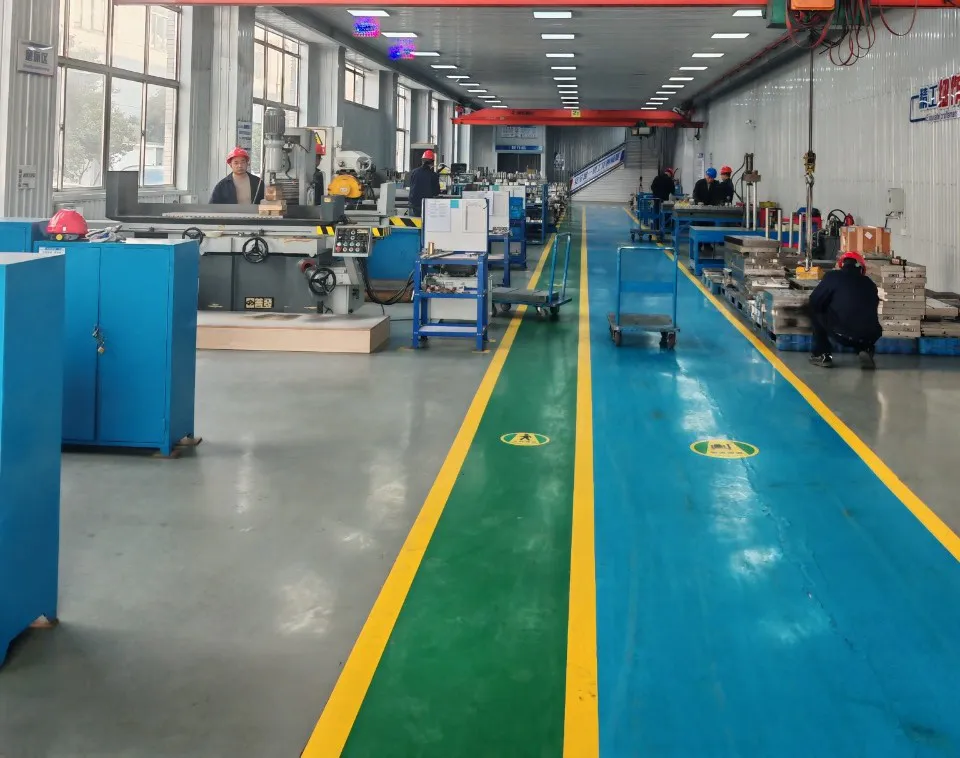
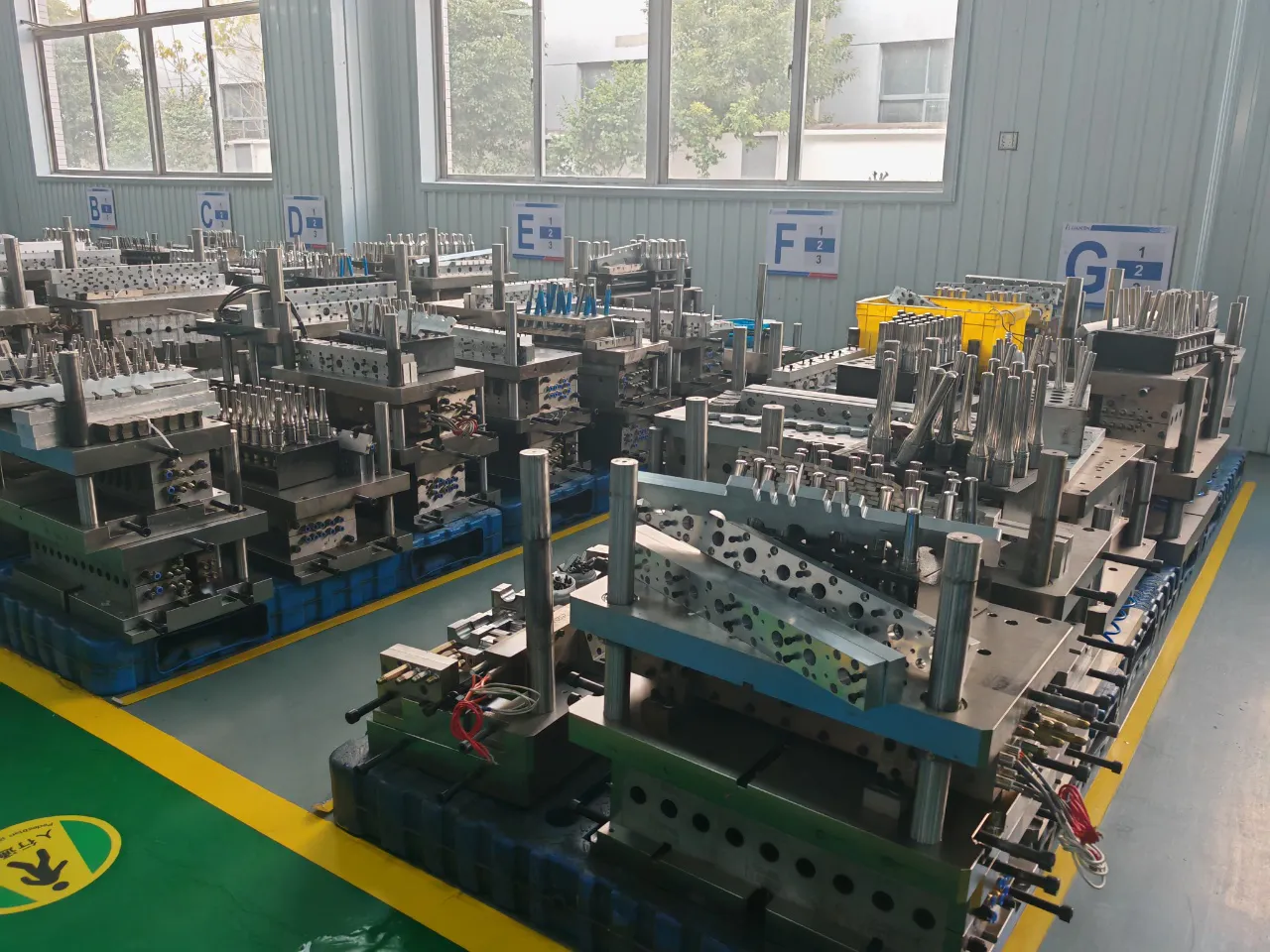
With more than two decades of focused experience in developing and manufacturing one-step injection stretch blow moulding machines, our production facility — spanning over 20,000 square meters — has established itself at the leading position in the specialized cosmetic, pharmaceutical, and food packaging equipment market. The engineering team has filed multiple national patents and developed machine configurations specifically optimized for multi-material cosmetic packaging, covering PET, PETG, PP, PC, and Tritan resins across a bottle volume range from 20 ml specialty serum bottles to 2,500 ml body care containers.
Component sourcing reflects the global quality standards required by cosmetic brands: servo motor systems from Inovance and Yaskawa Japan, precision lead screws from NSK Japan, high-pressure blow air valves from Parker USA, and hydraulic control valves from YUKEN Taiwan. The machines have been commissioned in cosmetic packaging facilities across Asia, Europe, Latin America, the Middle East, and other markets, and the technical support team has practical experience managing the regulatory documentation and commissioning qualification requirements of each major cosmetics market. Brands that have used machines from this production range include recognized names in the high-end cosmetics, food, and household cleaning sectors.
WorkShop
Related System Solutions
A complete cosmetic bottle production system requires more than the injection blow molding machine itself. Two auxiliary systems have a direct impact on bottle clarity quality and production reliability — and sourcing them as part of the same supply chain reduces commissioning complexity and eliminates compatibility risk from the outset.
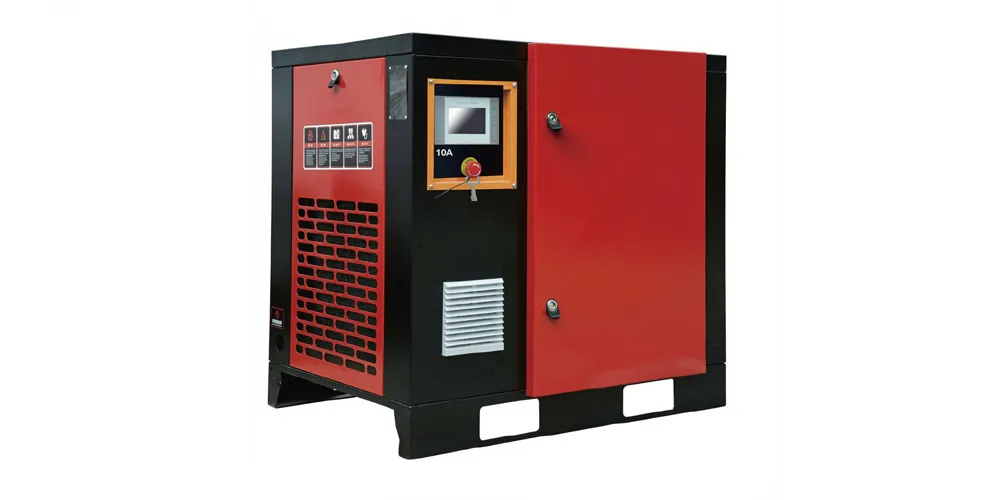
Oil-Free Air Compressor
The blow phase of the injection stretch blow moulding process requires clean, dry air at 2.0–3.5 MPa. For cosmetic packaging production — particularly in clean-room adjacent environments or for containers that will be filled with skin-contact products without additional rinsing — oil-free compressed air is not optional. Oil vapour from a conventional compressor contaminates the inner surface of the blown bottle during the blow cycle, introducing contamination that is invisible but potentially harmful to product stability and regulatory compliance. An oil-free compressor sized to the machine’s blow air demand ensures that this contamination route is eliminated from the production environment.
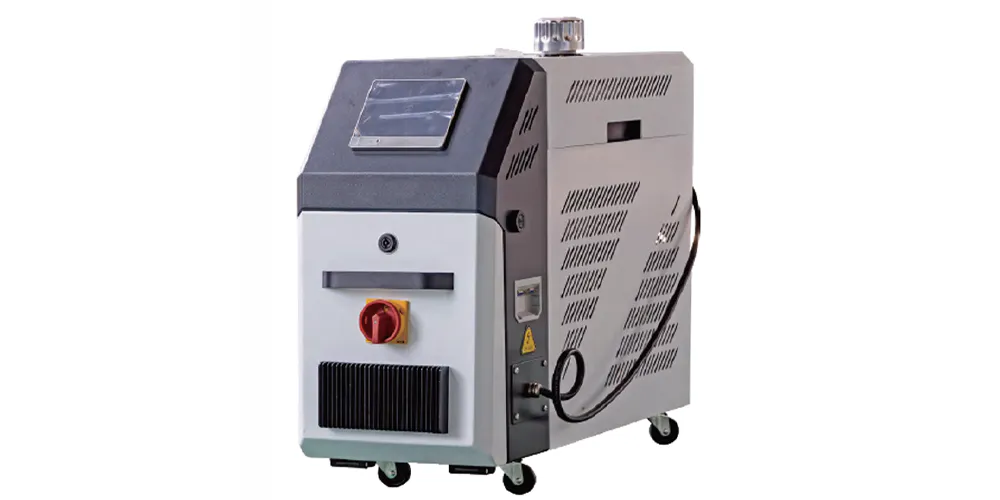
Mold Temperature Controller
For high-clarity cosmetic bottle production, mold temperature stability is a direct prerequisite for optical consistency. Temperature variation in the cooling water circuit causes the blow mold to cycle dimensionally, producing bottles with varying wall thickness distribution across the production run. For transparent cosmetic bottles, this variation appears as visible cloudiness or streaking under retail lighting conditions — a defect that is difficult to detect through standard inline quality checks but highly visible to end consumers on shelf. A matched mold temperature controller delivering stable 20–25 °C cooling water is the correct specification for any clarity-critical cosmetic bottle application.
Frequently Asked Questions
Q1. How does an injection stretch blow moulding machine achieve better bottle clarity than a conventional reheat blow moulding system for luxury cosmetic packaging?
Q2. What is the best resin to use in an injection blow molding machine for producing high-clarity serum and facial toner bottles for the K-Beauty market?
Q3. Which injection stretch blow moulding machine model is most suitable for a small cosmetic bottle production line running multiple SKUs at low-to-medium volume in Southeast Asia?
Q4. What documentation should I request from an injection blow molding machine supplier to ensure my cosmetic bottle production complies with EU REACH and the EU Cosmetics Regulation?
Q5. How does wall thickness consistency produced by an injection stretch blow moulding machine affect pump fitment and dosing accuracy in cosmetic serum bottles?
Q6. Where can cosmetic brands in Brazil find injection blow molding machine suppliers who understand ANVISA cosmetic packaging documentation requirements?
Q7. How does Tritan copolyester compare to BPA-free polycarbonate in an injection stretch blow moulding machine for premium cosmetic jar and bottle applications?
Q8. What is the minimum order quantity and typical lead time when requesting a quote from injection stretch blow molding machine suppliers for a new cosmetic bottle packaging line?
Q9. How does the injection stretch blow molding process reduce cosmetic bottle defects such as surface haze, sink marks, and parting line flash compared to other blow moulding methods?
Editor: PXY