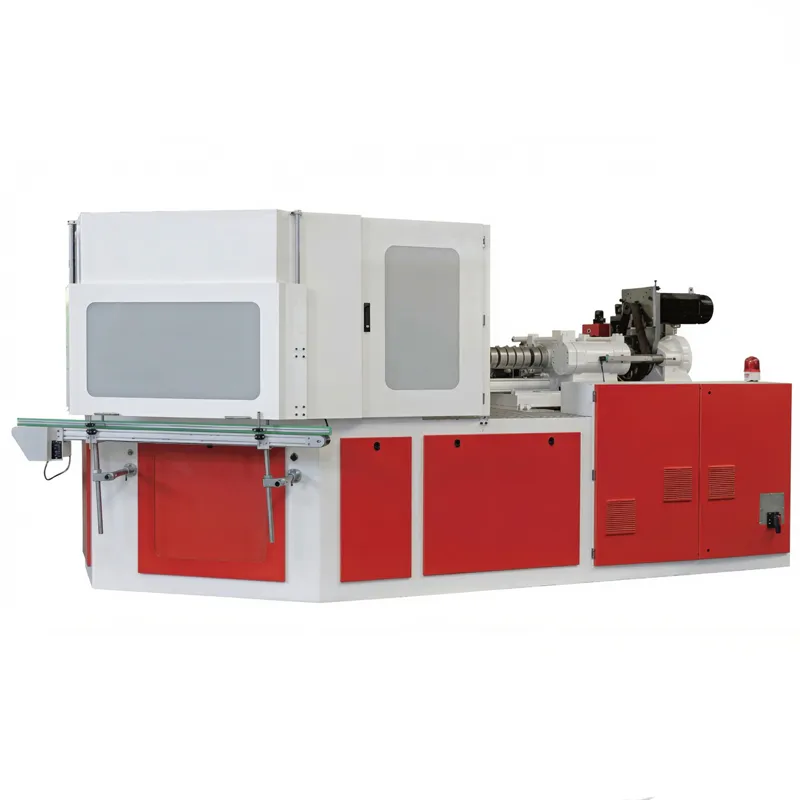
EP-Replacement of Jomar IBM85S IBM Machine – ZQ80
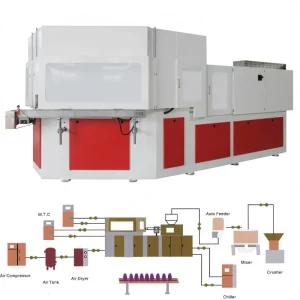
Operating on a three-station rotary table — injection, blow, and ejection — the machine handles container volumes from 1 ml all the way to 2,000 ml, with a maximum bottle diameter of 120 mm and a bottle height of up to 220 mm. Its mold platen size of 800 × 400 mm accommodates a wide range of tooling configurations, making it versatile enough for both specialty pharmaceutical vials and large-format agrochemical containers.
One of the defining characteristics of the ZQ80 IBM Machine is its standard high-precision angle divider, which allows the opening and closing of molds to synchronize precisely with the rotary table lift — a mechanical arrangement that reduces indexing error, improves cavity register between stations, and supports more consistent neck finish geometry across production runs. When combined with the machine’s dual hydraulic system, this results in a more stable process window that is particularly beneficial for manufacturers producing pharmaceutical or cosmetic containers where dimensional repeatability is non-negotiable.
European-Structure this blow molding system — 80T Class
EP-Replacement of Jomar IBM85S IBM Machine – ZQ80
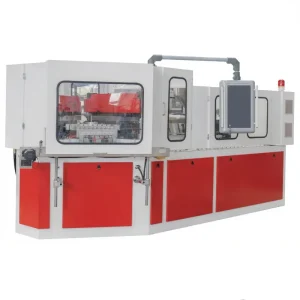
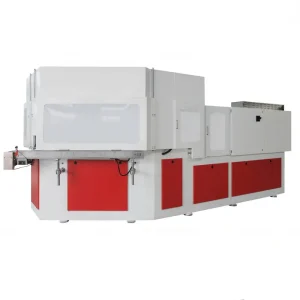
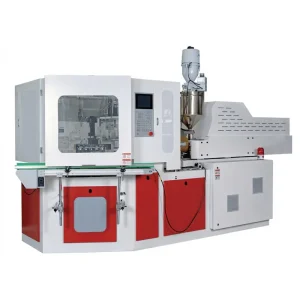
The ZQ80 is a high-capacity European IBM Machine designed for manufacturers producing mid-to-large hollow plastic containers. Built as a compatible reference alternative for the Jomar IBM85S class, this machine features a standard high-precision angle divider, a fully pressurized clamping system, and a dual hydraulic circuit — delivering 20–30% more clamping force than the industry norm and 20–30% lower energy consumption per cycle. It is suited to pharmaceutical, agrochemical, food processing, and personal care packaging lines operating at demanding production volumes across Colombia and international markets.
Brand Reference Notice: References to "Jomar IBM85S" on this page are provided solely as a cross-reference to help customers with equipment selection and technical comparison. We do not manufacture, sell, or represent Jomar products. The ZQ80 is an independently developed European-style this machine. All third-party brand names and trademarks belong to their respective owners.
1. ZQ80 IBM Machine Technical Specifications
The ZQ80 European IBM Machine technical data below reflects the complete specification sheet for this model. All values are drawn from the official product catalog.
| System | Parameter | Unit | ZQ80 IBM Machine |
|---|---|---|---|
| Injection System | Screw Diameter | mm | 55 |
| Screw L/D Ratio | % | 22:1 | |
| Injection Weight | g | 466 | |
| Heating Power | KW | 18 | |
| Number of Barrel Zones | — | 4+N | |
| Injection Stroke | mm | 180 | |
| Clamping System | Clamping Force of Injection | KN | 800 |
| Opening Stroke for Injection | mm | 140 | |
| Clamping Force of Blowing | KN | 120 | |
| Opening Stroke for Blowing | mm | 140 | |
| Rotary Table Lift Height | mm | 70 | |
| Mould | Max. Platen Size (L×W) | mm | 800 × 400 |
| Mold Thickness | mm | 280 | |
| Max. Bottle Diameter | mm | 120 | |
| Max. Bottle Height | mm | 220 | |
| Suitable Bottle Volume | ml | 1 – 2,000 | |
| Stripping Stroke | mm | 230 | |
| Hydraulic System | Hydraulic Pressure | MPa | 14 |
| Motor Power | KW | 18.5 + 18.5 | |
| Dry Cycle | S | 4 | |
| Total Power | KW | 55 | |
| Operating Power Efficiency | % | 52 – 70 | |
| Others | Min. Air Pressure | MPa | 0.7 – 1.2 |
| Compressed Air Capacity | m³/min | 0.7 | |
| Cooling Water Flow | m³/h | 4 | |
| Cooling Water Pressure | MPa | 0.3 – 0.4 | |
| Machine Dimension (L×W×H) | M | 4.5 × 1.6 × 2 | |
| Net Weight | Ton | 10 |
Mold Cavitation Reference (For Reference Only)
| Volume | 10 ml | 30 ml | 60 ml | 100 ml | 250 ml | 500 ml | 1,000 ml |
|---|---|---|---|---|---|---|---|
| Max. Cavities | 20 | 18 | 14 | 12 | 8 | 5 – 6 | 3 – 4 |
2. ZQ80 vs Jomar IBM85S IBM Machine — Technical Parameter Comparison
The comparison below is offered as a selection reference for engineers and procurement teams evaluating the ZQ80 against the Jomar IBM85S class.
| Parameter | Jomar IBM85S (Reference) | EP ZQ80 IBM Machine |
|---|---|---|
| Clamping Force (Injection) | 680 KN | 800 KN |
| Screw Diameter | 55 mm | 55 mm |
| Injection Weight | 300 g | 466 g |
| Max. Platen Size (L×W) | 464 × 749 mm | 800 × 400 mm |
| Machine Dimension (L×W×H) | 3.33 × 1.94 × 3.41 M | 4.5 × 1.6 × 2 M |
| Machine Weight | ~9 Ton (est.) | 10 Ton |
| Hydraulic System | Single circuit | Dual hydraulic circuit |
| Rotary Table | Standard | High-precision angle divider |
| Energy Saving vs Industry | Standard | 20–30% Lower |
| Dry Cycle | ~5 S (est.) | 4 S |
| Max. Bottle Volume | ~1,500 ml (est.) | 2,000 ml |
| Frame Style | American | Full European |
Note: Jomar IBM85S reference values are based on publicly available product literature and included for comparative selection purposes only.
3. Five Key Product Advantages of IBM Machine
800 KN Injection Clamping Force
The ZQ80 IBM Machine delivers 800 KN injection clamping force — 20–30% above typical industry standards for machines in this class. This substantially higher clamping capability translates directly into better parting line integrity, reduced flash, and more consistent container wall distribution across multi-cavity mold configurations. For facilities producing containers with complex shoulder geometry or wide-mouth designs, this clamping strength provides a meaningful margin of process stability that contributes to higher overall yield rates and fewer reject cycles during extended production runs.
High-Precision Angle Divider
Unlike basic rotary table mechanisms, the ZQ80 incorporates a high-precision angle divider that synchronizes mold opening and closing with the turret lift. This synchronized motion eliminates the small but cumulatively significant positioning errors that accumulate over long production runs on conventional platforms. The result is tighter cavity register between the injection and blow stations, which is particularly important for producing containers with narrow-neck or complex thread profiles where even minor misalignment translates into functional fitment failures at the downstream capping and filling stage.
20–30% Lower Energy Consumption
The ZQ80 IBM Machine's pressurized clamping design keeps the booster cylinder out of the mold open and close sequence, drastically cutting hydraulic cycle energy demand. The dual hydraulic system is standard, and operating power efficiency reaches 52–70%. For packaging operations in Colombia running two or three shifts daily, this energy reduction represents a real and recurring cost saving. Over a typical three-year production horizon, the cumulative electricity savings frequently offset a substantial portion of the machine's initial acquisition cost, making total cost of ownership a compelling argument for the ZQ80 IBM Machine over conventional platforms.
Full European Mechanical Architecture
Every structural and mechanical interface on the ZQ80 IBM Machine follows European injection blow molding machine design conventions. This matters practically — it means mold plates, hydraulic fittings, bearing seats, and electrical components conform to internationally sourced standards rather than proprietary specifications. For facilities in Colombia and the Andean region where local maintenance expertise is built around European-standard machinery, this translates into faster troubleshooting, locally available spare parts, and reduced dependency on the original equipment manufacturer for routine maintenance support throughout the machine's working life.
Broad Volume Range — 1 ml to 2,000 ml
The ZQ80 IBM Machine handles an exceptionally wide container volume range — from 1 ml laboratory vials to 2,000 ml agrochemical or industrial containers — within a single machine platform. Maximum cavitation reaches 20 cavities at 10 ml and drops to 3–4 cavities at 1,000 ml, making it efficient across both fine-volume pharmaceutical packaging and large-format industrial bottle production. This versatility reduces the need for separate machines at different container sizes, lowering capital expenditure and floor space requirements for packaging facilities serving diverse product lines.
4. How the IBM Machine Process Works on the ZQ80 IBM Machine
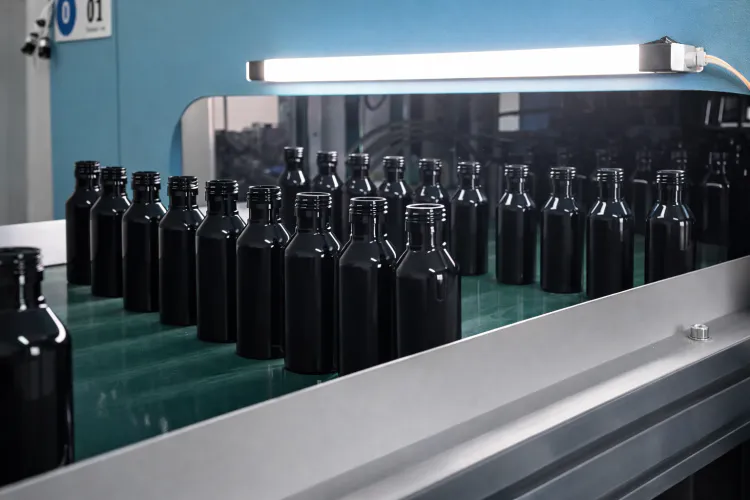
The ZQ80 IBM Machine operates on the classic three-station injection blow molding process, which integrates preform molding, bottle blowing, and part ejection into a single synchronized cycle. At the first station, molten resin is injected around a core pin inside the injection mold, forming a preform with a precisely finished neck. The rotary table — guided by the high-precision angle divider — then indexes the preforms on their core pins to the second station, where compressed air inflates the hot preform into its final container shape inside the blow cavity. At the third station, finished bottles are stripped from the core pins and collected, while a new injection shot is already underway at station one.
This one-piece production method is fundamentally different from two-step injection stretch blow molding, where preforms are made separately, cooled, stored, and then reheated before blowing. On the ZQ80 IBM Machine, the preform never loses heat between stations — which means it arrives at the blow station at an optimal temperature without the energy cost of reheating. For HDPE and PP containers in pharmaceutical and agrochemical packaging, this thermal efficiency contributes to better material distribution and fewer weld line defects than processes requiring preform reheating. The machine's 4-second dry cycle and 55 KW total power envelope make it well-suited to continuous multi-shift production in demanding industrial environments.
5. Application Scenarios of IBM Machine
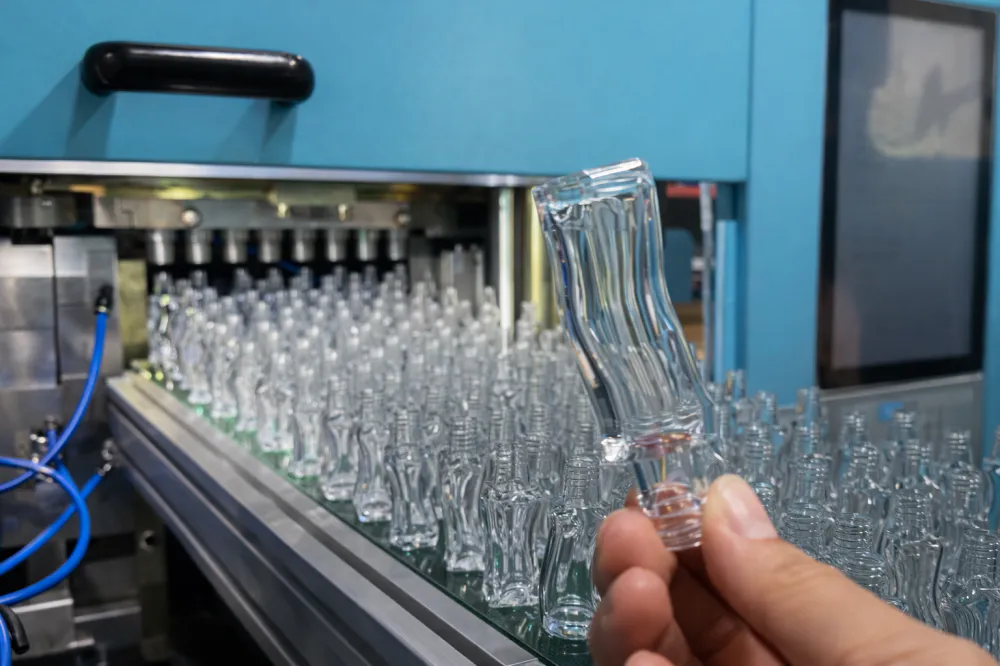
With its high injection weight, wide volume range, and dual hydraulic configuration, the ZQ80 IBM Machine serves a broad set of hollow container production applications. Below are the primary sectors where this plastic this equipment delivers proven results.
💊 Pharmaceutical & Healthcare Packaging
The ZQ80 is particularly well-suited for pharmaceutical bottle production, where neck thread accuracy, wall uniformity, and contamination-free manufacture are essential. High cavitation at small volumes — up to 20 cavities at 10 ml — supports efficient batch production of oral solid dose containers, dropper vials, and nasal spray bottles. Colombia's INVIMA-regulated pharmaceutical packaging market demands consistent dimensional tolerances that this machine's precision angle divider directly supports across extended production campaigns.
🌿 Agrochemical & Crop Protection Bottles
For Colombia's significant agricultural sector, the ZQ80 produces HDPE and PP containers for herbicides, pesticides, fungicides, and fertilizer concentrates from 250 ml to 2,000 ml. The machine's 800 KN clamping force ensures reliable sealing on thick-wall, wide-mouth agrochemical bottle designs that place high demands on the parting line. The 230 mm stripping stroke accommodates the taller, bulkier container profiles common in agrochemical packaging without compromising cycle integrity or requiring custom ejection modifications.
🧹 Personal Care & Cosmetic Containers
Shampoo, conditioner, body lotion, and liquid soap bottles in the 100–500 ml range represent a high-volume application category for the ZQ80 IBM Machine. Up to 8 cavities at 250 ml deliver strong output rates for standard cosmetic bottle sizes. The machine's ability to process PP with precision makes it appropriate for producing lightweight, high-clarity containers targeted at the growing premium personal care segment across Colombia and broader Latin American retail channels.
🍽 Food-Grade & Condiment Packaging
Sauces, cooking oils, vinegars, and condiment bottles produced from food-approved HDPE and PP resins are well within the ZQ80's operating range. The machine's 4+N barrel zone temperature control supports consistent plasticization of food-grade resins that require tighter melt temperature management. Compliance with applicable food contact regulations — including INVIMA requirements in Colombia and EU Regulation 10/2011 for export-oriented production — should be confirmed through resin certification and product migration testing.
🔨 Industrial Fluid & Chemical Containers
Automotive fluids, industrial cleaners, adhesives, and specialty chemical containers in the 500–2,000 ml range can be produced efficiently on the ZQ80 using chemical-resistant HDPE. The dual hydraulic system's robustness supports extended high-throughput production without the hydraulic circuit fatigue that can affect single-circuit machines under continuous load. Container wall uniformity, which directly affects structural integrity for stacked industrial containers during transportation, benefits from the consistent clamping force distribution achieved through the pressurized clamp design.
6. Regulatory Framework for IBM Machine Operations
Whether you are producing pharmaceutical bottles in Bogotá, agrochemical containers for export, or food-grade packaging for retail distribution, operating an the ZQ80 IBM Machine commercially requires compliance with a layered set of national and international regulations. The following overview covers the most relevant frameworks for buyers and operators in Colombia and key export markets.
🇨🇴 Colombia — INVIMA and NTC Standards
Primary packaging for pharmaceutical products produced on a plastic this blow molding platform in Colombia must be registered with INVIMA, the country's food and drug regulatory authority. Food contact packaging is governed by NTC (Norma Técnica Colombiana) standards alongside applicable INVIMA technical resolutions. The machinery itself must comply with Colombian electrical safety and industrial equipment requirements under RETIE (Reglamento Técnico de Instalaciones Eléctricas). Agrochemical bottle production falls under additional labeling and material requirements enforced by the ICA (Instituto Colombiano Agropecuario).
🇪🇺 European Union — EU 10/2011 and REACH
Containers produced on an IBM Machine for food contact use and exported to EU markets must conform to Regulation No. 10/2011 on plastic food contact materials, covering permitted monomers, additives, and overall/specific migration limits. REACH Regulation (EC 1907/2006) governs the registration, evaluation, authorization, and restriction of chemicals used in plastic resins and colorants. European pharmaceutical packaging is subject to EU GMP Annex 11 and relevant pharmacopoeial container standards. CE marking under the Machinery Directive 2006/42/EC is also applicable to the this unit itself.
🇺🇸 United States — FDA 21 CFR
For containers produced by an the machine that will be used in the United States for food or pharmaceutical contact applications, FDA 21 CFR Parts 174–179 define the permitted polymer types and processing conditions. Pharmaceutical primary packaging additionally requires compliance with 21 CFR Part 211 (current Good Manufacturing Practice) and USP container standards. Equipment used in pharmaceutical packaging must be qualified through Installation Qualification (IQ), Operational Qualification (OQ), and Performance Qualification (PQ) protocols under FDA process validation guidance.
🇧🇷 Brazil — ANVISA RDC Standards
ANVISA governs food contact plastic packaging under RDC 91/2001 and related instruments establishing positive substance lists and migration limits. Pharmaceutical packaging produced by an IBM Machine for the Brazilian market must also align with ANVISA's GMP framework under RDC 301/2019, which sets out equipment qualification and process validation requirements for drug products. For Colombian exporters supplying Brazilian markets, material traceability documentation from the resin supplier is typically required to support the compliance dossier.
🌎 ISO 20430:2020 — Machine Safety Standard
ISO 20430:2020 specifies safety requirements for plastics and rubber injection moulding machines, covering guarding, hydraulic safety, electrical systems, emergency stop functionality, and noise limits. The ZQ80's European mechanical architecture aligns with the design principles referenced in ISO 20430, simplifying conformity documentation for buyers operating in regulated procurement environments. For industrial facilities in Colombia subject to SGSST (Sistema de Gestión de la Seguridad y Salud en el Trabajo) obligations, equipment conformity with recognized international safety standards is a relevant factor in workplace risk assessment documentation.
7. About Us
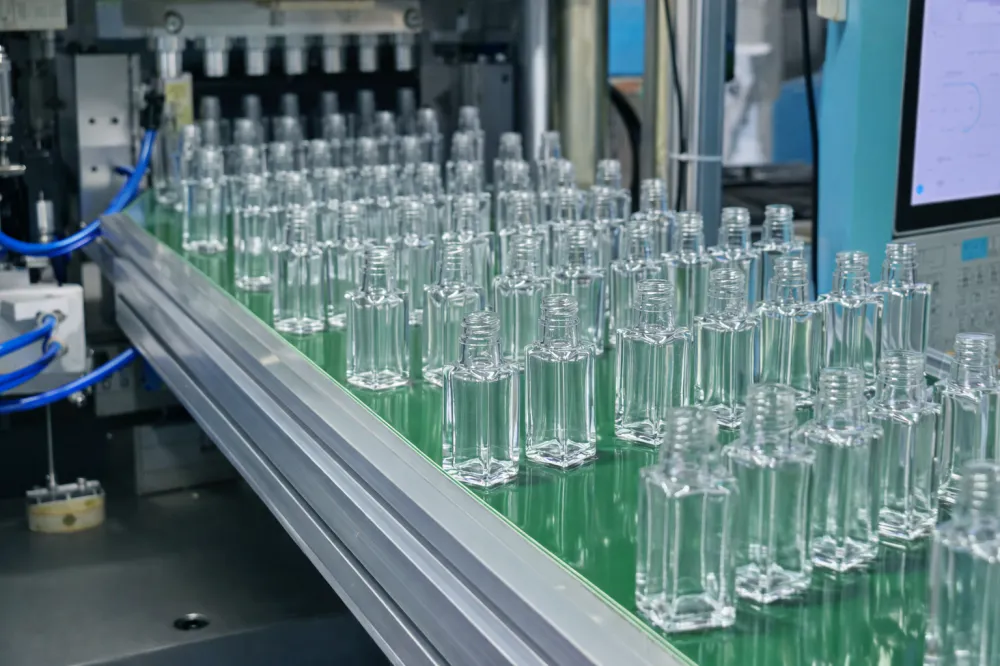
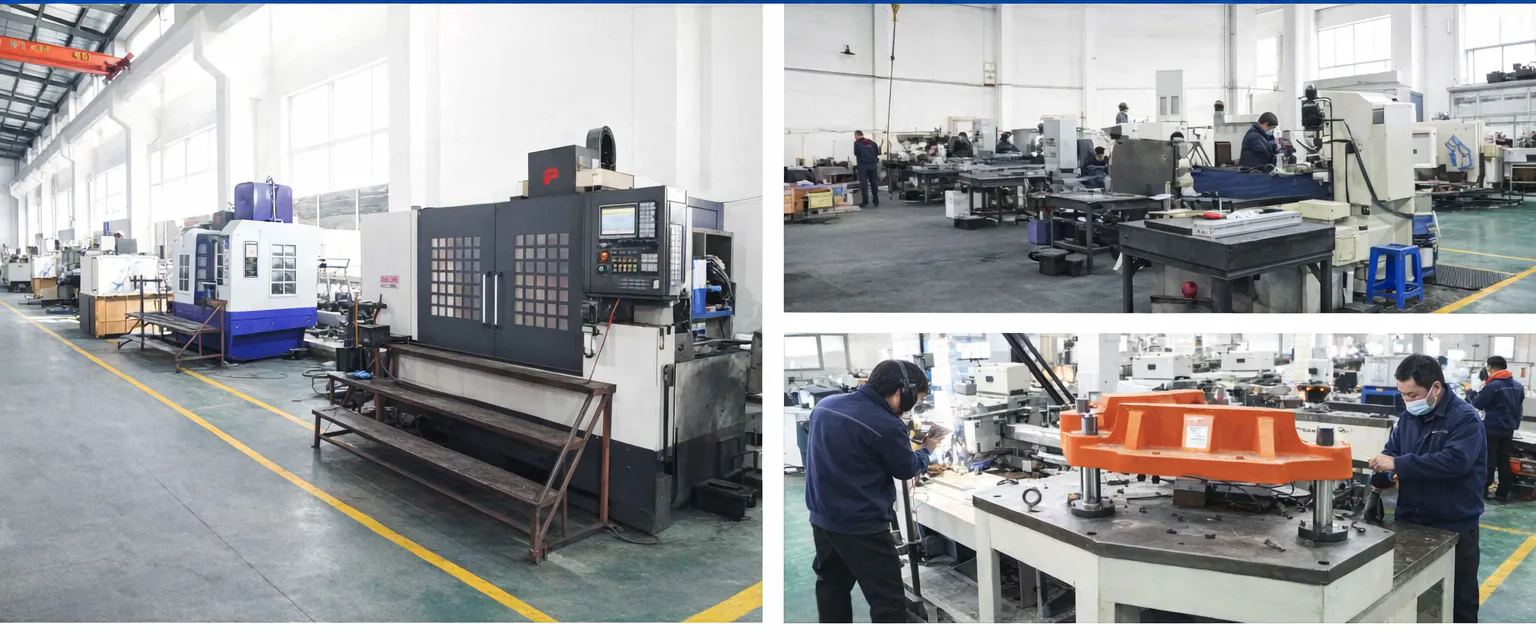
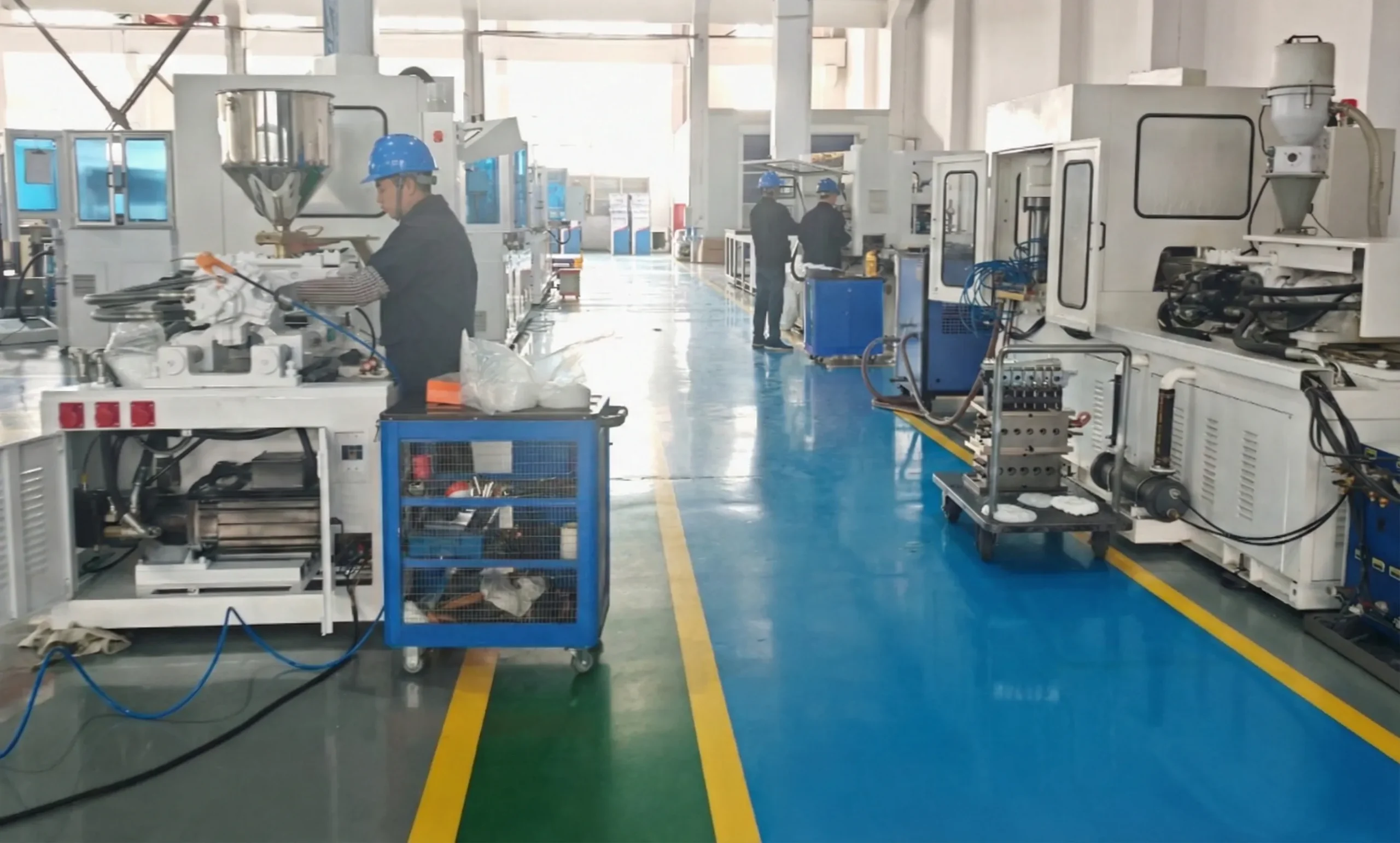
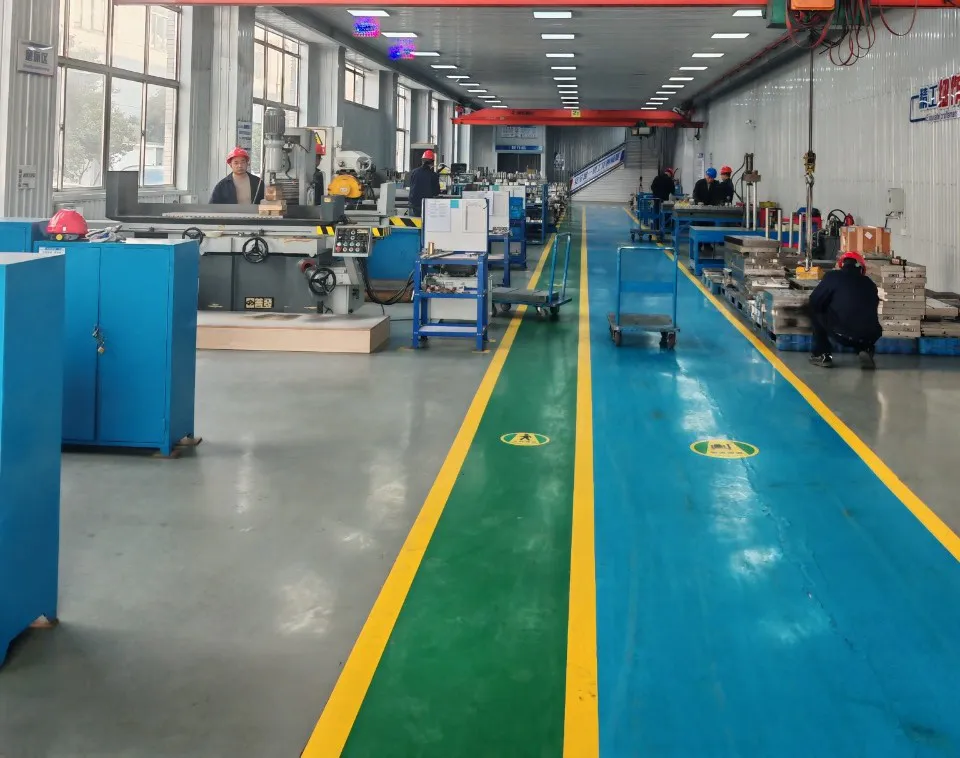
We are a dedicated manufacturer of European-style the ZQ80 machines, with a product range covering the full spectrum from compact small injection blow molding machines for laboratory and specialist pharmaceutical applications through to large-capacity industrial this blow molding equipments suited to high-volume agrochemical and consumer packaging production. Our engineering team holds deep expertise in European-standard machine design, hydraulic systems, precision rotary table mechanisms, and blow mold tooling integration — built through years of direct collaboration with packaging manufacturers across diverse industries and international markets.
As experienced this IBM system manufacturers serving buyers in Latin America, Europe, Southeast Asia, and beyond, we provide comprehensive support that goes well beyond equipment supply. Pre-sales consultation, mold compatibility assessment, production line commissioning, operator training programs, and long-term after-sales technical support are standard parts of our service offering. We are accustomed to helping customers navigate the transition from legacy platforms — including buyers previously operating Jomar IBM85S or similar American-style equipment — and can provide detailed comparative documentation to support internal investment approval processes.
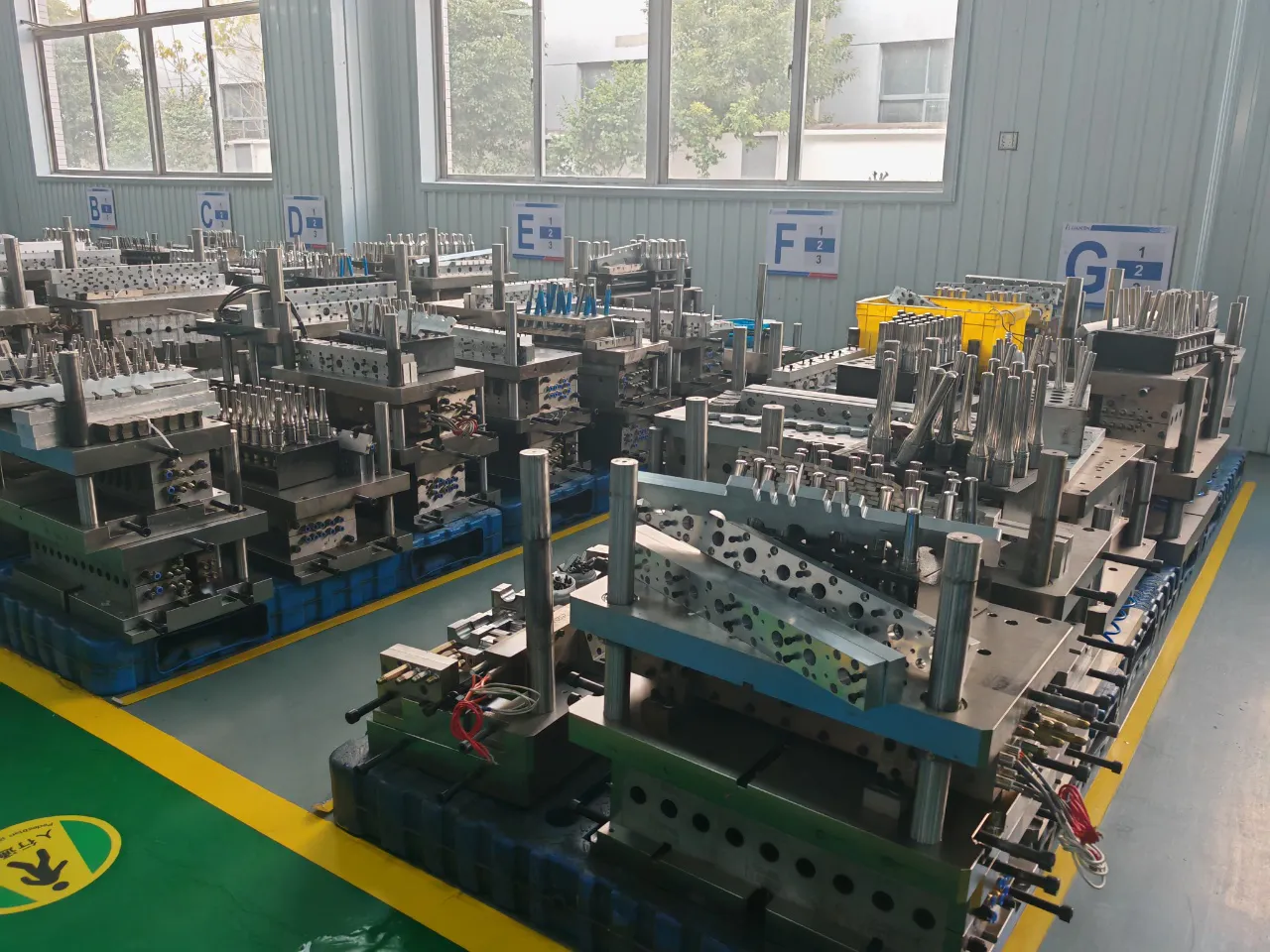
WorkShop
8. Related Products & System Accessories
A well-configured IBM Machine production line depends on matched auxiliary equipment for air supply, temperature management, and mold support. We work with verified suppliers and can support one-stop procurement for the full production system — simplifying vendor management, commissioning, and ongoing technical support for facilities in Colombia and internationally.
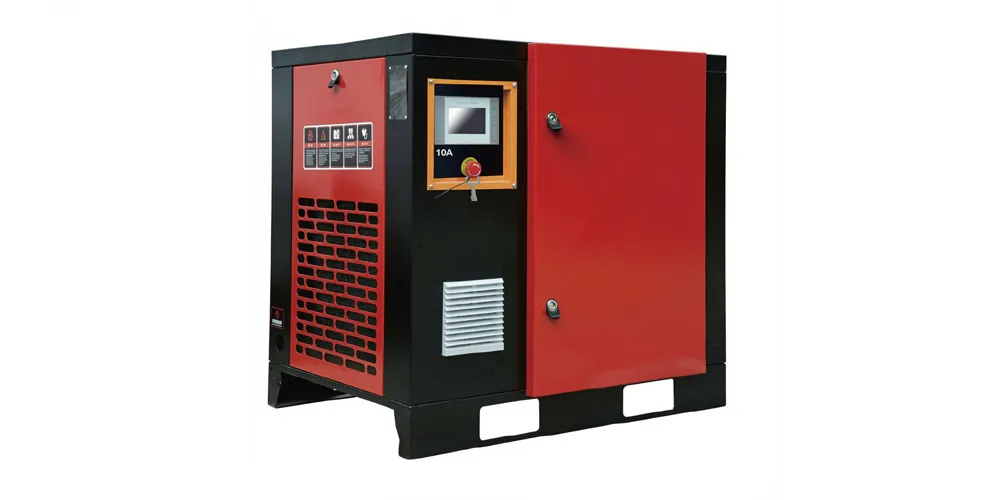
Oil-Free Air Compressor
The ZQ80 requires a compressed air supply at 0.7–1.2 MPa with a minimum flow of 0.7 m³/min. For pharmaceutical and food-grade bottle production, an oil-free air compressor eliminates the risk of lubricant contamination in the blow air stream — a requirement under GMP standards and many food safety frameworks. Matching the compressor to the machine's actual air consumption profile ensures energy-efficient operation and avoids undersupply issues during peak production cycles.
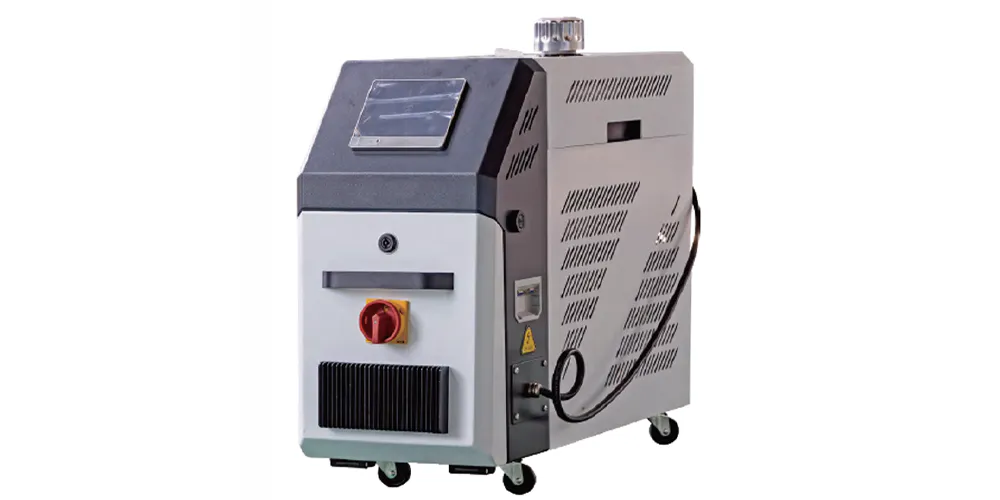
Mold Temperature Controller
A Mold Temperature Controller maintains precise mold surface temperatures, directly affecting wall thickness distribution, surface finish quality, and cycle-to-cycle consistency on the ZQ80. The machine's cooling water circuit operates at 0.3–0.4 MPa with a flow requirement of 4 m³/h. A properly sized controller ensures this flow is delivered at stable temperature regardless of ambient conditions, shift changes, or production speed adjustments — which is particularly important when producing containers with thin walls or complex geometries where thermal variation translates directly into dimensional inconsistency.
Frequently Asked Questions
Editor: PXY