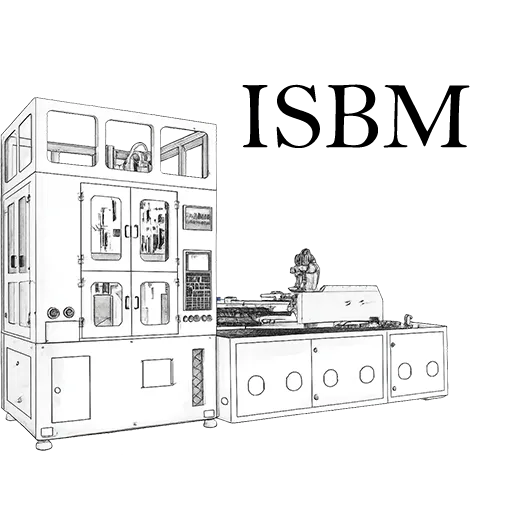
Ensuring Strict Compliance in Pharmaceutical Packaging: The Role of the Injection Stretch Blow Moulding Machine
As pharmaceutical packaging requirements in Latin America continue to tighten under rigorous regulatory bodies like INVIMA in Colombia, selecting the correct production equipment is paramount. Modern medicine packaging demands absolute structural consistency, pristine sanitary safeguards, and precise dimensional accuracy. This comprehensive technical guide analyzes how a state-of-the-art injection stretch blow moulding machine serves as the backbone of modern cleanroom bottle production, facilitating complete compliance with local and international healthcare standards.
1. Operational Excellence and the 4-Station Action Mode
The manufacturing of medical-grade plastic bottles relies heavily on eliminating any potential pathway for environmental contamination. This is where the advanced injection stretch blow moulding machine excels. Unlike traditional two-step manufacturing processes that require preform cooling, storage, transport, and subsequent reheating, a one-step machine integrates all forming processes into a single, fully enclosed, contiguous system. This enclosed action mode completely eliminates the risk of human contact, airborne particle adherence, and ambient biological contamination.
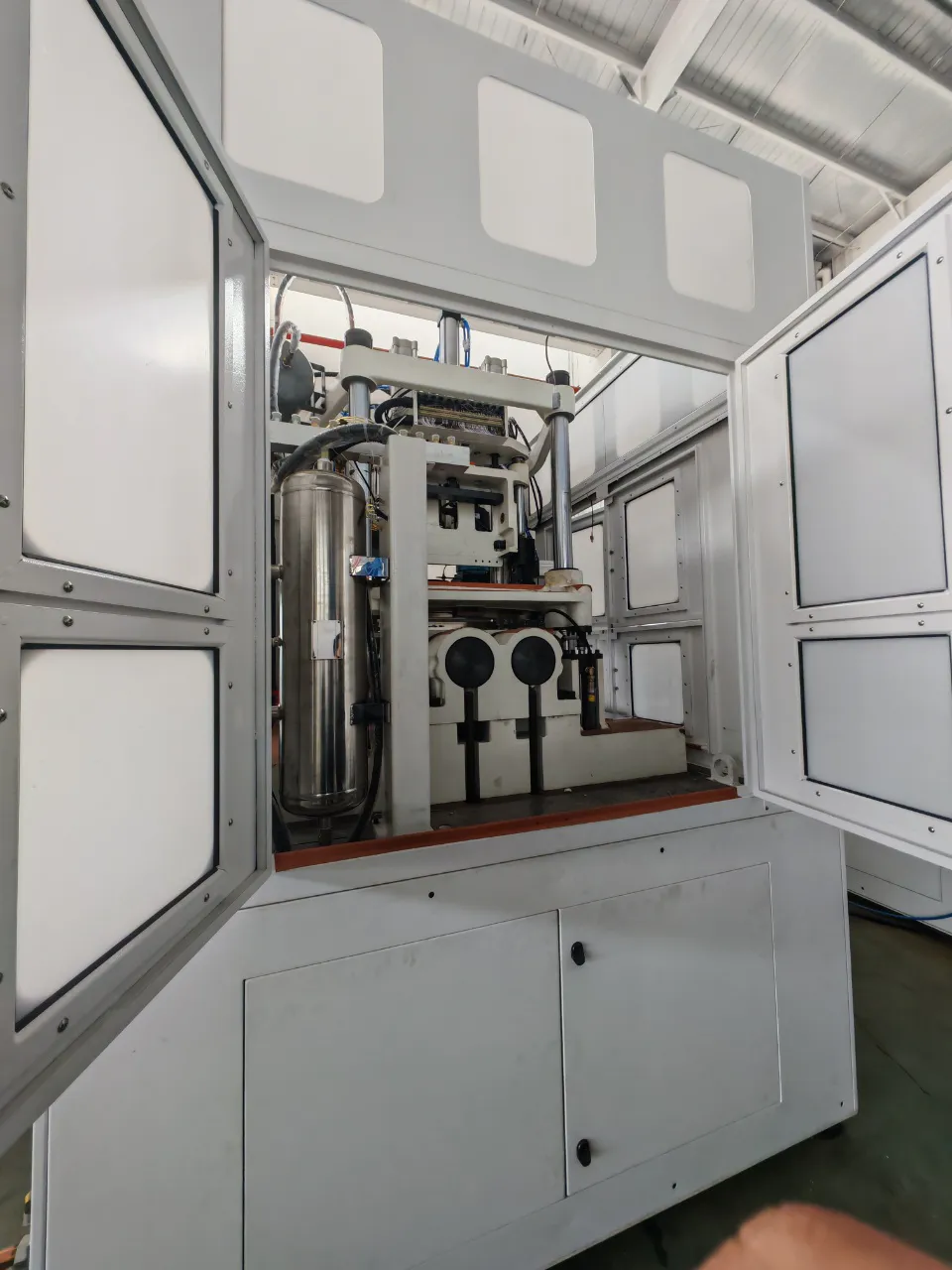
The complete, cycle-based injection stretch blow molding process operates continuously using a highly optimized four-station rotary mechanism. This sophisticated setup manages high-precision plastic container moulding with unmatched efficiency:
- Station 1: Injection Moulding: Specialized polymer resin is heated and plasticized into a homogeneous melt. This melt is injected under high pressure into the cavity of the preform mould, forming a perfectly structured preform around a core pin. The critical neck finish and thread dimensions are molded with high-precision tolerances at this stage.
- Station 2: Temperature Adjustment & Tail Cutting: The hot preform, still supported by the core pin, rotates immediately to the conditioning station. Here, a servo-controlled tail-cutting mechanism cleanly shears off the injection gate sprue. Simultaneously, heating elements adjust the preform’s thermal profile, ensuring a uniform temperature distribution optimized for stretch-blowing.
- Station 3: Stretch Blowing: The conditioned preform enters the blow mould. A mechanical stretch rod rapidly descends to execute axial stretching, while high-pressure, oil-free compressed air is injected to expand the plastic radially against the polished cavity walls. This dual-axis biaxial orientation improves overall physical toughness and clarity.
- Station 4: Ejection & Take-out: After a rapid cooling phase, the finished pharmaceutical container is gently demolded and released by an integrated mechanical take-out arm directly onto a clean conveyor system, prepared for immediate sterile capping or filling.
2. Structural Design and Manufacturing Architecture
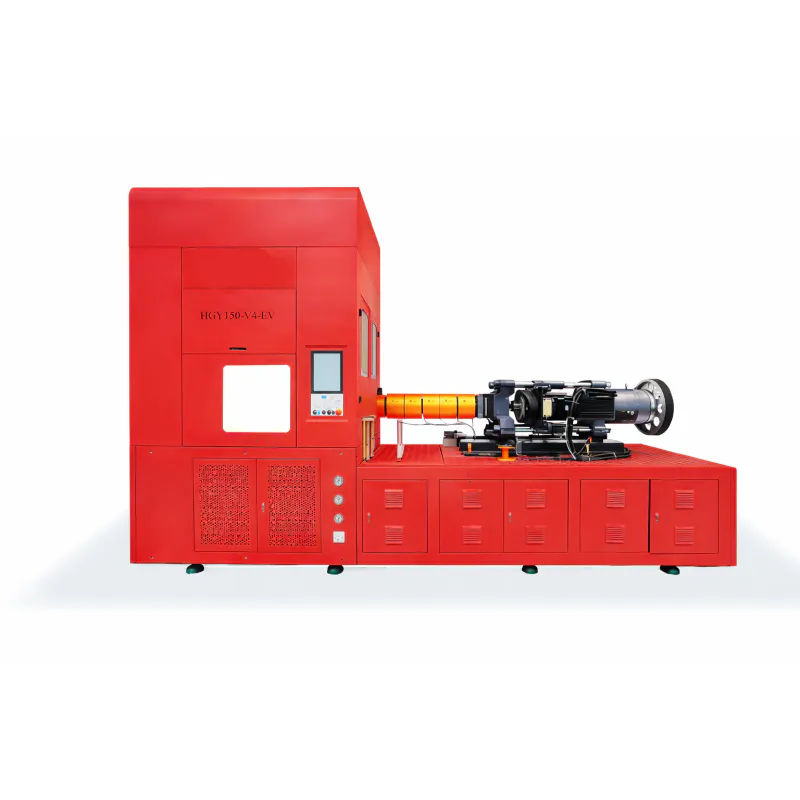
The physical framework of our advanced injection stretch blow moulding machine series is engineered specifically to meet the high-durability demands of the modern pharmaceutical sector. By implementing a vertical rotary indexing design with a high-torque indexing driver, the machine transitions preforms smoothly between stations with minimum vibration. This high mechanical stability prevents minor alignment variations that could otherwise compromise the wall thickness uniformity of high-precision diagnostic vials or medicine bottles.
The machine utilizes high-precision servo-driven clamping and injection systems rather than basic hydraulic circuits. This servo-centric configuration offers fine control over pressures and positional speeds, preventing the micro-shocks that accelerate mechanical wear. Furthermore, the manufacturing of the internal cavity is built to serve as a reliable, direct replacement of asb and aoki standard moulds, ensuring seamless tooling cross-compatibility. By adopting high-efficiency, oil-free mechanical systems in the blow-forming zones, the architecture prevents volatile oil mist accumulation, maintaining compliance with sanitary environment standards.
3. Five Core Advantages for Pharmaceutical Packaging
Deploying high-quality injection stretch blow molding machines within medical supply chains delivers critical production upgrades. Here are five essential advantages:
I. Strict Contamination Prevention
Because the entire raw-polymer-to-finished-bottle sequence occurs continuously within one machine cabin, the risk of external particle exposure is eliminated. This makes the system ideal for the strict aseptic requirements defined by INVIMA in Colombia and worldwide GMP guidelines.
II. High Dimensional neck and Sealing Precision
The primary injection molding phase perfectly pre-forms the bottle’s neck thread and lip surface. This high dimensional consistency prevents thread deformation and ensures leak-free sealing when combined with child-resistant caps or tamper-evident seals.
III. Biaxial Orientation and Superior Barrier Performance
Using the injection stretch blow molding process aligns the polymer chains in both axial and radial directions. This alignment drastically reduces gas and moisture permeability, extending the shelf-life of sensitive liquid suspensions and hygroscopic tablets.
IV. Significant Energy Conservation
By leveraging the natural heat remaining in the newly molded preforms, the machine eliminates the energy-heavy preform reheating phase typical of two-step lines. This saves up to 40% in total electricity costs, improving overall factory efficiency.
V. Zero-Friction Aesthetic Excellence
Because the preforms are handled and blown without physical scuffing, scraping, or rubbing against adjacent parts, the final injection stretch blow molding products display optical clarity, ensuring reliable visual inspection of liquid products.
4. Technical Specifications and Performance Matrix
To help engineers select the optimal system configuration, the comparative table below details the performance parameters of our 4-station platform across Standard (Hydraulic), Servo, and Fully Electric models:
| Specification / Parameter | Standard Model (HGY150-V4) | Servo Model (HGYS150-V4) | Fully Electric (HGY150-V4-EV) |
|---|---|---|---|
| Clamping & Injection Drive | Hydraulic System (Yuken/Parker) | High-Torque Servo Motor Drive | Synchronous Fully-Electric Drive |
| Preform Temperature Control | Multi-zone Conditioning Rods | Precise Closed-loop Servo Profiling | Digital PID Infrared Profiling |
| Cavity Output (Capacity) | Up to 1,000 mL containers | Up to 1,500 mL containers | Up to 1,500 mL (High speed) |
| Tooling Compatibility | ASB-12M Compatible | Aoki 250 & ASB-12M Compatible | High-precision Multi-Cavity S136 |
| Contamination / Leakage Risk | Moderate (Strict Seals Required) | Extremely Low (Enclosed Hydraulic) | Absolute Zero (Oil-free Drive) |
| Power Consumption Efficiency | Baseline Standard Efficiency | Saves up to 35% vs Standard | Saves up to 50% vs Standard |
5. Material Compatibility and Mould Surface Treatment
The design of medical-grade injection stretch blow molding machines requires careful compatibility with specialized, high-performance polymers. Standard food containers often rely strictly on raw PET. However, pharmaceutical environments utilize a diverse range of resins including Polyethylene Terephthalate (PET), Polypropylene (PP), Polycarbonate (PC), Glycol-modified PET (PETG), Polyphenylene Sulfone (PPSU), Tritan, and Biodegradable Poly Lactic Acid (PLA). Each material has unique melt flow behavior and cooling traits, demanding highly precise thermal controls within the hot-runner manifolds and blowing cavities.
To prevent minor container surface roughness—which could encourage microbial growth—the One-step Injection Stretch Blowing Mould is manufactured from premium S136 corrosion-resistant stainless steel. The mold cavity is polished to a mirror-finish rating of $Ra \leq 0.8\mu m$. This mirror surface ensures every plastic bottle emerges with a perfectly smooth exterior and interior finish. For highly sensitive applications, this smooth surface prevents active pharmaceutical ingredients (APIs) from adhering to the micro-crevices of the container walls.
6. Cleanroom Ratings and Regulatory Standards in Colombia
Pharmaceutical manufacturing plants in Colombia operate under strict sanitary rules monitored by INVIMA. These rules mirror European GMP guidelines and US FDA regulations. Processing machinery must operate within controlled zones, typically Class D (ISO 8) or Class C (ISO 7) cleanrooms. Our injection stretch blow moulding machine is built specifically for cleanroom installations, utilizing fully enclosed cabins, sealed components, and food-grade lubricants to prevent contamination risks.
In addition to chemical and biological safety, electrical installation compliance is governed strictly in Colombia by the RETIE (Reglamento Técnico de Instalaciones Eléctricas) regulations. These standards require all motors, gearboxes, control cabinets, and electric conduits to incorporate robust insulation, safety cut-offs, and surge protection. By complying with both international safety regulations and Colombia’s RETIE, our machinery line protects operational personnel while guaranteeing uninterrupted, high-yield container production.
7. Failure Prevention and High-Integrity Configurations
Operating heavy industrial machinery under strict cleanroom constraints presents a unique set of engineering challenges. In traditional, low-cost equipment, common failure modes include uneven wall thickness due to thermal drift, hydraulic oil leaks that contaminate the production floor, micro-cracks in the plastic neck due to incorrect preform alignment, and valve wear caused by high-pressure blowing cycles. Over time, these mechanical failures lead to costly batch rejections and unplanned production downtime.
To prevent these common issues, our premium injection stretch blow moulding machine configurations utilize premium, globally recognized components. The machine is built with high-pressure, zero-leak Parker blowing valves, Yuken proportional hydraulic flow controls, and advanced Yaskawa or Inovance servo motors. These closed-loop systems allow operators to monitor mold-clamping parameters in real-time. By utilizing these top-tier components, pharmaceutical manufacturers can prevent unexpected mechanical failures, optimize production yields, and maintain reliable, uninterrupted packaging operations.
8. Specialized Pharmaceutical Application Scenarios
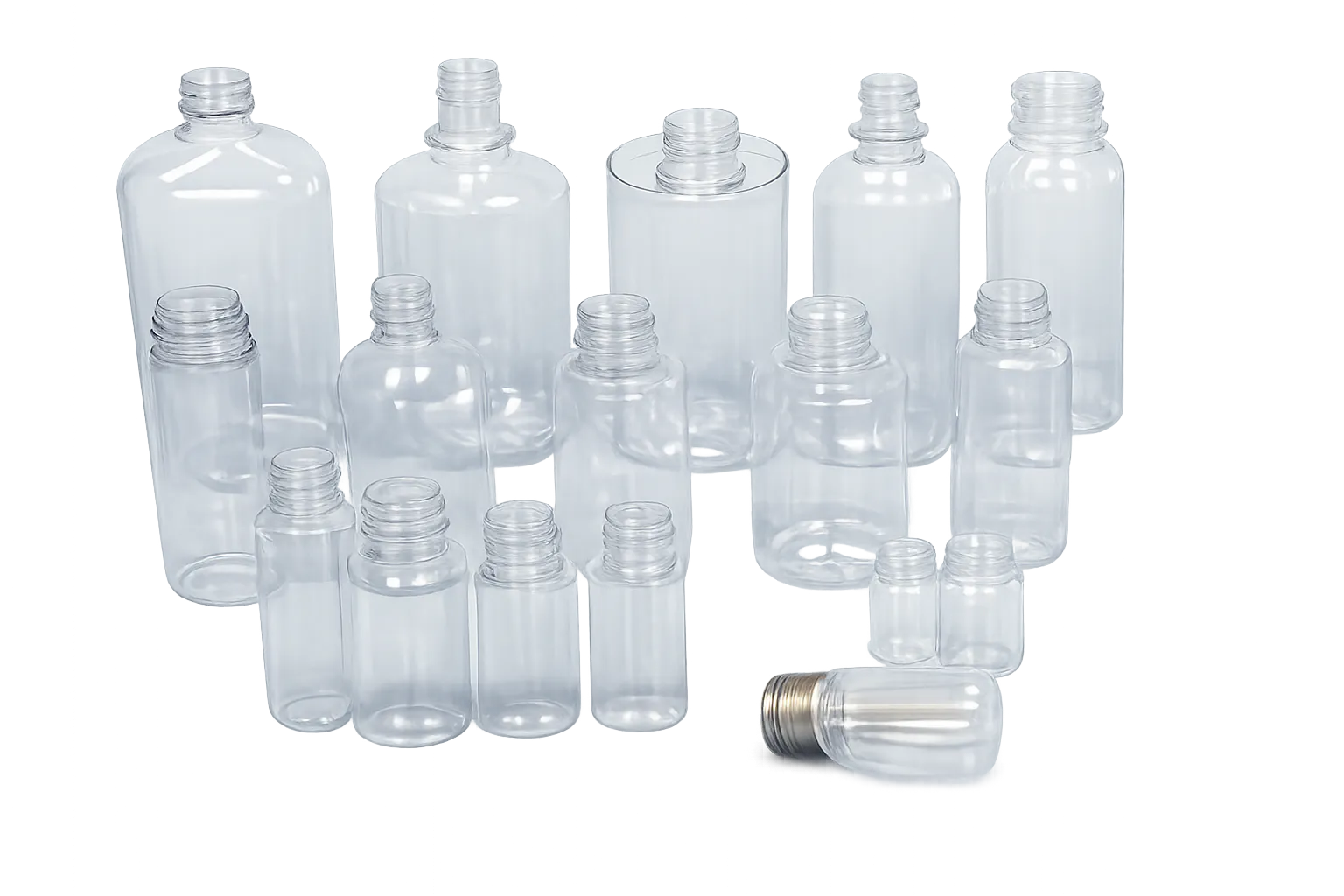
By adjusting the S136 stainless steel mold cavity inserts, operators can quickly adapt the production line to manufacture a wide variety of essential pharmaceutical containers:
Infant Care & Pediatric Nutrition
Producing highly stable infant bottles using Tritan, PC, and PPSU. The one-step process guarantees 100% BPA-free containers with excellent thermal resistance, allowing for high-temperature steam sterilization without mechanical deformation.
Liquid Syrups & Suspensions
Molding lightweight, impact-resistant PET syrup bottles in amber tones to block ultraviolet rays. These containers feature highly uniform wall distributions to prevent micro-leaks along the base or shoulder.
Ophthalmic Drop Dispensers
Forming mini diagnostic and ophthalmic eye drop bottles from medical-grade PP or low-density polymers. These containers require perfect neck dimensions to lock the dropper tip securely in place.
Solid Tablets & Capsules
Blowing wide-mouth pill jars using PETG and PP. These wide-mouth jars feature excellent barrier properties to prevent moisture ingress, protecting the stored tablets from early degradation.
9. About Our High-Performance Production Solutions
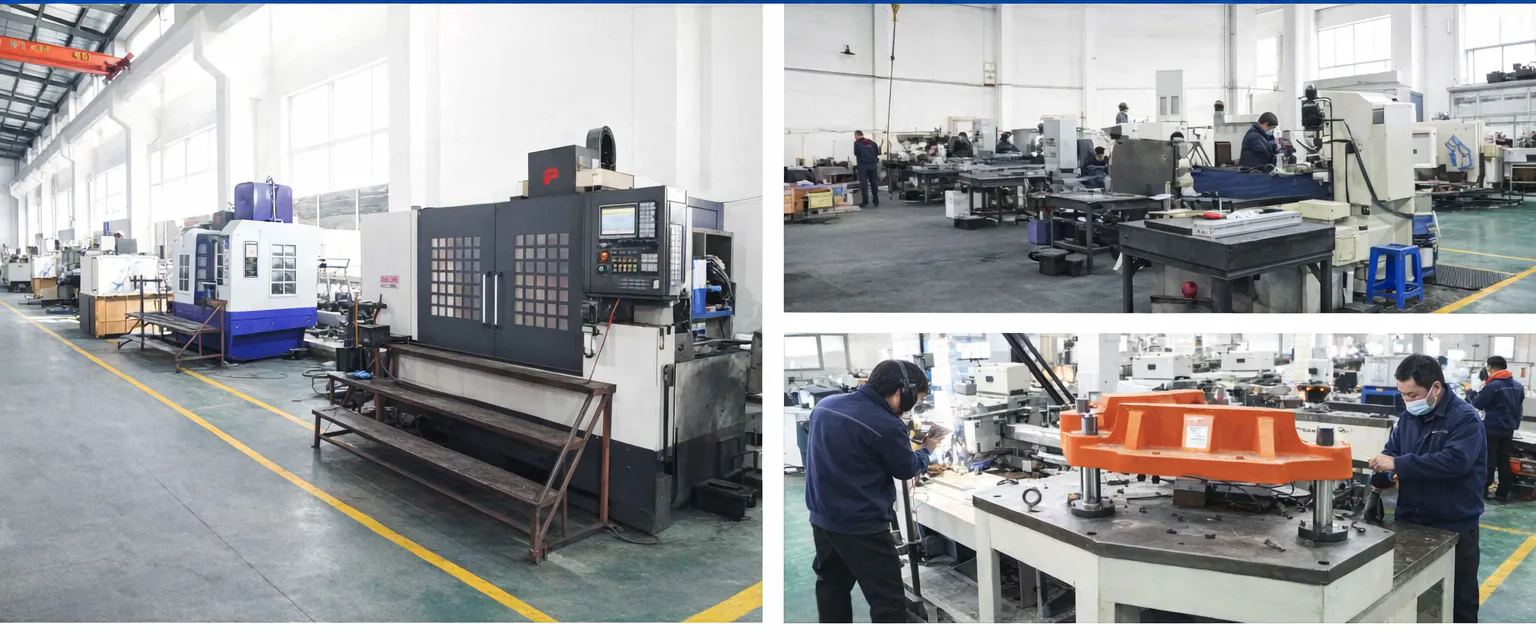
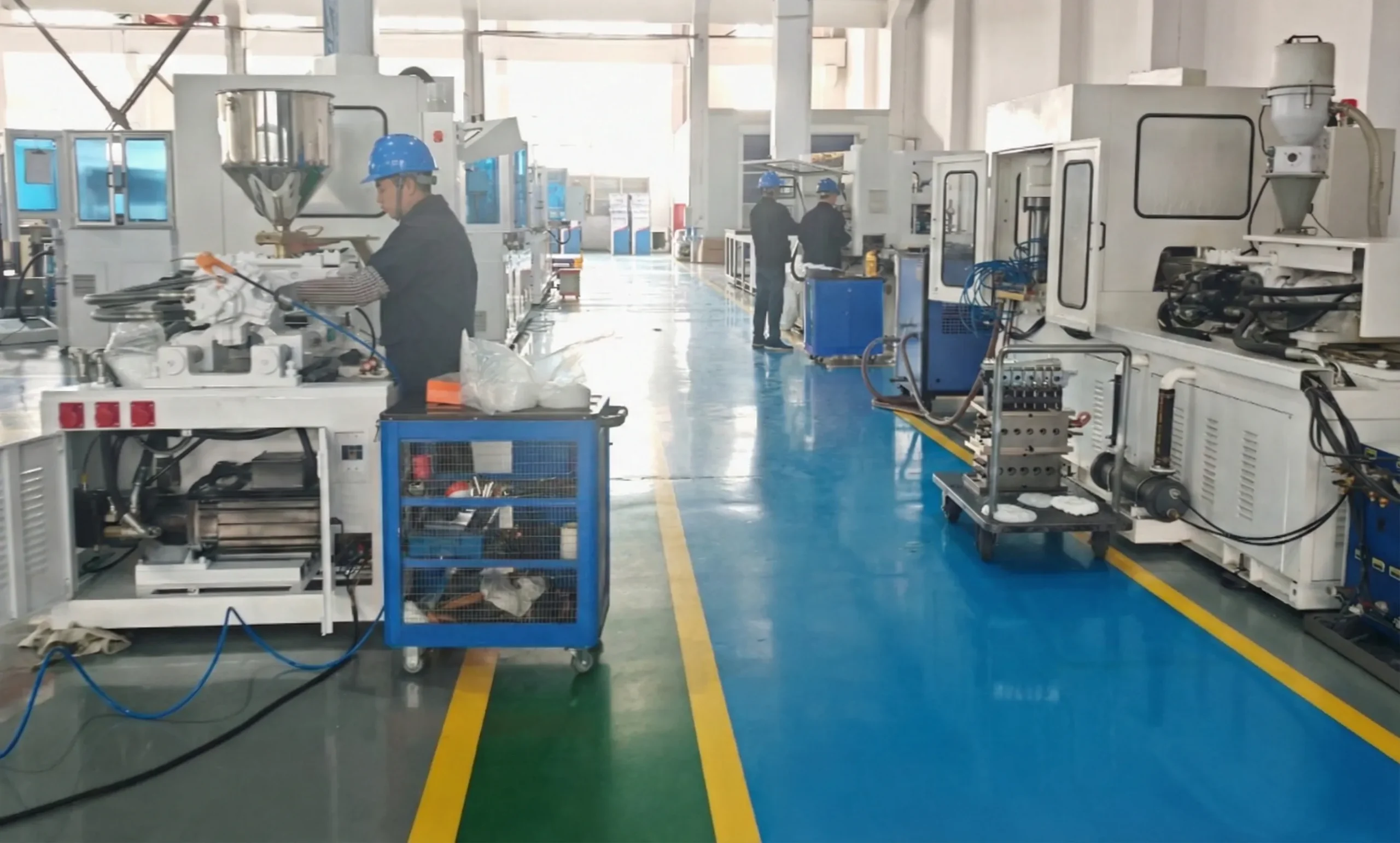
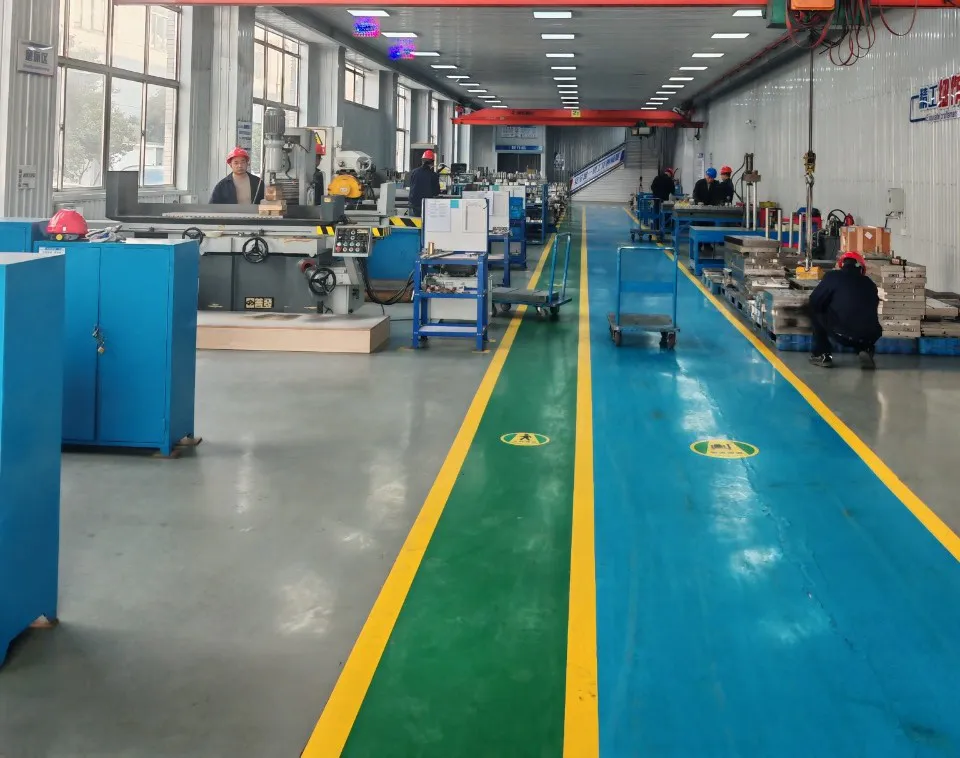
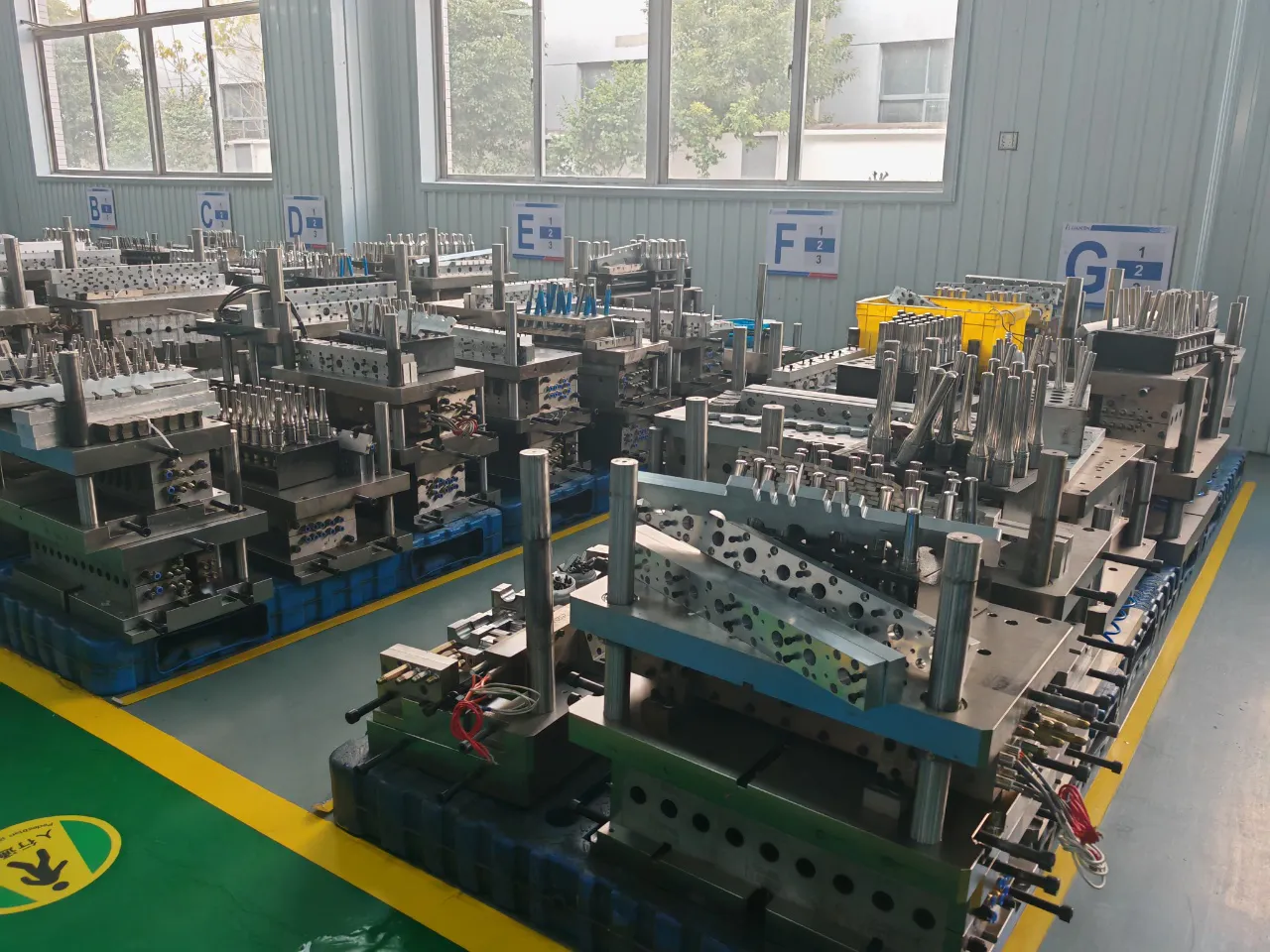
With more than two decades of dedicated mechanical innovation in the hollow container field, we specialize in high-precision, single-stage blow forming systems. Operating from our $30,000\ m^2$ advanced assembly site, our engineers design state-of-the-art systems for clients worldwide. By pairing international components with robust structural frames, we help modern manufacturers optimize production efficiency, lower energy consumption, and maintain reliable quality.
WorkShop
Frequently Asked Questions
Q1. How does a high-quality injection stretch blow moulding machine supplier in Colombia support cleanroom manufacturing compliance?
+
Q2. What is the estimated procurement cost for integrating automated injection stretch blow molding machines in pharma?
+
Q3. Which critical safety standards must an injection stretch blow molding process follow when producing medicine bottles?
+
Q4. Where can pharmaceutical companies locate an experienced technical team to replace outdated asb and aoki tooling?
+
Q5. How does a one-step injection stretch blow moulding machine improve bottle consistency compared to standard two-step models?
+
Q6. When establishing a new drug packaging line, which cleanroom level is required for safe equipment operation?
+
Q7. What specific design features of our injection stretch blow mold solutions ensure high-precision neck finishes?
+
Q8. Which specific polymer materials can our advanced injection stretch blow molding machines process without thermal degradation?
+
Q9. Why are premium servo clamping systems highly recommended over basic hydraulic valves in pharmaceutical packaging?
+
Q10. Where can local engineering managers schedule professional operator training for the new injection stretch blow moulding machine?
+
Editor: PXY