1. Механіка процесу: режим дії, структурний тип та архітектура виробництва
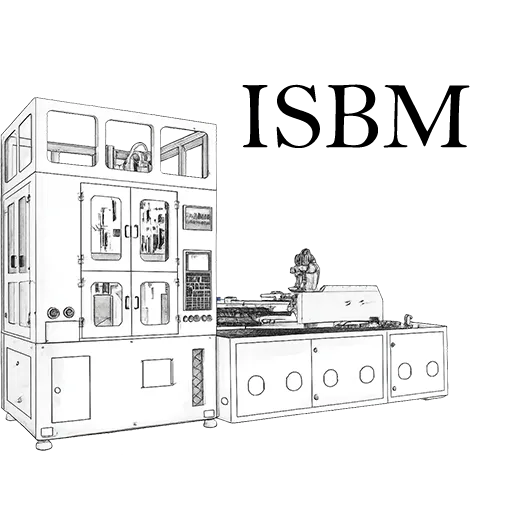
Режим дії — робота з роторним багатостанційним приводом: Процес лиття під тиском з розтягуванням здійснюється за допомогою роторної індексуючої платформи, яка одночасно обробляє контейнери на кількох робочих станціях за один машинний цикл. У конфігурації з чотирма станціями — найпоширенішій схемі в комерційному виробництві — станція 1 виконує лиття під тиском преформи, станція 2 керує збереженням тепла та відрізанням хвоста преформи або попереднім видуванням, станція 3 виконує двоосьове лиття під тиском з розтягуванням, а станція 4 обробляє викидання та виймання контейнерів. Усі чотири станції працюють паралельно, тому кожен машинний цикл виробляє готові контейнери, одночасно вводячи наступну партію преформ. Ця одночасна операція максимізує продуктивність за одиницю часу без затримки, властивої послідовній обробці, що дає машині для лиття під тиском з розтягуванням перевагу в пропускній здатності, яка зростає зі збільшенням кількості контейнерів на станції.
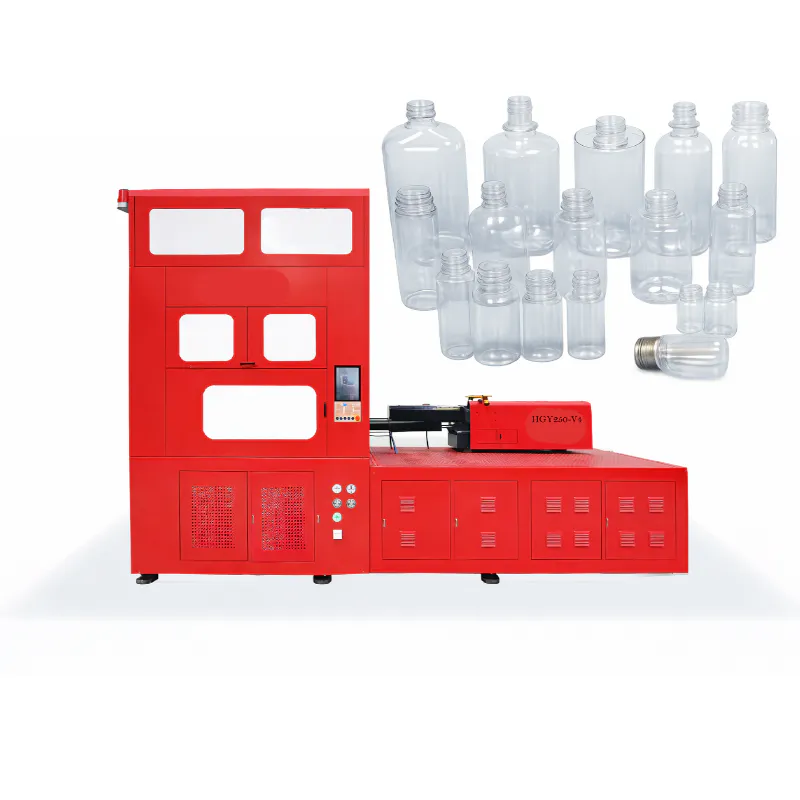
Тип конструкції — сервопривідний, гідравлічний або повністю електричний: Ринок ливарних машин з розтягуванням та видуванням під тиском наразі пропонує три основні категорії архітектури приводу. Стандартні гідравлічні моделі використовують гідравлічні циліндри для затискання та впорскування, забезпечуючи високе зусилля затискання за конкурентною ціною, але з вищим споживанням енергії та ризиком забруднення маслом. Сервогідравлічні моделі замінюють гідравлічні насоси з фіксованим об'ємом на сервонасосні системи зі змінним об'ємом, зменшуючи споживання енергії на тридцять-сорок відсотків, зберігаючи при цьому потужність гідравлічних конструкцій. Повністю електричні моделі, що позначаються як EV у деяких лінійках продуктів, повністю виключають використання гідравлічної оливи, використовуючи серводвигуни для всіх осей руху, включаючи впорскування, затискання та відкриття форми — це кращий вибір для фармацевтичної промисловості, харчових продуктів та дитячих виробів, де забруднення внутрішньої частини контейнера маслом категорично неприйнятне. Доступні серії машин охоплюють конфігурації від компактних тристанційних установок, придатних для лабораторного або спеціалізованого виробництва, до великих шестистанційних двошнекових моделей, що обробляють двадцять чотири порожнини одночасно для виробництва напоїв та товарів великої кількості.
Структура виробництва — ключові підсистеми: Інжекційний блок включає варіанти діаметра шнека, зазвичай від 40 мм до 60 мм, з теоретичним об'ємом впорскування приблизно від 188 см³ до 480 см³ залежно від конфігурації. Зусилля затискання під час впорскування коливається від 50 кН у компактних моделях з трьома станціями до 400 кН у великоформатних машинах, що обробляють контейнери місткістю до двадцяти літрів. Зусилля затискання під час видувного формування коливається від 100 кН з одного боку у вхідних моделях до 400 кН з одного боку у великих машинах. Система тиску повітря для видуву зазвичай працює під високим тиском від 2,0 до 3,5 МПа та низьким тиском 1,0 МПа для контурів руху машини. Контроль температури використовує інтегровані блоки керування з високоточним зонним керуванням, а система нагрівання шнекового барабана використовує енергозберігаючі нагрівальні кільця нано-далекого інфрачервоного випромінювання для підвищення теплової ефективності.
2. Система матеріалів: сумісні полімери та обробка поверхні
Матеріальна система: Універсальність матеріалів машини для лиття під тиском з розтягуванням є однією з її основних конкурентних переваг порівняно з двоступеневими системами. Блок лиття може обробляти будь-який термопластик з відповідною в'язкістю розплаву та властивостями кристалізації, тоді як станція розтягування з розтягуванням використовує полімери, які добре реагують на двоосьову орієнтацію. Основні матеріали включають ПЕТ (поліетилентерефталат) та ПЕТГ для контейнерів для напоїв, косметики та фармацевтичних препаратів; ПП (поліпропілен) для харчових продуктів, безпечних та термостійких застосувань; ПК (полікарбонат) для ударостійких дитячих пляшечок та товарів для зовнішнього використання; ППСУ (поліфенілсульфон) для високопродуктивних дитячих пляшечок для годування, що потребують багаторазової парової стерилізації; Тритан (співполіестер) для харчового та напойного посуду без БФА; ПКТГ для прозорих контейнерів з широким горлом; ПС (полістирол) для косметичної упаковки; АБС для непрозорих технічних контейнерів; та ПЛА (полімолочна кислота) для виробництва біорозкладних контейнерів відповідно до програм екологічної стійкості. Кожен матеріал вимагає специфічної конструкції шнека, температурного профілю та параметрів коефіцієнта розтягування, якими сучасні системи управління керують за допомогою виробничих програм на основі рецептів.
Обробка поверхні — Технологія прес-форм: В оснастки для одноступеневої машини для лиття під тиском з розтягуванням використовується нержавіюча сталь S136 для порожнини для інжекції та компонентів видувної форми, що забезпечує як розмірну стабільність, необхідну для високоточних контейнерів, так і хімічну стійкість, щоб витримувати термоциклування та обробку матеріалів у тривалих виробничих серіях. Система гарячого канального каналу для лиття під тиском використовує високоточні клапанні шиберні клапани, які забезпечують усунення залишків шиберних клапанів, що є критично важливим для фармацевтичних та косметичних контейнерів, де сліди від шиберних клапанів впливають як на зовнішній вигляд, так і на сумісність з обладнанням для розливу. Сумісність з прес-формами поширюється на такі платформи, як ASB-12M, Aoki-250 та ASB-70DPH, що дозволяє користувачам переносити існуючі інструменти для лиття на новіші верстатні платформи без витрат на повну заміну прес-форми.
3. П'ять ключових переваг, що стимулюють промислове впровадження машин для лиття під тиском з розтягуванням
Енергоефективність завдяки збереженню тепла преформ
Найбільш цитованою перевагою одноступеневої машини для лиття під тиском з розтягуванням є відсутність етапу повторного нагрівання преформи, необхідного у двоступеневих процесах. Оскільки преформа переміщується безпосередньо від станції лиття до станції розтягування з розтягуванням, зберігаючи при цьому залишкове тепло інжекції, енергія, необхідна для розтягування з розтягуванням, зводиться до функції кондиціонування, а не до повного циклу повторного нагрівання. Незалежні дослідження споживання енергії постійно показують економію енергії від тридцяти п'яти до сорока відсотків порівняно з еквівалентним двоступеневим виробництвом того самого контейнера. Для колумбійських виробників, які стикаються зі зростанням витрат на електроенергію та вимог до звітності про сталий розвиток, ця енергетична перевага безпосередньо призводить до зниження собівартості продукції на одиницю та зниження вуглецевої інтенсивності готового контейнера.
Чудова якість контейнерів та стабільність партій
Двоосьова молекулярна орієнтація під час фази розтягування та видування значно покращує міцність стінок контейнера, бар'єрні властивості проти проникнення газу та вологи, а також прозорість. Оскільки геометрія преформи безпосередньо визначає кінцевий розподіл товщини стінок контейнера, точність лиття під тиском призводить до високої стабільності ваги та розмірів контейнерів у кожній порожнині форми. Ця стабільність від партії до партії особливо цінується у фармацевтичній упаковці, де варіації розмірів контейнерів безпосередньо впливають на продуктивність обладнання для розливу, а також у косметиці, де візуальна однорідність на полицях є маркетинговою вимогою, яку менеджери із закупівель забезпечують шляхом вхідного контролю якості.
Компактний розмір зі зниженими вимогами до робочої сили
Одноступенева машина для видувного формування з розтягуванням, яка замінює комбіновану машину для лиття преформ під тиском, конвеєр для охолодження преформ, склад преформ, транспортування преформ та машину для видувного формування двоступеневої лінії, значно зменшує потреби в площі виробничого приміщення. Типові чотиристанційні машини займають від чотирнадцяти до тридцяти восьми квадратних метрів площі залежно від потужності. Автономний процес вимагає одного оператора на зміну для регулярного моніторингу та відбору проб якості, порівняно з кількома операторами, необхідними на розподілених робочих місцях двоступеневої виробничої лінії. Для виробничого сектору Колумбії, де обмеженими ресурсами є як виробничі площі в промислових парках, так і кваліфікована технічна робоча сила, ця ефективність використання праці та простору безпосередньо впливає на розрахунок повернення інвестицій.
Гнучке виробництво в різних форматах контейнерів
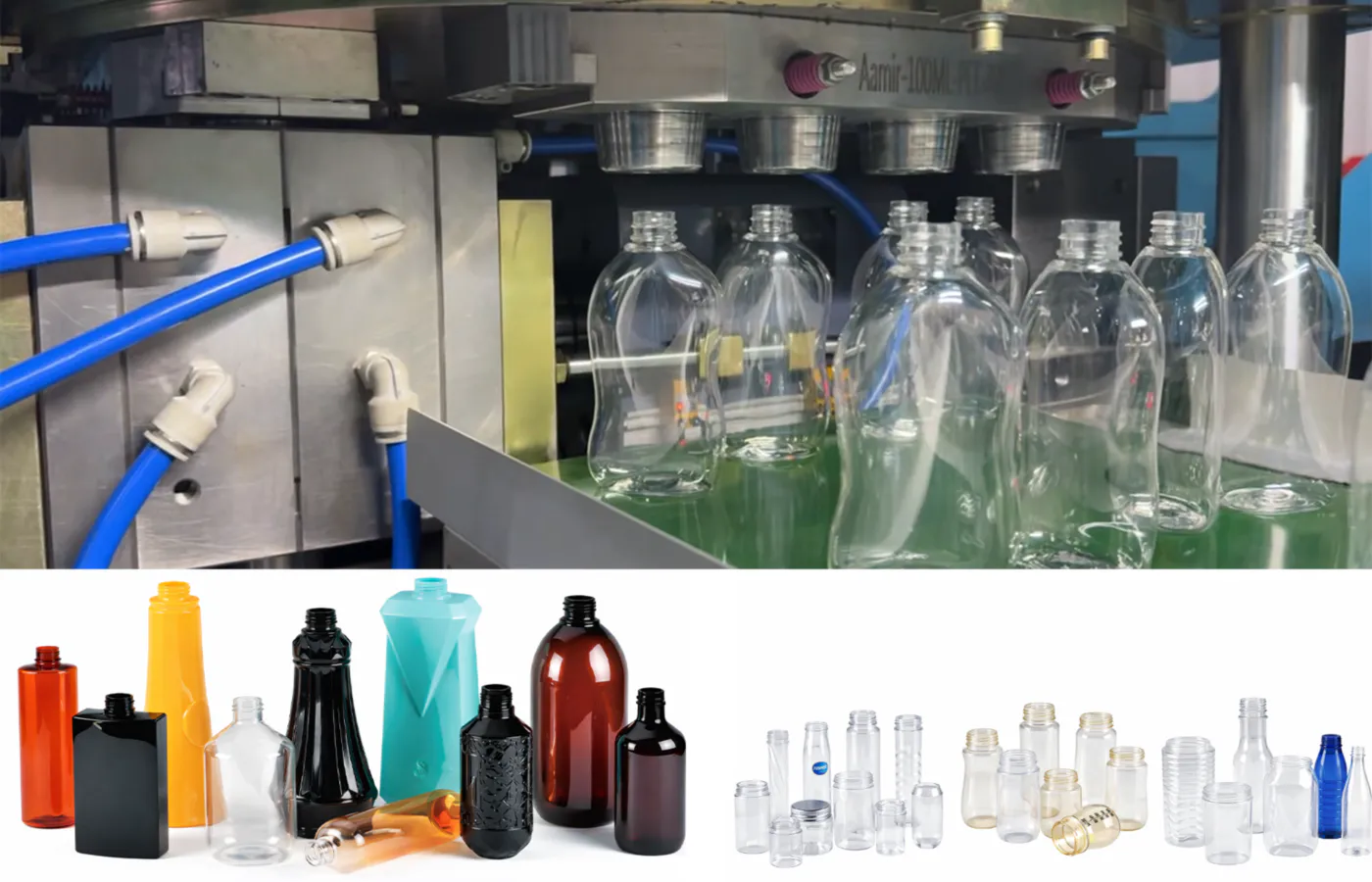
Машина для лиття під тиском з розтягуванням підтримує швидку зміну форм між різними форматами контейнерів, що дозволяє виробляти кілька одиниць продукції на одній машині з різними наборами інструментів для формування порожнин. Об'єм контейнерів коливається від 20 мл для фармацевтичних флаконів-крапельниць до 20 літрів для великих контейнерів для води на відповідних моделях машин. Одна й та сама платформа машини обробляє круглі, овальні, квадратні та складні геометричні форми, включаючи контейнери спеціальної форми та контейнери для рукоділля, які важко виготовляти за допомогою екструзійного видування або двоетапних процесів повторного нагрівання та розтягування з видуванням. Така гнучкість формату дозволяє малим та середнім виробникам контейнерів у Колумбії обслуговувати кілька секторів з однієї капітальної інвестиції, а не купувати спеціальні машини для кожної категорії продукції.
Усунення забруднень для чутливих категорій продуктів
Замкнений цикл передачі між станціями лиття під тиском та видувного формування усуває операції з обробки, транспортування, зберігання та повторного сортування преформ, які наражають двоетапні преформи на забруднення повітрям, поглинання вологи, осідання пилу та фізичні пошкодження. Таке усунення ризику забруднення є основоположним для виробництва фармацевтичної тари, де нормативні вимоги вимагають її цілісності, а також для виробництва дитячих товарів, де впевненість батьків у безпеці матеріалів є комерційно важливою. Повністю електричні моделі електромобілів також виключають потрапляння гідравлічної оливи в машинне середовище, запобігаючи будь-якій можливості забруднення масляним туманом внутрішньої частини контейнерів — невід'ємна вимога для сертифікації контейнерів харчового та медичного класу згідно з INVIMA та еквівалентними міжнародними нормативними актами.
4. Глобальний попит за секторами: які галузі є найбільшими покупцями?
Кількісна оцінка попиту на машини ISBM за секторами вимагає синтезу даних про закупівлі з різних джерел, але на світових ринках, включаючи Колумбію та ширші промислові регіони Латинської Америки, спостерігаються узгоджені закономірності.
Косметика та засоби особистої гігієни
Косметична промисловість постійно є найбільшим окремим покупцем машин для лиття під тиском з розтягуванням у світі, що зумовлено високими вимогами сектора до візуальної чіткості, точних розмірів горлечка для насоса та крапельниці, а також можливістю виготовляти пляшки складної геометрії, що відрізняють преміальні бренди. Зростаючий сектор експорту косметики Колумбії — постачання готових продуктів по всій Латинській Америці — стимулює стабільний внутрішній попит на інвестиції в ISBM. Типові пляшки включають крапельниці для сироваток, помпи для лосьйонів, контейнери для шампунів, флакони для парфумів та тюбики для блисків для губ з таких матеріалів, як PET, PETG, PP та PC, з вагою контейнерів від двох до ста п'ятдесяти грамів.
Фармацевтична та медична упаковка
Фармацевтична упаковка є технічно найвибагливішим сектором застосування для машин для лиття під тиском з розтягуванням, з вимогами, що включають відповідність матеріалів стандартам USP, EP або еквівалентним фармакопейним стандартам; допуски на розміри контейнерів у межах сотих часток міліметра для сумісності з автоматизованим обладнанням для розливу; та документацію щодо відстеження процесу, що відповідає вимогам регуляторного аудиту. Фармацевтична дистриб'юторська мережа Колумбії, що обслуговує ринки Анд та Тихого океану, створює постійний попит на медичні флакони-крапельниці, контейнери для таблеток, флакони для сиропу та упаковку для офтальмологічних розчинів з матеріалів PET, PP та PPSU.
Харчова промисловість та промисловість напоїв
Виробники напоїв, особливо ті, що виробляють високоякісну воду, соки, харчові олії та спеціальні напої, інвестують у машини для лиття під тиском з роздуванням для забезпечення кращої однорідності товщини стінок та кисневого бар'єру одноетапного виробництва ПЕТ-тари порівняно з двоетапними альтернативами. Широкогорлі харчові контейнери з ПЕТГ та ПП подають джеми, соуси, мед та сухі продукти харчування. Перевага харчового сектору до цієї технології підкріплюється відсутністю забруднення у виробничому середовищі, що спрощує дотримання правил безпеки харчових продуктів INVIMA для матеріалів контейнерів, що контактують зі споживчими продуктами.
Товари для дітей та догляд за неповнолітніми
Виробництво дитячих пляшечок являє собою нішеву сферу з високою вартістю, яка значною мірою сприяє повністю електричним конфігураціям машин для лиття під тиском з розтягуванням. Продукція включає пляшечки для годування, чашки для поїдання, пляшечки для молоковідсмоктувачів та контейнери для зберігання сумішей з PPSU, PC, Tritan та PP — всі вони вимагають сертифікації як матеріал без BPA, стійкості до стерилізації за температури 120 градусів Цельсія та прозорості поверхні, достатньої для того, щоб батьки могли контролювати рівень наповнення під час годування. Чутливий до безпеки характер цієї категорії зумовлює преміальне ціноутворення, що виправдовує вищі інвестиції в обладнання для конфігурацій електромобілів, а зростаючий сегмент сімейних споживачів середнього класу в Колумбії створює стійкий внутрішній попит.
Засоби для чищення дому та агрохімікати
Виробники засобів для чищення, що виробляють пральні порошки, пом'якшувачі тканин, засоби для чищення поверхонь та засоби особистої гігієни в контейнерах з ПЕТ, сумісних з HDPE, представляють зростаючий сегмент ринку ISBM. Колумбійські бренди побутових товарів, які конкурують за місце на полицях сучасних торгових точок, все частіше використовують контейнери ISBM завдяки чудовій візуальній якості та відмінності від екструзійних видувних еквівалентів. Упаковка для агрохімічних речовин з хімічно стійких матеріалів забезпечує сільськогосподарський сектор Колумбії контейнерами для гербіцидів, пестицидів та позакореневих добрив, які вимагають як бар'єрних властивостей, так і точної геометрії горловини для систем закупорювання, захищених від дітей.
5. Принцип роботи одноступеневої машини для лиття під тиском та розтягування
Процес лиття під тиском з розтягуванням виконує чотири послідовні операції на одній преформі, при цьому обертовий індексний стіл просуває преформи через кожну станцію синхронізованого циклу. Цикл процесу починається на станції лиття, де точно дозований полімерний розплав, підготовлений за допомогою зворотно-поступального шнекового пластифікуючого блоку, впорскується під високим тиском у закриту багатопорожнинну ливарну форму. Система гарячих канав ливарної форми рівномірно розподіляє розплав по всіх порожнинах, а система контролю температури форми підтримує точну температуру стінок, яка керує кінетикою кристалізації для конкретного матеріалу, що оброблюється. Після контрольованого періоду охолодження ливарна форма відкривається, поки видувна форма залишається закритою, і обертовий стіл просуває преформи до станції кондиціонування температури.
На станції 2 температурний профіль преформи регулюється протягом короткого періоду кондиціонування, використовуючи збережене тепло інжекції, доповнене контрольованим нагріванням або охолодженням, для досягнення певного градієнта температури — зазвичай теплішого в зоні корпусу та холоднішого біля горловини — що забезпечує оптимальну двоосьову орієнтацію під час подальшого видування з розтягуванням. Деякі конфігурації машин виконують відрізання хвостової частини преформи на цій станції, щоб видалити залишки інжекційного затвора перед видуванням. Потім поворотний стіл просуває кондиціоновані преформи до станції видування з розтягуванням, де стрижень-стрижень розтягує преформу поздовжньо до заданого коефіцієнта розтягування, а повітря під високим тиском одночасно розширює контейнер радіально. Це одночасне двоосьове розтягування за контрольованих умов вирівнює полімерні ланцюги як в осьовому, так і в кільцевому напрямках, забезпечуючи покращені механічні властивості, оптичну прозорість та бар'єрні характеристики, характерні для одноступеневої машини для лиття під тиском з розтягуванням. Готовий контейнер випускається на станції 4 та викидається за допомогою гравітаційного скидання або механічного вивантажувального важеля на конвеєр або збірний жолоб.
Порівняльна таблиця технічних характеристик — репрезентативні моделі машин
| Параметр | HGY50-V3-EV (3-Station) | HGY150-V4 (4-Station) | HGY200-V4 (4 станції) | HGY250-V4 (4 станції) | HGY650-V4 (великий) |
|---|---|---|---|---|---|
| Діаметр гвинта (мм) | 40 / 50 / 55 | 40 / 50 / 55 / 60 | 40 / 50 / 55 / 60 | 50 / 55 / 60 | 50 / 55 / 60 |
| Теоретичний об'єм впорскування (см³) | 239 / 315 / 442 | 188 / 310 / 380 / 480 | 188 / 310 / 380 / 480 | 340 / 420 / 480 | 340 / 420 / 480 |
| Зусилля затискання під час ін'єкції (кН) | 50 | 150 | 300 | 300 | 400 |
| Сила затискання при видуванні (кН, з одного боку) | 100 | 200 | 200 | 200 | 400 |
| Потужність двигуна (кВт) | 34.8 | 43.2 | 49.2 | 67.7 | 75.7 |
| Heating Power (kW) | 10.4 | 10 | 10 | 15 | 15 |
| Blow Air Pressure (MPa) | 2.0–3.5 | 2.0–3.5 | 2.0–3.5 | 2.0–3.5 | 2.0–3.5 |
| Cooling Water Pressure (MPa) | 0.4–0.6 | 0.4–0.6 | 0.4–0.6 | 0.4–0.6 | 0.4–0.6 |
| Voltage (V) | 370–400 | 370–400 | 370–400 | 370–400 | 370–400 |
| Machine Dimensions L×W×H (mm) | 3800×1200×2500 | 4200×1400×2900 | 4800×2000×3200 | 6300×2400×3700 | 6100×2600×4200 |
| Machine Weight (T) | 3.5 | 6 | 13 | 16 | 28 |
| Макс. об'єм контейнера | 2500 мл | 2500 мл | 2500 мл | 2500 мл | 20 л |
6. Клас екологічності, умови експлуатації, типові режими відмов та рекомендована конфігурація
Екологічний клас: Ливарні машини для лиття під тиском з розтягуванням призначені для використання всередині приміщень заводських середовищ з контрольованим діапазоном температур від п'ятнадцяти до сорока градусів Цельсія та відносною вологістю, що не перевищує вісімдесяти п'яти відсотків без конденсації. Зона лиття потребує чистого, сухого стисненого повітря без масляного туману та твердих частинок для підтримки стандартів чистоти внутрішньої частини контейнерів — критичного параметра для фармацевтичного та харчового виробництва. Колумбійські виробничі середовища в тропічних прибережних регіонах вимагають уваги до контролю вологості в системах підготовки компресорного повітря, оскільки волога в повітрі, що видувається, спричиняє дефекти поверхні та може порушити вимоги до стерильності.
Умови експлуатації: Машина для лиття під тиском з розтягуванням працює за підвищених температур по всій циліндрі та системі гарячих канав, зазвичай від сто сімдесяти до трьохсот градусів Цельсія залежно від матеріалу, що оброблюється. Блок впорскування зазнає циклічного гідравлічного або сервонавантаження з частотою від одного до чотирьох циклів на хвилину, при цьому піковий тиск впорскування досягає від ста п'ятдесяти до двохсот п'ятдесяти мегапаскалів на поверхні шнека впорскування. Станція видування зазнає швидких циклів підвищення та зниження тиску з двома до трьох з половиною мегапаскалів, що створює навантаження від втоми на компоненти видувної форми, ущільнення штока та вузли клапанів видувного повітря. Безперервна робота у виробничому середовищі включає термоциклування компонентів форми, що вимагає відповідного вибору сталі для форми та обробки поверхні для запобігання передчасному зносу або розмірному дрейфу.
Типові режими відмови: Виходячи з досвіду експлуатації встановлених парків машин ISBM, найпоширенішими видами відмов є знос затвора гарячеканального клапана, що спричиняє утворення смуг або дефектів незаповнення в порожнинах для інжекцій; деградація ущільнення розтяжного штока, що призводить до непослідовних коефіцієнтів розтягування та нерівномірного розподілу товщини стінок; корозія порожнини видувної форми від конденсації в середовищах з високою вологістю, що впливає на обробку поверхні зовнішньої частини контейнера; дрейф датчика контролю температурної зони, що спричиняє відхилення температури обробки, що впливають на кристалічність матеріалу; та помилки зворотного зв'язку кодера серводвигуна в повністю електричних моделях, що спричиняють проблеми з повторюваністю положення, що проявляються у варіації розмірів між циклами. Програми профілактичного обслуговування, що спрямовані на вирішення цих векторів відмов, зазвичай досягають середнього часу роботи між відмовами, що перевищує шість тисяч годин роботи для належним чином обслуговуваних машин.
Рекомендована конфігурація за галуззю: Виробництво косметичної та харчової тари виграє від сервогідравлічних конфігурацій HGYS150-V4 або HGYS200-V4, які поєднують енергоефективність з високою гнучкістю щодо кількості порожнин. Виробництво фармацевтичної тари повинно включати повністю електричну серію EV (еквівалент HGY150-V4-EV або HGY150-V4-EV), щоб усунути ризик забруднення маслом. Виробникам дитячих товарів потрібні конфігурації EV зі специфічними можливостями обробки PPSU та Tritan для конкретних матеріалів. Виробникам великих контейнерів для водопостачання та сільського господарства слід оцінити чотиристанційну платформу HGY650-V4, яка обробляє контейнери об'ємом до двадцяти літрів із зусиллям затиску 400 кН. Для колумбійських виробників, які вперше виходять на виробництво ISBM, компактна тристанційна повністю електрична модель HGY50-V3-EV забезпечує низькі капіталовкладення з повним технологічним потенціалом для PET та PETG матеріалів.
7. Нормативно-правова база для контейнерів, виготовлених за допомогою ISBM, за ринками
Колумбія: Виробники контейнерів, що контактують з харчовими продуктами, фармацевтичної або косметичної упаковки в Колумбії, працюють під наглядом INVIMA (Національного інституту нагляду за лікарськими засобами та їжею). Декрет 3075/1997 та його наступники регулюють вимоги до безпеки харчових продуктів для пакувальних матеріалів, вимагаючи, щоб матеріали контейнерів не мігрували шкідливі речовини в харчові продукти. Резолюція INVIMA 3131/1998 стосується правил щодо косметичної продукції, включаючи вимоги до пакувальних матеріалів. Фармацевтичні контейнери повинні відповідати Колумбійській Фармакопеї та відповідним стандартам Farmacopea International щодо цілісності закупорювання контейнерів та випробування екстрактивних речовин.
Європейський Союз: Регламент ЄС 10/2011 щодо пластикових матеріалів та виробів, призначених для контакту з харчовими продуктами, встановлює позитивний перелік дозволених мономерів, добавок та допоміжних речовин для полімерного виробництва, що стосуються ПЕТ, ПП, ПК та інших матеріалів, оброблених методом ISBM. Регламент ЄС 2023/2055 оновив межі міграції для певних речовин. Правила GMP ЄС для фармацевтичної упаковки (Додаток 1 до Керівних принципів GMP ЄС) регулюють середовище виробництва фармацевтичної тари та вимоги до валідації процесів, що стосуються виробництва ISBM фармацевтичної первинної упаковки.
Сполучені Штати: Частина 177 FDA CFR 21 регулює непрямі харчові добавки для полімерів, що використовуються в харчовій упаковці, включаючи PET (177.1630), PP (177.1520) та PC (177.1580). Щодо фармацевтичних контейнерів, розділ 661 (Системи пластикової упаковки та їх конструкційні матеріали) та розділ 1664 (Оцінка вилуговуваних лікарських засобів, пов'язаних з первинною упаковкою/системами доставки фармацевтичних препаратів) USP визначає вимоги до випробувань, яким повинні відповідати фармацевтичні контейнери, виготовлені за принципом ISBM. Частина 211 FDA 21 CFR охоплює чинні правила належної виробничої практики, що застосовуються до виробничих середовищ фармацевтичної упаковки.
8. Про наш досвід у виробництві машин ISBM
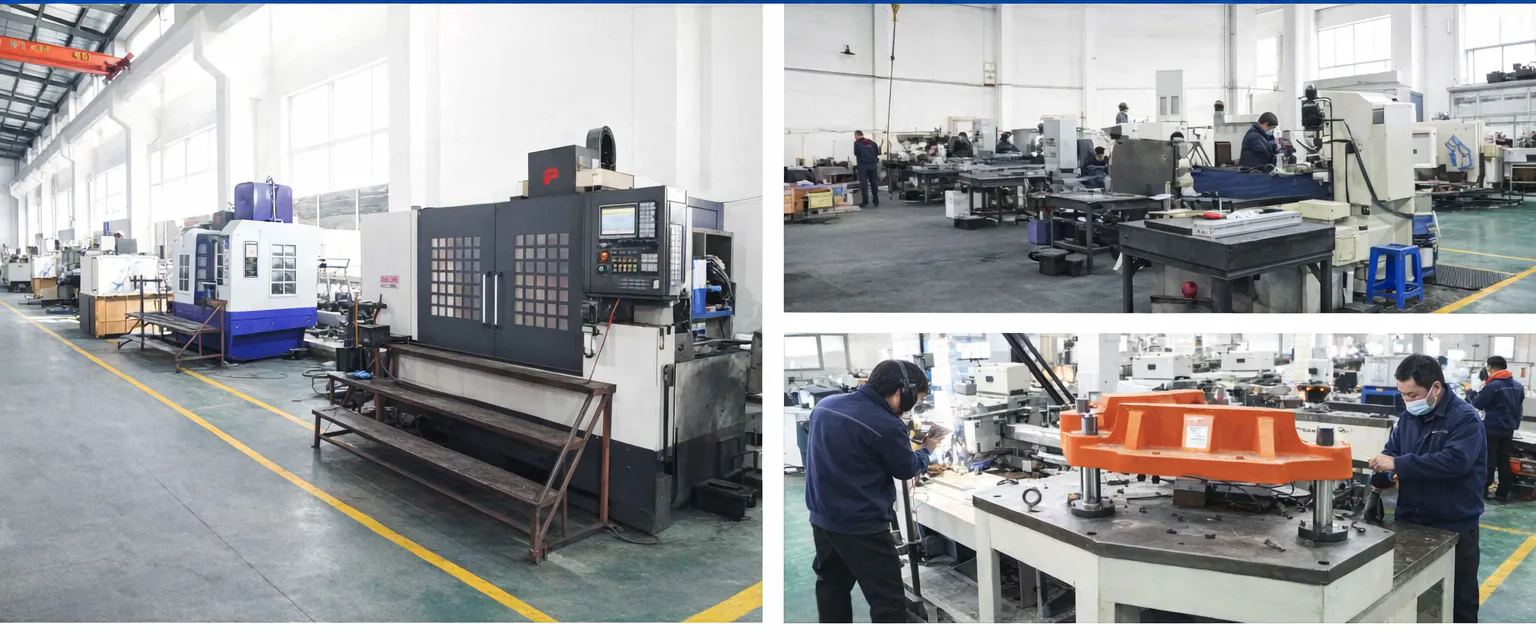
Наша інженерна команда з понад двадцяти п'яти спеціалістів охоплює механічне проектування, гідравлічні та сервосистеми, програмне забезпечення для керування, розробку прес-форм та оптимізацію робочих процесів, надаючи клієнтам технічну підтримку, починаючи від початкової консультації з проектування контейнера і закінчуючи введенням у виробництво та постійним удосконаленням процесів.
Серія машин охоплює конфігурації від компактних тристанційних повністю електричних установок, придатних для виробництва спеціальних контейнерів, до великих чотиристанційних платформ, що обробляють двадцятилітрові контейнери з кількістю порожнин на один виліт до двадцяти восьми. Сумісність з форматами прес-форм ASB та Aoki дозволяє клієнтам переходити з існуючих платформ, щоб використовувати наявні інвестиції в інструменти, отримуючи при цьому енергоефективність, точність та допоміжну інфраструктуру машин сучасного покоління.
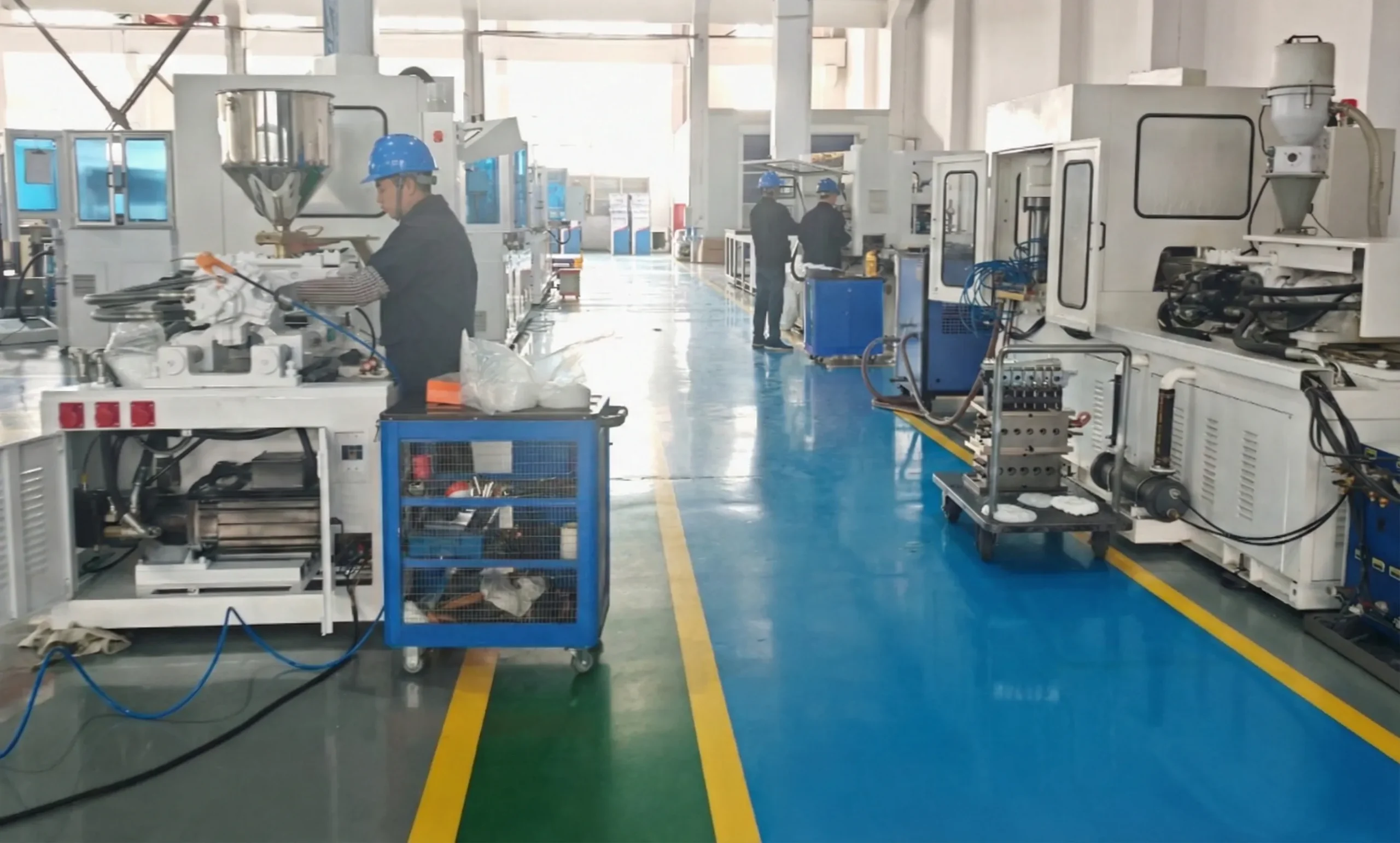
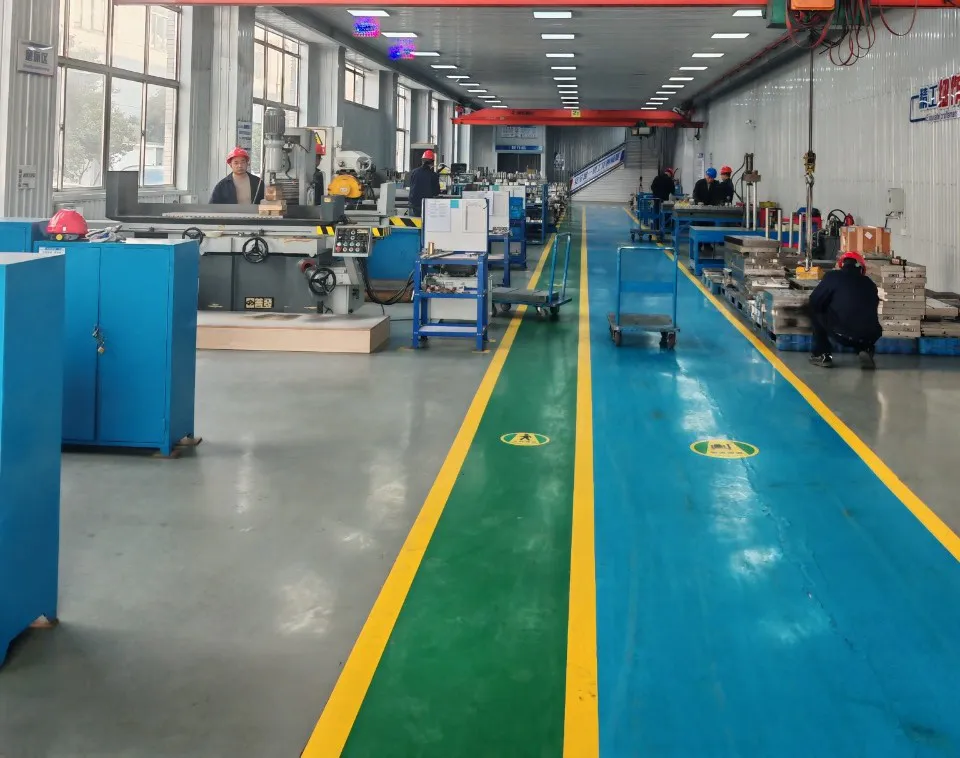
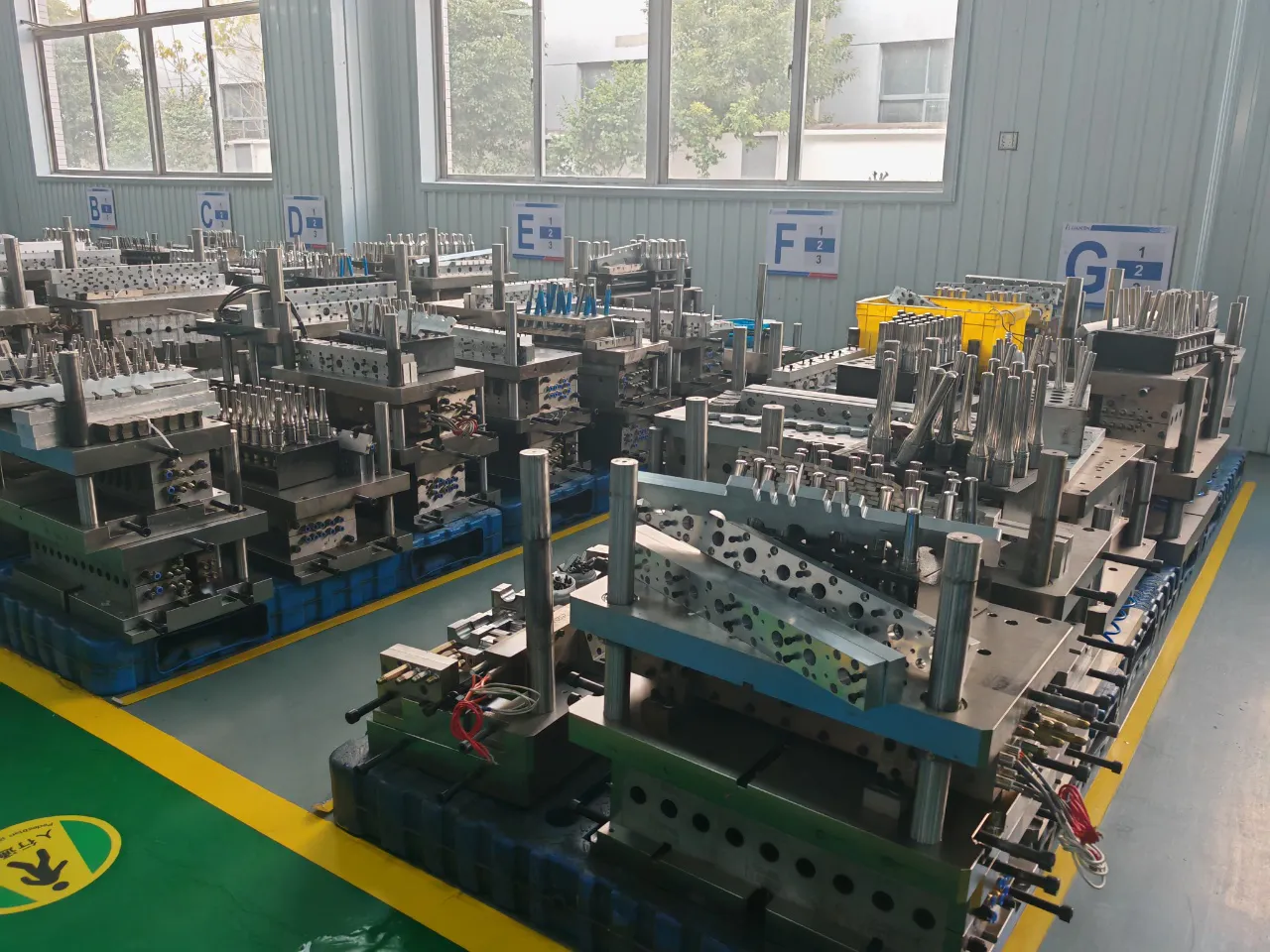
Майстерня
Часті запитання про машини ISBM
Редактор: PXY