India’s pharmaceutical sector has emerged as one of the world’s largest generic drug suppliers, and the packaging lines behind those drugs demand a level of precision that older blow moulding technologies simply cannot deliver. One-step injection stretch blow moulding machines — often called ISBM machines — have become the equipment of choice for drug makers across the subcontinent, and understanding why requires a look at the regulatory landscape, material science, process architecture, and operational economics that shape every packaging decision at scale.
India’s Pharmaceutical Packaging Landscape
India currently ranks third globally by pharmaceutical volume and is the leading supplier of generic medicines to regulated markets in North America, Europe, and Africa. With over 10,500 manufacturing units approved by domestic regulators and hundreds holding dual US FDA or EU GMP certification, the expectations placed on packaging equipment are extraordinarily high. A container that fails a drop test, allows moisture ingress, or presents dimensional inconsistency at the closure can compromise an entire batch — and in regulated markets, that means costly recalls, import alerts, and reputational damage that takes years to repair.
Packaging lines serving the Indian market must reconcile several competing demands simultaneously: high throughput for domestic volume, precision neck dimensions for tamper-evident and child-resistant closures, chemical compatibility with a wide range of active pharmaceutical ingredients (APIs), and documentation trails that satisfy Schedule M under the Drugs and Cosmetics Act as well as international GMP frameworks. The injection stretch blow moulding machine addresses each of these demands within a single, integrated production cell, which is why plant managers across Gujarat, Hyderabad, Pune, and Baddi have been steadily replacing legacy extrusion or two-step blow moulding lines with ISBM machines.
The selection of the right injection stretch blow moulding machine is therefore not purely a capital expenditure decision — it is a regulatory and quality strategy decision that affects downstream validation effort, GMP audit outcomes, and ultimately the speed at which new product registrations can be supported with packaging data. An ISBM machine that is well matched to the resin type and container format reduces process validation cycles and supports faster time-to-market for new pharmaceutical product launches.
Regulatory Compliance: What the Rules Actually Require
Before specifying any blow moulding equipment for pharmaceutical use, it is worth mapping the regulatory obligations that govern the containers themselves. These are not merely bureaucratic checkboxes — they directly define what the machine must be capable of producing.
India — Schedule M & CDSCO Requirements
The Central Drugs Standard Control Organisation (CDSCO) mandates that pharmaceutical containers comply with the Indian Pharmacopoeia (IP) and the revised Schedule M of the Drugs and Cosmetics Act. Key requirements include container closure integrity, extractables and leachables testing, controlled light transmission for amber or opaque bottles, and material certification confirming that resins are not classified as hazardous. IP 2022 specifically references BIS standards for plastic containers used with oral liquids and parenteral preparations. Dimensional tolerance on neck finishes must be consistent enough to guarantee reliable hermetic sealing across the entire production batch — a criterion the one-step ISBM process meets inherently because the neck is formed by injection moulding in the same cycle as the body.
USA — US FDA 21 CFR Part 211
Under 21 CFR Part 211 (Current Good Manufacturing Practice for Finished Pharmaceuticals), packaging components must be adequately controlled and tested. Section 211.94 requires that drug product containers be clean, non-reactive, and not alter the potency or purity of the drug. For plastic containers, this translates into polymer selection, extractables profiling, and process validation documentation. ISBM machines that eliminate the open preform stage — where reheated blanks are exposed to ambient air — offer a cleaner process with fewer contamination vectors, which simplifies validation narratives for US FDA submissions.
European Union — EudraLex Volume 4 (EU GMP)
EU GMP guidelines require that primary packaging materials be manufactured in a controlled environment commensurate with the product being packaged. For oral solid dose bottles and liquid preparations, this typically requires documented risk assessment on particulate generation and resin traceability. The enclosed process cell of a modern injection stretch blow moulding machine, where preforms are formed and blown in a single, sealed sequence without inter-stage handling, supports the particulate control narrative required for Annex 1 and Annex 15 compliance strategies.
Japan — PMDA & Japanese Pharmacopoeia (JP)
Japan’s Pharmaceuticals and Medical Devices Agency (PMDA) oversees container regulations aligned with the Japanese Pharmacopoeia 18th Edition. JP standards for plastic containers specify dissolution testing for heavy metals, oxidisable substances, and UV absorption — all of which relate to resin purity. ISBM machines processing pharmaceutical-grade PET or PETG resin without additive contamination from auxiliary hydraulic fluids (particularly important in full-servo models) produce containers more readily compliant with JP dissolution requirements.
Middle East & Other Regulated Markets
Saudi FDA (SFDA), Health Canada, TGA Australia, and numerous GCC member state regulators broadly align their container requirements with either US FDA or EU GMP frameworks. Indian pharmaceutical exporters targeting these markets must therefore ensure their packaging equipment can produce containers whose dimensional and material consistency is documentable. ISBM process data — including melt temperature logs, clamping force records, and cycle time stability — forms part of the technical file that supports registration dossiers in these jurisdictions.
Manufacturing Structure: How the Process Works
The injection stretch blow moulding process integrates three distinct forming operations into a single, continuously rotating production cell. Understanding the structural logic of the machine explains why it produces pharmaceutical-grade containers more reliably than separated two-stage systems.
| Station | Operation | Pharmaceutical Relevance |
|---|---|---|
| Станція 1 — Ін'єкція | Resin granules melt and are injected into the preform cavity. Neck finish is formed to exact tolerances. | Neck dimensions are controlled at the injection stage — no secondary trimming introduces particulate or dimensional variability. |
| Station 2 — Temperature Conditioning | Preform temperature profile is adjusted using heating/conditioning cores before blowing. (4-station machines only) | Uniform heat distribution prevents pearlescence, hazing, and uneven wall thickness — all critical for clarity and barrier performance in medicine bottles. |
| Станція 3 — Розтягування та видування | A stretch rod extends the preform axially while high-pressure air (2.0–3.5 MPa) expands it radially against the mould walls. | Biaxial orientation aligns polymer chains, significantly improving barrier properties against oxygen and moisture — key for API stability. |
| Station 4 — Ejection | Finished containers are automatically removed and oriented for downstream filling or packaging. | Fully automated take-out eliminates human handling of primary container surfaces before filling, reducing bioburden risk. |
The rotary table moves all stations simultaneously, meaning injection, conditioning, blowing, and ejection happen in parallel on every cycle. This parallel architecture is what gives the one-step injection stretch blow moulding machine its throughput advantage over sequential processes: there is no idle machine time between forming steps. For pharmaceutical producers running three shifts, the economics of this parallel cycle compound quickly into meaningful annual savings on both energy and labour. The ISBM machine’s synchronised station operation also means that process parameters at each station can be independently adjusted without stopping the line — a practical advantage when fine-tuning blowing pressure or conditioning temperature for a new resin grade or bottle format.
Material System: Resins That Matter in Pharmaceutical Packaging
Material selection for pharmaceutical containers is a multi-variable decision involving chemical compatibility with the API, mechanical requirements of the closure system, regulatory acceptance in target markets, and clarity requirements for product presentation. The one-step injection stretch blow moulding machine is engineered to handle a range of pharmaceutical-relevant thermoplastic resins without changing the core machine architecture.
| Resin | Key Properties | Typical Pharma Application | ISBM Compatibility |
|---|---|---|---|
| ПЕТ | High clarity, excellent oxygen and moisture barrier, lightweight, recyclable | Oral liquid bottles, syrup bottles, nutritional supplement containers | Standard — primary pharmaceutical resin |
| ПЕТГ | Glass-like clarity, superior chemical resistance, heavy-wall capability | Premium pharmaceutical bottles, reagent containers, diagnostic packaging | 4-station preferred for heavy wall |
| ПП | High temperature resistance, autoclavable, excellent moisture barrier, BPA-free | Sterilisable medical containers, ophthalmic bottles, infusion caps | Compatible with screw geometry adjustment |
| ПК | Impact resistance, heat resistance up to 135 °C, reusable | Autoclavable medical containers, laboratory bottles | 4-station with conditioning station required |
| ПКТГ | Enhanced toughness, clarity, chemical resistance vs standard PETG | Specialty diagnostic kits, chemical-resistant secondary packaging | Compatible with temperature adjustment |
The plasticising unit — screw geometry, barrel zone temperatures, and residence time management — is the component that determines whether an injection stretch blow moulding machine can handle this range reliably. Pharmaceutical resins are often dried to very low moisture content before processing, and barrel temperatures must be held within tight windows to prevent molecular weight degradation that would compromise container clarity and mechanical integrity. Nano-far-infrared heating elements used in current-generation ISBM machines deliver more uniform barrel heating than traditional resistance heaters, which reduces the risk of localised degradation in temperature-sensitive resins like PETG and PC. This thermal consistency is one of the key reasons the one-step injection stretch blow moulding machine has become the preferred platform for high-specification pharmaceutical packaging in markets with strict extractables and leachables requirements.
Featured Machine: EP-HGYS150-V4 — Built for Pharmaceutical Precision
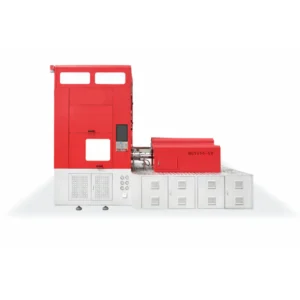
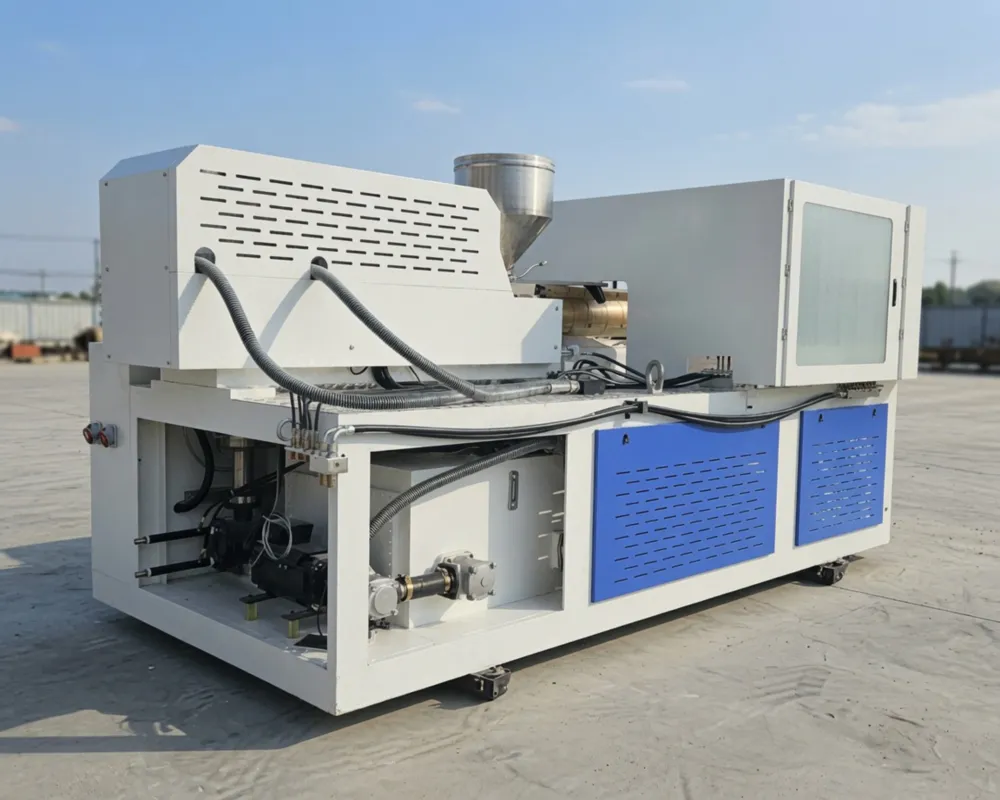
The EP-HGYS150-V4 is a four-station one-step injection stretch blow moulding machine designed for mid-to-large volume pharmaceutical bottle production. Its four-station rotary architecture includes a dedicated temperature conditioning station that provides the controlled preform thermal profile essential when producing medicine bottles, ophthalmic containers, and diagnostic packaging in PET, PETG, PP, or PC.
The machine operates on a servo pump control system with Inovance/WEICHI servo motors delivering 43.2 kW of drive power, supported by 10 kW of nano-far-infrared barrel heating. The turntable drive uses a Japan Yaskawa servo motor paired with a Taiwan TSUNTIEN reducer for precise rotational indexing, and high-pressure valves are sourced from Parker (USA) for reliable high-cycle performance.
Compatibility with ASB-12M format moulds simplifies tooling investment for manufacturers transitioning from legacy ASB injection molding machine platforms, making this a practical replacement injection stretch blow moulding machine rather than a complete retooling exercise.
| Параметр | Значення | Параметр | Значення |
|---|---|---|---|
| Materials | ПЕТ / ПЕТГ | Діаметр гвинта (необов'язково) | 40 / 50 / 55 / 60 mm |
| Сила затискання ін'єкції | 150 кН | Сила затискання видуву | 200 KN (single side) |
| Потужність двигуна | 43,2 кВт | Потужність опалення | 10 кВт |
| Тиск повітря, що дме | 2,0 – 3,5 МПа | Тиск охолоджувальної води | 0,4 – 0,6 МПа |
| Напруга | 370 – 400 В | Machine Size (L × W × H) | 4200 × 1400 × 2900 мм |
| Вага машини | 6 Т | Max Bottle Volume (1 cavity) | 2500 мл |
| Загальна потужність машини | 53.2 KW | ASB Mould Compatibility | ASB-12M format |
Why the Four-Station Architecture Matters for Drug Packaging
Three-station ISBM machines handle tail cutting or light pre-blowing in the intermediate position. Four-station machines replace that with a genuine temperature conditioning station equipped with individual heating and conditioning cores. This distinction matters enormously in pharmaceutical packaging for several reasons.
First, medicine bottles — particularly for syrups, eye drops, and multi-dose oral liquids — typically have tight wall thickness specifications. The wall thickness distribution determines not only barrier performance but also the structural integrity of the neck finish thread, which must engage precisely with tamper-evident closures. Uneven wall thickness caused by non-uniform preform temperature is one of the most common root causes of neck deformation under closure torque. The dedicated conditioning station eliminates this by actively managing the preform temperature profile before stretching begins.
Second, pharmaceutical containers made from PETG or PC — materials that offer superior chemical resistance compared to standard PET — require a more controlled thermal window for biaxial orientation. If the preform temperature is too high, the stretching produces insufficient molecular orientation and the container lacks barrier performance. Too low, and the material whitens or cracks. The conditioning station widens the viable processing window for these engineering resins, making consistent production of PETG pharmaceutical containers practical on a 24-hour production schedule.
Third, the four-station platform enables the production of asymmetric and wide-mouth containers — formats used for tablet bottles, capsule jars, and diagnostic reagent bottles — that require more complex preform geometry and wall distribution management than standard round bottles. Indian pharmaceutical manufacturers producing for export often need to supply these container formats in multiple markets simultaneously, and tooling flexibility on a four-station injection stretch blow moulding machine supports rapid mould changeover between formats. When evaluating whether an ISBM machine is the right investment, the ability to serve multiple container formats from a single platform is often the deciding factor over single-format dedicated blow moulding systems.
| Comparison Point | 3-Station ISBM | 4-Station ISBM |
|---|---|---|
| Preform temperature control | Tail cut / pre-blow only | Dedicated conditioning cores |
| Heavy-wall container suitability | Limited | Well suited |
| Engineering resins (PC, PETG) | Challenging | Reliably processable |
| Wall thickness consistency | Good | Superior |
| Wide-mouth and asymmetric bottles | Not recommended | Suitable |
| Typical pharma use case | Eye drops, vials, small thin-wall bottles | Syrup bottles, tablet jars, multi-dose containers |
Hygiene Control and Contamination Prevention
Unlike the one-step injection stretch blow moulding machine approach, two-step blow moulding requires injection-moulded preforms to be cooled, stored in bulk containers, conveyed to a reheat oven, and then transferred to the blow station. Each handoff point is an opportunity for particulate deposition, surface scratching, or microbial colonisation on the internal surface of the preform. For non-pharmaceutical plastic containers this is an acceptable trade-off for production flexibility, but for primary drug packaging — particularly oral liquids and ophthalmic products — this chain of contamination risk is far harder to manage under GMP.
The one-step injection stretch blow moulding machine eliminates all inter-stage handling. From the moment the resin enters the barrel to the moment the finished container exits the ejection station, the internal surface of the container is never exposed to ambient environment. This enclosed process architecture supports GMP validation documentation by reducing the number of contamination control points that must be addressed in the qualification protocol. It also simplifies the environmental monitoring programme, since the ISBM machine’s production zone can be evaluated as an extension of the controlled processing area rather than as a separate secondary packaging room with its own airlock and pressure cascade requirements. No other blow moulding technology offers this level of inherent process closure in a single equipment footprint.
Operational Economics: Energy, Labour, and Floor Space
Indian pharmaceutical manufacturers are acutely cost-conscious — particularly those competing in generic markets where margin pressure is constant. An injection stretch blow moulding machine offers measurable operational cost advantages that compound over the equipment’s production life, making it one of the more economically sound capital investments available to a mid-scale pharmaceutical packaging operation.
Energy Savings (~30–40%)
The one-step injection stretch blow moulding machine uses residual heat from injection for blow moulding, eliminating the reheat oven entirely. This alone accounts for the majority of the energy saving over two-step systems. Servo-controlled ISBM machines add further savings because servo motors consume peak power only during motion, not continuously as hydraulic pumps do.
Labour Reduction
Full-process automation from resin feeding to finished container ejection means a single operator can monitor multiple machines simultaneously. Elimination of preform handling, conveying, and sorting positions reduces headcount requirements significantly relative to two-step lines producing equivalent output.
Компактний слід
The EP-HGYS150-V4 injection stretch blow moulding machine occupies 4200 × 1400 × 2900 mm at 6 tonnes. A two-step equivalent — injection moulding machine, preform store, reheat oven, blow moulding machine — requires several times that floor area. In pharmaceutical facilities where cleanroom square footage carries a premium build cost, the compact footprint of a one-step ISBM machine matters directly to the capital cost of the project.
Reduced Material Waste
Because the preform is formed and blown in one continuous thermal cycle, there is no material degradation from a second heat cycle. Scrap rates from reheating-related defects — crystallisation, hazing, stress cracking — are eliminated. For pharmaceutical-grade resins that carry a significant material cost premium over standard grades, this reduction in resin waste is a meaningful operational saving.
Explore the Full Injection Stretch Blow Moulding Machine Range
Pharmaceutical production lines vary widely in output targets, container formats, and available floor space. The injection stretch blow moulding machine range covers 3-station and 4-station architectures, servo-pump and full-servo drive configurations, and tonnage classes from small-format eye-drop vials right through to large-format multi-dose containers. Whether you are sourcing your first ISBM machine or replacing an existing line, manufacturers transitioning from legacy ASB injection molding machine platforms will find equipment in this portfolio compatible with ASB-12M tooling formats, minimising tooling investment during the upgrade. Each injection stretch blow moulding machine in the range is backed by full technical documentation to support IQ/OQ validation protocols.
Про нас
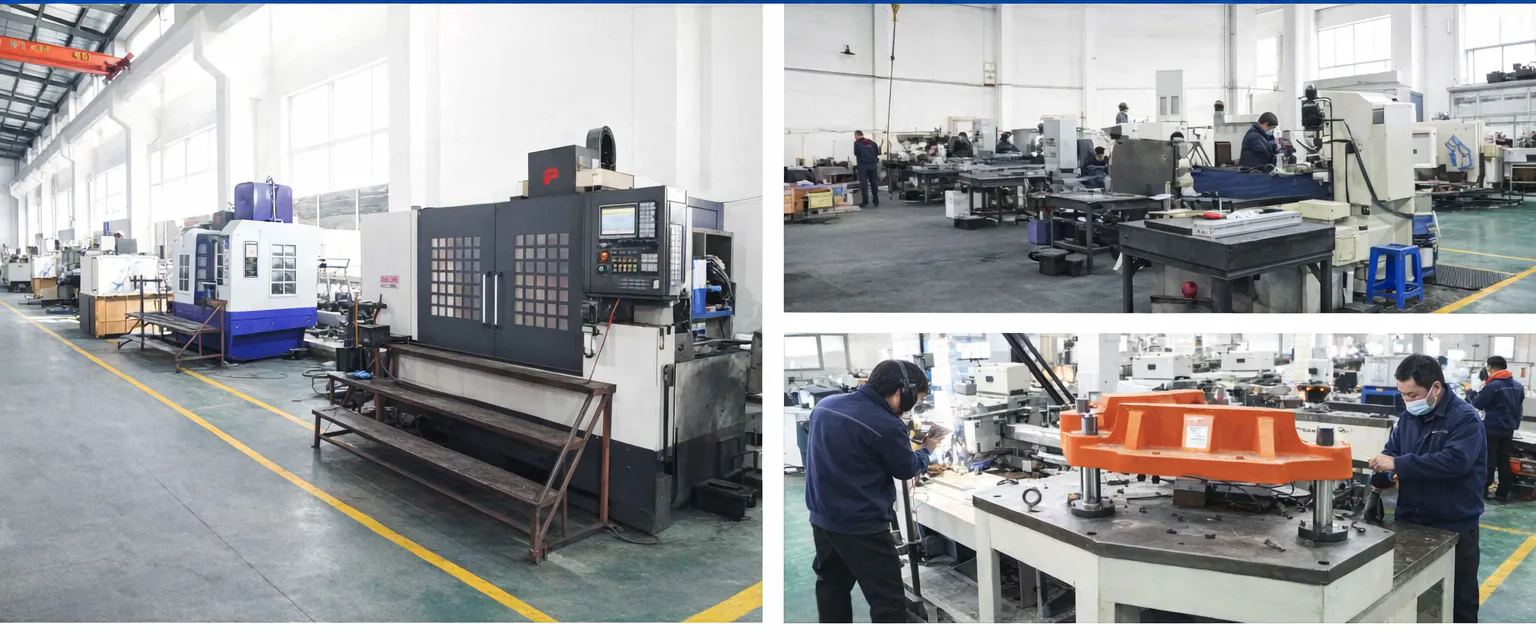
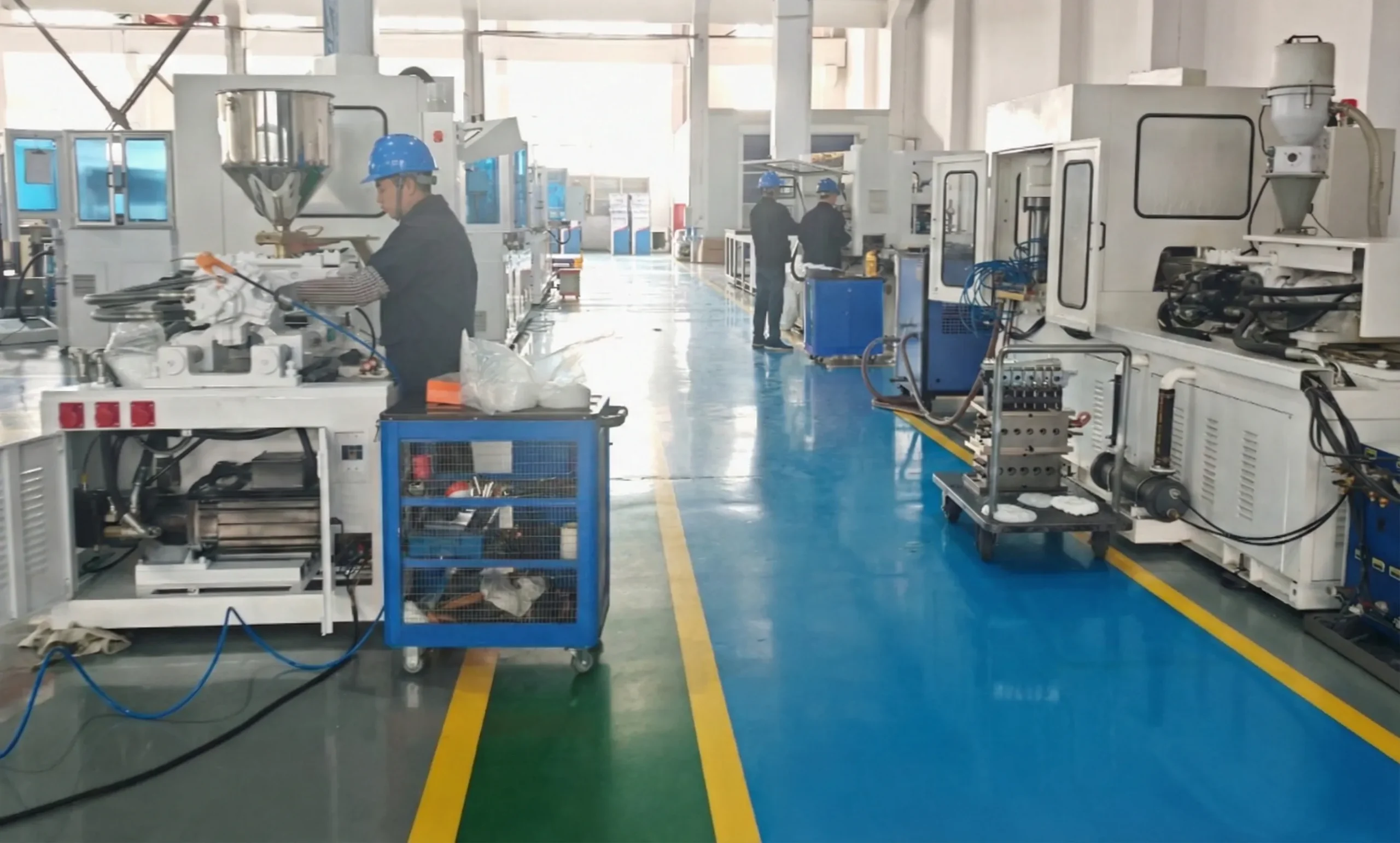
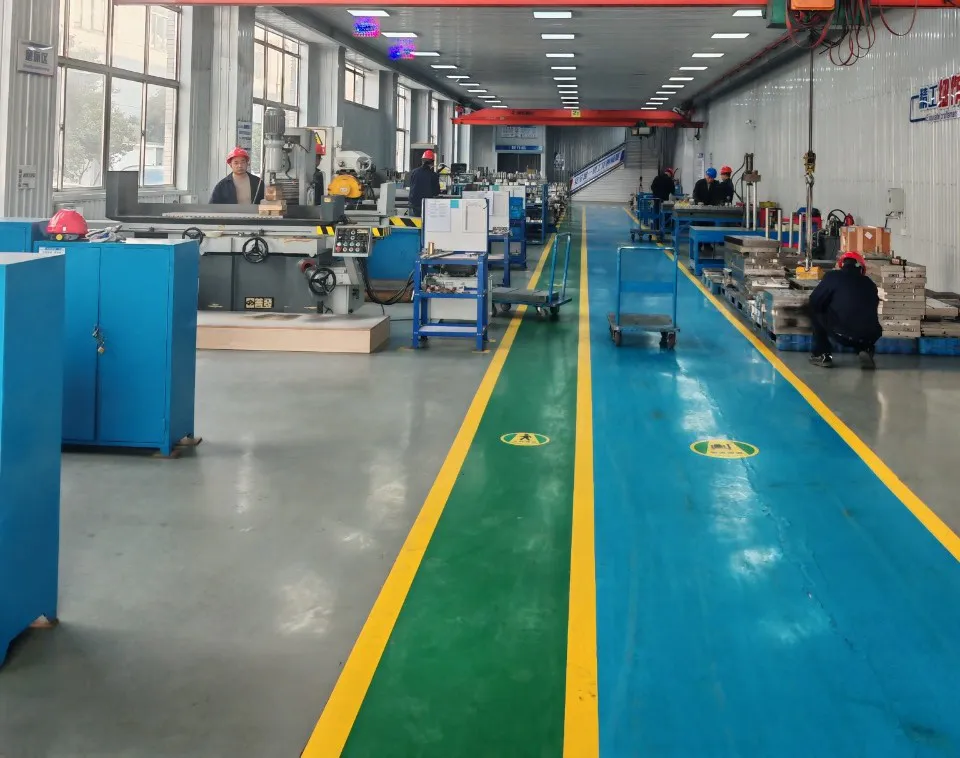
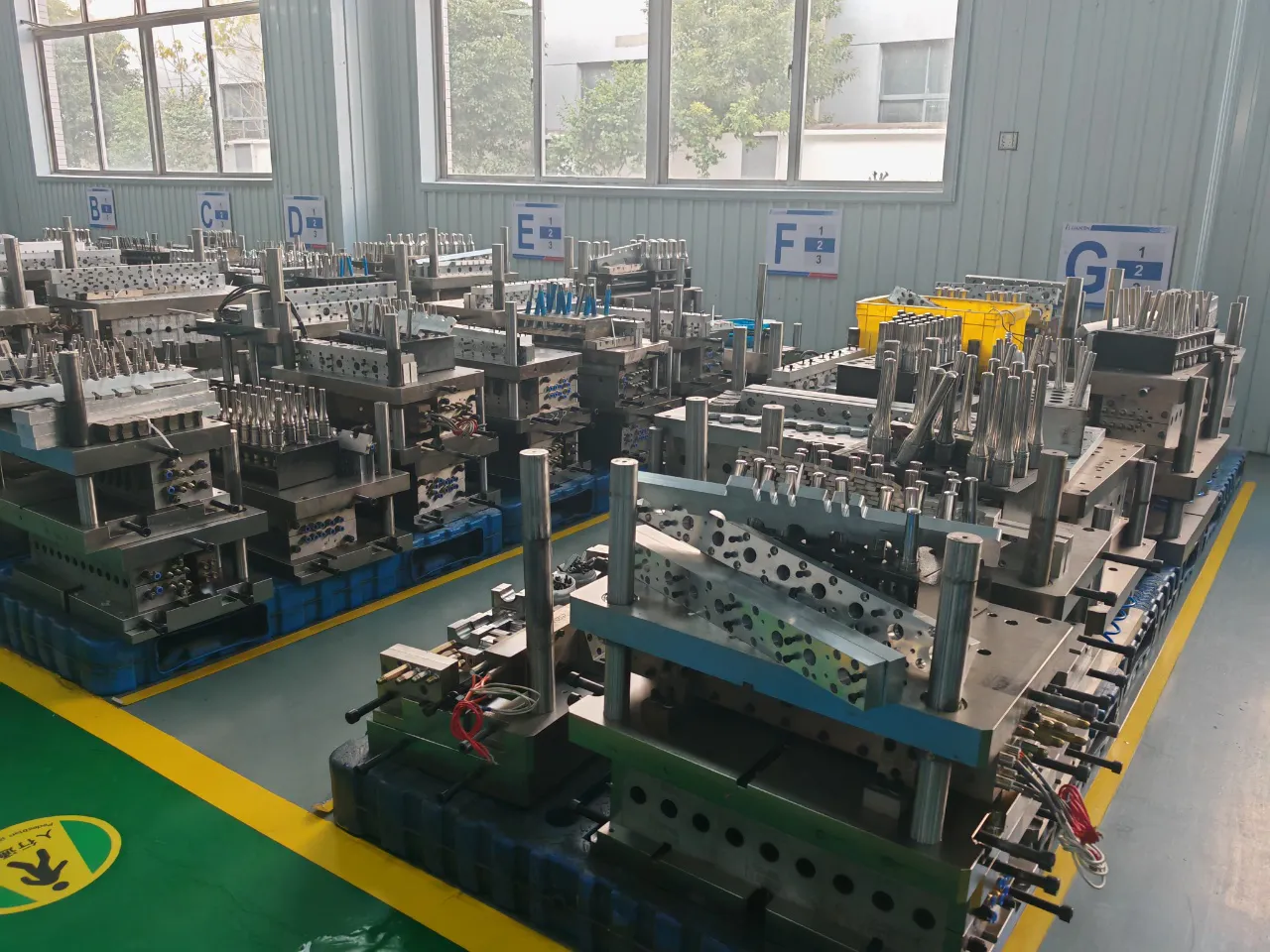
Established in 2003, the manufacturing group behind these injection stretch blow moulding machines has spent more than two decades refining ISBM machine technology for demanding packaging applications in pharmaceuticals, cosmetics, food and beverages, and baby products. The production base — over 20,000 square metres in Qingyuan City, Guangdong — integrates R&D engineering, precision machining, and quality testing under one roof. The equipment range covers multi-material processing in PET, PETG, PC, PCTG, and PP, and the engineering team has applied for multiple national patents covering process innovations in servo control, energy-efficient heating, and mould clamping systems. Key component suppliers include Yaskawa (Japan) for servo turntable drives, Parker (USA) for high-pressure valves, NSK (Japan) for lead screws, and Parker (USA) for high-pressure control.
Семінар
Complete Your Production System
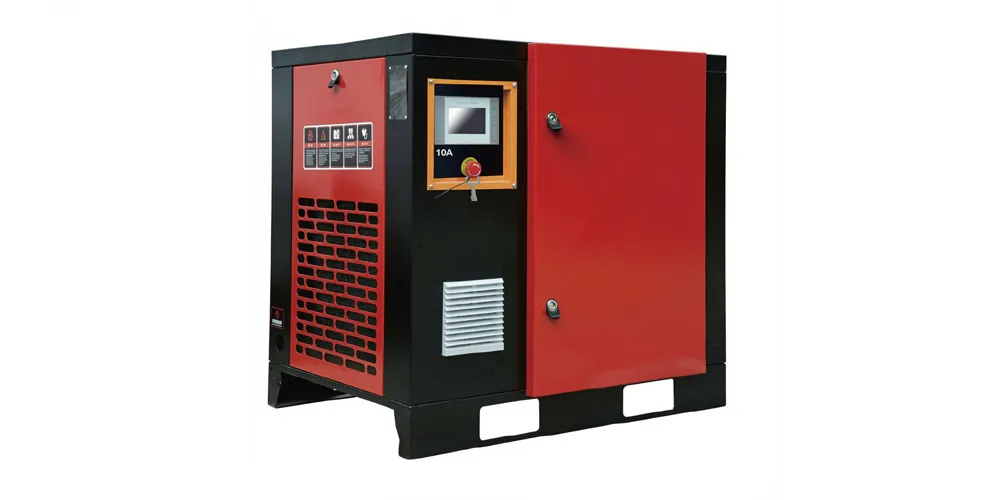
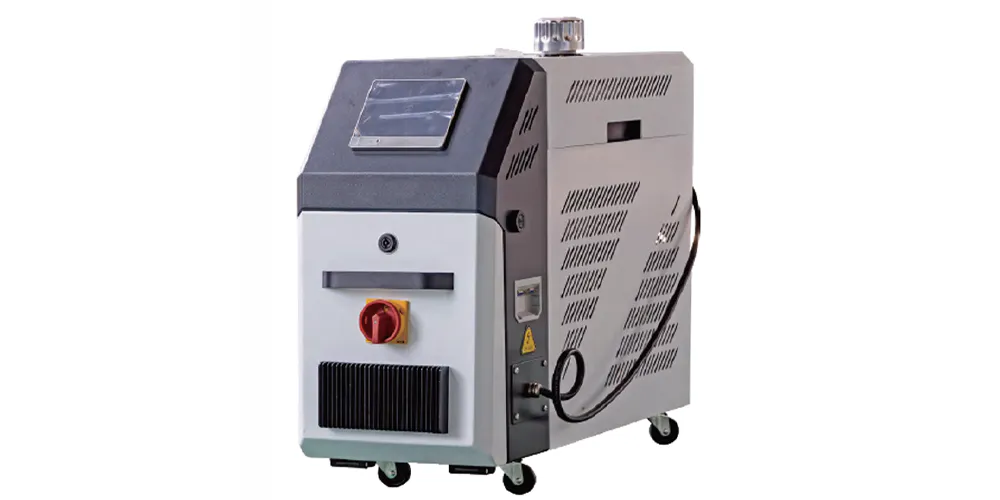
Reliable ISBM machine performance depends on the quality of the auxiliary equipment connected to it. Two systems in particular are critical for pharmaceutical packaging operations: clean compressed air supply and mould temperature stability. Both are available as part of a one-stop supply arrangement.
Часті запитання
Редактор: PXY