Фармацевтична та медична упаковка
A comprehensive technical guide for pharmaceutical packaging engineers, procurement specialists, and quality teams exploring how injection stretch blow molding machine technology meets the world’s most demanding biocompatibility standards.
When it comes to pharmaceutical packaging, the conversation quickly shifts from cost and throughput to something far more critical: patient safety. USP Class VI — the highest biocompatibility classification under the United States Pharmacopeia — is not just a regulatory checkbox. It is a signal to the market that every material in contact with a drug product has been rigorously evaluated for systemic toxicity, implantation response, and intracutaneous reactivity. Producing bottles that meet this standard begins long before the filling line — it starts with the forming technology itself.
Injection stretch blow moulding technology, often referred to as ISBM, has emerged as one of the most capable processes for pharmaceutical bottle production precisely because it integrates injection moulding, thermal conditioning, and blow moulding into a single, uninterrupted sequence. There is no intermediate handling, no reheating, no contamination window between preform and final container. That continuity matters enormously in a regulated environment where every process step must be documented, validated, and controlled. This article explores how the ISBM process aligns with USP Class VI requirements, which materials qualify, how machine architecture supports cleanroom compatibility, and what global regulatory frameworks demand from pharmaceutical packaging manufacturers.
What USP Class VI Actually Requires
The United States Pharmacopeia Chapter <661> and the broader Class VI biological reactivity tests establish a tiered framework for evaluating plastics intended for pharmaceutical contact. Class VI sits at the top of that framework and is triggered when a plastic component is intended for contact with sensitive drug formulations, implants, or products requiring the highest assurance of biological safety.
Achieving Class VI classification involves three mandatory in-vivo tests conducted on polymer samples that have been extracted at 50°C and 121°C: the systemic injection test (which assesses acute toxicity when extractables are injected into mice), the intracutaneous reactivity test (which evaluates local tissue irritation following injection into rabbit skin), and the implantation test (which examines tissue reaction to samples surgically implanted in rabbit muscle tissue for 7 days). A material passes Class VI only when none of these tests produce statistically significant adverse reactions compared to the control group.
For packaging engineers, the practical implication is clear: the resin grade, any colorants or stabilizers, and the processing conditions all contribute to the extractable profile of the final container. A bottle produced from a non-pharmaceutical-grade resin under poorly controlled melt temperatures may generate oxidative degradation byproducts that compromise Class VI status even if the base polymer is otherwise suitable. This is where the precision of the injection stretch blow moulding process becomes a direct compliance asset — not merely a production convenience.
Manufacturing Structure: How the One-Step ISBM Process Works
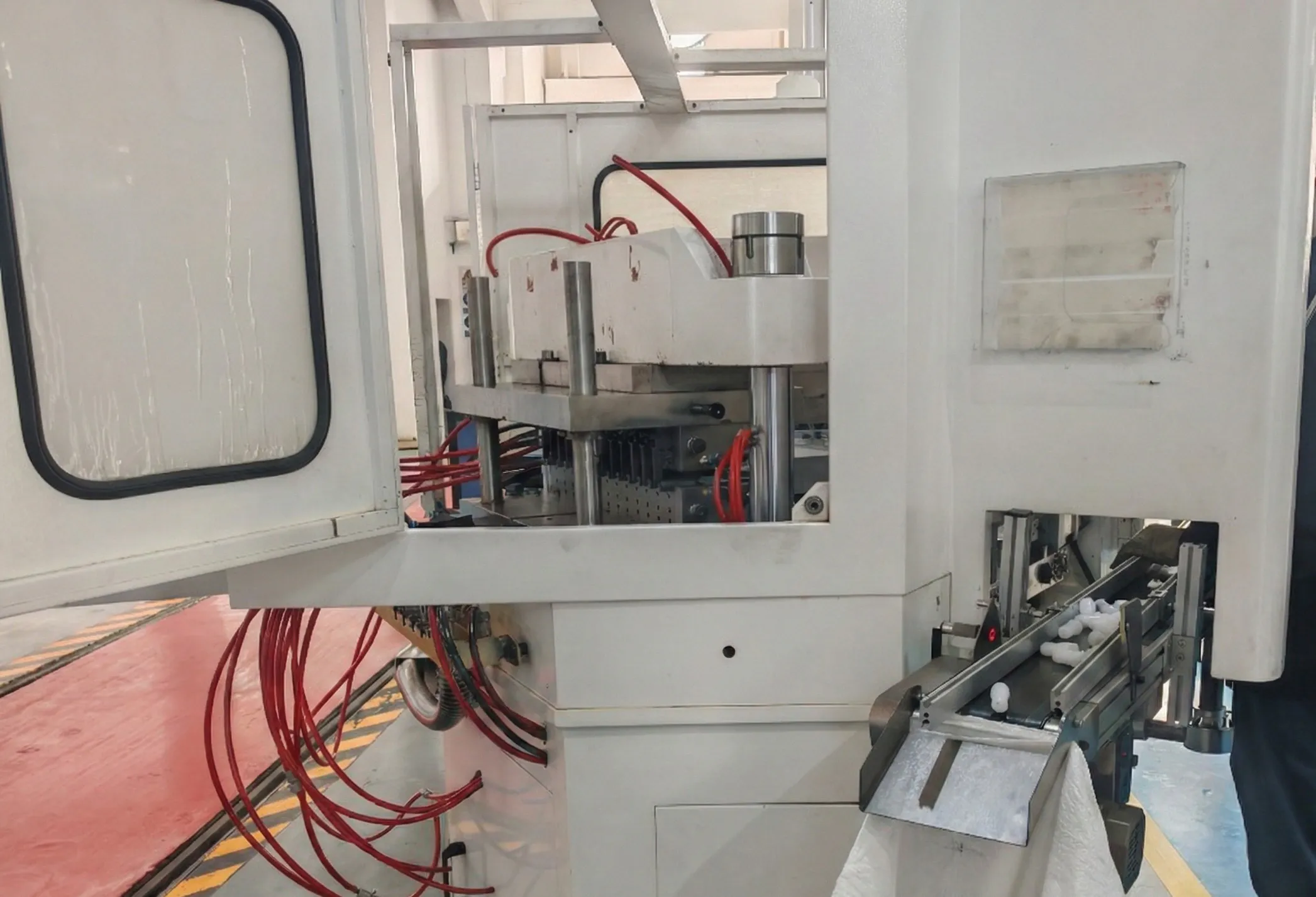
The one-step injection stretch blow moulding process consolidates what was historically a two-step operation — separate injection moulding of preforms followed by reheating and blow moulding — into a single machine cycle. The process flows through four distinct functional zones: injection, preform conditioning, stretch blow moulding, and bottle take-out. Because the preform never leaves the machine between injection and blowing, it retains its thermal profile from the injection stage, eliminating the need for secondary heating and the quality variation that reheating can introduce.
Ін'єкція
Кондиціонування
Розтягнутий удар
Take-Out
The machine architecture typically employs a rotating turntable that indexes the preform through each station. High-precision servo motor systems control each movement — from injection clamping force to blow mould closure — ensuring that dimensional tolerances remain within pharmaceutical validation parameters across the full production run. The blowing air pressure ranges from 2.0 to 3.5 MPa, which is sufficient for biaxial orientation of PET and PETG without inducing crystalline stress patterns that could affect long-term container integrity.
From a cleanroom integration standpoint, the enclosed nature of the ISBM machine significantly reduces particulate exposure risk compared to two-step processes where open preforms are conveyed between equipment. For Grade C or Grade D cleanroom pharmaceutical environments — the typical classification for primary packaging zones under EU GMP Annex 1 and ISO 14644 — the compact, enclosed ISBM format is architecturally advantageous.
Material Systems for USP Class VI Pharmaceutical Bottles
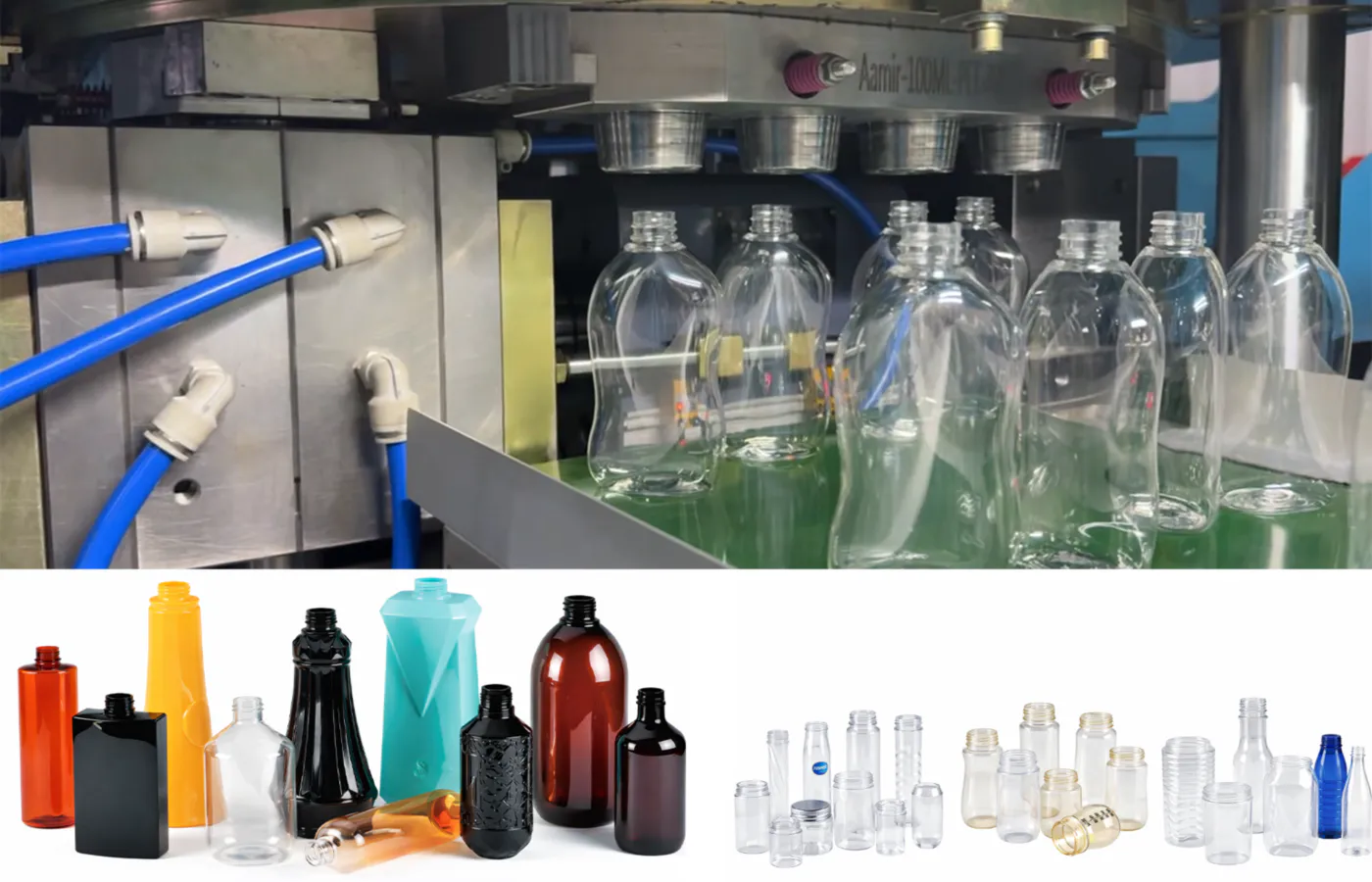
Not all polymers processed on ISBM equipment are appropriate for pharmaceutical packaging, and fewer still are suitable for USP Class VI applications. Material selection is one of the most consequential decisions in pharmaceutical container development. The following materials are processable on one-step injection stretch blow moulding machines and carry established pathways to Class VI qualification:
| Матеріал | USP Class VI Pathway | Key Properties | Typical Applications |
|---|---|---|---|
| ПЕТ (поліетилентерефталат) | Medical/pharma-grade grades available with full extractables testing | Excellent clarity, good moisture barrier, biaxial strength | Oral solid dose bottles, liquid OTC, nasal rinse |
| PETG (PET-Glycol Modified) | Widely tested; grades from Eastman and SK Chemicals carry Class VI documentation | Impact resistance, gamma sterilisation compatibility, no acetaldehyde concern | Injectable device packaging, eye drop bottles, diagnostic containers |
| ПП (поліпропілен) | Multiple pharma-grade resins with Class VI approval; ISO 10993 data available | Chemical resistance, autoclave sterilisability, low extractables | Reagent bottles, laboratory containers, syrup bottles |
| PC (Polycarbonate) | BPA-free grades with Class VI support; requires documented resin provenance | High clarity, impact strength, dimensional stability | Reusable medical containers, device housings |
| Tritan (copolyester) | BPA-free by chemistry; Eastman provides extensive regulatory support files | Dishwasher-safe, exceptional clarity, no hormonal activity | Paediatric packaging, reusable pharmaceutical containers |
Material qualification under USP Class VI requires that the resin be processed under defined conditions and that the resulting containers — not just the raw resin — be submitted for extractables and leachables (E&L) testing. This means the processing parameters of the ISBM machine, including melt temperature, residence time, and shear rate, must be fixed as part of the validation package. Modern ISBM equipment with integrated PLC temperature control and real-time process monitoring makes this documentation tractable in a way that older, manually controlled machines cannot.
Global Regulatory Frameworks Governing Pharmaceutical Plastic Containers
Pharmaceutical packaging is one of the most heavily regulated categories in manufacturing. The requirements differ substantially by jurisdiction, and manufacturers supplying global markets must navigate overlapping — and sometimes conflicting — standards. Understanding how USP Class VI fits into this broader landscape is essential for any ISBM operator targeting pharmaceutical customers.
| Region / Jurisdiction | Key Regulation / Standard | Relevance to ISBM-Produced Containers |
|---|---|---|
| United States (FDA) | 21 CFR Part 211.94; USP <661> Containers — Plastic; ICH Q3C | Containers must not interact physically or chemically with drug product; Class VI testing supports IND/NDA filings |
| European Union (EMA / EC) | EU Regulation 10/2011 (food contact); Ph. Eur. 3.1.x series; GMP Annex 1 | EU Ph. Eur. chapter 3.1.3 (polyolefins) and 3.1.5 (polyethylene) specify extraction tests that parallel Class VI; Annex 1 governs cleanroom environment for sterile manufacturing |
| United Kingdom (MHRA) | UK GMP Annex 1; MHRA Guidance on Packaging for Medicinal Products | Post-Brexit framework largely mirrors EU GMP with MHRA oversight; Class VI data supports MA applications to MHRA |
| Japan (PMDA / MHLW) | JP XVII General Notices; PFSB Notification on Container Closure Systems | JP plastic container standards align broadly with USP approach; PMDA expects E&L data consistent with ICH Q3E guidelines |
| India (CDSCO) | Drugs and Cosmetics Act; Indian Pharmacopoeia Appendix 3.3 | IP references USP and BP; CDSCO increasingly accepts USP Class VI as a baseline biocompatibility demonstration for plastic containers |
| Brazil (ANVISA) | RDC 498/2021; RDC 220/2004 (for medical devices) | ANVISA requires container material compatibility data; Class VI plus ISO 10993 suite is accepted for registration dossiers |
| Australia (TGA) | Therapeutic Goods (Standard for Medicinal Products) Order; TGA Packaging Guideline | TGA accepts ICH and USP data as part of registration package; Class VI status is referenced in stability and container compatibility sections |
| South Korea (MFDS) | MFDS Pharmaceutical Packaging Standards; KP (Korean Pharmacopoeia) | KP aligns with JP/USP on plastic container testing; Class VI documentation is well-received in MFDS product submissions |
| Canada (Health Canada) | Food and Drugs Act; Health Canada Container Closure Guidance 2021 | ICH Q1B and Q3E expected; USP Class VI biological data directly supports NDS and ANDS submissions in Canada |
| ISO / International | ISO 15223-1; ISO 11607; ISO 10993 series | ISO 10993-1 biological evaluation framework overlaps significantly with USP Class VI; ISBM-produced containers destined for device packaging often need both USP and ISO documentation |
For ISBM equipment operators producing pharmaceutical containers for export, maintaining a documentation file that addresses both the USP Class VI biological testing data and the relevant national pharmacopoeial equivalents is strongly advisable. Regulatory convergence through the ICH process has simplified this somewhat, but jurisdiction-specific nuances — particularly around colorant additives and recycled content policies — still require careful attention at the design and resin-selection stage.
Critical Process Parameters and Pharmaceutical Validation Strategy
Pharmaceutical manufacturing operates under a validation paradigm — processes must be demonstrated reproducible before routine production can begin. For an injection stretch blow moulding operation producing Class VI containers, this typically means an Installation Qualification (IQ), Operational Qualification (OQ), and Performance Qualification (PQ) protocol aligned with ICH Q10 pharmaceutical quality systems and, in the United States, 21 CFR Part 211 current GMP requirements.
The critical process parameters (CPPs) that most directly affect container quality and biocompatibility are:
Melt Temperature
Excessive melt temperature generates acetaldehyde in PET and oxidative degradation products in PETG. Validated setpoints must be held within ±2°C.
Residence Time
Extended residence in the barrel degrades polymer chains, increasing extractable oligomers. Shot-to-shot cycle time must be consistent and documented.
Тиск повітря для продувки
Pressure (2.0–3.5 MPa) controls the degree of biaxial orientation, which directly affects wall thickness distribution, barrier performance, and container clarity.
Тиск охолоджувальної води
At 0.4–0.6 MPa, the cooling system must maintain stable mould temperature to ensure consistent crystallinity and neck finish dimensions critical for cap torque performance.
Сила затискання ін'єкції
Sufficient clamping force ensures parting line integrity and prevents flash, which is a contamination risk in pharmaceutical environments. Validated at specific KN settings per model.
Mould Temperature Control
Integrated temperature control boxes with high-accuracy regulation (±0.5°C typical) ensure thermal uniformity across cavities — particularly important for multi-cavity pharma moulds.
The full servo-driven architecture found in advanced ISBM equipment provides a significant validation advantage: every actuator movement is position-controlled and generates a data record. This means deviation detection is automatic — if blowing clamping force drifts outside the validated range, the machine PLC flags or halts production, generating a traceable record suitable for batch release documentation under 21 CFR Part 11 electronic records requirements.
Recommended Equipment for Pharmaceutical Bottle Production
For pharmaceutical packaging lines requiring small-to-medium format bottles in PET or PETG — including oral liquid bottles, eye drop containers, and diagnostic reagent vials — the three-station full-servo injection stretch blow moulding machine represents a particularly capable format. Its compact footprint and fully servo-controlled operation reduce cleanroom space requirements while delivering the process traceability that pharmaceutical validation demands.
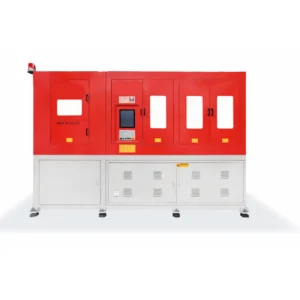
EP-HGY50-V3-EV | Full-Servo 3-Station ISBM Machine
A full-servo-controlled three-station injection stretch blow moulding machine designed for high-precision PET/PETG container production. Five sets of servo systems (Inovance/MiRLE), NSK Japan lead screws, and Parker high-pressure valves combine to deliver pharmaceutical-grade process consistency.
| Параметр | Значення |
|---|---|
| Застосовувані матеріали | ПЕТ / ПЕТГ |
| Діаметр гвинта | 40 / 50 / 55 мм (додатково) |
| Теоретичний об'єм ін'єкції | 239 / 315 / 442 см³ |
| Сила затискання ін'єкції | 50 кН |
| Сила затискання видуву | 100 KN (single side) |
| Потужність двигуна | 34,8 кВт |
| Тиск повітря, що дме | 2,0 – 3,5 МПа |
| Machine Size (L×W×H) | 3800 × 1200 × 2500 мм |
| Вага машини | 3,5 Т |
| Max. Bottle Volume (single cavity) | До 2500 мл |
| Напруга | 370 – 400 В |
For larger container formats — infusion bottles, bulk reagent containers, or multi-dose pharmaceutical bottles up to 2,500 ml — four-station configurations with higher injection clamping forces (150–400 KN depending on model) accommodate the broader product dimensions while maintaining the same servo-driven precision and validated process architecture. Explore the full range of injection stretch blow moulding machines to identify the right platform for your production requirements.
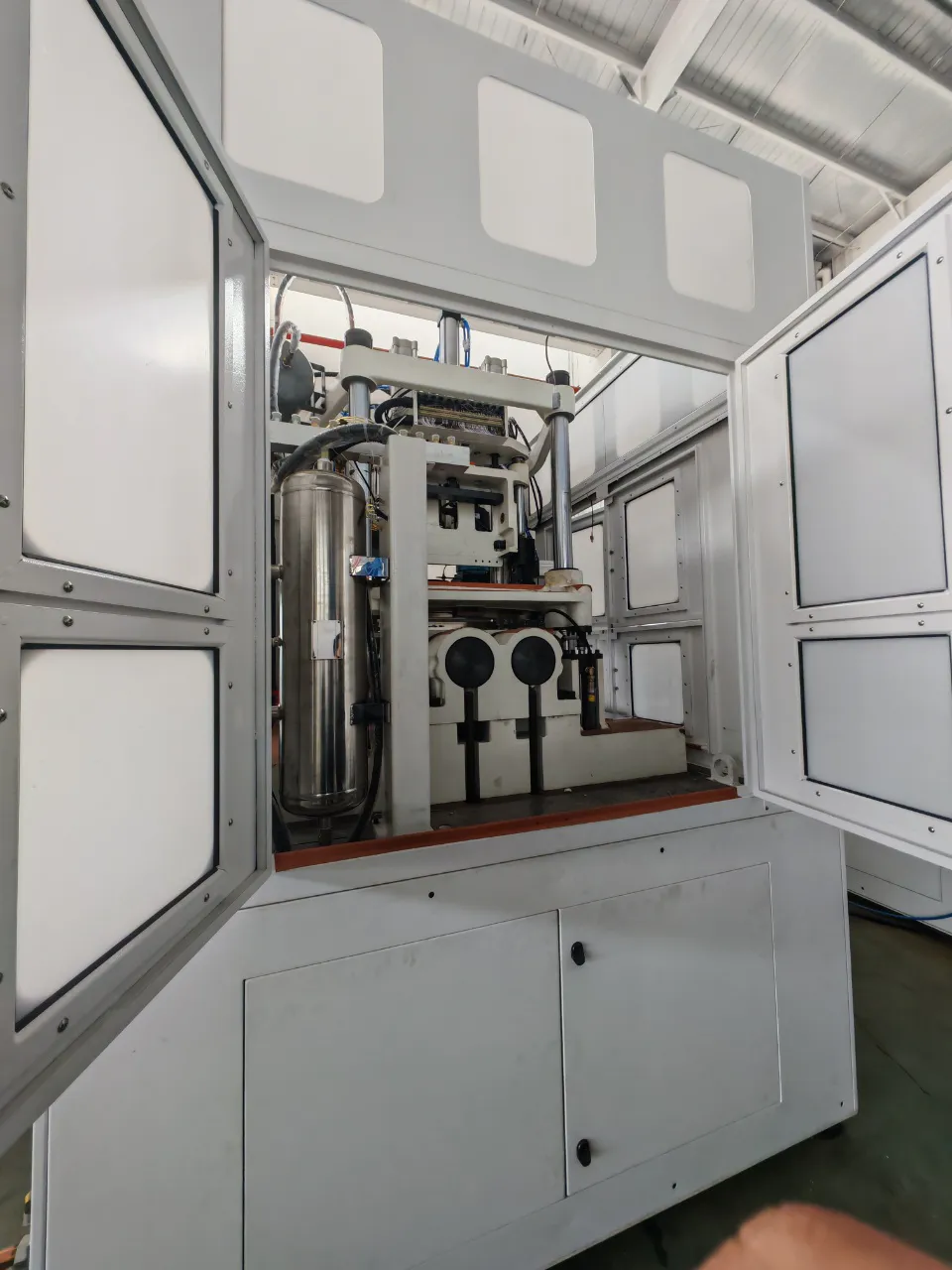
Why Pharmaceutical Packagers Choose Injection Stretch Blow Moulding
Beyond the compliance advantages, pharmaceutical packaging decision-makers choose injection stretch blow moulding for a set of practical, commercially meaningful reasons that distinguish it from extrusion blow moulding and two-step ISBM alternatives:
Zero Flash, Zero Weld Line
The injection process produces a parting-line-free neck finish and no weld lines on the body — both critical for container integrity in liquid pharmaceutical applications where stress cracking could lead to leakage or microbial ingress.
Tight Neck Dimensional Tolerances
Pharmaceutical closures — whether ROPP aluminium, HDPE child-resistant, or tamper-evident tear-band — require neck finishes held to tolerances often tighter than ±0.1 mm. Injection moulding of the neck in the ISBM process delivers this consistency at scale.
Superior Barrier Properties Through Biaxial Orientation
The stretching phase aligns polymer chains biaxially, improving oxygen and moisture vapour transmission rates compared to unoriented polymers. For moisture-sensitive oral solid dose products or light-sensitive liquids, this is a measurable shelf-life advantage.
Full Process Documentation for GMP Compliance
Servo-controlled ISBM machines generate cycle-by-cycle records of all critical parameters. When integrated with a manufacturing execution system (MES), this data flow supports batch records, deviation management, and CAPA documentation without manual transcription.
Sterilisation Compatibility and Container Design Considerations
Pharmaceutical bottles produced on ISBM equipment are often required to survive or support sterilisation processes prior to filling, or to be compatible with terminal sterilisation of the filled container. The choice of sterilisation method has direct implications for resin selection and container geometry, and should be factored into the mould design and material specification process from the outset.
Gamma irradiation — widely used for pre-sterilising pharmaceutical containers — is compatible with PETG and certain PP grades, but can induce yellowing and embrittlement in standard PET. Resins formulated for gamma resistance are available and should be specified for any gamma-sterilised pharmaceutical container application. Ethylene oxide (EtO) sterilisation is compatible with most thermoplastic resins used in ISBM, though EtO residue testing and outgassing protocols are required to ensure that residuals in the container do not compromise drug product safety.
For aseptic filling lines where the container is sterilised online — typically via hydrogen peroxide vapour or peracetic acid rinse — the chemical resistance of the container material to the sterilant must be validated. PET and PETG show good resistance to brief exposure to hydrogen peroxide at concentrations used in aseptic filling, which is why ISBM-produced PET/PETG containers have become standard on rotary aseptic filling lines in parenteral and ophthalmic manufacturing. The absence of weld lines in ISBM containers means there are no preferential stress sites where sterilant penetration could cause stress cracking — a documented failure mode in extrusion blow moulded containers exposed to chemical sterilants.
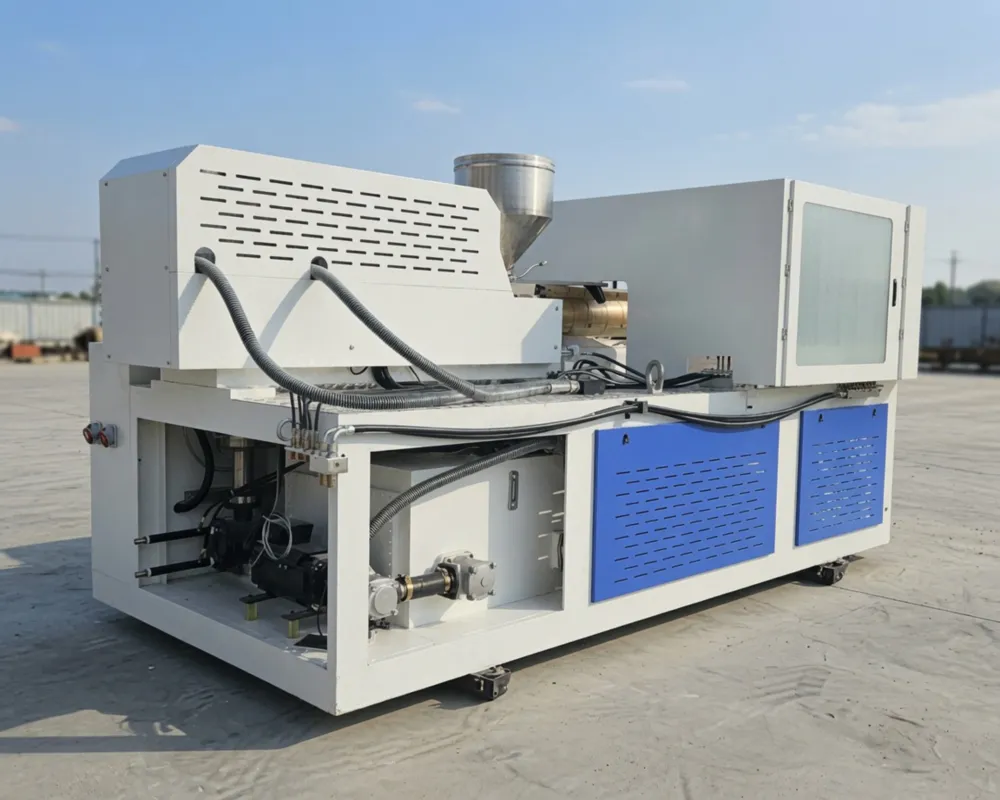
Pharmaceutical Container Types Produced by Injection Stretch Blow Moulding
The range of pharmaceutical containers that can be produced on ISBM equipment is broader than many engineers initially appreciate. The combination of precision injection moulding for the neck and base geometry with biaxially oriented blow moulding for the body allows for complex, specification-critical geometries that extrusion processes cannot reliably reproduce. Representative container types include:
| Container Type | Typical Volume Range | Preferred Resin | ISBM Advantage |
|---|---|---|---|
| Oral liquid medicine bottles | 100–500 ml | PET, PETG | Clarity, weld-line-free body, tight neck tolerance |
| Eye drop / ophthalmic bottles | 5–30 ml | PETG, PP | Sterilisation compatibility, low extractables |
| Oral solid dose (tablet/capsule) bottles | 30–500 ml | ПЕТ, ПЕТГ, ПП | Moisture barrier, child-resistant neck compatibility |
| Nasal spray containers | 15–50 ml | PETG, PP | Precision body geometry for pump fitment; no parting lines on body |
| Diagnostic reagent bottles | 20–250 ml | PP, PETG | Chemical resistance, autoclave compatibility (PP) |
| Infusion/IV solution bottles | 250–1000 ml | PP, PETG | Transparency for visual inspection; sterilisation compatibility |
| Paediatric formulation bottles | 30–200 ml | Tritan, PETG | BPA-free verified, high clarity, safe for vulnerable patient groups |
Про нас
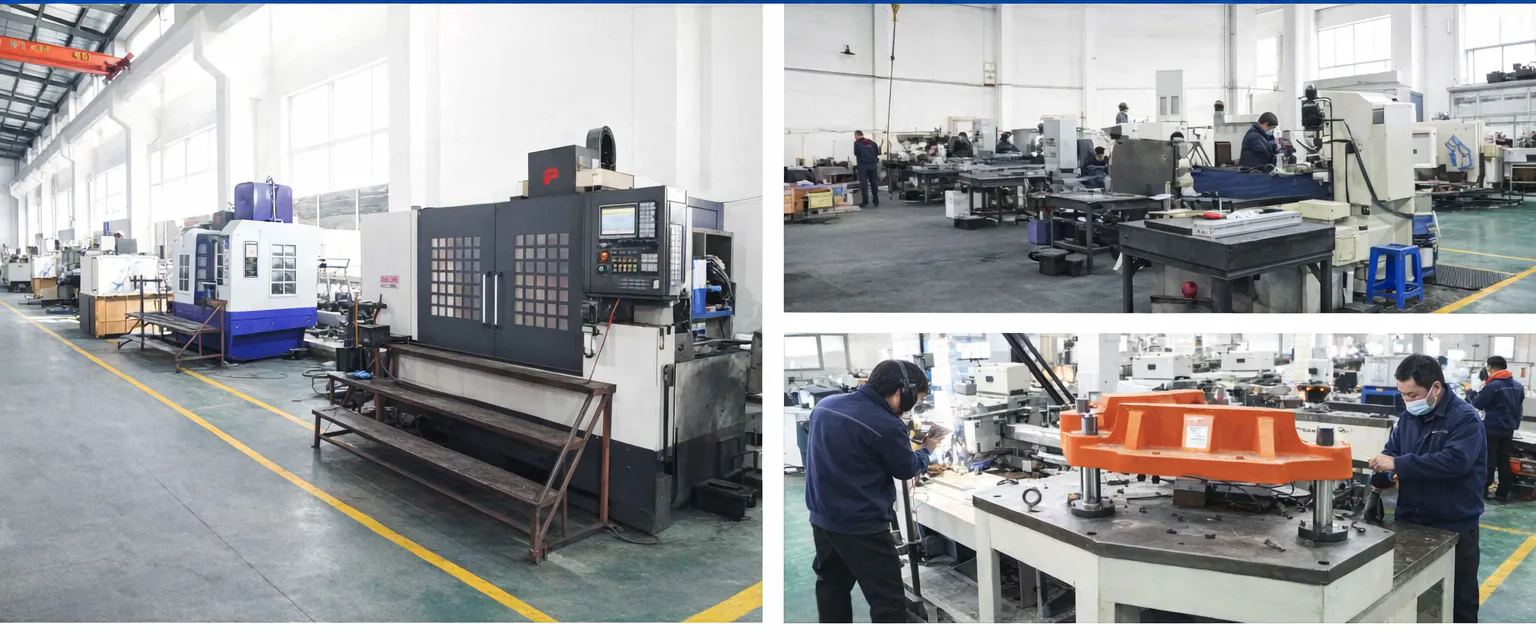
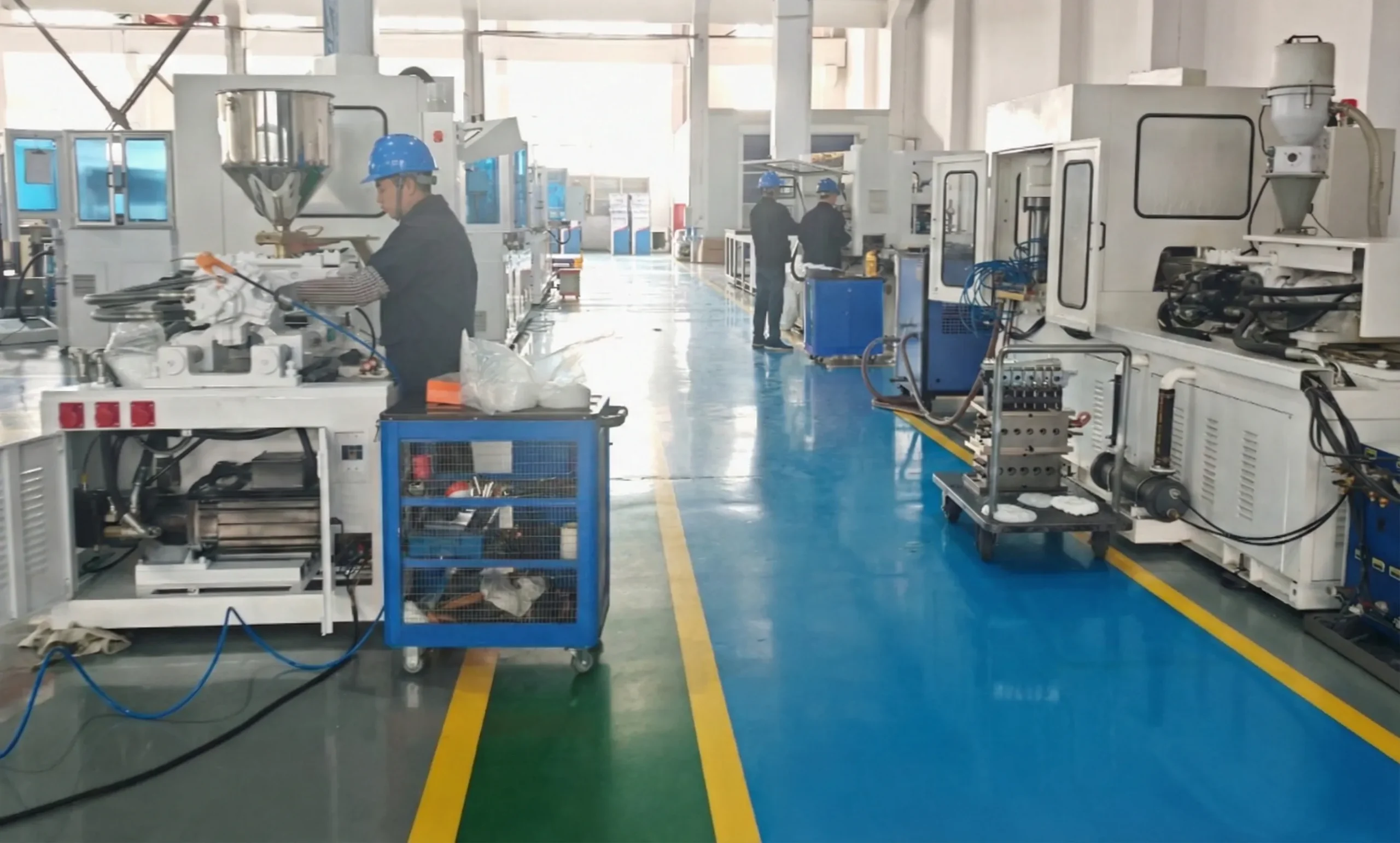
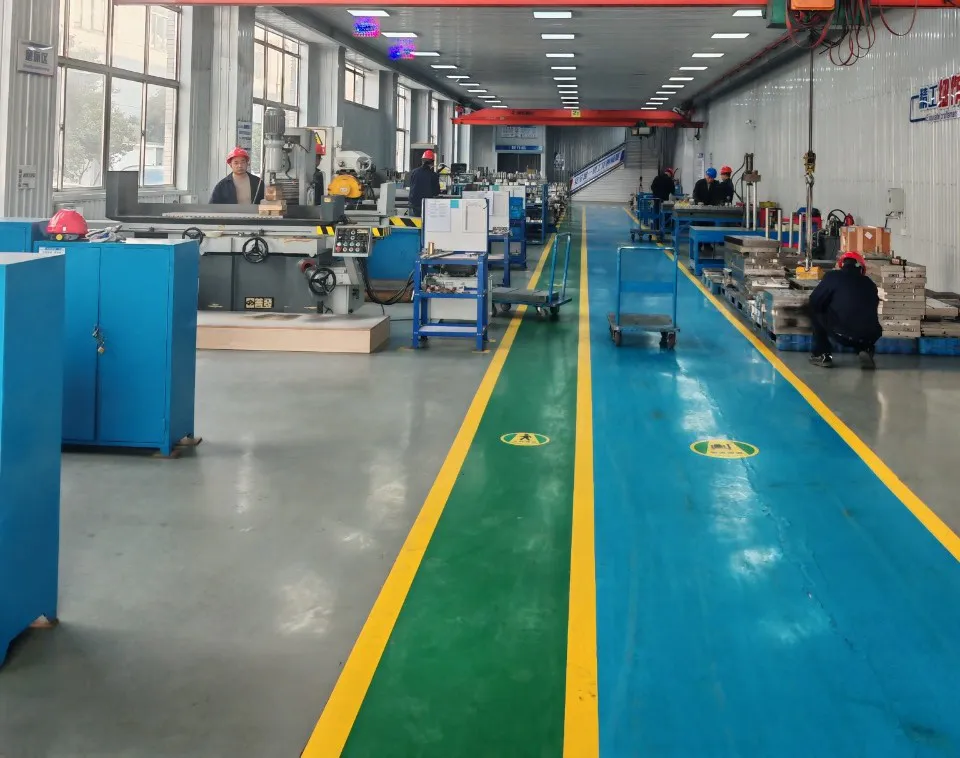
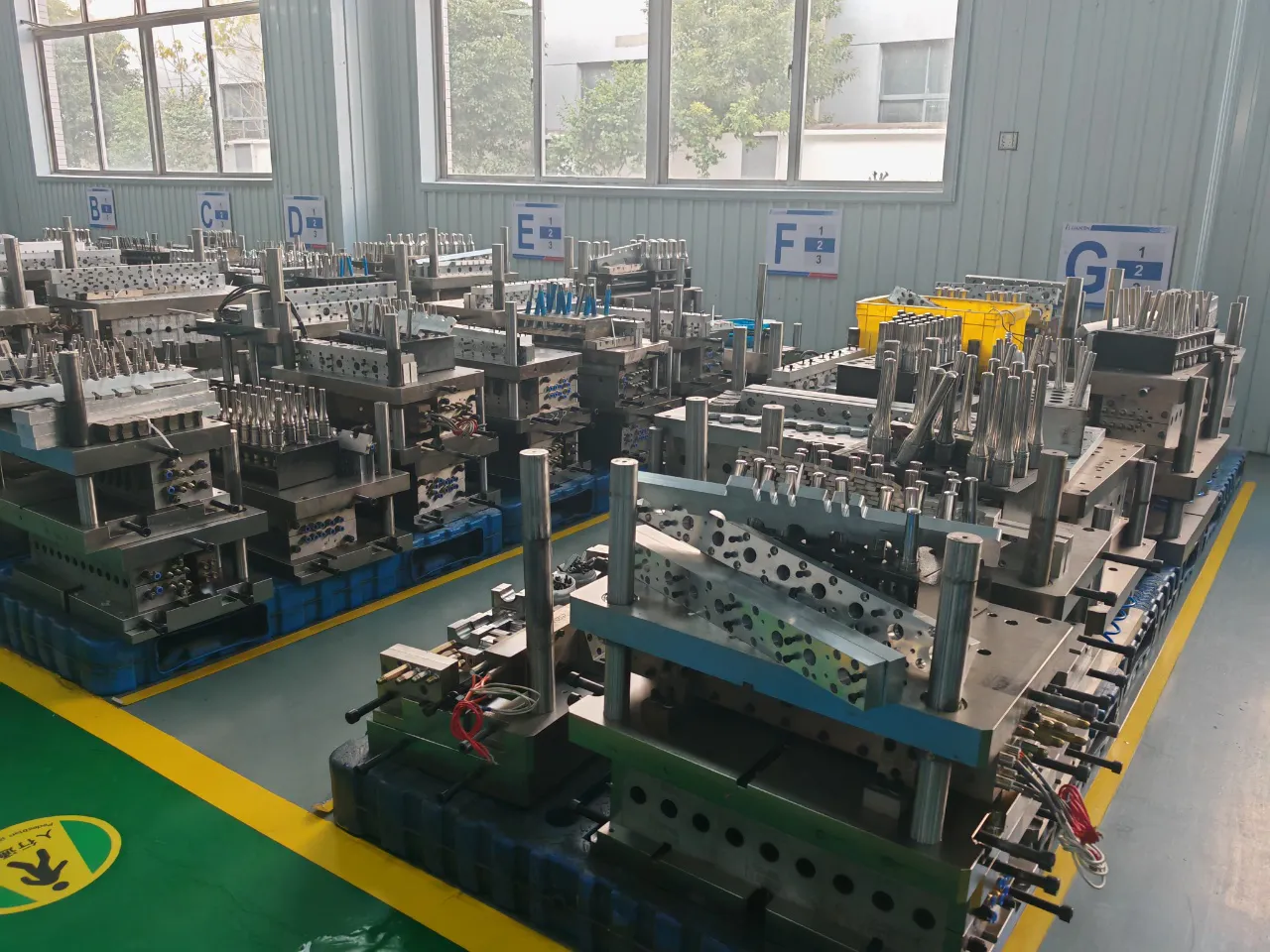
With more than two decades of focused research, engineering, and manufacturing experience in the blow moulding machine sector, we have built a comprehensive product line covering multi-material one-step injection stretch blow moulding machines suitable for PET, PETG, PP, PC, Tritan, and other engineering plastics. Our production base covers more than 20,000 square metres and houses a complete supply chain — from machine assembly and mould fabrication through to commissioning support and after-sales service — enabling genuine one-stop partnership for pharmaceutical packaging manufacturers worldwide.
Our machines have supported pharmaceutical, cosmetic, food, and beverage packaging operations across Europe, Asia, the Americas, and the Middle East. We have applied for multiple national patents and continuously invest in servo technology, energy efficiency, and PLC control system upgrades to keep pace with the tightening process control requirements of regulated industries. The company’s consistent goal is to provide the best-value, most comprehensively supported packaging machinery available, backed by a specialist service team that understands both the mechanical and regulatory dimensions of pharmaceutical container production.
Семінар
Related Products & System Compatibility
A complete pharmaceutical bottle production line requires more than the moulding machine itself. We supply or recommend the following peripheral equipment to ensure full system compatibility and one-stop procurement convenience:
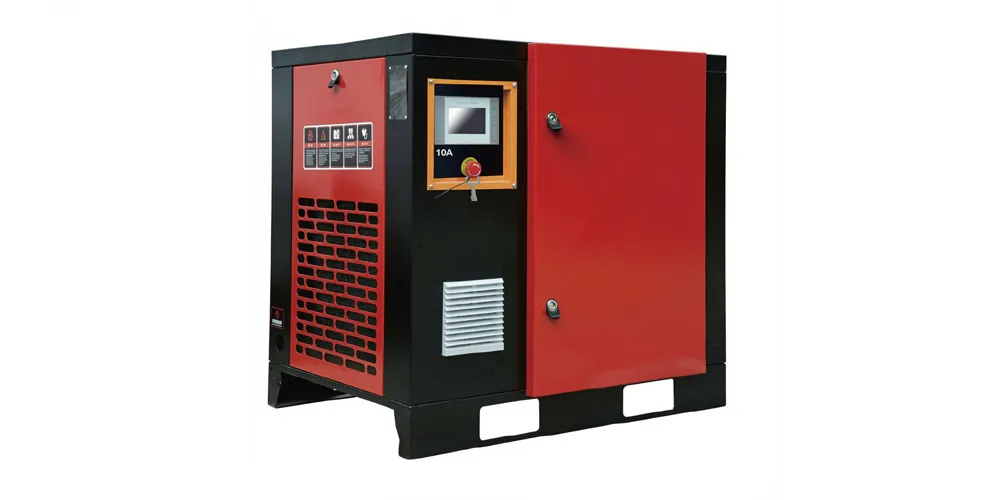
Oil-Free Air Compressor
Pharmaceutical-grade ISBM production requires a contaminant-free compressed air supply at 2.0–3.5 MPa blowing pressure. Oil-free compressors eliminate the risk of hydrocarbon contamination that could compromise USP Class VI extractable profiles and create particulate risks in cleanroom environments. Our recommended air compressor solutions are fully compatible with the blowing pressure and airflow demands of our ISBM machine range — from the compact 3-station HGY50-V3-EV up to large-format 4-station production systems. Click the link above to explore compatible oil-free compressor options.
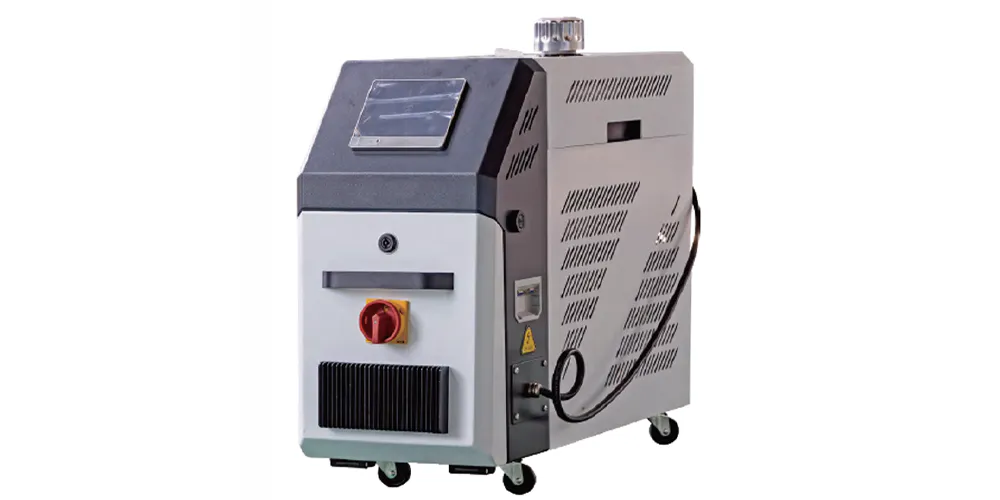
Контролер температури прес-форми
Precise mould temperature management is non-negotiable in pharmaceutical container production. Temperature deviation across the mould cavity directly affects wall thickness distribution, crystallinity, and neck finish dimensions — all of which are critical quality attributes in a validated pharmaceutical packaging process. Our mould temperature controllers are matched to the cooling water pressure requirements (0.4–0.6 MPa) of the ISBM machine range and support the ±0.5°C accuracy demanded by pharmaceutical process validation protocols. Consistent cooling also reduces cycle time variability, which supports GMP batch uniformity requirements.
One-Step Injection Stretch Blowing Mould
Custom-engineered injection stretch blowing moulds are available for the full range of pharmaceutical bottle formats — from 5 ml ophthalmic vials to 1,000 ml infusion bottles. Moulds are machined to pharmaceutical dimensional specifications, with cavity steel grades and surface finishes selected for the resin system and sterilisation method in use. Multi-cavity configurations are available to maximise throughput on validated production lines. Our moulds are compatible with major ISBM machine platforms, providing genuine interchangeability for facilities managing a portfolio of pharmaceutical container designs.
Ready to Specify Your Pharmaceutical ISBM Solution?
Whether you are validating a new pharmaceutical container, replacing existing injection blow moulding equipment with a more capable ISBM platform, or evaluating USP Class VI compliance options for a new drug product — our technical team is ready to support your specification and selection process.
Часті запитання
What makes injection stretch blow moulding the right process for producing USP Class VI pharmaceutical bottles?
The one-step ISBM process eliminates intermediate handling between injection and blowing, which reduces contamination exposure and allows process parameters to be tightly controlled and documented. The absence of weld lines in the container body, the precision of injection-moulded neck finishes, and the biaxial orientation of the container wall all contribute to a container that is structurally and chemically more consistent — which is exactly what USP Class VI validation requires.
Which plastic resins processed on ISBM machines are compatible with USP Class VI testing for pharmaceutical packaging in Europe and the United States?
PET, PETG, PP, PC (BPA-free grades), and Tritan copolyester all have pathways to USP Class VI certification when produced from pharmaceutical-grade resin stock. In Europe, the Ph. Eur. chapters 3.1.3 and 3.1.5 specify equivalent extraction tests for polyolefins. Resin suppliers such as Eastman (Tritan, PETG), SK Chemicals, and others provide regulatory support files to facilitate Class VI and Ph. Eur. documentation.
How does the ISBM machine support 21 CFR Part 11 electronic records compliance for pharmaceutical manufacturing in the United States?
Modern servo-controlled injection stretch blow moulding machines generate cycle-by-cycle data records for all critical process parameters — clamping forces, temperatures, pressures, and timing. When integrated with a qualified MES or SCADA system, this data stream supports 21 CFR Part 11-compliant electronic records with audit trail, access control, and data integrity features. The PLC architecture of these machines is designed to interface with standard industrial data historians and quality management systems.
Can injection blow moulding machines for pharmaceutical packaging be installed in ISO 14644 classified cleanrooms?
Yes. The compact, enclosed architecture of one-step ISBM machines makes them well-suited to Grade C and Grade D classified pharmaceutical cleanrooms as defined by EU GMP Annex 1. The machine generates minimal particulates during operation compared to two-step blow moulding lines with open preform conveyors. For aseptic filling environments requiring Grade A/B, the filling operation is typically separated from the forming step with appropriate environmental controls between the two operations.
What is the typical validation protocol — IQ OQ PQ — for an injection stretch blow moulding machine used in regulated pharmaceutical bottle production?
Validation follows a three-phase structure: Installation Qualification (IQ) confirms that the machine has been installed per manufacturer specifications and site requirements; Operational Qualification (OQ) demonstrates that the machine operates within defined parameter ranges under controlled conditions; Performance Qualification (PQ) verifies that the process consistently produces containers meeting all specified quality attributes across multiple production runs. The servo-driven ISBM architecture simplifies OQ by providing quantitative, recorded proof of parameter control at each station.
Which sterilisation methods are compatible with PET and PETG pharmaceutical bottles produced on one-step ISBM machines?
Ethylene oxide (EtO), hydrogen peroxide vapour, and peracetic acid sterilisation are all compatible with standard PETG containers from ISBM processes. Gamma irradiation compatibility depends on resin grade — standard PET yellows under gamma but gamma-resistant grades are available. PP containers produced on ISBM machines can be autoclaved (steam sterilisation at 121°C), making them appropriate for certain sterile fill operations. The sterilisation method should be confirmed during the material selection phase and included in the container validation package.
Where can pharmaceutical packaging manufacturers in Australia or India find injection stretch blow moulding machine suppliers with USP Class VI experience?
Suppliers with demonstrated pharmaceutical packaging experience typically provide machine documentation packages that support IQ/OQ/PQ activities and can supply reference extractables and leachables data for standard resin and process combinations. When evaluating ISBM equipment suppliers for pharmaceutical applications, ask specifically for resin qualification documentation, process parameter ranges, and references from existing pharmaceutical packaging customers. Our equipment has been supplied to pharmaceutical packaging operations across Asia Pacific, South Asia, and MENA — and we are experienced in supporting local regulatory requirements including TGA (Australia), CDSCO (India), and SFDA (Saudi Arabia).
What energy-saving features do modern injection stretch blow moulding machines offer for pharmaceutical production facilities aiming to reduce operating costs?
The one-step ISBM process inherently saves energy compared to two-step processes because the preform retains heat from injection moulding without requiring secondary reheating — typically reducing energy consumption by approximately 40% per unit produced. Additionally, servo motor drive systems consume power proportional to load rather than running continuously at full capacity, further reducing electrical demand. Nano far-infrared energy-saving heating rings on the screw barrel improve thermal efficiency, and servo pump hydraulic systems on larger models eliminate constant-pressure hydraulic losses present in older fixed-displacement systems.
How does the injection blow moulding machine process compare to extrusion blow moulding when producing pharmaceutical bottles that require parting-line-free bodies?
Extrusion blow moulding (EBM) produces containers with a characteristic parting line running along the bottle body, which is created when the two halves of the blow mould close around the extruded parison. In pharmaceutical applications, this parting line represents a stress concentration point that can be susceptible to chemical attack from sterilants or solvent-containing formulations. ISBM-produced containers have no parting line on the body — only a minor vestige at the base injection point — because the preform is injection moulded as a closed, seamless tube. This is a meaningful quality and regulatory distinction for pharmaceutical products where container integrity is a patient safety matter.
Редактор: PXY