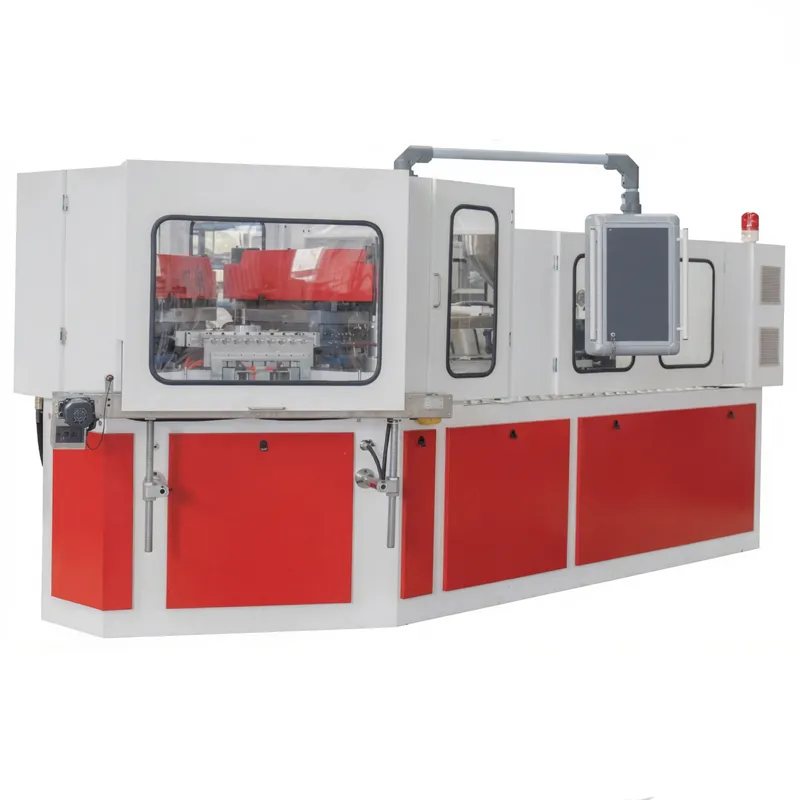
EP-Injection Blow Molding Machine Replacement of Bloma IBM50
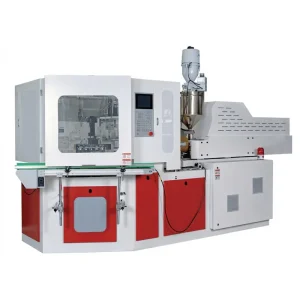
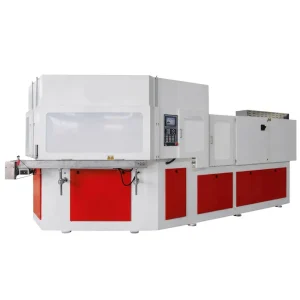
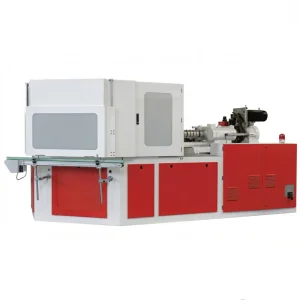
The EP-ZQ60 is a European-style injection blow molding machine designed as a replacement for the Bloma IBM50. It features a 600 KN injection clamping force and a 100 KN blowing clamping force, with a total power of 37 KW. The machine produces seamless containers ranging from 1 to 2000 ml and is equipped with a 45/50 mm dual-diameter screw, offering an injection capacity of 260/383 g. Measuring 3.8 x 1.4 x 1.8 meters and weighing 5 tons, it has a dry cycle time of 4 seconds. Compared to the IBM50, it offers a 20% increase in clamping force, greater injection capacity, and a more compact footprint, while reducing energy consumption by 10-20%.
European-Style Injection Blow Molding Machine — 60T Class
EP-ZQ60 Injection Blow Molding Machine
Replacement of Bloma IBM50
Full European-style structure · 600 KN Injection Clamping · 37 KW Total Power · Bottle Range 1–2000 ml · Machine Size 3.8×1.4×1.8 M
Brand Reference Notice: Bloma is referenced on this page solely to assist customers in identifying a compatible replacement option within the same clamping tonnage category. This page does not represent, sell, or imply commercial affiliation with Bloma or any of its products. The EP-ZQ60 is an independently engineered injection blow molding machine. We make no negative assertion about any referenced brand — buyers are encouraged to evaluate all available options on objective technical criteria.
EP-Injection Blow Molding Machine: Mid-Range European Injection Blow Molding Machine
The EP-ZQ60 is a mid-range injection blow molding machine built on a full European-style mechanical platform, positioned to serve container manufacturers who need greater cavitation capacity than compact-class IBM machines offer, without committing to the floor space and utility requirements of 100-ton-plus equipment. At 600 KN injection clamping force and 100 KN blow clamping force, the ZQ60 delivers the structural rigidity that high-cavitation molds demand — maintaining consistent dimensional accuracy across up to 14 cavities at 10 ml within its 600×390 mm platen.
Container production range on the ZQ60 spans 1 ml through 2,000 ml — broader than what compact IBM machines accommodate — covering small pharmaceutical vials, personal care packaging, food containers, and industrial bottles within a single machine platform. The 45/50 mm dual screw configuration with 22:1 L/D and 260/383 g injection weight provides flexibility across a wide range of container sizes and resin types, including HDPE, PP, PET, PVC, and TPE. The 3+N barrel heating zone configuration with 14 KW heating power ensures thermal consistency throughout the plastication zone, which is especially important when processing pharmaceutical or food-grade resins with tight melt temperature requirements.
The ZQ60's total installed power of 37 KW, paired with its independent booster clamping structure, results in 10–20% lower energy consumption compared to machines of equivalent output in the same category — a measurable operating cost advantage over the machine's commercial lifecycle. The 4-second dry cycle delivered by standard servo rotation ensures competitive hourly output rates. At 3.8×1.4×1.8 M and 5 tons, this European injection blow molding machine is also meaningfully more compact than the Bloma IBM50's 620×430×2.55 M overall profile, fitting within standard Colombian industrial building dimensions without modification.
EP-ZQ60 Injection Blow Molding Machine Technical Specifications
| System / Category | 매개변수 | 단위 | ZQ60 Value |
|---|---|---|---|
| Injection System | |||
| 나사 직경 | mm | 45 / 50 | |
| 나사 길이/직경 비율 | % | 22:1 | |
| Injection Weight | g | 260 / 383 | |
| 난방 출력 | KW | 14 | |
| Number of Barrel Zones | — | 3+N | |
| Injection Stroke | mm | 160 | |
| Clamping System | |||
| Clamping Force — Injection | 케이엔 | 600 | |
| Opening Stroke — Injection | mm | 140 | |
| Clamping Force — Blowing | 케이엔 | 100 | |
| Opening Stroke — Blowing | mm | 140 | |
| Lifting Height of Rotary Table | mm | 70 | |
| Mould | |||
| Max. Platen Size (L × W) | mm | 600 × 390 | |
| Mold Thickness | mm | 240 | |
| Max. Bottle Diameter | mm | 120 | |
| Max. Bottle Height | mm | 220 | |
| Suitable Bottle Volume | ml | 1 – 2000 | |
| Stripping Stroke | mm | 230 | |
| Hydraulic System | |||
| Hydraulic Pressure | MPa | 14 | |
| 모터 출력 | KW | 18.5 / 22 | |
| Dry Cycle Time | s | 4 | |
| Total Power | KW | 37 | |
| Operating Power Efficiency | % | 52 – 70 | |
| Other Parameters | |||
| Min. Air Pressure (Compressed Air) | MPa | 0.7 – 1.2 | |
| Compressed Air Capacity | M³/min | 0.7 | |
| Cooling Water Flow | M³/h | 4 | |
| 냉각수 압력 | MPa | 0.3 – 0.4 | |
| 기계 크기 (길이 × 너비 × 높이) | M | 3.8 × 1.4 × 1.8 | |
| Net Weight | Ton | 5 | |
ZQ60 Mold Cavitation Reference by Container Volume
| Approx. Volume | 10 ml | 30 ml | 60 ml | 100 ml | 250 ml | 500 ml | 1000 ml |
|---|---|---|---|---|---|---|---|
| Max. Cavities | 14 | 12 | 10 | 8 | 5 | 3 | 2 |
For reference only. Actual cavitation count depends on container geometry, mold design, and neck finish configuration.
EP-ZQ60 vs. Bloma IBM50 — Side-by-Side Comparison
Bloma referenced for selection guidance only. No commercial relationship or affiliation implied. Presented for objective buyer evaluation.
| 사양 | EP-ZQ60 | Bloma IBM50 (ref.) |
|---|---|---|
| Clamping Force (Injection) | 600 KN | 500 KN |
| Clamping Tonnage Category | 60 T | IBM50 class |
| 나사 직경 | 45 / 50 mm | 50mm |
| Injection Weight | 260 / 383 g | 240 g |
| Max. Platen Size (L × W) | 600 × 390 mm | 620 × 430 mm |
| 기계 크기 (길이 × 너비 × 높이) | 3.8 × 1.4 × 1.8 M | 620 × 430 × 2.55 M |
| Total Power | 37 KW | IBM50 class standard |
| Energy Saving vs. Peers | 10–20% lower | Standard |
| Dry Cycle Time | 4 s | IBM50 class standard |
| Suitable Bottle Volume | 1 – 2000 ml | IBM50 class range |
Five Defining Features of the EP-ZQ60 Injection Blow Molding Machine
Each advantage listed here corresponds to a verifiable engineering specification from the ZQ60 design.
600 KN Injection Clamping — 20% Higher Than Bloma IBM50
The ZQ60 delivers 600 KN injection clamping force versus the Bloma IBM50's 500 KN — a 20% structural advantage within the same 60-ton tonnage class. This additional clamping capacity allows the ZQ60 to operate larger molds, run higher-cavitation configurations, and maintain tighter cavity-to-cavity dimensional accuracy across the full 600×390 mm platen area. In practical production terms, this means container weight variation from edge cavities to center cavities is minimized even at maximum cavitation counts — a quality consistency benefit that directly impacts pharmaceutical and cosmetic container acceptance rates.
Injection Weight 260/383 g — Significantly Above IBM50's 240 g
The ZQ60's dual screw configuration provides injection weights of 260 g (45 mm screw) and 383 g (50 mm screw), compared to the Bloma IBM50's 240 g capacity. This injection weight advantage gives the ZQ60 substantially more flexibility for larger container formats, higher-density resins, and multi-cavity high-volume applications. For Colombian plastic injection blow molding machine operators producing containers above 500 ml or running maximum cavitation on 30–60 ml pharmaceutical molds, this headroom reduces the risk of short shots and maintains consistent preform quality at the edge of the machine's production envelope.
10–20% Energy Saving via Independent Booster Clamping
The ZQ60's pressurized clamping architecture keeps the booster cylinder disengaged during mold open and close travel, activating it only at full mold closure for the final lock-up. This means the hydraulic system operates at high pressure for a smaller portion of each cycle than in conventional IBM designs, reducing average power draw by 10–20%. With 37 KW total installed power and an operating efficiency range of 52–70%, the ZQ60 delivers competitive hourly output at one of the lower energy-per-container footprints in its class — a real running cost advantage for Colombian manufacturers where electricity tariffs form a significant portion of variable production cost.
Broader Container Range — 1–2000 ml vs. IBM50 Standard Range
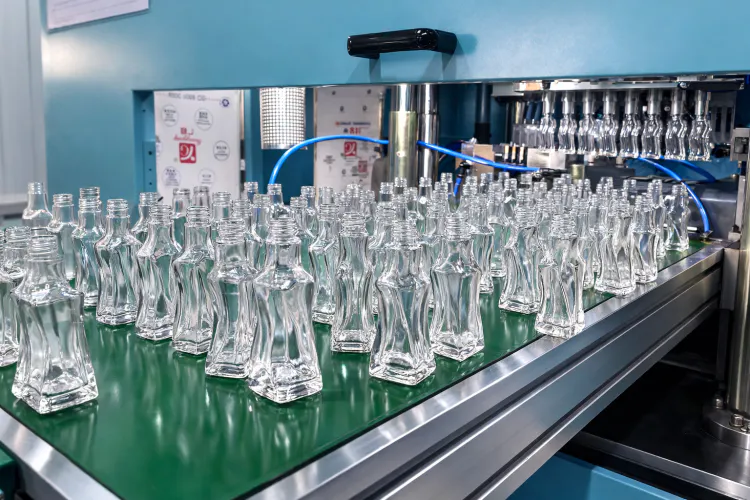
The ZQ60 produces containers from 1 ml through 2,000 ml — a notably wide range for a mid-format injection blow molding machine. This coverage spans from small pharmaceutical vials at 10 ml with up to 14 cavities per cycle, through single-cavity 1,000 ml household containers. For Colombian packaging manufacturers who supply multiple sectors — pharmaceutical, cosmetics, food, and industrial — from a single machine platform, the ZQ60's volume range reduces the number of machines required to cover the full product portfolio, improving capital utilization and simplifying scheduling.
Compact Height 1.8 M — Standard Building Compatible
At 3.8×1.4×1.8 M and 5 tons, the ZQ60 is considerably more compact than the Bloma IBM50's 620×430×2.55 M overall envelope, particularly in the height dimension — 1.8 M versus 2.55 M. This low profile makes the ZQ60 installable in standard Colombian industrial buildings with 3–4 M internal clearance without requiring structural modifications, crane track extensions, or overhead equipment repositioning. For production managers planning line installations in existing facilities, this height difference often has real practical value that does not appear in the headline specification comparison.
Application Scenarios of Injection Blow Molding Machine
The ZQ60 injection blow molding machine serves a broad range of container manufacturing needs — from precision pharmaceutical packaging through high-volume personal care and food-grade containers.
💊 Pharmaceutical Packaging
The injection blow molding process produces containers with consistent wall thickness, zero flash, and precise neck finish — properties that directly support pharmaceutical container quality standards. The ZQ60 runs up to 14 cavities at 10 ml, making it well-suited for vial, ampoule, and oral liquid bottle production for pharmaceutical manufacturers in Colombia. INVIMA requirements for pharmaceutical packaging under Decree 677 and related resolutions demand consistent container quality documentation across production batches — the ZQ60's 600 KN clamping rigidity and servo rotation precision support the cavity-to-cavity consistency these documentation requirements presuppose.
🧴 Personal Care & Cosmetic Containers
With up to 12 cavities at 30 ml and 10 cavities at 60 ml per cycle, the ZQ60 is productive for cosmetic and personal care container manufacturing — shampoo bottles, lotion dispensers, foundation containers, and hair care products. For Colombian cosmetic brands targeting both domestic retail and export markets in Ecuador, Peru, and Central America, the ZQ60's combination of output rate and container quality makes it a viable mid-format production platform. The machine's 1–2000 ml range also allows the same platform to produce large-format personal care containers (500 ml, 1000 ml) on the same machine with mold changeovers, reducing capital tied up in dedicated equipment for each product size.
🥛 Food & Beverage Containers
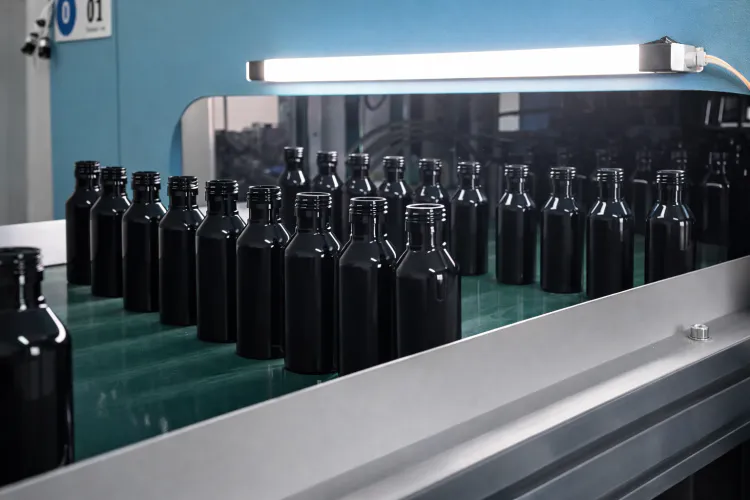
Condiment bottles, dairy containers, single-serve beverage packaging, and specialty sauce containers in HDPE and PP are efficiently produced on the ZQ60's 100–500 ml cavitation range. Containers for food contact produced on this injection blow molding machine must comply with Colombia's ICONTEC NTC standards and INVIMA Decree 1575, as well as FDA 21 CFR and EU Regulation 10/2011 for export-oriented production. The IBM process's sealed production environment minimizes airborne contamination risk during container formation — an important hygiene advantage for food-grade container production that distinguishes the injection blow molding process from open-parison extrusion alternatives.
🌿 Agrochemical & Specialty Industrial
Pesticide concentrates, herbicide bottles, fertilizer additives, and specialty cleaning agents produced in HDPE for the Colombian agricultural and industrial markets represent a consistent demand segment for injection blow molding machine output in the 60–500 ml range. The ZQ60's 600 KN injection clamping force maintains container wall uniformity in chemical-grade HDPE across all cavities — important for UN-certified hazardous materials packaging that requires closure integrity under transport stress conditions. Colombian ICA regulations governing agrochemical packaging require demonstrable container integrity that the IBM process delivers through its wall thickness consistency advantage.
🏥 Medical & Diagnostic Containers
Specimen collection containers, reagent bottles, IV additive containers, and single-use diagnostic consumables are produced in the 10–250 ml range that sits at the ZQ60's most productive cavitation zone. Medical device packaging produced in Colombia for domestic healthcare use falls under INVIMA's medical device registration framework, while products destined for export must additionally satisfy FDA 21 CFR 820 or EU MDR 2017/745 packaging requirements as applicable. The ZQ60's sealed IBM production process prevents particulate contamination between injection and blow stages, which supports the contamination-control documentation required in medical device packaging quality systems.
Regulatory Landscape for Injection Blow Molding Machines
Operators of injection blow molding machines and producers placing IBM-produced containers on the market must navigate regulatory requirements at national, regional, and international levels depending on product type and end market. The frameworks below are most directly relevant to ZQ60 operators in Colombia and their export customers.
🇨🇴 Colombia — INVIMA, ICONTEC & ICA
Pharmaceutical containers produced by injection blow molding machines in Colombia must satisfy INVIMA Decree 677 and supplementary pharmaceutical packaging resolutions governing material composition, closure performance, and container labeling. Food-contact containers must meet ICONTEC NTC 4728 and INVIMA Decree 1575. Agrochemical containers fall under ICA regulatory supervision for material and closure integrity requirements. Colombia's Law 2232 of 2022 establishes collection and recycling targets for single-use plastic packaging that are increasingly relevant to container producers whose IBM output enters single-use consumer product streams.
🇪🇺 European Union — CE & Plastic Contact Regulations
EU Machinery Directive 2006/42/EC governs the safety conformity of injection blow molding machines placed on the European market, requiring CE marking and documented risk assessment. EU Regulation 10/2011 on plastic materials in food contact applies to containers produced on IBM machines intended for the EU food and beverage market. The ZQ60's European-style structural platform is designed with these frameworks as engineering references, though buyers must verify CE documentation scope with their legal advisors for their specific intended use and market.
🇺🇸 United States — FDA & OSHA Standards
Containers produced on plastic injection blow molding machines for US pharmaceutical markets must comply with FDA 21 CFR Parts 210 and 211. Food-contact containers require compliance with FDA 21 CFR Parts 174–186 (indirect food additives). Medical device packaging must satisfy 21 CFR Part 820 (Quality System Regulation) or the more recently applicable Quality Management System Regulation (QMSR) under 21 CFR Part 820 revised. OSHA 29 CFR 1910.147 lockout/tagout requirements apply to all maintenance activities on the ZQ60's hydraulic and electrical systems.
🌎 Andean Community, MERCOSUR & Regional Trade
Andean Community Decision 562 harmonizes technical packaging regulations across Colombia, Peru, Ecuador, and Bolivia — enabling Colombian IBM container producers to validate products against a shared regional framework for Andean market export. MERCOSUR Resolution 56/92 governs food-contact plastic materials for Brazilian and Argentine markets. UN Recommendations on the Transport of Dangerous Goods (the Orange Book) provides the international standard for hazardous materials container certification relevant to agrochemical and industrial chemical containers produced on the ZQ60.
🌐 ISO — Quality, Environment & Energy
ISO 9001 quality management and ISO 15378 pharmaceutical primary packaging quality are the most commonly required certifications for facilities using injection blow molding machines for pharmaceutical container production. ISO 14001 environmental management and ISO 45001 occupational health are increasingly demanded by global brand owners as supply chain sustainability criteria. The ZQ60's 10–20% energy consumption reduction versus category peers supports ISO 50001 energy management system target-setting for facilities pursuing energy-related certification.
ZQ60 Engineering Architecture — What Makes It Work
European Closed-Frame Structure
The ZQ60 uses a European closed-frame construction where clamping loads are carried around the perimeter of the machine frame rather than through tie-bar tension. This load distribution approach produces more uniform platen deflection characteristics under high injection pressure, which translates to better cavity-to-cavity weight consistency at maximum cavitation. For a 14-cavity 10 ml pharmaceutical mold on the ZQ60, the edge cavities and center cavities receive equivalent clamping support — container weights remain within specification across all positions on every cycle. This structural principle is what European injection blow molding machine design has prioritized for decades.
Independent Booster Clamping Mechanism
The ZQ60's pressurized clamping system separates the final lock-up force from the mold travel function. The booster cylinder — which delivers the full 600 KN injection clamping at mold closure — does not travel with the mold through its opening and closing stroke. It activates only when the mold is fully closed and releases before opening begins. This means the hydraulic pump is operating at high pressure for the mold-closed-and-injecting portion of the cycle only, not during the mold travel portion. Over a 4-second cycle where mold closed time represents roughly half the sequence, this reduces average hydraulic power demand by 10–20% compared to machines where the clamping and travel functions share a single hydraulic circuit.
Standard Servo Rotation Drive
The ZQ60's three-station turret is driven by a standard servo motor with encoder-based position feedback. This provides programmable indexing velocity profiles — acceleration, full speed, and controlled deceleration to position — that deliver repeatable 4-second dry cycle times from the first cycle of the shift to the last, regardless of oil temperature or system warm-up state. For injection blow molding machine operators who document production records for pharmaceutical batch traceability, this cycle time consistency means the production rate projection at shift start is accurate throughout — eliminating the cycle drift that hydraulic-rotation IBM machines exhibit as oil viscosity changes with operating temperature.
Looking for a different clamping class or replacement model? Explore our full injection blow molding machine replacement series.
Peripheral Equipment — Complete Line Supply
We supply the ancillary equipment needed to operate the ZQ60 injection blow molding machine as a fully integrated production system, reducing the complexity of multi-vendor procurement and integration.
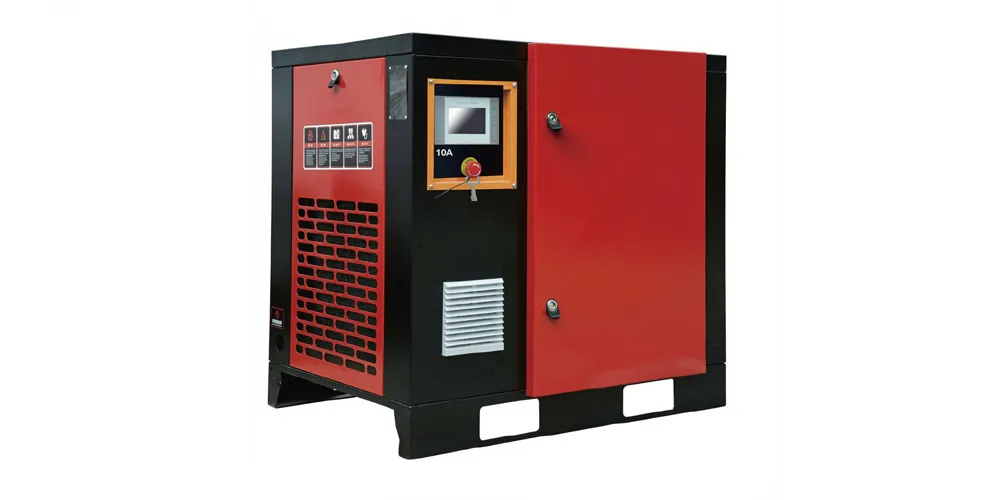
Oil-Free Air Compressor
The ZQ60 requires 0.7 M³/min of compressed air at 0.7–1.2 MPa blow pressure. For pharmaceutical and food-grade container production, oil-free air supply is not optional — any oil carry-over into the blow air stream creates a contamination event that invalidates affected containers and potentially entire production batches under INVIMA pharmaceutical quality requirements. Our recommended oil-free air compressors are matched to the ZQ60's air demand profile and validated for clean-air delivery to pharmaceutical-grade container production lines. Stable pressure across the full shift prevents the container defects that arise from blow pressure fluctuation.
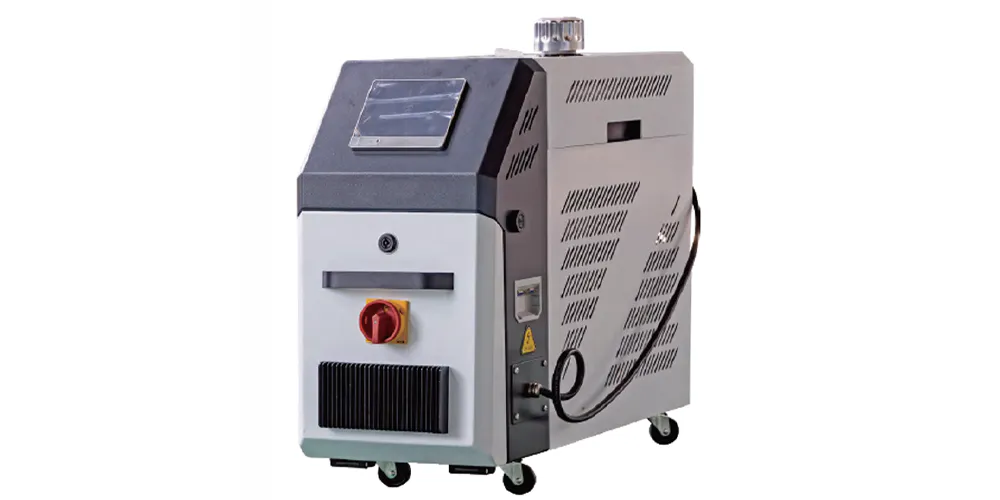
금형 온도 조절기
Across a 600×390 mm platen with 14 cavities at 10 ml, uniform mold temperature distribution affects container quality more than any other process variable after shot weight. The ZQ60 specifies 4 M³/h cooling water flow — our Mold Temperature Controllers regulate this circuit within ±1°C of setpoint under continuous production load. This precision prevents the gradual temperature rise in the mold cooling channels that develops over a long production shift in uncontrolled cooling systems, and which manifests as progressively increasing cycle-to-cycle container weight variation as mold temperature climbs. For pharmaceutical producers running validated processes, thermal drift is not acceptable — stable mold temperature is a process control requirement, not a quality enhancement.
Integrated Line Supply
Purchasing the ZQ60 injection blow molding machine, compressed air system, and mold temperature controller as a coordinated package from a single supplier removes the interface uncertainty inherent in multi-vendor line builds. We provide complete utility specification documents covering electrical supply sizing, compressed air piping design, cooling water inlet and return circuit specifications, and floor drainage requirements — all the information a Colombian facility preparation team needs before the machine arrives. We coordinate shipping to Colombian ports, customs documentation for DIAN, and on-site commissioning in Spanish. Contact us for a complete system quotation that covers machine, tooling, and auxiliary equipment in a single package.
About Us - Injection Blow Molding Machine Manufacturers
We engineer and manufacture a complete range of injection blow molding machines from compact 40-ton platforms through heavy-duty 135-ton industrial machines, all built on European-style closed-frame platforms with servo rotation and independent booster clamping hydraulics. The ZQ60 sits at the productive mid-point of this range — delivering enough cavitation for commercially meaningful pharmaceutical and cosmetic production volumes while remaining compact enough for standard industrial building installation in Colombia and across Latin America.
We present the ZQ60 as a technically defined option in the 60-ton IBM market, not as a universal solution. We recommend that buyers compare the ZQ60 against Bloma IBM50 and other available options using the parameter data presented on this page. If the ZQ60's specifications align with your production requirements after that comparison, we are confident in the machine's performance. If another platform is a better fit, that is a valid outcome of a thorough evaluation process.
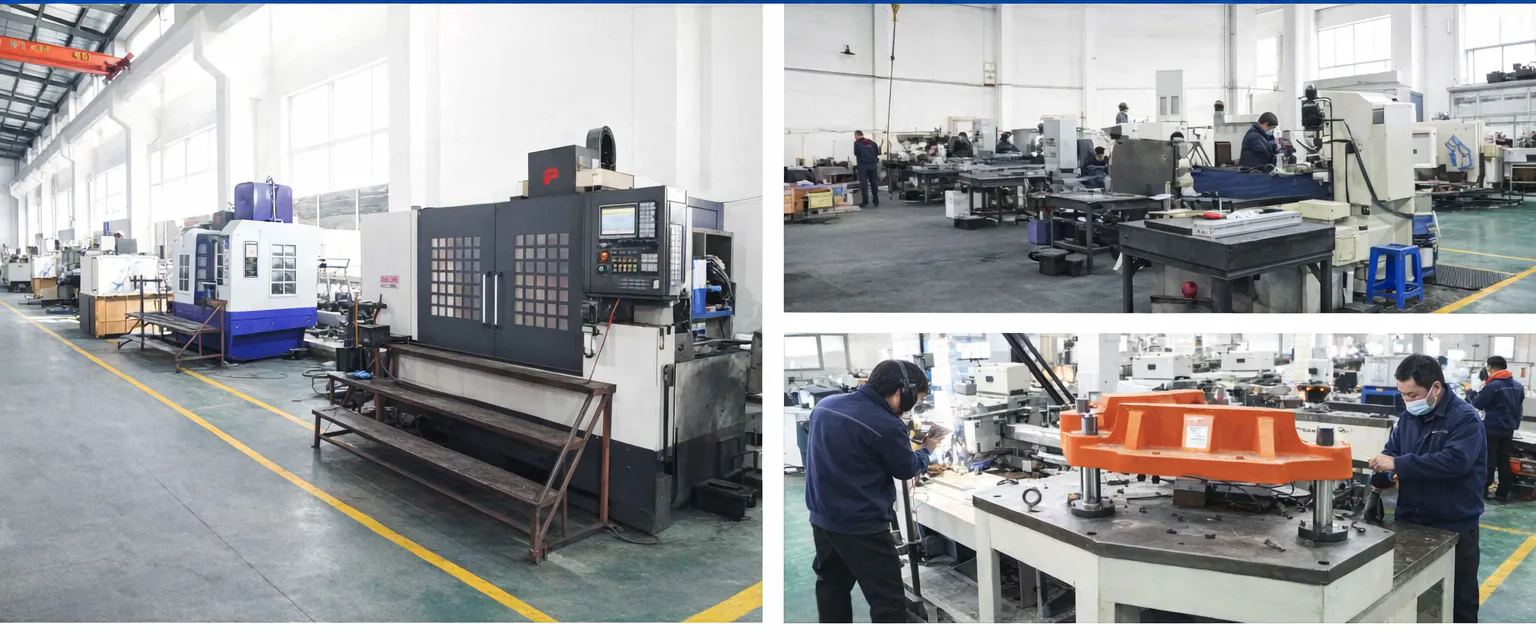
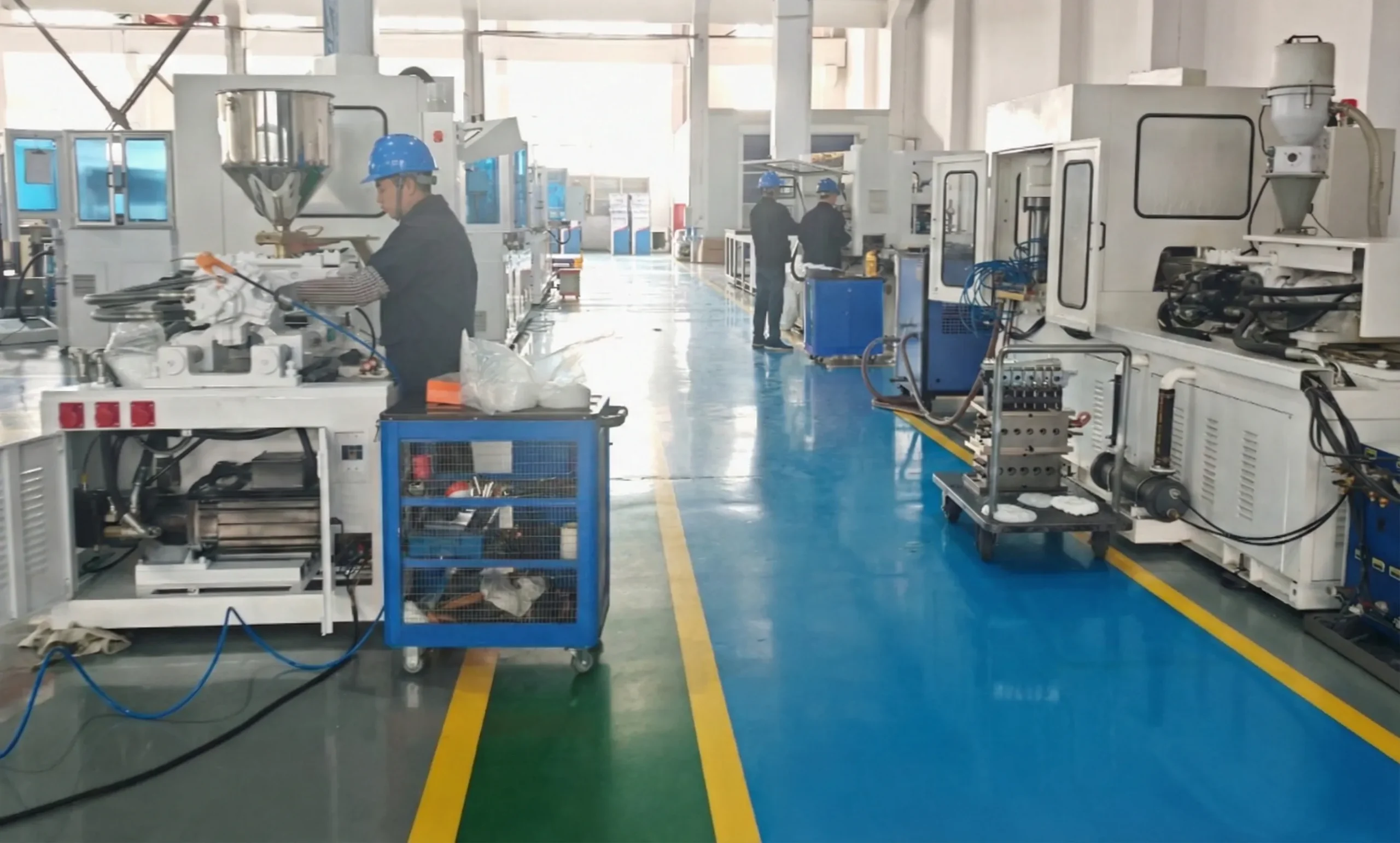
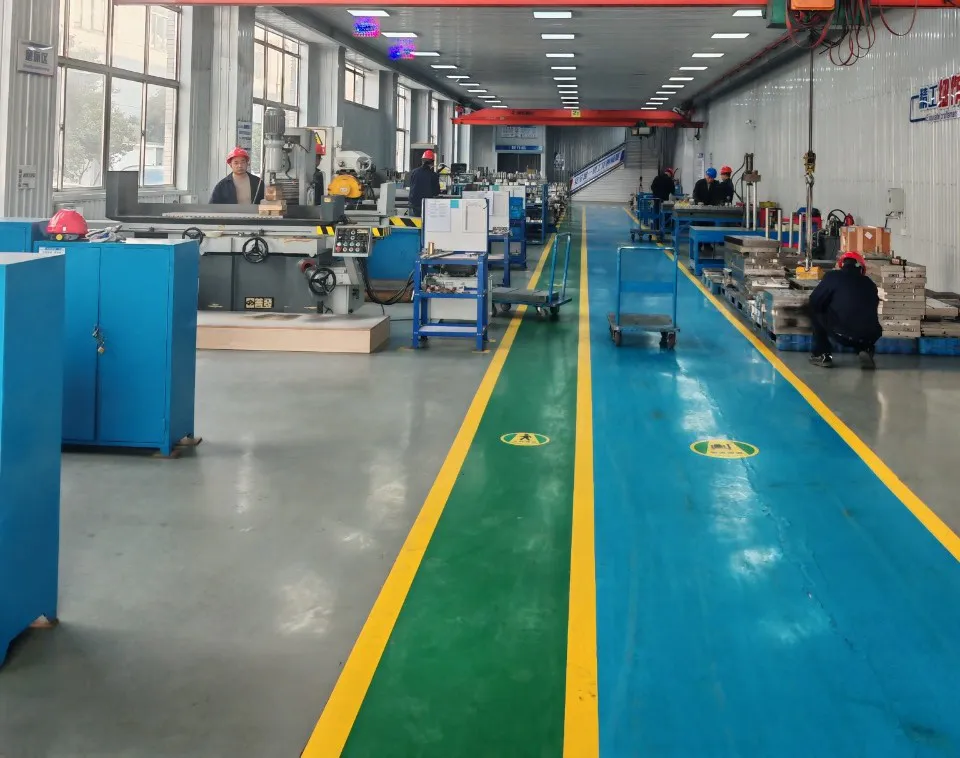
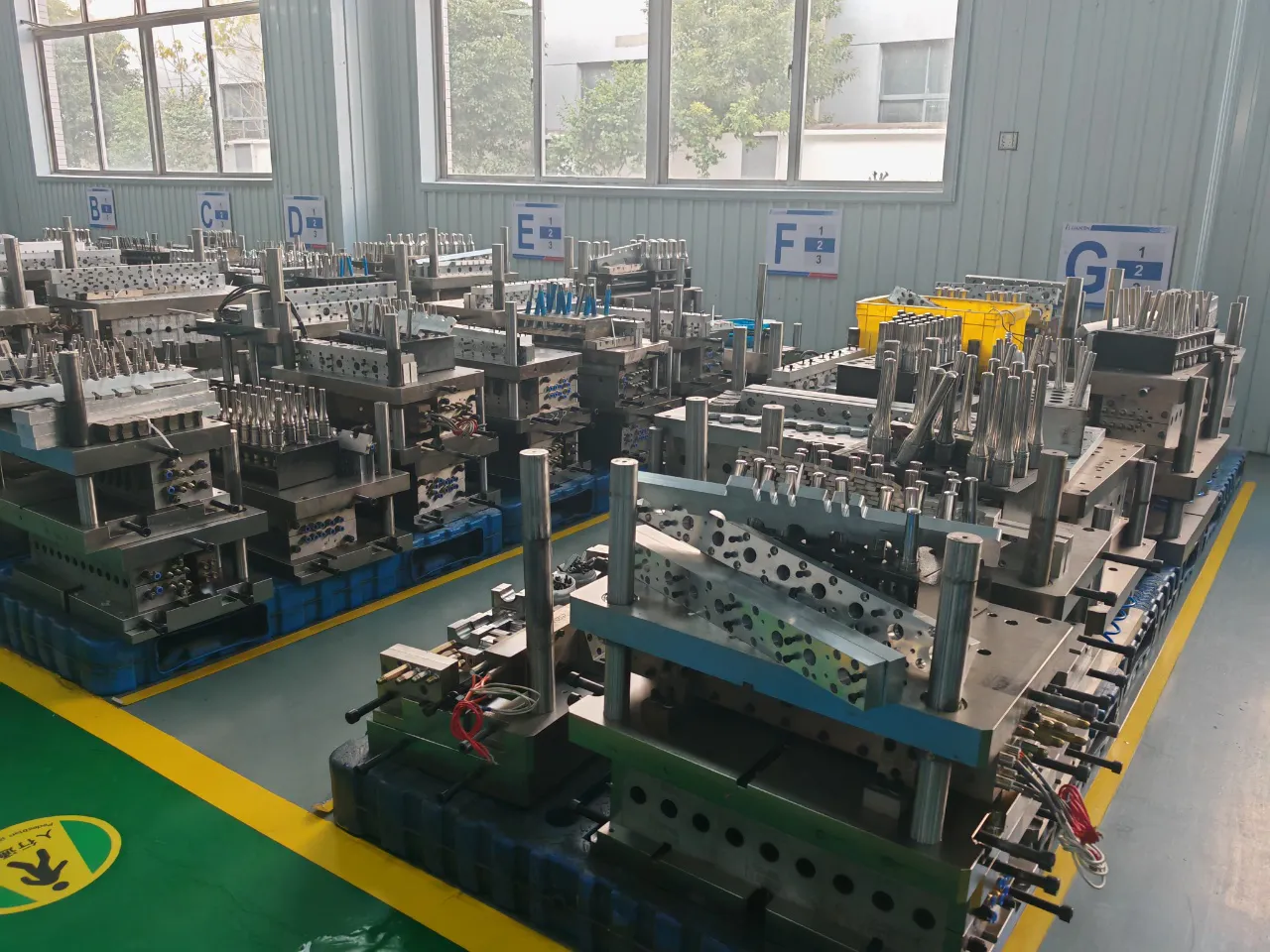
작업장
자주 묻는 질문
편집자: PXY