A practical guide to machine longevity, structural durability, and maintenance planning for packaging operations in Colombia and global markets — covering the mesin cetak tiup peregangan injeksi from the ground up.
How Long Does an Injection Stretch Blow Moulding Machine Actually Last?
This is one of the most common questions raised by packaging plant managers in Bogotá, Medellín, Cali, and Barranquilla when evaluating a new capital equipment purchase — and rightfully so. A well-maintained injection stretch blow moulding machine represents a significant investment, and the return on that investment is largely determined by how long the machine remains productive and how much downtime it accumulates over its operational lifetime. The answer is rarely a single number, because the realistic service life of these machines spans a wide range depending on four variables: the quality of the machine’s mechanical structure, the materials used in key wear components, the operating conditions in the production environment, and the discipline of the maintenance program in place.
As a general benchmark, a well-built one-step injection stretch blow moulding machine manufactured to modern servo-driven standards — with CNC-machined guide rails, imported lead screws, and precision-ground clamping platens — has a designed operational life of 10 to 15 years for the base frame and structural elements. Wear components such as screw and barrel assemblies, mould clamping toggle pins, heating rings, and servo motor drive belts operate on much shorter replacement cycles of 2 to 5 years depending on throughput hours. The overall lifecycle of the injection stretch blow moulding machine is therefore the lifecycle of its structure, not the lifecycle of its consumable components. Understanding this distinction is what separates factories that consistently achieve 12-year machine payback periods from those that face premature replacement decisions after only 6 or 7 years of operation.
This guide breaks down every major subsystem of the injection stretch blow moulding machine to give Colombian packaging manufacturers — particularly those in the beverage, cosmetics, pharmaceutical, and food sectors — a clear and actionable understanding of what to expect over the machine’s operational life, and how to maximize it.
Lifecycle at a Glance: Average Service Expectations by Machine Type
The following table reflects typical service life data observed across injection stretch blow moulding machine installations in Latin American markets, including Colombia, Mexico, and Brazil, where tropical humidity, voltage fluctuation, and variable cooling water quality all influence the rate of component wear. The table distinguishes between full-servo and servo-pump configurations, as the all-electric servo drive architecture tends to show significantly longer service life on precision mechanical components due to the elimination of hydraulic fluid contamination.
| Jenis Mesin | Typical Configuration | Frame / Structure Life | Drive System Life | Mould Life (cycles) | Overall Machine Life |
|---|---|---|---|---|---|
| Full-Servo 3-Station ISBM | HGY50-V3-EV type | 15+ years | 8–12 years | 500,000–800,000 | 10–15 years |
| Servo-Pump 4-Station ISBM | HGY150-V4 / HGY200-V4 type | 12–15 years | 6–10 years | 400,000–700,000 | 8–12 years |
| Full-Servo 4-Station ISBM | HGY150-V4-EV type | 15+ years | 8–12 years | 500,000–900,000 | 10–15 years |
| 6-Station ISBM (High Output) | HGYS280-V6 type | 12–15 years | 6–10 years | 400,000–600,000 | 8–13 years |
| Heavy-Duty 4-Station (Large Format) | HGY650-V4 type | 15+ years | 7–10 years | 300,000–500,000 | 10–15 years |
Note: Mould life figures refer to the steel injection-blow mould cavity set, not the machine frame. Mould steel grade, cooling circuit design, and cavity surface hardness treatment significantly influence actual cycle life.
Manufacturing Structure: What Determines Long-Term Durability
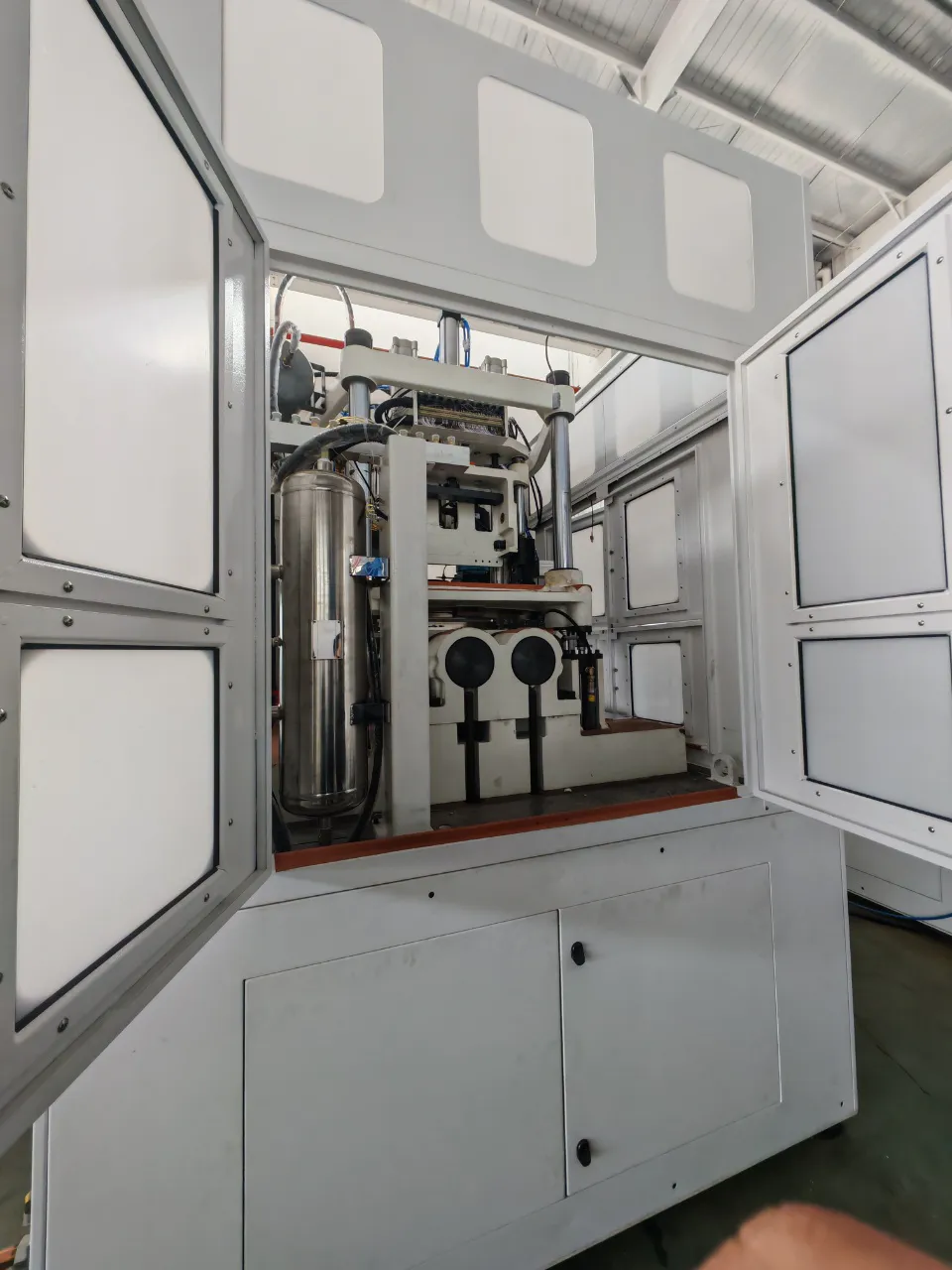
The structural durability of an injection stretch blow moulding machine starts with the machine base frame. In modern one-step ISBM machines, the base frame is fabricated from thick-wall welded steel plate — typically ST52 or equivalent structural steel — stress-relieved by thermal annealing before CNC machining. This treatment eliminates the residual stresses introduced during welding and ensures that the machined guide surfaces maintain their flatness tolerance over decades of production cycling. Factories in Colombia that operate machines continuously at 16 to 24 hours per day will immediately feel the difference between a properly annealed frame and a frame that was machined directly after welding, as the latter will gradually exhibit vibration-induced misalignment that degrades bottle quality and accelerates mould wear.
The rotary turntable — the heart of the one-step injection stretch blow moulding machine that indexes the preform through the injection, temperature conditioning, stretch-blowing, and take-out stations — is manufactured from casting or high-precision fabricated steel with ground bearing surfaces. The turntable index drive uses a Japan Yaskawa servo motor coupled to a Taiwan TSUNTIEN reducer in the more advanced machine configurations. This combination provides high torque at low speed with angular position accuracy better than ±0.05 degrees, which is critical for maintaining preform alignment at the blow station. Angular position error at the turntable directly translates to wall thickness variation in the finished bottle — an issue that causes filling line rejects and customer complaints at downstream operations in the food and beverage industry.
The injection unit of the injection stretch blow moulding machine — comprising the barrel, screw, check valve, and nozzle — is where the raw PET or PETG resin pellets are melted and injected into the preform cavity under pressure. The screw is typically manufactured from 38CrMoAl nitrided steel, which provides a surface hardness of approximately 950–1000 HV at the flight tips and barrel contact surfaces. This hardness level is matched to the abrasion resistance needed for processing glass-filled or mineral-filled resins and for the continuous cycling of PET, which carries a mild abrasive character from its filler content. The barrel is lined with a bimetallic sleeve — iron-based matrix with tungsten carbide or chromium carbide embedded particles — that resists both abrasion from the resin and corrosion from the fluoride compounds released at high barrel temperatures. Properly maintained screw and barrel assemblies in moderate-throughput PET operations typically reach 15,000 to 20,000 operational hours before requiring dimensional inspection and replacement evaluation.
Material System: Resins, Metals, and What They Mean for Machine Wear
The resin processed by the injection stretch blow moulding machine is not a passive participant in machine wear — it is an active contributor. PET (polyethylene terephthalate) is hygroscopic and must be dried to a moisture content below 50 ppm before processing; inadequately dried PET undergoes hydrolytic degradation in the barrel that produces acetaldehyde, corrosive decomposition products, and IV (intrinsic viscosity) degradation that fouls the check valve seat and increases wear on the screw root. Facilities in Colombia’s hot and humid coastal cities — Cartagena, Santa Marta, Barranquilla — need to pay special attention to resin drying system performance, as the high ambient humidity increases the moisture pickup rate of stored PET pellets and dramatically compresses the safe holding time after drying. A factory that routinely processes underdried PET will see screw and barrel wear accelerate by a factor of 2 to 3 compared to a properly dried operation, cutting years off the component service life.
PETG (glycol-modified polyethylene terephthalate) is processed in many one-step injection stretch blow moulding machines alongside PET, particularly for cosmetics bottles, pharmaceutical dropper bottles, and high-clarity food containers. PETG requires slightly lower barrel temperatures than PET and does not require as aggressive drying, but it is considerably more viscous at processing temperatures, which generates higher shear forces in the screw flights and increases the wear rate on screw tip components. The injection stretch blow molding process with PETG also requires more precise temperature control at the conditioning station because PETG has a narrower stretch blow window than PET — outside this temperature window, wall thickness distribution deteriorates and bottle yield drops. This makes the thermal management system of the conditioning station a critical lifecycle component for PETG operations.
PP and PC are also processed in suitably configured injection stretch blow moulding machines, typically for food containers (PP) and specialized technical bottles (PC). PP has a much higher required processing temperature and requires different screw geometry — typically a lower compression ratio and modified metering section — compared to PET. Running PP in a PET-optimized screw configuration accelerates degradation of both the screw geometry and the barrel lining. PC processing involves even higher temperatures (270–300°C) and generates highly corrosive hydrogen chloride gas at the nozzle and hot runner interfaces if the melt temperature is allowed to exceed specification. Both of these resins impose material system requirements that must be matched to the machine’s specified capability before purchase — mismatching resin to machine specification is one of the most common causes of premature machine wear in Latin American packaging operations.
Component-Level Lifecycle Data: Replacement Intervals by System
Understanding which components wear at which rate on the injection stretch blow moulding machine allows maintenance teams in Colombian packaging facilities to build a predictive maintenance schedule rather than a reactive one. The following injection stretch blow moulding machine component lifecycle table is based on typical PET operation at 16–20 hours per day, 300 operating days per year, at normal tropical ambient conditions (25–35°C, 60–80% RH).
| Machine Subsystem | Key Components | Typical Replacement Interval | Warning Signs | Failure Risk if Neglected |
|---|---|---|---|---|
| Injection Unit | Screw, barrel, check valve, nozzle | 15,000–20,000 hrs (screw/barrel); 3,000–5,000 hrs (check valve) | Shot weight variation; increased cycle time; splay defects | High — production quality loss |
| Heating System | Barrel heater bands, nano-far-infrared heating rings, thermocouple | 2–4 years (heater bands); 1–2 years (thermocouple) | Temperature overshoot; uneven heating; slow ramp time | Medium — may cause melt degradation |
| Penggerak Meja Putar | NSK lead screw, TSUNTIEN reducer, servo motor encoder | 8–12 years (lead screw); 10–15 years (reducer) | Indexing position error; vibration at index completion | High — wall thickness variation |
| Blow Mould Clamping | Clamping platen, toggle pins, Parker high-pressure valve | 5–8 years (toggle pins); 6–10 years (platens) | Flash on parting line; inconsistent clamping force | High — bottle dimensional failure |
| Cooling System | Water manifold, O-rings, chiller unit connections | 2–3 years (O-rings, seals); 8–12 years (manifold body) | Cooling time increase; water leak; mould condensation | Medium — cycle time creep |
| Pneumatic System | AIRTAC cylinders, Parker high-pressure valves, blow core | 3–6 years (cylinder seals); 5–8 years (valves) | Air leak sound; reduced blow pressure; take-out timing shift | Medium — production interruption |
| Sistem Kontrol | Inovance / MiRLE PLC, HMI touchscreen, servo drives | 8–12 years (PLC); 4–7 years (HMI); 6–10 years (servo drives) | Intermittent fault alarms; slow screen response; encoder fault codes | Very High — machine stoppage |
| Mould (Cavity Set) | Cavity inserts, cores, neck inserts, cooling channels | 500,000–1,000,000 shots depending on steel grade | Parting line flash; surface pitting; neck finish out-of-spec | High — product rejection rate |
Key Factors That Determine How Long Your Machine Lasts
Colombian municipalities vary significantly in water hardness, and this directly affects injection stretch blow moulding machine cooling performance and dissolved mineral content. Hard water with high calcium and magnesium content deposits scale inside mould cooling channels and chiller heat exchangers, progressively reducing heat transfer efficiency. As cooling efficiency drops, cycle times lengthen and the mould operates at higher than specified temperatures, accelerating cavity steel wear and reducing bottle dimensional consistency. Treatment with a water softener and regular chemical flushing of cooling circuits prevents this — facilities that implement water treatment maintain cooling performance for 8 to 10 years without major rework of the cooling manifold.
The blow station of every injection stretch blow moulding machine requires high-pressure dry air at 2.0–3.5 MPa to expand the preform against the blow cavity. Moisture in the compressed air stream causes condensation inside the blow core and cavity that promotes mould rust, cracks preform walls through thermal shock, and contaminates the interior of food-grade bottles. A properly specified oil-free compressor with refrigerated dryer and membrane or desiccant dryer downstream is not optional — it is a direct determinant of both bottle quality and machine service life. Machines operating with inadequately dried compressed air consistently show blow valve seat wear at 3 to 4 years versus 6 to 8 years for machines with correctly specified air treatment.
An injection stretch blow moulding machine running at 85% of its rated cavity output 20 hours per day will accumulate wear at a substantially faster rate than one running 12 hours per day at 70% of rated output. The injection stretch blow moulding machine is a cyclic-loaded machine — every cycle imposes injection pressure, clamping force, blowing pressure, and turntable indexing forces on the structural elements. High-throughput operations in Colombia’s largest beverage and personal care packaging plants should plan for more frequent inspection intervals on high-load components like toggle pins, guide rails, and lead screws than facilities running lower throughput. The difference can mean a 20 to 30% reduction in first-overhaul interval when running near peak rated output continuously.
The guide rails, toggle linkages, and lead screws of an injection stretch blow moulding machine require scheduled lubrication with grease and oil grades specified by the machine manufacturer. Using incorrect lubricant grades in an injection stretch blow moulding machine — a common shortcut in facilities that purchase generic lubricants without verifying specification compatibility — causes accelerated wear on precision surfaces. Facilities following manufacturer lubrication schedules typically maintain guide rail straightness within specification for 8 to 10 years. Facilities that apply lubrication on an ad-hoc basis when problems appear rather than on schedule typically require guide rail regrinding at 5 to 6 years — an expensive and production-interrupting procedure that could have been avoided at a fraction of the cost through correct preventive maintenance execution.
Recommended Maintenance Intervals for Colombian Operating Conditions
Tropical operating environments impose specific maintenance demands that differ from the European or North American conditions in which some machine specifications are originally written. Colombian packaging facilities should adapt their maintenance calendars to account for the higher ambient temperatures, humidity levels, and power supply characteristics of local electrical infrastructure. The table below offers a practical maintenance schedule that extends component life and avoids unplanned machine downtime.
| Interval | Maintenance Task | Key Components Checked | Tropical Climate Adjustment |
|---|---|---|---|
| Daily | Visual inspection, parameter check | Heater temp, water pressure, air pressure, alarm log | Check condenser water temperature — higher in summer months |
| Weekly | Lubrication of moving parts | Guide rails, toggle pins, lead screw, turntable bearing | Reduce interval to every 3 days if ambient >32°C |
| Monthly | Cooling water flush, filter replacement | Water filter cartridge, softener resin, chiller fins | Biweekly filter check if municipal water hardness >150 ppm |
| Quarterly | Servo drive calibration, encoder check | All servo axes, turntable index accuracy, injection position | Check electrical cabinet cooling fans — replace if noisy |
| Semi-Annual | Full mechanical inspection | Toggle linkage wear, platen parallelism, screw torque check | Inspect pneumatic seals — humidity accelerates seal degradation |
| Annual | Major overhaul inspection | Screw wear measurement, barrel bore gauge, mould cavity inspection | Coordinate with Colombian dry season for minimal production impact |
Featured Machine: EP-HGYS280-V6 One-Step Injection Stretch Blow Moulding Machine (6-Station)
Among the machines most frequently evaluated by Colombian packaging operators for high-volume production environments, the EP-HGYS280-V6 six-station one-step injection stretch blow moulding machine occupies a unique position. It is the broadest-station-count machine in the standard range — producing up to 10 cavities per cycle across 6 process stations — and its structural specification reflects the requirements of sustained high-throughput operation over the target machine life of 8 to 13 years. The HGYS280-V6 uses dual injection units (twin-screw configuration) to feed the six-station turntable, which distributes the thermal and mechanical load between two screw-barrel assemblies and extends the per-unit wear life of each assembly compared to a single-screw configuration producing the same total output.
| Parameter | Spesifikasi | Lifecycle Significance |
|---|---|---|
| Stasiun | 6 (HGYS280-V6) | Higher output per cycle reduces total machine cycles needed per year |
| Diameter Sekrup | 40 / 50 / 55 / 60 mm | Larger screw selected for lower RPM at same output — extends wear life |
| Gaya Penjepitan Injeksi | 150 KN | Sized for 310 g shot weight; avoids platen overloading |
| Gaya Jepit Tiup | 200 KN (single side) | Toggle system operates below rated capacity — extends toggle pin life |
| Tenaga Motor | 43.2 KW (Inovance / WEICHI servo) | Servo-pump system — reduced hydraulic fluid heating extends oil and seal life |
| Heating System | Nano far-infrared heating ring, 10 KW (twin-screw) | Lower surface temperature at same heat output — extends heater band life |
| Jejak Mesin | 5900 × 2600 × 3200 mm | Adequate floor area required to maintain service access to all subsystems |
| Berat | 14 tonnes | Heavy frame dampens cyclic vibration — extends guide rail alignment life |
| Materials Processed | PET / PETG | Standard screw geometry — no specialty wear from off-spec resins |
| Katup Tekanan Tinggi | Parker (USA) | Premium valve specification — reduced blow valve wear vs. generic alternatives |
The Injection Stretch Blow Molding Process and Its Effect on Machine Wear
The injection stretch blow molding process combines three steps — preform injection moulding, mechanical stretching, and pneumatic blow moulding — into a single continuous cycle on one machine, with no preform reheating stage between injection and blowing. This one-step architecture is fundamentally different from the two-step process where preforms are injection moulded separately and reheated before blowing, and the single-step architecture has important implications for machine wear patterns. Because the preform retains its heat from injection through to the blow station, the thermal cycling of the screw, barrel, and hot runner system is more continuous and less episodic than in a two-step preform machine. This actually reduces thermal fatigue on heating system components compared to machines that cycle between operating and standby temperatures repeatedly during production shifts.
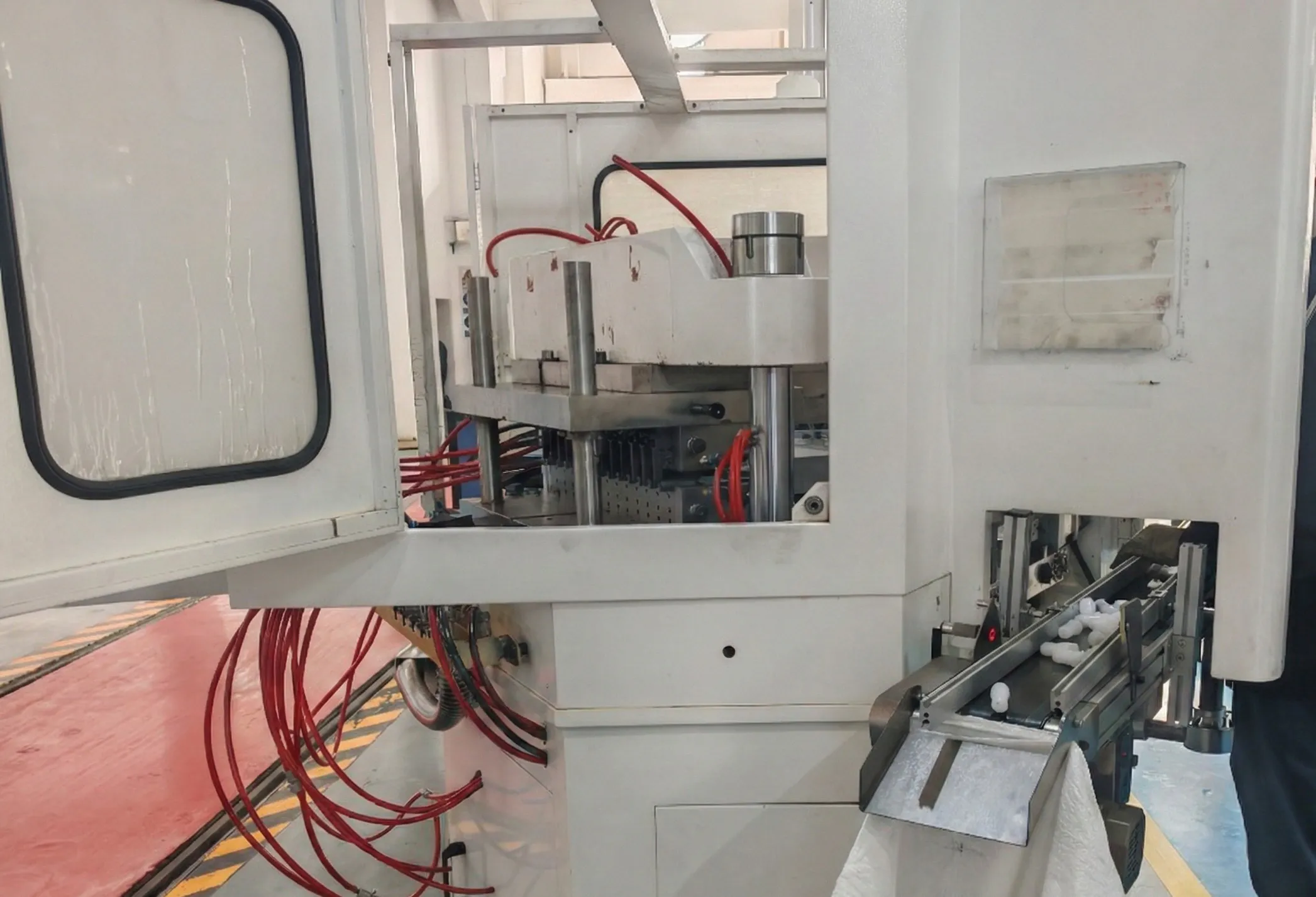
One of the specific wear mechanisms in the injection stretch blow moulding machine that is not present in conventional injection moulding is the stretching rod assembly. The stretch rod of the injection stretch blow moulding machine descends into the preform at the blow station, mechanically extending the preform to the base of the blow cavity before the high-pressure blow air expands the sidewalls. This rod on the injection stretch blow moulding machine operates at high speed under significant axial force — particularly when producing large-volume containers like 5-liter or 10-liter water dispenser bottles on the HGY250-V4 or HGY650-V4 models — and the rod guide bearings and rod tip material require periodic inspection and replacement. Rod tip wear manifests as uneven bottom thickness in the blown bottle, which shows as crush test failure before any other quality defect is apparent. Colombian beverage producers using the injection stretch blow molding process for large container production should include stretch rod inspection in their semi-annual maintenance schedule.
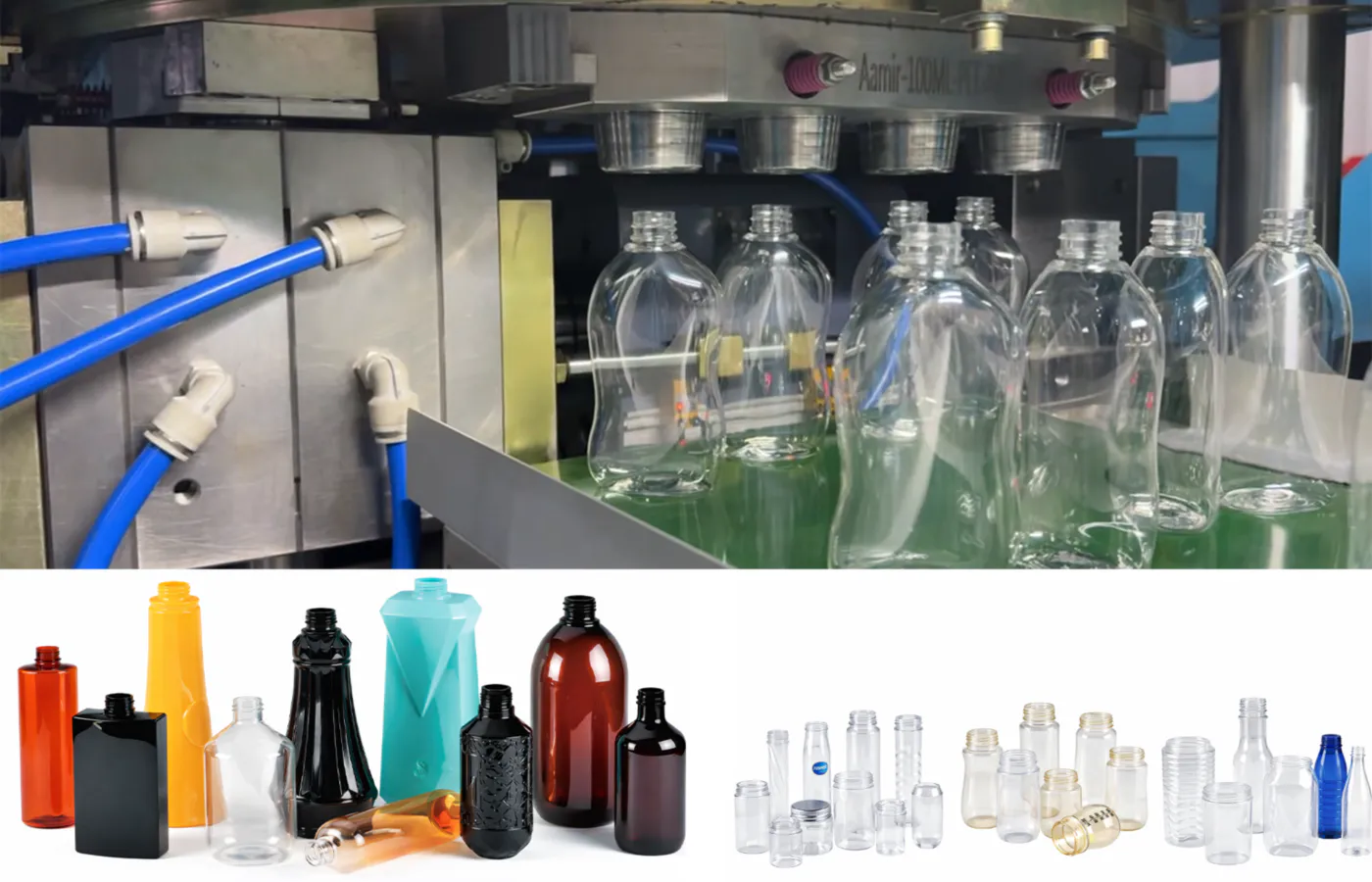
The injection stretch blow molding products produced on these machines — including PET water bottles, PETG cosmetics containers, and PP food containers — all have specific neck finish requirements defined by the cap or closure system. The neck finish is formed in the injection station, not the blow station, so the injection mould neck inserts are the most dimensionally critical components in the entire injection stretch blow mold cavity set. Neck insert wear on the injection stretch blow moulding machine causes cap application problems at the filling line — loose or cross-threaded caps, seal failures, and consumer complaints — so dimensional gauging of neck inserts at every major maintenance interval is essential for maintaining the downstream packaging quality standards required by Colombian food safety regulation under INVIMA (Instituto Nacional de Vigilancia de Medicamentos y Alimentos) authority.
Regulatory Framework: Machine Safety and Material Compliance
Colombian packaging operations must comply with NTC (Normas Técnicas Colombianas) standards for plastic packaging materials, administered by ICONTEC. Packages produced by the injection stretch blow moulding machine for food, pharmaceutical, and cosmetics applications must meet food contact material requirements under INVIMA Resolution 683 of 2012 and complementary resolutions. The resin used — PET, PETG, PP, or PC — must have FDA or EU 10/2011 food contact certification from the resin supplier, and the machine processing parameters must stay within the temperature and residence time limits that maintain resin compliance. Overheat or excessive residence time degradation of PET can generate oligomers and acetaldehyde that violate food contact limits.
Injection stretch blow moulding machines exported to or used in the European Union must comply with the Machinery Directive 2006/42/EC, which requires CE marking and a Declaration of Conformity. The electrical safety of the injection stretch blow moulding machine must comply with EN 60204-1, the noise emission levels must be documented per EN ISO 11688, and the hydraulic system must comply with EN ISO 4413. For Colombian packaging manufacturers supplying finished goods to European markets, the bottles themselves do not require CE marking, but machines used to produce food contact packages should be operated per a HACCP-compatible production protocol that includes machine hygiene documentation.
For Colombian manufacturers exporting to the United States — particularly in the personal care and pharmaceutical sectors — the bottles produced by the injection stretch blow moulding machine may need to comply with FDA 21 CFR Part 177 food contact regulations for the specific resin and additive combination used. Machine guarding requirements under OSHA 29 CFR 1910.217 for mechanical power presses apply to machines with press actions; the injection moulding stage of the ISBM machine involves a clamping action that must have appropriate guarding documented in the machine safety file. Local safety officers in Colombian facilities that export to the US market should confirm machine guarding compliance as part of their supplier audit preparation.
Modern injection stretch blow moulding machines from reputable manufacturers are produced under ISO 9001:2015 certified quality management systems. This certification — applied to raw material procurement, CNC machining, assembly, testing, and dispatch — ensures that each machine’s dimensional and functional specifications are verified before delivery. For Colombian buyers seeking long-term service life assurance, confirming that the machine manufacturer holds ISO 9001:2015 certification and can provide inspection records for critical dimensions (platen parallelism, guide rail straightness, servo calibration) is a meaningful quality indicator beyond the manufacturer specification sheet.
Compatible System Products for Complete Line Integration
The injection stretch blow moulding machine is one element of a complete packaging line. Two peripheral products have a direct and measurable effect on machine lifecycle and should be considered as part of the capital investment decision for any Colombian packaging facility.
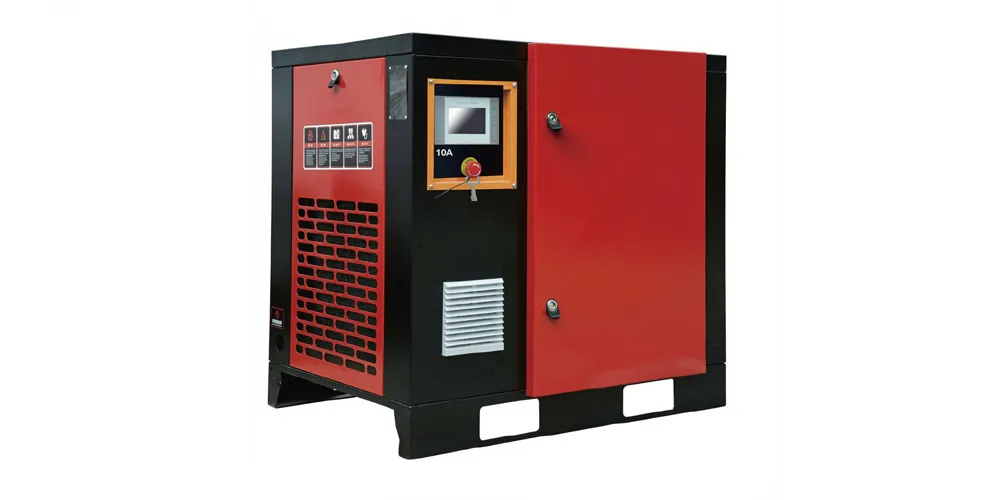
The injection stretch blow moulding machine requires high-pressure dry compressed air at 2.0–3.5 MPa for the blow station, and any oil or moisture contamination in this air stream directly contacts the interior of the bottle being produced. For food, beverage, and pharmaceutical packaging applications, an oil-free compressor is mandatory. Pairing the machine with a correctly specified oil-free compressor with integrated dryer protects the blow valves and blow core from oil fouling, extends pneumatic seal life, and ensures regulatory compliance for food contact packaging. We supply compatible oil-free compressor systems to match the air flow and pressure requirements of the full machine range.
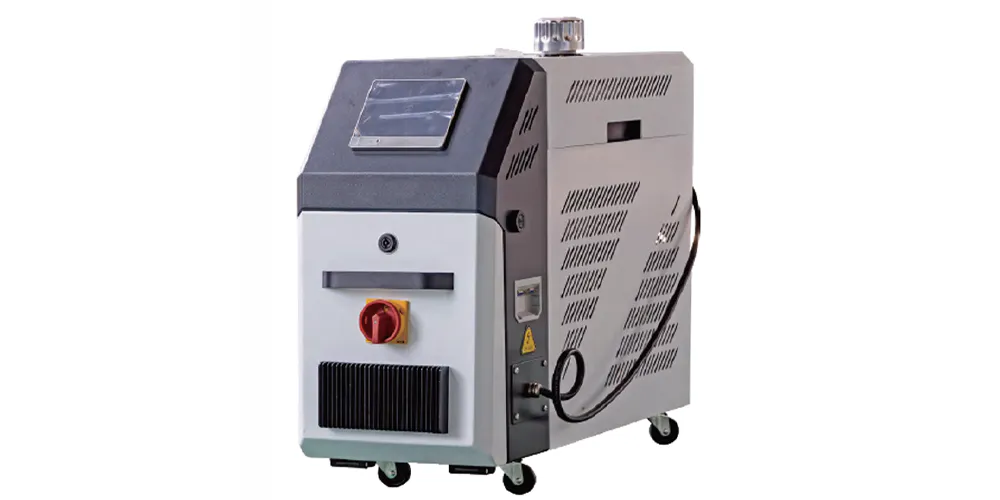
Temperature consistency in the injection mould and blow mould is critical to maintaining dimensional stability and cycle-to-cycle repeatability in the injection stretch blow moulding machine. A mold temperature controller circulates precisely temperature-controlled water or oil through the mould cooling channels, maintaining cavity wall temperature within ±0.5°C of setpoint regardless of variation in ambient temperature or cooling water supply temperature. In Colombia’s varying altitude environments — from sea-level Barranquilla to high-altitude Bogotá at 2,600 meters above sea level — ambient and water temperature swings between seasons would cause unacceptable bottle quality variation without a dedicated mold temperature controller maintaining setpoint. The investment in temperature control equipment directly extends mould service life by preventing thermal fatigue from temperature cycling.
The injection stretch blow mould matched to the injection stretch blow moulding machine is the tooling set that determines the bottle shape, neck finish, and dimensional precision of every bottle produced by the machine. Modern one-step injection stretch blowing moulds are designed as matched sets — injection cavity, temperature conditioning station, blow cavity, and take-out fixture — precision-matched to each other and to the machine’s station geometry. Mould steel grades range from P20 (for prototyping and short runs) through H13 hardened tool steel (for production cavities rated at 500,000 to 1,000,000 cycles). Pairing the machine with correctly specified injection stretch blow mold tooling from a coordinated supplier — rather than purchasing tooling and machines from uncoordinated sources — is the single most effective way to ensure that both machine and tooling reach their designed service life.
About Our Injection Stretch Blow Moulding Machine Operation
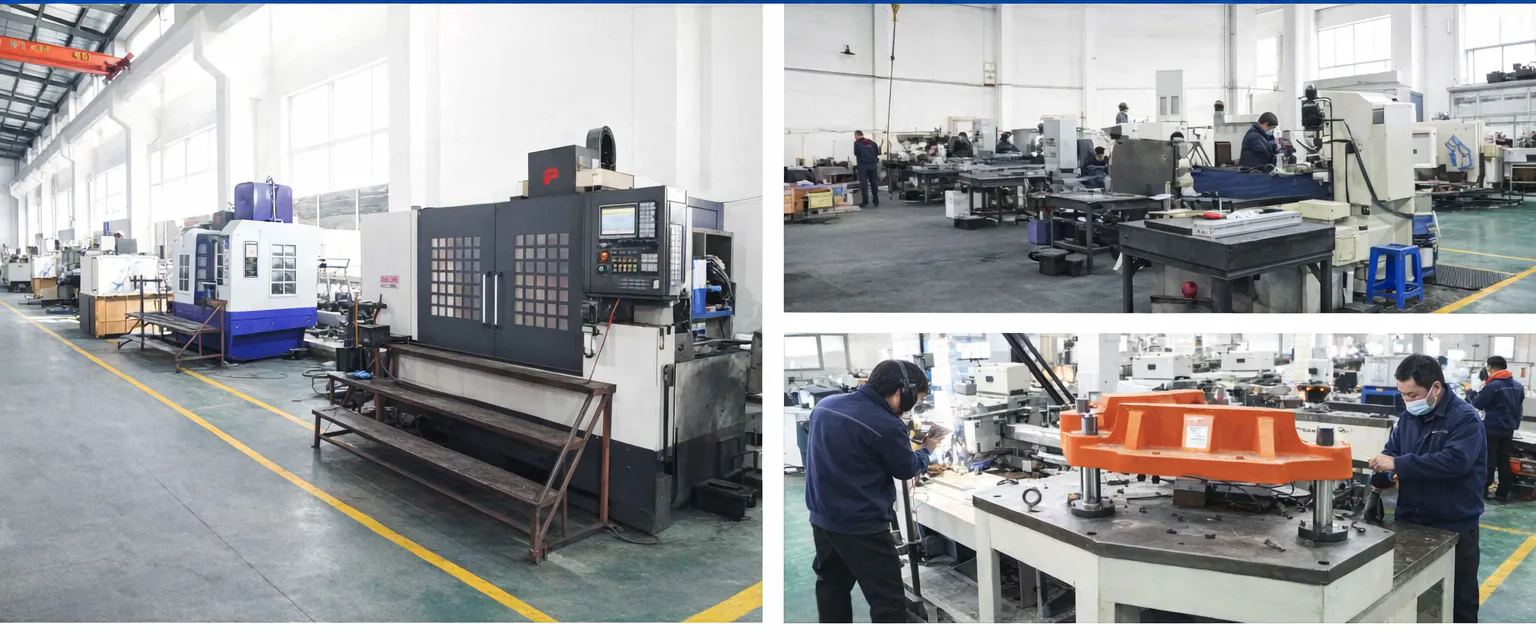
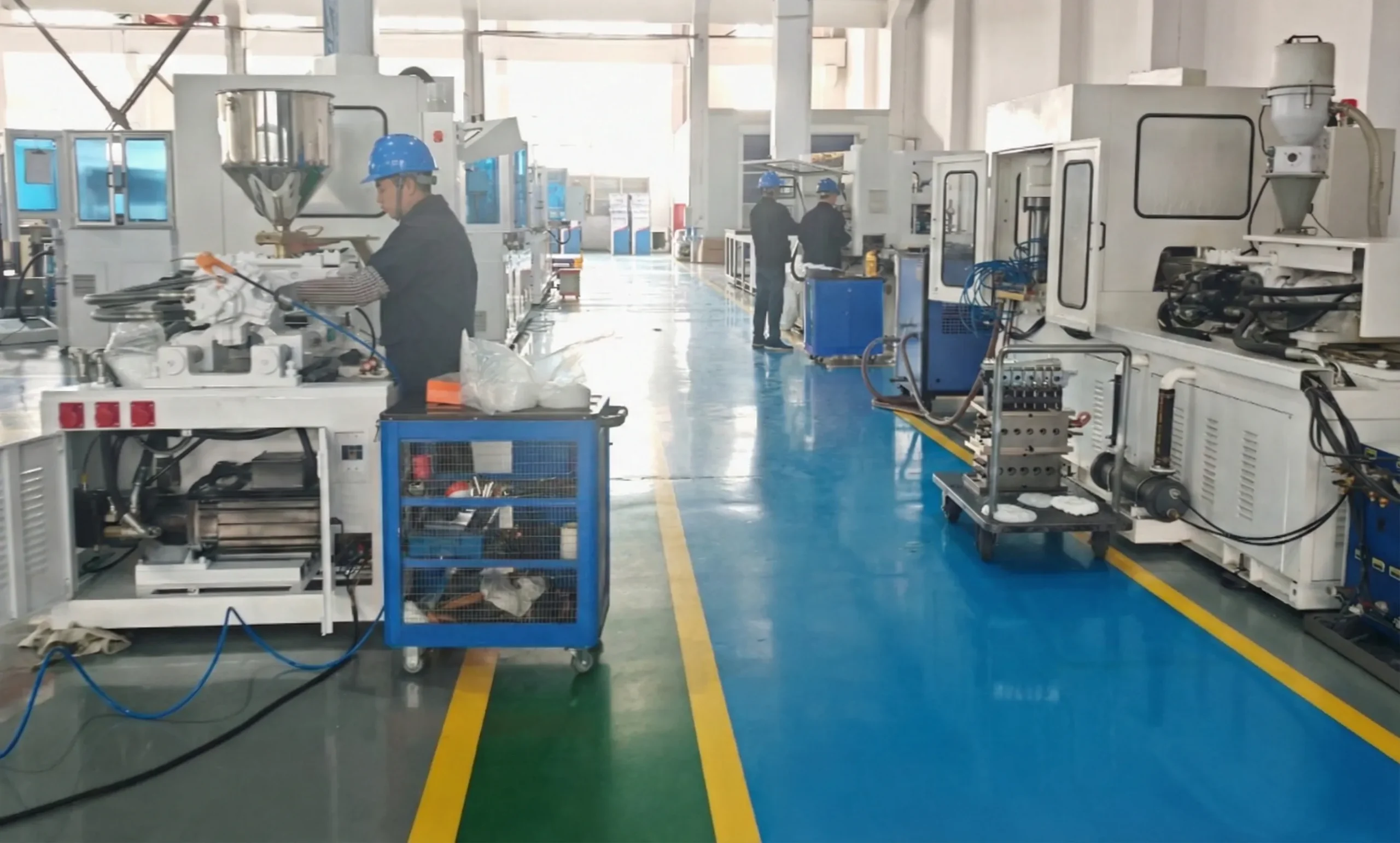
We are a specialist manufacturer of the injection stretch blow moulding machine and matched tooling and matched mould tooling, with over two decades of dedicated production experience serving global packaging markets. Our machine range covers the full spectrum of injection stretch blow moulding machine manufacturers requirements — from the compact 3-station HGY50-V3-EV for small-volume specialty container production, through the 4-station series (HGY150-V4, HGY200-V4, HGY250-V4, HGY650-V4) for medium and heavy duty packaging lines, to the 6-station HGYS280-V6 for high-output multi-cavity production. All machines are manufactured to ISO 9001:2015 standards, with CNC-machined structural components, imported precision components from Japan (NSK, Yaskawa) and the USA (Parker), and documented inspection records available for every machine delivered.
We supply injection stretch blow moulding machine suppliers and end-user packaging factories across Colombia, Mexico, Peru, Chile, Brazil, and across Latin America with machines, moulds, spare components, and technical service support. Our new injection stretch blow moulding machine models are also available as approved replacements for ASB and AOKI platform installations — these replacement injection stretch blow moulding machine models compatible with ASB and AOKI platforms (including ASB-12M and ASB-70DPH compatible configurations) allows facilities invested in those mould platforms to transition to our machine range without scrapping existing tooling.
Bengkel
Pertanyaan yang Sering Diajukan
Editor: PXY