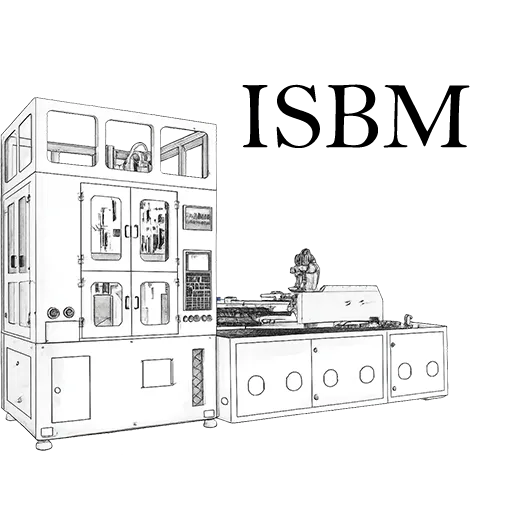
1. Comprehensive Guide and Best Practices for Blow Molding Machine Production Line Layout
Establishing an optimal production facility requires a profound understanding of equipment architecture, material dynamics, and spatial engineering. When integrating an injection stretch blow moulding machine into a manufacturing ecosystem, the layout dictates not only operational efficiency but also long-term profitability. This comprehensive guide explores the best practices for structuring an injection stretch blow molding process layout, particularly focusing on the advanced One-step injection stretch blow molding machine technology. For manufacturers in emerging industrial hubs like Bogota, Medellin, and Cali, adhering to regional standards such as INVIMA regulations and navigating high-altitude atmospheric conditions are crucial steps in configuring a flawless production line. By prioritizing precision, energy conservation, and automated workflows, facility managers can leverage the full potential of these advanced molding solutions.
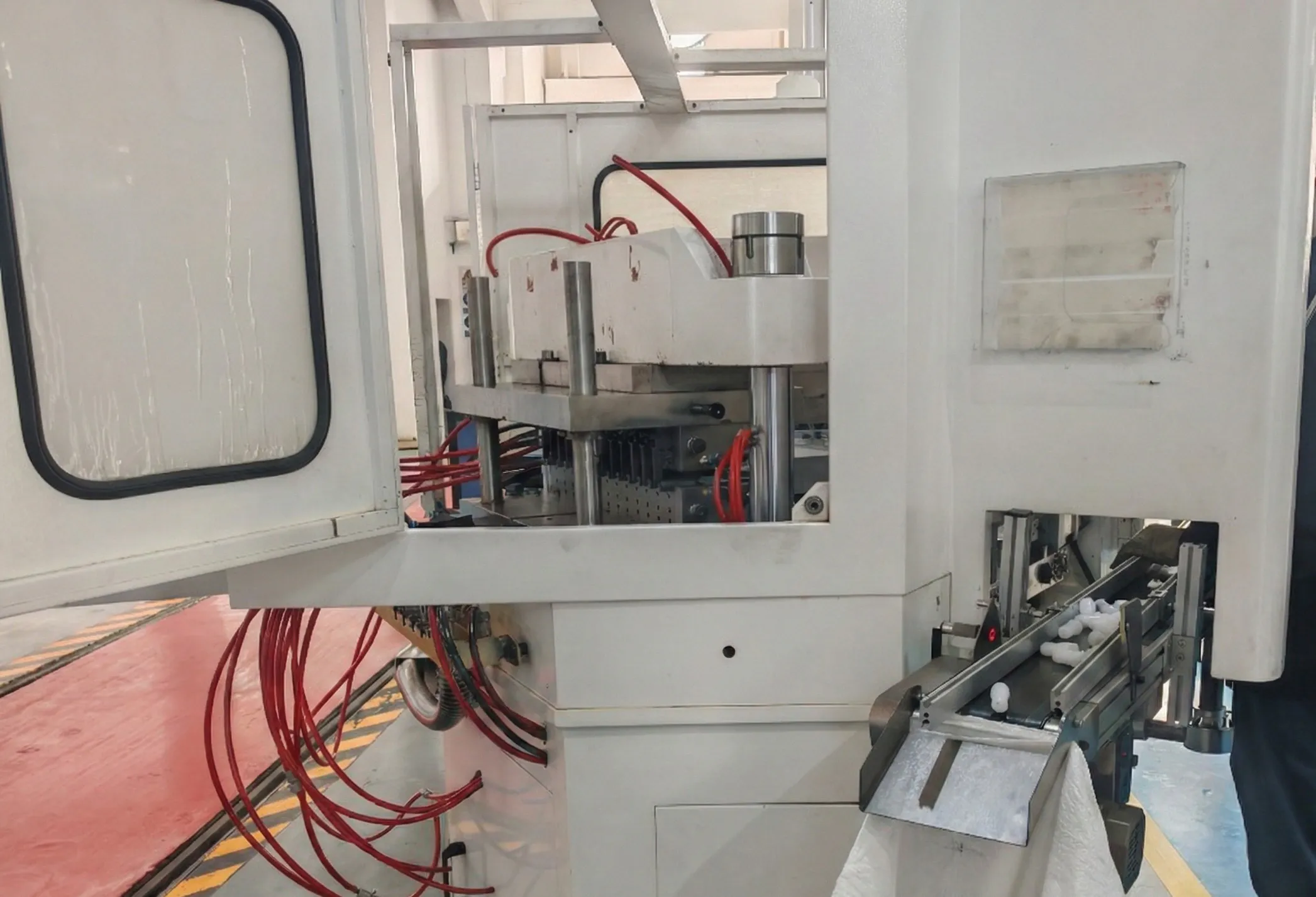
2. वन-स्टेप आईएसबीएम तकनीक के पांच प्रमुख लाभ
- Energy Efficiency and Sustainability: By eliminating the need for preform reheating, the one-step injection stretch blow molding process reduces energy consumption by up to 40%. This is highly beneficial for meeting environmental compliance and reducing overhead costs.
- Superior Product Consistency and Precision: Automated control across all stations minimizes human error, ensuring high dimensional precision. The oriented stretching significantly improves the barrier properties, compressive strength, and transparency of the final injection stretch blow molding products.
- Compact Production Footprint: Consolidating injection, stretching, and blowing into a single structural framework drastically reduces the required floor space, making it an ideal replacement of asb and aoki systems for facilities with limited square footage in urban industrial parks.
- Uncompromised Hygiene and Safety: The continuous process eliminates intermediate handling and storage of preforms, preventing external contamination. This is vital for maintaining the strict sanitary conditions required for pharmaceutical and food-grade packaging compliance.
- Exceptional Material Utilization: The advanced injection stretch blow mold design and runner-less systems ensure minimal material waste. Scrap can be directly recycled, achieving a material utilization rate of over 95%, aligning perfectly with modern extended producer responsibility initiatives.
3. Working Principle of the Injection Stretch Blow Molding Process
The operational sequence of a state-of-the-art injection stretch blow moulding machine is a marvel of automated engineering, systematically divided into four precise stations. Station 1 (Injection): Thermoplastic resin is heated and plasticized by a servo-driven screw, then injected into the mold cavity to form a transparent preform with a precisely threaded neck. Station 2 (Temperature Conditioning & Tail Cutting): The preform is transferred via a rotary turntable to the conditioning unit. Here, the temperature is carefully equalized—keeping the body warm and the neck cool—while the injection gate tail is accurately sheared off. Station 3 (Stretch Blow Molding): The conditioned preform enters the blow mold. A mechanical stretch rod extends axially while high-pressure air inflates it radially. This biaxial orientation gives the container its final robust shape and clarity. Station 4 (Ejection): The finished container cools rapidly within the mold before being automatically ejected onto a conveyor, ready for packaging or immediate filling.
| तकनीकी मापदण्ड | HGY150-V4 (Standard Model) | HGY250-V4 (High Capacity Model) |
|---|---|---|
| पेंच का व्यास | 40 मिमी / 50 मिमी / 55 मिमी / 60 मिमी | 50 मिमी / 55 मिमी / 60 मिमी |
| सैद्धांतिक इंजेक्शन मात्रा | 188cm³ – 480cm³ | 340cm³ – 480cm³ |
| इंजेक्शन क्लैम्पिंग बल | 150 केएन | 300 केएन |
| ब्लोइंग क्लैम्पिंग फोर्स | 200 केएन | 200 केएन |
| हवा का दबाव डालना | 2.0 – 3.5 एमपीए | 2.0 – 3.5 एमपीए |
| Total Machine Power | ~ 53.2 KW | ~ 82.7 KW |
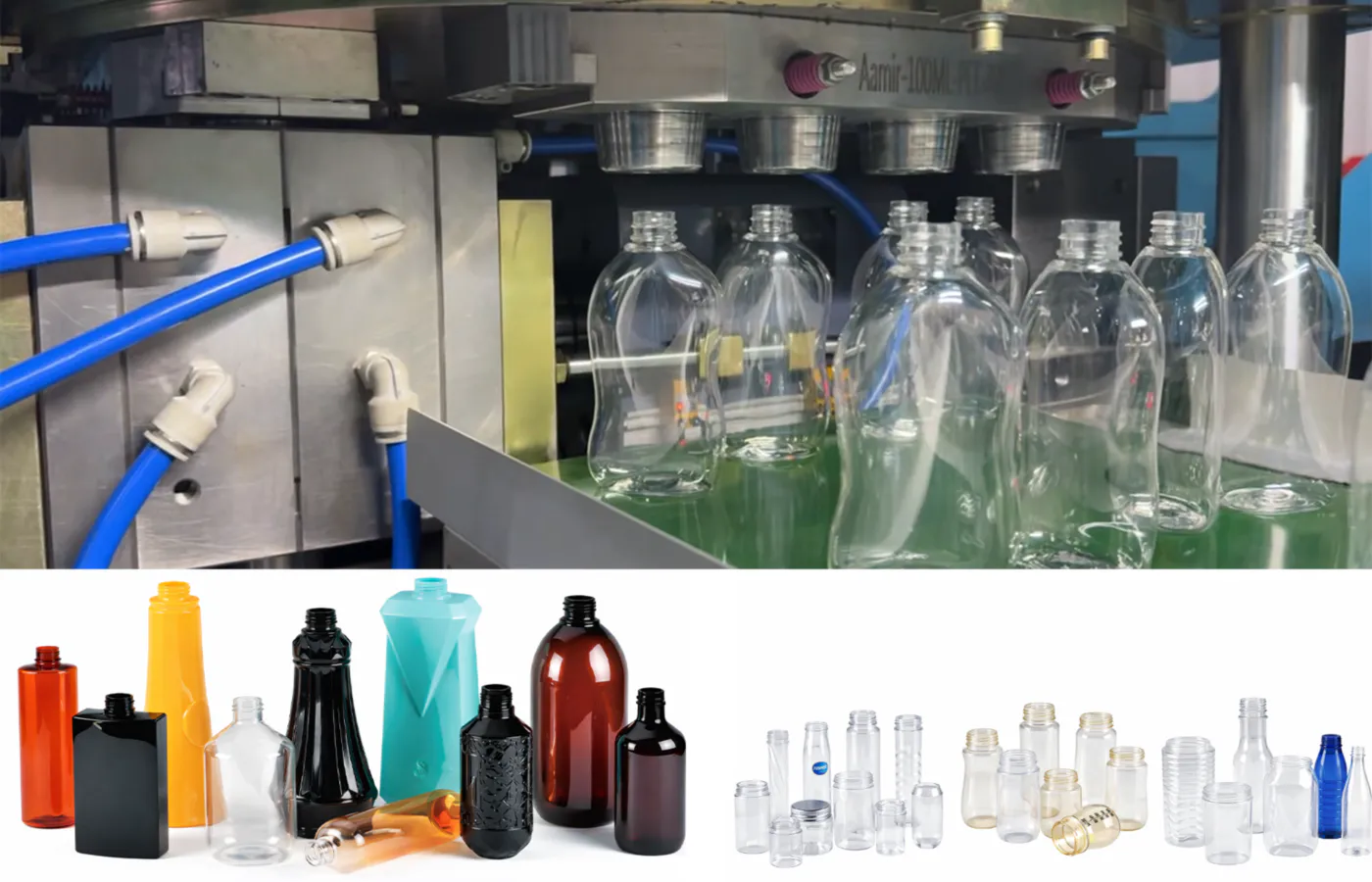
4. Action Mode
The action mode of a premier injection stretch blow moulding machine fundamentally revolves around a highly synchronized, continuous four-station rotary mechanism. This intricate action mode initiates with the servo-driven injection process, where plasticized material is forcefully yet precisely injected into the preform molds. Following this, the advanced turntable, powered by globally recognized Japanese Yaskawa or WEICHI servo motors, smoothly rotates to transfer the preforms to the subsequent stations. This rotational action mode is meticulously calibrated to eliminate any jarring movements, ensuring the semi-molten preforms are perfectly preserved. Once at the stretch blow station, the mechanical stretch rods perform a rapid, precise axial extension, immediately followed by the activation of high-pressure Parker valves that execute the pneumatic radial blowing action. This continuous, cyclical action mode slashes cycle times down to a remarkable 10 to 30 seconds per mold, eliminating the sluggish intermediate handling found in older two-step methods. For production line layouts in rapidly developing industrial sectors across Colombia, such an efficient action mode means that output is maximized while the spatial footprint is minimized. Facility managers can confidently rely on this seamless orchestration of mechanical, hydraulic, and pneumatic actions to deliver relentless, high-volume production without compromising on the meticulous quality expected in today’s competitive packaging markets.
5. Structure Type
Analyzing the structure type of an advanced injection stretch blow moulding machine reveals an integrated, monolithic architectural design that redefines industrial efficiency. Unlike fragmented traditional setups, this structure type completely consolidates the injection molding unit, the intricate temperature conditioning module, the high-pressure stretch blow molding sector, and the automated ejection unit onto a single, incredibly robust chassis. This centralized structure type is a monumental advantage for spatial planning, as it drastically shrinks the necessary floor space, thereby simplifying the overall production line layout. The heart of this structural framework is the multi-station rotary table, intricately designed to guarantee flawless preform indexing. Furthermore, this compact structure type elegantly houses complex sub-systems, such as the high-pressure Parker valves and the sophisticated Yuken hydraulic control networks, keeping them protected yet accessible. For manufacturers operating in urban industrial zones in cities like Medellin or Cali, where optimizing facility square footage directly impacts profitability, this streamlined structure type translates into significant reductions in overhead costs. The heavy-duty structural frame also plays a crucial role in dampening operational vibrations, which guarantees the steadfast stability of the injection stretch blow mold during rapid, high-intensity cycling, ultimately ensuring the continuous output of dimensionally flawless containers.
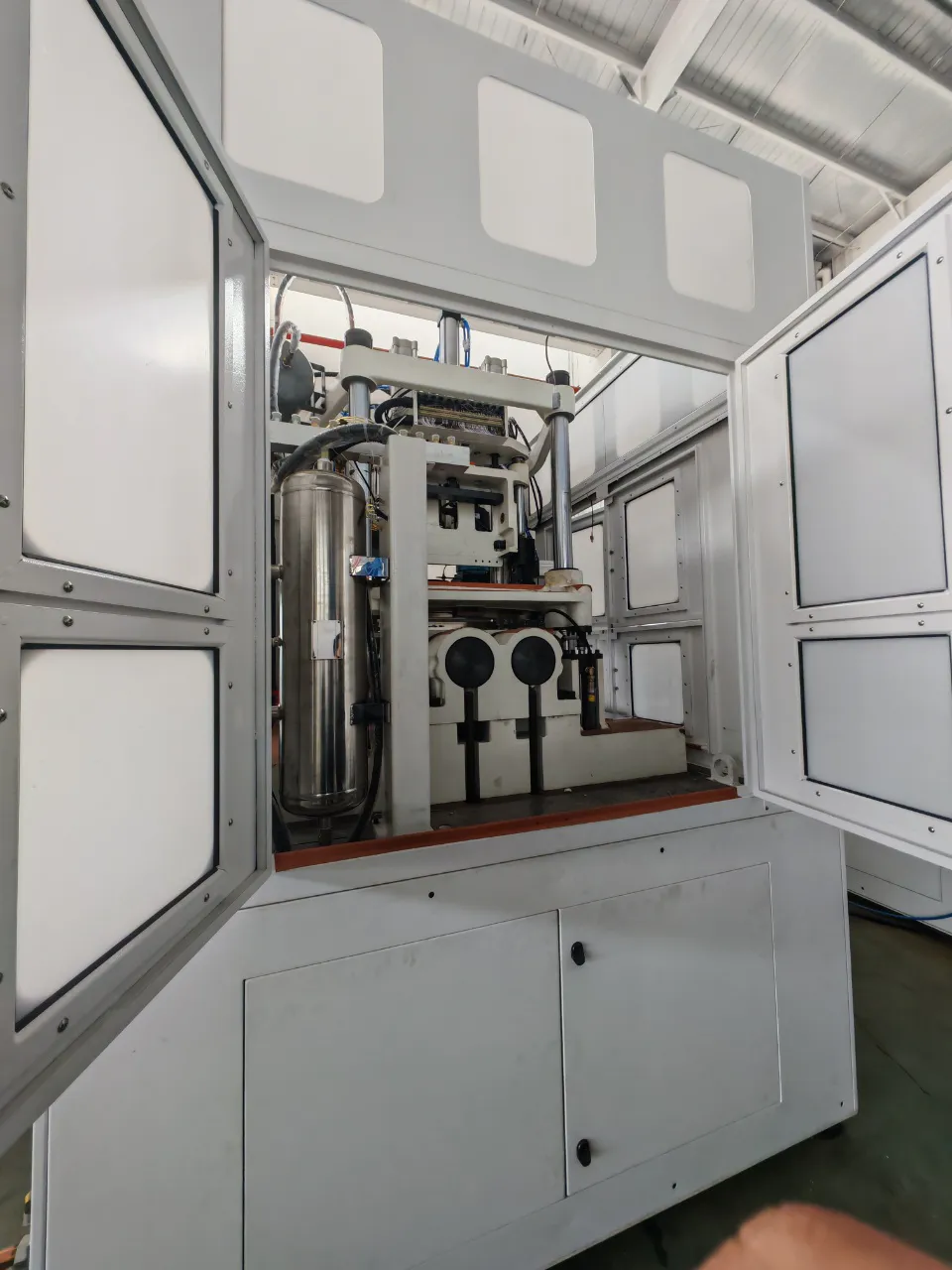
6. Manufacturing Structure
The manufacturing structure of these cutting-edge machines is a testament to uncompromising build quality and precision engineering. At its core, the manufacturing structure utilizes precision-machined, heavy-duty steel frames paired with reinforced tie-bars that effortlessly withstand immense operational pressures. A hallmark of this robust manufacturing structure is the utilization of premium S136 stainless steel for the molds, which resists corrosion and wear over millions of cycles. The system features a dual servo motor mold clamping mechanism equipped with high-pressure compensation, ensuring absolute structural integrity throughout the intensive injection stretch blow molding process. Additionally, the manufacturing structure incorporates innovative nano-far-infrared energy-saving heating rings, which are pivotal in achieving the equipment’s celebrated 40% reduction in energy consumption. By integrating globally proven components such as advanced Inovance or MIRLE PLCs and high-precision NSK lead screws from Japan, the manufacturing structure guarantees extraordinary long-term stability and shields against premature structural fatigue. For the Colombian manufacturing landscape, where equipment resilience is critical to offset logistical import challenges, investing in such a durable manufacturing structure ensures a vastly lower total cost of ownership. The meticulous engineering applied to the blow core and mold stroke assemblies means every single container produced meets the most stringent global quality standards, reinforcing the value of this exceptional manufacturing structure.
7. Material System
The remarkable versatility of the injection stretch blow moulding machine is heavily anchored in its highly adaptable material system. This advanced material processing architecture is expertly engineered to handle an extensive spectrum of thermoplastic polymers, ranging from standard PET and PP to specialized resins like PC, Tritan, PETG, PS, ABS, and biodegradable PLA. The underlying success of this material system lies in its high-precision temperature control framework, which boasts an accuracy of ±1°C, allowing for the flawless plasticization of these diverse materials without degradation. Understanding the nuances of this material system is essential for production line layout; for instance, processing hygroscopic PET for beverage packaging necessitates the integration of specialized desiccant drying equipment, whereas utilizing Tritan for BPA-free infant products requires distinct thermal profiling. In the context of Colombian environmental compliance, navigating local frameworks such as Resolution 1407 concerning packaging waste extended producer responsibility (REP) is crucial. This machine’s material system directly supports these ecological mandates by seamlessly processing recyclable resins and biodegradable alternatives like PLA. Furthermore, the inherent efficiency of the runner-less material system minimizes scrap, achieving a phenomenal material utilization rate of over 95%, making it an exceptionally sustainable choice for forward-thinking manufacturers.
8. Surface Treatment
The application of advanced surface treatment methodologies is a critical factor determining both the longevity of the injection stretch blow moulding machine and the optical quality of the final products. The core injection stretch blow mold components, forged from premium S136 stainless steel, undergo rigorous surface treatments including deep polishing and specialized surface hardening. This meticulous surface treatment process achieves an extraordinary cavity surface roughness of Ra≤0.8μm. Consequently, this flawless surface treatment ensures that the resulting injection stretch blow molding products exhibit spectacular transparency, impeccable gloss, and an elegant aesthetic appeal—attributes that are absolutely mandatory for high-end cosmetic and pharmaceutical packaging. Beyond the molds, comprehensive anti-corrosion and wear-resistant surface treatments are applied to the machine’s internal mechanical assemblies, screws, and barrels. This not only significantly prolongs the equipment’s lifespan but also maintains pristine, hygienic processing conditions. For Colombian manufacturers strictly adhering to stringent INVIMA regulatory standards for food and drug packaging, these sanitary surface treatments are undeniably essential for preventing cross-contamination. Furthermore, whether a facility opts for a sleek blue or a pristine white injection stretch blow moulding machine, the industrial-grade exterior surface treatment guarantees resistance to harsh factory environments, simplifying cleaning protocols and maintaining a world-class production line aesthetic.
9. Environmental Grade
Achieving and maintaining a superior environmental grade is a defining characteristic of modern injection stretch blow molding machines, rendering them suitable for the most heavily regulated industries. These systems are specifically engineered to operate under stringent environmental grades, seamlessly integrating into cleanroom facilities frequently demanded by pharmaceutical and premium food and beverage sectors. A pinnacle of this environmental grade capability is found in the fully electric machine variants (such as the EV series), which entirely eradicate the risks associated with hydraulic fluid leaks, thus guaranteeing zero oil contamination and securing the ultimate environmental hygiene classification. The equipment significantly elevates its environmental grade through profound energy efficiency; the integration of nano-far-infrared heating technologies and highly responsive servo-driven mechanisms slashes power consumption by an impressive 40% when contrasted with legacy processes. When designing a production line layout, facility planners must meticulously account for these environmental grades by incorporating robust HVAC systems, superior air filtration, and precise cooling water pressure networks (operating between 0.4-0.6 Mpa). In regions like Colombia, geographical variables such as the high altitude in Bogota dictate that air compressors and pneumatic layouts be specially calibrated to consistently deliver the essential blowing air pressure (2.0-3.5 Mpa). The system’s ultra-low noise emissions and minimal material waste generation further solidify its exceptional environmental grade.
10. Working Condition Characteristics
The working condition characteristics of an industrial-grade injection stretch blow moulding machine highlight its formidable resilience and capacity for relentless, 24/7 high-speed automated production. Analyzing these working condition characteristics reveals a complex, synchronized interplay of extreme parameters: intense high temperatures required for rapid plasticization, formidable mechanical forces (with injection clamping forces peaking up to 400 KN), and aggressive pneumatic actions driven by blowing air pressures of 2.0-3.5 Mpa. The machine’s integrated temperature control nexus demonstrates exceptional working condition characteristics by maintaining absolute thermal stability despite continuous, grueling operational cycles. This ensures the preforms are flawlessly conditioned—achieving the critical hot body, cool neck state—prior to the biaxial stretch blow molding process. A meticulously planned production line layout is imperative to safely manage these intense working condition characteristics. This involves allocating adequate spatial buffers for raw material silos, automated finished product ejection conveyors, and integrating heavy-duty chilling units capable of stabilizing the machine oil cooler water temperature strictly between 20-25°C. For factory operators and production managers in Colombia, a deep comprehension of these specific working condition characteristics is vital for formulating proactive preventative maintenance regimes, ensuring stringent occupational safety, and ultimately maximizing the operational lifespan of the injection stretch blow mold under severely demanding industrial environments.
11. Typical Failure Modes
Anticipating and mitigating typical failure modes is a cornerstone of maintaining high overall equipment effectiveness (OEE) in injection stretch blow molding operations. The typical failure modes in these advanced systems can manifest as uneven container wall thickness resulting from micro-fluctuations in thermal control, preform stringing or gate defects caused by compromised tail-cutting mechanisms, or gradual mechanical degradation of the internal stretch rods over millions of cycles. Furthermore, inconsistencies in the facility’s auxiliary supply—such as drops in cooling water pressure or erratic blowing air pressure—can instantaneously trigger typical failure modes, leading to defective injection stretch blow molding products characterized by incomplete inflation or haziness. The architectural layout of the production line is instrumental in mitigating these failures; for example, improper proximity of chilling equipment can induce thermal inconsistencies. Fortunately, the sophisticated Inovance and MIRLE control architectures integrated into these machines offer continuous real-time diagnostics to predict and circumvent these typical failure modes before they escalate. For manufacturing hubs across Colombia, establishing rigorous localized training programs and responsive technical support frameworks are crucial best practices to swiftly rectify any failures. Routine calibration and proactive servicing of critical components like the high-pressure Parker pneumatic valves and Yuken hydraulic manifolds are proven strategies to drastically minimize the incidence of these typical failure modes.
12. Application Scenarios
Pharmaceutical & Healthcare Packaging
Producing high-precision medicine bottles, eye drop containers, and oral liquid vials. The one-step process guarantees pristine, contamination-free packaging crucial for meeting rigorous health authority compliances.
खाद्य एवं पेय उद्योग
Manufacturing wide-mouth food jars, durable edible oil containers, sports water bottles, and heat-resistant juice bottles. The technology ensures excellent barrier properties to preserve flavor and extend shelf life safely.
सौंदर्य प्रसाधन और व्यक्तिगत देखभाल
Crafting premium, aesthetically flawless containers for luxury lotions, perfumes, mascara tubes, and shampoos. The ability to process PETG allows for glass-like clarity and intricate, bespoke structural designs.
शिशु एवं शिशु उत्पाद
Specialized production of highly durable, safe, and BPA-free baby feeding bottles utilizing Tritan or PPSU materials, ensuring the utmost safety and temperature resistance for infant care applications.
कार्यशाला
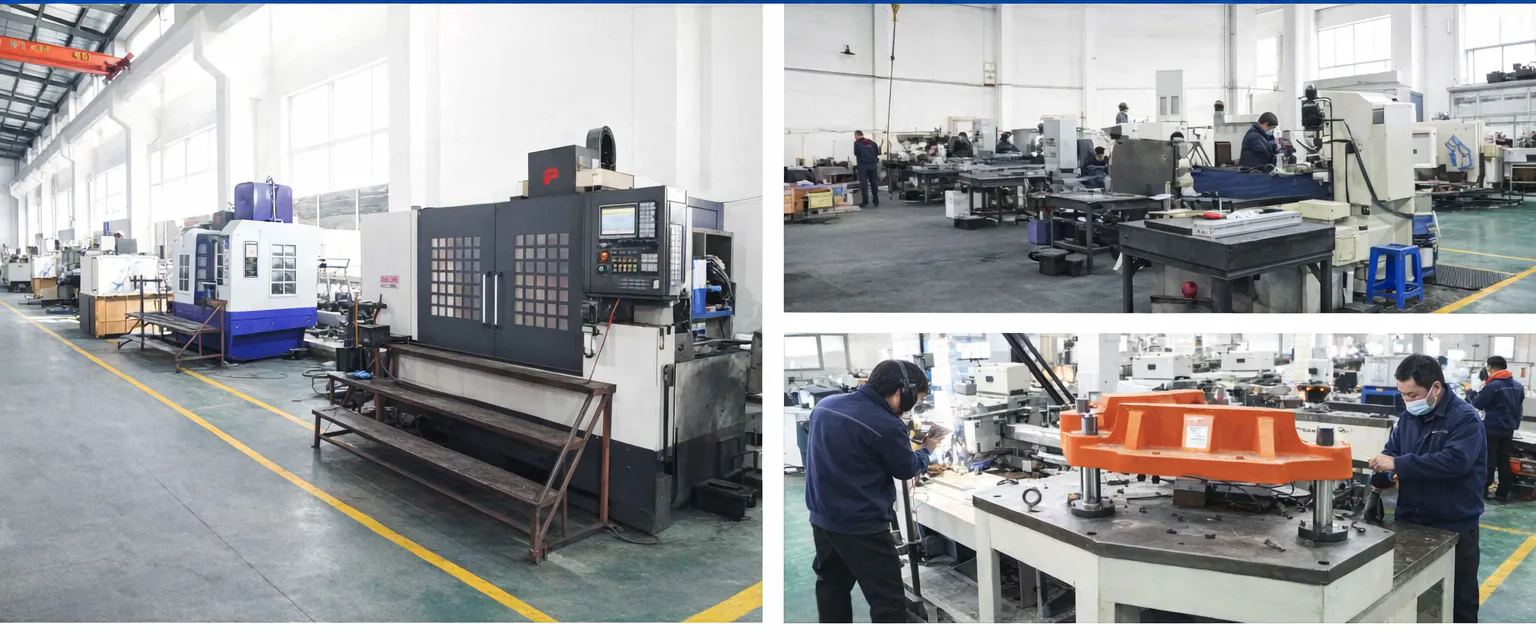
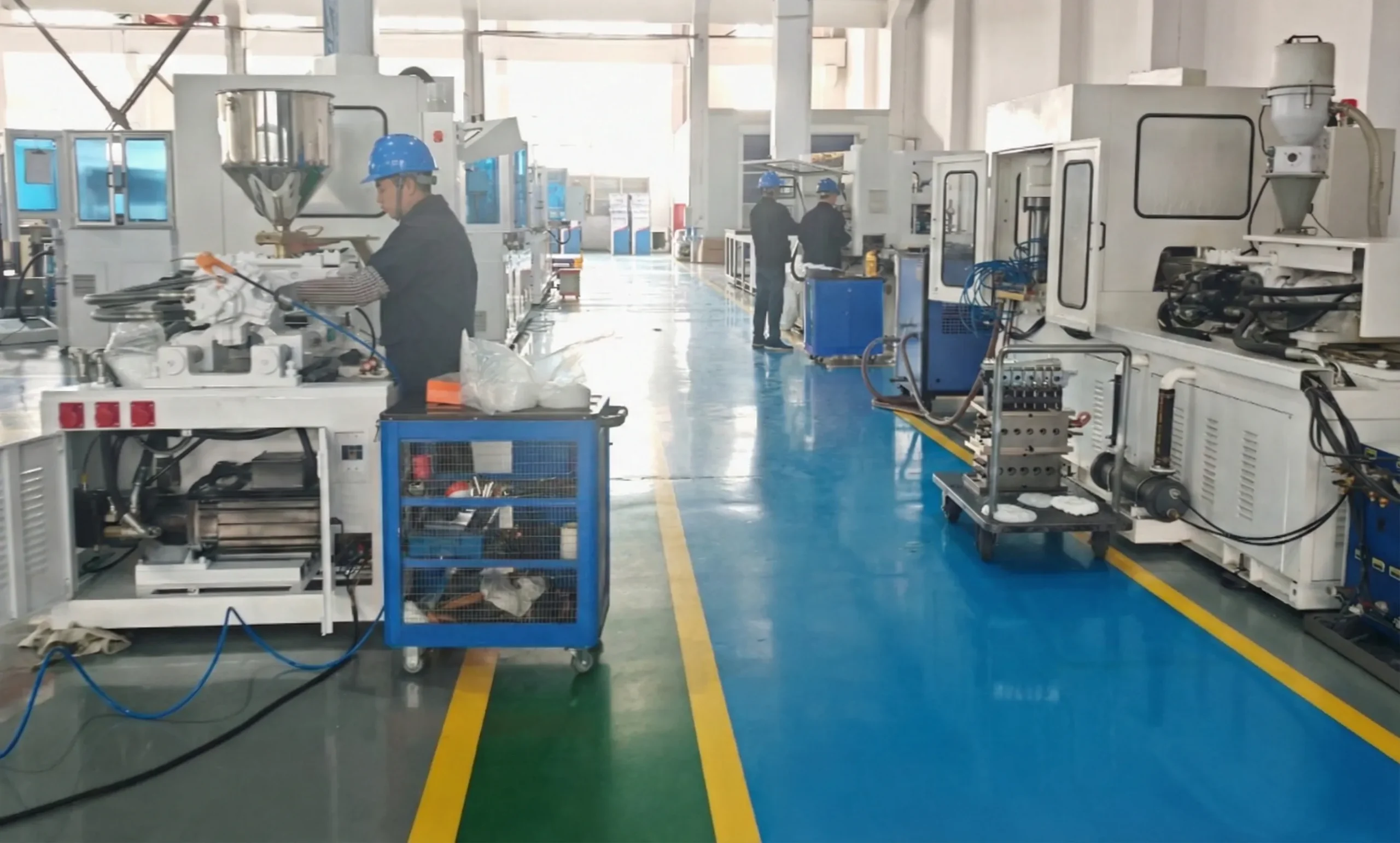
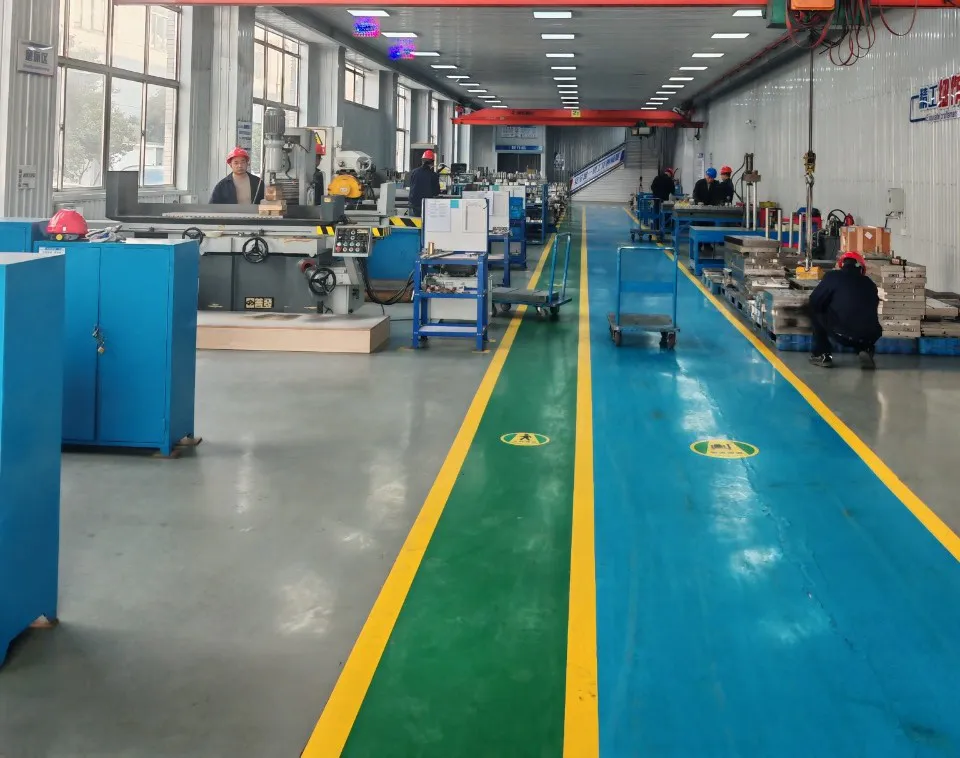
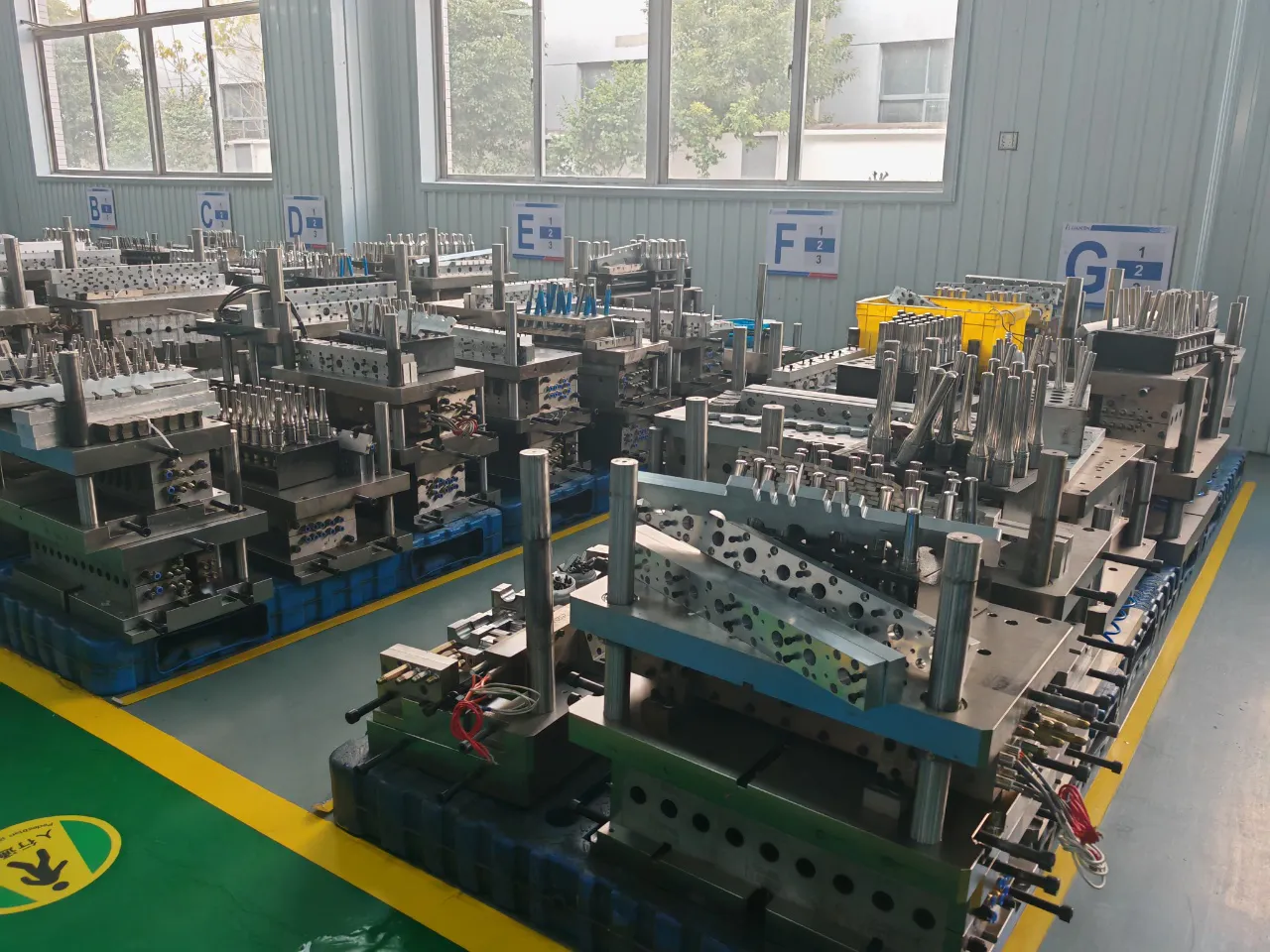
अक्सर पूछे जाने वाले प्रश्न (FAQ)
Q1. Where to source a customized injection stretch blow mold tailored specifically for Tritan baby feeding bottles?
A1. As a leading manufacturer, our in-house engineering team designs and fabricates highly specialized, precisely polished S136 stainless steel molds optimized exclusively for the thermal characteristics of Tritan baby product manufacturing.
Q2. What is the estimated operational cost of a new injection stretch blow moulding machine in Bogota?
A2. The operational cost in high-altitude regions like Bogota is highly optimized; our machines save up to 40% in energy consumption, significantly lowering long-term electricity expenses and maximizing your manufacturing profit margins.
Q3. Which blue injection stretch blow moulding machine supplier offers automated integration for pharmaceutical bottles?
A3. We supply fully integrated, cleanroom-ready blue and white aesthetic models equipped with precision servo mechanisms, perfectly tailored for the highly regulated and automated demands of pharmaceutical bottle production lines.
Q4. Where can I find professional injection stretch blow molding machine manufacturers offering local installation support?
A4. We are an elite manufacturer providing comprehensive global support, ensuring that your production facility receives dedicated technical assistance, meticulous installation, and operational training anywhere within the South American industrial sector.
Q5. When should a facility upgrade to a replacement injection stretch blow moulding machine to save energy?
A5. Facilities should consider an immediate upgrade to a replacement injection stretch blow moulding machine when their legacy two-step equipment incurs excessive reheating energy costs, frequent maintenance downtime, and high material scrap rates.
Q6. How do our injection stretch blow molding products comply with stringent INVIMA regulations for food-grade packaging?
A6. Our automated one-step process eliminates intermediate human handling and atmospheric exposure, while utilizing hygienic stainless steel molds, perfectly aligning with strict INVIMA sanitary standards required for the regional food and beverage packaging industry.
Q7. What is the optimal production layout for an efficient injection stretch blow molding process in Medellin?
A7. The optimal layout isolates high-noise auxiliary chillers and compressors from the central one-step machine, securing a streamlined material flow that maximizes floor space efficiency in dense urban industrial environments.
संपादक: पीएक्सवाई