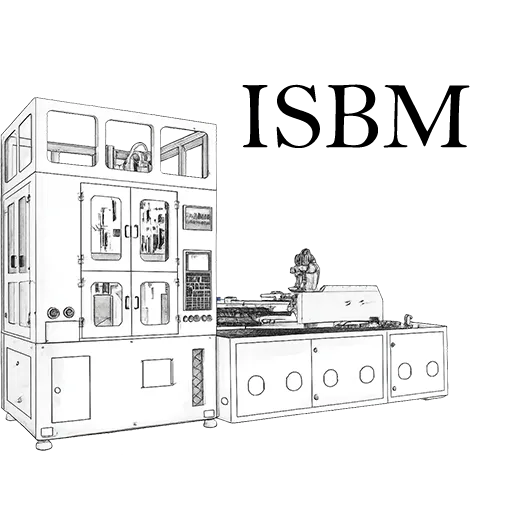
Medical Device & Laboratory — Technology Application
How the ISBM process delivers the transparency, impact resistance, autoclave compatibility, and BPA-free safety credentials that medical device and laboratory packaging demands.
Medical Containers — Where Transparency and Safety Are Both Non-Negotiable
Medical device and laboratory consumable packaging occupies a position of exceptional responsibility in the plastics manufacturing landscape. A cosmetic bottle that fails aesthetically is a brand problem. A pharmaceutical vial that fails dimensionally triggers a regulatory investigation. But a medical specimen container that leaks, a reagent bottle that contaminates its contents through material interaction, or a laboratory wash bottle that shatters under accidental mechanical stress in a clinical setting creates patient safety and laboratory safety consequences that cannot be remedied by quality system documentation alone.
The इंजेक्शन स्ट्रेच ब्लो मोल्डिंग मशीन process — particularly when applied to polycarbonate (PC) and TRITAN copolyester — addresses the compound specification requirements of medical and laboratory plastic containers in a way that no other plastic bottle manufacturing process matches. The ISBM process produces seamless, flash-free containers with consistent wall thickness, precise neck dimensions, and a closed production environment that minimises contamination. PC and TRITAN additionally contribute properties unavailable in PET, PETG, or PP: PC’s combination of glass-like optical clarity with extraordinary impact resistance (resisting breakage on clinical floors), and TRITAN’s achievement of similar performance in a BPA-free chemistry that satisfies the increasingly stringent regulatory and institutional requirements of medical and laboratory environments globally.
This article examines the specific engineering requirements of medical device and laboratory consumable containers, the ISBM machine architecture most appropriate for PC and TRITAN processing, the material properties that drive material selection in this sector, the regulatory frameworks governing medical packaging materials worldwide, and the process parameters that determine container quality in production. Medical packaging on ISBM equipment is a technically demanding application where the consequences of process failure extend beyond commercial loss into patient safety — and where understanding the technology thoroughly is prerequisite to specifying it correctly.
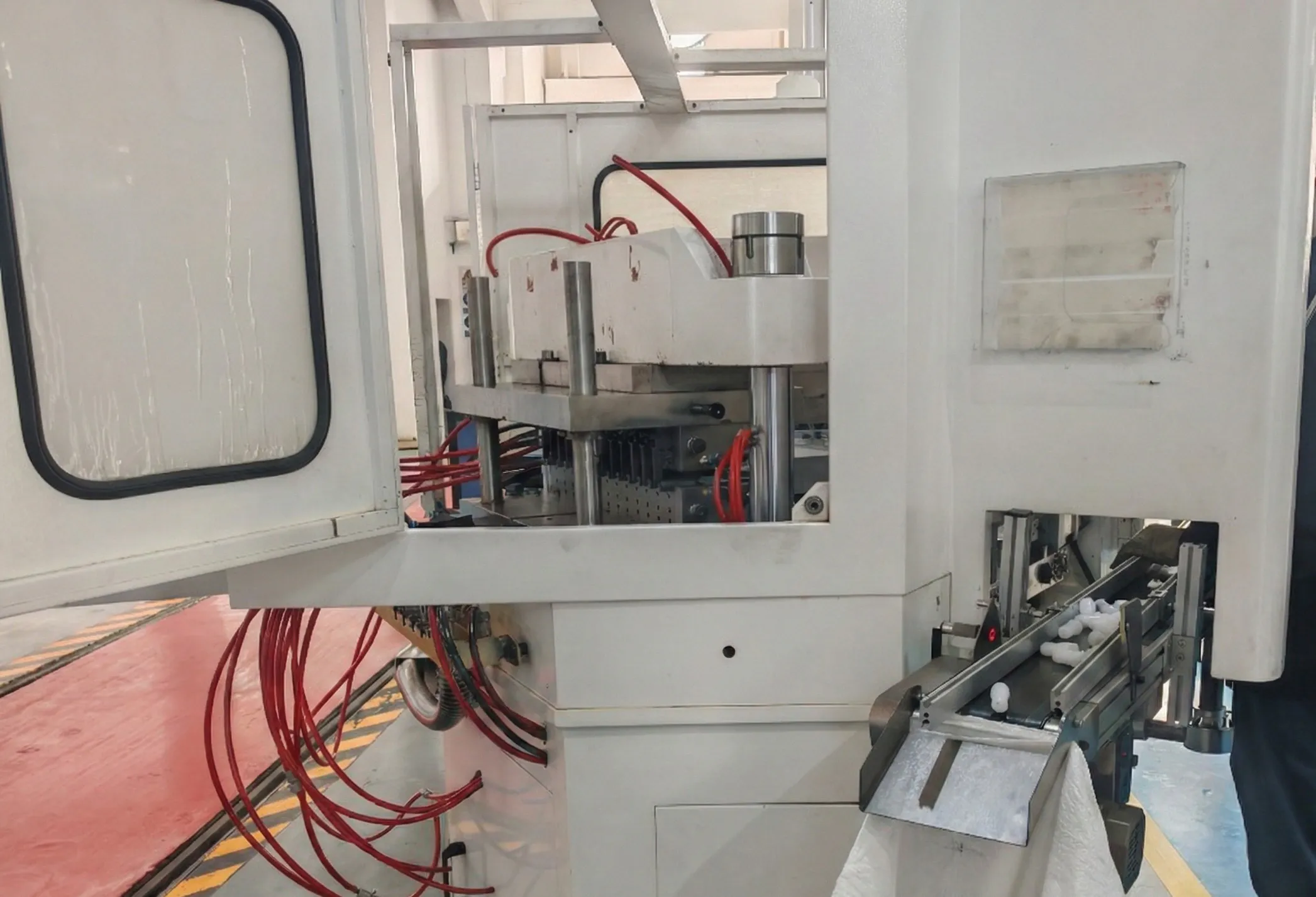
What Medical Device and Laboratory Containers Require From Their Material and Process
The Four Core Requirements
Medical device and laboratory consumable containers face a specification matrix that can be distilled to four core requirements, each of which creates constraints on both material selection and the manufacturing process used to produce the container:
1. Optical Transparency
Medical specimen containers, reagent bottles, and laboratory wash bottles must allow visual inspection of contents — fluid level, colour change, precipitate formation, or particulate contamination. Haze or opacity is not a cosmetic preference issue in a clinical lab; it is a functional failure that prevents the diagnostic or quality control purpose the container serves. PC and TRITAN both achieve optical clarity approaching glass at the wall thicknesses used in medical and laboratory container applications.
2. Impact Resistance
Clinical laboratories handle hundreds to thousands of containers per day in high-throughput diagnostic workflows. Accidental drops from bench height (75–90 cm) onto clinical-grade hard flooring are a frequent occurrence. A container that shatters on impact in a biohazard specimen handling environment creates an immediate safety incident involving potential exposure of laboratory personnel to infectious material. PC and TRITAN’s impact resistance — substantially higher than PET, PETG, or glass at equivalent wall thickness — is the primary reason these materials are specified for high-risk specimen container applications.
3. Chemical Resistance
Medical and laboratory containers contact a wide range of chemically aggressive substances: biological specimen fluids, concentrated laboratory reagents (acids, bases, oxidising agents), disinfection solutions used for container decontamination, and autoclave steam if the container is designed for sterilisable reuse. Each chemical contact scenario imposes specific requirements on the container material’s resistance to degradation, distortion, or leaching of extractable components into the container contents.
4. Regulatory Compliance and Biocompatibility
Medical device packaging and laboratory consumables in contact with patient specimens or diagnostic reagents must comply with medical device regulatory frameworks — FDA 21 CFR Part 820, EU MDR 2017/745, ISO 11135, or analogous national standards depending on the application. Biocompatibility assessment under ISO 10993 (Biological evaluation of medical devices) applies to containers with patient-contact potential. BPA-free certification (relevant for PC alternatives) and leachables/extractables documentation are increasingly required for clinical-grade laboratory plasticware.
Why ISBM Is the Preferred Manufacturing Process for These Requirements
The ISBM process addresses all four requirements through the combination of injection-moulded neck precision (enabling reliable closure systems for specimen containment), seamless wall construction with no flash or weld lines (eliminating potential stress concentration failure points relevant to impact resistance and leak integrity), closed production environment (minimising contamination of the inner container surface during manufacture), and compatibility with PC and TRITAN processing. No other bottle manufacturing process provides the same combination of neck precision, wall integrity, and material processing flexibility across PC, TRITAN, PET, PETG, and PP in a single machine platform.
Material Systems for Medical and Laboratory ISBM Containers
Material selection for medical and laboratory ISBM containers requires consideration of optical performance, impact resistance, chemical compatibility, sterilisation compatibility, biocompatibility, and regulatory status simultaneously. The following materials are used in ISBM machines for medical device and laboratory packaging applications.
| सामग्री | Clarity | Impact Resistance | Autoclave | BPA-Free | Chemical Resistance | Medical/Lab Application |
|---|---|---|---|---|---|---|
| PC (Polycarbonate) | Excellent | Outstanding | Yes (121°C) | No (BPA monomer) | Good (limited alkali) | Specimen collection, autoclavable lab containers, washbottles, durable medical containers where BPA restrictions do not apply |
| ट्राइटन | Excellent | Very High | Yes (selected grades) | Yes | Very Good | BPA-free specimen containers, reagent bottles, clinical lab consumables, paediatric medical packaging, clean-room lab containers |
| पीईटीजी | Glass-clear | Good | No | Yes | Good | Non-autoclavable lab containers, diagnostic reagent bottles, single-use medical plasticware, point-of-care device packaging |
| PP (medical grade) | Semi-transparent | Good | Yes (121–134°C) | Yes | Excellent | Autoclavable containers where clarity is not required, sharps containers, chemical resistant laboratory bottles, hazardous waste containers |
| PET (USP class VI) | Good | Moderate | No | Yes | Good | Single-use specimen containers, non-sterile pharmaceutical ancillaries, diagnostic lateral flow device packaging |
PC vs. TRITAN: The Central Material Choice in Medical ISBM
The choice between polycarbonate and TRITAN is the most commercially important material decision in medical and laboratory ISBM container specification, and it is driven primarily by the BPA regulatory and institutional landscape rather than by technical performance alone. PC’s BPA (bisphenol A) content — it is a polymerisation product of BPA and phosgene — places it under scrutiny in medical applications across an expanding range of regulatory jurisdictions. The EU listed BPA as a Substance of Very High Concern (SVHC) under REACH in 2017, and EU Regulation 2018/213 restricts BPA in thermal paper. The EU Food Contact Materials framework is expected to further restrict BPA in food and non-food contact applications in the coming regulatory cycle. California’s Proposition 65 lists BPA as a chemical known to cause reproductive harm. Against this regulatory backdrop, TRITAN — which achieves PC-comparable clarity and impact resistance in a BPA-free chemistry — has become the default specification for medical and laboratory containers where BPA restriction is a current or anticipated requirement, while PC retains specification advantages in autoclave sterilisation applications where TRITAN grades may have temperature limitations.
ISBM Machine Architecture for PC and TRITAN Medical Containers
4-Station ISBM — The Standard for Medical PC and TRITAN Applications
Medical and laboratory containers in PC and TRITAN typically require 4-station ISBM machine architecture with a dedicated temperature conditioning station. The reasons are twofold: first, both PC and TRITAN are processed at higher temperatures than standard PET (PC at 280–320°C, TRITAN at 260–295°C), meaning the preform carries more thermal energy from the injection station and requires more controlled temperature conditioning before blowing to achieve uniform wall distribution; second, medical containers in these materials often have heavier wall sections (0.8–2.5 mm) than beverage bottles, creating the thick-wall temperature gradient management challenge that the conditioning station resolves. A 3-station machine relying on retained injection heat alone will typically show wall thickness variation in the shoulder zone of medical PC and TRITAN containers that is unacceptable in clinical applications where container integrity is a patient safety parameter.
The 4-station ISBM process for medical containers follows the same four-station sequence as food jar production: injection (neck finish moulded to final dimensions, preform formed), temperature conditioning (preform body temperature distribution profiled for uniform stretching), stretch-blow (servo rod extends preform axially while blow pressure expands it radially), and ejection (finished container released with neck dimensions locked at injection station geometry). For medical applications, the conditioning station is additionally used to ensure uniform preform temperature across the thick wall cross-section — minimising the internal-to-external temperature gradient that would otherwise produce non-uniform biaxial orientation and potential stress concentration points in the container wall.
Clean Production Environment for Medical ISBM
Medical-grade container production on ISBM equipment requires attention to production environment factors beyond what standard beverage or cosmetic ISBM demands. The inner container surface — which will contact biological specimens, diagnostic reagents, or pharmaceutical materials — must be free of particulate contamination, mould release agents, and oil carry-over from the blow air supply. ISBM machines for medical container production should operate with: ISO 8573-1 Class 0 oil-free blow air with point-of-use desiccant drying; mould surfaces cleaned with medical-grade cleaning agents compatible with PC and TRITAN (avoiding aggressive solvents that attack these materials); process-grade PC and TRITAN resins supplied with material traceability documentation; and production area access controls appropriate to the product’s intended use class. Where containers require ISO Class 7 or 8 cleanroom production environments (required for direct-contact sterile medical device packaging), the ISBM machine must be specified for cleanroom installation and the production environment validated accordingly.
Featured ISBM Machine for Medical and Laboratory Container Production
The EP-HGYS150-V4 is a 4-station one-step injection stretch blow moulding machine that processes PC, TRITAN, PETG, PP, and PET — the full material range used in medical device and laboratory consumable packaging.
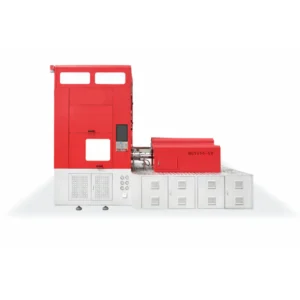
EP-HGYS150-V4 One-Step Injection Stretch Blow Moulding Machine (4-Station)
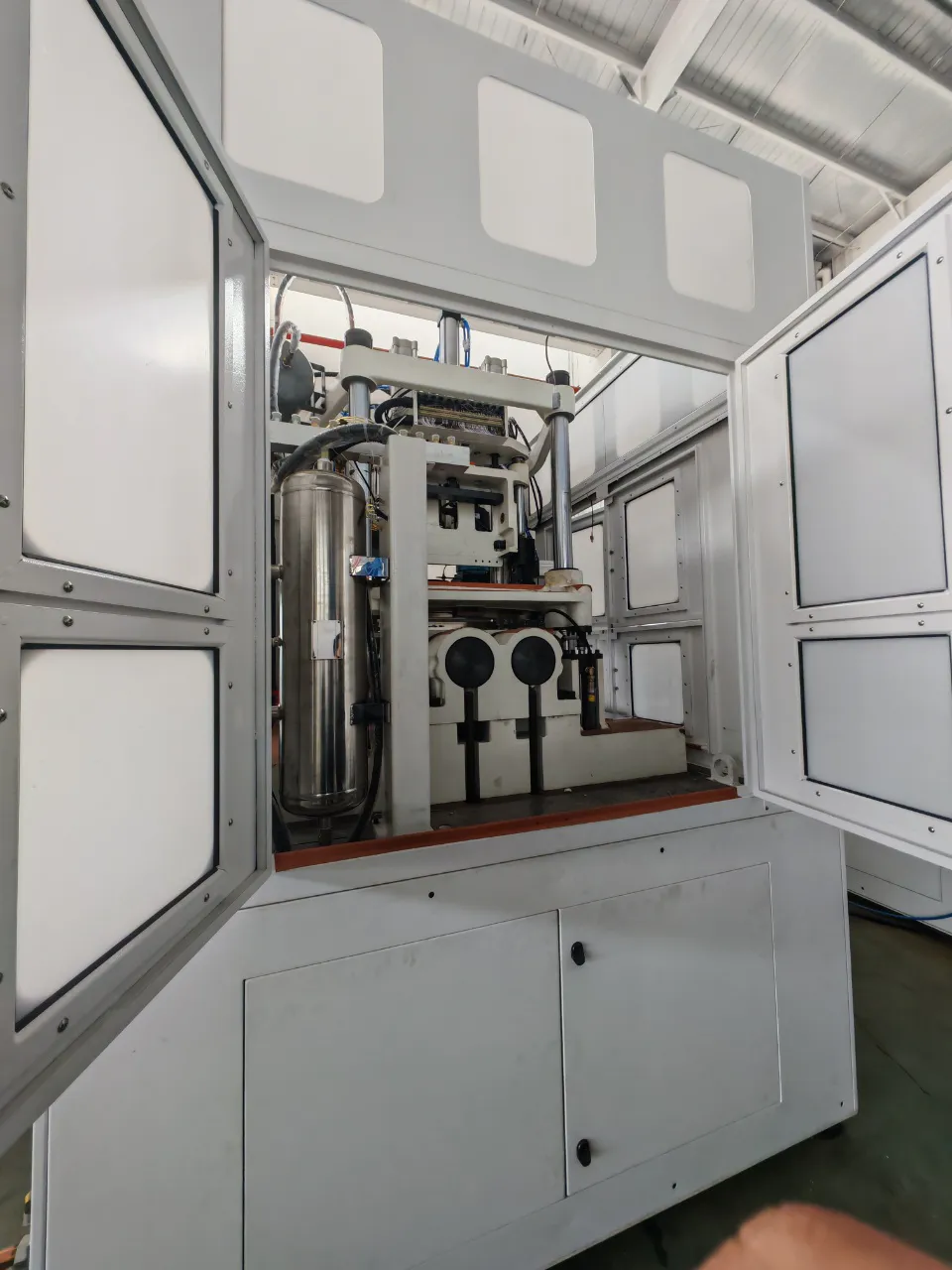
The EP-HGYS150-V4 integrates injection, temperature conditioning, stretch-blow, and ejection into a single closed production cycle — the four-station architecture that is specifically required for PC and TRITAN medical container production where thick preform walls and higher processing temperatures demand the conditioning station’s precise preform temperature management before blowing. The machine processes PC, TRITAN, PETG, PCTG, PET, PP, SAN, PMMA, and PS, covering the full material range needed for a medical device or laboratory plasticware manufacturer producing multiple container types from a single ISBM platform.
For medical applications specifically, the 4-station design provides the uniform preform conditioning needed to achieve consistent wall thickness distribution in thick-wall PC and TRITAN specimen containers, reagent bottles, and laboratory washbottles. The closed one-step production cycle minimises the risk of particulate contamination on the container inner surface — a direct product quality and regulatory compliance benefit for medical packaging that must document contamination control in its manufacturing quality system. Servo-controlled axes provide programmable, repeatable process parameter execution cycle-to-cycle — supporting the batch-to-batch process consistency documentation required by FDA 21 CFR Part 820 and EU MDR 2017/745 quality system frameworks.
Global Regulatory Frameworks for Medical Device and Laboratory Plastic Packaging
Medical device and laboratory consumable containers are subject to the most stringent and complex regulatory frameworks of any packaging category. Producers of medical and laboratory plastic containers using ISBM machines must understand and comply with multiple overlapping frameworks across each market in which their products are distributed.
🇺🇸 United States — FDA 21 CFR 820 & ISO 10993
Medical devices in the US — including specimen collection containers and diagnostic reagent packaging that constitutes a device component — are regulated under FDA’s Quality System Regulation (QSR, 21 CFR Part 820), with the Quality Management System Regulation (QMSR) transitioning alignment to ISO 13485 by 2026. Plastic containers for patient-contact or diagnostic reagent-contact applications require biocompatibility assessment under ISO 10993-1 (Biological evaluation of medical devices). Extractables and leachables (E&L) testing under USP <661> (Containers — Plastic) and USP <1663> (Assessment of Extractables Associated with Pharmaceutical Packaging/Delivery Systems) provides the analytical framework for documenting that PC or TRITAN containers do not introduce chemical contaminants into contact materials. Class VI USP plastic certification is commonly required for medical-grade PC and TRITAN containers used in pharmaceutical and clinical laboratory applications.
🇪🇺 European Union — EU MDR 2017/745 & IVDR 2017/746
EU Regulation 2017/745 (Medical Device Regulation) and Regulation 2017/746 (In Vitro Diagnostic Regulation) are the primary EU regulatory frameworks for medical device and diagnostic packaging. MDR classifies medical devices into risk classes (I, IIa, IIb, III) with corresponding conformity assessment requirements. Plastic container materials used in medical devices or IVDs require documentation of biocompatibility (per ISO 10993 series), sterilisation compatibility (ISO 11135 for EtO, ISO 11137 for radiation), and REACH compliance for restricted substances including BPA. EU REACH’s SVHC listing of BPA creates specific documentation obligations for PC-containing medical packaging in EU markets, making TRITAN’s BPA-free status an important regulatory simplification for EU medical packaging design.
🌐 ISO 13485 — Quality Management for Medical Devices
ISO 13485:2016 (Medical devices — Quality management systems) is the internationally recognised quality management standard for medical device manufacturers, including manufacturers of medical device packaging components such as ISBM-produced PC and TRITAN containers. ISO 13485 certification is required or strongly preferred by healthcare buyers and medical device brand owners globally, and it imposes specific requirements on supplier qualification, design and development records, process validation, and production process control that directly affect how ISBM container production must be documented and managed. ISBM machine suppliers who understand ISO 13485 requirements can provide equipment qualification documentation (IQ/OQ protocols) compatible with ISO 13485 design history file requirements.
🇯🇵 Japan — MHLW PMD Act & JIS Standards
Japan’s Act on Securing Quality, Efficacy and Safety of Products Including Pharmaceuticals and Medical Devices (PMD Act), administered by the Ministry of Health, Labour and Welfare (MHLW), governs medical device approval in Japan. Medical plastic containers are subject to Japanese Pharmacopoeia (JP) plastic container standards and JIS T 7101 (requirements for plastic containers for medical use). TRITAN has received acceptance documentation from the MHLW for food-contact applications in Japan, and its BPA-free status is increasingly specified by Japanese healthcare institutions exercising their own environmental material restrictions beyond national regulatory requirements.
🇦🇺 Australia — TGA & ARTG
Australia’s Therapeutic Goods Administration (TGA) regulates medical devices under the Therapeutic Goods Act 1989 and the Therapeutic Goods (Medical Devices) Regulations 2002, which align substantially with EU MDR Essential Principles. Medical device containers entered on the Australian Register of Therapeutic Goods (ARTG) require biocompatibility documentation per ISO 10993 and material traceability. The TGA has taken an active position on BPA in food-contact applications through the FSANZ framework, and healthcare institutions in Australia increasingly specify BPA-free materials for medical containers in line with European regulatory direction.
Biocompatibility and Extractables & Leachables for Medical ISBM Containers
ISO 10993 Biocompatibility Assessment Framework
ISO 10993-1:2018 (Biological evaluation of medical devices — Part 1: Evaluation and testing within a risk management process) provides the framework within which the biological safety of a medical container material is assessed and documented. The standard requires a risk-based approach that begins with material characterisation and progresses through chemical characterisation, toxicological risk assessment, and, where the chemical data is insufficient to exclude biological risk, biological testing. For PC and TRITAN medical containers, ISO 10993-18 (Chemical characterisation of medical device materials) typically provides the primary dataset — identifying extractable chemical species from the material under extraction conditions that represent the intended use conditions — followed by toxicological risk assessment under ISO 10993-17.
For polycarbonate specifically, the residual BPA monomer content and the potential for BPA hydrolytic release from PC under physiological conditions has been the subject of extensive scientific evaluation. Current regulatory consensus (FDA 2014 assessment, EFSA 2023 re-evaluation) establishes tolerable daily intake limits for BPA, but several member states and institutional healthcare buyers have adopted more precautionary positions that effectively eliminate PC from new medical container specifications — a trend that further reinforces TRITAN adoption. TRITAN’s biocompatibility has been established through extensive ISO 10993 testing across the test battery, and Eastman maintains and makes available ISO 10993 test summaries for TRITAN grades used in medical applications.
Extractables and Leachables (E&L) Documentation
The E&L testing framework — originating in pharmaceutical packaging under ICH Q3C and expanded to medical device packaging through USP <1663>/<1664> and ISO 10993-18 — characterises the chemical species that can migrate from the plastic container material into contact fluids under defined extraction conditions. For medical laboratory containers, the relevant extraction simulations use fluids representative of the actual contact materials: aqueous buffered solutions (for blood and urine specimen collection), reagent-grade water (for reagent bottles), or ethanol/water mixtures (for alcohol-based laboratory solutions). E&L documentation for ISBM PC or TRITAN containers includes the extraction methodology, analytical detection limits, identified compounds and their concentrations, and toxicological risk assessment conclusions. This documentation package is required for regulatory submissions (FDA Pre-Submission or 510(k); EU MDR Technical File) and for institutional tender qualification in major hospital group or laboratory network procurement.
Critical ISBM Process Parameters for Medical PC and TRITAN Containers
Processing PC and TRITAN on ISBM machines for medical container production requires parameter settings that differ from standard PET beverage bottle production. The following parameters are most directly linked to container quality outcomes in medical applications.
| Process Parameter | Container Quality Attribute | PC Range | TRITAN Range | Medical Application Notes |
|---|---|---|---|---|
| Barrel melt temperature | Clarity, degradation, extractables level | 280–320°C | 260–295°C | PC processing at upper temperature range increases hydrolytic degradation risk in inadequately dried material. TRITAN is more temperature-forgiving. Both materials must be bone-dry (below 50 ppm for PC, below 100 ppm for TRITAN) before injection to prevent hydrolytic degradation, which increases extractable species. |
| Resin drying | Bubble-free clarity, hydrolytic degradation prevention | 120°C, 4–6 h, dew point below -30°C | 80–100°C, 4–6 h | Undried PC or TRITAN produces visible bubbles and hydrolytic chain scission — both optically unacceptable in medical containers and a potential contributor to increased extractable molecular weight fragments. Dedicated desiccant dryer with dew point monitoring is non-negotiable for medical-grade ISBM production. |
| Conditioning station temperature | Wall thickness uniformity, biaxial orientation | 140–165°C (PC body zone) | 115–145°C (TRITAN) | PC requires higher conditioning temperatures than PET due to its higher Tg (~147°C). Temperature uniformity across the thick preform wall cross-section is the primary conditioning station quality objective for medical PC containers. ±3°C setpoint tolerance typical for validated medical processes. |
| Blow air quality | Inner surface contamination prevention | ISO 8573-1 Class 0 oil-free | ISO 8573-1 Class 0 oil-free | Oil contamination on the inner surface of a medical specimen container is a potential assay interference source. Oil-free compressor supply with point-of-use filtration and desiccant drying is the minimum standard for medical ISBM production environments. |
| Stretch rod speed and travel | Wall thickness distribution, structural integrity | Axial ratio 1.2–2.2:1 | Axial ratio 1.5–2.5:1 | Medical containers often have lower height-to-diameter ratios than beverage bottles — particularly specimen jars and wide-mouth reagent containers. Lower axial stretch ratios than beverage applications. Rod travel calibrated per container design to reach base zone without bottoming impact. |
| Blow mould cooling temperature | Dimensional stability, closure fit consistency | 15–30°C for PC | 10–25°C for TRITAN | Medical container dimensional consistency — particularly neck T and E dimensions — directly affects specimen closure performance (leak-free seal). Mold temperature controller maintaining ±1°C across the production shift prevents dimensional drift that causes closure engagement force variation across a production lot. |
Sterilisation Compatibility for Reusable and Sterile Medical ISBM Containers
Steam Autoclave (121°C / 134°C)
Autoclaving is the most widely used sterilisation method for reusable laboratory containers, including washbottles, volumetric storage containers, and specimen transport containers designed for decontamination and reuse. PC is compatible with steam autoclave sterilisation at both 121°C (15 minutes, gravity cycle) and 134°C (3 minutes, vacuum cycle) for a defined number of cycles — typically 100–500 autoclaving cycles depending on container design and wall thickness. TRITAN’s autoclave compatibility depends on the specific grade: standard TRITAN grades are rated for autoclave sterilisation at 121°C; TRITAN Renew grades for sustainability may have lower temperature tolerance and require specific verification. PP is the material of choice for autoclave applications where clarity is not required, as it withstands more autoclave cycles than PC or TRITAN at equivalent wall thickness.
Ethylene Oxide (EtO) Sterilisation
Ethylene oxide sterilisation is used for single-use medical containers and devices where heat or radiation sterilisation would compromise the material or contents. PC, TRITAN, PETG, and PP are all compatible with EtO sterilisation per ISO 11135. EtO sterilised medical ISBM containers must have adequate wall porosity characteristics (or specifically designed EtO-permeable packaging) to allow EtO penetration and subsequent aeration to remove EtO residuals below the ISO 10993-7 maximum allowable limits. EtO residual testing documentation (typically 30-day aeration results with analytical confirmation of residuals below the limit of quantification) is required for the ISO 13485 quality system records and for FDA or EU regulatory submissions.
Gamma and E-Beam Radiation
Gamma radiation sterilisation at 25–50 kGy is used for single-use medical containers where high-throughput sterilisation of sealed, packaged product lots is required. PC undergoes yellowing and slight embrittlement upon gamma irradiation at typical sterilisation doses (25 kGy) — the degree of yellowing depends on the specific PC grade and additive system used. Medical-grade radiation-stabilised PC formulations are available that minimise yellowing during gamma sterilisation. TRITAN is more gamma-stable than standard PC, showing less yellowing and less mechanical property degradation at equivalent sterilisation doses. PET and PETG show moderate yellowing upon gamma sterilisation. For medical ISBM containers that will be gamma sterilised, material radiation stability testing at the intended sterilisation dose using pre-production container specimens is required before final material specification is locked.
Medical and Laboratory ISBM Container Application Types
🧫 Specimen Collection Containers
Urine specimen cups, stool specimen containers, sputum collection jars, and throat swab specimen tubes represent high-volume single-use applications for ISBM PC and TRITAN containers. These containers must provide a leak-proof seal with the closure system, withstand drop from handling height (75 cm minimum), allow contents visualisation, and be compatible with the biological specimen and preservative chemistry used. TRITAN is the current preferred material for new specimen container designs in markets with BPA restrictions, as its impact resistance is comparable to PC while its BPA-free status simplifies regulatory and institutional approval. Neck finish dimensional consistency from the ISBM injection station is critical for reliable closure function on high-speed specimen filling and capping lines in diagnostic laboratory settings.
🧪 Diagnostic Reagent Bottles
Laboratory diagnostic reagent systems — for clinical chemistry analysers, immunoassay platforms, haematology instruments, and microbiology media — use ISBM PETG and TRITAN containers for reagent packaging where optical clarity, chemical compatibility with reagent formulations, and dimensional consistency for instrument loading are all required simultaneously. Reagent bottles for automated analyser systems must conform to precisely specified outer diameter and height dimensions (to fit instrument carousel or rack systems) and precisely specified neck and closure dimensions (for instrument-pierced cap or vacuum connection systems). The ISBM injection-moulded neck finish provides the dimensional precision these automated loading requirements demand.
🫧 Autoclavable Laboratory Washbottles
Polycarbonate washbottles — squeeze-dispensing containers for laboratory reagent and water dispensing at bench level — are a classic ISBM PC application that demonstrates all of the material’s advantages simultaneously: glass-like clarity for contents visibility, extraordinary impact resistance for drop resistance on laboratory bench environments, autoclave sterilisability for GMP and biosafety-level laboratory decontamination requirements, and the squeeze-force characteristics that come from PC’s specific modulus and wall thickness combination. Washbottle production on ISBM equipment requires preform design that produces the wall thickness distribution needed for consistent squeeze force across the bottle body — typically thinner body panels for easier squeezing and heavier shoulder and base construction for structural integrity.
🔬 Clean Room and GMP Laboratory Containers
GMP manufacturing environments in pharmaceutical production, biotechnology, and medical device manufacture use laboratory containers — washbottles, volumetric storage containers, ingredient transfer bottles — that must meet both material quality standards (low extractables, certified biocompatibility) and physical cleanliness standards (particles per container limit). ISBM TRITAN containers are increasingly specified for GMP lab environments where the combination of BPA-free status, low extractables profile, and optical clarity meets both the regulatory environment and the institutional procurement criteria of GMP pharmaceutical sites operating under FDA 21 CFR Part 211 or EU GMP Annex 2 standards.
🩺 Point-of-Care Diagnostic Packaging
Rapid diagnostic test (RDT) device packaging — the primary sample collection container, buffer solution bottle, and test cassette housing of point-of-care diagnostics for COVID-19, HIV, malaria, pregnancy, and other analytes — uses ISBM PETG and TRITAN containers as the liquid reagent and sample buffer component of the device system. For IVD (in vitro diagnostic) regulatory purposes under EU IVDR 2017/746 and FDA 21 CFR Part 809, the buffer bottle is a device component subject to the device’s overall biocompatibility assessment, making material documentation and E&L data for the ISBM container a required element of the device’s regulatory submission technical file.
Discuss Your Medical or Laboratory ISBM Container Project
Whether you are developing a new specimen collection container in TRITAN, qualifying an autoclavable PC washbottle for GMP laboratory use, or expanding laboratory consumable production with ISBM capability, our engineering team can provide specific technical and regulatory support.
Auxiliary Equipment for Medical ISBM Production
Medical-grade ISBM production requires auxiliary equipment matched to the hygiene, purity, and process control standards of clinical and GMP manufacturing environments.
Oil-Free Air Compressor
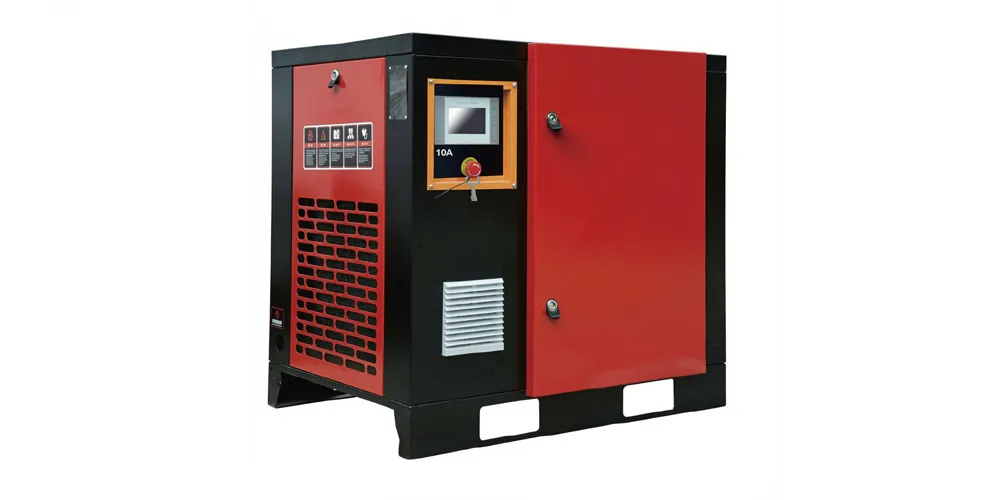
Medical ISBM container production requires ISO 8573-1 Class 0 oil-free blow air — the same purity standard used in pharmaceutical manufacturing cleanroom environments. Oil contamination on the inner surface of a specimen collection container or reagent bottle constitutes a potential assay interference source that would compromise the container’s intended diagnostic function. Our recommended oil-free air compressors deliver documented Class 0 oil-free air with validation data suitable for inclusion in ISO 13485 quality system records and FDA/EU regulatory technical files. Point-of-use desiccant drying prevents moisture condensation in the blow circuit at the ISBM machine inlet.
मोल्ड तापमान नियंत्रक
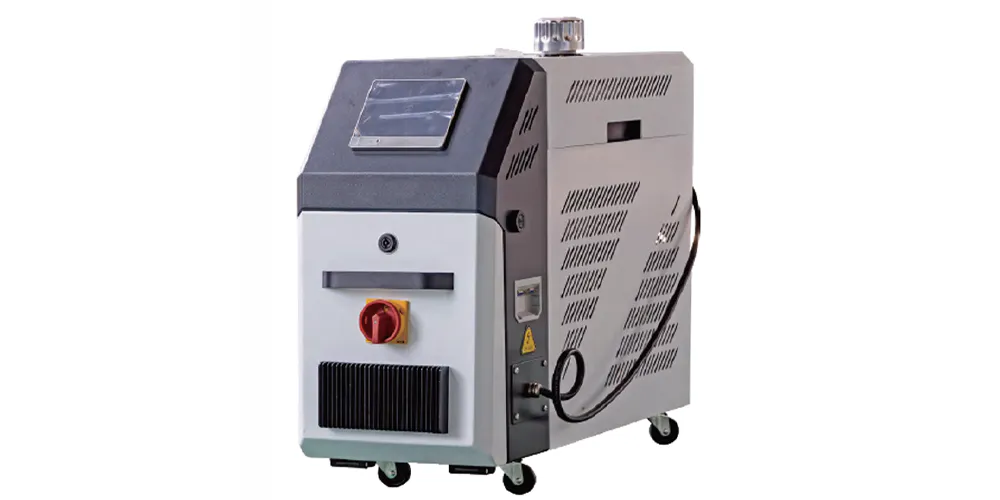
Medical container closure performance — the leak-free seal of a specimen container or the instrument-loading engagement of a reagent bottle — depends on consistent neck T and E dimension tolerance across every container in the production lot. Mold Temperature Controllers maintaining the ISBM blow mould coolant at ±1°C of setpoint prevent the dimensional drift that arises from mould temperature rise during production shifts, ensuring consistent neck dimensions from first to last container. For ISO 13485-certified medical container manufacturing, MTC temperature setpoints, actual readings, and deviations are process data that must be captured in batch production records — our MTCs support this documentation requirement through integrated data logging outputs.
हमारे बारे में
We design and manufacture one-step injection stretch blow moulding machines for pharmaceutical, medical device, laboratory consumable, cosmetic, food, and beverage packaging applications. Our 4-station ISBM product range — including the HGYS series — processes PC, TRITAN, PETG, PCTG, PET, PP, SAN, PMMA, and PS, covering the full material spectrum used in medical device and laboratory plastic container applications. We supply machines for container volumes from 5 ml through 5,000 ml across cavity counts suited to high-volume single-use medical consumable production and smaller-batch specialist laboratory container applications.
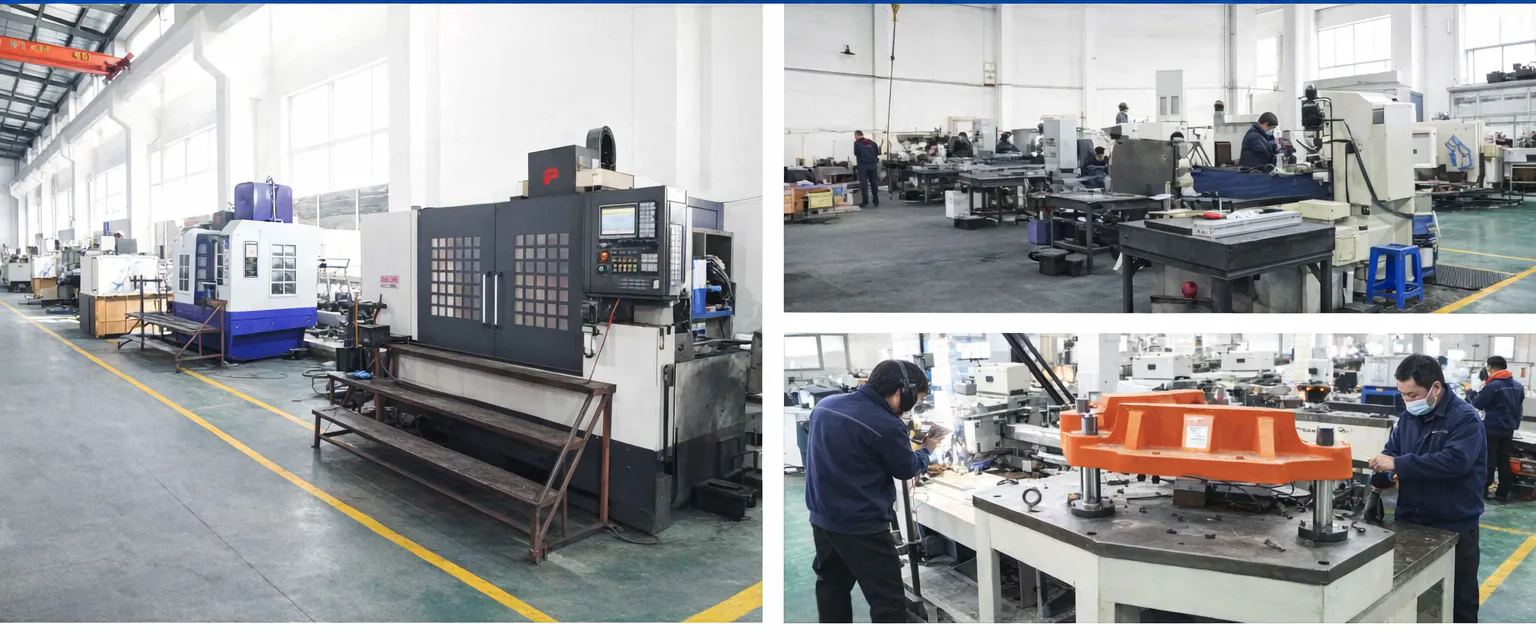
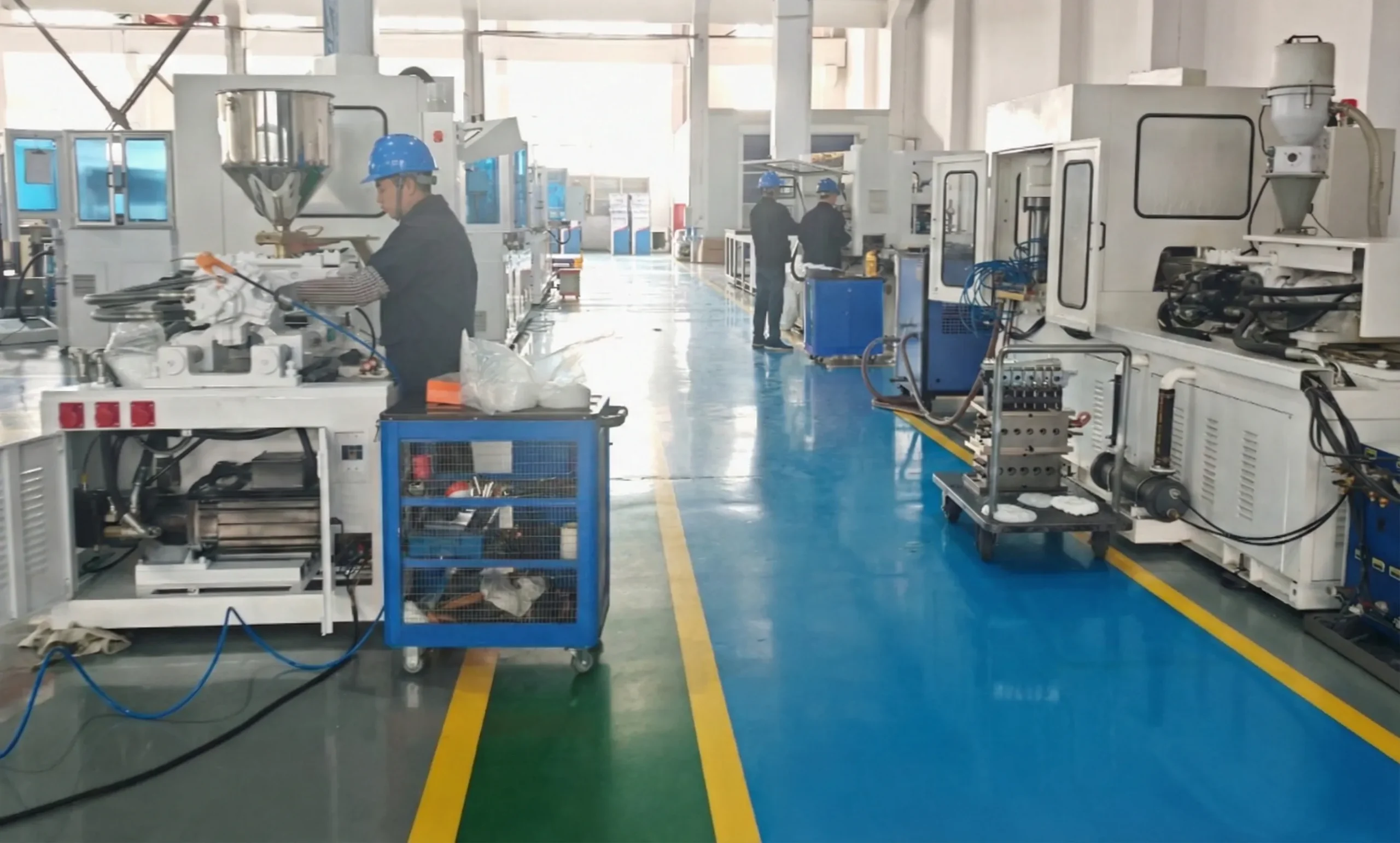
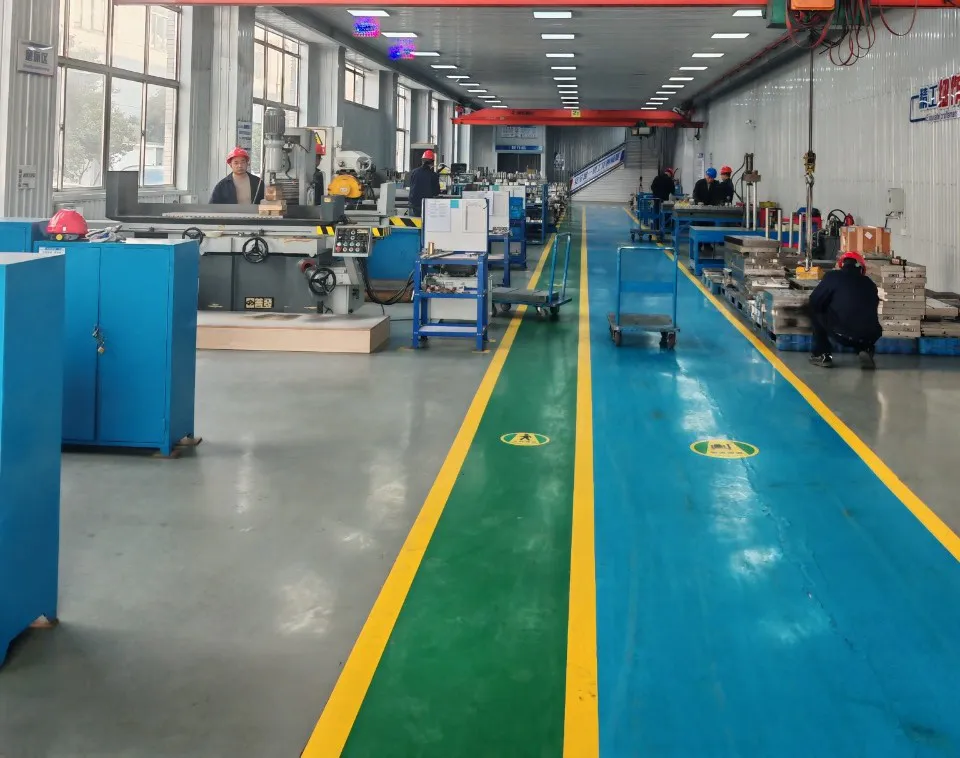
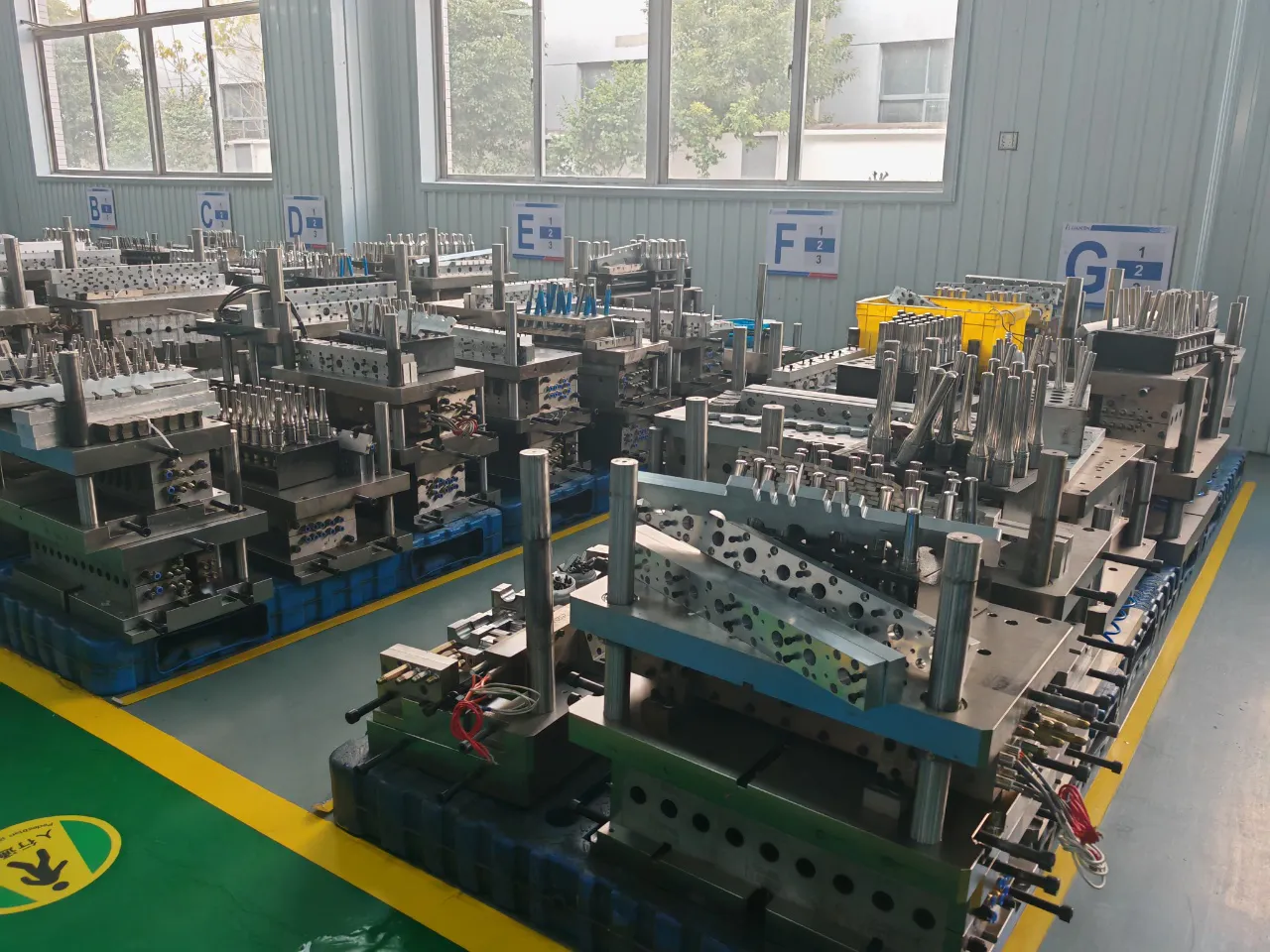
कार्यशाला
अक्सर पूछे जाने वाले प्रश्नों
संपादक: पीएक्सवाई