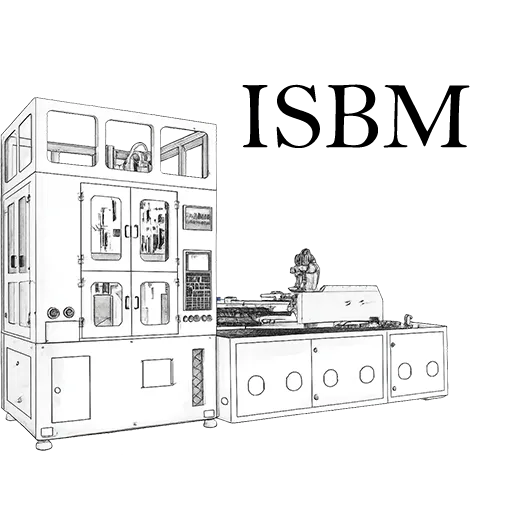
Innovative Applications of Blow Molding Machines in PET Bottle Packaging
Exploring Advanced Injection Stretch Blow Molding Technology Solutions for Colombian Markets
The evolution of injection stretch blow moulding machine technology has fundamentally transformed the beverage and packaging industries throughout Latin America and globally. Injection stretch blow molding machines represent a revolutionary advancement in plastic container manufacturing, enabling producers to create sophisticated PET bottles with superior quality characteristics and enhanced production efficiency. These injection stretch blow molding process innovations continue to redefine how manufacturers in Colombia and neighboring regions approach the packaging challenges inherent to food and beverage distribution, chemical storage, and pharmaceutical applications. Understanding the nuanced capabilities of modern injection stretch blow moulding machines becomes essential for facility managers, production engineers, and business decision-makers evaluating equipment investments for their Colombian operations.
1. Understanding Injection Stretch Blow Molding Technology
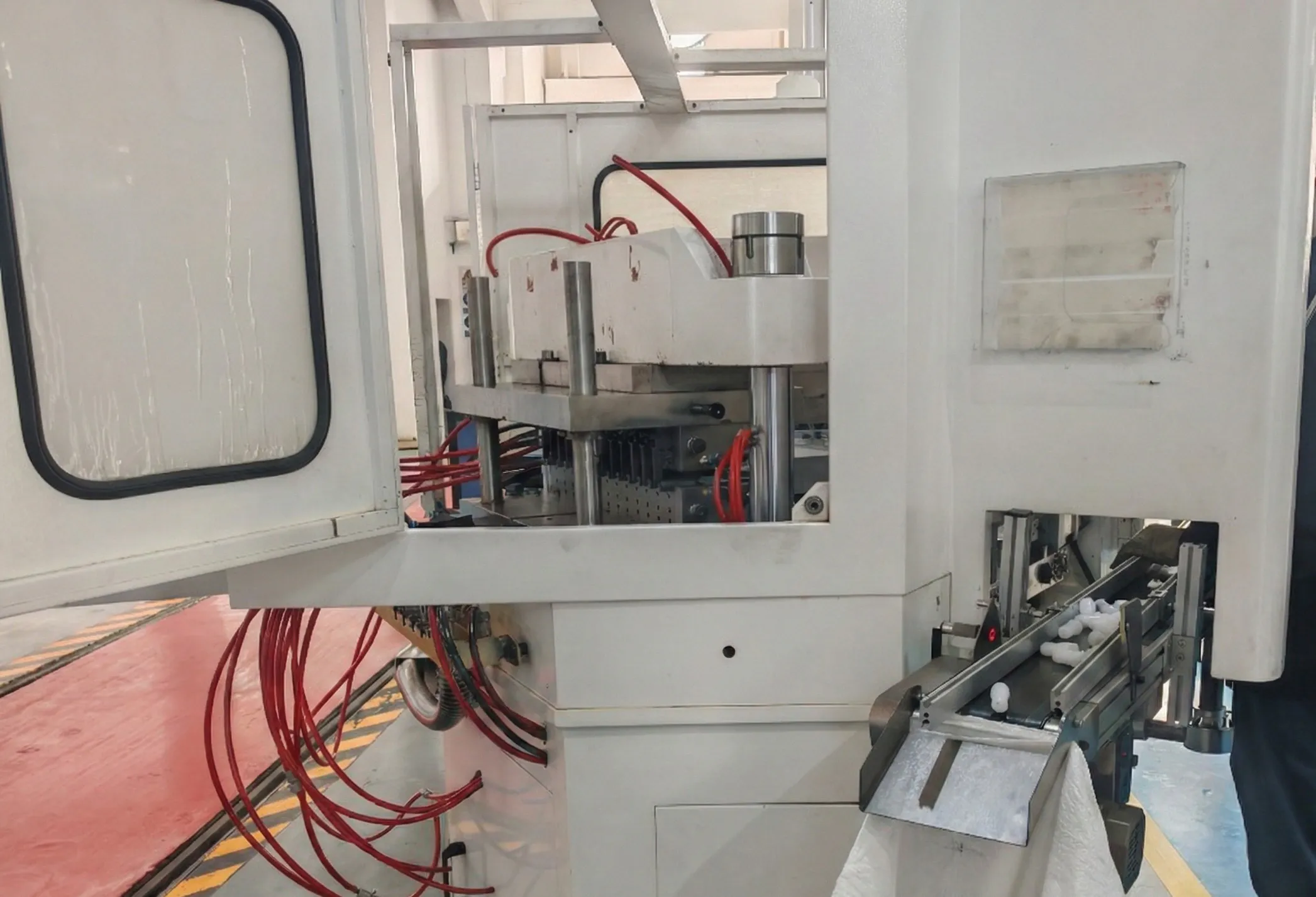
The injection stretch blow molding machine operates through an integrated methodology combining three distinct manufacturing operations within a single equipment footprint. The one-step injection stretch blow molding machine accomplishes injection, stretching, and blowing sequentially, eliminating intermediate handling and reheating requirements characteristic of traditional two-step blow moulding video demonstrations commonly referenced in industry literature. This integrated approach defines the core technological advantage of injection stretch blow moulding machine implementations across Colombian production facilities. The fundamental working principle of the injection stretch blow molding machine centers on maintaining precise thermal control throughout the molding cycle, ensuring optimal polymer crystallinity and molecular orientation that directly influences the final container’s barrier properties, impact resistance, and dimensional stability. Colombian manufacturers increasingly recognize that one-step injection stretch blow molding machine efficiency delivers approximately forty percent energy reduction compared to conventional manufacturing methodologies, translating directly to operational cost savings and enhanced environmental sustainability metrics.
2. Five Critical Advantages of Advanced Blow Molding Technology
Superior Energy Efficiency
Injection stretch blow molding machines eliminate preform reheating cycles, reducing energy consumption by up to forty percent. This fundamental advantage makes the injection stretch blow moulding process particularly attractive for Colombian facilities operating under stringent energy cost constraints and sustainability mandates requiring documented carbon footprint reduction.
Enhanced Product Consistency
One-step injection stretch blow molding machine operations deliver unparalleled bottle consistency through continuous processing without intermediate cooling cycles. This capability ensures Colombian bottling operations achieve superior neck quality, uniform wall thickness distribution, and enhanced appearance characteristics critical for premium brand positioning.
Flexible Production Capability
The injection stretch blow molding machines manufactured for Colombian markets accommodate rapid changeover between bottle designs and material compositions. This manufacturing flexibility enables producers to respond dynamically to market demands, seasonal product variations, and customer specification modifications without extended downtime or equipment reconfiguration requirements.
Material Science Optimization
Advanced injection stretch blow molding process methodologies enable molecular orientation through controlled stretching, significantly improving polymer chain alignment and material performance characteristics. Colombian pharmaceutical and chemical packaging operations particularly benefit from these enhancements, achieving improved barrier properties and chemical compatibility ratings.
Waste Reduction and Sustainability
Injection stretch blow molding machines minimize material waste through optimized process control and reduced scrap generation. Colombian environmental regulations increasingly favor manufacturing methods demonstrating minimal waste profiles, making the injection stretch blow molding process an attractive technology for facilities pursuing international certifications and sustainability recognition programs.
3. Technical Architecture and Operating Mechanisms
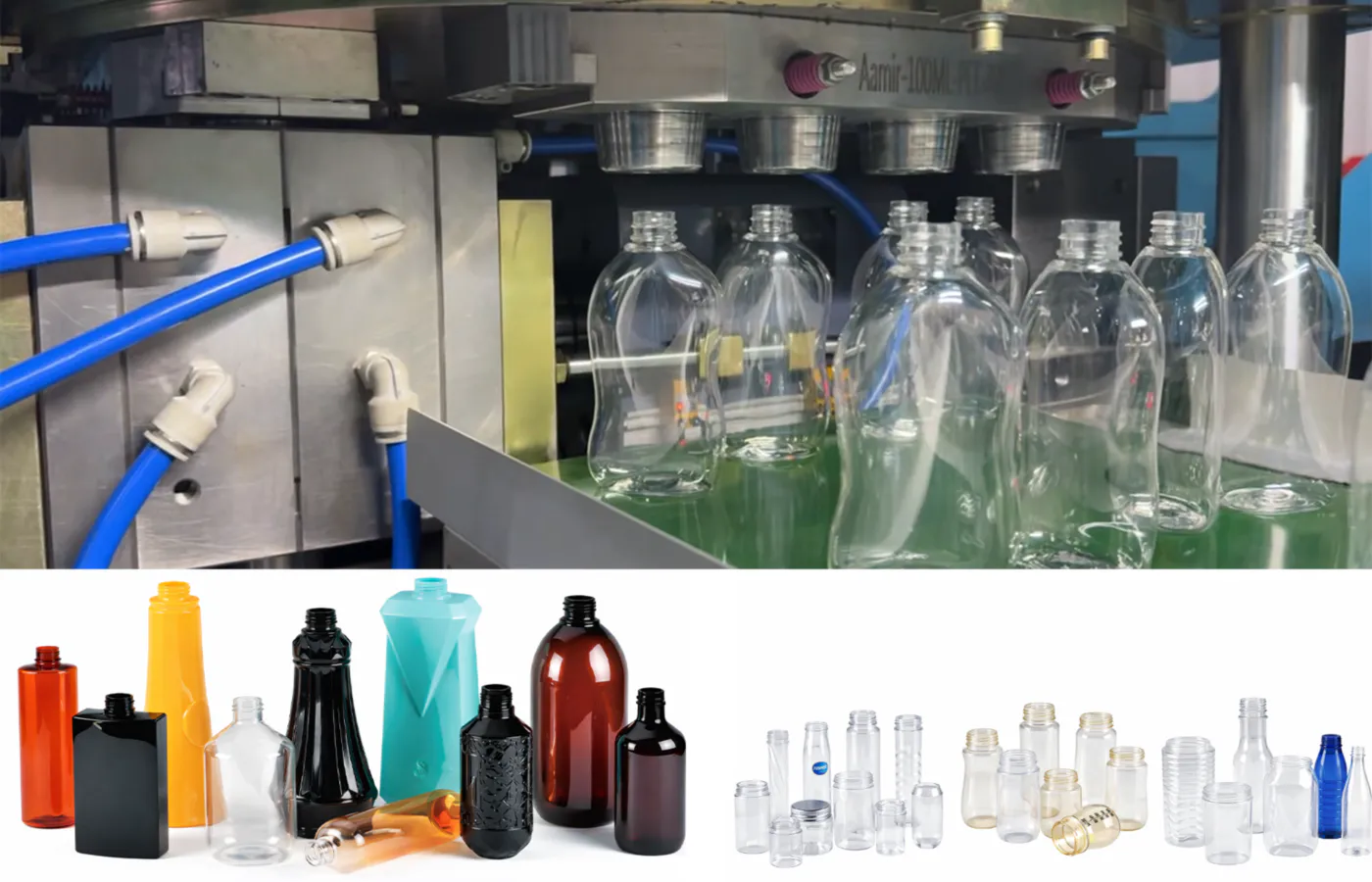
The mechanical structure of modern injection stretch blow moulding machines incorporates servo motor control systems, precision hydraulic components, and advanced polymer processing subsystems working in synchronized coordination. A comprehensive injection stretch blow molding video examination reveals the operational sequence: molten polymer injection into preform cavities, immediate transfer to heating chambers for molecular thermal management, controlled stretching through reciprocating mechanisms, and final blow molding expansion under compressed air pressure. The mechanical precision required in injection stretch blow molding machines demands exacting tolerances in cavity alignment, platen parallelism, and servo feedback mechanisms. Colombian manufacturers benefit from understanding these technical requirements when evaluating replacement injection stretch blow moulding machine specifications against existing equipment configurations and facility infrastructure capabilities.
| Technical Parameter | Specification Range | Performance Impact |
|---|---|---|
| Injection Clamping Force | 150 – 400 kN | Determines cavity sealing pressure and preform quality consistency |
| Blow Molding Pressure | 2.0 – 3.5 MPa | Influences wall thickness uniformity and final bottle dimensions |
| Screw Diameter | 40 – 60 mm | Controls injection volume and material processing capacity |
| Theoretical Injection Capacity | 188 – 680 cm³ | Establishes maximum preform size and production throughput limits |
| Motor Power Consumption | 34.8 – 102.8 kW | Directly correlates with operational electricity costs and facility infrastructure requirements |
| Heating Power Output | 8.9 – 15 kW | Manages polymer thermal processing and preform temperature optimization |
| Mold Temperature Control | ±2°C precision | Essential for dimensional stability and surface finish quality achievement |
| Production Cycle Time | 20 – 60 seconds per cycle | Determines hourly production capacity and equipment return on investment timeline |
| Operating Temperature Range | 200 – 280°C | Supports diverse polymer material processing including PET, PETG, PP, and specialty compounds |
| Cooling Water Requirement | 200 – 300 L/min | Influences facility cooling infrastructure and environmental water management protocols |
4. Material Systems and Manufacturing Considerations
Contemporary injection stretch blow molding machines accommodate an extensive portfolio of thermoplastic material compositions including polyethylene terephthalate (PET), polyethylene terephthalate glycol (PETG), polypropylene (PP), polycarbonate (PC), polystyrene (PS), acrylonitrile butadiene styrene (ABS), and polylactic acid (PLA) variants. The injection stretch blow molding process compatibility with multiple material systems enables Colombian producers to manufacture containers suited to diverse market applications ranging from beverage packaging requiring superior barrier properties to pharmaceutical bottles demanding chemical compatibility and light protection. Advanced new injection stretch blow moulding machine designs incorporate intelligent material handling subsystems that automatically adjust processing parameters based on polymer composition characteristics, ensuring optimal molecular orientation and mechanical property development regardless of material selection. Colombian facilities operating multi-material production environments benefit significantly from this technological sophistication, enabling rapid changeover between product lines without extensive parameter recalibration or operator intervention requirements.
5. Surface Treatment and Finishing Techniques
Modern injection stretch blow molding machines incorporate advanced surface treatment capabilities enabling direct application of decorative coatings, protective barriers, and anti-static finishes during the manufacturing cycle. Colombian cosmetic and pharmaceutical producers increasingly require bottles featuring sophisticated surface texturing, matte finishes, and gradient color effects achievable only through integrated blow molding processing. Nano-coating technologies applied through injection stretch blow molding process methodologies enhance container chemical resistance, provide hydrophobic or hydrophilic surface characteristics as required by specific product formulations, and extend shelf-life protection through superior barrier function. The integration of these finishing techniques directly within injection stretch blow moulding machine operations eliminates secondary processing steps, reduces material handling requirements, and substantially improves production economics for Colombian manufacturers pursuing premium packaging differentiation strategies.
6. Environmental Compliance and Regulatory Framework
Colombian environmental regulations, particularly those administered under the National Environmental System (SINA) and aligned with international sustainability standards, increasingly mandate manufacturing processes demonstrating minimal environmental impact and resource efficiency optimization. The injection stretch blow molding process inherent advantages—forty percent energy reduction, minimized material waste, and elimination of intermediate heating cycles—position this technology favorably within emerging Colombian environmental compliance frameworks. Manufacturers operating injection stretch blow moulding machines achieve alignment with Colombian Resolution 1407 of 2018 establishing environmental management requirements for industrial packaging operations. International standards including ISO 14001 environmental management systems and ISO 50001 energy management protocols provide additional compliance frameworks that Colombian facilities can demonstrate through documented injection stretch blow molding machine performance metrics and operational records. Additionally, Colombian packaging waste management regulations increasingly favor the utilization of manufacturing processes that reduce virgin polymer consumption while maintaining superior container quality, creating compelling business cases for injection stretch blow moulding machine adoption among environmentally conscious Colombian enterprises.
7. Diverse Applications Across Colombian Industry Sectors
Beverage Industry Applications
Colombian beverage manufacturers utilize injection stretch blow moulding machines to produce carbonated beverage containers, juice bottles, and flavored water packaging requiring superior pressure retention and barrier properties. The injection stretch blow molding machine capability to achieve consistent wall thickness distribution throughout complex geometries enables brand differentiation through sophisticated bottle designs reflecting premium market positioning.
Pharmaceutical Packaging Solutions
Colombian pharmaceutical manufacturers depend on injection stretch blow molding machines for producing medicine bottles, vaccine containers, and therapeutic liquid storage vessels meeting stringent pharmaceutical purity standards. The injection stretch blow molding process ensures chemical compatibility with pharmaceutical formulations while providing light protection through integration of UV-blocking pigmentation during manufacturing.
Personal Care and Cosmetics
Colombian cosmetic and personal care brands increasingly specify injection stretch blow moulding machine-produced containers for shampoo, lotion, and skincare product packaging. The superior surface finish and dimensional precision achievable through injection stretch blow molding machines enable manufacturers to create premium aesthetic presentations differentiating brands within competitive Colombian beauty markets.
Specialty Chemical Containers
Chemical manufacturers operating in Colombia employ injection stretch blow molding machines for producing containers accommodating aggressive chemical formulations, industrial solvents, and hazardous material storage. The polymer molecular orientation achieved through injection stretch blow molding processes significantly enhances chemical resistance and extends container service life under challenging environmental conditions.
Food Packaging Integration
Colombian food processing enterprises utilize injection stretch blow moulding machines for producing edible oil bottles, condiment containers, and prepared food packaging meeting food-contact material regulations. The barrier properties achieved through injection stretch blow molding process methodology preserve product quality, extend shelf-life, and maintain flavor integrity critical for premium food product positioning.
Industrial and Commercial Uses
Specialized Colombian industrial applications including automotive fluid containers, industrial lubricant packaging, and commercial supply bottles increasingly depend on injection stretch blow molding machines for producing durable, chemically compatible vessels. The consistent quality and enhanced mechanical properties achievable through injection stretch blow molding processes ensure reliable performance in demanding industrial environments throughout Colombian facilities.
8. About Our Manufacturing Excellence
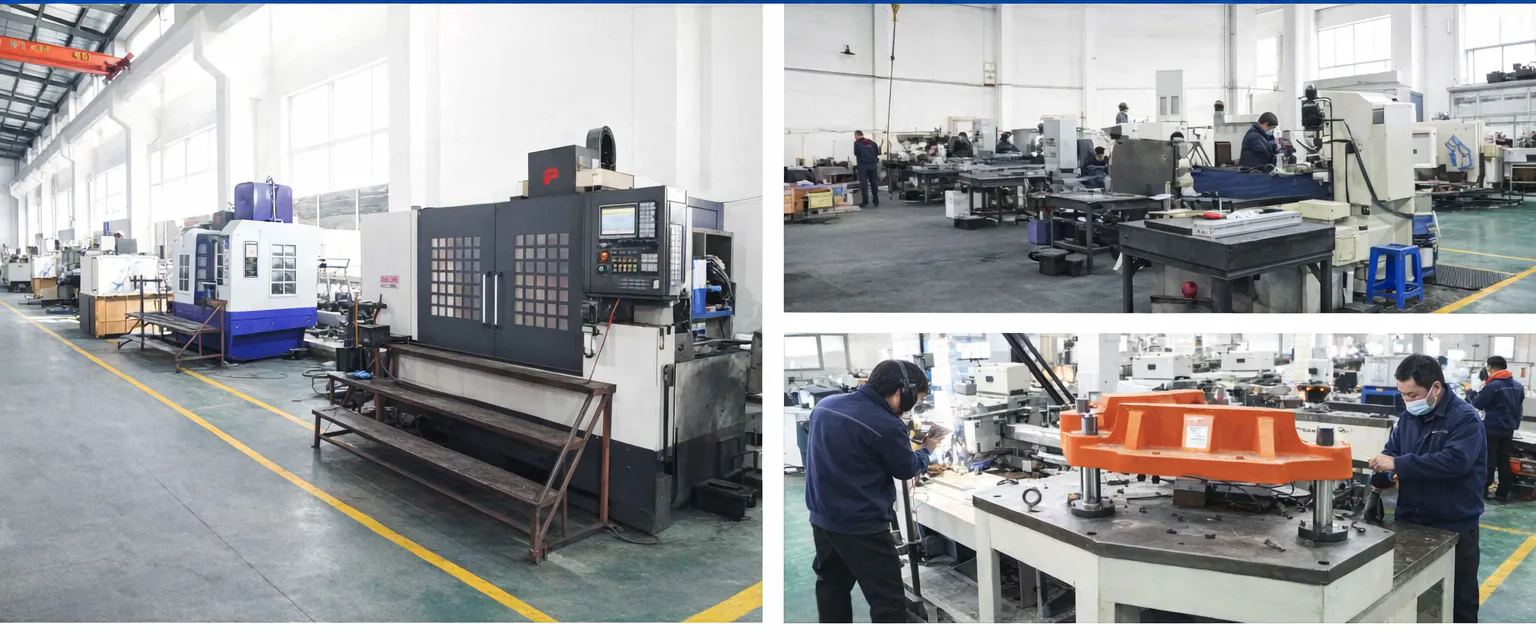
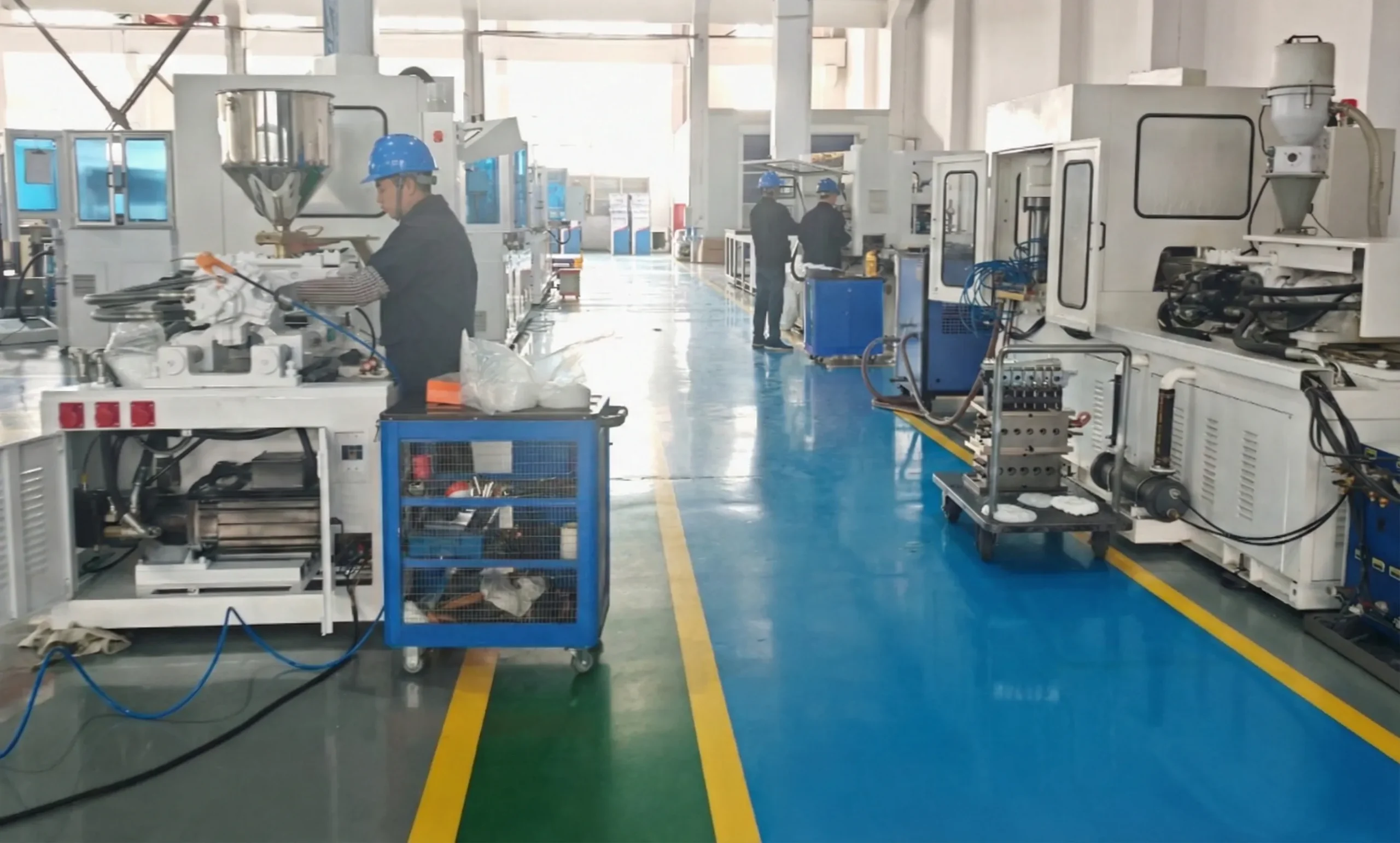
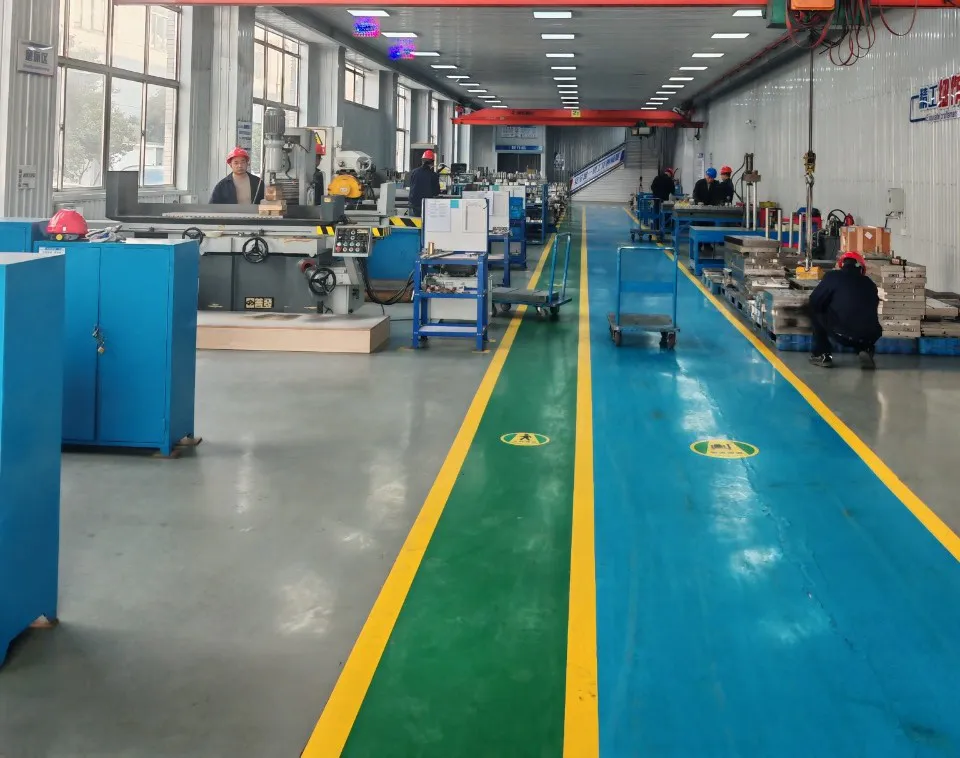
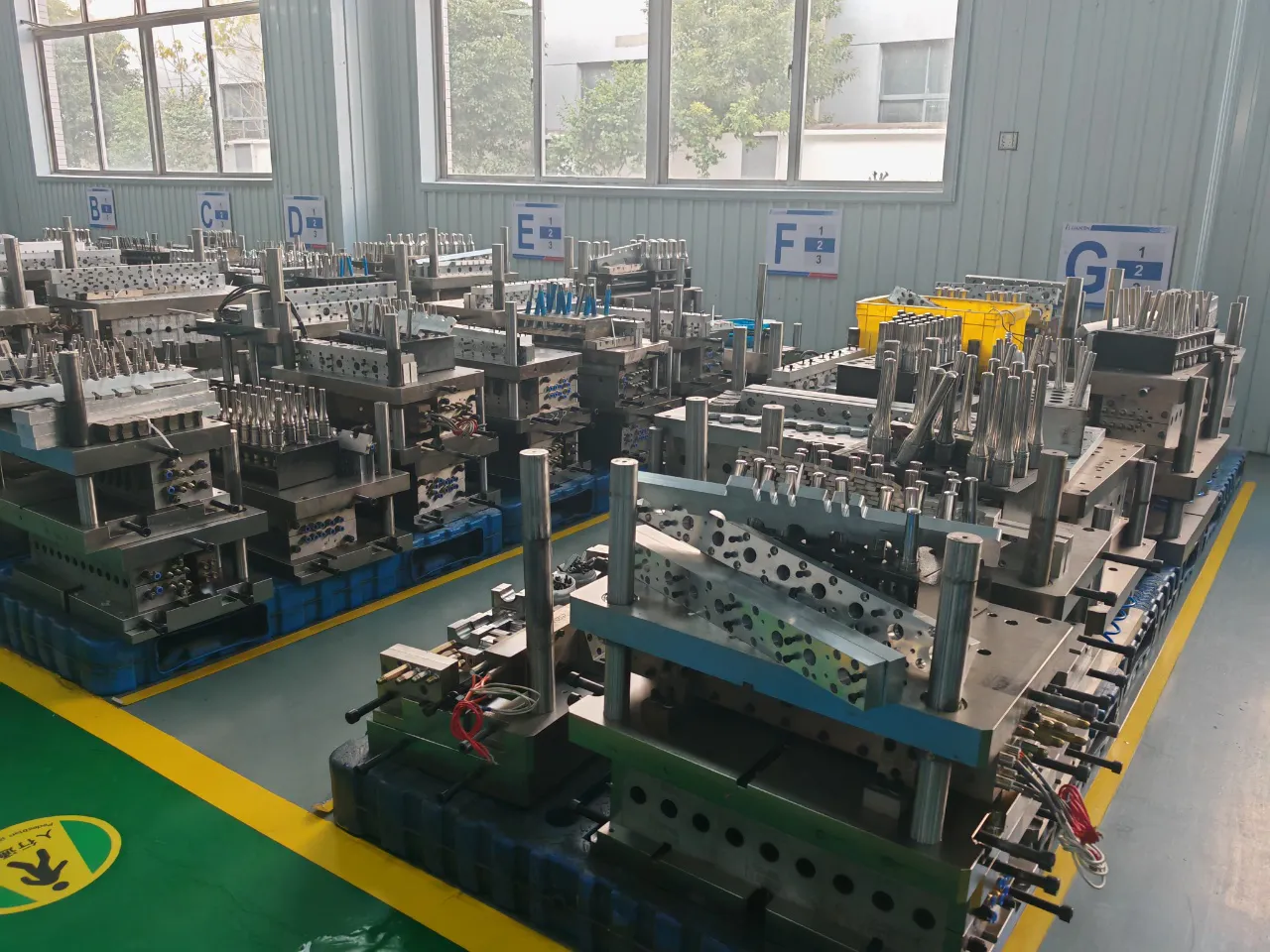
Our organization represents more than twenty years of accumulated expertise in injection stretch blow molding machine design, manufacturing, and continuous innovation serving Colombian markets and international customers. We maintain advanced manufacturing facilities incorporating CNC precision machining equipment, servo-driven testing apparatus, and quality assurance protocols ensuring every injection stretch blow moulding machine delivered meets exacting performance standards and dimensional specifications. Our engineering team, comprising polymer scientists, mechanical engineers, and process optimization specialists, collaborates extensively with Colombian manufacturers to customize injection stretch blow molding machine configurations addressing specific application requirements and operational constraints inherent to diverse production environments.
We understand that replacement injection stretch blow moulding machine selection represents significant capital investment decisions affecting facility productivity, product quality, and long-term competitiveness. Our approach emphasizes transparent consultation, comprehensive technical documentation, and ongoing operational support ensuring Colombian customers maximize return on equipment investment. We supply complete system integration including auxiliary equipment coordination, cooling infrastructure optimization, and compressed air system sizing necessary for seamless injection stretch blow molding machine implementation within existing Colombian production facilities.
WorkShop
Frequently Asked Questions About Injection Stretch Blow Molding
+
+
+
+
+
+
+
+
+
+
Editor: PXY