A technical reference guide for pharmaceutical packaging engineers, QA managers, and procurement teams evaluating injection blow molding machine platforms for ophthalmic container production under FDA, EU GMP, ICH, and national pharmaceutical regulations.
Eye drop bottles sit at the intersection of the two most demanding requirements in pharmaceutical packaging: sterility and precision. A container that will deliver a measured volume of sterile ophthalmic solution directly to the ocular surface must maintain its dimensional integrity across its entire service life, must not leach any substance into a formulation whose tolerance for contamination is measured in parts per billion, must consistently deliver its drop dose within a defined volume range, and must be produced in a manufacturing environment that can be validated to GMP standards. These are not aspirational quality targets; they are regulatory minimums that determine whether a packaging producer can supply a licensed ophthalmic manufacturer at all.
The injection blow molding machine process — specifically one-step ISBM — is the preferred technology for ophthalmic container production globally. It produces the dimensional precision that drop-delivery mechanics require, it operates as a sealed system that never exposes the container interior to ambient air between injection and blowing, it processes the PP and PE grades that dominate ophthalmic packaging across all major markets, and its fully automated cycle reduces the human contact with the container interior that GMP frameworks consider the primary source of contamination risk. This article explains the technical basis for those advantages, reviews the machine architecture and material requirements for eye drop bottle production, covers the regulatory frameworks that apply across major pharmaceutical markets, and identifies the machine configuration that best serves GMP-compliant ophthalmic container manufacturing at commercial scale.
Why Eye Drop Bottles Specifically Require Injection Blow Moulding Technology
The functional requirements of an ophthalmic container determine the production process more decisively than in almost any other packaging application. Consider what a 5–30 ml PP eye drop bottle must reliably do: it must deform under finger pressure and return to shape without permanent deformation, delivering approximately 30–50 μl per drop; its neck thread must seal a tip assembly precisely enough to prevent leakage and maintain sterility; its wall must be uniform enough to produce consistent drop volume regardless of which part of the container is squeezed; and none of its material components or processing residues may be toxic to ocular tissue or absorbed by the formulation in a way that changes its therapeutic effect. These requirements collectively exclude extrusion blow moulding — which cannot achieve the neck-finish precision required for the dropper tip assembly, and whose parting-line flash requires post-moulding trimming that introduces contamination risk — and they largely exclude two-step reheat blow moulding, which exposes the preform interior to ambient air during the storage and reheating phases.
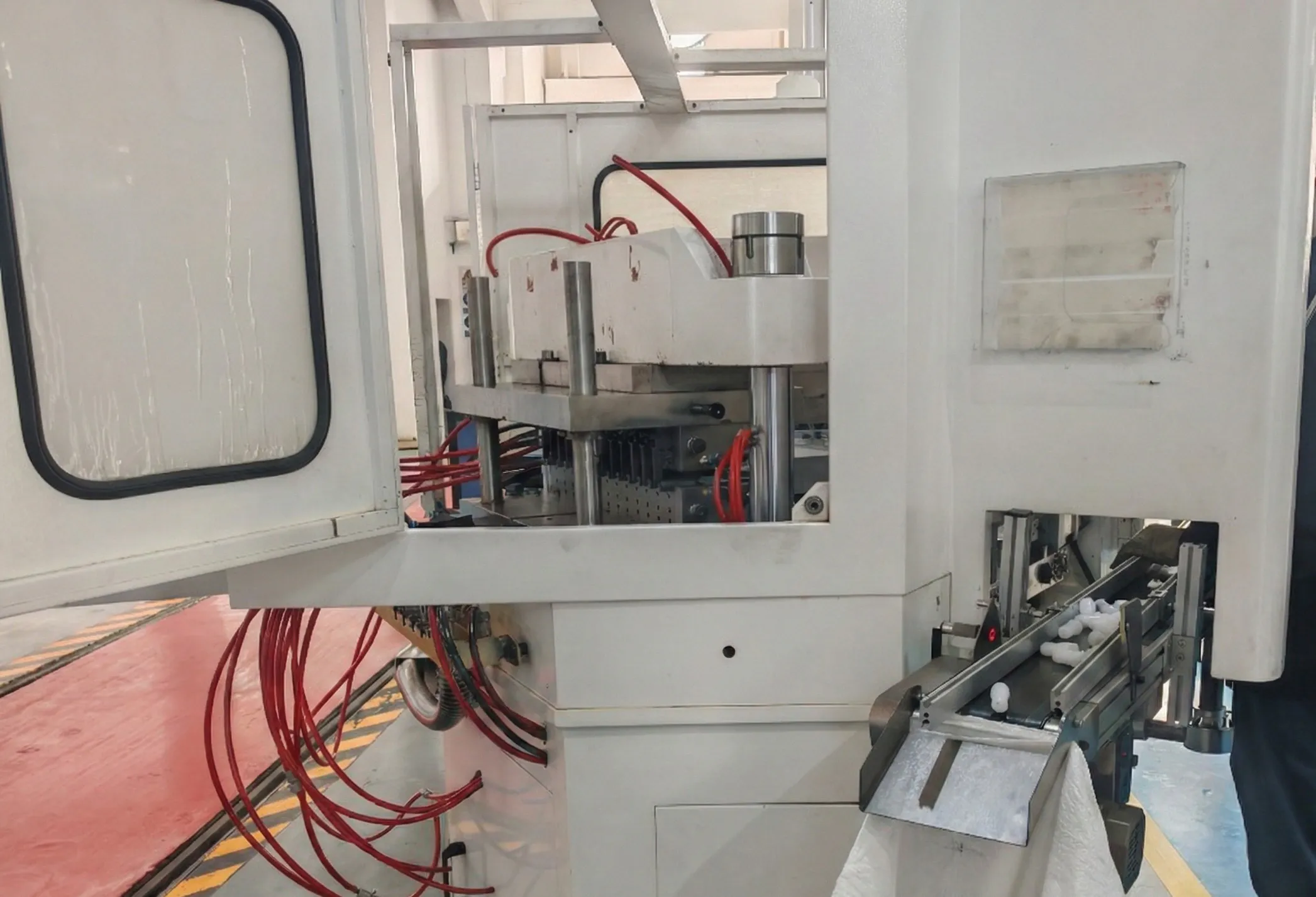
The injection blow molding machine produces eye drop bottles with neck dimensions controlled to ±0.05 mm during the injection phase, without any reshaping of the neck in the blow station. The container interior is formed during the blow phase within a sealed machine environment, with the preform transitioning from injection to blow in under 30 seconds without external handling. The automated ejection mechanism removes the finished bottle without any human contact with the interior or neck sealing surfaces. These structural characteristics of the ISBM process — not optional features but inherent properties of its architecture — make it the natural and effectively mandatory choice for GMP-compliant ophthalmic container production.
Manufacturing Structure: Machine Architecture for GMP Eye Drop Production
The physical design and station configuration of the injection blow molding machine used for eye drop bottle production must be compatible with GMP requirements from the outset — not modified to accommodate them after installation. This means the machine design must minimise crevices and horizontal surfaces that accumulate particulates, must use materials in contact with the process environment that can withstand pharmaceutical-grade cleaning agents, must support batch-level data logging for traceability, and must provide the servo-controlled actuation precision that eye drop container dimensional specifications require.
3-Station Architecture for Eye Drop Bottle Production
A 3-station injection blow molding machine — injection station, blow station, take-out station — is well suited to the production of standard eye drop bottles in the 5–30 ml size range using PP or LDPE. The condensed station count reduces the machine footprint, which is relevant for pharmaceutical facilities where cleanroom floor space is costly. The 3-station layout consolidates tail cutting and thermal equilibration into the second station, which for thin-wall eye drop bottles with simple geometry is technically adequate — the preform temperature at the blow station is sufficiently uniform without a dedicated conditioning station. The critical GMP-relevant feature at the 3-station level is the servo-controlled blow station closure, which must maintain consistent force across all cavities to produce consistent wall thickness distribution in the eye drop bottle body — the primary determinant of drop volume consistency.
4-Station Architecture for Precision Ophthalmic Containers
For eye drop bottles with more complex geometries — elongated shoulder profiles, graduated volume markings integrated into the wall, or for the PETG and PC materials used in speciality ophthalmic applications — a 4-station injection blow molding machine provides the dedicated conditioning station that manages preform temperature precisely before the blow phase. The conditioning station is particularly valuable for multi-cavity eye drop moulds (4–8 cavities) where temperature uniformity across the cavity array is harder to maintain; individually controllable conditioning cores allow cavity-by-cavity temperature compensation that improves bottle-to-bottle dimensional consistency across the full cavity count. For pharmaceutical facilities producing multiple ophthalmic container sizes on the same machine, the 4-station platform provides the flexibility to optimise conditioning profiles for each container independently without mechanical reconfiguration.
Servo Drive Precision: The GMP Validation Advantage
GMP validation of a pharmaceutical production line — covering IQ (Installation Qualification), OQ (Operational Qualification), and PQ (Performance Qualification) — requires that the equipment performs to defined parameters consistently over time and that deviations from those parameters are detectable and documented. Full servo-driven injection blow molding machines are structurally better suited to this validation requirement than hydraulic machines: their actuation forces and positions are numerically controlled, their parameter settings are recorded in the machine PLC with time-stamped values, and their deviations from setpoint are measurable and alarm-triggerable in real time. A servo-driven injection blow molding machine produces a natural data trail — cycle parameters, servo drive current profiles, temperature logs — that forms the core of the OQ and PQ documentation. A hydraulic machine produces equivalent output, but the process variability that comes from hydraulic oil viscosity change with temperature makes establishing tight OQ limits more difficult.
GMP-Relevant Machine Design Features
| Machine Feature | GMP Relevance | Eye Drop Production Impact |
|---|---|---|
| Servo-electric actuation | PLC data logging; OQ/PQ documentation support | Cycle-to-cycle dimensional repeatability; batch traceability |
| Oil-free blow air supply | No hydrocarbon contamination of container interior | FDA 21 CFR / EU GMP Annex 1 compliance for sterile packaging |
| Sealed production environment | No ambient exposure between injection and blow | Eliminates preform contamination during transit/storage |
| NSK lead screws; Parker valves | Traceable component sourcing; known quality baseline | Consistent blow pressure stability; dimensional precision |
| Nano-far-infrared barrel heating | Uniform melt temperature; reduces thermal degradation | Lower extractable compounds risk; consistent melt quality |
| Automated take-out | Zero human contact with container interior | GMP operator-less handling of sterile container interiors |
| Inovance / MiRLE PLC | Batch record capable; alarm and deviation logging | 21 CFR Part 11 electronic records compatibility pathway |
Material System: Resin Selection for GMP Eye Drop Bottle Production
The plastic resin used for eye drop bottle production is not selected from a general commercial-grade product catalogue. It is specified from a pharmaceutical-grade or medical-grade resin range where extractables and leachables data — the characterisation of which compounds migrate from the plastic into the formulation under defined stress conditions — are available from the resin manufacturer and can be submitted as part of the packaging component regulatory dossier. The injection blow molding machine process does not alter the extractables profile of the resin, but the processing conditions on the machine (melt temperature, residence time in the barrel, barrel surface condition) can introduce degradation products if not controlled within validated limits. Understanding the material requirements is therefore inseparable from understanding the machine requirements.
PP (Polypropylene) — The Standard for Ophthalmic Containers
Pharmaceutical-grade polypropylene is the dominant material for eye drop bottles globally. Its combination of chemical inertness (compatible with aqueous saline, antibiotic, antihistamine, and glaucoma medication formulations), flexural characteristics (squeezes and recovers reliably for drop delivery), autoclave sterilisability, and a well-established safety profile under USP Class VI and ISO 10993 biological evaluation standards make it the default specification for ophthalmic containers across all major regulatory jurisdictions. On an injection blow molding machine, PP requires precise conditioning temperature management — it has a narrower stretch window than PET or PETG, and conditioning temperatures must be held to within approximately ±2°C of the validated setpoint to achieve consistent wall distribution without stress whitening. The 4-station machine’s dedicated conditioning station provides the independent zone temperature control that this precision requires.
LDPE and HDPE — For Squeeze-and-Delivery Applications
Low-density polyethylene (LDPE) and high-density polyethylene (HDPE) are used in ophthalmic containers where maximum flexibility (LDPE) or higher wall stiffness with good chemical resistance (HDPE) is required. LDPE dropper bottles — the classic soft-sided unit-dose design — require very precise wall thickness uniformity to deliver consistent drop volumes when the container is inverted and squeezed; uneven wall thickness in the body creates preferential deformation paths that produce variable drop sizes. On an injection blow molding machine, PE materials process at lower barrel temperatures than PP and require different screw geometry considerations, but the fundamental ISBM process advantages — sealed production environment, neck precision from the injection stage, automated take-out — apply equally to PE-grade eye drop containers.
PET and PETG for Clarity-Required Ophthalmic Containers
Some ophthalmic applications require container clarity — multi-dose eye drop bottles where the formulation level is visible through the container wall, or pharmaceutical reference standards packaged in clear containers for laboratory use. PET and PETG processed on the injection blow molding machine provide the required clarity while maintaining the neck precision and interior cleanliness that ophthalmic packaging requires. PET requires drying to below 50 ppm moisture and processing within a narrow melt temperature window to avoid acetaldehyde generation; the acetaldehyde migration limit for pharmaceutical containers is significantly lower than for food containers, making process discipline particularly important for PET ophthalmic applications. PETG is more forgiving in its processing window and generates lower acetaldehyde levels, making it the preferred clarity material for pharmaceutical applications where PET’s processing stringency creates compliance risk.
| Bahan | Primary Pharma Use | Sterilisability | Regulatory Standard | Key Processing Constraint |
|---|---|---|---|---|
| PP | Eye drops (multi-dose and unit-dose) | Autoclave (121°C); EtO; gamma | USP Class VI; ISO 10993; Ph. Eur. | Narrow conditioning temperature window |
| LDPE | Unit-dose dropper; flexible drop delivery | EtO; gamma; not autoclave | USP Class VI; ISO 10993 | Wall uniformity critical for drop volume |
| HDPE | Ear drops; topical ophthalmic | EtO; gamma; limited autoclave | USP Class VI; ISO 10993 | Higher stiffness; good chemical resistance |
| PETI | Clear multi-dose; diagnostic use | EtO; gamma (limited PET tolerance) | USP; FDA 21 CFR | Acetaldehyde migration limits; strict drying |
| PETG | Clear pharmaceutical containers | EtO; gamma | USP; ISO 10993 | Lower AA generation than PET; wider process window |
Recommended Machine Platforms for GMP Eye Drop Bottle Production
Two injection blow molding machine platforms that address the GMP and precision requirements of ophthalmic container production at different scales — from compact high-precision 3-station configuration suited to smaller pharmaceutical facilities and specialty eye drop producers, to a 4-station platform providing the conditioning station precision required for multi-material and complex-geometry ophthalmic containers.
EP-HGY50-V3-EV — 3-Station Full Servo for Eye Drop Production
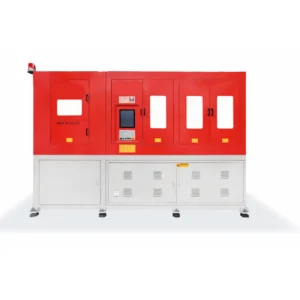
A compact full-servo 3-station injection blow molding machine suited for PP and PETG eye drop bottles in the 5–30 ml range. 5 servo systems (Inovance / WEICHI). Motor power: 34.8 kW. Screw diameter: 40 mm (optional). Theoretical injection capacity: 239 cm³. Injection clamping force: 50 kN. Blow clamping force: 100 kN (single side). Machine dimensions: 3,800 × 1,200 × 2,500 mm. Weight: 3.5 tonnes. PLC: Inovance / MiRLE. Turntable: Yaskawa / WEICHI servo motor with Taiwan TSUNTIEN reducer. High-pressure valve: Parker (USA). Pneumatic cylinders: Airtac. NSK lead screws. Barrel heating: 10.4 kW. Blow air pressure: 2.0–3.5 MPa. Total machine power: 45.2 kW. Product capacity: 1–6 cavities; max bottle diameter 100 mm (1-cavity), max bottle volume 2,500 ml, down to 28 mm diameter at 6-cavity (max 22 g). The full-servo architecture produces the cycle-to-cycle dimensional consistency that pharmaceutical drop volume specifications require, with PLC data logging that supports OQ/PQ documentation.
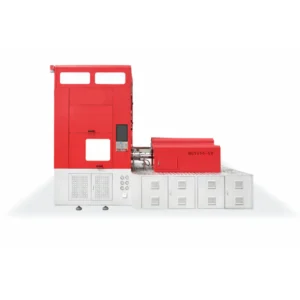
EP-HGYS150-V4 — 4-Station for GMP Pharmaceutical Production
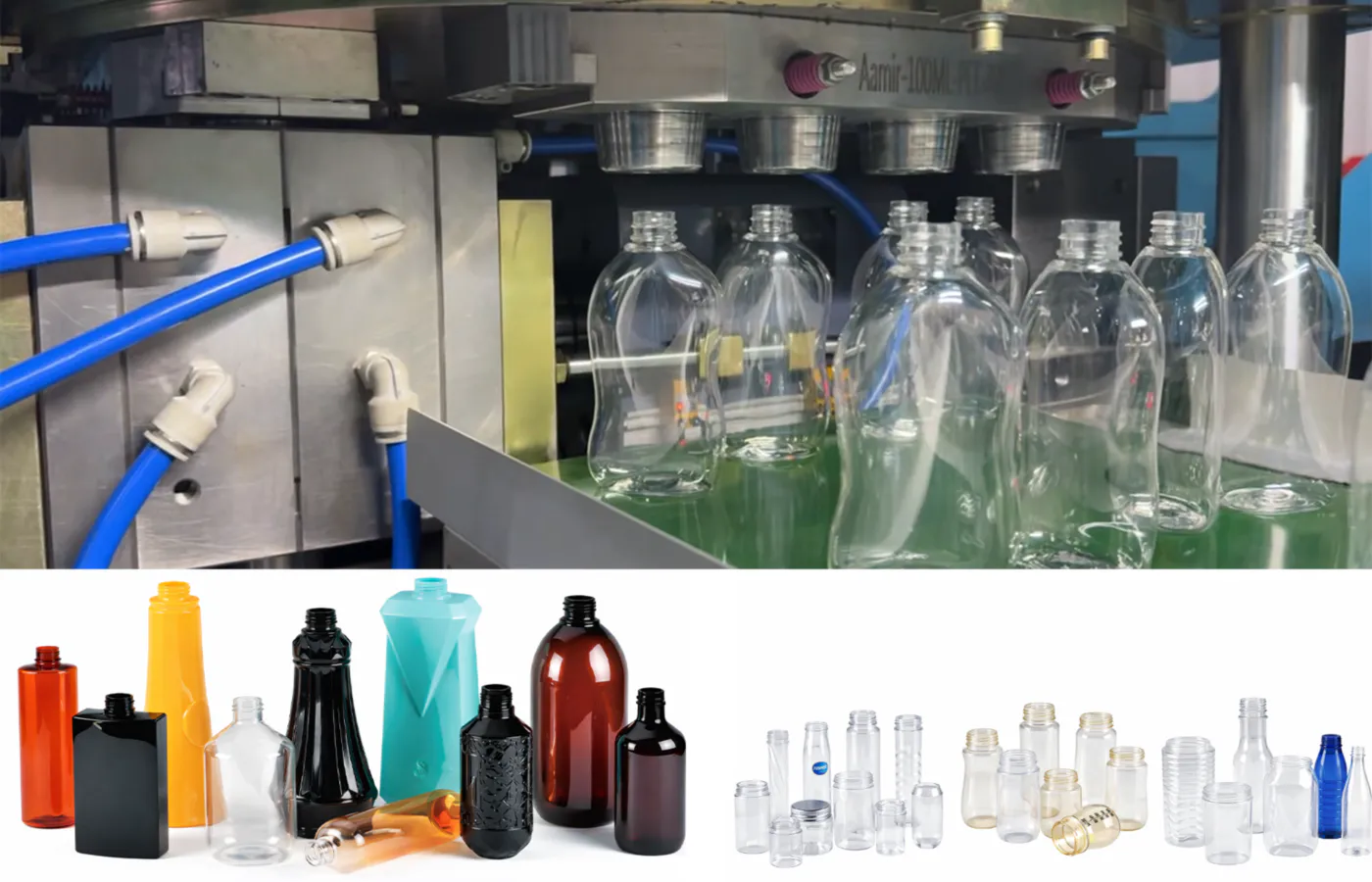
A 4-station injection blow molding machine with dedicated temperature conditioning station — the configuration that provides the independent zone temperature control required for multi-material ophthalmic container production and for multi-cavity eye drop moulds where temperature uniformity across the cavity array is critical. Motor power: 43.2 kW. Injection clamping force: 150 kN. Blow clamping force: 200 kN (single side). Screw diameter: 40–60 mm. Theoretical injection volume: 188–480 cm³. Machine dimensions: 4,200 × 1,400 × 2,900 mm. Weight: 6 tonnes. Compatible with Japanese ASB-12M moulds. Drive: servo pump; Yaskawa / WEICHI servo turntable; Parker high-pressure valves; YUKEN hydraulic valves; Airtac cylinders; NSK lead screws; nano-far-infrared barrel heating (10 kW); MiRLE / Inovance PLC. Total power: 53.2 kW. Supports PP, PETG, PC, PET, PCTG, and Tritan. The dedicated conditioning station allows the precise PP temperature profiling that GMP eye drop container wall thickness specifications demand.
GMP Validation: IQ, OQ, and PQ for Injection Blow Moulding Lines
Commissioning an injection blow molding machine for pharmaceutical production involves a formal validation programme that establishes documented evidence that the equipment performs consistently within defined parameters. This validation is not a quality management option — it is a regulatory requirement for facilities manufacturing pharmaceutical packaging under FDA, EU GMP, PIC/S, or national pharmaceutical authority oversight. The validation programme typically covers three sequential phases: Installation Qualification, Operational Qualification, and Performance Qualification.
Installation Qualification (IQ)
IQ establishes that the injection blow molding machine is installed as specified — correct utility connections, correct software version loaded, component identification numbers matching the engineering drawings, and safety systems functioning as designed. The machine manufacturer’s commissioning documentation, component certificates (servo drives, PLC, pneumatic valves, barrel heating rings), and the calibration certificates for all critical instruments (thermocouples, pressure transducers, position sensors) form the basis of the IQ documentation. For GMP pharmaceutical facilities, all instruments that affect product quality must be calibrated to traceable standards at a defined frequency — establishing this calibration schedule is a deliverable of the IQ phase. The machine supplier should be able to provide all necessary technical documentation — part numbers, material specifications, component origin declarations — in the format required for the facility’s validation master plan.
Operational Qualification (OQ)
OQ establishes that the injection blow molding machine operates within its defined process parameter ranges and that its control systems respond appropriately to setpoint deviations. For eye drop bottle production, OQ testing typically covers: barrel temperature stability at each zone (challenge: setpoint ± 5°C, confirm recovery within defined time); blow pressure precision across the pressure range (2.0–3.5 MPa) for the target eye drop bottle specification; servo actuation position repeatability at all stations; alarm system response time and accuracy; and PLC batch record generation completeness. Full servo-driven machines are significantly easier to OQ than hydraulic machines because their actuation parameters are numerically defined and directly readable from the servo drive interface — establishing OQ pass/fail limits is straightforward when the controlled variable is a digital position or force value rather than a hydraulic pressure that varies with oil temperature.
Performance Qualification (PQ)
PQ demonstrates that the injection blow molding machine, operating within its OQ-established parameter ranges, consistently produces eye drop bottles that meet the finished container specification. PQ testing for ophthalmic containers typically covers: dimensional compliance across all cavities (neck thread dimensions, body diameter, base geometry, height) measured by coordinate measurement over multiple production batches; wall thickness distribution measured by ultrasonic gauging; drop volume consistency across the full cavity count; extractables and leachables compliance for the resin grade and processing conditions validated in OQ; and particulate contamination — typically measured by filling containers with an aqueous standard solution and counting particles visually and by light obscuration. PQ batches are run at the validated process setpoints established in OQ, and the resulting data establishes the baseline against which ongoing monitoring is compared in routine production.
Regulatory Frameworks for Eye Drop Container Manufacturing Globally
Pharmaceutical packaging for ophthalmic products is subject to the most comprehensive regulatory oversight of any packaging application. The regulations differ in detail between jurisdictions but converge on three core requirements: the container material must not compromise product sterility, safety, or efficacy; the production process must be validated; and the packaging system (container, closure, labelling) must be documented in the product’s marketing authorisation dossier. Understanding the applicable framework in each target market is the regulatory foundation for any new eye drop bottle production line.
United States: FDA 21 CFR and USP Standards
In the US, pharmaceutical packaging for eye drops is regulated under FDA 21 CFR Part 211 (Current Good Manufacturing Practice for Finished Pharmaceuticals) and relevant sections of the US Pharmacopeia (USP), particularly USP <661> (Plastic Packaging Systems and Their Materials of Construction), USP <1663> (Assessment of Extractables Associated with Pharmaceutical Packaging/Delivery Systems), and USP <1664> (Assessment of Drug Product Leachables Associated with Pharmaceutical Packaging/Delivery Systems). Container and closure systems for ophthalmic products must be registered in the drug product NDA or ANDA filing and must have a validated extractables and leachables programme. The injection blow molding machine process facilitates FDA compliance through its sealed production environment (reducing particulate contamination), its oil-free blow air requirement (preventing hydrocarbon extractables), and its servo-controlled process (enabling the parameter traceability that 21 CFR Part 11 electronic records requirements may be applied to).
European Union: EU GMP Annex 1 and European Pharmacopoeia
EU GMP Annex 1 (Manufacture of Sterile Medicinal Products, revised 2022) is the primary EU regulatory framework for the manufacturing environment of sterile pharmaceutical packaging, including ophthalmic containers. The revised Annex 1 places significantly greater emphasis on contamination control strategy — a holistic, site-level documented approach to contamination prevention that encompasses equipment design, environmental monitoring, cleaning validation, and personnel practices. For injection blow molding machine lines producing ophthalmic containers, the contamination control strategy must address the machine’s contribution to airborne particulate and microbial contamination risk, the compressed air supply quality, and the material handling procedures between the machine and the filling line. The European Pharmacopoeia (Ph. Eur.) provides the material standards for plastic containers for ophthalmic preparations (Ph. Eur. 3.2.2 — plastic containers and closures for pharmaceutical use), which establishes migration limits and biological evaluation requirements that the resin grade and processing conditions must satisfy.
ICH Q9 and Q10: Quality Risk Management and Pharmaceutical Quality Systems
The ICH Q9 (Quality Risk Management) and Q10 (Pharmaceutical Quality System) guidelines — adopted across the US (FDA), EU, Japan (PMDA), South Korea (MFDS), Australia (TGA), and many other markets through the ICH membership — provide the framework within which the validation of an injection blow molding machine for pharmaceutical use is conducted. ICH Q9 requires that risks to product quality from the packaging process be formally identified, assessed, and mitigated; for an eye drop container production line, this includes risks from resin lot variation, machine parameter drift, compressed air quality degradation, and mould wear. ICH Q10 requires that the pharmaceutical quality system governing the line include procedures for change control, CAPA (corrective and preventive action), and periodic product quality reviews that incorporate data from the injection blow molding machine’s process monitoring systems.
Japan: PMDA and Japanese Pharmacopoeia
Japan’s Pharmaceuticals and Medical Devices Agency (PMDA) oversees pharmaceutical product approvals and manufacturing standards under the Pharmaceutical and Medical Device Act (Yakuji-ho). The Japanese Pharmacopoeia (JP) provides container material standards for ophthalmic preparations that align broadly with the Ph. Eur. and USP requirements but include some Japan-specific test methods and acceptance criteria. Eye drop container packaging systems must be included in the product’s application for manufacturing and marketing authorisation (shonin) filed with the PMDA. Japanese pharmaceutical manufacturing guidelines (J-GMP) align closely with the PIC/S GMP framework, which is compatible with EU GMP Annex 1 requirements.
Australia: TGA and PIC/S GMP
Australia’s Therapeutic Goods Administration (TGA) regulates pharmaceutical products and their packaging under the Therapeutic Goods Act 1989. Australia is a member of the Pharmaceutical Inspection Co-operation Scheme (PIC/S), which means Australian GMP inspections are conducted against PIC/S GMP standards — broadly compatible with EU GMP Annex 1 for sterile manufacturing. TGA requires that packaging systems for registered therapeutic goods (including ophthalmic products) be documented in the Product Information and registered in the Australian Register of Therapeutic Goods (ARTG). Material safety and extractables data to Ph. Eur. or equivalent standards is acceptable for Australian pharmaceutical submissions, making validated injection blow molding machine production with documented process parameters and material traceability directly compatible with Australian regulatory requirements.
India: CDSCO and Schedule M GMP
India’s Central Drugs Standard Control Organisation (CDSCO) regulates pharmaceutical manufacturing under Schedule M of the Drugs and Cosmetics Act, 1940 (as amended). Schedule M establishes GMP requirements for pharmaceutical manufacturers in India, including requirements for equipment qualification, cleaning validation, and packaging material testing. India has a large and growing ophthalmic pharmaceutical manufacturing sector, particularly for generic eye drop products exported to regulated markets (US, EU, Australia). Indian pharmaceutical manufacturers exporting ophthalmic products to FDA- and EMA-regulated markets must comply with the destination market’s GMP requirements (21 CFR Part 211 / EU GMP Annex 1) rather than merely Schedule M, which has historically been less stringent. Investment in validated injection blow molding machine lines with documented IQ/OQ/PQ programmes is directly relevant to maintaining approval for export of Indian-manufactured ophthalmic products in US and EU markets.
| Market | Key Regulatory Framework | Container Material Standard | GMP Framework |
|---|---|---|---|
| United States | FDA 21 CFR Part 211 | USP <661>, <1663>, <1664> | 21 CFR Part 211; 21 CFR Part 11 (electronic records) |
| Kesatuan Eropah | EU GMP Annex 1 (2022); EMA guidelines | Ph. Eur. 3.2.2 | EU GMP; ICH Q9 / Q10; Contamination Control Strategy |
| Japan | PMDA; Yakuji-ho; J-GMP | Japanese Pharmacopoeia (JP) | J-GMP (PIC/S aligned); ICH Q9 / Q10 |
| Australia | TGA; Therapeutic Goods Act 1989 | Ph. Eur. or equivalent accepted | PIC/S GMP; ICH Q9 / Q10 |
| India | CDSCO; Schedule M (Drugs & Cosmetics Act) | IP (Indian Pharmacopoeia); USP/Ph.Eur for export | Schedule M; FDA/EMA standards for export markets |
| South Korea | MFDS; Pharmaceutical Affairs Act | KP (Korean Pharmacopoeia) | KGMP (PIC/S aligned); ICH Q9 / Q10 |
| Brazil | ANVISA; RDC 658/2022 | Farmacopeia Brasileira; USP accepted | ANVISA GMP (PIC/S aligned) |
Process Disciplines Specific to GMP Eye Drop Bottle Production
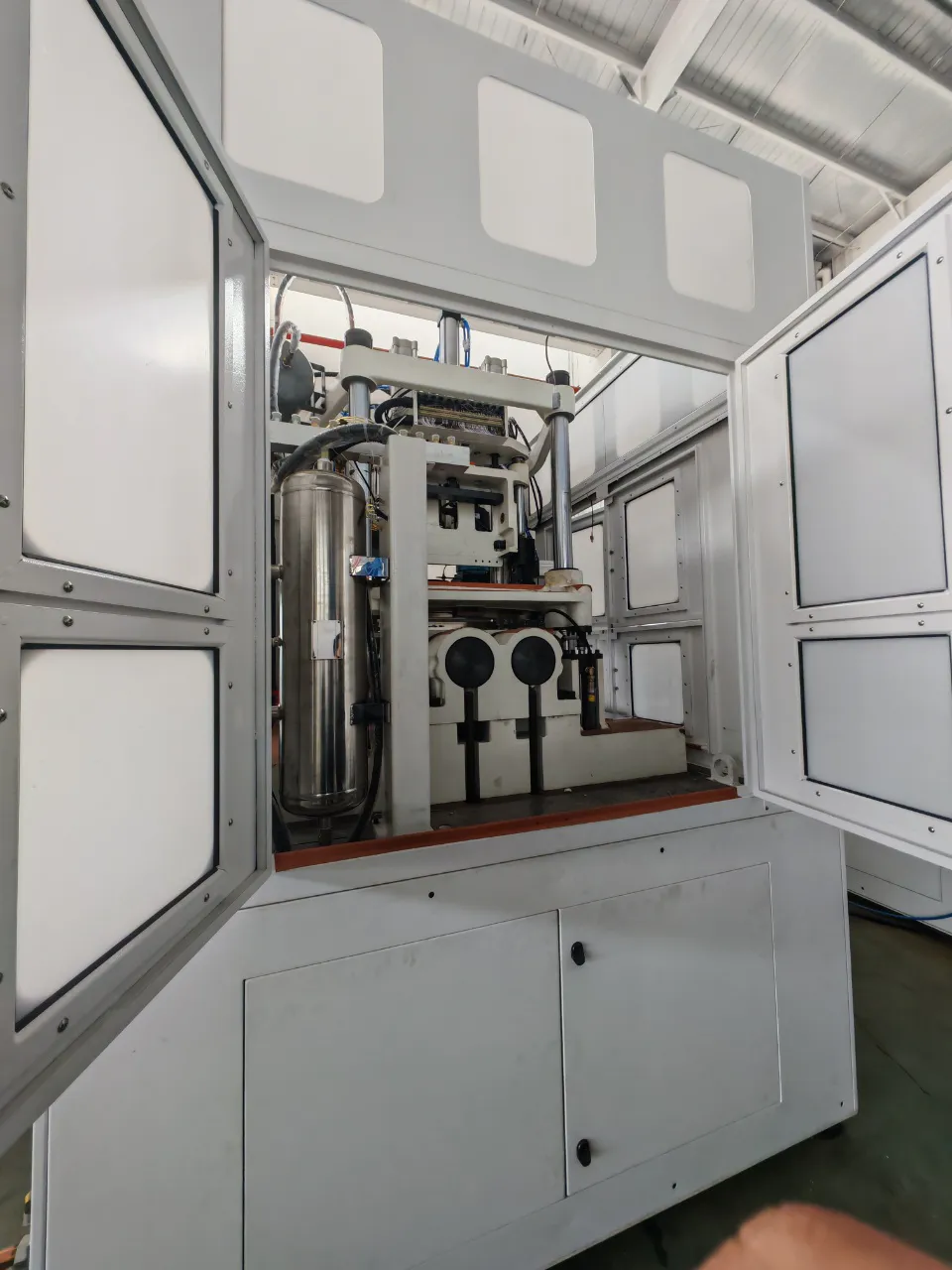
Pharmaceutical-grade production of eye drop containers on an injection blow molding machine line requires process disciplines that go beyond what is standard in cosmetic or food packaging applications. The differences are not a matter of scale or degree — they are categorical distinctions in documentation requirements, contamination control standards, and the consequences of process deviation that pharmaceutical producers must understand before commissioning an ISBM line for ophthalmic use.
Pharmaceutical-Grade Resin Handling and Chain of Custody
Pharmaceutical packaging producers operating under GMP must maintain documented chain of custody for all materials that contact the drug product or its primary container. For the resin used in eye drop bottle production, this means: a qualified supplier from whom pharmaceutical-grade or medical-grade PP, LDPE, or PET is purchased under a formal supplier quality agreement; incoming lot testing or acceptance of the supplier’s certificate of analysis for each resin delivery; a documented resin storage procedure that prevents contamination and records storage conditions (temperature, humidity, duration); and a production batch record that links each production batch of bottles to the specific resin lot used. This documentation chain supports the traceability requirements of FDA 21 CFR Part 211.194, EU GMP Chapter 4 (Documentation), and equivalent national frameworks. The resin certificate of analysis should include: material grade, lot number, intrinsic viscosity (for PET grades), melt flow index, density, and confirmation of compliance with the applicable pharmacopoeial standard.
Cleanroom Integration and Environmental Control
Eye drop bottles are produced to be filled under sterile conditions — typically in ISO 5 (Grade A) or ISO 7 (Grade C) cleanroom environments — so the containers leaving the injection blow molding machine must be compatible with that filling environment. This means the containers must arrive at the filling line with a particulate burden low enough that they can be cleaned (by water-for-injection rinsing) or used directly without introducing unacceptable contamination levels. The injection blow molding machine’s sealed production environment — where the container interior is never exposed to ambient air between injection and blow — significantly reduces the inherent particulate burden compared to two-step processes. However, the air quality in the machine room, the container handling between the machine take-out and the packaging station, and the container storage and transport to the filling facility all affect the final container cleanliness at point of use.
Barrel Purge Procedures and Cross-Contamination Prevention
In a GMP pharmaceutical facility producing multiple products on the same injection blow molding machine, the changeover procedure between different resin grades or between different ophthalmic products must include a validated purge protocol that eliminates carry-over of the previous material to below the acceptable contamination limit for the next product. For PP eye drop containers following LDPE production, the purge volume and temperature settings must be sufficient to displace the LDPE from the barrel, screw, check ring, runner, and hot tip assembly. The validated purge procedure — specifying purge material, volume, temperature settings, and visual or analytical acceptance criteria — is a GMP document that requires change control approval before modification, and execution records must be maintained for each changeover event.
Related Equipment: Supporting GMP Eye Drop Production
The injection blow molding machine is the core of the GMP eye drop container production system, but two categories of auxiliary equipment have a direct effect on GMP compliance and container quality: compressed air supply and mold temperature control. Both must be specified with pharmaceutical production requirements in mind rather than general industrial specifications.
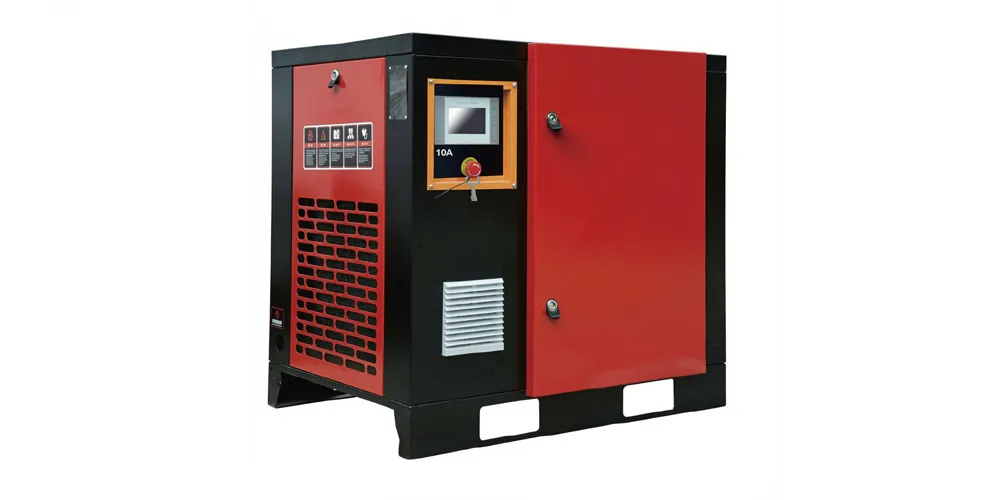
Oil-Free Air Compressor
For GMP eye drop bottle production, the compressed air that forms the blow air at 2.0–3.5 MPa is a direct contact material — it touches the interior surface of every container produced. FDA 21 CFR Part 211 and EU GMP Annex 1 require that contact air in pharmaceutical production does not introduce contamination, which in practice means oil-free air supply is mandatory for pharmaceutical packaging lines. An oil-free air compressor eliminates the hydrocarbon contamination risk at source, avoiding the need for downstream oil-coalescing filtration whose performance must be monitored and validated separately. The blow air supply system for a GMP injection blow molding machine line should also include cold-dry filtration to achieve a dew point of −40°C or lower, a sterile filter rated at 0.2 μm at the machine inlet for pharmaceutical applications, and a particle count monitoring system at the compressed air outlet that generates records suitable for inclusion in the facility’s utility validation documentation. ISO 8573-1 Class 0 specification for oil content is the recognised standard for pharmaceutical compressed air in most major markets.
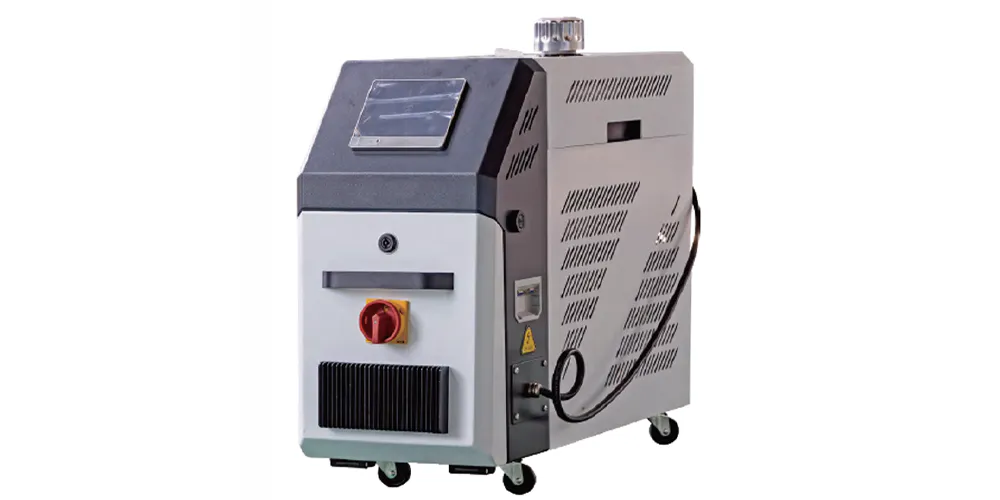
Pengawal Suhu Acuan
In a GMP-validated injection blow molding machine line, mold temperature is a critical process parameter — a parameter whose deviation beyond defined limits could affect container quality and must be monitored, alarmed, and recorded. Facility cooling water temperature varies with facility load, ambient temperature, and season, creating a potential source of mold temperature drift that is difficult to address through the machine’s PLC alone. A dedicated mold temperature controller holds the cavity face temperature at the validated setpoint independent of facility supply conditions, ensuring that the process runs within the OQ-established limits throughout the PQ batches and in routine production. The mold temperature controller’s setpoint, actual temperature, and any deviations should be logged as part of the batch production record — a function that modern controllers provide through standard data output ports. For PP eye drop bottles, consistent mold temperature is a direct determinant of wall thickness distribution and drop volume consistency; a ±2°C variation in mold temperature produces measurable variation in drop volume across a production batch.
Tentang Kami
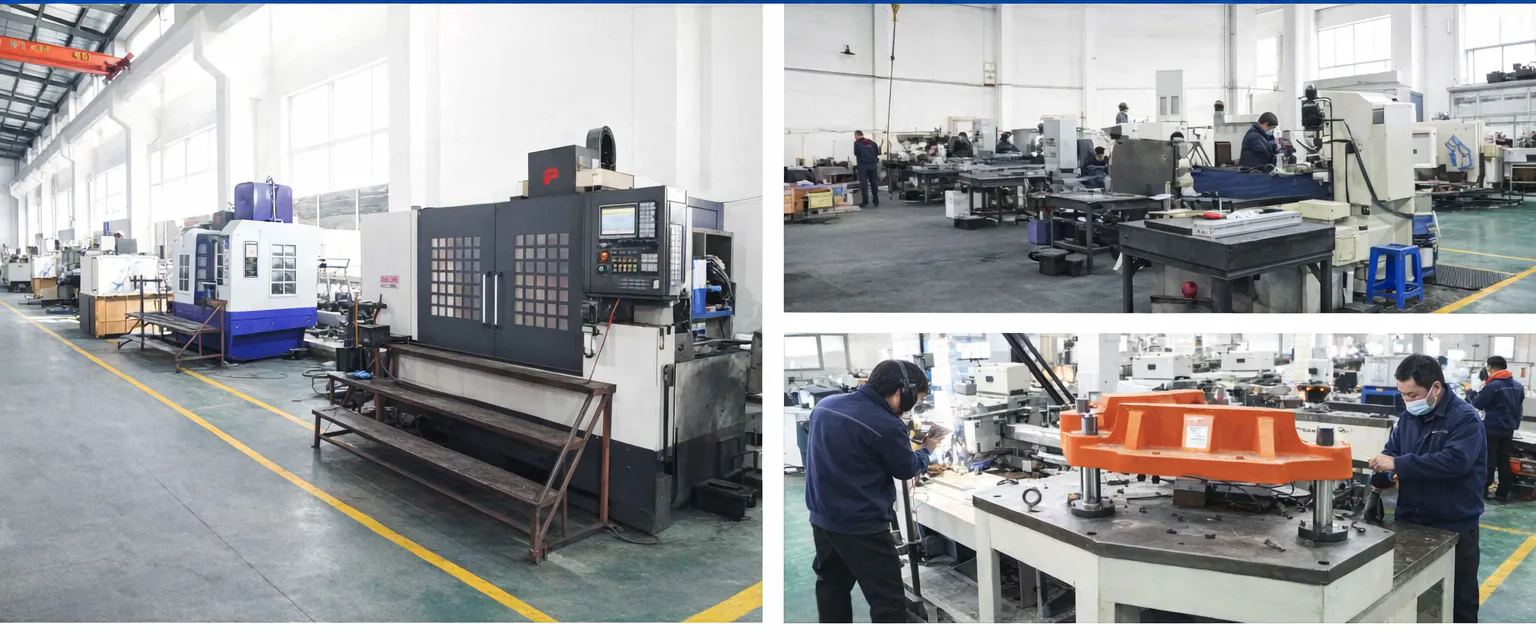
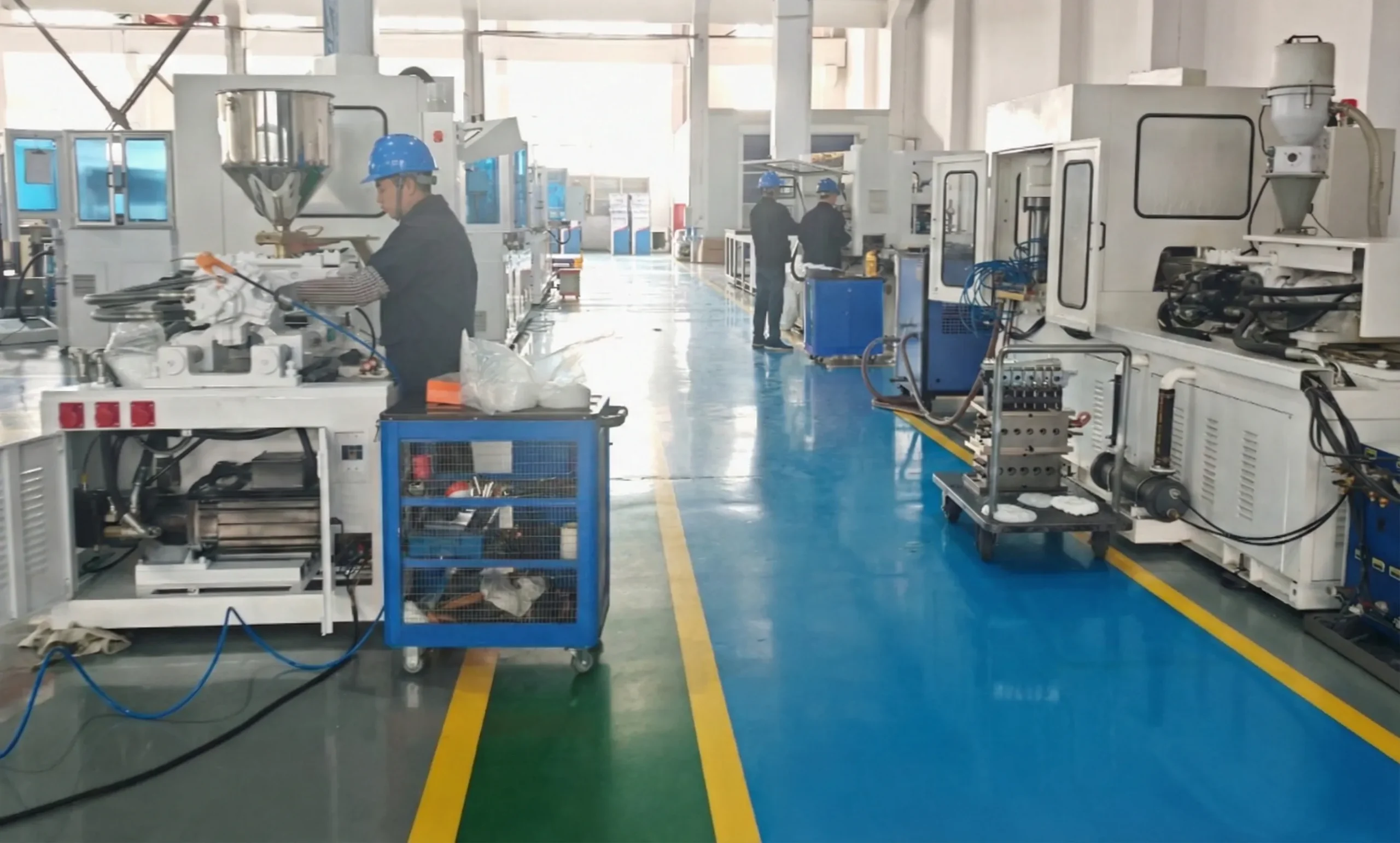
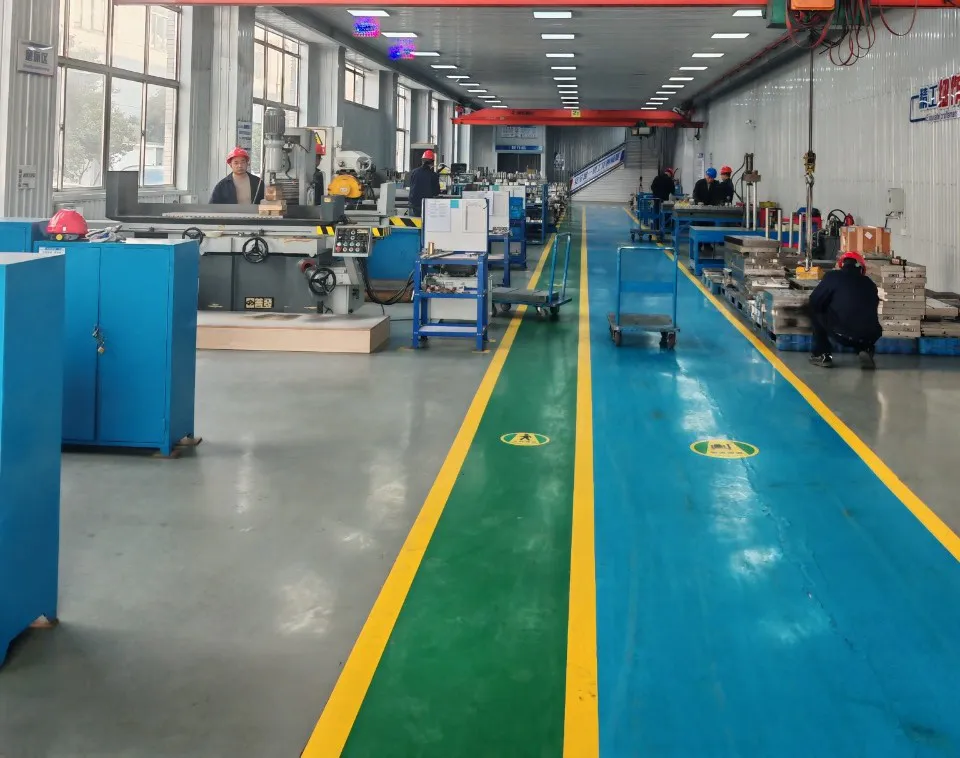
We are a professional manufacturer of one-step injection stretch blow moulding machines and mould tooling with over two decades of engineering, manufacturing, and commercial experience in the plastic container production industry. Our production facility covers more than 20,000 square metres and operates as a fully integrated supply chain — machine manufacturing, in-house mould tooling production, servo system assembly, and comprehensive spare parts and technical support programmes. We have developed specialised injection blow molding machine platforms for pharmaceutical, cosmetic, food, beverage, and industrial packaging applications, processing PP, PE, PETG, PET, PCTG, PC, and Tritan materials. In the pharmaceutical sector — where IQ/OQ/PQ documentation, validated process parameters, and material traceability are non-negotiable — our machines have been adopted by ophthalmic packaging producers and pharmaceutical contract manufacturers supplying regulated markets across Asia Pacific, Europe, and the Americas. One-stop supply of machine, mould, and auxiliary equipment, with commissioning and validation support, is a central element of our service model.
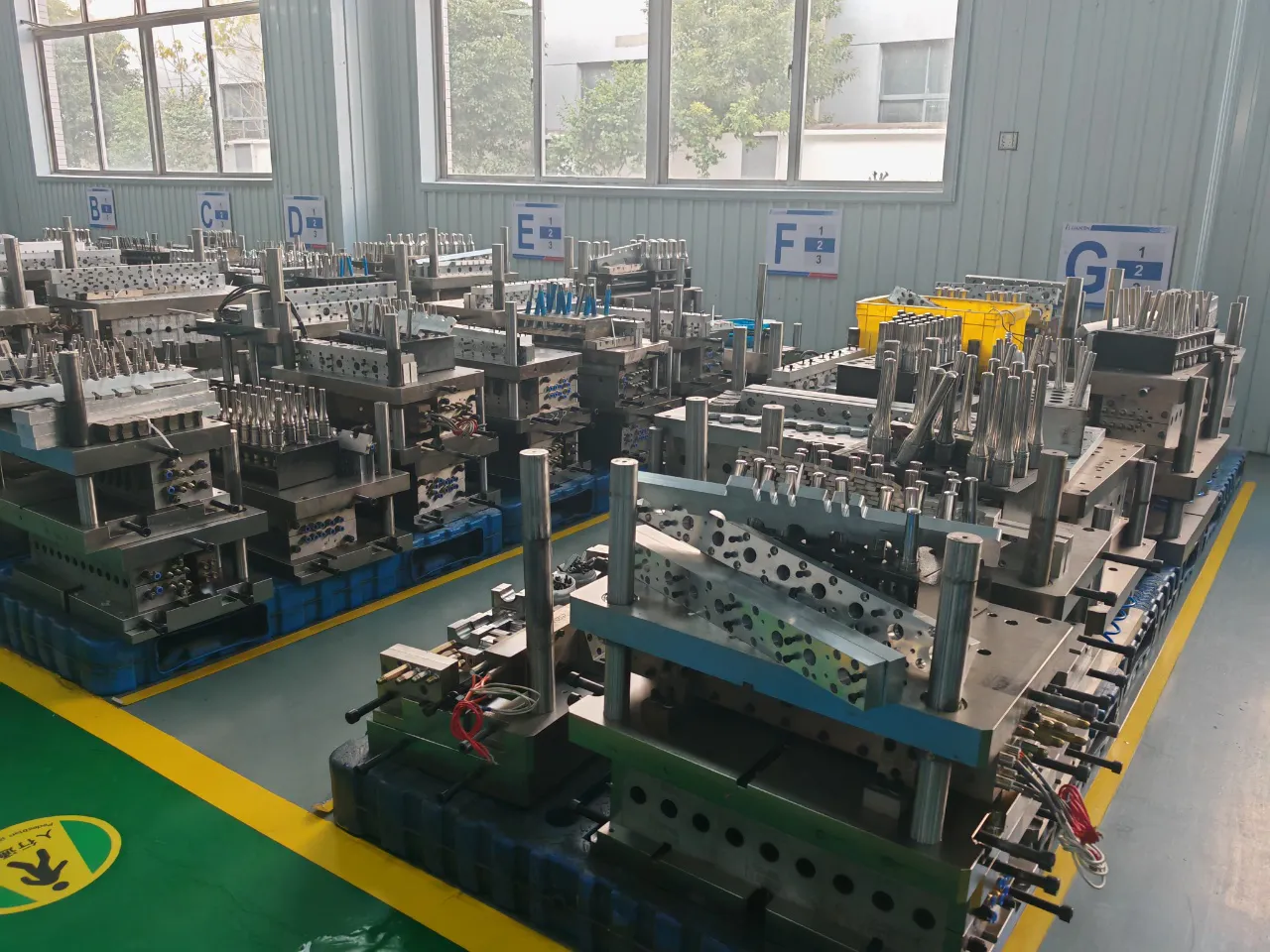
Bengkel
Soalan Lazim
Commission Your GMP-Compliant Eye Drop Bottle Production Line
Our technical and validation support team works with pharmaceutical packaging producers globally to specify, commission, and document injection blow molding machine lines for ophthalmic container applications under FDA, EU GMP, TGA, MFDS, and ANVISA frameworks.
Editor: PXY