How to Optimize Blow Molding Machine Output for Increased Bottle Production
Comprehensive Guide to Maximizing Injection Stretch Blow Molding Efficiency
1. Technical Specifications and Performance Parameters
| Parameter Prestasi | Standard Range | Optimized Setting | Notes |
|---|---|---|---|
| Injection Pressure (kN) | 150-300 | 200-250 | Adjust for material viscosity |
| Blow Air Pressure (Mpa) | 2.0-3.5 | 2.8-3.2 | Critical for dimensional control |
| Preform Temperature (°C) | 75-95 | 85-90 | Material dependent |
| Mold Temperature (°C) | 15-30 | 20-25 | Cooling water flow critical |
| Cycle Time (seconds) | 15-45 | 20-30 | Depends on bottle size |
| Screw Speed (rpm) | 150-270 | 180-220 | Prevent material degradation |
| Cooling Water Flow (L/min) | 80-200 | 120-160 | Maintain consistent flow |
| Holding Pressure (bar) | 400-800 | 600-700 | Reduces dimensional variation |
| Gate Freeze Time (seconds) | 2-5 | 3-4 | Prevents gate blush |
| Stretch Ratio | 2.0-4.5 | 2.5-3.5 | Material dependent |
| Dwell Time (seconds) | 0.5-3.0 | 1.0-2.0 | Between stretch and blow |
| Ambient Humidity (%) | 30-70 | 45-55 | Impacts resin conditioning |
| Material Feed Rate (kg/h) | Variable | Match cycle time | Optimize hopper levels |
Parameters vary based on material type, bottle size, and specific blow molding machine model. Optimization requires systematic testing and data collection.
2. Understanding Injection Stretch Blow Molding Machine Fundamentals
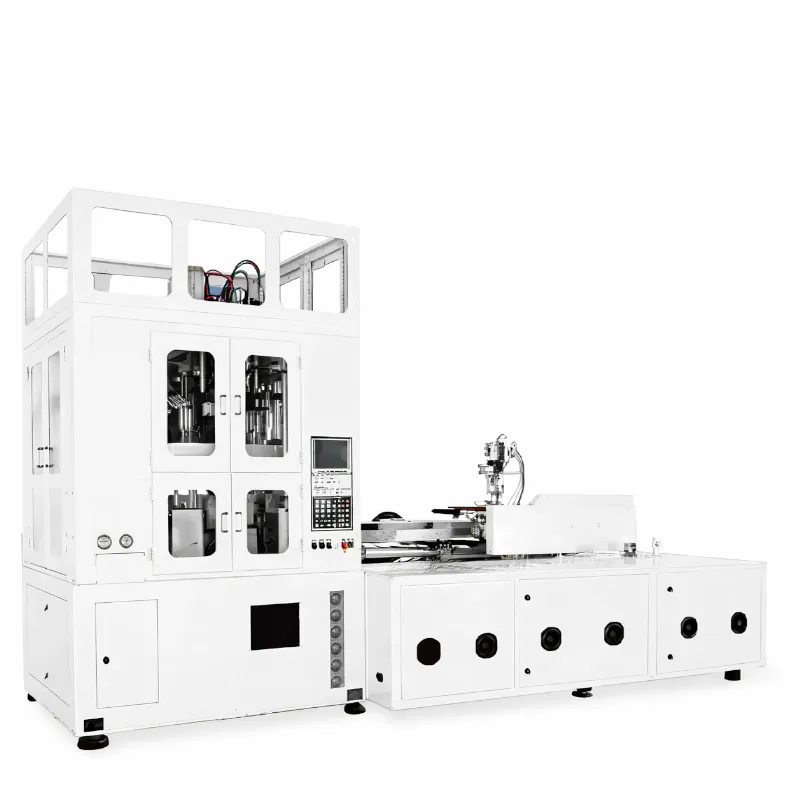
The injection stretch blow moulding machine represents one of the most efficient technologies available for manufacturing precision plastic containers in the competitive Colombian packaging market. This comprehensive guide explores proven strategies to maximize bottle production output while maintaining exceptional quality standards across your entire production operation. An injection stretch blow molding machine operates through a seamlessly integrated process that combines three critical stages: initial plastic injection, strategic stretching of the preform, and precision blowing to create the final bottle shape. Understanding how these components interact within your blow moulding system is essential for optimizing performance and achieving higher production yields. Many manufacturers operating injection blow moulding equipment in Colombia and throughout Latin America continue to discover efficiency gains by implementing modern optimization techniques that directly address the unique characteristics of one-step injection stretch blow molding technology. The sophisticated servo-driven systems found in contemporary injection stretch blow moulding machines deliver unprecedented control over production parameters, enabling operators to fine-tune every aspect of the manufacturing process for superior results and increased throughput.
3. Five Strategic Advantages of Modern Injection Stretch Blow Molding Machines
Energy Efficiency Leadership
The one-step injection stretch blow molding machine eliminates the need for preform reheating, achieving approximately 40 percent energy savings compared to traditional two-step processes. This remarkable efficiency directly reduces operational costs and environmental impact across your manufacturing facility.
Superior Bottle Consistency
Integration of injection, stretching, and blow molding within a single injection stretch blow moulding machine ensures unparalleled product consistency and dimensional accuracy, meeting the most demanding quality specifications required by contemporary beverage and cosmetic manufacturers.
Flexible Production Capabilities
Modern blow molding machines equipped with advanced servo controls enable rapid mold changeovers and production of diverse bottle designs without extensive equipment modifications, supporting manufacturers in responding quickly to market demands.
Premium Quality Bottle Output
Oriented stretching of the plastic material dramatically improves container strength and barrier properties, while the integrated injection stretch blow molding process delivers bottles with superior neck integrity and refined surface appearance that enhance brand presentation.
Simplified Operational Requirements
The automated nature of injection stretch blow molding machines reduces manual labor demands and operator intervention requirements, streamlining your production operation while maintaining consistent output throughout extended operational cycles.
4. Operational Mechanism and Process Flow
The injection stretch blow molding process unfolds through four precisely coordinated stages within a single injection stretch blow moulding machine. During the initial injection phase, molten plastic material fills the injection mold cavity under controlled pressure, forming a preform that serves as the foundation for the finished bottle. The preform remains at elevated temperature, maintaining the plasticity necessary for subsequent stretching and blowing operations. In the heat preservation stage, the preform temperature is carefully managed within optimal parameters that ensure proper material flow characteristics while preventing degradation of polymer molecular structure. The stretching phase introduces a mechanical force that extends the preform vertically and radially, orienting polymer chains and creating molecular alignment that dramatically enhances the mechanical properties of the final container. This oriented stretching process increases the strength-to-weight ratio, improves gas barrier characteristics essential for carbonated beverages, and refines the surface finish of the completed bottle. Finally, compressed air applies forcing pressure within the stretched preform, expanding it into the blow mold cavity to create the finished bottle geometry. This integrated approach within the blow molding machine delivers consistent, high-quality containers with dimensional precision and performance characteristics that meet the specifications of premium beverage and personal care manufacturers throughout Colombia and international markets.
Understanding the nuanced timing relationships between these four stages directly impacts your ability to optimize the output of your injection stretch blow molding machine. Servo-driven systems found in contemporary blow molding equipment provide precise control over injection speed, stretch timing, air pressure profiles, and cooling sequences, enabling operators to fine-tune parameters in response to material characteristics, ambient conditions, and production objectives.
5. Material Selection and Composition Impact
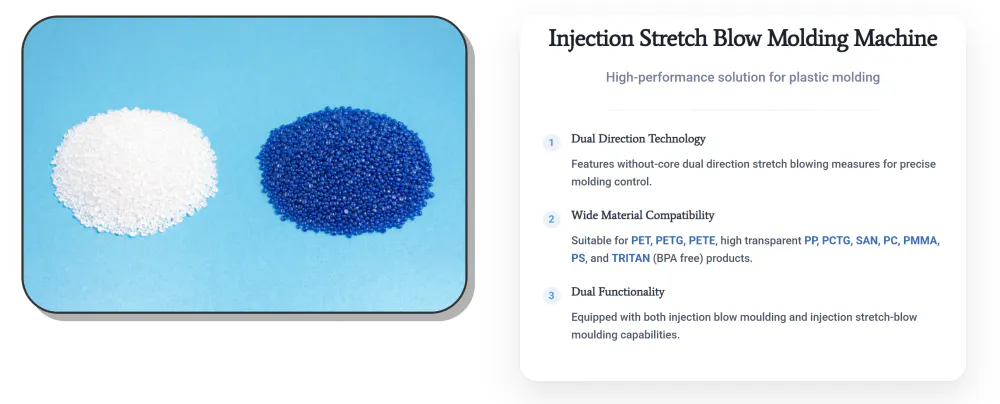
The choice of material significantly impacts the performance characteristics and optimization potential of your injection stretch blow molding machine. PET (polyethylene terephthalate) represents the most widely used material for beverage container production throughout Colombia and globally, offering exceptional clarity, barrier properties, and mechanical strength when processed through modern blow molding equipment. PETG (polyethylene terephthalate glycol-modified) provides superior impact resistance and processability while maintaining transparency suitable for cosmetic and personal care applications. PP (polypropylene) delivers excellent chemical resistance and cost-effectiveness for household and industrial applications. PC (polycarbonate) combines exceptional optical clarity with superior impact resistance for premium containers. Advanced materials including Tritan, PCTG, and specialty formulations demand precise temperature control and optimized processing parameters unique to each material system.
Material conditioning represents a critical yet frequently overlooked factor in blow molding optimization. Moisture content, particle size, and thermal history of incoming resin directly influence melt viscosity, flow characteristics, and dimensional stability of finished containers. Implementing proper drying procedures, maintaining appropriate hopper humidity levels, and establishing quality control protocols for incoming material batches are essential foundations for consistent injection stretch blow molding performance. Advanced material testing identifies optimal processing temperatures, injection pressures, and cycle times specific to each material batch and bottle geometry, enabling your production team to maximize output while maintaining uncompromising quality standards.
6. Practical Application Scenarios and Industry Use Cases
Aplikasi Industri Minuman
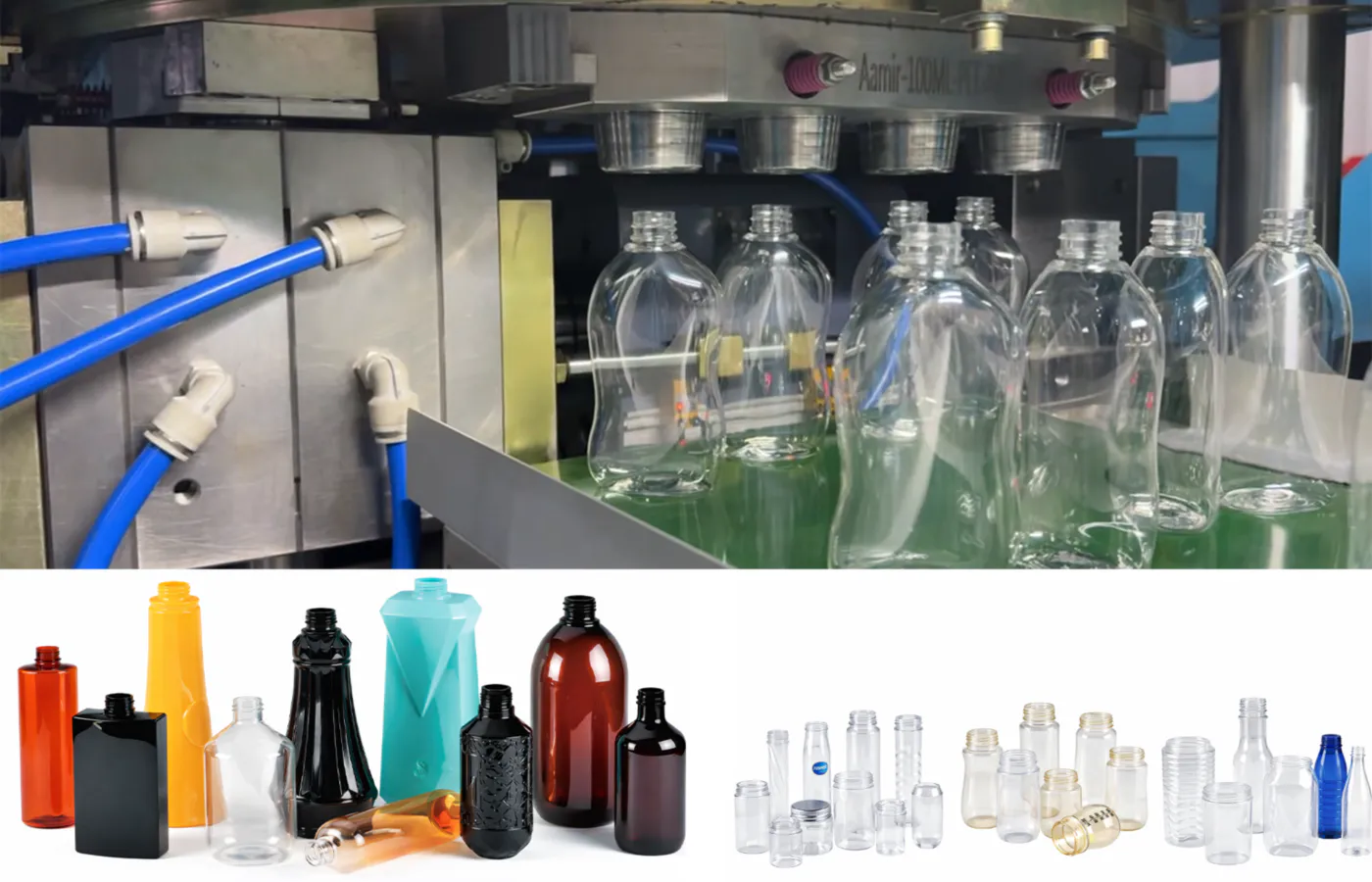
Colombian beverage manufacturers leverage injection stretch blow molding machines to produce water bottles, soft drink containers, and energy drink packaging with exceptional consistency and minimal waste. The integrated blow molding process delivers bottles with superior barrier properties critical for maintaining product quality and shelf life.
Cosmetic and Personal Care Manufacturing
Premium beauty brands require specialized injection stretch blow molding machines capable of producing intricate bottle designs with superior clarity and aesthetic appeal. The one-step process eliminates surface defects and inconsistencies that characterize multi-step manufacturing approaches.
Penyelesaian Pembungkusan Farmaseutikal
Stringent regulatory requirements for pharmaceutical containers demand injection blow moulding machines that deliver absolute dimensional precision and chemical compatibility. The sealed production environment within the blow molding machine prevents contamination and ensures product integrity.
Food Packaging Industry
Food manufacturers require injection stretch blow molding equipment capable of producing containers that maintain product freshness while communicating brand identity. The material options and design flexibility of modern blow molding machines support diverse food and beverage applications.
Industrial Chemical Containers
Industrial packaging demands superior chemical resistance and mechanical strength that injection blow moulding technology delivers. The oriented plastic structure created through stretching provides enhanced durability and extended service life for demanding applications.
Specialized Medical Device Containers
Medical device manufacturers rely on injection stretch blow molding machines that provide absolute sterility assurance and dimensional precision. The integrated process within the blow molding machine minimizes handling and contamination risks throughout the manufacturing cycle.
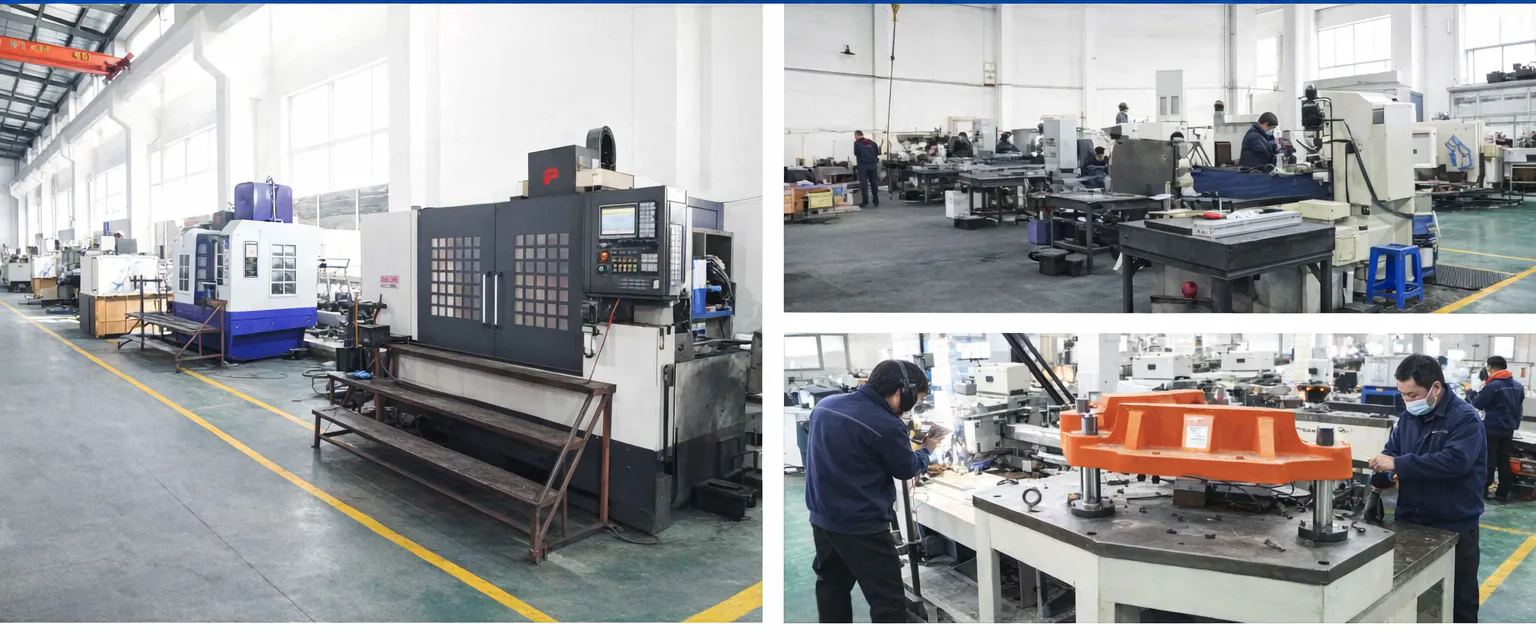
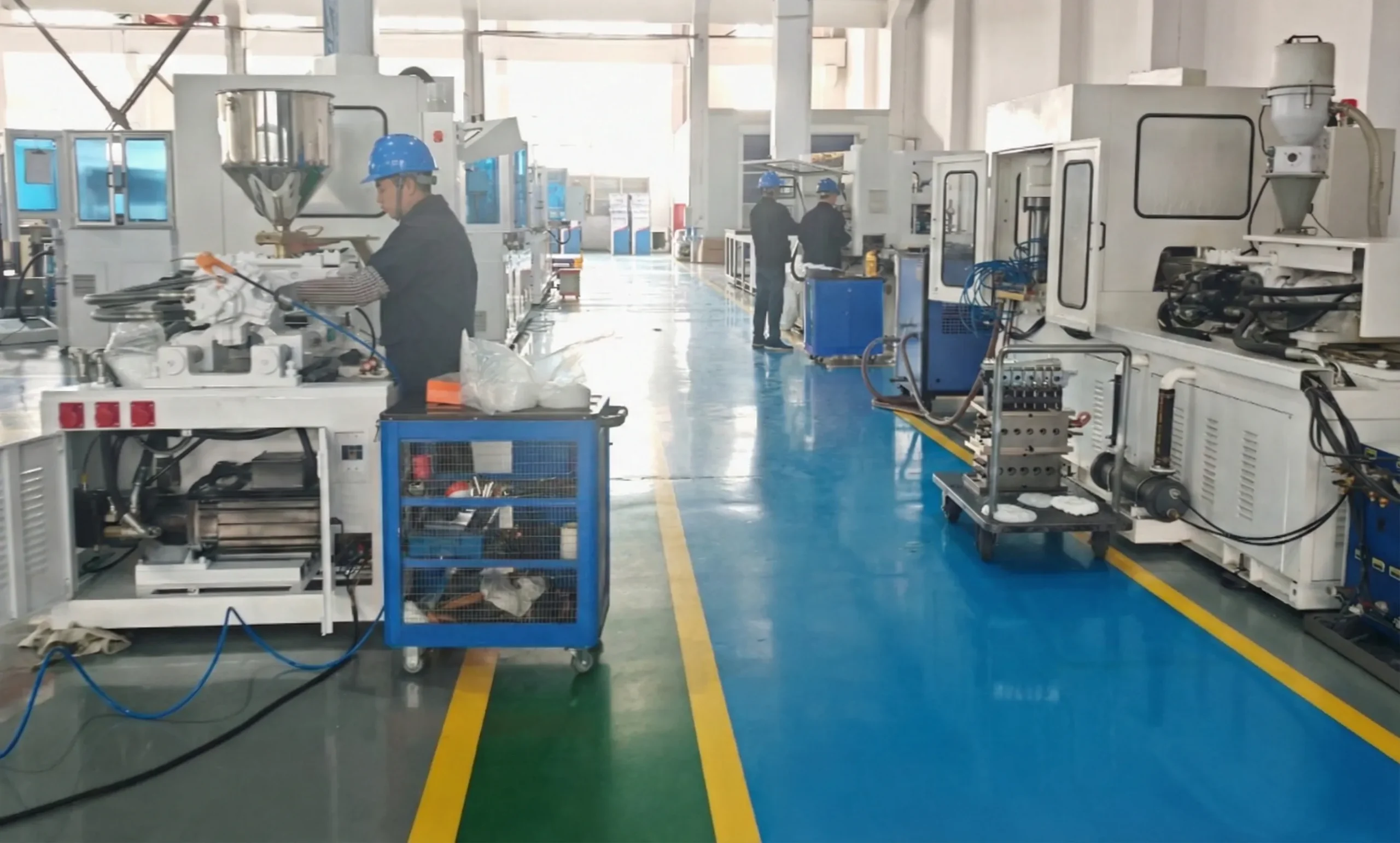
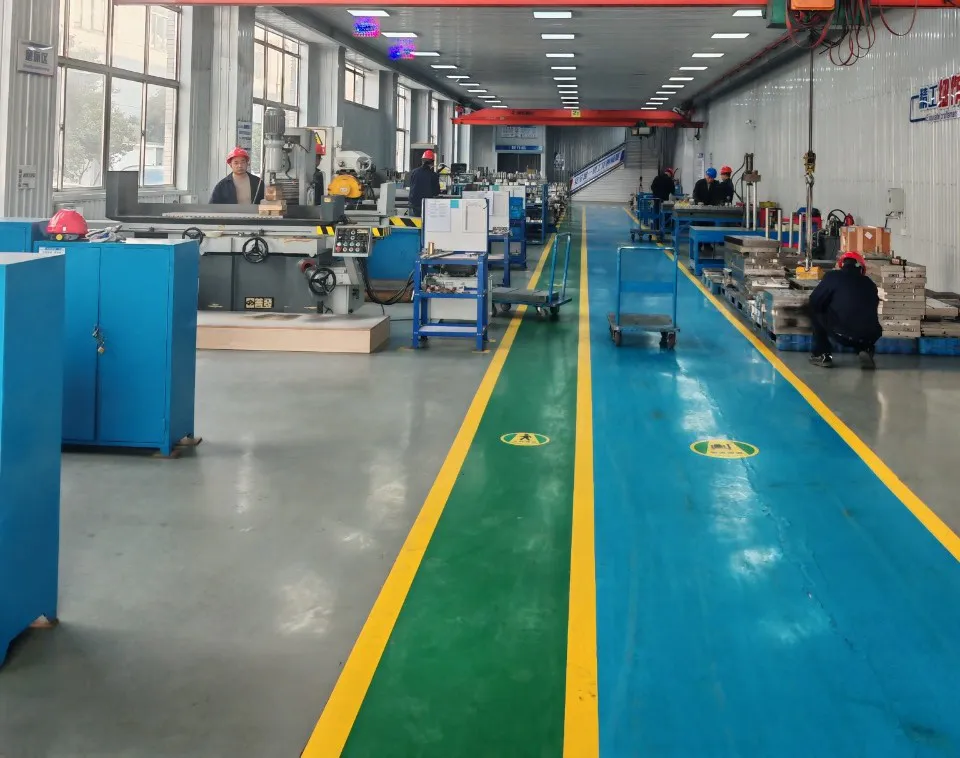
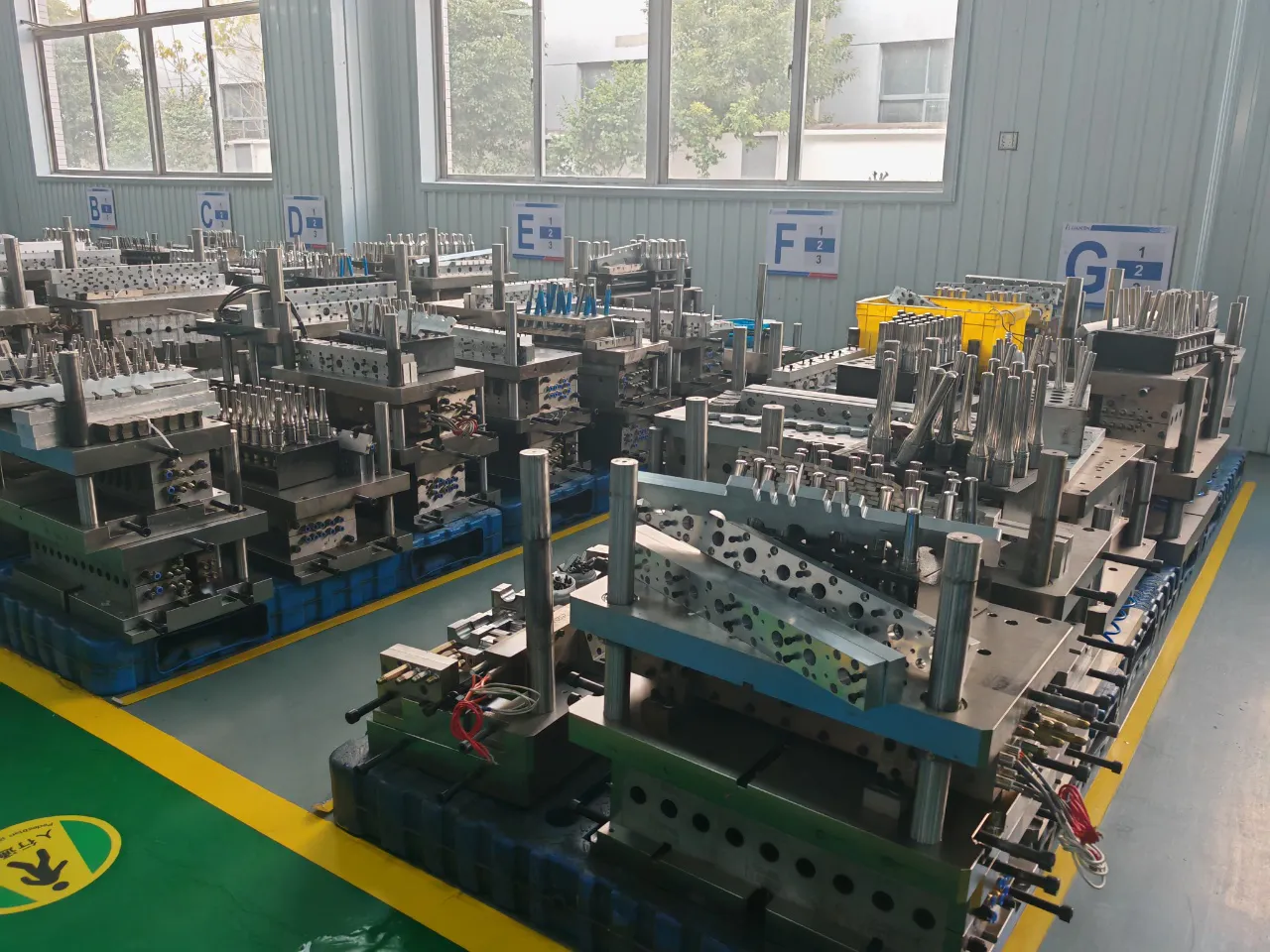
Kedai Kerja
7. Regulatory Compliance and Industry Standards
Injection stretch blow molding machines deployed throughout Colombia must comply with national technical standards established by Colombian regulatory agencies and international manufacturing standards governing plastic container production. Equipment manufacturers design blow molding machines to meet or exceed these requirements, incorporating safety features, process documentation, and quality assurance protocols that facilitate customer compliance with applicable regulations.
The European Union’s Machinery Directive 2006/42/EC establishes comprehensive safety and performance requirements for blow molding equipment exported to European markets. ISO 9001 quality management system certification demonstrates commitment to consistent manufacturing practices and continual improvement. FDA compliance protocols apply to injection stretch blow molding machines producing food contact containers, requiring documentation of material safety and processing validation. REACH regulations govern chemical substances employed in the blow molding process, necessitating proper documentation and material traceability throughout the supply chain.
Colombian manufacturers benefit from consulting with equipment suppliers regarding specific regulatory requirements applicable to their target markets. Proper documentation of machine parameters, material certifications, and quality control procedures supports compliance efforts and facilitates product certification when entering new geographic markets or industry segments.
Frequently Asked Questions About Blow Molding Optimization
Q1. What specific factors determine optimal cycle time for injection stretch blow molding machines operating in Colombian manufacturing facilities?
Q2. How does material selection impact the operating parameters and output capacity of one-step injection stretch blow molding machines?
Q3. Which maintenance procedures most directly impact sustained output performance of injection blow moulding equipment operating in challenging Colombian environmental conditions?
Q4. What quantifiable improvements should manufacturers expect when implementing advanced servo-driven control systems in existing blow molding operations?
Q5. How can Colombian manufacturers identify the specific output bottleneck limiting their current blow molding machine production capacity?
Q6. What are the most common failure modes and quality defects encountered during high-speed injection stretch blow molding machine operation in Latin America?
Q7. Which specific enhancements to mold cooling systems yield the greatest output improvements for injection stretch blow molding machines targeting increased bottle production?
Q8. How do energy efficiency improvements in modern injection stretch blow molding machines translate to measurable cost reductions for Colombian manufacturing operations?
Q9. What training and technical capabilities should Colombian manufacturing facilities develop to effectively operate and optimize advanced injection stretch blow molding machines?
Q10. Which injection blow moulding machine models best serve manufacturers seeking maximum output capacity for large-volume bottle production operations?
Q11. What measurable improvements in bottle quality and consistency accompany optimization of injection stretch blow molding process parameters?
Editor: PXY