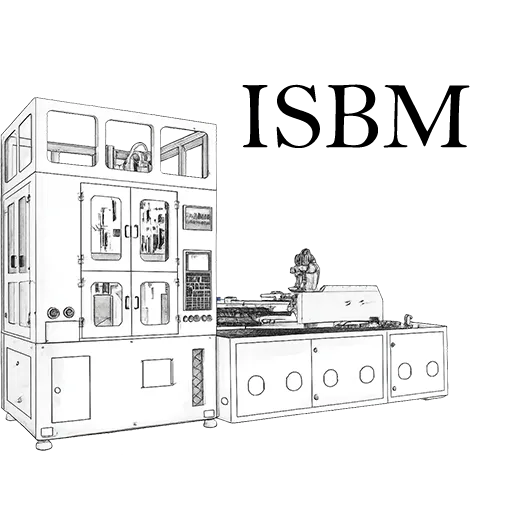
Introduction to One Step Blow Molding Machines: Working Principles & Key Advantages
Discover the advanced engineering behind the injection stretch blow moulding machine, the preferred solution for high-precision plastic container manufacturing in the cosmetic, pharmaceutical, and baby care industries.
1. Technological Overview of the Injection Stretch Blow Moulding Machine
The modern injection stretch blow moulding machine represents the pinnacle of plastic processing technology. Unlike traditional two-step methods where preforms are produced and later reheated, this integrated system completes the entire lifecycle—from raw polymer resin to a finished, high-transparency bottle—within a single controlled environment. This seamless integration is not just a matter of convenience; it is a fundamental shift in how molecular integrity and hygiene are maintained. By avoiding the storage and transportation of preforms, the injection stretch blow moulding machine eliminates the risk of surface scratches, dust contamination, and thermal degradation. In regions like Colombia, where industrial efficiency and high-quality packaging for exported cosmetics and medical supplies are paramount, adopting a one-step injection stretch blow moulding machine provides a decisive competitive edge. The machine’s ability to handle high-performance resins such as PET, PETG, Tritan, and PPSU makes it an indispensable asset for manufacturers aiming for premium market segments.
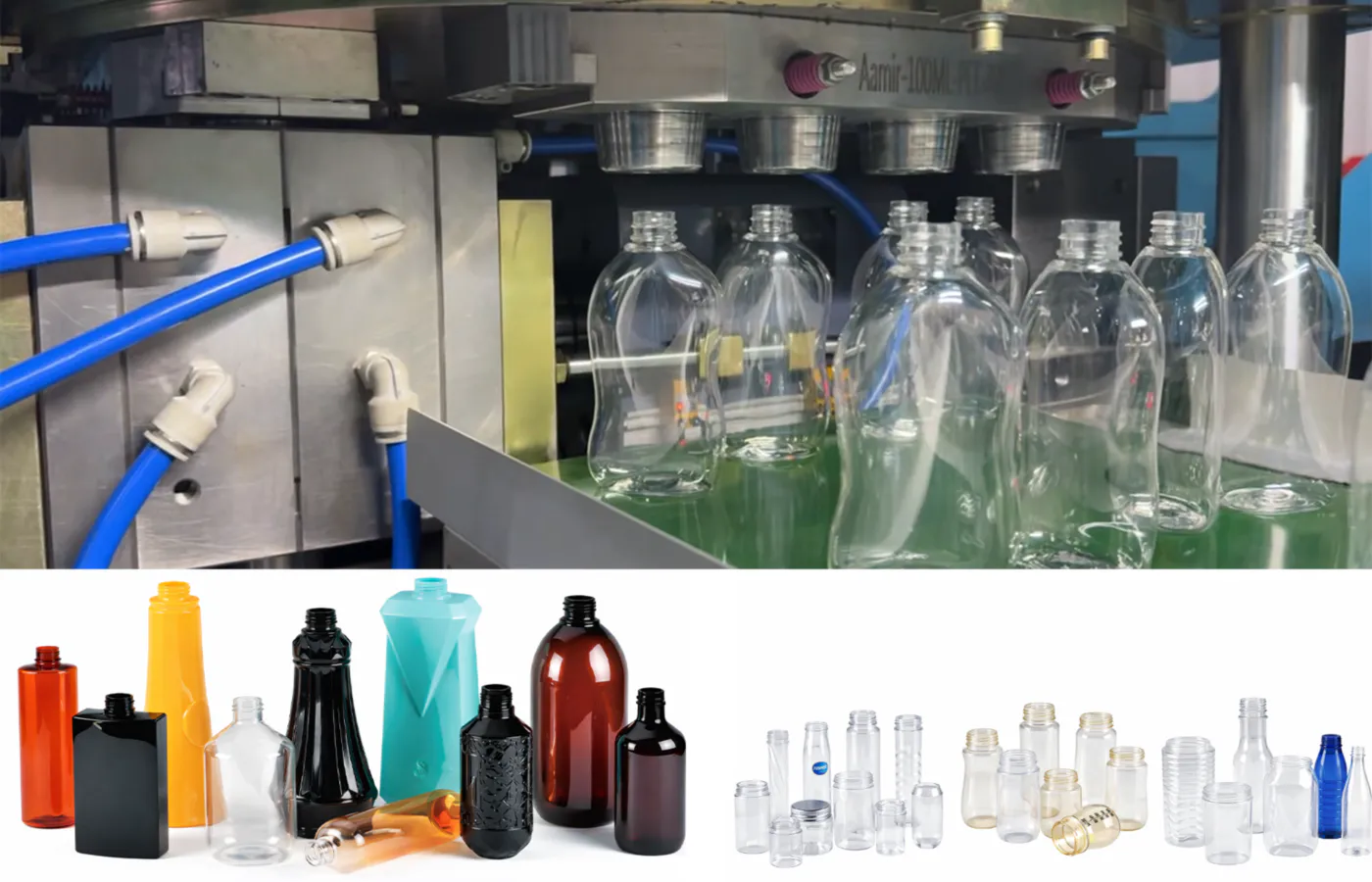
How the One-Step Process Works: Working Principles
The core mechanism of an injection stretch blow moulding machine revolves around a rotary multi-station system, typically featuring 3 to 4 stations. The process begins at the **Injection Station**, where plasticized resin is injected into a precision mold around a core rod to form the preform. Because the preform is still hot when it moves to the next stage, the **Conditioning Station** adjusts the temperature profile across the preform wall without needing a complete reheat cycle. This thermal management is critical for the **Stretch-Blow Station**, where a mechanical stretch rod extends the preform axially while high-pressure air expands it radially. This biaxial orientation aligns the polymer chains, resulting in superior clarity and impact strength. Finally, the **Take-out Station** ejects the finished containers. This continuous loop ensures batch consistency that is virtually impossible to replicate with two-step systems, making the injection stretch blow moulding machine a marvel of thermal and mechanical synchronization.
Technical & Performance Parameters
| 기술적 매개변수 | HGY50 (3-Station) | HGY150 (4-Station) | HGY250 (4-Station) |
|---|---|---|---|
| 나사 직경(mm) | 40 / 50 | 50 / 60 | 55 / 65 |
| 사출 클램핑력(KN) | 50 | 150 | 300 |
| 송풍 클램핑력(KN) | 100 | 200 | 400 |
| 이론적 주입량(cm³) | 239 – 315 | 310 – 480 | 420 – 680 |
| Max Bottle Capacity (ml) | 2500 | 2500 | 5000+ |
2. Five Key Advantages of Our One-Step ISBM Technology
1. Unmatched Thermal Efficiency
Reduces energy consumption by up to 40% by utilizing residual heat from the injection stage, eliminating the need for energy-intensive reheating ovens.
2. Pristine Surface Quality
Ideal for the cosmetic industry. Since preforms never leave the machine, there is zero risk of scuffing or contamination, ensuring a “luxury” glass-like finish.
3. Precision Neck & Wall Control
Enables ultra-accurate neck dimensions and uniform wall thickness distribution, which is critical for medical packaging and automated filling lines.
4. Material Versatility
Optimized for special resins like Tritan (BPA-free), PPSU, and PETG, allowing manufacturers to pivot between baby bottles and high-end spirit containers effortlessly.
5. Compact Industrial Footprint
Combines two machines into one. This saves valuable floor space and reduces the labor required for managing intermediate preform inventories.
3. Comprehensive Engineering Specifications
The architectural integrity of an injection stretch blow moulding machine is defined by its subsystems. Understanding these工况特征 (working condition characteristics) is essential for long-term operational success. For example, the **Motion Method** typically utilizes high-speed servo-driven indexing tables to move core rods between stations, ensuring sub-second precision. The **Manufacturing Structure** consists of heavy-duty steel frames designed to withstand high-clamping forces of up to 400KN or more. Our **Material System** prioritizes the use of S136 stainless steel for moulds to ensure high-polish results and corrosion resistance, particularly when processing corrosive resins or operating in humid environments like Colombia’s tropical industrial zones. The **Surface Treatment** of internal components includes hard-chrome plating and precision grinding to Ra ≤ 0.8μm. With an **Environmental Grade** compatible with ISO Class 7 or 8 cleanrooms, these machines are built for the stringent demands of pharmaceutical production.
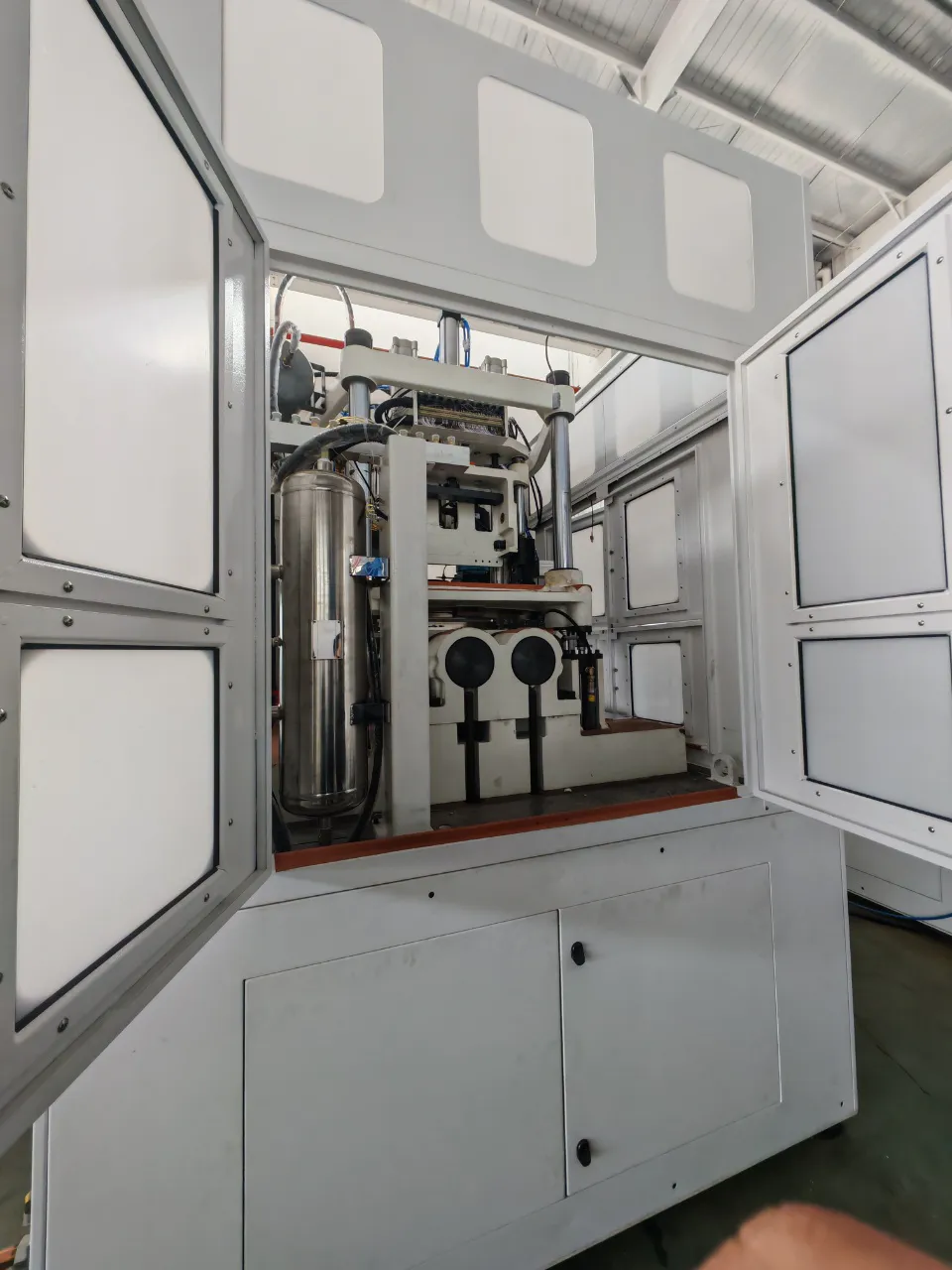
Regular maintenance must account for **Typical Failure Modes**, such as seal degradation in high-pressure valves or carbon buildup in the screw and barrel. We provide a **Recommended Configuration** including Inovance or Yaskawa servo systems and Parker high-pressure valves to mitigate these risks. From a regulatory perspective, international standards like the ISO 9001 and CE marking are standard. In Colombia, manufacturers should also ensure compliance with NTC (Normas Técnicas Colombianas) relevant to food-grade machinery and pressure vessel safety to avoid legal complications in industrial zones.
4. Applications of Injection Stretch Blow Molding Products
화장품 및 개인 위생용품
Production of high-clarity PETG and PET bottles for perfumes, lotions, and thick-walled jars that mimic the aesthetic of glass with the durability of plastic.
Baby Care & Healthcare
Manufacturing of BPA-free Tritan and PPSU baby bottles and pharmaceutical vials where neck seal integrity and hygienic production are non-negotiable.
음식 및 음료
Specialty shaped containers for premium spirits, edible oils, and heat-resistant PP containers for hot-fill juices and sauces.
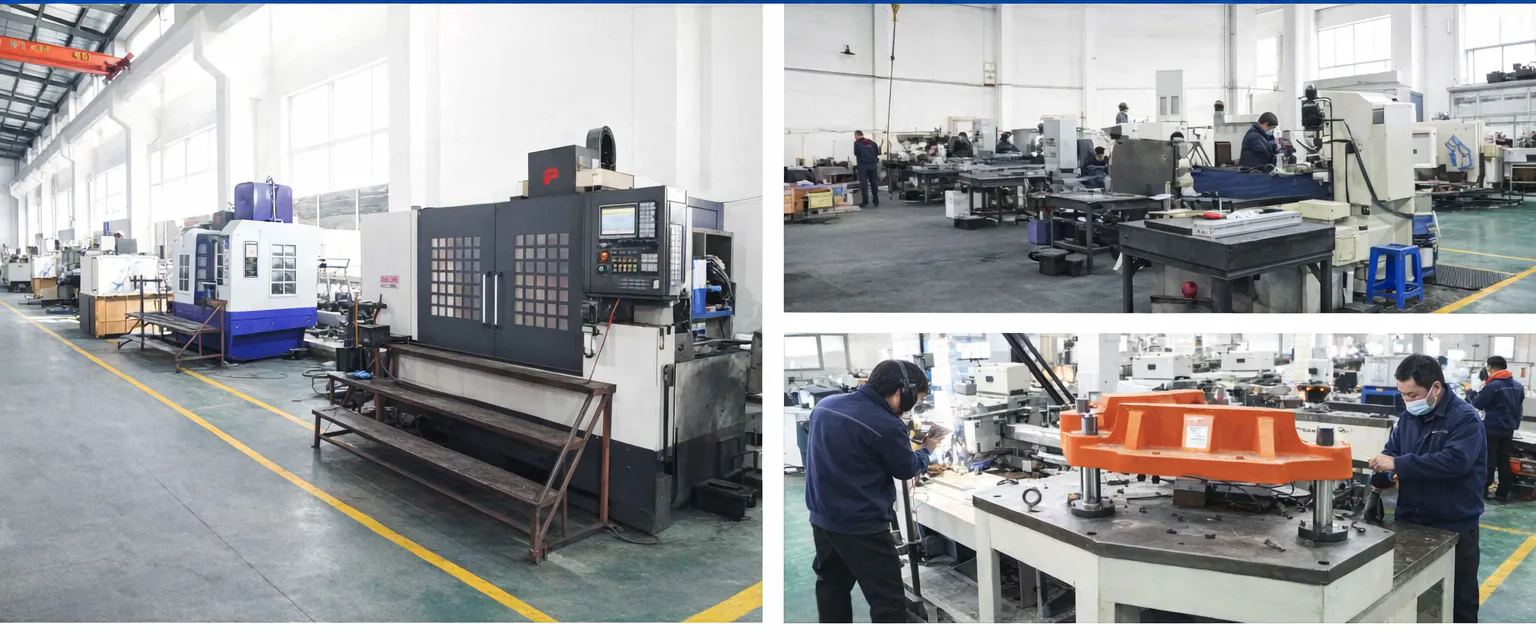
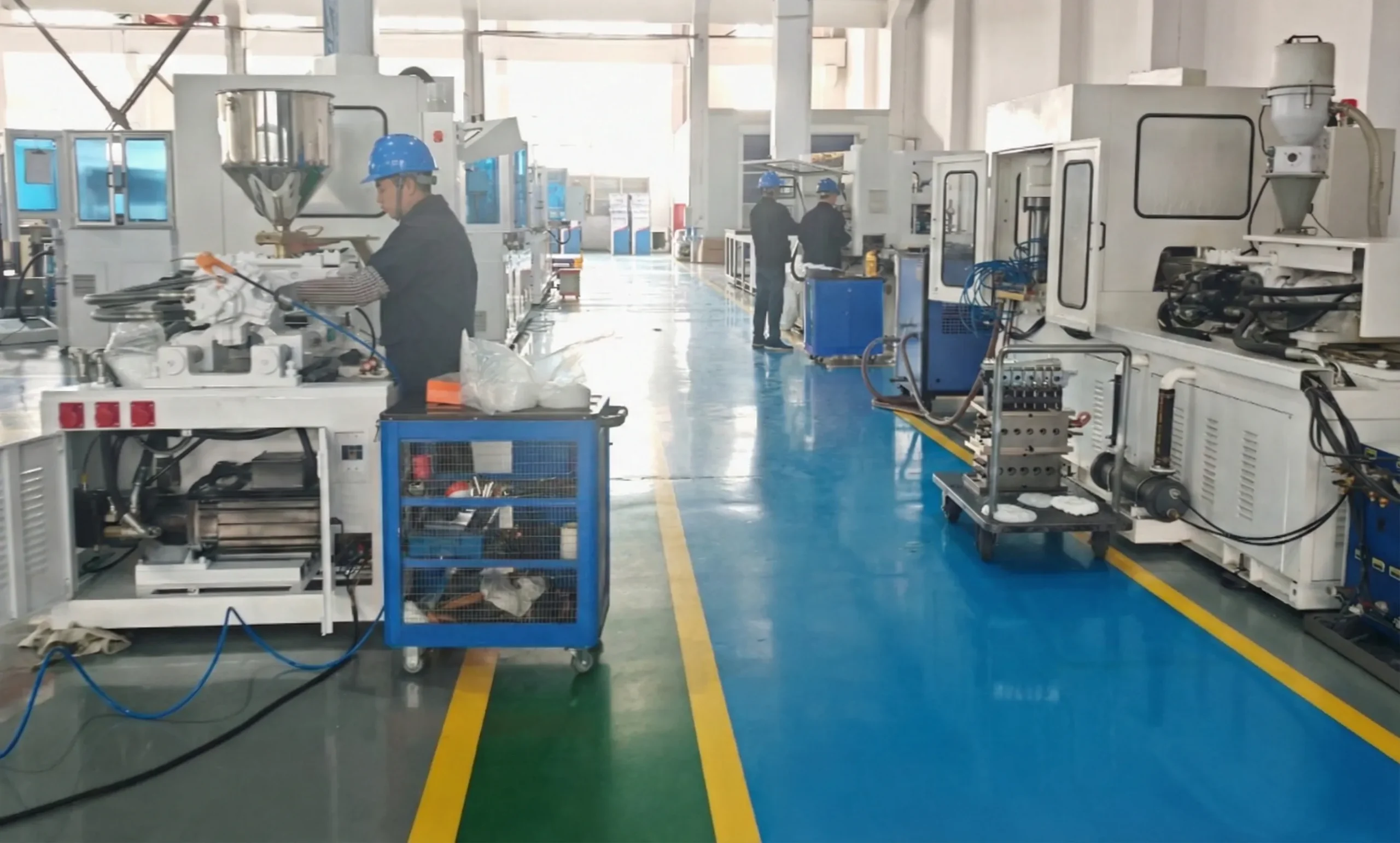
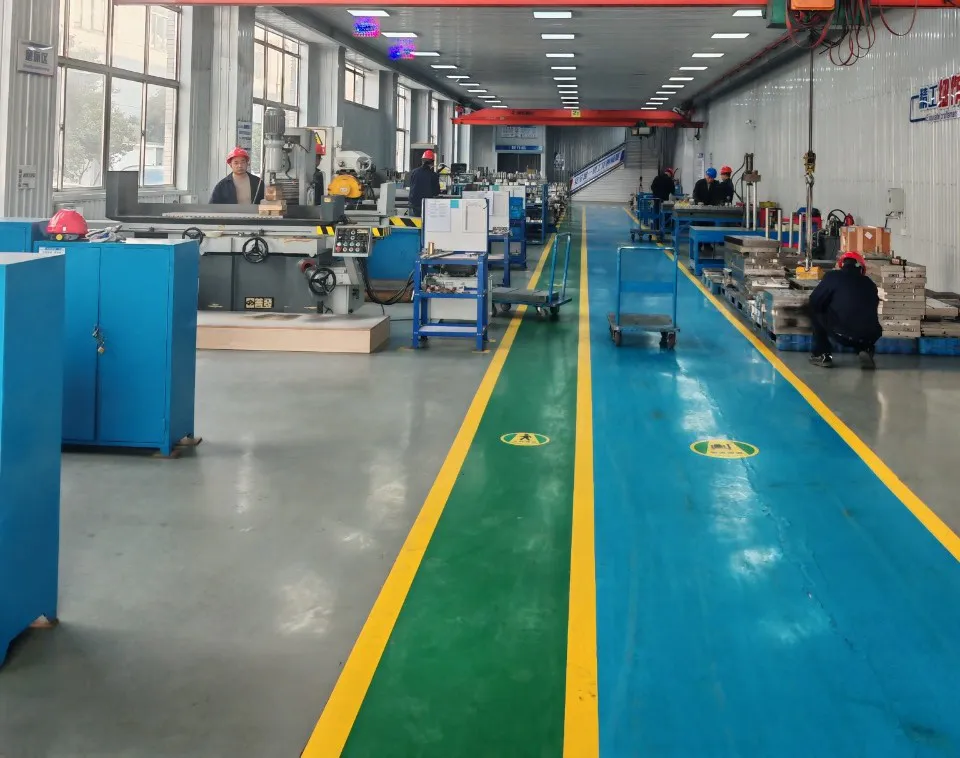
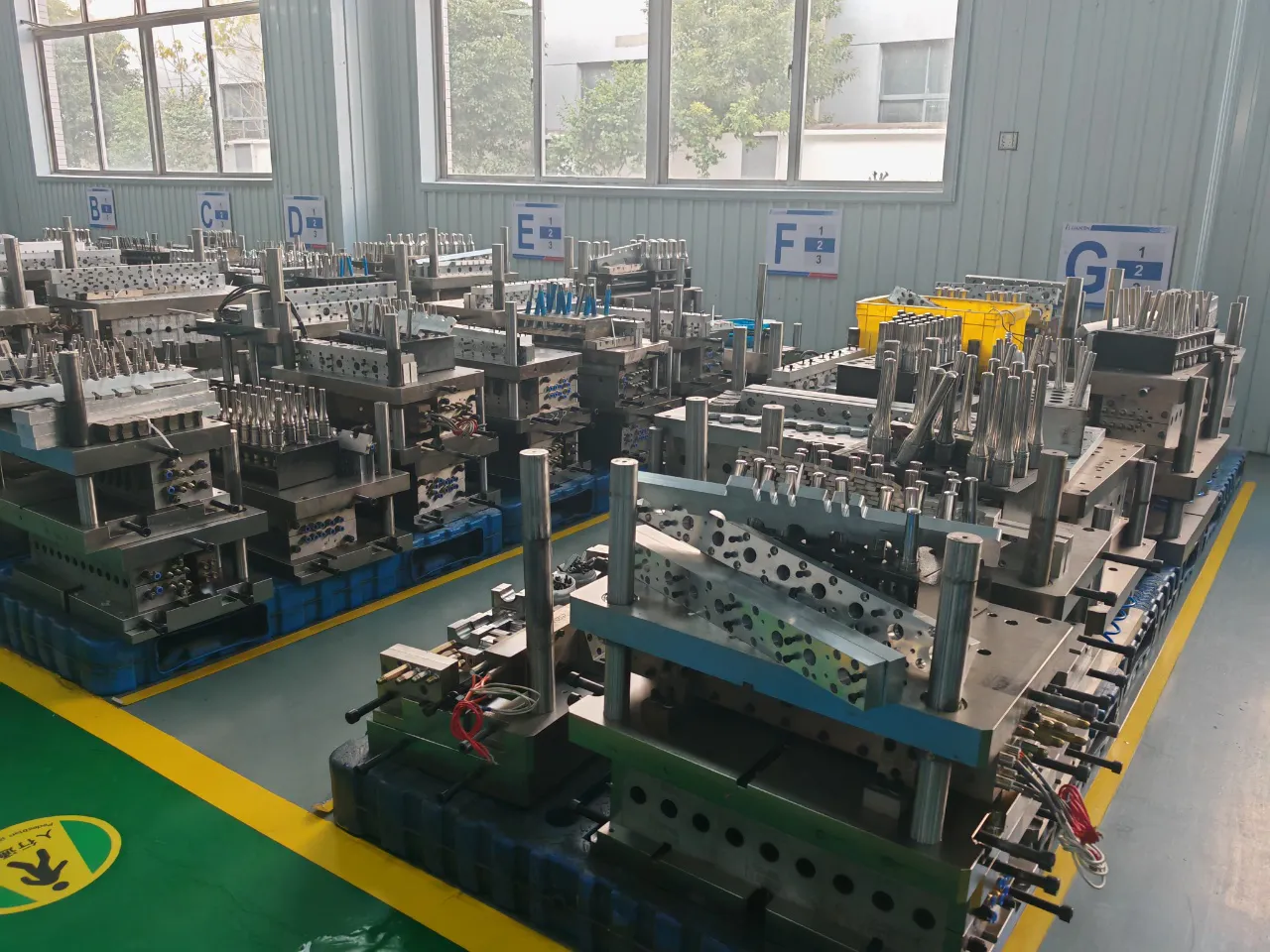
작업장
자주 묻는 질문(FAQ)
Q1: How can an injection stretch blow moulding machine reduce our factory’s operational energy cost?
A: By integrating the injection and blow stages, the machine utilizes the residual heat of the preform, eliminating the need for reheating ovens and saving up to 40% energy.
Q2: What specific materials can this injection stretch blow moulding machine process for medical use?
A: It is fully optimized for PET, PETG, Tritan, and PPSU, ensuring the hygienic and precision standards required for vials, IV bottles, and medicine containers.
Q3: Which supplier provides a reliable replacement of ASB and Aoki machines in Colombia?
A: Our engineering provides compatible one-step solutions that match the output and quality of premium Japanese brands while offering localized technical support and cost advantages.
Q4: How does the injection stretch blow molding process ensure a glass-like clarity for perfumes?
A: The biaxial orientation during the stretch-blowing phase aligns molecules perfectly, resulting in high transparency and gloss without the scuffing risks found in two-step processes.
Q5: What is the estimated price or quote for a high-precision 4-station ISBM machine?
A: Pricing depends on the clamping force and cavity numbers required. We recommend consulting our specialists for a customized quote based on your specific bottle design needs.
Q6: How does a one-step machine compare to a two-step system for thick-walled cosmetic jars?
A: The one-step machine allows for better thermal control and thicker base distribution, making it superior for cosmetic jars where aesthetic weight and clarity are paramount.
Q7: Which technical components ensure the long-term stability of the injection stretch blow molding machines?
A: We utilize Inovance/Yaskawa servos and Parker high-pressure valves, paired with S136 stainless steel moulds, to ensure consistent repeatable production over millions of cycles.
편집자: PXY