A comprehensive guide for production managers and procurement teams running injection stretch blow moulding machine lines — covering parts classification, supplier vetting, inventory strategy, regulatory compliance, and global sourcing best practices.
Every injection stretch blow moulding machine that runs continuously in a production environment generates a predictable, manageable demand for spare parts. The challenge is not whether those parts will be needed — they will — but whether the right parts will be available at the right time, from a supply chain that is reliable enough to keep unplanned downtime to a minimum. For plants operating 16 or 24 hours a day, a missing seal ring or a delayed screw barrel can translate directly into lost production volume and missed delivery commitments. Spare parts supply chain optimisation is not a logistics exercise; it is a production continuity strategy.
This article addresses the full lifecycle of spare parts management for injection stretch blow molding machines: how to classify components by criticality, how to build supplier relationships that go beyond transactional purchasing, how to balance local and international sourcing, what regulatory frameworks apply in different markets, and how a one-stop supply model can reduce the total cost of ownership over the life of a machine. Whether your operation is replacing an ASB or Aoki system or expanding an existing ISBM line, the procurement discipline described here applies across machine generations and geographies.
Why Spare Parts Supply Chains Break Down on ISBM Lines
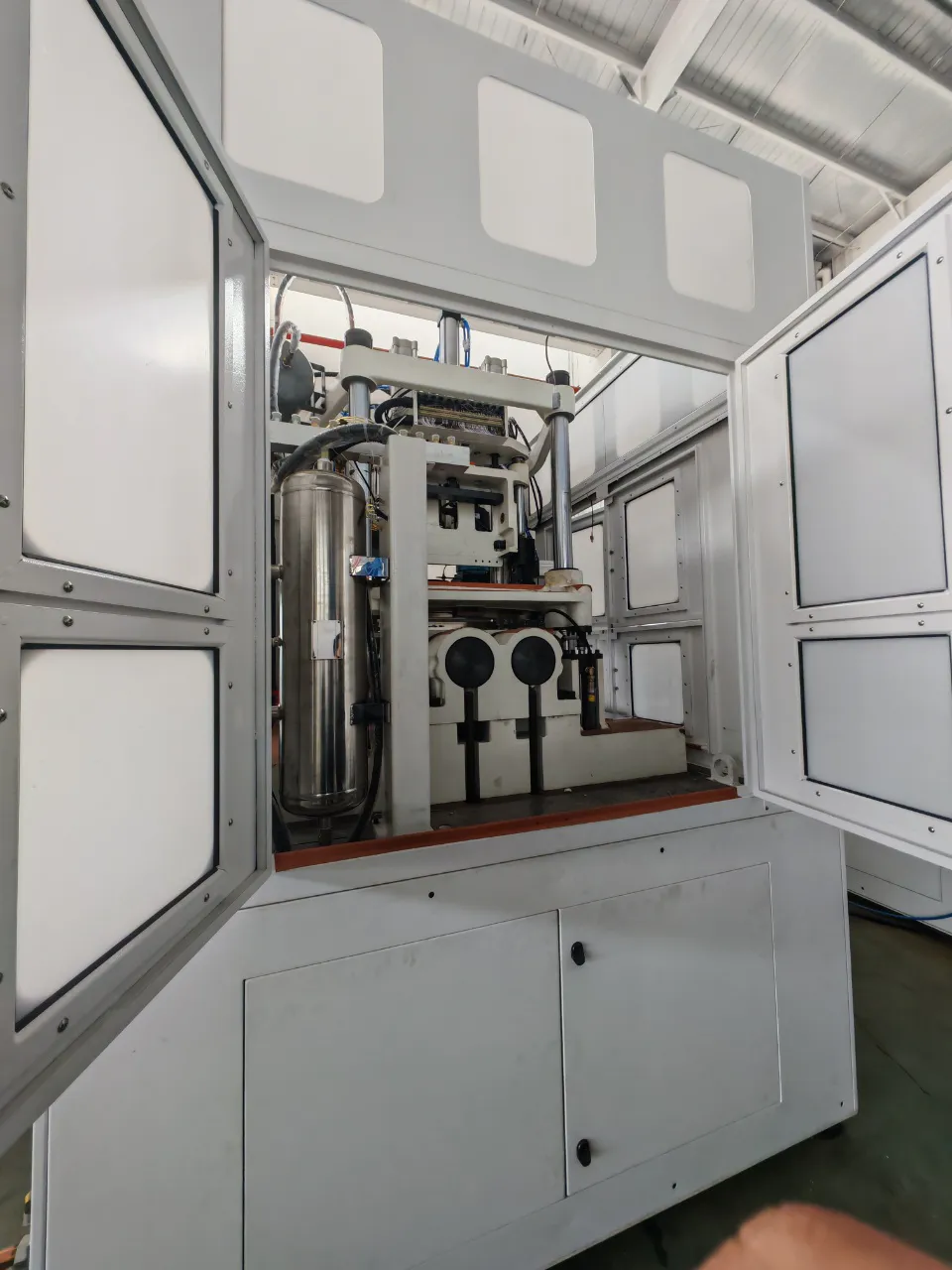
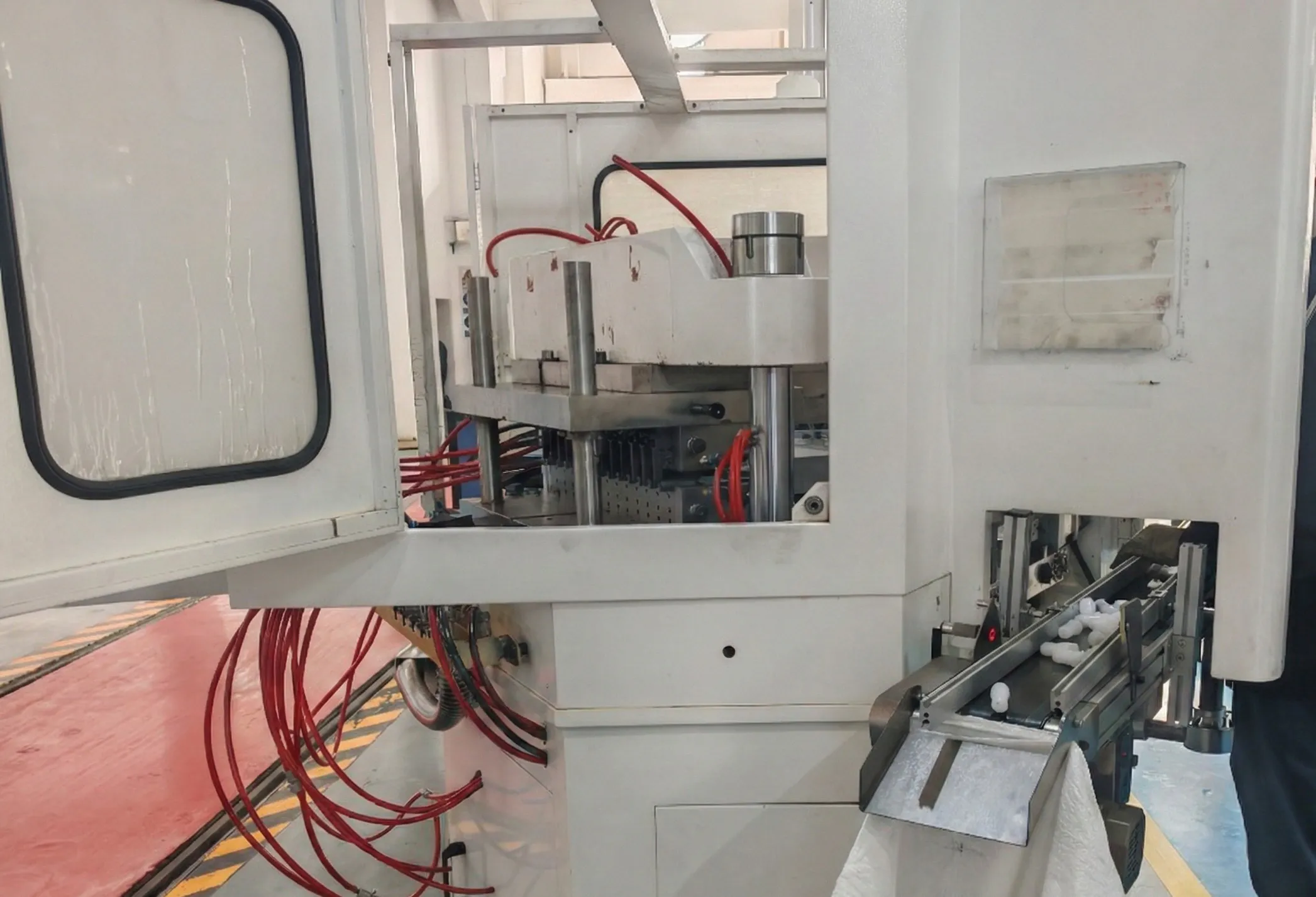
Injection stretch blow molding machines are complex, multi-axis systems that combine injection moulding, thermal conditioning, high-pressure pneumatics, servo-electric actuation, and precision mould tooling in a single continuous process. Each sub-system draws from a distinct category of components — hydraulic seals and valve bodies for the clamping circuit, servo drives and encoders for the turntable indexing system, neck core pins and blow mould cavity inserts for the tooling set, heating bands and thermocouples for the barrel and runner, and pneumatic cylinders and regulators for the blow and take-out stations. When spare parts procurement is handled reactively — ordering only after a part has failed — the probability that any one of these categories will create a production stoppage at an inopportune moment is high.
The root cause of most spare parts supply chain failures on injection stretch blow moulding machine lines is the same: procurement decisions are made independently of production risk. A purchasing department optimising for unit cost places an order when the existing stock hits zero; an operations team optimising for uptime keeps excessive buffer inventory that ties up capital and occupies shelf space. Neither approach is optimal. A structured spare parts supply chain strategy resolves this tension by categorising components systematically, assigning replenishment triggers that reflect actual failure rates and lead times, and building supplier relationships that provide access to genuine parts with traceable provenance — not generic substitutes whose dimensional tolerances may not match the original specification.
Manufacturing Structure: Understanding Which Components Wear and Why
The mechanical architecture of a one-step injection stretch blow moulding machine determines which components carry the greatest wear burden and therefore represent the highest-priority items for spare parts planning. Understanding this structure is the prerequisite for any useful criticality classification.
Injection Unit: Screw, Barrel, and Check Ring
The injection screw and barrel are the highest-wear components in the plasticisation sub-system. The screw flights experience abrasive wear from glass-filled grades and from reinforced resin additives, while the barrel bore wears progressively through continuous contact with the rotating screw. Wear manifests as increasing shot-weight variability and degraded melt homogeneity before it produces a visible defect in the blown container. Screw-to-barrel diametral clearance should be checked at regular intervals — typically every 2,000–3,000 operating hours — and replacement should be planned before clearance exceeds approximately 0.5% of screw diameter. Check rings (non-return valves) are a shorter-life consumable and should be held in local inventory at all times. On machines using nano-far-infrared heating rings rather than conventional ceramic band heaters, the thermal efficiency improvement reduces barrel temperature gradient and extends screw life — but the heating rings themselves become a stocked spare item.
Servo Drive System: Motors, Encoders, and Lead Screws
Full servo-driven injection stretch blow molding machines use servo motors across multiple axes — turntable rotation, injection clamping, blow mould clamping, stretch rod actuation, and take-out. The servo motors themselves have long service lives when operated within rated parameters, but encoders, connectors, and servo drive PCBs have shorter and less predictable lifespans. Lead screws — particularly those used in the stretch rod and mould clamping axes — experience fatigue wear and need periodic inspection for backlash and surface condition. NSK and equivalent-grade lead screws are specified on current machine platforms; maintaining interchangeable spare lead screw assemblies avoids a lead time that can extend to 4–8 weeks if sourced to order from overseas suppliers.
Pneumatic Circuit: Cylinders, Valves, and High-Pressure Fittings
The blow air circuit operates at working pressures of 2.0–3.5 MPa, which places continuous cyclic stress on valve bodies, pressure regulators, blow core seals, and high-pressure tubing fittings. Parker (American) high-pressure valves as specified on current ISBM platforms have long service life but require periodic rebuild kits — particularly valve seats and O-rings — that should be held in local inventory. Airtac pneumatic cylinders for the general pneumatic circuit are relatively affordable and widely available globally; the appropriate strategy is to hold assembled spare cylinder assemblies for the most frequently actuated axes rather than individual seals. Compressed air supply quality directly affects the service life of all pneumatic components: oil-contaminated supply air degrades polymer seals faster and deposits residues in valve bores that accelerate wear.
Mould Tooling: Neck Cores, Cavity Inserts, and Cooling Circuits
Injection stretch blow mould tooling is the highest-value component set associated with an ISBM machine and represents a distinct category within spare parts planning. Neck core pins — which define the thread profile, sealing surface, and internal diameter of the bottle neck — experience the most concentrated wear of any tooling component, because they are under injection pressure every cycle and must maintain dimensional tolerances of ±0.05 mm or tighter for reliable closure fitting. A set of spare neck core pins for every mould currently in production, held in a clean, controlled environment, is essential insurance. Cavity insert wear — producing progressive dimensional drift in bottle body diameter — typically develops over millions of cycles and is more predictable; replacement intervals can be estimated from historical production records. Cooling circuit blockages (mineral scale from untreated cooling water) are a non-mechanical failure mode that produces quality defects resembling mechanical wear; water treatment and cooling circuit maintenance should be part of the tooling management programme alongside mechanical part replacement.
Spare Parts Classification: A Working Framework for ISBM Lines
Classifying spare parts by criticality and lead time is the foundation of an effective supply strategy. The table below provides a working framework applicable across the current range of injection stretch blow moulding machine platforms, from compact 3-station units to large-format 6-station configurations.
| Category | Component Examples | Criticality | Typical Lead Time | Stocking Strategy |
|---|---|---|---|---|
| Consumables | O-rings, seals, heating rings, thermocouples, filter elements | High | 1–7 days (local) | Minimum 3-month buffer; reorder at 50% |
| Wear parts | Check rings, neck core pins, blow core seals, cylinder seals | High | 2–6 weeks (import) | Hold 2 sets per machine; annual review |
| Maintenance parts | Parker valve rebuild kits, NSK lead screws, encoder units | Medium–High | 3–8 weeks (import) | Hold 1 set; order replacement on use |
| Capital spares | Servo drive units, screw/barrel assemblies, turntable bearing assemblies | Medium | 6–16 weeks (custom) | Hold 1 per site; negotiate forward-stocking with supplier |
| Tooling | Cavity inserts, neck core pin sets, one-step injection stretch blow moulds | High (application-specific) | 8–20 weeks (custom) | Carry spare cavities; maintain mould register |
| Software / firmware | PLC parameter files, servo drive firmware, HMI licence keys | High | Immediate (digital) | Maintain offline backup; version-control all files |
Material System: How Resin Choice Affects Parts Wear Rates and Supply Planning
The resin materials processed on an injection stretch blow moulding machine have a direct and often underestimated effect on component wear rates and therefore on spare parts consumption patterns. A plant running standard PET for beverage bottles at moderate throughput will experience very different barrel wear, valve seal degradation, and mould surface wear compared to a plant running glass-fibre-reinforced PP for industrial containers, or abrasive PCTG formulations for cosmetic packaging. Spare parts planning that ignores material context will either over-stock items that last much longer than anticipated, or under-stock items that are consumed far faster than expected.
PET and PETG Processing
Standard PET is a relatively benign processing material from a machine-wear perspective, provided it is correctly dried (below 50 ppm moisture) and processed within the validated temperature window. Hydrolytic degradation from inadequately dried PET generates free acids in the melt that accelerate barrel surface corrosion over time — making barrel inspection a regular maintenance task even on PET-only lines. PETG, with its lower processing temperature, places less thermal stress on barrel components but produces a somewhat more viscous melt that increases screw drive loading at equivalent throughput rates. Lines that run both PET and PETG should track wear separately by material to build accurate replacement interval data.
PC, PP, and Engineering Resins
Polycarbonate requires elevated processing temperatures (typically 260–310°C) that increase thermal stress on heater bands, thermocouples, and runner hot tip components. The longer service intervals between heater band replacements on PET lines may not apply to PC lines; a separate replacement schedule based on operating hours at elevated temperature is appropriate. Polypropylene — particularly clarified PP grades for pharmaceutical and food applications — requires precise temperature control in the conditioning station to avoid crystallisation during the thermal hold phase, which increases the wear load on conditioning core heaters. Tritan and PCTG are generally less abrasive than filled resins but require validated seal materials in the blow air circuit, as standard nitrile O-rings may degrade on contact with the specific trace compounds present in some engineering resin formulations.
Multi-Material Lines: Managing Parts Complexity
Plants that run multiple materials on a single injection stretch blow moulding machine — switching between PET, PETG, and PC depending on the production schedule — face compounded parts management complexity. The validation of seal materials, heating element specifications, and maintenance intervals must account for the full range of materials the machine will process, not just the most common. Maintaining a materials-to-maintenance-interval matrix — documenting which spare parts have different consumption rates across different resins — is a practical way to manage this complexity without duplicating stock unnecessarily.
Supplier Vetting: What Separates Reliable Parts Partners from Transactional Vendors
The spare parts supply chain for an injection stretch blow moulding machine is only as reliable as the suppliers that sit within it. Evaluating suppliers on unit price alone — the default approach in many procurement organisations — systematically underweights the factors that determine whether a part will actually perform as required when installed: dimensional accuracy to original specification, material traceability, lot-level quality documentation, lead time reliability, and the supplier’s technical capacity to support troubleshooting when a part failure is ambiguous.
Original Equipment Supplier Relationships
The machine manufacturer is typically the most reliable source of dimensionally specified spare parts, because the parts are produced to the original tooling drawings and validated against the machine they are intended for. Establishing a direct spare parts relationship with the machine manufacturer — rather than relying entirely on regional distributors — provides access to the most current part revisions, technical documentation, and engineering support when installation questions arise. For injection stretch blow molding machine manufacturers who also manufacture their own mould tooling, the integration of machine and tooling support through a single technical contact simplifies troubleshooting considerably, particularly when a defect could originate in either the machine or the mould.
Component-Level Suppliers: Evaluating OEM vs Aftermarket
Many components used in injection stretch blow molding machines — Parker valves, NSK lead screws, Airtac cylinders, Yaskawa and Inovance servo components — are available directly from their original manufacturers or from authorised distributors, independently of the machine manufacturer. Purchasing these components directly from their OEM source at component level guarantees specification compliance and provides access to the component manufacturer’s technical support. Aftermarket alternatives for these components exist at lower price points but vary widely in quality; dimensional tolerances on aftermarket lead screws and servo components are not always equivalent to the original specification, and sub-specification parts can cause cycle-time instability or premature wear in adjacent components that creates greater cost than the initial saving justified.
Supplier Qualification Checklist
| Evaluation Criterion | What to Verify | Minimum Standard |
|---|---|---|
| Part traceability | Batch/lot certificate, material conformity declaration | Lot-level traceability to production records |
| Dimensional conformance | First-article inspection report vs original drawing | All critical dimensions within original tolerance |
| Lead time reliability | On-time delivery rate over trailing 12 months | ≥95% on-time at confirmed lead time |
| Technical support | Access to application engineering; response time for technical queries | Same-day response for critical failures |
| Regional stock availability | Confirmed local warehouse inventory for critical items | Confirmed local stock for consumable and wear parts |
| Quality system | ISO 9001 or equivalent; internal inspection capability | Documented QMS; inspection records available on request |
Featured Platform: EP-HGYS150-V4 — Spare Parts Architecture
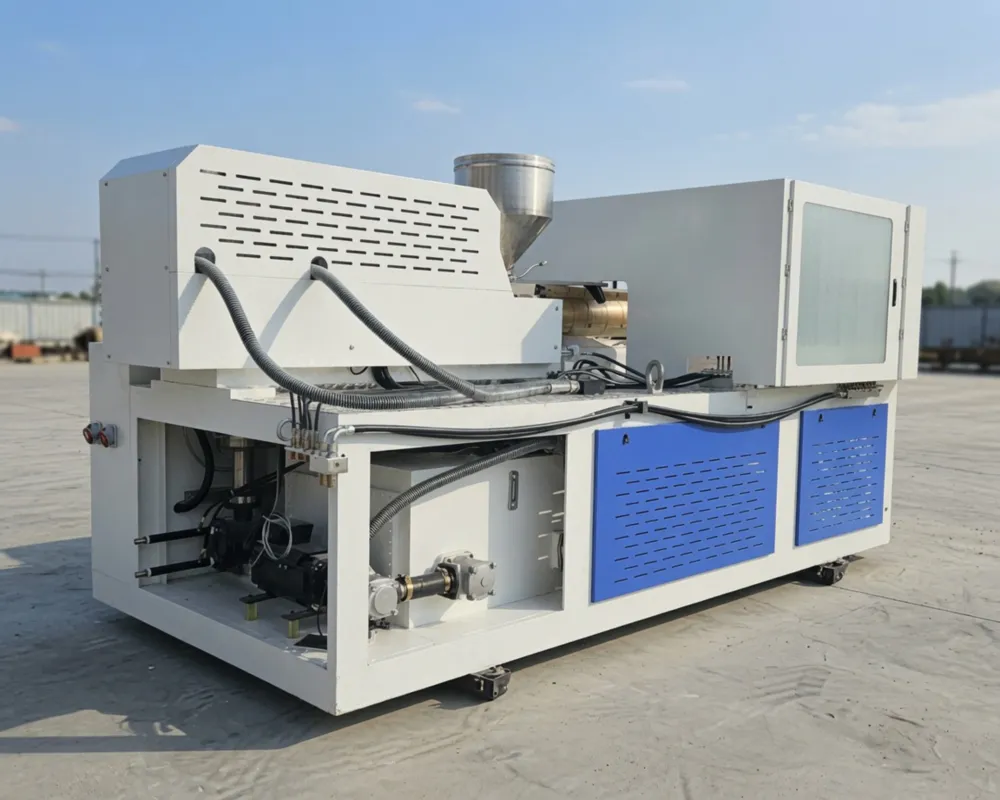
The EP-HGYS150-V4 is a 4-station one-step injection stretch blow moulding machine designed for high-precision plastic container production across PET, PETG, PC, PP, and related engineering resins. Its mechanical architecture represents a useful reference point for spare parts planning because it combines both servo-driven and hydraulic sub-systems, producing a spare parts demand profile that is representative of the broader mid-range ISBM platform market.
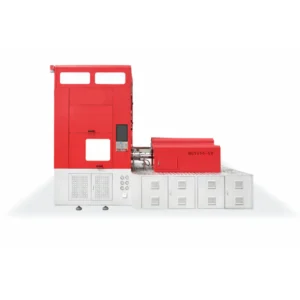
EP-HGYS150-V4 — 4-Station
Motor power: 43.2 kW (Inovance / WEICHI servo). Injection clamping force: 150 kN. Blow clamping force: 200 kN (single side). Screw diameter: 40–60 mm. Theoretical injection volume: 188–480 cm³. Machine dimensions: 4,200 × 1,400 × 2,900 mm. Weight: 6 tonnes. Compatible with Japanese ASB-12M moulds. Servo pump system: 3 sets. Turntable: Japan Yaskawa / WEICHI servo motor with Taiwan TSUNTIEN reducer. High-pressure valve: Parker (USA). Pneumatic cylinders: Airtac. Control system: Inovance / MiRLE PLC. Barrel heating: nano-far-infrared heating rings (10 kW). Oil tank volume: 300 L. Total machine power: 53.2 kW.
Key Spare Parts by Sub-System (EP-HGYS150-V4)
Servo system: Inovance / WEICHI servo motor units; Yaskawa turntable motor; TSUNTIEN reducer; NSK lead screws; encoder cables.
Injection unit: 50 mm screw assembly; barrel liner; check ring; nano-far-infrared heater rings (10.4 kW); thermocouple sets; hot runner nozzle tips.
Blow circuit: Parker high-pressure valve rebuild kits; blow core pin seals; blow mould O-ring sets; Airtac cylinder assemblies; pressure regulator service kits.
Temperature control: Conditioning core heater elements; temperature sensor probes; integrated temperature control box modules.
Tooling: ASB-12M-compatible neck core pin sets; cavity insert spares; cooling circuit cleaning kits.
Hydraulics (if applicable): YUKEN hydraulic pressure control valve service kits; Italian-imported hydraulic tube sets; 300 L oil tank filter elements.
Global Sourcing and Regional Supply Chain Considerations
The geography of spare parts sourcing for injection stretch blow molding machines is more complex than for most industrial equipment, because the machines themselves integrate components from multiple countries of origin — Japanese servo motors, American high-pressure valves, Taiwan-sourced reducers, Italian hydraulic tubing, and machine-specific tooling from the machine manufacturer’s own production. Efficient global sourcing requires understanding where each component category is most reliably available, what lead times are realistic in each market, and where regional regulatory requirements affect the importation or use of specific parts.
Europe: Regulatory Compliance and Technical Documentation
Spare parts imported into European Union member states for use in industrial machinery must be accompanied by appropriate conformity documentation. For CE-marked machine components — including servo drives, pneumatic components, and control system elements — the Declaration of Conformity and technical file must be available and consistent with the machinery directive (2006/42/EC) as applicable. The EU Machinery Regulation (2023/1230), which replaces the 2006 Machinery Directive from January 2027, introduces additional requirements for software-related safety functions and digital documentation. Plants in Germany, France, Italy, the Netherlands, and the UK (post-Brexit, under retained CE marking equivalents or UKCA marking) should verify that replacement servo drive firmware updates and safety-critical control components meet the applicable conformity requirements before installation. Documentary non-compliance is a risk not only in regulatory audits but in insurance and liability contexts following an incident.
Australia: Import Duties, Customs Declarations, and Equipment Standards
Spare parts for industrial machinery imported into Australia are subject to customs duties and import procedures under the Australian Border Force / Department of Home Affairs framework. Many industrial machinery spare parts benefit from reduced or zero tariff rates under Australia’s unilateral tariff reduction schedule or applicable free trade agreements (notably AUSFTA with the US, CPTPP, and CHAFTA with Hong Kong). For high-value capital spares such as servo drive assemblies or screw-barrel units, advance valuation and tariff classification advice from a registered customs broker reduces the risk of duty surprises at clearance. Australian Electrical Equipment Safety Scheme (EESS) requirements apply to electrical components including servo drive units and control panels; replacement parts must be compliant or carry appropriate equivalence documentation.
Brazil: Import Procedures and Local Content Requirements
Brazil operates one of the more complex industrial import regulatory environments globally. Spare parts for industrial machinery may be subject to the Import Tax (II), IPI (excise), ICMS (state VAT), PIS and COFINS levies — producing a combined effective import cost that is substantially higher than the FOB value of the parts. The Ex-tarifário regime provides reduced Import Tax rates for specific capital goods and spare parts not locally manufactured, but obtaining Ex-tarifário classification requires a formal application to the Ministry of Economy and can take several months. For plants in São Paulo, Paraná, or other Brazilian industrial states running injection stretch blow molding machines, maintaining adequate local buffer stock for critical wear parts — sized to cover the full Ex-tarifário application and import clearance period — is an essential element of supply chain planning.
South Korea: Technical Standards and Domestic Sourcing Opportunities
South Korea’s Electrical Appliances and Consumer Products Safety Act and the Industrial Machinery Safety Standards (enforced through the Korea Occupational Safety and Health Agency, KOSHA) apply to industrial machinery and its replacement components. Electrical spare parts for machinery operating in Korean industrial facilities should carry appropriate KC or equivalent conformity marking where mandated. South Korea has a sophisticated domestic supply base for servo components, pneumatic systems, and precision engineering parts through manufacturers including Hyosung, Doosan, and SMC Korea — providing a practical local sourcing option for general-category spare parts that reduces import lead times. Japanese components (Yaskawa, Parker, NSK) are well-stocked by regional distributors in Incheon and Busan serving the broader Northeast Asian market.
Colombia: Andean Community Trade Provisions and Import Procedures
Colombia’s membership in the Andean Community (CAN) provides preferential tariff treatment for goods traded among member states (Bolivia, Colombia, Ecuador, Peru), but industrial machinery spare parts originating outside the CAN are imported under Colombia’s standard customs tariff (Arancel de Aduanas), administered by DIAN. Capital goods and spare parts for industrial production that are not locally manufactured may benefit from tariff exemptions or reductions under the national list of exempted goods. INVIMA (the national food and drugs surveillance institute) requirements apply to spare parts or materials that come into direct contact with food or pharmaceutical packaging during production — which is relevant for the injection tooling and blow mould components of ISBM machines used in those sectors. Plant operators in Bogotá, Medellín, and Cali should engage a Colombian customs broker experienced in industrial machinery to navigate tariff classification and potential exemption applications efficiently.
United Kingdom: Post-Brexit UKCA and Customs Procedures
Following the UK’s departure from the EU, spare parts for industrial machinery placed on the UK market must comply with UKCA (UK Conformity Assessed) marking requirements rather than CE marking — or, in a transitional window, continue under accepted CE marking depending on the category and date of placement on the market. The UK Global Tariff applies to spare parts imports; most industrial machinery spare parts attract zero or low duty rates, but VAT (currently 20%) applies at import and is recoverable through normal VAT accounting for VAT-registered businesses. UK plants sourcing from outside the EU should review their supply chain documentation carefully post-Brexit to ensure that country-of-origin declarations are accurate, particularly for components manufactured in third countries but transshipped through EU distribution hubs.
| Market | Key Regulatory Framework | Primary Spare Parts Consideration | Lead Time Guidance |
|---|---|---|---|
| EU (Germany, Netherlands, France) | Machinery Directive 2006/42/EC → EU Machinery Reg. 2023/1230 (2027) | CE conformity docs; software safety compliance | 2–5 weeks from Asia; 1–3 days EU stock |
| United Kingdom | UKCA / accepted CE; UK Global Tariff | UKCA documentation; country-of-origin accuracy | 3–6 weeks non-EU origin |
| Australia | ABF import procedures; EESS for electrical components | FTA tariff benefit; EESS compliance for drives | 4–7 weeks; regional distributors stock select items |
| 브라질 | DIAN / II, IPI, ICMS; Ex-tarifário for capital parts | High landed cost; buffer stock essential; INVIMA for food-contact parts | 6–12 weeks including customs clearance |
| South Korea | KOSHA industrial safety standards; KC marking | Strong domestic supply base; KC compliance for electrical parts | 1–2 weeks domestic; 2–4 weeks import |
| 콜롬비아 | DIAN Arancel; INVIMA for food/pharma-contact parts | Tariff exemption applications; customs broker recommended | 5–10 weeks including DIAN processing |
The One-Stop Supply Model: Reducing Friction Across the Parts Chain
The most significant source of friction in ISBM spare parts procurement is not price — it is coordination overhead. When the machine manufacturer, the mould tooling supplier, the servo component source, the hydraulic valve vendor, and the compressed air equipment supplier are all separate organisations with separate ordering systems, separate lead times, and separate technical contacts, a single troubleshooting event can require simultaneous calls to five or six suppliers, none of whom has visibility into what the others are providing. A one-stop supply model — where a single supplier provides the machine, the mould tooling, compatible auxiliary equipment, and documented spare parts support — compresses this coordination complexity into a single point of accountability.
The practical advantages of sourcing the machine, tooling, and auxiliary equipment from the same supply partner extend beyond convenience. When the machine and mould are designed together, the interface tolerances — preform neck dimensions, cavity spacing, cooling circuit connection locations — are validated as a matched set. Spare parts for the mould are specified and stocked by the same organisation that manufactured the machine, eliminating the ambiguity about which version of a neck core pin is current or whether a cavity insert from an alternative source will fit correctly in the mould base. For procurement managers evaluating injection stretch blow molding machine suppliers, asking specifically about spare parts availability — stock depth, typical lead times, and documented parts lists per machine model — provides a practical indicator of the supplier’s post-sale commitment that is distinct from the sales process.
Related Equipment: Completing the ISBM Production System
An injection stretch blow moulding machine operates at the centre of a broader equipment ecosystem. The performance of the machine — and the reliability of its components — depends in part on the quality and consistency of the inputs supplied by auxiliary equipment. Two categories of auxiliary equipment have a particularly direct effect on machine component wear rates and spare parts consumption: compressed air supply and mold temperature control.
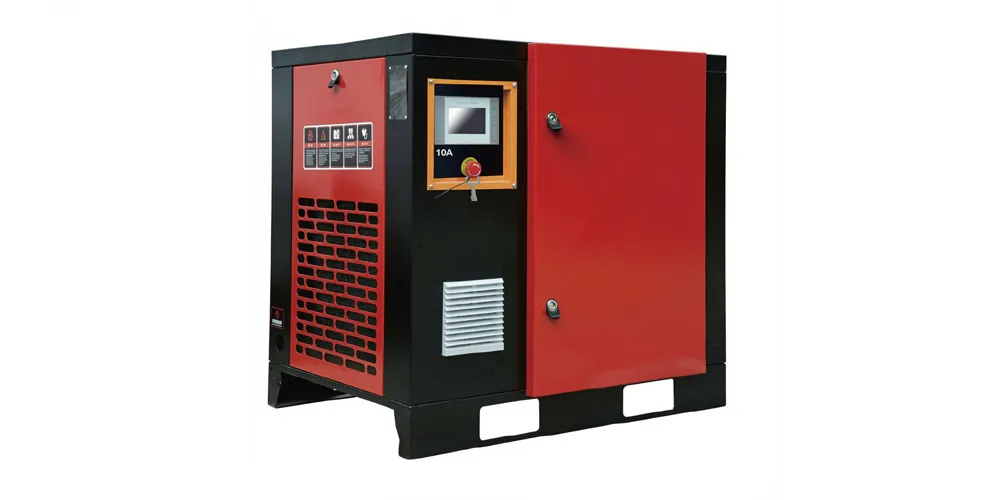
Oil-Free Air Compressor
Compressed air quality is the single biggest external variable affecting the service life of blow air circuit components — valves, seals, blow core pins, and high-pressure fittings. Oil contamination from lubricated compressors degrades polymer seals faster, deposits residues in valve bores, and creates compliance issues for food, pharmaceutical, and cosmetic packaging applications. Specifying an oil-free air compressor sized to the machine’s peak blow-cycle demand eliminates oil contamination as a spare parts wear driver and reduces the frequency of valve and seal replacements across the entire blow air circuit. Pairing a properly specified compressor with a cold-dry filter and correctly sized pressure receiver is the foundation of a reliable, low-maintenance blow air system that extends the service life of downstream machine components.
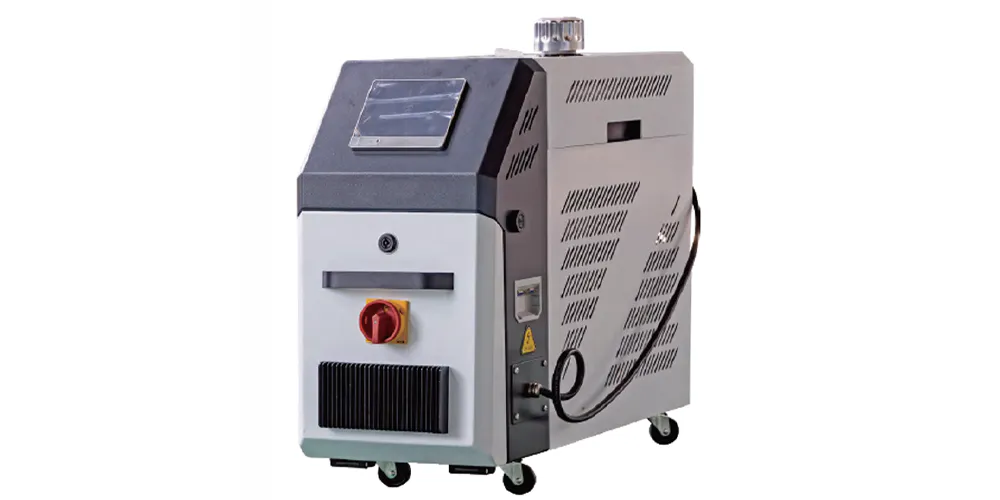
금형 온도 조절기
Unstable mold temperature forces the machine to compensate through cycle time adjustments, which increases cumulative mechanical stress on turntable bearings, servo drive units, and blow mould clamping components. A dedicated mold temperature controller maintains a consistent coolant temperature at the mold face regardless of facility water temperature or season, which produces a more predictable thermal environment for tooling components. When cavity inserts and neck core pins operate at consistent temperature cycle after cycle, dimensional drift is slower and replacement intervals are longer — directly reducing the frequency and cost of tooling spare parts consumption. For plants running production across multiple shifts in variable-temperature environments (Australia, Colombia, Brazil), the return on a mold temperature controller investment is measurable in both product quality stability and tooling replacement cost reduction.
회사 소개
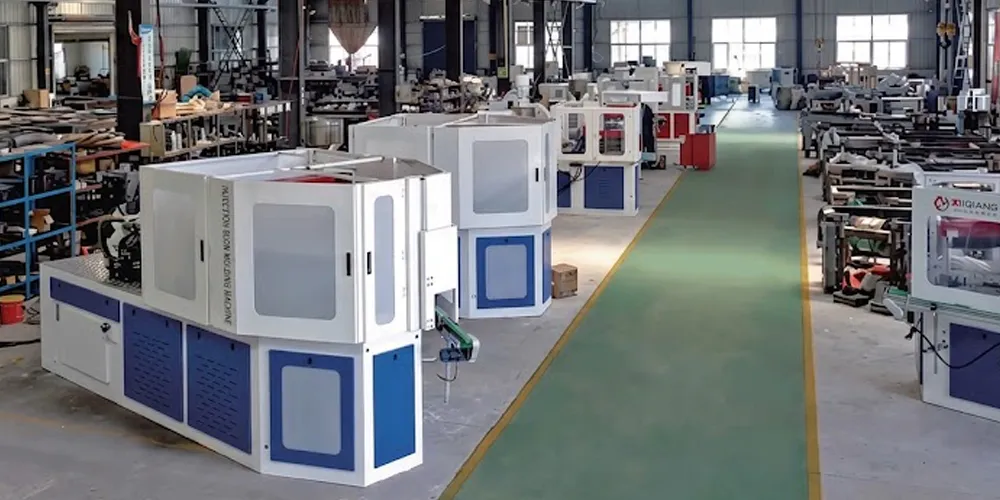
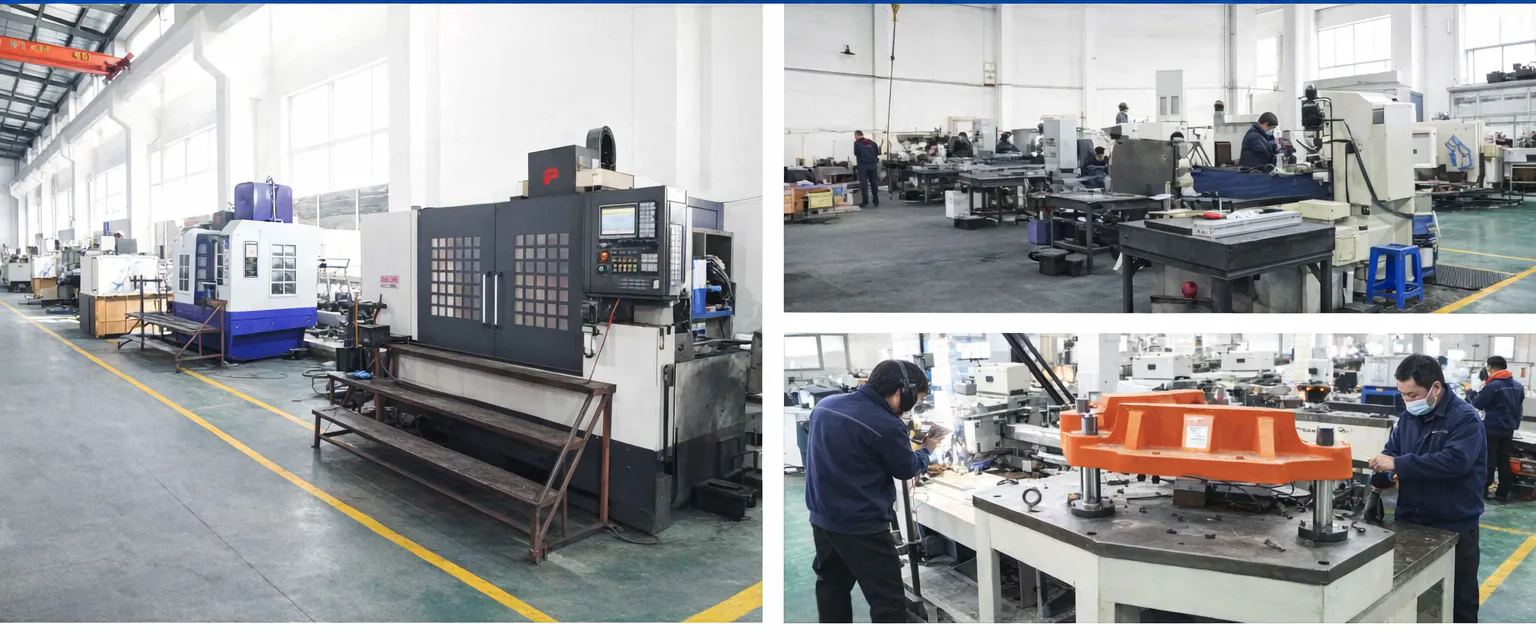
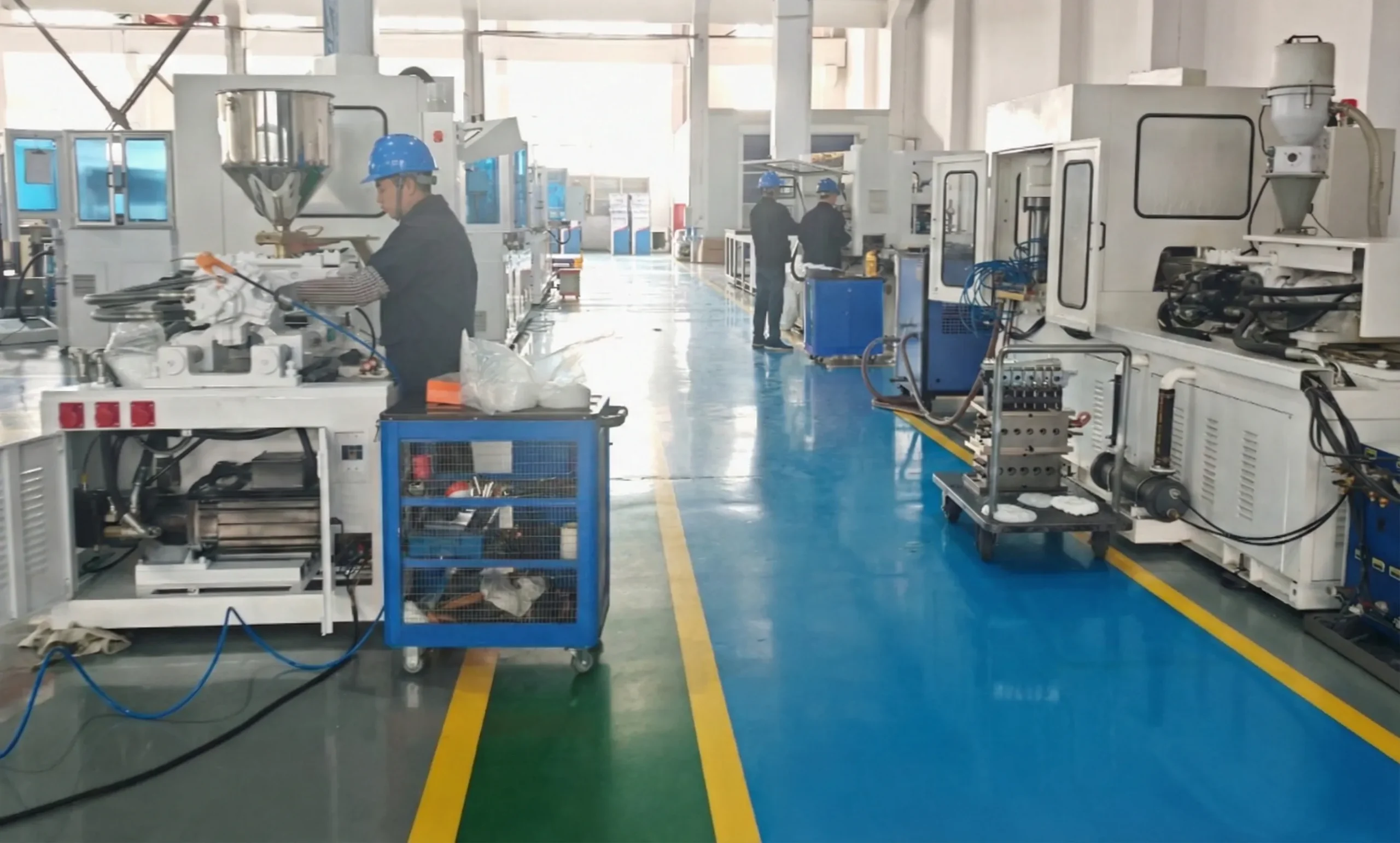
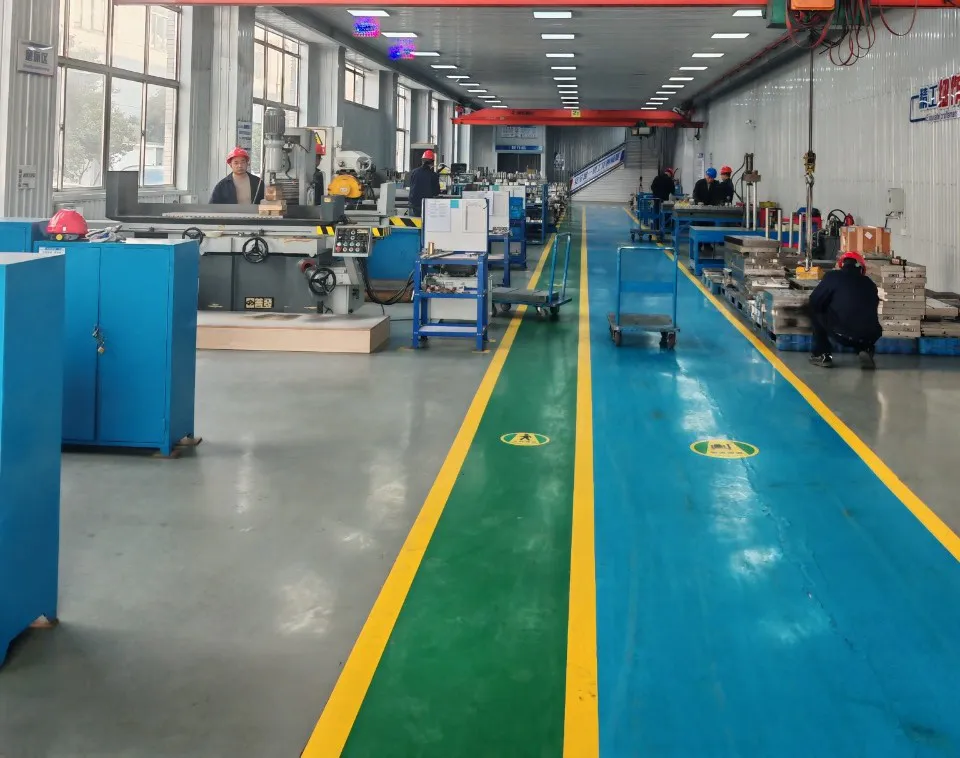
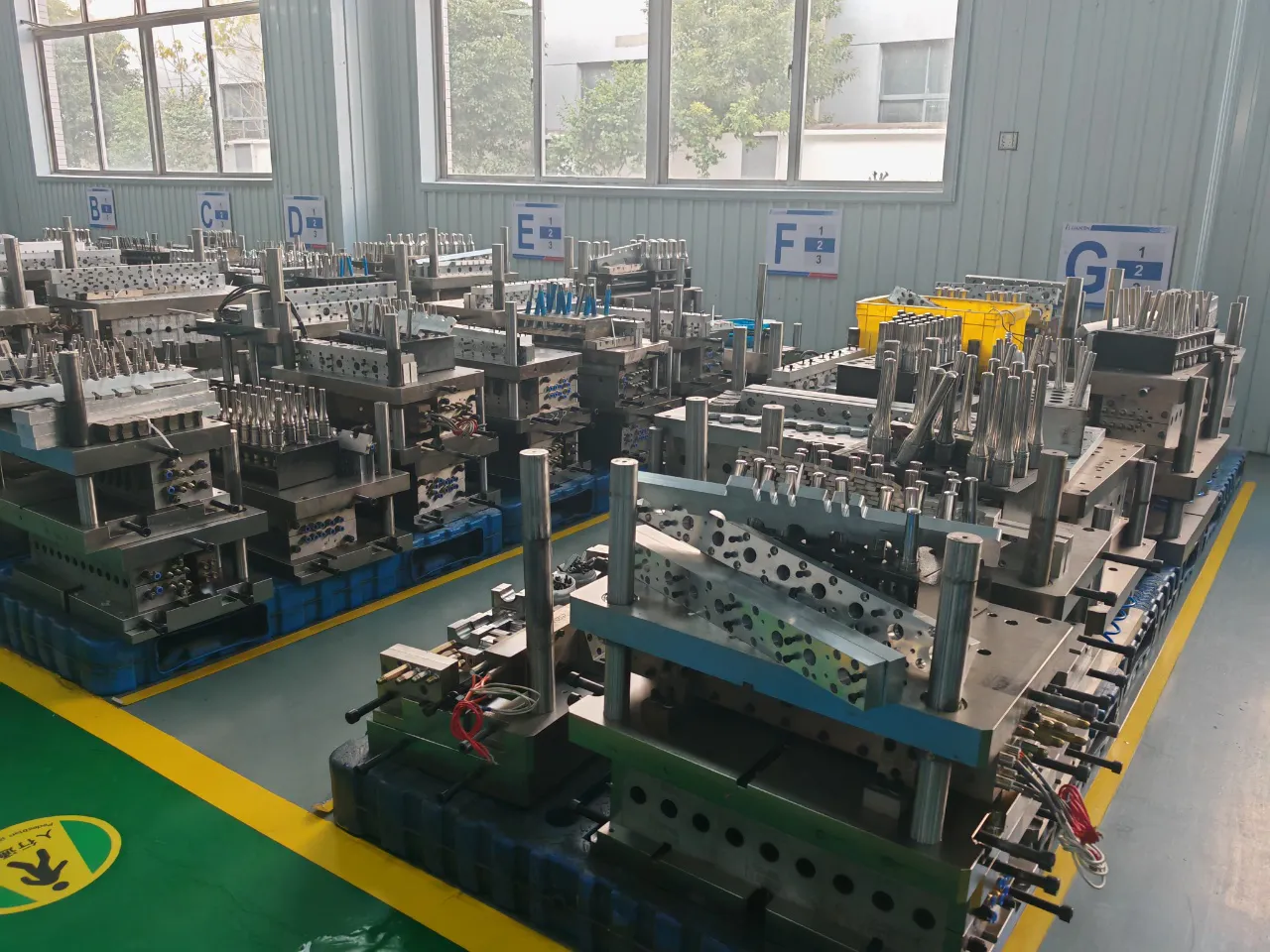
We are a professional manufacturer of one-step injection stretch blow moulding machines and mould tooling, with more than two decades of experience in design, manufacturing, and global sales of ISBM equipment. Our production facility occupies over 20,000 square metres and operates as a vertically integrated supply chain — manufacturing machine frames, assembling servo and hydraulic sub-systems, producing mould tooling in-house, and providing documented spare parts support across our full product range. We have developed specialised machine platforms for PET, PETG, PC, PCTG, PP, and Tritan processing across cosmetic, pharmaceutical, food, beverage, and industrial container applications. Our technical service team provides commissioning support, process validation, and ongoing spare parts supply to customers across Europe, Asia Pacific, the Americas, and the Middle East. One-stop supply — machine, mould, auxiliary equipment, and spare parts — is a core element of how we work with customers.
작업장
자주 묻는 질문
Discuss Spare Parts Supply for Your ISBM Installation
Whether you are purchasing a new injection stretch blow moulding machine or looking to improve parts supply for an existing line, our technical team can help with parts classification, inventory planning, and documentation requirements.
편집자: PXY