A practical guide for Colombian packaging manufacturers on sustainable plastic container production using the mesin pengacuan tamparan regangan suntikan — covering eco resins, energy efficiency, regulatory compliance, and reduced-waste process design.
The Short Answer: Yes — and the One-Step Injection Stretch Blow Moulding Machine Is Central to How
When packaging buyers and brand owners in Colombia, Peru, and across Latin America ask whether a blow moulding machine can support genuinely eco-friendly production, the answer is not simply a question of which resin material goes into the hopper. The full picture involves the process architecture of the machine itself, the energy profile of each production cycle, the material utilization rate, the compatibility with recycled and bio-based resins, and whether the bottle produced can enter an effective post-consumer recycling stream. The one-step injection stretch blow moulding machine addresses all of these dimensions more favorably than most alternative container forming processes, which is why it has become a preferred platform for packaging groups building sustainable product lines in the food, beverage, pharmaceutical, and personal care sectors.
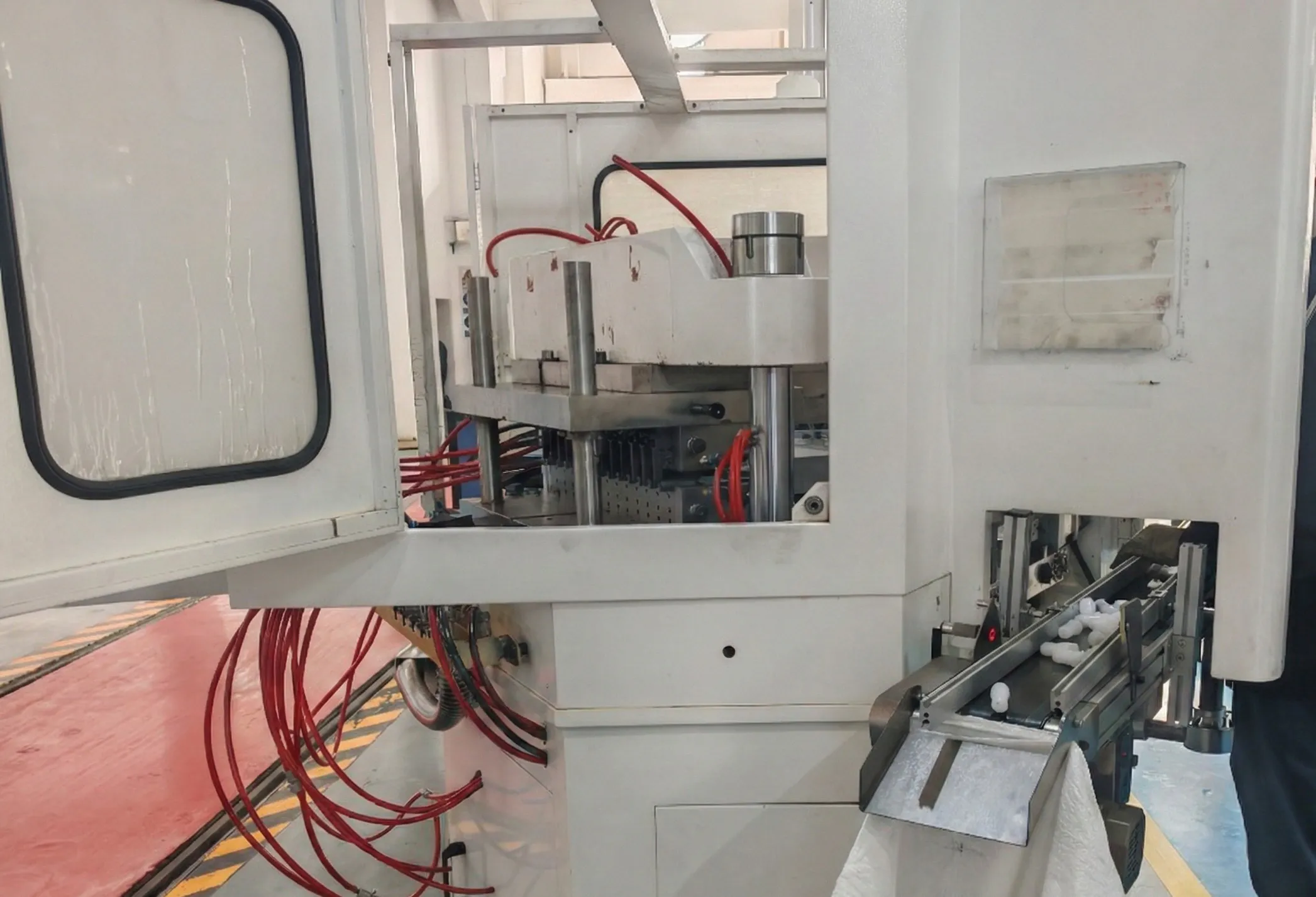
The injection stretch blow moulding machine consolidates injection, conditioning, stretch, and blow into a single continuous process on one piece of equipment. This one-step architecture eliminates the separate preform reheating stage required in two-step blow moulding, and that elimination carries substantial sustainability consequences. Reheating a cold preform from ambient temperature back to the stretch-blow processing window consumes 0.08 to 0.15 kWh per kilogram of PET processed — energy that adds to the production carbon footprint and operating cost of every bottle produced. When the injection stretch blow moulding machine carries the preform from injection to blowing without intermediate cooling and reheating, this energy is saved on every cycle, every shift, every day of production. Over a full year at a Colombian packaging facility running two shifts, that saving accumulates to a measurable reduction in both kilowatt-hour consumption and the associated CO₂ emissions from the facility power supply.
This article covers the full scope of sustainable bottle production capability on the injection stretch blow moulding machine, from the material system and process parameters, to the specific product lines, regulatory requirements, and Colombia-specific considerations that packaging buyers need to understand before committing to a sustainability-focused machine investment.
Material System: Which Eco-Friendly Resins Work in the Injection Stretch Blow Moulding Machine
The material system is the starting point for any serious evaluation of eco-friendly bottle production capability. The injection stretch blow moulding machine was originally designed and optimized for virgin PET (polyethylene terephthalate), which remains the dominant production resin globally due to its clarity, barrier properties, light weight, and established recyclability. PET is classified in the SPI resin identification coding system as Category 1 — the most widely recycled plastic — and post-consumer PET recovery infrastructure in Colombia has grown substantially in recent years through programs operated by the Asociación Colombiana de Industrias Plásticas (ACOPLASTICOS) and aligned with Ley 1753 of 2015 and Ley 2232 of 2022, which set national targets for the incorporation of recycled content in plastic packaging. The injection stretch blow moulding machine that processes virgin PET is, by extension, producing a container that has the strongest recyclability profile of any common plastic packaging format.
Beyond virgin PET, the more compelling sustainability story is the growing compatibility of injection stretch blow moulding machines with recycled PET (rPET) at commercially significant blend ratios. rPET is PET resin produced by mechanically or chemically recycling post-consumer PET bottles. Processing rPET on the injection stretch blow moulding machine presents specific technical challenges that did not exist when the original machine was designed: rPET has lower and more variable intrinsic viscosity (IV) than virgin PET, which affects melt flow consistency and requires tighter screw speed and back pressure control; it contains trace contamination from multi-material packaging residues that can cause black speck defects in clear bottles; and it may contain varying amounts of thermal degradation products from the original use cycle that release gas at processing temperatures. Modern injection stretch blow moulding machine configurations with precision temperature-controlled barrels, screw designs optimized for processed rPET rheology, and integrated in-line IV monitoring are increasingly capable of processing 25% to 50% rPET blend ratios in food-grade applications, with 100% rPET being achievable in non-food containers where food safety trace contamination limits do not apply.
PETG (glycol-modified PET), which is frequently specified for cosmetics and personal care containers on the injection stretch blow moulding machine, does not currently have an established mechanical recycling stream in Colombia, but this situation is evolving. The key difference between PET and PETG from a recyclability standpoint is that PETG is not compatible with PET recycling streams — the two materials must be separated before recycling, and mixing them degrades the quality of the recycled PET output. Some injection stretch blow moulding machine operators in the cosmetics sector have begun transitioning from PETG to mono-material PET formulations with appropriate additives that match the clarity and barrier properties of PETG while remaining compatible with the PET recycling infrastructure. This transition is supported by advances in PET barrier coating technology and by the broader push from brand owners to achieve mono-material packaging recyclability commitments by 2025 to 2030.
Eco-Friendly Resin Compatibility: What the Injection Stretch Blow Moulding Machine Can Process
| Resin / Material | Eco Profile | ISBM Machine Compatibility | Nota Pemprosesan | Colombia Availability |
|---|---|---|---|---|
| Virgin PET | SPI Category 1; most recycled plastic globally | Fully compatible — standard configuration | Dry to <50 ppm moisture; standard screw geometry | Wide — Indorama, Invista distributors |
| rPET (25–50% blend) | Reduces virgin resin demand; lower production carbon | Compatible with IV-adjusted process parameters | Monitor IV; tighter temperature control required | Growing — SERRECOL, Ecoentorno suppliers |
| rPET (100%) | Maximum recycled content; strongest circular claim | Possible for non-food; food-grade requires certified rPET | Requires rPET-optimized screw; black speck management | Limited but increasing post-2023 |
| Bio-PET (30% bio content) | Partially plant-based; identical recycling to virgin PET | Fully compatible — same processing as virgin PET | No process modification needed; drop-in replacement | Imported; limited local stock |
| PLA (polylactic acid) | Compostable under industrial conditions; bio-based | Compatible with modified barrel temps; not with PET | Lower processing temp; dedicated machine required | Niche; industrial composting infrastructure limited |
| PP (polypropylene) | SPI Category 5; increasingly recycled; light weight | Compatible with PP-configured injection stretch blow moulding machine | Higher barrel temp; PP-specific screw geometry | Widely available; Ecopetrol supply chain |
| PETG (glycol-modified) | Not compatible with PET recycling; requires separate stream | Fully compatible; widely used for cosmetics | Lower processing temp than PET; narrower stretch window | Available — trend shifting toward mono-PET |
Manufacturing Structure: How the Machine Architecture Supports Green Production
The structural design of the injection stretch blow moulding machine contributes to its sustainability profile in ways that go beyond the choice of resin material. Three key structural elements have direct sustainability consequences: the all-in-one process station layout, the servo drive architecture, and the integrated temperature conditioning system. Understanding how these structural elements function is essential for packaging procurement teams in Bogotá, Medellín, Cali, and other Colombian industrial centers evaluating machines on sustainability criteria alongside production efficiency and capital cost.
The all-in-one process station layout — where injection, conditioning, stretch-blow, and take-out all occur within a single machine with a rotating turntable indexing the preform through each station — eliminates multiple inter-process material handling steps that each consume energy and introduce contamination risk. Conveyor systems, preform storage bins, dehumidification tunnels, and preform heating ovens are all absent from the one-step injection stretch blow moulding machine architecture. Each of these elements that does not exist in the process is a source of energy consumption, maintenance cost, and potential product contamination that has been permanently removed from the production footprint. For Colombian packaging factories operating in buildings with limited floor space and constrained electrical capacity — common conditions in many of the country’s light industrial zones — this reduction in ancillary equipment requirements is both an economic and a sustainability advantage.
The servo drive architecture of modern injection stretch blow moulding machines deserves particular attention in any sustainability assessment. Servo motors only consume electrical energy while they are performing mechanical work — accelerating a load, holding position under force, or driving motion against resistance. Unlike hydraulic systems with continuously running pumps, or induction motor systems with constant-speed drives and mechanical brakes, the servo motor in a well-designed injection stretch blow moulding machine draws near-zero power during the dwell phases of the production cycle, where the mould is closed and the blow air is holding the bottle against the cavity. At a typical cycle time of 12 to 18 seconds for a small-to-medium PET bottle on a 4-station machine, the dwell phase represents 30 to 40% of total cycle time — meaning the servo system is in its low-draw state for nearly a third of every production cycle. Across a full production year, this demand reduction on the electrical supply translates directly to kilowatt-hour savings and reduced demand charges from the Colombian electricity grid (operated by XM under CREG regulation).
Energy Consumption Comparison: ISBM vs Alternative Bottle Forming Processes
Energy intensity is one of the most direct and measurable sustainability metrics for a plastic bottle production process. The following comparison — expressed in kilowatt-hours per thousand bottles produced at a 500 ml PET water bottle specification — demonstrates why the injection stretch blow moulding machine consistently delivers a lower energy footprint than the alternatives it competes against in the Colombian packaging market.
| Process Type | Typical Energy (kWh/1,000 bottles) | Reheating Stage Required | Material Waste Rate | Minimum Viable Output |
|---|---|---|---|---|
| Mesin pengacuan tamparan regangan suntikan satu langkah | 0.8 – 1.2 | No | < 1% (gate trim only) | Low — suitable for small batches |
| Two-step injection + reheat blow moulding | 1.4 – 2.2 | Yes — oven reheating required | 1 – 3% (preform rejects + rework) | High — requires large minimum run |
| Extrusion blow moulding (EBM) | 1.8 – 2.8 | N/A — different architecture | 5 – 15% (flash and pinch-off waste) | Medium |
| Injection blow moulding (IBM) — 3-station | 1.0 – 1.6 | No (but no orientation) | < 1% | Low — small bottle volumes |
| Glass bottle production | 8 – 14 | N/A — furnace process | 3 – 8% (cullet and reject rate) | Very high — large continuous lines |
Note: Energy figures are indicative for 500 ml PET/glass bottles. Actual consumption varies by machine model, production speed, and ambient conditions. The injection stretch blow moulding machine figures above are based on full-servo and servo-pump machine configurations.
The Sustainability Role of Biaxial Orientation in the Injection Stretch Blow Molding Process
The injection stretch blow molding process achieves a distinctive combination of mechanical properties in the finished bottle through biaxial molecular orientation — the simultaneous stretching of the PET molecular chains in both the axial (vertical) and hoop (circumferential) directions during the blow stage. This orientation is what allows PET bottles produced on the injection stretch blow moulding machine to achieve their characteristic combination of high burst strength, excellent gas barrier performance, and optical clarity at very low wall thicknesses. The relationship between orientation and sustainability is direct and important: the thinner the bottle wall that can be achieved at a given performance specification, the less resin material is used per bottle, and the lower the total material footprint of the bottle’s production.
A typical 500 ml PET water bottle produced on a well-tuned injection stretch blow moulding machine weighs 9 to 12 grams, compared to 15 to 20 grams for a comparable bottle produced by extrusion blow moulding without orientation. That 30 to 40% weight saving represents 30 to 40% less PET resin per bottle — which means 30 to 40% less crude oil feedstock consumed per bottle, 30 to 40% less CO₂ embedded in the resin’s production lifecycle, and 30 to 40% less weight in the post-consumer waste stream that must be collected, sorted, and recycled. When a Colombian beverage brand produces 50 million bottles per year, this weight reduction represents hundreds of tonnes of resin saved annually and a very significant carbon footprint reduction that supports the brand’s sustainability reporting under the Global Reporting Initiative (GRI) standards increasingly required by international retail customers and institutional investors.
The enhanced gas barrier performance achieved through biaxial orientation in the injection stretch blow moulding machine produces an additional sustainability benefit that is often overlooked in sustainability assessments focused solely on packaging material. A bottle with better barrier properties — lower oxygen transmission rate and lower CO₂ permeation for carbonated beverages — maintains product freshness for longer, reducing food and beverage waste at the consumer level. In a country like Colombia where logistics chains are longer and storage conditions are less controlled than in some markets, the barrier advantage of oriented PET bottles produced on the injection stretch blow moulding machine extends effective product shelf life in ways that can materially reduce food waste — a sustainability dimension that the packaging itself contributes to rather than simply being a target for reduction.
Explore the full range of injection stretch blow moulding machine models optimized for sustainable PET and rPET production
Waste Reduction: Why the One-Step Process Produces Minimal Scrap
Material waste in plastic bottle production is a direct environmental cost that also represents a direct operating cost. Every gram of plastic that enters the production process but does not end up in a sellable bottle is waste — waste that required energy to produce as resin, energy to melt and process through the machine, and then either goes to landfill (if it cannot be reprocessed) or requires additional energy to grind, dry, and reintroduce to the production stream. The injection stretch blow moulding machine has a fundamentally different waste profile from extrusion blow moulding and conventional injection moulding that makes it the lower-waste choice for most PET and PETG container applications.
In extrusion blow moulding, a molten tube (parison) of plastic is extruded and then clamped at both ends by the blow mould, which pinches the tube shut at the base and neck. The material squeezed out in the pinch-off at both the base and the neck — called flash — is scrap that must be trimmed, ground, and either reprocessed inline or sold as regrind material at a discount to virgin resin value. At typical extrusion blow moulding scrap rates of 8 to 15% by weight, a facility producing 1 million bottles per day generates hundreds of tonnes of trim scrap per year that requires handling, grinding, and disposition. The injection stretch blow moulding machine produces no flash and no pinch-off scrap — the only material that does not end up in the finished bottle is the small gate trim at the injection point on the preform, which is typically less than 0.5% of the total material injected per shot. This near-zero scrap characteristic is one of the most concrete and quantifiable sustainability advantages of the injection stretch blow moulding machine for Colombian manufacturers operating under emerging extended producer responsibility (EPR) regulations.
When process optimization on the injection stretch blow moulding machine results in an occasional defective bottle — from a process transient, a material quality excursion, or a tooling adjustment — those bottles are typically returned to the resin supplier or recycler as post-industrial PET regrind, which commands a higher value than post-consumer regrind and can be reintroduced to food-grade production streams with appropriate quality documentation. The closed-loop scrap management that the injection stretch blow moulding machine enables is aligned with the circular economy principles articulated in Colombia’s CONPES 3874 of 2016 on solid waste management and with the plastic packaging recovery commitments of major Colombian consumer goods brands.
Featured Machine: EP-HGY250-V4 Injection Stretch Blow Moulding Machine for Eco-Bottle Production
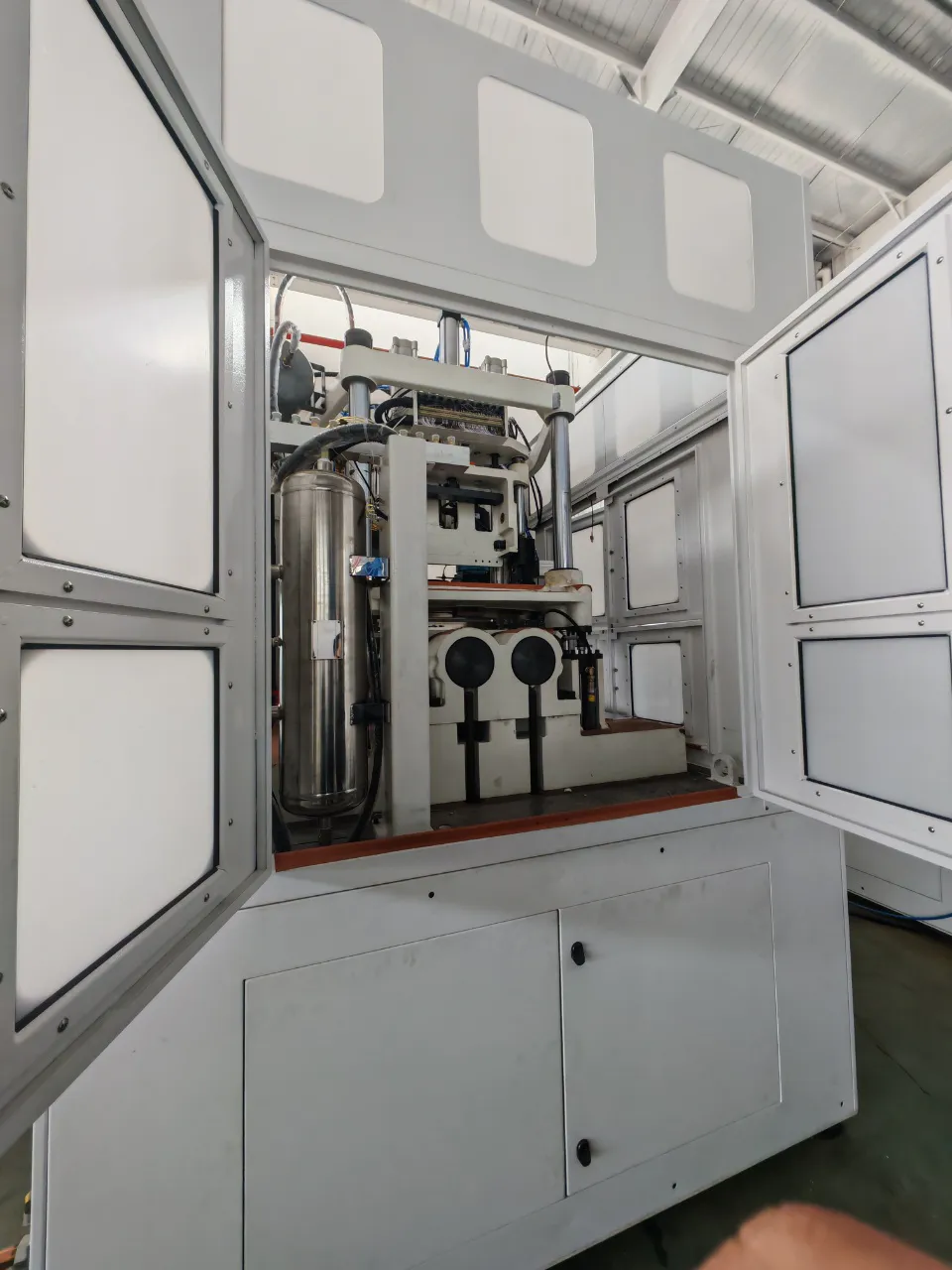
Among the injection stretch blow moulding machine models well suited to eco-friendly bottle production in the medium-to-heavy output range, the EP-HGY250-V4 four-station machine stands out for its combination of large-volume container capability, servo-pump energy management, and compatibility with rPET blend processing. The HGY250-V4 is rated for bottles from 100 ml through to 2,500 ml maximum volume capacity at up to 14 cavities in the largest configuration — a range that covers the water dispenser, juice, and edible oil bottle segments where lightweight PET is replacing heavier materials and where rPET incorporation is accelerating in response to brand-owner sustainability commitments and evolving ICONTEC standards in Colombia.
| Parameter | EP-HGY250-V4 Specification | Sustainability Relevance |
|---|---|---|
| Konfigurasi Stesen | 4-station (injection / conditioning / blow / take-out) | No preform reheating — direct energy saving vs two-step |
| Kuasa Motor | 67.7 KW (Inovance / WEICHI servo pump) | Servo pump reduces idle energy draw vs fixed-speed hydraulic |
| Heating System | Nano far-infrared energy-saving heating ring (10–15 KW) | 40% lower heating energy vs conventional resistance heaters |
| Diameter Skru | 50 / 55 / 60 mm (optional) | Larger diameter allows lower RPM for same output — less shear on rPET |
| Materials Processed | PET / PETG (rPET blend compatible) | Enables rPET blend operation for recycled content claims |
| Tekanan Udara Tiup | 2.0 – 3.5 MPa | Lower minimum pressure achievable — reduces compressed air energy |
| Jejak Mesin | 6300 × 2400 × 3700 mm | Single machine vs multi-equipment two-step line — smaller floor footprint |
| Berat | 16 tonnes | Heavy structural frame reduces vibration — less machine wear per cycle |
| Keserasian Acuan | Serasi dengan ASB-70DPH | Replacement of ASB and AOKI moulds — avoids tooling waste on upgrade |
| Isipadu Botol Maksimum | Up to 2,500 ml (single cavity) | Large-format lightweight PET replaces glass and HDPE — material saving |
Eco-Friendly Bottle Applications by Sector in the Colombian Market
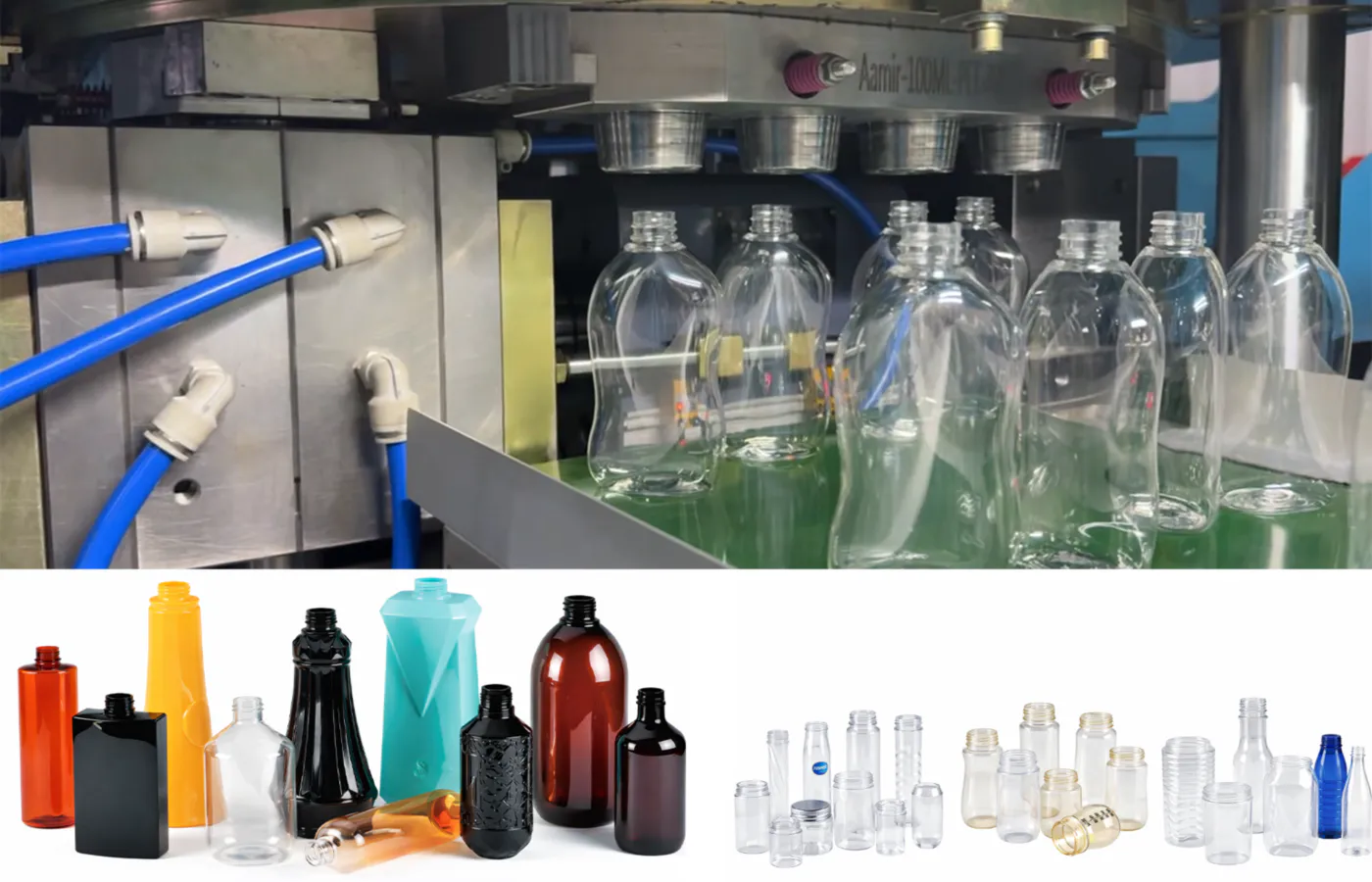
The injection stretch blow moulding machine serves multiple sectors in the Colombian packaging market where eco-friendly bottle production is both a market requirement and a regulatory expectation. The following applications represent the primary areas where injection stretch blow moulding machine operators in Colombia are actively responding to sustainability demands from brand owners, retailers, and regulators.
The bottled water sector in Colombia — the largest single category for PET bottle consumption — is under significant pressure to increase rPET content in line with commitments made by major brands and tracked by ACOPLASTICOS. Injection stretch blow moulding machine operators producing mineral water, flavored water, and sport drink bottles for Colombian distribution are among the first-movers in incorporating 25% to 50% rPET blends, driven by retail customer requirements from Éxito, Jumbo, and D1 chain purchasing specifications that increasingly mandate recycled content claims on private-label bottle formats.
The Colombian cosmetics sector — concentrated in Medellín’s beauty industry cluster and serving both domestic and Andean export markets — is transitioning from PETG-based custom bottles to mono-material PET formats that enable circular packaging claims. The injection stretch blow moulding machine’s ability to produce complex shapes in clear PET with the visual quality previously achievable only in PETG makes it the enabling technology for this transition. Brands participating in the Ecociclo Colombia packaging take-back program or meeting Minambiente circular economy guidelines benefit from the recyclability claim that PET injection stretch blow moulding machine bottles carry versus the PETG alternatives they replace.
Colombian pharmaceutical manufacturers regulated by INVIMA are increasingly specifying lightweight PET bottles produced on the injection stretch blow moulding machine for vitamin, supplement, liquid medicine, and eye drop packaging. The weight reduction versus alternative forming processes — 20 to 35% less material per bottle at equivalent barrier performance — reduces packaging material cost and carbon footprint while maintaining the dimensional precision and neck finish accuracy required for pharmaceutical closure integrity. The INVIMA-compliant documentation trail from the injection stretch blow moulding machine process provides the production batch traceability required for pharmaceutical quality management systems.
Colombian food brands producing sauces, dressings, juices, and edible oils are among the most active segments migrating from glass and HDPE to lightweight PET produced on the injection stretch blow moulding machine. The lightweighting benefits in this segment are particularly significant because the transport and logistics footprint of food containers — shipping from production facilities to distribution centers to retailers across Colombia’s challenging geography — is dramatically reduced when bottle weight drops by 30 to 40% versus the glass or HDPE formats being replaced. Reduced transport weight directly reduces fuel consumption and transport emissions per case of product shipped, a logistics sustainability benefit that sits downstream of the production sustainability gains.
Regulatory Framework: Green Packaging Laws Affecting Injection Stretch Blow Moulding Machine Operators
Colombia’s plastic regulation law (Ley 2232 of 2022) establishes a framework for the progressive restriction of single-use plastics and for the promotion of recycled content in plastic packaging. Facilities operating the injection stretch blow moulding machine that produce packaging for regulated categories must track and report recycled content percentages, document recyclability claims with resin identification code compliance, and participate in producer responsibility systems. ICONTEC technical standards referenced by this law define the test methods and minimum thresholds for recycled content claims on plastic packaging in the Colombian market. Injection stretch blow moulding machine operators producing PET bottles with rPET content can use this regulatory framework to differentiate their products in B2B sales to brand owners seeking compliant eco-packaging suppliers.
The EU Single-Use Plastics Directive (SUPD) 2019/904 and the new EU Packaging and Packaging Waste Regulation (PPWR) 2024 set binding recycled content targets for PET beverage bottles sold in the EU — 30% recycled content by 2030 and 65% by 2040. Colombian packaging exporters supplying EU markets must meet these thresholds or face market access restrictions. The injection stretch blow moulding machine’s compatibility with rPET blend processing makes it the production technology platform through which Colombian manufacturers can achieve EU recycled content certification for their export bottle ranges. Exporters should seek EN 15343 post-consumer recycled content certification from their rPET resin supplier to support EU market documentation.
In the United States, PET resin used in food contact packaging must comply with FDA 21 CFR Part 177.1630, which permits the use of rPET in food contact applications provided the recycled material is produced from properly controlled post-consumer sources and the rPET supplier holds the appropriate Letters of No Objection (LNOs) from the FDA. Colombian exporters to the US using rPET in injection stretch blow moulding machine production must obtain LNO documentation from their rPET resin supplier. Multiple US states have also enacted EPR legislation for packaging — California’s SB 54, Oregon’s EPR Law, and Colorado’s SB 22-171 — that impose recycled content mandates and eco-modulated producer fees that create commercial advantages for packaging produced on the injection stretch blow moulding machine from rPET-blended resin.
Injection stretch blow moulding machine manufacturers and operators seeking to formalize their sustainability credentials can pursue ISO 14001:2015 environmental management system certification, which requires documented identification, evaluation, and management of environmental aspects of the production process — including energy consumption, resin waste, compressed air efficiency, and cooling water treatment. Colombian packaging facilities holding ISO 14001 certification alongside their ISO 9001 quality certification are increasingly preferred suppliers to multinational consumer goods companies that apply supplier sustainability scorecards to packaging procurement decisions. The injection stretch blow moulding machine’s favorable energy and waste profile relative to alternative processes makes achieving and demonstrating ISO 14001 compliance substantially easier than in higher-waste alternative production methods.
System Products for a Complete Eco-Efficient Production Line
The injection stretch blow moulding machine is one component of a complete sustainable packaging production system. Choosing the right peripheral equipment amplifies the sustainability gains of the machine itself and ensures that the compressed air, thermal management, and mould tooling subsystems do not negate the energy and material savings achieved by the machine architecture.
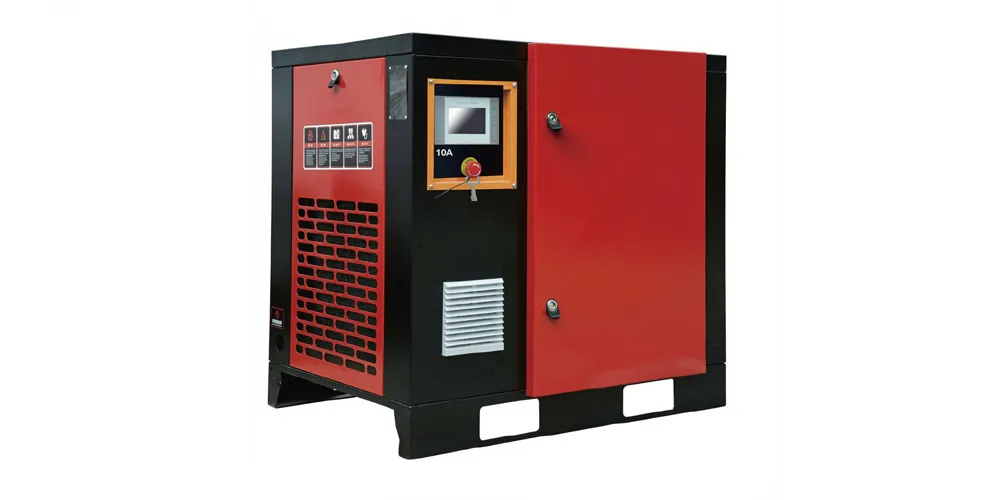
The blow station of the injection stretch blow moulding machine consumes the largest share of the utility inputs outside of direct electrical power — high-pressure compressed air at 2.0 to 3.5 MPa for the blow expansion stage. An oil-free compressor is mandatory for food, pharmaceutical, and cosmetics packaging applications to prevent oil contamination of bottle interiors. Beyond regulatory compliance, oil-free compressors — particularly variable-speed drive (VSD) models — deliver 25 to 40% energy savings over fixed-speed oil-lubricated compressors at the same delivered air volume. For Colombian facilities seeking to document their ISO 14001 energy performance improvements, replacing a fixed-speed oil-lubricated compressor with a VSD oil-free unit paired with the injection stretch blow moulding machine is one of the highest-return single-equipment changes available in the utility system.
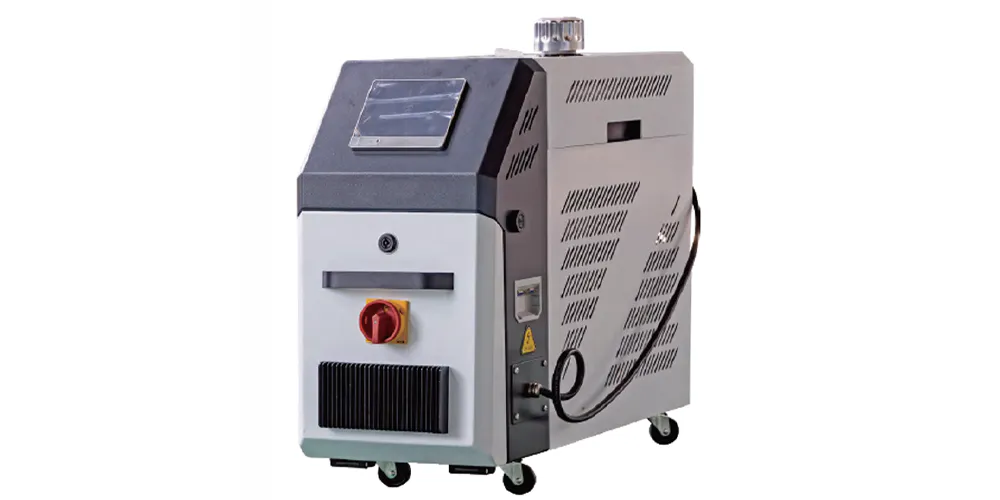
Precise mould temperature control on the injection stretch blow moulding machine directly affects both bottle quality and energy consumption. An over-temperature mould requires longer cooling time per cycle — extending the cycle time, reducing output per hour, and increasing energy consumption per bottle. An under-temperature mould causes premature preform cooling that degrades stretch orientation and wall thickness distribution, increasing the rate of defective bottles that become waste. A precision mold temperature controller that maintains cavity wall temperature within ±0.5°C of setpoint minimizes both cycle time extension from over-cooling and quality loss from under-cooling, optimizing the energy-per-good-bottle metric that is the most meaningful efficiency measure for a sustainable production operation.
The injection stretch blow mold tooling set is where resin properties meet cavity geometry to produce the finished bottle. For rPET blend production, the mould design must account for rPET’s slightly different rheology — typically 5 to 10% higher melt viscosity and lower melt strength than virgin PET at the same IV — which requires adjusted gate geometry, modified cooling channel positions, and in some cases modified preform geometry to achieve equivalent biaxial orientation. Sourcing the injection stretch blow mold tooling from a supplier experienced in rPET-compatible tooling design ensures that the mould geometry supports the full rPET blend ratio the operation intends to run, rather than discovering tooling limitations only after the machine is installed and the rPET resin is in the hopper.
About Our Injection Stretch Blow Moulding Machine Production
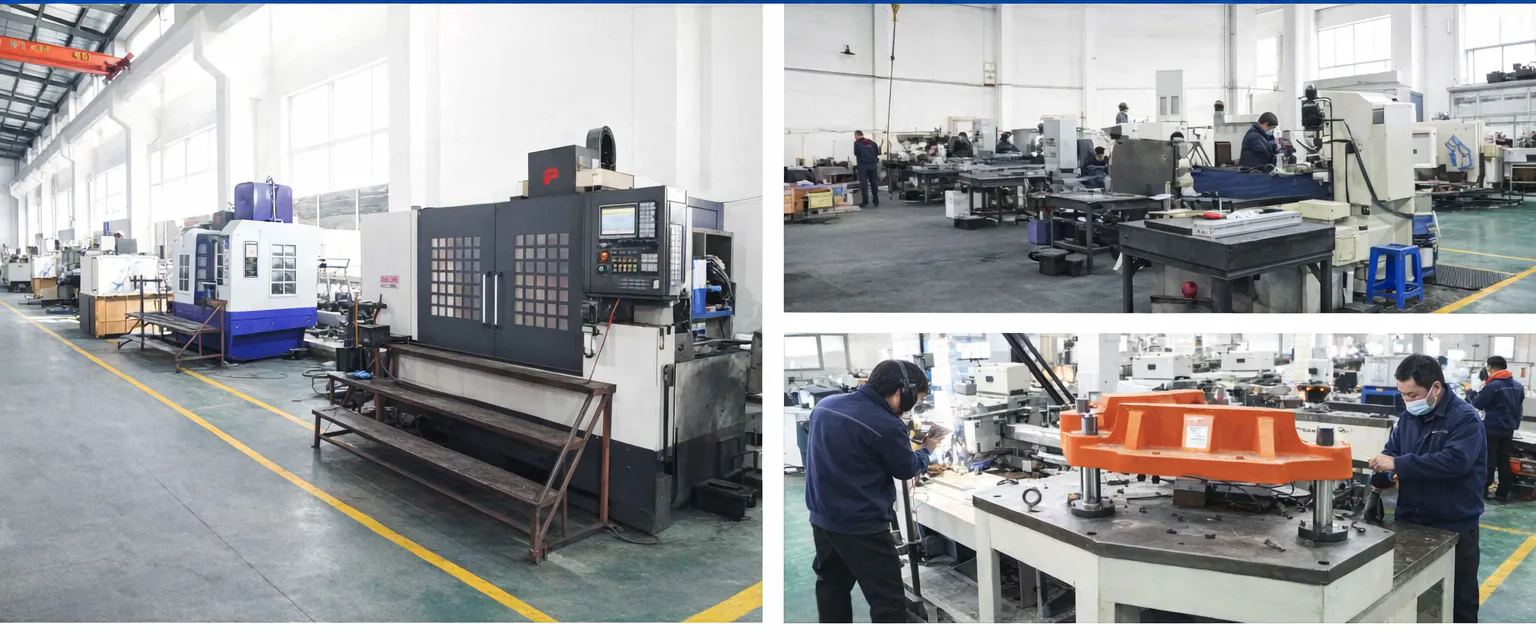
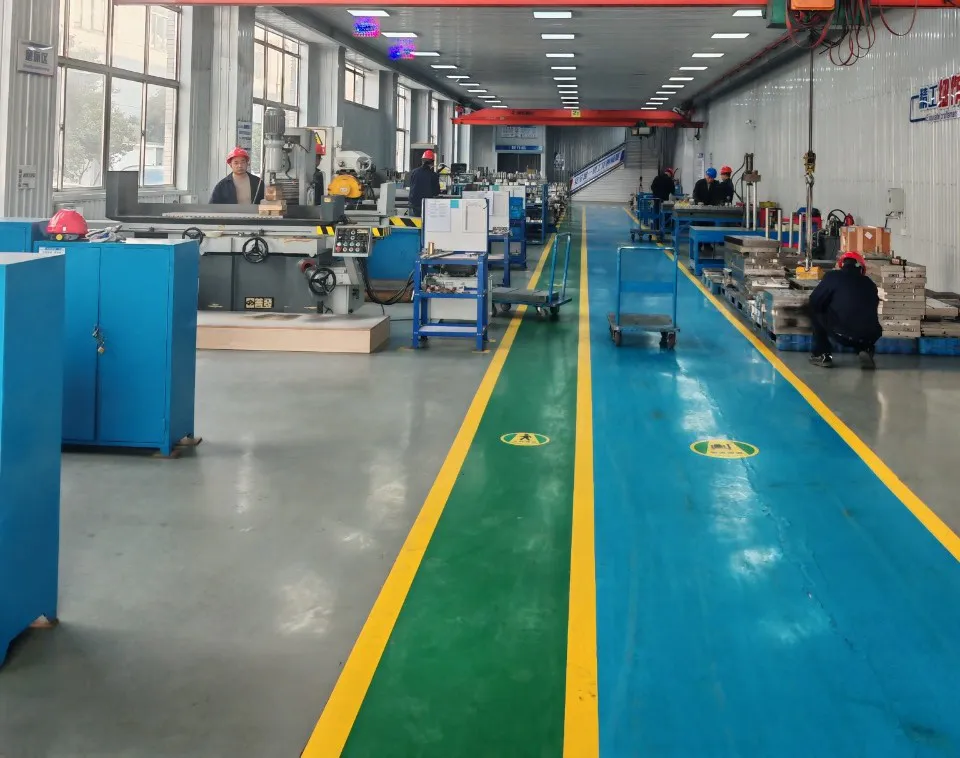
We are a specialist manufacturer of one-step injection stretch blow moulding machines and matched mould tooling, with over 20 years of experience serving global packaging markets including Colombia, Mexico, Brazil, Peru, Chile, and across Latin America. Our machine range is built around the principle that production efficiency and environmental responsibility are not competing priorities — they are achieved together through well-engineered process architecture, quality components, and robust process control. Our injection stretch blow moulding machine product line spans from the compact 3-station HGY50-V3-EV through the 4-station HGY150-V4, HGY200-V4, HGY200-V4-B, HGY250-V4, HGY250-V4-B, and HGY650-V4, to the 6-station HGYS280-V6, providing Colombian packaging buyers with the right machine size and station count for every application from small specialty bottles to high-volume mass-market water and beverage containers.
All machines in our range are manufactured under ISO 9001:2015 certified quality management. Key components are sourced from proven global suppliers — Inovance and Weichi servo systems, Japan Yaskawa turntable drives, NSK lead screws, Parker high-pressure valves, and AIRTAC pneumatic cylinders — that provide the reliability, spare parts availability, and technical support that Colombian packaging operations need for continuous production with minimal unplanned downtime. Our engineering team provides full process optimization support for rPET blend operation, including screw speed, back pressure, and barrel temperature profile recommendations for each rPET blend ratio and each machine model. We supply injection stretch blow molding machine manufacturers standard and custom mould tooling alongside every machine — including ASB-12M, AOKI-250, and ASB-70DPH compatible configurations for customers replacing legacy machine platforms with new injection stretch blow moulding machine equipment.
Kedai Kerja
Soalan Lazim
Editor: PXY