Pharmaceutical & Medical Packaging · Technical Guide
A technical guide to the role of the آلة حقن القوالب بالنفخ والتمديد in pharmaceutical PP bottle production — covering polypropylene’s autoclave compatibility, manufacturing structure, GMP compliance frameworks, and machine selection for pharmaceutical packaging producers worldwide.
Autoclave sterilization remains the gold standard for terminal sterilization of pharmaceutical liquid preparations — ophthalmic solutions, irrigation fluids, parenteral drugs, and aqueous-based injectables are routinely subjected to steam sterilization cycles at 121°C for a minimum of 15 minutes (F₀ ≥ 8) or 134°C for shorter cycles, depending on the product and its sterility assurance level requirement. The container that holds these products through that sterilization cycle must do more than survive the thermal stress: it must emerge dimensionally stable, chemically unchanged, and sealed to the sterility standard the regulatory authority has approved. Glass has traditionally fulfilled this role, but polypropylene — processed correctly — offers a compelling combination of autoclave-survivability, lower weight, reduced breakage risk in hospital settings, and compatibility with the precision one-step injection stretch blow moulding machine production process that pharmaceutical container manufacturers need to satisfy their GMP quality management requirements.
This guide examines how the injection stretch blow moulding machine — in its one-step ISBM configuration — produces PP pharmaceutical bottles capable of withstanding autoclave sterilization cycles, why PP is the correct material for this application, what machine architecture is required, and how producers across different global markets can meet the regulatory requirements that govern pharmaceutical primary packaging manufactured on these systems.
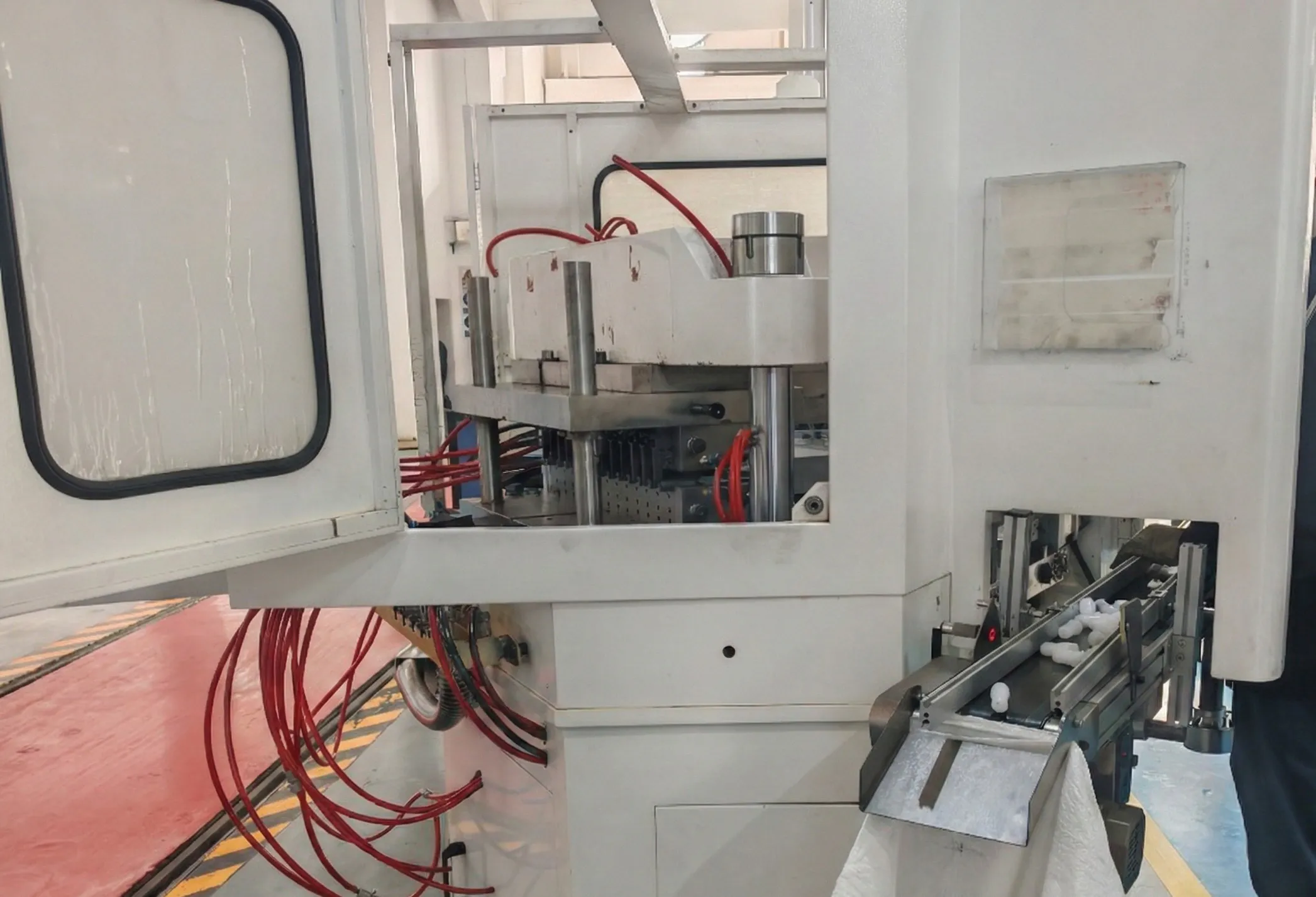
1. Why Polypropylene Is the Material of Choice for Autoclave-Sterilized Pharmaceutical Bottles
Polypropylene (PP) occupies a unique position among thermoplastic packaging materials for pharmaceutical applications because it is the only commodity thermoplastic with a heat deflection temperature consistently above the 121°C steam sterilization threshold. The melting point of standard isotactic PP ranges from 160°C to 168°C depending on crystallinity, and its heat deflection temperature at 0.46 MPa load is typically 100–115°C for homopolymer grades — sufficient to maintain dimensional stability through a 121°C/15-min autoclave cycle when the container is appropriately designed and the PP grade is correctly selected. No other thermoplastic processed on an injection stretch blow moulding machine at standard production volumes can make this claim: PET begins to deform above 65°C in its amorphous form; PETG softens above 80°C; even PC begins to lose dimensional precision above 130°C under sustained steam pressure.
Beyond thermal stability, PP offers the chemical inertness profile that pharmaceutical primary packaging demands. Homopolymer PP does not leach plasticizers — there are none — and its extractable and leachable (E&L) profile is among the lowest of any thermoplastic packaging material. For aqueous pharmaceutical preparations, PP shows no measurable drug adsorption for most active pharmaceutical ingredients. It is approved for pharmaceutical packaging contact under USP Class VI testing, ISO 15223, and the European Pharmacopoeia’s plastics container monographs (Ph. Eur. 3.1.6 for PP). These approvals reflect decades of regulatory precedent for PP in pharmaceutical application, making it a well-characterised material from a regulatory submission standpoint — an advantage that matters when preparing the Container Closure System section of a new drug application.
| Property | PP (Homopolymer) | حيوان أليف | PETG | جهاز كمبيوتر |
|---|---|---|---|---|
| Melting point (°C) | 160–168 | 245–265 | ~210–225 (range) | 225–250 |
| Autoclave 121°C survivability | Yes (dimensionally stable) | No (deforms above 65–70°C) | No (softens above 80°C) | Marginal (some grades) |
| BPA / plasticizer content | None | None | None | BPA concern; not recommended for pharma |
| Ph. Eur. / USP pharmacopoeia approval | Ph. Eur. 3.1.6; USP Class VI | Ph. Eur. 3.1.15 | Limited pharma precedent | BPA disclosure required |
| Drug adsorption (aqueous) | Very low | Low | Low | Low |
| Transparency | Translucent (clarified PP = high clarity) | High clarity | Glass-like clarity | Crystal clear |
Clarified PP grades — homopolymer PP compounded with a nucleating agent and optical clarifier — achieve light transmission above 85% while retaining the heat stability of standard homopolymer PP. This means that pharmaceutical bottles requiring both autoclave survivability and visual inspection of the contents (inspection for particulates, colour change, and precipitate, as required under EU GMP Annex 1 and USP general chapter <790>) can be produced in clarified PP without the opacity penalty of standard PP. The injection stretch blow moulding machine’s precise barrel temperature control and nano far-infrared heating system are well-matched to clarified PP processing, where melt temperature consistency directly affects the optical quality of the clarifier distribution in the finished bottle wall.
2. Manufacturing Structure: The One-Step ISBM Machine for Pharmaceutical PP Bottle Production
The injection stretch blow moulding machine’s one-step architecture is particularly valuable in pharmaceutical PP bottle production because the process hygiene requirements for primary pharmaceutical packaging demand that the container’s interior surface is never exposed to ambient air, handling, or contamination sources between the moment the PP is injected and the moment the finished bottle is ejected. This is exactly what the one-step ISBM cycle delivers: the preform is formed, conditioned, blown, and ejected without ever leaving the controlled machine environment.
2.1 Four-Station Process Sequence for PP Pharmaceutical Bottles
The 4-station configuration is the appropriate platform for autoclave-grade pharmaceutical PP bottles. PP’s wider processing window compared to PET means that the temperature conditioning station at Station 2 plays a different role than it does for PETG cosmetics: rather than preventing crystallisation-induced hazing, it ensures that the PP preform reaches the correct temperature for stretch blowing without overheating the clarifier compound (which can lose clarity above a certain temperature) and without insufficient heating (which produces incomplete shoulder formation in thick-wall pharmaceutical vial formats). This active conditioning step also manages the crystallinity profile in the preform wall, which affects both the mechanical behaviour during autoclave cycling and the long-term stress cracking resistance of the finished bottle under storage conditions.
حقن
Pharmaceutical-grade PP (with clarifier if required) injected at precisely controlled melt temperature. Neck finish — thread form, sealing surface — formed to injection tolerances. Shot weight consistent across all cavities via servo injection control.
Temperature Conditioning
PP preform temperature profile actively managed. Critical for pharmaceutical PP: ensures uniform stretch without disrupting clarifier distribution or inducing excessive crystallinity that reduces bottle flexibility under autoclave pressure cycling.
Stretch Blow Moulding
Stretch rod and 2.0–3.5 MPa blow air develop biaxial orientation in the PP wall. Orientation in PP improves impact resistance, clarity, and autoclave dimensional stability — the oriented wall is stiffer and more resistant to the deformation forces of steam pressure.
Ejection
Bottles automatically removed with no manual contact. Critical for pharmaceutical GMP: no surface contamination, no operator-introduced particulates, no handling marks. Consistent ejection timing prevents over-cooling that could stress the oriented PP structure.
2.2 Key Mechanical Sub-Systems for Pharmaceutical PP Processing
Several sub-systems within the آلة حقن القوالب بالنفخ والتمديد architecture have specific relevance to pharmaceutical PP bottle production quality:
Nano Far-Infrared Heating Ring
Nano far-infrared heating on the screw and barrel provides the stable, zone-specific temperature control that PP processing requires. PP’s wider processing window (typically 200–240°C for bottle-grade homopolymer) means that barrel temperature stability is achievable, but the heating system must respond quickly to changes in shot weight or ambient conditions to maintain melt quality consistency.
Servo Drive Precision
Pharmaceutical PP bottle production requires injection weight consistency of ±0.5 g or better across production runs to maintain wall thickness uniformity within specification. The servo injection drive’s position feedback loop holds the injection profile to within a fraction of a percent of set point, eliminating the hydraulic pressure drift that causes weight variation in non-servo systems.
Parker High-Pressure Valve
Consistent blow pressure delivery is essential for dimensional repeatability in pharmaceutical PP bottles, where container volume specification relates directly to dosing accuracy. The Parker high-pressure valves fitted across the machine range deliver the 2.0–3.5 MPa blow pressure with valve-to-valve repeatability appropriate for high-precision pharmaceutical container production.
PLC Process Data Logging
The Inovance or MIRLE PLC system logs injection pressure, barrel temperature, cycle time, and conditioning parameters for every production cycle. This data logging capability is a GMP requirement for pharmaceutical primary packaging production — batch records must demonstrate process consistency and support the traceability chain from raw material through finished container to filled drug product.
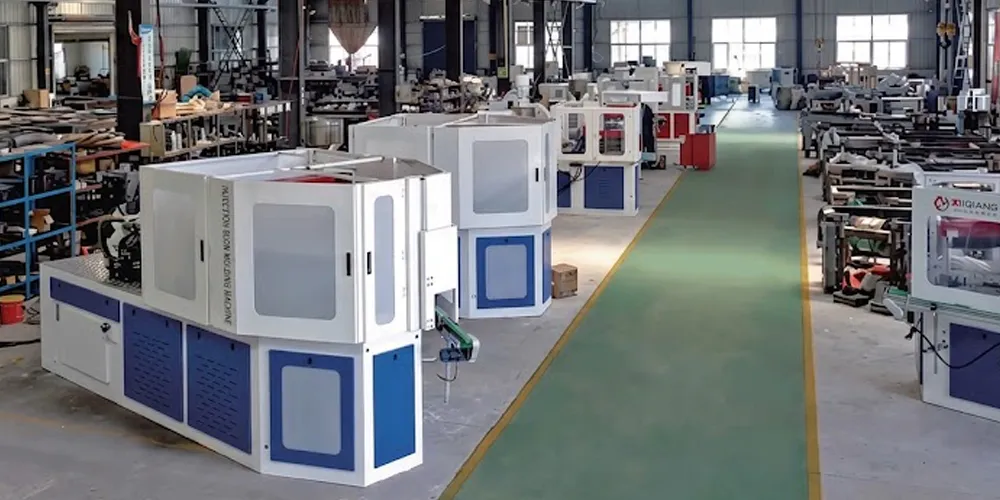
3. PP Material System: Grades, Additives, and Autoclave Performance
Not all PP grades are equal in their suitability for autoclave-sterilized pharmaceutical bottles. The resin selection must balance thermal stability through the autoclave cycle, extractable and leachable (E&L) profile appropriate for the drug product, mechanical properties sufficient for the bottle’s end-use requirements (fill, seal, labelling, distribution, and hospital dispensing), and optical clarity appropriate for particulate inspection of the filled product.
3.1 PP Grade Selection Criteria
For autoclave-grade pharmaceutical bottles on an injection stretch blow moulding machine, the following PP grade categories are relevant:
| PP Grade | Autoclave Stability | Clarity | E&L Profile | Best Pharmaceutical Application |
|---|---|---|---|---|
| PP Homopolymer (standard) | Excellent | Translucent | Very low | Irrigation solution bottles, opaque pharmaceutical bottles where visual inspection not required |
| PP Homopolymer (clarified) | Excellent | High clarity (85–90% T) | Low (clarifier selected for pharma approval) | Ophthalmic solution bottles, injectable solution vials requiring particulate inspection through the wall |
| PP Random Copolymer | Good (lower heat deflection than homopolymer) | Better than homopolymer | Very low | Oral liquid medicine bottles, paediatric syrups; improved low-temperature impact versus homopolymer |
| PP Medical Grade (DMF/DMF registered) | Excellent | Varies | Qualified per USP Class VI, ISO 10993, Ph. Eur. | Any pharmaceutical primary packaging requiring regulatory submission support; E&L data typically provided by resin supplier’s Drug Master File |
3.2 Autoclave Cycle Performance: What Happens to PP at 121°C
During a pharmaceutical autoclave cycle at 121°C / 2.2 bar saturated steam for 15 minutes, a correctly designed and produced PP bottle undergoes a limited, controlled response. PP’s crystalline regions — which form the structural backbone of the material — are unaffected at 121°C because they melt at 160–168°C. The amorphous regions between crystallites soften slightly, allowing limited molecular relaxation, but the crystalline network holds the overall bottle geometry. The practical consequence is that properly designed PP pharmaceutical bottles may show a slight reduction in volume (0.5–1.5% is acceptable in most pharmacopoeia specifications) and a slight increase in wall haze (particularly in clarified PP grades where the clarifier compound’s optical performance changes slightly above 100°C). These changes must be characterised during container qualification and shown to be within the limits specified in the container closure system section of the drug registration dossier.
The wall thickness design of the PP bottle has a significant influence on autoclave survivability. Walls that are too thin (below 0.4 mm in the body) may deform under the steam pressure differential if the bottle interior is not filled with liquid during sterilization. Pharmaceutical PP bottles are typically sterilized filled — the liquid acts as an internal pressure support — but empty bottle-autoclave cycling (for steam sterilization of packaging before fill) requires wall thickness and geometry designed for the external steam pressure loading without internal support. Machine-level control of wall thickness (achievable to ±10% through servo injection and blow pressure control on the injection stretch blow moulding machine) is therefore a direct quality factor in autoclave survivability of the finished container.
4. Recommended Machine for Pharmaceutical PP Bottle Production
For pharmaceutical PP bottle production covering ophthalmic solutions (5–30 ml), oral liquid medicines (50–500 ml), and irrigation fluid bottles (100–1,000 ml), the 4-station HGYS150-V4 is a well-matched platform. Its temperature conditioning station enables the controlled PP preform thermal management that autoclave-grade bottle quality demands, while its ASB-12M mold compatibility allows producers transitioning from legacy asb injection molding machine platforms to validate the new machine using existing mold tooling before investment in new pharmaceutical container designs.
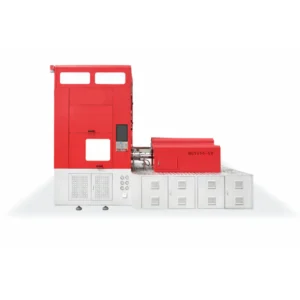
EP-HGYS150-V4 · 4-Station One-Step Injection Stretch Blow Moulding Machine
Applicable Material: PET / PETG / PP (with appropriate screw configuration)
Control System: 3 servo pump systems; Inovance / MIRLE PLC
Servo Motor Power: 43.2 KW (Inovance / WEICHI)
Injection Clamping Force: 150 كيلو نيوتن
Blowing Clamping Force: 200 KN (single side)
Heating Power: 10 KW (nano far-infrared heating ring)
Blowing Air Pressure: 2.0–3.5 MPa
Screw Diameter Options: 40 / 50 / 55 / 60 mm
Conditioning Core Stroke: 250 mm | Conditioning Barrel Stroke: 230 mm
Upper Mold Stroke: 250 mm | Lower Mold Stroke: 205 mm
Take-out Stroke: 170 mm | Blow Core Stroke: 250 mm
Max Cavities: 8 | Max Bottle Volume: 2500 مل
Machine Size (L×W×H): 4,200 × 1,400 × 2,900 mm
Machine Weight: 6 T | Total Power: 53.2 KW
Mold Compatibility: متوافق مع قوالب ASB-12M
Lead Screw: NSK Japan | High-Pressure Valve: Parker USA
Cooling Water Pressure: 0.4–0.6 MPa | Oil Cooler Water Pressure: 0.3–0.4 MPa
Voltage: 370–400 V | Oil Tank Volume: 300 L
5. GMP Quality Requirements for Pharmaceutical PP Bottle Production
Pharmaceutical primary packaging production is governed by Good Manufacturing Practice (GMP) requirements that are substantially more demanding than the quality management systems applied to cosmetic or food-grade container production. When an injection stretch blow moulding machine is used to produce PP bottles that will be classified as pharmaceutical primary packaging — meaning they will be in direct contact with a medicinal product — the machine, its operating environment, and the production process must all satisfy GMP requirements as laid down by the relevant regulatory authority in each market.
5.1 Equipment Qualification: IQ, OQ, PQ
The three-stage equipment qualification framework — Installation Qualification (IQ), Operational Qualification (OQ), and Performance Qualification (PQ) — applies to any machine used in pharmaceutical primary container production under GMP. The injection stretch blow moulding machine must be qualified through this protocol before it can be used in validated commercial production. IQ confirms that the machine is installed correctly (utilities connected to specification, safety systems functional, all components as specified in the purchase order). OQ confirms that the machine performs to its engineering specification across its operating range — injection pressure, temperature, cycle time, and dimensional output. PQ confirms that the machine consistently produces containers meeting their pharmaceutical specification across a defined number of production batches. The Inovance or MIRLE PLC data logging system provides the continuous process parameter records that PQ monitoring requires, and the machine supplier should provide an IQ/OQ documentation template as part of the standard supply package for pharmaceutical buyers.
5.2 Cleanroom Environment and Particulate Control
The production environment for pharmaceutical PP bottle manufacture must satisfy GMP environmental monitoring requirements. The exact classification depends on the drug product and fill/finish process, but most pharmaceutical container production for sterile products is conducted in ISO Class 7 or Class 8 clean room environments, with the machine itself potentially located in a classified zone or isolated from the cleanroom through a transfer hatch system. The one-step injection stretch blow moulding machine’s sealed production cycle — where the container interior is never exposed to ambient air between injection and ejection — is a process hygiene advantage in this context: the primary contamination pathway for the container interior is eliminated at the machine level.
5.3 Container Closure System Validation
The finished PP bottle, together with its closure (stopper, cap, or seal), constitutes the Container Closure System (CCS) that must be validated under ICH Q1A shelf life guidelines and the pharmacopoeia requirements applicable in the target market. For autoclave-sterilized products, the CCS must demonstrate container integrity maintenance — typically by integrity testing before and after autoclave cycling using methods such as headspace gas analysis, vacuum decay, or dye ingress testing. The dimensional consistency that the injection stretch blow moulding machine delivers — particularly neck thread accuracy and sealing surface geometry, both formed at the injection station — directly determines the CCS’s ability to pass these integrity tests consistently across container lots.
6. Global Regulatory Frameworks for Pharmaceutical PP Bottle Production
Pharmaceutical primary packaging — including PP bottles produced on an injection stretch blow moulding machine — is among the most heavily regulated categories of industrial packaging. Each major pharmaceutical market maintains its own regulatory framework governing material safety, container qualification, GMP compliance for the manufacturer, and the machine safety requirements for the production equipment. The following overview covers the major markets for pharmaceutical PP bottle production.
| Market | PP Container Material Standard | GMP / Manufacturing Regulation | Machine Compliance Requirement |
|---|---|---|---|
| الاتحاد الأوروبي | Ph. Eur. 3.1.6 (PP containers); Ph. Eur. 3.2.2 (plastic containers for aqueous preparations for infusion); EU GMP Annex 1 (sterile medicinal products) | EU GMP Guidelines (EudraLex Vol. 4); Annex 15 (qualification and validation); GMP certification of container manufacturer for supply to pharma industry | CE marking under Machinery Directive 2006/42/EC; IQ/OQ/PQ qualification protocol; ISPM 15 export crating |
| United Kingdom | British Pharmacopoeia (BP) retained Ph. Eur. monographs; MHRA Orange Guide (Rules and Guidance for Pharmaceutical Manufacturers) | MHRA GMP inspectorate applies UK GMP equivalent to EU GMP Vol. 4; Annex 15 qualification requirements retained in UK law | UKCA marking post-Brexit; Supply of Machinery (Safety) Regulations 2008; IQ/OQ template documentation |
| United States | USP <661> Plastic Packaging Systems for Pharmaceutical Use; USP <87>/<88> (biological reactivity, Class VI testing); USP <790> (visible particulates in injections) | FDA 21 CFR Parts 210 and 211 (cGMP for finished pharmaceuticals); FDA 21 CFR Part 211.94 (drug product containers and closures); FDA guidance on Container Closure Systems (1999, revised) | OSHA 29 CFR 1910.212 machine guarding; NEC electrical compliance; Equipment qualification (IQ/OQ/PQ) per FDA 21 CFR Part 211 |
| Australia | TGA Code of GMP (based on PIC/S GMP Guide PE009); Australian Regulatory Guidelines for Prescription Medicines (ARGPM) for CCS requirements; BP/Ph. Eur. material monographs accepted | TGA PIC/S GMP audit for pharmaceutical manufacturers; container manufacturer qualification required in CTD Module 3 of drug registration | AS/NZS 3000 electrical connection; state WorkSafe machinery registration; ISPM 15 strictly enforced |
| Japan | Japanese Pharmacopoeia (JP) General Notice 1 (containers); JP <7.02> Plastic containers for aqueous preparations; PMDA guidance on CCS | Ministerial Ordinance No. 179 (GMP for pharmaceutical products); PMDA Drug Master File (DMF) for packaging materials | Industrial Safety and Health Act for machinery; CE equivalent documentation accepted; IQ/OQ/PQ per PMDA expectations |
| South Korea | Korean Pharmacopoeia (KP) container monographs; MFDS (Ministry of Food and Drug Safety) guidelines for pharmaceutical packaging; K-REACH substance restrictions | MFDS GMP requirements (aligned with PIC/S); container manufacturer qualification in drug product registration dossier | KC Mark for electrical components; MOEL industrial safety machinery registration; IQ/OQ template required for pharma buyers |
| البرازيل | Brazilian Pharmacopoeia (FB) container monographs; ANVISA RDC 301/2019 (GMP for pharmaceutical products); ANVISA RDC 204/2017 (pharmaceutical packaging) | ANVISA GMP certification (CBPF) required for pharmaceutical manufacturers and container manufacturers supplying regulated products | NR-12 machinery safety; INMETRO conformity for electrical components; RETIE; ISPM 15 |
| India | Indian Pharmacopoeia (IP) container standards; Drugs and Cosmetics Act 1940 and Rules 1945 (Schedule M for GMP); CDSCO guidance on pharmaceutical packaging | CDSCO GMP inspections (aligning progressively with PIC/S); container qualification in drug product dossier for registration | Bureau of Indian Standards (BIS) electrical equipment standards; machinery CE marking generally accepted by CDSCO; ISPM 15 required |
A significant regulatory development relevant to pharmaceutical PP bottle production across all major markets is the PIC/S (Pharmaceutical Inspection Co-operation Scheme) harmonisation of GMP standards. PIC/S currently has 55 participating authorities including FDA, EMA, TGA, MFDS, ANVISA (observer status), and Health Canada. Machine suppliers providing injection stretch blow moulding machines to PIC/S-member country pharmaceutical manufacturers can use the EU GMP equipment qualification framework (IQ/OQ/PQ per EU GMP Annex 15) as a baseline that is accepted by most PIC/S members, significantly reducing the regulatory adaptation burden when supplying machines across multiple markets.
7. Designing PP Pharmaceutical Bottles for Autoclave Compatibility
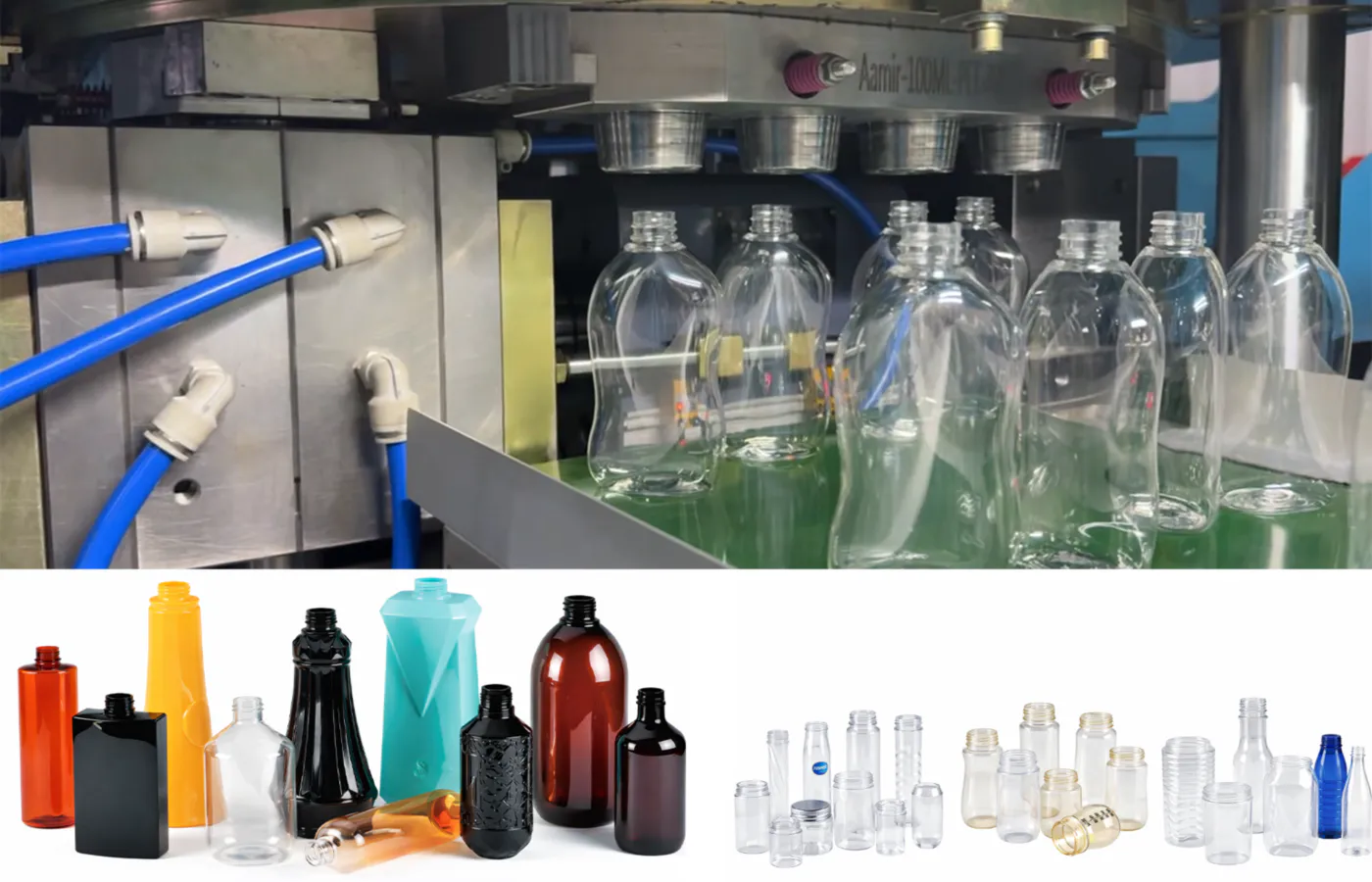
Container design for autoclave-sterilized pharmaceutical bottles requires explicit consideration of the thermal and mechanical stresses of the autoclave cycle at every feature of the container geometry. The injection stretch blow moulding machine produces containers to specifications set at the mold design stage, so autoclave compatibility must be designed in at the mold engineering phase — not retrofitted after container qualification reveals a weakness.
7.1 Wall Thickness and Geometry
Minimum wall thickness for autoclave-compatible PP bottles is typically 0.5–0.8 mm in the body section for filled-bottle sterilization, and 0.8–1.2 mm for containers that may be autoclaved empty. The bottom dome geometry — particularly the base panel radius and its transition to the sidewall — must be designed to distribute autoclave steam pressure loading without inducing point-stress concentrations that could cause stress cracking during or after sterilization. Flat bases are generally avoided in autoclave PP bottles in favour of champagne-base or convex-dome profiles that are inherently stronger under external pressure loading.
7.2 Neck Finish for Autoclave-Compatible Sealing
The closure system for autoclave-sterilized pharmaceutical bottles must maintain hermetic integrity through the thermal cycle — including the rapid temperature transitions of autoclave loading, sterilization hold, and cooling. For PP bottles sealed with PP closures, the neck thread form and sealing surface must be designed to accommodate the differential thermal expansion between the closure and the bottle while maintaining adequate sealing force throughout the temperature range. The injection stretch blow moulding machine’s injection-station neck formation provides the dimensional precision (thread diameter to ±0.05 mm) that consistent sealing performance across container lots requires.
| Application | Volume Range (ml) | PP Grade | Autoclave Cycle | Machine Platform |
|---|---|---|---|---|
| Ophthalmic solution | 5–30 | Clarified homopolymer PP | 121°C / 15 min (F₀ ≥ 8) | HGY50-V3-EV (3-station, up to 6 cavities) |
| Oral liquid medicine | 50–250 | PP random copolymer or clarified homopolymer | 121°C / 15 min (terminal sterilization where applicable) | HGYS150-V4 (4-station, 4–8 cavities) |
| Injectable solution vial | 20–100 | Medical-grade clarified homopolymer PP (USP Class VI) | 121°C / 15 min (typical); 134°C available for higher F₀ requirement | HGYS150-V4 (4-station, temperature conditioning required) |
| Irrigation fluid bottle | 100–1,000 | PP homopolymer (semi-transparent or translucent) | 121°C / 15–30 min | HGYS200-V4 or HGY250-V4 (4-station, higher clamping force for larger formats) |
| Paediatric medicine bottle | 50–200 | PP random copolymer (improved low-temperature impact) | 121°C / 15 min or aseptic fill (no terminal sterilization) | HGYS150-V4 or HGY50-V3-EV depending on format size |
8. One-Step ISBM vs. Two-Step Blow Moulding for Pharmaceutical PP Bottles
The process hygiene comparison between one-step and two-step production is more consequential in pharmaceutical packaging than in almost any other application category. The two-step process — where PP preforms are injection-moulded, cooled, stored, transported, and then reheated for blow moulding — introduces a preform storage phase during which the preform’s interior and exterior surfaces are exposed to the production environment. In a pharmaceutical GMP context, this exposure requires the preform storage area to be included in the environmental monitoring programme, the preform transfer to be conducted under controlled conditions, and the preform washing or inspection steps to be validated. Each of these requirements represents regulatory compliance burden and potential contamination risk that the one-step injection stretch blow moulding machine architecture eliminates.
The one-step machine cycle takes the PP from melt to finished bottle interior surface without any environmental exposure at any point. The container’s interior surface — the face that will be in contact with the pharmaceutical preparation — is formed inside the injection mold cavity, conditioned, and blow-moulded in a sealed sequence. The only environmental exposure of the container interior occurs when the bottle exits the machine’s ejection station, at which point it immediately enters the clean-room transfer or primary packaging line. For pharmaceutical producers under GMP, this process architecture represents a fundamental risk reduction that is recognised in the EU GMP Annex 1 rationale for closed-process design in sterile manufacturing environments.
معلومات عنا
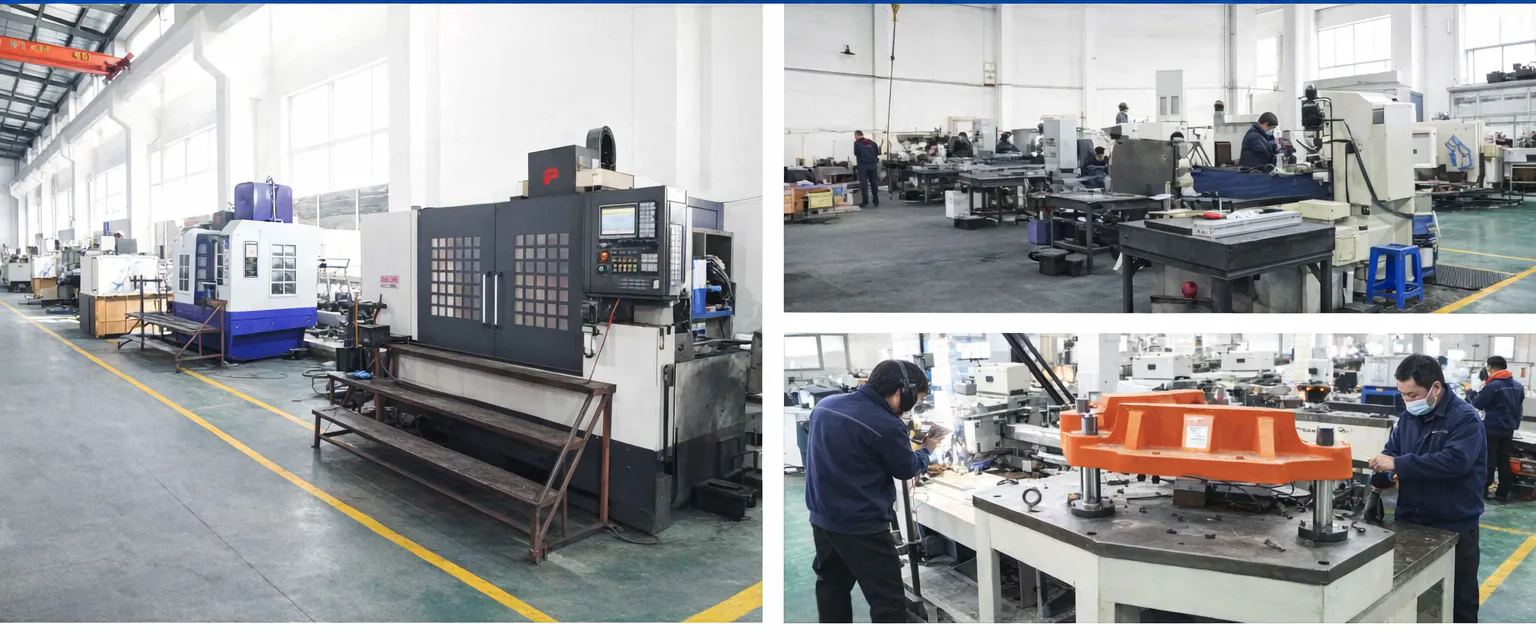
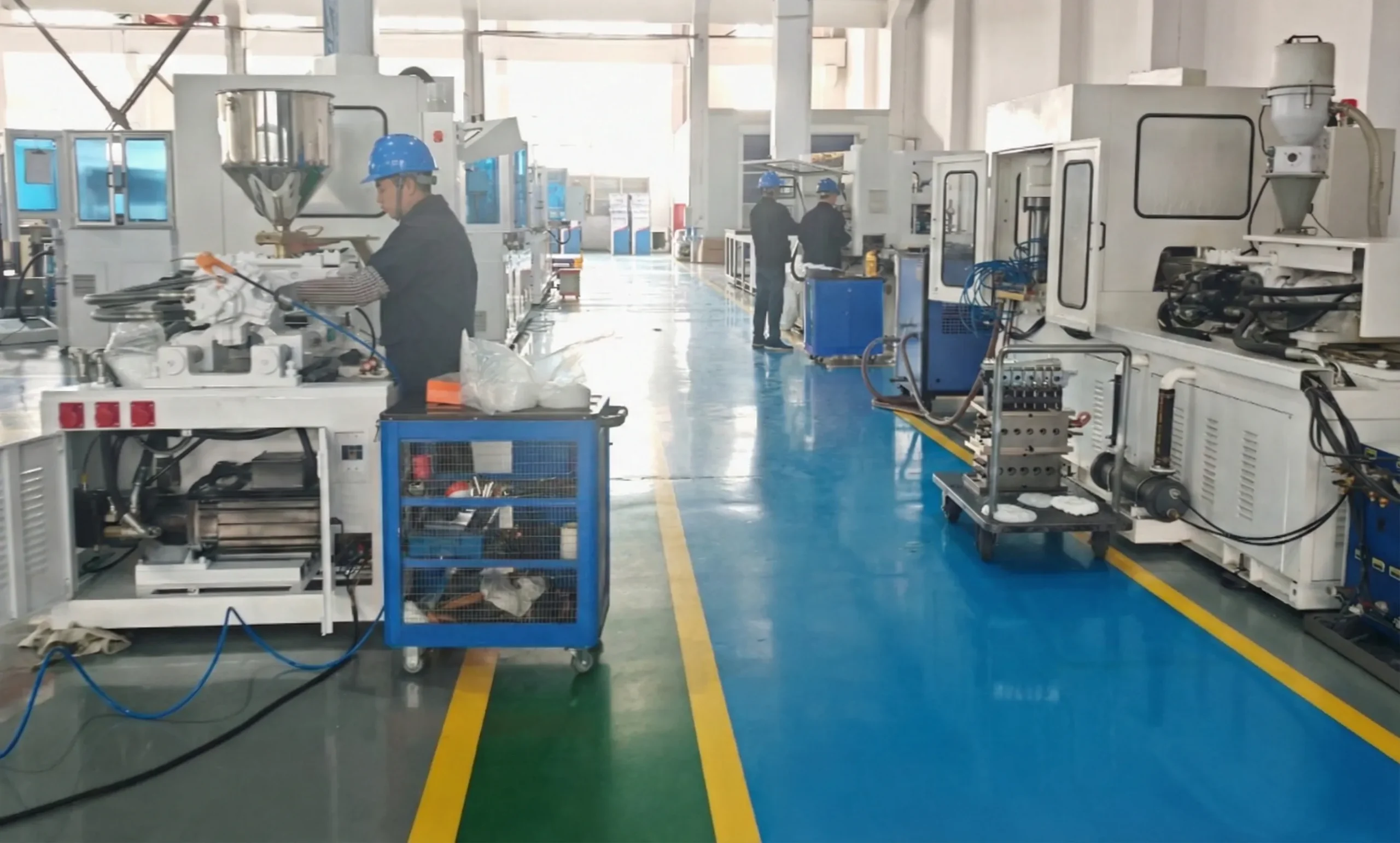
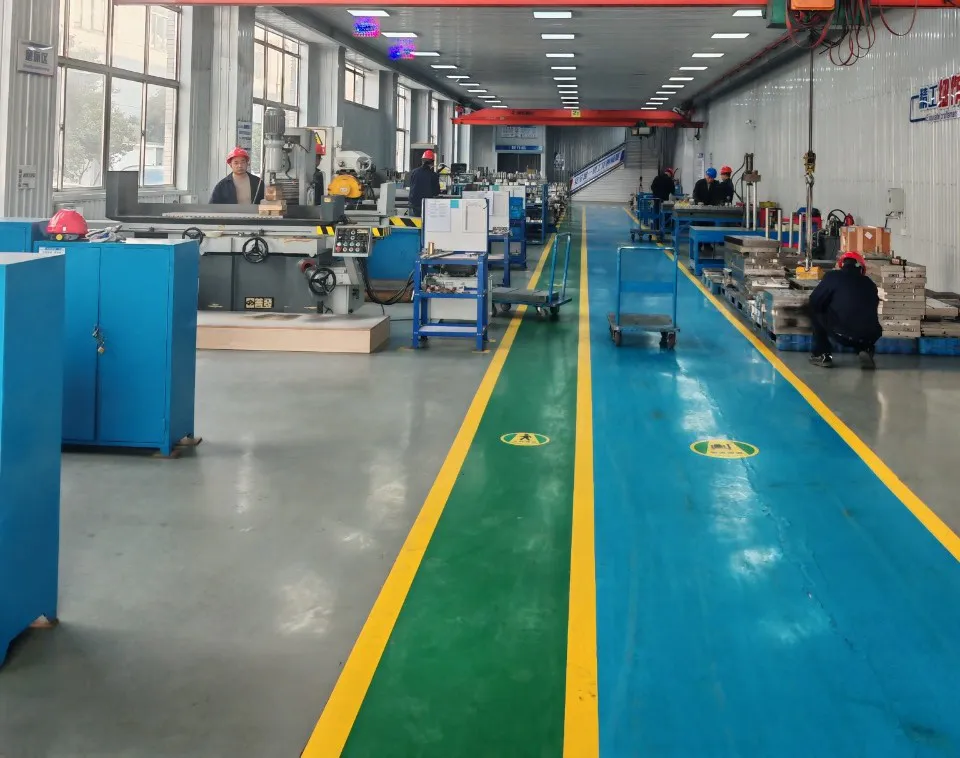
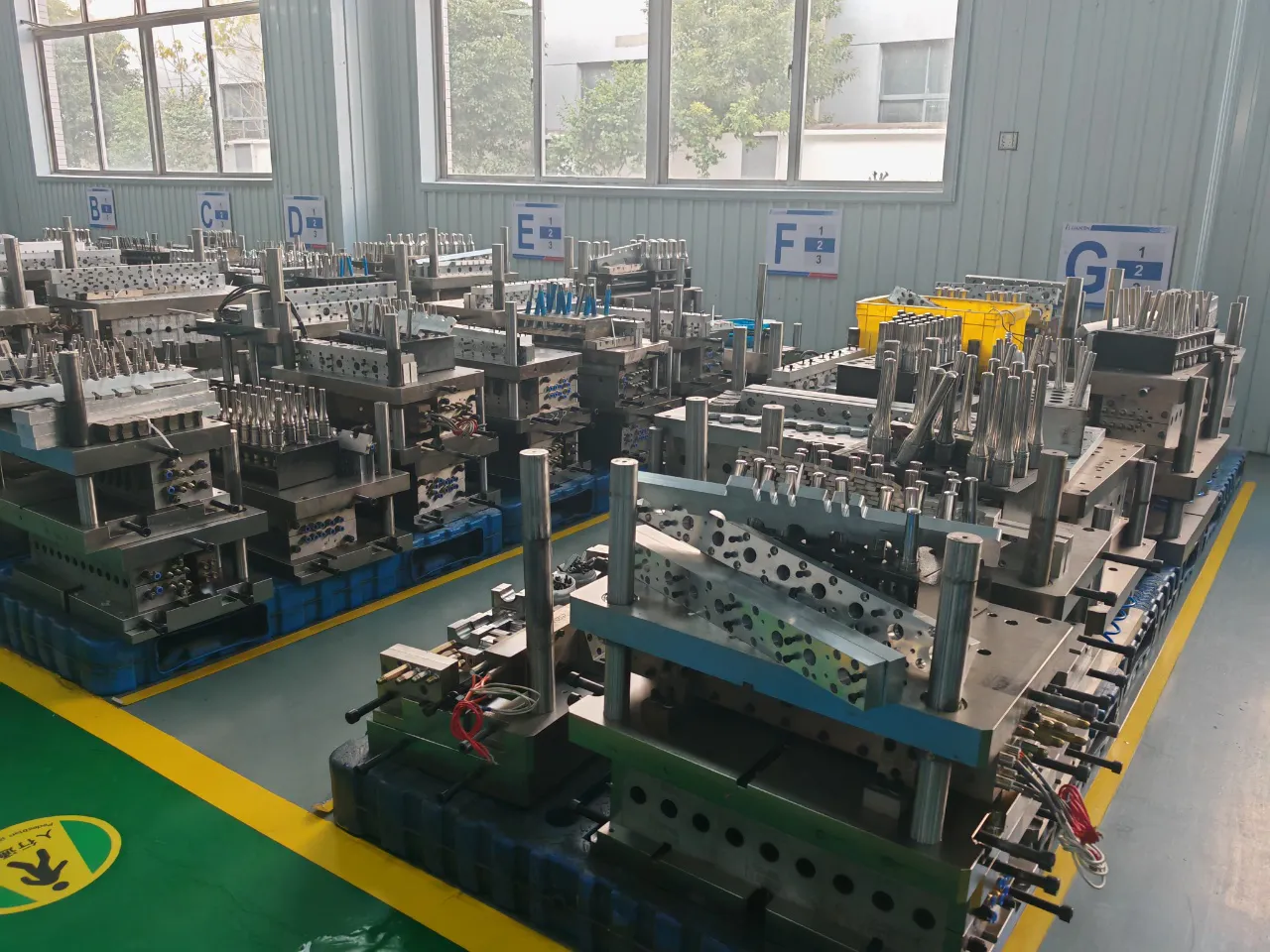
With more than two decades of experience developing one-step injection stretch blow moulding machine platforms, our engineering team has accumulated substantial practical knowledge of pharmaceutical primary packaging applications — from ophthalmic solution bottles requiring clarified PP and autoclave survivability through to oral liquid medicine containers and irrigation fluid bottles requiring validated Container Closure System performance. Our production facility, covering more than 20,000 square metres of precision machining and assembly floor, manufactures ISBM machines deployed in pharmaceutical packaging plants across Europe, Japan, Australia, South Korea, India, and South America.
Machines supplied to pharmaceutical packaging producers come with IQ/OQ documentation templates as standard, structured to be compatible with EU GMP Annex 15, USP, JP, and PIC/S qualification framework requirements. The Inovance or MIRLE PLC data logging system supports GMP batch record requirements. Core components — Parker high-pressure valves, NSK Japan lead screws, Yaskawa and Inovance servo systems — are sourced from globally recognised suppliers whose performance specifications suit the quality-critical pharmaceutical application environment. CE marking documentation under Machinery Directive 2006/42/EC is provided as standard for EU-market machines; UKCA, KC, and other market-specific certifications are available on request at the order stage.
ورشة عمل
Related Equipment for Pharmaceutical PP Bottle Production Lines
Consistent, GMP-compliant output from an injection stretch blow moulding machine in pharmaceutical PP bottle production depends not only on the machine but on the auxiliary systems that support it. Two systems have direct influence on product quality and GMP compliance in pharmaceutical PP bottle production environments.
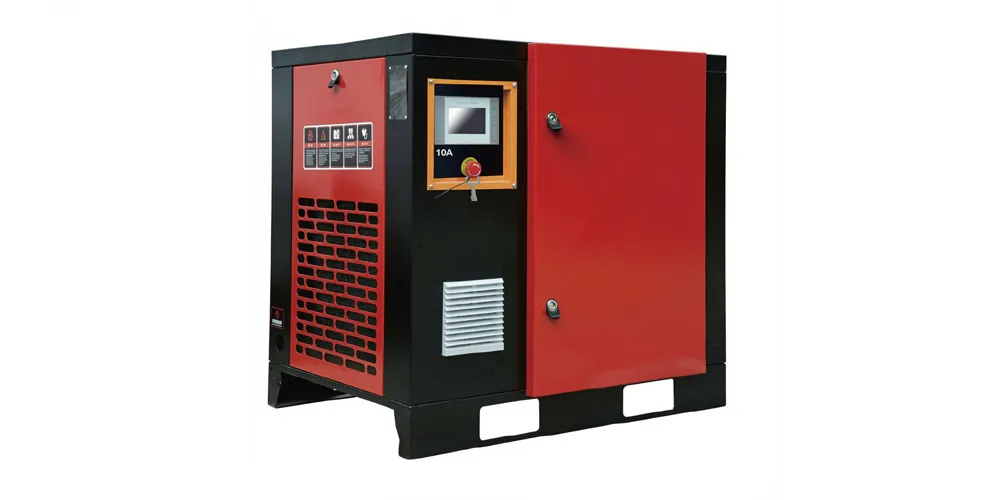
Oil-Free Air Compressor
In pharmaceutical PP bottle production, the requirement for oil-free blow air is not optional — it is a GMP imperative. Oil aerosol depositing on the interior surface of a pharmaceutical container constitutes an elemental impurity and a potential extractable that must be declared and justified in the drug product’s regulatory submission. An oil-free high-pressure compressor eliminates this contamination pathway entirely, delivering clean compressed air at 2.0–3.5 MPa without the oil contamination risk associated with lubricated reciprocating compressors. For pharmaceutical GMP compliance, the compressor should carry a validated oil-free designation from the manufacturer with supporting analytical data, and the compressed air supply should include in-line oil-detection monitoring where the regulatory environment requires it.
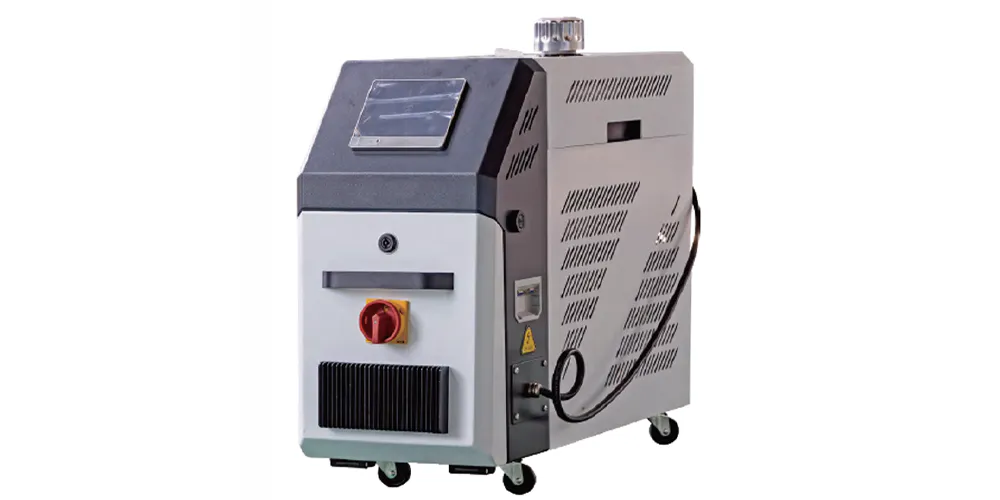
جهاز التحكم في درجة حرارة القالب
Blow mold temperature consistency is a critical process parameter in pharmaceutical PP bottle production — one that must be defined, controlled, and recorded as part of the validated process. For PP pharmaceutical containers, the cooling rate during and after blow moulding influences the degree of crystallinity in the bottle wall, which in turn affects the autoclave survivability profile and the stress cracking resistance over the container’s shelf life. A precision mould temperature controller maintaining coolant temperature within ±1°C of the validated setpoint produces consistent crystallinity across production batches, supporting batch-to-batch reproducibility in the container qualification record. For GMP pharmaceutical production, the mould temperature controller should be calibrated on a schedule consistent with the validated process and the calibration records maintained as part of the equipment qualification documentation. Including the mould temperature controller in the same procurement as the injection stretch blow moulding machine simplifies system commissioning and the IQ verification step.
Discuss Your Pharmaceutical PP Bottle Production Requirements
Whether you are specifying an injection stretch blow moulding machine for a new pharmaceutical PP container line, replacing legacy ASB or AOKI equipment, or developing containers for a new autoclave-sterilized drug product, our pharmaceutical packaging application team can review your container specification and advise on the appropriate machine configuration, PP grade, and IQ/OQ qualification support.
الأسئلة الشائعة
المحرر: PXY