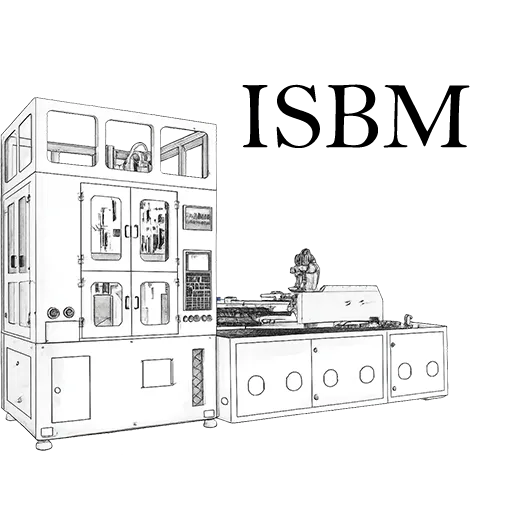
ISBM உற்பத்தியில் ஷார்ட் ஷாட்கள், சிங்க் மார்க்குகள் மற்றும் வெல்ட் லைன்கள் ஏற்படுவதற்கான காரணங்கள் மற்றும் அவற்றைச் சரிசெய்வது எப்படி
Walk onto any Colombian bottle production floor on a bad morning and three defect families dominate the reject bin — short shots, sink marks, and weld lines. These are not exotic problems. They are the daily frustrations that separate a profitable ISBM operation in Bogotá or Medellín from one bleeding scrap costs back to the resin supplier. The uncomfortable truth is that almost every instance of these defects traces back to a combination of process parameters, mould design, machine condition, and resin handling — and every one of them is fixable with the right diagnostic approach. This guide walks through the root causes and practical fixes for each defect as they appear on a modern one-step ஊசி நீட்சி ஊதி மோல்டிங் இயந்திரம், drawing on HGY-series platform capabilities and the real-world troubleshooting sequence a production engineer should follow before calling the supplier’s service line.
1. Why These Three Defects Matter Commercially
A well-tuned ஊசி நீட்சி ஊதி மோல்டிங் இயந்திரம் in a Colombian plant should run with a scrap rate below 1.5% on mature SKUs. When short shots, sink marks, or weld lines push that number above 3%, the commercial impact is immediate. A cosmetic producer filling 4-cavity tooling at 480 bottles per hour loses roughly 230 bottles per shift at 3.5% scrap versus 1% — and those losses compound across three shifts and twenty production days per month. More damaging, these defects rarely appear alone. A short-shot condition often drags sink marks into adjacent cavities, while weld-line weakness shows up weeks later as field drop-test failures that trigger retail returns. Getting ahead of the defect pattern is therefore not just a quality exercise, it is a direct margin protection exercise for any producer serving INVIMA-regulated or premium-retail channels.
The good news is that the ஊசி நீட்சி ஊதி மோல்டிங் செயல்முறை is deterministic. Every defect has identifiable root causes, and every root cause has a documented fix. The trick is approaching the troubleshooting sequence methodically rather than chasing symptoms randomly. Most Colombian operators who struggle with persistent defects are not missing the fix — they are missing the sequence. This article provides both.
2. Five Key Advantages of a Defect-Resistant ISBM Platform
1. Closed-Loop Shot Control
Servo-driven injection units hold shot volume within ±0.25% cycle-to-cycle, eliminating the shot-weight drift that causes roughly 60% of short-shot incidents on older hydraulic platforms.
2. Multi-Stage Injection Profile
Modern PLCs running Inovance or MiRLE controllers store 5–8 stage injection curves, letting operators slow flow at gate, accelerate through the transition, and slow again at fill — the sequence that eliminates weld-line weakness.
3. Precise Pack Pressure Control
Servo pumps deliver pack-pressure profiles within ±0.5 bar accuracy, preventing the undershoot condition that produces sink marks at thick-section transitions between the bottle neck and shoulder.
4. Mould Temperature Uniformity
Dedicated mould temperature controllers hold cavity surfaces within ±1°C, keeping weld-line knit temperature above the threshold where molecular chains successfully reconnect across the flow front.
5. In-Process Data Logging
HGY-class machines log shot weight, fill time, cavity pressure peak, and cooling time for every cycle. This data lets engineers reconstruct what the process was doing on the exact cycle where a defect appeared.
3. Working Principle — What Actually Happens Inside Each Defect
Understanding the mechanics of each defect is the first step to fixing it. A short shot happens when the molten resin fails to completely fill the preform cavity before it freezes off at the gate. The last portion of the preform shell comes out incomplete — usually as a thin streak or missing section near the end-of-flow region. Root causes fall into four buckets: insufficient shot volume, premature gate freeze, inadequate injection pressure, and restricted melt flow. On a four-cavity tool running a 240 ml PET preform, a shot volume shortfall of just 1.2 grams per cavity produces visible short shots in about 30% of preforms from that cycle.
A sink mark is a surface depression that appears opposite thick-section geometry — most often at the preform’s gate area, neck thread roots, or shoulder-to-body transition. The mechanism is local volumetric shrinkage. When the thick section cools from the outside inward, the still-molten core shrinks and pulls the outer skin inward, creating the visible depression. Sink marks on an ஊசி நீட்சி ஊதுகுழல் அச்சு preform propagate downstream — a sink mark on the preform translates into a thin zone on the finished bottle wall, which then fails top-load testing at retail.
A weld line is the visible or structural seam where two separate flow fronts meet inside the cavity. On a multi-gate preform tool or any geometry with a flow obstruction, the resin splits during fill and recombines further along. If the two fronts meet at a temperature below the knit threshold, the molecular chains do not fully entangle across the interface — producing a line that is weaker than the surrounding material. Weld-line failures show up as longitudinal cracks under top-load testing, leaks after capping, and stress whitening under distribution vibration.
4. Materials That Reduce Defect Frequency
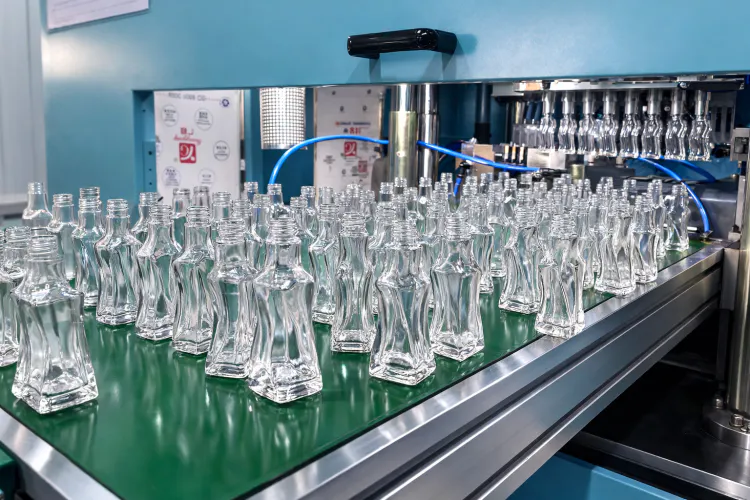
The machine build directly influences defect frequency. A nitrided 38CrMoAlA plasticizing screw with surface hardness above 950 HV resists the wear that causes check-ring slippage — the single most common mechanical root cause of progressive short-shot drift on older platforms. The check ring itself should be a wear-resistant alloy with a three-piece design that closes cleanly on every injection stroke; worn check rings leak molten resin back over the flights, reducing effective shot volume by 0.5–2 grams per cycle until the defect appears. Barrel heater bands should be the nano-far-infrared type rated at 10–15 kW for HGY platforms, with individually calibrated thermocouples on each zone.
On the mould side, S136 stainless steel hardened to 48–52 HRC and polished to Ra 0.2 µm reduces both weld-line visibility and surface-drag-induced sink marks. Cooling circuits should be gun-drilled with balanced flow across all cavities — an imbalance of just 10% in cooling flow between adjacent cavities causes temperature differentials that appear as mysterious cavity-to-cavity sink mark variations. Vent inserts at the mould parting line, especially at anticipated weld-line locations, eliminate the trapped-gas burn marks that accompany weld-line weakness. Global-brand key components — Inovance or Yaskawa servo motors, Parker high-pressure valves, YUKEN hydraulic valves, Airtak pneumatic cylinders — provide the precision control that a defect-resistant ஊசி நீட்சி ஊதி மோல்டிங் செயல்முறை requires.
5. Application Scenarios Where Defect Control Decides Profitability
பிரீமியம் அழகுசாதனப் பாட்டில்கள்
PETG dropper and serum SKUs sold into Éxito and Carulla retail shelves cannot tolerate visible sink marks or weld lines on the front face. Defect-free production is the gate to premium pricing for Colombian cosmetic brands.
கார்பனேற்றப்பட்ட பான பாட்டில்கள்
500 ml to 2 L PET CSD bottles fail leak testing when weld lines weaken under CO2 pressure. One weak pallet triggers a full-batch recall, destroying the entire production week’s margin.
Pharmaceutical Bottles
INVIMA-regulated oral-dose packaging rejects any bottle with visible sink marks at the neck region where the closure seals. Sink-mark control is a regulatory expectation, not a cosmetic preference.
குழந்தை பால் புட்டிகள்
Tritan and PPSU baby bottles face the strictest drop-test regime. Weld-line weakness produces field failures that trigger parent complaints — the fastest way to destroy a premium baby-care brand launch.
Edible Oil Bottles
1 L vegetable oil bottles fail pallet compression when short shots produce thin-walled regions. Eight-pallet stacking is standard in Colombian warehouses, so bottom-row crush testing is unforgiving.
பெரிய அளவிலான தண்ணீர் ஜாடிகள்
5-gallon and 20-liter PET jugs produced on HGY650-V4 demand zero defects because replacement is commercial hand-to-hand combat with the dispenser operator. Defects here propagate through every downstream service call.
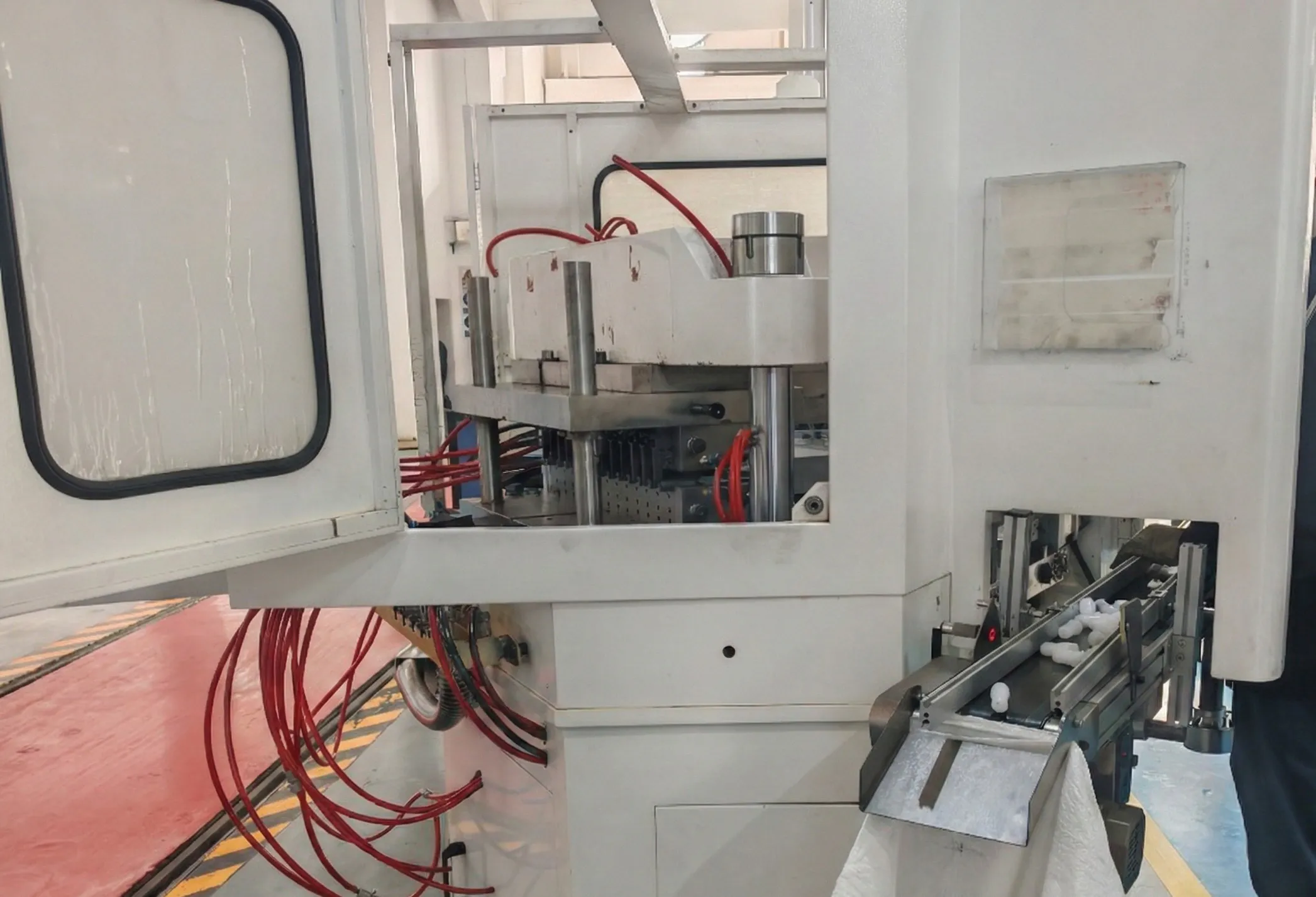
6. Regulatory Landscape — Where Defect Documentation Appears
Short shots, sink marks, and weld lines are not just quality metrics — they intersect with regulatory frameworks whenever the bottle touches food, pharma, or infant-feeding applications.
கொலம்பியா: INVIMA Resolución 2674 of 2013 requires documented manufacturing process control for food-contact materials, which explicitly includes defect-rate statistics during sanitary registration submission. Resolución 2400 of 1979 covers workplace safety during operation of industrial ஊசி நீட்சி ஊதி மோல்டிங் இயந்திரங்கள். NTC 5000 governs plastic food packaging technical standards. RETIE certification applies to the machine’s three-phase electrical installation. ICONTEC coordinates international-standards certification that accelerates export documentation for Colombian brands targeting Mercosur, EU, and North American retail.
பிற சந்தைகள்: FDA 21 CFR 177.1315, 177.1520, and 177.1580 cover copolyester, PP, and PC food-contact approvals — each requires documented defect-rate data as part of 510(k) submissions for pharmaceutical packaging. European Union Regulation 10/2011 enforces specific migration limits correlating with production consistency. Commission Directive 2011/8/EU restricts BPA in infant-feeding bottles. Japanese JFSL 370 applies for Asian exports. Brazilian ANVISA RDC 52/2010 governs plastic containers across Mercosur. Mexican CoFEPRIS aligns with FDA standards. Australia and New Zealand reference AS 2070. Machine-side quality is anchored in ISO 9001:2015 quality management and ISO 14001 environmental certification, with USP Class VI expected for medical-grade applications.
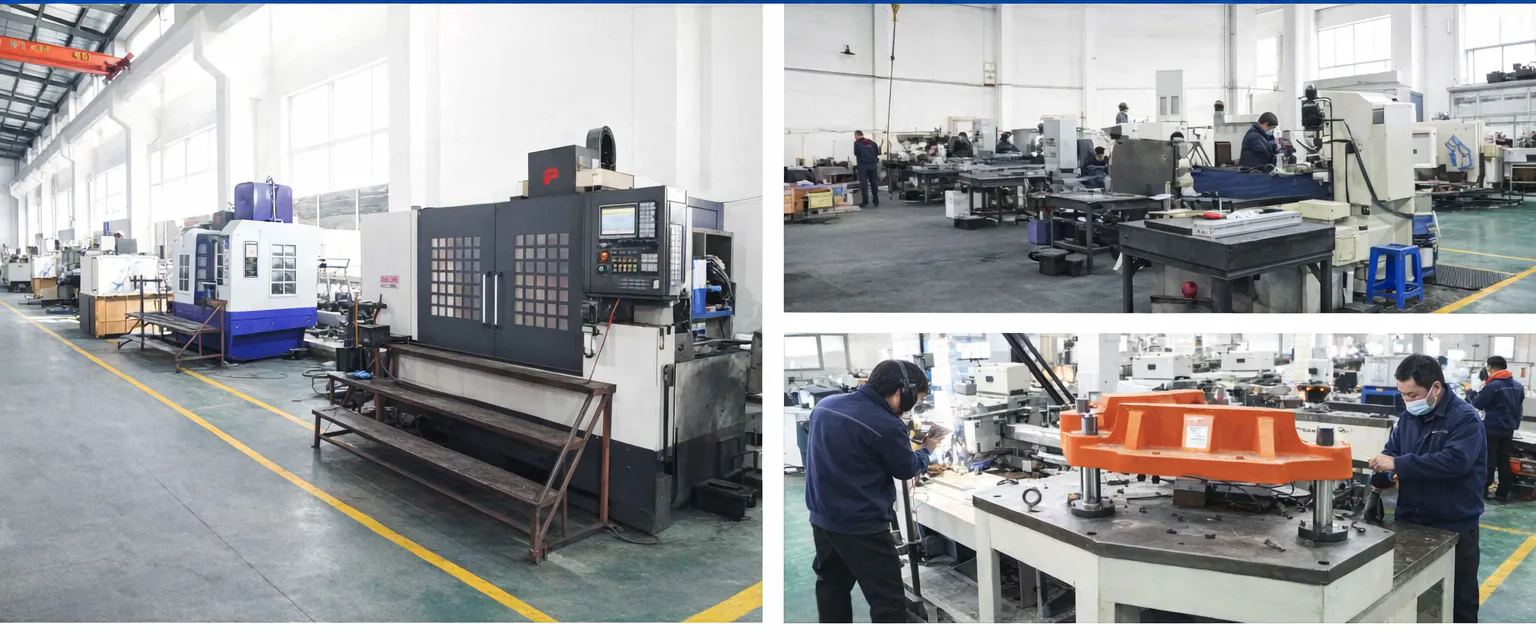
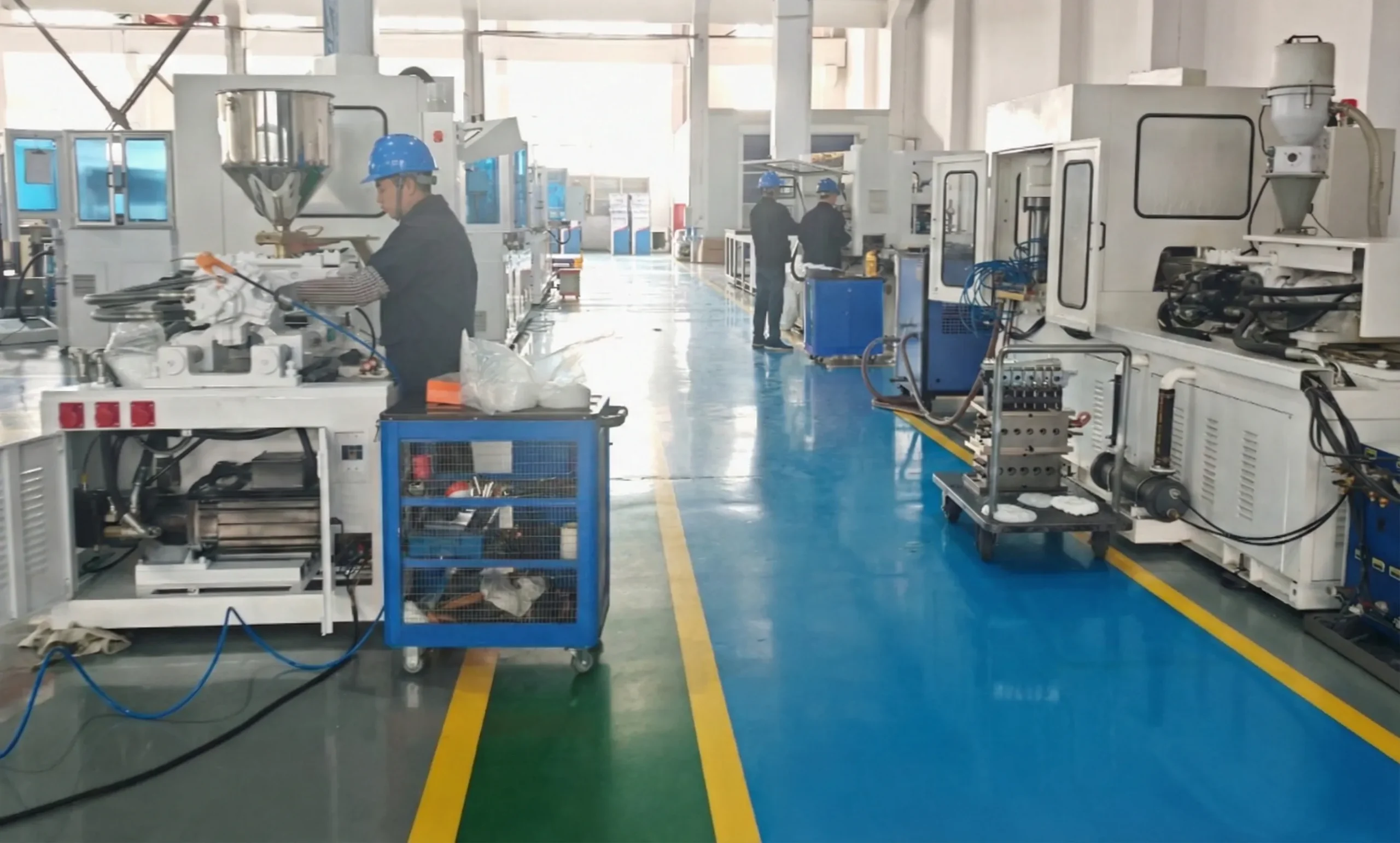
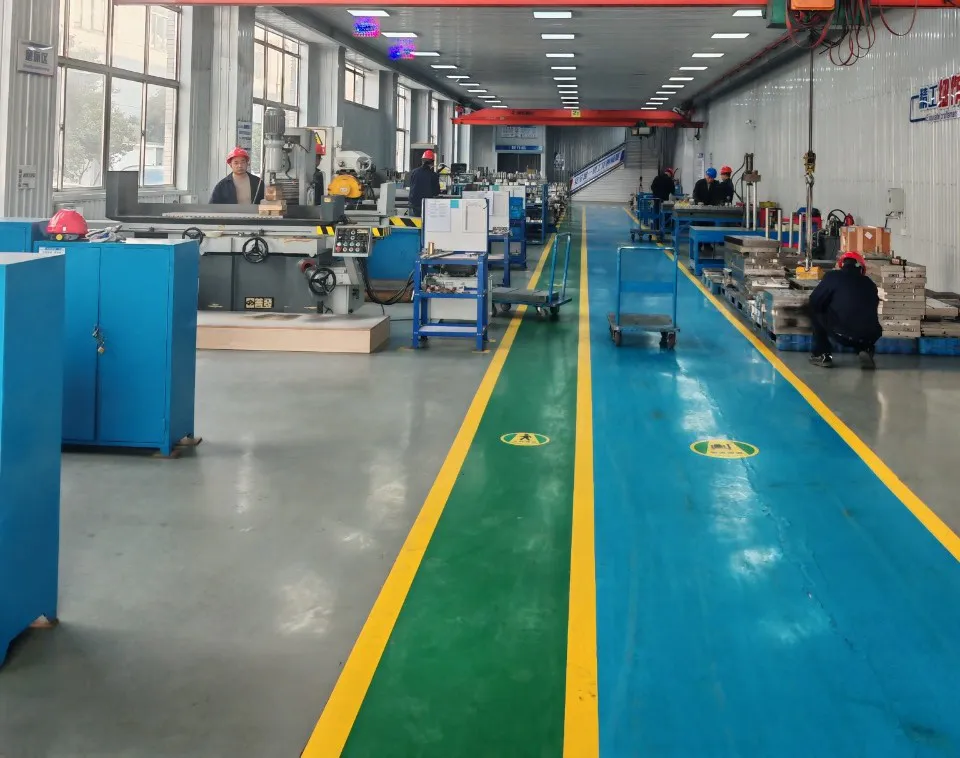
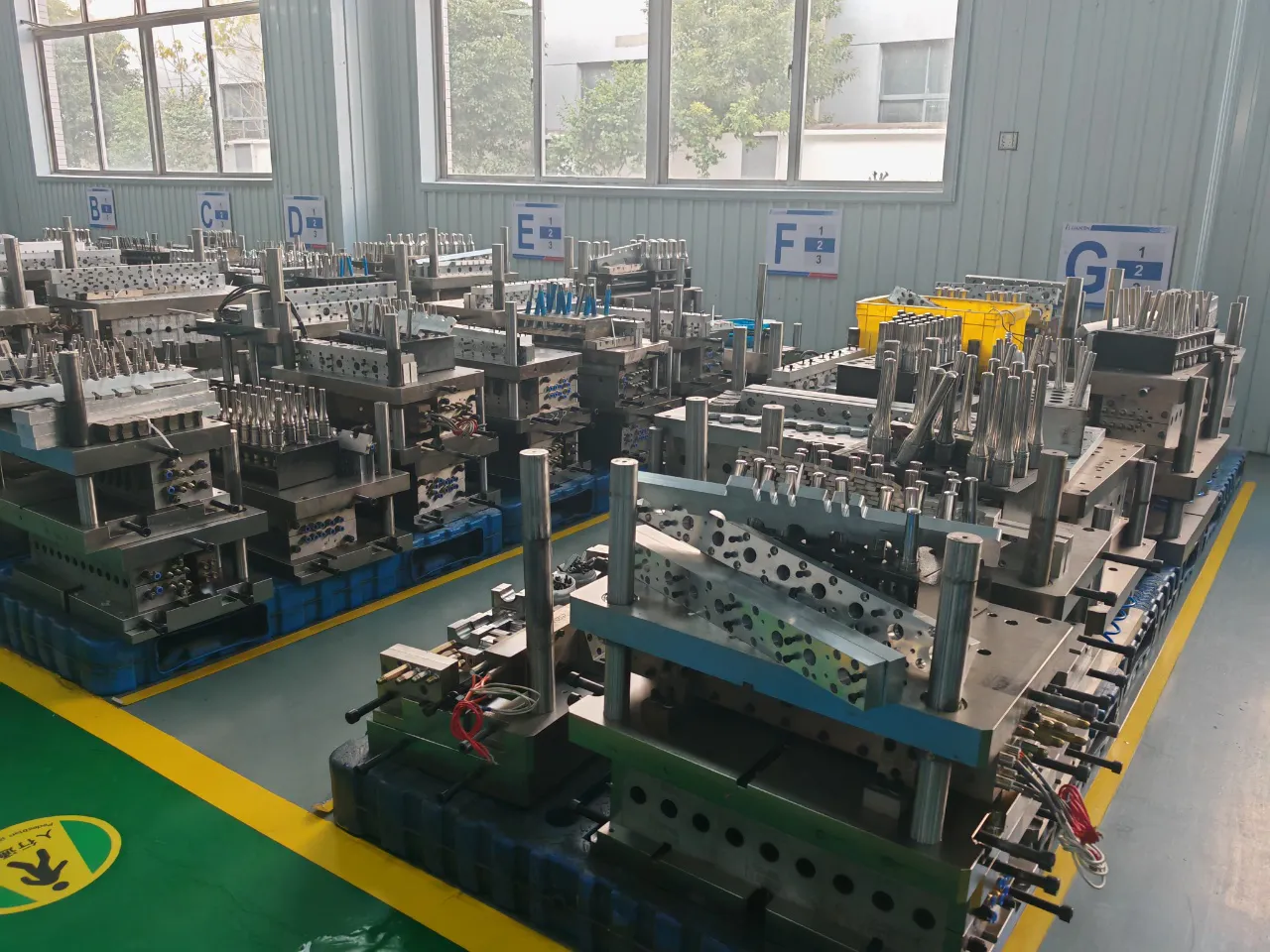
பட்டறை
7. Related Components — Supporting Defect-Free Production
A defect-free ISBM line depends on auxiliary components matching the precision of the main ஊசி நீட்சி ஊதி மோல்டிங் இயந்திரம். Sourcing peripherals from a single supplier simplifies troubleshooting and keeps the entire line operating within the tolerance stack that defect-free production requires.
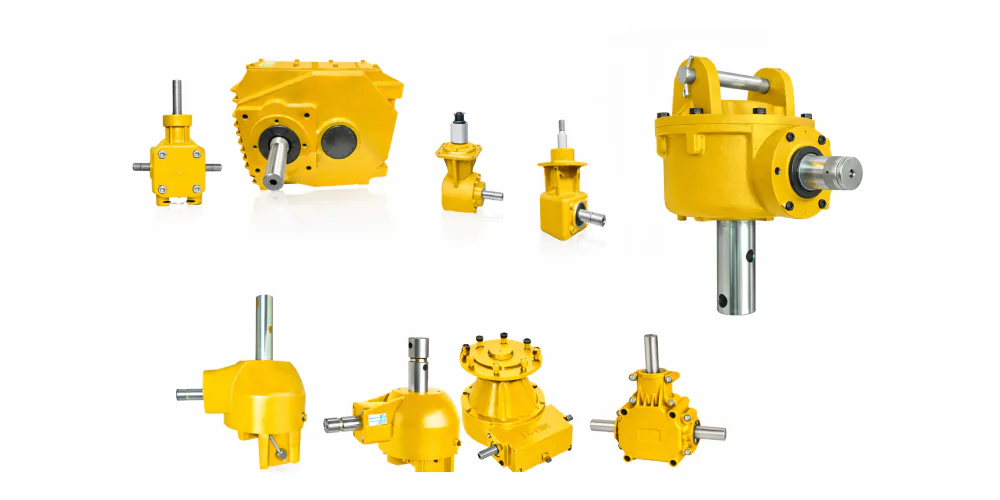
புறக்கருவிகளுக்கான தொழில்துறை கியர்பாக்ஸ்கள்
Conveyor drives, feeder gearboxes, and palletizer reducer units serving the ISBM line benefit from sourcing through a dedicated தொழில்துறை கியர்பாக்ஸ் supplier. Matching gear ratios to bottle-output cadence keeps downstream handling synchronized with machine cycle time, preventing the accumulation defects that appear when conveyor speeds drift out of sync.
இயக்க சீரமைப்புக்கான விறைப்பான இணைப்புகள்
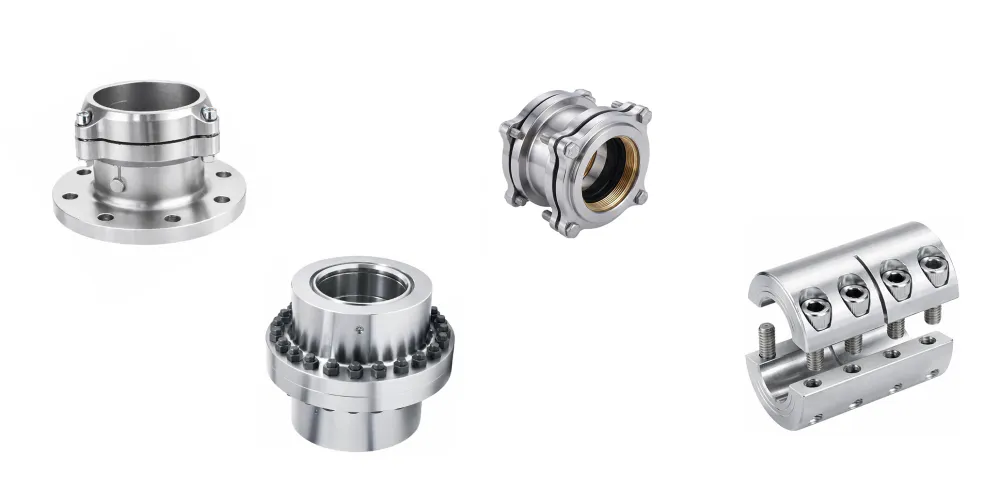
Compressor couplings, feeder drive shafts, and motor-to-reducer alignment around the ISBM main machine benefit from zero-backlash rigid coupling inventory. Alignment drift in any shaft connection propagates into the cycle timing of the main machine and can cause intermittent defects that are nearly impossible to trace without ruling out the peripherals first.
அடிக்கடி கேட்கப்படும் கேள்விகள்
Q1. Which injection stretch blow moulding machine supplier offers the best troubleshooting support for Colombian beverage producers?
A1. Prioritize suppliers who provide documented SKU-specific troubleshooting guides at commissioning, remote diagnostic capability via secure machine data-link, and a named technical contact available during your production shifts. Ask for a reference call with a comparable Latin American customer before signing the purchase order.
Q2. How do I diagnose intermittent short shots that appear only on alternate cavities of a 4-cavity preform tool?
A2. Cavity-specific short shots almost always trace to flow imbalance between the hot runner drops. Check each drop for temperature uniformity within ±2°C, inspect gate diameters for wear exceeding 0.1 mm, and verify that the preform tool runner was originally balanced during mould manufacture. Imbalanced runners require shim adjustment or re-gating to resolve.
Q3. What resin-side factors do Colombian producers most often overlook when diagnosing persistent short shots?
A3. Resin moisture content is the most commonly overlooked factor. PET above 50 ppm moisture, PETG above 80 ppm, or Tritan above 100 ppm produces intermittent short shots that look like machine issues. Regrind contamination is the second most common — even 10% regrind with inconsistent moisture control disrupts shot weight enough to push defect rates above 3%.
Q4. What causes sink marks to appear only on specific cavities of an otherwise balanced preform tool?
A4. Cavity-specific sink marks almost always trace to uneven cooling circuit flow. Measure flow rate on each cavity’s water circuit — any cavity running below 85% of the average flow will show local sink marks. Rebalance the cooling manifold or flush scale buildup from the affected circuit to resolve.
Q5. Which injection stretch blow molding machine manufacturers provide remote troubleshooting support during Colombian production shifts?
A5. Serious suppliers offer secure remote access to the machine PLC with real-time parameter monitoring. Ask specifically for the data points logged — shot weight, fill time, cavity pressure peak, cooling time, and cycle-to-cycle variation should all be accessible remotely. This capability typically cuts troubleshooting response time by 70%.
Q6. How can I eliminate weld lines on a cosmetic PETG bottle without redesigning the injection stretch blow mold?
A6. Process-side fixes work for most weld-line issues on cosmetic SKUs. Raise melt temperature 5–8°C, raise mould temperature 3–5°C, and increase the final-stage injection speed by roughly 15%. If visible weld lines persist after these changes, adding vents at the parting line where the flow fronts meet is the next step before mould re-machining becomes necessary.
Q7. What is the most common mechanical root cause of gradually worsening short shots on an aging injection stretch blow moulding machine?
A7. Check-ring wear is the dominant failure mode. Molten resin leaks back across the flights during injection, reducing effective shot volume by 0.5–2 grams per cycle. Replacement is a planned 4–8 hour maintenance task. Any machine running more than 15,000 production hours should have the check ring inspection scheduled as preventive maintenance.
Q8. When should a Colombian cosmetic producer escalate from process adjustments to mould-level changes?
A8. Escalate to mould-level changes only after you have documented three consecutive 8-hour shifts in which process parameter adjustments fail to resolve the defect. Premature mould changes add weeks of downtime and often fail to fix the underlying issue. The supplier’s engineering team can remotely validate whether you have exhausted the process fixes before you commit to mould work.
Q9. Where can I watch an injection stretch blow molding video demonstrating defect diagnosis on a live production machine?
A9. Reputable manufacturers maintain a video library on their corporate site with annotated troubleshooting footage. You can also request a live video demo during which the supplier walks through the diagnostic sequence on your specific SKU. Both resources typically cut operator training time by several days during new-machine commissioning.
Q10. Which injection stretch blow molding machines can replace an aging unit producing high defect rates at a Colombian pharma plant?
A11. The HGY150-V4-EV fully electric or HGYS150-V4 servo platform retrofit directly into existing ASB-12M tooling layouts. The closed-loop shot-weight control and multi-stage injection profile typically cut scrap rate in half within the first commissioning shift compared to legacy hydraulic machines. Pharma-grade oil-free operation satisfies INVIMA requirements from day one.
ஆசிரியர்: PXY