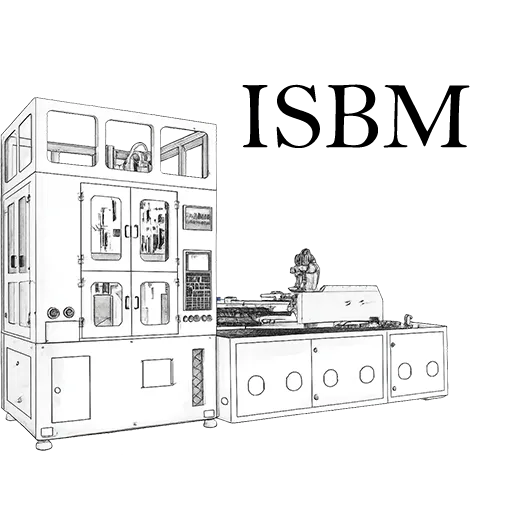

EP-HGA.ES-2C130 Daily Chemicals & Cosmetic Bottle Blow Molding Machine
The EP-HGA.ES-2C130 is a two-cavity blow molding machine designed for the mid-to-large daily chemical plastic bottle segment. With a 130 mm mold pitch — a full 30 mm wider than the 100 mm pitch on smaller cosmetic IBM models — this machine supports a meaningfully broader container body diameter, accommodating bottles up to 110 mm across and 250 mm tall in volumes up to 1,500 ml. That range covers shampoo, conditioner, household cleaners, fabric softener, and body wash bottles in the 750 ml to 1,500 ml sizes that dominate supermarket shelf space for daily chemical brands in Colombia, Mexico, and broader Latin American retail markets.
Built on a platform equipped with international-brand servo motors, reducers, and electrical control components, this blow molding machine delivers the stability and repeatability that daily chemical contract fillers and in-house packaging operations need from a fully automatic blow moulding machine. The servo drive system maintains consistent motion profiles across every production cycle, which translates into tight cavity-to-cavity dimensional matching across the two mold positions — critical for closure torque consistency on high-speed downstream filling lines.
Daily Chemicals & Cosmetic Bottle Series
EP-HGA.ES-2C130 Blow Molding Machine
A two-cavity fully automatic blow molding machine built for daily chemical plastic bottle production — handling containers up to 1,500 ml at 1,800 bph with a 130 mm mold pitch, servo-driven precision, and the structural capacity to produce a broader range of mid-to-large daily chemical bottle formats than smaller-pitch IBM platforms.
Technical Specifications — HGA.ES-2C130 Blow Molding Machine
Complete parameter data extracted from the product data sheet. All dimensional values in millimetres unless stated. Verify utility supply figures against your facility before ordering.
| Blow Molding Machine Category | Blow Molding Machine Parameter | Unit | HGA.ES-2C130 |
|---|---|---|---|
| Molding | Clamping Stroke | mm | 160 |
| Mold-Open Distance | mm | 360 | |
| Mold-Close Distance | mm | 200 | |
| Stretching Stroke | mm | 350 | |
| Bottom Mold-Open Distance | mm | 50 | |
| Mold-Close Distance (Pitch) | mm | 130 | |
| Preform Holders | — | 60 | |
| Mold Cavities | — | 2 | |
| Container | Max Container Volume | ml | 1,500 |
| Neck Diameter Range | mm | 98 | |
| Max Container Diameter | mm | 110 | |
| Max Container Height | mm | 250 | |
| Theoretical Output | bph | 1,800 | |
| Electrical System | Max Heating Power | kW | 42.5 |
| Heating Power (Normal Use) | kW | 8–13 | |
| Air System | Operating Pressure | kg/cm² | 7 |
| Low Pressure Air Consumption | ltr/min | 600 | |
| Blowing Pressure | kg/cm² | 26–35 | |
| Cooling Water | High Pressure Air Consumption | ltr/min | 1,000–1,500 |
| Operating Pressure | kg/cm² | 5–6 | |
| Temperature Range | °C | 8–10 | |
| Flow Rate | ltr/min | 30 | |
| Machine | Size (L × W × H) | mm | 3600 × 1800 × 1980 |
| Machine Weight | kg | 3,000 |

Key Advantages of Blow Molding Machine
The 130 mm mold pitch gives this injection blow molding machine a significantly wider container diameter envelope than 100 mm pitch alternatives. Containers up to 110 mm body diameter — covering standard 1 litre and 1.5 litre daily chemical bottle profiles — are within specification, making this the appropriate platform for shampoo and household cleaner lines that consistently run large-format SKUs alongside standard mid-size formats.
International-brand servo motors and reducers govern clamping, stretching, and ejection throughout each cycle. Servo-driven control eliminates the position drift that occurs in hydraulically actuated machines over extended production runs — an important distinction for buyers in Colombia and Peru who operate the machine across multiple consecutive shifts without scheduled recalibration downtime.
The 42.5 kW rated maximum is the ceiling, not the operating norm. For any blow molding machine in this class, real-world energy performance matters more than peak ratings; under standard daily chemical bottle production conditions, the heating zone draws 8–13 kW — a fraction of rated capacity. This ratio matters for manufacturers calculating per-unit energy cost in markets where industrial tariffs represent a meaningful share of operating expenditure on a high-volume bottle blow molding machine line.
This machine is specifically engineered for producing cosmetic and daily chemical bottles with high-difficulty geometries — oval cross-sections, recessed grip panels, narrow-waist profiles, and embossed decorative elements — that standard IBM machines cannot handle without producing thin spots at shape transitions. The combination of 350 mm stretching stroke and adjustable 26–35 kg/cm² blowing pressure gives operators the tuning range needed to fill complex cavities correctly.
PET, PETG, PP, PC, and PCTG resins are all processable on this platform. For daily chemical manufacturers who run different container materials across their product range — transparent PET for premium skincare, opaque PP for household cleaners — the ability to switch resins with a material change and temperature adjustment rather than a machine change significantly simplifies production scheduling.
Multiple registered national patents protect the mechanical innovations incorporated into this blow molding machine series. These patents cover advances in preform conditioning uniformity, blowing station mechanical geometry, and mold cooling circuit design — each of which contributes to container quality outcomes that exceed the capability of non-patented alternatives at comparable price points.
Two Decades of Verified Production Experience
More than twenty years of sustained engineering development, manufacturing refinement, and production system management underpin every machine in this series. We have filed and registered numerous national patents, and have developed specialised auto blowing machine solutions covering PET, PETG, PC, PCTG, and PP material packaging across daily chemicals, cosmetics, beverages, food, pharmaceuticals, and baby products. The brand list of companies running our equipment on their production floors is a practical quality reference that specification sheets alone cannot replicate.
Partner Brands
Yibao, Haitian, Luhua, Walch, Blue Moon, Proya, Libai, Estee Lauder, Walmart, Da Senlin, and Shining Eye Drops — among the most demanding packaging clients in each respective product category — operate our machines in active daily chemical and cosmetic production environments.

Tooling Engineering of Blow Molding Machine
Container quality begins with tooling quality. Both mold sets supplied with the ES-2C130 are engineered to maintain dimensional precision across extended production runs and to simplify maintenance without sacrificing performance.

- A split die-lip configuration maintains precise axial alignment between the preform and the forming station throughout the injection cycle, preventing the off-axis defects that cause flash and closure misalignment on finished containers.
- Water cooling channels are routed for maximum heat extraction efficiency, reducing preform conditioning time and supporting a faster overall production cycle without thermal compromise.
- Cavity-forming parts are machined from imported 2316 die steel with full heat treatment, providing corrosion resistance and dimensional stability suitable for continuous three-shift operation.
- Core plates, cavity plates, and structural components use 420 stainless steel for enhanced resistance to the chemical and thermal environment inside the injection station.
- Straightforward modular construction keeps scheduled maintenance within planned downtime windows without requiring specialised tooling or extended teardown procedures.
- Standardised interchangeable die components reduce spare parts complexity across multiple mold sets running on the same machine.
- A single mold set is designed to accommodate more than one preform geometry, providing tooling flexibility that reduces the total mold investment for manufacturers running multiple container specifications.

- Cavity bodies are produced from high-grade tool steel selected for hardness and dimensional stability under the repeated thermal cycling inherent in continuous IBM production.
- Bottle cavity geometry is generated using advanced 3D design software, ensuring the correct draft angles, wall transitions, and surface profiles for both simple round bottles and complex contoured daily chemical containers.
- A wide selection of bottle designs is catalogued for standard daily chemical formats; custom cavity development for brand-specific container profiles is also supported.
- Internal water cooling channels are engineered for balanced heat extraction across the full mold surface, preventing the localised hot spots that produce thin walls or surface haze on large-format containers.
- Every structural metal component is machined on CNC equipment, delivering the tolerances required for cavity-to-cavity consistency across both blow stations throughout extended production runs.

How to Choose the Right Blow Molding Machine for Your Daily Chemical Line
The ES-2C130 Blow Molding Machine occupies a specific position in the daily chemical IBM range — larger pitch and wider container range than 100 mm pitch machines, but more compact and capital-efficient than four-cavity platforms. Use the following criteria to confirm whether this blow molding machine configuration or a different model better fits your production requirement.
If your primary bottle range runs from 750 ml to 1,500 ml with body diameters between 85 and 110 mm, the 130 mm pitch on this machine fits well. Containers below 500 ml or above 110 mm diameter in the daily chemical category are better served by a different platform — the 100 mm pitch ES-2C100 for smaller formats, or a wider-pitch machine for containers exceeding this diameter.
At 1,800 bph theoretical output, the ES-2C130 Blow Molding Machine running two 8-hour shifts produces approximately 8–9 million bottles per year at 90% uptime. This is appropriate for mid-volume daily chemical operations or brands scaling up from manual or semi-automatic production. For requirements above 15 million units annually, a four-cavity machine will deliver better unit economics despite the higher tooling investment.
If you currently hold mold sets from other IBM machines at 130 mm pitch, direct compatibility assessment is practical before purchasing. If ordering new tooling, specify 130 mm pitch to your mold supplier at the outset. This pitch is well-supported by tooling manufacturers in Southeast Asia and South America who serve the daily chemical packaging sector.
The machine requires blowing air at 26–35 kg/cm² consuming 1,000–1,500 ltr/min on the high-pressure circuit, plus a 7 kg/cm² low-pressure supply at 600 ltr/min. Cooling water must be supplied at 8–10°C and 30 ltr/min. In Colombia and other tropical-climate markets, a dedicated chiller is necessary rather than optional for maintaining the 8–10°C supply temperature requirement year-round.
Blow Molding Machine Application Scenarios
The 130 mm pitch and 1,500 ml maximum volume of the ES-2C130 define a production envelope well-matched to the larger-format segments of the daily chemical and personal care bottle market.
The 1-litre and 1.5-litre shampoo and conditioner bottles that dominate club-store and supermarket large-pack sales in Colombia and across South America sit comfortably within the ES-2C130 Blow Molding Machine container envelope. The 110 mm max body diameter accommodates the wider profiles common on family-size bottles, while the 250 mm height supports the taller ergonomic shapes used in pump-top versions of these products.
Bathroom cleaner, kitchen degreaser, and multi-surface spray concentrate bottles in the 500 ml to 1.5 litre range are a core application for this plastic blow molding machine. The adjustable blowing pressure range accommodates the thicker wall specifications common on chemical-resistant household cleaner containers without requiring machine reconfiguration between container types.
Fabric softener is typically packaged in round or oval bottles with wider body profiles and pump or flip-top closures. The 98 mm maximum neck diameter on this machine supports the larger finish sizes used on softener dispensing systems, while the 130 mm pitch provides enough clearance for standard oval fabric softener bottle geometries without cavity interference at the blow station.
Premium body wash and shower gel brands increasingly favour distinctive bottle shapes — recessed waists, tapered shoulders, embossed branding panels — that require the kind of complex-geometry blowing capability this machine specifically provides. PETG resin, which produces a glass-like clarity valued in premium personal care packaging, is fully compatible with this platform.
Post-2020 demand for large-format hand sanitizer and disinfectant spray bottles remains significant across commercial and institutional channels in Andean markets. Containers in the 750 ml to 1,500 ml range for hand sanitizer gel, surface disinfectant, and alcohol-based spray products are within specification for this machine, supporting manufacturers supplying both retail and institutional procurement buyers in Colombia, Ecuador, and Peru.

About the Manufacturer - Blow Molding Machine Manufacturer
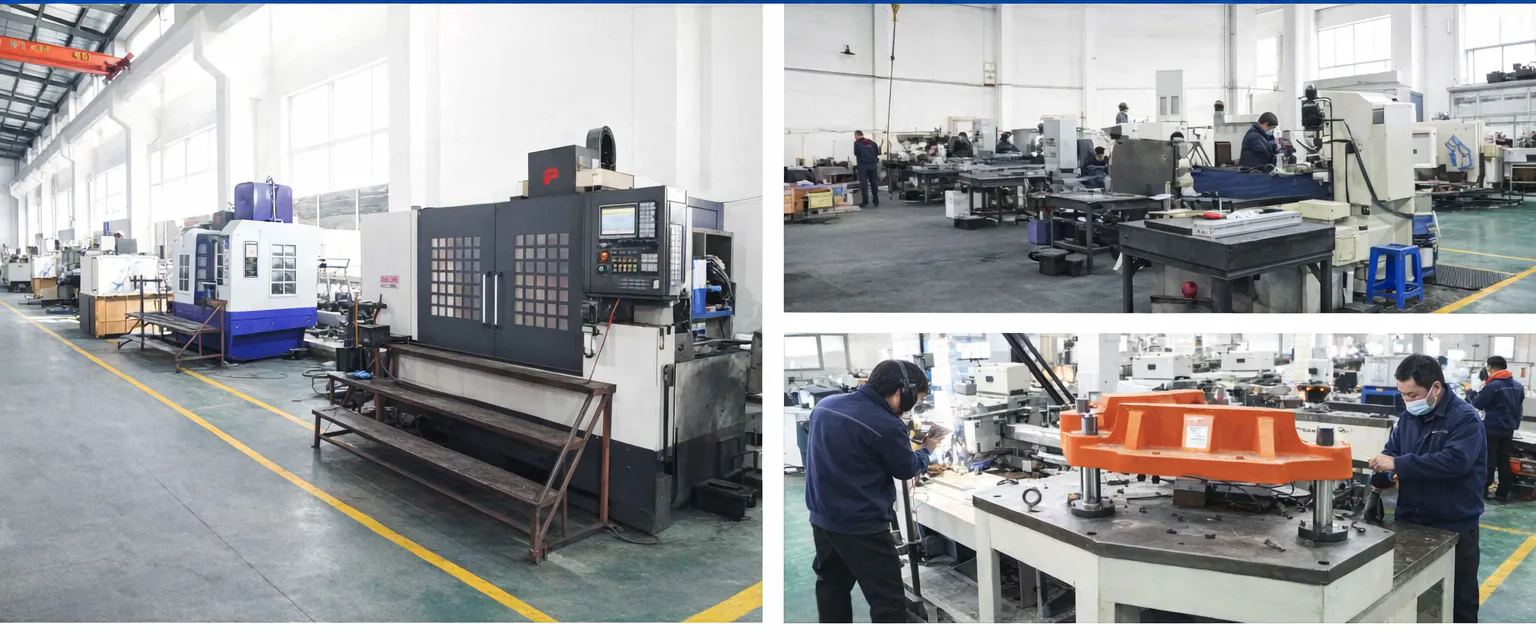
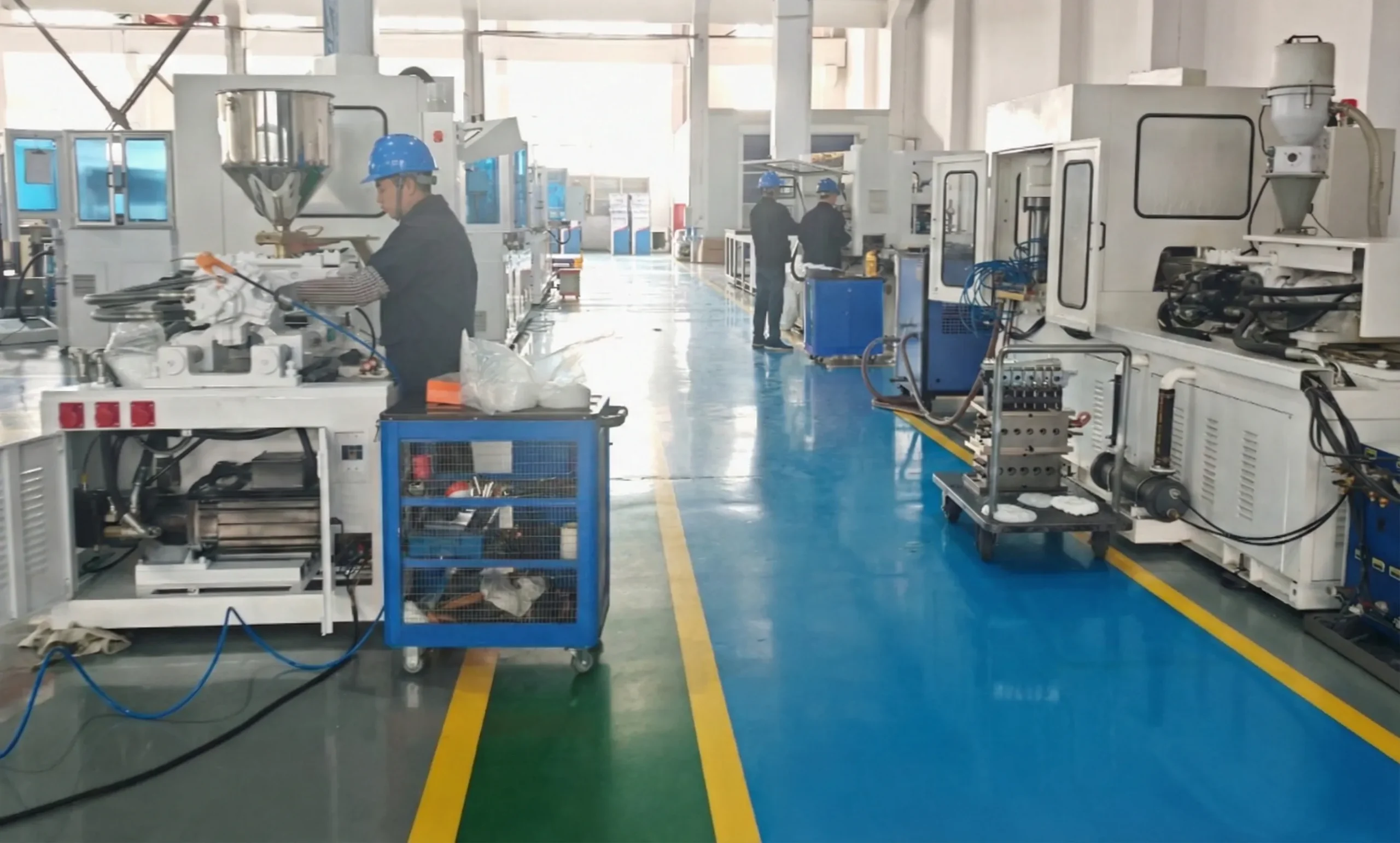
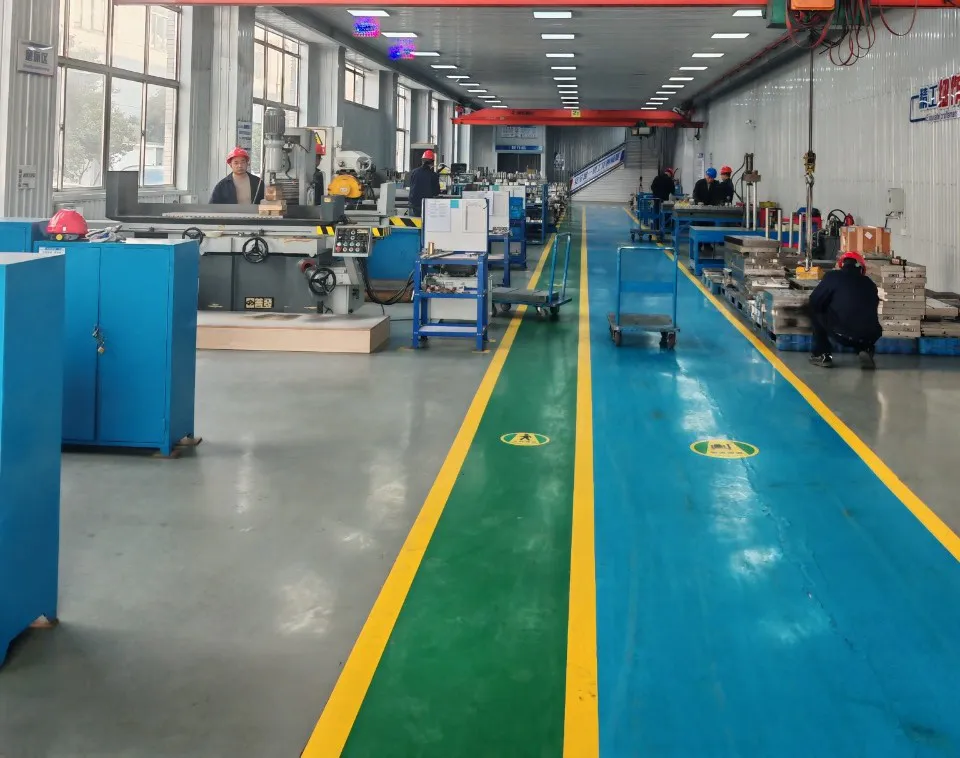
We specialise in the design, development, and manufacturing of injection blow molding machines for daily chemical, cosmetic, food, beverage, pharmaceutical, and baby product packaging. Our production base exceeds 20,000 square metres and is equipped with CNC machining centres, assembly lines, and full machine testing infrastructure. Every machine undergoes a factory acceptance test under production conditions before shipment, and complete technical documentation — electrical schematics, pneumatic diagrams, maintenance schedules, and spare parts lists — is provided in English, Spanish, and Mandarin. Our team includes applications engineers, tooling specialists, and regional after-sales support contacts with direct Spanish-language capability for clients in Colombia, Peru, and Ecuador. We hold ECM Verification of Compliance certification and multiple national utility model patents across our machine range.
WorkShop
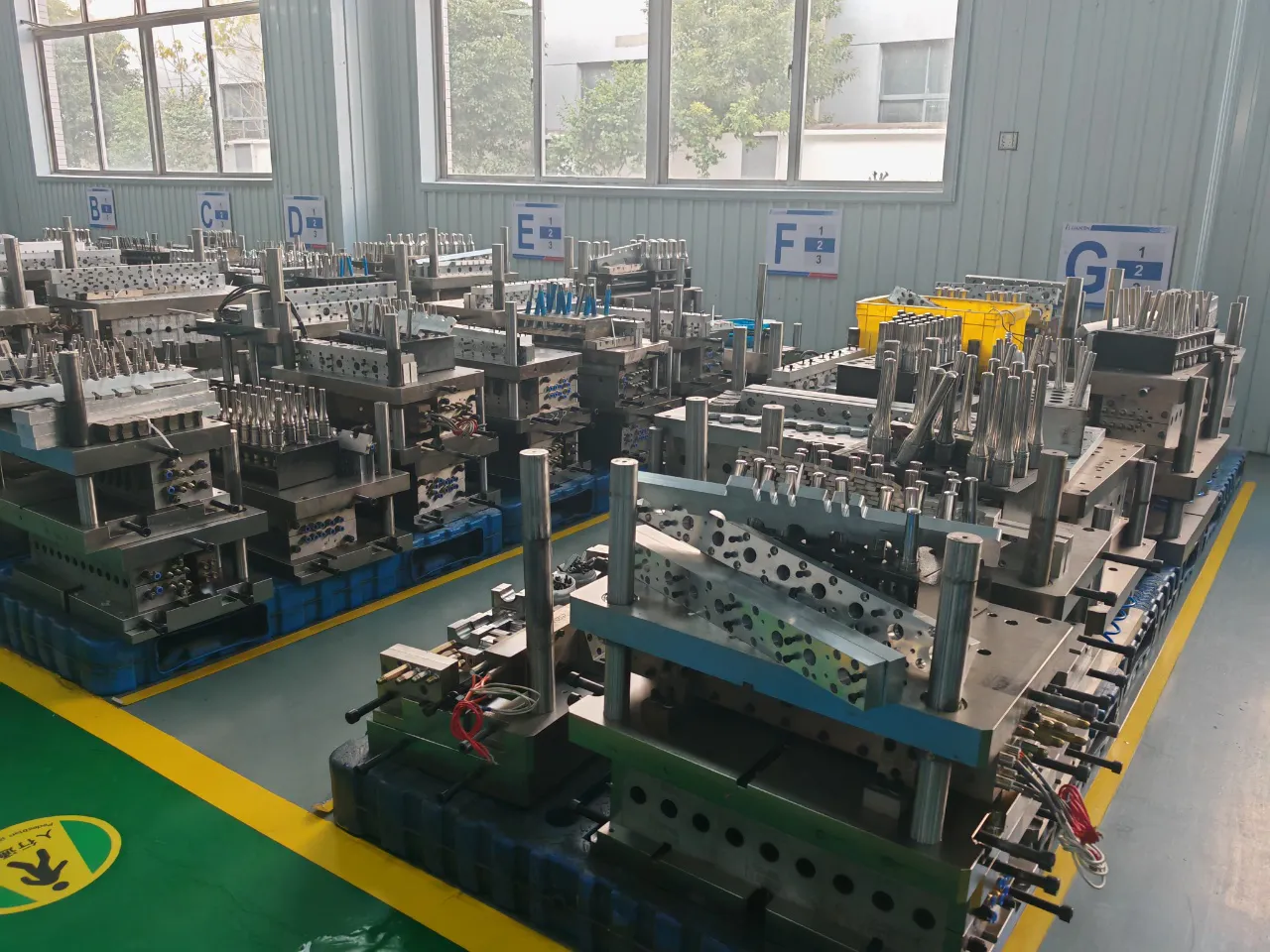
One-Stop System Supply
The ES-2C130 operates as the core of a complete daily chemical bottle production system. The auxiliary equipment below integrates directly with this machine and is available through our one-stop supply programme, eliminating specification mismatch between components and simplifying commissioning.
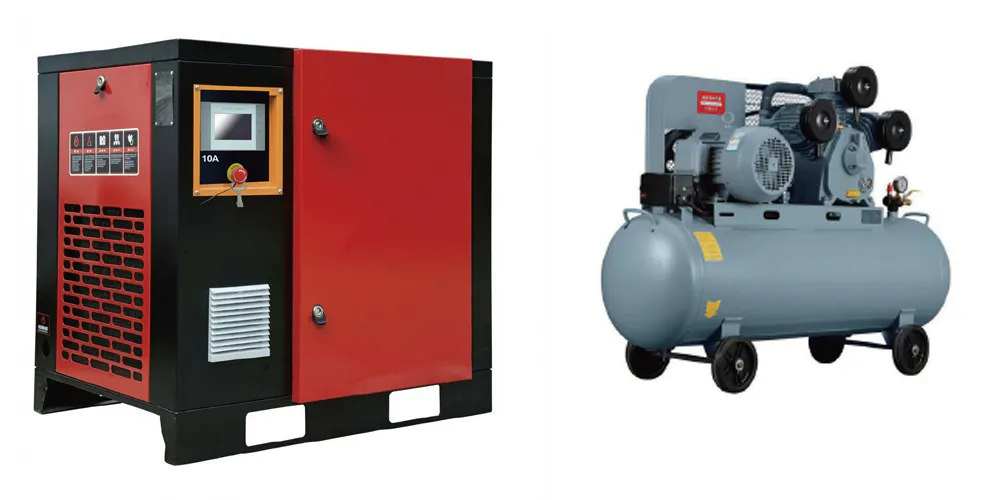
Stable high-pressure blowing air at 26–35 kg/cm² and a low-pressure operational circuit at 7 kg/cm² are both essential for reliable production. Our matched oil-free compressor range is pre-specified for the ES-2C130 air consumption requirements, preventing contamination of PET and PETG materials that degrades finished bottle clarity and surfaces.
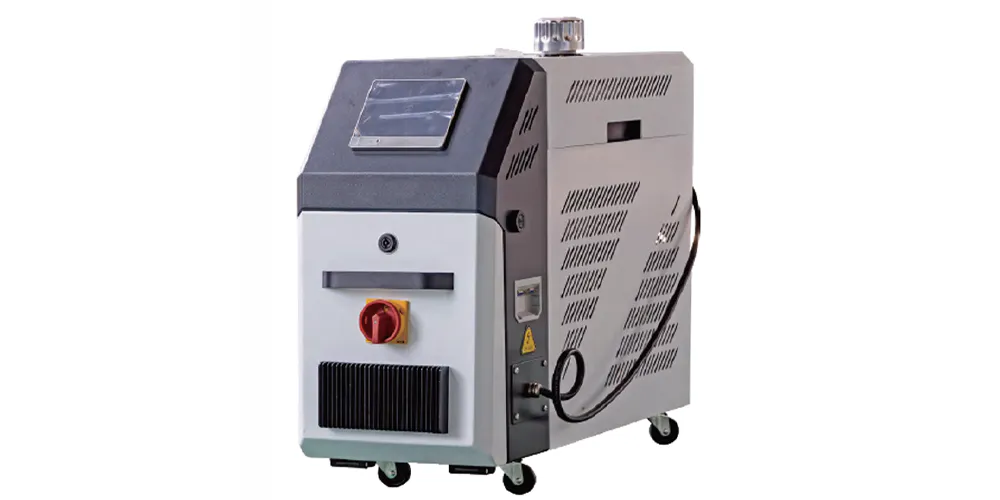
Maintaining stable mold temperatures across both the injection and blow stations reduces cycle-to-cycle variation, particularly important when producing large-format daily chemical bottles where greater cavity volume makes thermal management more influential on container wall uniformity and surface quality throughout extended production runs.
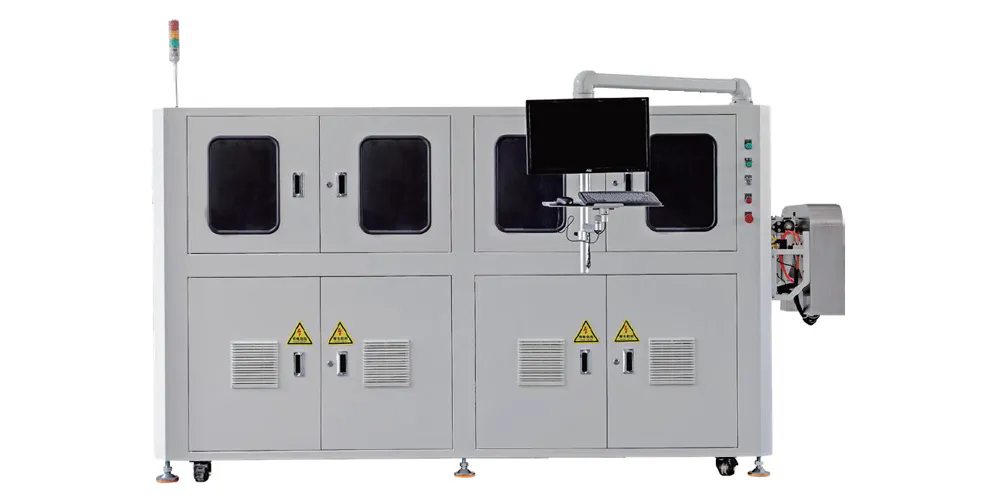
Automated inline bottle inspection at the output conveyors detects dimensional deviations, wall defects, and neck irregularities before containers enter filling operations. Integrating downstream inspection into the production system is a standard quality management step for daily chemical lines supplying supermarket and pharmacy retail chains that impose container specification compliance requirements on their suppliers.
Cooling water at 8–10°C and 30 ltr/min must be maintained throughout production. In tropical and subtropical climates across Colombia, Ecuador, and Venezuela, an industrial chiller is required to hold supply water within this temperature range regardless of ambient conditions. Our matched chiller units are sized to the ES-2C130 cooling circuit specifications.

Frequently Asked Questions
Q1. What large-format daily chemical bottles can this blow molding machine produce for packaging operations in Colombia and the wider Andean region?
Q2. How does the two-stage blow molding process differ from the single-stage IBM approach used in this machine for daily chemical bottle production?
Q3. What utility supply does this automatic pet blowing machine need for reliable continuous operation in a tropical climate facility in South America?
Q4. How can daily chemical packaging manufacturers in Peru and Colombia request a supplier quote for a blow molding machine with 130 mm pitch tooling?
Q5. What warranty coverage and after-sales service does this blow molding machine manufacturer provide for international buyers in Latin America?
Editor: PXY