Which Industries Benefit Most from One Step Blow Molding Machines?
An In-Depth Technical Guide to Choosing the Ultimate Injection Stretch Blow Moulding Machine for High-Precision, Highly-Regulated Industrial Packaging.
In modern industrial manufacturing, packaging quality directly affects product stability, brand positioning, and safety compliance. The transition from traditional multi-step manufacturing systems to an advanced injection stretch blow moulding machine represents a massive leap forward in both automation and precision. By integrating injection molding, preform temperature conditioning, stretch blowing, and final product ejection into a single cohesive process, manufacturers can completely eliminate contamination risks, uneven wall thicknesses, and high energy costs. This continuous method ensures that every plastic container produced is chemically pure, visually flawless, and structurally reliable, making it an indispensable asset in modern competitive markets.
Globally, and particularly in expanding Latin American markets like Colombia, industrial plants are modernizing their facilities to meet stringent safety and efficiency standards. Investing in a state-of-the-art injection stretch blow moulding machine is no longer just an aesthetic upgrade but a necessary compliance step to guarantee that products are produced in accordance with environmental policies and energy management laws. Understanding how this technology works, its architectural classifications, and its materials compatibility is critical for operations directors seeking to optimize production throughput and secure a long-term return on investment.
1. Operational Principles and Action Methods
The core mechanism of an advanced injection stretch blow moulding machine depends entirely on its highly synchronized rotary sequence. In the first station, raw thermoplastic resin is plastified inside a heated barrel and injected with extreme force into the cavities of a precision-engineered injection stretch blow mold. This forms the highly precise preform, including the completely finished, burr-free container neck. Because the neck is molded during the injection phase, it achieves high dimensional consistency that guarantees a leak-proof seal once capped, which is impossible with standard extrusion blow molding methods.
Immediately following injection, the rotary turntable rotates to transfer the hot preform to the conditioning or heating preservation station. Here, the temperature distribution across the preform body is dynamically balanced, preventing crystallizing and ensuring the polymer remains perfectly amorphous. In the third phase, the conditioned preforms are transferred to the blowing cavity where a pneumatic stretch rod extends along the central axis of the preform. High-pressure compressed air ranging from 2.0 to 3.5 MPa is then injected, forcing the plastic to expand radially against the inner walls of the mold. The product is then rotated to the final take-out station where mechanical grippers smoothly extract the finished injection stretch blow molding products, presenting them for automated collection or inline quality checks.
2. Structural Classifications of ISBM Machinery
When sourcing a new injection stretch blow moulding machine, operators must select the structural layout that matches their required volume, material profile, and container complexity. The three main structural configurations include 3-station, 4-station, and 6-station designs, each optimized for different output levels and plastic materials.
| Station Count | Key Stations Involved | Best Applicable Materials | Primary Product Focus |
|---|---|---|---|
| 3-Station (V3 Setup) | Injection → Stretch & Blow → Take-out | PET, PETG, PP | Medium wide-mouth jars, simple pharmaceutical packaging |
| 4-Station (V4 Setup) | Injection → Conditioning/Tail Cutting → Stretch & Blow → Take-out | PET, PP, PC, Tritan, PPSU, PLA | Premium cosmetic bottles, baby bottles, chemical liquid packaging |
| 6-Station (V6 Setup) | Dual Injection → Multi-Conditioning → Stretch & Blow → Ejection | PET, PETG, PCTG | High-output mass-production jars, complex custom shapes |
Selecting a 4-station configuration is highly recommended for factories requiring a reliable replacement injection stretch blow moulding machine. The inclusion of a dedicated conditioning station allows for precise thermal adjustment across the preform, enabling successful processing of advanced polymers like Tritan and polycarbonate. This structural complexity helps manufacturers maintain a stable wall thickness across complex bottle geometries, preventing structural weak points and enhancing the aesthetic transparency of the final packaging.
3. Engineering and Manufacturing Structures
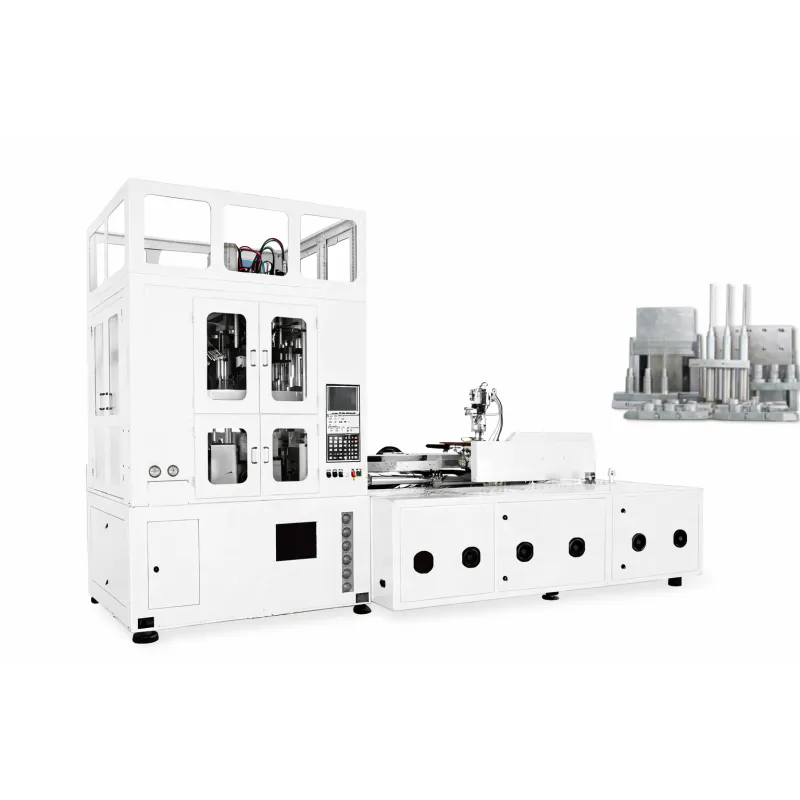
The long-term reliability and precise accuracy of a high-performance injection stretch blow molding machines setup depend heavily on its internal electromechanical engineering. High-quality systems feature premium servo-driven injection and mold-clamping systems rather than old-fashioned hydraulic mechanisms. Modern machines are manufactured with a dual-servo motor clamping design combined with high-pressure compensation systems. This ensures that when the high-pressure blowing air is released inside the One-step Injection Stretch Blowing Mould, the mold remains perfectly closed with zero deflection, completely preventing mold flash or parting line lines on the bottle surface.
A key manufacturing consideration is compatibility with international tooling standards. Modern plants frequently look for direct replacement of asb and aoki machinery without needing to reinvest in entirely new molds. Advanced manufacturing architectures are designed to be fully compatible with classic Japanese ASB and Aoki mold dimensions. This allows plastic manufacturers to save thousands of dollars on tooling costs by running their existing molds on a modern, energy-efficient gray injection stretch blow moulding machine or a blue injection stretch blow moulding machine, depending on their plant’s configuration. This level of cross-compatibility makes upgrading systems a seamless and profitable process.
Furthermore, the physical construction of these machines incorporates global-standard parts to ensure long-term, trouble-free operation. High-pressure air valves sourced from leading manufacturers like Parker work together with advanced Japanese Yaskawa or Inovance servo motors to control the rotary movement of the main mold plates. For electric heating, high-efficiency nano-far-infrared heating bands are wrapped around the injection barrel, saving up to 40% of the energy consumed by traditional heating coils. This precise engineering ensures consistent thermal profiles, allowing the polymer to melt uniformly during the injection stretch blow molding process.
4. Advanced Polymer Material Systems
One of the main advantages of a high-performance One-step injection stretch blow molding machine is its versatile compatibility with a wide range of thermoplastic materials. Each polymer system has unique thermal characteristics, viscosity levels, and blow-up ratios that require precise controls throughout the cycle.
For example, Polyethylene Terephthalate (PET) remains the standard for lightweight beverage bottles and chemical packaging due to its excellent oxygen barrier properties and impact resistance. However, premium cosmetics packaging often uses Polyethylene Terephthalate Glycol (PETG) or Polycyclohexylenedimethylene Terephthalate Glycol (PCTG) to achieve heavy-walled, crystal-clear designs that mimic glass without the danger of shattering. When processing PETG, the conditioning station is essential for managing slow crystallization rates, ensuring the bottles remain completely transparent without haziness.
In infant care and medical fields, materials such as Polypropylene (PP) and Polyphenylsulfone (PPSU) are highly favored for their ability to withstand repeated steam sterilization. PPSU, in particular, requires high injection temperatures and precise mechanical control during the injection stretch blow molding machines process to prevent surface flaws. Additionally, eco-friendly brands are increasingly adopting Polylactic Acid (PLA) for biodegradable containers. This material requires specialized, lower-temperature processing to maintain its molecular structure during bi-axial stretching, ensuring excellent structural integrity without chemical degradation.
5. Target Industries Benefiting the Most from ISBM Technology
While many general packaging systems can produce standard containers, certain highly regulated, high-precision sectors derive the greatest economic and operational benefits from a One-step injection stretch blow molding machine.
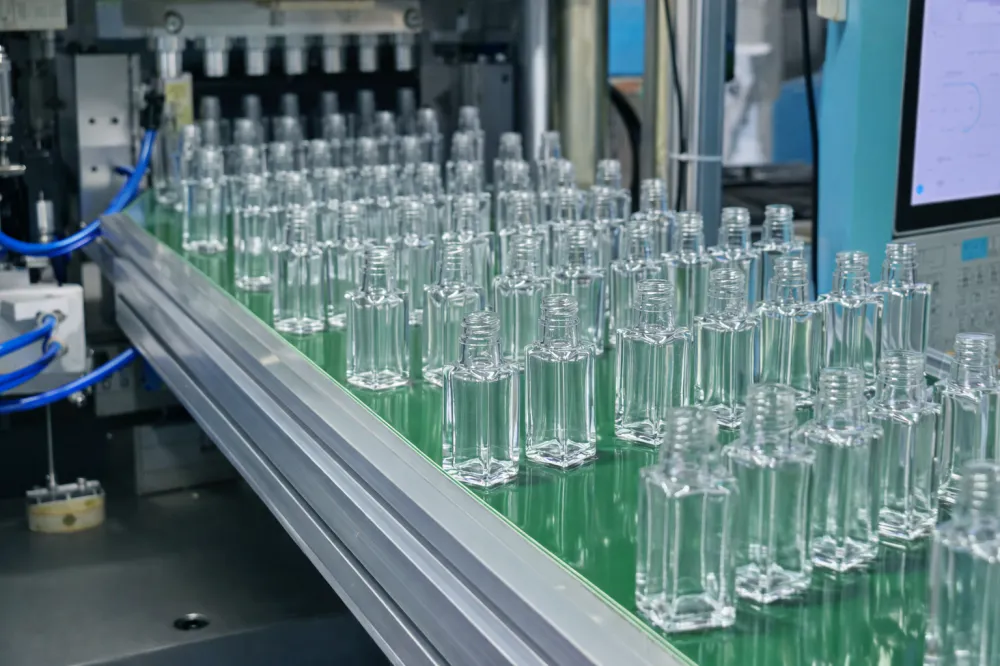
The Cosmetics & Personal Care Industry relies heavily on the aesthetic quality and visual appeal of its packaging. Products like foundation jars, perfume bottles, and luxury skin cream containers require thick bases, perfectly centered gate marks, and highly polished, crystal-clear surfaces. Traditional two-step blow molding systems often leave scratches on preforms during transport and reheating, which ruins the premium glass-like appearance. By utilizing a single-stage machine, the preform is never touched by external transport belts, resulting in flawless surfaces that satisfy the aesthetic demands of luxury beauty brands.
The Pharmaceutical & Healthcare Sector benefits immensely from the sterile production environment of the single-stage process. Because the raw plastic is melted, molded, blown, and ejected in a single continuous clean chamber, there is zero risk of human contamination or exposure to external airborne particles. This is crucial for medical items like eye drop bottles, pill jars, and saline containers, where strict hygiene standards must be maintained to prevent microbiological contamination.
The Infant Care Industry, which produces baby bottles and feeding cups, depends on high-quality polymers like PP, PPSU, and Tritan. These containers must have completely uniform wall thickness to withstand thermal shock and mechanical impacts during drop testing. A high-speed injection stretch blow moulding machine allows manufacturers to control the stretch ratio of these high-performance polymers down to fractions of a millimeter. This prevents localized thinning at corners or base regions, ensuring safety for the end-consumer.
Finally, the Food and Chemical Liquid Packaging Industry benefits from the precise thread and neck molding capabilities of the injection process. Products such as wide-mouth peanut butter jars, organic cooking oil bottles, and highly corrosive agrochemical containers require tight dimensional tolerances to prevent evaporation and leakage. The highly consistent neck dimensions produced by an injection stretch blow mold ensure a perfect hermetic seal with induction liners and child-resistant caps, keeping contents secure throughout shipping and retail display.
6. Colombian and Global Technical Regulations & Compliance
Operating heavy industrial machinery like an injection stretch blow moulding machine in growing industrial regions like Colombia requires strict compliance with local safety and energy codes. The most critical regulatory framework in Colombia is RETIE (Reglamento Técnico de Instalaciones Eléctricas), which regulates all electrical installations, control cabinets, and cabling configurations within the machinery. Any imported machine must feature electrical components that are certified to prevent fire hazards, overload risks, and electric shocks to operators. This is verified by accredited certification bodies under ONAC (Organismo Nacional de Acreditación de Colombia).
Additionally, Colombian law emphasizes energy savings through RETIQ (Reglamento Técnico de Etiquetado), which requires technical energy efficiency labeling for electric motors, speed reducers, and gearboxes integrated into industrial equipment. Gearboxes must conform to international standards such as ISO or AGMA (American Gear Manufacturers Association), which are integrated into Colombian NTC (Normas Técnicas Colombianas) standards. Using high-efficiency gearboxes with high mechanical transmission efficiency and low noise limits ensures compliance with local occupational health laws enforced by the Colombian Ministry of Labor.
In global markets, the machinery must also comply with strict international guidelines. For food and pharmaceutical applications, the materials utilized in the construction of the injection stretch blow mold and plastic contact surfaces must comply with US FDA (Food and Drug Administration) and European Union CE regulations. Meeting these strict electrical, mechanical, and safety requirements ensures that the machinery can be quickly approved for immediate production in primary Colombian manufacturing hubs like Bogotá, Medellín, Cali, and Barranquilla, allowing companies to start production with minimal delay.
7. About Us
Our dedication to delivering the highest quality packaging machinery has made us a trusted technical partner for plastic manufacturers worldwide. With over 20 years of expertise in designing and manufacturing high-performance One-step Injection Stretch Blowing Mould systems and automatic machines, we deliver customized, turnkey solutions to clients in cosmetics, pharmaceuticals, infant care, and food packaging. Our modern manufacturing base features a fully integrated supply chain, incorporating top-tier global components to ensure long-term, stable operation on every machine we ship.
WorkShop
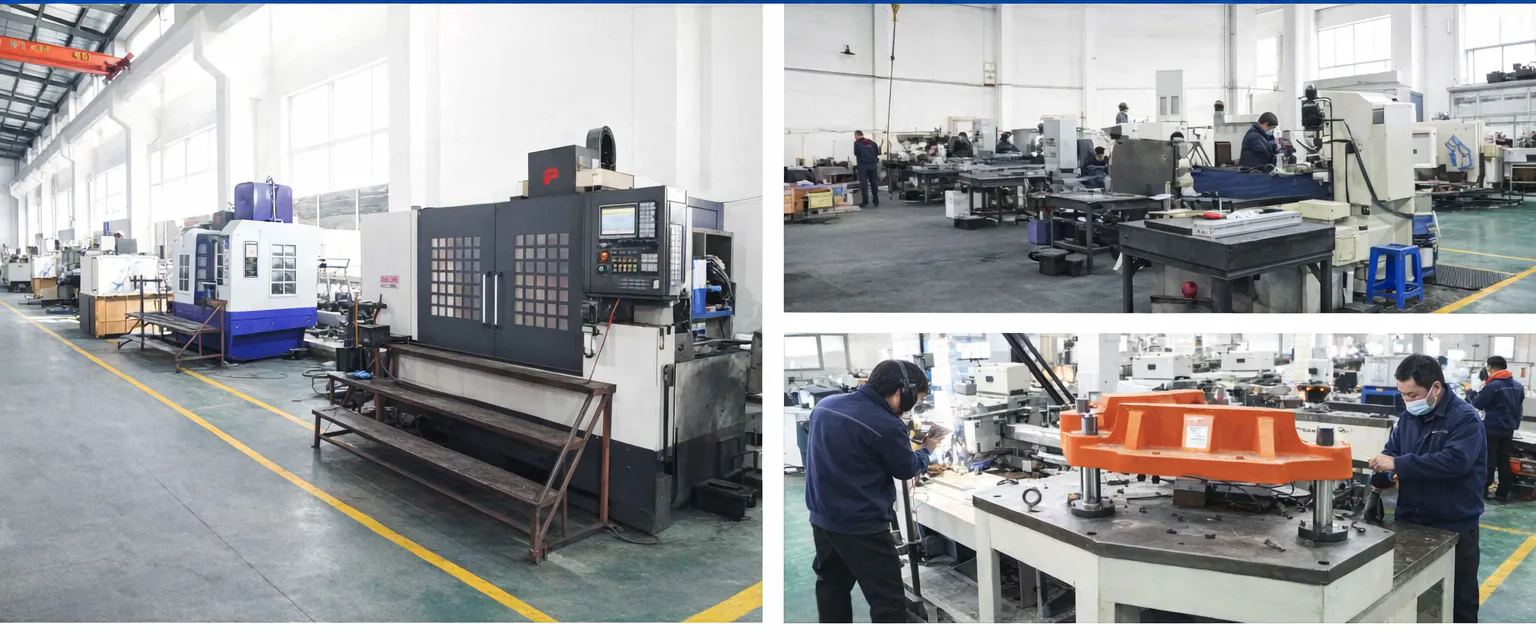
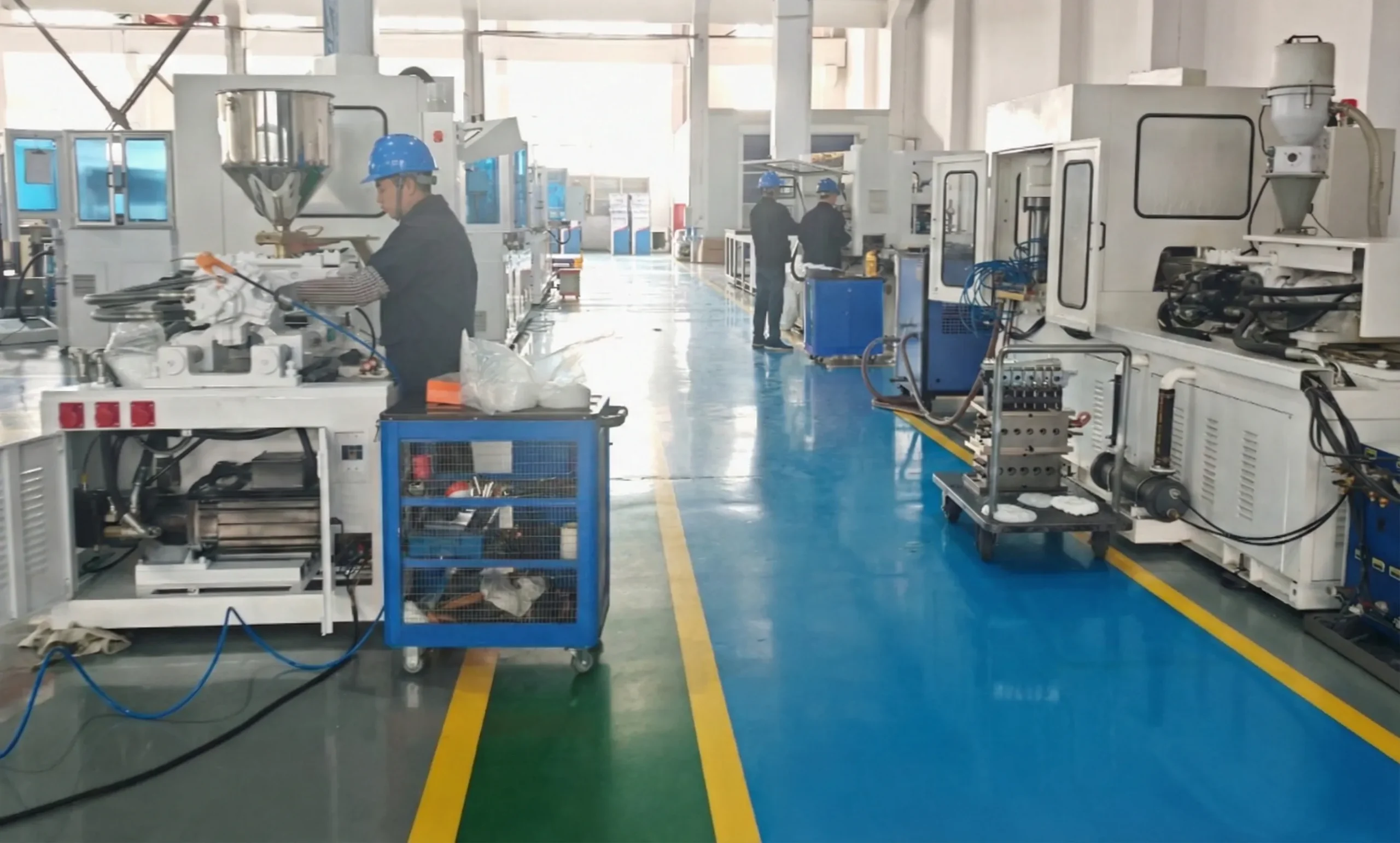
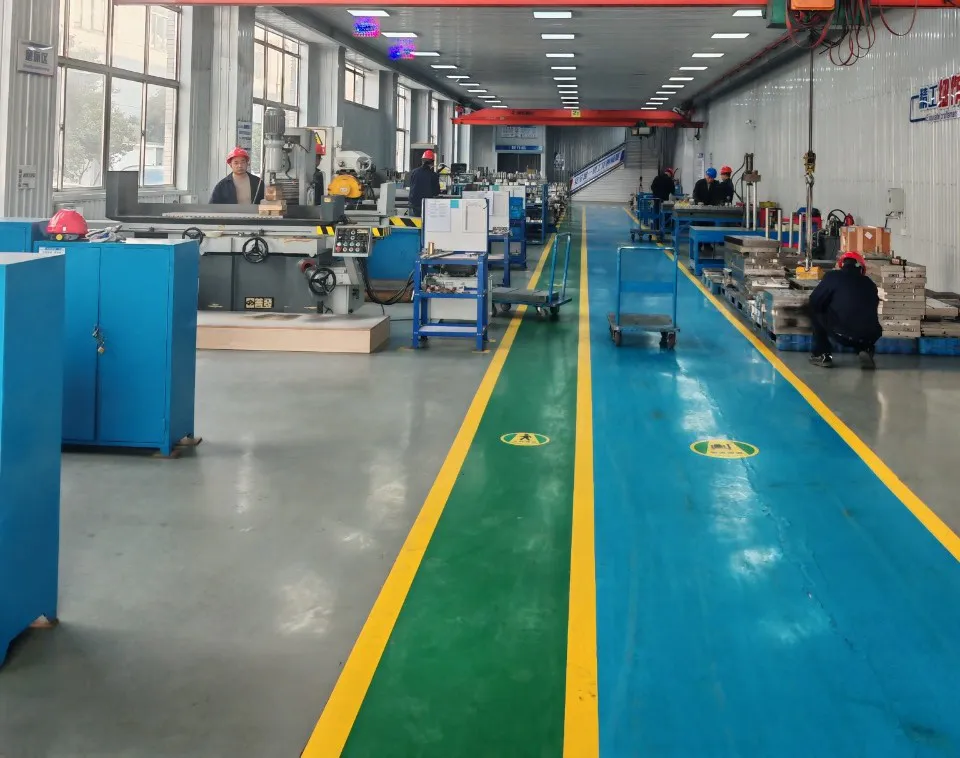
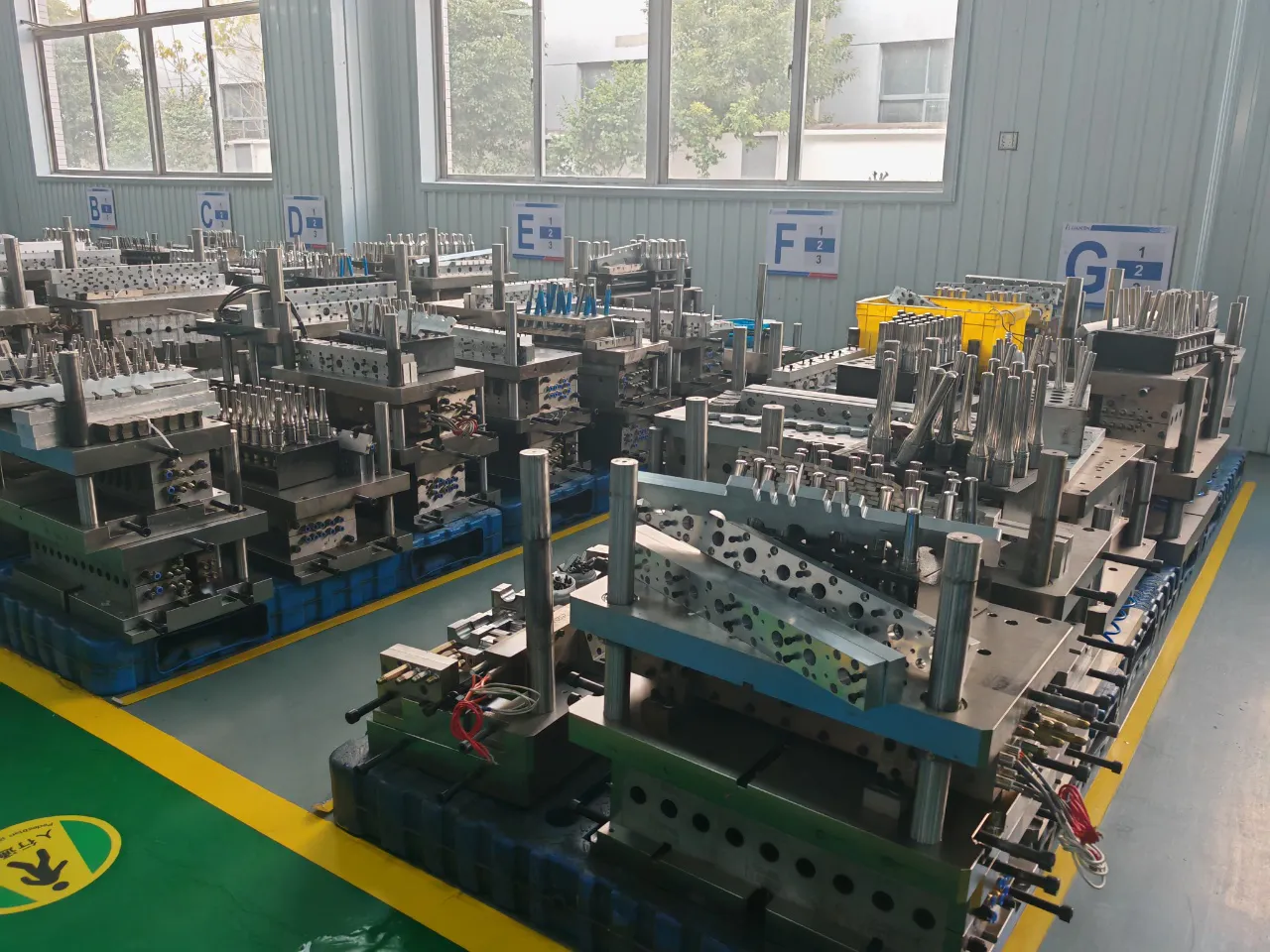
*Scroll horizontally to view our modern manufacturing workshop and advanced product display lines.
Frequently Asked Questions (FAQ)
Q1. Where can a premium cosmetics packaging supplier in Bogotá request a quote for a customized 4-station injection stretch blow moulding machine?
Q2. How does the total operational cost of a new energy-efficient injection stretch blow moulding machine compare for pharmaceutical manufacturers in Medellín?
Q3. Which industrial machinery supplier in Colombia offers the best maintenance service for a high-speed injection stretch blow moulding machine?
Q4. What is the typical lead time when importing an automatic injection stretch blow moulding machine to a factory in Cali?
Q5. Why should a premium beverage packaging exporter in Barranquilla choose a servo-driven injection stretch blow moulding machine over older systems?
Q6. How can a medical-grade packaging manufacturer in Cartagena secure a quick quote for an injection stretch blow moulding machine?
Q7. When replacing old Aoki or ASB systems, what are the primary installation steps for a new injection stretch blow moulding machine?
Q8. How does the energy-saving design of a modern injection stretch blow moulding machine reduce monthly electricity bills for plastic producers?
Editor: PXY