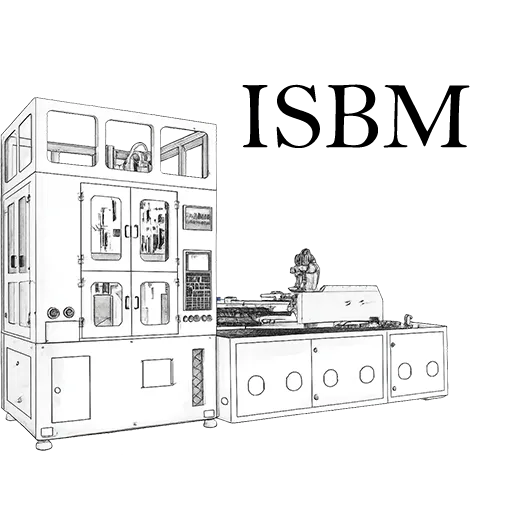
1. Operational Mechanism, Structure Type, and Manufacturing Architecture
The operational mechanism, structure type, and manufacturing architecture of the modern injection stretch blow moulding machine represent a monumental leap in plastic container production technology. Unlike traditional two-step methods, this advanced machinery integrates four distinct operational stations into a single, continuous workflow, effectively redefining the injection stretch blow molding process. The first station involves the precise injection of molten plastic into a specialized preform mold, establishing the exact weight and neck finish. Following this, the preform is seamlessly transferred to the thermal conditioning station, where it undergoes highly controlled, non-uniform reheating to ensure the optimal temperature gradient for stretching. The third station is where the actual stretch blow molding occurs; a stretch rod extends longitudinally while high-pressure air expands the material radially, aligning the polymer chains to drastically improve mechanical strength, clarity, and barrier properties. Finally, the ejection station carefully removes the finished product. Structurally, these injection stretch blow molding machines are built with highly rigid frames and utilize sophisticated servo-driven clamping systems, drastically reducing vibration and mechanical wear. This integrated manufacturing structure not only minimizes the physical footprint required on the factory floor but also eliminates the need to store or transport preforms, thereby avoiding potential contamination. Such a robust architecture ensures that injection stretch blow molding manufacturers can maintain continuous, high-yield production cycles with minimal downtime, proving essential for scaling up operations in competitive markets while achieving unparalleled product consistency.
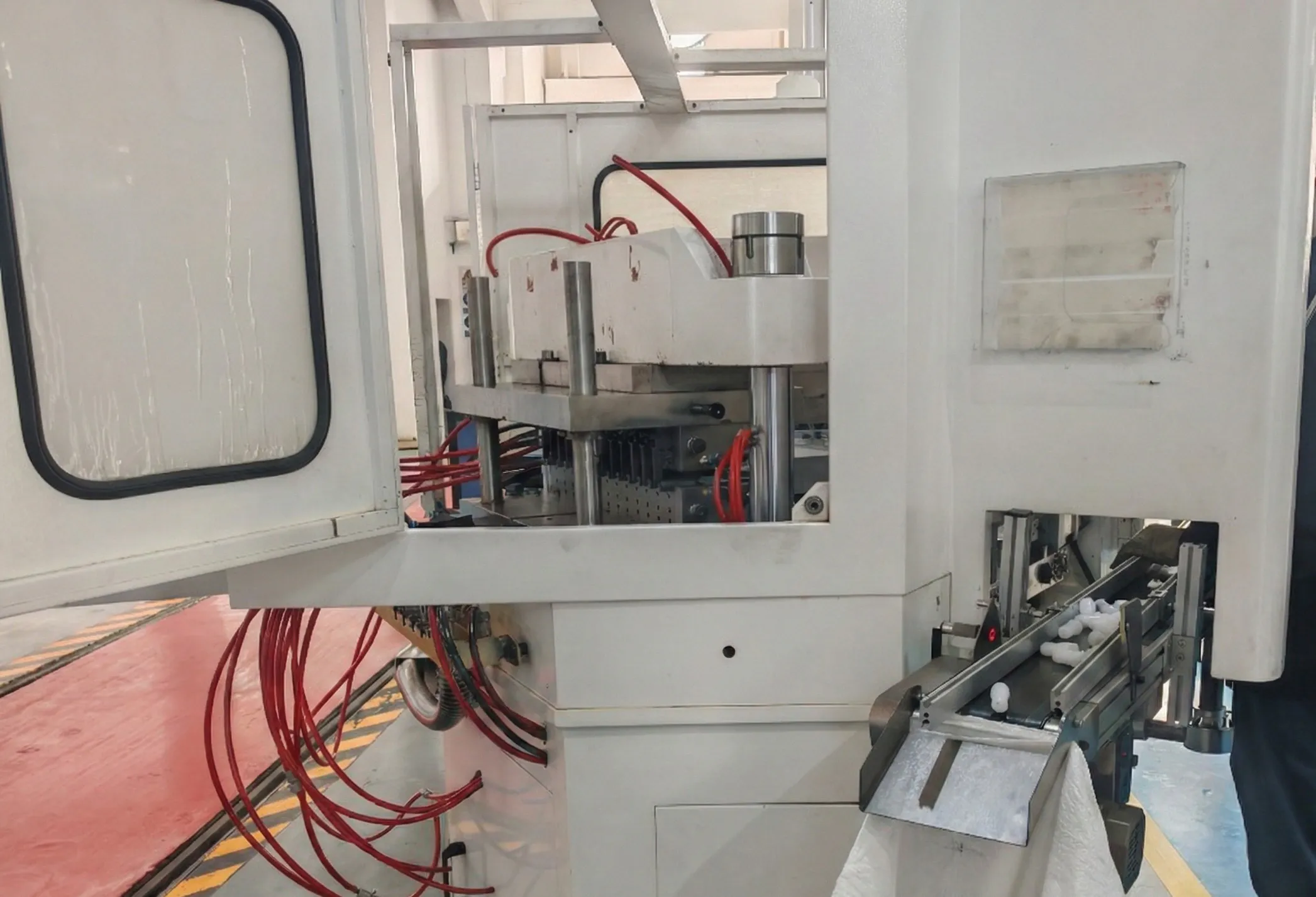
2. Advanced Material Systems and Compatibility
The material systems compatible with the injection stretch blow moulding machine are exceptionally diverse, allowing manufacturers to cater to a wide array of industrial requirements. Primarily, these systems are engineered to handle Polyethylene Terephthalate (PET), which is globally recognized for its superb clarity, robust barrier properties, and high recyclability, making it a staple for beverage and food packaging. Furthermore, the injection stretch blow molding process effortlessly accommodates specialized polymers such as PETG, PP, PC, Tritan, PS, ABS, and even biodegradable materials like PLA. Each material behaves uniquely under the thermal and mechanical stresses of the one-step injection stretch blow molding machine. For instance, Polypropylene (PP) requires precise temperature regulation due to its semi-crystalline nature, making it ideal for hot-fill applications like premium tea or juice containers. Tritan and PC are frequently utilized for durable, high-impact products like baby bottles and reusable sports containers. The ability to seamlessly switch between these diverse material systems highlights the versatility of modern injection stretch blow molding machines. By utilizing a high-quality injection stretch blow mold, producers can ensure that regardless of the polymer chosen, the end product exhibits uniform wall thickness, zero stress-whitening, and superior aesthetic appeal. This profound material flexibility ensures that an injection stretch blow molding machine remains a future-proof investment for any production facility looking to diversify its product portfolio.
3. Surface Treatment and Environmental Grade Specifications
Surface treatments and environmental grades are paramount when evaluating the overall quality and sustainability of an injection stretch blow moulding machine and its corresponding molds. The tooling, specifically the injection stretch blow mold, is typically crafted from premium S136 stainless steel, which undergoes rigorous heat treatments and mirror-polishing. This meticulous surface treatment ensures that the final injection stretch blow molding products—whether they are high-end cosmetic jars or pharmaceutical vials—boast a flawless, glass-like finish free of any micro-abrasions or flow marks. From an environmental standpoint, the one-step injection stretch blow molding machine is engineered to meet the highest eco-friendly grades. By eliminating the need to cool and subsequently reheat preforms—a mandatory step in traditional two-step systems—the one-step injection stretch blow moulding machine achieves up to a 40% reduction in energy consumption. This massive drop in the carbon footprint directly supports global sustainability initiatives. Moreover, the integration of nano-far-infrared energy-saving heating rings and the capability to process bioplastics like PLA elevate the environmental grade of the entire production line. For regional markets prioritizing green manufacturing, such as the evolving industrial sectors in Colombia, deploying an energy-efficient injection stretch blow molding machine ensures compliance with stringent ecological standards while promoting a circular economy through high material utilization and virtually zero scrap rates.
4. Operating Characteristics and Typical Failure Modes
The operating characteristics of a modern injection stretch blow moulding machine are defined by rapid cycle times, high-pressure pneumatics, and highly synchronized multi-axis servo movements. The injection stretch blow molding process requires absolute precision; the injection unit must maintain consistent melt pressure, while the stretch rods must descend at exact millisecond intervals relative to the high-pressure blowing phase. Despite their robust design, continuous operation can expose the machinery to typical failure modes if not properly maintained. Common issues in an injection stretch blow molding machine include wear and tear on the pneumatic stretch rods, which can lead to off-center stretching and inconsistent bottle wall thickness. Additionally, high-pressure valve leakage is a frequent failure mode that results in inadequate blowing pressure, causing incomplete molding of intricate container details. Degradation of the thermal heating rings in the conditioning station is another typical failure, which leads to improper temperature gradients and subsequent stress-whitening of the PET material. To mitigate these typical failure modes, leading injection stretch blow molding machine suppliers integrate advanced self-diagnostic software and utilize highly durable components such as Parker high-pressure valves and Yaskawa servo motors. Regular preventive maintenance and monitoring of these operating characteristics ensure that the new injection stretch blow moulding machine maintains peak operational efficiency and extends its lifespan.
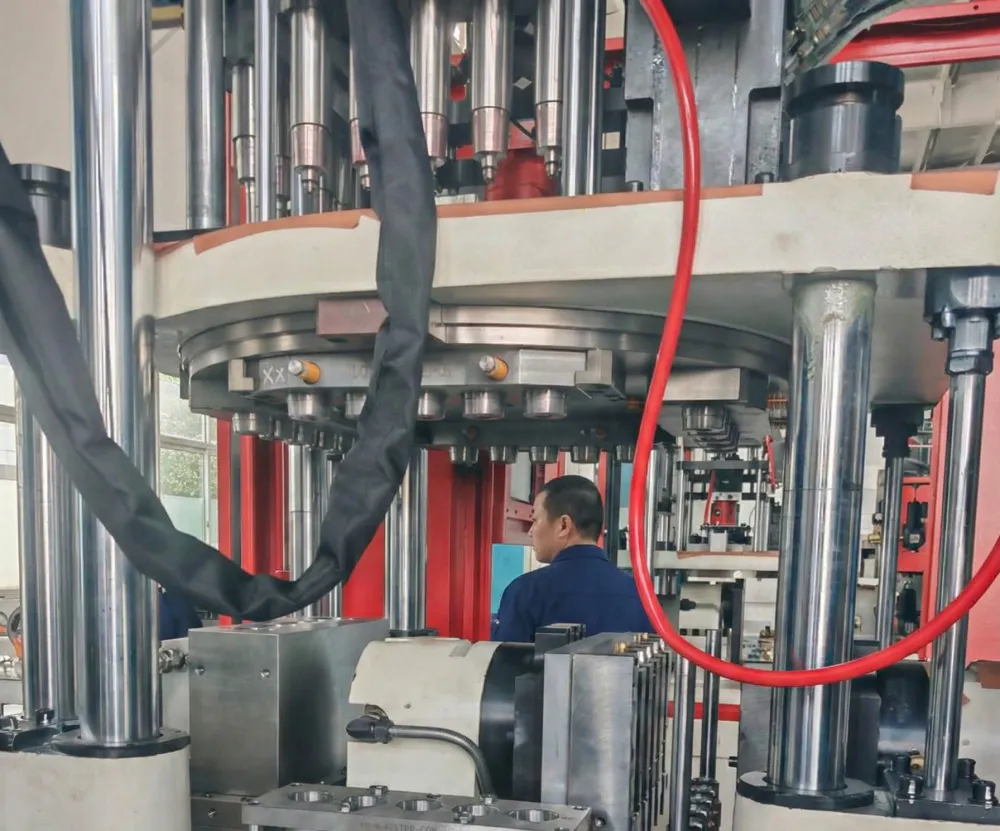
5. Recommended Configuration for Peak Performance
Establishing the recommended configuration for a high-output injection stretch blow moulding machine heavily relies on integrating top-tier, globally recognized components to guarantee long-term stability and precision. For the primary drive and control mechanisms, equipping the injection stretch blow molding machine with state-of-the-art Inovance or Yaskawa servo motors ensures exact positional accuracy and highly responsive torque control during the injection and clamping phases. The pneumatic system, a critical element for the actual blow molding step, must be configured with premium American Parker high-pressure valves to manage the intense air bursts flawlessly without leakage. Hydraulic control, if applicable to the hybrid models of the injection stretch blow moulding machine, should utilize reliable YUKEN hydraulic valves from Taiwan to maintain consistent fluid dynamics. Furthermore, the central processing unit and PLC should be seamlessly integrated, allowing operators to monitor every variable of the injection stretch blow molding process through an intuitive interface. When searching for a replacement of asb and aoki machines, operators should insist on this elite configuration. A meticulously configured injection stretch blow molding machine not only minimizes the risk of sudden mechanical downtime but also guarantees that every single one of the injection stretch blow molding products meets the strictest global quality control standards, ensuring maximum return on investment for the manufacturer.
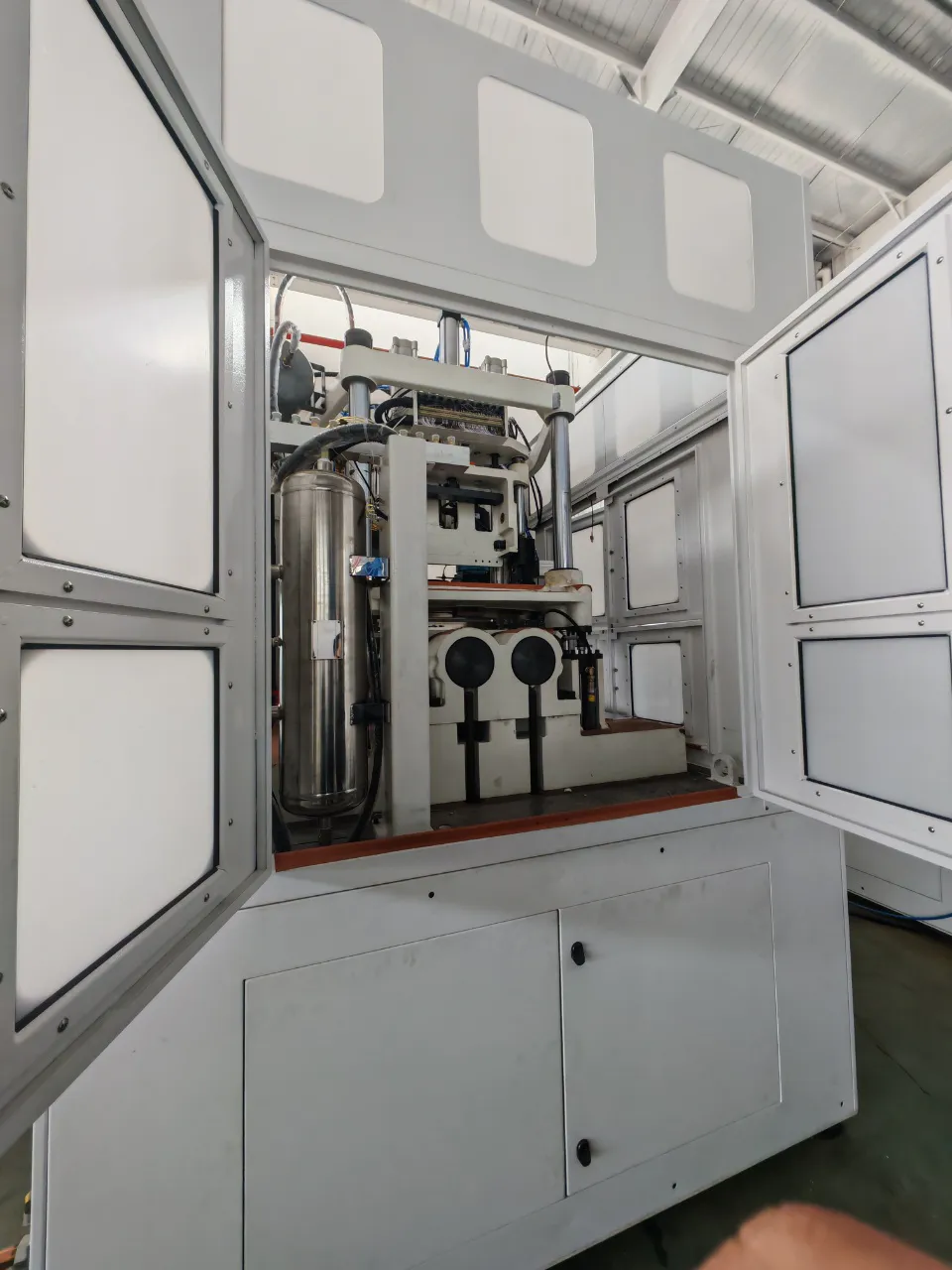
6. Navigating Gearbox Regulations and Legal Compliance
Understanding the intricate local and international legal regulations surrounding industrial machinery, particularly regarding gearboxes and electrical safety, is crucial when deploying an injection stretch blow moulding machine. Globally, components like gearboxes and high-pressure servos within an injection stretch blow molding machine must adhere strictly to CE marking standards and ISO 9001 quality management protocols to ensure mechanical reliability and workplace safety. In South American markets such as Colombia, industrial machinery must strictly comply with regional electrical and mechanical safety frameworks, most notably the RETIE (Reglamento Técnico de Instalaciones Eléctricas). This regulation mandates that all electrical panels, servo drives, and gearbox motor assemblies within the injection stretch blow molding machines meet rigorous safety and efficiency standards to prevent workplace hazards. Furthermore, Colombia has been aggressively advancing its National Strategy for a Circular Economy, enacting strict laws regarding single-use plastics and industrial energy consumption. Because the one-step injection stretch blow moulding machine completely bypasses the energy-intensive preform reheating phase, it aligns perfectly with these national energy conservation mandates. Compliance with these stringent legal regulations not only shields injection stretch blow molding machine manufacturers and buyers from hefty non-compliance penalties but also prominently positions them as forward-thinking, eco-responsible entities dedicated to sustainable industrial practices in a highly regulated global landscape.
7. Five Key Advantages of the One-Step Injection Stretch Blow Molding Machine
- Exceptional Energy Efficiency: The injection stretch blow moulding machine eliminates the need for secondary preform reheating. By utilizing the residual heat from the initial injection phase, the machine can achieve up to a 40% reduction in total energy consumption, drastically lowering operational costs.
- Unmatched Product Consistency and Precision: Because the injection stretch blow molding process occurs continuously within a single machine without manual transfers, the final injection stretch blow molding products exhibit superior dimensional accuracy, flawless neck finishes, and absolute batch-to-batch consistency.
- Compact and Integrated Manufacturing Footprint: By combining injection, stretching, and blowing into one compact unit, the injection stretch blow moulding machine requires significantly less floor space compared to traditional two-step systems, allowing facilities to optimize their layout and workflow.
- High Material Utilization and Eco-Friendliness: The precision of the injection stretch blow mold combined with the automated process ensures minimal scrap generation. The high material utilization rate, often exceeding 95%, makes this an incredibly eco-friendly and cost-effective manufacturing solution.
- Versatile Material and Application Compatibility: Whether producing a blue injection stretch blow moulding machine run of sports bottles or a white injection stretch blow moulding machine run of pharmaceutical vials, the equipment easily handles PET, PP, Tritan, and PLA, offering unparalleled market adaptability.
8. Technical and Performance Parameters
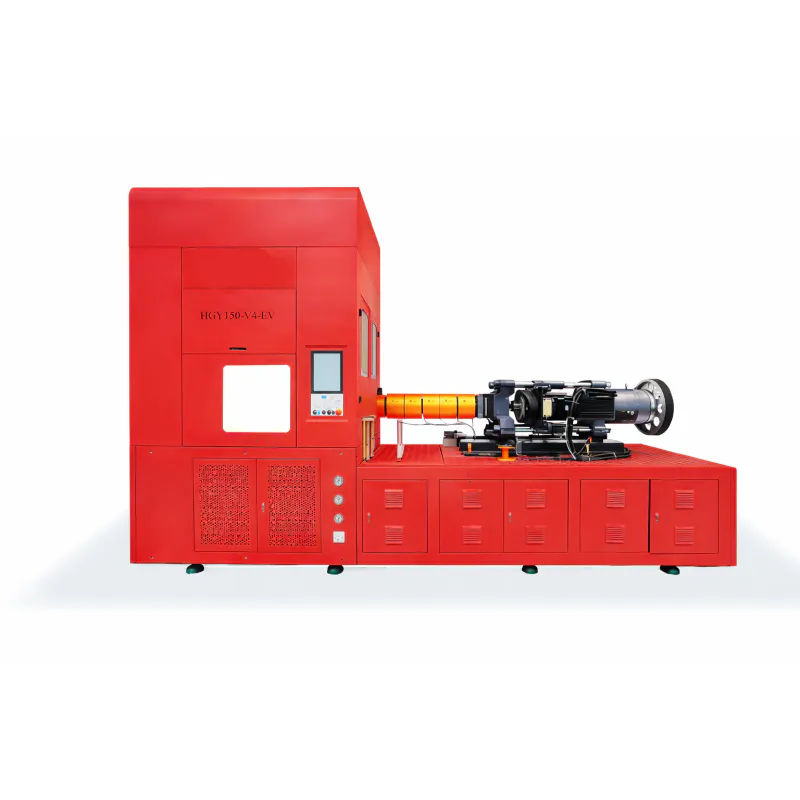
| Item / Parameter | Unit | Specification (Model: HGY150-V4-EV) |
|---|---|---|
| Machine Name | – | One-step Injection Stretch Blow Moulding Machine (4-station) |
| Applicable Material | – | PET / PETG / PP / PC / Tritan / PLA |
| Screw Diameter | MM | 40 / 50 / 55 |
| Theoretical Injection Volume | CM³ | 188 / 392 / 475 |
| Injection Clamping Force | KN | 150 |
| Blowing Clamping Force | KN | 200 |
| Motor Power | KW | 102.8 |
| Blowing Air Pressure | Mpa | 2.0 – 3.5 |
9. Application Scenarios
The injection stretch blow moulding machine is perfect for creating exquisite, thick-walled PETG jars, mascara tubes, and lotion bottles. The precision of the injection stretch blow mold guarantees a premium, glass-like finish that enhances brand value on retail shelves.
Medical-grade containers require absolute sterility and accurate neck finishes for tamper-evident seals. The one-step injection stretch blow molding machine produces flawless pill bottles and liquid oral vials in a single, uncompromised cycle, preventing external contamination.
From high-clarity mineral water bottles to heat-resistant PP jars for hot-filled sauces, the injection stretch blow molding process ensures excellent barrier properties, extending the shelf life of consumable goods while maintaining structural integrity during transport.
Safety is paramount in baby products. The injection stretch blow moulding machine processes BPA-free materials like PPSU and Tritan to produce highly durable, sterilizable baby bottles that withstand repeated high-temperature washing without leaching harmful chemicals.
10. About Us
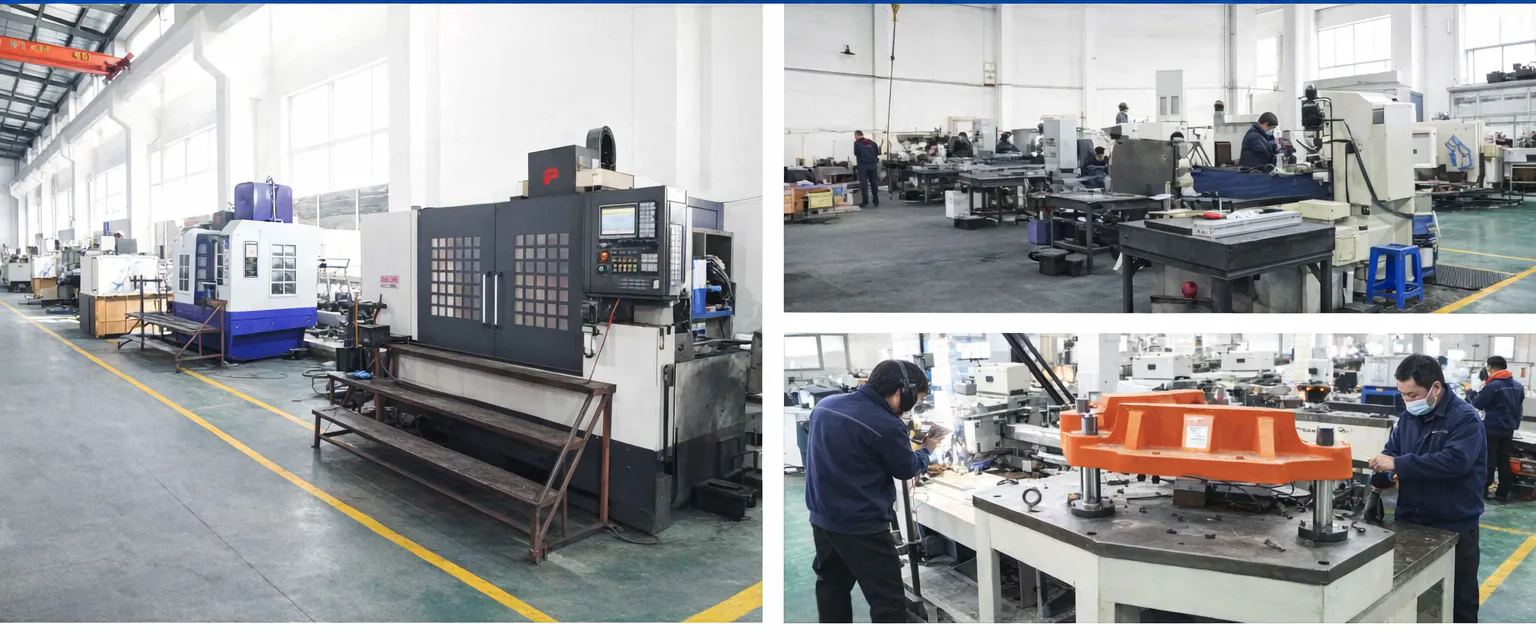
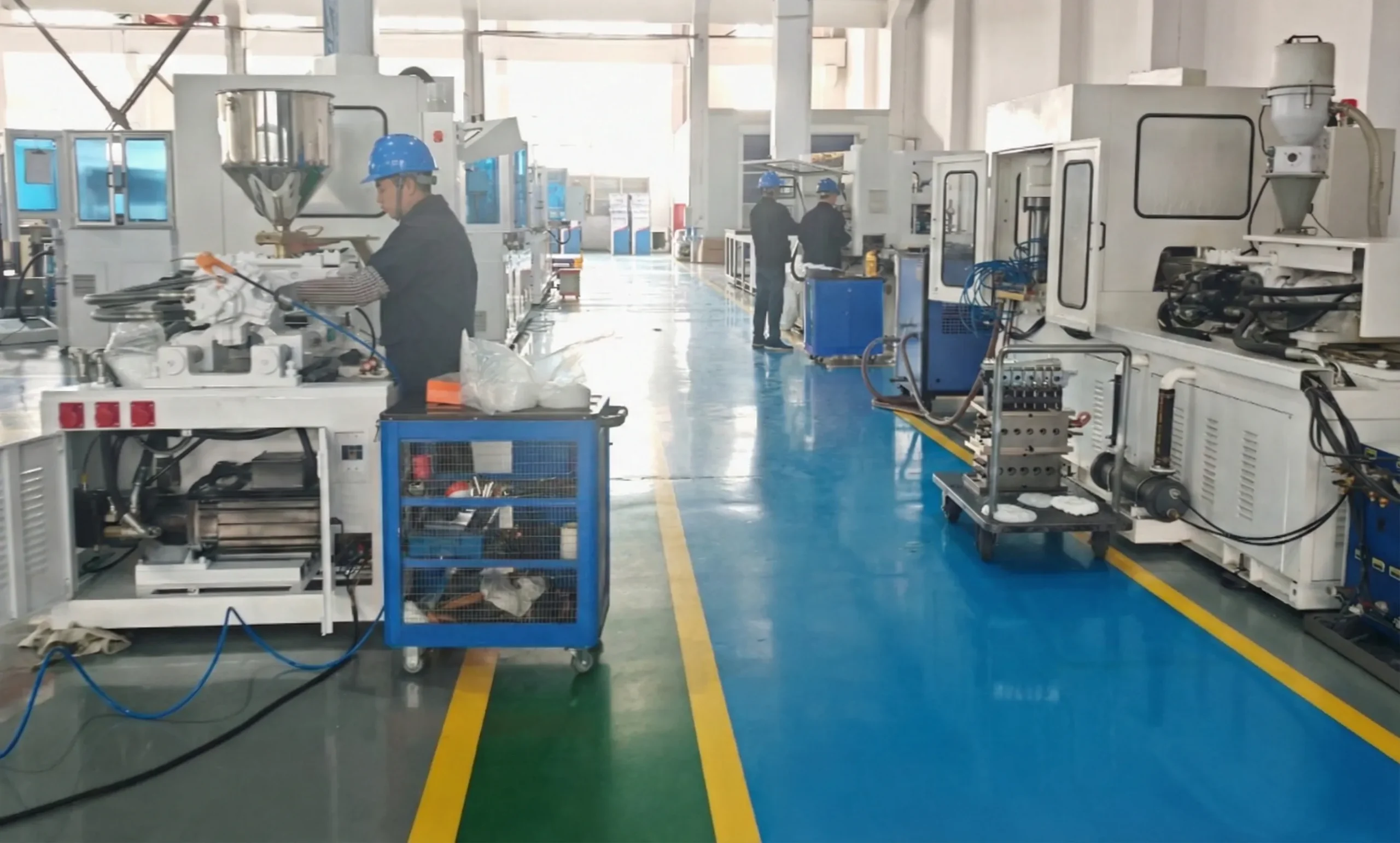
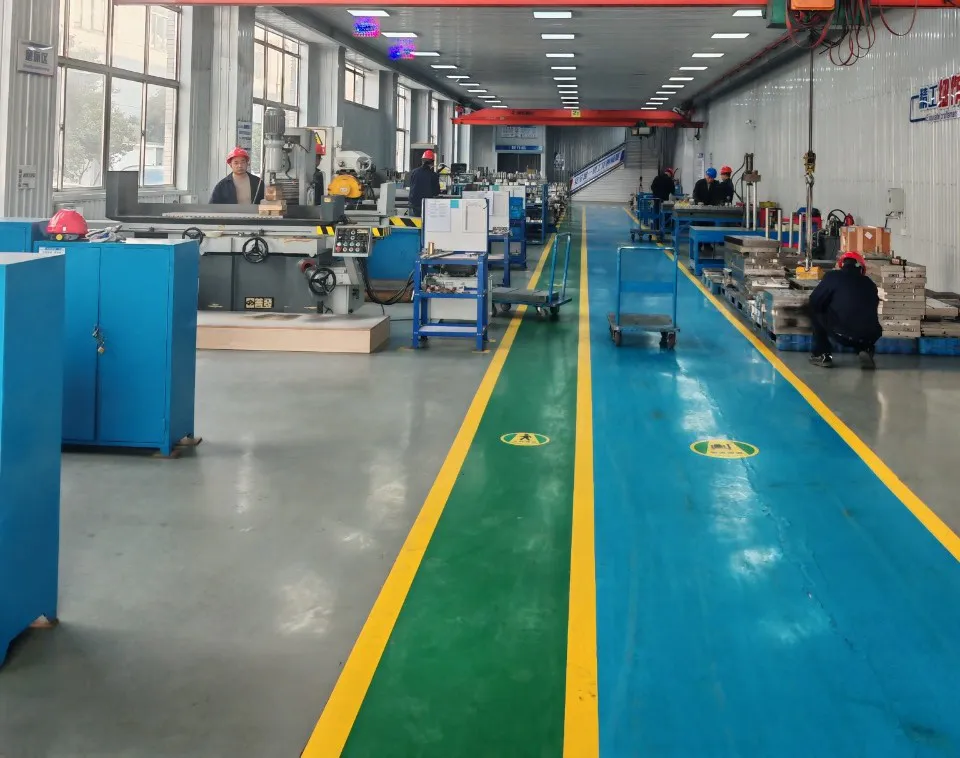
With over two decades of dedicated expertise in the plastic machinery manufacturing sector, we stand as pioneers in delivering the ultimate one-step injection stretch blow moulding machine total solutions. Our mission has always been deeply rooted in continuous technological innovation, stringent quality control, and providing unparalleled value to our global clientele. By possessing a comprehensive, modern manufacturing base spanning tens of thousands of square meters, we control the entire supply chain, ensuring that every injection stretch blow molding machine and precision injection stretch blow mold we engineer meets the most exacting international standards. Our dedicated team of expert engineers relentlessly pursues advancements in energy efficiency, structural stability, and process automation, empowering businesses worldwide to optimize their market competitiveness. Whether you are looking for a highly capable replacement injection stretch blow moulding machine or seeking entirely new production lines, our commitment to excellence, sustainable development, and comprehensive after-sales support ensures that your manufacturing goals are not just met, but decisively exceeded.
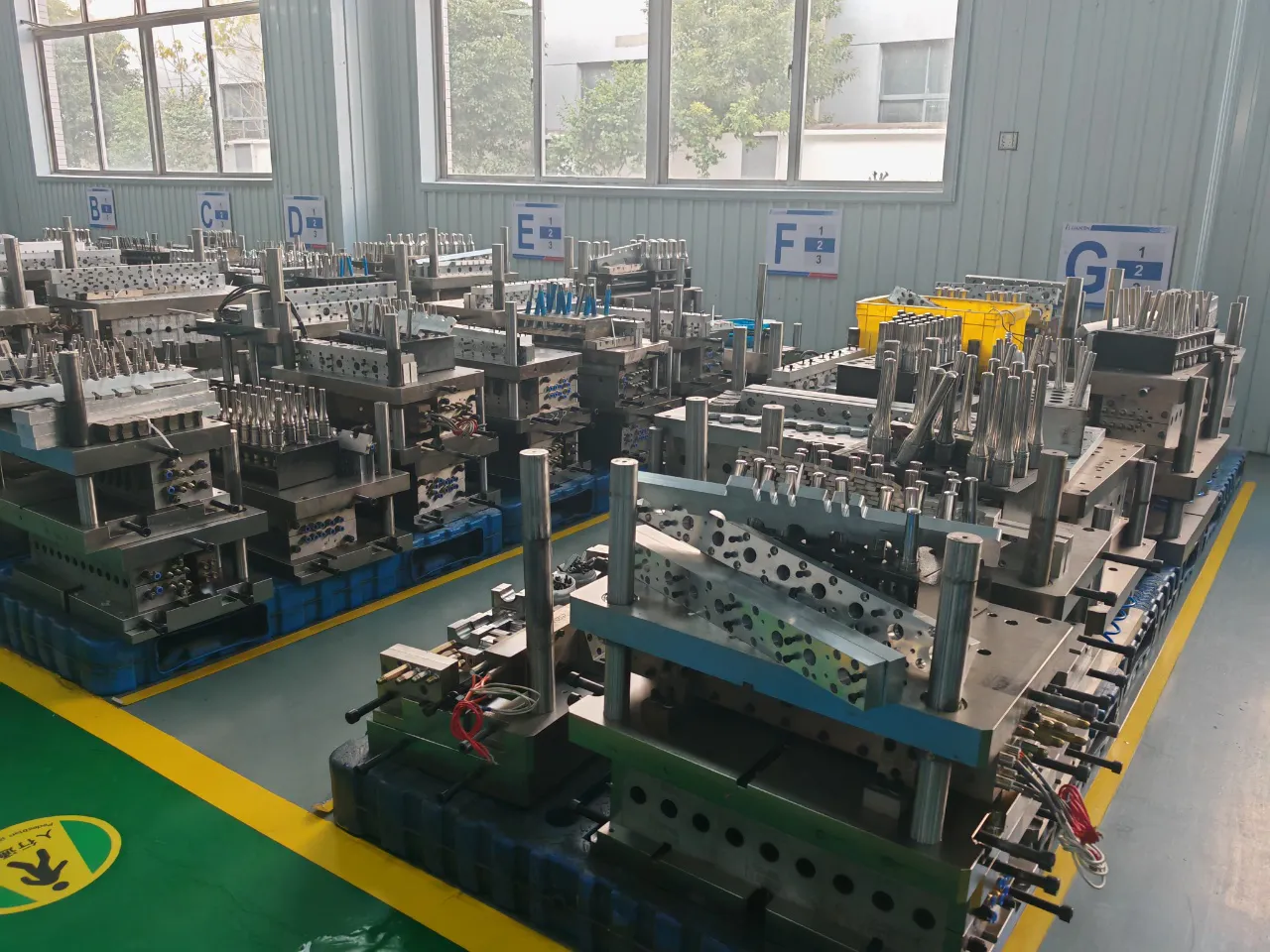
WorkShop
Frequently Asked Questions (FAQ)
Q1. Which reliable replacement of asb and aoki injection stretch blow molding machines are available for industrial upgrades?
Our advanced series, such as the fully servo-driven HGY150-V4-EV, serve as an outstanding replacement of asb and aoki models, offering seamless mold compatibility, significantly higher energy efficiency, and modern touch-screen PLC controls for modern facility upgrades.
Q2. When should a local manufacturing facility upgrade to a completely new injection stretch blow moulding machine?
A facility should transition to a new injection stretch blow moulding machine when existing two-step machines show excessive energy consumption, frequent maintenance downtime, or when expanding product lines require higher precision and flawless neck finishes that only one-step tech provides.
Q3. Why is the injection stretch blow molding process highly recommended for sustainable packaging in Colombia?
The injection stretch blow molding process is highly recommended because it eliminates the secondary preform reheating stage, cutting energy usage by up to 40%, and allows for the utilization of eco-friendly, biodegradable PLA plastics, aligning with local circular economy goals.
Q4. What specific features make the blue injection stretch blow moulding machine ideal for food-grade production?
The blue injection stretch blow moulding machine utilizes a fully enclosed, sterile production area with premium S136 stainless steel molds and electric servo drives that prevent oil contamination, making it exceptionally safe for sensitive food-grade container manufacturing.
Q5. How does investing in a white injection stretch blow moulding machine improve output for pharmaceutical companies?
Investing in our clean-room compatible white injection stretch blow moulding machine improves output by automating the entire cycle from resin to finished medical vial in one step, drastically reducing human error, contamination risks, and ensuring strict batch uniformity.
Q6. Which versatile injection stretch blow molding products comply with strict environmental and plastic reduction regulations?
Injection stretch blow molding products made from easily recyclable PET or biodegradable PLA comply beautifully with environmental regulations. Additionally, the machinery allows for advanced lightweighting techniques, reducing the total amount of plastic used per container significantly.
Editor: PXY