ISBM Machine Series · Knowledge Guide
A practical guide to understanding how customized 射出延伸ブロー成形機 manufacturing through OEM and ODM partnerships unlocks precision, scalability, and competitive advantage for packaging producers worldwide.
When a packaging manufacturer evaluates whether to source an 射出延伸ブロー成形機 through a standard catalog purchase or through an OEM/ODM arrangement, the decision ripples across every dimension of production — from tooling lead time and material compatibility to after-sales responsiveness and long-term intellectual property ownership. The injection stretch blow molding process, which consolidates injection, temperature conditioning, and stretch blowing into a single continuous cycle, is inherently configurable. That configurability is precisely what makes OEM and ODM sourcing so compelling: the machine architecture can be engineered around the buyer’s specific container geometry, material system, output rate, and facility constraints rather than forcing the buyer to adapt their product to a fixed machine platform.
This article breaks down the structural, material, regulatory, and commercial dimensions of OEM/ODM blow molding machine production — drawing on real machine specifications and application data — so that procurement engineers, packaging R&D teams, and production managers can make well-informed sourcing decisions.
1. What OEM and ODM Actually Mean in the Context of ISBM Machinery
The terms are frequently used interchangeably in trade discussions, but they describe fundamentally different scopes of engagement. Under an Original Equipment Manufacturer (OEM) arrangement, the buyer provides the design specification — the mold layout, clamping force range, screw diameter, station count, and preferred brand of servo drive — and the machine builder manufactures accordingly, branding the equipment under the buyer’s label if required. The buyer owns the product concept; the manufacturer contributes production capability.
1 Original Design Manufacturer (ODM) arrangement is broader. Here, the machine builder holds an existing validated design — say, a four-station injection stretch blow molding machine platform — and agrees to adapt, rebrand, or extend it according to the buyer’s market requirements. The buyer does not need to start from a blank-sheet specification; they leverage engineering work that has already been tested in production environments. For many packaging companies entering new product categories, an ODM path significantly shortens the time between intent and first saleable output.
Both routes are relevant to 射出延伸ブロー成形機メーカー そして 射出延伸ブロー成形機サプライヤー who serve diverse markets. The practical difference shows up in IP ownership, pricing structure, tooling responsibility, and the depth of technical collaboration required from the buyer’s side.
| Dimension | OEM | ODM |
|---|---|---|
| Design Origin | Buyer-supplied specification | Manufacturer’s validated platform, adapted |
| IP Ownership | Buyer retains design IP | Shared or manufacturer-retained, by agreement |
| Time to First Machine | Longer — spec & engineering from scratch | Shorter — build on existing validated design |
| Minimum Order Quantity | Often single unit acceptable | Varies; may require multi-unit commitment |
| Engineering Risk | Higher — novel design elements | Lower — proven architecture as baseline |
| Branding Flexibility | Full white-label option | White-label option, typically with licensing fee |
2. Manufacturing Structure of a One-Step ISBM Machine
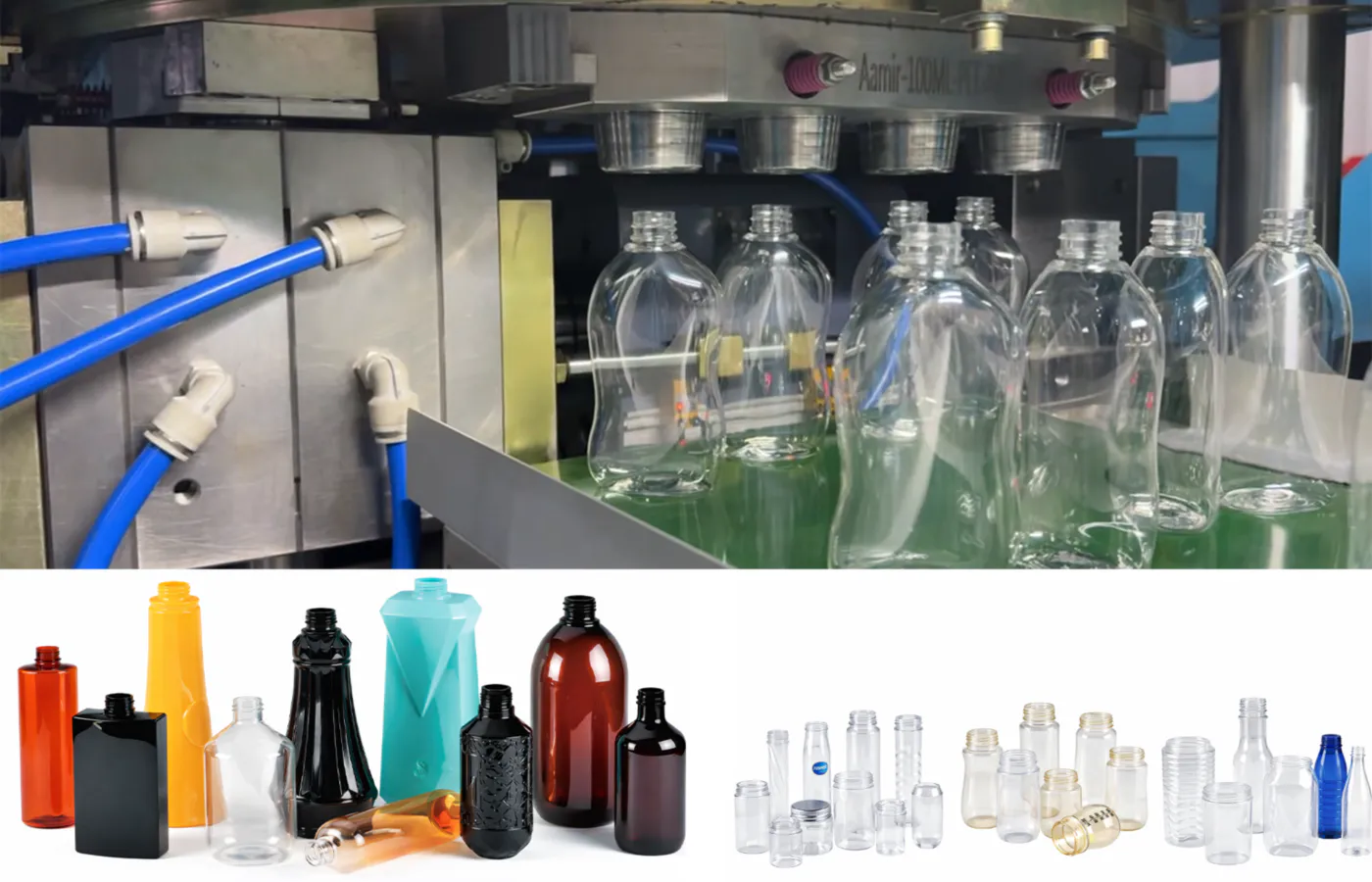
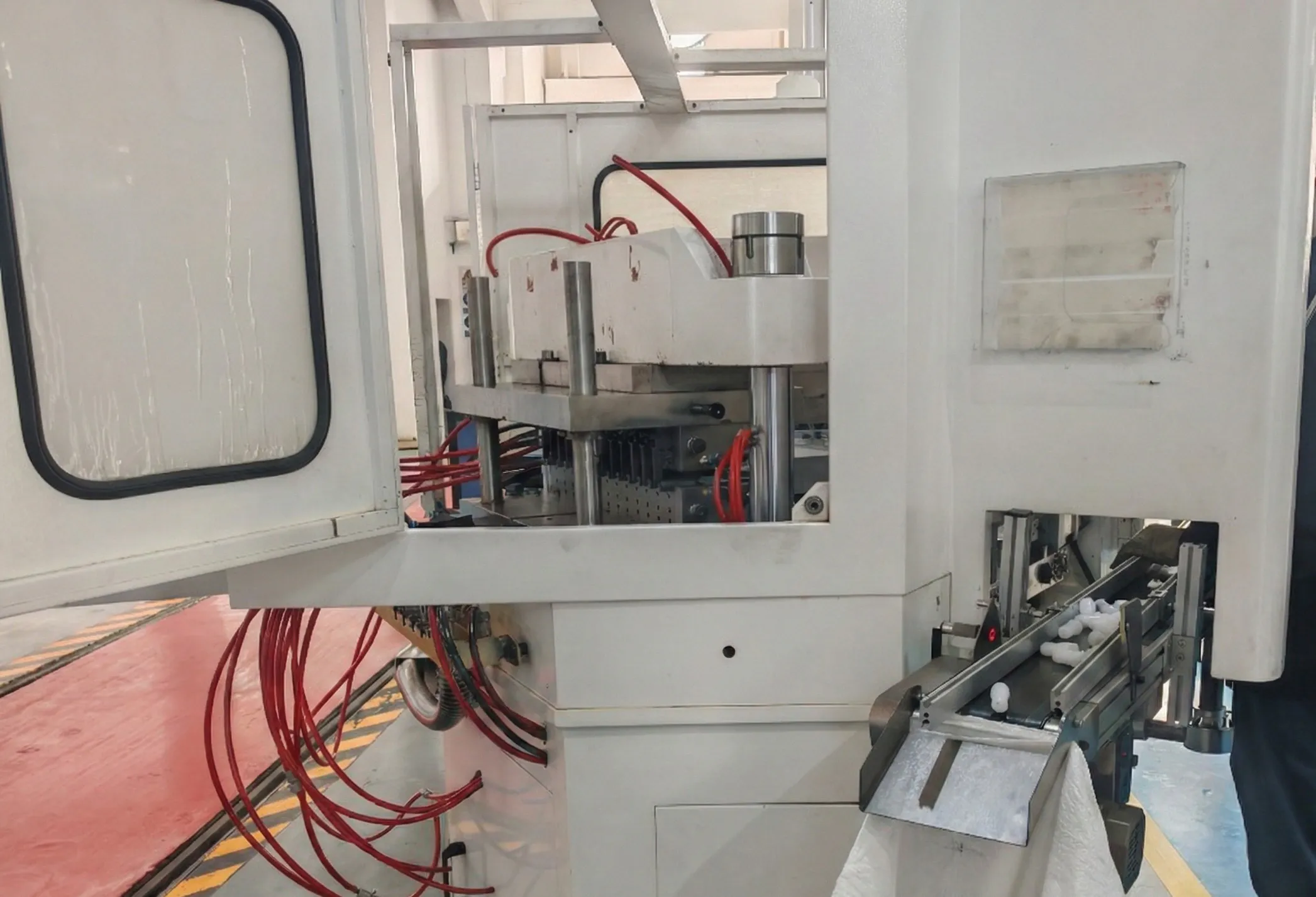
Understanding why OEM/ODM customization delivers value requires a clear picture of how these machines are constructed. A one-step injection stretch blow moulding machine integrates three process stages — injection, stretching, and blow moulding — within a single rotating turntable platform. Each station on the turntable performs a discrete operation, and the number of stations determines what additional process control is available.
2.1 Station Architecture
A 3-station machine moves preforms through injection → preform tail cutting and heat preservation → stretch blow moulding → take-out. This architecture is efficient for standard PET and PETG containers up to approximately 2,500 ml with conventional wall thickness, and its smaller footprint reduces facility cost. For reference, the EP-HGY50-V3-EV 3-station machine — available with screw diameters of 40 mm, 50 mm, or 55 mm — achieves an injection clamping force of 50 KN and a blowing clamping force of 100 KN, with total installed power of 45.2 KW. Its footprint of 3,800 × 1,200 × 2,500 mm and weight of 3.5 tonnes make it one of the most space-efficient platforms in its output class.
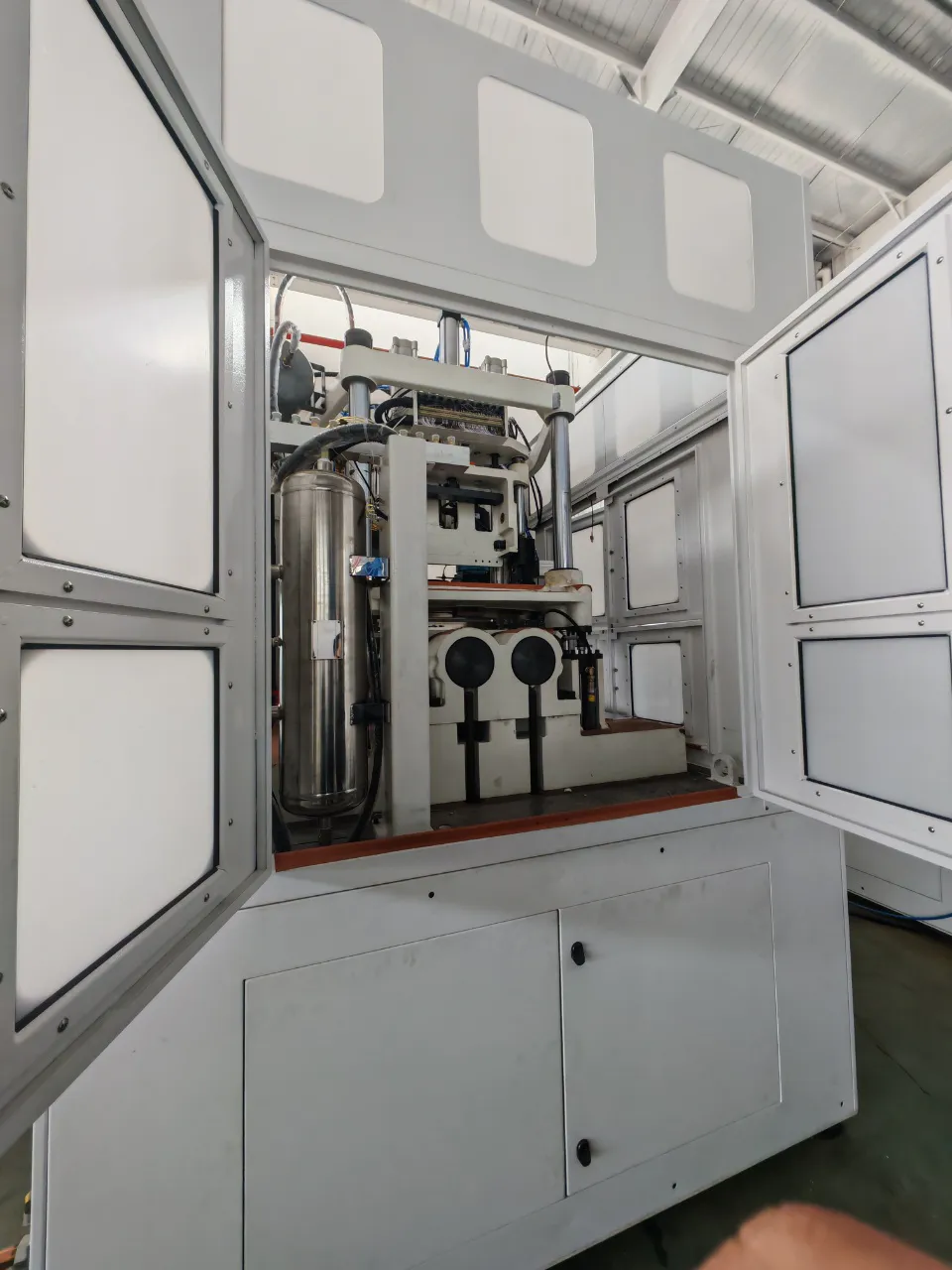
A 4-station machine inserts a dedicated temperature conditioning station between injection and blowing. This is the critical differentiator for complex container geometries, thick-walled PETG cosmetic jars, wide-mouth pharmaceutical containers, and materials such as PC or Tritan that demand tighter temperature windows. The EP-HGYS150-V4 four-station platform illustrates the structural step-up: injection clamping force rises to 150 KN, blowing clamping force to 200 KN, and the machine supports up to 8 cavities producing containers ranging from 20 mm to 118 mm in bottle diameter and up to 2,500 ml in volume. Machine dimensions are 4,200 × 1,400 × 2,900 mm and overall weight is 6 tonnes.
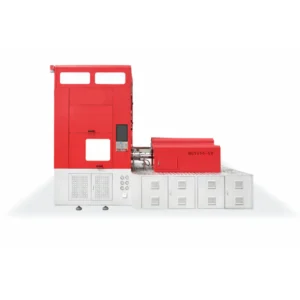
EP-HGYS150-V4 · 4-Station ISBM Machine
Material: PET / PETG
Injection Clamping Force: 150 kN
Blowing Clamping Force: 200 kN
Motor Power: 43.2 KW | Heating Power: 10kW
Blowing Air Pressure: 2.0–3.5 MPa
Machine Size (L×W×H): 4,200 × 1,400 × 2,900 mm
Max Cavities / Max Volume: 8 cavities / 2,500 ml
2.2 Core Mechanical Sub-Systems
Across both 3-station and 4-station platforms, the key sub-systems that OEM/ODM partners typically specify or customize include the following structural elements:
| Sub-System | Standard Component Used | OEM/ODM Customization Scope |
|---|---|---|
| Servo drive system | Inovance / WEICHI / Yaskawa | Drive brand selection, number of servo axes (3–10 sets) |
| PLC control | Inovance / MIRLE PLC | HMI language, recipe management, remote monitoring integration |
| Turntable drive | Yaskawa servo motor + Taiwan TSUNTIEN reducer | Station count (3, 4, or 6), rotation indexing speed |
| High-pressure valve | Parker (USA) | Blow pressure range (standard 2.0–3.5 MPa; extended on request) |
| Air cylinder | Airtak | Bore size, stroke length, mounting configuration |
| Screw & barrel heating | Nano far-infrared energy-saving heating ring | Screw diameter (40–60 mm), L/D ratio, heating wattage (10–15 KW) |
| Lead screw | NSKジャパン | Pitch, preload class, corrosion treatment for humid environments |
| Mold clamping | Dual servo motor or hydraulic cylinder with high-pressure compensation | Clamping force (100–400 KN), ASB / AOKI mold compatibility |
| Hydraulic control valve | YUKEN (Taiwan) | Circuit layout for specific pump configurations |
| Oil tubing | Italian imported material | Routing for non-standard machine footprints |
3. Material System: Which Resins Work and Why It Matters for OEM/ODM Sourcing
The breadth of a machine’s processable material range is one of the most commercially decisive factors in an OEM/ODM agreement. A machine scoped to handle only commodity PET will not serve a buyer who plans to shift product lines toward thick-walled PETG cosmetic jars or BPA-free Tritan baby bottles. Getting the material system specification right at the outset — before tooling is committed — avoids expensive redesign later.
3.1 Core Resin Families
Modern one-step 射出延伸ブロー成形機 are engineered to handle a diverse family of thermoplastic resins. The following matrix covers the most commercially relevant materials and the processing rationale for each in an OEM/ODM context:
| 材料 | 主要プロパティ | Typical Application | Processing Note |
|---|---|---|---|
| ペット | High clarity, gas barrier, lightweight | Water, beverage, edible oil | Standard screw geometry; 2.0–3.5 MPa blow pressure |
| PETG | Glass-like clarity, chemical resistance, heavy-wall capability | High-end cosmetics, serums, personal care | 4-station preferred for precise temperature conditioning |
| PC | High impact strength, heat resistance | Baby feeding bottles, reusable sportswear | Requires elevated barrel temperature and dry resin |
| PP | Chemical inertness, autoclavable, moisture barrier | Medical containers, pharmaceutical packaging | Clarifying agents improve clarity; wider blow window |
| Tritan (PCTG) | BPA-free, sterilization-resistant, crystal clarity | Infant products, healthcare vessels | Tight thermal window — 4-station with active conditioning |
| PCTG | High transparency, toughness, glycol-modified | Specialty cosmetics, luxury packaging | Compatible with standard PETG screw geometry |
3.2 Screw and Barrel Customization for Multi-Material Lines
The plasticizing unit — screw diameter, L/D ratio, compression ratio, and heating zone configuration — is the primary hardware variable that determines whether a machine can switch between resin families without compromising output quality. In an OEM/ODM agreement, the buyer can specify screw diameters from 40 mm to 60 mm depending on throughput targets, with corresponding theoretical injection volumes ranging from 188 cm³ to 480 cm³. Nano far-infrared heating rings deliver targeted thermal energy directly into the barrel wall, improving melt homogeneity while reducing peak power draw. For plants running multiple resin types within the same facility, the OEM agreement can include pre-fitted or interchangeable screw kits — a practical arrangement that avoids procuring a separate machine for each material family.
4. Core Benefits of OEM/ODM Blow Molding Machine Production
Tailored Mechanical Configuration
Every plant has unique constraints — available floor area, utility voltages (370–400 V standard; other ranges on request), cooling water supply pressure (0.4–0.6 MPa), and ambient temperature. An OEM agreement accommodates these realities at the specification stage, rather than after delivery. Station count, clamping forces, mold stroke dimensions, and machine footprint are agreed before manufacturing begins.
Energy Efficiency Gains
One-step injection stretch blow molding eliminates the reheating oven entirely, reducing energy consumption by 20–40% compared to two-stage lines. Servo-driven clamping and injection units — available across the product range — further reduce peak power demand. For markets where industrial electricity tariffs are volatile, locking in a low-energy-per-unit-output specification through an OEM agreement delivers measurable operating cost advantages over the machine’s service life.
Mold Compatibility and IP Portability
A frequently overlooked benefit of OEM sourcing is mold compatibility. Machines across the range can be configured to accept tooling originally designed for ASB-12M, ASB-70DPH, or AOKI-250 mold systems. This allows buyers to retire existing machines while retaining tooling investment — and to source a direct replacement injection stretch blow moulding machine without committing to new mold tooling expenditure. In an ODM context, new mold designs can be developed in parallel with the machine platform.
Consistent Product Quality at Scale
Because the injection stretch blow molding process keeps the preform at controlled temperature throughout its entire journey from injection to blowing, wall thickness uniformity of ±5% is achievable through closed-loop servo control. Biaxial orientation during stretching increases tensile strength by more than 30%, while the absence of external preform handling eliminates surface contamination risks. For regulated sectors — pharmaceuticals, medical devices, infant products — this process cleanliness is a compliance requirement, not merely a quality preference.
Reduced Waste and Material Utilization
On-site regrinding of injection runners and purge material enables material utilization rates above 95%. In high-output environments producing more than a million containers per year from a single machine, even a fractional improvement in material utilization translates to meaningful cost savings. OEM screw geometry can be fine-tuned for the specific resin grade the buyer plans to run, further minimizing degradation-related purge waste.
Brand and Market Differentiation
An ODM blow molding machine platform gives distributors and regional machine dealers the ability to bring a product to market under their own brand name, supported by a proven manufacturing base. This is particularly relevant in markets such as Australia, the Netherlands, South Korea, and Brazil, where local distributors seek to differentiate themselves from generic catalog suppliers by offering application-specific engineering support alongside the machine itself.
5. Injection Stretch Blow Molding Process: How It Works in an OEM/ODM Context
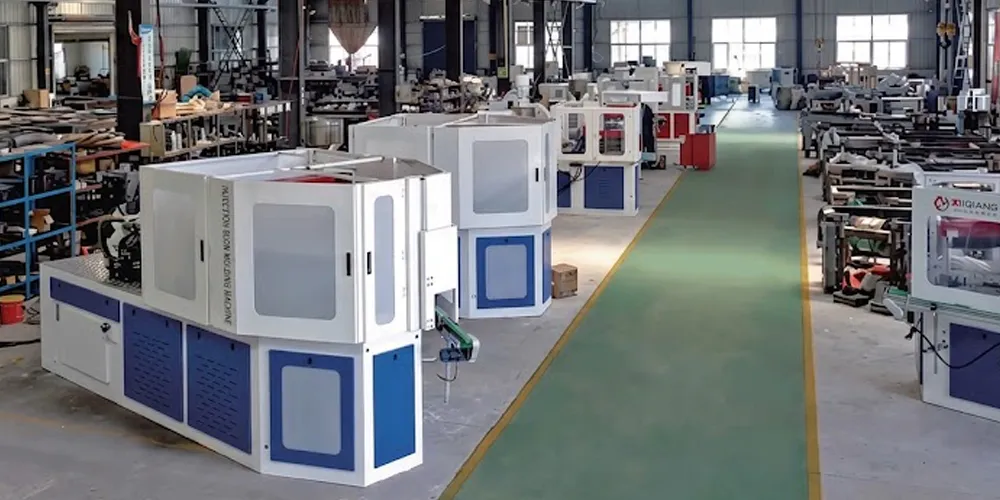
その 射出延伸ブロー成形プロセス — often abbreviated as ISBM — moves through four sequential phases in a 4-station machine, each of which can be adjusted within an OEM specification to match the buyer’s target container:
注射
Raw resin is melted and injected into the preform cavity. Neck finish is formed to exact dimensional tolerances.
Temperature Conditioning
(4-station only) Preform temperature profile is actively managed to ensure uniform stretching and prevent defects.
Stretch Blow Moulding
A stretch rod extends the preform axially while high-pressure air expands it radially. Biaxial orientation aligns polymer chains.
Ejection
Finished containers are automatically removed and oriented for downstream packaging. No manual handling required.
From an OEM customization standpoint, each station can be fine-tuned: injection volume (188–480 cm³), mold stroke (upper and lower independently adjustable), temperature conditioning core stroke (250–300 mm depending on model), blow core stroke (100–300 mm), and ejection stroke (150–300 mm). These parameters collectively determine the range of container geometries and wall profiles the machine can produce without retooling the entire platform.
Compared to the two-step process — where preforms are injection-molded in one machine, stored, transported, and reheated in a separate blow molder — the one-step injection stretch blow molding approach achieves shorter cycle times, lower scrap rates (no preform storage damage), and superior crystal clarity because the resin is never fully cooled and reheated. For OEM/ODM buyers who are evaluating a replacement of ASB injection molding machine systems or upgrading from older hydraulic platforms, the performance delta is immediately measurable in output quality and energy bills.
6. Regulatory Landscape: Global Standards Affecting ISBM Machine Production
Whether producing pharmaceutical bottles in the European Union, food-grade containers for the Australian market, or cosmetic packaging for South Korean brands, the end product must comply with a matrix of material safety, machinery safety, and environmental regulations. Understanding this landscape is essential when defining the OEM/ODM specification, because regulatory requirements often drive machine design choices — from the choice of food-contact-grade resins to the electrical safety standards the machine itself must meet.
| Region / Market | Relevant Regulation / Standard | Impact on Machine / Process Specification |
|---|---|---|
| 欧州連合 | EU Regulation 10/2011 (plastic food-contact materials); CE Marking (Machinery Directive 2006/42/EC); REACH Regulation (EC) 1907/2006 | Resins must be listed in EU positive list; machine electrical systems require CE marking; restricted substances (phthalates, Bisphenol-A) must be avoided in material selection |
| United Kingdom | UK Plastic Packaging Tax (effective April 2022); UKCA marking post-Brexit; Food Safety Act 1990 | Containers must contain ≥30% recycled content to avoid tax liability; machine must support rPET processing; UKCA replaces CE for UK market machinery |
| United States | FDA 21 CFR Parts 174–179 (food-contact polymers); OSHA 29 CFR 1910 (machine guarding); California Prop 65 | Resins used must comply with FDA food-contact listings; machine safety guarding and lockout-tagout provisions required; California buyers must ensure Prop 65 compliance in container composition |
| Australia & New Zealand | FSANZ Food Standards Code; AS/NZS 4024 (machinery safety); Australian Packaging Covenant (APCO) | Food-contact containers must meet FSANZ compositional standards; machinery must comply with AS/NZS safety standards; APCO targets push demand for recyclable PET/PETG formats |
| South Korea | Korean Food Sanitation Act; KC Mark (Korea Certification); Act on the Promotion of Saving and Recycling of Resources | Food-contact plastics require approval under MFDS standards; electrical machinery requires KC mark; EPR recycling obligations affect resin selection toward easily recyclable PET |
| ブラジル | ANVISA RDC 88/2016 (food packaging); ABNT NBR standards for machinery; PNRS (National Solid Waste Policy) | Food-contact materials must comply with ANVISA positive list; machinery must meet ABNT electrical safety norms; PNRS drives demand for recyclable container formats |
| Netherlands / EU Pharma | EU GMP Annex 1 (sterile manufacturing); European Pharmacopoeia (Ph. Eur.) for primary packaging | Pharmaceutical container production requires validated cleaning procedures; machine surface finish and preform isolation from ambient air during ISBM cycle supports GMP compliance |
| Canada | Health Canada Food and Drug Regulations (B.23.001 for packaging); CSA Z460 for machine lockout; Canada’s Single-Use Plastics Prohibition Regulations | Packaging material must not migrate harmful substances; CSA lockout/tagout standards govern machine maintenance procedures; prohibition on certain single-use formats may redirect buyers toward refillable or rPET formats |
| コロンビア | INVIMA regulations for pharmaceutical and food packaging; NTC standards (ICONTEC); Resolución 1407/2018 on packaging management | Pharmaceutical bottles require INVIMA-compliant materials; packaging producers must implement collection and recycling programs under Resolución 1407; drives demand for PET containers |
When structuring an OEM/ODM agreement, buyers serving regulated end markets should include a regulatory compliance schedule as a contractual annex — specifying which certifications (CE, KC, FDA compliance documentation, ANVISA test reports) the machine builder is responsible for providing, and which the buyer manages independently for their end containers.
7. Matching the Right ISBM Machine to Your OEM/ODM Project
Selecting the right platform for an OEM/ODM project depends on a combination of container specifications, annual production volume, resin type, and space constraints. The following comparison covers the key models across the range, organized by clamping force tier:
| モデル | 駅 | Injection Clamp (KN) | Blow Clamp (KN) | Max Cavities | 最大容量(ml) | 機械重量(トン) | 最適な用途 |
|---|---|---|---|---|---|---|---|
| HGY50-V3-EV | 3 | 50 | 100 | 6 | 2,500 | 3.5 | Small cosmetic, pharmaceutical, beverage |
| HGYS150-V4 | 4 | 150 | 200 | 8 | 2,500 | 6 | Premium cosmetics, pharma, ASB-12M mold replacement |
| HGYS200-V4 | 4 | 300 | 200 | 12 | 2,500 | 13 | Food jars, wide-mouth bottles, mid-volume production |
| HGY250-V4 | 4 | 300 | 200 | 14 | 2,500 | 16 | High-cavity count, ASB-70DPH mold compatible |
| HGYS280-V6 | 6 | 150 | 200 | 10 | 2,500 | 14 | Six-station twin-screw for high-output small bottles |
| HGY650-V4 | 4 | 400 | 400 | 4 | 20,000 | 28 | Large-format containers (up to 20 L water barrels) |
For buyers evaluating a 新しい射出延伸ブロー成形機 as part of an OEM program, the choice between a 3-station and a 4-station platform should be driven by the target container wall profile and material — not by initial machine cost alone. A 4-station platform’s additional temperature conditioning capability prevents defects that would otherwise require slowing the cycle or increasing rejects, both of which erode the unit economics that justified the investment.
8. One-Step vs. Two-Step: The OEM/ODM Decision Context
When an OEM buyer specifies a blow molding machine, one of the first architecture decisions is whether the application calls for a one-step (single-stage) or two-step (separate preform molding + reheating) approach. For most precision packaging applications in cosmetics, pharmaceuticals, baby products, and beverages up to 2,500 ml, the one-step injection stretch blow moulding machine offers a cleaner, lower-footprint, and lower-energy solution. The two-step approach remains relevant only for very high-volume commodity beverage production where output rates per hour exceed what any single-station one-step machine can achieve.
| Factor | ワンステップISBM | Two-Step (Reheat Blow) |
|---|---|---|
| Energy per container | 20–40% lower | Higher (reheat oven runs continuously) |
| Surface cleanliness | Higher — preform not exposed to ambient air | Lower — storage and transport exposure |
| Floor space | One machine footprint | Two machines + preform storage area |
| Product changeover | Mold change on one machine | Two-machine changeover; preform stock management |
| Material waste | <5% with on-site regrinding | Higher — damaged preforms, handling waste |
| Shape complexity | High — non-round, heavy-wall, variable-thickness | Moderate — optimized for symmetric forms |
| Suitable output rate | Up to ~1 million+ containers/year per machine | Very high volume commodity lines |
私たちについて
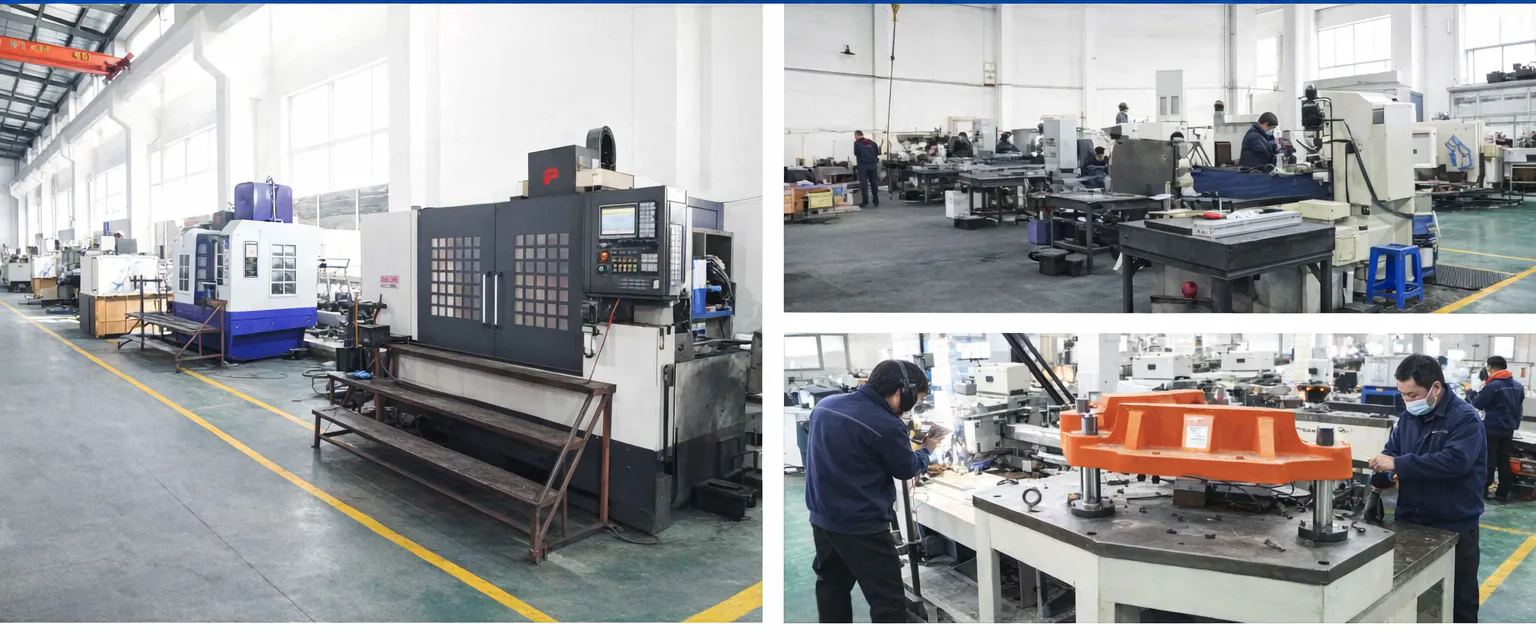
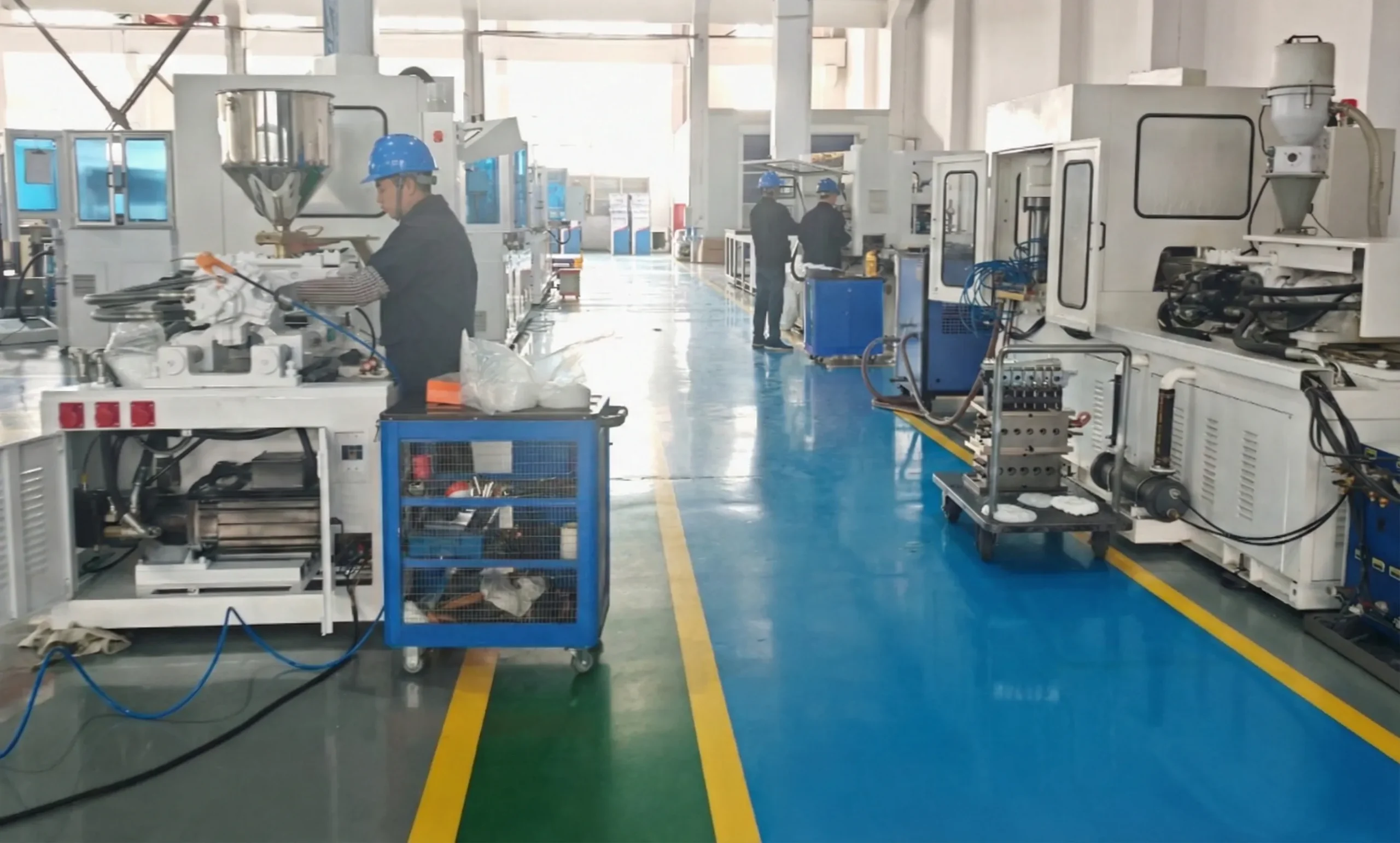
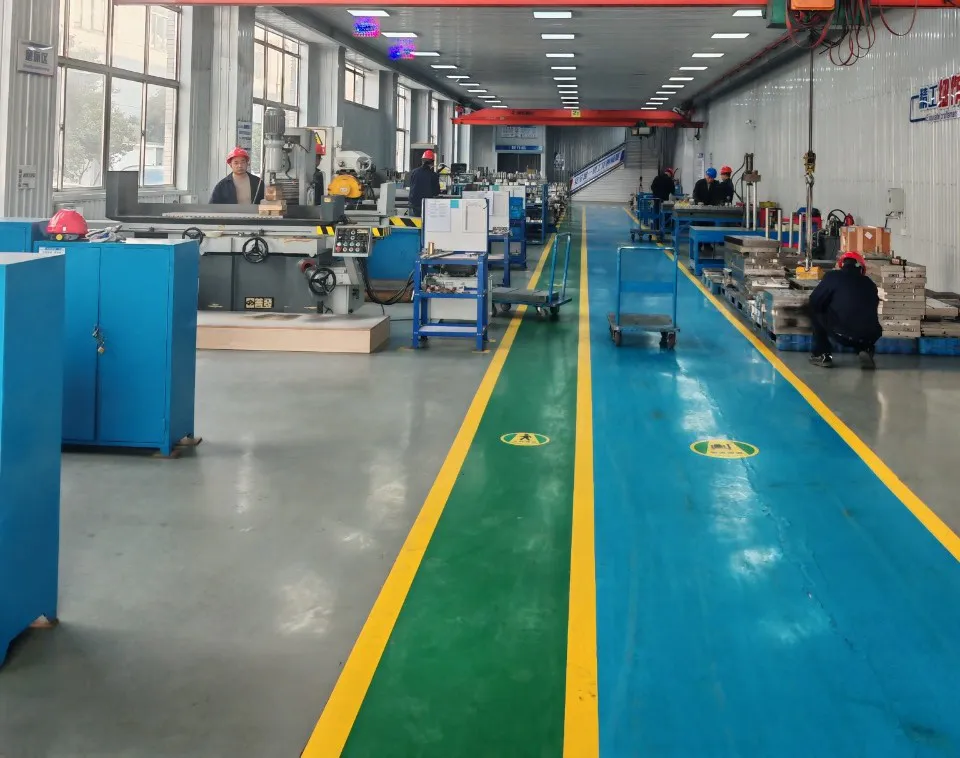
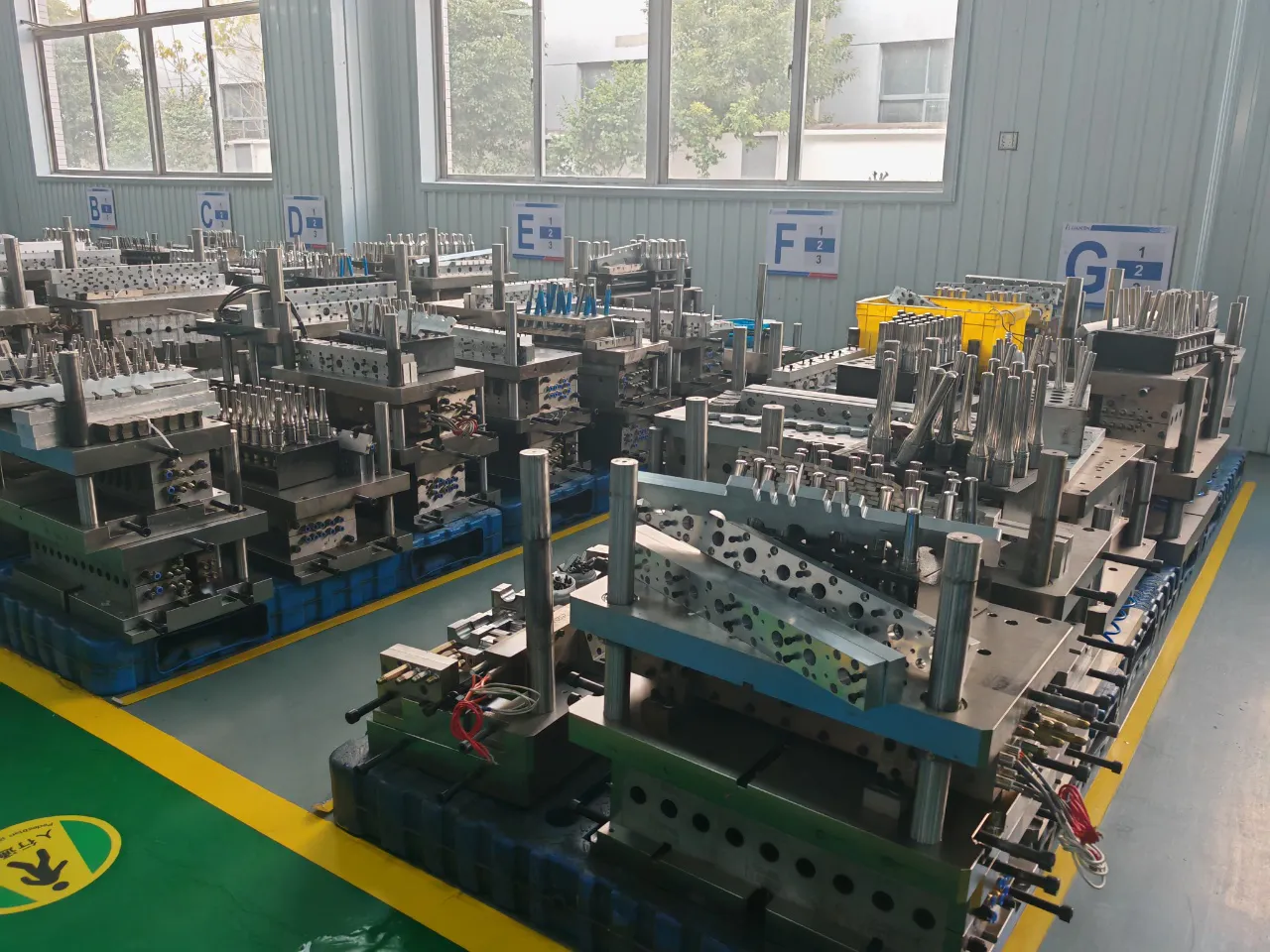
Our state-of-the-art facility integrates R&D, precision machining, and rigorous quality testing to ensure every injection stretch blow moulding machine meets demanding international standards. Drawing on more than two decades of accumulated experience in blow molding machine development, the engineering team has applied for multiple national patents and developed specialized one-step platforms covering a full spectrum of materials — PET, PETG, PC, PCTG, PP, and Tritan — for applications ranging from high-end cosmetics and pharmaceutical containers to food-grade beverage bottles and infant care products.
Core components are sourced from globally recognized suppliers: servo drives from Inovance and Yaskawa, high-pressure valves from Parker (USA), lead screws from NSK (Japan), and hydraulic control valves from YUKEN (Taiwan). This component selection is not arbitrary — it reflects a commitment to machine longevity, global parts availability, and the kind of technical documentation that regulated industries require from their equipment suppliers. The production base operates across more than 20,000 square meters of manufacturing floor, enabling in-house machining of structural components to tolerances that support consistent preform and container quality across high-volume OEM production runs.
ワークショップ
10. Related Equipment: Building a Complete ISBM Production System
An injection stretch blow moulding machine is the centerpiece of a container production line, but reliable output depends equally on the quality and specification of auxiliary equipment. Two systems have the most direct influence on machine performance and end-product quality.
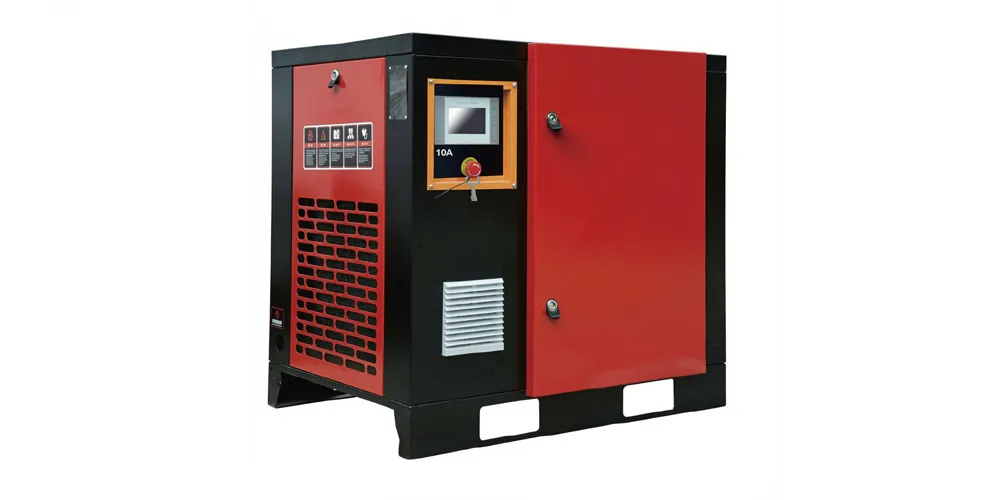
Oil-Free Air Compressor
Blow moulding requires clean, dry compressed air at 2.0–3.5 MPa. Oil contamination in the blow air supply degrades solenoid valve performance, erodes high-pressure valve seats (Parker valves specified across the machine range are designed for clean air), and introduces moisture that accelerates corrosion on electrical connectors. For OEM/ODM projects where machine warranty and performance guarantees are contractually significant, specifying a matched oil-free high-pressure compressor is a non-negotiable system design requirement.
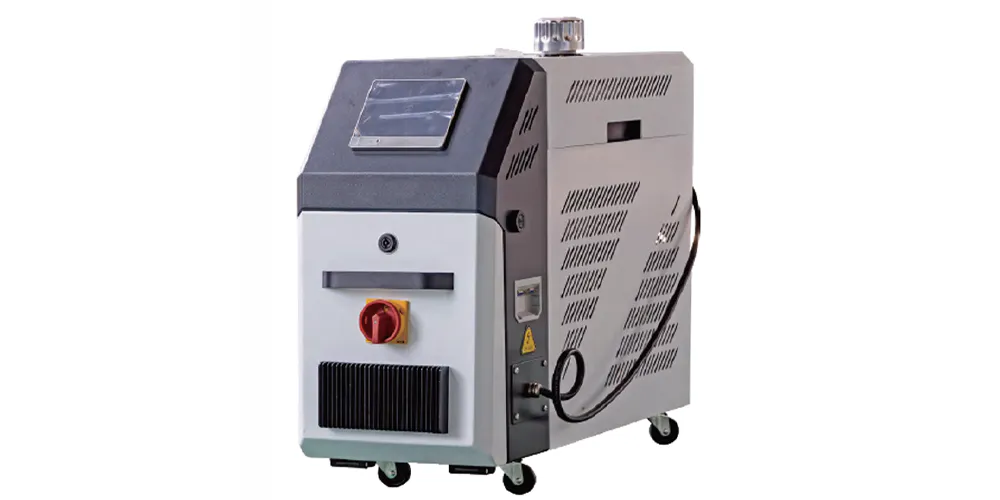
金型温度コントローラー
Mould temperature stability directly determines the dimensional consistency of injection stretch blow molding products. A controller delivering unstable coolant temperature causes the blow mould to expand and contract within each cycle, producing bottles with variable wall thickness and occasional surface defects such as hazing or surface crystallization. For PETG and PC processing — materials with narrow processing windows — a precision mould temperature controller with isolated control outputs eliminates the cross-interference between temperature control signals and the machine PLC that can manifest as spurious sensor fault alarms. Specifying a matched controller as part of the OEM installation design resolves this before commissioning.
Discuss Your OEM/ODM Blow Molding Machine Requirements
Whether you are sourcing a replacement injection stretch blow moulding machine, launching a new container format, or evaluating an ODM platform for regional distribution, our engineering team is available to review your specification and recommend the right machine configuration.
よくある質問
編集者: PXY