A detailed technical guide for pharmaceutical packaging engineers, quality assurance managers, and GMP compliance specialists worldwide — explaining the contamination control mechanisms built into the one-step injection stretch blow moulding machine process and how they satisfy the most stringent pharmaceutical packaging standards globally.
Contamination in pharmaceutical packaging is not a marginal quality concern. When a drug container is contaminated — whether by particulates, microbial organisms, endotoxins, residual chemicals, or airborne foreign matter — the consequences extend directly to patient safety. Regulatory agencies from the FDA to the EMA to CDSCO treat packaging contamination events as serious adverse findings that can trigger product recalls, manufacturing suspensions, and in the most severe cases, harm to the patients who received the affected products. The pharmaceutical packaging industry is therefore one of the few sectors where contamination prevention is not a goal to optimise against cost — it is a non-negotiable starting point from which everything else is designed.
This is precisely why the injection blow molding machine configuration used in one-step injection stretch blow moulding has become so significant for pharmaceutical bottle production. The process has structural contamination control advantages that are not present in two-step reheat blow moulding systems or in extrusion blow moulding — and these advantages are not incidental features that happen to be useful in pharmaceutical applications. They are consequences of the fundamental way the one-step process works, and they can be documented, validated, and demonstrated to regulators as part of GMP equipment qualification.
This article explains in detail how the one-step 射出延伸ブロー成形機 process prevents contamination at each stage of the production cycle, what machine structural features contribute to contamination control, how the auxiliary systems must be specified to maintain the process’s inherent cleanliness advantages, and what global regulatory frameworks govern contamination requirements in pharmaceutical packaging production. All machine specifications referenced come from real products in the range available on this site.
1. Understanding Contamination Pathways in Pharmaceutical Bottle Production
Before explaining how the one-step process controls contamination, it is useful to understand the specific contamination pathways that affect pharmaceutical plastic bottle production. These are the mechanisms by which unwanted substances or organisms enter the container during or after manufacturing — and each of them is addressed differently by different production technologies. Pharmaceutical packaging engineers who understand these pathways can evaluate production technologies not just on output quality metrics but on their inherent contamination risk profile.
Airborne Particulate Contamination
Ambient air in industrial environments contains particulates — dust, fibres, skin cells, polymer fragments — that can deposit on the interior surface of a plastic bottle during production. For pharmaceutical packaging of sterile or near-sterile products, particulate limits are quantitatively specified: USP General Chapter <788> limits injectable preparations to not more than 6,000 particles ≥10 µm and 600 particles ≥25 µm per container. Any production step that exposes the container interior to uncontrolled ambient air is a contamination risk that the process design must address.
Operator-Introduced Contamination
Human operators are one of the most significant contamination sources in pharmaceutical manufacturing environments. Skin particulates (average human sheds approximately 30,000–40,000 skin cells per hour), respiratory aerosols, and hand contact with product-contact surfaces all introduce biological material that can carry microbial organisms. Any production process that requires operators to handle preforms or bottles — even with gloves — introduces this contamination vector. Fully automated closed-loop production eliminates direct operator contact with the product-contact surfaces of the bottle.
Process Chemical Contamination
Blow moulding processes that use hydraulic fluids, mold release agents, lubricants, or compressed air with oil content introduce chemical contamination risks into the bottle interior. Oil vapour from a conventional compressor entrained in the blow air at 2.0–3.5 MPa deposits as a hydrocarbon film on the bottle interior surface during the blow phase — a contamination that is invisible to visual inspection but potentially significant for drug-packaging interaction studies required by regulators for pharmaceutical container qualification.
Cross-Contamination from Storage and Transfer
In two-step reheat blow moulding, preforms are produced in one location, stored in bulk containers or bags, transported to a separate blow moulding facility or department, and then reloaded into a reheat machine. Each of these steps introduces surfaces and environments that can deposit contamination on the preform exterior — which then becomes the interior of the blown bottle. Preforms stored in bags can develop static charge that attracts particulates. Transfer conveyors introduce contact with mechanical surfaces. Storage duration introduces time-dependent contamination accumulation that is difficult to quantify or control reliably.
2. How the One-Step Injection Stretch Blow Moulding Process Controls Each Contamination Pathway
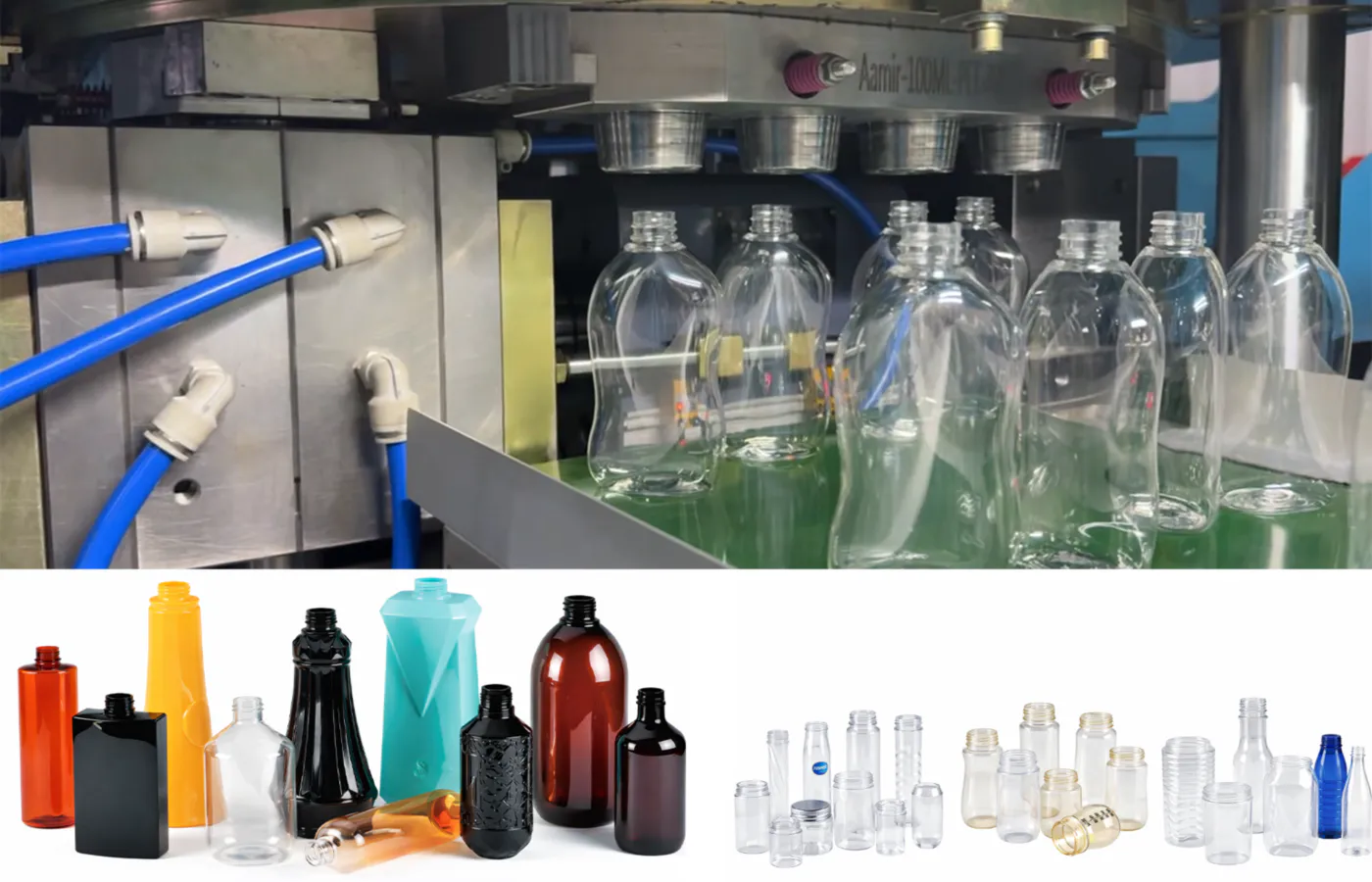
The contamination control advantages of the one-step 射出延伸ブロー成形機 process are direct consequences of its closed-loop, single-machine production sequence. Unlike two-step systems where the preform travels through multiple environments between injection and blow moulding, the one-step process keeps the material inside a single controlled machine environment from raw granule to finished bottle. The following explains how this architecture addresses each contamination pathway identified above.
Elimination of Preform Storage and Transfer Contamination
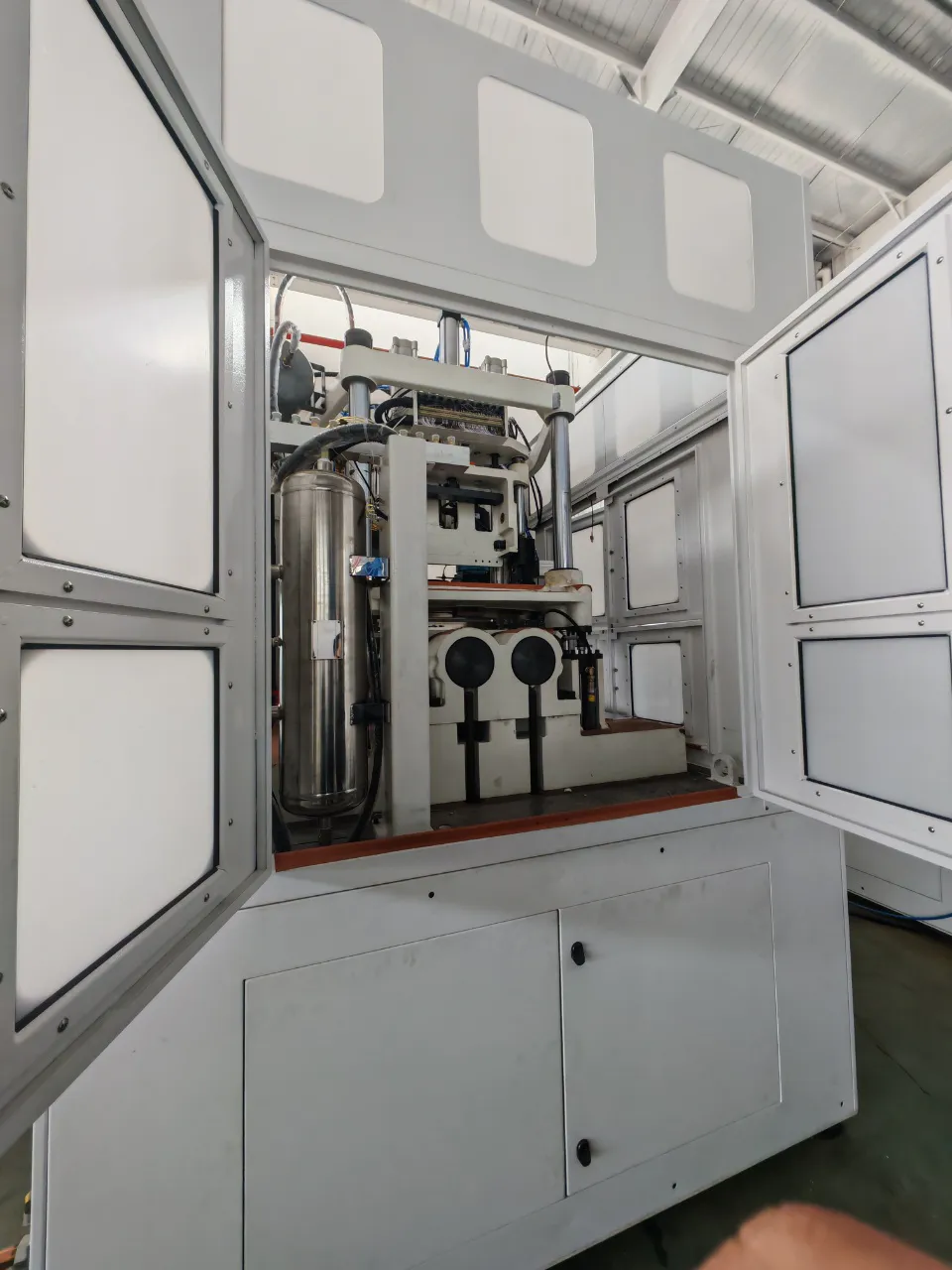
The most fundamental contamination control feature of the one-step process is the complete elimination of preform storage and transfer. In a four-station injection blow molding machine configuration, the preform is injection moulded at Station 1, moves to temperature conditioning at Station 2, proceeds to stretch-blow moulding at Station 3, and exits as a finished bottle at Station 4 — all within the same machine, in a single continuous cycle typically lasting 20–60 seconds. The preform never leaves the machine environment between formation and completion. There is no storage period, no bag filling and sealing, no conveyor transfer, and no reload into a separate machine. Every contamination risk associated with these interprocess steps is structurally eliminated rather than controlled by procedural means — which is a fundamentally more robust contamination assurance approach from a GMP standpoint, because structural elimination cannot fail in the way that a procedural control can fail if the procedure is not followed exactly.
Closed-Loop Process Eliminates Ambient Air Exposure
In the one-step 射出延伸ブロー成形機, the preform body — which will become the interior surface of the finished bottle — is never exposed to ambient air between the injection moulding phase and the moment the bottle exits the machine through the takeout mechanism. The injection cavity, the conditioning station, and the blow mould are all enclosed within the machine structure and separated from the surrounding production room atmosphere by the machine guarding and the positive pressure of the mould closing and opening sequence. For pharmaceutical production environments where room classification (ISO 14644 cleanroom class or EU GMP grade) governs the particulate burden in the ambient air, the one-step process minimises the quantity of production room air that contacts the critical product-contact surfaces during bottle production — a demonstrable contamination control advantage that can be included in the contamination risk assessment required for GMP equipment qualification.
Automated Takeout Eliminates Operator Contact with Bottle Interior
The takeout mechanism of the one-step injection stretch blow moulding machine removes the finished bottle from the blow mould and conveys it out of the machine without operator contact. The bottle is handled at the neck ring (the exterior neck surface) by the takeout gripper, and the interior of the bottle body is never touched by any mechanism or by any operator during normal production. Combined with the closed-loop preform handling described above, this means that for a correctly operated and maintained one-step machine, operator-introduced contamination of the bottle interior is essentially eliminated from the production cycle. This is documentable as a contamination control measure in the process risk assessment — the Critical Quality Attribute (CQA) of container interior cleanliness is protected by process design rather than by operator technique.
High-Temperature Sterilisation of Resin During Processing
PET processed at 260–280 °C in the injection barrel is exposed to temperatures well above the thermal destruction threshold for most microbial organisms. The melt temperature in the barrel is effectively a sterilisation step — any biological contamination present in the incoming resin granules (which is typically very low in food-grade or pharmaceutical-grade PET) is eliminated during the melting and injection phase. This means that the pharmaceutical bottle exits the one-step machine in a condition that is microbiologically cleaner than the incoming resin — a characteristic that no cold-forming or low-temperature packaging process can replicate. The pharmaceutical packaging industry refers to this inherent thermal history as a bioburden reduction mechanism, and it is one reason why PET injection moulded containers can achieve pharmaceutical particulate and bioburden specifications without a post-production sterilisation step for many non-sterile oral solid and liquid applications.
3. Machine Manufacturing Structure — Features That Support Contamination-Free Production
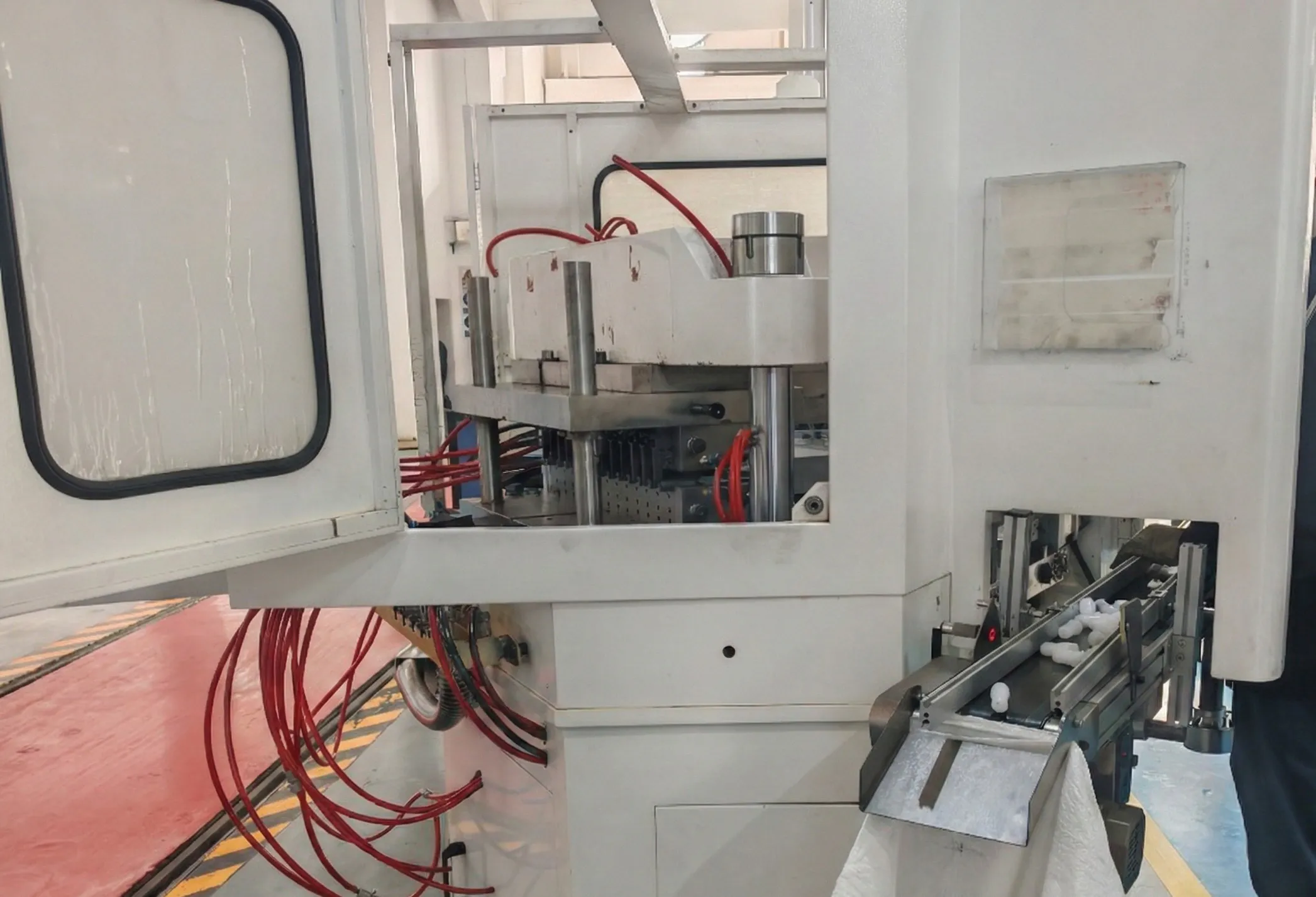
The contamination control performance of a one-step 射出延伸ブロー成形機 in a pharmaceutical environment depends not only on the process architecture but on the specific mechanical and material features of the machine itself. The following identifies the structural elements most directly relevant to pharmaceutical contamination control, drawing on the specifications of machines in the range available on this site.
Barrel and Screw Material — Preventing Process Chemical Contamination
The injection barrel and screw are in direct contact with the molten pharmaceutical-grade resin throughout the production run. If the barrel or screw materials are susceptible to corrosion, surface degradation, or leaching under the thermal and chemical conditions of the process, they can introduce metallic or organic contamination into the melt — which then becomes part of the bottle wall. Barrels in pharmaceutical-specification machines are manufactured from 38CrMoAlA nitrided steel with a surface hardness of 900–1000 HV achieved through gas nitriding treatment. The nitrided surface layer is chemically inert under normal PET and PP processing conditions, highly wear-resistant, and does not leach metal ions into the melt at a level detectable by standard pharmaceutical extractables testing. Screws from 42CrMo alloy with hard chrome plating on the flight surfaces provide the same contamination assurance while delivering the shear and mixing performance needed for consistent melt quality. These material specifications directly support the extractables and leachables (E&L) study requirements that pharmaceutical packaging regulations increasingly require for container qualification.
Servo Drive Architecture — Process Consistency and Audit Trail
Contamination in pharmaceutical packaging is not always chemical or particulate — process deviation contamination occurs when bottles are produced outside the validated process window and the resulting containers do not meet their functional specification. A bottle with inconsistent wall thickness, incorrect neck dimensions, or inadequate oxygen barrier — produced because the process drifted from its validated parameters without detection — is a contamination in the regulatory sense because it may not provide the intended protection to the drug product. The servo-controlled machine architecture, with PLC monitoring of every process parameter and alarm generation for out-of-tolerance conditions, addresses this category of contamination by ensuring that non-conforming process conditions are detected in real time rather than discovered during end-of-line quality inspection. Parker USA high-pressure valves maintaining blow air at 2.0–3.5 MPa with consistent pressure delivery, combined with NSK Japan ballscrews providing injection stroke repeatability within the validated tolerance band, are the specific component specifications that underpin process parameter consistency at the machine level.
Mold Cavity Surface Finish — Preventing Particulate Generation
The preform injection mold and blow mold cavity surfaces, if worn, pitted, or improperly maintained, can shed metallic particles or polymer fragments into the bottle interior during the production cycle. Preform mold inserts manufactured from S136 stainless tool steel (AISI 420 equivalent, 13.6% chromium) polished to Ra ≤ 0.05 µm provide both the corrosion resistance needed to resist the moisture and cleaning agents used in pharmaceutical production environments and the surface hardness needed to resist wear-induced particle generation over extended production campaigns. Blow mold cavities, often manufactured from 7075-T6 aluminum with polished cavity surfaces, should be subject to planned maintenance inspection intervals that include cavity surface condition assessment and repolishing where required. Mold maintenance records form part of the pharmaceutical production documentation system and support the contamination risk assessment for each production batch.
Cooling Water Circuit — Preventing Secondary Contamination
The mold cooling water circuit passes through channels in the blow mold body that are physically separated from the bottle interior by the mold cavity wall. However, if the cooling water circuit develops internal corrosion or microbial growth (Legionella and other waterborne organisms can proliferate in poorly managed closed water systems), the bioburden in the cooling water can potentially be transferred to the bottle exterior surface, which then contacts the filling environment. Cooling water pressure of 0.4–0.6 MPa and temperature of 20–25 °C as specified for these machines should be managed through a water treatment programme appropriate for pharmaceutical manufacturing environments — periodic microbiological testing, chemical treatment for corrosion inhibition and biostatic control, and conductivity monitoring. A mold temperature controller with stable output eliminates cooling water temperature variation as a source of dimensional instability, and its installation simplifies the documented water temperature management required for GMP validation.
| Contamination Risk | One-Step Process Control Mechanism | Machine Structural Feature | GMP Documentation Element |
|---|---|---|---|
| Airborne particulates | Closed-loop single-machine cycle; no ambient air exposure of preform interior | Machine guarding; enclosed mould sequence | Contamination risk assessment; room classification records |
| Operator-introduced biological | Fully automated takeout; no operator contact with bottle interior | Automated takeout mechanism; neck-ring handling only | Process design FMEA; CQA protection by design |
| Compressed air oil vapour | Oil-free compressor specification; ISO 8573 air quality testing at machine inlet | Parker USA high-pressure valves; clean air circuit design | IQ protocol compressed air quality documentation |
| Preform storage / transfer | Preform never leaves machine between injection and blow; zero transfer steps | Four-station turntable; single-machine continuous cycle | Process flow diagram; contamination risk analysis |
| Metal particles from barrel/screw | Pharmaceutical-grade barrel and screw metallurgy; inert under process conditions | 38CrMoAlA nitrided barrel; 42CrMo hard chrome screw | E&L study support; material certificates in equipment file |
| Process deviation (out-of-spec bottles) | PLC alarm system; servo parameter monitoring; real-time deviation detection | Servo control system; NSK Japan ballscrews; Parker valves | OQ process parameter limits; electronic batch record; audit trail |
| Mold cavity particle generation | High-hardness corrosion-resistant mold steel; planned maintenance | S136 stainless preform inserts; Ra ≤ 0.05 µm cavity finish | Mold maintenance records; periodic cavity inspection schedule |
4. Material System — Resins Chosen for Low Extractables and Contamination Control
The resin used in a pharmaceutical bottle produced on an 射出延伸ブロー成形機 is not just a structural material — it is a primary packaging component that is evaluated by regulators as part of the drug-packaging combination product. The resin must demonstrate through extractables and leachables studies that it does not contribute substances to the drug product at levels that affect product safety, efficacy, or stability. This requirement shapes resin selection for pharmaceutical ISBM applications in ways that are distinct from cosmetic or food packaging decisions.
PET (polyethylene terephthalate) is the most extensively studied and most broadly accepted resin for pharmaceutical oral liquid packaging. When processed at 260–280 °C in a well-maintained injection blow molding machine, food-grade or pharmaceutical-grade PET produces containers with a well-characterised extractables profile under aqueous and solvent extraction conditions per USP <661> and ICH Q3E guidelines. The biaxial orientation achieved in the one-step process further reduces extractables potential by tightening the polymer chain network and reducing the surface area of amorphous domains where residual oligomers can accumulate. This means that oriented PET bottles from a one-step machine typically show lower extractables than unoriented or poorly oriented PET from processes without adequate stretch-blow conditioning.
PP (polypropylene) is the resin of choice for ophthalmic preparations and certain topical products where the lower extractables profile of PP under aqueous extraction — particularly the absence of acetaldehyde generation that is characteristic of PET thermal degradation — is a key regulatory advantage. PP processed on a suitably configured injection stretch blow moulding machine produces containers that satisfy USP <661> Type III container requirements. Processing PP requires specific machine configuration — narrower temperature window, different screw geometry — and this should be confirmed at the machine quotation stage before PP pharmaceutical applications are committed to a given machine platform.
PETG provides the process-independent clarity that is advantageous for topical pharmaceutical products requiring visual inspection of fill contents, and its amorphous character reduces the risk of stress-cracking that can occur in oriented PET containers if the drug formulation contains any solvents that interact with the crystalline phase. PETG’s extractables profile under relevant pharmaceutical extraction conditions should be evaluated using the specific resin grade being specified, as the co-monomer substitution in PETG can vary between resin suppliers and affect the extractables outcome.
5. Featured Machine — EP-HGY50-V3-EV: Compact Fully Servo ISBM for Contamination-Sensitive Pharma Packaging
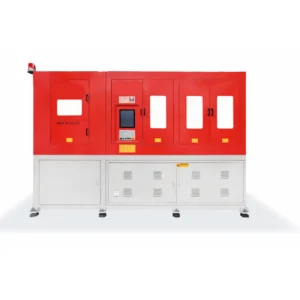
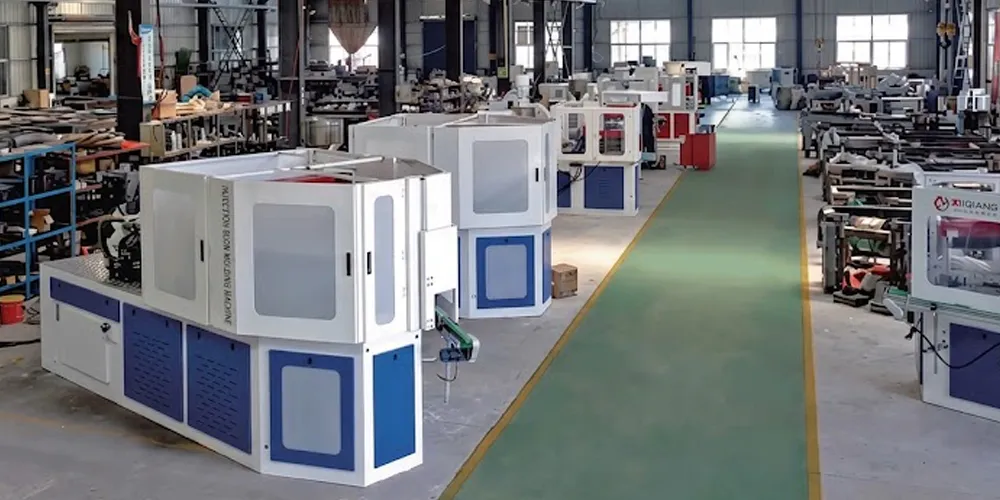
For pharmaceutical packaging producers working with small-volume contamination-sensitive containers — ophthalmic drop bottles, nasal spray primary containers, unit-dose oral liquid packaging, and specialty topical applicator bottles — the EP-HGY50-V3-EV three-station fully servo ワンステップ射出延伸ブロー成形機 provides a technically appropriate production platform. Its five servo control systems (Inovance / WEICHI, 34.8 kW combined) drive every production axis — injection, turntable, stretch rod, blow mould, takeout — with positional feedback that the PLC uses to confirm each cycle executed within the validated process window. The fully automated takeout eliminates operator contact with the bottle interior at the production stage.
The turntable uses a Japan Yaskawa servo motor with Taiwan TSUNTIEN reducer for angular positioning precision, ensuring that preform neck alignment is maintained at each station throughout multi-hour production campaigns — critical for ophthalmic dropper applications where neck concentricity directly affects dropper insert fit and therefore leak-free container closure. Parker USA high-pressure valves at 2.0–3.5 MPa manage the blow air circuit, which must be supplied from an oil-free compressed air source at the machine inlet to preserve the contamination-free production environment that the closed-loop process architecture establishes. NSK Japan ballscrews on injection and linear axes provide the stroke repeatability that supports injection volume consistency documentation during OQ validation.
The machine processes PET and PETG resins and accommodates screw diameters of 40, 50, and 55 mm with theoretical injection volumes from 239 cm³ to 442 cm³. The product capability covers bottle diameters from 28 mm to 100 mm and volumes from 100 ml to 2,500 ml depending on cavity count (1–6 cavities per cycle). The compact machine footprint of 3800 × 1200 × 2500 mm and machine weight of 3.5 tonnes make it deployable in pharmaceutical production environments with controlled room access and limited floor space allocation, including pharmaceutical packaging facilities operating under EU GMP Grade C or ISO Class 8 environment conditions.
| パラメータ | ユニット | 価値 |
|---|---|---|
| モデル | — | EP-HGY50-V3-EV (3-station, fully servo) |
| Compatible Material | — | PET / PETG |
| ネジ径(オプション) | MM | 40 / 50 / 55 |
| 理論的な注入量 | センチメートル³ | 239 / 315 / 442 |
| 射出成形機の型締力 | ケン | 50 |
| 吹き付けクランプ力 | ケン | 100 (single side) |
| サーボモーター電源 | クォリティ | 34.8 |
| 火力 | クォリティ | 10.4 |
| 吹き出し空気圧 | MPa | 2.0~3.5 |
| 冷却水圧力 | MPa | 0.4~0.6 |
| 電圧 | V | 370~400 |
| Machine Size (L×W×H) | MM | 3800 × 1200 × 2500 |
| 機械重量 | T | 3.5 |
| Servo Control Systems | Sets | 5 (Inovance / WEICHI) |
6. One-Step vs Two-Step Blow Moulding — A Contamination Control Comparison for Pharmaceutical Packaging
When pharmaceutical packaging engineers are evaluating blow moulding technology options for a new production line, the contamination control comparison between one-step and two-step reheat systems is one of the most practically important dimensions of the decision. The following table summarises the key contamination control differences, which should be read alongside the total cost and output capacity comparison that typically dominates the commercial discussion.
| Contamination Control Factor | One-Step Injection Stretch Blow Moulding Machine | Two-Step Reheat Stretch Blow Moulding |
|---|---|---|
| Preform ambient air exposure | None — preform body sealed within machine from injection to blow | Multiple exposures: at preform ejection, during storage, during transfer, during reloading |
| Preform storage duration | Zero — preform moves station to station in seconds | Hours to days — accumulating contamination burden over time |
| Operator contact with preform body | None in normal production cycle | At preform unbagging and hopper loading — potential contact despite glove requirements |
| Thermal bioburden reduction | Full thermal sterilisation equivalent during melt phase (>260 °C for PET) | Same — but offset by post-moulding contamination during storage and transfer |
| Cross-contamination from different SKUs | Lower — single machine; changeover limited to mold and resin | Higher — preform supply chain changeover involves multiple equipment interfaces |
| Process deviation contamination risk | Lower — single process validated; fewer parameter variables | Higher — two separate processes (injection moulding + reheat blow) each with independent variables |
| Contamination documentation scope | Single equipment qualification; one process risk assessment | Two equipment qualifications; additional risk assessment for interprocess transfer |
7. International Regulatory Requirements for Pharmaceutical Packaging Contamination Control
The regulatory requirements governing contamination control in pharmaceutical packaging production are comprehensive and multi-jurisdictional. For producers using an 射出延伸ブロー成形機 to manufacture pharmaceutical primary packaging for global markets, compliance involves navigating requirements from the drug product regulatory side (what the container must demonstrate) and the machinery compliance side (what the production equipment must satisfy). Both must be addressed in the pharmaceutical packaging qualification package.
European Union — EU GMP, Ph. Eur., and ICH Q3E
EU GMP Volume 4 (Good Manufacturing Practice for Medicinal Products) applies to pharmaceutical manufacturers in the EU and to those exporting to the EU market. Chapter 3 (Premises and Equipment) requires that production equipment be designed to minimise the risk of error and allow effective cleaning and maintenance. EU GMP Annex 1 (Manufacture of Sterile Medicinal Products, 2022 revision) provides the most demanding contamination control framework in the EU GMP system, specifying environmental monitoring requirements, contamination control strategies (CCS), and process design requirements for sterile and near-sterile packaging. ICH Q3E guideline (Guideline on Extractables and Leachables for Solid Oral Dosage Forms) — while principally for solid dosage form packaging — provides a framework that regulators apply broadly to pharmaceutical container qualification. Ph. Eur. Chapter 3.1.x (Plastic Materials and Articles) specifies testing requirements for specific polymer types used in pharmaceutical containers, and the EMA guideline on plastic immediate packaging materials provides the submission requirements for marketing authorisation applications. The machine itself must carry CE marking per EU Machinery Directive 2006/42/EC as a prerequisite for operation in EU GMP facilities.
United States — FDA cGMP and USP Contamination Standards
The FDA’s pharmaceutical container contamination requirements are distributed across several guidance documents. 21 CFR Parts 210/211 (cGMP for finished pharmaceuticals) require that packaging materials be tested or examined before use and that production equipment prevents contamination of the product. The FDA Guidance on Container Closure Systems for Packaging Human Drugs and Biologics (1999) requires that packaging materials not adversely affect the quality or purity of the drug product — which in practice means demonstrating extractables and leachables profiles that meet safety thresholds per ICH Q3B. USP <788> (Particulate Matter in Injections) and USP <789> (Particulate Matter in Ophthalmic Solutions) specify the particulate limits that pharmaceutical containers must not exceed after filling — limits that the one-step process’s closed-loop production contributes to achieving by minimising particulate deposition during bottle production. FDA 21 CFR Part 11 requirements for electronic records and audit trails apply to computerised production systems in GMP facilities, including the PLC of the blow moulding machine.
India — CDSCO, Schedule M, and IP Contamination Requirements
India’s pharmaceutical contamination control regulatory framework applies to both domestic production and to the large volume of pharmaceutical products exported from India globally. Schedule M of the Drugs and Cosmetics Act (Good Manufacturing Practices and Requirements of Premises, Plant and Equipment for Pharmaceutical Products) specifies contamination control requirements for pharmaceutical manufacturing, including requirements for primary packaging material testing. The Indian Pharmacopoeia (IP) Appendix on containers provides the specification framework for plastic pharmaceutical containers. India’s CDSCO has been increasingly aligning its GMP requirements with WHO GMP guidelines and in some areas with ICH guidelines, meaning that pharmaceutical packaging producers in India who supply the international generic medicine market face a progressively more stringent contamination documentation environment.
Brazil — ANVISA RDC 204/2017 and NR-12
ANVISA’s pharmaceutical GMP requirements under RDC 204/2017 align closely with WHO GMP and EU GMP frameworks. For pharmaceutical packaging contamination control, ANVISA requires validated processes with documented contamination risk assessments and regularly tested packaging material specifications. The ANVISA Resolution on packaging materials for pharmaceutical products requires supplier qualification and material compliance documentation. NR-12 (Norma Regulamentadora No. 12) applies to the injection stretch blow moulding machine itself as industrial machinery operating in a Brazilian facility, requiring documented risk assessment, CE-equivalent safety documentation, and emergency stop compliance as conditions of legal operation. Both the packaging material compliance and the machine safety compliance must be demonstrated to inspectors during ANVISA GMP inspections of pharmaceutical production facilities.
WHO GMP — Global Reference for Developing Markets
The World Health Organization’s Good Manufacturing Practices (WHO GMP) guidelines, published in the WHO Technical Report Series, serve as the international reference standard for pharmaceutical production in countries that have not yet developed their own fully articulated GMP framework. WHO GMP TRS 908 Annex 9 (Guide to Good Storage Practices for Pharmaceuticals) and related annexes on pharmaceutical packaging provide the contamination control baseline against which many national regulators in Africa, Asia, and Latin America assess pharmaceutical packaging operations. For 射出延伸ブロー成形機 suppliers whose machines are deployed in pharmaceutical facilities in developing markets, demonstrating that the machine’s contamination control characteristics align with WHO GMP principles is practically important for customer qualification processes and for prequalification of facilities supplying to international aid procurement programmes (UNICEF, Global Fund, USAID).
Explore Injection Stretch Blow Moulding Machines for Pharmaceutical Packaging
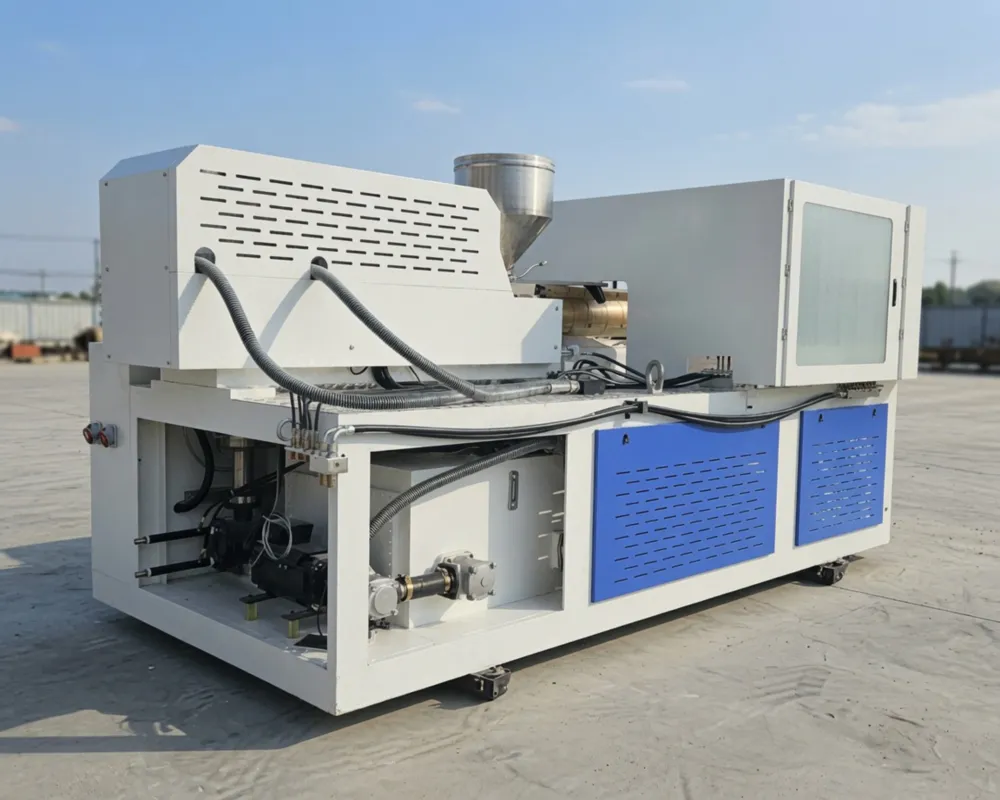
One-step injection stretch blow moulding machines for contamination-sensitive pharmaceutical packaging applications — from compact three-station units for ophthalmic and specialty pharma formats to four-station configurations for high-volume oral liquid and tablet packaging lines.
私たちについて
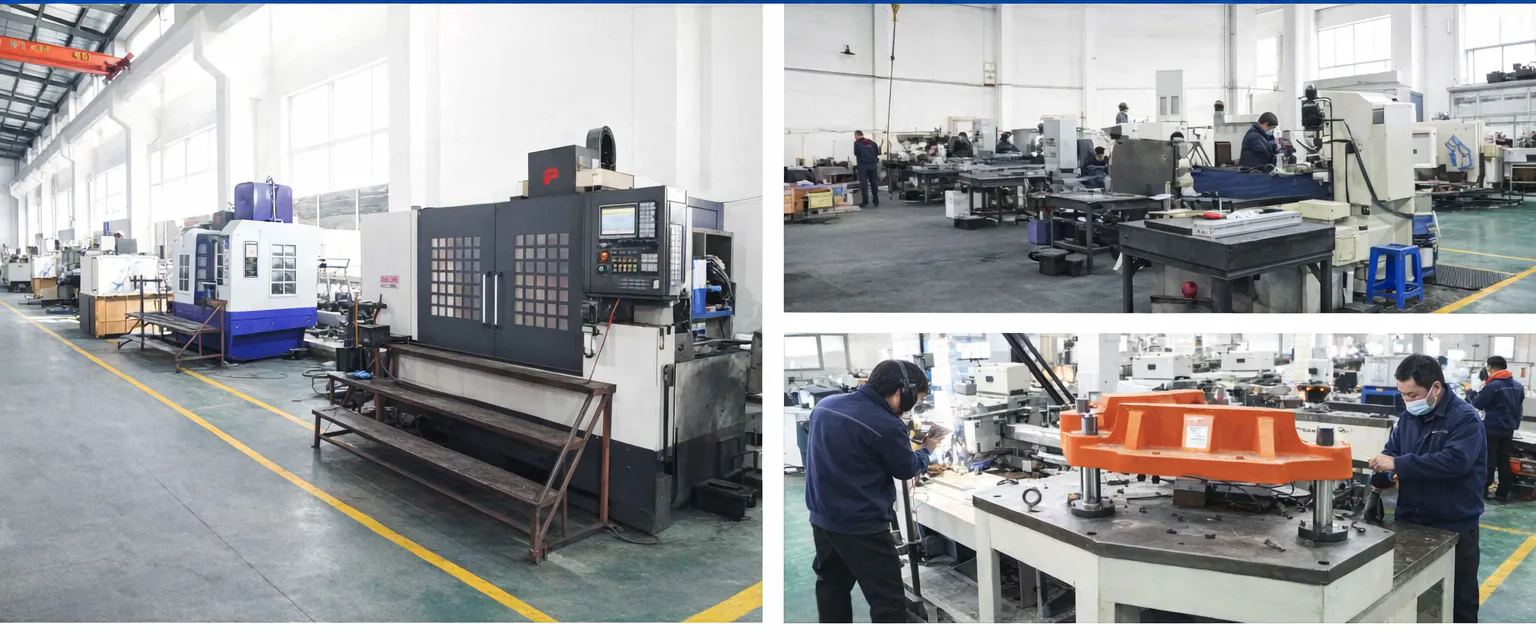
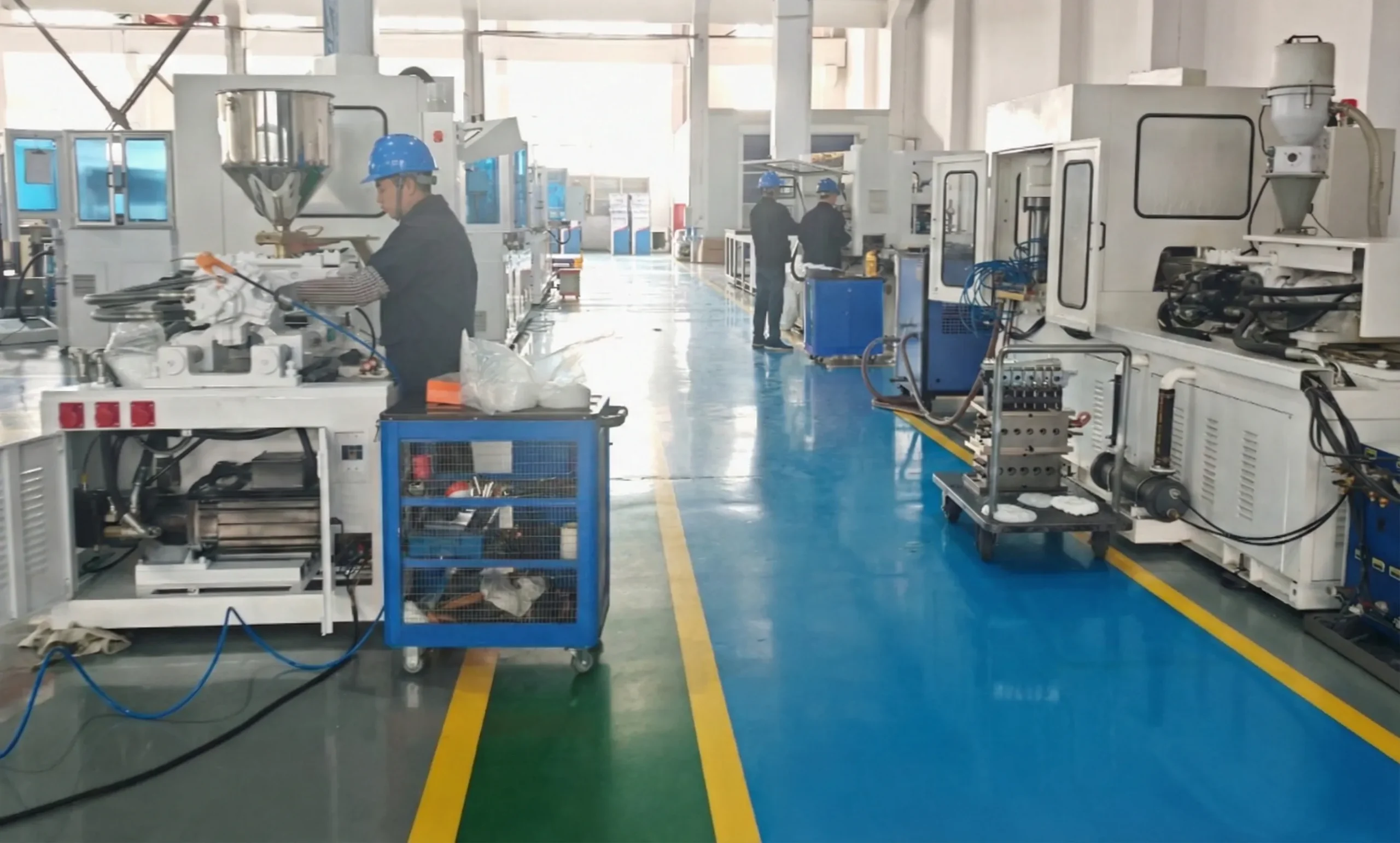
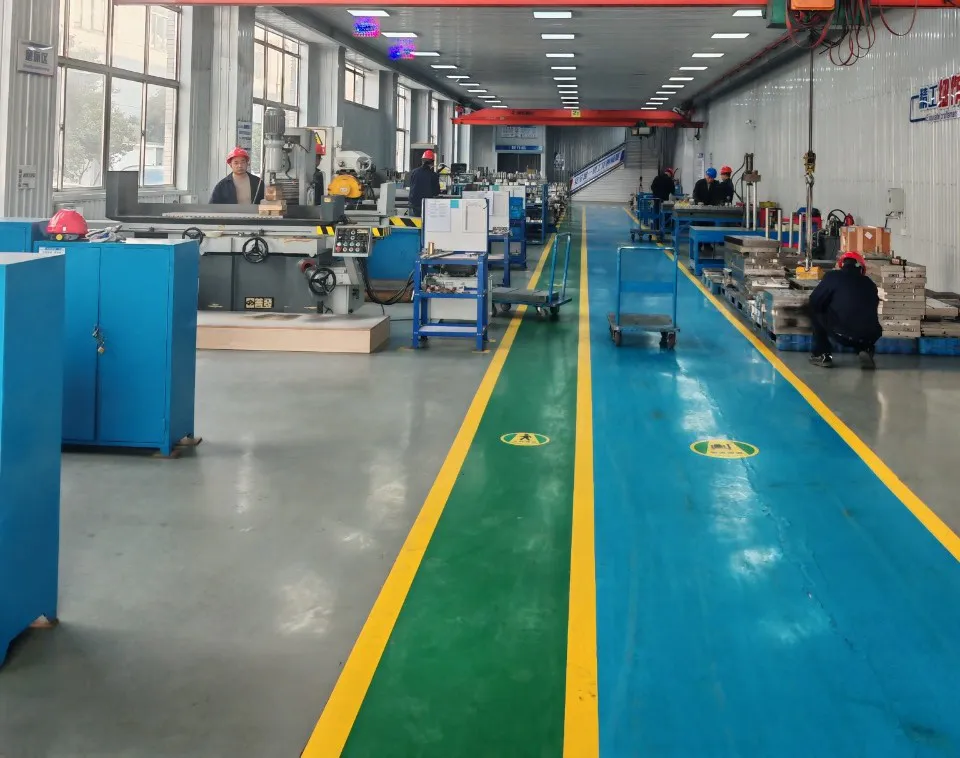
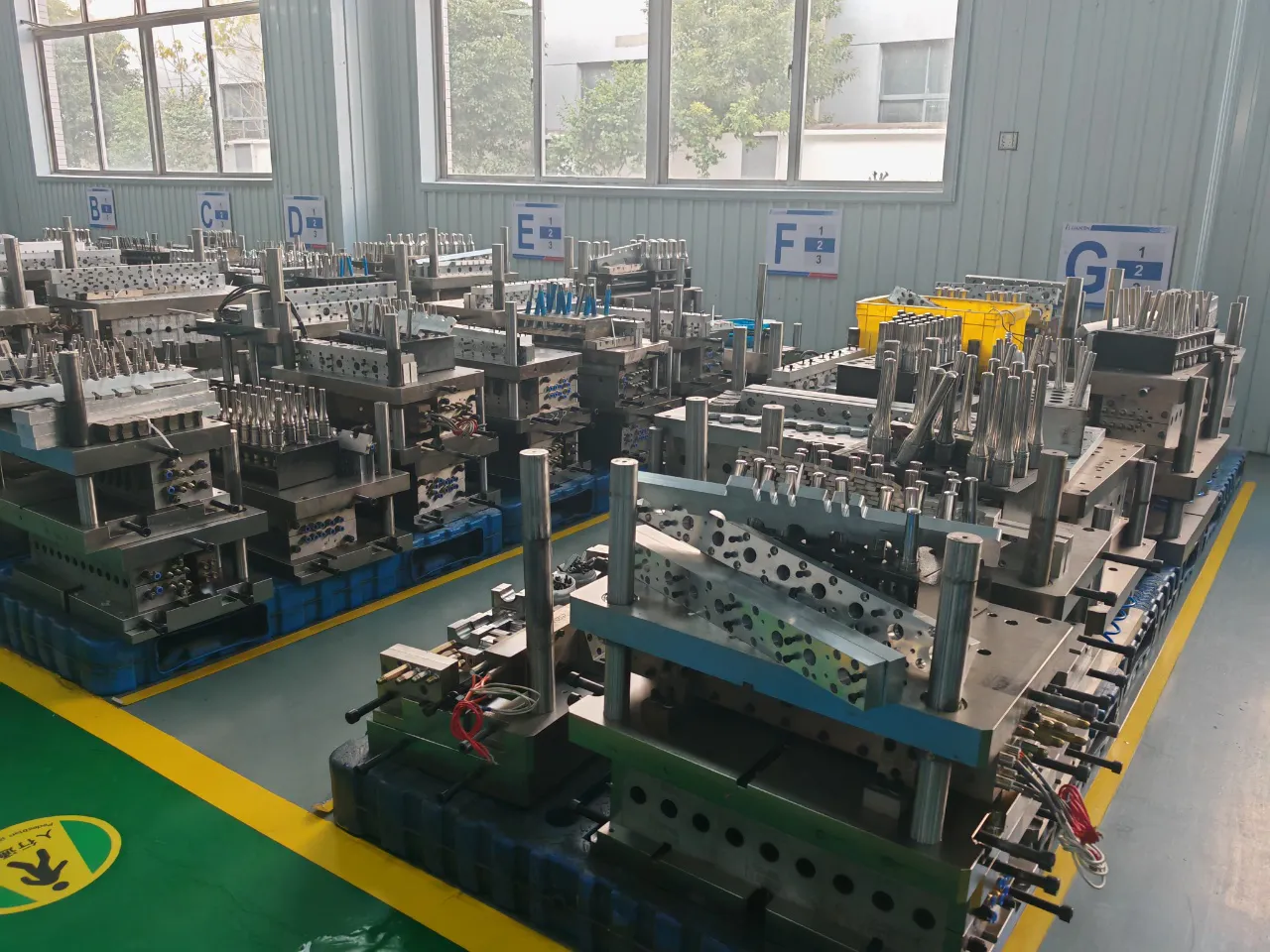
With over two decades of experience in the development and manufacture of one-step injection stretch blow moulding machines for pharmaceutical, cosmetic, beverage, and food packaging, our engineering team has built a production facility covering more than 20,000 square meters with a complete manufacturing supply chain from machine design through precision machining, assembly, testing, and global commissioning support. The team has filed multiple national patents in process control and machine design, and has worked with pharmaceutical packaging facilities across Asia, Europe, the Middle East, Brazil, India, and other regulated markets where contamination documentation requirements are integral to the machine supply scope.
For pharmaceutical applications specifically, our technical support extends beyond machine specifications to include User Requirements Specification development, instrument calibration certificate packages, Functional Specification preparation, and guidance on contamination risk assessment documentation — the materials that form the IQ/OQ protocol foundation in GMP pharmaceutical equipment qualification. Component choices throughout the machine range — 38CrMoAlA nitrided barrels, NSK Japan ballscrews, Parker USA high-pressure valves, S136 stainless mold steel — reflect the selection criteria that pharmaceutical extractables, leachables, and equipment durability requirements impose on production equipment design.
ワークショップ
Related System Solutions for Contamination-Free Pharmaceutical Production
The contamination control advantages of the one-step injection stretch blow moulding machine process can only be fully realised if the auxiliary systems connected to the machine are specified to the same contamination standard. Two auxiliary components are directly relevant to maintaining the contamination-free production environment that pharmaceutical packaging requires.
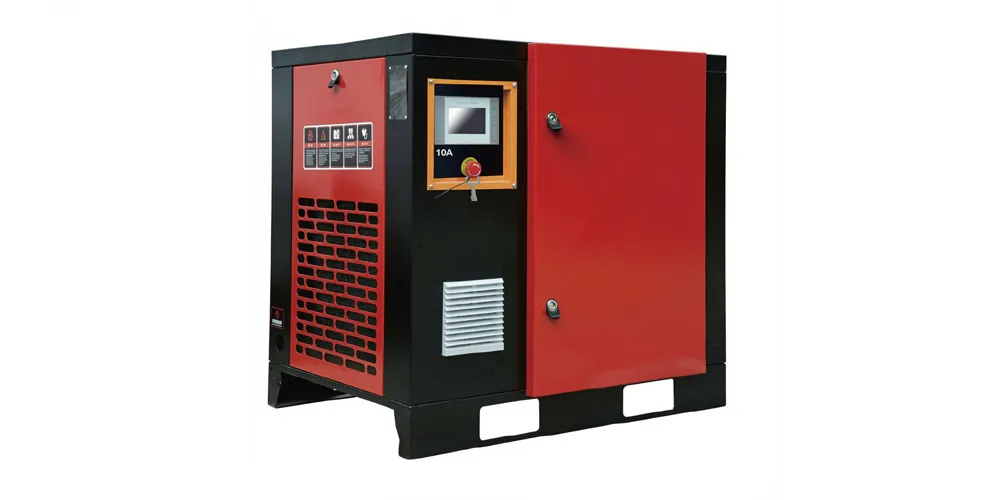
Oil-Free Air Compressor
Blow air at 2.0–3.5 MPa contacts the interior surface of the pharmaceutical bottle during the blow phase and must meet pharmaceutical-grade air quality. ISO 8573-1 Class 1 air quality specification (oil content ≤0.01 mg/m³, particle count ≤ 20,000 particles ≥0.1 µm per cubic metre) is the appropriate reference standard for pharmaceutical blow air supply in GMP facilities. A conventional oil-lubricated compressor cannot reliably achieve this quality level even with downstream filtration. An oil-free compressor at the source eliminates the hydrocarbon contamination pathway entirely. The oil-free status of the blow air supply should be documented in the machine IQ protocol as a verified utility specification, with oil vapour concentration test data included in the IQ file.
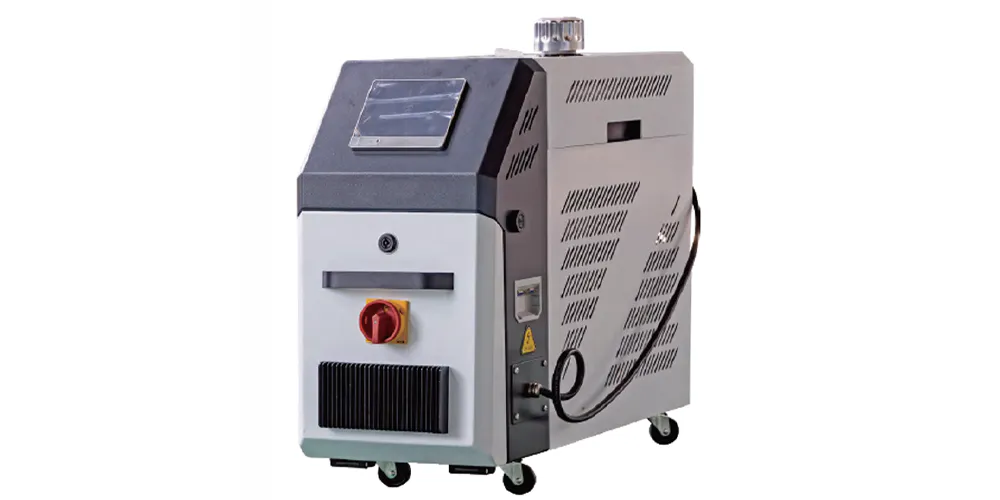
金型温度コントローラー
Stable cooling water temperature at 20–25 °C in the blow mold circuit is a validated process parameter in GMP pharmaceutical production. Temperature variation above the validated limit triggers an alarm and potentially a process deviation event — requiring investigation and potentially rejecting the batch produced during the deviation. A calibrated mold temperature controller with logged output and alarm capability keeps the cooling water temperature within the OQ-validated range and provides the data record needed for batch traceability. For pharmaceutical facilities with electronic batch record requirements under FDA 21 CFR Part 11 or EU GMP Annex 11, a controller with digital data output for integration into the site process data system is the appropriate specification.
よくある質問
Q1. How does the one-step injection stretch blow moulding machine process prevent particulate contamination of pharmaceutical bottle interiors during production?
Q2. What ISO compressed air quality standard should be specified for the blow air supply to an injection blow molding machine used in pharmaceutical packaging production?
Q3. Which injection stretch blow moulding machine configuration is most suitable for producing ophthalmic dropper bottles in a GMP facility in Southeast Asia for export to the EU?
Q4. How does the FDA’s container closure guidance affect the documentation required from an injection blow molding machine supplier for pharmaceutical packaging in the United States?
Q5. What contamination control documentation should pharmaceutical packaging manufacturers in India request from injection stretch blow moulding machine suppliers under CDSCO and Schedule M requirements?
Q6. How does the mold steel specification of S136 stainless tool steel in injection stretch blow moulding machines support extractables and leachables compliance for pharmaceutical packaging?
Q7. When should pharmaceutical packaging manufacturers consider upgrading from a two-step reheat blow moulding line to a one-step injection stretch blow moulding machine for contamination control reasons?
Q8. How does the EU GMP Annex 1 Contamination Control Strategy requirement affect the design of a one-step injection stretch blow moulding machine installation for sterile pharmaceutical packaging?
Q9. Where can pharmaceutical packaging producers in Brazil find injection blow molding machine suppliers with NR-12 compliance documentation for GMP facility installation?
編集者: PXY