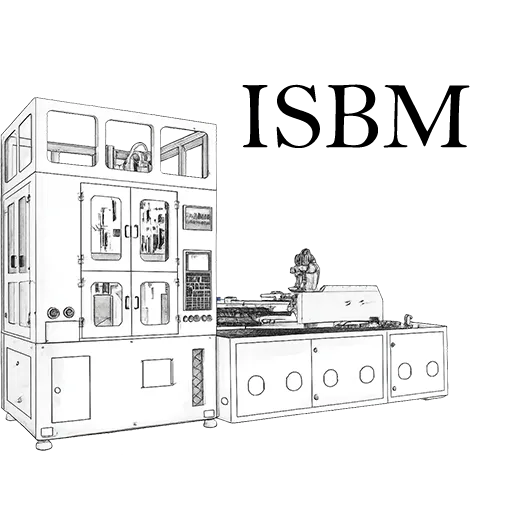
सर्वो-इलेक्ट्रिक बनाम हाइड्रोलिक आईएसबीएम मशीनें — 2026 में कौन सी तकनीक बेहतर आरओआई प्रदान करती है?
For Colombian bottle producers evaluating a new इंजेक्शन स्ट्रेच ब्लो मोल्डिंग मशीन purchase in 2026, the single question that shapes the next ten years of operating cost is straightforward — servo-electric or hydraulic drive? Both architectures can produce the same PET water bottle, the same PPSU baby bottle, the same PETG cosmetic jar. What differs is how the machine gets there, how much electricity it burns per thousand bottles, how long it runs between service intervals, and how sensitive it is to the 2,600-meter altitude of Bogotá or the 34°C humidity of Barranquilla. This long-form comparison walks a Colombian plant engineer through the technical, commercial, and regulatory implications of choosing between these two drive philosophies, using real HGY150-V4, HGYS150-V4, and HGY150-V4-EV-class इंजेक्शन स्ट्रेच ब्लो मोल्डिंग मशीनें as reference points.
1. Reference Technical Parameters
The following figures compare representative 150-ton class hydraulic and servo-electric इंजेक्शन स्ट्रेच ब्लो मोल्डिंग मशीनें. Numbers reflect the published envelope of the HGY150-V4 family and map onto the BPET-70V4 and BPET-125V4 reference platforms used throughout the industry. These are the values a Colombian buyer should cross-check against any formal quote.
| पैरामीटर | HGY150-V4 (Hydraulic) | HGYS150-V4 (Servo) | HGY150-V4-EV (Fully Electric) |
|---|---|---|---|
| के स्टेशन | 4 | 4 | 4 |
| पेंच का व्यास | 45 mm | 45 mm | 45 mm |
| सैद्धांतिक इंजेक्शन क्षमता | 340 cm³ | 340 cm³ | 340 cm³ |
| इंजेक्शन क्लैम्पिंग बल | 285 kN | 285 kN | 285 kN |
| ब्लो क्लैम्पिंग बल | 115 kN | 115 kN | 115 kN |
| Driving Power (Rated) | 44 kW / 380V | 30 kW / 380V | 22 kW / 380V |
| Heater Power (Rated) | 8.9 kW / 220V | 8.9 kW / 220V | 8.9 kW / 220V |
| Max Blow Air Pressure | 3.5 MPa | 3.5 MPa | 3.5 MPa |
| मशीन के आयाम (लंबाई × चौड़ाई × ऊंचाई) | 4400 × 1350 × 2900 mm | 4400 × 1350 × 2900 mm | 4200 × 1300 × 2800 mm |
| मशीन वजन | 5.1 T | 5.3 T | 4.8 T |
| Oil Tank Capacity | 460 L | 180 L (lubrication only) | 0 L (oil-free) |
| Typical Cycle Time (500 ml PET) | 11.5 s | 10.2 s | 10.0 s |
| Noise Level at 1 m | 82–86 dB | 72–76 dB | 68–72 dB |
| Compatible with ASB / Aoki moulds | Yes | Yes | Yes |
2. Setting the Stage — The Two Drive Philosophies
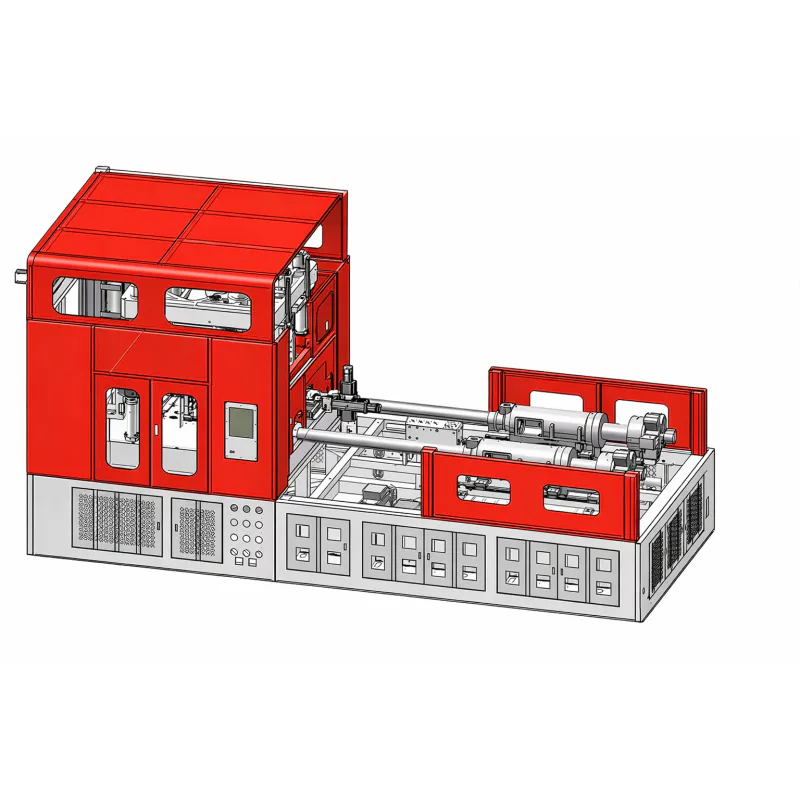
A hydraulic इंजेक्शन स्ट्रेच ब्लो मोल्डिंग मशीन uses a fixed-displacement or variable-displacement oil pump to pressurize hydraulic fluid, which then actuates injection rams, clamping cylinders, and the stretch rod. It is a proven architecture that has dominated the market since the 1980s, familiar to every Colombian maintenance technician who has worked a plastics shift in Medellín or Cali. A servo-electric version of the same machine replaces most of that hydraulic circuit with brushless servo motors coupled to ball-screws or direct-drive toggles — precisely the architecture used on the HGYS150-V4 and on the fully-electric HGY150-V4-EV platforms. The bottle that comes out looks identical. The energy bill, the oil inventory, the lubricant-disposal paperwork, and the cycle-to-cycle repeatability do not.
Before comparing ROI, it is worth framing exactly what an इंजेक्शन स्ट्रेच ब्लो मोल्डिंग मशीन does, regardless of drive type. In a single machine cycle, molten resin is injected into a preform cavity, the still-warm preform is transferred to a conditioning station, a stretch rod elongates it axially, and compressed air expands it biaxially against the final mold. This one-step इंजेक्शन स्ट्रेच ब्लो मोल्डिंग प्रक्रिया eliminates the reheat oven required by two-step lines, and according to market data it cuts energy consumption by up to 40% compared to reheat-based systems. The drive technology determines how precisely each of those four motions happens.
3. Five Key Advantages of a Servo-Electric ISBM in 2026
1. 30–50% Lower Energy Draw
Servo-electric drives consume electricity only during motion, whereas a hydraulic pump idles under pressure between cycles. Colombian bottle plants paying COP 500+ per kWh typically see payback on the price premium within 24–32 months of three-shift operation.
2. Tighter Wall-Thickness Control
Servo closed-loop position feedback holds the stretch-rod profile within ±0.05 mm across the full cycle, producing measurably more uniform wall distribution on small cosmetic bottles made of PET, PETG, or Tritan.
3. Cleaner Production Environment
A fully electric ISBM has no hydraulic reservoir, no risk of oil misting onto preforms. This is decisive for FDA and INVIMA-regulated baby bottles and pharmaceutical containers destined for Colombian cleanroom filling lines.
4. Quieter, Cooler Shop Floor
Servo-electric operation typically measures 72–76 dB at one meter, versus 82–86 dB for an equivalent hydraulic एएसबी इंजेक्शन मोल्डिंग मशीन. Lower heat rejection also reduces HVAC load in tropical lowland facilities.
5. Longer Mean Time Between Failures
Fewer wear components (no pumps, valves, seals, hoses) mean fewer unplanned stops. An HGYS-class इंजेक्शन स्ट्रेच ब्लो मोल्डिंग मशीन typically logs 8,000+ hours between major service events.
4. Working Principle — Where the Drive Choice Actually Matters
Inside any four-station वन-स्टेप इंजेक्शन स्ट्रेच ब्लो मोल्डिंग मशीन, four motions happen in parallel during every cycle — injection of the preform at station 1, temperature conditioning and tail trimming at station 2, stretch-blow forming at station 3, and takeout at station 4. A hydraulic machine feeds all four motions from a single pump group, using directional valves to route pressurized oil to whichever actuator currently needs force. That shared pressure means a cycle-time trade-off — pushing one motion faster can starve another. Servo-electric architecture decouples the motions by giving each axis its own brushless servo motor with individual closed-loop control, so the stretch rod can accelerate aggressively while the clamp is still settling, without any cross-interference. This is the heart of the इंजेक्शन स्ट्रेच ब्लो मोल्डिंग प्रक्रिया advantage on modern servo platforms.
The takeaway for a Colombian production manager is cycle-time stability. A hydraulic इंजेक्शन स्ट्रेच ब्लो मोल्डिंग मशीन running 18 cavities of a 500 ml PET water bottle will typically show a standard deviation of 0.6–0.9 seconds on cycle time across a shift, because oil viscosity drifts with temperature and filter condition. A servo equivalent will hold within 0.1–0.2 seconds, which compounds to roughly 120 extra bottles per cavity per shift. Across a 3-cavity or 4-cavity tool that is real money back to the plant.
5. Materials — Machine Build & Compatible Resins
Both hydraulic and servo-electric इंजेक्शन स्ट्रेच ब्लो मोल्डिंग मशीनें share most of their build materials. Structural frames are welded from rolled-plate steel S355JR, tie bars are forged from 42CrMo alloy steel and induction hardened, and the इंजेक्शन स्ट्रेच ब्लो मोल्ड cavities themselves are machined from S136 stainless steel for food-contact and pharma applications, or P20 tool steel for general water-bottle duty. Screws and barrels are nitrided 38CrMoAlA, giving surface hardness above 950 HV and barrel wear resistance appropriate for multi-shift PET processing. On the servo-electric platform, the hydraulic cylinders are replaced by precision-ground SKF/THK ball-screws with preloaded nuts for backlash-free position control. The common thread — both machine families use globally recognized components such as Inovance or Yaskawa servo motors, Parker high-pressure valves, and YUKEN hydraulic valves — which matters because it means इंजेक्शन स्ट्रेच ब्लो मोल्डिंग मशीन आपूर्तिकर्ता can support Colombian spare-parts logistics through standard distributor networks in Bogotá and Barranquilla.
On the resin side, both drive types handle the same material palette — PET, PETG, PP, PPSU, PC, Tritan, PCTG, PLA, SAN, PMMA, and PS. The advantage appears at the edges. BPA-free Tritan for baby bottles and PPSU for medical flasks both benefit from the tighter temperature control of servo-electric injection, which reduces the risk of thermal degradation during long holding times. For a Colombian producer building a cosmetic line around Tritan, the servo machine is simply the more suitable drive. For a 1.5-liter water bottle producer in the Cauca valley running a single PET SKU in high volume, the hydraulic platform may still deliver the lower total cost of ownership.
6. Application Scenarios — Where Each Technology Wins
Bottled Water & Edible Oil
High-volume, single-SKU PET water bottles (500–5000 ml) running on 3-shift schedules in Cundinamarca or Valle del Cauca favor hydraulic HGY-class machines — simpler architecture, wider maintenance-labor pool, and robust tolerance to ambient temperature swings.
सौंदर्य प्रसाधन और व्यक्तिगत देखभाल
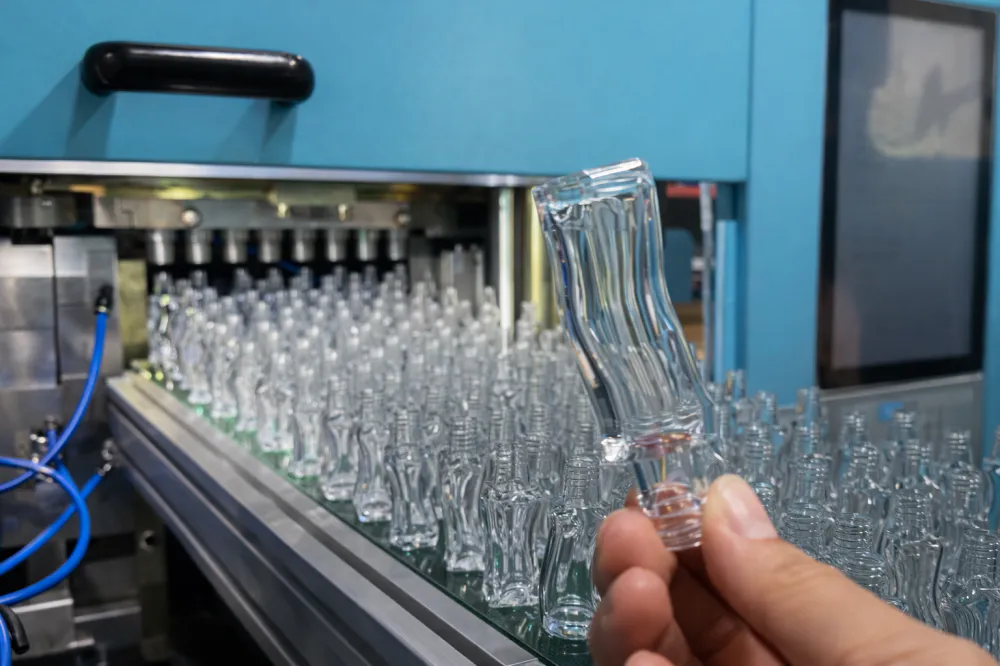
Small PETG and PCTG cosmetic bottles with transparent walls and tight neck tolerances benefit from servo-electric HGYS-class drives. The repeatability of the इंजेक्शन स्ट्रेच ब्लो मोल्डिंग प्रक्रिया translates directly into fewer visual rejects.
Pharmaceutical & Baby Bottles
INVIMA-regulated pharmaceutical and infant-feeding bottles typically require the oil-free operation of a fully electric HGY150-V4-EV. PPSU and Tritan resins are both well-served by this class of इंजेक्शन स्ट्रेच ब्लो मोल्डिंग मशीनें.
Food & Beverage Specialty Jars
Sauce, dressing, and nutraceutical jars in 100–500 ml sizes are well-suited to servo machines where quick mold changes and multi-SKU flexibility matter more than raw cycle throughput for one Colombian co-packer.
Laboratory & Craft Bottles
Small-batch reagent and artisanal-spirit bottles in special shapes — including erlenmeyer and boston-round geometries — are typical इंजेक्शन स्ट्रेच ब्लो मोल्डिंग उत्पाद produced on servo-electric units where batch sizes may be under 5,000 pieces.
Replacement of Legacy ASB / Aoki Lines
Both hydraulic and servo machines discussed here serve as a asb और aoki का प्रतिस्थापन legacy lines, accepting existing mould sets for the ASB-12M, Aoki 250, and ASB-70DPH platforms with minimal fixture modification.
7. Regulatory Landscape — Colombia and Key Export Markets
Before signing a purchase order, a Colombian producer needs to validate that the proposed नई इंजेक्शन स्ट्रेच ब्लो मोल्डिंग मशीन aligns with both domestic and export-market regulations.
कोलंबिया: INVIMA (Instituto Nacional de Vigilancia de Medicamentos y Alimentos) governs the sanitary approval of food-contact and pharmaceutical containers. For plant-side safety, Resolución 2400 of 1979 on industrial hygiene and safety remains the baseline, complemented by NTC 2050 for electrical installations and NTC-ISO 14001 for environmental management. RETIE certification is mandatory for the electrical build of any ISBM installation. Resolución 1407 of 2018 and subsequent Decree 2412 rules on Extended Producer Responsibility for packaging reinforce the case for energy-efficient servo equipment.
अन्य बाजार: European Union buyers reference CE marking under Machinery Directive 2006/42/EC and EN 12100, plus RoHS 2011/65/EU for electrical sub-components. United States importers align with FDA 21 CFR 177.1630 for PET food-contact, ANSI/PLASTICS B151.15 for blow-molding machinery safety, and NFPA 79 for electrical systems. Mexican CoFEPRIS and ISO 22000 apply for Latin American food-chain exports. Brazilian ANVISA RDC 52/2010 governs plastic food containers. International quality systems of ISO 9001:2015 and ISO 14001 underpin the entire documentation package.
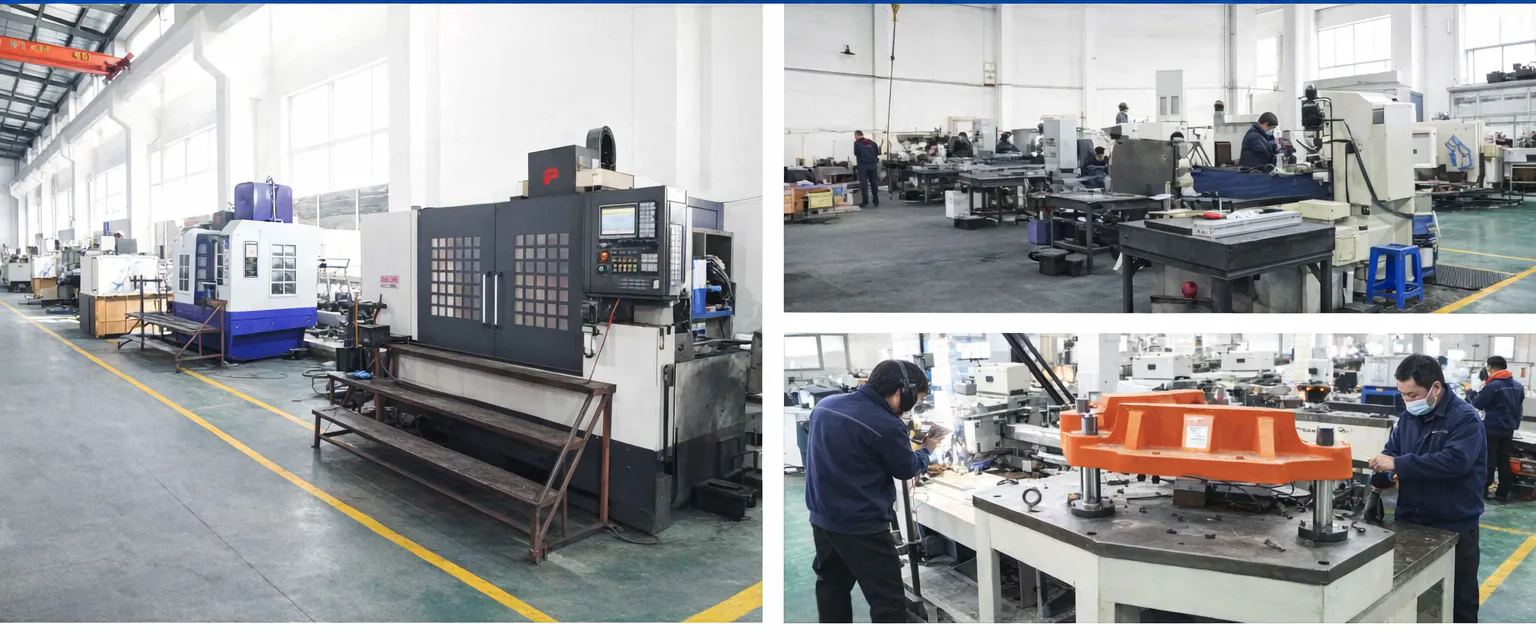
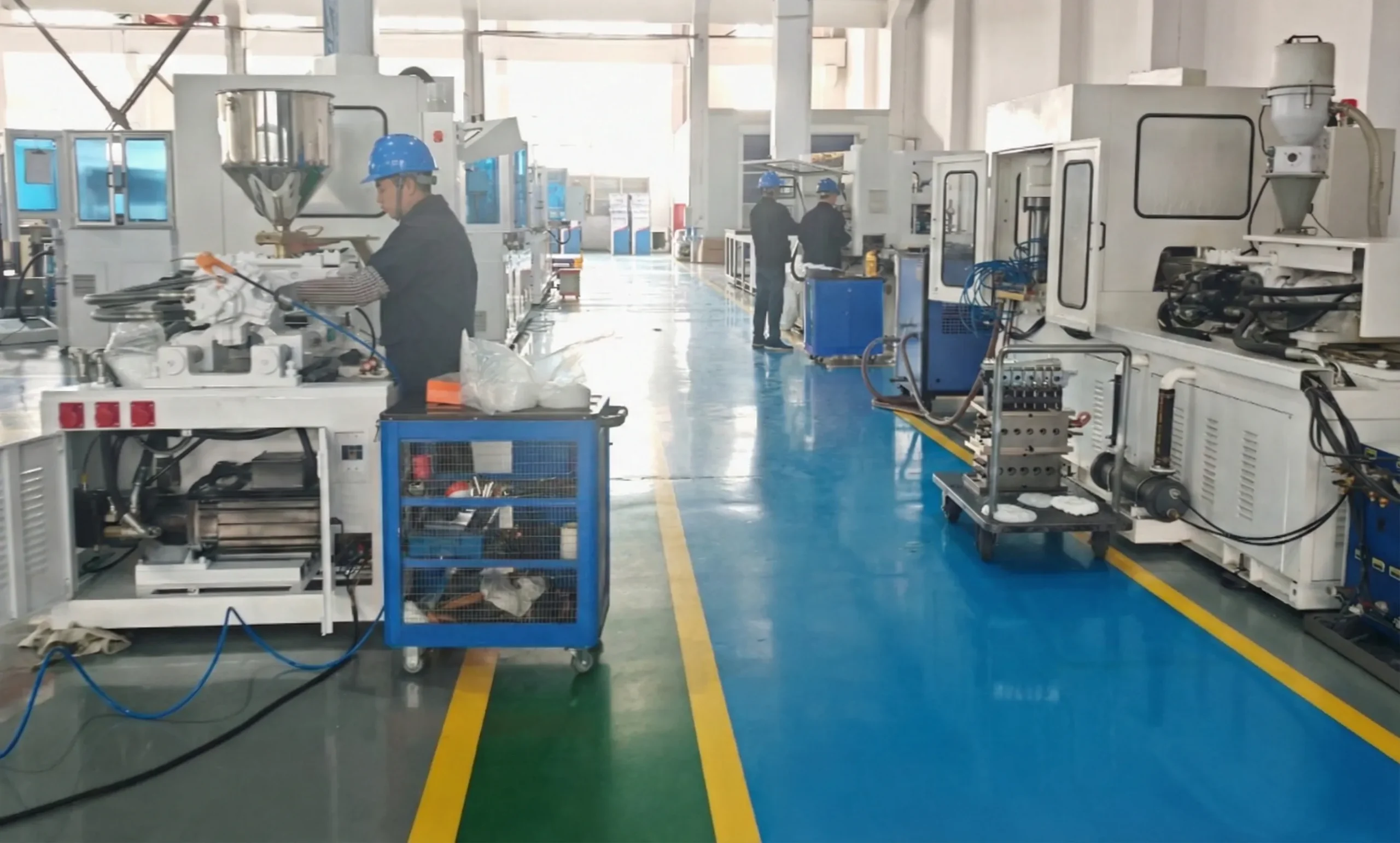
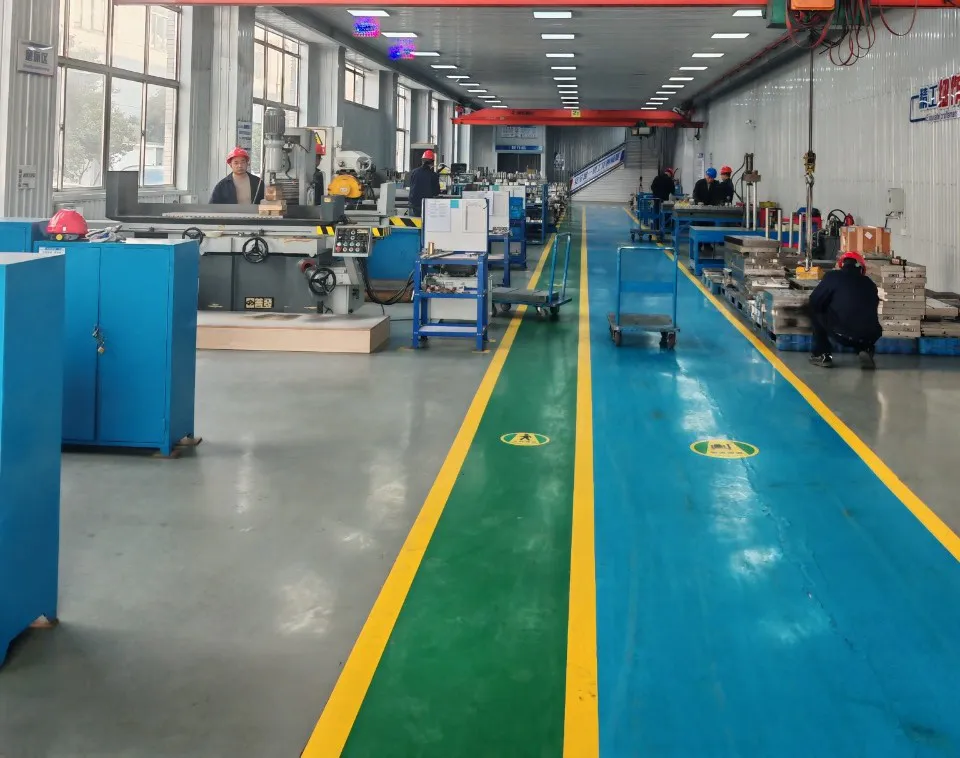
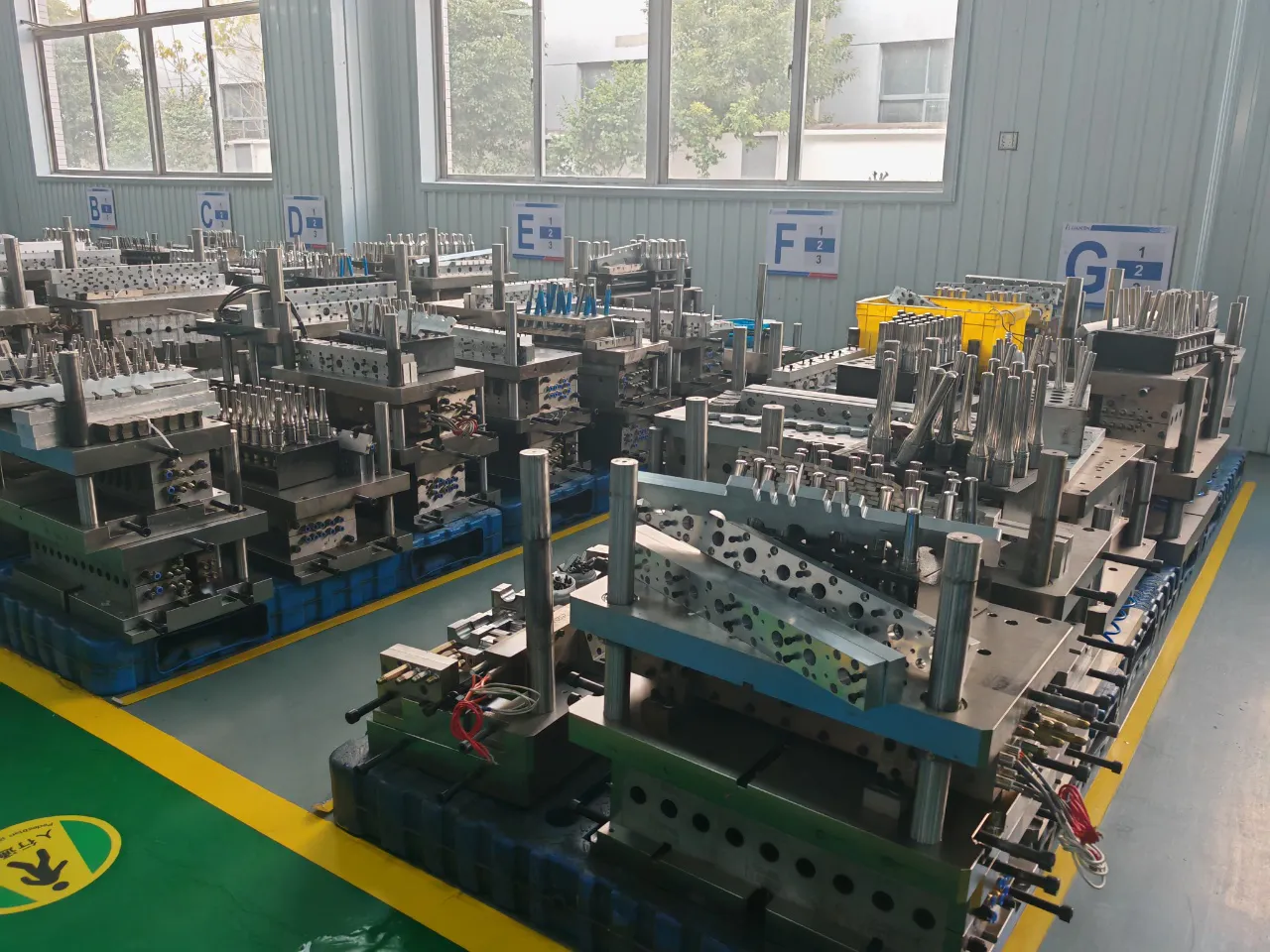
कार्यशाला
8. Related Components — System Compatibility & One-Stop Supply
एक इंजेक्शन स्ट्रेच ब्लो मोल्डिंग मशीन is only as reliable as the drive components that surround it. Pairing the machine with matched transmission and coupling hardware from a single supplier simplifies commissioning and keeps spare-parts sourcing consolidated.
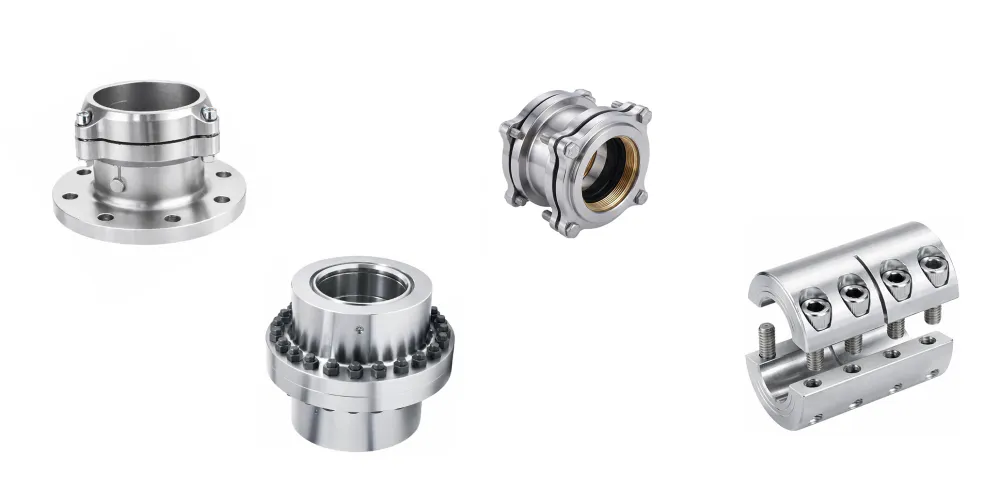
सहायक ड्राइव के लिए कठोर कपलिंग
For auxiliary conveyor, feeder, and compressor drives around the ISBM line, we also produce rigid couplings sized to match standard shaft diameters. Browse our कठोर युग्मन range for details on alignment tolerances and material options. One-stop sourcing from a single vendor keeps the lead time short for replacement parts.
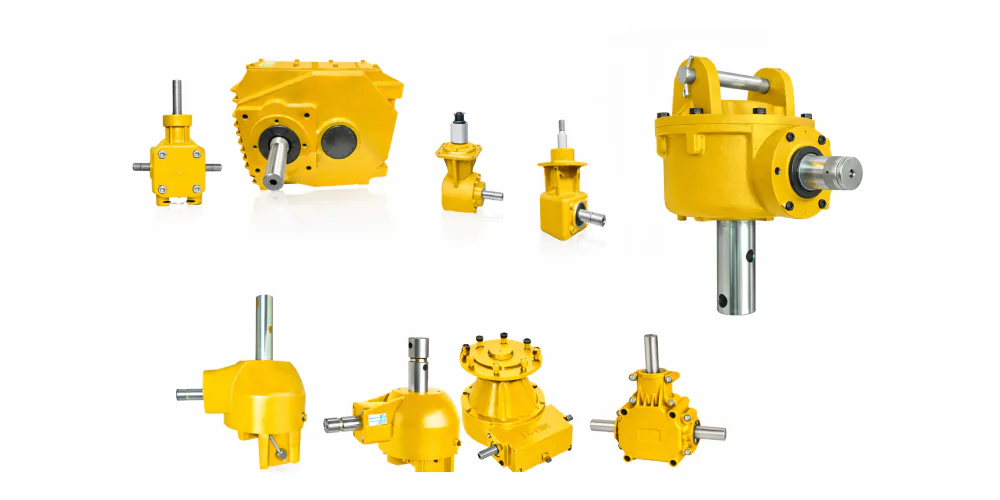
Industrial Gearboxes for Peripheral Equipment
For conveyor drives, compressor gear reducers, and palletizer gearboxes serving the downstream packaging line, we maintain a broad catalogue. See the gearbox range and application notes for full details on mounting options and torque ratings available alongside our इंजेक्शन स्ट्रेच ब्लो मोल्डिंग मशीनें.
अक्सर पूछे जाने वाले प्रश्नों
Q1. Which injection stretch blow moulding machine supplier is best for a Colombian cosmetic bottle startup in 2026?
A1. Look for a supplier that documents ISO 9001 production, offers both servo and fully electric variants like the HGYS150-V4 and HGY150-V4-EV, supports RETIE electrical certification for Colombian installation, and maintains spare-parts logistics through Buenaventura or Cartagena ports with typical lead times under six weeks.
Q2. Which injection stretch blow mold materials are recommended for Tritan baby bottles in tropical Colombian climates?
A2. S136 stainless steel hardened to 48–52 HRC is the standard choice for food-contact and infant-feeding moulds. It resists the chloride corrosion typical of coastal Barranquilla and Cartagena plants while holding polish above Ra 0.2 µm for flawless bottle appearance over 2,000,000 cycles.
Q3. What is the difference between the injection stretch blow molding process on hydraulic versus servo machines?
A3. The sequence of injection, conditioning, stretch, and blow is identical. The difference is how each motion is actuated — hydraulic uses a shared oil pump with directional valves, servo uses independent servo motors with ball-screws. The resulting bottle is similar; the cycle time, energy draw, and repeatability are not.
Q4. When should a Colombian beverage producer choose a hydraulic injection stretch blow molding machine over a servo version?
A4. Choose hydraulic for single-SKU high-volume lines such as 1.5-liter PET water or edible oil running three shifts. The lower capex offsets the higher energy draw, and the wider maintenance-labor pool in cities like Cali and Medellín keeps service costs manageable.
Q5. Where can I watch an injection stretch blow molding video that shows a servo machine running Tritan baby bottles?
A5. Most reputable manufacturers host a video library on their corporate site showing HGYS-class machines running PP, PPSU, and Tritan baby bottles. The supplier can also arrange a live video demo on request, filming one of your sample mould designs running under representative conditions.
Q6. How much does one-step injection stretch blow molding machine operation cost per 1000 bottles in a Colombian plant?
A6. Operating cost varies with electricity tariff, resin cost, and cavity count, but a servo-electric platform typically consumes 35–45% less power per thousand bottles than a hydraulic equivalent. The electricity cost per 1000 PET bottles usually falls in the low-single-digit USD range for either technology.
Q7. Which injection stretch blow molding machine manufacturers can replace an aging ASB-70DPH for a Colombian dairy producer?
A7. Modern 250-class one-step machines such as the HGY250-V4 and HGY250-V4-EV are engineered as a direct asb और aoki का प्रतिस्थापन legacy units. They accept existing mould sets with minor fixture adaptation and typically deliver 20–30% higher energy efficiency than the original drive.
Q8. What maintenance does a servo-driven injection stretch blow moulding machine need during its first year in Medellín?
A8. Expect monthly inspection of servo-drive cabinet filters, quarterly lubrication of ball-screws and toggle pivots, bi-annual calibration of position encoders, and an annual comprehensive audit of heater bands and mould cooling circuits. Most tasks are straightforward for a technician trained on the supplier’s commissioning program.
Q9. How can I find an injection stretch blow moulding machine supplier that supports INVIMA certification for pharma bottles?
A9. Request a technical file that includes S136 mould cavity certificates, RoHS declarations on electrical components, FDA 21 CFR 177.1630 resin compatibility statements, and an ISO 9001 quality manual. This bundle accelerates INVIMA sanitary registration for pharmaceutical and cosmetic containers made from PETG or Tritan.
Q10. What injection stretch molding advantages does the one-step process offer versus a two-step reheat line?
A10. The one-step इंजेक्शन स्ट्रेच ब्लो मोल्डिंग प्रक्रिया eliminates the reheat oven, cutting energy consumption by up to 40%, reduces preform handling contamination, improves neck finish quality, and shortens the total floor-to-bottle cycle time. For SKU-diverse Colombian cosmetic and pharma producers, it is almost always the better architecture.
संपादक: पीएक्सवाई