आईएसबीएम मशीनों में पीईटी, पीपी और पीसी: अपने कंटेनर अनुप्रयोग के लिए सही सामग्री का चयन कैसे करें
A working material-selection guide for packaging engineers and brand owners in Colombia who need to match the resin to the container, not the container to whatever resin happens to be in the silo. Three polymers dominate injection stretch blow moulding work — PET, PP, and PC — and each has a distinct window where it outperforms the other two on clarity, heat, chemistry, or cost.
1. HGY-Series Technical Parameters for Multi-Resin Production
The table below references five representative machines across the HGY injection stretch blow moulding machines family, with notes on the resin envelope each model handles best.
| पैरामीटर | HGY50-V3-EV | एचजीवाईएस150-वी4 | HGY200-V4-B | एचजीवाई250-वी4 | एचजीवाई650-वी4 |
|---|---|---|---|---|---|
| Primary Resin Envelope | पीईटी / पीटीजी | PET / PETG / PP | PET / PP / PC | PET / PP / PC | PC / PET large-format |
| के स्टेशन | 3-स्टेशन | 4-स्टेशन | 4-स्टेशन | 4-स्टेशन | 4-स्टेशन |
| ड्राइव प्रकार | पूरी तरह से इलेक्ट्रिक | Servo-hydraulic | Hydraulic / Servo | Hydraulic / Servo | Hydraulic / Servo |
| पेंच का व्यास (मिमी) | 40 / 50 / 55 | 40–60 | 40–60 | 50–60 | 50–60 |
| इंजेक्शन क्लैम्पिंग बल (kN) | 50 | 150 | 300 | 300 | 400 |
| बल लगाने का बल (kN) | 100 | 200 | 250 | 200 | 400 |
| मोटर शक्ति (किलोवाट) | 34.8 | 43.2 | 49.2 | 67.7 | 75.7 |
| तापन शक्ति (किलोवाट) | 10.4 | 10 | 15 | 15 | 15 |
| वायु दाब (एमपीए) | 2.0–3.5 | 2.0–3.5 | 2.0–3.5 | 2.0–3.5 | 2.0–3.5 |
| शीतलन जल दाब (एमपीए) | 0.4–0.6 | 0.4–0.6 | 0.4–0.6 | 0.4–0.6 | 0.4–0.6 |
| Voltage (V) | 370–400 | 370–400 | 370–400 | 370–400 | 370–400 |
| Machine Size L×W×H (mm) | 3800×1200×2500 | 4200×1400×2900 | 4800×2000×3800 | 6300×2400×3700 | 6100×2600×4200 |
| मशीन का वजन (टी) | 3.5 | 6 | 13 | 16 | 28 |
| अधिकतम बोतल की मात्रा | 2500 मिलीलीटर | 2500 मिलीलीटर | 2500 मिलीलीटर | 2500 मिलीलीटर | 20 लीटर |
| Mould Compatibility | Standard | एएसबी-12एम | आओकी 250 | एएसबी-70डीपीएच | Large-format |
2. Why the resin choice decides almost everything else
Most capital-equipment buyers enter an ISBM project focused on the hardware — number of stations, cavity count, servo or hydraulic drive, mould compatibility, footprint. Those matter, but they are downstream decisions. The real first decision is the resin, because PET, PP, and PC behave completely differently under the stretch-blow process, demand different cavity temperatures, reach different wall thicknesses, accept different closures, and pass different food-contact and pharmaceutical validations. A Colombian converter who specifies a 4-station injection stretch blow moulding machine before confirming the resin will almost always need to renegotiate cavity geometry and screw profile once the product specification firms up. This article works the other way around: first understand what each of the three polymers is and what it does best, then match the bottle SKU to the resin, and only then specify the machine platform and mould count. PET handles clarity, light weight, and beverage economics. PP handles heat, chemical resistance, and wide-mouth food jars. PC handles repeat sterilisation, impact, and premium drinkware where Tritan budgets do not apply. None of the three is universally better; the trick is knowing which window each belongs in.
PET — the clarity-and-weight workhorse
Polyethylene terephthalate (PET) is the resin that made the modern injection stretch blow moulding machine commercially successful. Its narrow processing window between melt (around 270 °C) and crystallisation (around 130 °C) is exactly where biaxial orientation develops most favourably, giving PET bottles their characteristic combination of optical clarity, low weight, and surprising burst strength. A 500 ml still-water bottle can be light-weighted to around 9 grams on a well-tuned HGY-series injection stretch blow moulding machine, which is an achievement no other commodity polymer matches. PET is the default for carbonated soft drinks, still water, juices, iced teas, edible oils, transparent pharmaceutical bottles, and a wide swath of cosmetic SKUs running on an injection stretch blow moulding machine. It accepts tight neck-finish tolerances, runs at cycle times between eight and twelve seconds per cavity set, and — critically for Colombian converters — benefits from an established regional recycling infrastructure that consumes post-consumer flake into rPET programmes. The practical limits: PET does not tolerate sustained temperatures above around 65 °C without hot-fill or heat-set modifications, and it cannot handle chlorinated solvents or strong alkalis. Inside that operating window, however, nothing competes with it on cost per light-weighted bottle.
PP — heat, chemistry, and wide-mouth economics
Polypropylene occupies the space where PET thermal limits become a problem. PP handles continuous service above 100 °C without deformation, survives hot-fill and retort-style sterilisation on specific grades, and resists a broader chemistry palette including mild alkalis and many household-chemical formulations. An injection stretch blow moulding machine running PP produces opaque or translucent wide-mouth food jars for nutraceuticals, baby-food, powder supplements, pharmaceutical tablets, and cosmetic cream jars. Clarity is lower than PET — standard PP is translucent at best, though clarified PP grades narrow the gap — and wall-thickness distribution is slightly harder to hold because PP’s crystallisation kinetics differ from PET’s. Cycle times run roughly 10 to 14 seconds per cavity set depending on wall thickness. PP also light-weights well on a modern injection stretch blow moulding machine, though the biaxial-orientation benefit is smaller than on PET because PP’s molecular structure does not orient as aggressively. In Colombian cosmetic and nutraceutical plants, PP wide-mouth jars paired with induction-seal closures are the standard specification for powder and cream products where the customer expects a different look and feel from a PET bottle. PP is the second pillar of the three-polymer ISBM portfolio, and a modern injection stretch blow moulding machine running it produces wide-mouth jars that industrial food and nutraceutical buyers in Colombia specify without hesitation.
PC — the sterilisation and impact specialist
Polycarbonate is an amorphous engineering thermoplastic with a softening point near 150 °C, exceptional impact strength, and glass-like optical clarity. On an injection stretch blow moulding machine PC handles the SKUs where PET cannot survive: five-gallon water carboys that see hot sanitisation cycles, reusable baby bottles that undergo repeated steam sterilisation, multi-dose medicine bottles that face autoclave validation, and premium drinkware where the brand wants crystal transparency without Tritan costs. The tradeoffs are real — PC costs noticeably more per kilogram than PET, carries BPA-related regulatory attention in several export markets, and processes at higher melt temperatures (around 300 °C) that require careful screw and barrel design. A well-configured HGY650-V4 or HGY250-V4 injection stretch blow moulding machine handles PC for large-format carboys; the smaller HGY-series machines run PC for baby bottles and medical SKUs. Drop-test resilience is where PC genuinely shines: a PC bottle can withstand impact energies that shatter PET or crack PP. For Colombian markets where a single product may ship across hot-humid coastal regions and cooler interior cities, PC’s mechanical robustness is often the reason a brand-owner specifies it on a new injection stretch blow moulding machine line despite the cost premium.
3. Action Method — how each polymer responds to the stretch rod
On an injection stretch blow moulding machine the stretch rod descends axially, pre-blow air begins radial inflation, and full high-pressure air completes the bottle against the cavity wall. That is the sequence on paper, but the three resins respond quite differently in practice. PET, with its narrow crystallisation window, rewards aggressive biaxial stretching: axial stretch ratios between 2.5 and 3.5, radial stretch ratios between 3.8 and 4.5, and a combined areal stretch above 10 produce the optical clarity and burst strength the beverage market expects. PP is more forgiving but gives less orientation payback — recommended axial stretch ratios sit between 1.8 and 2.4, and radial ratios between 2.5 and 3.2; pushing beyond those ranges simply blanches the wall without adding strength because PP’s semi-crystalline backbone does not orient as aggressively. PC is the most conservative: axial ratios around 1.5 to 2.0 and radial ratios near 2.5 keep the amorphous polymer within its strain-hardening envelope without thermal degradation. Programming the stretch-rod speed and the pre-blow timing on the HMI of an injection stretch blow moulding machine is therefore resin-specific, and every new cavity brought up on a line needs at least two days of stretch-profile tuning before it reaches validated production.
4. Structure Type — station count and cavity rationale
All three resins run on the same family of rotary turntable architectures, but the optimal station count varies. PET is happiest on a four-station injection stretch blow moulding machine that includes a dedicated temperature-conditioning station — the HGY150-V4 or HGY200-V4 with a 4-cavity to 8-cavity mould covers most beverage and cosmetic SKUs. PP benefits from slightly longer cooling dwell, so plants producing PP wide-mouth jars often specify a 4-station HGY200-V4-B or HGY250-V4 with the larger injection clamping force (300 kN) to accommodate the thicker preform walls typical of PP. PC carboy production uses the HGY650-V4 with its 1070 mm upper-mould stroke and 400 kN injection clamping, because the five-gallon format needs the extra vertical travel and clamp capacity. Cavity rationale also differs: PET SKUs can run 8 to 12 cavities in a commercial-beverage mould, PP SKUs typically stop at 6 to 8 due to preform-wall constraints, and PC is usually 1 to 4 cavities because the preform mass and cooling demands make higher cavitation uneconomic. The same injection stretch blow moulding machine chassis covers all three resins — only the mould, screw, and profile change, which is why buyers see a single capital-equipment investment serving multiple end-market categories.
5. Manufacturing Structure — what changes inside the cabinet per resin
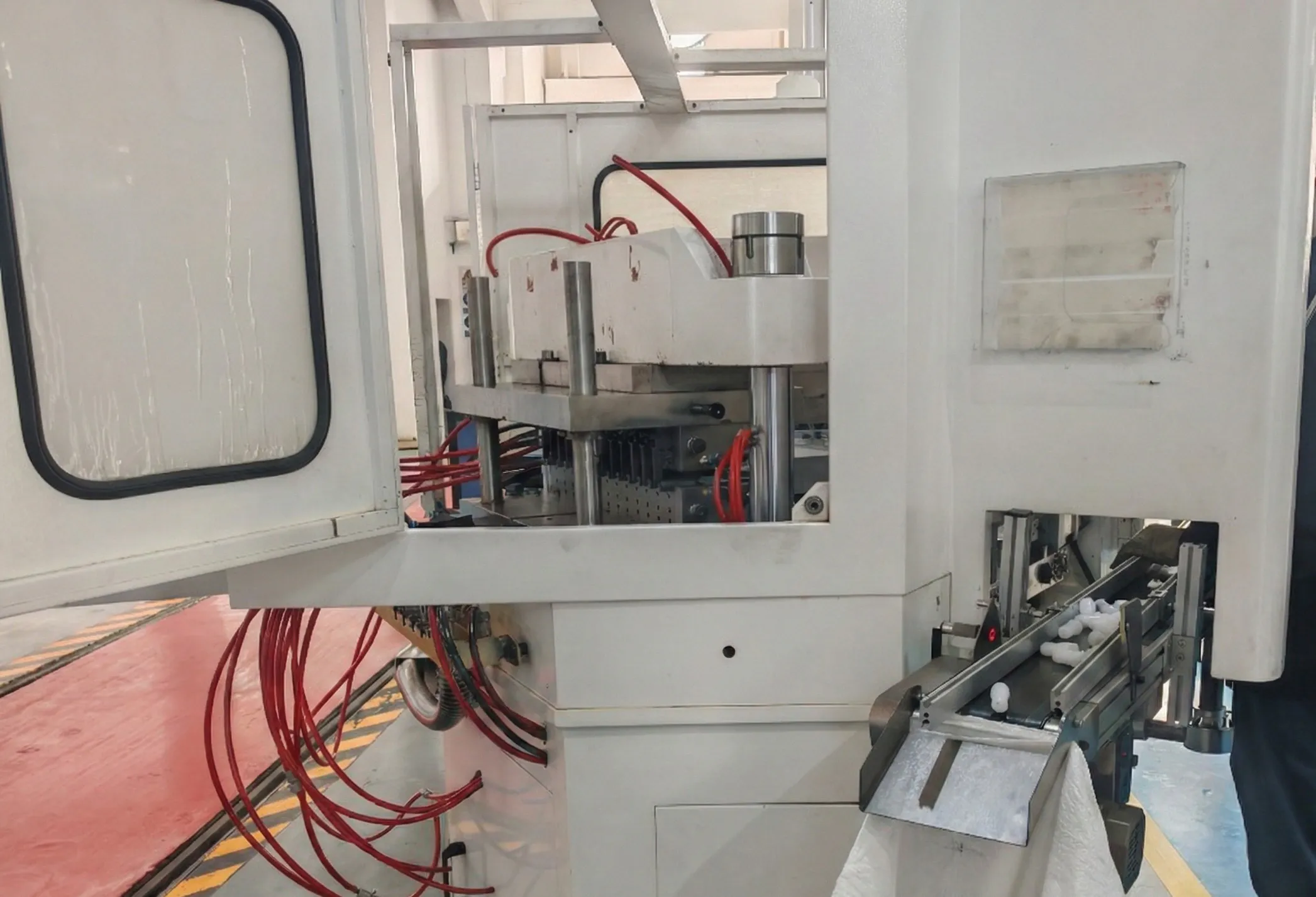
Inside an injection stretch blow moulding machine the headline components remain the same across all three polymers: injection unit with nano far-infrared energy-saving heating ring, servo-driven clamp, temperature-conditioning core, servo stretch rod, blow cavity in polished S136 stainless steel, Parker high-pressure valves, YUKEN hydraulic control valves, Inovance or Yaskawa servo motors, and NSK lead screws. What changes is the screw and barrel specification. PET runs on a standard barrier-screw design with an L/D ratio around 22:1 and a compression ratio near 2.5:1. PP needs a slightly longer L/D (24:1) with a higher compression ratio to melt its semi-crystalline structure uniformly. PC demands a shorter L/D (20:1) with a gentler compression profile to avoid thermal degradation — and a barrel rated for 330 °C continuous service. Cavity steel grade is the same (S136 stainless) across all three, but cooling-channel layout differs: PC cavities need more aggressive cooling because the higher melt temperature demands faster heat extraction. Reputable injection stretch blow molding machine manufacturers ship a matched screw-and-barrel package with every injection stretch blow moulding machine quoted for a specific resin, which is why the resin decision really does come first.
6. Material System — families within each resin
Each of the three headline resins is actually a small family. PET includes virgin-bottle-grade PET (the beverage workhorse), rPET (post-consumer recycled, often blended at 25 to 100 percent), PETG (glycol-modified for heavier-walled cosmetic bottles with better solvent resistance), and PCTG (an impact-modified PETG for drinkware). PP includes homopolymer PP (stiffer, lower clarity), random copolymer PP (more flexible, better clarity), and clarified PP grades that narrow the optical gap with PET for cream-jar applications. PC includes standard optical-grade PC, medical-grade PC with tighter extractables specifications, and — increasingly — Tritan and PPSU alternatives that packaging buyers substitute when BPA-free language is required by export customers. PLA and PS also appear in certain specialty bottles, though they sit outside the main three-polymer conversation. A replacement injection stretch blow moulding machine upgrading an older line is typically specified around a lead resin (usually PET) with quick-change screws on hand for PP or PC secondary SKUs. The single-chassis-multiple-resin approach is what makes a modern injection stretch blow moulding machine economically attractive to Colombian converters with diverse customer portfolios, and it is why most injection stretch blow moulding machine quotes now include an optional secondary-resin screw package by default.
7. Surface Treatment — visible clarity, gloss, and feel
Retail-shelf appearance splits cleanly along resin lines. PET blown on a polished S136 cavity looks crystal-clear with a high gloss finish — the reference standard for beverage and cosmetic clarity, and the reason PET remains dominant for premium serum and toner bottles in Colombian cosmetic aisles. PP runs translucent by default, with a satin gloss that reads as softer and more matte; brand owners sometimes choose PP specifically for this visual difference, particularly on cream jars and powder supplement bottles where a frosted or opaque appearance is desirable. Clarified PP grades narrow the gap but rarely match PET clarity at the same wall thickness. PC delivers crystal-clear transparency that can exceed PET on thick-walled drinkware because the amorphous polymer has no crystalline haze; the tradeoff is a slight yellowish cast on wall thicknesses above 3 mm, which makers offset with optical brighteners in the resin. The cavity polishing procedure is identical across the three resins — a mirror finish on S136 stainless steel — but the resin controls what the buyer sees. Specifying the wrong resin for the target visual brand is a common mistake on first-time injection stretch blow moulding machine projects, and a short consultation with the supplier’s process engineer before the purchase order is signed typically prevents the expensive cavity-rework that follows a mismatch.
8. Environmental Grade — food, pharma, recycling, and BPA
Environmental and regulatory grading is where the three resins diverge most sharply. PET holds food-contact approval under INVIMA’s Resolución 683 de 2012 for Colombia, EU Regulation 10/2011 for Europe, and US FDA 21 CFR 177 for the United States; it also benefits from a well-established regional recycling pipeline through PET collection cooperatives. PP carries equivalent food-contact approvals and is actually preferred for hot-fill food applications where PET cannot go; its recycling stream is smaller but growing across Latin America. PC is food-grade in principle but attracts BPA scrutiny — some export markets restrict PC from food-contact or baby-product applications, which is why Tritan and PPSU are increasingly specified as BPA-free alternatives on the same injection stretch blow moulding machine platform. For pharmaceutical primary packaging the hierarchy looks different: all three resins can satisfy ISO 15378 GMP when the cleanroom enclosure and documentation are in place, though fully-electric ISBM lines make the validation paperwork considerably easier regardless of resin. Colombian converters serving multiple regulatory destinations keep all three resin-grade certifications on file to move between markets smoothly.
9. Operating Conditions — utility draw and cycle window
Running PET on an injection stretch blow moulding machine asks for a 270 °C melt profile, blow air at 2.0 to 3.5 MPa, cooling water at 0.4 to 0.6 MPa and 20 to 25 °C, and cycle times between 8 and 12 seconds per cavity set. PP on the same injection stretch blow moulding machine runs cooler at a 230 °C melt, slightly lower blow pressure (2.0 to 3.0 MPa), the same cooling water loop, and cycle times between 10 and 14 seconds due to slower crystallisation. PC demands the richest utility envelope: 300 °C melt, blow air at the upper end of 3.0 to 3.5 MPa, aggressive cooling (sometimes chilled water below 15 °C for the cavity), and cycle times 12 to 18 seconds because the high-temperature polymer takes longer to freeze below its glass-transition temperature. Installed motor power across the HGY series stays the same (34.8 kW on HGY50-V3-EV up to 75.7 kW on HGY650-V4), but heating-ring power is matched to the resin — 10 kW for PET, 15 kW for PP and PC. Ambient workshop temperature between 18 and 32 °C is ideal for all three. Colombian plants in Barranquilla’s coastal humidity sometimes add extra dehumidification on the resin dryer feeding the injection stretch blow moulding machine; inland plants in Bogotá rarely need it.
10. Typical Failure Modes — what each resin does wrong when tuning is off
Each resin has its own misbehaviour catalogue that plant process engineers come to recognise. PET shows stretch whitening when the axial stretch rod moves too fast for the preform temperature, crystallisation haze when dwell at the temperature-conditioning station is too long, and vent-dimple marks when the cavity vents are partially blocked by release-agent carryover. PP suffers from uneven wall distribution if the blow pressure ramps too quickly, poor clarity if the cavity is too cold at the moment of blow, and burn marks on the parting line when the screw shears the melt. PC fails most dramatically: thermal degradation produces a yellow-brown discolouration if the barrel sits at melt temperature during a production pause, stress cracking appears when PC contacts aromatic solvents or strong bases during cleaning, and ghost flow lines mark the cavity surface if the gate diameter is too small for the melt viscosity. An experienced operator diagnoses all three resin families from HMI data on the injection stretch blow moulding machine rather than tearing the machine apart, which is why remote HMI diagnostics is a feature Colombian customers specifically request from injection stretch blow molding machine suppliers during technical evaluation.
11. Five Key Advantages of a Multi-Resin ISBM Platform
1. Single Chassis, Three Resin Families
The same HGY-series injection stretch blow moulding machine runs PET, PP, and PC with screw-and-barrel swaps rather than machine replacement. Colombian converters serving beverage, cosmetic, food, and pharmaceutical brands from one plant can pivot between resin families within a shift instead of maintaining dedicated single-resin lines, which is the strongest commercial argument for a multi-resin injection stretch blow moulding machine in a mid-sized operation.
2. Energy Efficiency Across Resins
The one-step injection stretch blow molding process retains preform heat directly into the stretch-blow step on all three resins, cutting the reheat oven and saving roughly 40 percent of the energy a two-step line consumes. Savings apply equally to PET, PP, and PC production runs, not just PET beverage work.
3. Servo Precision on Every Cycle
Servo-driven injection, stretch rod, and blow clamp hold cycle repeatability across thousands of bottles regardless of resin. Wall thickness stays within five percent of target for PET, PP, and PC alike — a validated process window for pharmaceutical and baby-product primary packaging.
4. Mould Compatibility Heritage
HGY-series machines are engineered for compatibility with legacy ASB-12M, Aoki 250, and ASB-70DPH preform sets. Colombian plants migrating from older platforms keep existing tooling rather than rebuilding a mould library from scratch, which shortens the payback period on the new capital outlay.
5. Cleanroom-Ready Fully-Electric Option
The fully-electric HGY150-V4-EV, HGY200-V4-EV, and HGY250-V4-EV variants of the injection stretch blow moulding machine run PET, PP, or PC without hydraulic oil in the product zone. This simplifies INVIMA, FDA, and EU pharmaceutical validation for any of the three resin families, not just one.
12. Working Principle of the Injection Stretch Blow Moulding Machine
The cycle inside a modern one-step injection stretch blow molding machine is identical in sequence across all three resins, though the parameter values differ as discussed in the operating conditions section. Step one, injection: dried resin pellets feed from a desiccant hopper dryer into the heated screw-and-barrel assembly, melt is metered, and the injection cylinder delivers the shot into a preform cavity under programmed clamping pressure. Step two, heat preservation and tail cutting: the turntable indexes the preform into a conditioning station where a regulating core and barrel equalise temperature between the preform skin and core, avoiding the crystallisation haze that would otherwise develop. Step three, stretch-blow: the preform arrives at the blow cavity, a servo stretch rod descends at resin-specific speed, pre-blow air begins radial inflation, and full high-pressure air completes the bottle against a mirror-polished S136 stainless cavity. Biaxial orientation develops in the polymer chains, and final wall thickness locks in as the bottle cools against the cooled cavity. Step four, take-out: the blow mould opens, a gripper removes the finished bottle to the conveyor, and the empty cavity indexes back toward injection. An engineer watching an injection stretch blow molding video of the sequence sees the same turntable rhythm regardless of resin — it is the tooling and parameter profile on the injection stretch blow moulding machine that change.
13. Materials: PET, PP, PC and Their Relatives
The full processing envelope of a modern HGY-series injection stretch blow moulding machine covers PET, PETG, PP, PPSU, PC, Tritan, PCTG, PLA, PS, and ABS — but the first three carry ninety-plus percent of commercial volume. PET remains the beverage and cosmetic default because no other resin matches its clarity-to-weight-to-cost ratio. PETG steps in where heavier walls or solvent resistance matter, typical of premium cosmetic serum and toner bottles. PP delivers opaque or translucent wide-mouth jars at lower resin cost, with hot-fill tolerance PET cannot match. PPSU survives repeat autoclave cycles for reusable baby bottles and medical containers without yellowing. PC handles five-gallon water carboys and high-impact drinkware, with Tritan as the BPA-free substitute where regulators require. PCTG brings impact-modified clarity for drinkware that needs to survive drops. PLA supports bioplastic brand commitments. PS and ABS fill specialty niche roles. Core machine components are standardised across all ten resins — Inovance and Yaskawa servo motors, Parker valves, YUKEN hydraulic controls, NSK lead screws, S136 stainless moulds — which keeps the parts-supply discipline that Colombian plants rely on for uninterrupted three-shift production. Modern injection stretch blow molding machines in the HGY range also carry forward the legacy replacement of ASB and Aoki preform tooling on a documented compatibility schedule, so the injection stretch blow molding products a plant ships on day one of commissioning match the samples approved during factory acceptance. Unlike a traditional injection blow moulding cell that is locked to polyolefins, the same injection stretch blow moulding machine chassis runs PET, PP, PC, PETG, PPSU, and Tritan with the appropriate screw package. Operators can cross-reference a saved blow moulding video for each resin recipe stored on the HMI, and the broader term injection stretch molding (another spelling convention used in some English-language technical documents) refers to the identical process described here. Even a gray injection stretch blow moulding machine — a colour option some customers request to match an in-house factory paint code — delivers identical capability across all three resins covered in this article.
14. Application Scenarios by Resin
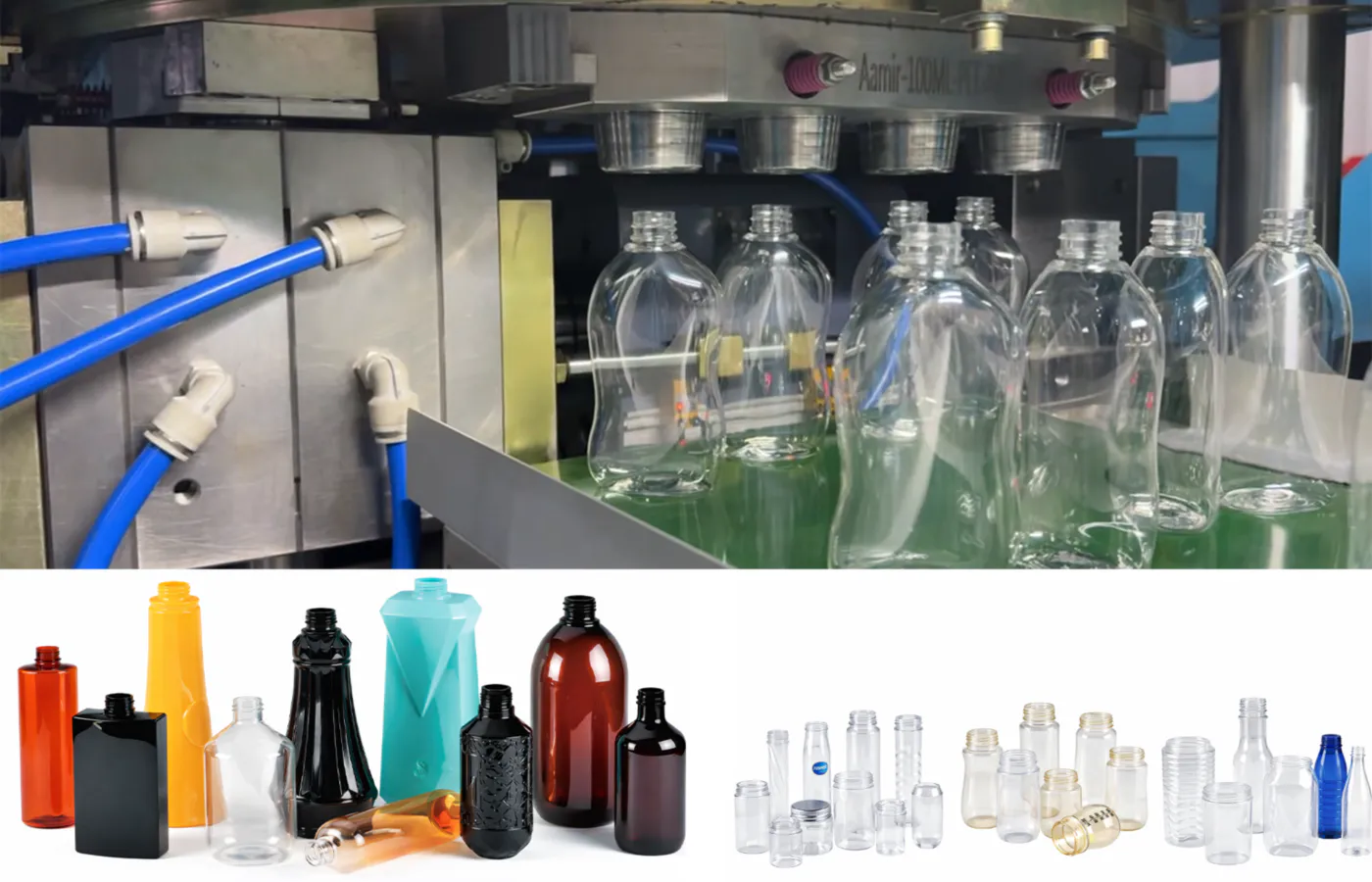
The four application clusters below represent the majority of commercial ISBM production in Colombia and the broader Latin American region, mapped to the resin each cluster favours.
PET — Beverage and Cosmetic Clarity
Water, juice, iced tea, carbonated soft drinks, edible oil, serum and toner bottles. The HGY200-V4 injection stretch blow moulding machine handles the 200 ml to 2500 ml range with 4-to-8-cavity moulds, delivering the clarity and light-weighting the Colombian retail beverage aisle expects from a new injection stretch blow moulding machine on first validated production.
PP — Food Jars and Nutraceutical Containers
Wide-mouth cream jars, powder supplement bottles, baby-food jars, pharmaceutical tablet containers. PP grades run on the HGY200-V4 or HGY250-V4 injection stretch blow moulding machine with modified screw profile, delivering hot-fill tolerance and the translucent or opaque visual identity Colombian brands specify for these categories.
PC — Carboys and Sterilisable Bottles
Five-gallon water carboys, reusable baby feeders where local regulation permits PC, autoclavable multi-dose medicine bottles, premium drinkware. The HGY650-V4 injection stretch blow moulding machine handles the 20-litre format with its 400 kN injection clamp, and smaller HGY models cover PC baby bottles and medical SKUs.
PETG and Tritan — Premium Specialty
High-end cosmetic flacons, BPA-free reusable drinkware, impact-resistant PETG serum bottles. Running on the same injection stretch blow moulding machine as PET with minor temperature-profile adjustments, PETG and Tritan fill the premium-specialty end of Colombian cosmetic and lifestyle-product lines.
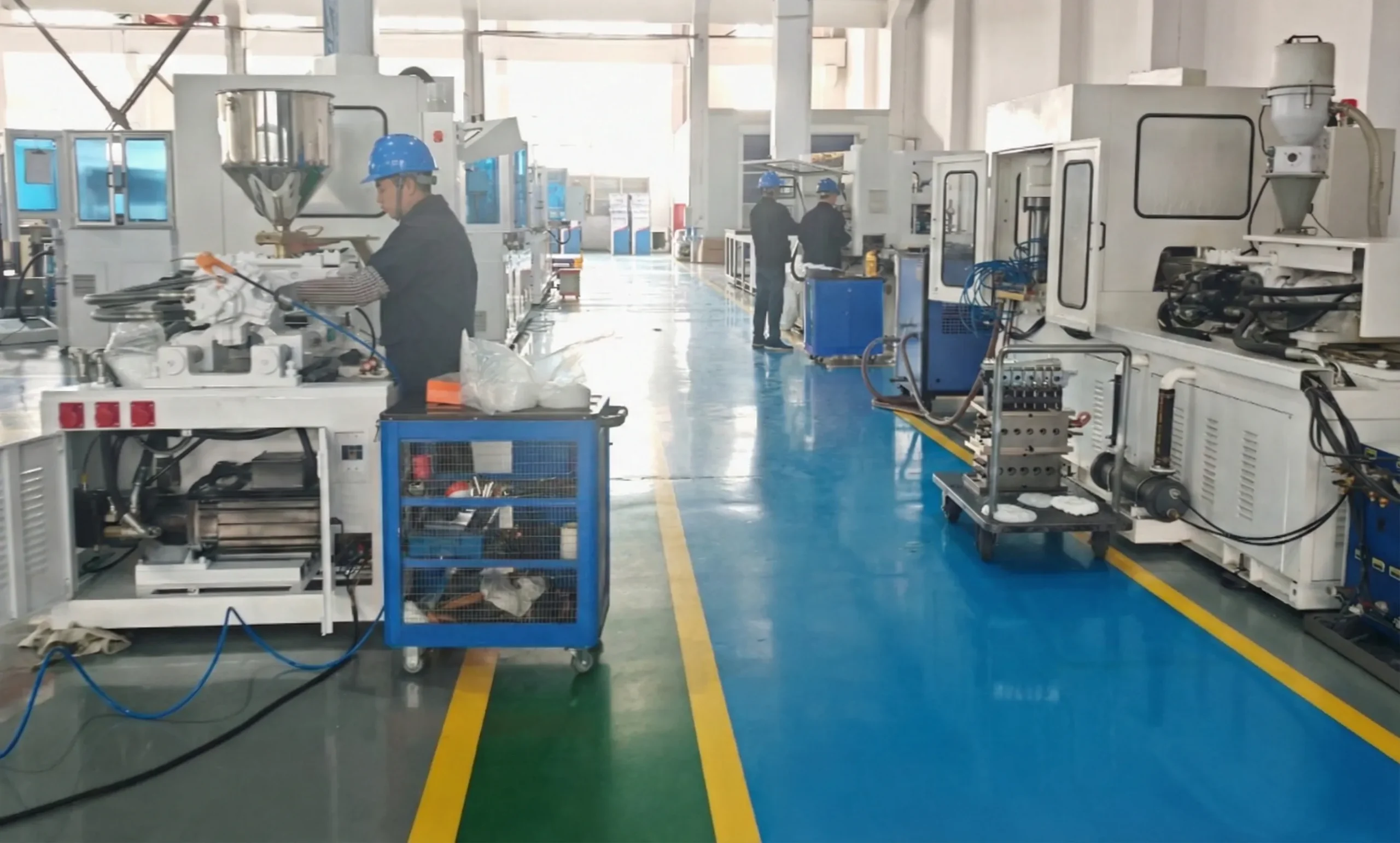
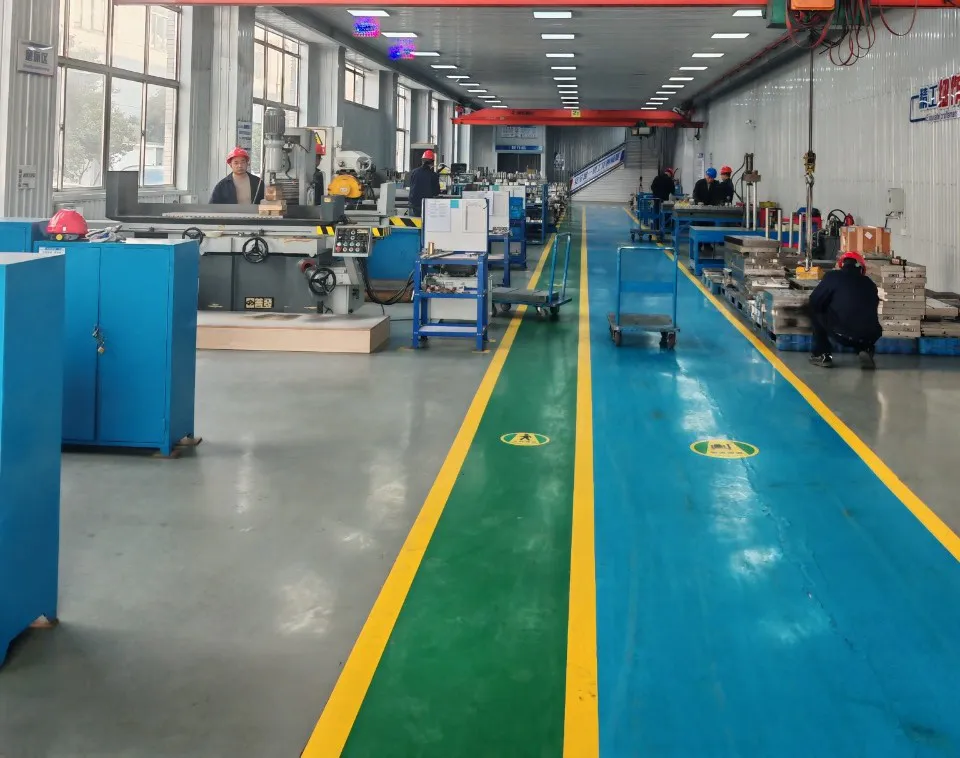
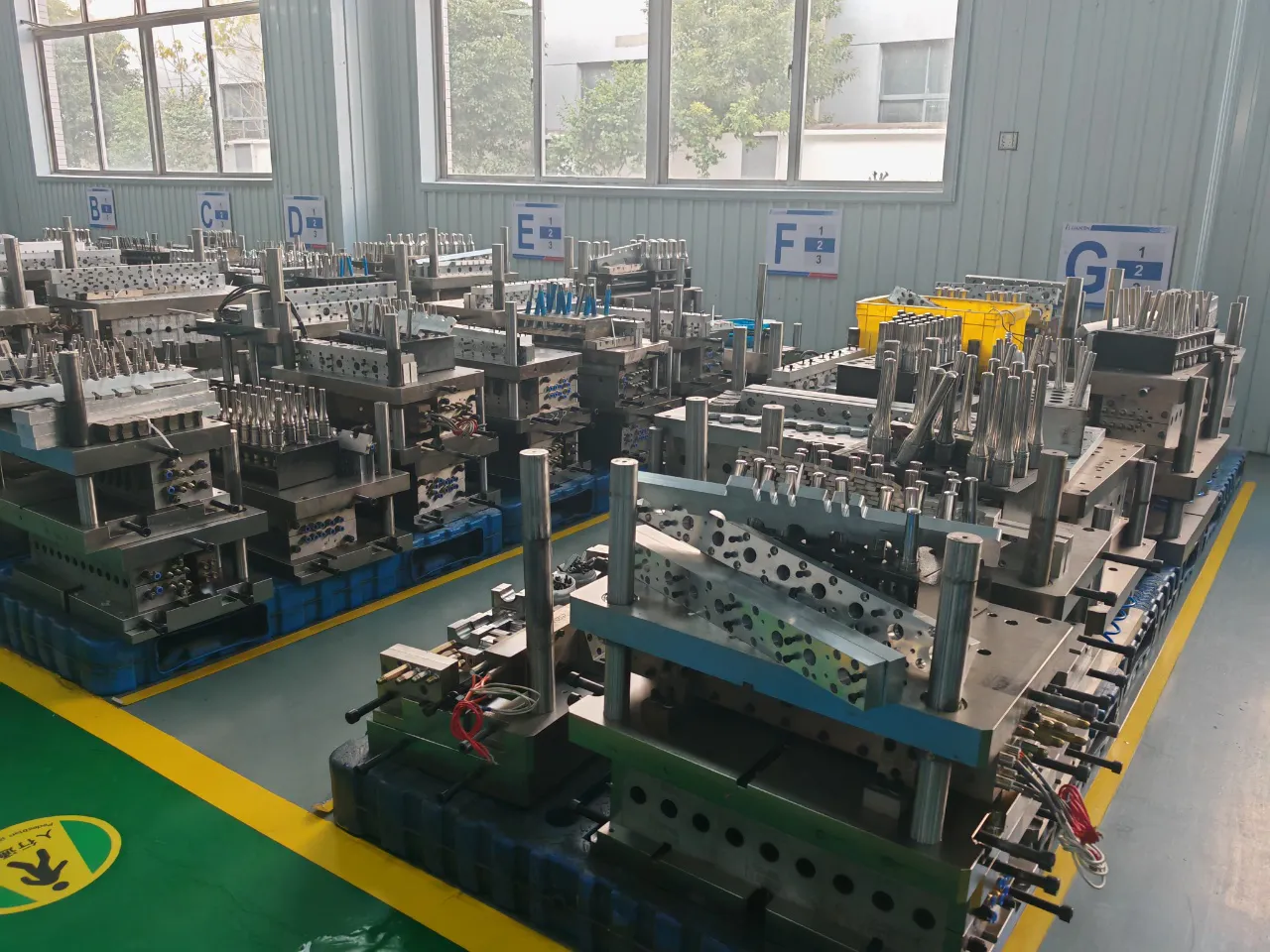
कार्यशाला
15. Related Products and One-stop Auxiliary Supply
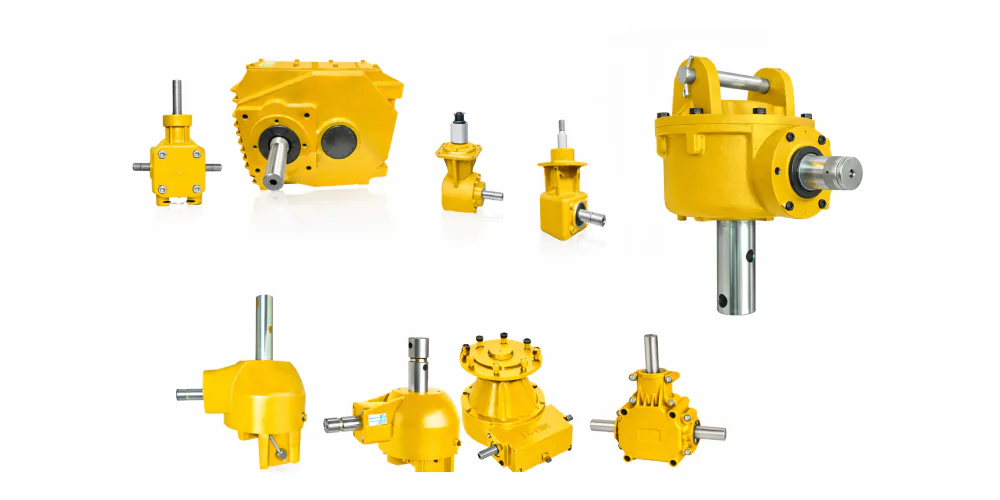
Beyond the injection stretch blow moulding machine itself, we supply matched auxiliary components that integrate directly with the bottle line — precision rigid couplings for servo-shaft connections, drive gearboxes and motors for turntable indexing and downstream conveyors, and PTO shaft packages for resin-feed systems. The one-stop sourcing model means a Colombian plant receives a single coordinated electromechanical specification with compatible parts lists, streamlined commissioning, and consolidated spare-parts logistics through the same supplier relationship that placed the main machine order.
PTO Shaft and Drive Motors
Servo motors and PTO shaft packages engineered for turntable indexing, resin-feed auger drives, and auxiliary-conveyor systems. Continuous-duty ratings match the three-shift production schedules typical of Colombian industrial zones running an injection stretch blow moulding machine line.
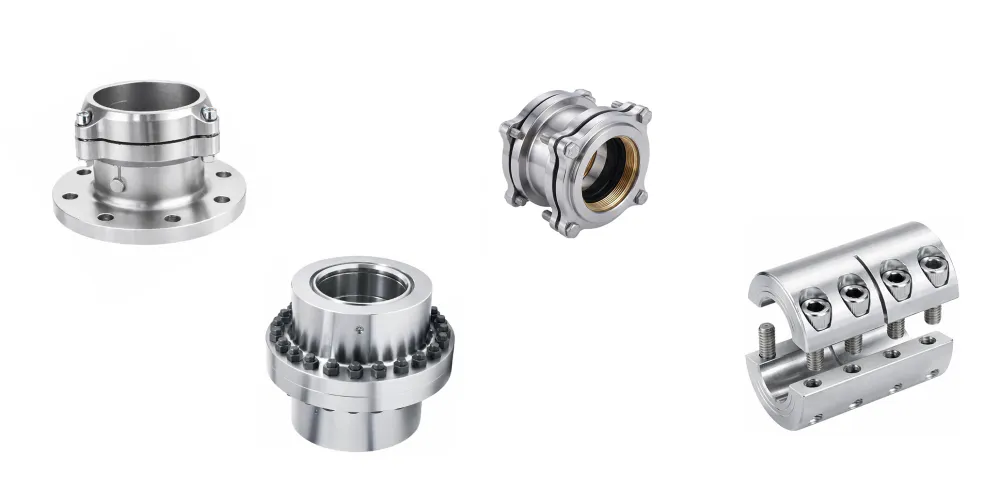
Drive गियरबॉक्स
Precision drive gearboxes dimensioned for the turntable index, bottle-conveyor drive, and auxiliary material-handling systems. Bundled delivery keeps the electromechanical specification aligned with the main injection stretch blow moulding machine chassis.
अक्सर पूछे जाने वाले प्रश्नों
Q1. How do I choose between PET and PP for a nutraceutical bottle line in a Colombian plant serving regional exports?
A1. Choose PET when the customer expects clarity, light weight, and low cost per bottle. Choose PP when the fill involves temperatures above 65 °C, when the closure is induction-seal, or when the brief calls for opaque or translucent aesthetics that PET cannot deliver economically.
Q2. Which HGY-series injection stretch blow moulding machine model works best for five-gallon PC water carboys distributed across Colombian cities?
A2. The HGY650-V4 with its 400 kN injection clamping force, 1070 mm upper mould stroke, and high-temperature barrel option is purpose-built for PC carboys up to 20 litres. Smaller HGY models cannot accommodate the preform mass or cooling demands of five-gallon PC production.
Q3. When does Tritan make more sense than PC for Colombian baby-bottle production targeting BPA-free retail markets?
A3. Tritan makes sense whenever the export destination carries BPA restrictions (EU, many North American retailers) or when the brand positions itself explicitly BPA-free. Domestically, Colombian regulations are less restrictive, but future-proofing export options typically justifies the Tritan cost premium.
Q4. Which resin gives the best light-weighting opportunity for a Colombian still-water bottle programme on a new injection stretch blow moulding machine?
A4. PET, without question. A 500 ml still-water bottle can be light-weighted to around 9 grams through biaxial orientation — a benchmark PP and PC cannot approach. This is why the Colombian still-water category is essentially 100 percent PET today.
Q5. What is the actual cycle time difference between PET and PC on the same injection stretch blow moulding machine chassis?
A5. PET typically cycles between 8 and 12 seconds per cavity set depending on bottle size, while PC cycles between 12 and 18 seconds due to higher melt temperature and slower cooling. Plan throughput calculations around these differences when sizing capacity on mixed-resin lines.
Q6. Why does clarified PP still look hazier than PET on the same polished S136 cavity in an ISBM cosmetic application?
A6. PP is semi-crystalline; even clarified grades retain small crystalline domains that scatter light. PET, when biaxially stretched within its crystallisation window, traps orientation without crystallisation, yielding genuinely amorphous-looking clarity. No cavity polishing closes that physical gap.
Q7. How long does validation take when switching a line between PET and PP on the same injection stretch blow moulding machine for a Colombian customer audit?
A7. Mechanical changeover takes about ninety minutes; process validation including first-article inspection, wall-thickness survey, and drop-test verification usually takes a full shift. Documented changeover SOPs and saved HMI recipes make the difference between a clean validation and an extended requalification.
Q8. What INVIMA documentation must a Colombian converter prepare for food-contact PET bottles produced on a new line?
A8. INVIMA requires resin certificate of compliance, finished-bottle migration testing per Resolución 683 de 2012, process-validation records from the injection stretch blow moulding machine, and the facility’s sanitary plan. Reputable resin suppliers provide the certificate; the rest is the converter’s responsibility.
Q9. Can an injection stretch blow moulding machine replace an older ASB injection molding machine running small PET pharmaceutical bottles in a Bogotá facility?
A9. Yes. The HGYS150-V4 and HGY200-V4-B carry ASB-12M and Aoki 250 mould compatibility, meaning existing preform sets migrate directly. This is a common upgrade route, shortening payback by preserving tooling investment while capturing the energy and quality gains of a modern one-step line.
Q10. How should a packaging buyer decide between hydraulic and fully-electric drive when the line will run PET, PP, and PC interchangeably?
A10. If pharmaceutical or baby-product SKUs sit in the portfolio, specify a fully-electric drive for cleanroom compatibility. If the portfolio is purely cosmetic or beverage, hybrid hydraulic-plus-servo remains the economical choice. The drive decision does not limit resin capability — it affects cleanroom validation only.
संपादक: पीएक्सवाई