How Many Bottles Can an Injection Stretch Blow Moulding Machine Produce in One Day?
A Comprehensive Technical Guide on Daily Output Formulas, Engineering Architecture, Polymer Mechanics, and Global Industrial Safety Regulations.
1. Understanding Daily Output Mechanics in Modern Packaging
In the rapidly expanding industrial sectors of Latin America, particularly across Colombia’s thriving cosmetic, pharmaceutical, and beverage markets, selecting a high-efficiency packaging system is crucial for commercial success. Manufacturers frequently ask how many containers their machinery can yield over a standard twenty-four-hour period. To answer this accurately, we must delve into the mechanical efficiency and mechanical cycle speeds of a modern injection stretch blow moulding machine. The physical limits of daily production are not determined by a single factor, but rather by an interconnected web of engineering specifications, including mold cavity configurations, polymer cooling rates, and mechanical movement limits. Deploying an advanced injection stretch blow moulding machine has become the ultimate industry standard for brands aiming to scale their packaging operations safely while keeping energy bills low and material waste to an absolute minimum.
The theoretical maximum daily output of an industrial injection stretch blow moulding machine depends heavily on the specific grade of plastic being processed and the structural design of the container. For instance, small, lightweight eyedrop containers require significantly less cooling time than thick-walled cosmetic jars, resulting in vastly different hourly yields. When calculating daily throughput, experienced production engineers in industrial hubs like Bogotá, Medellín, and Cali must subtract scheduled maintenance windows, mold changes, and startup cycles to arrive at an accurate practical yield. Understanding these complex parameters is critical for purchasing managers who need to justify their capital equipment expenditures and calculate their precise return on investment over the lifecycle of their manufacturing lines.
2. Mechanical Movement Cycles: The Core Action Way
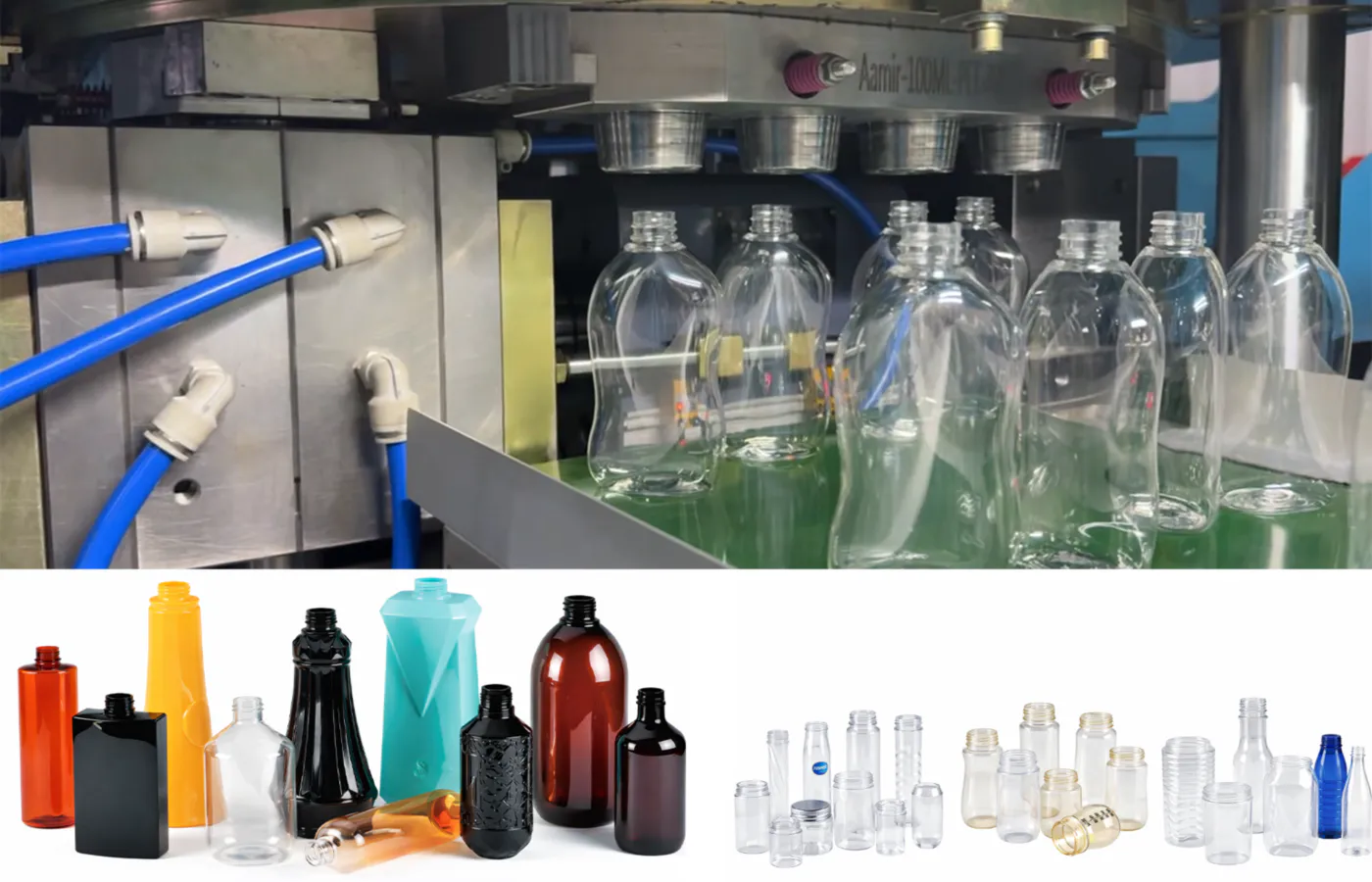
To truly evaluate the speed of high-speed manufacturing, we must analyze the precise phase movements executed by the system during each cycle. The operation of an injection stretch blow moulding machine relies on a continuous, highly coordinated sequence of thermodynamic and mechanical steps occurring simultaneously on a central index rotating turntable. In a standard four-station machinery cycle, the first step is the injection molding phase. High-purity polymer pellets are melted inside a heated barrel and injected under high pressure into a closed cavity to form a precise, defect-free preform with a completed neck finish. Because this preform is not allowed to cool completely, its thermal energy is conserved, which plays a major role in saving energy compared to traditional two-step blow molding systems where preforms must be completely reheated before stretching.
Once the preform is molded, the turntable indexes to the second station. When the injection stretch blow moulding machine starts its cycle, this second phase involves thermal conditioning or tail-cutting. In this phase, the temperature profile of the preform is homogenized, ensuring that when the material is stretched, the wall thickness remains incredibly uniform across the entire container body. Next, the turntable indexes to the third station: the stretch-blowing phase. Here, a servo-driven stretch rod extends downward into the preform to orient the polymer molecules axially, while high-pressure dry air is blown through Parker high-pressure valves to expand the material radially against the water-cooled stainless steel mold walls. Finally, the turntable indexes to the fourth station, where a mechanical take-out arm grips the completed bottles and safely deposits them onto a conveyor belt, completing a continuous, scrap-free circular process.
3. Architectural Layout and Structural Types
The structural layout of the equipment determines its operational flexibility, total physical footprint, and suitability for different manufacturing environments. Classifying the injection stretch blow moulding machine by its physical layout reveals a primary division between three-station systems and four-station systems. Three-station models merge the conditioning and blowing steps into a compact, space-saving frame, making them ideal for facilities with limited floor space or for companies targeting shorter production runs with moderate container sizes. On the other hand, the advanced four-station models keep the thermal conditioning phase completely separate, allowing for incredibly precise temperature adjustments, which is an absolute necessity when molding complex geometric bottles, asymmetric cosmetic jars, or thick-walled pharmaceutical packaging.
Beyond the number of stations, another vital structural distinction lies in the drive mechanism: standard hydraulic systems versus fully electric servo-driven models. Traditional hydraulic clamping and screw injection structures rely on robust, high-pressure fluid power, which is excellent for raw clamping force but can be prone to oil contamination and higher energy consumption. Selecting the right injection stretch blow moulding machine variant is crucial, and many modern facilities are transitioning to fully electric servo-driven models. Fully electric structures utilize synchronized high-precision servo motors to control the clamping plates, turntable indexing, and screw rotation. This design eliminates the risk of hydraulic fluid leaks—making it perfect for cleanroom medical packaging—while reducing electrical energy consumption by up to forty percent and ensuring long-term repeatability.
4. High-Precision Engineering: The Manufacturing Structure
To maintain stable daily production rates year after year, the mechanical components of the equipment must be manufactured to withstand extreme repetitive stress. The internal engineering of an injection stretch blow moulding machine demands premium, internationally proven components to prevent sudden component failures and costly unplanned downtime. The structural backbone of our high-performance systems utilizes heavy-duty alloy steel frames combined with dual servo motor mold clamping mechanisms that feature built-in high-pressure compensation functions. This ensure that even during ultra-high-pressure blowing phases, the molds remain perfectly sealed, preventing flash along the parting lines of the completed bottles and maintaining perfect dimensional accuracy across thousands of consecutive cycles.
Furthermore, every premium injection stretch blow moulding machine incorporates world-renowned motion control and pneumatic brands. High-performance Yaskawa and Inovance servo motors drive the rotation of the main indexing plate, utilizing robust Murata gear reducers to achieve lightning-fast, smooth rotation with positional tolerances measured in fractions of a millimeter. Temperature control is managed via integrated multi-zone electronic control boxes that regulate far-infrared nano heating bands, ensuring that the plasticizing barrel maintains an exceptionally stable thermal profile. In the pneumatic circuit, American Parker high-pressure valves and AirTAC air cylinders control the massive air volume required to inflate the preform in milliseconds, ensuring that every corner of the mold cavity is perfectly filled.
5. Polymer Compatibility and Material Systems
A key advantage of our advanced product lineup is its wide-ranging compatibility with modern industrial polymer systems. The adaptability of an injection stretch blow moulding machine across different polymers allows a single machine to produce a diverse range of products, from high-transparency PET beverage bottles and chemical-resistant PP containers to ultra-durable, high-temperature-resistant baby bottles. Different materials have highly distinct melting points, crystallization speeds, and molecular weights, all of which require precise thermodynamic control. For example, Polyethylene Terephthalate (PET) and its amorphous counterpart PETG are highly favored for cosmetics due to their glass-like clarity, high strength, and excellent gas barrier properties, but they require rapid cooling to prevent unwanted crystallization and haze.
When utilizing an injection stretch blow moulding machine for special resins, such as Tritan, Polycarbonate (PC), Polyphenylsulfone (PPSU), or Polyacetic Acid (PLA), the screw design and plasticizing torque must be carefully calibrated. PP and Tritan exhibit unique melt flow characteristics that require customized screw geometries to prevent material degradation while ensuring uniform thermal distribution. Biodegradable PLA materials, which are increasingly sought after by environmentally conscious brands in Colombia, demand extremely precise, low-temperature processing to preserve their molecular structure and prevent structural brittleness. By utilizing specialized S136 stainless steel molds, our machines guarantee that regardless of the polymer family selected, the surface finish of the completed container remains flawlessly smooth, glass-like, and highly resistant to physical stress.
6. Regulatory Compliance and Gearbox Standards
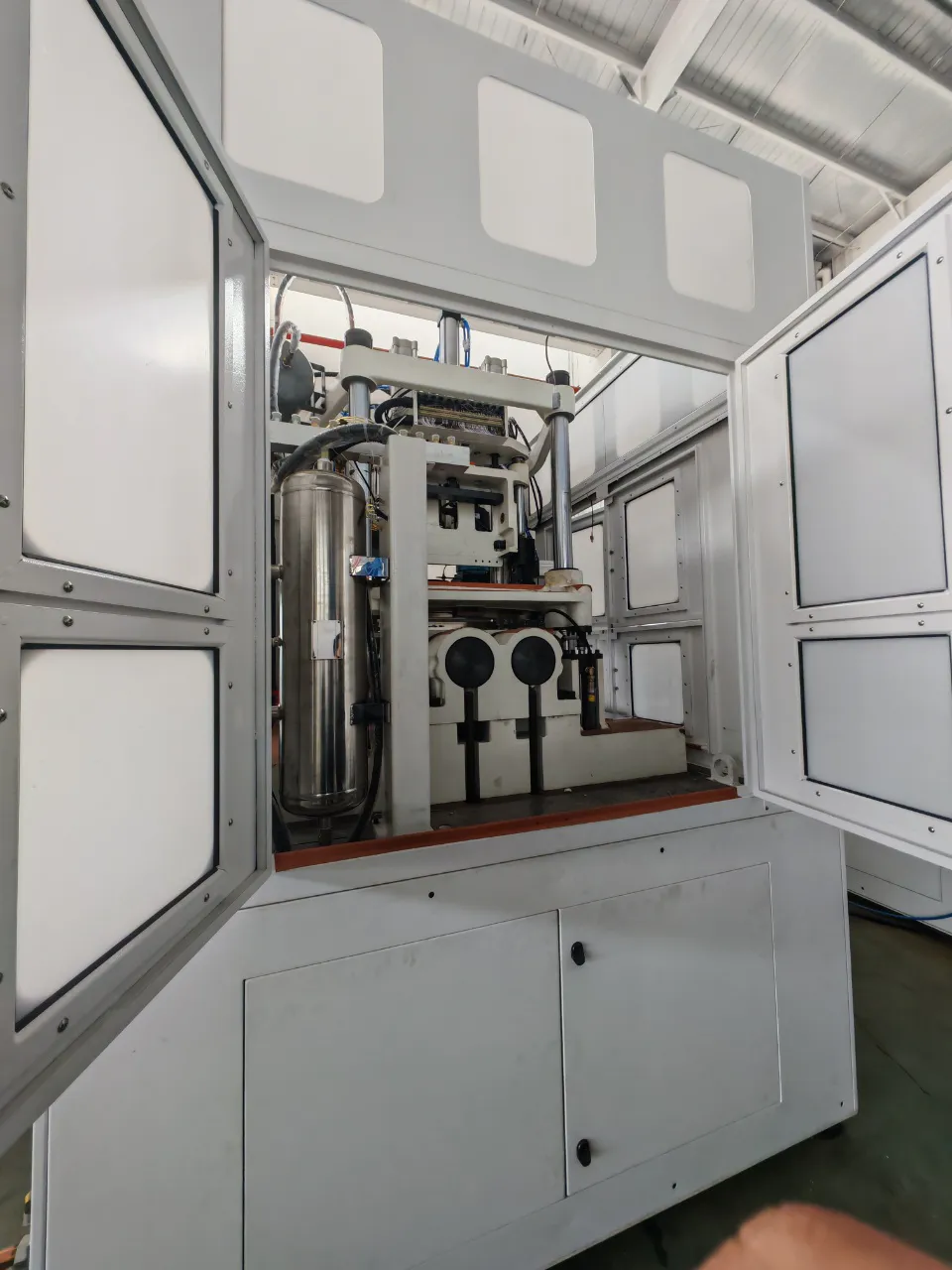
Operating heavy industrial machinery in Latin America requires strict compliance with both local and international safety regulations. Importing a modern injection stretch blow moulding machine into South American markets, particularly Colombia, involves meeting rigorous electrical and mechanical safety standards supervised by the Superintendencia de Industria y Comercio (SIC). Industrial gearboxes, electrical enclosures, and high-pressure pneumatic vessels must comply with local technical regulations, such as RETIE (Reglamento Técnico de Instalaciones Eléctricas) for electrical components, and RETIQ (Reglamento Técnico de Etiquetado de Eficiencia Energética) for energy efficiency ratings. Furthermore, key mechanical components, including the primary indexing gearboxes, must conform to Colombian National Standards (ICONTEC NTC) and international standards such as ISO 9001 and CE directives.
Complying with these standards allows the injection stretch blow moulding machine to operate seamlessly in high-demand environments without risking regulatory penalties or workplace accidents. The mechanical gearboxes must use approved industrial lubricants and feature airtight, double-lipped seals to prevent any oil mist from escaping and contaminating the air inside the production area. For food-contact and medical packaging plants, keeping the workspace completely free of oil particles is a critical requirement under INVIMA (Instituto Nacional de Vigilancia de Medicamentos y Alimentos) hygiene protocols. Our machines are engineered with these stringent cleanroom standards in mind, ensuring that our clients can confidently pass rigorous health and safety audits while maintaining maximum operational efficiency.
7. Calculating Daily Output: Practical Capacity Analysis
To calculate how many containers our machinery can yield over a twenty-four-hour period, we must use a fundamental engineering formula. To understand the daily throughput of an injection stretch blow moulding machine, we must analyze the relationship between the machine’s overall cycle time, the mold cavity configuration, and the overall equipment effectiveness (OEE). The basic calculation is expressed as follows:
For example, if a machine operates with a 4-cavity mold producing 250ml cosmetic bottles with a cycle time of 12 seconds, and the facility maintains an OEE of 85% (accounting for shifts, maintenance, and material changes), the daily output is calculated as: (86,400 / 12) * 4 * 0.85 = 24,480 bottles per day. The table below outlines how an injection stretch blow moulding machine performs across various common industrial models and target container specifications:
| Machine Model | Type/Stations | Mold Cavities | Bottle Vol. / Weight | Cycle Time (s) | Est. Daily Yield (85% OEE) |
|---|---|---|---|---|---|
| HGY50-V3-EV | Fully Servo / 3-Station | 7 Cavities | 100ml / 22g | 9.5 seconds | 54,088 Bottles |
| HGY150-V4 | Standard / 4-Station | 6 Cavities | 100ml / 22g | 11.0 seconds | 40,145 Bottles |
| HGY150-V4-EV | Fully Servo / 4-Station | 6 Cavities | 100ml / 22g | 10.0 seconds | 44,160 Bottles |
| HGY200-V4 | Standard / 4-Station | 4 Cavities | 250ml / 26g | 12.0 seconds | 24,480 Bottles |
| HGY250-V4 | Standard / 4-Station | 8 Cavities | 250ml / 20g | 11.5 seconds | 51,088 Bottles |
| HGY650-V4 | Heavy Duty / 4-Station | 4 Cavities | 5000ml / 900g | 24.0 seconds | 12,240 Bottles |
8. Optimizing Daily Yields in Colombia’s Industrial Hubs
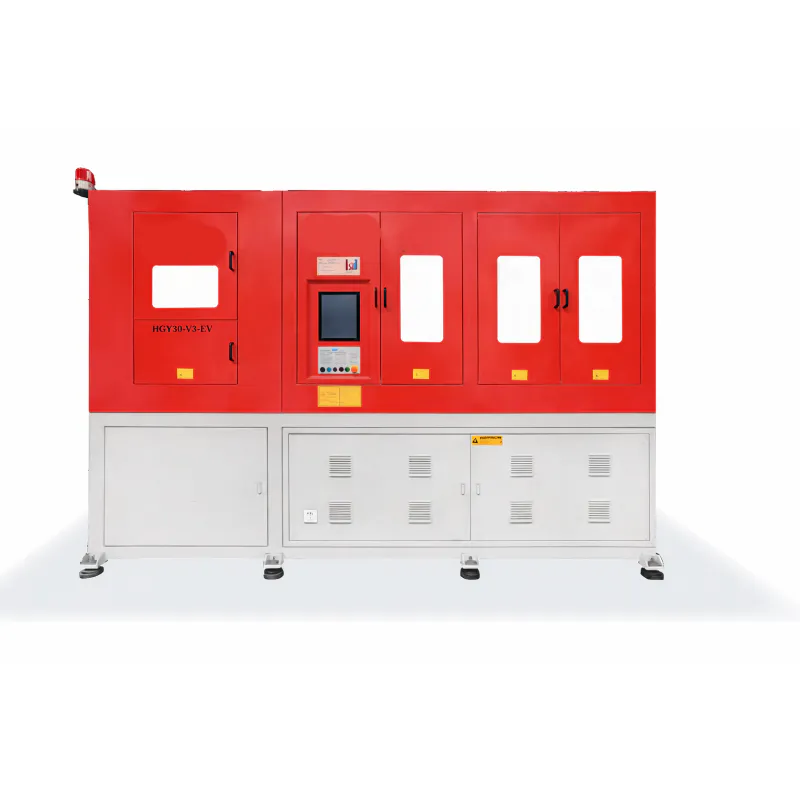
To achieve these impressive daily production rates, manufacturers must carefully manage local environmental and operational conditions. The operational efficiency of an injection stretch blow moulding machine in tropical environments can be affected by ambient humidity and seasonal temperature fluctuations. In humid cities like Barranquilla or Cali, condensation can form on cooled mold surfaces, potentially causing surface defects or water spots on the finished containers. To prevent this, facilities should invest in dehumidifiers and high-performance mold-cooling chillers that keep the mold cavity at a stable, condensation-free temperature, ensuring consistent high-speed operation throughout the year.
Additionally, local technicians operating the injection stretch blow moulding machine should receive thorough, professional training in preventative maintenance and parameter adjustment. Simple maintenance tasks, such as regularly inspecting hydraulic oil levels, verifying the performance of the integrated control box, and cleaning the S136 stainless steel mold cavities, can prevent major component wear and extend the lifespan of the equipment. Working with experienced, responsive equipment suppliers ensures that your facility can quickly source replacement parts, minimizing potential downtime and keeping daily production lines running at peak capacity.
9. Why One-Step Technology is the Ideal Industry Choice
The decision to acquire a one-step injection stretch blow moulding machine instead of a traditional two-step blow molding system is a major strategic milestone for high-end cosmetic, pharmaceutical, and beverage brands. In a traditional two-step system, preforms are molded, cooled, shipped, stored, and then reheated before being blown into bottles. This two-step process not only consumes significant thermal energy during the reheating phase, but also introduces a high risk of surface scratches, dust contamination, and neck finish deformities during handling. For pharmaceutical containers and premium cosmetics, even the slightest micro-scratches or dust particles can lead to high product reject rates and damage a brand’s hard-won reputation.
By utilizing a consolidated injection stretch blow moulding machine, brands can eliminate intermediate storage and transport entirely, keeping the entire molding process within a single, highly sterile, closed-loop machine. The neck finish is molded with extreme precision during the first injection phase and remains completely untouched throughout the subsequent stretching and blowing cycles. This ensures that when the completed bottles are sent to filling lines, closures and pumps form a perfect, leak-free seal. This combination of superior neck quality, exceptional energy efficiency, and flawless container appearance makes one-step technology the most reliable, sustainable, and cost-effective choice for modern packaging manufacturers.
10. Industry-Leading Injection Stretch Blow Molding Solutions
As a globally recognized manufacturer specializing in the production of high-precision injection stretch blow moulding machine systems and custom tooling, our modern manufacturing facility spans over 20,000 square meters. Our team of over twenty-five senior mechanical and thermodynamic engineers is dedicated to continuously researching and upgrading our equipment, holding multiple national design patents. We serve a diverse global client base across the cosmetics, food and beverage, pharmaceutical packaging, and baby care sectors. By maintaining a complete, vertically integrated supply chain, we ensure that every machine we ship delivers exceptional reliability, maximum energy savings, and the lowest operating costs in the industry.
WorkShop
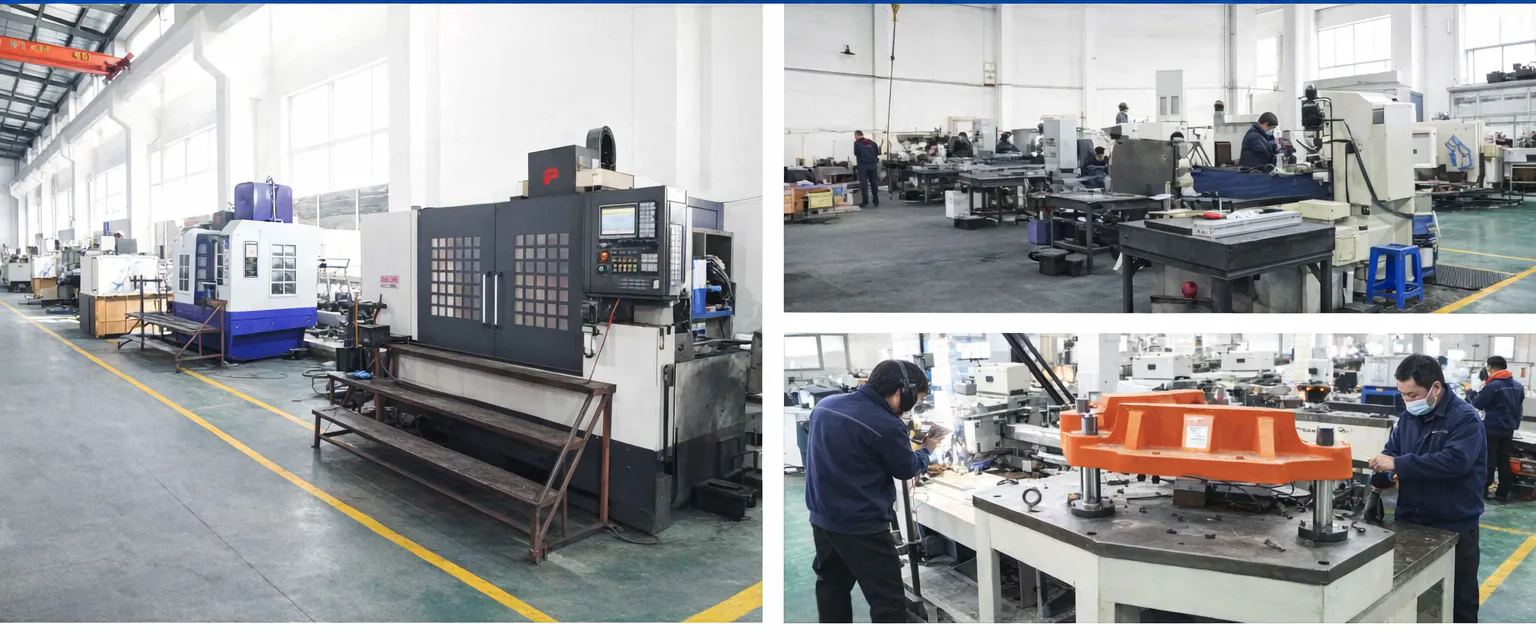
Precision Component Manufacturing Area
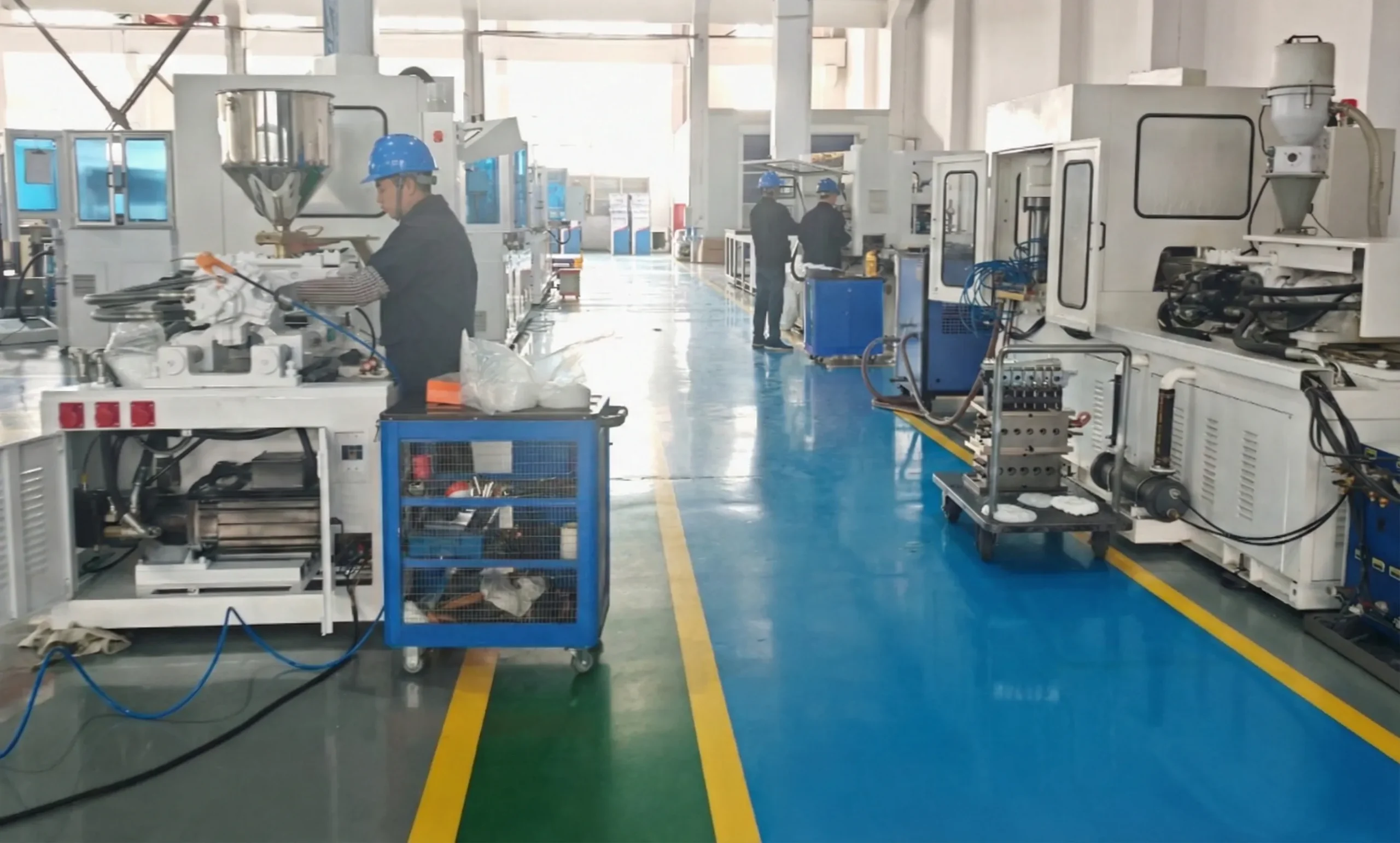
Heavy Machine Assembly & Testing Line
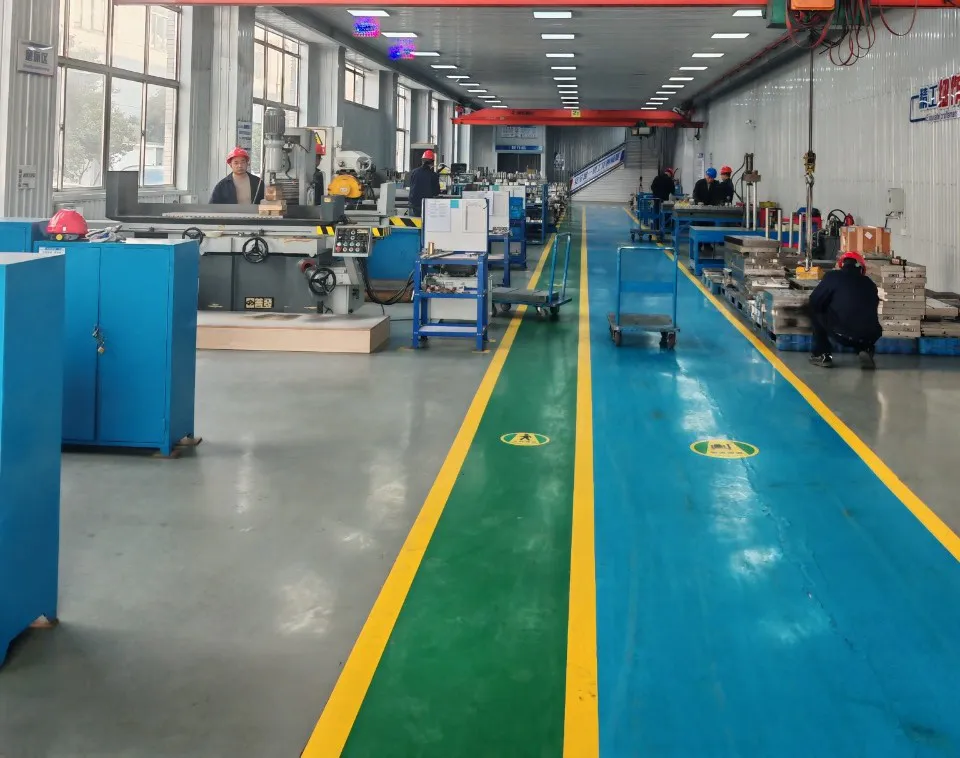
Our Modern Manufacturing Headquarters
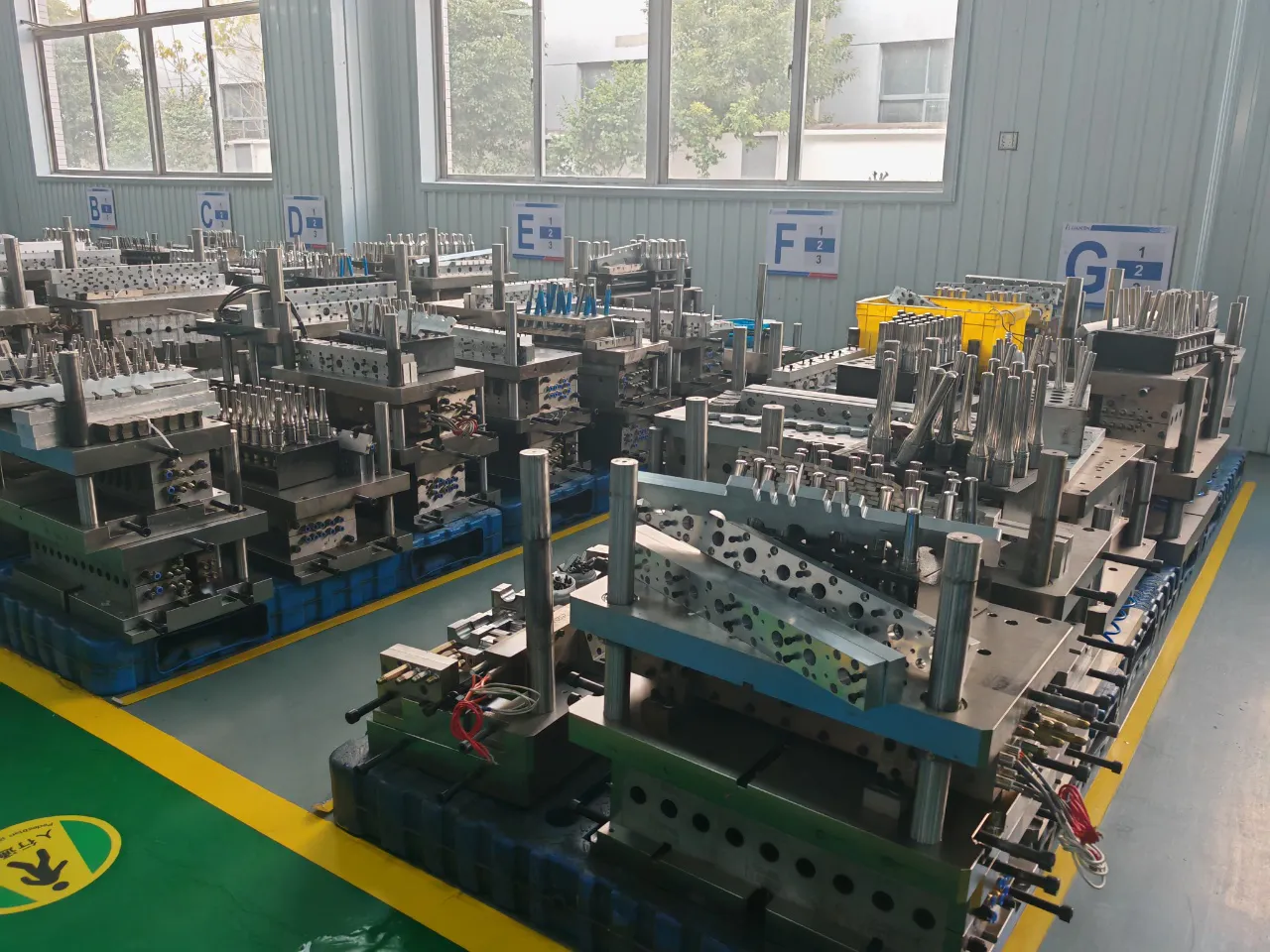
Quality Control & Shipping Inspection Hall
Frequently Asked Questions
Q1. Where can we locate a certified local supplier for premium injection stretch blow moulding machines in the Andean region?
Sourcing a certified local supplier for your injection stretch blow moulding machine guarantees that your facility can access prompt technical support, quick installation, and direct engineering assistance whenever needed. We collaborate with accredited sales and engineering networks across Colombia, Peru, and Chile to provide local customer service. Our regional engineering partners are fully trained to assist with installation, commissioning, mold changes, and routine maintenance, helping you keep your production lines running smoothly. Contact our primary international export office to be matched with a dedicated, certified service supplier who can guide you through the process from initial design to final setup.
Q2. What factors determine the total operational cost when deploying a heavy-duty injection stretch blow moulding machine in Colombia?
The operating cost of an industrial injection stretch blow moulding machine includes several variables, such as raw material costs, local electricity rates, routine maintenance, and tooling wear. Modern, fully servo-driven machines help minimize these costs by reducing power consumption by up to forty percent compared to traditional hydraulic models. Additionally, because our one-step molding process utilizes the heat of the freshly injected preform for the blow molding stage, it eliminates the need for energy-intensive reheating chambers, significantly lowering your monthly utility bills and helping your facility meet strict environmental sustainability targets.
Q3. When planning a new medical packaging plant in Medellín, how do we evaluate injection stretch blow moulding machine suppliers?
Evaluating various injection stretch blow moulding machine suppliers involves looking closely at their engineering expertise, design patents, component quality, and post-sales support services. For medical and cleanroom applications, it is essential to partner with suppliers who offer fully electric, oil-free servo-driven machinery to eliminate the risk of oil contamination in sterile environments. Furthermore, confirm that the supplier provides robust warranty coverage, comprehensive technical training for your operators, and direct access to original replacement parts to ensure long-term production stability.
Q4. What are the essential maintenance guidelines that our engineering team must follow to minimize the daily cost of production?
To keep the operating cost of your high-speed production line low, your engineering team should follow a rigorous preventative maintenance schedule. This includes daily inspections of pneumatic connections, checking the water flow in the mold cooling channels, and keeping the indexing platen clean. Proactively replacing high-wear seals and sensors before they fail prevents unexpected shutdowns, maintains high overall equipment effectiveness, and ensures a stable, highly profitable daily container yield.
Q5. Which industrial safety regulations must an import-grade injection stretch blow moulding machine satisfy before commencing production in Barranquilla?
Before operating an imported injection stretch blow moulding machine in Caribbean ports like Barranquilla or industrial hubs like Bogotá, the system must comply with national electrical and pressure safety regulations. These include RETIE electrical certifications, ONAC guidelines, and international CE directives for mechanical safety. Our machinery is fully engineered to meet these strict safety and environmental standards, featuring enclosed work areas with safety interlocks and dual-channel safety relays to protect your operators during high-speed production.
Editor: PXY